
 英语
英语 俄语
俄语Content
- 1 Product Positioning and Application Scope
- 2 Core Technical Philosophy
- 3 Main Advantages Over Conventional Fermenters
- 4 Engineering Specifications
- 5 Stainless Steel Construction and Hygienic Surface Quality
- 6 Agitation System and Mixing Performance
- 7 Heat Exchange and Temperature Stability
- 8 Control System for Reliable Fermentation
- 9 Sterilization Reliability and Contamination Prevention
- 10 Scalability from Pilot Development to Industrial Production
- 11 Manufacturing Strength and Engineering Capability
- 12 Turnkey Project Value
- 13 Operational Benefits for Producers
- 14 Competitive Comparison
- 15 Recommended Selection Considerations
- 16 Quality, Safety, and Long-Term Value
- 17 Q&A Section
- 17.1 Q1: What production scales can this bioreactor fermenter support?
- 17.2 Q2: Which materials are available for the tank?
- 17.3 Q3: Why is the internal surface finish important?
- 17.4 Q4: Can the fermenter be used for lactic acid bacteria?
- 17.5 Q5: Is the system suitable for aerobic fermentation?
- 17.6 Q6: What agitator options are available?
- 17.7 Q7: How does the fermenter manage foam?
- 17.8 Q8: What control functions are included?
- 17.9 Q9: What makes this fermenter different from ordinary tanks?
- 17.10 Q10: Can the supplier provide a complete fermentation project?
- 17.11 Q11: What industries can use this fermenter?
- 17.12 Q12: Why is manufacturing capability important when purchasing a fermenter?
- 18 Conclusion
- 19 References
- 20 Product: Bioreactor Fermenter for Lactic Acid Bacteria / Biosynthesis / Biological Fermentation / Mammalian
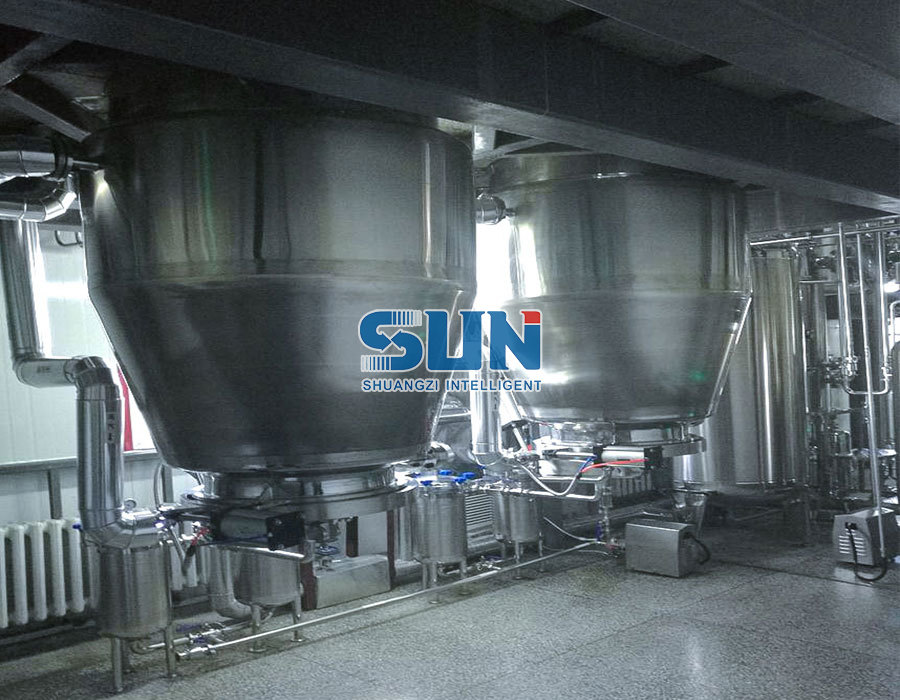
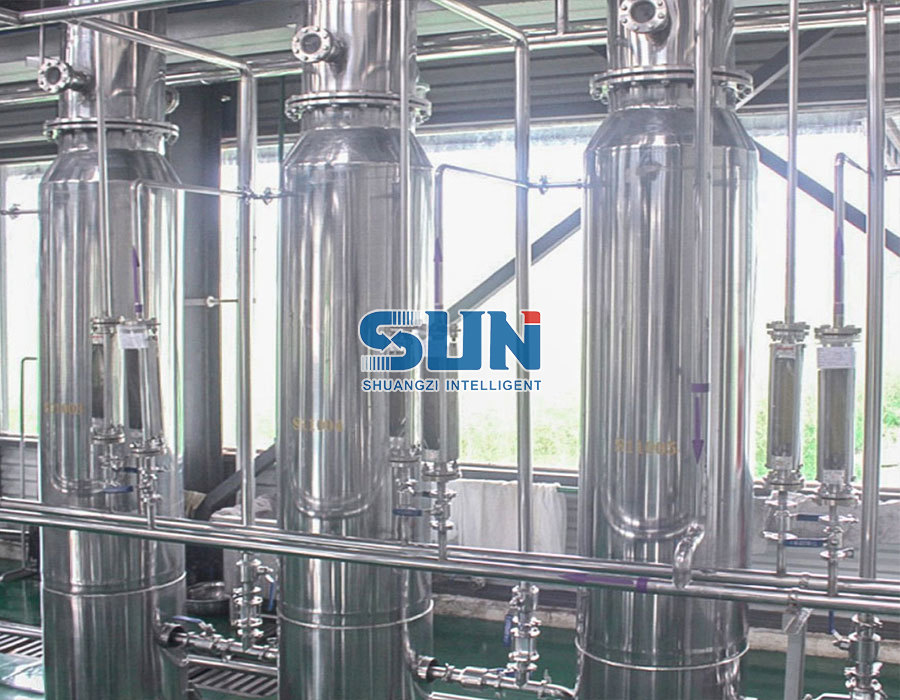
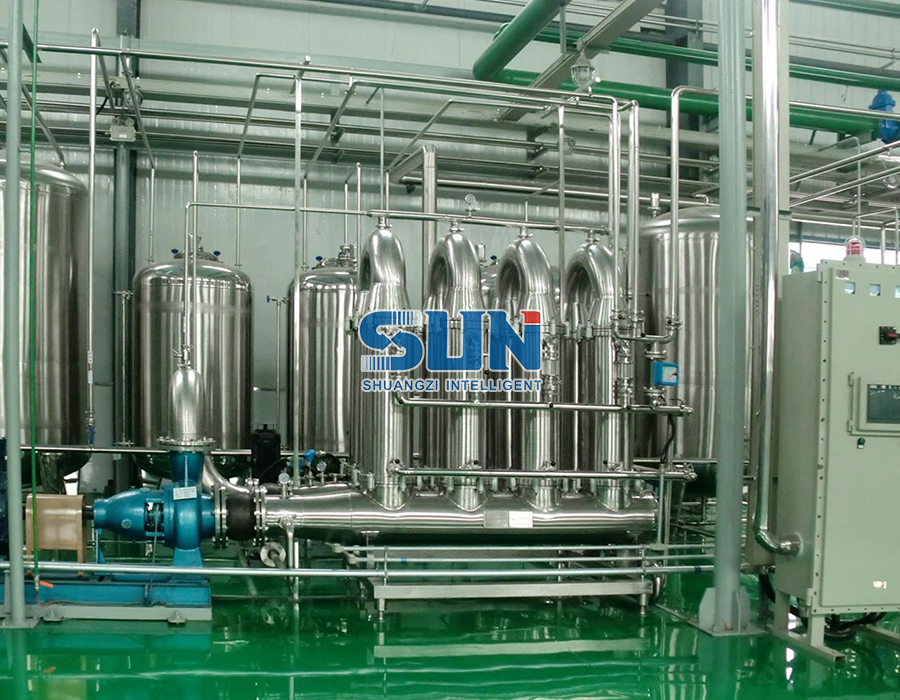
In modern biological production, the fermenter is not merely a stainless steel vessel; it is the controlled environment where microorganisms, enzymes, cells, nutrients, gases, temperature, pressure, and automation interact to create value. A high-performance bioreactor fermenter must support stable growth, consistent metabolism, accurate process control, reliable sterilization, efficient mass transfer, and safe operation across many production scales. The Bioreactor Fermenter for Lactic Acid Bacteria, Biosynthesis, Biological Fermentation, and Mammalian applications is engineered for this demanding reality, serving pilot, scale-up, and industrial production needs in biotechnology, dairy, beverage, pharmaceutical, traditional Chinese herb processing, precision chemical, natural food, and biological engineering fields.
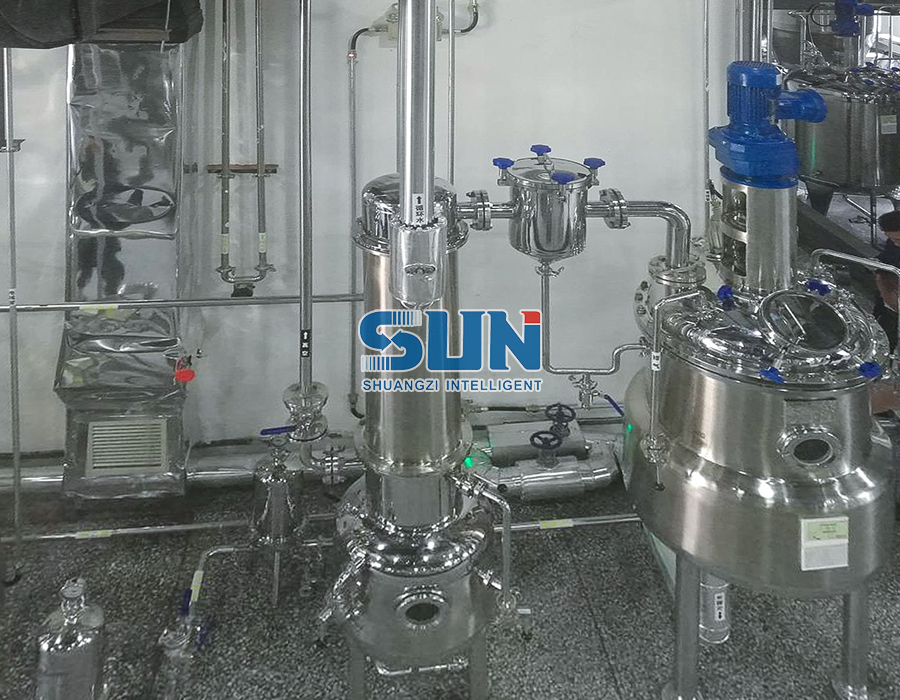
This fermenter is designed for users who need more than a general-purpose tank. It supports controlled fermentation for lactic acid bacteria, aerobic biological reactions, biosynthesis projects, mammalian-related processes, and other microbial or cell-based operations where sterilization, mixing, aeration, heat exchange, and automatic control directly affect product quality. With nominal volumes ranging from 50 L to 100 t, stainless steel SUS304 or SUS316L construction, refined internal and external surface treatment, multiple agitator options, configurable jacket and coil heating or cooling, and integrated control for temperature, pH, dissolved oxygen, ventilation, defoaming, feeding, and exhaust gas, the system is built for professional process development and commercial reliability.
Compared with ordinary fermentation equipment, this solution emphasizes practical engineering: cleanability, sterility, liquid circulation, gas utilization, low-shear operation, stable suspension of solid particles, flexible mounting structures, and automation-ready design. It can be adapted to different working conditions through vertical support legs, ear-type support, or skirt-type support. The agitator can be configured with top or bottom mechanical drive, top magnetic drive, multi-layer turbine blades, parabolic agitators, and defoaming impellers. The result is a system that gives process engineers the freedom to choose the right configuration rather than forcing a standard tank into a specialized production line.
Bioreactor Fermenter for Lactic Acid Bacteria / Biosynthesis / Biological Fermentation / Mammalian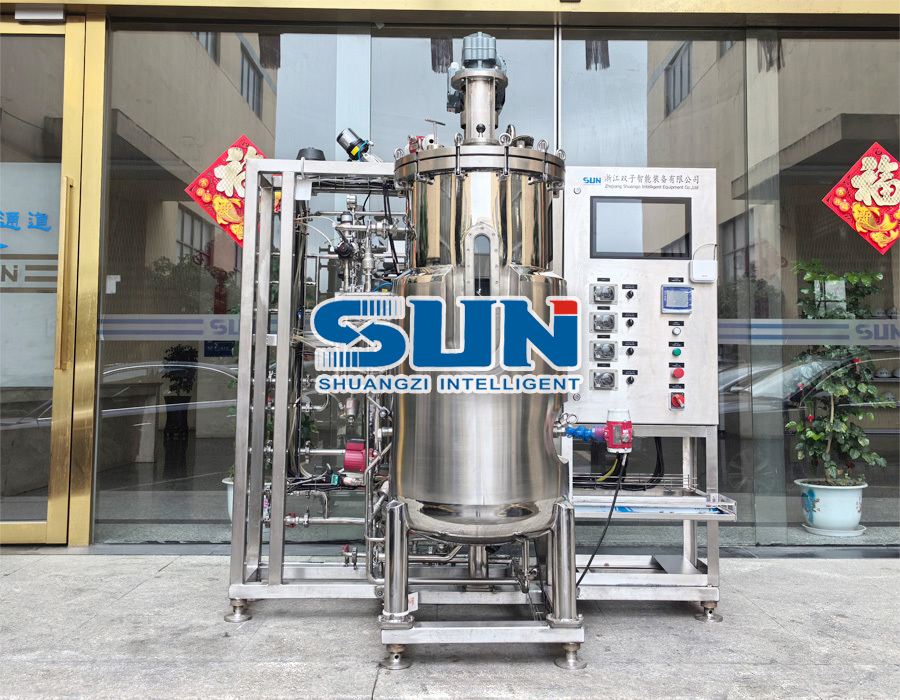
Product Positioning and Application Scope
The fermenter is positioned as a professional biological fermentation platform for pilot production, process scale-up, and industrial manufacturing. It is suitable for dairy fermentation, beverage bioengineering, microbial culture, lactic acid bacteria production, enzyme-related fermentation, traditional herb fermentation or biotransformation, precision chemical biosynthesis, pharmaceutical process development, natural food production, and other biological production scenarios. The broad volume range from 50 L to 100 t allows users to establish a coherent equipment route from laboratory verification to pilot testing and final industrial output.
For lactic acid bacteria production, the system provides the process environment required for temperature-sensitive and pH-sensitive cultures. Lactic acid bacteria often require stable temperature control, controlled feeding, reliable sterilization, gentle mixing, and appropriate gas or headspace management. The fermenter’s control capabilities support these requirements by integrating temperature, pH, material supply, ventilation, defoaming, and pressure-related interfaces into one controlled system.
For biosynthesis and biological fermentation, the fermenter supports process conditions that require oxygen transfer, carbon source feeding, foam management, and reliable data-based operation. Aerobic reactions benefit from efficient gas supply and liquid circulation, while shear-sensitive biological materials benefit from uniform energy dissipation and well-designed agitation. Unlike poorly optimized tanks that create local high-shear zones or uneven mixing, this fermenter is configured to balance mass transfer, mixing intensity, and cell protection.
For mammalian or cell-sensitive applications, equipment configuration becomes especially important. While every process must be assessed according to its cell line, medium, sterility class, and regulatory requirements, the fermenter’s polished stainless steel construction, low-shear design considerations, accurate temperature control, pH and dissolved oxygen monitoring, and optional magnetic drive configuration provide a strong engineering foundation for sensitive biological operations.
The system is also appropriate for users seeking turnkey fermentation solutions. The manufacturer’s engineering capability includes process technology design, automation engineering, equipment manufacture, matching purchase, installation, line debugging, system integration, and complete project delivery. This is a major advantage for customers who want a production-ready fermentation line rather than isolated equipment pieces from multiple suppliers.
Core Technical Philosophy
The core technical philosophy of this fermenter is to combine biological process requirements with reliable mechanical and automation engineering. Fermentation outcomes depend on many variables: inoculation quality, nutrient balance, sterilization, temperature, dissolved oxygen, pH, agitation, pressure, feeding strategy, antifoam addition, exhaust control, and operator discipline. A well-designed fermenter must convert these variables into controllable, repeatable, and measurable parameters.
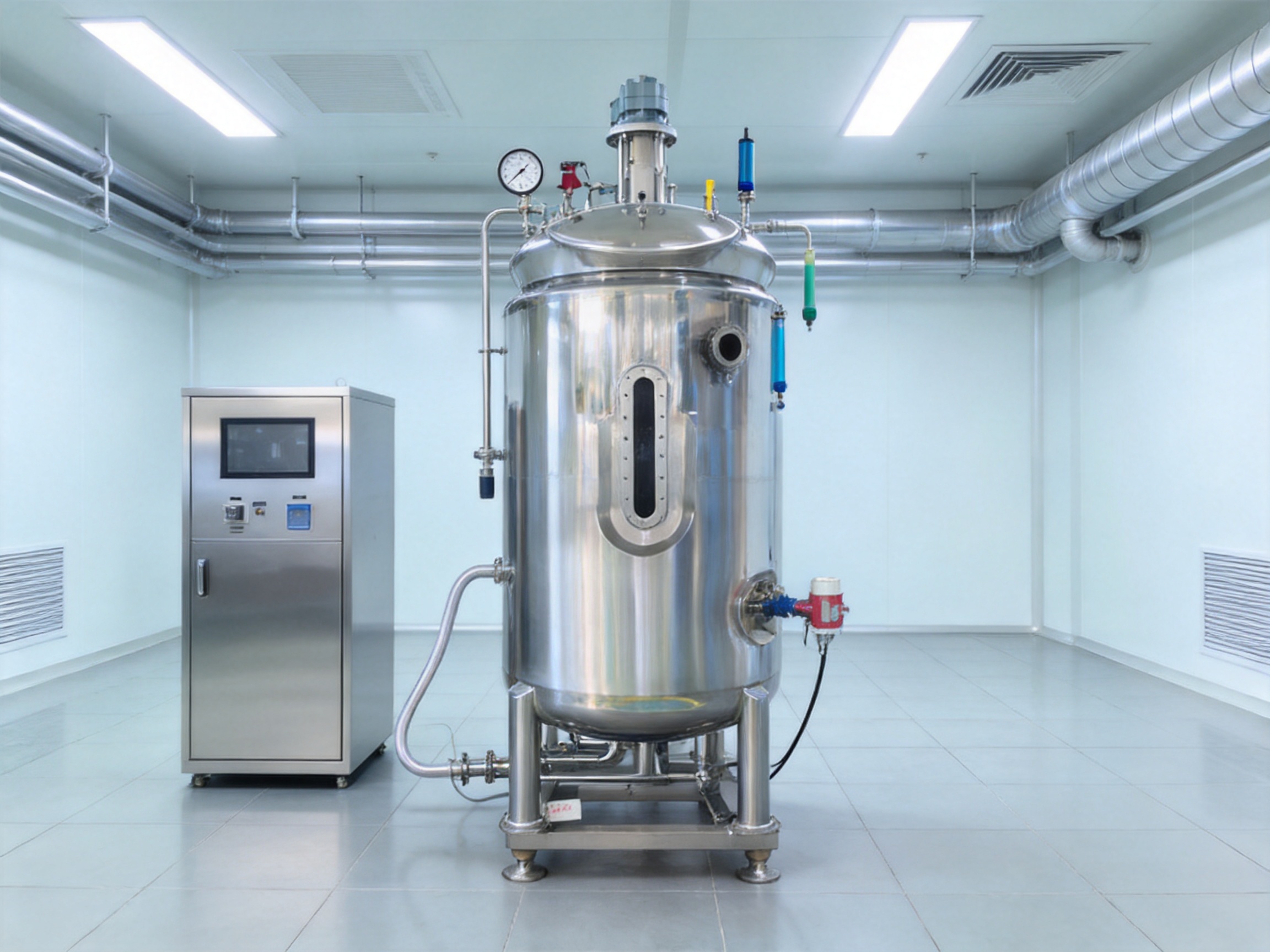
The tank is made from stainless steel SUS304 or SUS316L, selected according to product characteristics, cleaning requirements, corrosion resistance needs, and budget. SUS316L is particularly valuable for more demanding biological or pharmaceutical processes due to its enhanced corrosion resistance and suitability for hygienic manufacturing environments. The inner surface fineness can reach Ra ≤ 0.6 μm, while the outer surface can reach Ra ≤ 0.8 μm. These surface quality levels help reduce residue adhesion, improve cleaning efficiency, and support sanitary operation.
Heating and cooling can be configured through an external jacket, external coil, and inner coil arrangement. This flexibility allows the fermenter to manage fermentation heat, sterilization temperature changes, cooling after sterilization, and precise temperature maintenance during culture. Since biological reactions are often sensitive to temperature variation, stable thermal control is not optional; it is a core requirement for product consistency.
The fermentation interface design includes pH, dissolved oxygen, temperature, inoculation port, defoaming, acid supply, alkali supply, material supply, pressure, and other functional ports. These interfaces are important because they determine how easily a process can be automated, monitored, sampled, corrected, and scaled. In many competitive products, insufficient or poorly arranged interfaces become bottlenecks during actual production. This fermenter addresses the issue by incorporating the necessary process interfaces at the design stage.
Main Advantages Over Conventional Fermenters
A major advantage of this bioreactor fermenter is its balance between structural simplicity and strong process capability. Some competing systems become overly complex, increasing maintenance burden and operating cost without delivering proportional benefits. Other low-cost fermenters are mechanically simple but lack the control accuracy, hygienic design, or configuration flexibility required for modern biological production. This system provides a practical middle path: robust stainless steel construction, professional control interfaces, adaptable agitation, effective heat exchange, and scalable volume options.
Another advantage is energy efficiency. The fermenter’s circulation and mixing concept helps reduce unnecessary energy consumption compared with slurry reactors using heavy stirring paddles. In fermentation, excessive agitation can waste energy, damage sensitive biological materials, increase heat load, and generate foam. By improving circulation and gas-liquid interaction, the system can deliver strong mixing and mass transfer without relying solely on aggressive mechanical force.
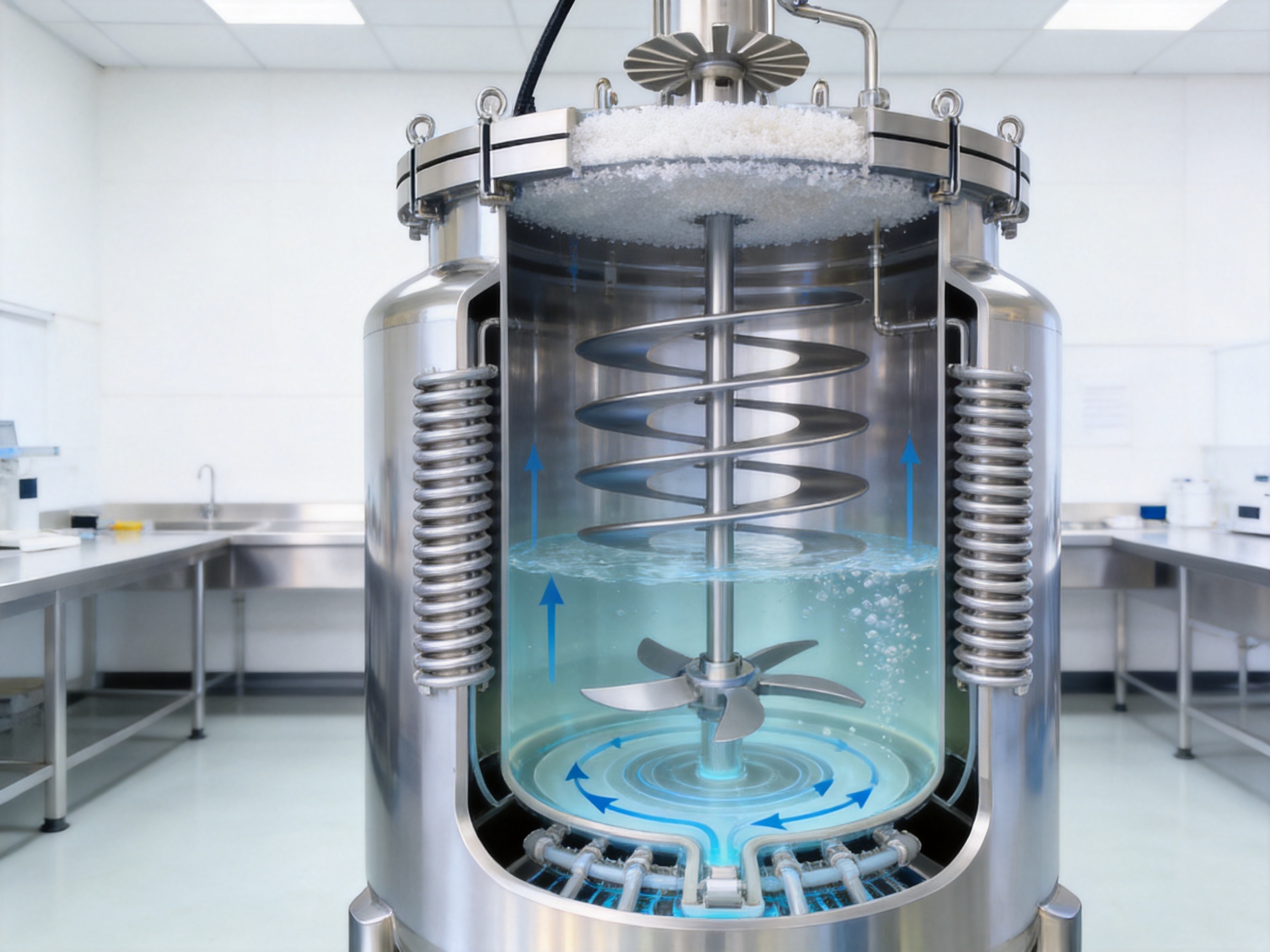
The fermenter supports directional circulation generated according to gas and fluid movement rather than depending only on pump-type mechanical circulation. This creates a determined flow form, strong liquid circulation, and uniform energy dissipation. The benefit is especially important for shear-sensitive materials, because the system can maintain suspension and transfer conditions while reducing the risk of local mechanical damage.
Compared with ordinary bubbling reactors, this fermenter can support a larger effective operating range of gas and liquid flow rates. This is valuable during process development because biological processes rarely remain constant from laboratory to production. Oxygen demand may rise during exponential growth; foam formation may change with protein concentration; viscosity may increase; and feeding strategies may alter culture behavior. A wider operating range allows engineers to adjust process parameters without replacing the core vessel.
High gas supply efficiency is another competitive advantage. The ventilation capability in the gas riser can be larger than the air volume used in simple bubbling reactors, improving aerobic reaction performance. Efficient gas utilization can improve dissolved oxygen control, support higher cell density, reduce gas waste, and increase productivity in oxygen-demanding fermentation.
The fermenter also offers excellent fluidization and suspension capability. Solid particles, including heavier particles, can remain suspended under suitable operating conditions. This matters in processes involving immobilized cells, particulate substrates, adsorbents, crystals, insoluble nutrients, or suspended biological solids. Competitive tanks with poor circulation may allow sedimentation, dead zones, fouling, or uneven reaction rates. This system’s fluidization performance helps maintain process uniformity.
Engineering Specifications
The following table summarizes the core configurable parameters and engineering features of the fermenter. Actual configuration can be adapted according to process type, production scale, sterility level, automation requirements, utility conditions, and site layout.
| Parameter | Specification or Configuration | Process Value |
| Nominal Volume | 50 L to 100 t | Supports pilot production, scale-up, and industrial manufacturing |
| Liquid Loading Coefficient | ≥ 70% | Improves usable capacity while maintaining working headspace |
| Tank Material | Stainless steel SUS304 or SUS316L | Provides hygienic, corrosion-resistant, and durable construction |
| Inner Surface Fineness | Ra ≤ 0.6 μm | Supports cleanability and reduces residue retention |
| Outer Surface Fineness | Ra ≤ 0.8 μm | Provides high-quality appearance and easier external cleaning |
| Heating and Cooling | External jacket, external coil, and inner coil options | Enables sterilization, cooling, and accurate temperature control |
| Tank Interfaces | pH, DO, temperature, inoculation, defoaming, acid, alkali, material feed, pressure, and other ports | Allows integrated measurement, control, feeding, correction, and safety management |
| Structural Form | Vertical support leg, ear-type support, or skirt-type support | Adapts to different installation conditions and plant layouts |
| Agitator Drive | Top or bottom mechanical drive, or top magnetic drive | Matches process needs for torque, sealing, sterility, and maintenance |
| Agitator Blade | Multi-layer blades, turbine agitator, or parabolic agitator | Improves mixing, gas dispersion, suspension, and process scalability |
| Foam Management | Defoaming impeller and defoaming control | Reduces contamination risk, volume loss, and process instability caused by foam |
| Control Functions | Temperature, pH, DO, ventilation, defoaming, material supply, and exhaust gas control | Supports repeatable fermentation and automated production |
| Control Method | Lower computer control and upper computer control options | Enables local control, supervisory control, data management, and process integration |
| Motor | High-quality industrial motor configuration | Provides reliable agitation performance for demanding duty cycles |
Stainless Steel Construction and Hygienic Surface Quality
The tank body is the foundation of the fermenter. A biological production vessel must withstand thermal cycles, cleaning procedures, sterilization conditions, internal pressure, mechanical loads, and the chemical environment created by media, acids, alkalis, antifoam agents, and cleaning fluids. Stainless steel SUS304 and SUS316L provide dependable choices for these conditions.
SUS304 is widely used in food, beverage, and general hygienic equipment because it offers good corrosion resistance, mechanical strength, and manufacturability. SUS316L offers enhanced corrosion resistance, especially in more demanding environments where chlorides, aggressive cleaning conditions, or pharmaceutical expectations may be involved. By offering both materials, the fermenter can be matched to process risk and budget rather than forcing one fixed option.
The internal surface roughness of Ra ≤ 0.6 μm is a key advantage in fermentation equipment. Rough inner surfaces can trap biomass, protein residue, medium components, or cleaning chemicals, creating contamination risk and making sterilization less predictable. A refined inner surface reduces attachment points, improves drainage, and helps cleaning and sterilization procedures achieve more consistent results. This matters for lactic acid bacteria culture, enzyme fermentation, biosynthesis, mammalian-related processes, and any repeated batch production.
The outer surface roughness of Ra ≤ 0.8 μm contributes to professional plant hygiene and long-term appearance. In high-standard production workshops, external surfaces must also be easy to clean because dust, moisture, and microbial contamination in the production environment can affect overall hygiene management. A well-finished external surface also reflects manufacturing quality and attention to detail.
Competitive fermenters may advertise stainless steel construction but overlook welding quality, polishing uniformity, dead corner reduction, and interface arrangement. The advantage of this fermenter lies not only in material selection but in the combination of surface treatment, vessel design, port integration, and professional fabrication. For buyers, this means better long-term reliability, easier cleaning validation, and stronger process confidence.
Agitation System and Mixing Performance
Agitation is one of the most important elements in fermentation. It influences nutrient distribution, oxygen transfer, carbon dioxide removal, temperature uniformity, cell suspension, foam formation, and shear exposure. The fermenter can be configured with top or bottom mechanical drive, or a top magnetic drive, allowing customers to select the most appropriate option for their process and sterility requirements.
Mechanical drive systems are commonly used in fermentation because they provide strong torque, reliable mixing power, and flexibility for larger vessels. A top mechanical drive is often suitable for many industrial fermentation systems, while a bottom mechanical drive may be preferred in certain layout or process conditions. The equipment’s ability to provide different drive arrangements helps it compete against standard products that offer only one configuration.
Magnetic drive is valuable in applications where sealing performance and contamination control are highly important. Traditional mechanical seals require careful maintenance and can be potential contamination points if improperly selected or operated. Magnetic drive can reduce mechanical penetration risk and support cleaner operation for sensitive biological processes. This flexibility is especially attractive for advanced biosynthesis or cell-related processes.
The agitator can use multi-layer blades, turbine agitators, or parabolic agitators. Multi-layer blades are useful in taller vessels or larger volumes where mixing must be distributed along the height of the tank. Turbine agitators can enhance gas dispersion and mixing intensity, making them suitable for aerobic fermentation. Parabolic agitators can support gentler mixing and circulation patterns depending on the medium characteristics. By selecting the proper blade type, the fermenter can be optimized for microbial growth, lactic acid production, suspension culture, or other biological reactions.
The system can also include a defoaming impeller. Foam is a common problem in biological fermentation, especially when proteins, surfactants, aeration, and agitation are present. Excess foam can block exhaust filters, cause contamination risk, reduce effective working volume, disturb sensors, and create unstable pressure conditions. Mechanical defoaming, combined with automated defoaming control, helps maintain stable operation and reduces reliance on excessive chemical antifoam, which may affect oxygen transfer or downstream processing.
Heat Exchange and Temperature Stability
Temperature control directly affects fermentation kinetics, product formation, enzyme activity, microbial growth, and product quality. Lactic acid bacteria, for example, generally require a controlled temperature range for stable acid production and metabolic consistency. Many biosynthesis processes are highly sensitive to temperature deviations, and mammalian-related processes may require particularly gentle and accurate temperature control.
The fermenter can be designed with external jacket, external coil, and inner coil heating and cooling configurations. These structures help manage both heating and cooling needs. During sterilization, the vessel and medium may need to reach elevated temperatures. After sterilization, rapid and controlled cooling is necessary before inoculation. During fermentation, metabolic heat must be removed to maintain the set temperature. In some cases, controlled heating may be needed during early growth or low-temperature environments.
Compared with simple tanks that rely on basic jackets only, this fermenter’s configurable heat exchange design provides stronger adaptability. Larger tanks may require more heat transfer area, while viscous or high-density cultures may need improved circulation to eliminate temperature gradients. By combining heat exchange surfaces with suitable agitation and control, the system helps achieve uniform process temperature.
Temperature control is integrated into the control system. This means operators can monitor and regulate temperature rather than depending on manual utility adjustment. Automated temperature control improves repeatability, reduces operator workload, and supports process documentation. For customers moving from pilot batches to industrial production, this consistency is essential.
Control System for Reliable Fermentation
The control system is a defining feature of modern fermentation equipment. Biological production is too sensitive and too variable to be managed only by manual observation. The fermenter includes control functions for temperature, pH, dissolved oxygen, ventilation, defoaming, material supply, and exhaust gas. These functions form the core of a repeatable and scalable fermentation process.
pH control is critical in lactic acid bacteria fermentation and many other microbial processes. As organisms metabolize nutrients, acids or bases may be produced, shifting the medium pH. If pH drifts outside the optimal range, growth and product formation can decline. With acid supply and alkali supply interfaces, the system can correct pH according to process requirements. This enables tighter control than manual adjustment and reduces batch-to-batch variability.
Dissolved oxygen control is essential for aerobic fermentation. Oxygen availability affects respiration, biomass growth, product synthesis, and metabolic pathway selection. The system’s DO monitoring, ventilation control, and agitation configuration support oxygen management during changing process phases. As culture density increases, oxygen demand may rise sharply. A control-ready fermenter allows operators to respond through gas flow, agitation speed, or other programmed strategies.
Ventilation control influences oxygen transfer, carbon dioxide stripping, foam behavior, and pressure. Efficient gas supply helps support aerobic reactions without excessive gas waste. Compared with simple bubbling equipment, the fermenter’s broader gas-liquid operating range and high gas supply efficiency provide stronger flexibility for process optimization.
Material supply control supports feeding strategies. Fed-batch fermentation, nutrient supplementation, inducer addition, pH correction, antifoam addition, and process-specific reagent feeding can all require controlled dosing. A fermenter with properly designed material supply interfaces enables precise process execution and reduces manual intervention.
Exhaust gas control helps maintain safe and stable operation. Biological processes generate off-gases, including carbon dioxide and volatile components depending on the process. Exhaust handling must protect sterility, manage pressure, prevent filter wetting caused by foam, and support the overall ventilation strategy. Integrating exhaust gas control into the system improves operational safety and process predictability.
The control method can include lower computer control and upper computer control. Lower computer control supports local equipment operation and direct control loops, while upper computer control can provide supervisory operation, data recording, recipe management, trend monitoring, alarm management, and broader production integration. This architecture helps customers build fermentation systems that meet both current and future automation requirements.
Sterilization Reliability and Contamination Prevention
Sterilization is one of the most decisive factors in fermentation success. Even a well-designed process can fail if contamination enters through poorly sterilized equipment, improper seals, unclean surfaces, dead zones, or unstable operating procedures. The product description emphasizes that the sterilization effect directly affects whether fermentation can proceed normally, and this reflects real industrial experience.
The fermenter supports sanitary design principles through stainless steel construction, refined inner surface treatment, process interfaces, heat exchange capability, and controllable operation. During sterilization, the vessel must reach appropriate conditions throughout its internal volume and connected process lines. Proper mixing, temperature monitoring, and equipment design help reduce cold spots and improve sterilization confidence.
Compared with low-grade vessels that may have rough internal surfaces or poorly designed nozzles, this fermenter is better suited for repeated biological production because it pays attention to internal finish and process integration. Clean surfaces are easier to sterilize; properly arranged ports are easier to connect to aseptic operations; controlled temperature systems are easier to validate and operate.
Contamination prevention also depends on foam control. If foam rises into exhaust systems, it can wet filters, create pressure instability, or provide a route for microbial escape and contamination risk. The fermenter’s defoaming impeller and defoaming control provide practical protection in foam-prone processes.
Inoculation port design is another important factor. The inoculation step introduces biological material into the sterilized vessel, making it one of the most sensitive operations in the batch. A dedicated inoculation interface supports safer transfer and more standardized operation compared with improvised connections.
Scalability from Pilot Development to Industrial Production
One of the most important advantages of this fermenter is its scalable volume range from 50 L to 100 t. Many biotechnology projects fail to scale smoothly because the pilot equipment and production equipment are too different in geometry, mixing principle, aeration capacity, control architecture, or heat transfer behavior. By offering a broad equipment range, the system supports a more coherent scale-up path.
Pilot fermenters are widely used in dairy products, beverage bioengineering, traditional Chinese herb processing, precision chemical industries, and other fields where recipes and process parameters must be tested before industrial production. A pilot system allows users to evaluate microbial growth, feeding strategy, pH control, oxygen transfer, foam behavior, downstream compatibility, and product consistency before committing to full-scale capacity.
As production volume increases, key scale-up factors include power input, tip speed, oxygen transfer coefficient, gas flow rate, mixing time, heat transfer area, pressure, and sterility management. A manufacturer with engineering design capability can help evaluate these factors rather than simply enlarging the tank size. This is where integrated process technology and automation engineering become valuable.
The manufacturer’s EPC and EPCM project capability supports scale-up beyond equipment fabrication. Customers can receive engineering design, equipment selection, system integration, installation guidance, commissioning, and turnkey project support. This reduces the risk of mismatched equipment, incompatible utilities, poor layout, or control system gaps. For customers building a new fermentation line, such engineering support can be more valuable than the tank itself.
Manufacturing Strength and Engineering Capability
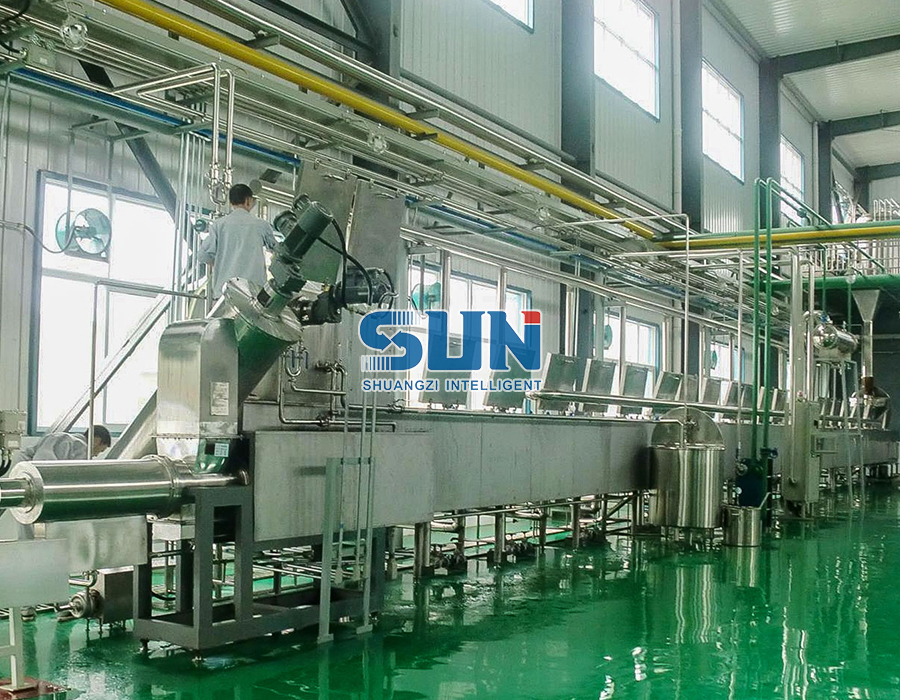
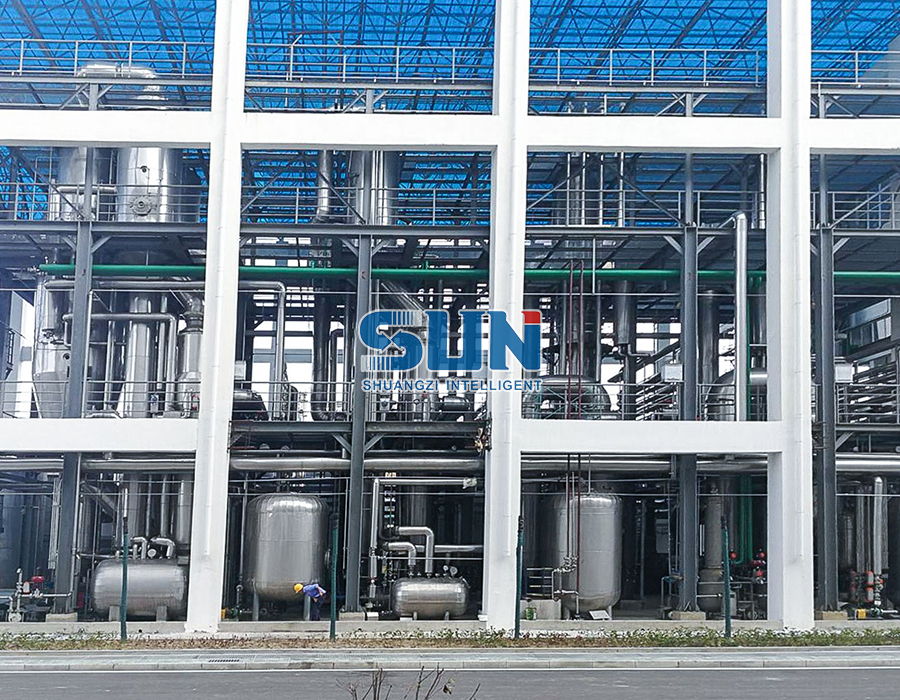
The fermenter is manufactured by Zhejiang Shuangzi Intelligent Equipment Co., Ltd., a professional biology and medical equipment enterprise in China with a strong focus on EPC and EPCM project delivery. The company works in process technology, automation engineering design, equipment manufacturing, matching purchase, installation, equipment system integration, and turnkey projects in fields such as plant extraction, biological fermentation, pharmaceutical engineering, natural food, energy conservation, and environmental protection.
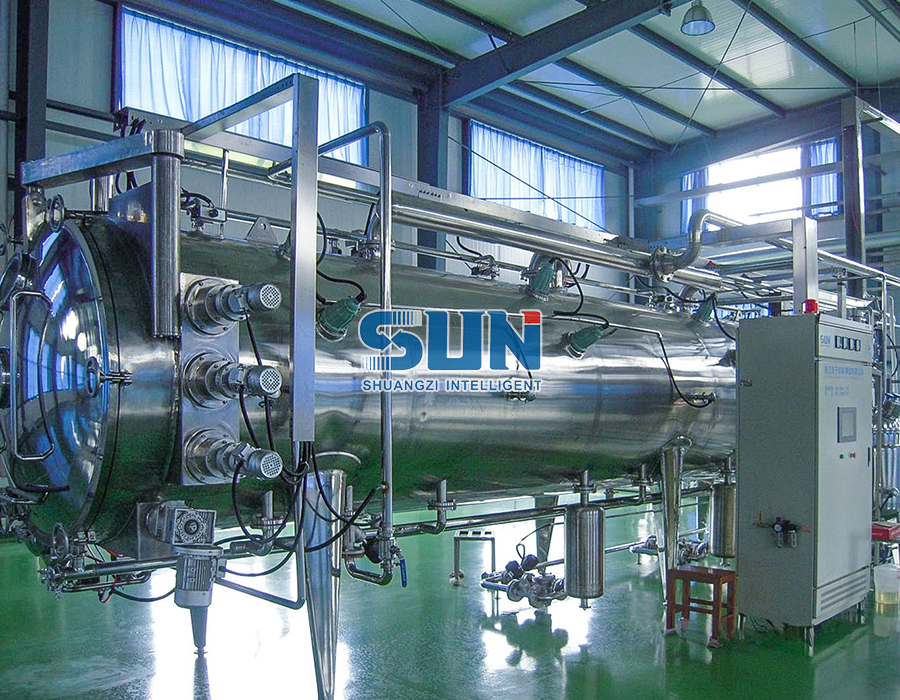
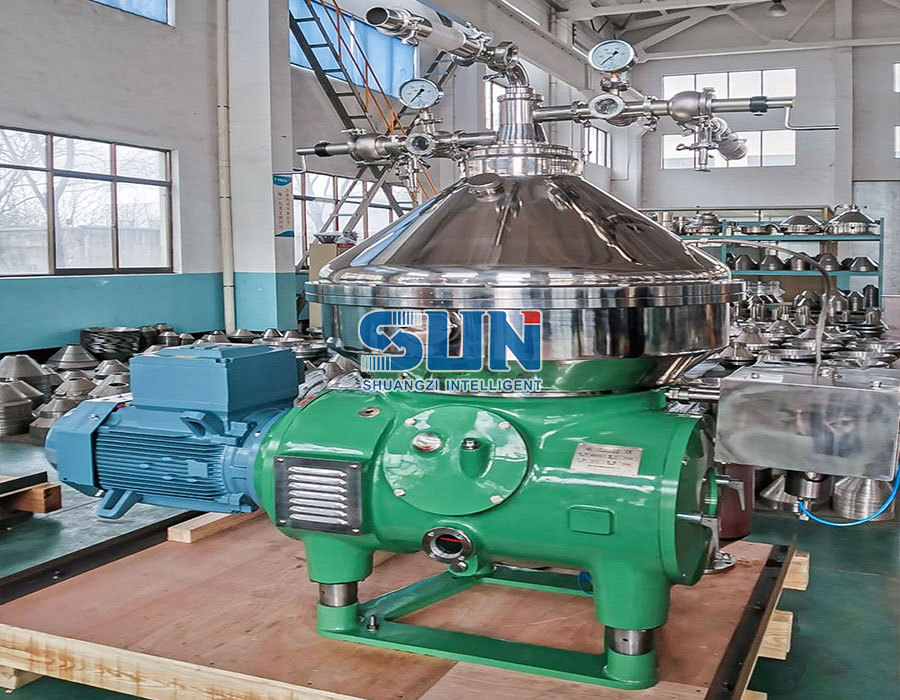
Founded in 2007, the company has developed mature product lines that include vacuum low-temperature drying equipment, complete fermentation system equipment, evaporation and concentration equipment, extraction equipment, separation systems, extraction and crystallization equipment, filtration equipment, containers, and related process solutions. This background gives the company a broader process understanding than a manufacturer that only makes tanks. Fermentation lines often require upstream preparation, sterilization, downstream separation, concentration, drying, filtration, and automation integration. A supplier with multiple mature process technologies can design more complete and compatible systems.
The company covers a floor area of 16,706 square meters and a building area of 17,800 square meters. This production scale supports manufacturing capacity, workshop organization, quality management, and project execution. For industrial buyers, factory scale is important because fermenters, extraction tanks, evaporation systems, and turnkey process lines require space, lifting capability, welding stations, finishing areas, assembly zones, and inspection procedures.
The company has introduced advanced welding and finishing equipment, including plasma argon arc welding machines, plasma cutting machines, CAM CNC machining centers, and other advanced equipment. These manufacturing resources support precise cutting, accurate machining, consistent welding, and refined finishing. In hygienic fermentation equipment, manufacturing accuracy is not cosmetic; it affects sealing, alignment, cleanability, pressure resistance, and long-term reliability.
Advanced welding is particularly important for stainless steel fermenters. Poor welding can create crevices, discoloration, stress concentration, corrosion points, and microbial retention sites. Plasma argon arc welding and controlled finishing help create cleaner welds and stronger hygienic performance. CNC machining improves the precision of interfaces, flanges, agitator components, and mechanical assemblies. Together, these processes help deliver equipment that is more reliable than low-cost competitors using less controlled fabrication methods.
The company also has a pilot production workshop and an R&D platform aligned with automation and GMP-oriented requirements. The platform includes processes such as vacuum low-temperature drying, plant extraction, evaporation, precipitation separation, extraction, and fermentation. This means the company can support users engaged in pilot research and process verification. A manufacturer with its own pilot and R&D capability can better understand actual process difficulties, such as material behavior, cleaning, sterilization, foam, heat transfer, and automation logic.
Turnkey Project Value
For many customers, purchasing a fermenter is only one part of a larger project. A complete fermentation facility may require media preparation tanks, sterilization systems, air compression and filtration, steam supply, clean water systems, CIP units, transfer pipelines, dosing systems, exhaust treatment, cooling water, chilled water, electrical control cabinets, data systems, downstream separation, concentration, drying, and packaging interfaces. If these parts are purchased separately from unrelated suppliers, integration risk increases.
The company’s turnkey project capability provides a significant advantage over competitors that only sell single machines. Through engineering, process design, equipment design, installation, line debugging, and system integration, the supplier can help customers build a coordinated production system. This improves schedule control, communication efficiency, responsibility clarity, and final production performance.
Turnkey delivery is especially valuable for customers entering biological fermentation for the first time or expanding from pilot research to industrial production. Such customers may understand their product but need support in equipment layout, automation logic, piping connections, utility matching, process flow, cleaning design, and commissioning. An integrated supplier can translate the biological process into practical equipment and operating conditions.
Another advantage is compatibility with related processes. Because the company manufactures and designs equipment for extraction, evaporation, concentration, separation, crystallization, filtration, drying, and containers, it can create complete process routes around fermentation. For example, a fermented product may need cell separation, concentration, purification, crystallization, or drying. Designing these steps together can improve yield, reduce contamination risk, and simplify operation.
Operational Benefits for Producers
For production managers, the fermenter provides benefits in stability, productivity, maintenance, hygiene, and flexibility. Stable control of temperature, pH, DO, ventilation, feeding, foam, and exhaust creates a more predictable production environment. Predictability improves batch success rate and reduces waste. In biological production, one failed batch can represent major losses in raw materials, time, labor, and opportunity cost.
Productivity is supported through efficient gas supply, strong circulation, reliable suspension, and flexible agitation. Better mass transfer can increase growth performance and product formation in aerobic processes. Uniform mixing reduces local nutrient depletion or toxic accumulation. Effective suspension prevents sedimentation and improves contact between cells, nutrients, gases, or particles.
Maintenance is supported by robust stainless steel construction, appropriate drive selection, professional fabrication, and configurable structure. Users can select mechanical or magnetic drive according to maintenance and sterility priorities. Well-manufactured stainless steel equipment has a long service life when properly operated and maintained.
Hygiene is supported by the inner surface roughness standard, sanitary interface design, sterilization awareness, and automation-ready operation. Cleanability and sterilization reduce contamination risk, which is essential for repeated fermentation batches. The outer finish also supports clean workshop management.
Flexibility is one of the most practical advantages. The fermenter can serve different biological processes by changing volume, material, drive type, blade form, heating and cooling design, support structure, and control level. Instead of buying a narrow-purpose vessel, customers can configure a process platform suitable for present needs and future development.
Competitive Comparison
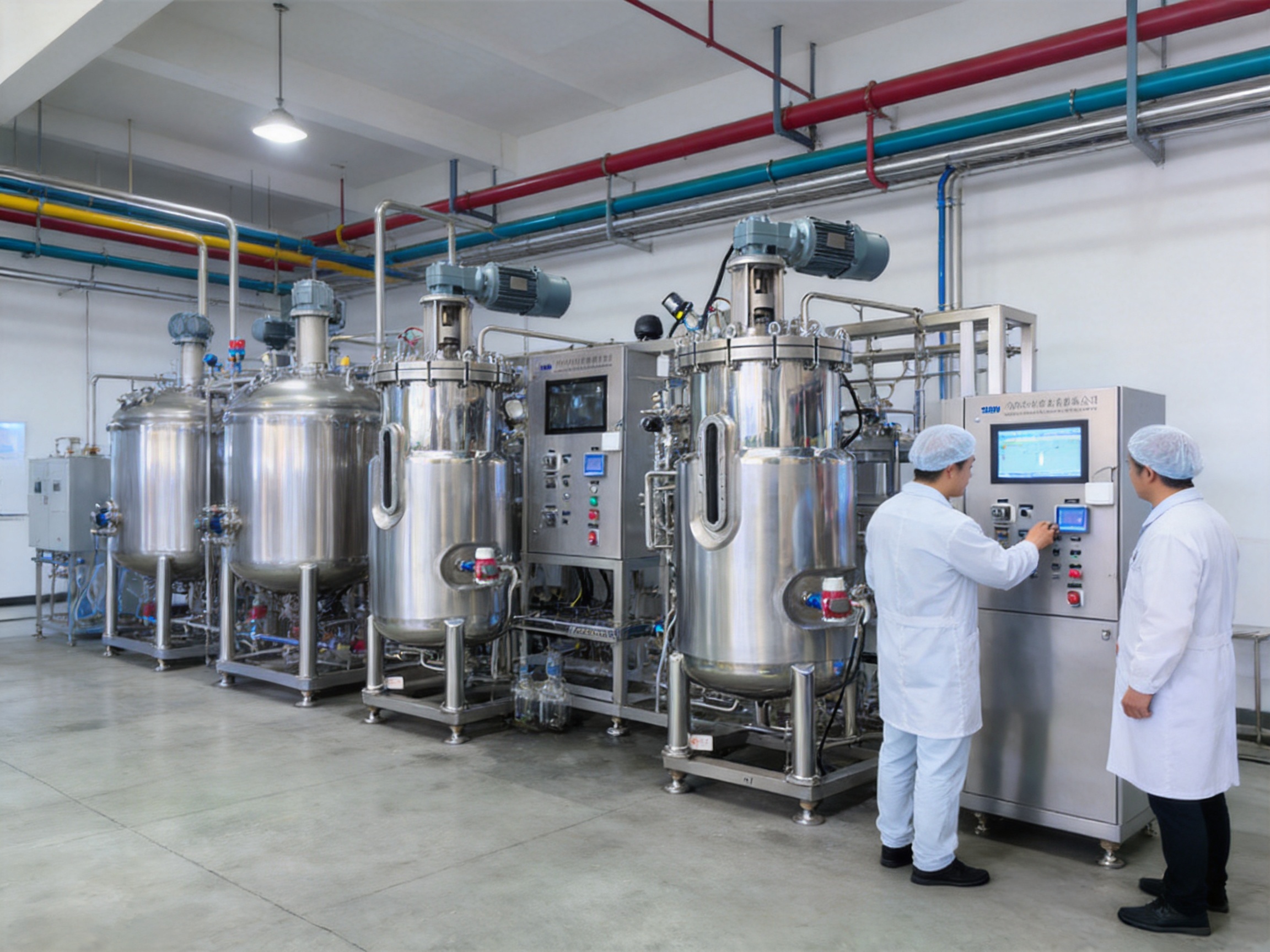
When compared with conventional low-cost fermenters, this system offers stronger engineering depth. Basic tanks may provide agitation and temperature control, but they often lack comprehensive pH, DO, ventilation, defoaming, feeding, exhaust, and pressure interface integration. They may also have limited scalability, rougher surface finish, fewer support structure options, and less project engineering support. This fermenter is designed as a controlled biological production system rather than a simple mixing vessel.
When compared with highly specialized imported systems, this fermenter offers configuration flexibility and turnkey project value. International systems may provide advanced control but can be expensive, less adaptable to local plant conditions, and slower in customization. A manufacturer with integrated engineering and fabrication capacity can provide practical customization, local project coordination, and cost-effective equipment design without sacrificing essential fermentation performance.
The broad volume range gives the system an advantage over suppliers limited to laboratory or small pilot equipment. Industrial customers need consistency between development and production. The ability to supply 50 L pilot units through 100 t industrial systems helps users maintain design continuity and supplier support throughout growth.
The company’s manufacturing resources also create a competitive edge. Plasma argon arc welding, plasma cutting, CAM CNC machining, advanced finishing, pilot production workshops, R&D platforms, and GMP-oriented automation capabilities demonstrate that the equipment is backed by real manufacturing infrastructure. Buyers are not only purchasing a product; they are purchasing the capability behind the product.
Recommended Selection Considerations
Before selecting a fermenter configuration, customers should define the biological process type. Lactic acid bacteria, aerobic microbial fermentation, enzyme production, biosynthesis, mammalian-related culture, and herb biotransformation can have different requirements for oxygen, shear, temperature, pH, foam, sterility, and feeding. The process type should guide vessel material, agitation style, control system, and utility design.
Working volume should be selected according to batch size, liquid loading coefficient, foam behavior, and process expansion plans. Since the liquid loading coefficient is ≥ 70%, users should still reserve appropriate headspace for aeration, foam, and pressure control. For foam-prone systems, mechanical defoaming and automated defoaming should be considered early.
Material selection should consider corrosion resistance, cleaning chemistry, regulatory expectations, and product sensitivity. SUS304 may suit many food and general fermentation applications, while SUS316L may be preferred for more demanding pharmaceutical, biological, or corrosive processes.
Agitator configuration should be selected based on viscosity, oxygen transfer demand, shear sensitivity, tank height, and suspension requirements. Multi-layer blades may be important for large tanks, turbine agitators may support gas dispersion, and parabolic agitators may suit processes requiring gentler circulation. Magnetic drive may be considered when sealing and sterility priorities are high.
Control level should be aligned with production requirements. Basic process development may use lower computer control, while industrial production, GMP-oriented operation, or data-intensive fermentation may benefit from upper computer control with supervisory functions. Temperature, pH, DO, ventilation, defoaming, feeding, and exhaust gas control should be treated as essential for serious biological production.
Quality, Safety, and Long-Term Value
The long-term value of a fermenter comes from successful batches, low contamination rate, stable operation, reasonable maintenance, process repeatability, and adaptability to future products. Initial purchase price is only one part of total cost. A cheaper tank that causes contamination, unstable oxygen control, poor cleaning, high energy use, or frequent maintenance may become more expensive over time.
This fermenter is built around long-term value. Stainless steel materials extend service life. Refined surface finish supports hygiene. Configurable heat exchange supports temperature stability. Advanced agitation and aeration improve process performance. Integrated controls reduce manual error. Manufacturing precision improves mechanical reliability. Project engineering support helps ensure the fermenter works within a complete production line.
Safety is also important. Fermenters involve pressure, steam, hot surfaces, rotating equipment, gases, chemicals, and biological materials. Proper design, pressure-related interfaces, control systems, and professional manufacturing help reduce operational risks. Structural options such as vertical support legs, ear-type support, and skirt-type support allow stable installation under different working conditions.
For companies seeking to develop new biological products, the fermenter provides a platform for controlled experimentation and scalable production. For established producers, it offers a path to improve automation, reduce variability, and expand capacity. For turnkey project buyers, it provides a central component within a larger integrated biological manufacturing solution.
Q&A Section
Q1: What production scales can this bioreactor fermenter support?
A1: The fermenter can be configured from 50 L to 100 t nominal volume. This range supports pilot testing, process scale-up, and large industrial fermentation. It is suitable for users who want consistent equipment support from early process development to commercial production.
Q2: Which materials are available for the tank?
A2: The tank can be manufactured from stainless steel SUS304 or SUS316L. SUS304 is suitable for many food, beverage, and general hygienic applications, while SUS316L is recommended for more demanding biological, pharmaceutical, or corrosion-sensitive processes.
Q3: Why is the internal surface finish important?
A3: The inner surface can reach Ra ≤ 0.6 μm. A smooth internal surface reduces residue retention, improves cleanability, supports sterilization, and lowers contamination risk. This is especially important for repeated biological fermentation batches.
Q4: Can the fermenter be used for lactic acid bacteria?
A4: Yes. The fermenter is suitable for lactic acid bacteria fermentation because it supports temperature control, pH control, feeding, defoaming, hygienic construction, and controlled operation. These functions help maintain a stable environment for lactic acid bacteria growth and metabolite production.
Q5: Is the system suitable for aerobic fermentation?
A5: Yes. The system provides dissolved oxygen control, ventilation control, efficient gas supply, and agitator configurations that can support aerobic biological reactions. Its gas-liquid operating range and gas supply efficiency offer advantages over simple bubbling reactors.
Q6: What agitator options are available?
A6: The fermenter can use top or bottom mechanical drive, or top magnetic drive. Blade options include multi-layer blades, turbine agitators, and parabolic agitators. A defoaming impeller can also be configured for foam management.
Q7: How does the fermenter manage foam?
A7: Foam can be managed through a defoaming impeller and defoaming control. This helps prevent foam overflow, exhaust filter wetting, contamination risk, and loss of effective working volume.
Q8: What control functions are included?
A8: The control system can include temperature control, pH control, DO control, ventilation control, defoaming control, material supply control, and exhaust gas control. Lower computer and upper computer control options are available depending on automation requirements.
Q9: What makes this fermenter different from ordinary tanks?
A9: It is not just a storage or mixing vessel. It is a biological process system with hygienic stainless steel construction, refined surface finish, configurable agitation, heat exchange, process interfaces, automation functions, foam control, scalable volume, and project integration support.
Q10: Can the supplier provide a complete fermentation project?
A10: Yes. The manufacturer can provide engineering, process design, equipment design, matching purchase, installation, line debugging, system integration, and turnkey project services. This is valuable for customers building complete biological fermentation production lines.
Q11: What industries can use this fermenter?
A11: It can be used in dairy products, beverage bioengineering, biological fermentation, traditional Chinese herb processing, precision chemical production, pharmaceutical engineering, natural food, biosynthesis, and other biotechnology-related fields.
Q12: Why is manufacturing capability important when purchasing a fermenter?
A12: Fermentation equipment requires precise welding, polishing, machining, assembly, and control integration. Advanced manufacturing processes such as plasma argon arc welding, plasma cutting, CNC machining, and refined finishing help improve reliability, cleanability, and long-term performance.
Conclusion
The Bioreactor Fermenter for Lactic Acid Bacteria, Biosynthesis, Biological Fermentation, and Mammalian applications is a comprehensive fermentation platform designed for modern biological production. It combines scalable capacity, hygienic stainless steel construction, refined surface quality, configurable agitation, effective heating and cooling, complete process interfaces, foam management, and integrated automation. These features make it suitable for pilot research, process scale-up, and industrial manufacturing across food, beverage, biotechnology, pharmaceutical, herb processing, precision chemical, and natural product fields.
Its advantages over conventional competitors are clear: broader volume range, stronger gas-liquid operating flexibility, efficient gas supply, low-shear circulation potential, excellent particle suspension, advanced control functions, high-quality materials, smooth surfaces, and adaptable structural forms. It is not limited to one narrow fermentation use; it can be configured around the specific needs of the user’s process.
The manufacturing strength behind the product adds further value. Zhejiang Shuangzi Intelligent Equipment Co., Ltd. brings EPC and EPCM project capability, process technology knowledge, automation engineering design, equipment manufacturing, system integration, installation support, commissioning, turnkey delivery, pilot workshop resources, R&D platform capability, and advanced fabrication equipment. This combination allows customers to obtain not only a fermenter but a professionally engineered biological production solution.
For organizations seeking reliable fermentation performance, scalable production, improved automation, cleaner operation, and stronger project support, this fermenter provides a practical and competitive choice. Whether applied to lactic acid bacteria, aerobic biosynthesis, biological fermentation, mammalian-related processes, or integrated biotechnology production lines, it is engineered to help users transform controlled biological reactions into stable industrial value.
References
1. Stanbury, P. F., Whitaker, A., and Hall, S. J. Principles of Fermentation Technology. Butterworth-Heinemann.
2. Doran, P. M. Bioprocess Engineering Principles. Academic Press.
3. Shuler, M. L., and Kargi, F. Bioprocess Engineering: Basic Concepts. Prentice Hall.
4. Flickinger, M. C. Encyclopedia of Industrial Biotechnology: Bioprocess, Bioseparation, and Cell Technology. Wiley.
5. McNeil, B., and Harvey, L. M. Practical Fermentation Technology. Wiley.
6. Chisti, Y. “Airlift Bioreactors.” Elsevier Applied Science.
7. Garcia-Ochoa, F., and Gomez, E. “Bioreactor Scale-Up and Oxygen Transfer Rate in Microbial Processes.” Biotechnology Advances.
8. European Hygienic Engineering and Design Group. Hygienic Design Principles for Food and Bioprocessing Equipment.