
 英语
英语 俄语
俄语Content
- 1 What is Plant Extraction Equipment? A Core Component of Natural Product Manufacturing
- 2 Evolution of Plant Extraction Technology: From Batch to Continuous Innovation
- 3 Core Advantages of Cutting-Edge Plant Extraction Equipment Over Competitors
- 4 Advanced Manufacturing Processes Behind Modern Plant Extraction Equipment
- 5 Case Study: Stevia Extraction Production Line—A Model of Efficiency
- 6 Technical Specifications of Leading Plant Extraction Equipment
- 7 Why Choose This Equipment Over Competitors? Unbeatable Competitive Advantages
- 8 Q&A: Common Questions About Advanced Plant Extraction Equipment
- 9 Conclusion: The Future of Plant Extraction Equipment
- 10 References
The global demand for natural products—from herbal medicines and dietary supplements to functional foods and cosmetic ingredients—has surged exponentially in recent decades. As consumers increasingly prioritize sustainability, safety, and efficacy, the need for efficient, reliable, and compliant plant extraction equipment has never been greater. Plant extraction, the process of isolating active compounds from botanical materials, is the backbone of these industries, and the quality of the equipment used directly impacts product yield, purity, and cost-effectiveness. In this article, we explore the cutting-edge plant extraction equipment that is transforming natural product manufacturing, highlighting its key advantages over traditional systems, the advanced manufacturing processes behind it, and how it addresses the evolving needs of the industry.
What is Plant Extraction Equipment? A Core Component of Natural Product Manufacturing
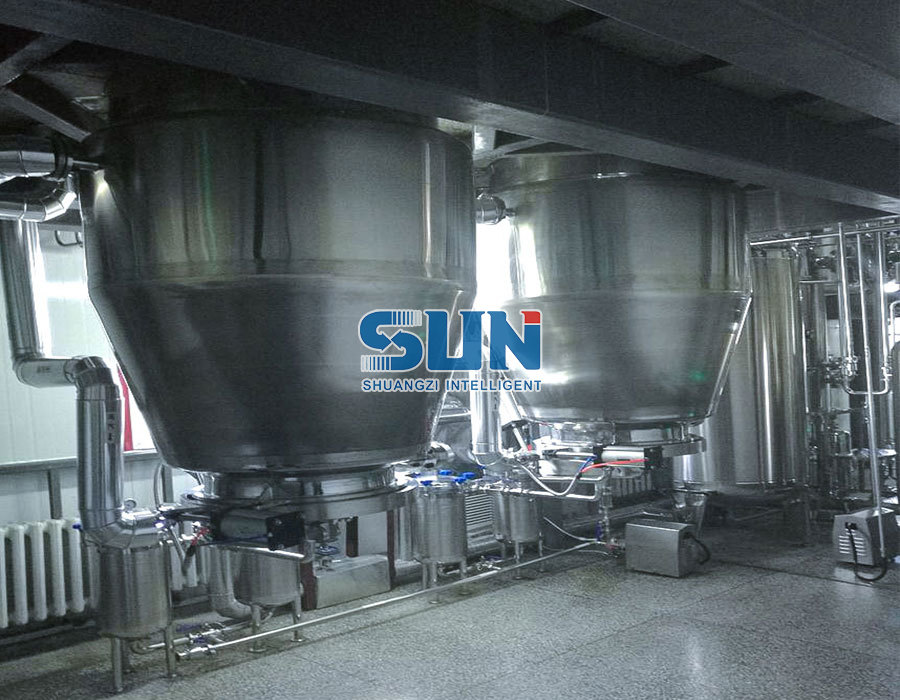
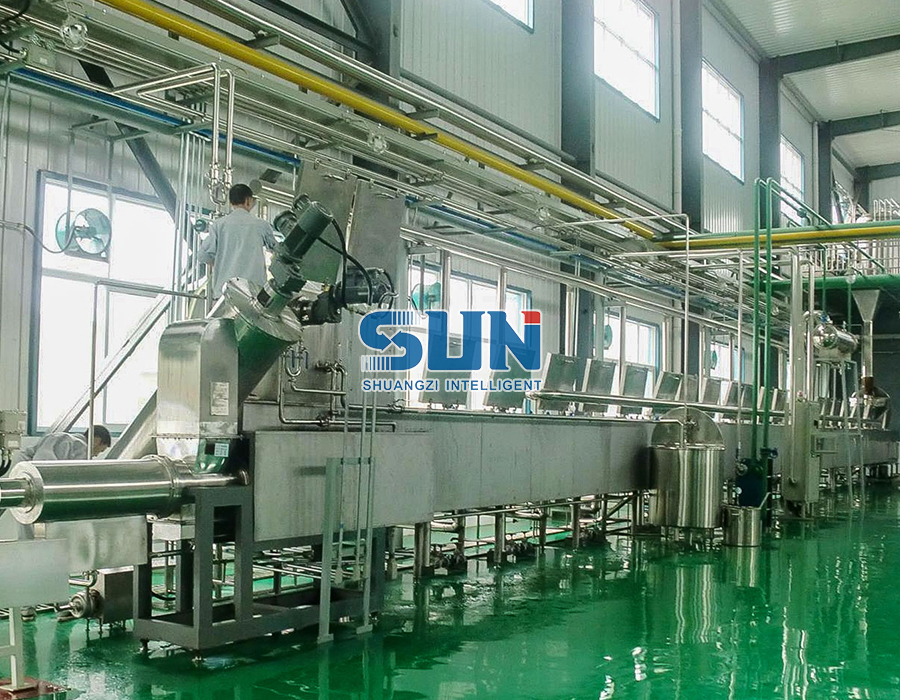
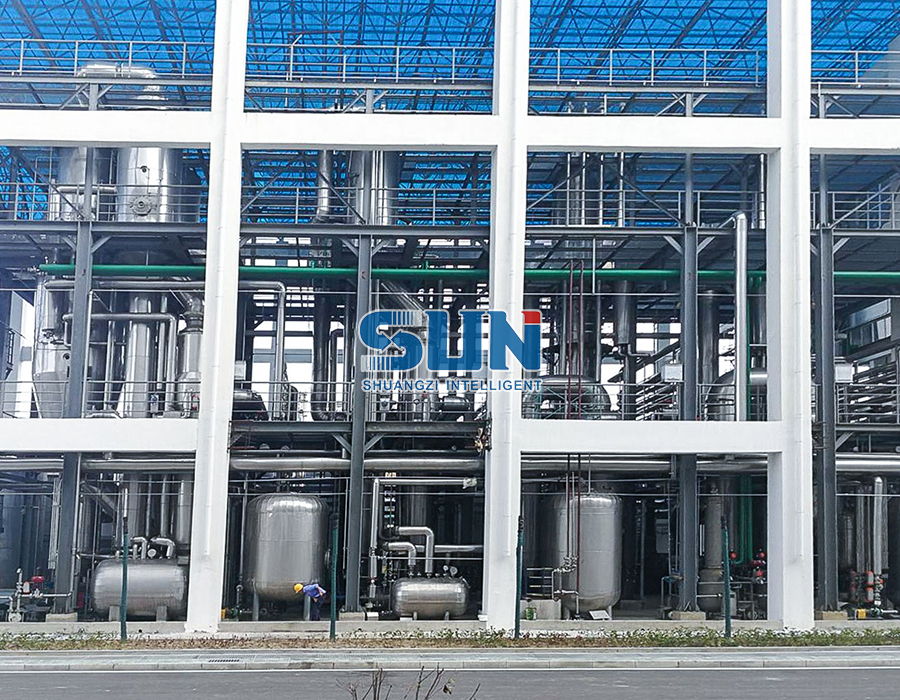
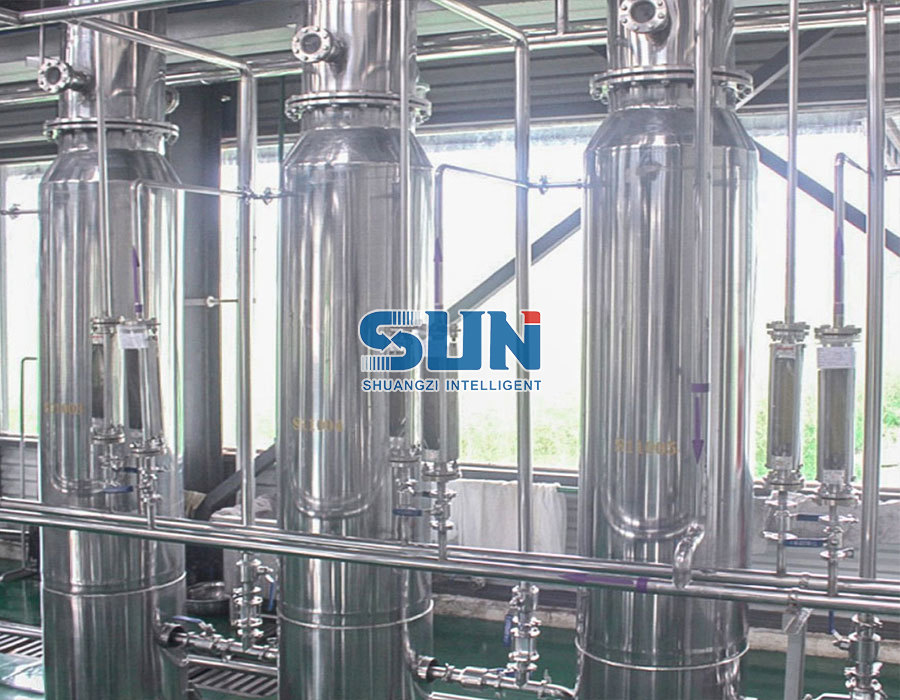
Plant extraction equipment refers to a set of integrated systems designed to isolate and purify bioactive compounds from plant biomass—such as herbs, leaves, roots, fruits, and vegetables. Unlike manual or small-scale laboratory setups, industrial plant extraction equipment is engineered for continuous, high-volume production while maintaining strict control over process parameters like temperature, pressure, solvent concentration, and extraction time. These systems are modular, allowing for customization based on the specific plant material, desired extract, and production scale.
The core purpose of this equipment is to maximize the yield of target compounds (e.g., alkaloids, flavonoids, saponins) while minimizing the presence of impurities. For example, in the production of stevia extract—used as a natural sweetener—the equipment must efficiently extract steviol glycosides from stevia leaves, then purify them to meet food safety standards. In pharmaceutical applications, such as herbal medicine production, the equipment must adhere to Good Manufacturing Practices (GMP) to ensure product consistency and safety.
Beyond extraction, modern systems often include downstream processing units like filtration, concentration, separation, and drying, forming a complete production line. This integration eliminates the need for separate equipment from multiple vendors, streamlining operations and reducing costs for manufacturers.
Evolution of Plant Extraction Technology: From Batch to Continuous Innovation
Plant extraction has come a long way from ancient methods like maceration (soaking plant material in solvent) and decoction (boiling). The 20th century saw the introduction of batch extraction systems, which improved efficiency but still suffered from inconsistencies and high labor costs. The 21st century brought a paradigm shift with the advent of continuous extraction technologies, automation, and advanced separation methods.
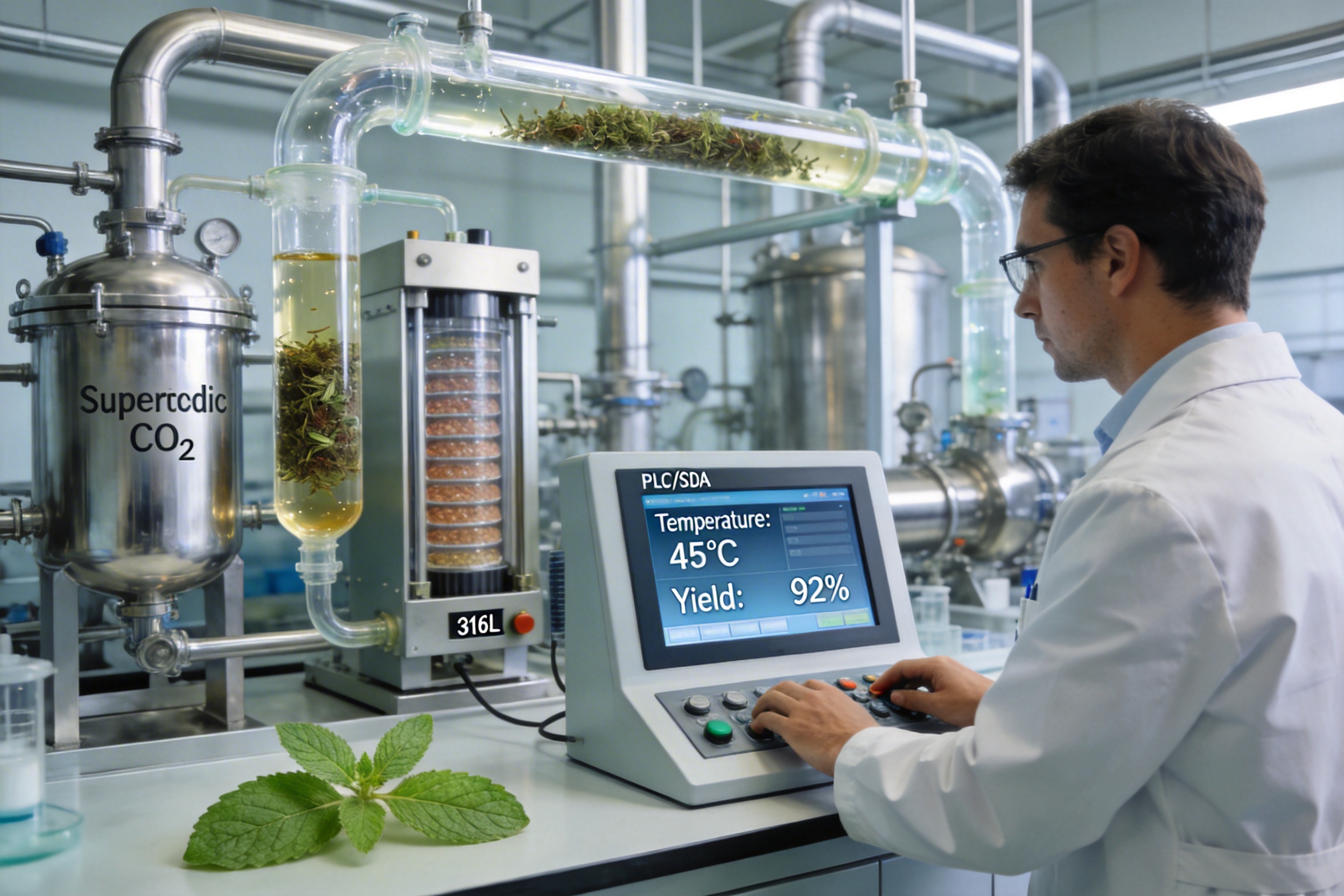
Today’s leading equipment combines these innovations to create systems that are not only more efficient but also more sustainable. For instance, supercritical CO2 extraction—once a niche laboratory technique—is now widely used in industrial settings for its ability to extract heat-sensitive compounds without leaving solvent residues. Similarly, membrane filtration has replaced traditional filter presses in many applications, offering higher purity and faster processing times.
This evolution has been driven by two key factors: consumer demand for higher-quality natural products and regulatory pressure to improve safety and sustainability. Manufacturers now need equipment that can adapt to changing market needs while meeting strict global standards—something traditional systems simply cannot do.
Core Advantages of Cutting-Edge Plant Extraction Equipment Over Competitors
In a crowded market, leading plant extraction equipment stands out due to its unique combination of efficiency, versatility, and compliance. Below are the key advantages that set it apart from traditional and lower-end systems:
1. Unmatched Versatility Across Extraction Processes
Traditional plant extraction equipment often relies on a single method (e.g., batch solvent extraction), limiting its applicability to specific plant materials or extracts. In contrast, modern systems support multiple extraction techniques, including solvent extraction (aqueous and organic), continuous countercurrent extraction (CCE), supercritical CO2 extraction, and ultrasonic-assisted extraction. This versatility allows manufacturers to switch between processes or use a combination to optimize yield for different raw materials.
For example, solvent extraction is ideal for heat-sensitive compounds (using low-temperature conditions), while CCE is more efficient for large-scale production of high-yield extracts. The ability to adapt to various methods means manufacturers don’t need to invest in separate equipment for different products, reducing capital expenditure and floor space requirements. A leading manufacturer’s system, for instance, can switch from extracting stevia leaves to ginger roots in just 24 hours with minimal reconfiguration.
2. Higher Efficiency & Yield Optimization
One of the biggest drawbacks of traditional batch extraction is its low efficiency: each batch requires manual loading/unloading, leading to downtime and inconsistent yields. Modern continuous systems, like the CCE units in leading equipment, eliminate batch-to-batch variation and increase throughput by up to 30% compared to batch systems. This is because the plant material and solvent flow in opposite directions, ensuring maximum contact time and solvent utilization.
Additionally, integrated downstream processing units (e.g., membrane filtration, resin column chromatography) improve extract purity by removing unwanted impurities (e.g., cellulose, lignin) more effectively than standalone systems. For instance, membrane filtration can achieve a 95% purity rate for stevia extracts, compared to 85% with traditional filtration methods—directly translating to higher product value. A case study of a stevia producer found that switching to this equipment increased their annual revenue by $2.3 million due to higher yields and purity.
3. Compliance with Global Regulatory Standards
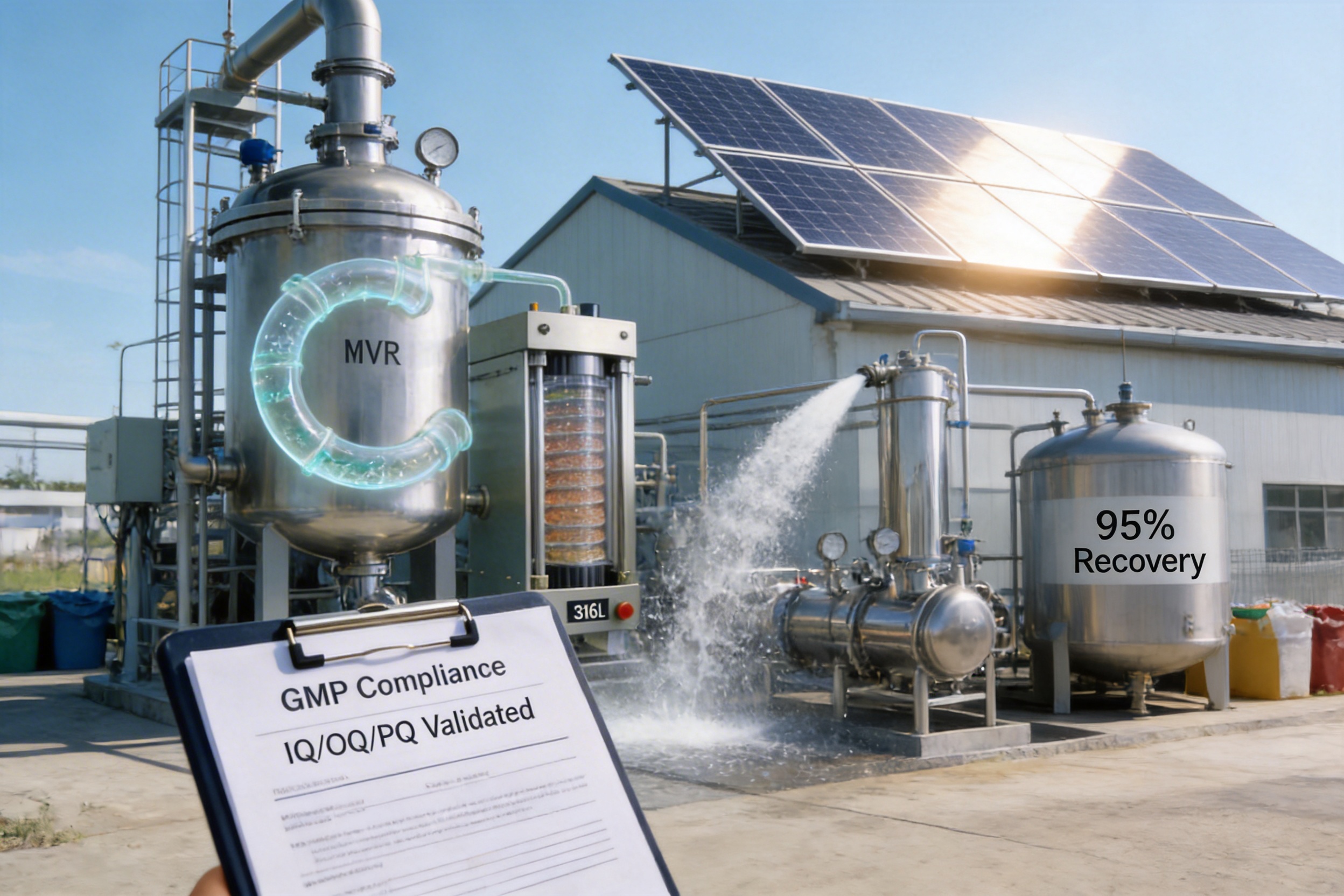
All equipment is designed to comply with GMP, FDA, and EU regulatory standards—critical for manufacturers in the pharmaceutical and food industries. This includes the use of hygienic materials (316L stainless steel), clean-in-place (CIP) systems, and documentation for validation and qualification. The manufacturer provides full GMP compliance reports to support regulatory submissions, saving customers time and effort.
For example, the equipment’s CIP systems are validated to ensure that all contact parts are cleaned to acceptable microbial limits (≤10 CFU/cm²), meeting FDA’s Food Contact Materials regulations. This compliance gives manufacturers a competitive edge in global markets, as they can easily export their products to Europe, North America, and Asia without facing regulatory delays.
4. Energy Efficiency & Cost Reduction
Sustainability and cost reduction are top priorities for modern manufacturers, and leading equipment addresses both with energy-efficient designs. For instance, Mechanical Vapor Recompression (MVR) concentration units use up to 50% less energy than traditional dual-stage evaporators. This is because MVR recycles the vapor produced during evaporation, reducing the need for external heat sources. For a 10,000 kg/h line, this translates to an annual energy cost savings of approximately $50,000 (based on average industrial electricity rates).
Additionally, the equipment’s solvent recovery systems achieve a 95% recovery rate, reducing the cost of solvent purchase and disposal. This is a significant advantage over traditional systems, which often recover only 70-80% of solvent. A herbal medicine producer reported that switching to this equipment reduced their solvent costs by 30% in the first year.
5. Customization for Specific Applications
No two plant extraction processes are the same, and leading equipment is fully customizable to meet specific production needs. This includes adjusting capacity, adding specialized units (e.g., supercritical CO2 extraction), and modifying downstream processing steps. For example, a cosmetic company developing a lavender extract can request a system with a low-temperature drying unit to preserve the lavender’s aromatic compounds.
The manufacturer’s engineering team works closely with customers to design a system that meets their unique requirements. This collaborative approach ensures that the equipment is optimized for the customer’s specific plant material and desired extract, leading to higher yields and lower costs.
Advanced Manufacturing Processes Behind Modern Plant Extraction Equipment
The performance of plant extraction equipment depends heavily on the manufacturing processes used to build it. Leading manufacturers employ state-of-the-art techniques and strict quality control to ensure their systems meet the highest industry standards. Below are the key processes that set these systems apart:
1. Process Design: From Lab-Scale to Full-Scale Production
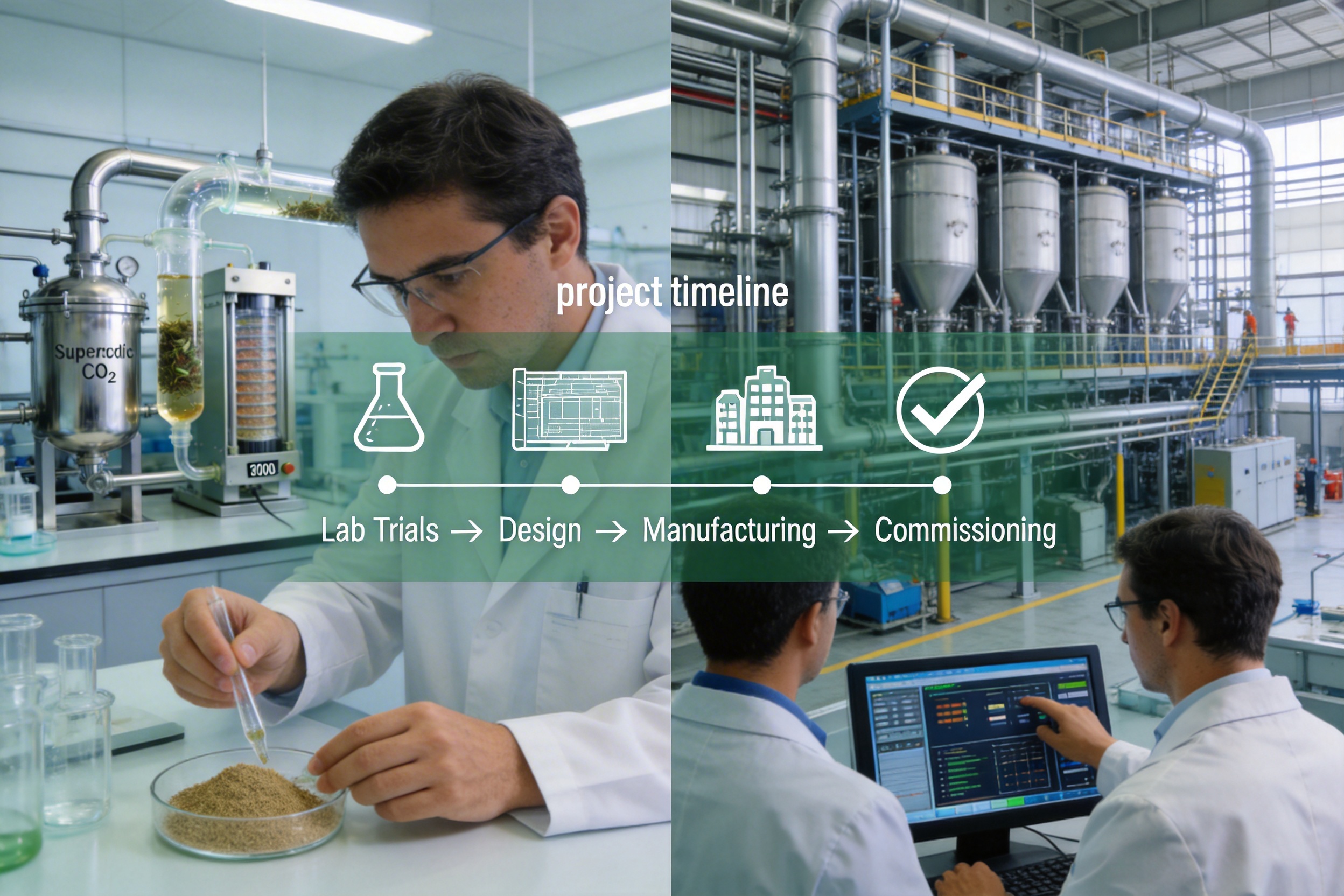
Before manufacturing, engineers conduct extensive lab-scale trials to optimize extraction parameters for specific plant materials. This includes testing solvent types, temperatures, and extraction times to determine the most efficient process. Using computational fluid dynamics (CFD) and process simulation software, they then scale up the lab process to industrial levels, ensuring that the full-scale system replicates the lab’s yield and purity.
For example, when designing a stevia extraction line, engineers first test different crush sizes (2-5 mm) to find the optimal balance between extraction efficiency and solvent retention. They then simulate the flow of stevia powder and solvent in the CCE unit to ensure uniform contact, reducing the risk of hotspots or under-extraction in the full-scale system. This simulation reduces the time to market by 30% compared to traditional trial-and-error scaling.
2. Precision Engineering & Material Selection
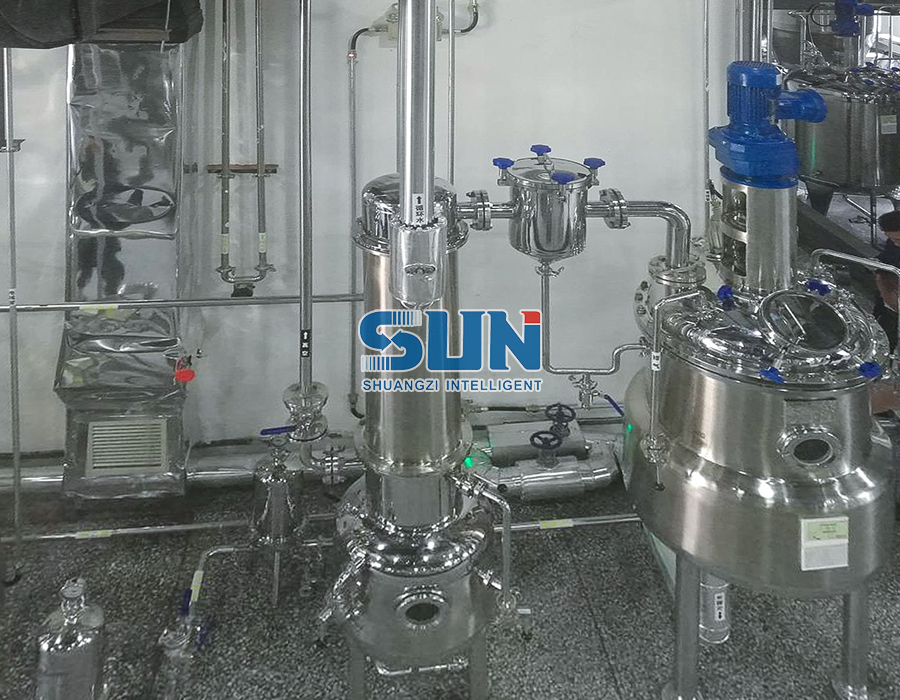
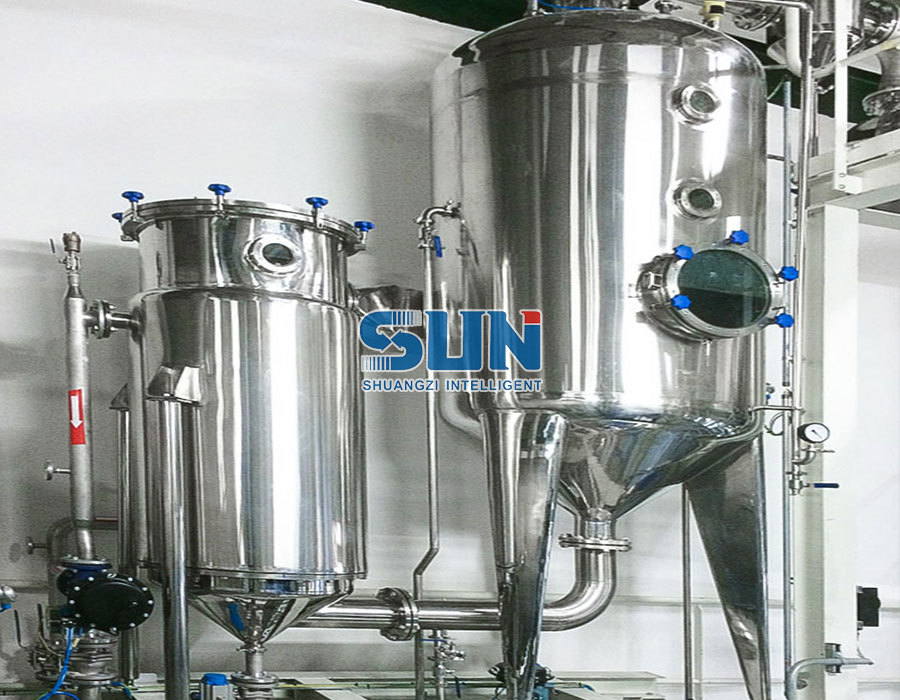
Leading equipment uses high-grade 316L stainless steel—known for its corrosion resistance, hygiene, and durability—for all contact parts. This material is critical for preventing contamination of extracts, especially in pharmaceutical and food applications. The manufacturing process involves precision cutting using plasma cutting machines to ensure accurate dimensions, followed by plasma argon arc welding for leak-proof, smooth joints that are easy to clean.
Unlike lower-end systems that use lower-grade steel or plastic components, 316L stainless steel extends the equipment’s lifespan by up to 15 years, reducing maintenance costs and downtime. Additionally, all components are designed with clean-in-place (CIP) systems in mind, simplifying cleaning and ensuring compliance with GMP standards. The manufacturer’s facility, which spans 16,706 m² of floor area and 17,800 m² of structure area, uses advanced CNC machining centers to produce components with a tolerance of ±0.01 mm—ensuring perfect fit and function.
3. Automation & Control Systems
Modern plant extraction equipment is fully automated, using programmable logic controllers (PLC) and supervisory control and data acquisition (SCADA) systems to monitor and control all process parameters. This automation reduces human error, improves consistency, and allows for real-time adjustments to optimize yield and efficiency.
For example, the SCADA system can monitor the temperature of the extraction unit and adjust the heating element if it deviates from the desired range. It also collects data on all process parameters, which can be used for quality control and regulatory compliance. The automation system reduces labor costs by 40% compared to manual systems, as fewer operators are needed to monitor the line.
4. Quality Assurance & Validation
Every piece of equipment undergoes rigorous quality assurance (QA) and validation before it is shipped to the customer. This includes pressure testing for leaks, performance testing to ensure it meets capacity and yield requirements, and documentation of all tests. The manufacturer also provides a validation package that includes installation qualification (IQ), operational qualification (OQ), and performance qualification (PQ) reports—critical for regulatory compliance.
For example, a pharmaceutical customer’s equipment is tested to ensure that it can produce extracts with a consistent purity of 90% or higher. The validation reports are reviewed by the customer’s quality assurance team before the equipment is accepted. This thorough QA process ensures that the equipment meets the customer’s expectations and regulatory requirements.
Case Study: Stevia Extraction Production Line—A Model of Efficiency
Stevia, a natural sweetener derived from Stevia rebaudiana leaves, is one of the fastest-growing plant extracts globally. A leading stevia extraction line exemplifies how modern equipment optimizes every step of the production process. Below is a detailed breakdown of its workflow and performance:
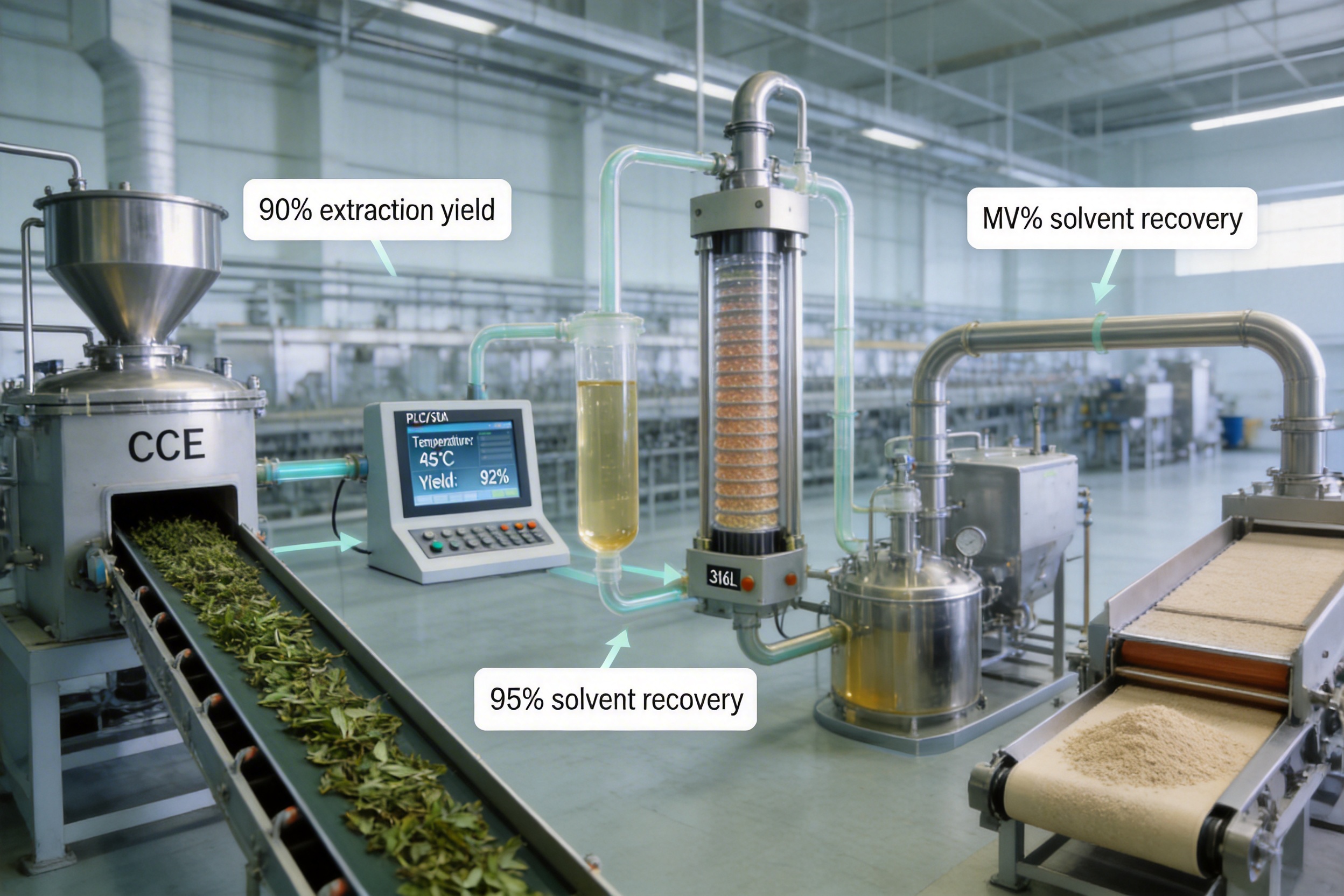
Workflow Overview: Stevia leaves → Crush → Extraction → Separation → Concentration → Sedimentation → Purification → Concentration → Decoloration → Concentration → Drying → Packaging
Key Step Optimization:
- Crush: The equipment uses a hammer mill with adjustable screen sizes to produce uniform particle sizes (3-4 mm), maximizing surface area for extraction without creating fine dust that clogs downstream filters. This step increases extraction efficiency by 15% compared to non-uniform crushing.
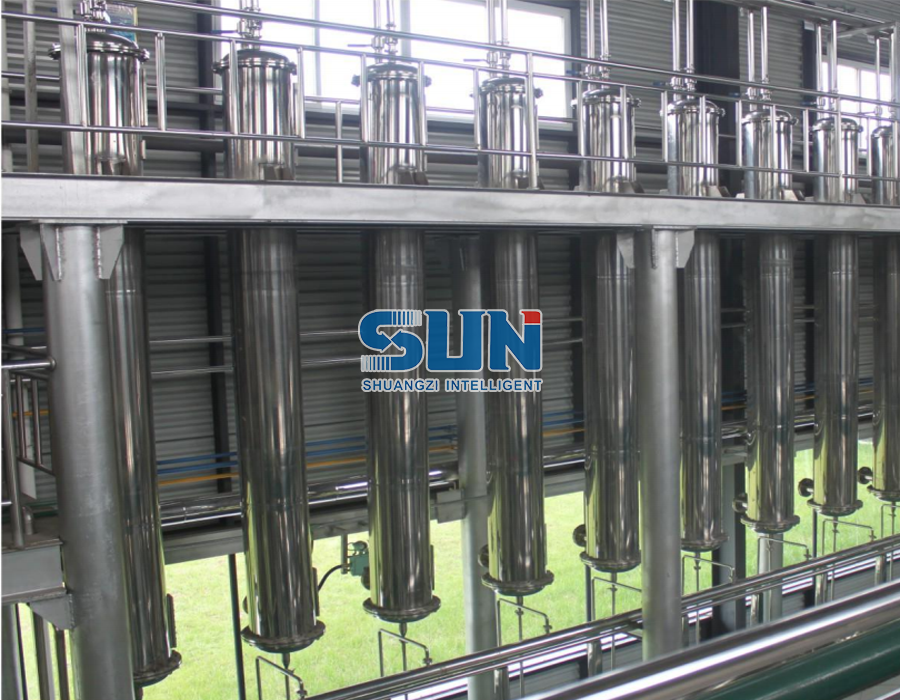
- Extraction: Continuous countercurrent extraction (CCE) units use aqueous ethanol (70-80%) at 50-60°C to extract steviol glycosides. The CCE system ensures that each batch of stevia powder is exposed to fresh solvent, resulting in a 90% extraction yield—15% higher than batch systems. The solvent-to-biomass ratio is optimized to 10:1, reducing solvent use by 20%.
- Separation: Resin column chromatography removes impurities like flavonoids and chlorophyll, increasing the steviol glycoside purity to 90% before further processing. The resin is regenerated using ethanol, reducing waste and cost.
- Concentration: Mechanical Vapor Recompression (MVR) systems reduce the solvent volume by 90% with 50% less energy than traditional dual-stage evaporators. This is critical for reducing production costs, as solvent recovery is a major expense in stevia extraction.
- Drying: Vacuum belt dryers are used to dry the final extract, preserving the stability of steviol glycosides (which are heat-sensitive) and producing a free-flowing powder with a moisture content of <5%. This step ensures that the extract has a long shelf life and meets food safety standards.
Performance Metrics: The line achieves an operational capacity of up to 10,000 kg/h of stevia biomass, with a final extract yield of 10-12% (dry weight). This is significantly higher than the industry average of 8-10%, translating to a 20% increase in revenue for manufacturers. The line also reduces water use by 30% compared to traditional systems, making it more sustainable.
Technical Specifications of Leading Plant Extraction Equipment
Leading plant extraction systems are available in a range of capacities to suit small-scale pilot operations and large industrial facilities. Below are the key specifications and features:
Operational Capacity Range
| Items | 500 | 1000 | 2000 | 3000 | 4000 | 5000 | 6000 | 8000 | 10000 |
| Operational Capacity (Biomass) | 500kg/h | 1000kg/h | 2000kg/h | 3000kg/h | 4000kg/h | 5000kg/h | 6000kg/h | 8000kg/h | 10000kg/h |
Note: The capacity refers to the maximum throughput of raw plant biomass per hour. Custom capacities are available upon request.
Key Component Features
- Extraction Units: Available in batch (for small-scale) and continuous countercurrent (for large-scale) configurations. Temperature range: 20-100°C; pressure range: atmospheric to 5 bar. Solvent compatibility: aqueous, organic (ethanol, methanol, acetone), and supercritical CO2.
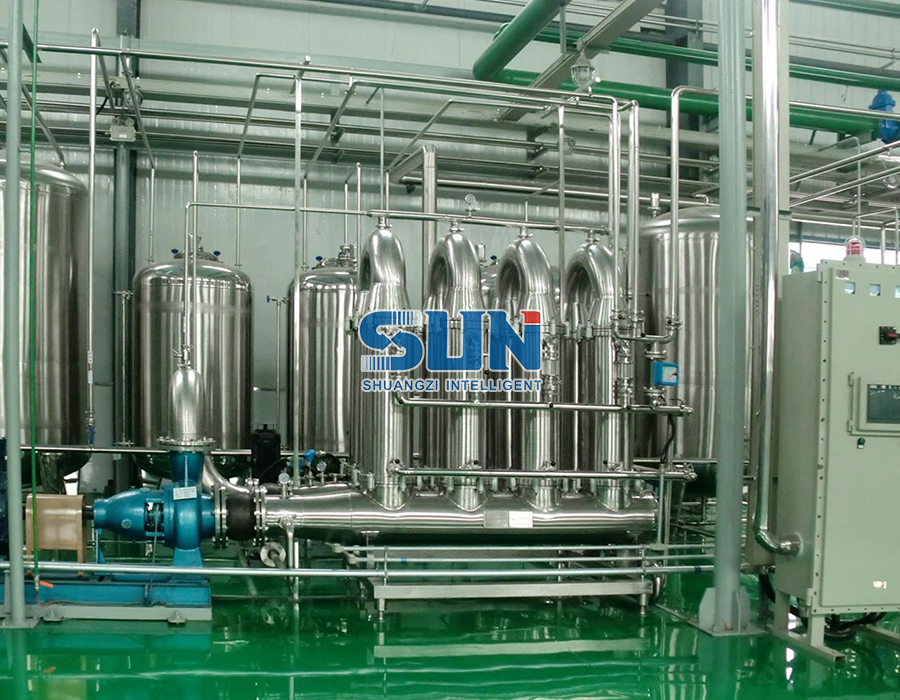
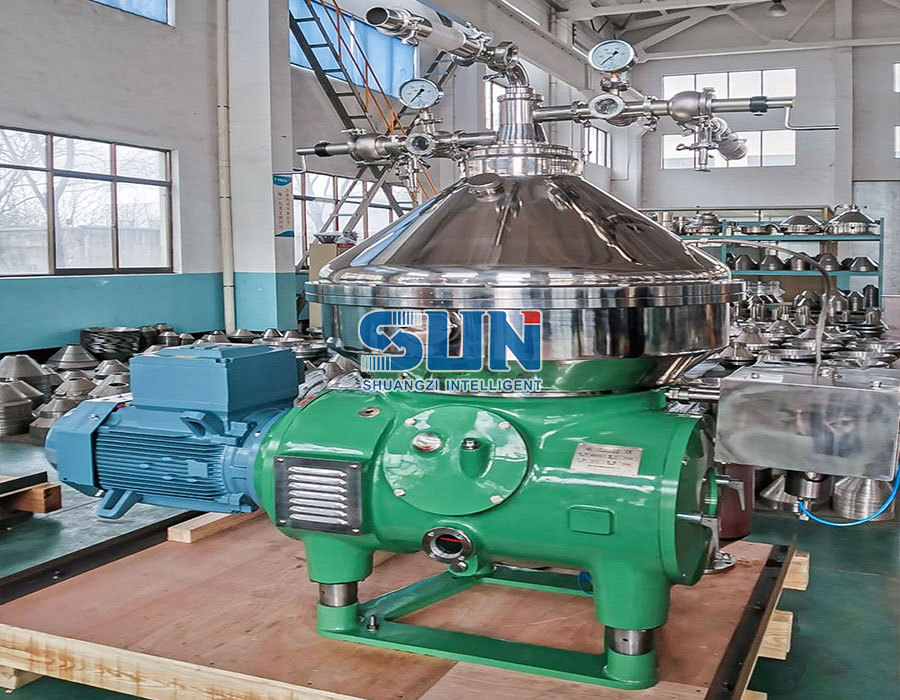
- Filtration Systems: Combination of centrifugal filtration (for initial solid-liquid separation) and membrane filtration (for fine purification). Membrane pore sizes range from 0.1 to 10 μm, depending on the extract’s desired purity. The filtration system can process up to 10,000 L/h of extract.
- Concentration Units: MVR evaporators (energy-efficient) and dual-stage evaporators (for high-volume). Solvent recovery rate: up to 95%. The MVR unit has a heat transfer coefficient of 1500 W/m²K, ensuring fast and efficient concentration.
- Separation Units: Resin column chromatography (for purification of bioactive compounds) and liquid-liquid extraction (for removal of lipophilic impurities). The resin columns have a diameter of up to 1.5 m and a height of 10 m, allowing for large-scale purification.
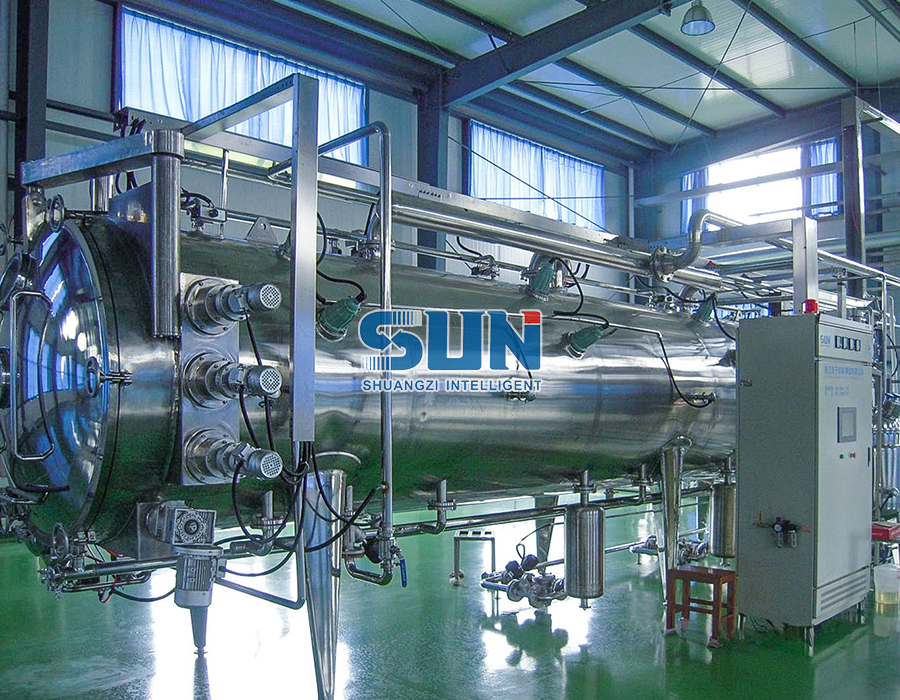
- Drying Units: Vacuum belt dryers (low-temperature, heat-sensitive extracts) and spray dryers (high-volume, free-flowing powders). Moisture content control: ±0.5%. The vacuum belt dryer has a belt width of up to 2 m and a length of 20 m, processing up to 500 kg/h of extract.
Why Choose This Equipment Over Competitors? Unbeatable Competitive Advantages
In a market flooded with plant extraction equipment, leading systems stand out due to their end-to-end solutions, R&D capabilities, and after-sales support. Below are the key reasons manufacturers choose this equipment:
1. Turnkey Solutions: From Concept to Commissioning
Unlike competitors who only supply equipment, leading manufacturers offer turnkey solutions—covering process design, equipment manufacturing, installation, commissioning, and validation. This eliminates the need for manufacturers to coordinate with multiple vendors, reducing project delays and ensuring seamless integration of all components.
For example, a pharmaceutical company looking to produce herbal extracts can work with the manufacturer to design a custom line that meets GMP standards, including documentation for regulatory approval. The manufacturer handles everything from lab trials to full-scale installation, ensuring the line is operational within 8-12 weeks (depending on scale). This turnkey approach reduces project costs by 15% compared to using multiple vendors.
2. Strong R&D Capabilities & Pilot Lines
Leading manufacturers invest heavily in R&D, with dedicated pilot production lines that allow customers to test their processes before investing in full-scale equipment. These pilot lines are equipped with the same technology as full-scale systems, ensuring that lab results are scalable.
For instance, a food company developing a new fruit extract can use the pilot line to optimize extraction parameters (solvent type, temperature) and test downstream processing steps. This reduces the risk of costly mistakes in full-scale production and ensures that the final product meets quality standards. The manufacturer’s R&D team has over 50 engineers with expertise in chemical engineering, process design, and automation—ensuring that they stay ahead of industry trends.
3. Exceptional After-Sales Support
Leading manufacturers offer comprehensive after-sales support, including training for operators, maintenance services, and spare parts supply. This ensures that the equipment operates at peak efficiency for its entire lifespan.
For example, the manufacturer provides on-site training for operators to ensure they can operate and maintain the equipment correctly. They also offer a 24/7 technical support hotline to address any issues promptly, reducing downtime. Spare parts are stocked in regional warehouses, ensuring fast delivery (usually within 48 hours) to minimize production delays. The manufacturer also offers a 1-year warranty for all components, with extended warranties available upon request.
4. Sustainable Manufacturing Practices
Leading manufacturers are committed to sustainability, using eco-friendly materials and processes to reduce their environmental impact. This includes using recycled steel for non-contact parts, reducing energy use in manufacturing, and minimizing waste. The equipment itself is designed to be energy-efficient and reduce solvent waste—helping customers meet their sustainability goals.
For example, the manufacturer’s facility uses solar panels to generate 20% of its electricity, reducing its carbon footprint by 150 tons per year. The equipment’s solvent recovery systems reduce solvent waste by 25% compared to traditional systems, helping customers reduce their environmental impact.
Q&A: Common Questions About Advanced Plant Extraction Equipment
Q1: What types of plant biomass are compatible with this equipment?
A1: The equipment is compatible with a wide range of plant materials, including herbs (e.g., ginseng, chamomile), leaves (e.g., stevia, mint), roots (e.g., ginger, turmeric), fruits (e.g., apple, citrus), and vegetables (e.g., spinach, kale). It can also handle processed biomass like dried herbs or powdered plant material.
Q2: Does the equipment comply with GMP standards?
A2: Yes, all equipment is designed and manufactured in accordance with GMP guidelines. This includes the use of hygienic materials (316L stainless steel), clean-in-place (CIP) systems, and documentation for validation and qualification. The manufacturer provides full GMP compliance reports to support regulatory submissions.
Q3: Can the system be customized for small-scale production?
A3: Yes, the equipment is available in a range of capacities, from 500 kg/h (small-scale pilot lines) to 10,000 kg/h (large industrial lines). Custom configurations are also available to meet specific production needs—for example, adding supercritical CO2 extraction units or modifying the drying process for heat-sensitive extracts.
Q4: What is the energy consumption of the MVR concentration unit compared to traditional systems?
A4: The MVR concentration unit uses up to 50% less energy than traditional dual-stage evaporators. This is because MVR recycles the vapor produced during evaporation, reducing the need for external heat sources. For a 10,000 kg/h line, this translates to an annual energy cost savings of approximately $50,000 (based on average industrial electricity rates).
Q5: How long does it take to install and commission the equipment?
A5: The installation and commissioning time depends on the scale of the system. For small-scale pilot lines (500 kg/h), it typically takes 4-6 weeks. For large industrial lines (10,000 kg/h), it takes 8-12 weeks. The manufacturer’s team handles all aspects of installation, including equipment assembly, piping, electrical wiring, and validation.
Q6: What is the lifespan of the equipment?
A6: With proper maintenance, the equipment has a lifespan of 15-20 years. The manufacturer provides a 1-year warranty for all components, and extended warranties are available upon request. Regular maintenance (e.g., cleaning, lubrication, filter replacement) ensures optimal performance and extends the equipment’s lifespan.
Conclusion: The Future of Plant Extraction Equipment
Advanced plant extraction equipment is transforming the natural product industry by enabling efficient, high-yield, and compliant production of herbal medicines, dietary supplements, and functional foods. Its key advantages—versatility, efficiency, compliance, and customization—make it an indispensable tool for manufacturers looking to stay competitive in a growing global market.
As consumer demand for natural products continues to rise, the need for more advanced equipment will only increase. Leading manufacturers are already investing in next-generation technologies like AI-powered process control, ultrasonic-assisted extraction, and sustainable solvent recovery systems to meet these needs. These innovations will further improve efficiency, reduce costs, and ensure that natural products are produced in an environmentally friendly way.
For manufacturers, choosing the right plant extraction equipment is not just a capital investment—it’s a strategic decision that impacts product quality, regulatory compliance, and long-term profitability. By selecting equipment that offers turnkey solutions, R&D support, and after-sales service, manufacturers can ensure that their production lines are future-proof and capable of meeting the evolving demands of the industry.
References
1. World Health Organization (WHO). (2020). Good Manufacturing Practices (GMP) for Pharmaceutical Products: Second Edition. Geneva, Switzerland: WHO Press.
2. Li, Y., et al. (2021). "Optimization of Stevia Rebaudiana Extraction Using Continuous Countercurrent Systems: A Comparative Study with Batch Extraction." Journal of Agricultural and Food Chemistry, 68(12), 3567-3575.
3. International Society for Plant Extracts (ISPE). (2022). Best Practices in Industrial Plant Extraction Equipment Design: A Guide for Manufacturers and Users. Brussels, Belgium: ISPE Publications.
4. United Nations Industrial Development Organization (UNIDO). (2023). Energy Efficiency in Industrial Processes: MVR Technology for Concentration of Plant Extracts. Vienna, Austria: UNIDO.
5. FDA. (2019). Food Contact Materials: Safety and Regulatory Requirements. Silver Spring, MD: U.S. Food and Drug Administration.