
 英语
英语 俄语
俄语Content
- 1 What Is an Astaxanthin Extraction Production Line?
- 2 Typical Process Flow
- 3 Raw Material Preparation and Pretreatment
- 4 Solvent Extraction Equipment
- 5 Filtration and Solid-Liquid Separation
- 6 Vacuum Concentration and Solvent Recovery
- 7 Optional Separation and Purification
- 8 Automation and Process Control
- 9 Equipment Manufacturing Strengths
- 10 Advantages Compared with Conventional or Disconnected Equipment Solutions
- 11 Manufacturing Quality and Fabrication Considerations
- 12 Installation, Commissioning, and Technical Service
- 13 Safety and Environmental Considerations
- 14 Capacity Planning and Project Customization
- 15 Quality Assurance and Product Consistency
- 16 Why Choose an Integrated Equipment Manufacturer?
- 17 Applications of the Finished Astaxanthin Extract
- 18 Project Development Procedure
- 19 Maintenance and Long-Term Operation
- 20 Frequently Asked Questions
- 20.1 What raw materials can be used for astaxanthin extraction?
- 20.2 Which solvents can be used?
- 20.3 What is the basic process flow?
- 20.4 Why is filtration important?
- 20.5 Why is vacuum concentration used?
- 20.6 Can the solvent be reused?
- 20.7 What capacities are available?
- 20.8 Can the production line be customized?
- 20.9 Does the supplier provide installation services?
- 20.10 Is pilot testing necessary?
- 20.11 What materials are used to manufacture the equipment?
- 20.12 What makes an integrated line preferable to separate machines?
- 21 Conclusion
- 22 References
- 23 Product: Astaxanthin Extraction Production Line Equipment
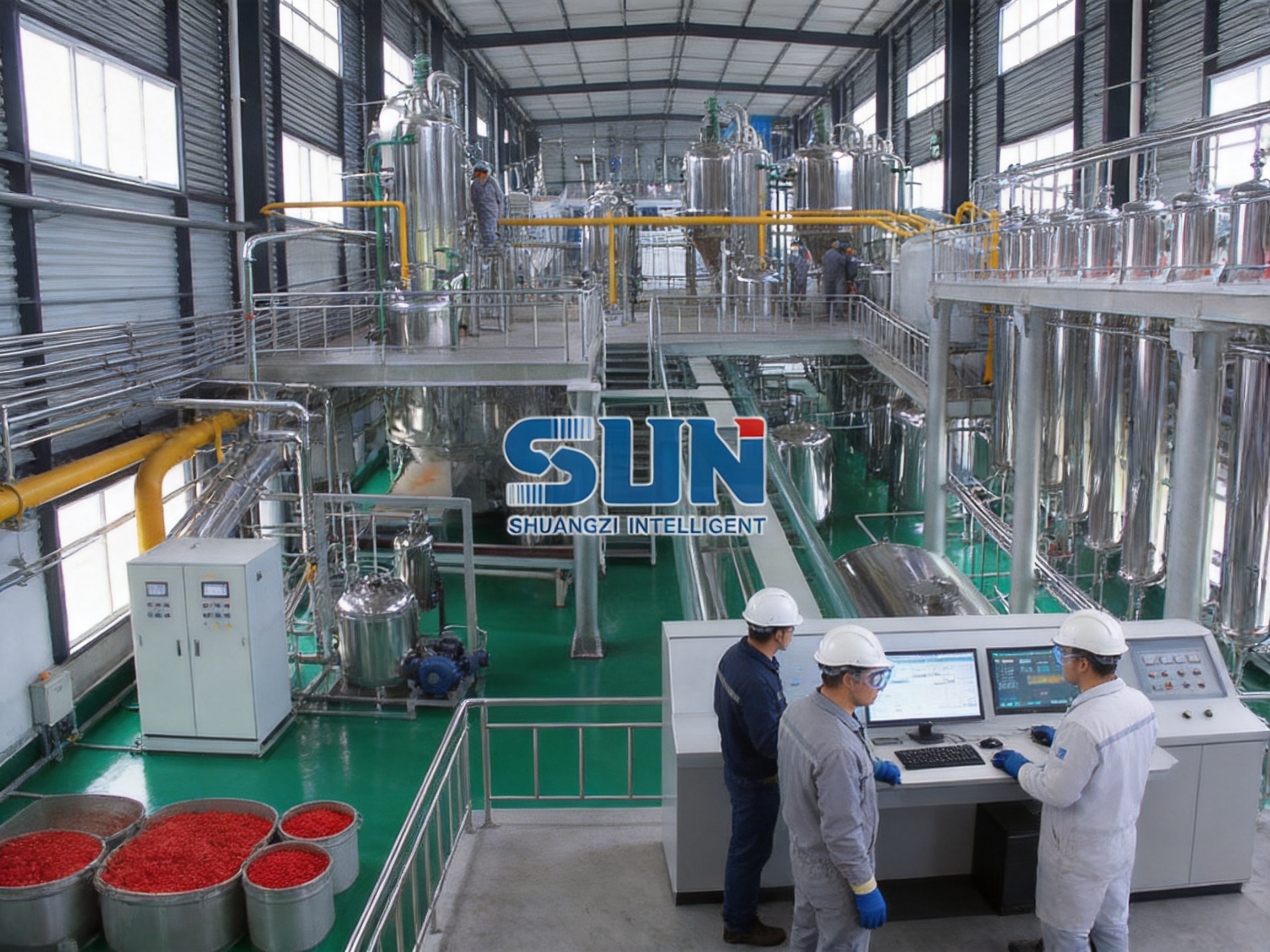
Astaxanthin is a naturally occurring red pigment with important applications in food, nutritional products, health products, cosmetics, animal nutrition, and pharmaceutical research. As demand grows for naturally derived ingredients with high functional value, manufacturers need extraction systems that can process raw materials efficiently while protecting product quality, recovering solvents, and supporting stable industrial operation.
An astaxanthin extraction production line is a coordinated process system designed to transform astaxanthin-containing biomass, such as shrimp shells and other suitable marine materials, into a concentrated and purified extract. The line commonly integrates material preparation, solvent extraction, solid-liquid separation, concentration, solvent recovery, and optional downstream purification. Properly engineered equipment is essential because astaxanthin is sensitive to processing conditions, and the raw extract normally contains proteins, minerals, lipids, pigments, moisture, and other components.
Zhejiang Shuangzi Intelligent Equipment Co., Ltd. provides process engineering, equipment manufacturing, system integration, installation, commissioning, and turnkey project services for plant extraction, biological fermentation, pharmaceutical engineering, natural food, and related industries. Its astaxanthin extraction production line equipment is designed around the customer’s raw material, capacity, solvent system, product specification, and production objectives.
The central workflow of the production line is extraction, filtration, concentration, and solvent recovery. Depending on the desired purity and final application, the system may also be configured with material crushing, pretreatment, separation, refining, drying, storage, automation, and environmental protection equipment.
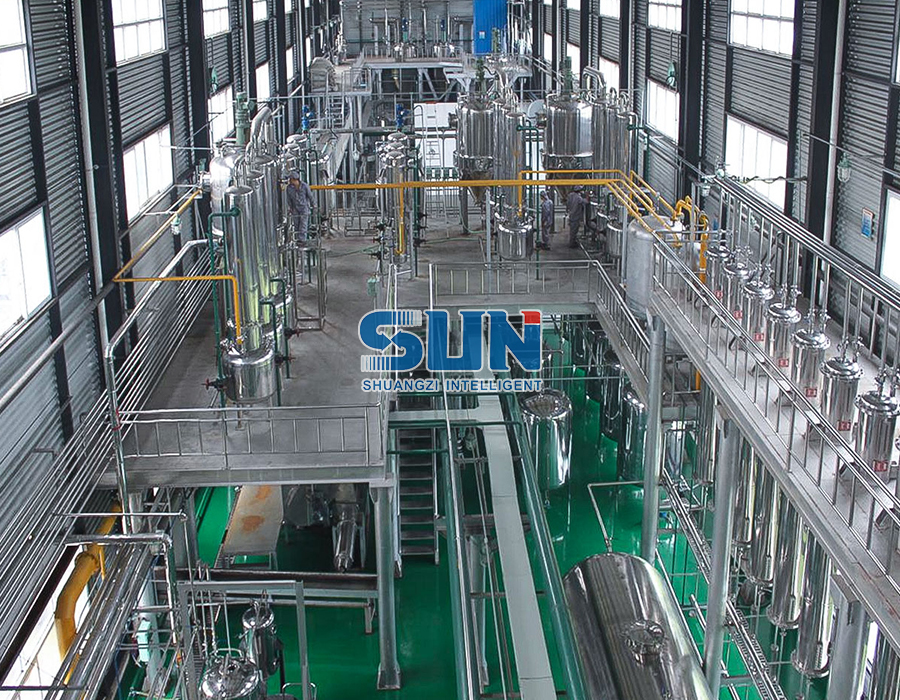
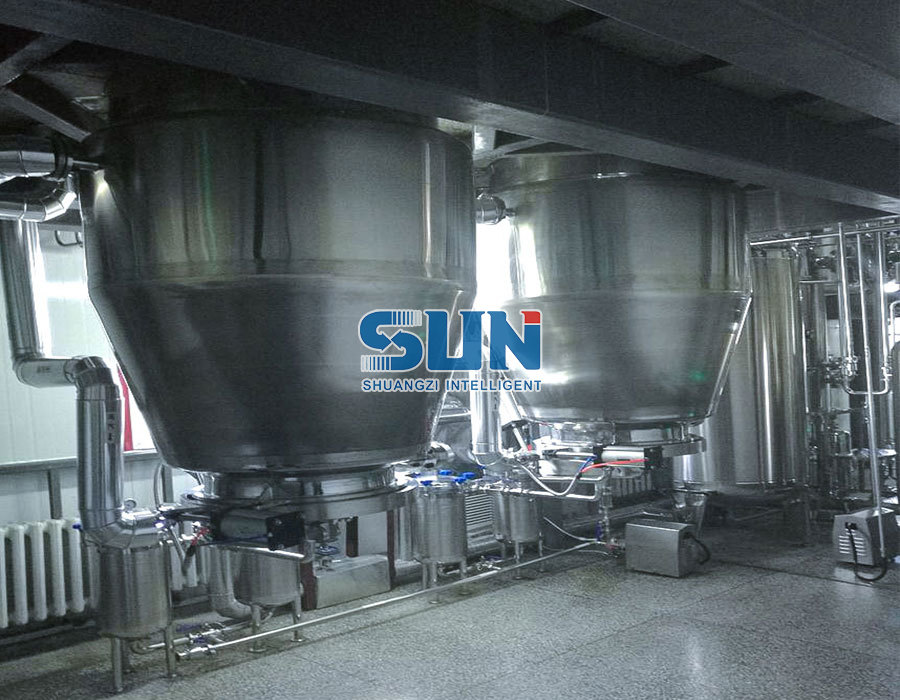
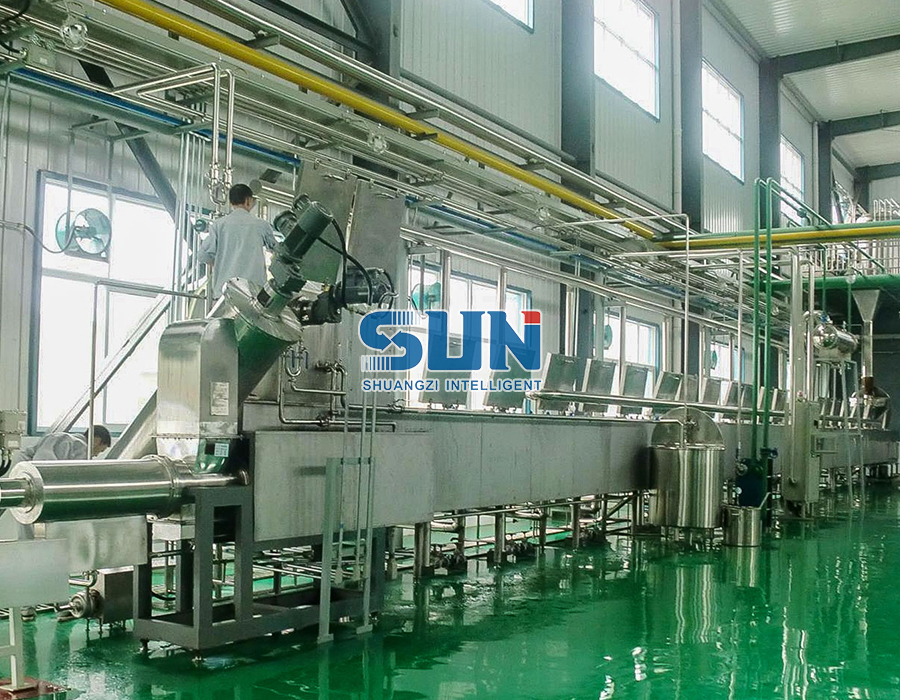
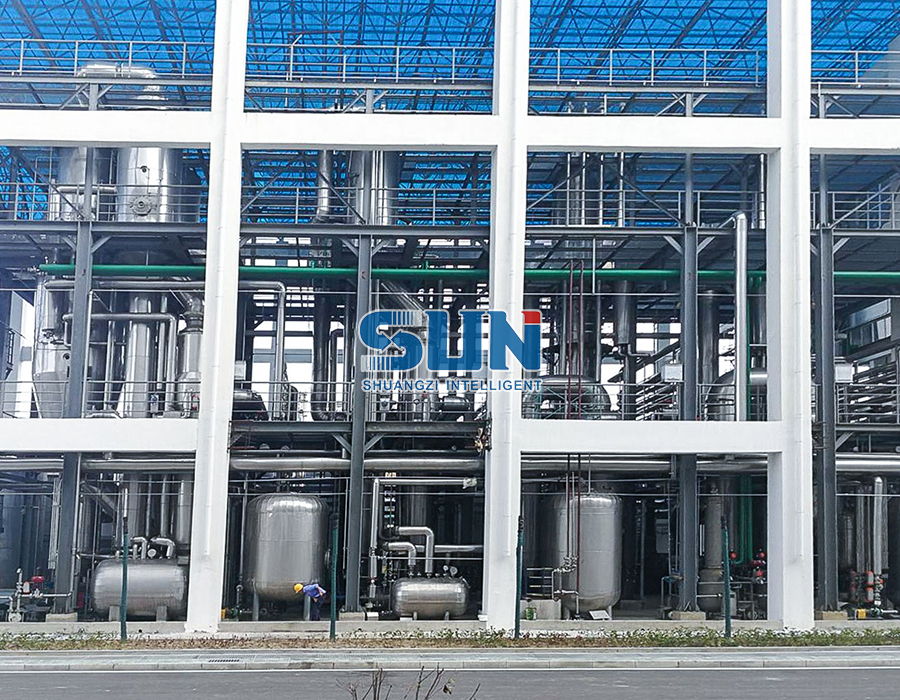
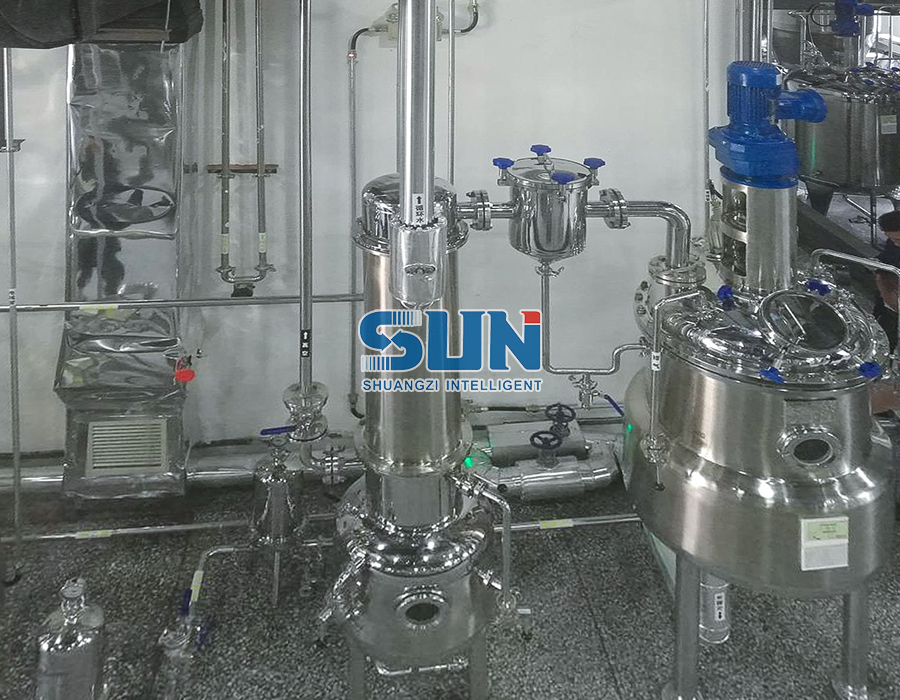
Astaxanthin Extraction Production Line Equipment
What Is an Astaxanthin Extraction Production Line?
An astaxanthin extraction production line is a collection of interconnected processing units used to separate astaxanthin from a biological raw material and convert it into a usable extract or concentrated product. The equipment is arranged to provide controlled material movement from the feed stage through the final collection stage.
The production line can be adapted to different feedstocks. Shrimp shells are a commonly discussed raw material because they contain naturally occurring astaxanthin associated with proteins, lipids, minerals, and chitin. Other marine biomass or astaxanthin-containing materials may require different pretreatment and extraction conditions. For this reason, a practical line should not be designed only from a general equipment list. It should be developed according to laboratory test results, raw material composition, extraction solvent, required yield, target purity, and local operating regulations.
The basic process begins with preparation of the raw material. The feedstock may be inspected, sorted, crushed, and adjusted for moisture or particle size. Smaller and more uniform particles normally provide better contact between the solid material and extraction solvent. However, excessive crushing can create filtration difficulties, so the appropriate particle size must be determined through process testing.
During extraction, the prepared material is contacted with a suitable solvent, such as ethanol, acetone, or another solvent selected according to the product requirements and applicable regulations. The solvent penetrates the material and dissolves astaxanthin and other soluble components. Mixing, temperature control, extraction time, and solid-to-liquid ratio are important variables affecting the performance of this stage.
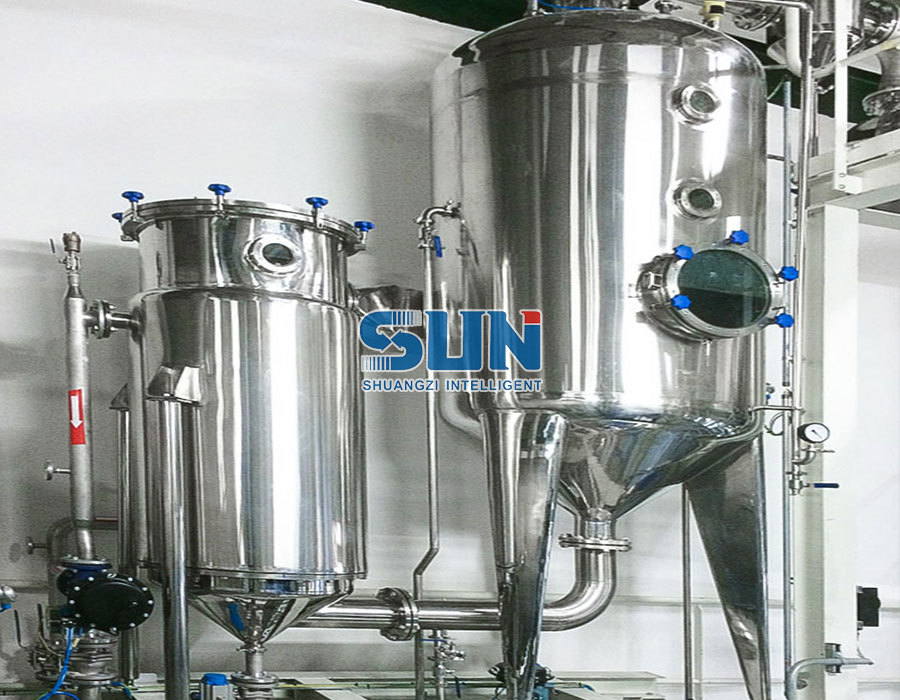
After extraction, the slurry is sent to a solid-liquid separation unit. Filtration removes insoluble solids and produces a liquid extract containing solvent, astaxanthin, and co-extracted substances. The filtered liquid is then concentrated, generally under controlled vacuum and temperature conditions. Solvent recovery equipment can collect and condense the evaporated solvent for reuse, reducing solvent consumption and supporting safer, more economical operation.
Where a higher-purity product is required, additional separation and purification units may be installed. These may include liquid-liquid extraction, washing, precipitation, adsorption, crystallization, membrane separation, or other technologies selected through process development. The exact configuration depends on whether the customer requires a crude oleoresin, concentrated extract, standardized ingredient, or high-purity astaxanthin fraction.
Typical Process Flow
The principal workflow for an astaxanthin extraction line is:
Raw material preparation — Extraction — Filtration — Concentration — Solvent recovery.
A more complete industrial process may include the following sequence:
Raw material receiving and inspection.
Cleaning, sorting, and optional washing.
Crushing or grinding to a controlled particle size.
Optional drying or moisture adjustment.
Solvent charging and extraction.
Agitation and temperature control.
Solid-liquid filtration.
Extract transfer and intermediate storage.
Vacuum concentration.
Solvent condensation and recovery.
Optional secondary separation and purification.
Final drying or formulation.
Finished product storage and packaging.
Not every project requires every stage. A customized design allows the line to match the intended product. For example, a producer making a bulk astaxanthin extract may require extraction, filtration, concentration, and solvent recovery, while a producer targeting a more refined ingredient may need several additional separation steps.
Raw Material Preparation and Pretreatment
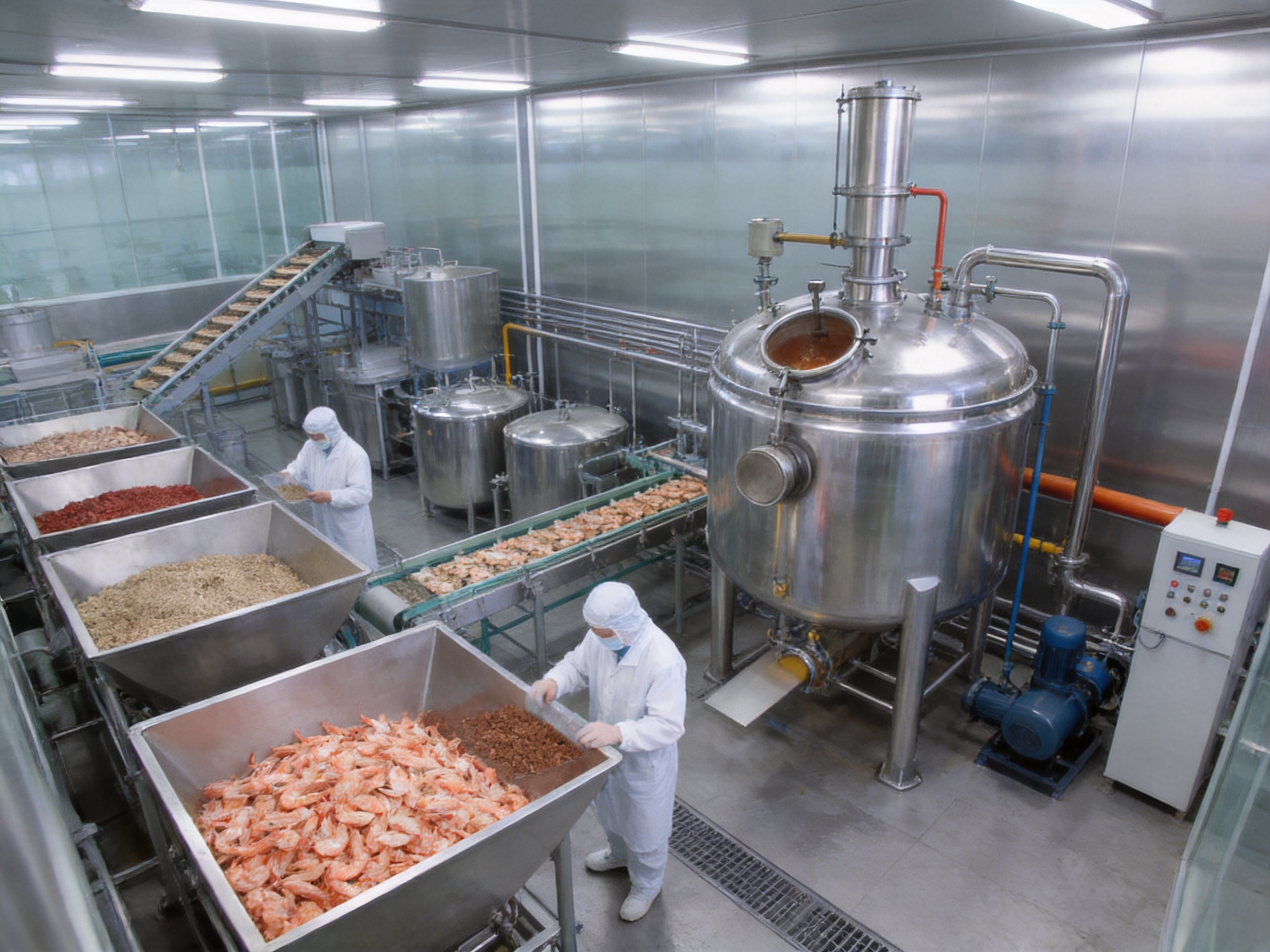
Raw material preparation has a direct influence on extraction performance. Inconsistent feedstock can cause fluctuations in solvent consumption, extraction yield, filtration speed, and final product composition. The production line therefore begins with equipment and operating procedures that stabilize the incoming material.
Material Inspection
Incoming biomass should be assessed for identity, moisture, foreign matter, particle condition, and storage history. Marine raw materials may vary according to species, season, geographical origin, handling method, and storage temperature. A process design that accommodates these variations can help maintain more consistent operation.
Inspection may be supported by sampling points, weighing equipment, collection hoppers, and controlled material transfer. Where required, the receiving section can be designed to reduce contamination and minimize exposure to heat, light, and air.
Crushing and Size Reduction
Crushing increases the available surface area and supports better contact between the biomass and extraction solvent. The ideal particle size is a balance. Particles that are too large may reduce extraction efficiency, while particles that are too fine can form compact filter cakes and slow down solid-liquid separation.
Shuangzi can configure suitable material preparation equipment according to the characteristics of the feedstock. The design may include crushers, mills, conveyors, hoppers, feed pumps, and dust or odor control arrangements where appropriate. Equipment selection is based on capacity, material moisture, expected throughput, hygiene requirements, and process compatibility.
Moisture and Temperature Management
Moisture content affects solvent penetration, extraction selectivity, and the energy required during concentration. In some cases, the raw material may be used directly; in other cases, pretreatment or drying may be beneficial. The correct strategy depends on the feedstock and the target product.
Astaxanthin-containing materials should also be protected from unnecessarily severe heat and prolonged exposure to air or light. A well-designed production line provides controlled temperature conditions, enclosed transfer, and suitable residence times. Vacuum operation during concentration can help lower the boiling temperature of the solvent and reduce thermal stress on heat-sensitive components.
Solvent Extraction Equipment
The extraction system is the core of the production line. Its role is to provide effective contact between the prepared biomass and the selected solvent while allowing the operator to control key process variables.
Extraction Vessel Design
Industrial extraction vessels are commonly equipped with an agitator, heating or cooling jacket, solvent inlet, material inlet, extract outlet, drain point, inspection port, and cleaning connections. Depending on the project, the vessel may operate under atmospheric pressure or vacuum conditions.
The internal design should promote even mixing without creating excessive shear or dead zones. The agitator, impeller type, rotational speed, and vessel geometry are selected according to the viscosity and solids content of the extraction mixture. A suitable design supports uniform solvent distribution and repeatable extraction results.
For food, health product, and pharmaceutical applications, hygienic construction is especially important. Product-contact surfaces should be smooth and accessible for cleaning. The equipment may be fabricated from corrosion-resistant stainless steel selected according to the solvent, temperature, and cleaning chemistry.
Solvent Selection
Ethanol and acetone are examples of organic solvents that may be used for astaxanthin extraction. The final selection should consider extraction performance, product application, solvent recovery, safety, regulatory requirements, and environmental conditions. The solvent system can be evaluated through laboratory and pilot testing before the industrial line is finalized.
Solvent handling requires careful engineering. Storage tanks, pumps, valves, pipes, seals, condensers, and electrical components should be compatible with the selected solvent. Ventilation, grounding, leak prevention, and safety controls should be incorporated into the project design. The equipment arrangement should also reduce unnecessary solvent exposure for operators.
Extraction Parameters
Important extraction variables include solvent concentration, solid-to-liquid ratio, temperature, mixing intensity, extraction time, and the number of extraction stages. A single extraction may be sufficient for some applications, while multiple extraction stages may improve recovery from the solid residue.
Multiple-stage extraction can be configured as repeated batch extraction or as a more continuous arrangement, depending on capacity and process requirements. The final selection should be based on yield, solvent use, equipment investment, labor requirements, and the desired level of automation.
A production line supplied by an experienced process equipment manufacturer can provide flexibility through programmable recipes, adjustable operating conditions, and modular expansion. This is valuable when customers process different raw materials or intend to develop several astaxanthin-based products.
Filtration and Solid-Liquid Separation
Following extraction, the mixture contains liquid solvent, dissolved astaxanthin, suspended solids, and possibly emulsified or colloidal components. Efficient filtration is necessary to protect downstream concentration equipment and improve the quality of the intermediate extract.
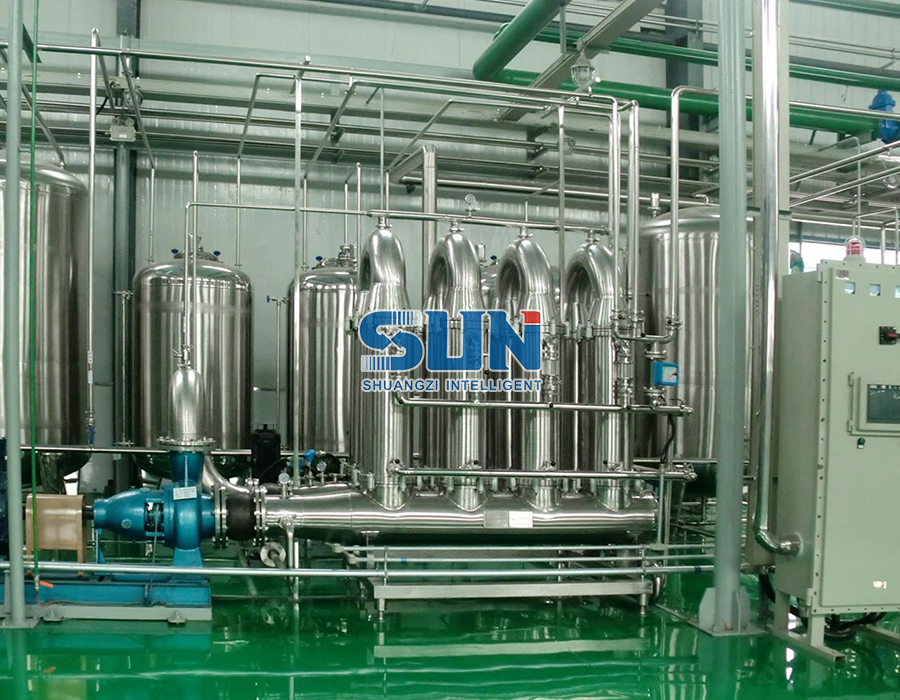
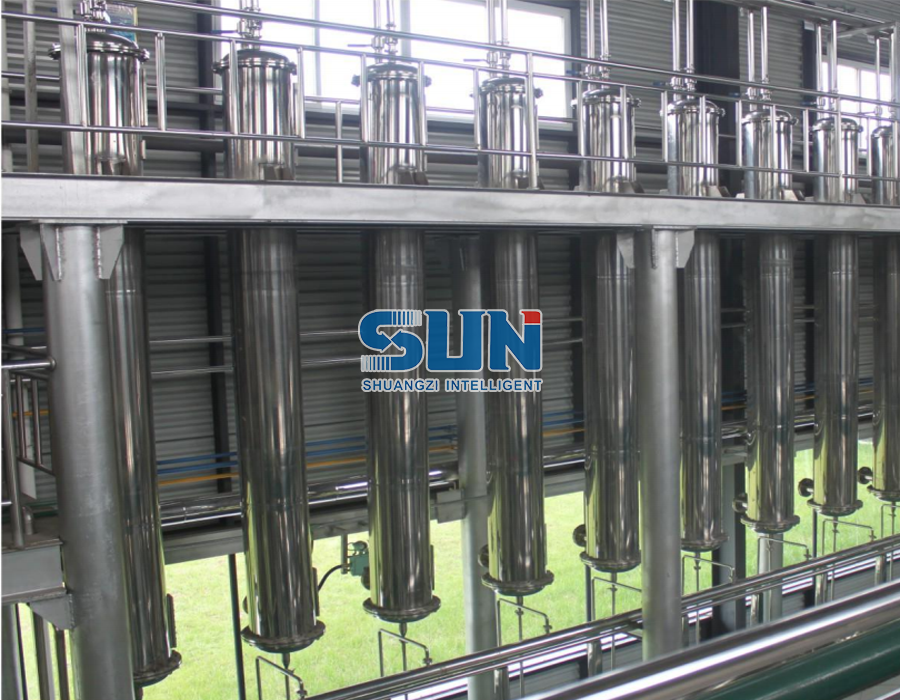
Filtration equipment may be selected according to the solids content, particle characteristics, required flow rate, and desired clarity. Possible solutions include plate-and-frame filters, bag filters, cartridge filters, vacuum filters, pressure filters, or other separation equipment. The most suitable option is determined through process testing.
Importance of Filterability
Fine particles and high concentrations of proteins or lipids can reduce filtration speed. Excessive pressure may compact the filter cake and make discharge more difficult. A properly designed system therefore considers filter area, filtration pressure, cake thickness, cleaning access, and solids discharge.
Pre-filtration may be used to remove larger solids before a finer polishing stage. This approach can extend filter service life and provide more stable operation. Where the extract is especially difficult to filter, pretreatment, flocculation, centrifugation, or an alternative separation technology may be evaluated.
Closed Transfer and Product Protection
Closed transfer between extraction vessels, filters, concentration units, and storage tanks can help reduce contamination, solvent vapor release, and product exposure. Proper pipe routing also reduces residual liquid in the system and simplifies cleaning and recovery.
Hygienic valves and sanitary pipe fittings may be used where the product application requires them. Drainability, cleanability, and inspection access are important design considerations for a line intended for repeated production.
Vacuum Concentration and Solvent Recovery
After filtration, the extract generally contains a significant quantity of solvent. Concentration reduces the liquid volume and increases the concentration of astaxanthin and other extracted components. Solvent recovery separates and condenses the vapor so that the solvent can potentially be reused.
Vacuum concentration is particularly useful for products containing heat-sensitive natural compounds. By reducing system pressure, the boiling point of the solvent can be lowered. This may allow concentration at a more moderate temperature than atmospheric evaporation, helping protect product characteristics and reducing thermal impact.
Evaporation Equipment
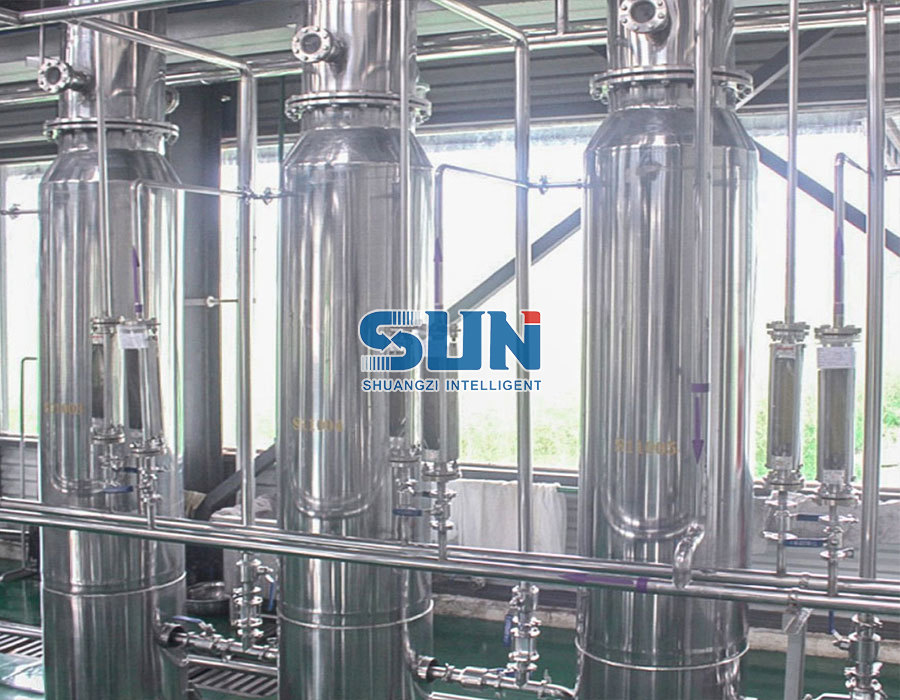
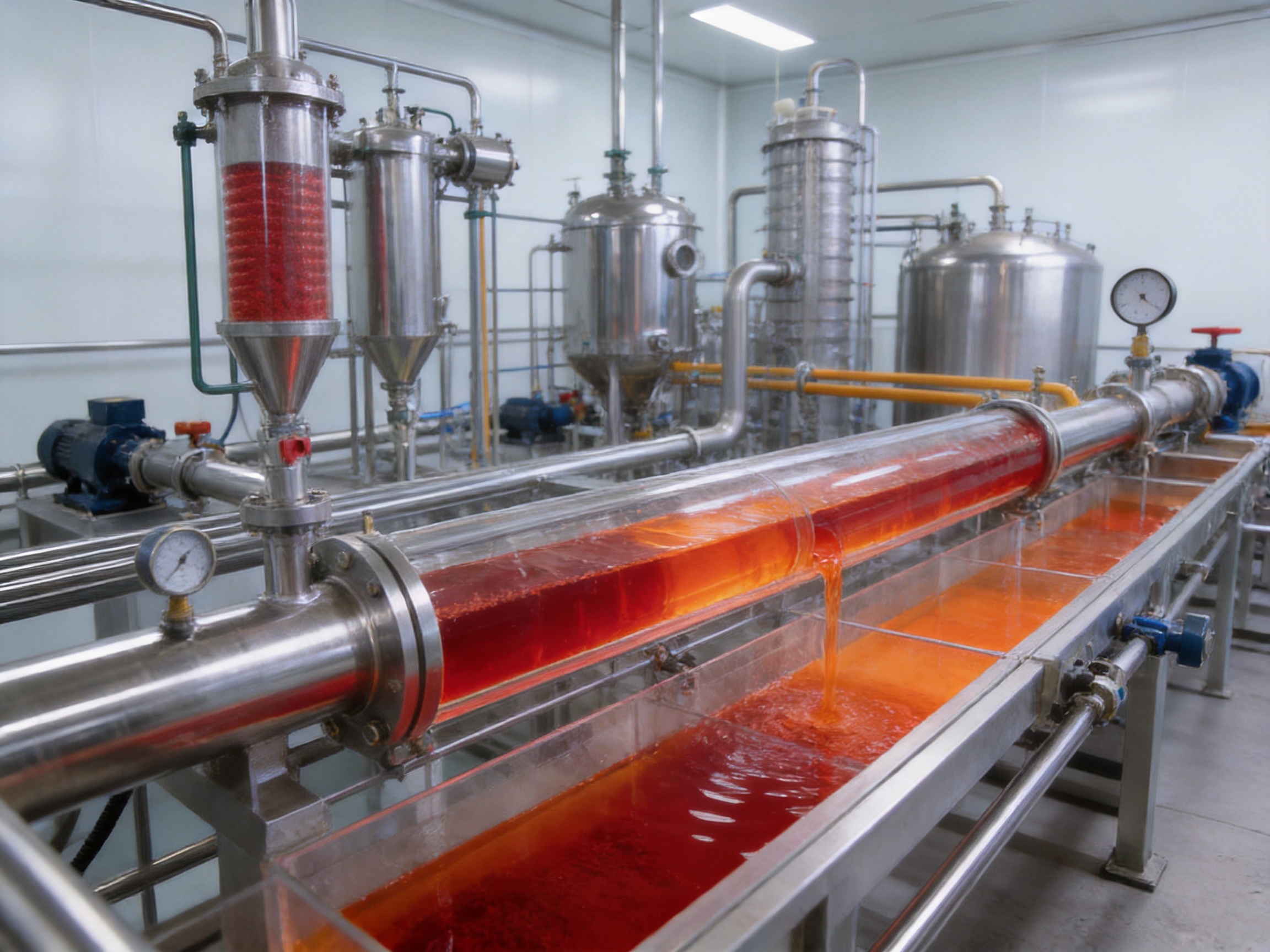
The concentration section can be configured with an evaporator, heating system, vacuum system, condenser, receiving tank, circulation pump, and control instruments. Depending on capacity and viscosity, the system may use batch evaporation, falling-film evaporation, forced-circulation evaporation, or another suitable arrangement.
The evaporator must be selected for the expected extract composition. An extract containing lipids, suspended solids, or sticky components may behave differently from a clear dilute solution. Heat-transfer surfaces, circulation velocity, cleaning procedures, and discharge arrangements should therefore be considered during design.
Solvent Recovery Benefits
Solvent recovery offers several benefits. It can reduce the quantity of fresh solvent required, lower operating costs, decrease solvent emissions, and support more responsible plant operation. Recovery also gives the operator greater control over the solvent balance within the process.
A recovery system normally includes vapor lines, condensers, receiving tanks, pumps, level instruments, and associated safety devices. The condenser capacity should match the evaporation load and operating conditions. The design should prevent vapor leakage and provide reliable collection of the recovered solvent.
Solvent recovery is one of the major advantages of an integrated extraction line compared with a collection of disconnected machines. When extraction, filtration, concentration, and recovery equipment are engineered as one system, material balance, pipe routing, control logic, and operating procedures can be coordinated more effectively.
Optional Separation and Purification
Crude astaxanthin extract may contain other pigments, oils, proteins, minerals, residual solids, and co-extracted substances. The purification requirements depend on the intended use and product specification. Some customers may require a concentrated oleoresin, while others may need a more refined astaxanthin product.
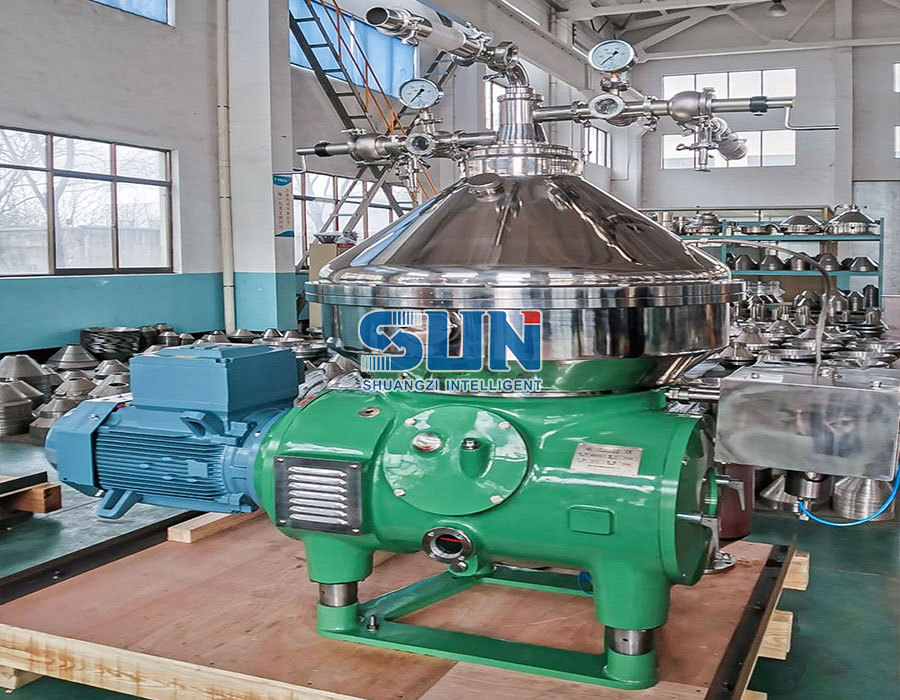
Optional purification technologies can be integrated after primary concentration. The selection should be based on laboratory and pilot results rather than on a standardized assumption. Possible technologies include selective solvent treatment, liquid-liquid extraction, adsorption, precipitation, crystallization, membrane separation, centrifugation, and polishing filtration.
Selective Solvent Treatment
Selective solvent treatment uses differences in solubility to separate astaxanthin from unwanted components. The extract is contacted with an appropriate solvent or solvent mixture under controlled conditions. Components with different solubility behavior can then be separated through phase separation, filtration, concentration, or precipitation.
Process control is important because solvent composition, temperature, mixing, and residence time influence selectivity. The equipment may include mixing tanks, phase separation vessels, pumps, filters, and recovery units.
Crystallization and Precipitation
Crystallization or precipitation may be considered when the target product requires a more defined solid fraction. These operations require control of concentration, cooling, solvent composition, seeding, residence time, and agitation. The resulting solids may be separated through filtration or centrifugation and then dried under controlled conditions.
Not all astaxanthin products are intended to be crystalline. For some applications, an oil-based extract or concentrated liquid may be preferable. A flexible production line allows the customer to choose the downstream configuration according to product positioning and market requirements.
Final Drying
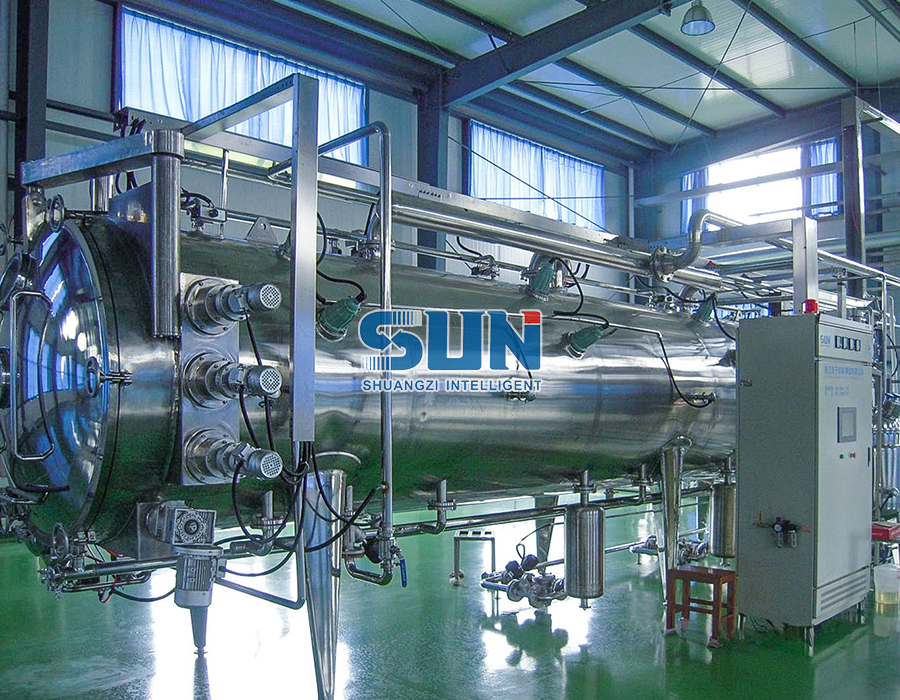
If a dry powder or solid product is required, a drying system may be installed after purification. Vacuum low-temperature drying is one option for reducing moisture or residual solvent while limiting exposure to high heat. The appropriate drying technology depends on the product form, solvent system, moisture target, and throughput.
Automation and Process Control
Automation improves consistency, traceability, and operating convenience. An extraction production line can be controlled through instruments and a central control system that monitor temperature, pressure, vacuum, liquid level, flow, agitation, and other critical parameters.
Automatic control can support recipe management for different raw materials or batch sizes. It can also coordinate the opening and closing of valves, the starting and stopping of pumps, solvent charging, heating, cooling, filtration transfer, concentration, and recovery operations.
Control system functions may include alarm management, data recording, batch identification, operating trend display, interlocking, and emergency shutdown. The final level of automation can be selected according to customer requirements, labor availability, production scale, and regulatory expectations.
Automation is especially valuable in solvent-based production because it can reduce unnecessary manual handling. It can also help prevent operating errors such as overfilling, excessive temperature, insufficient cooling, or improper transfer sequence. Safety-related interlocks should be designed according to the solvent characteristics and the applicable plant standards.
Equipment Manufacturing Strengths
Zhejiang Shuangzi Intelligent Equipment Co., Ltd. was founded in 2007 and has developed capabilities in process technology, equipment design, fabrication, installation, and system integration. The company covers a floor area of approximately 16,706 square meters and a structure area of approximately 17,800 square meters.
Its equipment portfolio includes extraction equipment, evaporation and concentration equipment, filtration equipment, separation and crystallization equipment, vacuum low-temperature drying systems, fermentation equipment, containers, and related process units. This broad product range is useful for astaxanthin projects because the complete line often requires several different types of equipment that must work together.
The company operates production facilities that include pilot production workshops and research and development platforms. These resources support process verification, equipment adaptation, and scale-up work before the final industrial system is delivered. Pilot testing is particularly important for natural material extraction because raw material composition and extract behavior can vary considerably.
The company has also introduced advanced welding and finishing equipment, including plasma argon arc welding machines, plasma cutting machines, and CAM CNC machining centers. These manufacturing resources can support more consistent fabrication, accurate component production, smooth product-contact surfaces, and improved equipment finishing.
Process Engineering Capability
An extraction line is more than a set of tanks and pumps. It requires a process flow that accounts for mass balance, heat balance, solvent circulation, filtration behavior, evaporation load, product residence time, cleaning, safety, and future maintenance. Shuangzi focuses on process technology and automation engineering design as part of its overall project service.
The company can assist with process design, equipment design, matching procurement, installation, line debugging, and system integration. This approach allows the customer to coordinate technical issues through one project partner rather than managing every item separately.
Integrated Manufacturing and System Coordination
One advantage of integrated manufacturing is the ability to coordinate vessel dimensions, pipe connections, pump performance, control instruments, and supporting structures before delivery. This can reduce mismatches that may occur when equipment is purchased from unrelated suppliers.
Integrated coordination is also helpful when the project includes evaporation, separation, drying, or fermentation equipment in addition to the astaxanthin extraction section. The same engineering team can consider utilities, control philosophy, material transfer, cleaning requirements, and production layout across the complete system.
Turnkey Project Support
The company provides turnkey project services for customers requiring a complete production solution. A turnkey project may include process planning, equipment manufacture, installation, commissioning, operator support, and production line debugging.
This service model can be advantageous for customers entering astaxanthin extraction for the first time or expanding from pilot production to commercial manufacturing. It helps connect process objectives with practical equipment implementation and site requirements.
Advantages Compared with Conventional or Disconnected Equipment Solutions
Astaxanthin extraction can be performed with individual machines purchased from multiple vendors. However, a disconnected approach may create challenges in compatibility, control, installation, and responsibility. An integrated production line offers several potential advantages.
Complete Process Coordination
The extraction vessel, filter, concentrator, solvent recovery system, transfer pumps, and control system can be designed as a coordinated process. This improves the relationship between equipment capacities and helps avoid bottlenecks between stages.
For example, a filtration unit that is too small may limit the entire production line, while an oversized evaporator may increase capital cost without providing practical benefit. Integrated design helps balance the system around the customer’s actual production target.
Flexible Capacity Configuration
Equipment can be configured for different operational capacities. The supplied information lists biomass processing capacities from 500 kilograms per hour to 10,000 kilograms per hour, including 1,000, 2,000, 3,000, 4,000, 5,000, 6,000, and 8,000 kilograms per hour options.
These figures provide a reference range rather than a universal guarantee for every raw material. Actual capacity depends on moisture, particle size, extraction method, solvent ratio, number of extraction stages, filtration characteristics, operating schedule, and product specification. A technical proposal should confirm capacity through detailed process data and, where necessary, pilot testing.
Improved Solvent Utilization
The combination of concentration and solvent recovery helps reduce solvent losses compared with an arrangement in which solvent vapor is not recovered. Recovered solvent may be returned to the process after suitable quality evaluation and treatment.
Improved solvent management can contribute to lower operating costs and a cleaner working environment. It also supports more effective material balance control and makes the process easier to monitor.
Controlled Thermal Conditions
Vacuum concentration and vacuum low-temperature drying options can help reduce the thermal load on natural extracts. This is important when the product’s color, activity, or composition may be affected by excessive temperature or prolonged heating.
Temperature control does not eliminate the need for product stability studies. Instead, it provides the equipment capability needed to develop and maintain appropriate processing conditions.
Better Hygienic and Cleanability Design
Natural food, health product, and pharmaceutical applications require careful attention to hygiene. Smooth product-contact surfaces, suitable stainless-steel construction, drainable piping, accessible valves, and cleaning connections can support more reliable sanitation.
The actual hygienic standard should be established in the project specification. The customer should define the required materials, surface finish, cleaning method, validation expectations, and applicable regulatory standards at the beginning of the project.
Reduced Project Coordination Burden
When one supplier manages process design, equipment production, installation, and commissioning, the customer may benefit from clearer communication and fewer interface disputes. The supplier can take responsibility for coordinating the relationship between major equipment units and the control system.
This does not replace the customer’s responsibility for site preparation, utilities, permits, raw material qualification, and product validation. It does, however, provide a more organized framework for project execution.
Manufacturing Quality and Fabrication Considerations
Extraction equipment must withstand contact with solvents, water, natural acids, cleaning solutions, and variable process mixtures. Material selection should therefore be based on corrosion resistance, mechanical strength, temperature, pressure, vacuum, and cleaning conditions.
Welding quality is important for vessels and pipes used in food, health product, and pharmaceutical-related production. Plasma argon arc welding can support controlled welding operations and clean internal seams when performed by qualified personnel. Surface finishing and inspection should be included in the manufacturing quality plan.
CAM CNC machining centers can help produce accurately dimensioned components and improve repeatability for fabricated equipment. Accurate machining is useful for flanges, covers, fittings, support components, and other parts that require consistent alignment.
Equipment inspection may include dimensional checks, weld inspection, pressure or vacuum testing, surface inspection, electrical testing, instrument verification, and trial assembly. The specific inspection program should correspond to the equipment category and customer requirements.
For a complete extraction line, factory assembly or partial preassembly can help identify interface problems before shipment. Labeling pipes, valves, instruments, and electrical connections can also make installation and commissioning more efficient at the customer’s site.
Installation, Commissioning, and Technical Service
Successful production depends on more than equipment delivery. Installation must be followed by commissioning, process adjustment, operator training, and performance verification. Shuangzi can provide installation, line debugging, and related technical services as part of its project support.
During commissioning, the system may be checked first with water or another safe medium to confirm pump direction, valve operation, tank level control, heating and cooling performance, vacuum stability, filtration flow, and condenser operation. The project can then progress to solvent testing and raw material trials under controlled procedures.
Process commissioning should verify more than mechanical operation. It should also examine extraction yield, filtration behavior, concentration efficiency, solvent recovery, product transfer, cleaning, and batch repeatability. Any differences between laboratory expectations and industrial behavior can then be addressed through operating adjustments or equipment modifications.
Operator training may cover equipment startup and shutdown, solvent handling, extraction recipes, filtration procedures, concentration control, alarm response, cleaning, maintenance, and emergency measures. Clear operating instructions are essential for safe and consistent production.
Safety and Environmental Considerations
Organic solvent extraction requires a comprehensive safety approach. The plant layout, electrical system, ventilation, storage arrangements, grounding, piping, pumps, seals, and control system should be designed according to the selected solvent and applicable safety codes.
Potential risks include flammable vapor, leakage, static electricity, excessive pressure, vacuum instability, high temperature, and incorrect solvent transfer. Safety measures should be reviewed during engineering design and confirmed during installation and commissioning.
Solvent recovery can reduce vapor emissions and improve resource utilization. Closed vessels and enclosed piping can further reduce operator exposure. Waste streams, including spent biomass, wash liquids, concentrated residues, and used filter materials, should be evaluated for appropriate handling and disposal.
Environmental performance also depends on utility selection and operating efficiency. Heat recovery, efficient evaporation, properly sized pumps, insulation, and optimized extraction conditions may help reduce energy and solvent consumption. These improvements should be considered together with product quality and capital cost.
Capacity Planning and Project Customization
Capacity should be defined in relation to the raw material feed rate, operating hours, batch cycle, extraction stages, and final product output. A stated biomass capacity does not automatically represent the final astaxanthin production capacity because yield varies with raw material composition and process conditions.
| Reference Biomass Capacity | Indicative Operational Capacity |
|---|---|
| 500 | 500 kilograms per hour |
| 1,000 | 1,000 kilograms per hour |
| 2,000 | 2,000 kilograms per hour |
| 3,000 | 3,000 kilograms per hour |
| 4,000 | 4,000 kilograms per hour |
| 5,000 | 5,000 kilograms per hour |
| 6,000 | 6,000 kilograms per hour |
| 8,000 | 8,000 kilograms per hour |
| 10,000 | 10,000 kilograms per hour |
The table provides the available reference capacities listed for the production line. Final equipment sizing should be confirmed through a technical consultation that considers the raw material, solvent, extraction method, filtration load, concentration system, target product, and planned production schedule.
A customized project may include one or more extraction vessels, parallel filters, intermediate storage tanks, staged evaporation, redundant pumps, automated solvent charging, and expanded recovery capacity. Modular design can also make future capacity increases easier, although expansion space and utility requirements should be considered during the initial plant layout.
Quality Assurance and Product Consistency
Quality assurance begins with raw material control and continues through every process stage. The customer should establish specifications for raw material identity, moisture, impurity levels, astaxanthin content, solvent residues, microbial quality, color, and final purity as appropriate for the intended product.
In-process control can include extraction temperature, extraction time, solvent ratio, filtration clarity, concentration temperature, vacuum level, recovered solvent quality, and final moisture or solvent content. Recording these parameters supports traceability and helps identify deviations.
Because natural raw materials vary, a production line should provide adjustment capability rather than relying on a single fixed operating condition. Recipe-based control, sampling points, intermediate tanks, and flexible separation steps can help the operator respond to normal material variation.
The equipment manufacturer can assist with the process documents and technical information needed for installation and operation. Validation, regulatory approval, analytical testing, and final product release remain dependent on the customer’s application, market, and quality system.
Why Choose an Integrated Equipment Manufacturer?
An integrated equipment manufacturer combines process knowledge with fabrication and project execution. This combination is valuable for astaxanthin extraction because the performance of the line depends on the interaction between several stages.
A company that only supplies tanks may not be able to optimize filtration, concentration, solvent recovery, and automation as one process. A company that only provides engineering drawings may not have the manufacturing resources needed to control fabrication quality. An integrated supplier can connect these functions from early design through commissioning.
Zhejiang Shuangzi Intelligent Equipment Co., Ltd. emphasizes EPC and EPCM capabilities, process technology, automation engineering design, equipment manufacture, matching purchase, installation, and system integration. These capabilities position the company to support projects that require more than a single extraction machine.
Its experience in plant extraction, fermentation, pharmaceutical engineering, natural food, and environmental protection also provides a broader technical foundation for projects involving complex biological materials. Customers can discuss extraction, evaporation, separation, drying, storage, and automation requirements within one engineering framework.
The company’s pilot workshop and research and development platform can support process studies and scale-up activities. This is an important advantage over purely standardized equipment because astaxanthin extraction conditions may need to be adapted to the actual raw material and final specification.
Applications of the Finished Astaxanthin Extract
Astaxanthin extract can be developed for different markets, subject to the required quality standards and regulatory approvals. Potential application areas include natural food coloring, dietary and health products, nutritional formulations, animal feed ingredients, cosmetics, and pharmaceutical research.
Product form may vary. Some customers may require a concentrated liquid, oil-based extract, dry powder, or purified solid. The production line can be configured around the required form, including optional concentration, drying, crystallization, or blending stages.
The intended application should be defined before equipment selection. A food ingredient may prioritize hygienic design and residual solvent control. A health product may require standardized potency and traceable batch records. A research or pharmaceutical project may require additional purification, analytical control, and documentation.
Project Development Procedure
A successful astaxanthin extraction project normally proceeds through several stages.
Stage One: Technical Consultation
The customer provides information about the raw material, expected feed rate, solvent preference, target product, required purity, available utilities, site conditions, and production schedule. This information forms the basis for preliminary process planning.
Stage Two: Laboratory or Pilot Evaluation
Extraction and separation tests are used to evaluate yield, filtration behavior, concentration performance, solvent recovery, and product quality. Pilot testing can identify difficulties that are not apparent from a simple laboratory extraction.
Stage Three: Process and Equipment Design
The process flow, equipment list, material balance, utility requirements, layout, control concept, and safety measures are developed. The number and size of vessels, filters, evaporators, tanks, pumps, and condensers are selected at this stage.
Stage Four: Equipment Fabrication
Equipment is manufactured using the approved design and specified materials. Welding, machining, finishing, assembly, inspection, and factory testing are performed according to the project quality plan.
Stage Five: Installation and Commissioning
The equipment is installed at the customer’s site, connected to utilities and controls, and checked for mechanical and electrical performance. Process trials are then conducted to establish operating conditions.
Stage Six: Production Handover
After commissioning and training, the production line is handed over with relevant operating information, maintenance guidance, and technical support arrangements. Continued communication can help optimize the process as production experience increases.
Maintenance and Long-Term Operation
Regular maintenance helps preserve extraction efficiency, filtration performance, vacuum stability, and solvent recovery. Inspection schedules should cover agitators, mechanical seals, pumps, valves, heating surfaces, condensers, filters, vacuum equipment, instruments, and control components.
Filters should be cleaned or replaced according to pressure drop and process performance. Heat-transfer surfaces should be inspected for fouling, particularly when processing extracts containing lipids or other sticky substances. Vacuum systems should be checked for leaks, while condensers should be maintained to ensure effective solvent recovery.
Preventive maintenance is generally preferable to waiting for equipment failure. Spare parts for critical pumps, seals, gaskets, instruments, and valves should be identified during project planning. Operators should also be trained to recognize abnormal pressure, temperature, flow, vibration, or solvent odor.
Cleaning procedures should be compatible with the product-contact materials and the process residue. The cleaning method may involve water, approved detergents, solvents, or a combination of procedures, depending on the product and plant standards. The equipment design should provide access to areas that require inspection and cleaning.
Frequently Asked Questions
What raw materials can be used for astaxanthin extraction?
Shrimp shells are one commonly considered raw material because they contain natural astaxanthin. Other astaxanthin-containing marine or biological materials may also be evaluated. The equipment configuration should be based on the actual raw material composition, moisture, particle size, and target product.
Which solvents can be used?
Ethanol and acetone are examples of solvents used in organic solvent extraction. The final solvent should be selected according to extraction performance, product application, regulatory requirements, safety, and recovery feasibility. Pilot testing is recommended before industrial design.
What is the basic process flow?
The basic workflow is extraction, filtration, concentration, and solvent recovery. Depending on the required purity and product form, the line may also include crushing, pretreatment, secondary separation, purification, crystallization, drying, and packaging.
Why is filtration important?
Filtration removes insoluble solids from the extraction slurry before concentration. Effective filtration protects downstream equipment, improves intermediate extract clarity, and supports more stable evaporation and solvent recovery.
Why is vacuum concentration used?
Vacuum concentration can lower the boiling temperature of the solvent, allowing the extract to be concentrated under more moderate thermal conditions. This may help reduce heat exposure to sensitive natural components and improve process control.
Can the solvent be reused?
Solvent recovery equipment can condense evaporated solvent for potential reuse after appropriate quality evaluation. Reuse depends on solvent purity, process requirements, contamination control, and applicable regulations.
What capacities are available?
The reference information lists biomass processing capacities from 500 kilograms per hour to 10,000 kilograms per hour. The actual capacity of a complete line depends on raw material characteristics, extraction stages, filtration behavior, concentration load, and operating conditions.
Can the production line be customized?
Yes. The line can be configured according to raw material, solvent, product purity, final product form, production capacity, automation level, site conditions, and utility availability. Optional purification, drying, crystallization, and storage equipment can be included where necessary.
Does the supplier provide installation services?
Zhejiang Shuangzi Intelligent Equipment Co., Ltd. can provide installation, line debugging, system integration, and related technical services. The exact scope should be defined in the project agreement.
Is pilot testing necessary?
Pilot testing is strongly recommended when the raw material, solvent, product specification, or purification target is new. Testing helps determine extraction yield, filtration rate, evaporation behavior, solvent recovery performance, and final product quality before full-scale investment.
What materials are used to manufacture the equipment?
Product-contact materials are selected according to the solvent, temperature, pressure, cleaning requirements, and intended application. Corrosion-resistant stainless steel is commonly considered for hygienic process equipment, but the final material specification should be confirmed during engineering design.
What makes an integrated line preferable to separate machines?
An integrated line coordinates process capacity, pipe routing, control logic, solvent recovery, safety measures, installation, and commissioning. It can reduce equipment interface problems and provide a clearer path from process development to commercial operation.
Conclusion
An astaxanthin extraction production line must combine effective extraction, dependable solid-liquid separation, controlled concentration, and efficient solvent recovery. The line should also protect product quality, support safe solvent handling, allow appropriate purification, and provide reliable long-term operation.
The equipment supplied by Zhejiang Shuangzi Intelligent Equipment Co., Ltd. is supported by capabilities in process technology, automation engineering, equipment manufacturing, system integration, installation, commissioning, and turnkey project execution. Its product range covers extraction, filtration, evaporation, concentration, separation, crystallization, drying, fermentation, and related process equipment.
With reference capacities ranging from 500 to 10,000 kilograms of biomass per hour, the system can be developed for different production scales. The final design should be customized through raw material analysis, pilot evaluation, process engineering, equipment selection, and site planning.
For manufacturers seeking a complete natural pigment processing solution, an integrated astaxanthin extraction line can provide a practical foundation for consistent production, solvent utilization, process flexibility, and future product development.
References
1. General principles of natural pigment extraction and solvent-based separation.
2. Technical guidance for solid-liquid filtration in botanical and biological processing.
3. Engineering principles of vacuum evaporation and solvent recovery.
4. Hygienic design considerations for food, health product, and pharmaceutical process equipment.
5. Process safety practices for flammable organic solvent handling.
6. Zhejiang Shuangzi Intelligent Equipment Co., Ltd. Technical Information on Extraction, Evaporation, Separation, Drying, and Turnkey Process Systems.