
 英语
 俄语
Content
- 1 1. The Role of Bt Fermentation in Microbial Pesticide Production
- 2 2. Integrated Equipment for a Complete Production Workflow
- 3 3. Hygienic Stainless-Steel Construction
- 4 4. Process Automation and Operating Control
- 5 5. Fermentation Performance and Contamination Control
- 6 6. Advantages Over Conventional or Fragmented Equipment Solutions
- 7 7. Manufacturing Capabilities and Engineering Strengths
- 8 8. Customization Options for Different Bt Production Projects
- 9 9. Key Technical Specifications
- 10 10. From Project Concept to Commissioning
- 11 11. Cleaning, Maintenance, and Long-Term Reliability
- 12 12. Sustainability and Resource Efficiency
- 13 13. Why Select an Engineering-Based Fermentation Supplier?
- 14 14. Frequently Asked Questions
- 14.1 Q1: What is the main purpose of the Bt Fermentation Production Line?
- 14.2 Q2: What production capacity is available?
- 14.3 Q3: Which stainless-steel materials can be used?
- 14.4 Q4: Is the system suitable for aseptic or hygienic processing?
- 14.5 Q5: What type of agitator is specified?
- 14.6 Q6: Can the electrical voltage be customized?
- 14.7 Q7: Is the motor brand specified?
- 14.8 Q8: Can the system be supplied as a turnkey project?
- 14.9 Q9: Can the line be connected to filtration or concentration equipment?
- 14.10 Q10: What information should a customer provide before requesting a quotation?
- 14.11 Q11: Can the supplier support pilot-scale development?
- 14.12 Q12: How does an integrated system help reduce contamination risk?
- 14.13 Q13: What services are available after equipment delivery?
- 15 15. Conclusion
- 16 References
- 17 Product: Bt Fermentation Production Line | Bacillus Thuringiensis Fermenter for Microbial Pesticide
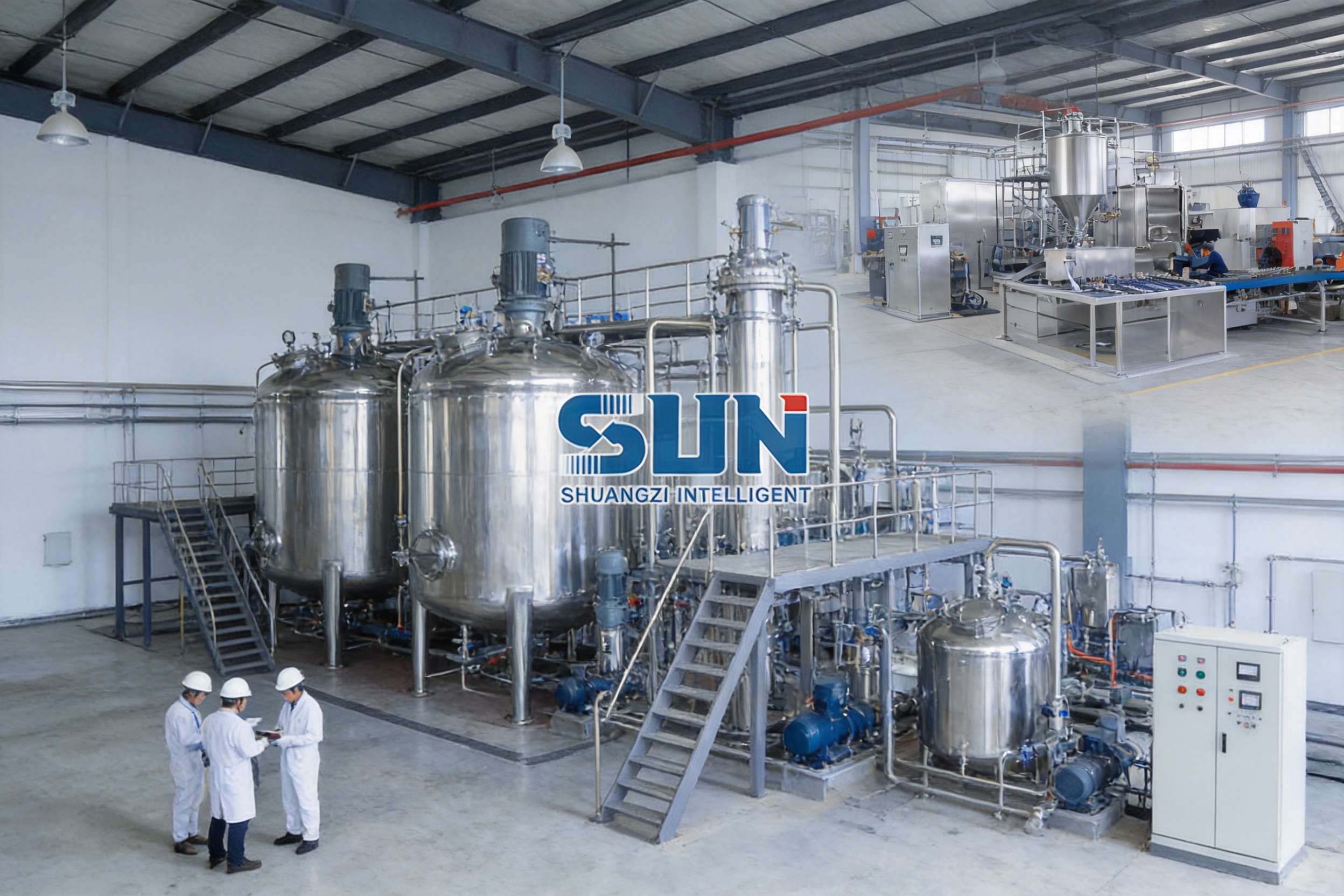
Bacillus thuringiensis, commonly known as Bt, is one of the most widely used microorganisms in biological pest control. Bt-based products are valued because they can target specific insect groups while supporting more sustainable crop-protection programs. However, producing a consistent microbial pesticide requires more than a fermentation tank. It requires a coordinated production line that controls raw-material preparation, sterilization, inoculation, seed expansion, fermentation, filtration, transfer, and cleaning.
The Bt Fermentation Production Line is designed as an integrated solution for industrial microbial insecticide manufacturing. It combines hygienic stainless-steel equipment, controlled fermentation technology, automated process management, and configurable production capacity. The system can be adapted for pilot-scale development, commercial production, or large-scale biological preparation projects, with nominal equipment capacities ranging from 50 liters to 500,000 liters.
For manufacturers seeking stable process performance, reduced contamination risk, efficient operation, and a practical path from laboratory development to commercial production, an integrated Bt fermentation system offers important advantages over isolated or manually coordinated equipment. The system is supplied as part of a broader engineering service that can include process design, equipment manufacturing, component matching, installation, commissioning, automation, and turnkey project support.
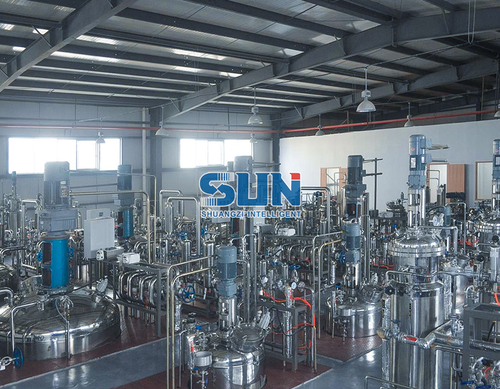
Bt Fermentation Production Line | Bacillus Thuringiensis Fermenter for Microbial Pesticide
1. The Role of Bt Fermentation in Microbial Pesticide Production
Bacillus thuringiensis is a spore-forming bacterium used in microbial pest-control products. During cultivation and sporulation, selected Bt strains can produce biological active substances that are effective against specific insect larvae. The resulting fermentation broth may be processed into a formulation suitable for agricultural, forestry, public-health, or other pest-management applications, depending on the strain, formulation method, regulatory requirements, and intended market.
The commercial value of Bt production depends heavily on repeatability. A production batch must provide predictable biological activity, acceptable physical properties, and reliable downstream process performance. Variations in nutrient preparation, sterilization, dissolved oxygen, agitation, temperature, pH, foam control, or harvest timing can affect the final product. Contamination can cause even more serious problems by reducing strain activity, changing broth characteristics, or making a batch unsuitable for further processing.
These challenges make the design of the production system especially important. A fermenter that performs well in a laboratory may not deliver the same results after scale-up. Larger vessels introduce different mixing patterns, oxygen-transfer conditions, heat-removal requirements, cleaning challenges, and control requirements. An industrial Bt fermentation line therefore needs to be designed as a complete process rather than as a single vessel.
The production line supports the major stages of microbial pesticide manufacture. These stages generally include:
• Raw-material handling and preparation.
• Media mixing and solution preparation.
• Sterilization of media, equipment, and process lines.
• Seed culture development and inoculum expansion.
• Controlled production fermentation.
• Foam management and process monitoring.
• Broth transfer, filtration, concentration, or other downstream treatment.
• Cleaning, sanitation, and preparation for the next batch.
The exact configuration can be adapted to the selected Bt strain, formulation route, production scale, local utilities, automation philosophy, and quality system. This flexibility is important because microbial pesticide manufacturers may require different process sequences for wettable powders, suspension concentrates, liquid concentrates, granules, or other product forms.
2. Integrated Equipment for a Complete Production Workflow
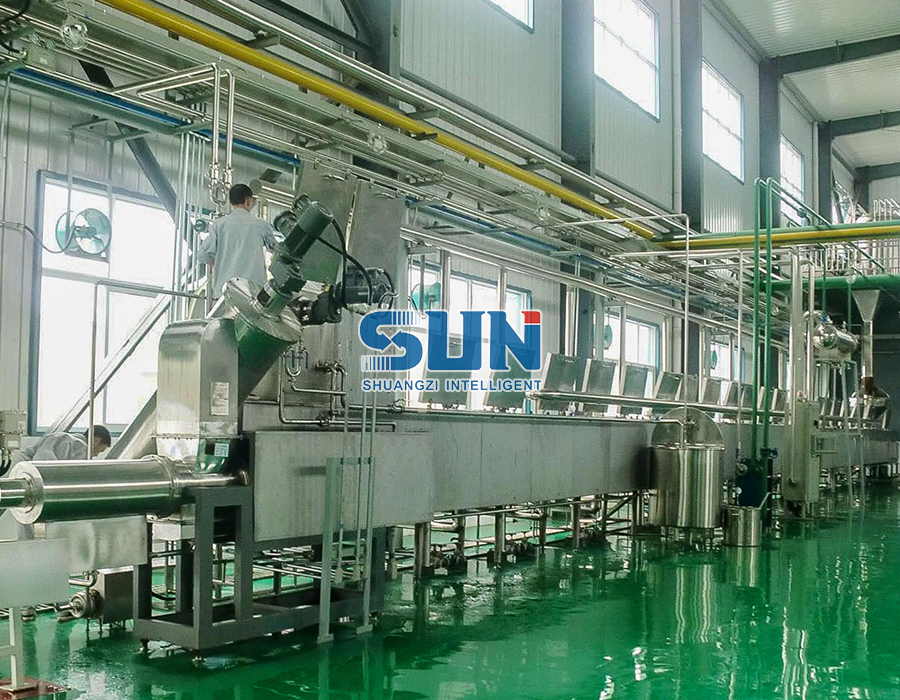
The Bt Fermentation Production Line is intended to connect individual processing functions into one coordinated system. Instead of purchasing an isolated fermenter and separately arranging media tanks, transfer pumps, sterilization equipment, control devices, and filtration units, the customer can receive an integrated engineering solution designed around the complete process.
2.1 Raw-Material Preparation
Raw-material preparation is the starting point for consistent fermentation. The production line can include vessels for dissolving, mixing, heating, holding, and transferring process media. These vessels may be configured for different raw materials, including carbon sources, nitrogen sources, mineral components, process water, antifoam agents, and other approved ingredients.
Proper mixing helps ensure that the fermentation medium has a uniform composition before sterilization and inoculation. Tank geometry, agitator selection, working volume, heating method, discharge arrangement, and transfer-pipe design all influence process performance. A well-designed preparation section can reduce undissolved material, minimize dead zones, and support repeatable media quality from batch to batch.
2.2 Sterilization and Aseptic Preparation
Sterilization is a fundamental part of biological manufacturing. The system is designed with high-temperature sterilization requirements in mind and can be configured for the sterilization of tanks, media, pipelines, valves, filters, and associated process components. The objective is to reduce contamination risk before the production culture is introduced.
Aseptic design is supported through hygienic stainless-steel construction, sanitary connections, appropriate valve arrangements, cleanable internal surfaces, and controlled process routing. The final sterilization method depends on the equipment configuration, product requirements, plant utilities, and validation strategy. Customers can define the required temperature, holding time, sterilization sequence, and monitoring approach during the engineering stage.
High-temperature sterilization alone is not sufficient to guarantee a reliable process. The entire system must be designed to prevent recontamination after sterilization. This includes suitable air filtration, sanitary transfer paths, properly located sampling points, effective drainage, controlled pressure relationships, and appropriate operating procedures. Integrating these features at the design stage is a major advantage over modifying a general-purpose tank after installation.
2.3 Seed Culture and Inoculum Expansion
A stable seed train is essential for large-scale fermentation. The production line can be arranged with seed vessels of different volumes so that a culture can be expanded progressively before transfer into the production fermenter. This approach supports more reliable inoculation and reduces the risk associated with transferring a small or physiologically unsuitable culture directly into a large vessel.
Seed vessels can be equipped with controlled agitation, temperature management, sterile air supply, sampling ports, pressure protection, and process monitoring. Their size and number are determined by the selected production volume and the desired inoculation ratio. A properly scaled seed system can shorten the time required for production fermentation and improve batch-to-batch consistency.
2.4 Production Fermentation
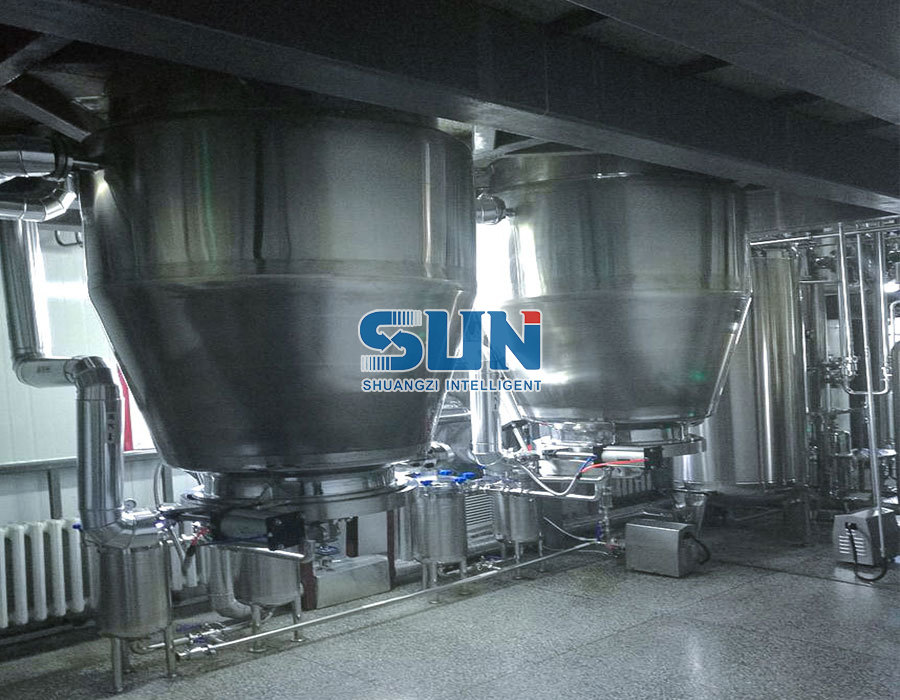
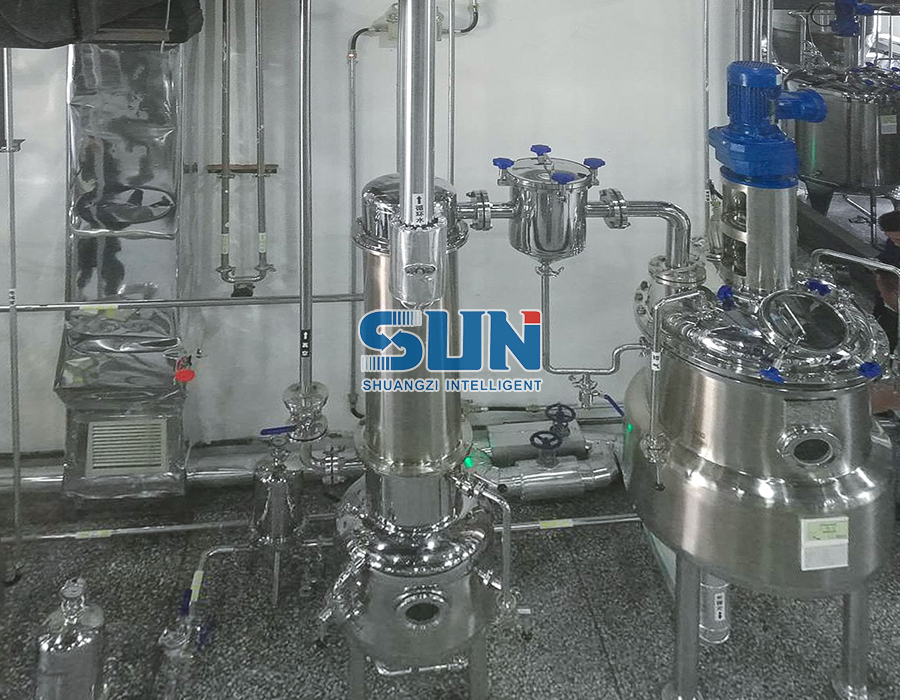
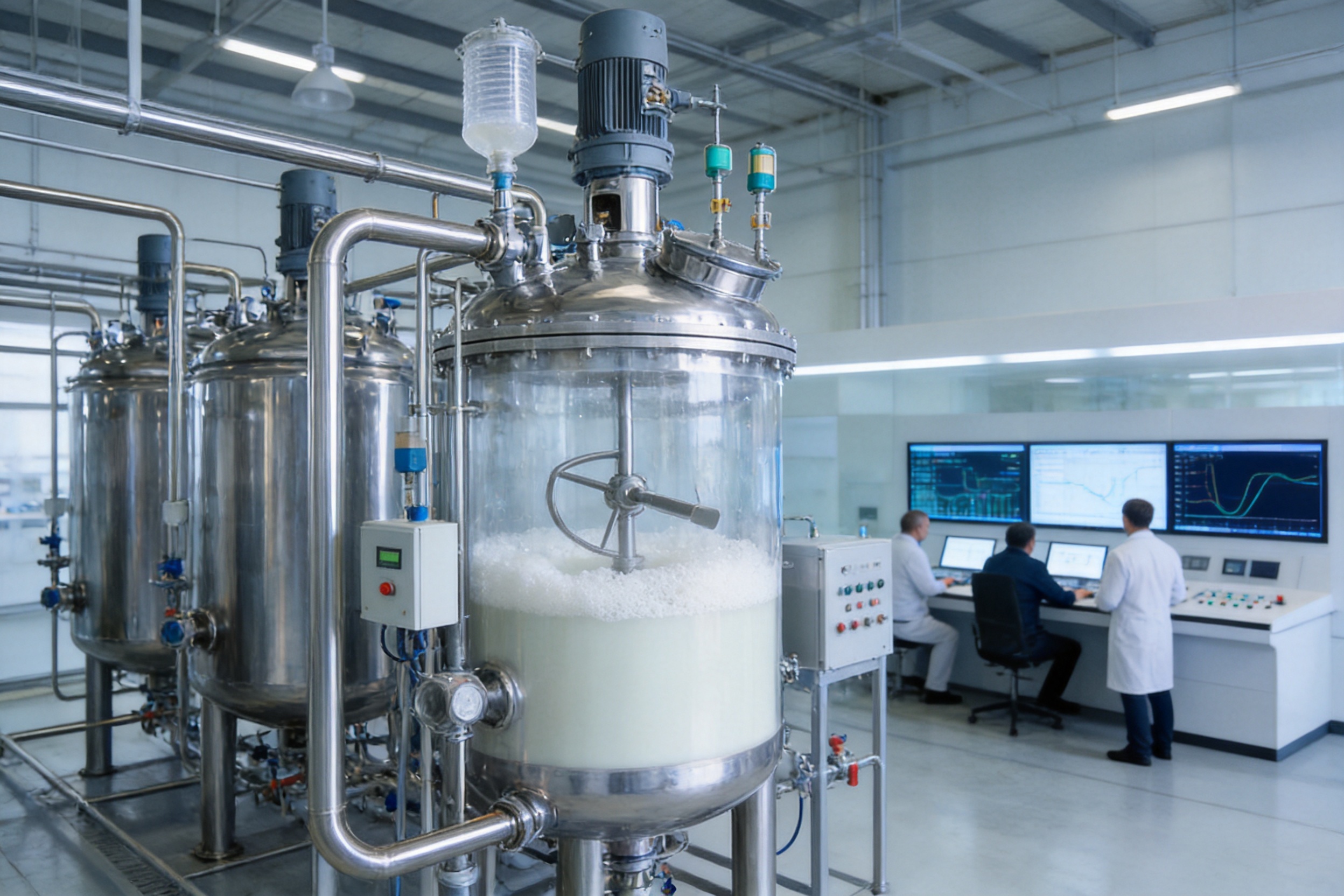
The main fermenter is the central unit of the Bt manufacturing line. The vessel provides controlled conditions for microbial growth, biological activity, and sporulation according to the process recipe. The design may include a jacket or other heat-transfer arrangement, mechanical agitation, sterile air distribution, foam-control provisions, temperature and pH monitoring, sampling ports, pressure control, and sanitary discharge connections.
The available capacity range of 50 liters to 500,000 liters allows the same general equipment concept to support laboratory or pilot development and large-scale production. The actual working volume, vessel dimensions, number of vessels, and plant layout should be selected according to the production schedule, batch size, target output, fermentation time, downstream capacity, and available utilities.
The listed agitator configuration is a two-stage, four-straight-blade turbine type. This configuration is suitable for applications requiring effective bulk circulation and controlled mixing. Agitator design must always be matched to the broth properties, viscosity, oxygen-transfer needs, vessel geometry, and process objectives. The motor size, shaft arrangement, impeller diameter, baffle design, and operating speed can be reviewed during technical specification and process validation.
3. Hygienic Stainless-Steel Construction
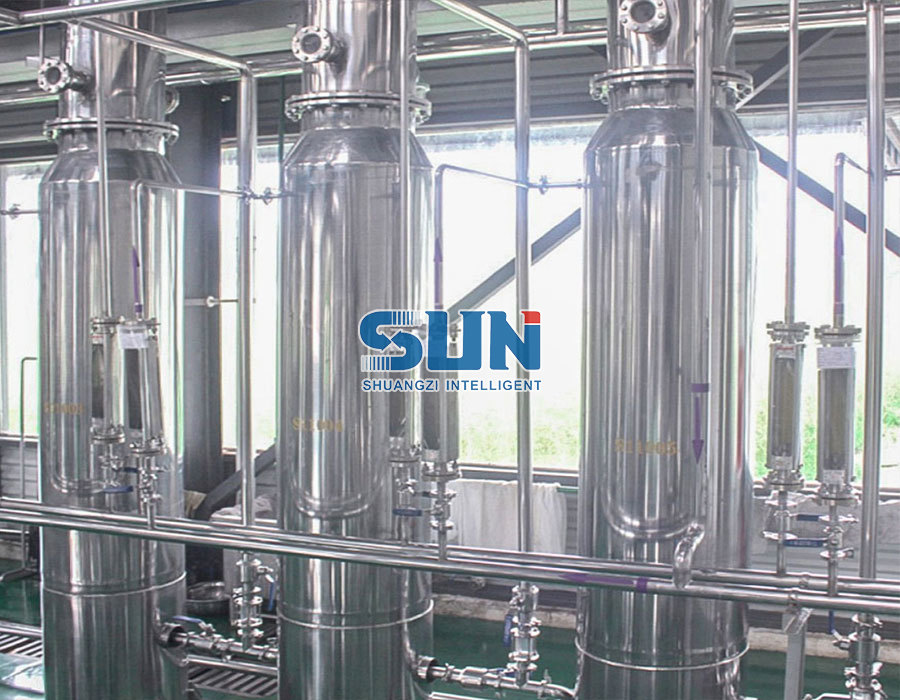
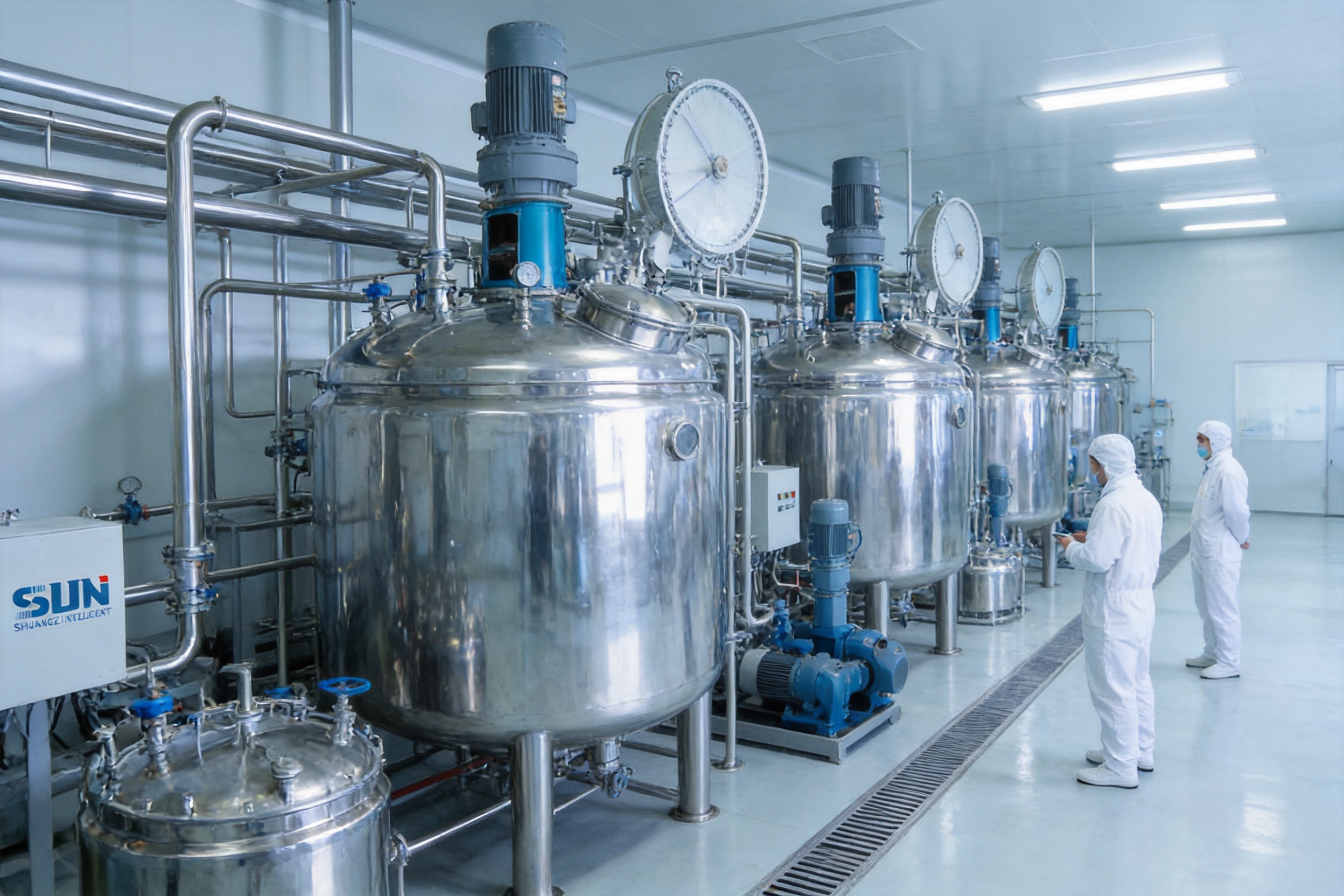
Material selection is one of the most visible differences between a purpose-built biological process line and a basic industrial mixing system. The Bt fermentation equipment can be manufactured from SUS304 or SUS316L stainless steel, depending on the process section, chemical environment, cleaning method, and customer requirements.
SUS304 is widely used for many hygienic process applications because it provides good corrosion resistance, structural strength, and fabrication efficiency. SUS316L offers enhanced resistance in applications where the process may involve more demanding chemical conditions or where a higher level of corrosion resistance is preferred. The final material selection should consider the media composition, cleaning chemicals, sterilization temperature, operating pressure, and applicable standards.
Internal surfaces are designed for hygienic processing and can be mirror-polished or finished according to the required surface specification. Smooth surfaces reduce the opportunity for product residues and microorganisms to remain attached to the equipment. They also support more effective cleaning and make visual inspection easier.
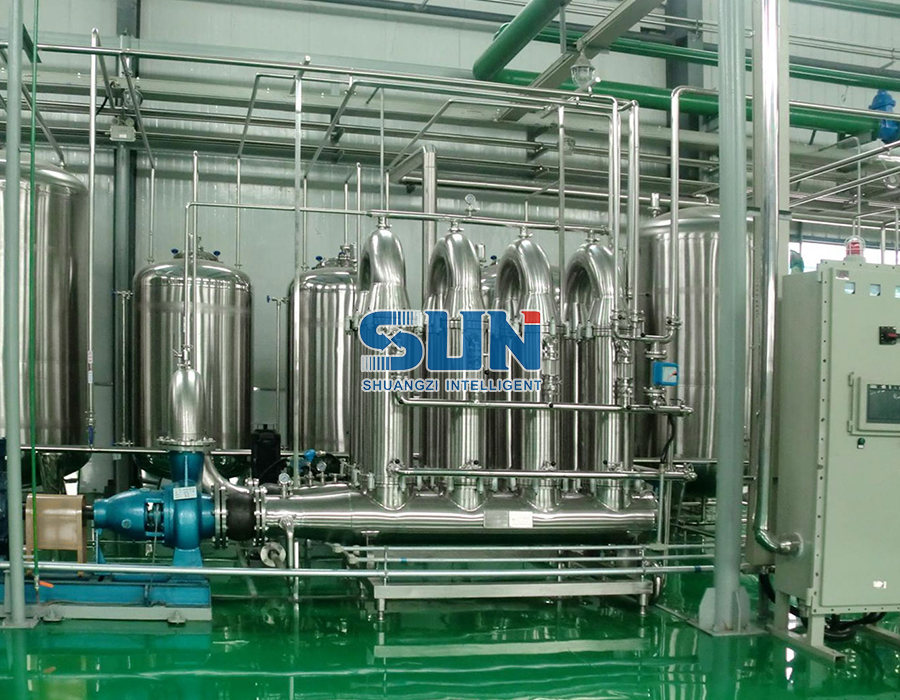
Tank interiors, pipelines, valves, fittings, and transfer points should be considered as one hygienic system. A polished tank connected to poorly designed piping can still create contamination risks. For this reason, the production line emphasizes coordinated equipment and pipeline design rather than treating each item as an independent purchase.
Important hygienic construction considerations may include:
• Smooth internal welds and controlled weld finishing.
• Minimized crevices and unnecessary dead legs.
• Drainable vessel and pipeline arrangements.
• Sanitary pipe connections and fittings.
• Suitable gasket and seal materials.
• Accessible inspection and sampling points.
• Properly positioned spray devices or cleaning connections.
• Compatibility with heat sterilization and cleaning agents.
• Appropriate surface finish for the product-contact area.
The use of mechanical sealing on the agitator provides a controlled barrier around the rotating shaft. Seal selection must be matched to the operating temperature, pressure, rotation speed, cleaning method, and process requirements. A reliable seal helps protect the product from external contamination and reduces the possibility of leakage during operation.
4. Process Automation and Operating Control
Automation is important for maintaining repeatable fermentation conditions. Manual operation can be suitable for small research systems, but large-scale Bt production involves many coordinated steps and time-dependent parameters. Automated control can reduce operator workload, improve recordkeeping, and help ensure that each batch follows the approved process sequence.
The automation architecture can be customized according to the customer's control philosophy. A basic system may control temperature, agitation, air supply, pressure, pH, foam, and transfer operations. A more advanced system may include recipe management, user permissions, alarm history, electronic batch records, trend analysis, data logging, remote diagnostics, and integration with plant-level monitoring.
Typical monitored or controlled parameters may include:
• Fermentation temperature.
• Agitator speed.
• Airflow and aeration pressure.
• Vessel pressure.
• pH value.
• Dissolved oxygen, where required by the process.
• Foam level or antifoam dosing.
• Media and vessel sterilization temperature.
• Transfer flow and pump status.
• Tank level and working volume.
• Cleaning and sanitation sequence.
Automation also improves process visibility. Operators can identify deviations earlier, compare current trends with previous batches, and investigate the cause of abnormal results. Consistent data collection supports process development, production optimization, quality review, and future scale-up.
The appropriate degree of automation depends on the customer's budget, production scale, labor model, regulatory expectations, and quality-management system. A pilot plant may require flexible local control, while a commercial facility may benefit from centralized supervisory control, automated recipes, and comprehensive data records.
5. Fermentation Performance and Contamination Control
Biological processes are sensitive to contamination. Unwanted microorganisms may compete with the Bt strain, consume nutrients, produce undesirable metabolites, alter the pH, or reduce the biological activity of the batch. Contamination can also increase cleaning requirements, interrupt production schedules, and create additional waste.
The production line addresses contamination risk through multiple layers of design. These layers include hygienic materials, polished contact surfaces, sterilizable process paths, controlled air supply, sanitary seals, suitable valves, effective drainage, and coordinated operating procedures. No single feature can replace good manufacturing practice, but the combined design can significantly support a controlled process environment.
High-temperature sterilization is particularly important for media and process equipment. The system can be engineered so that sterilization parameters are monitored and documented. Process engineers can also evaluate thermal distribution, cold spots, condensate removal, vent filtration, and the protection of temperature-sensitive components.
Air handling is another important consideration. Aerobic microbial fermentation requires air transfer, but the air must be treated so that it does not introduce unwanted organisms. Sterile air filters, appropriate piping, pressure control, condensate management, and filter integrity practices may be included according to the project requirements.
Foam management also contributes to process stability. Microbial broths can foam because of aeration, proteins, surfactants, and biological activity. Excessive foam may reach filters, block exhaust paths, cause product loss, or interfere with sensors. The system can be equipped with foam probes, antifoam dosing, mechanical foam-control devices, or other suitable measures.
Sampling design should provide representative samples without compromising aseptic conditions. Sanitary sample valves, sterilizable sampling ports, and controlled sample handling procedures help operators monitor the process while protecting the vessel contents.
6. Advantages Over Conventional or Fragmented Equipment Solutions
Many manufacturers begin with individual tanks and gradually connect them as production expands. Although this approach may appear economical at the beginning, it can create technical problems later. Different equipment may have incompatible pipe sizes, control systems, valve standards, surface finishes, or cleaning requirements. The result can be a production line that is difficult to operate, validate, and maintain.
An integrated Bt fermentation project provides several advantages compared with a fragmented equipment approach.
6.1 Coordinated Process Design
The production line is designed around the complete manufacturing route. Media preparation, seed culture, production fermentation, and downstream transfer are considered together. This helps reduce bottlenecks and ensures that tank volumes, transfer rates, pump capacities, and process timing are appropriately matched.
6.2 Better Scale-Up Planning
With a capacity range from 50 liters to 500,000 liters, the equipment concept can support a staged development strategy. A customer may begin with a pilot system, establish the process, and later expand to larger vessels using compatible engineering principles. Scale-up still requires technical evaluation, but an experienced project partner can help reduce unnecessary redesign.
6.3 Lower Contamination Risk
Integrated sanitary design helps eliminate weak points that often appear when equipment is assembled from unrelated suppliers. Tank outlets, pipelines, valves, seals, filters, and transfer systems can be designed with consistent hygienic requirements. This is particularly valuable for microbial products where contamination directly affects yield and product quality.
6.4 Improved Installation Efficiency
A turnkey or EPC-style project can simplify coordination among equipment suppliers, contractors, automation specialists, and plant personnel. The project provider can prepare equipment layouts, process flow diagrams, connection requirements, utility lists, and installation guidance. This can reduce the time and uncertainty associated with assembling a line from multiple sources.
6.5 Consistent Documentation
Integrated projects can provide a more consistent documentation package. Depending on the contract and project requirements, documentation may include equipment drawings, material certificates, welding records, surface-finish information, operating instructions, maintenance recommendations, control-system descriptions, and commissioning records.
6.6 Customized Automation
Rather than forcing the customer to adapt its operating method to a standard machine, the control system can be configured around the process sequence and production objectives. This enables more practical control of sterilization, inoculation, fermentation, transfer, cleaning, and alarm handling.
6.7 Easier Technical Responsibility
When a complete line is supplied by one engineering partner, identifying the source of a problem is usually more straightforward. The customer can work with one technical team for process design, mechanical equipment, piping, automation, installation, and commissioning instead of managing several separate interfaces.
7. Manufacturing Capabilities and Engineering Strengths
The production value of a fermentation line depends not only on its design drawings but also on the manufacturer's ability to fabricate, finish, inspect, assemble, and commission the equipment correctly. The supplier behind this project is a professional biology and medical equipment enterprise founded in 2007. Its business model is centered on EPC and EPCM services, process technology, automation engineering, equipment manufacturing, matching procurement, installation, and system integration.
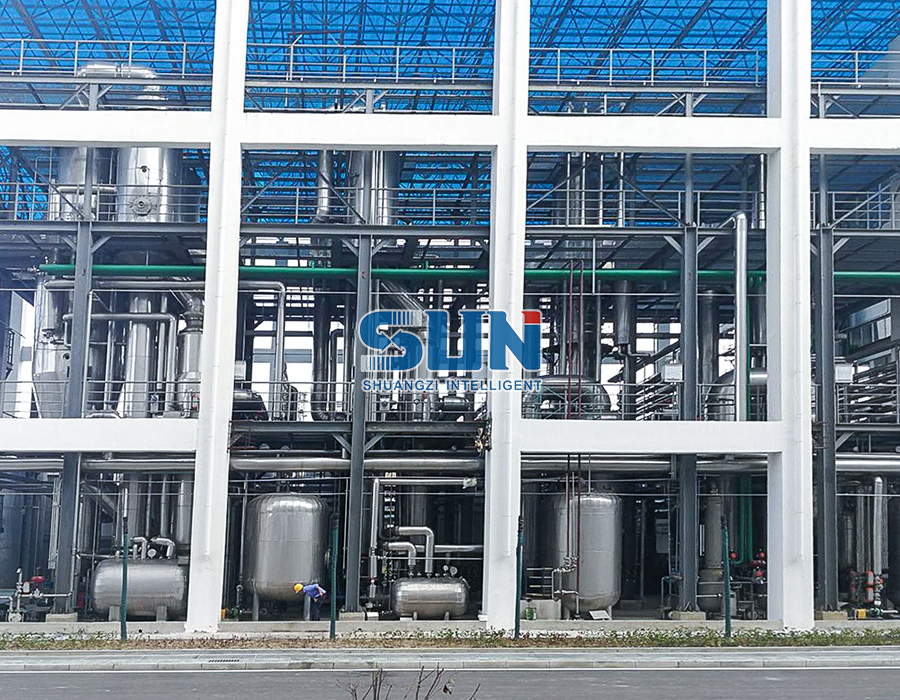
The company operates facilities covering approximately 16,706 square meters of floor area and approximately 17,800 square meters of structural area. This manufacturing base supports the production of stainless-steel process equipment, vessels, pipelines, filtration units, evaporation systems, extraction equipment, drying systems, crystallization equipment, and other process machinery.
A broad manufacturing capability is useful for a Bt fermentation project because the customer may require more than a fermenter. Media tanks, seed vessels, storage tanks, filtration equipment, transfer systems, pumps, control cabinets, clean utilities, and downstream processing equipment must work together. A manufacturer with experience across several process technologies can better understand the interfaces between these systems.
7.1 Advanced Welding and Finishing Equipment
Product-contact equipment requires careful welding and surface treatment. The manufacturer has introduced advanced fabrication equipment, including plasma argon arc welding machines, plasma cutting equipment, and CAM CNC machining centers. These capabilities support accurate fabrication, controlled welding, and repeatable finishing of stainless-steel components.
Plasma argon arc welding is valuable for hygienic equipment because stable welding conditions can help produce cleaner joints and reduce defects. Welding quality must still be confirmed through appropriate inspection, including visual examination and any additional testing required by the project specification.
Plasma cutting can improve the consistency of formed components and openings. CNC machining supports the accurate production of flanges, ports, mounting parts, and other precision components. Together, these capabilities help the manufacturer produce equipment with better dimensional consistency and more reliable assembly.
7.2 Pilot Production and Research Support
The company maintains pilot production and research platforms designed to support process development and automation requirements. This capability is important when a customer needs to confirm process behavior before investing in a large commercial line.
Pilot work can help evaluate media preparation, agitation, aeration, foam behavior, temperature control, sterilization sequences, filtration characteristics, and transfer performance. Data from pilot operation may then be used to refine the commercial equipment specification. Although laboratory or pilot results cannot automatically guarantee industrial performance, they can provide valuable information for engineering decisions and risk reduction.
7.3 Multi-Disciplinary Process Experience
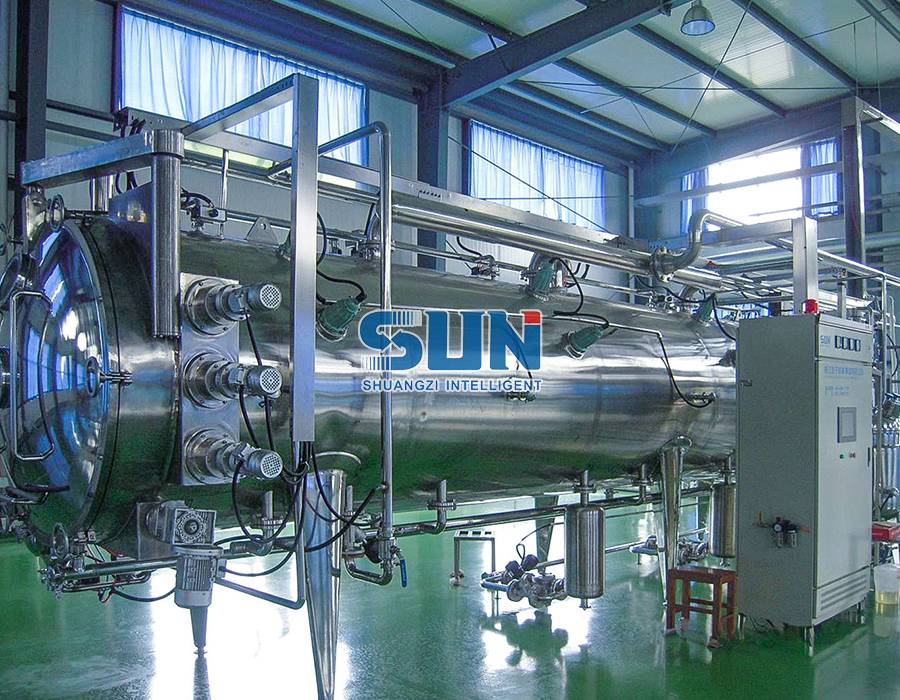
The company's product and engineering experience covers plant extraction, biological fermentation, pharmaceutical engineering, natural food processing, energy conservation, and environmental protection. Its mature product range includes vacuum low-temperature drying systems, fermentation equipment, evaporation and concentration equipment, extraction systems, separation and crystallization equipment, filtration equipment, and process containers.
This cross-disciplinary background supports a more complete understanding of upstream and downstream requirements. For example, Bt broth may require filtration, concentration, stabilization, or formulation after fermentation. A supplier experienced in filtration and concentration can help ensure that the fermentation line is not designed in isolation from the final product route.
8. Customization Options for Different Bt Production Projects
Bt manufacturers do not all operate with the same strain, formulation, batch size, utility system, or quality standard. The production line is therefore customizable rather than restricted to one fixed configuration.
Capacity is one of the main customization factors. The available range of 50 liters to 500,000 liters covers different development and commercial requirements. A small system may be used for strain evaluation, medium screening, process research, or educational production. A medium-scale plant may support market testing and regional supply. A large system may be used for continuous commercial batch production with multiple fermentation vessels.
Material selection can also be customized. SUS304 may be appropriate for many general process sections, while SUS316L may be selected for specific product-contact or chemically demanding sections. The final selection should be based on the complete process and cleaning environment rather than on vessel size alone.
Agitation can be adapted to the biological and physical characteristics of the broth. The standard two four-straight-blade turbine arrangement provides a defined starting point, but the final agitator design should consider oxygen transfer, shear sensitivity, viscosity, solids content, and power input. The motor can be supplied according to the required specification, with SEW identified as the motor brand for the listed configuration.
Electrical requirements are made to order. This allows the system to be adapted to the customer's local voltage, frequency, plant distribution, control architecture, and safety requirements. Electrical and automation design should be reviewed early so that instrument selection, motor control, cable routing, and panel construction are compatible with the facility.
Other possible customization areas include:
• Number and size of seed tanks.
• Production fermenter working volume.
• Jacket or heat-transfer configuration.
• Sterile air filtration and distribution.
• pH, temperature, dissolved-oxygen, and foam sensors.
• Automatic or semi-automatic cleaning arrangements.
• Pipeline routing and sanitary valve selection.
• Filtration and concentration capacity.
• Local or centralized control.
• Data recording and batch management.
• Platform, stairs, access, and maintenance arrangements.
• Utility connections and plant layout.
9. Key Technical Specifications
The following table summarizes the principal information available for the Bt fermentation equipment. The final technical specification should be confirmed during project design because vessel size, automation level, process parameters, and component selection depend on the customer's application.
| Item | Specification | Project Consideration |
|---|---|---|
| Application | Bt microbial pesticide fermentation | Suitable for integrated biological preparation and biopesticide manufacturing projects |
| Capacity range | 50 L to 500,000 L | Selected according to pilot, demonstration, or commercial production requirements |
| Main materials | SUS304 or SUS316L | Material grade is determined by process media, cleaning chemicals, and customer requirements |
| Agitator | Two four-straight-blade turbine type | Final speed, motor power, and impeller dimensions are matched to broth properties |
| Agitator sealing | Mechanical sealing | Supports controlled shaft sealing for hygienic operation |
| Voltage | Made to order | Configured for local electrical standards and plant distribution |
| Motor brand | SEW | Brand and model are confirmed according to the final equipment design |
| Process scope | Preparation, sterilization, seed culture, fermentation, and filtration | Additional downstream or utility systems can be integrated as required |
| Project service | Process design, manufacturing, installation, commissioning, and integration | Service scope is defined in the project contract |
10. From Project Concept to Commissioning
A successful fermentation project begins with a clear understanding of the product, strain, output target, process sequence, and plant conditions. Before equipment fabrication, the engineering team should review the customer's production objectives, available building, utilities, regulatory environment, operating practices, and future expansion plans.
10.1 Process Definition
The first stage is to define the manufacturing route. This includes raw-material preparation, sterilization, seed expansion, production fermentation, harvest, filtration, concentration, formulation, cleaning, and waste handling. The process definition should identify critical control points and the performance requirements of each unit operation.
10.2 Capacity and Layout Planning
Capacity planning should consider more than the nominal volume of the fermenter. The project must account for working volume, inoculation volume, headspace, batch time, cleaning time, sterilization time, transfer time, downstream capacity, and the number of batches required per day or month.
Layout planning should provide safe access to valves, instruments, manways, pumps, filters, and control panels. It should also allow space for maintenance, future expansion, cleaning operations, material handling, and inspection. A well-organized layout can reduce operator movement and simplify routine maintenance.
10.3 Detailed Engineering
Detailed engineering may include process flow diagrams, piping and instrumentation diagrams, equipment drawings, platform drawings, utility calculations, instrument lists, valve lists, electrical diagrams, automation descriptions, and installation documents. These documents help align the customer, equipment manufacturer, construction team, and automation personnel before fabrication begins.
10.4 Fabrication and Inspection
During fabrication, stainless-steel materials are cut, formed, welded, polished, assembled, and inspected. Product-contact surfaces require special attention because surface condition, weld quality, and drainability affect hygiene. Inspection may include dimensional checks, weld examination, pressure testing, leak testing, surface-finish verification, and functional checks of moving parts.
10.5 Factory Testing
Before shipment, equipment may undergo factory acceptance testing. Depending on the project scope, this can include checking vessel dimensions, agitator rotation, motor operation, valve action, instrument signals, control logic, alarm functions, and interface points. Factory testing helps identify issues before the equipment reaches the customer's facility.
10.6 Installation and Commissioning
After delivery, the system is installed and connected to plant utilities. Commissioning may include pipeline flushing, instrument calibration, electrical testing, automation verification, water trials, sterilization trials, cleaning checks, and process simulation. Operators can receive training on normal operation, emergency response, maintenance, cleaning, and troubleshooting.
10.7 Process Verification
Process verification should confirm that the system can achieve the required operating conditions. It may include temperature mapping, sterilization validation, air-filter checks, agitation tests, sensor calibration, cleaning verification, and trial fermentation. The exact verification plan depends on the product, plant standards, regulatory requirements, and customer quality system.
11. Cleaning, Maintenance, and Long-Term Reliability
Fermentation equipment must be maintained so that it remains hygienic, mechanically reliable, and easy to operate. Routine cleaning should remove residues from tanks, pipelines, valves, filters, and transfer equipment. The cleaning procedure may involve pre-rinsing, alkaline or other approved cleaning solutions, intermediate rinsing, acid cleaning where required, final rinsing, and sanitation or sterilization.
Cleaning parameters should be established according to the actual process residue and equipment materials. Temperature, chemical concentration, contact time, flow velocity, and coverage all influence cleaning performance. The design of the pipeline should support adequate flow through branches, valves, sample points, and transfer lines.
Maintenance planning should include agitator seals, bearings, motors, valves, pumps, filters, sensors, control cabinets, and safety devices. Mechanical seals require particular attention because wear or incorrect installation can lead to leakage or loss of hygienic protection. Preventive maintenance can reduce unplanned shutdowns and help maintain consistent production.
Instrumentation should be calibrated at defined intervals. Temperature, pH, pressure, flow, level, dissolved oxygen, and foam sensors can gradually drift or become fouled. Accurate instruments are necessary for reliable control and meaningful batch records.
A strong equipment supplier should provide operating manuals, maintenance recommendations, spare-parts information, and technical support. The supplier's ability to provide installation, commissioning, and system integration services can be especially valuable when the customer is building a new biological production facility.
12. Sustainability and Resource Efficiency
Biological pesticide manufacturing can contribute to more sustainable crop-protection strategies, but the production facility itself should also use resources responsibly. Equipment design can support energy, water, and material efficiency through appropriate heat recovery, insulation, batch scheduling, cleaning optimization, and process control.
Accurate temperature control can reduce unnecessary heating and cooling. Proper insulation helps limit heat loss from sterilization and fermentation vessels. Efficient agitation and aeration control can reduce power consumption while maintaining the required biological conditions. Automated control can also prevent excessive heating, over-aeration, or unnecessary pumping.
Cleaning optimization is another important area. A well-designed system can reduce water and cleaning-agent consumption by improving drainability, minimizing dead legs, and using validated cleaning cycles. Effective cleaning also reduces the risk of rejected batches and the environmental cost associated with waste disposal.
The company's broader engineering experience includes energy conservation and environmental protection projects. This background can support discussions about utility efficiency, wastewater handling, heat management, and integration with the customer's existing plant systems.
13. Why Select an Engineering-Based Fermentation Supplier?
A tank manufacturer may provide a vessel, but an engineering-based supplier can address the complete process. This distinction matters when the product depends on sterile preparation, controlled inoculation, repeatable fermentation, and downstream processing.
The supplier's EPC and EPCM capabilities cover process technology, automation engineering, equipment manufacture, matching purchase, installation, and system integration. This allows the customer to obtain support from the early concept stage through commissioning and production start-up.
The company has developed experience in biological fermentation, plant extraction, pharmaceutical engineering, food processing, drying, concentration, separation, and filtration. Such experience provides a broader technical foundation for projects where the fermentation system must connect to downstream product recovery or formulation.
Its production facility, pilot workshop, research platform, stainless-steel fabrication resources, welding equipment, finishing equipment, and CNC machining capabilities support both standard and customized equipment projects. The result is a practical combination of process knowledge and manufacturing capacity.
For customers, this can reduce the need to coordinate multiple unrelated vendors. It can also improve communication between process engineers, fabricators, automation specialists, and installation teams. In a complex microbial pesticide project, clear technical responsibility is an important factor in controlling schedule, cost, and commissioning risk.
14. Frequently Asked Questions
Q1: What is the main purpose of the Bt Fermentation Production Line?
The line is designed for the production of Bacillus thuringiensis-based microbial pesticides. It can integrate raw-material preparation, sterilization, seed culture, production fermentation, and filtration, with additional downstream equipment available according to the final product route.
Q2: What production capacity is available?
The listed capacity range is 50 liters to 500,000 liters. The appropriate size depends on whether the system is intended for research, pilot production, demonstration-scale operation, or commercial manufacturing. Working volume and batch scheduling should be confirmed during process design.
Q3: Which stainless-steel materials can be used?
The equipment can be manufactured using SUS304 or SUS316L stainless steel. The final material choice depends on the process medium, cleaning chemicals, sterilization conditions, corrosion requirements, and customer specifications.
Q4: Is the system suitable for aseptic or hygienic processing?
Yes. The system is designed around hygienic construction, polished product-contact surfaces, sterilizable equipment and pipelines, mechanical shaft sealing, and controlled process transfer. The final aseptic configuration and validation requirements must be defined according to the customer's product and quality system.
Q5: What type of agitator is specified?
The listed configuration is a two four-straight-blade turbine-type agitator. Agitator speed, motor power, impeller dimensions, and other details should be selected according to the broth properties, vessel size, oxygen-transfer requirements, and process objectives.
Q6: Can the electrical voltage be customized?
Yes. Voltage is made to order and can be configured according to the customer's local electrical standards and plant distribution. Frequency, motor control, instrumentation, and panel requirements should be reviewed during detailed engineering.
Q7: Is the motor brand specified?
SEW is identified as the motor brand for the listed equipment specification. The exact model and rating are confirmed after the final agitator design, operating speed, power requirement, and electrical conditions are established.
Q8: Can the system be supplied as a turnkey project?
Yes. The supplier can provide one-stop project support, including process technology, automation engineering, equipment manufacturing, matching purchase, installation, commissioning, line debugging, and system integration. The exact scope is determined by the project contract.
Q9: Can the line be connected to filtration or concentration equipment?
Yes. Filtration, evaporation, concentration, separation, drying, crystallization, and formulation equipment can be considered where required by the product process. The downstream route should be defined together with the fermentation capacity so that transfer and processing rates are properly matched.
Q10: What information should a customer provide before requesting a quotation?
Useful information includes the Bt strain or process type, target product form, desired batch size, annual output, fermentation time, media characteristics, sterilization method, downstream process, available utilities, electrical standards, building dimensions, automation expectations, applicable quality requirements, and planned delivery schedule.
Q11: Can the supplier support pilot-scale development?
Yes. The supplier maintains pilot production and research capabilities and can support equipment configurations for process development. Pilot equipment can help evaluate fermentation behavior, sterilization, agitation, aeration, foam control, filtration, and scale-up requirements.
Q12: How does an integrated system help reduce contamination risk?
An integrated system coordinates sanitary tanks, pipelines, valves, seals, filters, sterilization arrangements, sampling points, and transfer paths. This reduces the number of incompatible interfaces and supports a more consistent hygienic design. Operating procedures and validated cleaning and sterilization practices remain essential.
Q13: What services are available after equipment delivery?
Post-delivery services may include installation guidance, commissioning, line debugging, operator training, maintenance support, automation assistance, spare-parts coordination, and technical consultation. The available service level should be confirmed in the project agreement.
15. Conclusion
The Bt Fermentation Production Line is a complete and configurable solution for manufacturers of microbial pesticides based on Bacillus thuringiensis. Its design combines stainless-steel hygienic construction, high-temperature sterilization capability, controlled seed culture, industrial fermentation, filtration, and automation options in one coordinated production system.
Compared with fragmented equipment purchases or general-purpose mixing tanks, an integrated line offers better process coordination, stronger contamination-control support, improved scale-up planning, more consistent documentation, and a clearer path from installation to commissioning. Capacity from 50 liters to 500,000 liters makes the equipment suitable for a broad range of development and commercial applications.
The supplier's strengths extend beyond tank fabrication. Its EPC and EPCM model, pilot-production resources, stainless-steel manufacturing facilities, advanced welding and finishing equipment, process-engineering experience, automation capabilities, and turnkey services provide a foundation for complete biological production projects.
For customers planning a new Bt biopesticide facility or upgrading an existing process, the most important step is to define the complete production route before selecting individual equipment. With the right process data and engineering collaboration, the fermentation line can be customized to match the selected strain, target output, plant utilities, quality requirements, downstream process, and future expansion strategy.
References
1. Bacillus thuringiensis Microbial Insecticide Production Principles, technical process reference.
2. Industrial Fermentation Engineering: Agitation, Aeration, Sterilization, and Scale-Up, process engineering reference.
3. Hygienic Design of Stainless-Steel Bioprocess Equipment, equipment fabrication and sanitation reference.
4. Principles of Aseptic Processing and Contamination Control in Biological Manufacturing, bioprocess quality reference.
5. Good Manufacturing Practice Concepts for Biological and Microbial Preparations, quality-system reference.
6. Process Automation and Data Management for Fermentation Facilities, industrial control reference.
7. Stainless-Steel Welding, Surface Finishing, and Inspection for Pharmaceutical and Food Equipment, fabrication reference.
8. Project information supplied for the Bt Fermentation Production Line, including equipment capacity, materials, agitator configuration, sealing method, voltage, motor brand, and integrated engineering services.
9. Company technical information supplied for Zhejiang Shuangzi Intelligent Equipment Co., Ltd., including EPC/EPCM services, pilot production capabilities, manufacturing facilities, product range, and automation engineering experience.
10. General Principles of Biological Pesticide Formulation and Downstream Processing, agricultural biotechnology reference.
11. Fermenter Design and Operation for Industrial Microbial Cultivation, bioreactor engineering reference.
12. Cleaning, Sterilization, and Maintenance Practices for Stainless-Steel Process Systems, hygienic manufacturing reference.