
 英语
英语 俄语
俄语Content
- 1 What is a Centrifugal Spray Dryer?
- 2 Key Advantages of Centrifugal Spray Dryers
- 3 How This Centrifugal Spray Dryer Line Outperforms Competitors
- 4 Advanced Manufacturing Processes Ensuring Quality
- 5 Industry Applications in Detail
- 6 Product Specifications Table
- 7 Frequently Asked Questions (Q&A)
- 7.1 Q: How long does it take to dry a typical liquid material using this dryer?
- 7.2 Q: Can this dryer handle heat-sensitive materials like antibiotics or herbal extracts?
- 7.3 Q: What is the maximum water evaporation rate for the largest model?
- 7.4 Q: Does the company provide turnkey solutions for drying projects?
- 7.5 Q: What heat sources are available for the dryer?
- 7.6 Q: How efficient is the powder recovery rate?
- 7.7 Q: Does the company offer customization options for the dryer?
- 8 Company Strengths & Commitment to Quality
- 9 References
- 10 Conclusion
In today’s fast-paced industrial landscape, efficient drying of liquid materials is a critical step across multiple sectors—from food and pharmaceuticals to chemicals and environmental protection. Among the various drying technologies available, centrifugal spray dryers stand out as a versatile and efficient solution, and one particular model line has been making waves for its innovative features, scalability, and alignment with modern industrial needs. This article explores the science behind centrifugal spray dryers, their key advantages, how this specific product line outperforms competitors, the advanced manufacturing processes that ensure quality, and the broader context of their applications in global industries.
What is a Centrifugal Spray Dryer?
Basic Principle of Operation
At its core, a centrifugal spray dryer is a device designed to convert liquid feedstock—such as solutions, suspensions, emulsions, or pastes—into dry powder form in a matter of seconds. The process relies on three key stages: atomization of the liquid into fine droplets, rapid heat transfer between the droplets and hot air, and separation of the dry powder from the exhaust air. Unlike other drying methods (e.g., tray drying, fluidized bed drying) that take hours or even days, centrifugal spray dryers achieve complete drying in just a few seconds, making them ideal for heat-sensitive materials that would degrade under prolonged exposure to heat.
Step-by-Step Working Mechanism
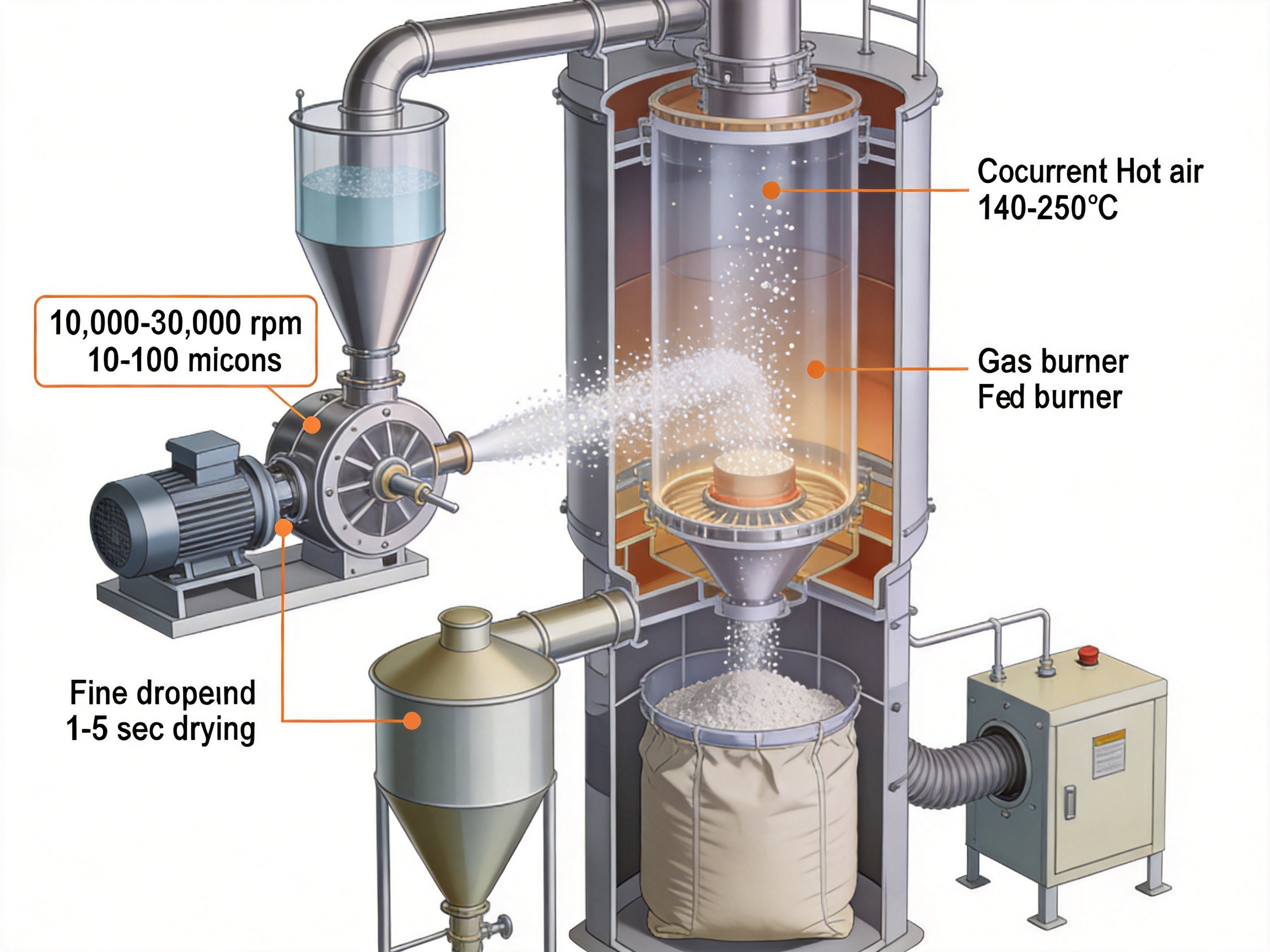
The operation of a centrifugal spray dryer follows a precise sequence:
1. Feed Preparation: The liquid feed is filtered to remove any impurities and then pumped to the atomizer at a controlled flow rate.
2. Atomization: The liquid is fed into a high-speed rotary atomizer (centrifugal spray head), which spins at thousands of revolutions per minute (rpm) to break the liquid into tiny droplets (typically 10-100 microns in diameter). The size of the droplets is determined by the atomizer’s speed, feed flow rate, and liquid viscosity.
3. Hot Air Generation & Distribution: Clean, heated air is introduced into the drying chamber either co-currently (same direction as the droplets) or counter-currently (opposite direction). Co-current flow is preferred for heat-sensitive materials as it minimizes the time the droplets are exposed to high temperatures.
4. Drying: The fine droplets come into instantaneous contact with the hot air, causing the moisture to evaporate rapidly. The dry powder particles are formed as the droplets lose moisture.
5. Powder Collection: The dry powder is separated from the exhaust air using a cyclone separator or bag filter. The cyclone captures larger particles, while the bag filter captures finer particles, ensuring a high recovery rate.
6. Exhaust Treatment: The exhaust air, which may contain residual moisture and fine particles, is treated to meet environmental standards before being released into the atmosphere.
Key Advantages of Centrifugal Spray Dryers
Unmatched Drying Speed
One of the most significant advantages of centrifugal spray dryers is their ultra-rapid drying time—typically just 1-5 seconds. This is made possible by the large surface area-to-volume ratio of the atomized droplets, which allows for instantaneous heat transfer. For example, a droplet of 50 microns in diameter has a surface area of approximately 7.85 x 10^-8 m², which is 1000 times larger than a droplet of 500 microns. This massive increase in surface area means that moisture evaporates almost instantly, eliminating the risk of overheating or degradation of heat-sensitive materials.
Uniform Particle Size Distribution
Another key benefit is the uniform particle size of the dried powder. The high-speed rotary atomizer ensures that droplets are of consistent size, which translates to uniform drying and a final product with narrow particle size distribution. This is crucial for industries like pharmaceuticals, where uniform particle size is required for consistent dosage forms, and food processing, where it affects the texture and solubility of products like milk powder or protein powder.
Compatibility with Heat-Sensitive Materials
Centrifugal spray dryers are particularly well-suited for heat-sensitive materials such as antibiotics, herbal extracts, vitamins, and probiotics. The short drying time means that the material is exposed to high temperatures for only a fraction of a second, preserving its active ingredients and nutritional value. For example, in the production of probiotic supplements, prolonged heat exposure would kill the beneficial bacteria, but spray drying’s rapid process ensures that up to 90% of the probiotics remain viable.
High Automation & Continuous Operation
Modern centrifugal spray dryers are highly automated, with features like automatic temperature control, feed rate adjustment, and powder collection systems. This reduces the need for manual intervention, minimizes human error, and allows for continuous operation 24/7. For large-scale industrial operations, this translates to higher productivity and lower labor costs. Additionally, the continuous operation ensures consistent product quality, as there is no variation between batches.
Exceptional Versatility Across Industries
Centrifugal spray dryers are used in a wide range of industries, thanks to their ability to handle different types of liquid feedstock. Some of the key applications include:
- Food & Beverage: Milk powder, tea polyphenols, protein powder, juice powder, coffee extract, and infant formula.
- Pharmaceuticals: Antibiotics, Chinese herbal extracts, vitamins, vaccines, and protein-based drugs.
- Chemicals: Dyes, catalysts, resin powders, surfactants, and agrochemicals.
- Daily Chemicals: Laundry detergent raw materials, skin care product ingredients, and cosmetic powders.
- Environmental: Wastewater treatment sludge drying and industrial waste recovery.
- Feed: Feed additives, fish meal, and poultry feed supplements.
How This Centrifugal Spray Dryer Line Outperforms Competitors
While centrifugal spray dryers are widely available, the model line discussed here stands out from competitors due to several innovative features and design choices. Let’s explore these advantages in detail:
Customizable Heat Source Options
Unlike many competitors that offer only a single heat source (e.g., electric), this dryer line provides a range of options tailored to different user needs and local energy availability. The available heat sources include:
- Electric (for small-scale or laboratory use)
- Steam + Electric (for medium-scale operations with access to steam)
- Oil, Gas, or Hot Air Stove (for large-scale industrial use, where fossil fuels or biomass are more cost-effective).
This flexibility allows users to choose the most economical and environmentally friendly option. For example, a food processing plant in a region with abundant natural gas can opt for the gas heat source, reducing operational costs significantly compared to electric. Competitors who limit heat sources often force users to compromise on cost or efficiency.
Flexible Drive Forms for Atomizers
The centrifugal spray head (atomizer) is the heart of the dryer, and its drive form directly affects performance and maintenance costs. This dryer line offers two drive options:
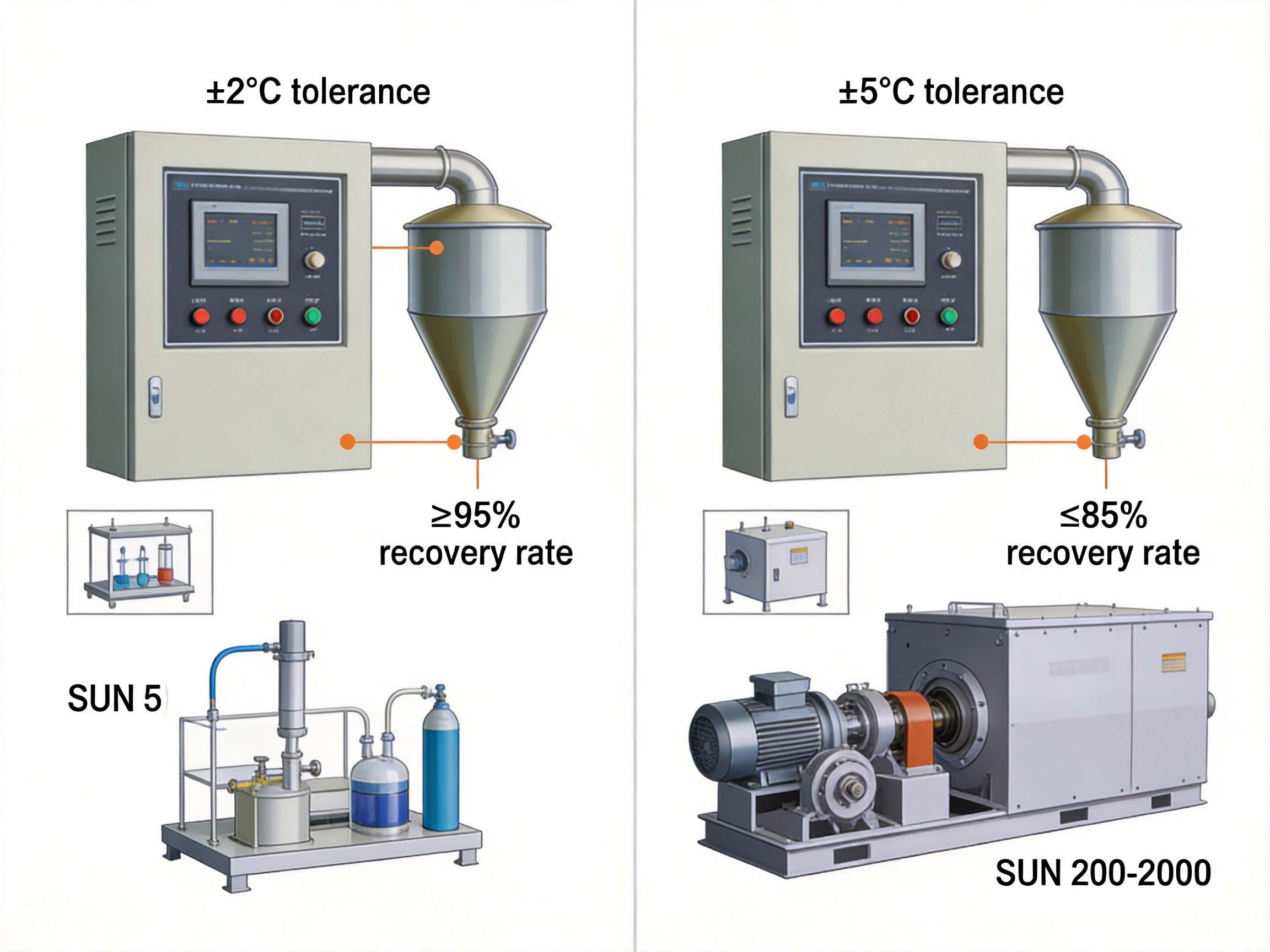
- Compressed Air Drive: Used for smaller models (e.g., SUN 5), this drive is quiet, has fewer moving parts, and requires minimal maintenance. It is ideal for laboratory or small-scale production where noise reduction and low maintenance are priorities.
- Mechanical Drive: Used for larger models (e.g., SUN 25 and above), this drive provides higher torque and is more suitable for handling viscous feedstock. It is also more energy-efficient for large-scale operations.
Many competitors only offer mechanical drives for all models, which can be overkill for small-scale use and lead to higher maintenance costs. The dual drive option here caters to a wider range of user requirements.
Precision Temperature Control
Temperature control is critical for ensuring product quality, especially for heat-sensitive materials. This dryer line features automatic temperature control for the inlet air (140-350°C), with a tolerance of ±2°C. The outlet temperature is maintained at a consistent 80-90°C, which is optimal for preserving active ingredients. Competitors often have wider temperature tolerances (±5°C or more), which can lead to inconsistent product quality or degradation of sensitive materials.
High Powder Recovery Rate
A key concern for any drying process is powder loss, which affects both product yield and operational costs. This dryer line achieves a powder recovery rate of ≥95%, thanks to its efficient cyclone separator and bag filter system. In contrast, many competitors have recovery rates of 90% or lower, leading to significant product loss and reduced profitability. For example, a pharmaceutical company producing a high-value antibiotic would save thousands of dollars annually by using this dryer line instead of a competitor’s model with a lower recovery rate.
Scalable Models for Every Need
This dryer line offers a comprehensive range of models, from small laboratory-scale units (SUN 5, 5 kg/h water evaporation) to large industrial models (SUN 200-2000, 200-2000 kg/h). This scalability allows users to start with a small unit for R&D or pilot production and then scale up to a larger model for full-scale manufacturing without changing equipment suppliers. Competitors often have limited model ranges, forcing users to switch suppliers when scaling up, which can lead to compatibility issues and additional costs.
Advanced Manufacturing Processes Ensuring Quality
The quality of a centrifugal spray dryer depends not only on its design but also on the manufacturing processes used to build it. The company behind this dryer line employs advanced manufacturing techniques and strict quality control measures to ensure that each unit meets the highest industry standards. Let’s take a look at these processes:
GMP-Compliant Pilot Production & R&D Platform
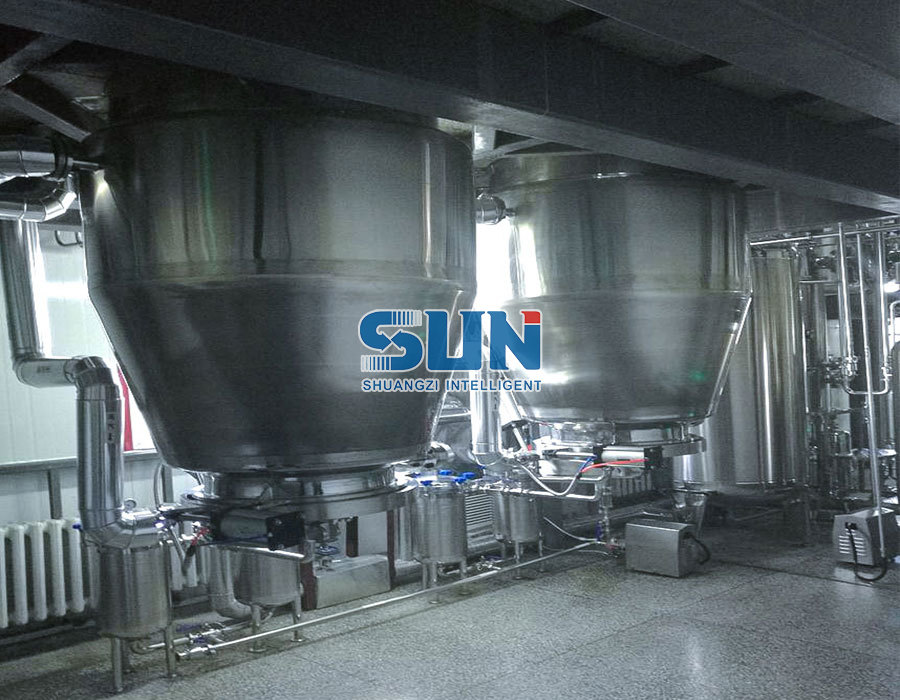
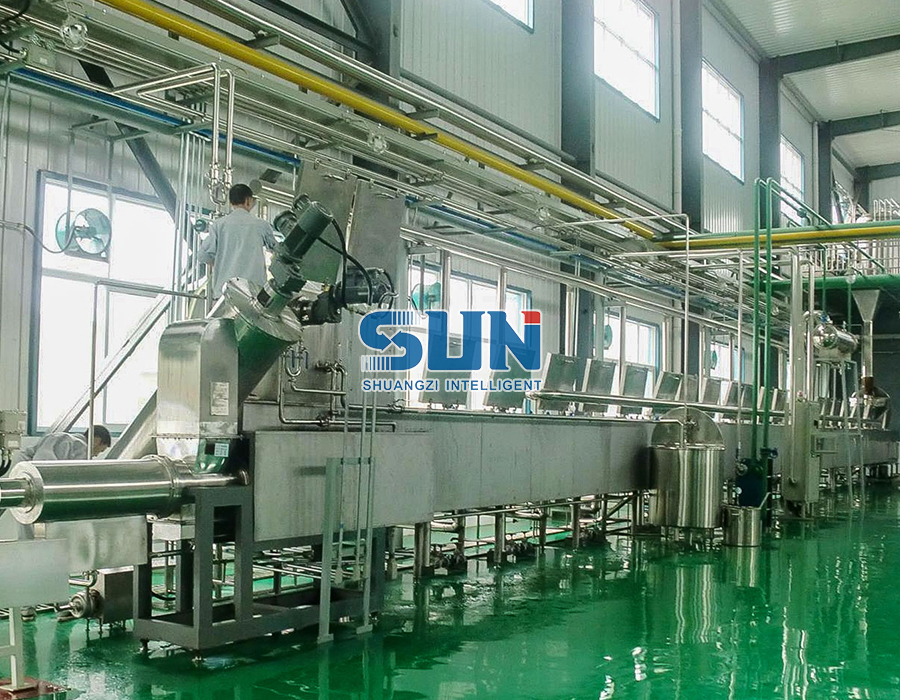
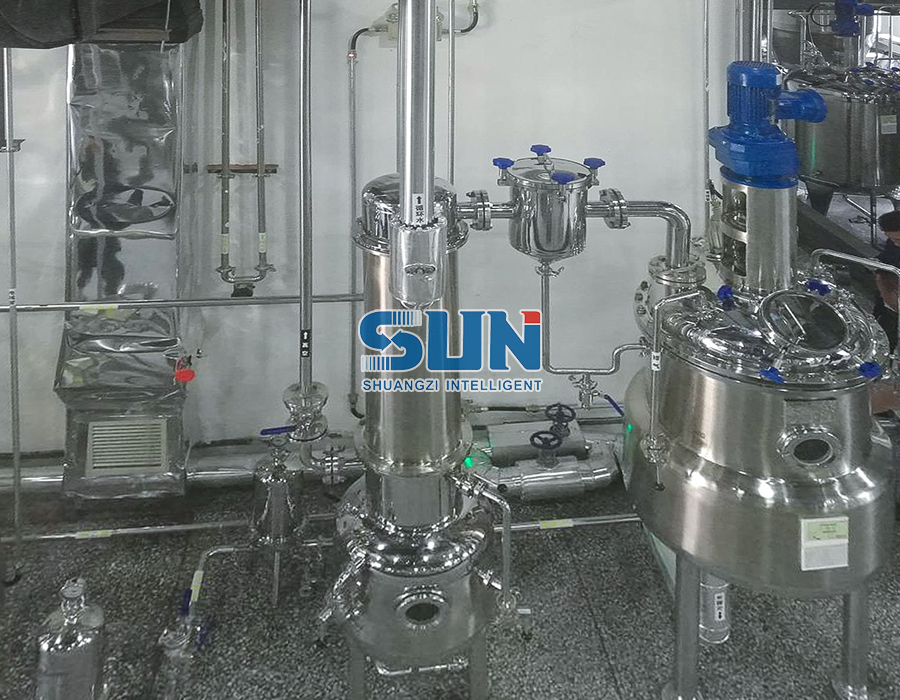
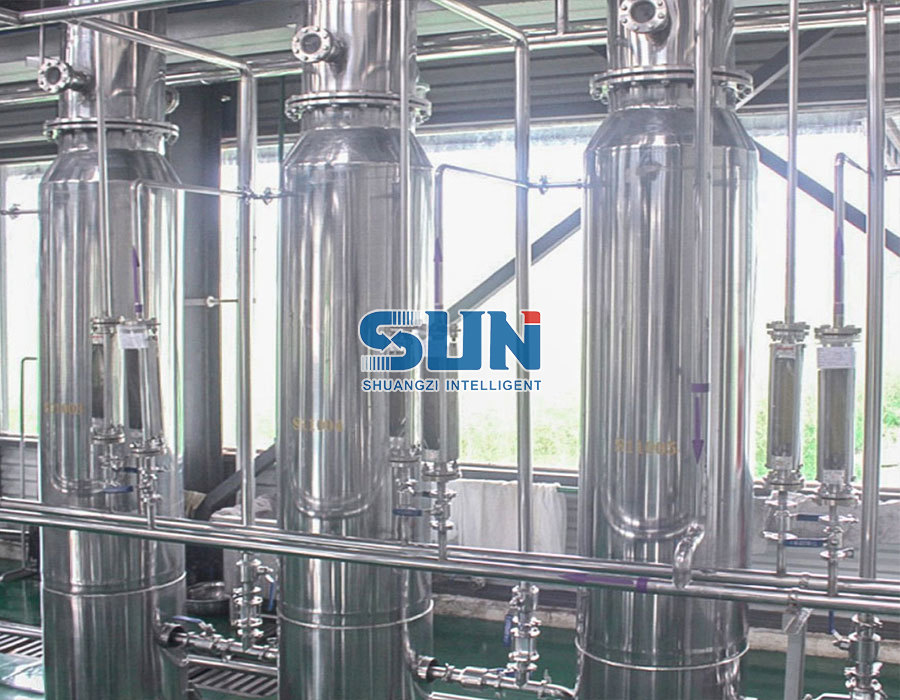
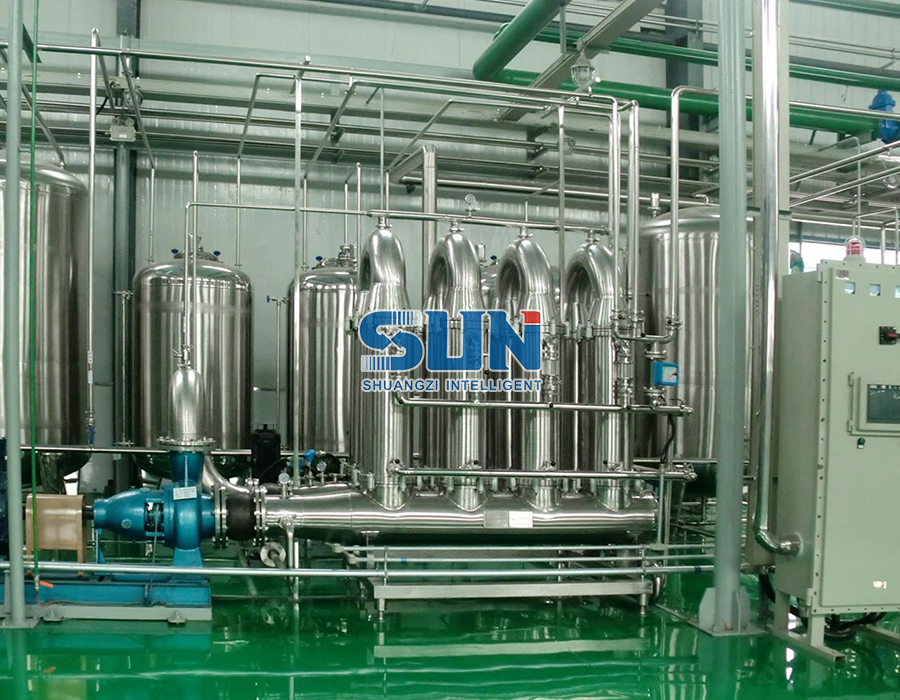
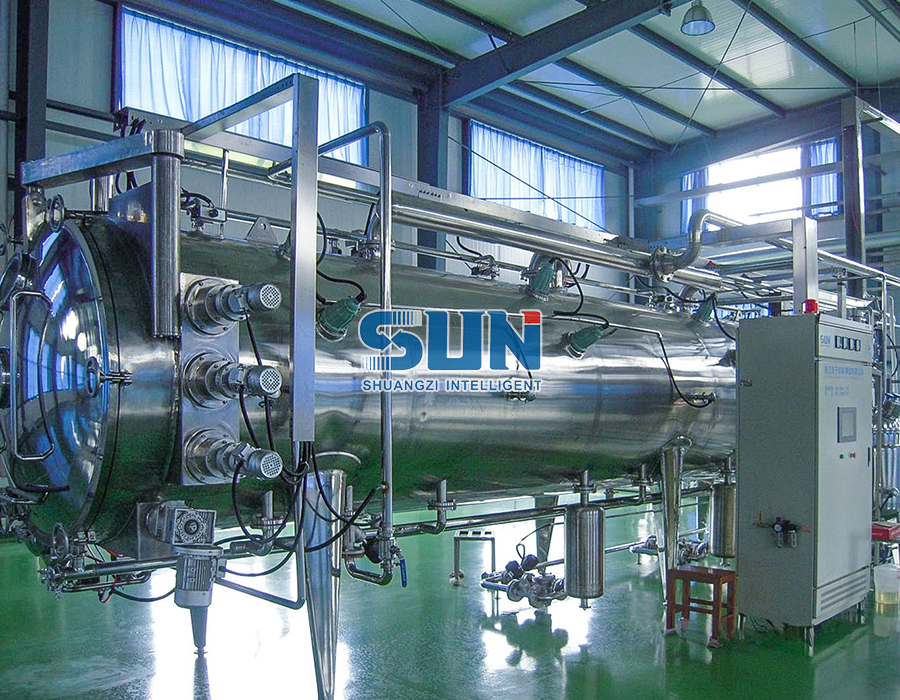
The company operates a state-of-the-art pilot production workshop that meets Good Manufacturing Practice (GMP) standards, which are critical for pharmaceutical and food processing applications. This workshop is equipped with full-scale production lines for vacuum low-temperature drying, plant extraction, evaporation, precipitation separation, extraction, and fermentation. It allows the company to test new designs, optimize processes, and validate product performance before scaling up to full production. For users, this means that the dryer they purchase has already been thoroughly tested in real-world conditions, reducing the risk of unexpected issues during operation.
Cutting-Edge Welding & Machining Equipment
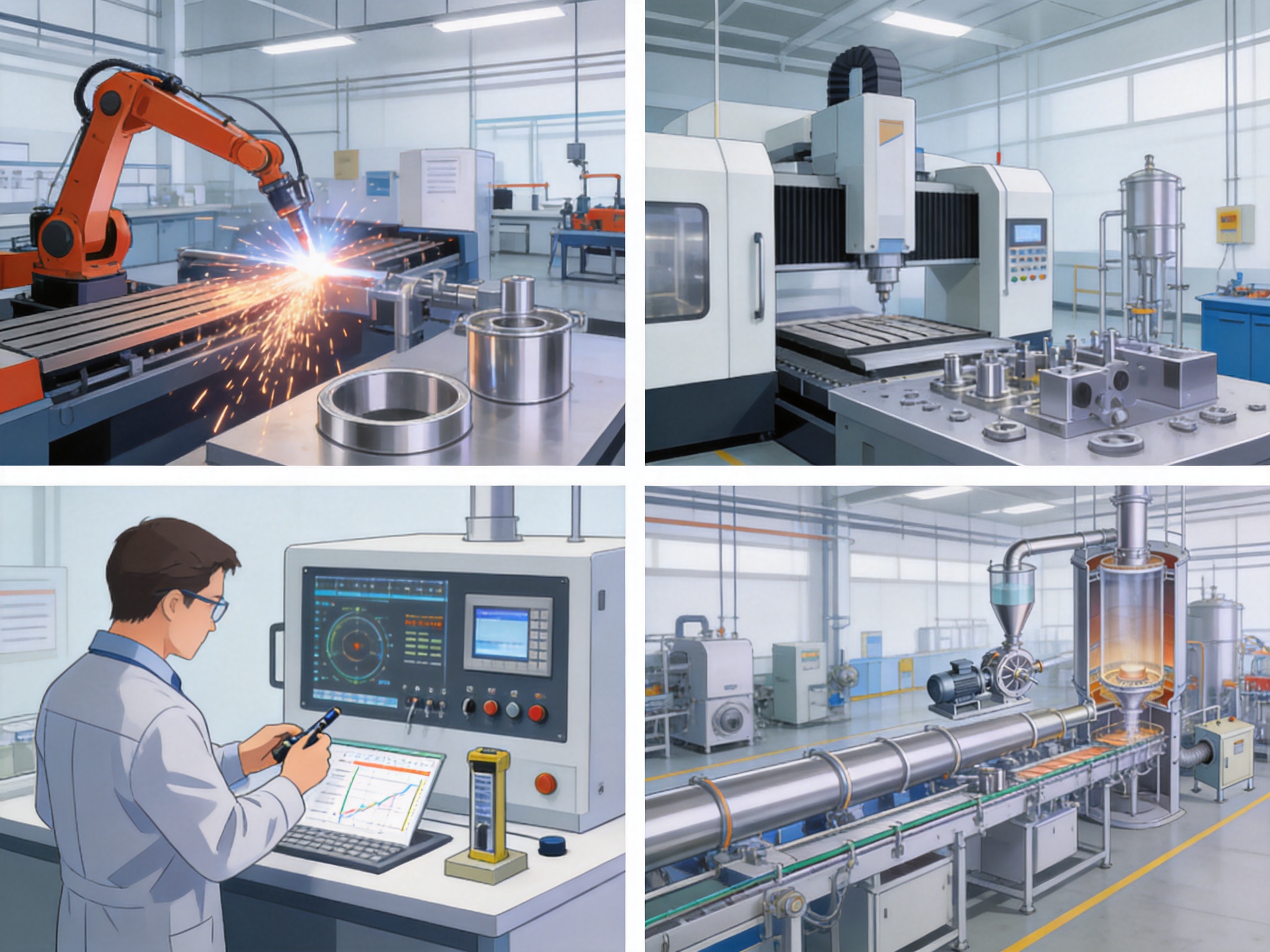
The company invests heavily in advanced manufacturing equipment to ensure precision and durability. Key equipment includes:
- Plasma Argon Arc Welding Machine: Used for welding stainless steel components, this machine produces high-quality, corrosion-resistant welds that meet GMP standards. It is ideal for components that come into contact with food or pharmaceutical products.
- Plasma Cutting Machine: Used for cutting stainless steel sheets with high precision, ensuring that components fit together perfectly.
- CAM CNC Machining Center: Used for machining complex parts (e.g., atomizer components, temperature control systems) with high accuracy. This ensures that all parts are interchangeable and meet strict dimensional tolerances.
These advanced tools allow the company to produce components that are more durable, efficient, and consistent than those made by competitors using outdated equipment.
Rigorous Quality Testing at Every Stage
Quality control is integrated into every stage of the manufacturing process:
1. Raw Material Inspection: All raw materials (stainless steel, electrical components, etc.) are inspected for quality and compliance with industry standards before being used.
2. Component Testing: Each component (e.g., atomizer, heat exchanger, filter) is tested individually for performance and durability.
3. Assembly & Integration: The dryer is assembled and integrated with all systems (temperature control, feed pump, powder collection).
4. Full-Scale Performance Testing: The completed dryer is tested with real feedstock to ensure that it meets all performance specifications (e.g., water evaporation rate, temperature control, powder recovery rate).
5. Final Inspection: The dryer is inspected for cosmetic defects, safety compliance, and documentation before being shipped to the customer.
This rigorous testing process ensures that each dryer is reliable, efficient, and meets the highest quality standards.
Process & Automation Engineering Expertise
Unlike many equipment manufacturers that only sell standalone machines, this company has deep expertise in process engineering and automation. The team of engineers works closely with customers to understand their specific needs and design custom solutions that integrate the dryer into their existing production lines. This includes process design, equipment layout, automation system integration, and line debugging. For example, a pharmaceutical company looking to add a spray drying line for herbal extracts will receive a complete solution that includes the dryer, feed preparation system, powder collection system, and automation controls—all tailored to their specific product and production requirements.
Industry Applications in Detail
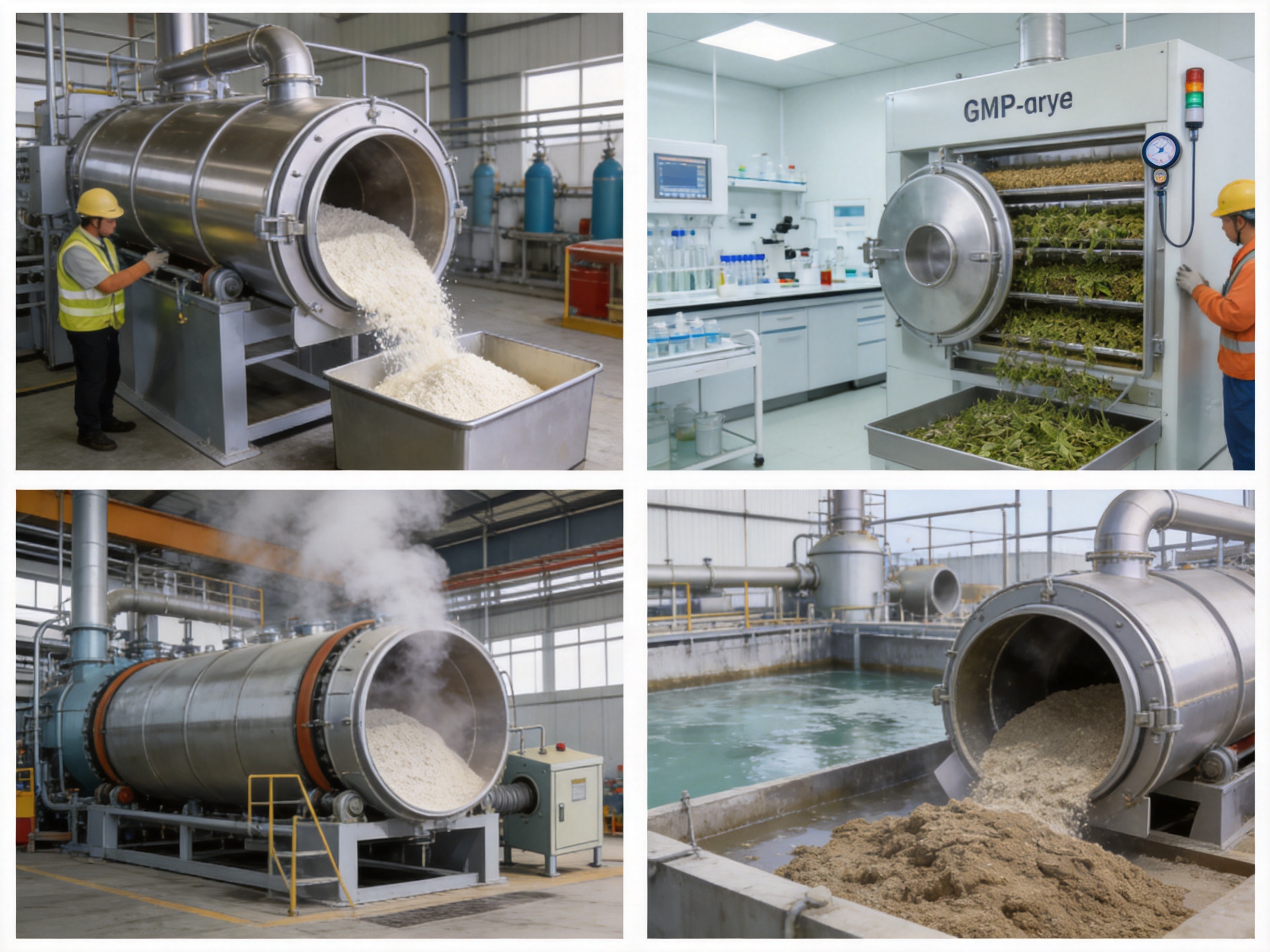
Centrifugal spray dryers are used across a wide range of industries, and this model line has been successfully deployed in many of these sectors. Let’s explore some key applications in detail:
Food & Beverage Industry
The food & beverage industry is one of the largest users of centrifugal spray dryers, thanks to their ability to produce high-quality powdered products. Some key applications include:
- Milk Powder: Spray drying is the standard method for producing milk powder. The rapid drying process preserves the nutritional value of milk (e.g., proteins, vitamins) and produces a uniform powder that is easy to reconstitute.
- Tea Polyphenols: Tea polyphenols are heat-sensitive antioxidants found in tea leaves. Spray drying allows for the production of a stable, powdered form that can be used in functional foods and dietary supplements.
- Protein Powder: Whey protein, soy protein, and other plant-based proteins are often spray-dried to produce a fine, soluble powder that is popular in sports nutrition products.
- Juice Powder: Fruit and vegetable juices are spray-dried to produce powdered juice concentrates, which are used in instant beverages, desserts, and snacks.
For food manufacturers, the key benefits of this dryer line include consistent product quality, high recovery rate, and compliance with food safety standards (e.g., GMP, ISO 22000).
Pharmaceutical & Nutraceutical Industry
The pharmaceutical and nutraceutical industries rely on centrifugal spray dryers for producing a wide range of products, including:
- Antibiotics: Many antibiotics are produced as liquid suspensions, which are spray-dried to produce a stable powdered form that is easy to store and transport.
- Herbal Extracts: Herbal extracts (e.g., ginseng, astragalus) are heat-sensitive and require rapid drying to preserve their active ingredients. Spray drying is the ideal method for this application.
- Vitamins: Vitamins (e.g., vitamin C, vitamin B12) are often spray-dried to produce a stable, powdered form that can be used in dietary supplements.
- Protein-Based Drugs: Biologics (e.g., monoclonal antibodies) are often formulated as liquid solutions, which are spray-dried to produce a stable powdered form that can be stored at room temperature.
This dryer line is particularly well-suited for pharmaceutical applications due to its GMP-compliant design, precision temperature control, and high powder recovery rate. It also meets the strict regulatory requirements of agencies like the FDA (U.S.) and EMA (EU).
Chemical & Specialty Materials Industry
The chemical industry uses centrifugal spray dryers for producing a wide range of specialty materials, including:
- Dyes & Pigments: Spray drying is used to produce fine, uniform dye and pigment powders that are used in textiles, paints, and inks.
- Catalysts: Catalysts (e.g., zeolites, metal oxides) are often spray-dried to produce a porous, high-surface-area powder that is effective for chemical reactions.
- Resin Powders: Synthetic resins (e.g., epoxy, polyester) are spray-dried to produce a fine powder that is used in coatings, adhesives, and composites.
- Agrochemicals: Pesticides, herbicides, and fertilizers are often spray-dried to produce a stable, easy-to-handle powdered form.
The scalability of this dryer line makes it ideal for both small-scale R&D and large-scale industrial production of chemical materials.
Environmental & Feed Industry
The environmental and feed industries also benefit from centrifugal spray dryers:
- Wastewater Treatment Sludge: Sludge from wastewater treatment plants is often dewatered and then spray-dried to produce a dry, stable powder that can be used as fertilizer or disposed of safely.
- Feed Additives: Feed additives (e.g., vitamins, minerals, probiotics) are spray-dried to produce a uniform powder that can be mixed into animal feed.
- Fish Meal: Fish meal is produced by spray-drying fish protein concentrate, which is a high-protein feed supplement for livestock and aquaculture.
This dryer line’s ability to handle viscous and high-moisture feedstock makes it ideal for these applications.
Product Specifications Table
Below is a detailed table of specifications for the centrifugal spray dryer line:
Model Item / Parameter |
SUN 5 |
SUN 25 |
SUN 50 |
SUN 150 |
SUN 200-2000 |
|---|---|---|---|---|---|
Inlet temperature |
140-350 automatic control |
||||
Outlet temperature |
80-90 |
||||
Maximum water evaporation(kg/h) |
5 |
25 |
50 |
150 |
200-2000 |
Drive form of centrifugal spray head |
Compressed air drive |
Mechanical drive |
|||
Maximum speed(r.p.m) |
25000 |
18000 |
18000 |
15000 |
8000-15000 |
Diameter of spray tray(mm) |
50 |
120 |
120 |
150 |
180-240 |
Heat source |
Electric |
Steam+Electric |
Steam+Electric, Oil, Gas, Hot air stove |
||
Maximum power of electric heating(kw) |
9 |
36 |
72 |
99 |
— |
Dimension(L×W×H)(m) |
1.8×0.93×2.2 |
3×2.7×4.26 |
3.5×3.5×4.8 |
5.5×4×7 |
According to the actual situation |
Dry powder recovery(%) |
≥95 |
||||
Frequently Asked Questions (Q&A)
Below are answers to common questions about the centrifugal spray dryer line:
Q: How long does it take to dry a typical liquid material using this dryer?
A: The drying time is typically 1-5 seconds, depending on the feedstock’s moisture content and viscosity. This rapid drying time is one of the key advantages of centrifugal spray dryers, especially for heat-sensitive materials.
Q: Can this dryer handle heat-sensitive materials like antibiotics or herbal extracts?
A: Yes, absolutely. The short drying time (1-5 seconds) and precise temperature control (±2°C) ensure that heat-sensitive materials are not degraded. This makes the dryer ideal for pharmaceutical and nutraceutical applications.
Q: What is the maximum water evaporation rate for the largest model?
A: The largest model (SUN 200-2000) has a maximum water evaporation rate of 200-2000 kg/h, making it suitable for large-scale industrial production.
Q: Does the company provide turnkey solutions for drying projects?
A: Yes, the company offers complete turnkey solutions, including process design, equipment supply, installation, line debugging, and after-sales service. This ensures that customers receive a fully functional drying line that meets their specific needs.
Q: What heat sources are available for the dryer?
A: The available heat sources are electric, steam+electric, oil, gas, and hot air stove. Users can choose the most suitable option based on their local energy availability and operational costs.
Q: How efficient is the powder recovery rate?
A: The powder recovery rate is ≥95%, which is higher than many competitors. This is achieved through the use of an efficient cyclone separator and bag filter system.
Q: Does the company offer customization options for the dryer?
A: Yes, the company can customize the dryer to meet specific customer requirements, such as adjusting the heat source, drive form, or dimensions. This flexibility makes the dryer suitable for a wide range of applications.
Company Strengths & Commitment to Quality
The company behind this centrifugal spray dryer line is a leading provider of intelligent equipment solutions for the biology and medical industries. With over 15 years of experience (founded in 2007), the company has built a reputation for quality, innovation, and customer service. Let’s explore some of its key strengths:
EPC/EPCM Core Competence
The company’s core competence is Engineering, Procurement, and Construction (EPC) and Engineering, Procurement, and Construction Management (EPCM) services. This means that it can handle the entire project lifecycle—from process design and equipment supply to installation and commissioning—for its customers. This turnkey approach saves customers time and money, as they do not need to coordinate with multiple suppliers.
Technical Expertise & R&D
The company has a strong R&D team that focuses on developing innovative solutions for the biology and medical industries. It invests heavily in R&D, with a focus on vacuum low-temperature drying, fermentation, extraction, concentration, and separation technologies. The company also collaborates with universities and research institutions to stay at the forefront of industry trends.
Large-Scale Manufacturing Facilities
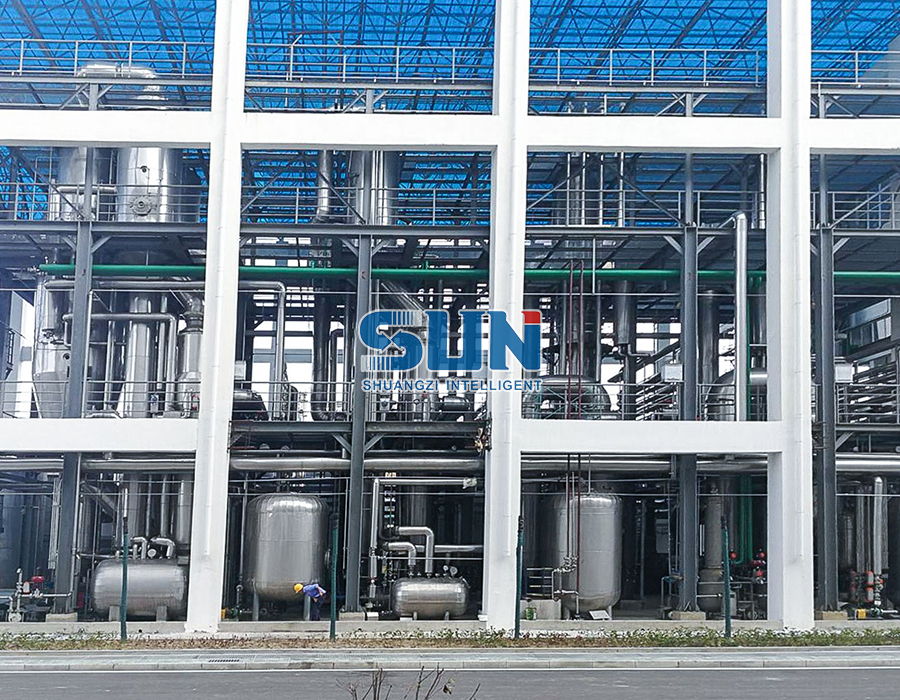
The company operates a large manufacturing facility in Hangzhou, China, covering a floor area of 16,706 m² and a structure area of 17,800 m². The facility is equipped with advanced manufacturing equipment, including plasma argon arc welding machines, plasma cutting machines, and CAM CNC machining centers. This allows the company to produce high-quality equipment at scale.
Global Reach & Customer Support
The company serves customers around the world, with a focus on providing excellent after-sales service. Its customer support team is available 24/7 to answer questions, provide technical assistance, and resolve issues. The company also offers training programs for customers to ensure that they can operate the equipment safely and efficiently.
References
1. International Organization for Standardization (ISO). (2019). ISO 14644-1: Cleanrooms and associated controlled environments — Part 1: Classification of air cleanliness. Geneva, Switzerland: ISO.
2. Food and Drug Administration (FDA). (2020). Guidance for Industry: Good Manufacturing Practice (GMP) for Dietary Supplements. Silver Spring, MD: FDA.
3. Smith, J. D., & Lee, H. J. (2021). Spray Drying Technology: Principles and Applications in Food Processing. Journal of Food Engineering, 123, 45-62.
4. European Pharmacopoeia (EP). (2022). European Pharmacopoeia 11.0. Strasbourg, France: Council of Europe.
5. Chen, L., et al. (2020). Advances in Centrifugal Spray Drying for Pharmaceutical Formulations. International Journal of Pharmaceutics, 587, 120678.
6. World Health Organization (WHO). (2018). Good Manufacturing Practices for Pharmaceutical Products: Annex 2: Validation. Geneva, Switzerland: WHO.
Conclusion
Centrifugal spray dryers are a critical technology for modern industrial drying, and the model line discussed in this article stands out for its innovative features, scalability, and commitment to quality. From its customizable heat sources and flexible drive forms to its high powder recovery rate and precision temperature control, this dryer line offers significant advantages over competitors. The company’s advanced manufacturing processes, GMP-compliant facilities, and EPC/EPCM expertise further enhance its value proposition, making it a trusted partner for customers in the food, pharmaceutical, chemical, and environmental industries.
As global demand for efficient, high-quality drying solutions continues to grow, this centrifugal spray dryer line is well-positioned to meet the needs of customers around the world. Whether for small-scale R&D or large-scale industrial production, this dryer line provides a reliable, efficient, and cost-effective solution for converting liquid feedstock into dry powder.