
 英语
英语 俄语
俄语Content
- 1 Overview of Curcumin and Its Industrial Value
- 2 Complete Ethanol Extraction Workflow
- 3 Key Technical Parameters and Capacity Options
- 4 Advantages of an Integrated Curcumin Extraction Production Line
- 5 Equipment Modules in the Production Line
- 6 Advanced Manufacturing Processes and Engineering Strengths
- 7 Quality, Safety, and Compliance Considerations
- 8 How the System Creates Value for Producers
- 9 Comparison with Conventional or Competitor Equipment
- 10 Recommended Process Control Points
- 11 Turnkey Project Approach
- 12 Applications Beyond Curcumin
- 13 Maintenance and Long-Term Operation
- 14 Q&A Section
- 14.1 Q1: What is the main purpose of the curcumin extraction machine?
- 14.2 Q2: Why is ethanol commonly used for curcumin extraction?
- 14.3 Q3: What is the typical extraction temperature and time?
- 14.4 Q4: What capacities are available?
- 14.5 Q5: What makes this system different from a simple extraction tank?
- 14.6 Q6: How does vacuum concentration help protect curcumin quality?
- 14.7 Q7: Can the equipment support GMP-oriented production?
- 14.8 Q8: Why is solvent recovery important?
- 14.9 Q9: Can the line be customized for turmeric powder or turmeric slices?
- 14.10 Q10: What services can the manufacturer provide for a complete project?
- 15 Conclusion
- 16 References
- 17 Product: Curcumin Extraction Machine Manufacture
Curcumin extraction has become an important industrial process for companies serving the natural medicine, health product, food ingredient, nutraceutical, cosmetic, and functional beverage markets. As consumers and manufacturers increasingly prefer plant-derived active ingredients, the need for reliable, scalable, hygienic, and efficient extraction equipment continues to grow. A modern curcumin extraction machine is not merely a single extractor; it is a coordinated production line that can include raw material preparation, loading, ethanol extraction, solid-liquid separation, vacuum concentration, purification, crystallization, filtration, drying, solvent recovery, and final packaging support.
The Curcumin Extraction Machine Manufacture solution described here is designed for the processing of turmeric rhizomes into curcumin extract through an industrial ethanol extraction route. The system is suitable for plant extraction production lines and can be configured according to different biomass handling capacities, production goals, solvent management requirements, automation levels, plant layouts, and GMP-oriented hygienic standards. It supports a complete workflow from raw material cleaning to final dried product, helping manufacturers improve yield consistency, reduce solvent loss, stabilize product quality, and shorten project execution time.
Unlike basic extraction tanks or loosely assembled equipment combinations, an integrated curcumin extraction production line emphasizes process continuity, engineering coordination, thermal efficiency, cleanability, operational safety, and automated control. These qualities are especially important when handling ethanol, botanical solids, heat-sensitive natural compounds, and high-value extracts. For industrial producers, the difference between a standard extraction device and a professionally engineered extraction line can directly affect production cost, purity, batch repeatability, compliance readiness, and return on investment.
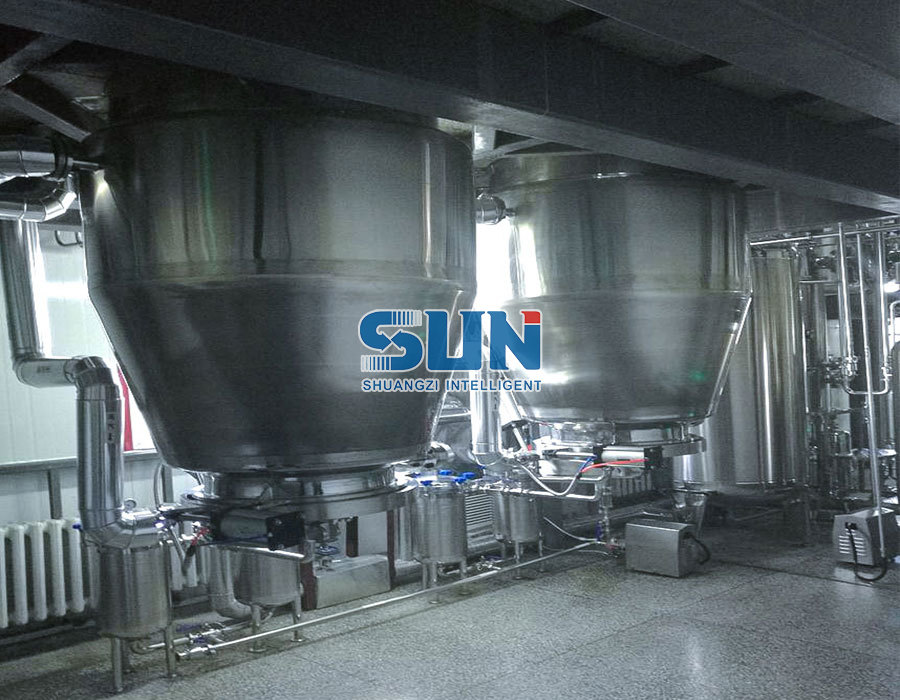
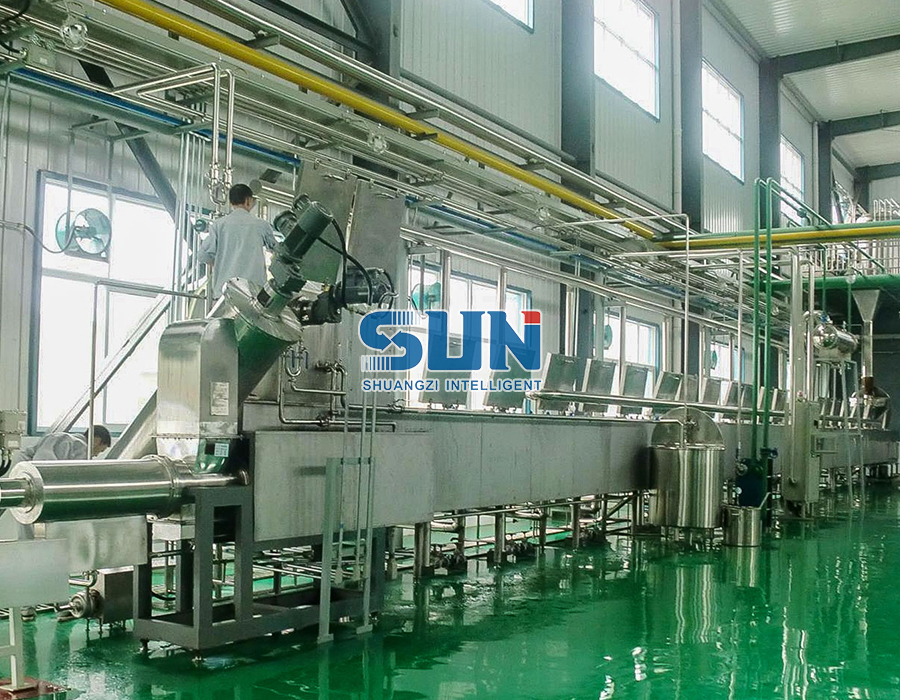
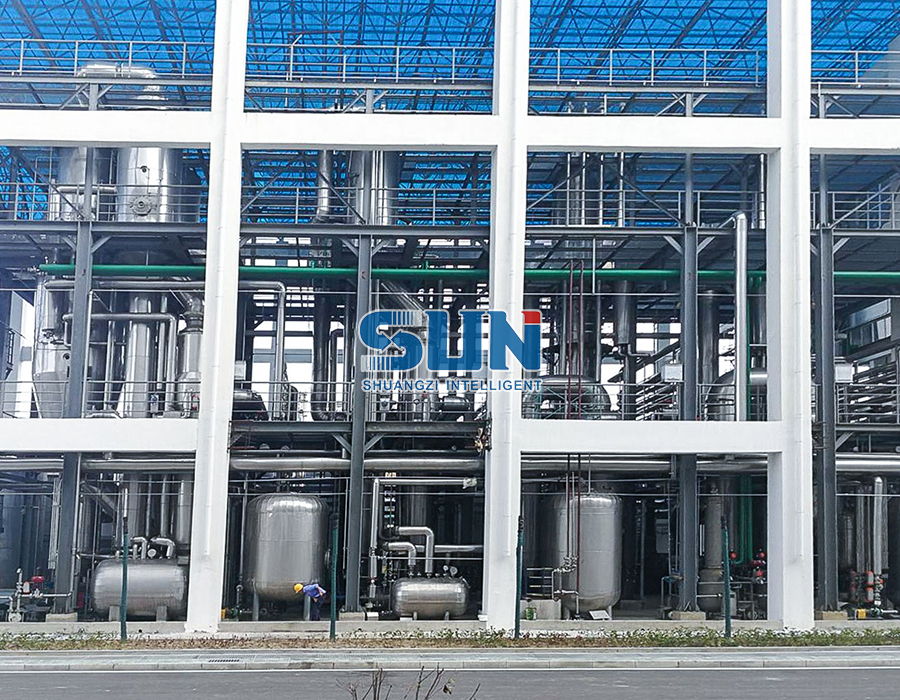
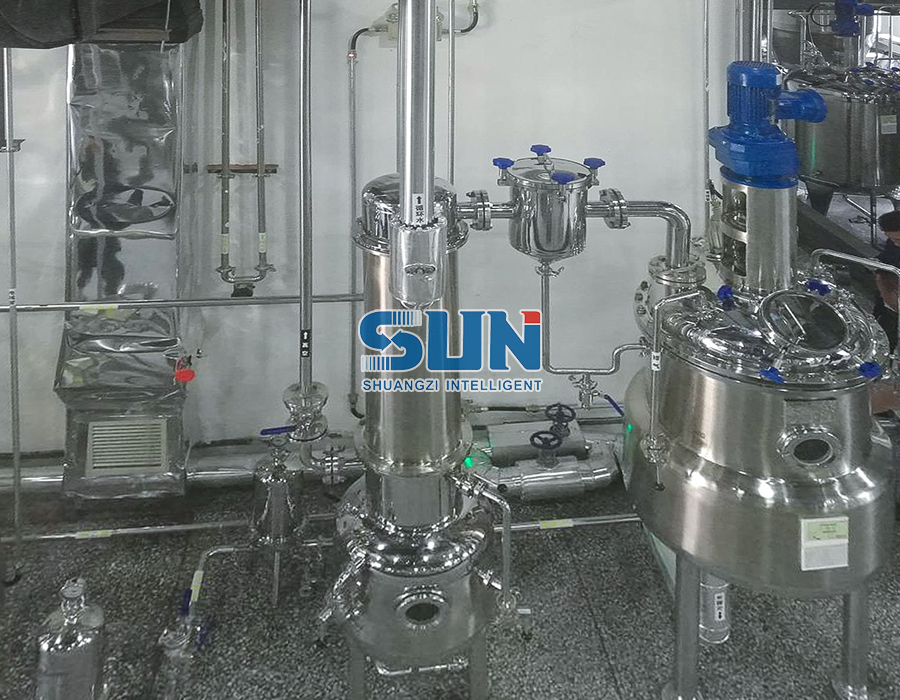
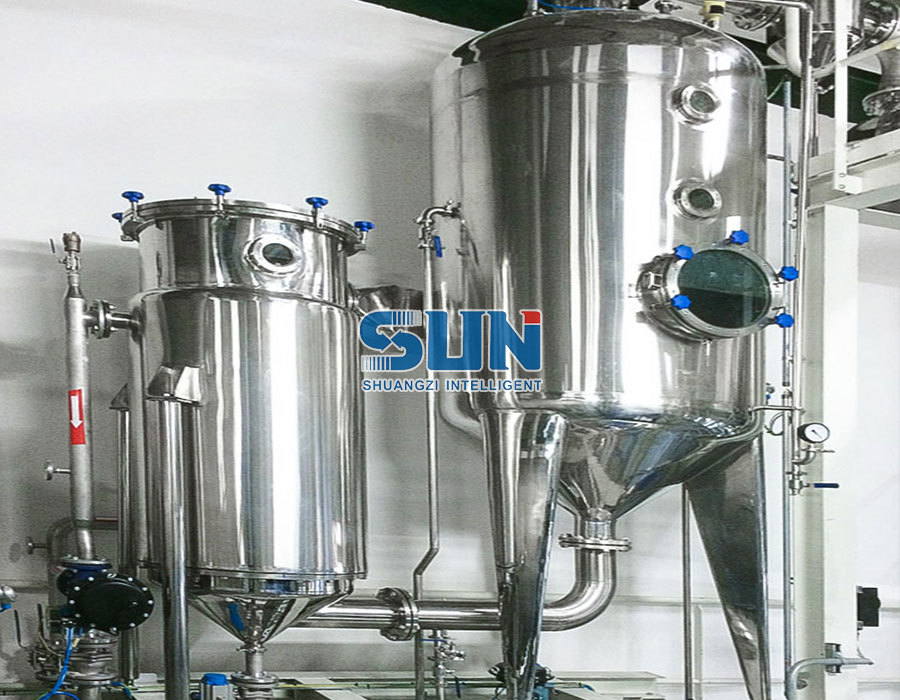
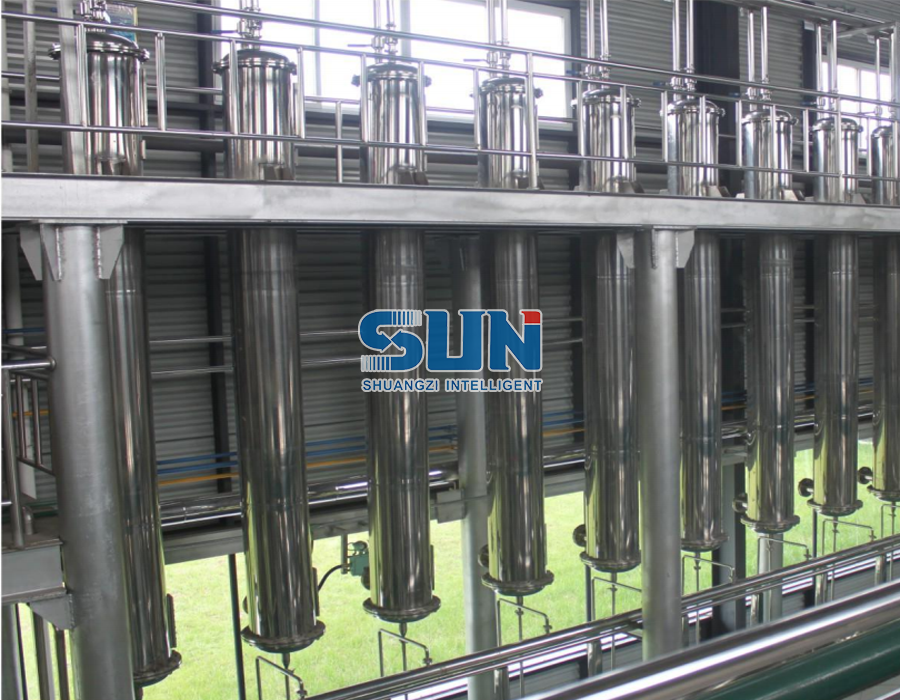
Curcumin Extraction Machine Manufacture
Overview of Curcumin and Its Industrial Value
Curcumin is a yellow-orange natural polyphenolic compound primarily obtained from turmeric, the rhizome of Curcuma longa. It is widely recognized for its biological activities and is used in medicine-related research, dietary supplements, food coloring, natural antioxidant products, functional foods, and wellness formulations. In commercial applications, curcumin is often valued for its color strength, antioxidant characteristics, and compatibility with consumer demand for natural plant ingredients.
Industrial curcumin production requires more than simple botanical soaking. Turmeric rhizomes contain starches, fibers, essential oils, pigments, resins, and other plant components. The target compound must be released from the plant matrix, transferred into a suitable solvent, separated from insoluble residues, concentrated under gentle conditions, purified, crystallized or refined as needed, filtered, dried, and packaged in a stable form. Every stage influences final purity, color, odor, residual solvent level, moisture content, active ingredient concentration, and market acceptance.
Ethanol extraction is one of the most commonly adopted methods because ethanol is effective, relatively food-friendly, widely accepted in natural product processing, and easier to recover than many alternative organic solvents. A typical ethanol concentration used in curcumin extraction is around 70%, with a solvent-to-raw-material ratio that may be adjusted according to turmeric quality, particle size, desired extraction efficiency, equipment design, and production economics. In the referenced process, a ratio of approximately 1:10 is used, with extraction conducted at about 45 to 50 degrees Celsius for around 4 to 6 hours.
The equipment must therefore perform reliably under controlled heating, solvent circulation, sealed operation, vapor management, and vacuum concentration conditions. It should minimize oxidation, reduce unnecessary exposure to high temperatures, and maintain safe operation when flammable ethanol is involved. A well-designed manufacturing solution provides these capabilities through suitable materials, sealing structures, explosion-proof design options, efficient heat transfer, automated monitoring, and integrated solvent recovery.
Complete Ethanol Extraction Workflow
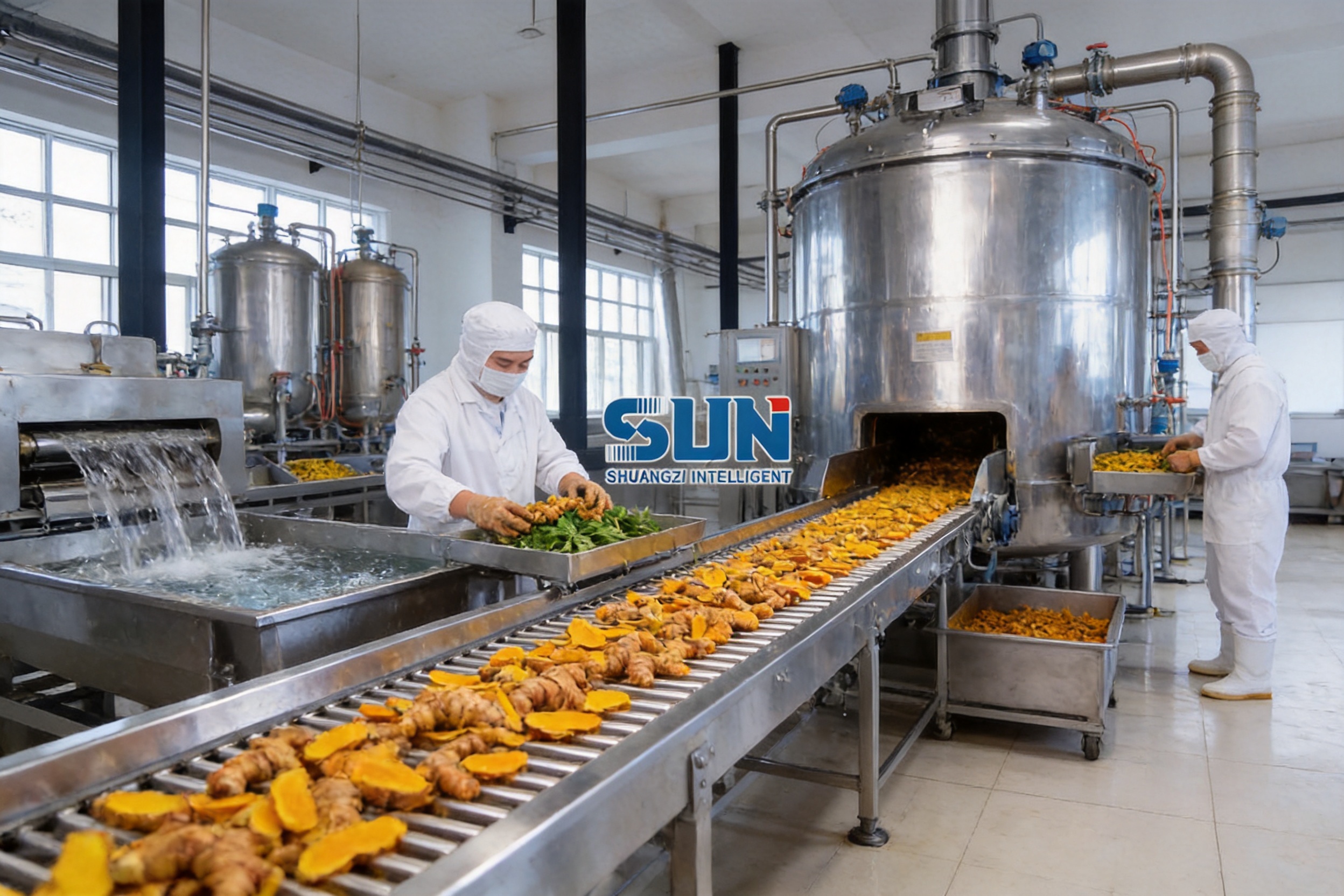
The curcumin extraction workflow begins with raw material preparation and continues through several controlled processing steps. The general flow can be described as: raw material cleaning, loading, extraction, separation, concentration, purification, second concentration, crystallization, filtration, drying, and packaging. Although the sequence appears straightforward, each step requires specific engineering considerations to maintain product quality and production efficiency.
Raw material cleaning removes soil, dust, and surface impurities from turmeric rhizomes. Good cleaning reduces microbial load, lowers ash content, protects downstream equipment, and improves the quality of the final extract. After cleaning, the turmeric is usually peeled or surface-treated as required, then cut into thin slices or ground into powder. Slicing improves solvent penetration while maintaining manageable filtration performance. Powdering increases surface area and extraction speed but may require more robust separation and filtration design because fine particles can complicate liquid clarification.
Loading introduces prepared turmeric slices or powder into the extractor. A professional production line may use manual loading, mechanical feeding, pneumatic assistance, hoisting systems, screw conveyors, or other customized feeding methods depending on capacity and layout. Large-capacity operations must consider worker safety, dust control, batch traceability, and loading time. Efficient loading also improves production rhythm because extraction vessels should not remain idle longer than necessary.
Extraction is the heart of the process. The prepared turmeric is placed in an extractor, and 70% ethanol is added at the designed solvent-to-material ratio. The extractor is sealed, heated, and maintained at controlled temperature. Agitation, circulation, percolation, or dynamic extraction options may be selected depending on production requirements. Temperature around 45 to 50 degrees Celsius helps dissolve curcumin effectively while avoiding unnecessary thermal stress. Extraction time of 4 to 6 hours is typical, but process optimization can adjust duration according to raw material content, particle size, and desired yield.
Separation removes the spent turmeric solids from the curcumin-containing extract liquid. Separation performance is critical because suspended solids can reduce evaporation efficiency, foul heat transfer surfaces, and affect downstream purification. Depending on the system configuration, separation may involve filter screens, filter presses, centrifuges, decanters, settling tanks, or multi-stage filtration. The goal is to obtain a clear or suitably clarified extract before concentration.
Concentration is usually performed under vacuum. Vacuum evaporation lowers the boiling point of ethanol-water mixtures, enabling concentration at moderate temperatures such as around 50 degrees Celsius. This protects heat-sensitive components, reduces energy consumption, and supports solvent recovery. A well-designed evaporator can recover ethanol for reuse, lowering operating cost and reducing environmental burden. Vacuum concentration is one of the major areas where industrial equipment quality can distinguish a premium line from a basic system.
Purification may involve water exchange, phase adjustment, precipitation, resin treatment, membrane treatment, or other methods depending on the required purity. In the described route, water is added to the curcumin extract at a solvent-to-extract ratio of about 1:1, and repeated exchange helps separate target products from impurities. The water layer is filtered to remove unwanted substances, and the product stream is concentrated again to obtain higher-purity curcumin.
Crystallization converts concentrated curcumin into a more refined product form. The crystallization stage requires control of concentration, temperature, cooling rate, residence time, seeding strategy, and mixing condition. Good crystallization control improves purity, crystal size distribution, filtration performance, and drying efficiency. Poor control can cause sticky solids, low purity, or difficult filtration.
Filtration separates the crystallized curcumin from mother liquor. Depending on production scale and product characteristics, filtration may use a nutsche filter, centrifuge, filter press, or other sanitary filtration equipment. The filtered cake may then undergo washing to reduce impurities or residual solvent. After filtration, drying removes moisture and residual ethanol to meet product specifications. Vacuum low-temperature drying is particularly useful because it protects color and active quality while reducing residual solvent under gentle conditions.
Packaging is the final step, but it should not be treated as an afterthought. Curcumin powder or crystals should be packed in suitable containers that protect against moisture, light, oxidation, and contamination. Proper packaging supports shelf life and customer acceptance. The production line can be connected with weighing, filling, sealing, labeling, and clean-area handling systems according to project requirements.
Key Technical Parameters and Capacity Options
The curcumin extraction system can be configured for multiple industrial capacities. The referenced operational capacity range covers biomass processing from 500 kilograms per hour to 10,000 kilograms per hour. This broad range allows the same process philosophy to serve pilot-scale expansion, medium-size ingredient plants, and large commercial extraction facilities. Capacity selection should be based on annual production target, turmeric curcumin content, extraction yield, batch cycle time, solvent recovery rate, working shifts, downstream purification demand, and available workshop space.
Items |
500 |
1000 |
2000 |
3000 |
4000 |
5000 |
6000 |
8000 |
10000 |
Operational Capacity Biomass |
500 kg/h |
1000 kg/h |
2000 kg/h |
3000 kg/h |
4000 kg/h |
5000 kg/h |
6000 kg/h |
8000 kg/h |
10000 kg/h |
For a 500 kg/h plant, the emphasis is often on flexibility, compact layout, moderate investment, and ease of operation. Such a system can be suitable for companies entering curcumin production, research-to-commercial transition, or specialized high-value extract manufacturing. For 1000 to 3000 kg/h capacities, the system may require more advanced material handling, larger extraction vessels, stronger solvent recovery, and more automated control to maintain consistent daily output.
For 4000 to 10,000 kg/h capacities, project engineering becomes especially important. High-volume production involves large quantities of flammable ethanol, significant heat transfer duties, continuous or semi-continuous workflow coordination, large solvent storage and recycling systems, and strict occupational safety measures. Equipment layout, pipe routing, explosion-proof electrical design, ventilation, condensate collection, cleaning systems, and automation architecture must be planned as an integrated project rather than separate machine purchases.
Capacity should not be selected only by raw material input. The entire line must be balanced. If extraction capacity is high but filtration is undersized, the plant will experience bottlenecks. If evaporation capacity is insufficient, extract liquid will accumulate and reduce production rhythm. If drying is too slow, filtered product will wait too long and affect quality or scheduling. A professional manufacturer evaluates mass balance, solvent balance, thermal balance, process time, equipment utilization, and cleaning time to create a practical production system.
Advantages of an Integrated Curcumin Extraction Production Line
The first major advantage is process matching. Competitor systems may offer a single extractor, a general-purpose evaporator, or individual tanks without fully coordinating the complete turmeric-to-curcumin workflow. An integrated production line is different because every stage is designed to connect with the previous and next stage. The extractor volume, solvent circulation rate, filter capacity, evaporator area, condenser duty, crystallizer volume, dryer size, and control system logic are considered together. This reduces hidden bottlenecks and supports stable long-term operation.
The second advantage is improved extraction efficiency. Proper control of ethanol concentration, temperature, residence time, contact surface area, mixing condition, and solvent-to-solid ratio helps increase curcumin transfer from turmeric to solvent. The system can be adjusted to different raw material forms, including sliced turmeric and powdered turmeric. Compared with simple soaking tanks, a professionally engineered extractor can provide better heat distribution, improved solvent contact, reduced dead zones, and more consistent extraction results.
The third advantage is better protection of active ingredients. Curcumin and related plant compounds can be affected by excessive heat, oxidation, and prolonged uncontrolled processing. Vacuum concentration and low-temperature drying reduce thermal damage. Sealed extraction reduces unnecessary solvent vapor release and environmental exposure. Controlled processing helps maintain color, aroma profile, active concentration, and overall extract quality.
The fourth advantage is solvent recovery and operating cost reduction. Ethanol is a major recurring cost in curcumin production. Efficient evaporation, condensation, storage, and recycling systems recover ethanol from extract concentration, spent material handling, and drying processes. Competitor systems with weak solvent recovery may appear cheaper at purchase but become more expensive during operation due to high solvent loss, environmental compliance pressure, and increased safety risk. A complete line designed around solvent economy creates long-term value.
The fifth advantage is automation. Automated temperature control, vacuum monitoring, pressure control, flow measurement, valve sequencing, batch recipe management, alarms, interlocks, and data recording can improve repeatability and reduce operator dependency. Automation also supports GMP-oriented documentation, production traceability, and process validation. In comparison, manual systems rely heavily on operator experience and may show larger batch-to-batch variation.
The sixth advantage is hygienic design. Plant extraction equipment should be easy to clean, resistant to corrosion, and suitable for food and pharmaceutical-related environments. Stainless steel construction, smooth internal surfaces, reasonable drainability, cleanable pipelines, sanitary valves, and optional cleaning-in-place arrangements help reduce contamination risk. For high-value natural ingredients, cleanability is not only a quality issue but also a productivity issue because cleaning time affects plant availability.
The seventh advantage is customized engineering. Turmeric raw material characteristics vary by origin, harvest time, drying condition, curcumin content, moisture level, and particle size. Customers also have different target products, such as crude curcumin extract, high-purity curcumin, powder products, crystalline products, or intermediate extracts for further formulation. A customized production line can be adapted to these conditions, while standard commodity equipment often forces the process to fit the machine rather than the machine fitting the process.
Equipment Modules in the Production Line
Raw Material Cleaning and Preparation
The preparation section influences the entire extraction outcome. Turmeric rhizomes may contain soil, stones, fibers, and external impurities. Cleaning equipment removes these contaminants before slicing or grinding. Proper preparation also controls particle size. If the pieces are too large, extraction may be incomplete. If particles are too fine, filtration becomes difficult and solvent retention in the residue may increase. A well-designed line balances extraction speed with separation efficiency.
Depending on the project, raw material preparation can include washing, peeling, slicing, drying adjustment, milling, screening, and temporary storage. Dust control may be required for dry turmeric powder. Material-contact parts should be selected for hygiene and durability. Conveying equipment should reduce material loss and avoid unnecessary manual handling.
Extraction System
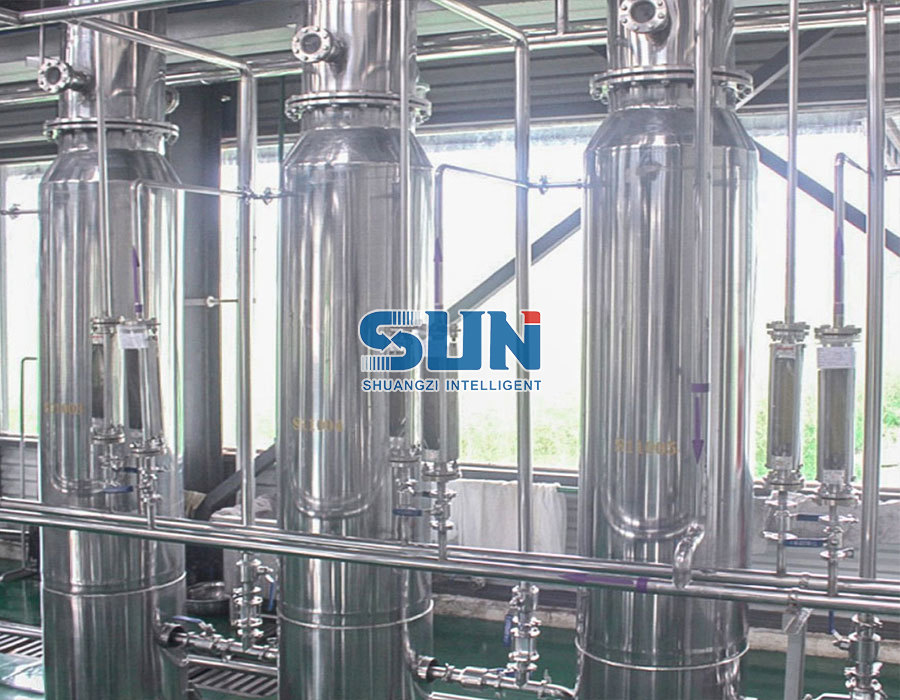
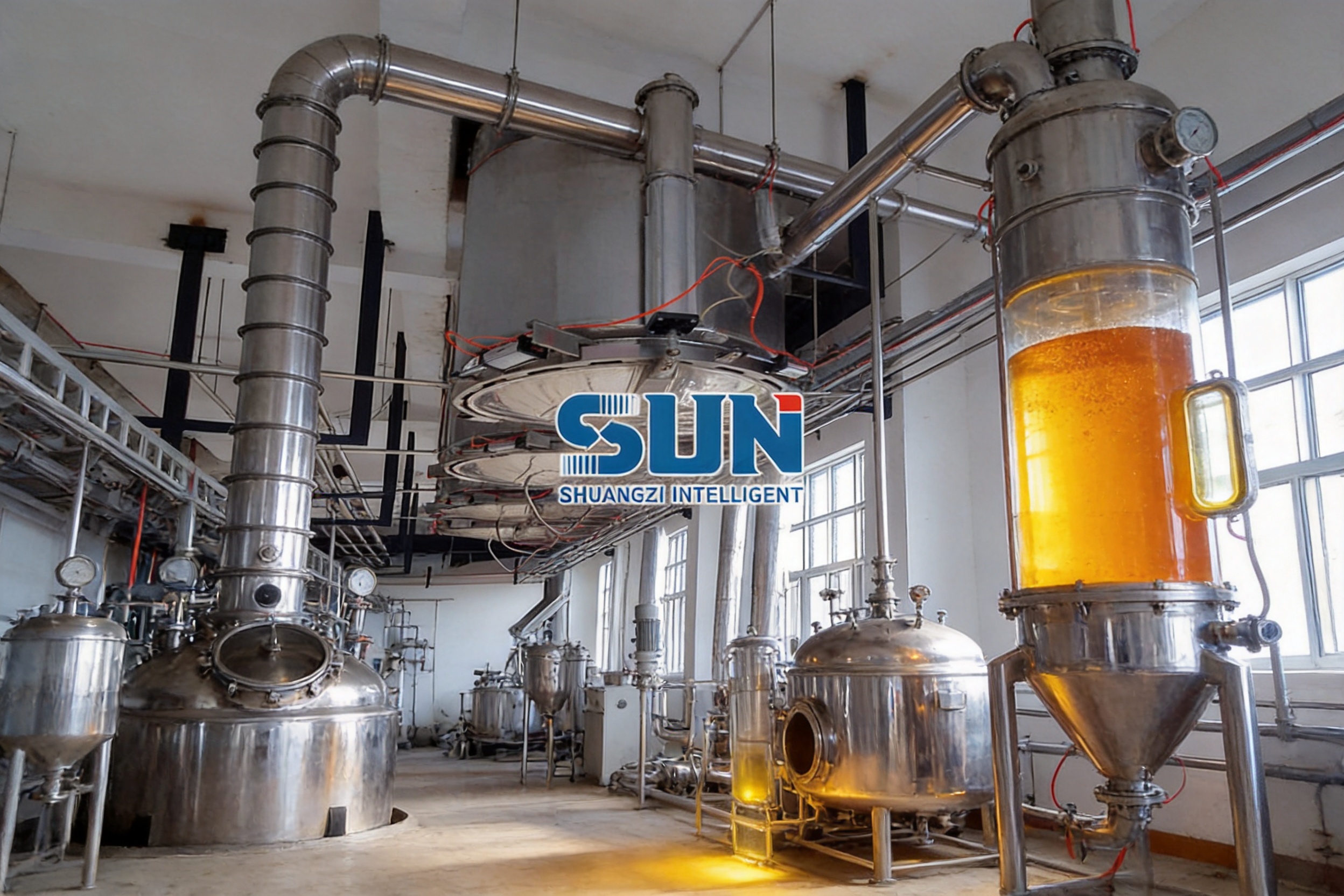
The extraction system is the core equipment group. It may include extraction tanks, heating jackets or coils, circulation pumps, condensers, solvent feeding systems, manholes, filters, discharge devices, temperature sensors, pressure instruments, and safety accessories. The extractor must seal effectively and withstand process conditions. Because ethanol vapor is flammable, the design should consider explosion-proof components, grounding, ventilation, pressure relief, and safe operating procedures.
For turmeric extraction, uniform solvent contact is essential. The system can be designed for static extraction, dynamic extraction, reflux extraction, or circulation extraction. Dynamic or circulating designs often improve mass transfer and reduce extraction time. The heating system should avoid local overheating. The discharge system should remove spent turmeric efficiently while minimizing solvent loss.
Solid-Liquid Separation
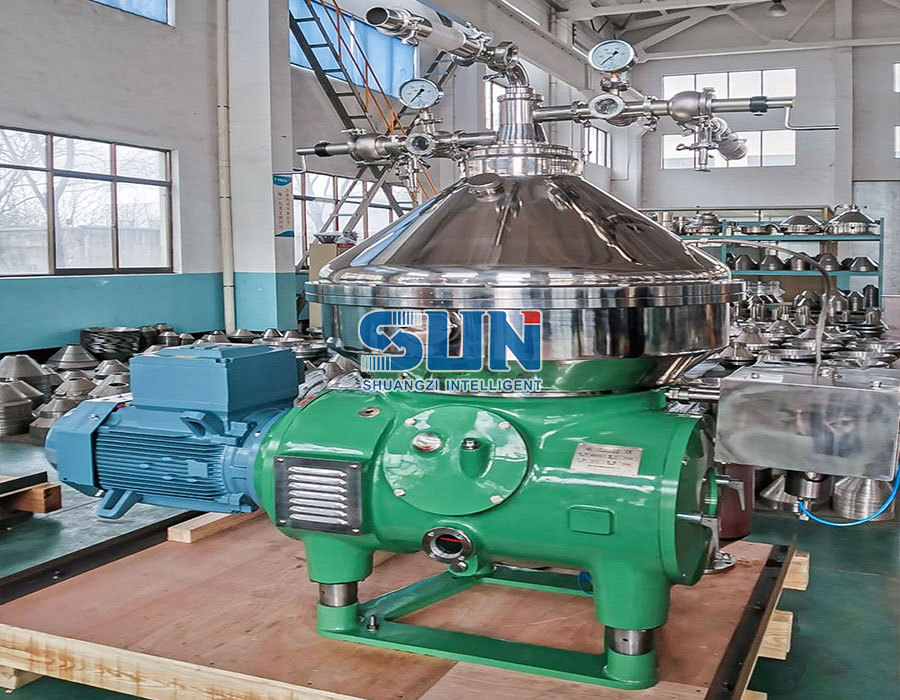
After extraction, the mixture contains liquid extract and plant residue. Separation equipment can include coarse filters, fine filters, centrifuges, filter presses, or integrated extractor-bottom filtration designs. The selected method depends on particle size, throughput, clarity requirement, and labor preference. Effective separation reduces downstream fouling and improves evaporator performance.
Spent turmeric still contains solvent after separation. Recovery from residue can improve solvent economy and reduce safety concerns. Depending on design, the residue may be pressed, drained, washed, or treated by steam or vacuum-assisted solvent recovery. This is an important area where an engineered line can outperform simpler competitor systems.
Vacuum Concentration System
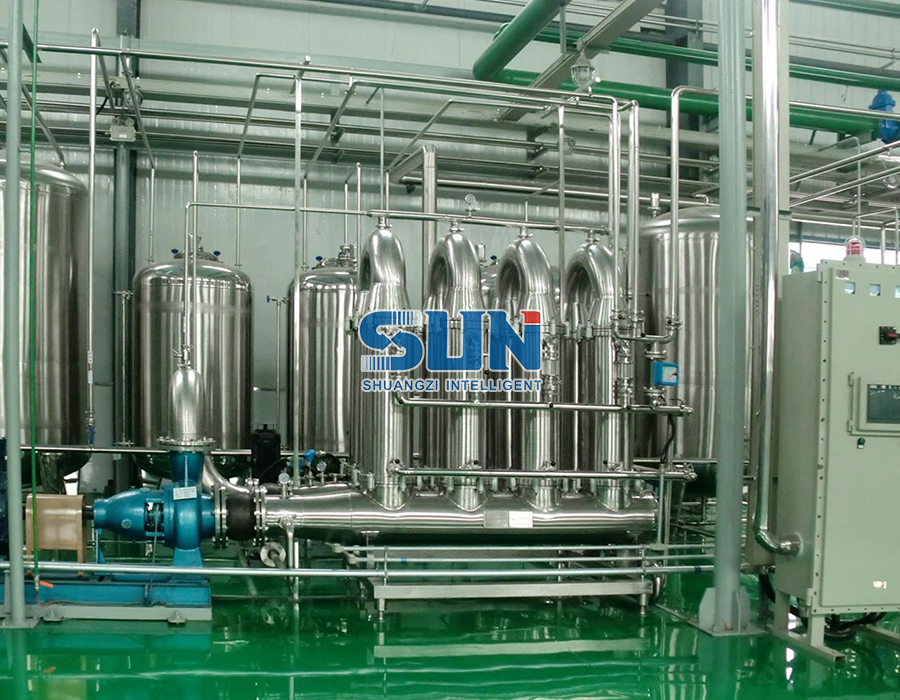
The vacuum concentration system removes ethanol and water from the extract, increasing curcumin concentration while recovering solvent. It may include vacuum evaporators, heaters, separators, condensers, solvent receiving tanks, vacuum pumps, control valves, and instruments. The system should provide stable vacuum, efficient heat transfer, effective vapor-liquid separation, and high condensation recovery.
Vacuum concentration at around 50 degrees Celsius is beneficial for curcumin because it helps preserve quality while reducing energy demand. Multi-effect evaporation, falling film evaporation, forced circulation evaporation, or other forms may be selected according to capacity and liquid characteristics. The manufacturer should evaluate viscosity, solids content, foaming tendency, solvent composition, and cleaning requirements before selecting the most suitable evaporator.
Purification and Refining System
Purification improves curcumin quality by separating impurities such as water-soluble components, resins, non-target pigments, starch-related substances, and other botanical residues. The described process uses water addition and repeated exchange, followed by filtration and concentration. Depending on target purity, the line may also integrate precipitation tanks, extraction columns, resin adsorption systems, membrane filtration, pH adjustment tanks, or additional solvent refining stages.
High-purity curcumin requires precise process control. Even small variations in concentration, water ratio, temperature, and mixing can affect impurity removal and crystallization behavior. A well-designed purification system provides controllable mixing, accurate dosing, stable temperature control, and clean filtration.
Crystallization System
Crystallization determines final particle characteristics and purity. The crystallizer should provide uniform cooling or temperature control, appropriate agitation, clean surfaces, and controlled residence time. For curcumin, controlled crystallization can improve product appearance, reduce impurity inclusion, and make filtration easier. The system may also be designed for batch crystallization, depending on production volume and quality targets.
During crystallization, supersaturation must be managed carefully. If cooling is too rapid or concentration is uncontrolled, crystals may form too small or trap impurities. If cooling is too slow, productivity may decline. The engineering design should allow operators to follow optimized recipes and repeat successful batches.
Filtration and Washing System
After crystallization, filtration separates curcumin solids from mother liquor. The filtration device must handle the crystal size distribution and viscosity of the slurry. Cake washing can improve purity by removing adhering impurities and residual mother liquor. Hygienic filter design reduces contamination and simplifies cleaning.
For larger lines, filtration automation can reduce labor intensity and improve safety. Closed filtration is especially helpful when solvents are present. It reduces vapor exposure, improves solvent recovery, and supports a cleaner workshop environment.
Drying System
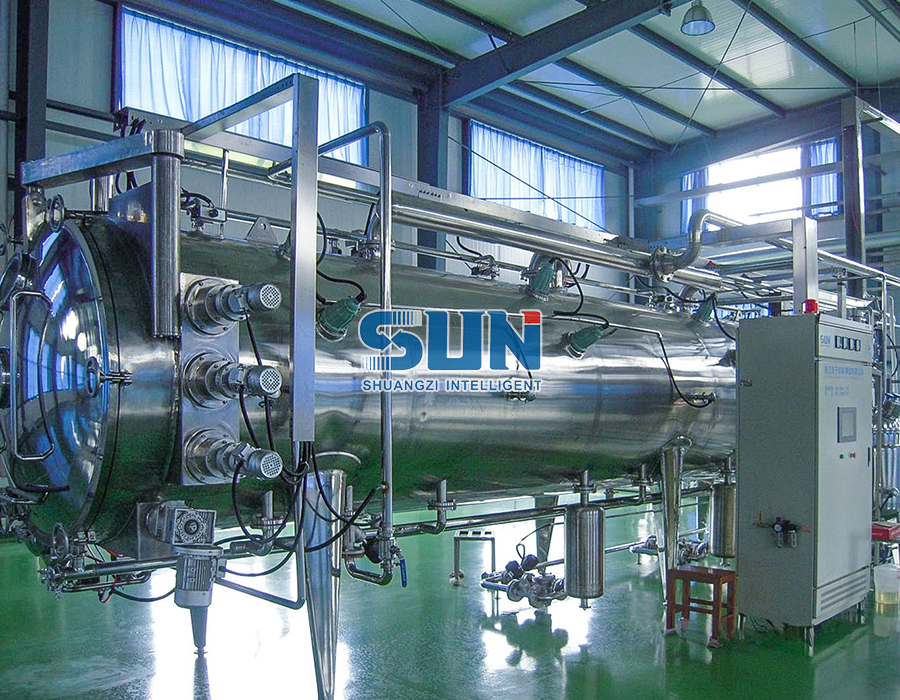
Drying removes residual solvent and moisture from filtered curcumin. Vacuum low-temperature drying is well suited for heat-sensitive botanical extracts because it reduces boiling points and protects color. Dryer options may include vacuum tray dryers, vacuum belt dryers, conical dryers, paddle dryers, or other customized systems depending on product form and capacity.
The drying system should achieve uniform drying without overheating or contamination. It should also connect with solvent recovery systems when ethanol remains in wet cake. Proper drying improves shelf stability and helps meet residual solvent specifications. Compared with hot-air drying, vacuum low-temperature drying often provides better quality preservation and safer solvent control.
Packaging Support
After drying, curcumin may be milled, sieved, blended, or directly packed. Packaging systems can include weighing machines, filling machines, sealing machines, metal detection, labeling, and clean-area transfer. Because curcumin is strongly colored and can stain surfaces, packaging design should consider dust containment and cleanability.
Advanced Manufacturing Processes and Engineering Strengths
Zhejiang Shuangzi Intelligent Equipment Co., Ltd. is a professional biology and medical equipment enterprise with a focus on EPC and EPCM project delivery, process technology, automation engineering design, equipment manufacture, matching purchase, installation, equipment system integration, and turnkey services. Founded in 2007 and located in Hangzhou, Zhejiang Province, China, the company has developed mature capabilities in plant extraction, biological fermentation, pharmaceutical engineering, natural food processing, energy conservation, and environmental protection.
The company’s manufacturing strength supports the reliability of the curcumin extraction machine. Industrial extraction equipment must be fabricated with dimensional accuracy, strong weld quality, clean internal surfaces, suitable pressure and vacuum performance, and long service life. Advanced welding and finishing equipment, including plasma argon arc welding machines, plasma cutting machines, and CAM CNC machining centers, helps improve fabrication precision and consistency. These capabilities are important for tanks, evaporators, crystallizers, filters, pipelines, and integrated skids.
High-quality welding is especially important in hygienic extraction systems. Poor welds can create dead corners, contamination points, corrosion risks, and cleaning difficulties. Professional welding procedures and finishing processes help create smooth, strong, and cleanable joints. CNC machining improves the accuracy of flanges, sealing surfaces, structural components, and mechanical interfaces, reducing assembly problems and improving system stability.
The company also maintains a full set of production lines with pilot production workshop and R&D platform aligned with automation and GMP-oriented requirements. Pilot capability is valuable because extraction processes often require verification before large-scale investment. Customers may need to confirm extraction yield, solvent ratio, concentration behavior, purification route, crystallization method, drying performance, and product quality. A manufacturer with pilot and R&D support can help bridge laboratory formulas and industrial production, reducing scale-up risk.
Process design capability is another major strength. Curcumin extraction is not only mechanical fabrication; it requires understanding of botanical processing, solvent extraction, evaporation, precipitation separation, purification, crystallization, filtration, and drying. The company’s experience in vacuum low-temperature drying, complete fermentation system equipment, evaporation and concentration equipment, extraction equipment, separation equipment, crystallization equipment, filtration equipment, and containers allows it to deliver a complete solution rather than isolated machines.
Automation engineering further strengthens the production line. Modern extraction plants benefit from programmable logic control, human-machine interface operation, recipe management, alarm systems, process data recording, valve control, pump control, temperature control, vacuum control, and safety interlocks. Automation reduces human error, improves batch repeatability, and supports standardized operation. For high-capacity ethanol extraction, automated safety logic can also protect workers and equipment.
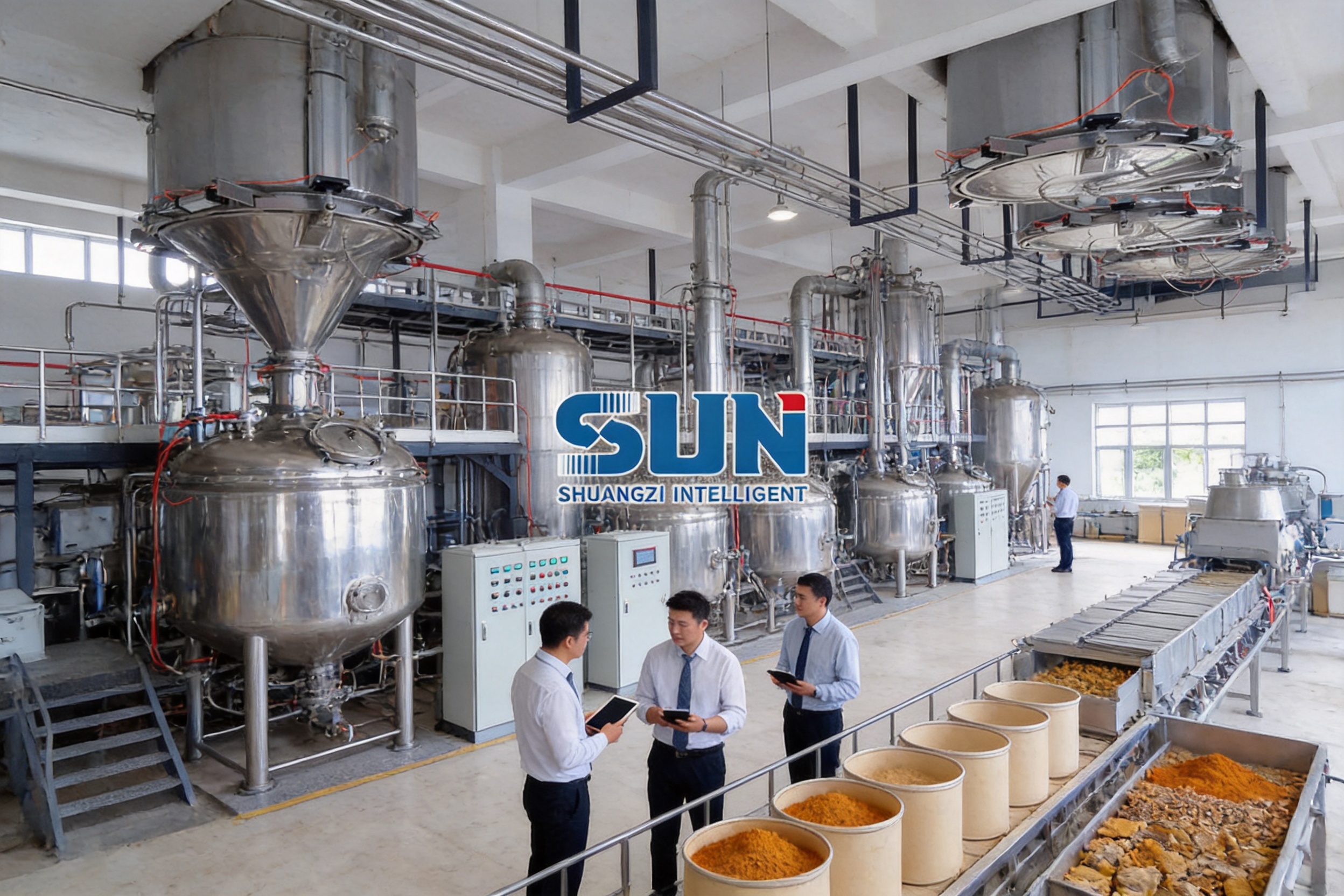
The company’s project delivery model can include engineering, process design, equipment design, installation, line debugging, and turnkey project support. This is a significant advantage for customers who do not want to coordinate multiple suppliers for tanks, evaporators, filters, dryers, automation, piping, and installation. A single integrated project partner can reduce communication errors, shorten project schedules, simplify responsibility boundaries, and improve final plant performance.
Quality, Safety, and Compliance Considerations
Curcumin extraction equipment operates at the intersection of food ingredient processing, pharmaceutical-oriented hygiene, botanical variability, and ethanol solvent safety. Therefore, quality and safety must be embedded into the design from the beginning. Material selection is one of the first considerations. Stainless steel is commonly used for product-contact parts because it offers corrosion resistance, cleanability, and suitability for hygienic processing. Surface finishing should support cleaning and reduce residue retention.
Because ethanol is flammable, the line should incorporate safety measures appropriate to local regulations and project classification. These may include explosion-proof motors and instruments, grounding and bonding, vapor-tight equipment, controlled ventilation, solvent vapor detection, safe electrical design, pressure relief, nitrogen protection where required, and operating procedures for loading, extraction, evaporation, and cleaning. Competitor systems that do not treat solvent safety as an integrated engineering issue may create long-term operational risk.
Vacuum systems must also be designed carefully. Vacuum vessels require structural strength, reliable sealing, and suitable instruments. Sudden vacuum loss or poor condensation can disrupt production and increase solvent emissions. Properly sized condensers, receiving tanks, and vacuum pumps maintain stable operation. The condenser system should recover solvent efficiently and reduce vapor load to the vacuum pump.
Cleanability is critical for product quality. Botanical extracts can adhere to surfaces, especially after concentration. Equipment should be designed with cleanable geometry, drainage, access ports, and optional cleaning-in-place systems. Efficient cleaning reduces cross-contamination risk and shortens turnaround time between batches. For manufacturers producing multiple botanical extracts, cleanability becomes even more important.
Documentation and validation support may be required by customers serving pharmaceutical, nutraceutical, or regulated food markets. Automation records, material certificates, welding records, equipment drawings, operation manuals, and maintenance documentation can support quality systems. A manufacturer experienced in GMP-oriented platforms and automation can provide better support than a general metal fabricator.
How the System Creates Value for Producers
The value of a curcumin extraction machine should be measured across the entire equipment lifecycle, not only by the purchase price. A cheaper system may require more labor, lose more solvent, consume more energy, produce inconsistent batches, cause downtime, or need expensive modifications after installation. A well-engineered line can reduce total cost of ownership by improving yield, solvent recovery, automation, cleanability, and production uptime.
Yield improvement is one of the most direct economic benefits. Turmeric is a valuable raw material, and curcumin content can vary. Efficient extraction helps capture more active compound from every kilogram of biomass. Even a modest yield improvement can create significant annual value in a high-capacity plant. Consistent yield also improves production planning and customer delivery reliability.
Solvent recovery affects daily operating cost. Ethanol purchase, storage, handling, and loss management can represent a major expense. Efficient condensation and recycling reduce fresh ethanol consumption. Lower vapor emissions also improve workplace safety and environmental performance. This advantage becomes more important as plant capacity increases.
Energy efficiency is another contributor. Vacuum concentration, optimized heat exchange, insulation, condensate recovery, and process integration can reduce steam, electricity, and cooling water demand. Energy-saving design not only reduces costs but also supports sustainability goals increasingly required by global ingredient customers.
Labor efficiency improves through automation and better material handling. Manual loading, monitoring, valve operation, and cleaning can be time-consuming and inconsistent. Automated control and ergonomic equipment design reduce operator burden. Workers can focus on quality supervision and process management instead of repetitive manual tasks.
Quality consistency supports brand reputation. Buyers of curcumin extracts expect predictable color, active concentration, impurity profile, moisture, and residual solvent levels. A controlled production line helps meet specifications repeatedly. Consistency also reduces rejected batches, rework, and customer complaints.
Scalability supports business growth. The available capacity range from 500 kg/h to 10,000 kg/h allows producers to select a suitable starting point and plan future expansion. Modular engineering can also make it easier to add extraction vessels, evaporator capacity, filtration capacity, or drying capacity as demand grows.
Comparison with Conventional or Competitor Equipment
Many conventional extraction operations rely on simple tanks, open handling, manual transfer, and separate downstream equipment. While such systems may be acceptable for small experiments, they often struggle at industrial scale. They may have uneven temperature distribution, poor sealing, high solvent loss, difficult cleaning, slow batch turnover, and limited process data. These weaknesses can reduce profitability and create safety concerns.
In contrast, a professionally manufactured curcumin extraction production line provides sealed operation, controlled heating, integrated separation, vacuum concentration, solvent recovery, purification support, crystallization, drying, and automation. The equipment is engineered around the actual extraction route rather than assembled as unrelated devices. This creates smoother operation and more predictable production outcomes.
Competitor offerings may focus on equipment sales without deep process support. A customer may receive a tank or evaporator but still need to design the process flow, select auxiliary equipment, arrange installation, integrate controls, and solve scale-up problems independently. The EPC and EPCM capability offered by Zhejiang Shuangzi Intelligent Equipment Co., Ltd. reduces this burden by combining process design, equipment manufacturing, installation, system integration, and commissioning support.
Another competitive difference is manufacturing foundation. Advanced welding, cutting, CNC machining, finishing, and pilot support create a stronger basis for reliable industrial equipment. When equipment is fabricated with poor precision, installation can become difficult, leakage risk increases, seals wear faster, and cleaning becomes troublesome. Better manufacturing quality improves both performance and service life.
Automation and data control also distinguish the system. Basic competitor machines may rely on manual temperature readings, hand valves, and operator judgment. An intelligent extraction line can use sensors, controllers, alarms, recipes, and data recording to standardize production. This is especially valuable when customers need to train new operators, comply with quality systems, or scale production across multiple shifts.
Finally, the ability to provide turnkey projects is a major advantage. Plant extraction projects require coordination among process equipment, utilities, piping, electrical systems, control systems, installation teams, and production staff. A turnkey-capable manufacturer helps the customer move from concept to operating plant with fewer gaps. This reduces project risk and can shorten time to market.
Recommended Process Control Points
To achieve stable curcumin production, several control points should be monitored carefully. The first is raw material quality. Moisture, curcumin content, particle size, cleanliness, and storage conditions can affect extraction. Incoming turmeric should be sampled and tested according to the producer’s quality plan.
The second control point is ethanol concentration. A 70% ethanol solution is commonly used, but actual concentration should be measured and maintained. Solvent concentration may change after recovery and reuse, so the recycling system should include quality checks and adjustment procedures. Incorrect ethanol concentration can reduce extraction efficiency or change impurity profiles.
The third control point is extraction temperature. Around 45 to 50 degrees Celsius is used in the described process. Temperature should be uniform and controlled to prevent under-extraction or thermal stress. Heating rate, holding time, and mixing should be recorded.
The fourth control point is extraction time. A typical range is 4 to 6 hours, but optimization should consider raw material and target yield. Longer extraction may increase yield to a point, but it can also extract more impurities and reduce productivity. Process data helps determine the best balance.
The fifth control point is separation clarity. Excess suspended solids can affect concentration and purification. Filter condition, pressure difference, centrifuge performance, and liquid clarity should be monitored. Filters should be cleaned or replaced according to operating procedures.
The sixth control point is vacuum concentration temperature and final specific gravity or solids content. Over-concentration may cause fouling or product degradation, while under-concentration may reduce purification efficiency. Vacuum, temperature, feed rate, and recovered solvent volume should be tracked.
The seventh control point is purification ratio and mixing. When water is added at about a 1:1 ratio to the extract, dosing accuracy and mixing uniformity matter. Repeated exchange should follow validated procedures to remove impurities while retaining product.
The eighth control point is crystallization condition. Concentration, temperature profile, cooling rate, agitation speed, and crystallization time should be controlled to produce consistent crystals. Filtration behavior and purity often depend on this stage.
The ninth control point is drying endpoint. Moisture and residual ethanol should meet product specifications. Vacuum level, drying temperature, drying time, and product bed thickness should be optimized to avoid uneven drying. Final product should be tested before packaging.
Turnkey Project Approach
A curcumin extraction project often begins with process consultation. The customer provides raw material information, production targets, available utilities, workshop layout, product purity requirements, and investment plan. Engineers then evaluate the extraction route, capacity, equipment selection, solvent balance, energy demand, safety measures, and automation level. This early engineering stage is essential because it determines the economic and technical direction of the project.
After process design, equipment design begins. This includes vessel sizing, heat transfer calculations, pump selection, condenser sizing, filtration area, dryer volume, piping arrangement, platform design, electrical control system, and layout planning. For ethanol extraction, safety zoning and ventilation considerations may be included according to applicable standards.
Manufacturing follows approved drawings and technical specifications. Tanks, evaporators, crystallizers, filters, and other components are fabricated, welded, polished, inspected, and assembled. Quality control during manufacturing helps ensure that equipment fits together correctly at the installation site. Factory testing may include dimensional checks, pressure or vacuum tests, control cabinet tests, and mechanical operation tests.
Installation and commissioning convert equipment into a working production line. Installation includes equipment positioning, pipeline connection, electrical wiring, instrument calibration, control system setup, and utility connection. Commissioning verifies pump rotation, valve action, heating and cooling performance, vacuum stability, solvent circulation, automation logic, safety interlocks, and cleaning procedures. Trial production may then be conducted to confirm process performance.
Training is another important part of turnkey delivery. Operators need to understand loading, extraction, separation, concentration, purification, crystallization, filtration, drying, cleaning, troubleshooting, and safety procedures. Maintenance staff need to understand pumps, seals, valves, instruments, vacuum systems, control cabinets, and spare parts. Proper training improves production stability after handover.
Applications Beyond Curcumin
Although the line is designed for curcumin extraction from turmeric, many equipment principles apply to other plant extraction projects. Ethanol extraction, vacuum concentration, purification, crystallization, filtration, and drying are widely used for botanical active ingredients, natural pigments, herbal extracts, food ingredients, and pharmaceutical intermediates. With suitable process adjustment, similar equipment concepts can support extraction of flavonoids, polyphenols, alkaloids, saponins, essential components, and natural antioxidants.
This flexibility is valuable for producers who want to diversify product portfolios. A plant may begin with curcumin and later add other extracts. Equipment customization, cleanability, and automation make multi-product operation more practical. However, each new product should be evaluated for solvent compatibility, cleaning validation, impurity behavior, crystallization characteristics, and drying requirements.
Maintenance and Long-Term Operation
Long-term reliability depends on both equipment quality and maintenance discipline. Operators should inspect seals, gaskets, valves, pumps, instruments, filters, and heating systems regularly. Solvent lines should be checked for leakage. Condensers should be cleaned to maintain heat transfer. Vacuum pumps should be maintained according to manufacturer instructions. Filters should be inspected for damage or clogging.
Cleaning procedures should be standardized. Botanical residues can accumulate in tanks, pipelines, filters, and evaporators. If not removed, they may reduce efficiency, contaminate subsequent batches, or cause microbial issues. Cleaning frequency depends on production schedule, product type, and quality requirements. Clean-in-place systems may reduce manual labor and improve consistency.
Preventive maintenance reduces downtime. A production line processing thousands of kilograms per hour cannot afford unexpected stoppages. Spare parts such as gaskets, mechanical seals, filter cloths, sensors, and valve components should be stocked according to criticality. Automation systems should be backed up, and operators should understand alarm meanings.
Performance monitoring can reveal early problems. If extraction yield declines, raw material or solvent concentration may have changed. If evaporation time increases, heat transfer surfaces may be fouled or vacuum may be unstable. If filtration slows, particle size or crystallization conditions may have shifted. Data-based operation helps identify root causes quickly.
Q&A Section
Q1: What is the main purpose of the curcumin extraction machine?
The main purpose is to extract curcumin from turmeric rhizomes through a controlled ethanol extraction process, then concentrate, purify, crystallize, filter, dry, and prepare the product for packaging. The system is designed for industrial plant extraction production rather than simple laboratory extraction.
Q2: Why is ethanol commonly used for curcumin extraction?
Ethanol is effective for dissolving curcumin and is widely accepted in natural product, food, and health ingredient processing. It can be recovered through vacuum evaporation and reused, which helps reduce operating cost. A 70% ethanol solution is commonly used because it balances extraction efficiency and impurity control.
Q3: What is the typical extraction temperature and time?
The described process usually operates at about 45 to 50 degrees Celsius for approximately 4 to 6 hours. Actual conditions may be optimized according to turmeric quality, particle size, curcumin content, solvent ratio, and production target.
Q4: What capacities are available?
The system can be configured for biomass processing capacities of 500 kg/h, 1000 kg/h, 2000 kg/h, 3000 kg/h, 4000 kg/h, 5000 kg/h, 6000 kg/h, 8000 kg/h, and 10000 kg/h. Custom designs can be developed according to project requirements.
Q5: What makes this system different from a simple extraction tank?
A simple extraction tank only performs one part of the process. This production line integrates extraction, separation, vacuum concentration, purification, crystallization, filtration, drying, solvent recovery, automation, and engineering support. It is designed to improve yield consistency, safety, solvent economy, and product quality.
Q6: How does vacuum concentration help protect curcumin quality?
Vacuum concentration lowers the boiling point of the ethanol-water mixture, allowing concentration at moderate temperatures such as around 50 degrees Celsius. This reduces thermal stress, helps preserve color and active quality, and supports efficient solvent recovery.
Q7: Can the equipment support GMP-oriented production?
Yes, the equipment can be designed with hygienic stainless steel construction, cleanable surfaces, automation, documentation support, and process control features suitable for GMP-oriented plant extraction projects. Exact compliance requirements should be confirmed during project design.
Q8: Why is solvent recovery important?
Solvent recovery reduces ethanol consumption, lowers operating cost, improves environmental performance, and enhances workplace safety by reducing vapor release. It is especially important for high-capacity industrial extraction lines.
Q9: Can the line be customized for turmeric powder or turmeric slices?
Yes. Turmeric slices and turmeric powder have different extraction and filtration behavior. The equipment can be adjusted in feeding, extraction, separation, and filtration design to match the chosen raw material form.
Q10: What services can the manufacturer provide for a complete project?
Zhejiang Shuangzi Intelligent Equipment Co., Ltd. can provide process design, equipment design, manufacturing, matching purchase, installation, system integration, automation engineering, commissioning, line debugging, and turnkey project support.
Conclusion
A Curcumin Extraction Machine Manufacture solution is an industrial platform for converting turmeric biomass into valuable curcumin products with controlled quality, efficient solvent use, and scalable production capacity. The complete process includes raw material cleaning, loading, ethanol extraction, separation, vacuum concentration, purification, concentration, crystallization, filtration, drying, and packaging support. Each stage must be engineered carefully to protect curcumin quality, improve yield, reduce operating cost, and ensure safe ethanol handling.
The system’s advantages over conventional or competitor equipment come from integration, process matching, automation, solvent recovery, hygienic design, low-temperature processing, customization, and turnkey engineering. Available biomass capacities from 500 kg/h to 10,000 kg/h make the solution suitable for a wide range of producers, from expanding botanical extract companies to large industrial ingredient manufacturers.
Backed by advanced manufacturing processes, strong technical capability, pilot and R&D support, precision welding, CNC machining, automation engineering, and EPC/EPCM project experience, Zhejiang Shuangzi Intelligent Equipment Co., Ltd. offers more than equipment fabrication. It provides a complete project pathway from process design to installation and commissioning. For companies seeking reliable curcumin production, the right extraction line can become a long-term foundation for product quality, production efficiency, and market competitiveness.
References
1. Aggarwal, B. B., Sundaram, C., Malani, N., and Ichikawa, H. Curcumin: The Indian Solid Gold. Advances in Experimental Medicine and Biology.
2. Handa, S. S., Khanuja, S. P. S., Longo, G., and Rakesh, D. D. Extraction Technologies for Medicinal and Aromatic Plants. International Centre for Science and High Technology.
3. Chemat, F., Vian, M. A., and Cravotto, G. Green Extraction of Natural Products: Concept and Principles. International Journal of Molecular Sciences.
4. Azmir, J., Zaidul, I. S. M., Rahman, M. M., et al. Techniques for Extraction of Bioactive Compounds from Plant Materials: A Review. Journal of Food Engineering.
5. Sasikumar, B. Genetic Resources of Curcuma: Diversity, Characterization and Utilization. Plant Genetic Resources.
6. World Health Organization. Quality Control Methods for Herbal Materials.