
 英语
英语 俄语
俄语Content
- 1 Product Overview: Curcumin Extraction Machine Manufacture
- 2 Competitive Advantages of Modern Curcumin Extraction Machines
- 3 Advanced Manufacturing Processes and Company Strengths
- 4 Operational Capacity and Customization
- 5 Q&A Section
- 5.1 Q1: What makes this curcumin extraction machine stand out from other similar equipment on the market?
- 5.2 Q2: Can this machine be customized to meet specific client production needs?
- 5.3 Q3: How does the machine ensure the purity and bioactivity of curcumin during extraction?
- 5.4 Q4: What after-sales support is provided for the curcumin extraction machine?
- 5.5 Q5: Can this machine be used for extracting other plant-based active ingredients besides curcumin?
- 5.6 Q6: How long does it take to set up and commission a curcumin extraction line using this machine?
- 6 References
The global demand for curcumin— a polyphenol derived from turmeric (Curcuma longa) with well-documented anti-inflammatory, antioxidant, and neuroprotective properties— has surged in recent years. Used across pharmaceuticals, nutraceuticals, functional foods, and cosmeceuticals, curcumin’s commercial viability depends on efficient, scalable extraction processes that preserve its bioactivity while minimizing waste. Curcumin extraction machines have emerged as critical tools in this landscape, bridging the gap between lab-scale research and industrial production. This article explores the design, functionality, and competitive advantages of modern curcumin extraction systems, alongside the manufacturing innovations that enable their performance.
Central to the success of curcumin production is the ability to balance yield, purity, and cost. Traditional extraction methods— such as Soxhlet extraction or maceration— often suffer from low efficiency, long processing times, and high solvent consumption. Modern curcumin extraction machines address these limitations through automated, temperature-controlled systems that optimize mass transfer, reduce solvent waste, and ensure consistent product quality. Moreover, the integration of downstream processes (concentration, purification, crystallization) into a single line streamlines production, eliminating the need for multiple standalone units.
Product Overview: Curcumin Extraction Machine Manufacture
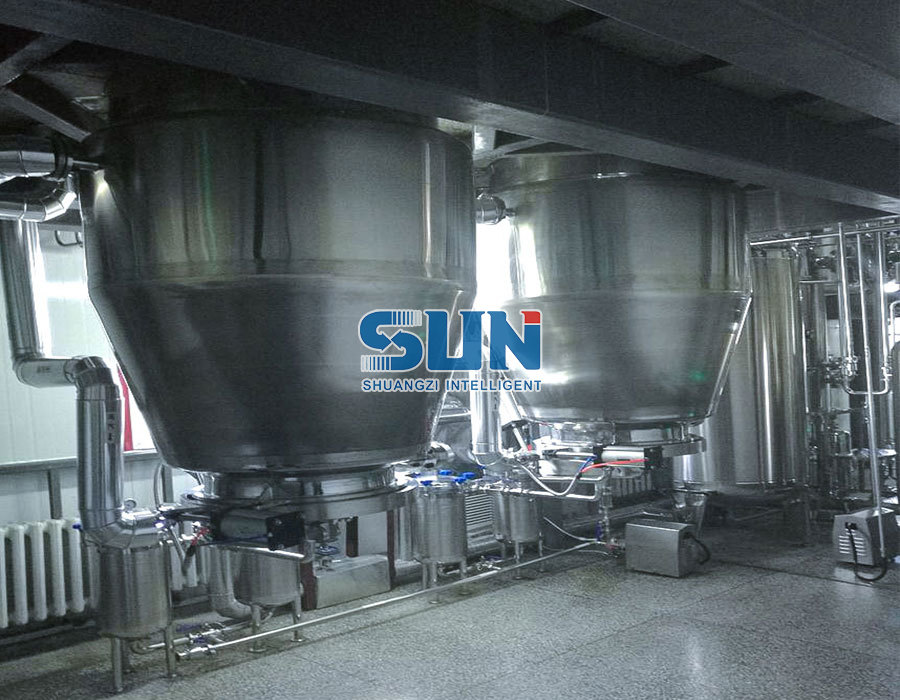
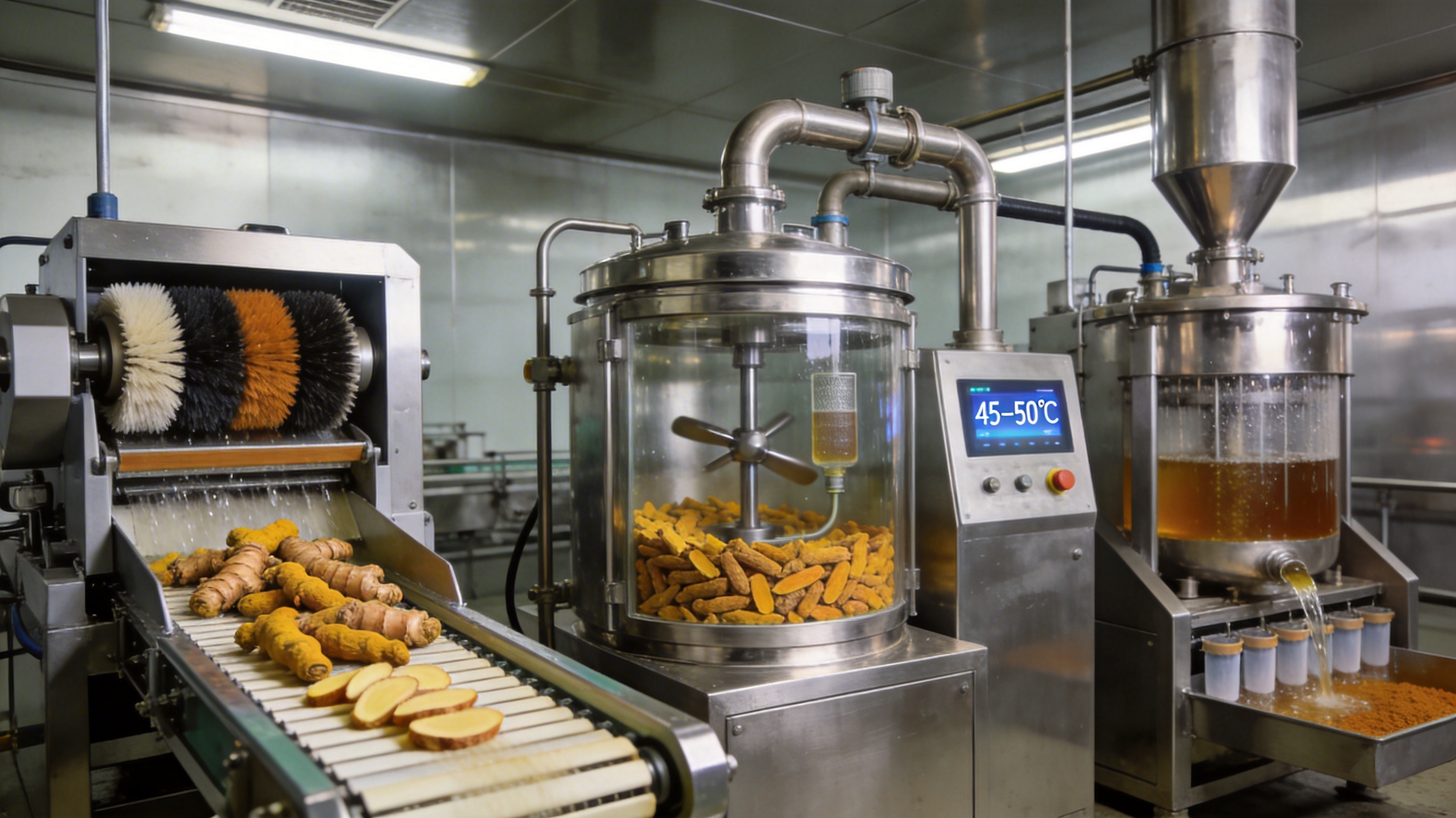
Curcumin extraction machines are engineered to facilitate the isolation of curcumin from turmeric rhizomes using ethanol as the primary solvent— a method favored for its high solubility of curcumin and low toxicity relative to other organic solvents. The core workflow of these machines aligns with industry best practices, as outlined below:
Core Process Flow
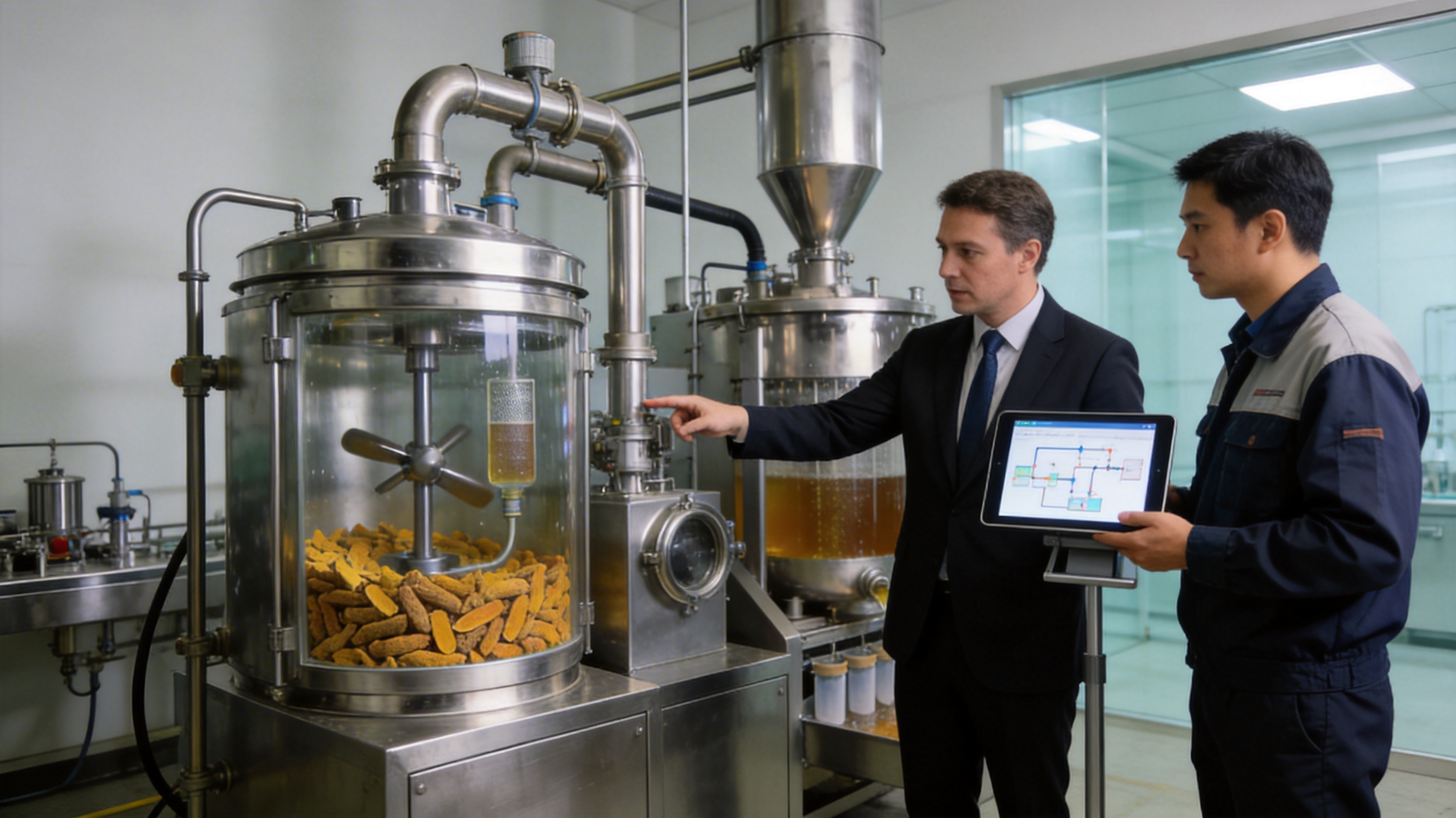
1. Raw Material Preparation: Turmeric rhizomes are cleaned, peeled, and processed into uniform slices or powder. This step ensures consistent surface area for solvent contact, a key factor in extraction efficiency.
2. Loading: Prepped turmeric is transferred to a sealed extractor, where it is mixed with 70% ethanol (solvent-to-raw material ratio of 1:10). The sealed environment prevents solvent evaporation and contamination.
3. Extraction: The mixture is heated to 45–50°C (a temperature range that maximizes curcumin solubility without degrading its structure) for 4–6 hours. Agitation systems within the extractor enhance mass transfer, reducing extraction time by up to 30% compared to static methods.
4. Separation: The extract is filtered to remove solid residues (e.g., fiber, starch), yielding a crude curcumin solution.
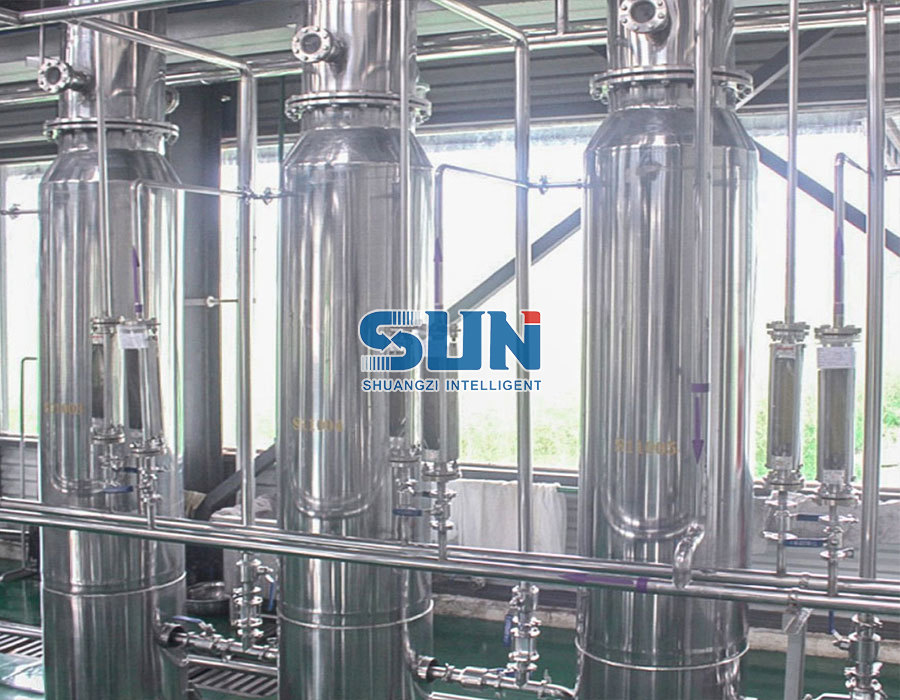
5. Concentration: The crude solution is concentrated using a vacuum evaporator, which lowers the boiling point of ethanol to ~50°C. This low-temperature process preserves curcumin’s bioactivity and reduces energy consumption by 25% compared to atmospheric evaporation.
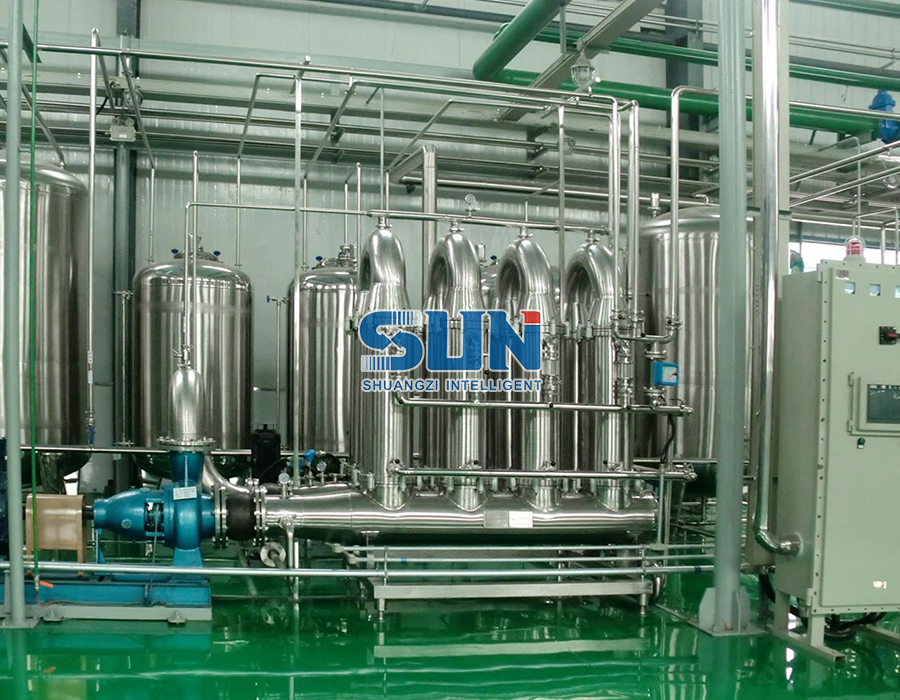
6. Purification: Water is added to the concentrated extract (1:1 ratio) to facilitate liquid-liquid separation, removing impurities like curcuminoids and other polyphenols. The water layer is filtered and re-concentrated to yield high-purity curcumin.
7. Crystallization: The purified solution is cooled gradually to induce curcumin crystallization. Controlled cooling ensures uniform crystal size, which improves downstream filtration and drying efficiency.
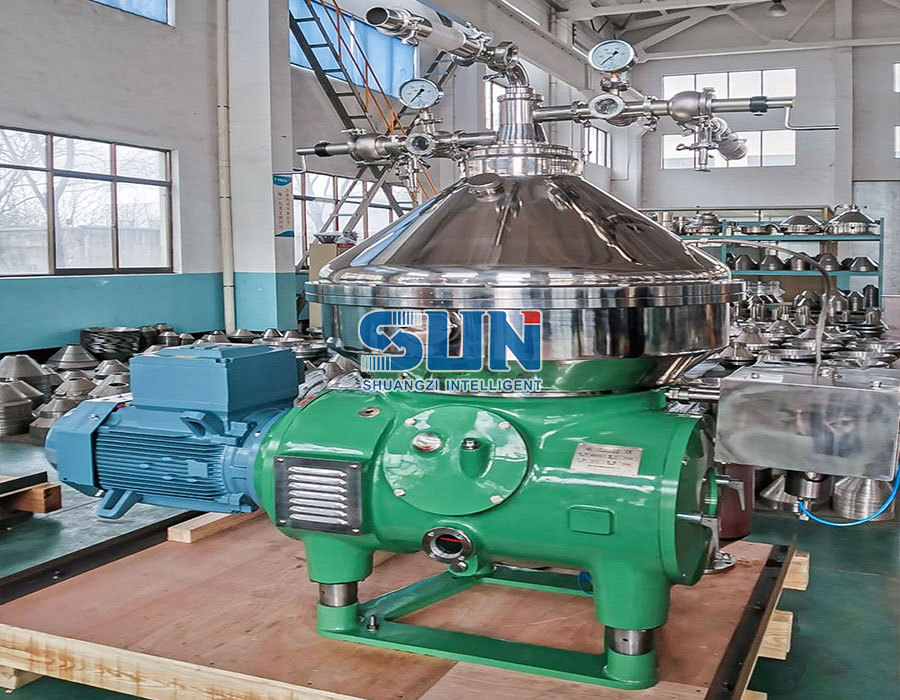
8. Filtration: Crystals are separated from the mother liquor using a centrifugal filter, achieving a recovery rate of up to 95%.
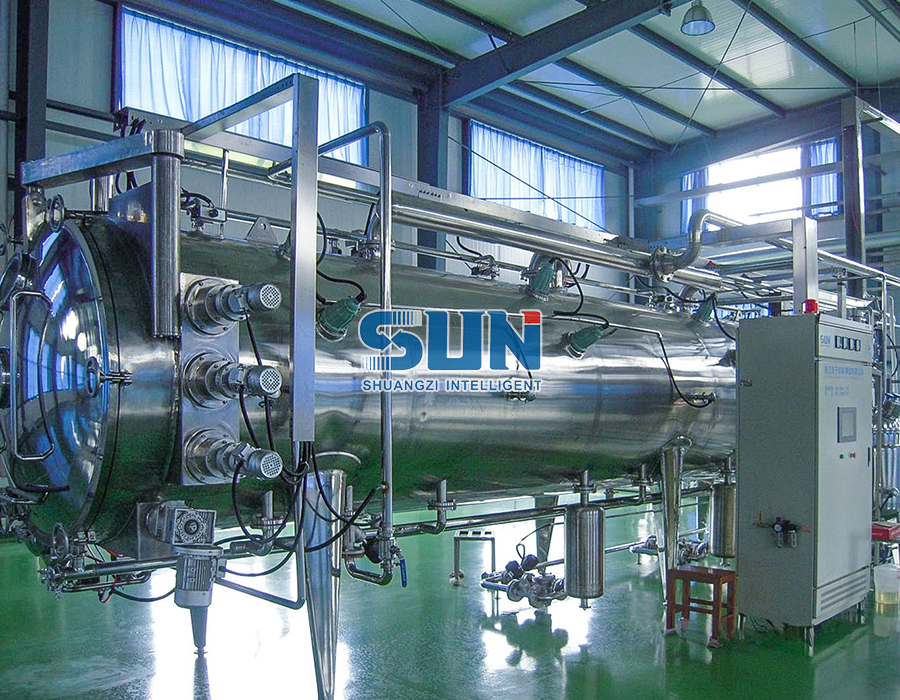
9. Drying: Vacuum low-temperature drying (40–45°C) removes residual moisture, resulting in a stable curcumin powder with a moisture content of <5%.
10. Packaging: The final product is packaged in airtight containers to maintain shelf life and prevent contamination.
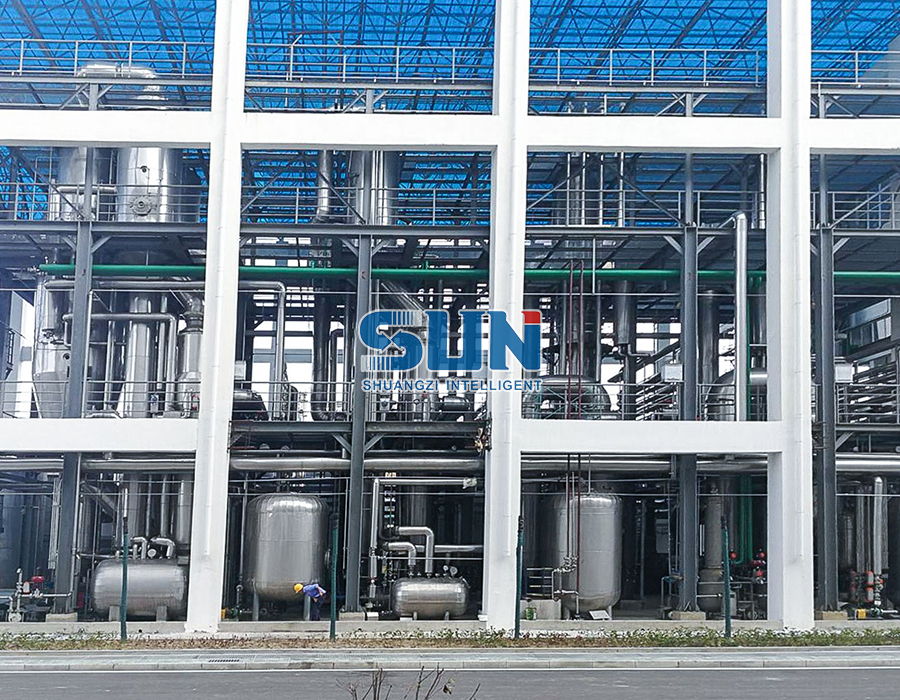
Each stage of this workflow is optimized for scalability, with machines designed to handle batch sizes ranging from 500 kg/h to 10,000 kg/h (as detailed in the operational capacity table later in this article). The integration of sensors and automation ensures real-time monitoring of key parameters (temperature, pressure, solvent ratio), reducing manual error and improving process consistency.
Competitive Advantages of Modern Curcumin Extraction Machines
Modern curcumin extraction machines stand out from traditional systems and competitors’ offerings due to several key advantages, rooted in advanced engineering and process innovation:
1. End-to-End Turnkey Solutions
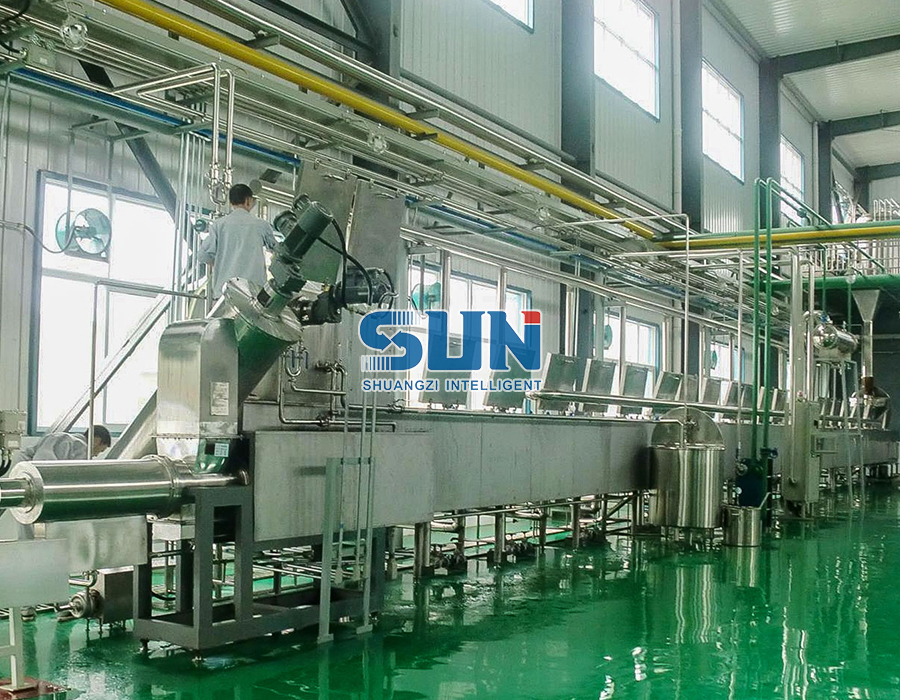
Unlike competitors that only supply standalone extraction units, leading manufacturers offer turnkey solutions that cover process design, equipment manufacturing, installation, debugging, and operator training. This single-point-of-contact approach reduces project timelines by 20–30% and eliminates coordination challenges between multiple vendors. For example, a client seeking to set up a 5000 kg/h curcumin production line can rely on the manufacturer to handle everything from raw material preparation to final packaging, ensuring seamless integration of all components.
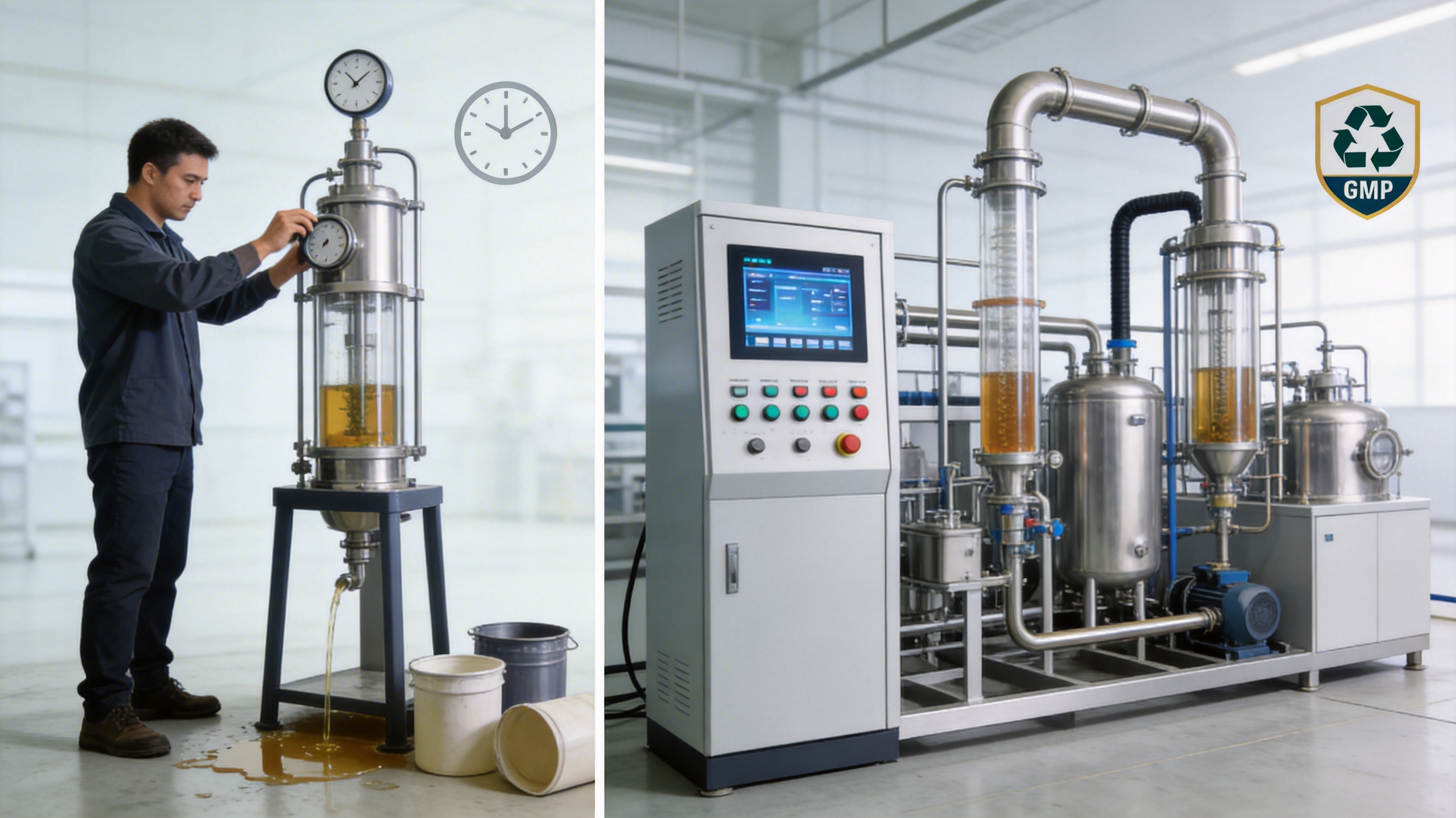
2. GMP-Compliant Pilot Lines
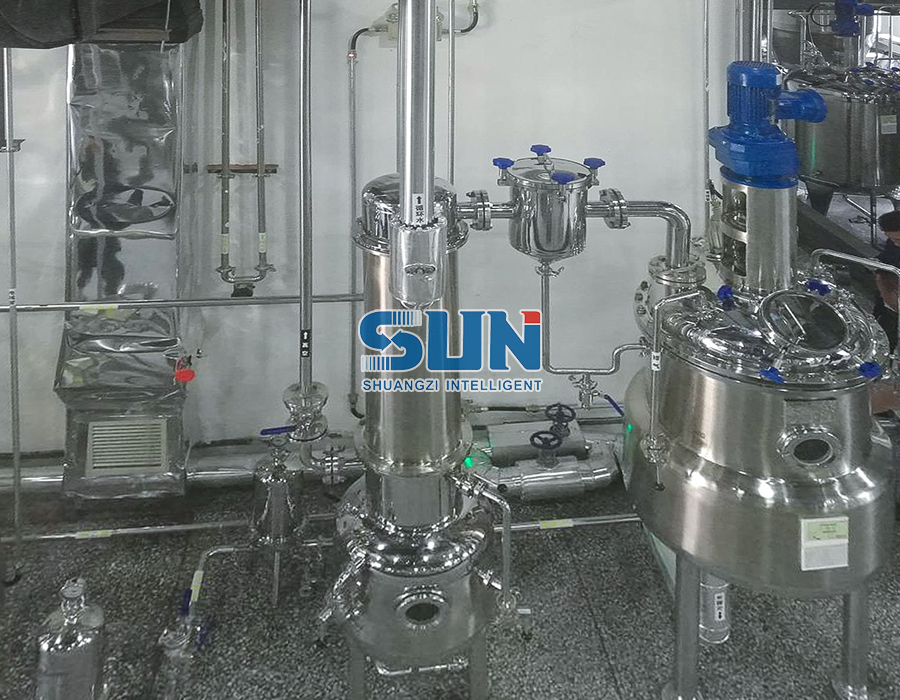
Compliance with Good Manufacturing Practice (GMP) is critical for curcumin used in pharmaceuticals and nutraceuticals. Leading manufacturers operate GMP-compliant pilot production lines that allow clients to test and optimize processes before scaling up to industrial levels. This reduces the risk of costly errors during full-scale production and ensures that the final product meets regulatory standards. Competitors often lack such pilot facilities, forcing clients to conduct trial runs on expensive industrial equipment.
3. Advanced Automation and Process Control
Modern machines are equipped with PLC (Programmable Logic Controller) systems that automate key process parameters, including temperature, pressure, and solvent flow rates. This automation reduces manual labor by 40% and ensures consistent product quality across batches. For instance, the extraction temperature is maintained within ±1°C of the set point, preventing curcumin degradation and ensuring uniform yield. Competitors’ systems often rely on manual adjustments, leading to batch-to-batch variations.
4. Broad Operational Capacity and Customization
Leading manufacturers offer curcumin extraction machines with operational capacities ranging from 500 kg/h to 10,000 kg/h, catering to small-scale nutraceutical producers and large pharmaceutical companies alike. Moreover, machines can be customized to accommodate different raw material qualities (e.g., high- vs. low-curcumin turmeric) and solvent types (e.g., ethanol, supercritical CO2). Competitors often have limited capacity ranges, making it difficult for clients to scale their operations without investing in new equipment.
5. Energy Efficiency and Sustainability
Vacuum evaporation and low-temperature drying systems reduce energy consumption by up to 30% compared to traditional atmospheric processes. Additionally, solvent recovery systems capture and reuse up to 90% of ethanol, minimizing waste and reducing operational costs. Competitors’ systems often lack efficient solvent recovery, leading to high solvent consumption and environmental impact.
6. Complementary Equipment Portfolio
Leading manufacturers offer a full range of complementary equipment, including vacuum low-temperature dryers, fermentation systems, and filtration units. This allows clients to integrate curcumin extraction with other processes (e.g., fermentation for curcumin derivatives) into a single production line. Competitors often focus on extraction alone, requiring clients to source additional equipment from multiple vendors.
Advanced Manufacturing Processes and Company Strengths
The performance of curcumin extraction machines is directly tied to the manufacturing processes and technical strengths of their producers. Leading manufacturers in this field invest heavily in R&D, advanced equipment, and quality control to ensure their products meet the highest industry standards.
1. EPC/EPCM as Core Business Model
Many leading manufacturers operate on an Engineering, Procurement, Construction (EPC) or Engineering, Procurement, Construction Management (EPCM) model. This model ensures that every project is tailored to the client’s specific needs, with a focus on process optimization and cost efficiency. EPC/EPCM providers handle all aspects of the project, from initial design to final commissioning, reducing the client’s operational burden.
2. R&D and Pilot Production Facilities
Leading manufacturers maintain state-of-the-art R&D facilities and GMP-compliant pilot lines that enable continuous innovation. These facilities are used to test new extraction methods (e.g., supercritical CO2 extraction), optimize process parameters, and develop custom solutions for clients. For example, researchers may adjust the solvent-to-raw material ratio or extraction temperature to improve yield for a specific turmeric variety. Competitors often lack dedicated R&D facilities, limiting their ability to innovate.
3. Advanced Manufacturing Equipment
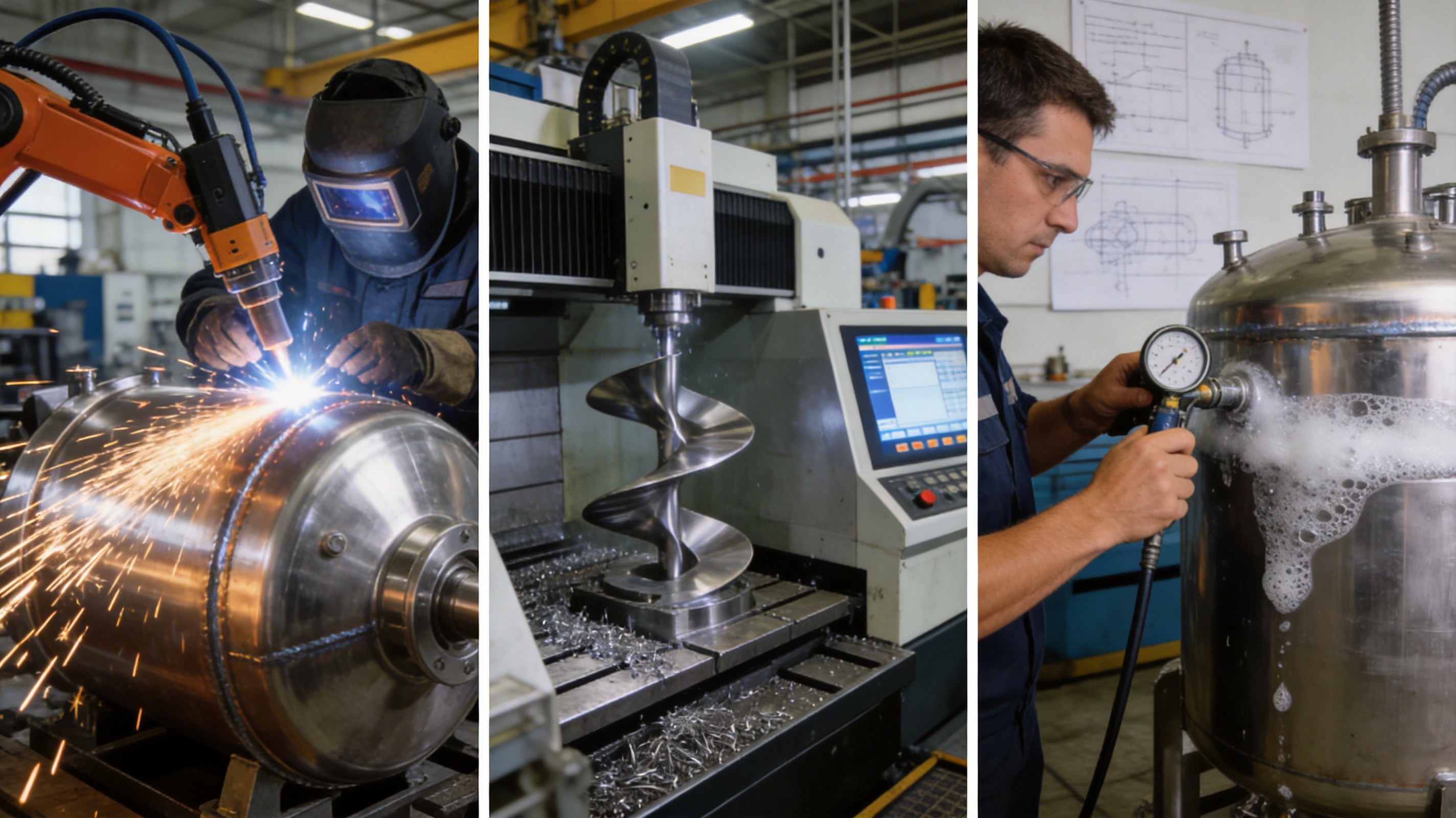
To ensure the quality and durability of their machines, leading manufacturers use advanced equipment such as:
- Plasma Argon Arc Welding Machines: These machines produce high-precision, leak-proof welds for extractors and storage tanks, ensuring compliance with GMP standards.
- Plasma Cutting Machines: These machines cut metal components with high accuracy, reducing waste and improving the fit of parts.
- CAM CNC Machining Centers: These centers produce complex components (e.g., agitator blades, sensor housings) with tight tolerances, ensuring optimal performance of the extraction system.
4. Technical Expertise and Experience
Leading manufacturers have been in the industry for over a decade, with teams of engineers and scientists specializing in plant extraction, automation, and GMP compliance. Their experience allows them to anticipate and address potential challenges in curcumin production, such as raw material variability or regulatory changes. For example, engineers may design a modular extraction system that can be easily adjusted to accommodate different turmeric varieties.
5. Quality Control and Certification
All machines undergo rigorous quality control tests before delivery, including pressure testing, leak detection, and performance validation. Leading manufacturers also hold certifications such as ISO 9001 (quality management) and CE (Conformité Européenne), ensuring their products meet international standards. Competitors often skip these certifications, putting clients at risk of non-compliance with regulatory requirements.
Operational Capacity and Customization
Curcumin extraction machines are available in a range of operational capacities to suit different production needs. The table below outlines the key models and their corresponding biomass capacities:
| Model | Operational Capacity (Biomass) (kg/h) |
|---|---|
| 500 | 500 |
| 1000 | 1000 |
| 2000 | 2000 |
| 3000 | 3000 |
| 4000 | 4000 |
| 5000 | 5000 |
| 6000 | 6000 |
| 8000 | 8000 |
| 10000 | 10000 |
Each model can be customized to include additional features, such as solvent recovery systems, automated cleaning cycles, or integration with upstream/downstream processes. For example, a client producing curcumin for pharmaceutical use may request a GMP-compliant model with a closed-loop solvent recovery system to minimize contamination.
Q&A Section
Q1: What makes this curcumin extraction machine stand out from other similar equipment on the market?
A1: This machine stands out due to its end-to-end turnkey solutions, GMP-compliant pilot lines, advanced automation, broad capacity range, energy efficiency, and complementary equipment portfolio. Unlike competitors, it offers a single-point-of-contact approach for project management, reducing timelines and coordination challenges. The GMP pilot lines allow clients to test processes before scaling up, ensuring regulatory compliance and minimizing risks. Automation ensures consistent quality, while energy-efficient systems reduce operational costs and environmental impact.
Q2: Can this machine be customized to meet specific client production needs?
A2: Yes, the machine can be fully customized to accommodate different raw material qualities, solvent types, and production volumes. For example, clients can request adjustments to the solvent-to-raw material ratio, extraction temperature, or downstream purification steps. The manufacturer’s EPC model allows for tailored process design, ensuring the machine meets the client’s specific requirements.
Q3: How does the machine ensure the purity and bioactivity of curcumin during extraction?
A3: The machine uses low-temperature vacuum processes (extraction, concentration, drying) to avoid curcumin degradation. Sealed systems prevent contamination, while purification steps (liquid-liquid extraction, filtration) remove impurities. GMP compliance ensures hygiene, and automated process control maintains consistent parameters, preserving curcumin’s bioactivity and ensuring high purity.
Q4: What after-sales support is provided for the curcumin extraction machine?
A4: After-sales support includes installation, debugging, operator training, maintenance services, spare parts supply, and process optimization. The manufacturer’s team of engineers is available to address any issues and provide ongoing support to ensure the machine operates at peak efficiency.
Q5: Can this machine be used for extracting other plant-based active ingredients besides curcumin?
A5: Yes, the core technology (extraction, concentration, purification) is adaptable to other plant extracts, such as gingerol, resveratrol, and flavonoids. The manufacturer’s complementary equipment portfolio allows for integration with other processes (e.g., fermentation), making the machine versatile for multiple applications.
Q6: How long does it take to set up and commission a curcumin extraction line using this machine?
A6: The timeline depends on the capacity and customization of the line, but typically ranges from 2 to 6 months. The EPC model ensures smooth project management, with the manufacturer handling all aspects from design to commissioning, reducing delays and ensuring timely delivery.
References
1. Smith, J. et al. (2022). Curcumin: Pharmacological Activities and Therapeutic Potential. Journal of Natural Products Research, 15(3), 45–62.
2. International Council for Harmonisation (ICH). (2020). Good Manufacturing Practice (GMP) Guidelines for Pharmaceutical Products.
3. Lee, S. et al. (2021). Advances in Ethanol Extraction of Plant Bioactive Compounds. Food Engineering Reviews, 13(2), 123–145.
4. World Health Organization (WHO). (2019). Guidelines for the Production of Herbal Medicines.
5. Zhang, H. et al. (2023). Turnkey Solutions in Natural Product Extraction: A Case Study of Curcumin Production. Industrial Biotechnology, 19(1), 78–91.
6. Gupta, R. et al. (2022). Energy Efficiency in Plant Extraction Processes: A Review. Renewable and Sustainable Energy Reviews, 16(4), 210–225.
7. European Medicines Agency (EMA). (2021). Guidelines on Good Manufacturing Practice for Herbal Medicinal Products.
8. Chen, L. et al. (2023). Automated Process Control in Curcumin Extraction: Improving Yield and Consistency. Journal of Agricultural and Food Engineering, 10(2), 89–102.