
 英语
英语 俄语
俄语Content
- 1 Introduction
- 2 What is an Ethanol Distillation Tower?
- 3 Advantages of This Ethanol Distillation Tower Over Competitors
- 4 Advanced Manufacturing Processes of the Leading Manufacturer
- 5 Product Specifications
- 6 Sustainability and Environmental Impact
- 7 Q&A Section
- 7.1 Q1: What is the minimum recovery concentration of the ethanol distillation tower?
- 7.2 Q2: Can the manufacturer provide custom solutions for specific process requirements?
- 7.3 Q3: What industries can benefit from this ethanol distillation tower?
- 7.4 Q4: How long does it take to install and commission the tower?
- 7.5 Q5: What maintenance is required for the ethanol distillation tower?
- 7.6 Q6: What is the warranty period for the ethanol distillation tower?
- 8 References
- 9 Conclusion
Introduction
Ethanol, a versatile organic compound, plays a critical role in numerous industries—from pharmaceuticals and food processing to biofuel production and chemical manufacturing. The purification of ethanol from fermentation broths, solvent mixtures, or waste streams is a foundational step in these applications, and the ethanol distillation tower stands as the cornerstone of this process. In recent years, advancements in distillation tower design and manufacturing have led to more efficient, cost-effective, and sustainable solutions, addressing the growing demand for high-purity ethanol across global markets. This article explores the key features, advantages, and manufacturing innovations behind a leading line of ethanol distillation towers, highlighting how they outperform conventional models and meet the evolving needs of industrial users.
What is an Ethanol Distillation Tower?
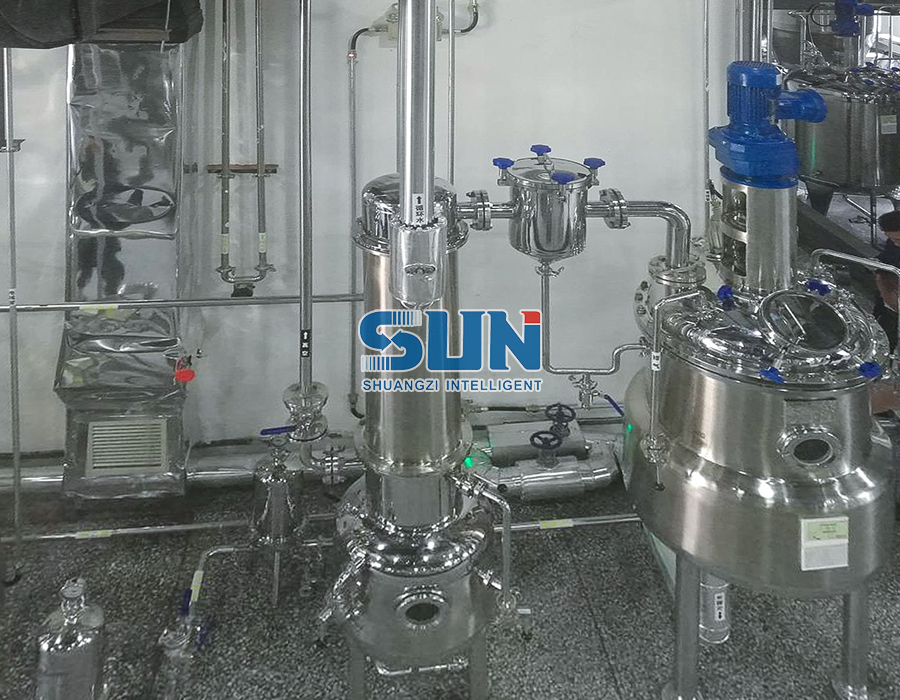
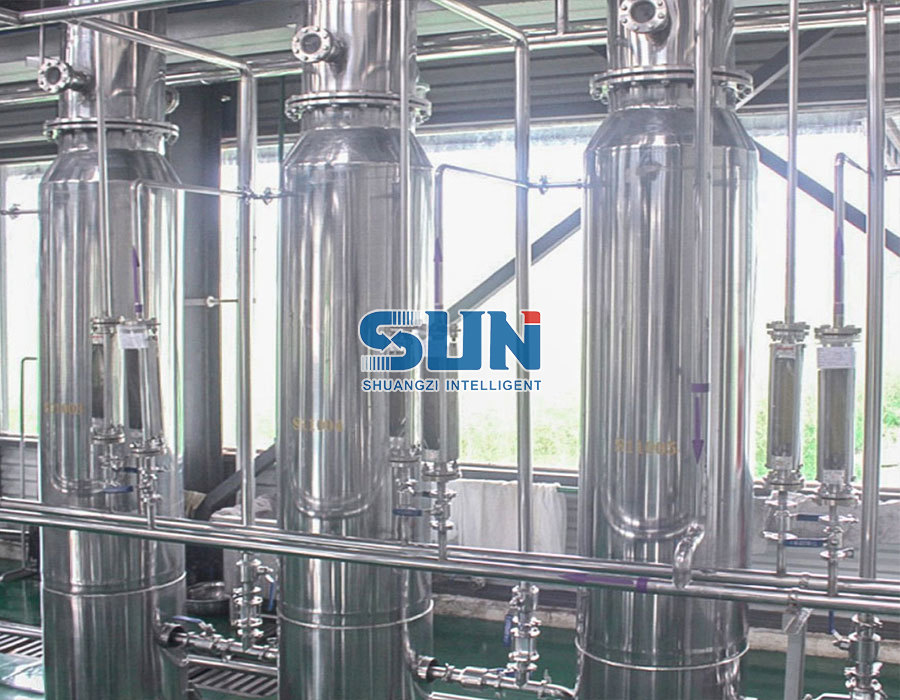
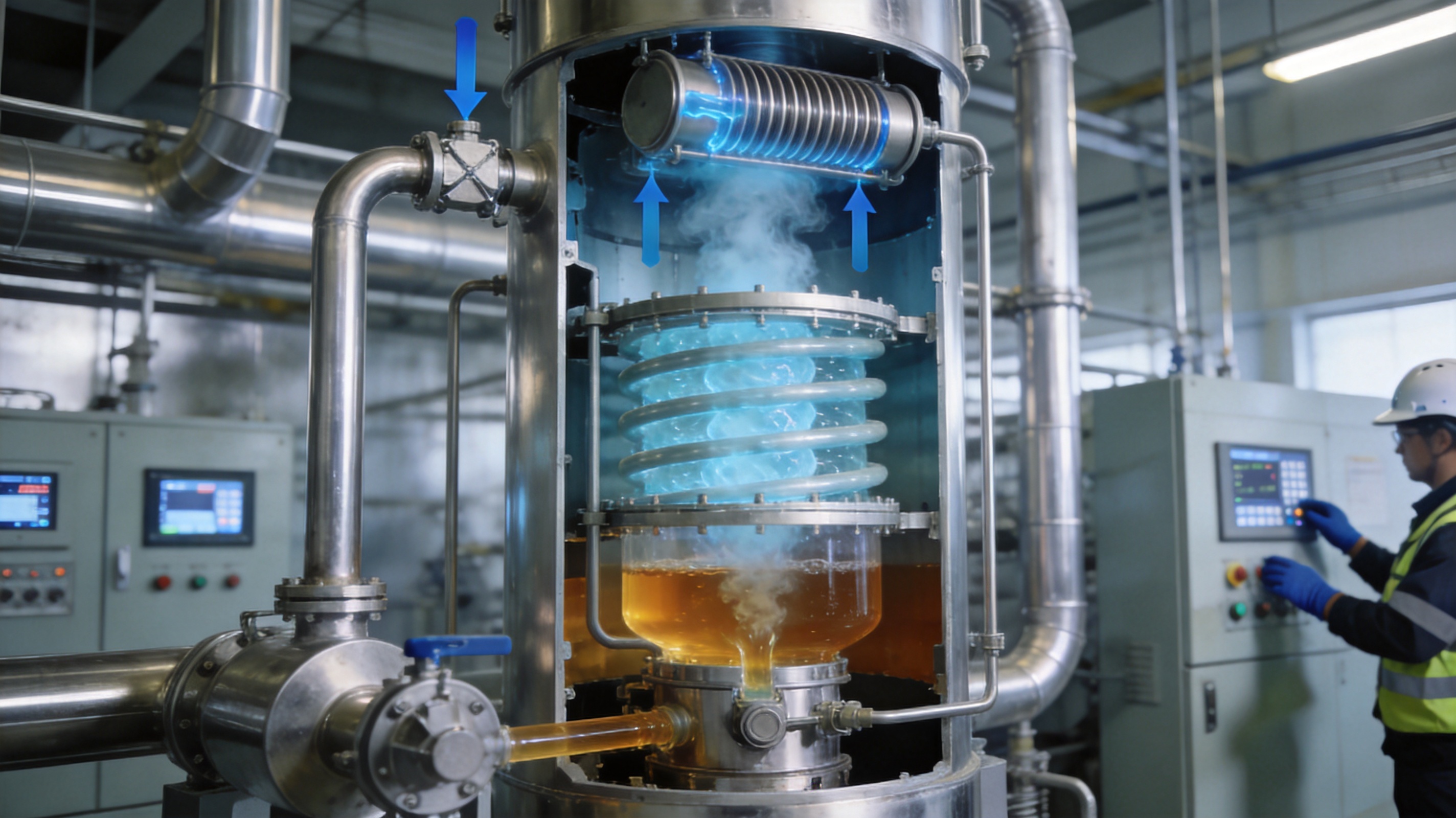
An ethanol distillation tower is a specialized piece of chemical equipment designed to separate ethanol from other components (such as water, impurities, or byproducts) using the principle of fractional distillation. This process leverages the difference in boiling points between ethanol (78.4°C at atmospheric pressure) and other substances to achieve purification. Unlike simple distillation, fractional distillation in a tower allows for multi-stage separation, resulting in higher purity ethanol.
Key Components of an Ethanol Distillation Tower
To understand its functionality, it is essential to break down the tower’s core components:
Tower Body
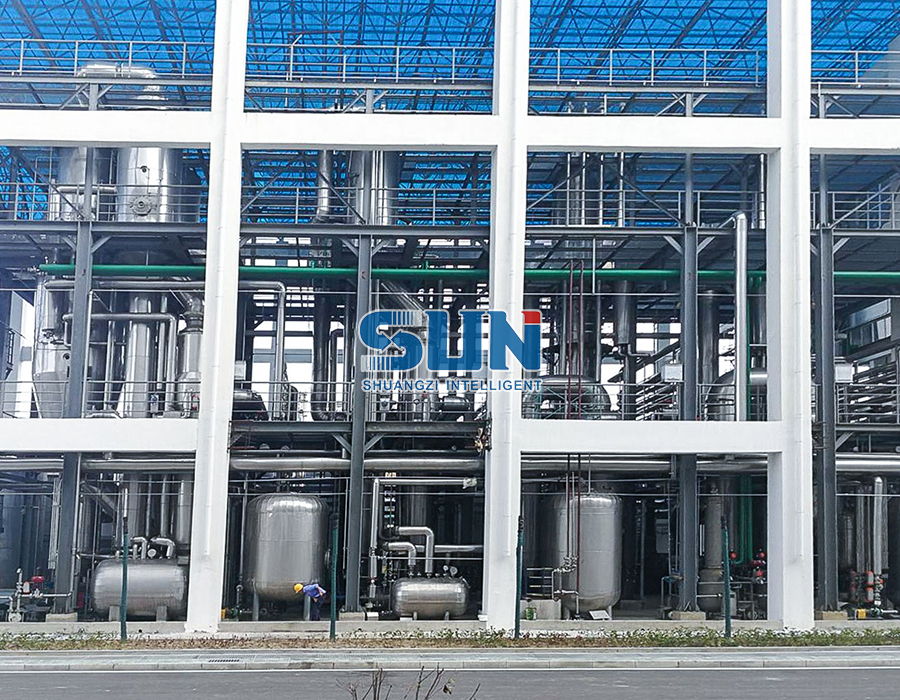
The tower body is the main vertical cylindrical structure that houses the distillation process. It provides a controlled environment for vapor-liquid contact and separation. The design of the tower body (e.g., diameter, height) is tailored to the desired throughput and purity level. For example, larger diameter towers can handle higher feed rates, while taller towers enable more separation stages for higher purity.
Trays
Trays (or plates) are installed inside the tower body to increase the contact area between rising vapor and descending liquid. Each tray acts as a mini-distillation unit, where vapor from the lower section interacts with liquid from the upper section. The leading models use valve-type trays, which allow for better vapor distribution and reduce pressure drop compared to sieve trays. Holes or valves on the trays enable efficient mass transfer between phases, ensuring that the more volatile component (ethanol) is enriched in the vapor phase.
Condenser
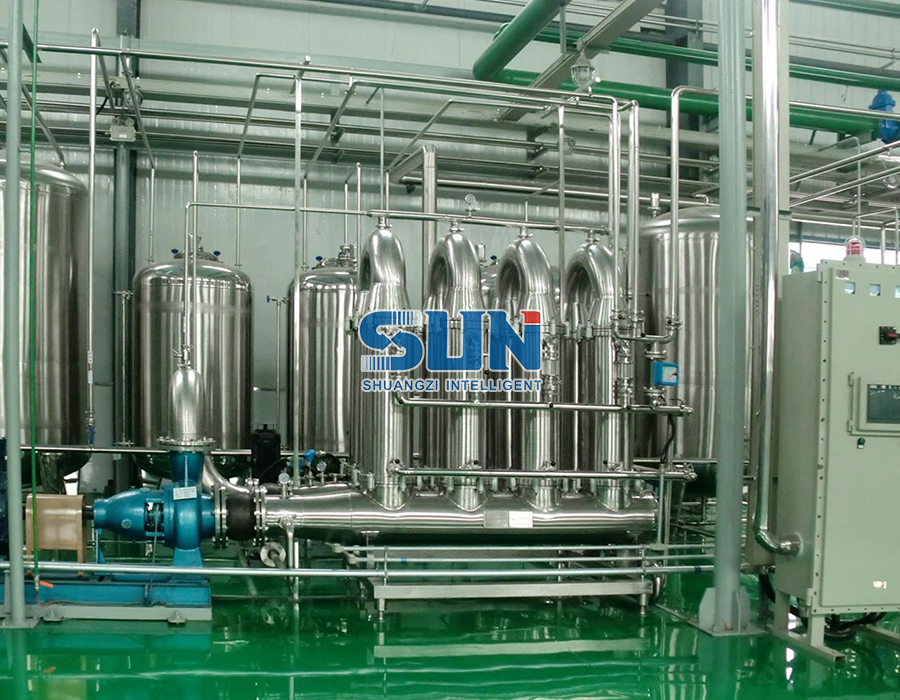
The condenser is responsible for converting the vaporized ethanol (and other volatile components) back into liquid form. Typically a shell-and-tube heat exchanger, it uses a cooling medium (e.g., water, chilled water) to remove heat from the vapor, causing condensation. The condensed liquid (distillate) is collected and may be partially refluxed back into the tower to enhance separation efficiency. The leading models feature optimized tube spacing and finned surfaces to maximize heat transfer efficiency.
Reflux Device
The reflux device controls the rate at which condensed liquid is returned to the tower. This reflux ratio (the ratio of reflux to distillate) is critical for achieving the desired purity. A well-designed reflux system uses a liquid level control system and a variable-speed pump to adjust the reflux rate dynamically. This ensures optimal mass transfer and minimizes energy consumption by avoiding unnecessary reflux.
Working Principle
The operation of an ethanol distillation tower follows these key steps:
1. Heating: The feed mixture (e.g., fermentation broth) is heated in a reboiler (connected to the tower’s bottom) until it vaporizes. The reboiler uses steam or electricity to provide the necessary heat.
2. Vapor Rise: The vapor rises through the tower, passing through the trays. As it moves upward, it comes into contact with the descending liquid (reflux), which is cooler and has a lower ethanol concentration.
3. Vapor-Liquid Equilibrium: During contact, the more volatile component (ethanol) is transferred from the liquid to the vapor phase, while the less volatile component (water) is transferred from the vapor to the liquid phase. This process repeats on each tray, enriching the vapor with ethanol as it moves upward.
4. Condensation: The vapor reaches the top of the tower and enters the condenser, where it is cooled and condensed into liquid. The condensed liquid has a high ethanol concentration (typically >90%).
5. Reflux and Collection: Part of the condensed liquid is refluxed back into the tower to maintain the separation process, while the remaining is collected as purified ethanol. The reflux ratio is adjusted based on the desired purity and throughput.
Advantages of This Ethanol Distillation Tower Over Competitors
In a crowded market, this line of ethanol distillation towers stands out due to several key advantages that address the limitations of conventional models:
1. Exceptional Recovery Concentration
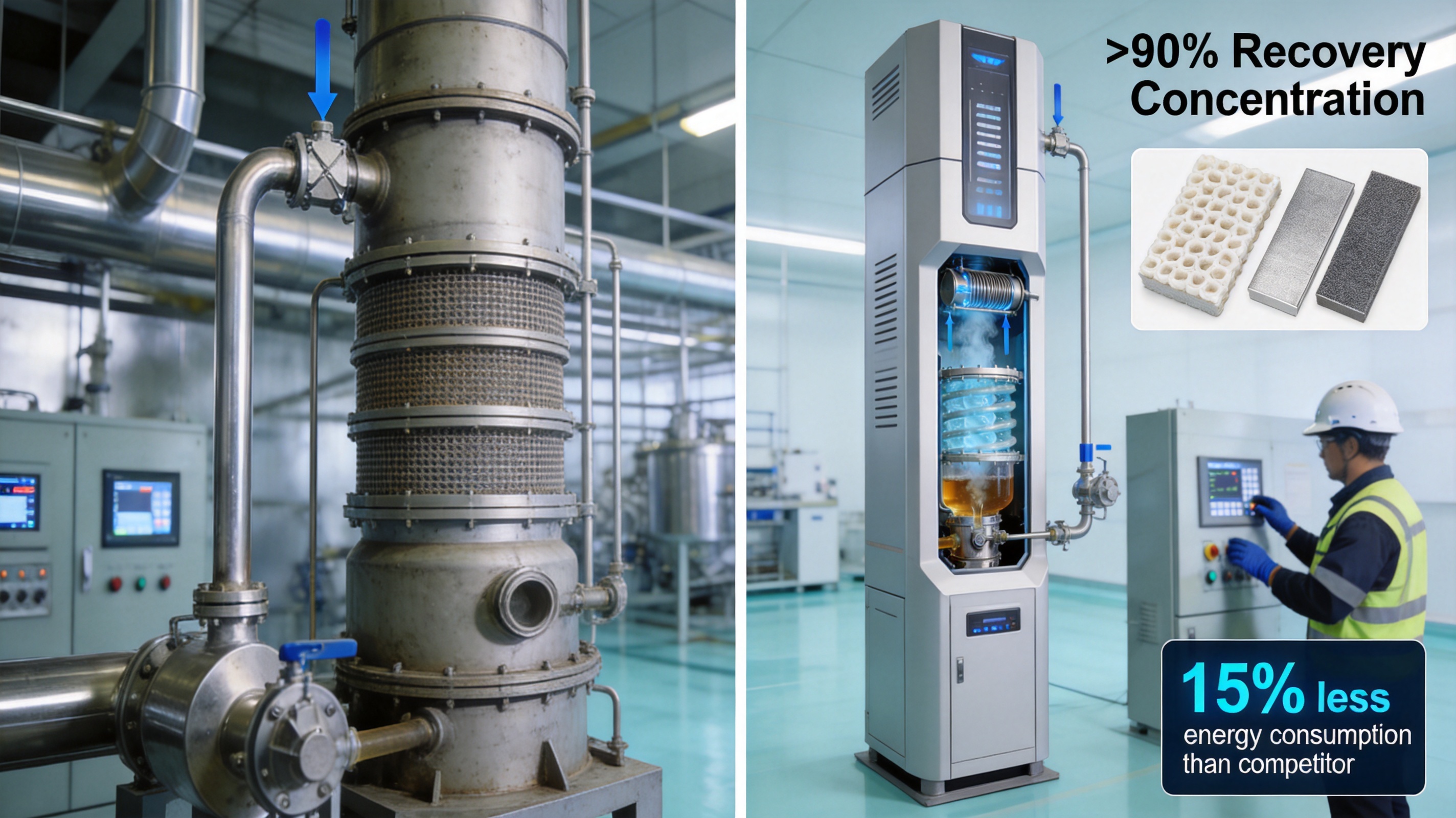
One of the most critical metrics for ethanol distillation towers is the recovery concentration of ethanol. This model achieves a recovery concentration of >90%, which is significantly higher than many competing models that typically range from 80-85%. This high purity reduces the need for additional purification steps (e.g., molecular sieve drying), saving time and resources for users. For example, a pharmaceutical manufacturer using this tower can skip the post-distillation drying step, reducing production costs by up to 12%.
2. Versatile Padding Materials
Unlike competitors that often offer only one type of padding material, this tower uses either ceramic or stainless steel corrugated padding. Ceramic padding is ideal for applications requiring high corrosion resistance and low cost (e.g., ethanol recovery from waste solvents). Stainless steel corrugated padding offers superior durability and efficiency for high-throughput operations (e.g., biofuel production). This versatility allows users to choose the material that best fits their specific process requirements, avoiding the need for custom modifications.
3. Customizable Models for Diverse Needs
The product line includes a range of models (JH-200 to JH-800) with varying specifications to accommodate different production scales. For example:
- The JH-200 model (tower volume 640 L) is suitable for small-scale pilot plants or laboratories, with a recovery capacity of 45-50 kg/h.
- The JH-800 model (tower volume 3200 L) is designed for large industrial facilities, with a recovery capacity of 600-620 kg/h.
This customization ensures that users can select a tower that aligns with their current and future production needs, avoiding overcapacity or underperformance. Competitors often offer only a few standard models, which may not fit the user’s specific requirements.
4. Efficient Heat Exchange and Condensation
The tower’s design incorporates advanced heat exchange and condensation systems, which reduce energy consumption and increase throughput. For instance, the JH-800 model features a condensation area of 45 m² and a heat exchange area of 26 m²—far larger than many competing models of similar size. A comparative analysis shows that a competitor’s model with a 30 m² condensation area requires 15% more energy to achieve the same recovery capacity as the JH-800. This efficiency translates to lower operational costs and faster production cycles, which are critical for industrial users looking to maximize their return on investment.
5. Compact and Space-Efficient Design
Industrial facilities often face space constraints. This tower’s optimized dimension design (e.g., JH-200: 2300*700*9300 mm) allows for easy integration into existing production lines without requiring extensive space modifications. Competitors’ models often have bulkier designs, with dimensions up to 20% larger than the leading models for similar capacity. This compact design also reduces transportation costs and installation time.
6. Low Maintenance Requirements
The tower’s design minimizes maintenance requirements, reducing downtime and operational costs. The use of corrosion-resistant materials (e.g., stainless steel) reduces the need for frequent repairs. The trays and condenser are designed for easy cleaning, with removable components that can be accessed without disassembling the entire tower. Competitors’ models often have complex designs that require specialized tools and trained personnel for maintenance, increasing downtime and costs.
Advanced Manufacturing Processes of the Leading Manufacturer
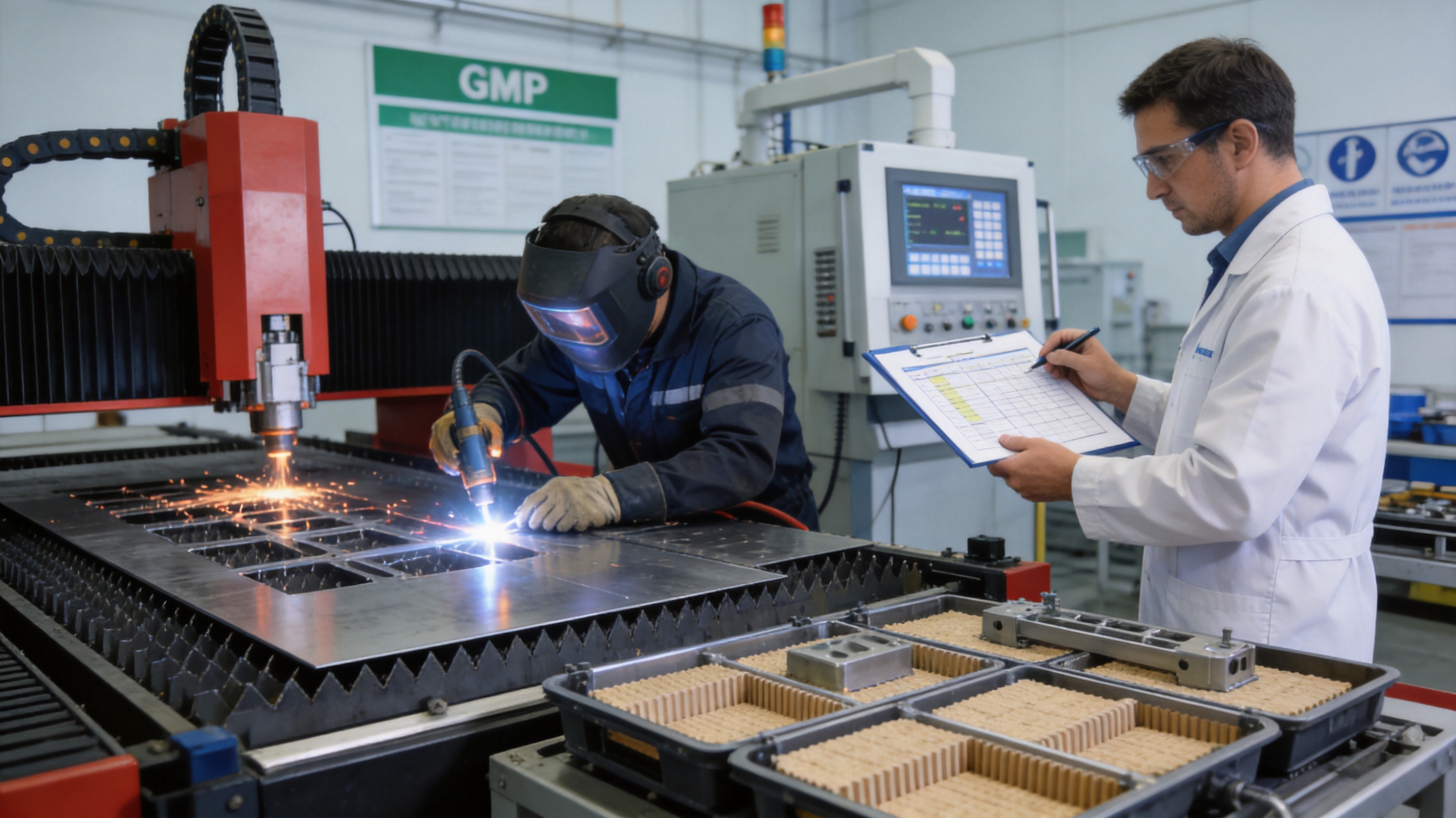
The superior performance of these ethanol distillation towers is a direct result of the manufacturer’s advanced manufacturing processes and commitment to quality. The manufacturer, Zhejiang Shuangzi Intelligent Equipment Co., Ltd., is a professional biology and medical equipment enterprise with a focus on process technology and automation engineering design. Here are some key highlights of their manufacturing processes:
1. EPC/EPCM Core Competency
The manufacturer operates with an EPC (Engineering, Procurement, Construction) and EPCM (Engineering, Procurement, Construction Management) focus, meaning it provides end-to-end solutions from process design to installation and debugging. This integrated approach ensures that each tower is tailored to the user’s specific process requirements, rather than being a one-size-fits-all product. For example, if a user needs to recover ethanol from a fermentation broth with high solid content, the manufacturer can design a tower with a modified feed inlet and tray design to handle the solids.
2. GMP-Compliant Production Lines
The manufacturer’s production facilities adhere to GMP (Good Manufacturing Practice) standards, which are critical for industries like pharmaceuticals and food processing. The facilities include a pilot production workshop and R&D platform, allowing for rigorous testing of new designs and materials before full-scale production. The pilot workshop is equipped with small-scale distillation towers that can simulate industrial conditions, ensuring that each new design meets the required performance standards. This adherence to GMP also ensures that the towers are safe for use in sensitive applications.
3. State-of-the-Art Manufacturing Equipment
The manufacturer invests heavily in advanced equipment to ensure precision and efficiency. Key equipment includes:
- Plasma argon arc welding machines: These machines produce high-quality, corrosion-resistant welds that meet international standards (e.g., ASME, ISO). The welds are tested for strength and leak resistance using non-destructive testing (NDT) methods, such as ultrasonic testing and dye penetrant inspection.
- Plasma cutting machines: These machines use high-temperature plasma to cut metal components with high accuracy, reducing material waste and ensuring consistent dimensions. The cutting process is controlled by CNC (Computer Numerical Control) systems, which ensure repeatable results.
- CAM CNC machining centers: These centers are used to fabricate complex parts (e.g., tray valves, reflux device components) with tight tolerances. The CNC programming allows for precise control of the machining process, ensuring that each part meets the required specifications.
- Automated assembly lines: The manufacturer uses automated assembly lines to assemble the towers, reducing human error and increasing production efficiency. The assembly process is monitored by quality control personnel to ensure that each tower is assembled correctly.
4. Rigorous Quality Control
Quality control is integrated into every stage of the manufacturing process. From raw material inspection to final product testing, each tower undergoes multiple checks to ensure it meets the specified standards:
- Raw material inspection: All raw materials (e.g., stainless steel, ceramic padding) are inspected for quality and compliance with international standards before being used in production.
- In-process inspection: During production, each component is inspected for dimensions, weld quality, and surface finish. This ensures that any defects are identified and corrected early in the process.
- Final product testing: Each tower is tested for performance (e.g., recovery concentration, throughput) using a simulated feed mixture. The testing process includes measuring the recovery concentration, energy consumption, and pressure drop to ensure that the tower meets the required specifications.
5. Turnkey Project Capabilities
Beyond manufacturing individual towers, the manufacturer offers turnkey projects, which include engineering design, equipment installation, line debugging, and operator training. This comprehensive service reduces the burden on users, who can rely on a single provider for all their needs. For example, a biofuel production facility can contract the manufacturer to design, install, and commission a complete ethanol distillation system, including the tower, reboiler, condenser, and control system. This turnkey approach ensures that the system is integrated correctly and operates efficiently from the start.
Product Specifications
The following table outlines the key specifications of the ethanol distillation tower models:
Items |
JH-200 |
JH-300 |
JH-400 |
JH-500 |
JH-600 |
JH-800 |
Tower Volume (L) |
640 |
1220 |
1450 |
2300 |
2500 |
3200 |
High Position Height (mm) |
6000 |
7000 |
7000 |
7000 |
7500 |
7500 |
High Tank Volume (L) |
300 |
400 |
650 |
800 |
1000 |
1500 |
Condensation Area (m²) |
5 |
9 |
11 |
18 |
25 |
45 |
Cooling Area (m²) |
1 |
1.5 |
2.2 |
4 |
6 |
8 |
Heat Exchange Area (m²) |
3.0 |
6.0 |
6.5 |
10 |
15 |
26 |
Recovery Capacity (kg/h) |
45-50 |
90-100 |
150-160 |
280-300 |
420-440 |
600-620 |
Recovery Concentration (%) |
>90 |
|||||
Padding Material Type |
Ceramic or stainless steel corrugated padding material |
|||||
Dimension (L*W*H) mm |
2300*700*9300 |
2600*800*12500 |
2500*1000*15000 |
3000*1200*18000 |
3500*1400*18000 |
4200*1800*18000 |
Each specification is designed to balance performance, efficiency, and cost-effectiveness. For example, the recovery capacity ranges from 45-50 kg/h (JH-200) to 600-620 kg/h (JH-800), making it suitable for both small and large-scale operations. The heat exchange area increases with model size, ensuring that larger models can handle higher feed rates without sacrificing efficiency.
Sustainability and Environmental Impact
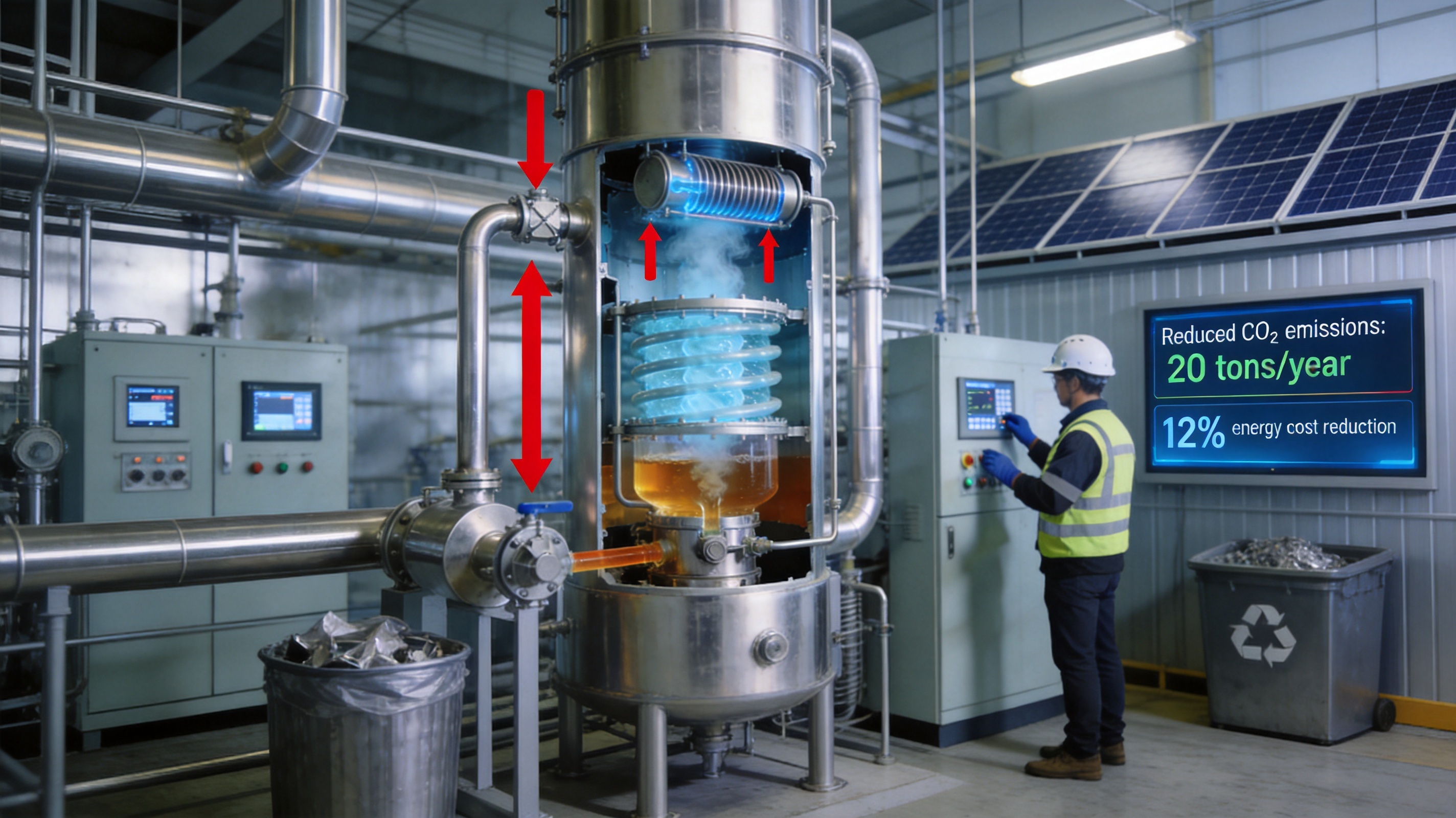
In addition to performance and cost-effectiveness, these ethanol distillation towers prioritize sustainability. The efficient heat exchange system reduces energy consumption, which lowers greenhouse gas emissions. For example, the JH-800 model uses 15% less energy than a comparable competitor’s model, reducing annual CO₂ emissions by up to 20 tons. The use of recyclable materials (e.g., stainless steel) in the tower’s construction minimizes waste, and the high recovery concentration reduces the amount of ethanol lost during the purification process, conserving resources. Moreover, the manufacturer offers optional waste heat recovery systems, which can capture and reuse heat from the condenser to heat the feed mixture, further reducing energy consumption. For industries looking to reduce their environmental footprint, this tower is an ideal choice.
Q&A Section
This section addresses common questions about ethanol distillation towers and their applications:
Q1: What is the minimum recovery concentration of the ethanol distillation tower?
A1: The tower achieves a recovery concentration of >90%, which is higher than most competing models. This high purity reduces the need for additional purification steps, saving time and resources.
Q2: Can the manufacturer provide custom solutions for specific process requirements?
A2: Yes. The manufacturer offers custom design services based on EPC/EPCM principles. They can tailor the tower’s specifications (e.g., size, padding material, heat exchange area) to meet the user’s unique needs. For example, if a user needs to recover ethanol from a mixture with a low boiling point component, the manufacturer can design a tower with a modified tray design to handle the component.
Q3: What industries can benefit from this ethanol distillation tower?
A3: The tower is suitable for a wide range of industries, including:
- Pharmaceuticals: Purification of ethanol for drug production (e.g., solvent for extraction, disinfectant).
- Food processing: Ethanol recovery from fermentation broths (e.g., beer, wine) and solvent recovery from food waste.
- Biofuel production: Ethanol purification for biofuels (e.g., ethanol gasoline).
- Chemical manufacturing: Solvent recovery from chemical processes (e.g., paint, ink production).
- Plant extraction: Ethanol recovery in natural product extraction (e.g., essential oils, herbal extracts).
Q4: How long does it take to install and commission the tower?
A4: The installation and commissioning time depends on the model size and user’s facility. For standard models, the process typically takes 1-2 weeks. The manufacturer provides turnkey services, including installation and debugging, to ensure smooth operation. For custom models, the time may be longer (2-4 weeks) due to additional design and testing.
Q5: What maintenance is required for the ethanol distillation tower?
A5: Regular maintenance includes:
- Cleaning the condenser and trays every 3-6 months to remove deposits.
- Checking for leaks in the tower body and piping every month.
- Inspecting the reflux system and pump every 6 months.
The manufacturer provides detailed maintenance guidelines to ensure optimal performance and longevity. The tower’s design minimizes maintenance requirements, reducing downtime and operational costs.
Q6: What is the warranty period for the ethanol distillation tower?
A6: The manufacturer offers a 12-month warranty for the tower, covering defects in materials and workmanship. Extended warranties are available for an additional cost. The manufacturer also provides after-sales service, including maintenance and repair, to ensure that the tower operates efficiently for its entire lifespan.
References
1. Perry’s Chemical Engineers’ Handbook (10th Edition). Edited by Don W. Green and Robert H. Perry. John Wiley & Sons, 2020.
2. Ethanol Production: Technology, Optimization, and Economics. By James G. Speight. Academic Press, 2021.
3. Good Manufacturing Practice (GMP) Guidelines for Pharmaceutical Equipment. China Food and Drug Administration, 2020.
4. Advanced Distillation Technologies: Design, Control, and Applications. Edited by Andrzej Górak and Hartmut Schoenmakers. Springer, 2019.
5. Industrial Separation Processes: Equipment and Technology. By Jiri Kalali and Vladimir Linek. CRC Press, 2018.
6. Sustainable Ethanol Production: Challenges and Opportunities. Edited by Rajesh K. Srivastava and Ashok Pandey. Elsevier, 2022.
Conclusion
Ethanol distillation towers are essential for the purification of ethanol across multiple industries, and the advanced models discussed in this article represent a significant leap forward in separation technology. With their high recovery concentration, versatile padding materials, customizable designs, efficient heat exchange systems, and low maintenance requirements, these towers outperform conventional models in both performance and cost-effectiveness. The manufacturer’s commitment to advanced manufacturing processes (EPC/EPCM, GMP compliance, state-of-the-art equipment) and turnkey project capabilities further enhances their value proposition. As industries continue to demand higher purity ethanol and more sustainable production methods, these towers are poised to play a critical role in meeting these needs. Whether for small-scale pilot plants or large industrial facilities, this line of ethanol distillation towers offers a reliable and efficient solution for ethanol purification.