
 英语
 俄语
Content
- 1 1. The Role of a Crystallizing Tank in Modern Process Manufacturing
- 2 2. Product Overview
- 3 3. Main Technical Specifications
- 4 4. Stainless-Steel Construction and Hygienic Design
- 5 5. Agitation Options for Controlled Crystallization
- 6 6. Heating and Cooling Performance
- 7 7. Sterilization, Cleaning, and Contamination Control
- 8 8. Process Connections and Instrumentation
- 9 9. Advantages Compared with Basic or Less Specialized Tanks
- 10 10. Applications in Western Medicine and Pharmaceutical Synthesis
- 11 11. Applications in Plant Extraction and Natural Products
- 12 12. Applications in Food Processing
- 13 13. Applications in Biotechnology and Fermentation-Related Processing
- 14 14. Manufacturing Strengths and Engineering Capability
- 15 15. Turnkey Project Support
- 16 16. Quality Considerations When Purchasing a Crystallizer
- 17 17. Installation and Operating Recommendations
- 18 18. Maintenance and Service Life
- 19 19. How to Select the Correct Configuration
- 20 20. Frequently Asked Questions
- 20.1 What is the primary function of a crystallizing tank?
- 20.2 What materials are available for the tank?
- 20.3 Can the tank be sterilized?
- 20.4 What agitator types are available?
- 20.5 Can agitation speed be adjusted?
- 20.6 What heating and cooling methods can be used?
- 20.7 Is the equipment suitable for pharmaceutical processing?
- 20.8 What capacities are available?
- 20.9 What pressure ratings are specified?
- 20.10 Can the crystallizer be integrated into a complete production line?
- 20.11 What information should a customer provide for a quotation?
- 21 21. Conclusion
- 22 References
- 23 Product: Chemical Industrial Crystallization Equipment Crystallizing Tank Crystallizer
Industrial crystallization is a critical unit operation in pharmaceutical manufacturing, plant extraction, biotechnology, food processing, fine chemicals, and many other process industries. It is used to transform dissolved substances into controlled solid crystals through cooling, evaporation, antisolvent addition, reaction, or a combination of these methods. The quality of the crystallization stage directly affects product purity, particle size, filtration performance, drying efficiency, yield, and final product consistency.
A crystallizing tank must therefore do much more than hold a liquid and provide agitation. It must maintain accurate thermal conditions, ensure uniform mixing, prevent contamination, withstand repeated cleaning and sterilization, and provide a reliable environment for crystal nucleation and growth. The equipment should also be adaptable to different materials, viscosities, operating temperatures, pressure conditions, and production scales.
The industrial crystallizing tank described in this article is designed for demanding applications in Western medicine synthesis, pharmaceutical engineering, biological processing, food production, plant extraction, and chemical manufacturing. It combines sanitary stainless-steel construction, controllable agitation, heating and cooling capability, hygienic sealing, cleanable process connections, and flexible configuration options. Its design allows manufacturers to manage crystallization conditions while supporting modern requirements for process safety, GMP-oriented production, equipment reliability, and efficient plant operation.
1. The Role of a Crystallizing Tank in Modern Process Manufacturing
Crystallization is often the final purification or separation step in a liquid-phase process. A solution containing the target compound is brought to a state of supersaturation. Under controlled conditions, crystals form and grow until the desired solid phase can be separated from the mother liquor. The operation may be used to recover an active pharmaceutical ingredient, purify an intermediate, concentrate a natural extract, separate a valuable chemical, or produce a food ingredient with a specified physical form.
Successful crystallization depends on several interacting variables. These include solution concentration, temperature, cooling rate, agitation speed, residence time, solvent composition, supersaturation level, seed loading, viscosity, and the presence of impurities. If these variables are not controlled properly, the process may produce excessively small particles, oversized crystals, irregular morphology, agglomeration, oiling out, unwanted polymorphs, or poor filtration characteristics.
The crystallizing tank provides the controlled environment in which these variables can be managed. Its inner vessel contains the process material, while the jacket or heat-transfer structure enables the process temperature to be increased or reduced. The agitator promotes uniform temperature and concentration throughout the vessel. Instrument connections allow operators and automation systems to monitor operating conditions. Sanitary mechanical seals and cleanable internal surfaces reduce the risk of contamination.
In pharmaceutical and biological applications, the tank may be integrated into a wider process line that includes extraction, filtration, evaporation, concentration, separation, drying, and packaging. In chemical production, it may be connected to reactors, centrifuges, filters, pumps, solvent recovery systems, and storage vessels. The value of a crystallizer is therefore determined not only by its individual construction but also by how effectively it performs within the complete production system.
2. Product Overview
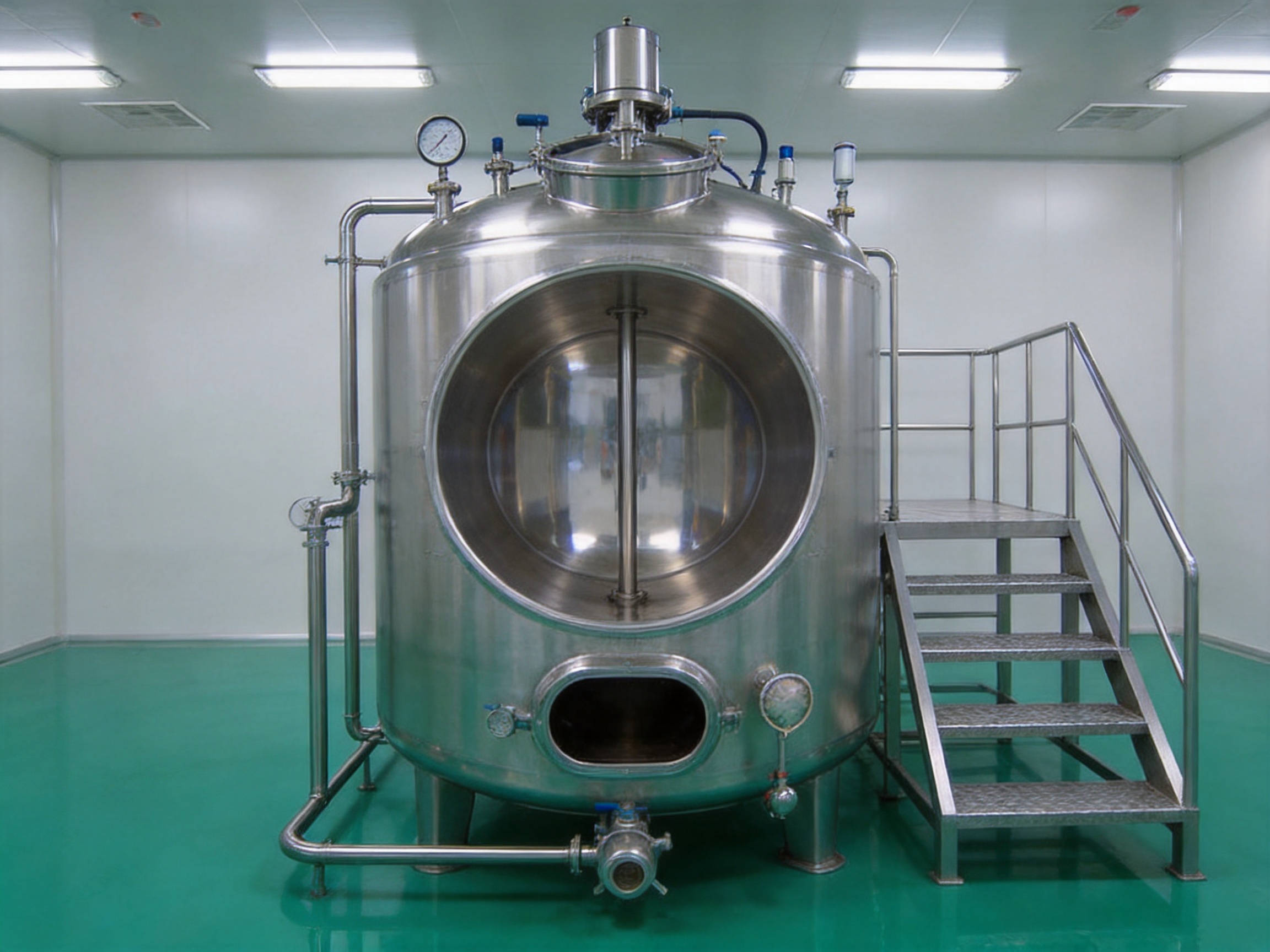
The crystallizing tank is manufactured in SUS316L or SUS304 stainless steel, depending on the material characteristics and process requirements. SUS316L is particularly appropriate for applications requiring enhanced corrosion resistance, including many pharmaceutical, biological, acidic, saline, and high-purity processes. SUS304 provides a practical and durable option for compatible chemical, food, and general industrial applications.
The internal wall may receive electrolytic mirror polishing or mechanical polishing. A smooth internal surface reduces material retention, supports efficient cleaning, minimizes the risk of cross-batch contamination, and makes inspection easier. The external wall uses a welded 304 stainless-steel structure for insulation and mechanical protection. The outer finish may be mirror polished or matte polished according to the intended installation environment, appearance requirements, and customer preference.
The tank is designed to endure sterilization temperatures up to 121 degrees Celsius. This capability is important for pharmaceutical, biological, and other hygienic processes in which thermal sterilization or sterilization-in-place procedures are required. Actual sterilization cycles should be confirmed against the final equipment design, material compatibility, pressure rating, instrumentation, and validated process conditions.
A range of technical openings can be provided. Typical connections include a thermometer port, pressure gauge port, spotlight viewing mirror, clean-in-place cleaning ball, breathing apparatus, nitrogen inlet, and material inlet and outlet. These openings support process monitoring, cleaning, inert-gas protection, visual inspection, charging, discharge, and connection to upstream or downstream equipment.
The shaft seal uses a sanitary mechanical seal designed to limit leakage and help prevent the process material from contacting external contaminants. An aseptic sampling valve and stainless-steel bottom valve can also be supplied according to customer requirements. These options support representative sampling, hygienic discharge, line drainage, and improved process control.
The agitator can be operated with variable-frequency speed control. This gives operators the ability to adjust mixing intensity according to material viscosity, crystal size, process stage, and heat-transfer needs. Anchor, frame, paddle, and turbine agitators are available as different configuration options. The most suitable design depends on the rheology of the material, the required suspension pattern, the desired shear level, and the tank geometry.
Heating or cooling can be provided through an insert-set structure, semichannel structure, or serpentine structure. Available heating media may include steam, electric heating, or heat-conduction oil. These choices allow the equipment to be adapted to different operating environments, including acidic, high-temperature, abrasive, and corrosive conditions.
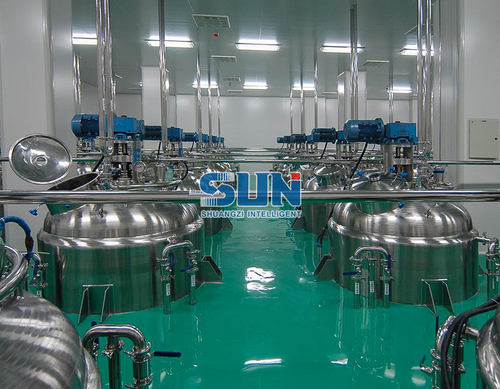
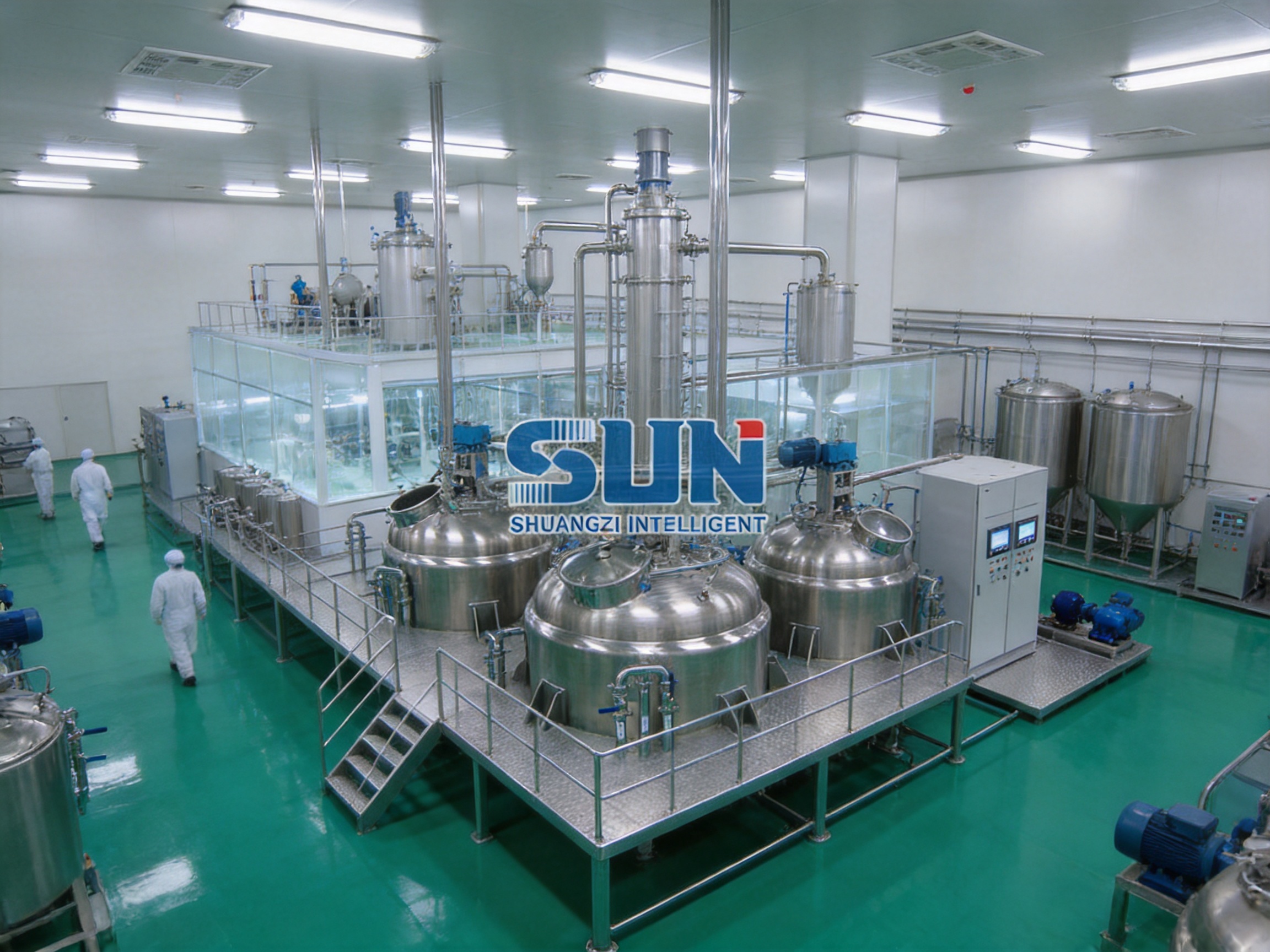
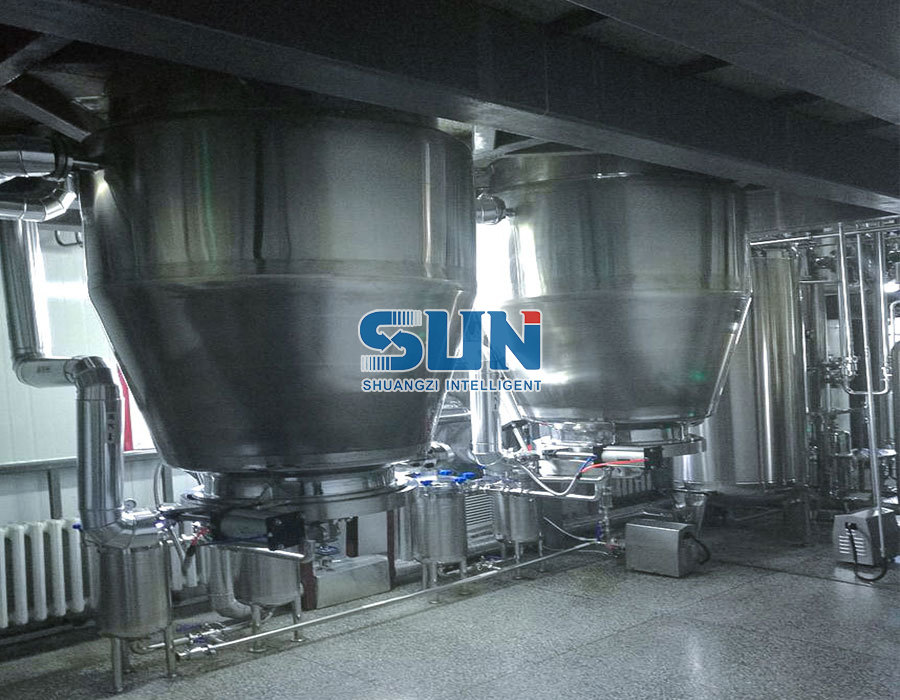
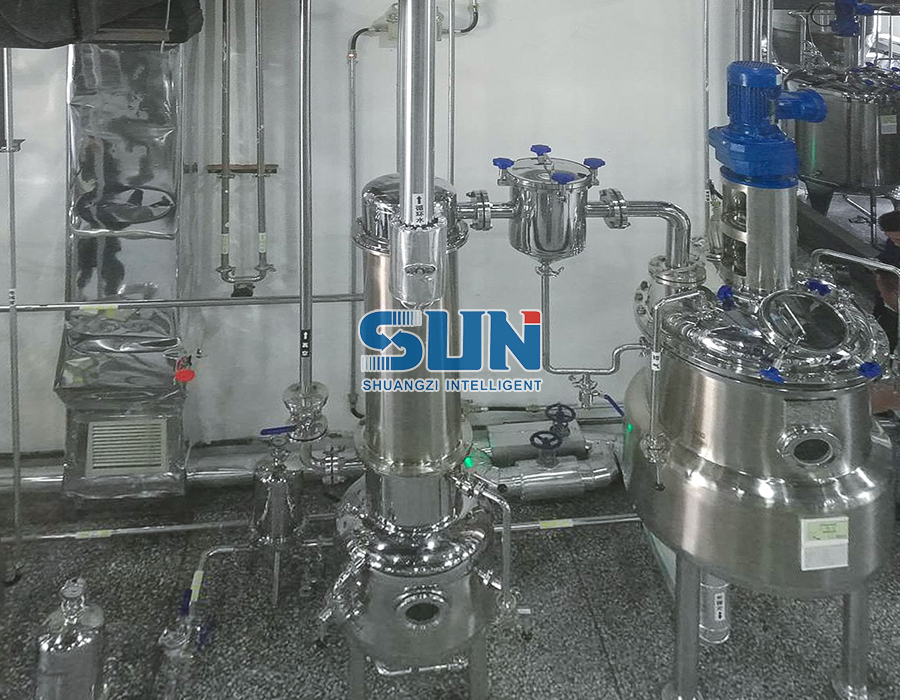
Chemical Industrial Crystallization Equipment Crystallizing Tank Crystallizer
3. Main Technical Specifications
The standard product range includes nominal capacities from 500 liters to 5,000 liters. This range enables the same basic crystallizer concept to be used for pilot-scale development, intermediate production, and larger batch manufacturing. Final working volume, usable volume, headspace, agitator configuration, heating or cooling duty, and vessel dimensions should be confirmed during technical design.
| Parameter | JG500 | JG1000 | JG1500 | JG2000 | JG2500 | JG3000 | JG4000 | JG5000 |
|---|---|---|---|---|---|---|---|---|
| Nominal capacity, L | 500 | 1,000 | 1,500 | 2,000 | 2,500 | 3,000 | 4,000 | 5,000 |
| Motor power, kW | 2.2 | 3.0 | 3.0 | 4.0 | 5.5 | 5.5 | 7.5 | 7.5 |
| Agitator speed | 0–200 r/min | 0–200 r/min | 0–200 r/min | 0–200 r/min | 0–200 r/min | 0–200 r/min | 0–200 r/min | 0–200 r/min |
| Approximate dimensions, diameter × height, mm | 1,100 × 2,300 | 1,200 × 2,600 | 1,400 × 2,900 | 1,600 × 3,000 | 1,600 × 3,500 | 1,800 × 3,500 | 1,900 × 4,000 | 2,100 × 4,200 |
| Heat-exchange area, m² | 2.2 | 3.5 | 5.0 | 6.0 | 6.5 | 7.5 | 10 | 12 |
The listed inner-layer working pressure is no greater than 0.6 MPa, while the jacket-layer working pressure is no greater than 0.8 MPa. These values are reference specifications for the listed equipment range. The allowable pressure for a specific project must be confirmed using the final vessel drawing, design code, material thickness, temperature, safety factor, connection rating, and applicable regulations.
The heat-exchange area increases with tank capacity, helping larger vessels transfer thermal energy to or from the process material. However, heat-transfer performance is also influenced by product viscosity, fouling tendency, agitation pattern, heat-transfer-medium temperature, wall thickness, insulation, and the temperature difference between the process and utility sides. Equipment selection should therefore be based on a complete heat and mass balance rather than vessel volume alone.
4. Stainless-Steel Construction and Hygienic Design
4.1 Selection of SUS316L and SUS304
Stainless steel is widely used in pharmaceutical, food, biological, and chemical equipment because it combines mechanical strength, corrosion resistance, cleanability, and compatibility with many process fluids. SUS316L contains molybdenum and generally offers improved resistance to certain corrosive environments compared with SUS304. Its low-carbon composition also makes it suitable for fabricated equipment where weld quality and corrosion resistance after welding are important considerations.
SUS304 remains a dependable material for many non-aggressive products, utility-contact surfaces, structural components, and external cladding. Selecting the correct grade requires consideration of the product pH, chloride concentration, solvents, cleaning chemicals, process temperature, sterilization cycle, and expected service life.
The availability of both SUS316L and SUS304 allows the crystallizing tank to be configured according to the application instead of forcing every customer into a single material solution. This can improve cost effectiveness while preserving the required level of hygiene and corrosion resistance.
4.2 Internal Surface Finishing
The internal surface is one of the most important features of a sanitary crystallizer. Mechanical polishing can provide a smooth, consistent surface suitable for many process applications. Electrolytic mirror polishing can further improve surface smoothness and reduce microscopic irregularities. A polished surface helps limit product accumulation and simplifies cleaning validation activities.
Smooth surfaces are especially valuable when the product is sticky, expensive, potent, colored, or sensitive to cross-contamination. They also support more complete drainage from the vessel, although drainability depends on the bottom geometry, valve arrangement, slope, nozzle design, and installation orientation.
Surface treatment must be considered together with weld quality. Even a highly polished vessel can present cleaning challenges if welds are uneven, undercut, porous, or poorly finished. For this reason, sanitary fabrication requires coordinated control of material preparation, welding, grinding, polishing, inspection, and passivation where applicable.
4.3 External Insulation and Finish
The external wall is constructed with a fully welded 304 stainless-steel structure for heat preservation and protection. Insulation reduces heat loss during heating and limits unwanted heat gain during cooling. It also helps protect operators from hot external surfaces and can improve the stability of temperature-sensitive processes.
Mirror polishing provides a bright and reflective appearance, while matte polishing offers a subdued industrial finish that may reduce the visibility of minor handling marks. The choice can be made according to plant aesthetics, maintenance practices, and project specifications.
5. Agitation Options for Controlled Crystallization
Agitation is essential for maintaining a uniform process environment. During crystallization, the agitator can distribute heat, prevent localized supersaturation, keep suspended crystals from settling, and promote consistent contact between the liquid and vessel wall. Nevertheless, excessive agitation can damage fragile crystals or produce an undesirably broad particle-size distribution. The agitator type and operating speed must therefore be matched to the process objective.
5.1 Anchor Agitator
An anchor agitator follows the shape of the tank wall and is commonly used for viscous materials or processes requiring effective wall sweeping. It can help reduce stagnant zones and improve heat transfer when the product has a high viscosity. An anchor may be particularly useful in concentrated solutions, pastes, and products that tend to deposit on the vessel wall.
5.2 Frame Agitator
A frame agitator provides broad circulation across the tank volume. It is suitable for moderate- to high-viscosity products and can support uniform temperature distribution. The frame design may be adapted with scrapers or other features when wall fouling is a concern, subject to process requirements and hygienic design limitations.
5.3 Paddle Agitator
A paddle agitator is suitable for applications requiring relatively gentle circulation. It may be used when the goal is to maintain a uniform suspension without imposing excessive shear on crystals. Paddle geometry can be selected according to liquid level, tank diameter, viscosity, and the desired axial or radial flow pattern.
5.4 Turbine Agitator
A turbine agitator can provide stronger circulation and higher local mixing intensity. It may be suitable for lower-viscosity solutions, rapid blending, gas dispersion, or applications where efficient bulk circulation is more important than gentle crystal handling. The turbine design must be carefully matched to the material so that the resulting shear does not cause unwanted breakage or excessive secondary nucleation.
5.5 Variable-Frequency Speed Control
Variable-frequency control allows the agitator speed to be adjusted during different stages of the batch. A higher speed may be used during charging, dissolution, or initial blending. A lower speed may be preferred during crystal growth. The ability to change speed can also help operators respond to changes in viscosity, solids content, crystal loading, and heat-transfer requirements.
Adjustable speed provides an advantage over fixed-speed equipment because a single crystallizer can support a broader range of products and operating recipes. It also facilitates process development by allowing engineers to evaluate the influence of mixing intensity on nucleation, crystal morphology, suspension quality, and final yield.
6. Heating and Cooling Performance
Temperature control is central to crystallization. Many crystallization recipes require the solution to be heated until the product dissolves, followed by controlled cooling to create supersaturation. Other processes rely on evaporation, antisolvent addition, or staged temperature changes. A responsive heat-transfer system helps operators follow the intended temperature profile with greater consistency.
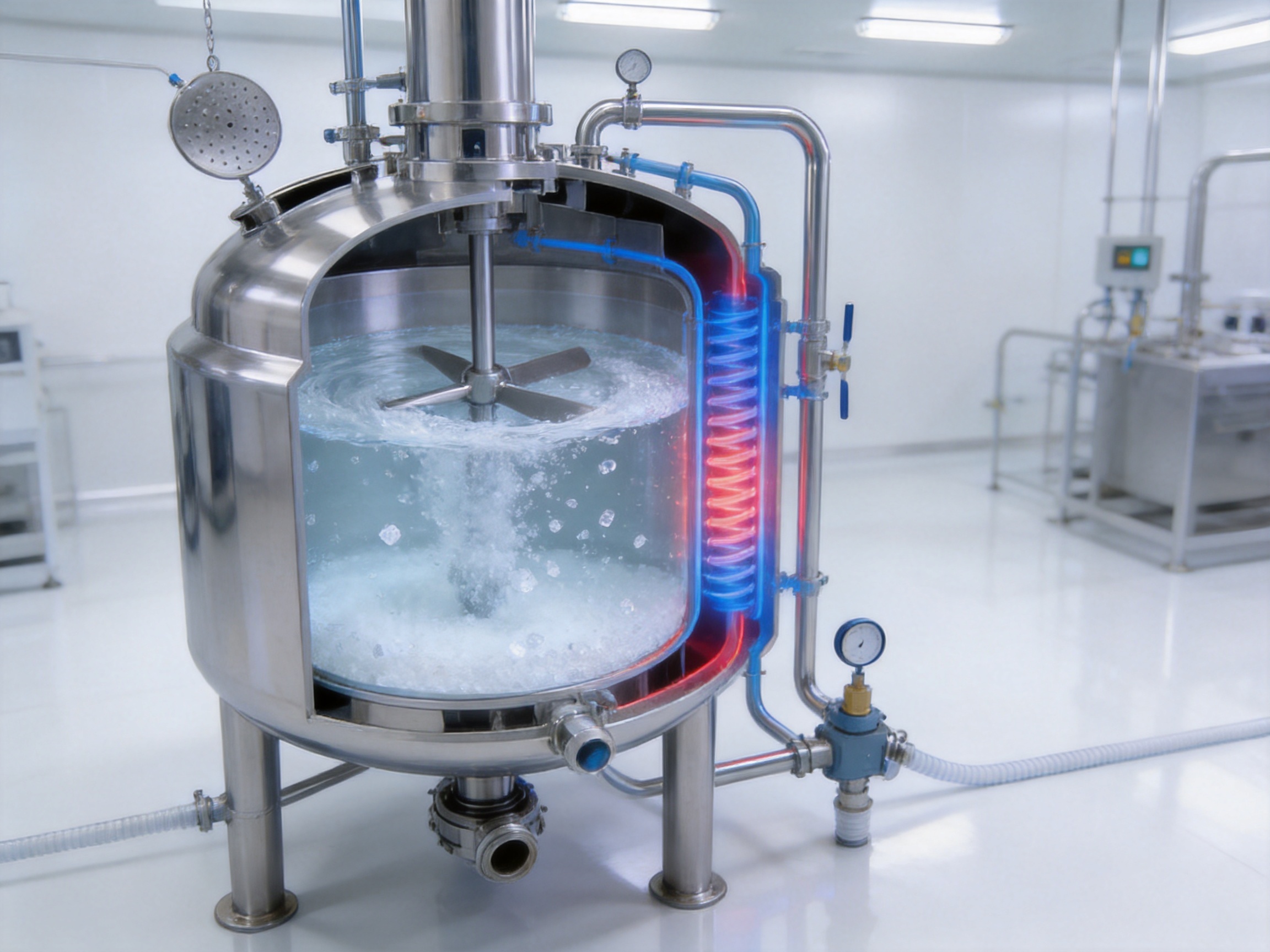
The crystallizing tank can use insert-set, semichannel, or serpentine heating and cooling structures. The choice depends on the required heat-transfer area, utility pressure, product viscosity, fabrication requirements, cleanability, and available installation space.
6.1 Insert-Set Structure
An insert-set heat-transfer structure can be selected for applications where heat exchange is required through a defined internal or external arrangement. It may be suitable for specific vessel configurations and project layouts. The final design should confirm the relationship between the heat-transfer surface and the agitator so that circulation remains effective throughout the batch.
6.2 Semichannel Structure
A semichannel jacket is formed by welding channel sections to the vessel wall. It can provide efficient heat transfer and good mechanical strength while allowing the jacket to operate with a specified utility pressure. The design is commonly considered when a balance is required between heat-transfer performance, structural integrity, and fabrication practicality.
6.3 Serpentine Structure
A serpentine heat-transfer arrangement uses a continuous or segmented path for the heating or cooling medium. It can be adapted to particular process requirements and may offer flexibility in distributing the heat-transfer surface over selected areas of the vessel. Careful engineering is needed to avoid uneven temperature zones and to ensure that the utility circuit can be drained and maintained properly.
6.4 Heating Media
Steam heating is widely used where a plant has a suitable clean-steam or process-steam supply. It can provide rapid heating and is familiar to many pharmaceutical and food-processing facilities. Electric heating may be selected where steam is unavailable or where independent temperature control is preferred. Heat-conduction oil can be used for applications requiring elevated temperatures or a controlled non-steam heat source.
Cooling may use chilled water, cooling water, glycol solution, or another compatible utility. The correct utility depends on the target temperature, cooling load, seasonal conditions, and plant infrastructure. A complete project design should calculate the heat load during both heating and cooling phases and should account for the thermal mass of the vessel, insulation, agitator, fittings, and product.
7. Sterilization, Cleaning, and Contamination Control
The ability to withstand temperatures up to 121 degrees Celsius supports applications in which sterilization is necessary. Pharmaceutical and biological manufacturers often require equipment that can be cleaned and sterilized repeatedly without unacceptable degradation of surfaces, seals, gaskets, instruments, or welds.
The crystallizing tank can be equipped with a clean-in-place cleaning ball. A properly designed CIP system distributes cleaning solution across the relevant internal surfaces. The effectiveness of cleaning depends on spray coverage, flow rate, pressure, chemical concentration, temperature, exposure time, vessel geometry, and drainage. The cleaning ball is one part of the total hygienic design and should be selected and positioned according to the final tank arrangement.
Aseptic sampling valves enable operators to obtain process samples while reducing the chance of introducing contaminants. A bottom valve can improve drainage and reduce residual hold-up. The specific valve type, seat material, diaphragm material, connection standard, and sterilization capability should be selected according to the process and validation requirements.
The sanitary mechanical seal helps isolate the process material from the surrounding environment at the agitator shaft. Seal selection should consider temperature, pressure, shaft speed, product abrasiveness, solvent compatibility, cleaning chemicals, and sterilization conditions. Proper seal installation and maintenance are essential for reliable operation.
Cleaning and sterilization procedures should be validated by the user in accordance with the applicable quality system. Equipment suppliers can support the process by providing surface-finish information, material certificates, weld documentation, drawings, nozzle schedules, and operating recommendations.
8. Process Connections and Instrumentation
The crystallizing tank includes technical openings for monitoring and process integration. A thermometer connection allows temperature measurement at a suitable location. Accurate temperature measurement is fundamental because crystallization kinetics are often highly sensitive to small changes in temperature.
A pressure gauge connection helps operators monitor the vessel condition. Pressure measurement is particularly important when the tank is heated, operated under an inert atmosphere, connected to a vacuum system, or exposed to pressure changes during charging and discharge. A breathing apparatus can support controlled pressure equalization and protect the tank from excessive vacuum or overpressure, subject to the final process design.
A spotlight viewing mirror allows visual observation of the process interior. Operators may use it to assess liquid level, mixing condition, crystal appearance, foam formation, or abnormal wall deposits. Visual inspection cannot replace laboratory analysis or validated instrumentation, but it can provide useful real-time information.
The nitrogen inlet supports inert-gas blanketing where oxygen reduction, solvent protection, oxidation control, or contamination prevention is required. Nitrogen use must be managed with appropriate ventilation and oxygen-deficiency safeguards. The material inlet and outlet provide connections for charging raw materials and transferring the crystallized slurry or solution to the next process stage.
Modern installations may add automated temperature control, pressure monitoring, load cells, level measurement, conductivity measurement, pH measurement, or sampling systems. These additions can support recipe management and data recording. The level of automation should be selected according to the batch complexity, regulatory expectations, production scale, and plant control architecture.
9. Advantages Compared with Basic or Less Specialized Tanks
A basic mixing vessel may be able to blend liquids, but it is not necessarily suitable for controlled crystallization. A dedicated crystallizing tank offers several advantages when compared with a simple storage tank, an ordinary stirred vessel, or equipment designed without hygienic and thermal requirements.
9.1 Better Control of Crystal Formation
Adjustable agitation and designed heat-transfer surfaces provide greater control over the conditions that influence nucleation and crystal growth. This can help manufacturers produce more consistent particle size, improve filtration, and reduce batch-to-batch variability.
9.2 Improved Hygienic Performance
Polished stainless-steel interiors, sanitary mechanical seals, optional aseptic sampling, CIP equipment, and bottom discharge configurations are more suitable for sensitive products than general-purpose carbon-steel or poorly finished vessels. These features help support contamination control and cleaning procedures.
9.3 Broader Material Compatibility
The use of SUS316L or SUS304, together with different heating and cooling structures, enables the equipment to handle a wider range of products and operating environments. It can be configured for acidic, high-temperature, abrasive, or corrosive duties after appropriate engineering review.
9.4 Greater Process Flexibility
The availability of anchor, frame, paddle, and turbine agitators allows the tank to be matched to different viscosity and mixing requirements. Variable-frequency control further broadens the operating range. This flexibility is valuable for manufacturers producing multiple products or developing new formulations.
9.5 Easier Integration into Complete Lines
Technical openings for nitrogen, sampling, cleaning, instrumentation, and material transfer make the vessel easier to connect with upstream and downstream systems. It can be incorporated into extraction, concentration, filtration, separation, drying, and packaging lines.
9.6 Support for Scale-Up
A product family covering 500 to 5,000 liters allows a process developed at a smaller scale to be evaluated on progressively larger equipment. Scale-up still requires engineering analysis, because mixing and heat transfer do not increase in a perfectly linear manner. However, a consistent equipment platform can simplify the transition from pilot production to commercial manufacturing.
10. Applications in Western Medicine and Pharmaceutical Synthesis
In pharmaceutical manufacturing, crystallization is used to purify active pharmaceutical ingredients, intermediates, excipients, and certain salts. It can also influence polymorphism, particle morphology, bulk density, flowability, and dissolution behavior. The crystallizer must therefore provide stable process conditions and a controlled environment.
The tank can be used after reaction and solvent exchange, following evaporation and concentration, or as part of a purification sequence. A typical process may involve charging a solution, heating to dissolve the target compound, filtering insoluble matter, cooling under controlled agitation, holding for crystal growth, and transferring the resulting slurry to a filter or centrifuge.
For pharmaceutical applications, equipment selection should include an assessment of product potency, solvent compatibility, cleaning requirements, containment, pressure classification, sterilization strategy, and documentation needs. If the process is aseptic or biologically sensitive, additional requirements may apply to air handling, seals, valves, instrumentation, and validation.
The crystallizing tank is not itself a guarantee of regulatory compliance. Compliance depends on the complete equipment design, materials, fabrication, installation, operating procedures, cleaning validation, calibration, maintenance, documentation, and quality system of the facility. Nevertheless, its sanitary construction and configuration options provide a strong foundation for pharmaceutical process engineering.
11. Applications in Plant Extraction and Natural Products
Plant extraction processes often produce complex solutions containing target compounds, pigments, waxes, oils, sugars, proteins, and other natural components. Crystallization may be used to separate or purify a valuable compound after extraction, filtration, concentration, or solvent adjustment.
Natural-product solutions can vary significantly in viscosity and solids content. An anchor or frame agitator may be preferred for concentrated extracts, while a paddle or turbine design may be sufficient for lower-viscosity solutions. The ability to select the agitator and regulate speed is useful when the process changes during concentration or cooling.
Plant-extraction facilities may also require corrosion resistance because of acidic botanical materials, alcohol-based solvents, saline solutions, or cleaning agents. SUS316L can be considered where the product and cleaning regime justify a higher corrosion-resistance level. Product-contact materials must always be verified against the actual formulation.
12. Applications in Food Processing
Food crystallization is used in the production and purification of ingredients such as sugars, sweeteners, organic acids, fats, and specialty food materials. The process may require gentle agitation, precise cooling, hygienic surfaces, and reliable drainage.
In food applications, the equipment should be designed to reduce product retention and support repeatable cleaning. Surface finish, weld quality, valve selection, gasket compatibility, and accessibility are all important. The crystallizer can be configured with stainless-steel construction and cleaning equipment suitable for food-production environments, subject to the specific standards and certification requirements of the installation region.
Thermal control is particularly important for products that are sensitive to overheating, discoloration, viscosity changes, or unwanted crystal formation. The available heating and cooling structures allow engineers to select an arrangement that supports the required thermal profile.
13. Applications in Biotechnology and Fermentation-Related Processing
Although fermentation itself generally occurs in a specialized fermenter, downstream biotechnology processes may include concentration, precipitation, crystallization, and purification. A crystallizing tank can be used after broth clarification or product recovery when a solid product must be formed from a purified solution.
Biological materials can be sensitive to contamination, shear, temperature, and residual cleaning chemicals. The polished interior, sanitary seal, optional aseptic sampling valve, nitrogen connection, and CIP cleaning ball are useful features for hygienic downstream operations. Process developers should determine whether the tank requires sterile filtration of gases, validated sterilization, special elastomers, or additional containment features.
14. Manufacturing Strengths and Engineering Capability
The equipment is manufactured by Zhejiang Shuangzi Intelligent Equipment Co., Ltd., an enterprise established in 2007 with experience in biological, pharmaceutical, plant-extraction, food, environmental-protection, and energy-conservation equipment. The company focuses on process technology, automation engineering design, equipment manufacturing, matched purchasing, installation, commissioning, and system integration.
This combination of equipment manufacturing and process engineering is important for crystallization projects. A crystallizer cannot be selected properly by capacity alone. The supplier must understand the solution properties, crystallization mechanism, temperature profile, utility conditions, cleaning method, discharge route, and relationship with upstream and downstream equipment.
The company operates facilities covering approximately 16,706 square meters of floor area and approximately 17,800 square meters of structural area. It has production resources for sanitary vessel fabrication, finishing, assembly, and project support. Its stated product range includes vacuum low-temperature drying systems, fermentation equipment, evaporation and concentration systems, extraction equipment, separation and crystallization equipment, filtration equipment, and process vessels.
The manufacturing process is supported by equipment such as plasma argon-arc welding machines, plasma cutting machines, CAM CNC machining centers, and other advanced fabrication and finishing tools. These resources can contribute to dimensional accuracy, improved weld preparation, repeatable fabrication, and better surface finishing.
For sanitary stainless-steel equipment, fabrication quality has a direct effect on service life and cleanability. Controlled cutting, forming, fit-up, welding, grinding, polishing, inspection, and assembly are necessary to produce a reliable vessel. The use of suitable machinery and a dedicated production environment can help maintain consistency across different tank sizes.
The company also provides engineering services that may include process design, equipment design, installation, line debugging, and turnkey project execution. This is a significant advantage for customers who need more than an individual vessel. A complete project approach can reduce coordination problems between the crystallizer, utilities, transfer pumps, control systems, filters, dryers, and other process units.
15. Turnkey Project Support
Turnkey supply is valuable when the customer is developing a new production line or upgrading an existing plant. The scope may include process-flow development, equipment selection, piping arrangement, utility planning, automation integration, installation, commissioning, and operator training.
For a crystallization line, the supplier may need to coordinate the crystallizer with solution preparation vessels, reactors, evaporators, condensers, filters, centrifuges, dryers, storage tanks, clean-in-place systems, and waste-treatment equipment. The final line should provide a logical material flow, appropriate isolation points, safe access, effective drainage, and maintainable utility connections.
Automation can be designed around temperature control, agitator speed, heating or cooling-medium flow, pressure, nitrogen supply, material addition, sampling, and discharge. Process recipes may include ramped temperature changes, mixing-speed adjustments, timed holding stages, and interlocks to protect the equipment and operators.
A turnkey engineering partner can also help identify practical issues before installation. These may include insufficient headspace, unsuitable floor loading, restricted maintenance access, inadequate cooling capacity, incompatible valves, poor drainage, or a mismatch between crystallizer discharge and filter capacity.
16. Quality Considerations When Purchasing a Crystallizer
Customers should evaluate the complete technical package rather than comparing only tank volume or motor power. Important questions include the actual working volume, required batch size, product density, viscosity range, solids concentration, operating temperature, pressure or vacuum conditions, corrosive components, solvent characteristics, and desired crystal properties.
Material documentation should identify the grades used for all product-contact parts. The customer may also require weld records, surface-finish specifications, dimensional drawings, pressure-test records, passivation information, inspection reports, and certificates for valves, instruments, seals, and gaskets.
The agitator should be reviewed in relation to the intended process. A high-power motor does not automatically provide better crystallization. The correct agitator requires an appropriate balance between circulation, shear, suspension, heat transfer, and crystal protection. The impeller diameter, clearance, shaft design, baffles, speed range, and torque should be considered together.
Heat-transfer performance should be confirmed using the actual process duty. The customer should provide the starting temperature, final temperature, product mass, specific heat, viscosity, heating or cooling time, utility temperature, and expected fouling behavior. This information allows the supplier to verify whether the proposed heat-exchange area is suitable.
Cleaning and maintenance should be reviewed before purchase. The tank should be accessible for inspection, the bottom should drain effectively, the seal should be serviceable, and the cleaning system should reach all relevant surfaces. Where required, the design should support cleaning validation, sterilization validation, and documented preventive maintenance.
17. Installation and Operating Recommendations
The crystallizer should be installed on a foundation capable of supporting the vessel, product load, dynamic agitator load, utility connections, and any seismic or structural requirements. Access should be provided for inspection, cleaning, seal replacement, instrumentation calibration, and maintenance of the motor and reducer.
Utility lines should be sized for the required flow and pressure. Heating and cooling circuits should include suitable isolation, drainage, venting, pressure protection, and temperature-control components. Utility piping should be arranged to avoid trapped liquid and to support safe maintenance.
Before commissioning, the customer should verify that the tank is clean, correctly connected, and free from foreign material. Instruments should be calibrated, valves should be checked, and the agitator should be operated at low speed before full process testing. The mechanical seal should be inspected for correct installation and adequate support conditions.
Operating procedures should define charging sequence, maximum and minimum levels, permitted temperature and pressure ranges, agitator-speed limits, nitrogen use, sampling steps, cleaning cycles, emergency shutdown, and discharge procedures. Operators should not exceed the specified inner-layer or jacket-layer pressure limits.
18. Maintenance and Service Life
Routine maintenance helps preserve equipment performance and hygienic condition. Recommended activities may include checking the mechanical seal, inspecting the agitator shaft and impeller, verifying motor and reducer condition, examining valves and gaskets, checking instruments, inspecting welds and surfaces, and confirming the condition of insulation and external cladding.
The frequency of maintenance depends on operating hours, product abrasiveness, temperature, pressure, cleaning chemicals, sterilization cycles, and agitator load. Abrasive slurries may require more frequent inspection of the impeller and bottom areas. High-temperature operation may accelerate wear of seals and elastomers.
Any unexpected vibration, leakage, temperature instability, abnormal noise, pressure fluctuation, or change in mixing performance should be investigated promptly. Early detection can prevent larger failures and reduce production downtime.
19. How to Select the Correct Configuration
The correct configuration begins with a clear process description. The customer should identify whether crystallization is driven by cooling, evaporation, antisolvent addition, reaction, or a combined method. The desired crystal size, morphology, purity, filtration behavior, and batch yield should also be described.
The next step is to determine the required capacity. Nominal capacity is not always equal to working capacity because sufficient headspace may be needed for agitation, foaming, gas blanketing, charging, and crystal growth. The supplier should review both minimum and maximum batch volumes to ensure that the agitator remains effective throughout the operating range.
Material selection should consider every liquid and solid that may contact the tank, including the product, solvent, mother liquor, cleaning solution, sterilization medium, and process additives. If the chemistry is uncertain, compatibility testing or specialist material review may be appropriate.
Agitator selection should be based on viscosity, crystal sensitivity, solids loading, suspension requirements, heat-transfer needs, and desired shear. Heating and cooling design should be based on the complete thermal profile. Instrumentation and automation should reflect the level of control required by the process and quality system.
Finally, the customer should determine whether an individual vessel, a packaged system, or a turnkey production line is most appropriate. A complete engineering scope can provide greater coordination and reduce the risk of integration problems.
20. Frequently Asked Questions
What is the primary function of a crystallizing tank?
A crystallizing tank provides a controlled environment for forming and growing crystals from a solution or slurry. It combines agitation, temperature control, process monitoring, and hygienic construction to support consistent crystallization and subsequent solid-liquid separation.
What materials are available for the tank?
The product-contact vessel can be made from SUS316L or SUS304 stainless steel. SUS316L is commonly considered for more corrosive, pharmaceutical, biological, or high-purity applications, while SUS304 may be suitable for compatible food, chemical, and general industrial duties.
Can the tank be sterilized?
The crystallizing tank can endure temperatures up to 121 degrees Celsius for sterilization-related applications. The complete sterilization cycle must be verified against the final equipment design, seals, valves, instruments, pressure conditions, and user validation requirements.
What agitator types are available?
Anchor, frame, paddle, and turbine agitators are available. Selection depends on viscosity, solids content, crystal sensitivity, required circulation, heat transfer, and shear conditions.
Can agitation speed be adjusted?
Yes. The crystallizer can be equipped with variable-frequency speed control, with a listed speed range of 0–200 revolutions per minute. The actual operating range should be confirmed for the selected motor, reducer, agitator, product, and process conditions.
What heating and cooling methods can be used?
The tank can use insert-set, semichannel, or serpentine heat-transfer structures. Heating options include steam, electric heating, and heat-conduction oil. Cooling utility selection depends on the required process temperature and plant infrastructure.
Is the equipment suitable for pharmaceutical processing?
Its stainless-steel construction, polished internal surface, sanitary mechanical seal, optional aseptic sampling valve, CIP cleaning ball, nitrogen inlet, and sterilization capability make it suitable for many pharmaceutical processes. Final suitability depends on the product, validation requirements, documentation, containment strategy, and regulatory standards of the facility.
What capacities are available?
The listed models range from 500 liters to 5,000 liters, including JG500, JG1000, JG1500, JG2000, JG2500, JG3000, JG4000, and JG5000. Custom configurations may require additional engineering review.
What pressure ratings are specified?
The listed reference values are no greater than 0.6 MPa for the inner layer and no greater than 0.8 MPa for the jacket layer. The final allowable pressure must be confirmed using the approved design documents and applicable vessel standards.
Can the crystallizer be integrated into a complete production line?
Yes. It can be integrated with extraction, evaporation, concentration, filtration, separation, drying, fermentation-related downstream processing, storage, transfer, and automation systems. The supplier also provides engineering and turnkey project services.
What information should a customer provide for a quotation?
The customer should provide the required batch volume, product composition, viscosity, density, corrosive characteristics, operating temperature, heating and cooling times, pressure or vacuum conditions, agitator preference, cleaning and sterilization method, material standards, automation requirements, and the desired upstream and downstream connections.
21. Conclusion
The industrial crystallizing tank is a specialized process vessel designed to provide controlled agitation, reliable heat transfer, hygienic operation, and flexible integration for crystallization applications. Its SUS316L or SUS304 construction, polished internal surfaces, insulated external structure, sanitary mechanical seal, optional aseptic sampling valve, CIP cleaning ball, nitrogen inlet, and variable-frequency agitation make it suitable for demanding pharmaceutical, biological, food, plant-extraction, and chemical processes.
The broad model range from 500 to 5,000 liters supports different production scales. Multiple agitator types and heating or cooling structures allow the equipment to be adapted to different viscosities, crystal sensitivities, corrosion conditions, and thermal profiles. The availability of process engineering, fabrication, installation, commissioning, and turnkey support further strengthens its value for customers developing complete production systems.
Compared with a basic mixing tank, a dedicated crystallizer offers better control over the conditions that determine crystal formation and product quality. However, the final result depends on correct process development, suitable equipment sizing, proper utility design, validated cleaning and sterilization procedures, and disciplined operation. When these elements are considered together, the crystallizing tank can become a reliable core unit for efficient, repeatable, and hygienic solid-liquid processing.
References
1. Perry’s Chemical Engineers’ Handbook, sections covering crystallization, mixing, heat transfer, and process vessel design.
2. A. S. Myerson, Handbook of Industrial Crystallization, principles of nucleation, crystal growth, supersaturation, and crystallizer selection.
3. International Society for Pharmaceutical Engineering, baseline guidance for pharmaceutical manufacturing facilities and hygienic process equipment.
4. Good Manufacturing Practice guidance for pharmaceutical production, including equipment cleaning, validation, documentation, and contamination control.
5. Stainless-steel material standards and technical data for SUS304 and SUS316L process equipment.
6. General engineering practices for sanitary vessel fabrication, mechanical seals, clean-in-place systems, thermal sterilization, and process automation.
7. Technical product information supplied for industrial crystallizing tanks, pharmaceutical process equipment, extraction systems, fermentation systems, and turnkey engineering projects.