
 英语
 俄语
Content
- 1 1. Product Overview
- 2 2. Working Principle of Vacuum Rectification
- 3 3. Main Components and Integrated Functions
- 4 4. Product Advantages Compared with Conventional Equipment
- 5 5. Application Areas
- 6 6. Typical Laboratory Process Flow
- 7 7. Key Technical Considerations
- 8 8. Comparison of Processing Approaches
- 9 9. Manufacturing Strengths and Engineering Capability
- 10 10. Why an Engineering-Oriented Supplier Matters
- 11 11. Benefits for Research and Development Teams
- 12 12. Quality, Safety, and Operational Responsibility
- 13 13. Installation and Service Support
- 14 14. Recommended Selection Questions
- 15 15. Frequently Asked Questions
- 15.1 Q1: What is the main purpose of this laboratory device?
- 15.2 Q2: Why is vacuum used in aroma recovery?
- 15.3 Q3: Can the equipment process essential oils?
- 15.4 Q4: Is the system suitable for food and pharmaceutical research?
- 15.5 Q5: Does the equipment support small-batch sample preparation?
- 15.6 Q6: How does variable-frequency feeding improve operation?
- 15.7 Q7: Can the device be connected to other process equipment?
- 15.8 Q8: What types of materials can be used as feed?
- 15.9 Q9: How can aroma quality be evaluated after recovery?
- 15.10 Q10: Does the supplier provide installation and commissioning?
- 15.11 Q11: Can the equipment help with future scale-up?
- 15.12 Q12: What makes this device different from simple laboratory evaporation equipment?
- 16 16. Conclusion
- 17 References
- 18 Product: Laboratory Vacuum Rectification Device for Natural Fragrance & Flavor Recovery
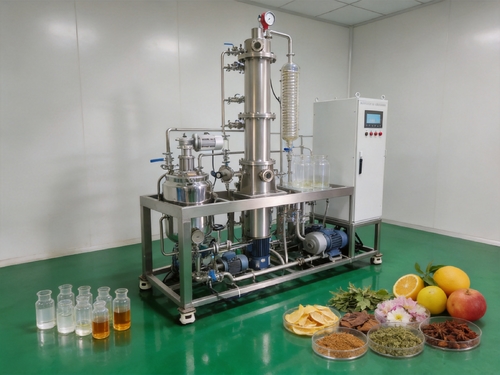
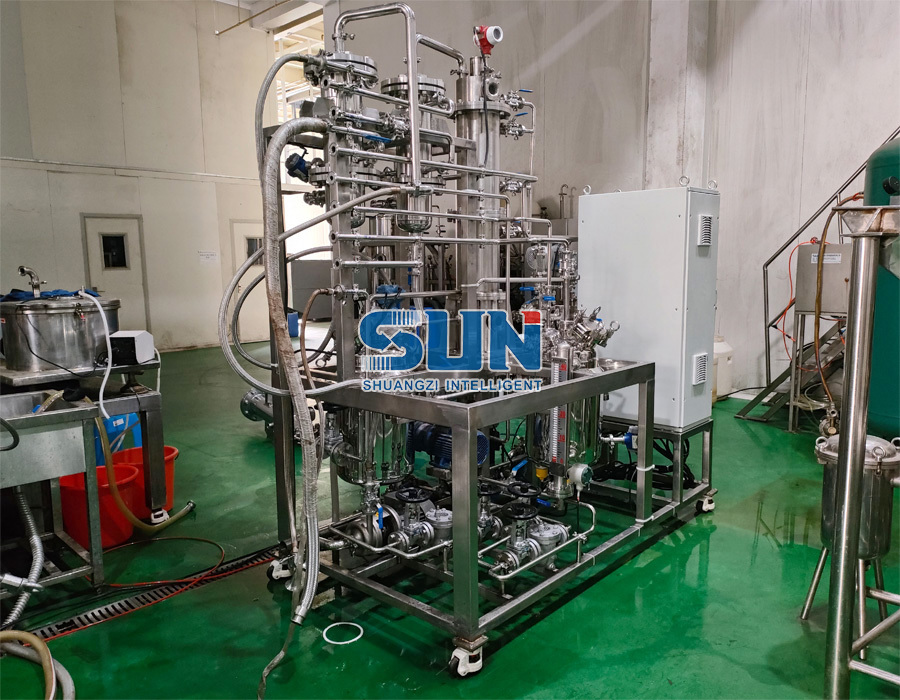
Laboratory Vacuum Rectification Device for Natural Fragrance & Flavor Recovery
Natural aromas are among the most delicate and valuable components found in fruits, vegetables, herbs, flowers, spices, and other botanical materials. They contribute not only to sensory quality but also to product identity, consumer acceptance, formulation performance, and commercial value. However, many aroma compounds are highly volatile, oxygen-sensitive, and susceptible to thermal degradation. Conventional heating, atmospheric distillation, or prolonged evaporation can cause oxidation, hydrolysis, loss of top notes, and unwanted changes in the natural aroma profile.
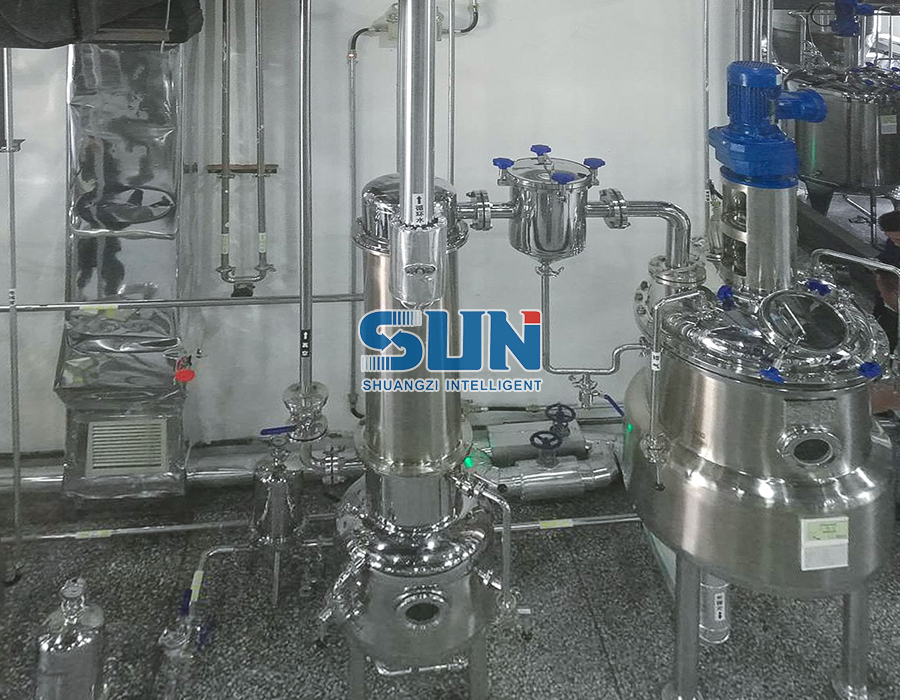
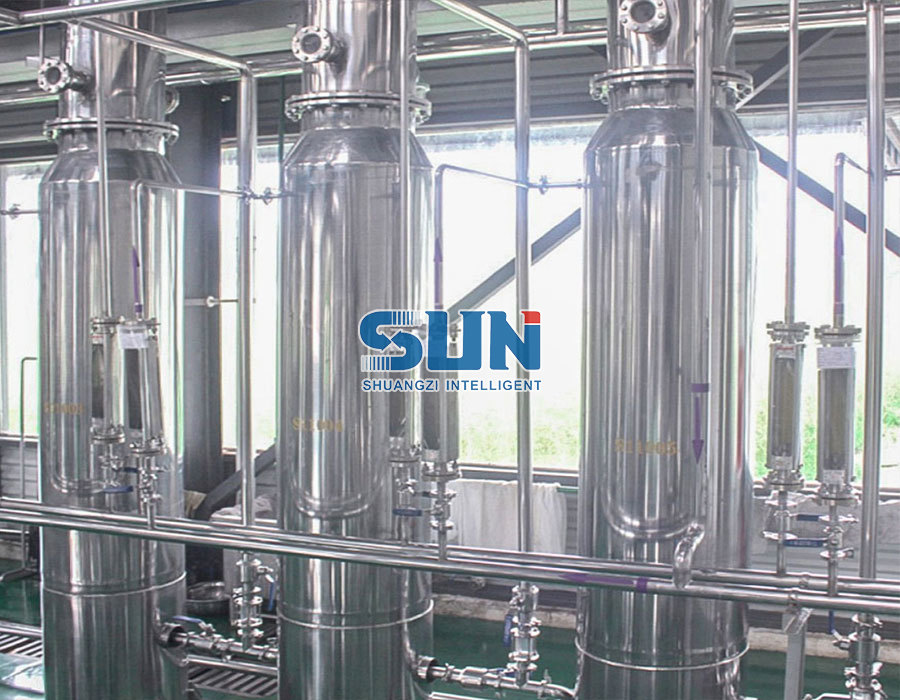
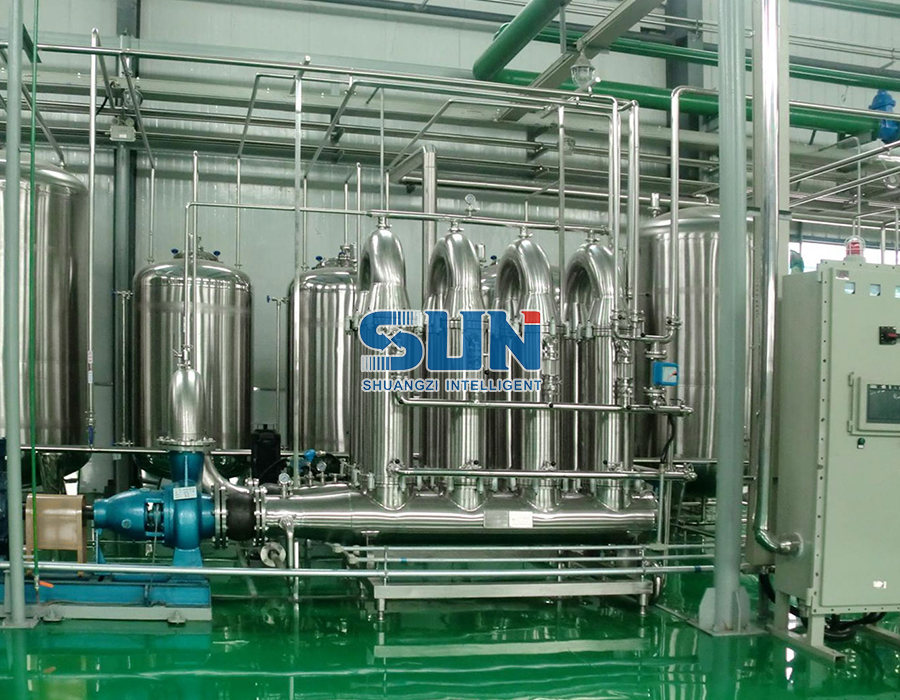
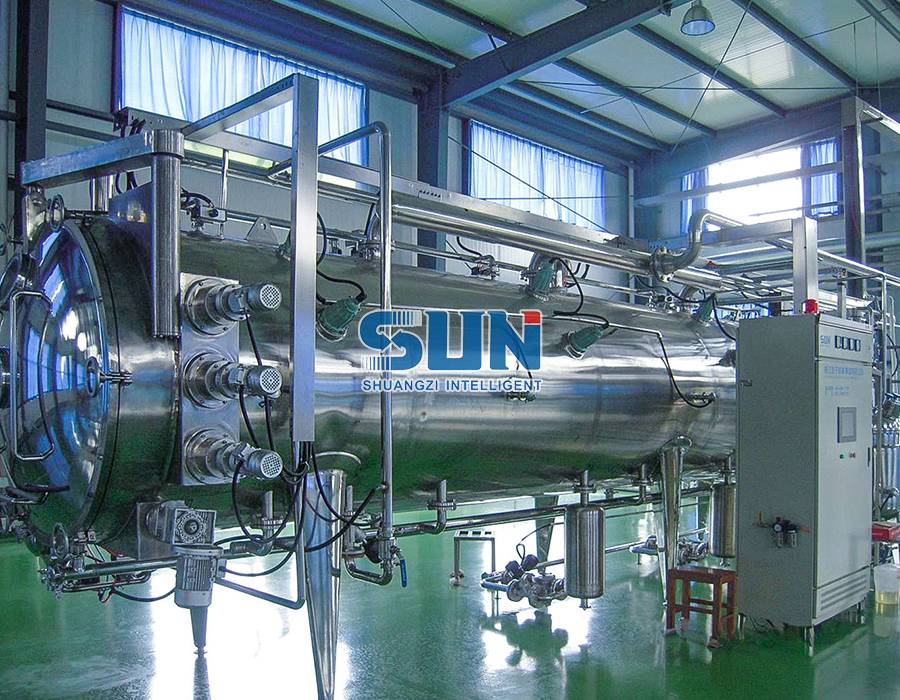
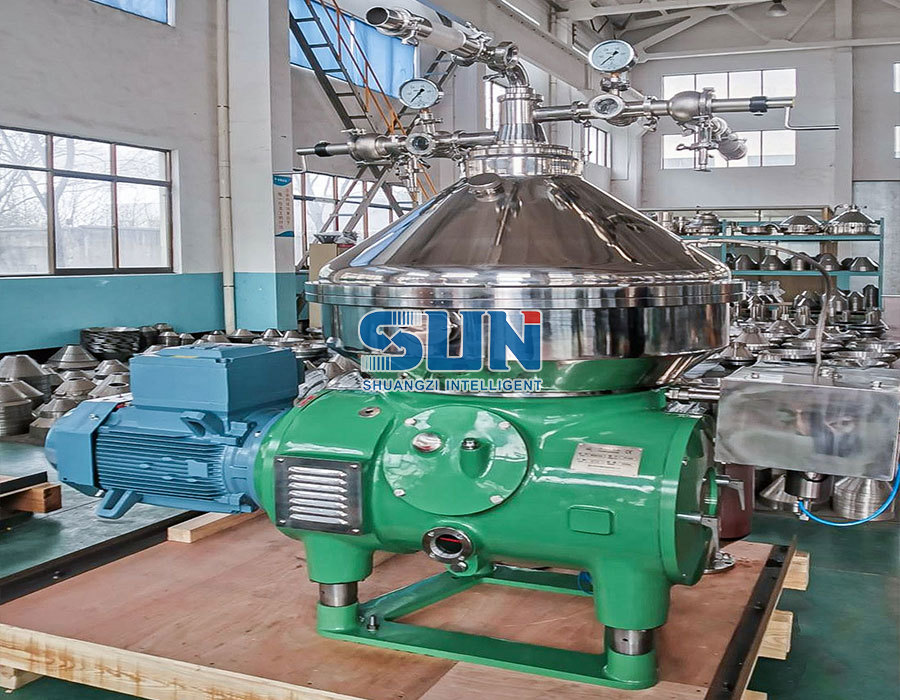
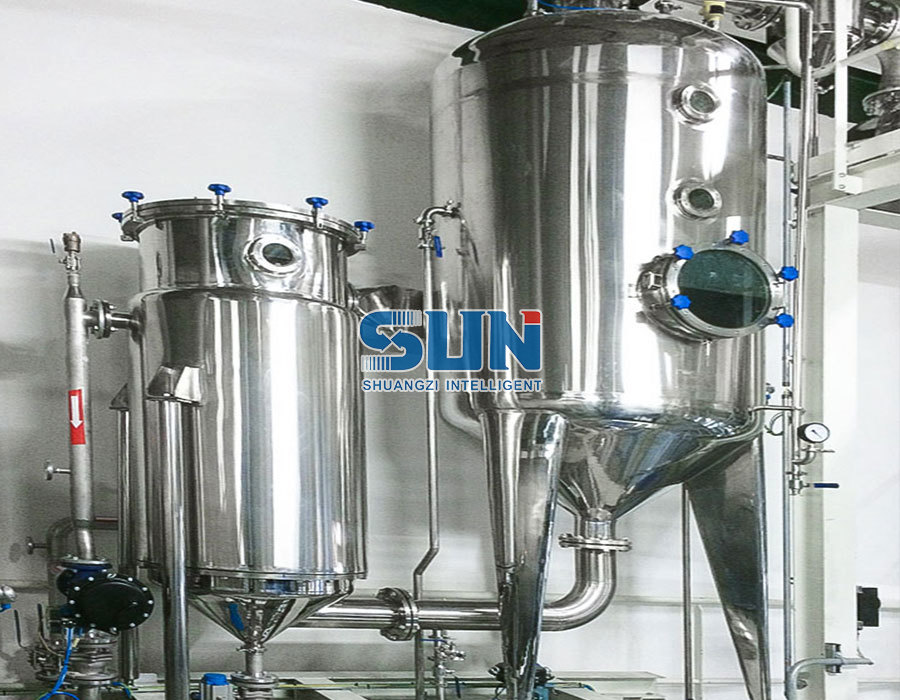
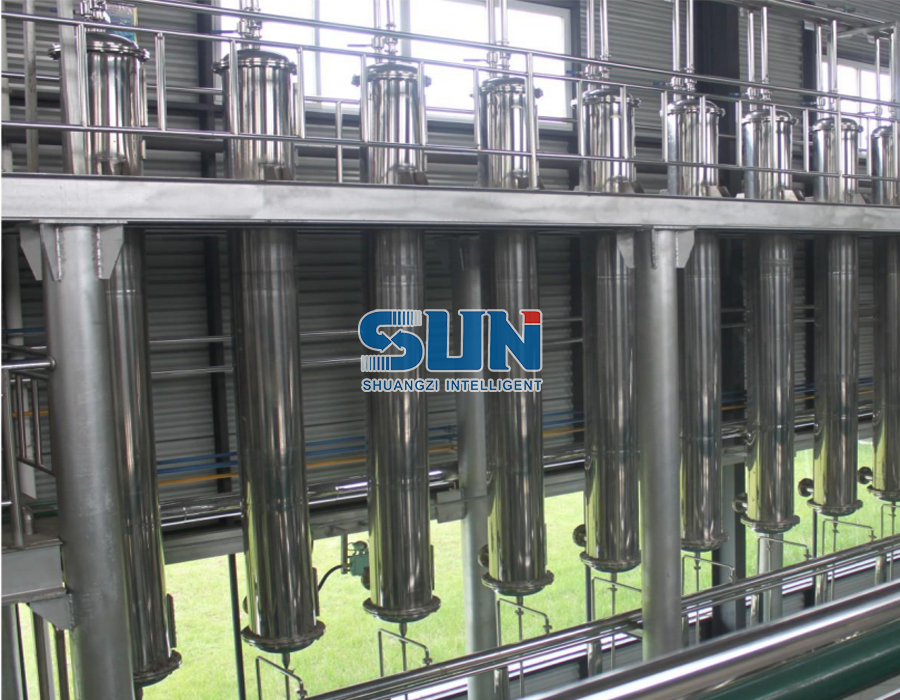
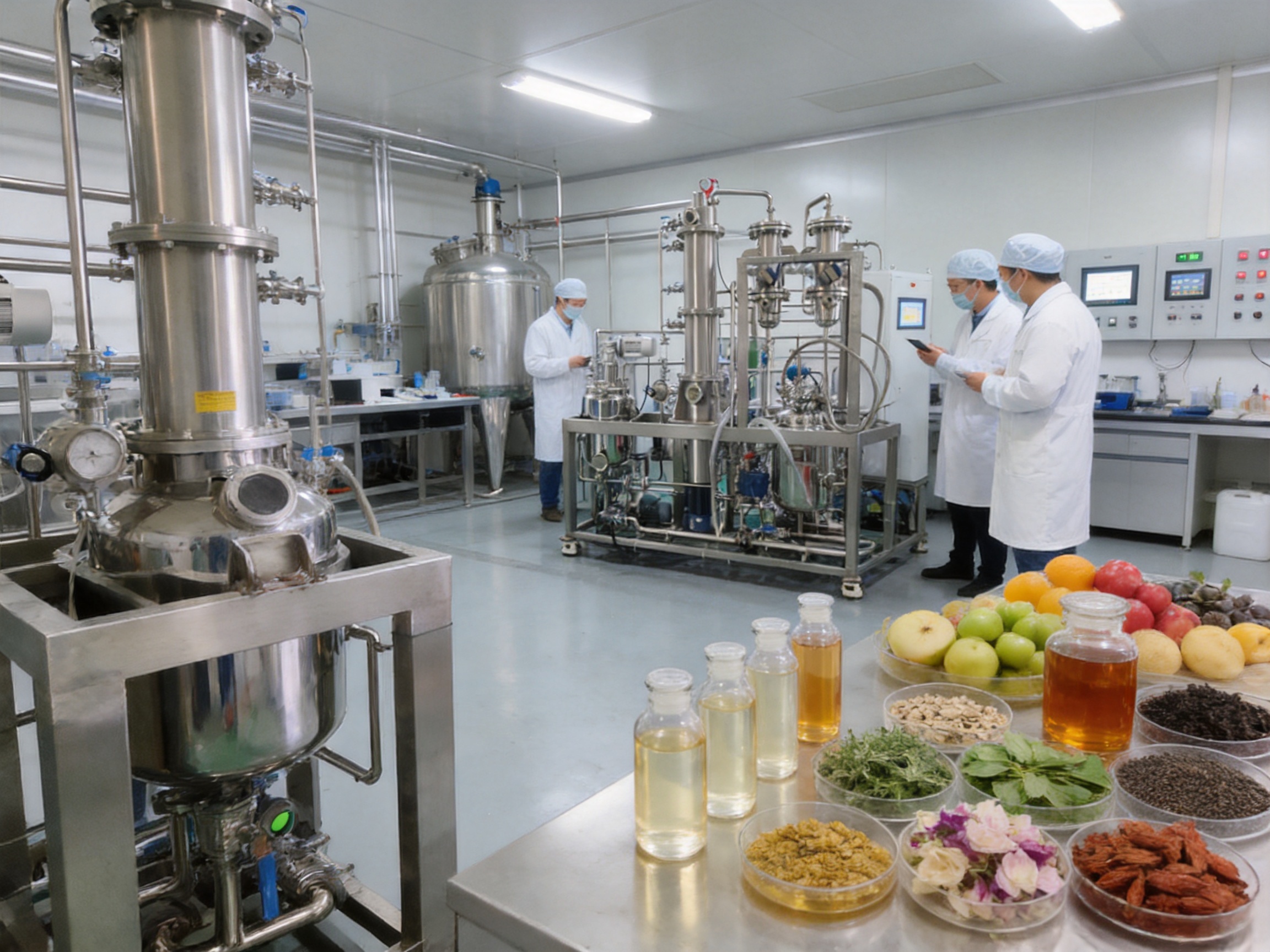
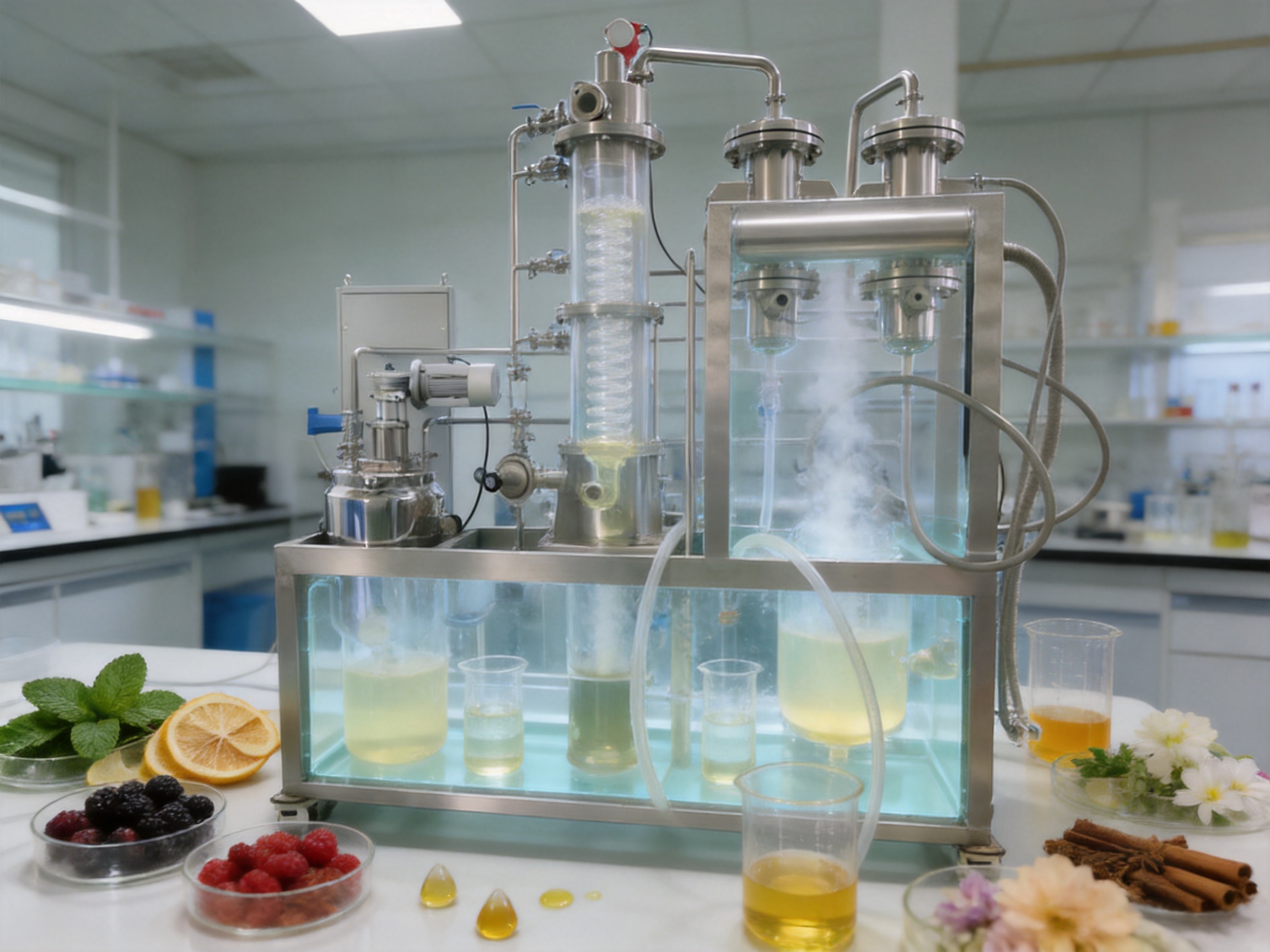
The laboratory vacuum rectification device for natural fragrance and flavor recovery is designed to address these challenges. It is a compact, sanitary, and highly adjustable separation system that combines vacuum rectification, low-temperature distillation, condensation, collection, and variable-frequency feeding in one integrated laboratory platform. The equipment is intended for research and development, process verification, formulation work, component analysis, and small-batch sample preparation.
By operating under reduced pressure, the device lowers the boiling temperatures of volatile substances. This makes it possible to recover aroma fractions at temperatures significantly lower than those required under atmospheric conditions. The result is a gentler separation process that helps preserve heat-sensitive fragrance molecules while improving control over fraction collection and product quality.
The equipment is suitable for natural fragrance and flavor research, food additives, plant extraction, biopharmaceutical development, essential-oil recovery, and related process development applications. Its design reflects the practical needs of modern laboratories: hygienic construction, flexible operation, compact installation, adjustable process parameters, reliable automation, and compatibility with future scale-up activities.
1. Product Overview
The laboratory vacuum rectification device is a lab-scale aroma recovery and separation system manufactured with sanitary stainless-steel components. It integrates the main functions needed for vacuum-based aroma recovery into a coordinated unit. These functions include feed preparation and controlled feeding, vacuum rectification, heating, vapor condensation, receiving and collection, vacuum regulation, and operating-parameter adjustment.
In a typical process, a liquid or liquid-containing feed derived from fruit, vegetables, herbs, spices, or botanical materials is introduced into the system at a controlled rate. The process chamber is placed under negative pressure using a vacuum system. As pressure decreases, volatile aroma compounds evaporate at lower temperatures. The generated vapors pass through the rectification and condensation sections, where separation and recovery take place according to differences in volatility, boiling point, and phase behavior.
Different fractions can be collected according to the selected operating conditions. Depending on the feed material and process objective, the system may be used to recover light aroma fractions, concentrate natural essential oils, remove unwanted volatile components, improve the odor profile of an extract, or prepare samples for further analytical evaluation.
The unit is not limited to one raw material or one type of product. Its adjustable design enables researchers to investigate different botanical feedstocks, solvent systems, aroma profiles, and separation targets. The same equipment can support early-stage feasibility studies, laboratory formulation, pilot process development, and small-batch production of high-value samples.
2. Working Principle of Vacuum Rectification
Rectification is a separation method based on repeated vaporization and condensation. When a mixture contains components with different volatilities, the vapor phase becomes richer in more volatile compounds than the original liquid. By providing controlled contact between vapor and liquid phases, rectification can improve separation efficiency and produce fractions with different compositions.
Vacuum rectification applies this principle under reduced pressure. Since the boiling point of a liquid decreases as pressure decreases, volatile components can be evaporated at lower temperatures. This is particularly important for natural fragrances and flavors because many aroma molecules can be damaged by excessive heat, extended residence time, or exposure to air.
The process may be adjusted through several variables. These include the vacuum level, feed rate, heating intensity, condensation temperature, reflux conditions, operating time, and collection strategy. By changing these parameters, operators can influence the volatility-based separation and determine which fractions are recovered first, which are returned for additional separation, and which are collected as final products or analytical samples.
In aroma applications, maintaining a low thermal load is often more important than achieving the highest possible evaporation rate. Excessive heat may produce cooked, burnt, oxidized, or otherwise altered notes. Vacuum operation helps create a balance between evaporation efficiency and aroma preservation. The equipment therefore supports a process philosophy centered on gentle treatment, controlled exposure, and accurate fraction recovery.
The system can be configured for different research objectives. For example, a laboratory may use it to recover a highly volatile top note from a fruit concentrate, remove a strong off-odor from a botanical extract, separate an essential-oil fraction, or compare aroma recovery performance under different pressure and temperature combinations.
3. Main Components and Integrated Functions
Sanitary Stainless-Steel Process Construction
The process-contact sections are constructed from sanitary stainless steel to support hygienic operation, corrosion resistance, cleanability, and long-term service. Stainless-steel construction is widely used in food, pharmaceutical, botanical extraction, and bioprocessing environments because it provides a durable and nonporous surface that is suitable for repeated cleaning.
The sanitary design helps reduce the risk of contamination and minimizes the possibility that the process material will absorb unwanted odors or react with unsuitable construction materials. It also makes the equipment appropriate for laboratories that handle multiple products and need dependable cleaning between trials.
Vacuum Rectification Section
The rectification section provides the controlled vapor-liquid contact required for separation. Its role is to improve the distinction between components with different volatility characteristics. The section can be operated under adjustable vacuum and thermal conditions to suit the specific feed material and desired fraction.
For research purposes, flexibility is essential. Natural materials may vary considerably in water content, viscosity, aroma concentration, solids content, and composition. The rectification section must therefore support controlled experimentation rather than a fixed production recipe. Operators can evaluate different settings and document how each condition affects recovery, purity, aroma intensity, and product appearance.
Low-Temperature Heating System
The heating system supplies the energy needed for evaporation while supporting reduced-temperature operation. Because the equipment operates under vacuum, it can achieve evaporation at lower process temperatures than conventional atmospheric equipment. This helps limit thermal stress and supports the recovery of delicate aroma substances.
Low-temperature operation is especially valuable for natural products containing esters, aldehydes, terpenes, alcohols, ketones, and other compounds that may be sensitive to heat or oxidation. Gentle heating can help maintain the desired sensory profile and reduce the formation of degradation products.
Condensation and Collection System
After evaporation and rectification, the vapor stream enters the condensation section. The condenser removes heat from the vapor and converts the volatile compounds back into liquid form. The recovered liquid is then directed to a receiving or collection vessel.
Efficient condensation is important for both recovery yield and process stability. A properly controlled condenser limits the loss of valuable volatile substances to the vacuum outlet and helps maintain consistent operating pressure. The collection arrangement also allows researchers to separate different fractions and retain samples for sensory evaluation, chemical analysis, or formulation testing.
Variable-Frequency Feeding Control
The variable-frequency feeding system enables controlled adjustment of the feed rate. This function gives operators more control over residence time, evaporation load, vapor generation, and separation behavior. A slower feed rate may be useful when handling heat-sensitive or highly concentrated materials, while a higher rate may be appropriate for less demanding trials.
Controlled feeding also improves repeatability. Instead of relying solely on manual addition, the operator can establish a defined feeding profile and compare experimental results more reliably. This is important when a laboratory is developing a process that may later be transferred to a pilot or commercial system.
Vacuum and Automation Controls
The integrated control arrangement allows operators to adjust and monitor key parameters during operation. Depending on the configured model and project requirements, these parameters may include vacuum level, heating temperature, feed rate, operating time, and condenser conditions.
Higher automation reduces the need for constant manual intervention and helps improve process consistency. It also allows the operator to focus on experimental design, sample collection, and process observation. For laboratories conducting repeated trials, automated control can reduce variation between batches and create a more dependable record of process conditions.
4. Product Advantages Compared with Conventional Equipment
Lower Thermal Stress
The primary advantage of the device is its ability to perform separation under negative pressure. Conventional atmospheric distillation often requires higher temperatures, which can damage fragile aroma compounds. Vacuum rectification reduces the boiling temperature and therefore decreases the thermal burden placed on the feed.
This advantage is particularly relevant when working with natural materials whose quality depends on retaining fresh, floral, fruity, green, spicy, or herbal notes. A lower process temperature can reduce the risk of aroma distortion and help preserve the characteristics of the original raw material.
Improved Aroma Preservation
Natural fragrance recovery is not simply a matter of collecting any volatile material. The recovered fraction must retain a useful sensory character. The integrated low-temperature and condensation design supports the recovery of aroma components with reduced exposure to excessive heat and prolonged processing.
Compared with open heating or uncontrolled evaporation, the system offers a more protective environment. The closed process path can also reduce exposure to dust, ambient contaminants, and unnecessary contact with air. These factors are important when the recovered material is intended for high-value formulation or analytical work.
Flexible Laboratory Operation
A fixed-purpose machine may be efficient for one established production recipe but less useful in a research environment. The laboratory vacuum rectification device is designed for experimentation. Its adjustable vacuum, heating, feeding, condensation, and collection conditions allow users to investigate a broad range of materials and process strategies.
This flexibility enables laboratories to compare raw materials, evaluate pretreatment methods, develop fractionation procedures, and establish operating windows before investing in larger-scale equipment. The same platform can support multiple projects rather than being limited to one product line.
Integrated System Design
Separate laboratory components can create compatibility problems, complicated connections, inconsistent control, and additional operator workload. By integrating the main process functions into one coordinated unit, the device simplifies installation and operation.
An integrated system also helps reduce the number of transfer steps. Fewer transfers can lower the risk of material loss, contamination, and exposure to air. The compact arrangement is suitable for laboratories where floor space is limited but process functionality remains important.
Controlled and Repeatable Feeding
Manual feeding can introduce variation in flow rate and process loading. The variable-frequency feeding system improves control over the amount of material entering the process. This supports more consistent trials and makes it easier to compare results.
Repeatability is a major advantage in research and development. If the same process must be repeated for confirmation, scale-up data, or customer samples, controlled feeding helps reduce one important source of variation.
Sanitary and Cleanable Construction
Natural extracts, essential oils, food ingredients, and pharmaceutical research materials require equipment that can be cleaned effectively. Sanitary stainless-steel construction supports hygienic operation and helps prevent cross-contamination between experiments.
The nonporous metal surface is also less likely to retain odor compared with unsuitable polymeric materials. This is valuable when the laboratory processes different botanical materials with distinctive aroma profiles.
Support for Scale-Up Decisions
Laboratory equipment should provide more than a small amount of recovered product. It should also generate useful process knowledge. The adjustable operating parameters of this system allow researchers to understand the relationship between vacuum, temperature, feed rate, condensation, and fraction quality.
Such information can support the design of pilot systems and industrial processing lines. Although laboratory results must be confirmed during scale-up, well-controlled lab data can reduce uncertainty and help identify the most promising process conditions.
5. Application Areas
Natural Fragrance Research
The equipment is suitable for developing natural fragrance ingredients from botanical sources. Researchers can investigate how aroma fractions behave during vacuum separation, determine which fractions provide the most desirable sensory contribution, and prepare samples for perfumery or flavor formulation.
Applications may include the recovery of volatile compounds from flowers, leaves, roots, seeds, fruits, peels, spices, and other plant materials. The system can also be used to compare fresh and dried raw materials or to evaluate the effects of extraction and pretreatment conditions.
Flavor and Food Additive Development
Food developers often need aroma ingredients that provide recognizable natural character while meeting requirements for quality, stability, and consistency. The device can be used to recover aroma fractions from fruit and vegetable materials, botanical extracts, natural concentrates, and food-processing streams.
Recovered fractions may be evaluated in beverages, sauces, confectionery, dairy products, bakery products, seasonings, and other food formulations. Laboratory-scale processing allows developers to produce samples without committing to a large production run.
Essential-Oil Recovery
Essential oils contain complex mixtures of volatile components. Vacuum rectification can assist in recovering or refining selected fractions while reducing the thermal exposure that may occur during atmospheric distillation.
The equipment can support research into essential-oil composition, fraction collection, odor profile development, and blending studies. It may also be used to investigate how processing conditions influence color, aroma intensity, volatility, and storage behavior.
Botanical Extract Processing
Plant extracts may contain valuable volatile substances along with water, solvents, pigments, nonvolatile solids, and other components. The laboratory device can help researchers explore the separation of volatile aroma fractions from more concentrated botanical matrices.
Because botanical materials vary widely, process development is often necessary before a reliable commercial procedure can be established. A flexible lab-scale system provides a practical way to test different feed concentrations, vacuum levels, and collection methods.
Biopharmaceutical and Pharmaceutical Research
The device may be used in pharmaceutical and biopharmaceutical research where controlled separation of volatile components or solvent-related fractions is required. Its sanitary construction and low-temperature operating principle are useful when product quality and material protection are priorities.
Applications should always be evaluated against the specific regulatory, validation, containment, and cleaning requirements of the intended process. The equipment can serve as a development platform for laboratory investigations, formulation studies, and small-batch preparation.
Process Analytical and Component Studies
Recovered fractions can be submitted for chromatographic, spectroscopic, sensory, or other analytical evaluation. By collecting fractions at different stages, researchers can study the distribution of volatile components and determine how operating conditions influence composition.
This capability is valuable for building a relationship between chemical composition and sensory performance. It can help identify the fractions responsible for desirable notes, undesirable odors, or product instability.
6. Typical Laboratory Process Flow
A laboratory trial generally begins with raw-material preparation. The feed may be an extract, concentrate, juice, botanical slurry, essential-oil mixture, or another liquid-compatible material. Before processing, the operator should assess solids content, viscosity, expected volatile composition, compatibility with the equipment, and any safety considerations.
The prepared material is loaded into the feed vessel or designated process area. The system is then checked for cleanliness, correct connections, adequate sealing, and proper collection-vessel installation. The condenser and vacuum system are brought to the required operating condition before feeding begins.
Once the desired vacuum level and thermal conditions are established, the feed is introduced at a controlled rate. Volatile components evaporate under reduced pressure and move through the rectification section. The vapor then reaches the condenser, where it is converted into liquid and collected.
During operation, the operator monitors pressure, temperature, feed rate, condensate appearance, collection volume, and process stability. Samples may be collected at defined time intervals or when operating conditions change. The final fractions are labeled and stored according to their intended analysis or application.
After the trial, the equipment is drained and cleaned. A complete process record should include raw-material information, batch size, vacuum conditions, heating conditions, feeding profile, collection data, observations, and analytical results. This documentation is essential for comparing trials and creating a reliable scale-up basis.
7. Key Technical Considerations
Raw-Material Characteristics
The composition of the feed strongly affects the separation process. Materials with high water content may behave differently from concentrated extracts or solvent-containing mixtures. Viscosity, suspended solids, emulsion tendency, and foaming behavior can influence feeding and evaporation.
Before selecting operating conditions, users should understand the expected volatile components and their approximate volatility ranges. A preliminary laboratory trial is often useful for determining whether pretreatment, filtration, dilution, or concentration is required.
Vacuum Level
The vacuum level determines the boiling behavior of the feed and affects the temperature required for evaporation. A deeper vacuum may support lower-temperature operation, but the optimum condition depends on condenser capacity, material properties, vapor load, and the desired separation.
Vacuum should be adjusted gradually and monitored throughout the trial. Sudden pressure changes may cause foaming, bumping, entrainment, or unstable vapor flow. The most effective operating point is usually identified through controlled experimentation.
Temperature Management
Temperature must be high enough to provide useful evaporation but low enough to protect the aroma profile. The appropriate value depends on pressure and feed composition. Operators should avoid assuming that a single temperature is suitable for all botanical materials.
Monitoring both heating temperature and condensation conditions is important. A stable temperature profile helps improve repeatability and makes it easier to compare recovered fractions across different experiments.
Feed Rate
Feed rate affects the amount of material entering the evaporation zone and can influence vapor generation, residence time, and separation performance. A controlled, moderate feed rate is often preferable during early trials because it allows the operator to observe system behavior and prevent overloading.
Once stable conditions have been identified, the feed rate can be adjusted to evaluate productivity and recovery performance. The variable-frequency drive supports this optimization process.
Condensation Efficiency
Volatile aroma compounds can be lost if the condenser is unable to remove sufficient heat from the vapor stream. Condenser performance should therefore be considered together with feed rate, vacuum level, and heating intensity.
Efficient condensation helps improve recovery, stabilize the vacuum system, and produce a more representative sample. It also reduces the chance that valuable compounds will pass into downstream vacuum equipment.
Cleaning and Cross-Contamination Control
Because aroma compounds can be strong and persistent, cleaning is particularly important. Residual fragrance from one batch may affect the sensory profile of the next batch even when the residue is present in a very small amount.
A documented cleaning procedure should address the process vessel, rectification section, condenser, collection vessels, lines, seals, and other product-contact components. The selected cleaning method must be compatible with the materials of construction and the nature of the residues.
8. Comparison of Processing Approaches
| Processing approach | Thermal exposure | Control of volatile fractions | Suitability for heat-sensitive aromas | Laboratory development value |
|---|---|---|---|---|
| Open atmospheric heating | Generally high | Limited | Low to moderate | Limited repeatability |
| Simple atmospheric distillation | Moderate to high | Moderate | Moderate | Useful for basic screening |
| Uncontrolled evaporation | Variable | Low | Low to moderate | Limited process information |
| Laboratory vacuum rectification | Reduced through negative-pressure operation | High and adjustable | High potential | Strong support for research and scale-up |
The comparison shows why vacuum rectification is attractive for natural fragrance and flavor recovery. It does not eliminate the need for process development, but it provides a more controlled environment in which pressure, temperature, feeding, condensation, and fraction collection can be studied together.
9. Manufacturing Strengths and Engineering Capability
The equipment is produced by Zhejiang Shuangzi Intelligent Equipment Co., Ltd., a professional biology and medical equipment enterprise established in 2007. The company focuses on process technology, automation engineering design, equipment manufacture, supporting procurement, installation, system integration, and turnkey project delivery.
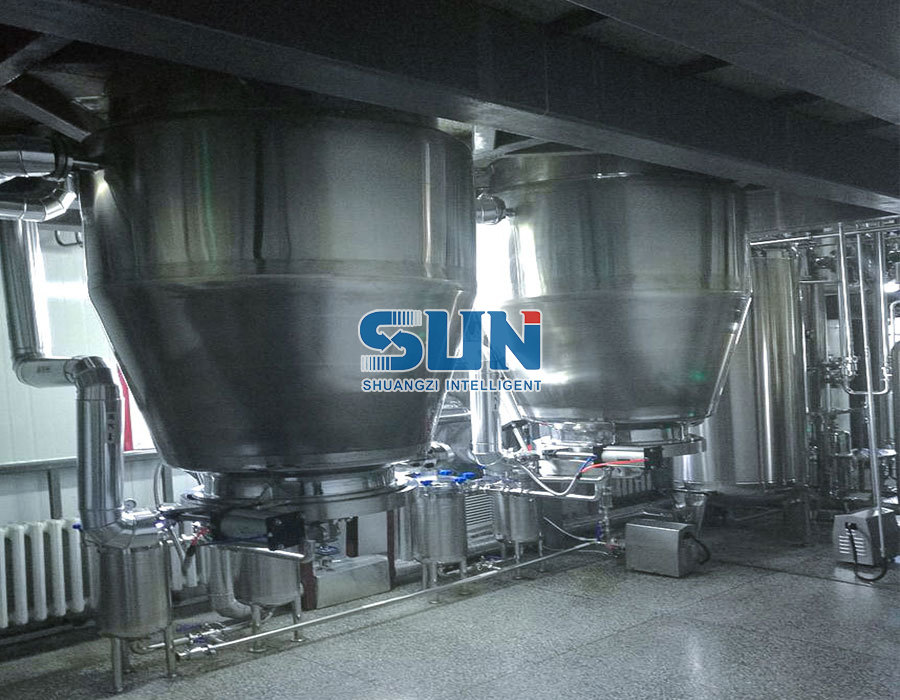
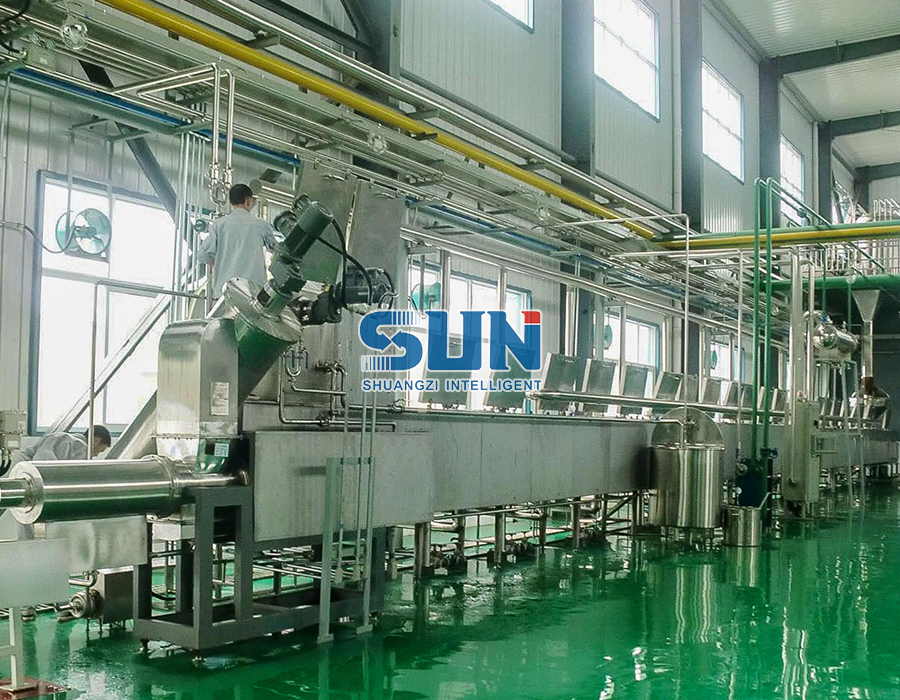
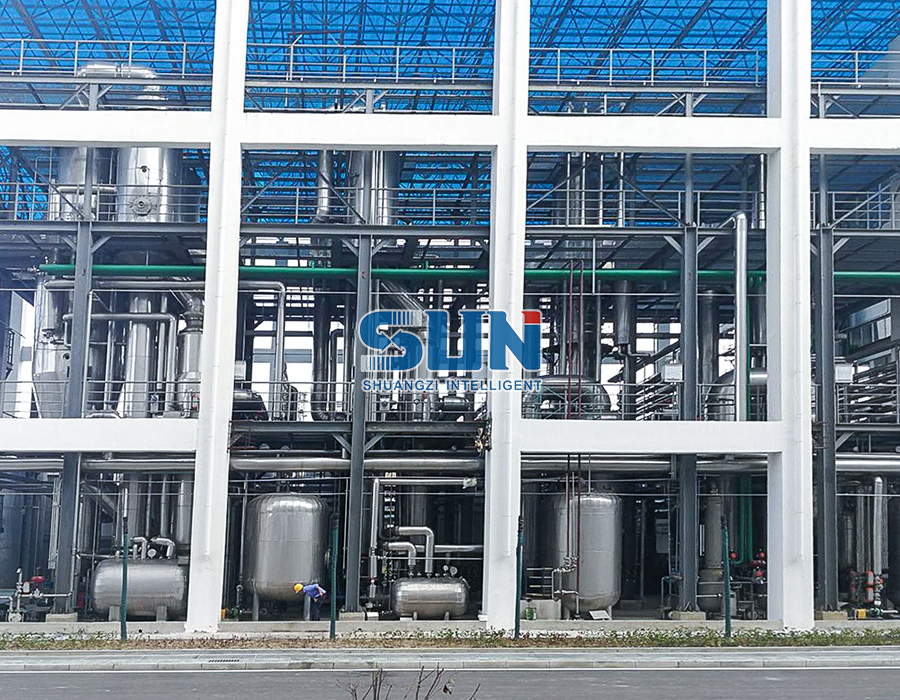
The company operates from a manufacturing base in Hangzhou, Zhejiang Province, with a floor area of approximately 16,706 square meters and a structure area of approximately 17,800 square meters. This production foundation supports the development and manufacture of equipment for plant extraction, biological fermentation, pharmaceutical engineering, natural food processing, energy conservation, and environmental protection.
Its manufacturing capability includes mature product lines for vacuum low-temperature drying, fermentation systems, evaporation and concentration, extraction, separation, crystallization, filtration, containers, and related process equipment. This broad portfolio is valuable because a laboratory vacuum rectification system may need to connect with upstream extraction, concentration, filtration, or downstream formulation processes.
Advanced Welding and Finishing
Sanitary equipment performance depends greatly on welding quality and surface finishing. The company has introduced advanced fabrication equipment, including plasma argon-arc welding machines, plasma cutting machines, and CAM CNC machining centers. These tools support accurate fabrication, consistent component dimensions, smooth process-contact surfaces, and reliable equipment assembly.
High-quality welding is particularly important in vacuum equipment. Poor welds, rough internal surfaces, or dimensional inconsistency can create leakage risks, cleaning difficulties, and unnecessary hold-up zones. Advanced welding and finishing methods help support the sanitary and vacuum requirements of laboratory processing.
Process and Automation Integration
The company’s strength extends beyond individual machine fabrication. Its engineering activities include process design, equipment design, installation, line debugging, and system integration. This integrated capability allows the equipment to be developed around the customer’s material properties, process objective, laboratory layout, utilities, and automation expectations.
For customers developing a complete natural-product process, the supplier can provide equipment and engineering support across multiple operations. These may include extraction, filtration, concentration, drying, separation, rectification, and collection. This reduces the need to coordinate several unrelated suppliers and can simplify project implementation.
Pilot and Research Platform Experience
The company maintains pilot production workshops and research and development platforms designed to support automation and GMP-related requirements. Such facilities provide a practical environment for testing process concepts, verifying equipment operation, and preparing a route from laboratory research to pilot production.
Experience with pilot systems is important because laboratory equipment must deliver meaningful process information. A machine that only produces a sample but does not allow process variables to be measured and compared may have limited value for scale-up. An engineering-oriented supplier can better understand the relationship between laboratory findings and future production requirements.
10. Why an Engineering-Oriented Supplier Matters
Purchasing a laboratory separation device is not only a hardware decision. The quality of results depends on the relationship between equipment design and process conditions. A supplier with process engineering capability can help evaluate raw materials, define the process route, select suitable components, and develop a control strategy.
This is particularly important for natural aroma recovery because botanical feedstocks are variable. A device that performs well with a clear, low-viscosity extract may require different feeding, heating, or separation conditions when used with a concentrated or solids-containing feed.
An engineering-oriented supplier can also support equipment matching. For example, an extraction system may need to be connected to a filtration system before the feed reaches the rectification unit. A downstream concentration or drying process may be required after volatile fraction recovery. Considering these relationships at the design stage can improve overall project efficiency.
Turnkey capability is another advantage. The company can provide process design, equipment selection, manufacture, installation, commissioning, and system integration. This is useful for customers who require more than a standalone laboratory unit and are planning a complete pilot line or production system.
11. Benefits for Research and Development Teams
Research teams can use the device to shorten the development cycle for new natural fragrance and flavor products. Instead of depending on large-scale trials, they can test multiple process conditions with relatively small quantities of raw material.
The system also supports structured experimentation. Researchers can vary one parameter at a time or design a broader experiment involving vacuum level, heating temperature, feeding rate, and condensation conditions. The collected samples can then be evaluated through sensory testing and analytical methods.
Because the system is adjustable, it can be used at different stages of development. Early experiments may focus on whether aroma recovery is technically feasible. Later experiments may focus on yield, composition, sensory quality, repeatability, and compatibility with a final formulation.
Laboratory-scale recovery is also useful when raw materials are expensive or seasonally limited. A small-batch device allows valuable materials to be used efficiently and reduces the financial risk associated with process development.
12. Quality, Safety, and Operational Responsibility
Vacuum and thermal processing require appropriate operating procedures. Personnel should be trained in vacuum equipment, hot surfaces, volatile materials, pressure changes, and chemical compatibility. The equipment should be installed with suitable utilities, ventilation, electrical protection, and access for maintenance.
Before processing an unfamiliar material, users should review its flammability, toxicity, volatility, corrosivity, and compatibility with stainless steel, seals, gaskets, and other components. If organic solvents or flammable aroma compounds are involved, the process must be evaluated according to applicable laboratory safety requirements.
Operators should not exceed the specified pressure, temperature, feed, or material limits of the equipment. Vacuum connections, seals, collection vessels, and condenser circuits should be inspected regularly. Any abnormal noise, unstable pressure, unexpected foaming, leakage, or unusual temperature change should be investigated before continuing operation.
Quality management should include equipment cleaning records, calibration records, batch documentation, maintenance records, and sample traceability. These practices are especially important when the recovered materials will be used for food, pharmaceutical, or regulated product development.
13. Installation and Service Support
Successful installation requires more than placing the equipment in a laboratory. The location should provide adequate floor strength, working space, ventilation, electrical power, cooling or chilled-water connections where applicable, drainage, and access for cleaning and maintenance.
The supplier can support users through equipment design, matching purchase, installation, commissioning, process debugging, and system integration. This service capability is valuable for customers who are unfamiliar with vacuum rectification or who need to connect the device with other process units.
Commissioning should include inspection of mechanical connections, verification of vacuum performance, testing of temperature control, confirmation of feeding behavior, evaluation of condenser operation, and review of collection performance. Operators should receive practical training in startup, shutdown, cleaning, troubleshooting, and routine maintenance.
Long-term service should include access to technical advice, spare parts, maintenance recommendations, and process consultation. A reliable service relationship helps protect the customer’s investment and supports future process improvements.
14. Recommended Selection Questions
Before ordering a laboratory vacuum rectification device, users should define the main process objective. Is the system intended for aroma recovery, essential-oil fractionation, solvent removal, sample preparation, off-odor reduction, or general separation research? Different objectives may require different configurations.
The user should also provide information about raw materials, expected batch size, feed viscosity, solids content, solvent composition, target fractions, desired temperature range, expected vacuum level, and collection requirements. These details help the supplier determine whether additional filtration, preheating, cooling, storage, or safety measures are required.
Automation requirements should be discussed in advance. Some laboratories need basic manual control, while others require data logging, recipe management, alarm functions, or integration with existing automation systems. The appropriate control level depends on the development stage and the intended future use.
Finally, users should consider future expansion. If the laboratory project may lead to pilot or commercial production, it is beneficial to select equipment and documentation that support scale-up. Consistent process terminology, recorded operating parameters, and a clear equipment history can simplify the transition to larger systems.
15. Frequently Asked Questions
Q1: What is the main purpose of this laboratory device?
The main purpose is to recover and separate volatile aroma components from fruits, vegetables, botanical materials, natural extracts, and related feedstocks under reduced pressure. It combines vacuum rectification, low-temperature operation, condensation, controlled feeding, and collection in one laboratory-scale system.
Q2: Why is vacuum used in aroma recovery?
Vacuum lowers the boiling temperature of volatile substances. This allows evaporation and separation at a lower thermal load than conventional atmospheric processing. Lower temperatures can help protect heat-sensitive fragrance and flavor compounds from degradation.
Q3: Can the equipment process essential oils?
Yes. The device can support essential-oil recovery and fractionation research. The exact operating conditions depend on the oil composition, desired fractions, viscosity, volatility, and safety requirements. A preliminary process evaluation is recommended for each new material.
Q4: Is the system suitable for food and pharmaceutical research?
The sanitary stainless-steel construction and low-temperature separation principle make the equipment suitable for many food, natural-product, biopharmaceutical, and pharmaceutical research applications. Users must still confirm that the selected configuration, cleaning method, materials, and operating procedures meet the requirements of their specific project.
Q5: Does the equipment support small-batch sample preparation?
Yes. It is designed as a laboratory-scale device and can be used for formulation development, analytical samples, process verification, and small-batch recovery of high-value aroma fractions.
Q6: How does variable-frequency feeding improve operation?
Variable-frequency feeding allows the operator to adjust the feed rate according to the material and process objective. This helps manage vapor generation, residence time, system loading, and repeatability. It is especially useful when comparing different experimental conditions.
Q7: Can the device be connected to other process equipment?
Yes. The supplier has experience with extraction, filtration, concentration, drying, separation, fermentation, and related process systems. The device can therefore be considered as part of a broader laboratory, pilot, or turnkey process line, subject to project-specific design.
Q8: What types of materials can be used as feed?
Potential feed materials include fruit and vegetable extracts, botanical liquids, essential-oil mixtures, natural flavor concentrates, plant-derived volatile fractions, and other compatible liquid or liquid-containing materials. Feed suitability should be evaluated based on viscosity, solids, corrosivity, volatility, foaming behavior, and thermal sensitivity.
Q9: How can aroma quality be evaluated after recovery?
Recovered fractions can be evaluated through sensory assessment, gas chromatography, mass spectrometry, physicochemical testing, stability studies, and formulation trials. Combining sensory and analytical data provides a stronger understanding of fraction quality.
Q10: Does the supplier provide installation and commissioning?
The company provides engineering services that may include process design, equipment design, manufacture, installation, line debugging, commissioning, and system integration. The exact service scope should be confirmed according to the customer’s project requirements.
Q11: Can the equipment help with future scale-up?
Yes. Its adjustable process parameters allow laboratories to collect information about pressure, temperature, feeding, condensation, fraction quality, and recovery behavior. These data can support pilot-scale design, although larger-scale validation remains necessary.
Q12: What makes this device different from simple laboratory evaporation equipment?
Simple evaporation equipment may provide limited control over fractionation and volatile recovery. This device integrates vacuum rectification, controlled feeding, condensation, and collection, providing a more complete platform for separation studies and repeatable aroma recovery experiments.
16. Conclusion
The laboratory vacuum rectification device for natural fragrance and flavor recovery is designed for researchers who need controlled, gentle, and flexible separation of volatile botanical components. Its combination of vacuum operation, low-temperature distillation, sanitary stainless-steel construction, controlled feeding, condensation, collection, and adjustable automation makes it a practical tool for modern natural-product development.
Compared with conventional atmospheric heating or uncontrolled evaporation, the equipment offers improved protection for heat-sensitive aroma compounds and provides more useful process information. It can support the recovery of natural essential oils, the development of food flavors, the preparation of formulation samples, the study of botanical extracts, and the evaluation of new separation processes.
The strength of the solution also comes from the manufacturer’s broader engineering capability. Experience in plant extraction, fermentation, evaporation, concentration, separation, filtration, drying, equipment fabrication, automation, installation, and turnkey project delivery enables the device to be considered not only as an individual laboratory machine but also as part of a complete process development strategy.
For laboratories seeking to preserve natural aroma quality while improving process repeatability and scale-up confidence, vacuum rectification offers an effective technical approach. With suitable raw-material assessment, parameter optimization, cleaning control, and analytical verification, the equipment can become a central platform for research into natural fragrances, flavors, essential oils, food additives, and related biological and pharmaceutical products.
References
1. Perry’s Chemical Engineers’ Handbook, sections on distillation, vapor-liquid equilibrium, evaporation, and vacuum processing.
2. Coulson and Richardson’s Chemical Engineering, Volume 2, topics covering particle technology, separation processes, and mass transfer.
3. Food Processing Engineering literature concerning aroma retention, thermal sensitivity, natural flavor recovery, and low-temperature processing.
4. Essential Oil Research literature concerning volatile-component composition, distillation, fractionation, condensation, and sensory evaluation.
5. Pharmaceutical Engineering references covering sanitary equipment design, cleaning considerations, process validation, and laboratory-scale development.
6. Good Manufacturing Practice guidance concerning hygienic equipment construction, documentation, cleaning, maintenance, and process control.
7. Technical information supplied for the laboratory vacuum rectification device for natural fragrance and flavor recovery.
8. Technical information supplied by Zhejiang Shuangzi Intelligent Equipment Co., Ltd. concerning process engineering, equipment manufacture, automation integration, pilot systems, and turnkey project services.