
 英语
 俄语
Content
- 1 1. The Role of Extraction in Botanical Manufacturing
- 2 2. Multifunctional Extraction for Diverse Raw Materials
- 3 3. Core Process Functions
- 4 4. Key Advantages Compared with Conventional Equipment
- 5 5. Production Capacity Options
- 6 6. Engineering and Manufacturing Strengths
- 7 7. Automation and Process Control
- 8 8. Applications Across Multiple Industries
- 9 9. Turnkey Project Services
- 10 10. Utility, Safety, and Facility Considerations
- 11 11. Cleaning, Maintenance, and Long-Term Reliability
- 12 12. How the System Creates Competitive Value
- 13 13. Recommended Project Development Process
- 14 14. Frequently Asked Questions
- 14.1 Q1: What materials can be processed with this extraction equipment?
- 14.2 Q2: Can the equipment use both water and ethanol?
- 14.3 Q3: What is countercurrent extraction?
- 14.4 Q4: What products can be made after extraction?
- 14.5 Q5: Is the equipment suitable for pharmaceutical production?
- 14.6 Q6: What capacity options are available?
- 14.7 Q7: Can the extraction line include concentration and drying?
- 14.8 Q8: Does the supplier provide installation and commissioning?
- 14.9 Q9: Why is pilot testing important?
- 14.10 Q10: How should customers prepare for a quotation?
- 15 15. Conclusion
- 16 References
- 17 Product: Chinese Herb Extractor Multifunctional Extraction Equipment
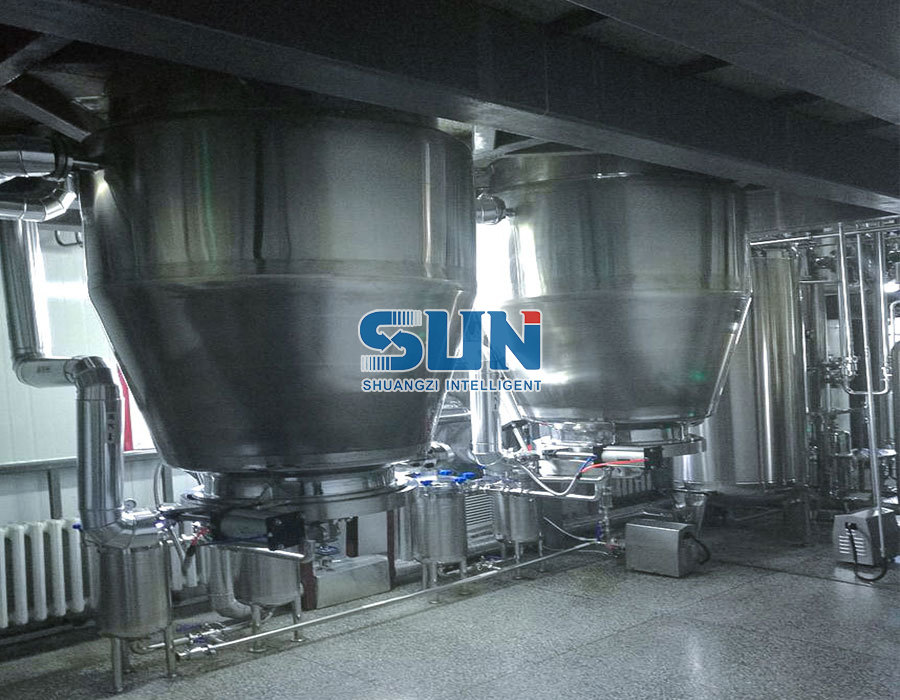
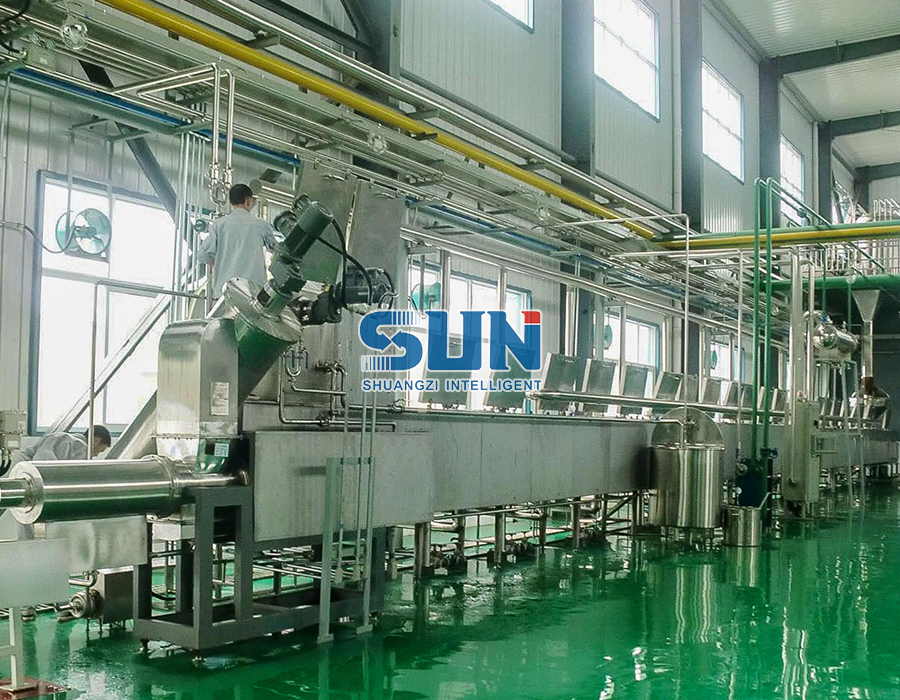
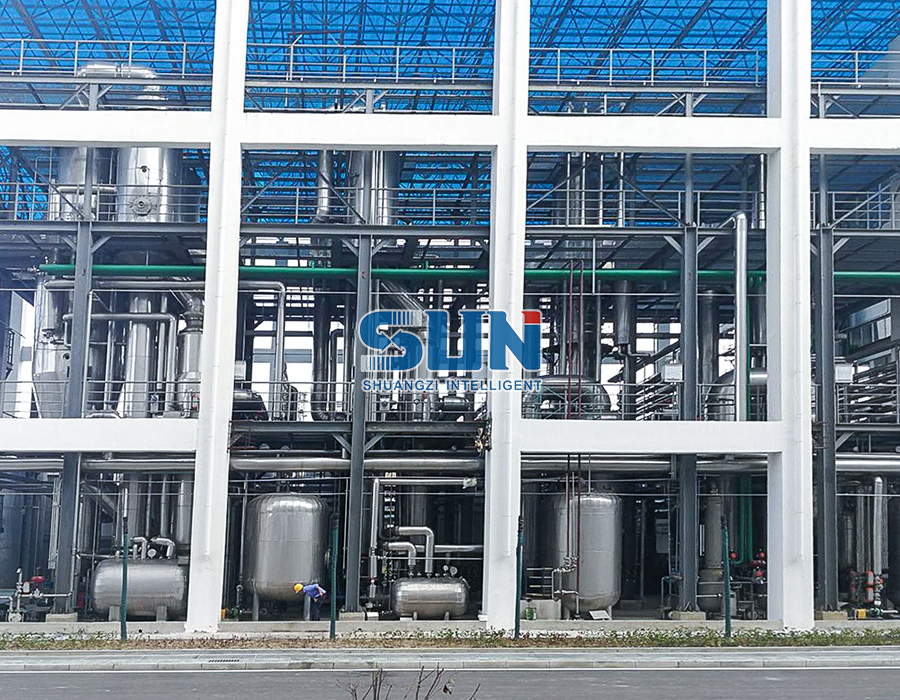
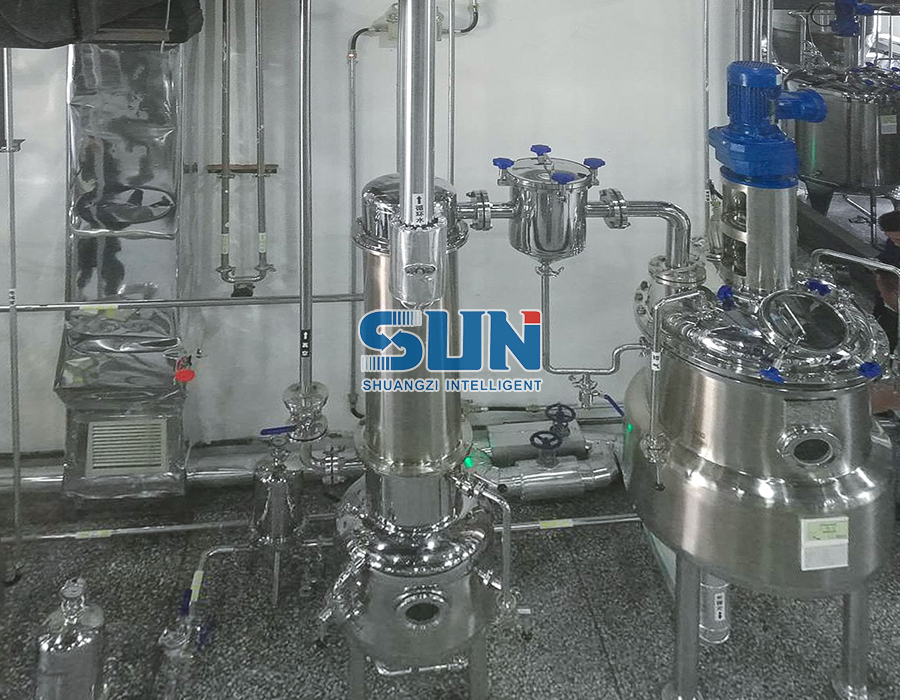
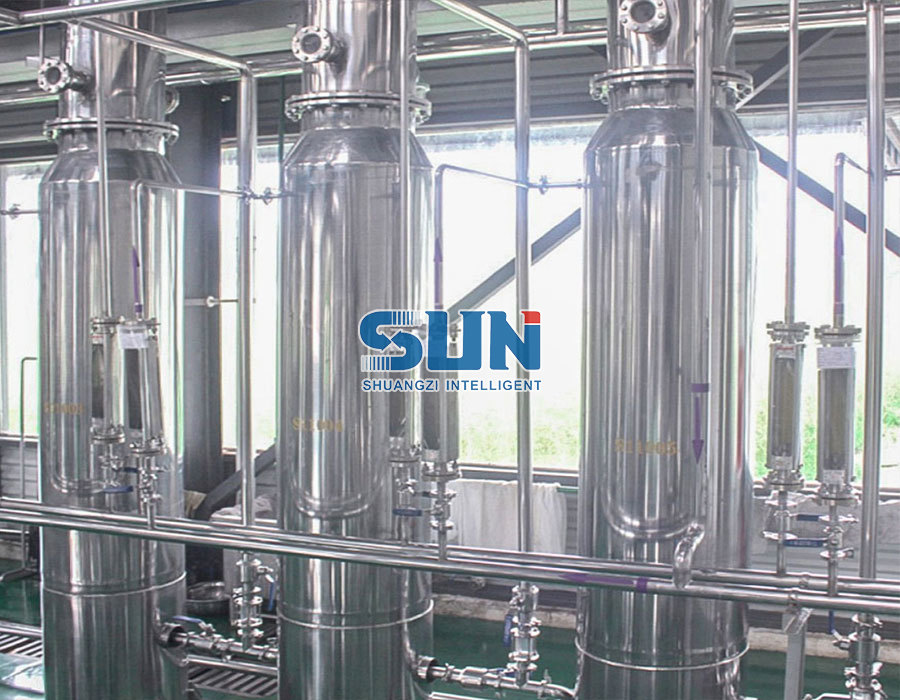
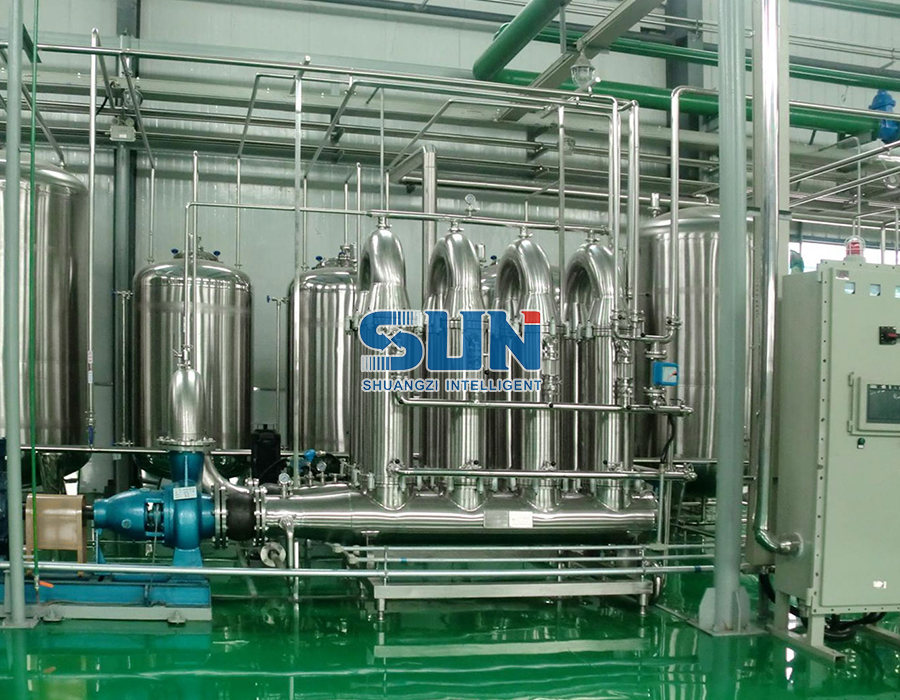
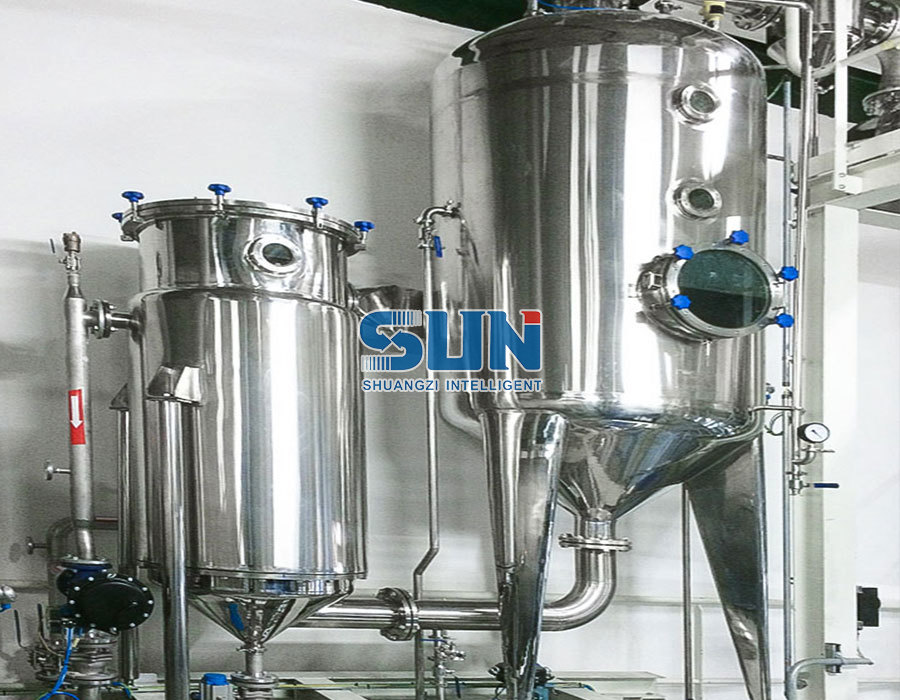
Chinese herbal medicine has become an important source of botanical ingredients for pharmaceutical products, health foods, nutritional supplements, cosmetics, veterinary medicines, and functional food formulations. As manufacturers seek reliable ways to convert plant materials into standardized liquids, concentrates, powders, granules, and other dosage forms, extraction equipment has become a central part of the production process. The Chinese Herb Extractor Multifunctional Extraction Equipment is designed to support this requirement through flexible extraction methods, efficient material handling, controlled processing conditions, and integration with downstream concentration, separation, drying, and filling systems.
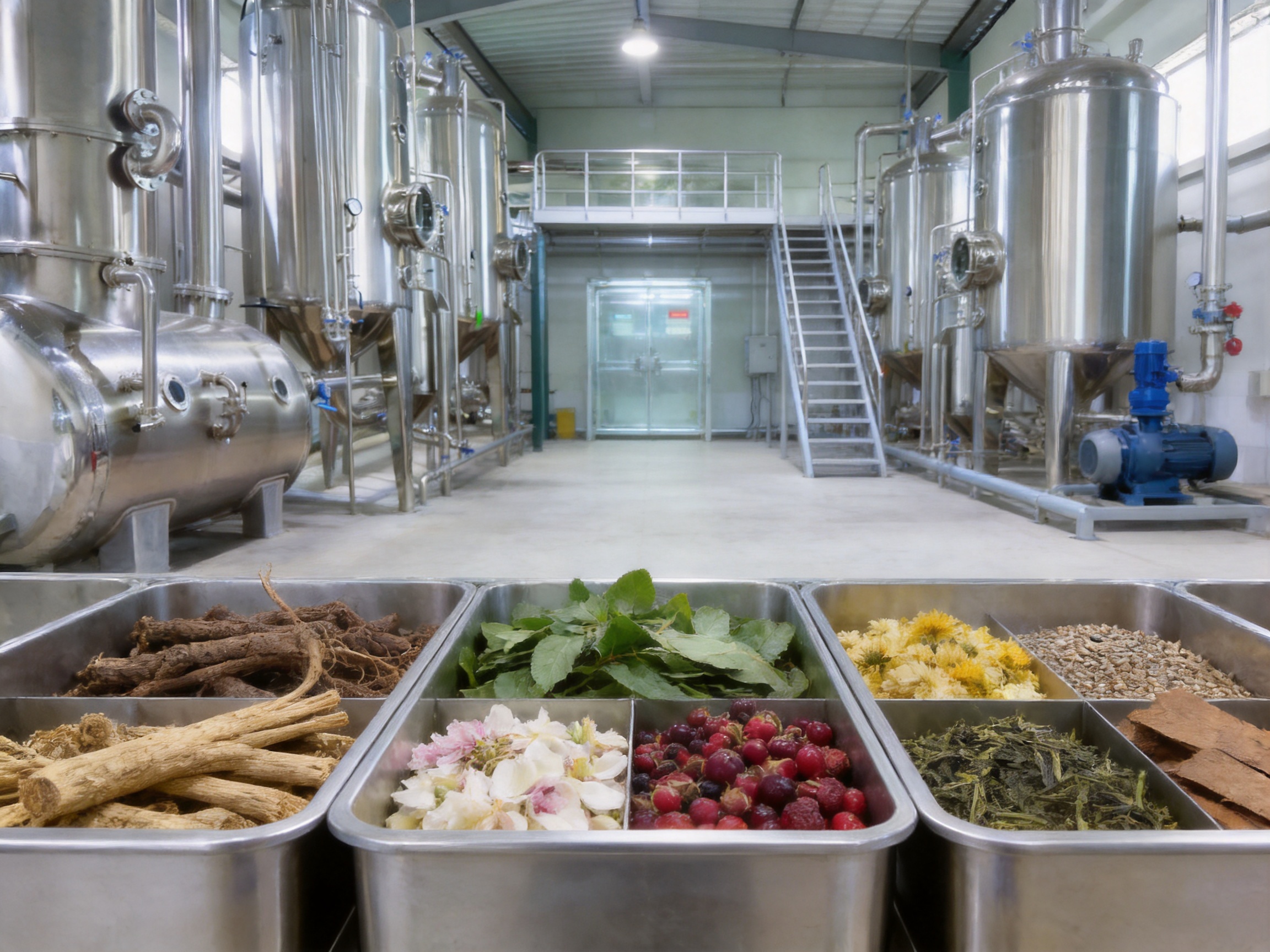
This equipment is suitable for processing a wide range of natural raw materials, including roots, stems, leaves, flowers, fruits, seeds, bark, animal-derived materials, mineral materials, and selected chemical or biological products. It can be configured for water extraction, ethanol extraction, countercurrent extraction, and other process arrangements selected according to the solubility, structure, thermal sensitivity, and target components of the raw material.
The system is not limited to one herb or one finished product. It can be applied to commonly processed materials such as honeysuckle, motherwort, goji berry, chrysanthemum, dandelion, tea, aromatic plants, and many other botanical resources. Through suitable process design, the same production platform can serve different recipes and product specifications, helping manufacturers improve equipment utilization and reduce the need for separate dedicated production lines.
Developed and manufactured by Zhejiang Shuangzi Intelligent Equipment Co., Ltd., the extraction system reflects an engineering approach that combines process technology, equipment fabrication, automation, system integration, installation, commissioning, and turnkey project support. This integrated capability is particularly valuable for companies that require more than an individual extraction tank and need a complete, coordinated production solution.
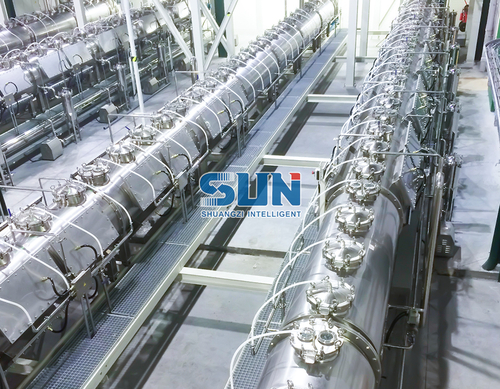
Chinese Herb Extractor Multifunctional Extraction Equipment
1. The Role of Extraction in Botanical Manufacturing
Plant materials contain a complex mixture of active compounds, structural fibers, proteins, pigments, oils, minerals, sugars, and other substances. The desired components may be water-soluble, ethanol-soluble, fat-soluble, volatile, heat-sensitive, or affected by pH and oxidation. The purpose of extraction is to transfer the target components from the solid raw material into a suitable liquid phase while limiting the transfer of unwanted substances.
In practical production, extraction is followed by one or more additional operations. These may include filtration, clarification, separation, evaporation, concentration, precipitation, crystallization, drying, blending, and packaging. The quality and efficiency of the extraction stage directly influence these downstream processes. A well-designed extraction system can provide a more consistent feed to the concentrator, improve the recovery of valuable ingredients, and reduce the burden on filtration and wastewater treatment.
Traditional open-vessel processing may produce variable results because of uneven heating, uncontrolled solvent ratios, poor agitation, excessive exposure to air, and inconsistent residence time. Modern extraction equipment addresses these concerns through enclosed vessels, controlled heating, improved circulation, optional agitation, automated temperature management, and engineered transfer systems. These features help create repeatable processing conditions from batch to batch.
The appropriate extraction method depends on the raw material and the intended product. Water extraction is frequently selected when the target substances dissolve well in water and when the final product is intended for food, traditional medicine, or other water-compatible applications. Ethanol extraction is useful for many flavonoids, alkaloids, polyphenols, essential components, and other compounds with greater solubility in ethanol or hydroalcoholic mixtures. In some projects, a sequence of extraction methods is used to separate fractions with different properties.
2. Multifunctional Extraction for Diverse Raw Materials
The principal advantage of multifunctional extraction equipment is adaptability. A botanical processing facility may handle several raw materials during the year, and these materials may differ substantially in particle size, bulk density, moisture content, fiber structure, solvent requirement, and extraction temperature. A fixed system designed for only one material can become a production limitation. A multifunctional system, by contrast, can be configured to accommodate different recipes and operating modes.
The equipment can support the extraction of chopped herbs, coarse plant pieces, tea materials, flowers, fruit materials, seeds, roots, and other solid feedstocks. Depending on the application, the production line may include raw material preparation, crushing or cutting, conveying, extraction, coarse filtration, fine filtration, concentration, drying, and packing. The equipment arrangement is selected according to the product specification, production scale, factory layout, cleaning requirements, and automation level.
For water extraction, the system can be designed to control the water-to-material ratio, extraction temperature, extraction time, circulation rate, and number of extraction stages. For ethanol extraction, the design can include solvent storage, metering, recovery, condensation, and explosion-protection considerations where required by the process and applicable regulations. A suitable solvent recovery arrangement can help reduce solvent consumption and support safer, more economical operation.
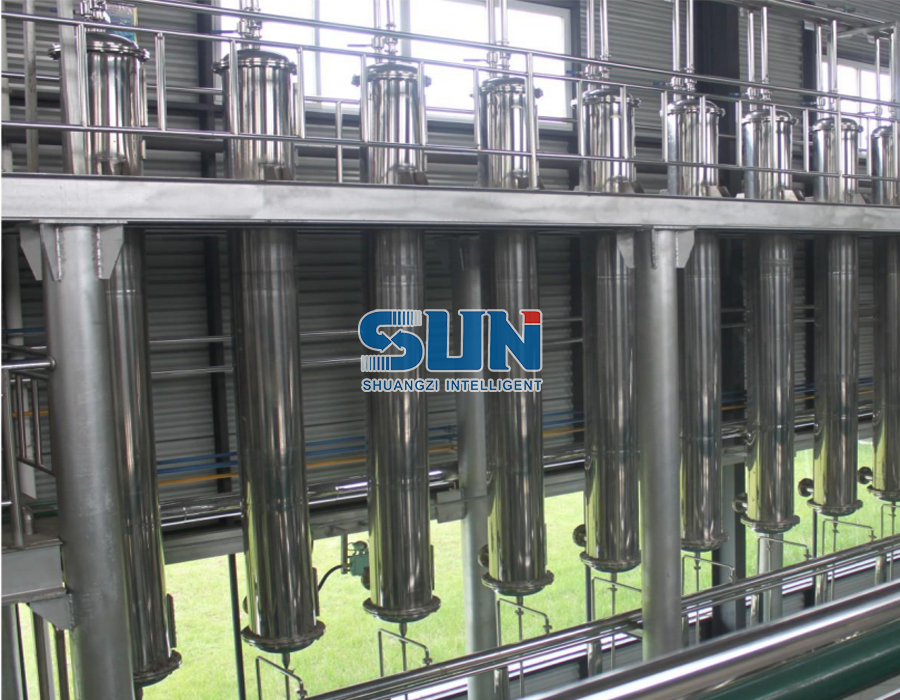
The system may also be configured for countercurrent extraction. In countercurrent processing, the solvent and plant material move through the extraction system in opposing directions. Fresh or relatively clean solvent contacts material that has already released part of its soluble content, while more concentrated liquid contacts fresher material at another point in the process. This arrangement can improve the driving force for mass transfer and potentially reduce solvent use compared with certain conventional batch methods.
Countercurrent extraction is especially attractive when the plant material has a consistent composition and when continuous or semi-continuous operation is desirable. It can help improve extraction efficiency, stabilize liquid concentration, and create a more predictable feed for subsequent evaporation. However, the most suitable configuration must be determined through process development, because factors such as particle size, swelling, channeling, fiber content, and solid-liquid separation behavior influence the final result.
3. Core Process Functions
3.1 Raw Material Preparation
Effective extraction begins with appropriate raw material preparation. Foreign matter should be removed, and the material should be inspected for moisture, particle size, color, odor, and other quality indicators. Depending on the raw material, preparation may include sorting, washing, cutting, crushing, drying, or controlled preconditioning.
Particle size is particularly important. Material that is too coarse may expose insufficient surface area to the solvent, leading to incomplete extraction. Material that is too fine may create excessive resistance during filtration, produce suspended solids, or make the extract difficult to clarify. The extraction line can therefore be matched with suitable preparation equipment and operating procedures so that the raw material enters the extraction vessel in a consistent form.
3.2 Extraction Vessels and Circulation
The extraction vessel is the main processing area where the solvent contacts the plant material. The vessel design can be selected according to working volume, pressure or vacuum requirements, heating method, internal circulation, discharge method, and cleaning strategy. Proper geometry and circulation help reduce dead zones and improve contact between solids and liquid.
Heating may be provided through a jacket, internal heat-transfer surface, or another suitable arrangement. The system can be engineered for controlled temperature rise rather than uncontrolled boiling. This is important for botanical materials that contain heat-sensitive compounds or volatile components. Where necessary, vacuum operation can be incorporated to reduce boiling temperature and limit thermal exposure.
Agitation and circulation must be selected carefully. Excessive mechanical agitation can break plant fibers, increase fine particles, and complicate filtration. Insufficient circulation can leave areas of poor solvent contact. A balanced design aims to improve mass transfer without unnecessarily damaging the material structure.
3.3 Solid-Liquid Separation
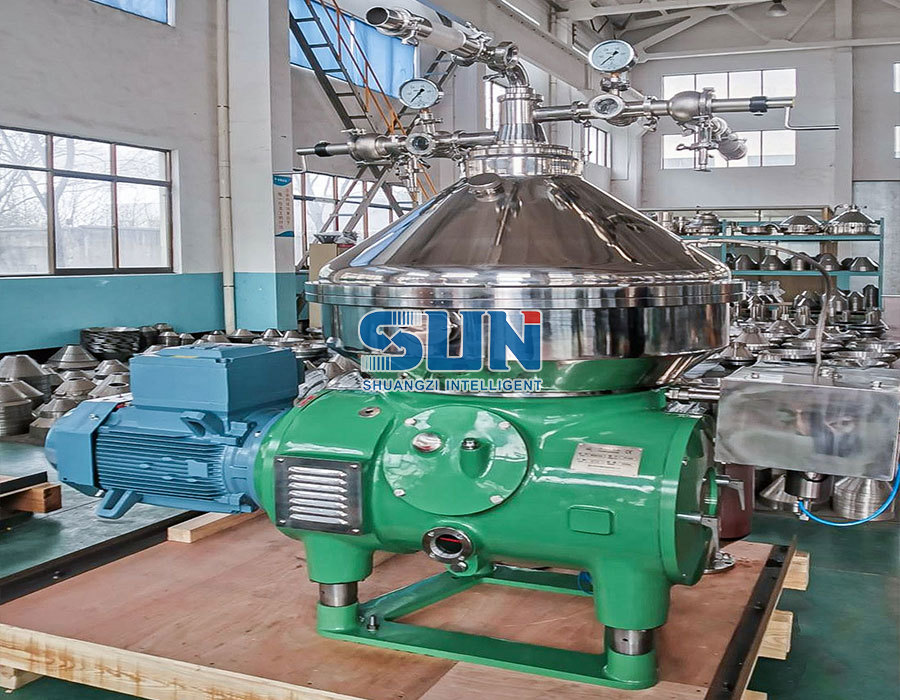
After extraction, the liquid must be separated from spent plant material. The separation stage may involve screens, filters, strainers, centrifugal equipment, filter presses, or other equipment selected according to the extract properties. The correct separation strategy helps protect pumps, evaporation equipment, and downstream membranes or filters.
Many botanical extracts contain colloids, fine fibers, proteins, pigments, and suspended particles. For this reason, a production line may use staged filtration rather than relying on a single filter. Coarse separation can remove larger particles, while subsequent filtration can improve clarity. The final filtration level depends on whether the product will be sold as a crude extract, concentrated liquid, clear oral liquid, powder, or another formulation.
3.4 Concentration and Solvent Recovery
Extract liquids frequently contain a high proportion of water or solvent. Evaporation and concentration reduce liquid volume, increase solids content, and prepare the product for drying or formulation. The concentration system can be designed to minimize thermal damage, reduce energy consumption, and recover valuable solvent when ethanol is used.
Vacuum concentration is useful for materials whose quality may deteriorate at high temperatures. By reducing the operating pressure, the boiling point of the liquid can be lowered. This may help preserve color, aroma, flavor, and heat-sensitive compounds. The final operating parameters depend on the product, solids concentration, viscosity, foaming tendency, and desired throughput.
Solvent recovery is an important consideration in ethanol extraction. A suitable condenser and recovery arrangement can collect evaporated ethanol for reuse or controlled handling. This can reduce operating expenses and improve process safety. The detailed design must account for solvent concentration, ventilation, electrical classification, fire protection, and local regulatory requirements.
3.5 Drying and Final Product Formation
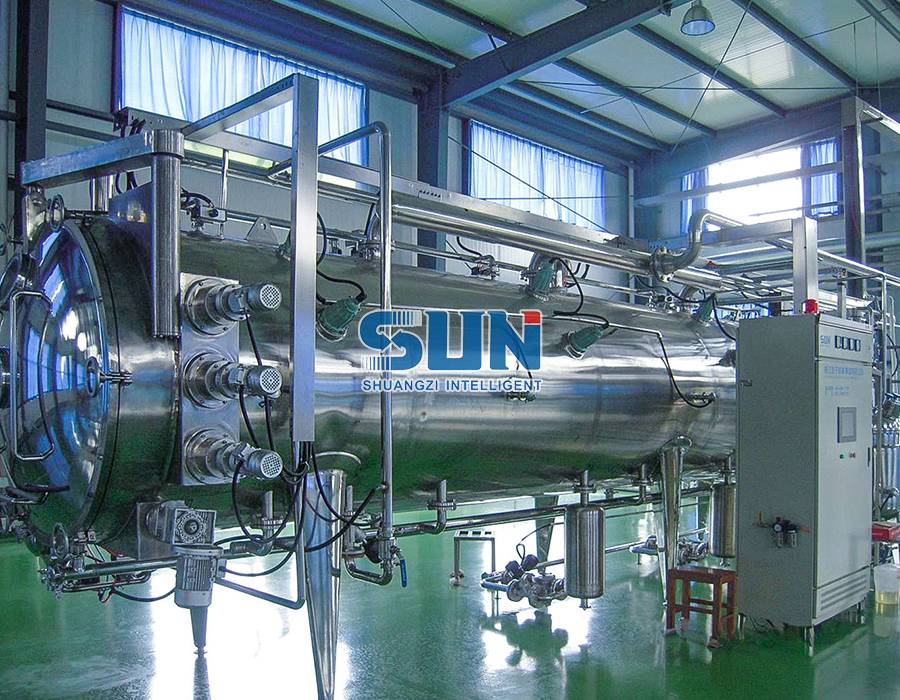
Concentrated extracts may be converted into powders, granules, or other solid forms. The company’s product portfolio includes vacuum low-temperature drying equipment, which can be integrated into an extraction project when a dry extract is required. Drying conditions should be selected according to the hygroscopicity, thermal sensitivity, residual solvent requirements, and intended storage stability of the extract.
A dry botanical extract can be easier to transport, dose, blend, and incorporate into tablets, capsules, granules, powders, and other formulations. However, drying must be controlled to avoid excessive oxidation, caking, loss of volatile components, and uneven moisture distribution. Product temperature, chamber pressure, drying time, loading thickness, and final moisture content all influence the outcome.
4. Key Advantages Compared with Conventional Equipment
4.1 Flexible Water and Ethanol Extraction
One of the main competitive advantages of the multifunctional system is its ability to support more than one extraction solvent and process mode. Conventional equipment may be optimized for a single water-based recipe and require substantial modification before it can process ethanol-soluble botanical components. A properly configured multifunctional line offers a broader operating range and can support both water and ethanol extraction projects.
This flexibility is valuable for manufacturers whose product portfolio changes over time. A company may begin with water extracts and later introduce flavonoid-rich, polyphenol-rich, or other ethanol-based products. With appropriate engineering, the same overall facility can be expanded or adapted rather than replaced completely.
4.2 Improved Process Consistency
Repeatability is essential in botanical manufacturing because natural raw materials vary from season to season and from supplier to supplier. Although equipment cannot eliminate raw material variation, controlled process parameters can reduce the additional variation caused by inconsistent operation. Temperature, time, solvent ratio, circulation, pressure, and discharge conditions can be monitored and recorded to support more stable production.
Automation also reduces dependence on manual intervention. Automated valves, instrument panels, pumps, temperature sensors, level controls, and programmed operating sequences can help operators follow approved procedures. Data recording can support batch review, troubleshooting, process optimization, and quality documentation.
4.3 Countercurrent Processing Potential
Compared with some basic batch systems, a countercurrent arrangement can provide more effective solvent utilization and improved contact between the solvent and the plant material. It can also support a more continuous production rhythm and reduce repeated loading and unloading operations. These benefits may increase output per unit of installed equipment, although the final advantage depends on the raw material and process design.
The countercurrent concept can be particularly useful when the extraction target is readily soluble and the solids can move through the system without excessive compaction or blockage. Proper design of conveying, solvent distribution, drainage, and spent-material discharge is essential. The system should be developed around actual material behavior rather than theoretical flow alone.
4.4 Enclosed and Hygienic Processing
Enclosed processing reduces unnecessary exposure of the product to the surrounding environment. It can also limit odor release, reduce contamination risk, and improve the working environment. Stainless steel construction and hygienic welding practices are commonly selected for pharmaceutical, food, and health product applications.
Hygienic design also considers internal surface finish, drainability, cleanability, gasket selection, dead-leg reduction, and accessibility for inspection. These details are important because residues from one botanical product can affect the next product if cleaning is inadequate. The equipment configuration can be developed according to the required cleaning method, whether manual cleaning, clean-in-place operation, or a combination of both.
4.5 Integration with Complete Production Lines
A major difference between a standalone equipment supplier and an engineering-oriented manufacturer is the ability to connect individual machines into a complete process. The extraction vessel is only one part of a botanical production line. Pumps, piping, filters, tanks, heat exchangers, evaporators, condensers, dryers, controls, platforms, and utility systems must work together.
Integrated engineering reduces interface problems between different suppliers. It can simplify installation, commissioning, operator training, spare parts management, and future expansion. A coordinated design also makes it easier to balance capacities across the line. For example, the extraction system, filtration section, concentrator, and dryer should not be selected independently if one section will become a bottleneck.
5. Production Capacity Options
The extraction equipment is available in a range of operational capacities. The listed biomass capacities extend from 500 kilograms per hour to 10,000 kilograms per hour. These figures provide a general basis for project planning, but actual capacity depends on the raw material, moisture level, bulk density, solvent ratio, extraction cycle, number of stages, and required extraction yield.
| Nominal Model | Operational Biomass Capacity | Typical Planning Application |
|---|---|---|
| 500 | 500 kg/h | Pilot-scale production and small commercial lines |
| 1000 | 1,000 kg/h | Small to medium botanical processing |
| 2000 | 2,000 kg/h | Medium-scale extract production |
| 3000 | 3,000 kg/h | Growing commercial production facilities |
| 4000 | 4,000 kg/h | Medium to large industrial projects |
| 5000 | 5,000 kg/h | High-volume botanical processing |
| 6000 | 6,000 kg/h | Large-scale extraction operations |
| 8000 | 8,000 kg/h | High-capacity continuous or semi-continuous lines |
| 10000 | 10,000 kg/h | Large industrial biomass processing projects |
Capacity selection should not be based only on the maximum hourly biomass figure. A complete evaluation should include annual operating hours, number of production shifts, batch duration, raw material availability, product concentration, extraction yield, cleaning time, and planned future expansion. A line that is too large may create unnecessary capital and utility costs, while a line that is too small may restrict market growth.
For new products, pilot testing is recommended before final equipment sizing. Pilot production can establish extraction time, liquid-to-solid ratio, temperature profile, filtration behavior, concentration performance, and drying characteristics. The resulting information can then be used to scale the process to commercial production with a clearer understanding of risks and expected performance.
6. Engineering and Manufacturing Strengths
6.1 EPC and EPCM Capability
Zhejiang Shuangzi Intelligent Equipment Co., Ltd. operates with EPC and EPCM capabilities at the center of its engineering model. This means that the company can participate in engineering design, procurement coordination, equipment manufacturing, project management, installation, commissioning, and system integration. For customers, this can create a single technical interface for a complex project.
An EPC or EPCM approach is useful when the customer needs a turnkey solution rather than a collection of unrelated machines. The project can be developed from process requirements through equipment selection, layout planning, utility estimation, control architecture, installation, and performance testing. Responsibilities and technical interfaces can be coordinated at an earlier stage, reducing the likelihood of incompatible equipment or incomplete scope.
6.2 Manufacturing Infrastructure
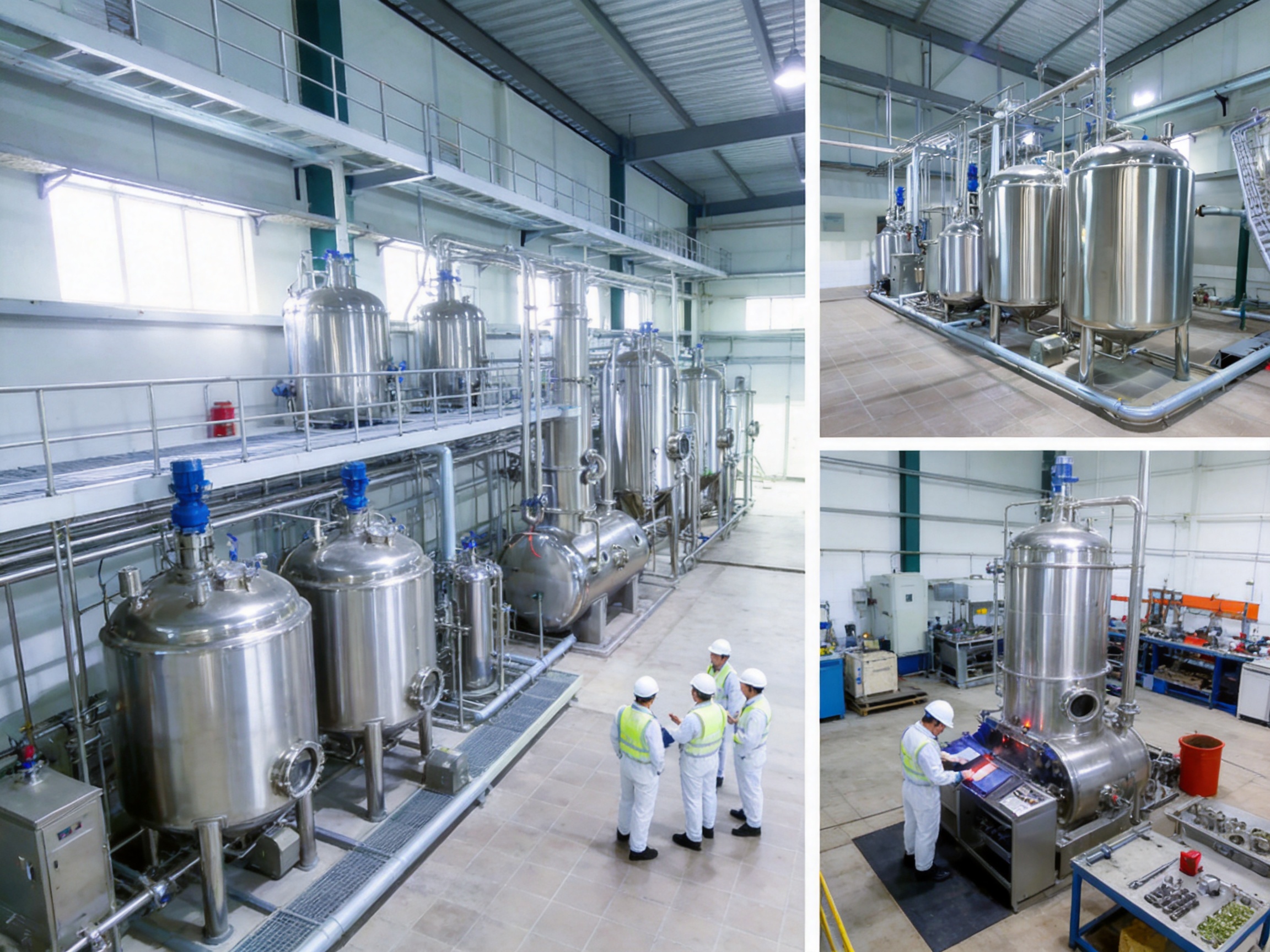
The company was founded in 2007 and has developed a manufacturing and engineering base covering approximately 16,706 square meters of floor area, with a structure area of approximately 17,800 square meters. This industrial foundation supports the fabrication, assembly, testing, and delivery of process equipment for plant extraction, fermentation, pharmaceutical engineering, natural food, energy conservation, and environmental protection applications.
A dedicated manufacturing site allows greater control over fabrication quality and production scheduling. It also provides space for equipment assembly, inspection, process trials, pilot work, and customer acceptance activities. For large vessels and integrated skids, in-house manufacturing can improve coordination between mechanical fabrication, piping, electrical work, instrumentation, and control system integration.
6.3 Advanced Welding and Finishing Equipment
Equipment quality depends strongly on fabrication quality, particularly when the system handles pharmaceutical, food, or high-value botanical products. The company has introduced advanced welding and finishing equipment, including plasma argon arc welding machines, plasma cutting machines, and CAM computer numerical control machining centers.
Plasma argon arc welding can support stable, clean, and accurately controlled welds on suitable stainless steel components. Consistent welding is important for vessel integrity, hygienic construction, surface quality, and long-term reliability. Plasma cutting can improve the accuracy and repeatability of component preparation, while computer-controlled machining helps produce precise parts and interfaces.
Finishing quality is also important for cleanability. Internal surfaces should be prepared and finished according to the product requirements, with attention to weld transitions, polishing, drainage, and the elimination of areas where material can accumulate. The final standard should be agreed during the technical specification stage because different markets and applications may require different levels of hygienic or pharmaceutical compliance.
6.4 Pilot Production and Research Platform
The company maintains pilot production workshop and research and development capabilities intended to support process development and equipment verification. Pilot facilities are valuable because botanical extraction is not determined by equipment size alone. Material properties can change the behavior of pumps, filters, evaporators, and dryers, and small-scale testing can reveal these effects before full-scale construction.
Pilot work may be used to compare water and ethanol extraction, evaluate extraction stages, determine suitable filtration methods, study concentration behavior, and assess vacuum low-temperature drying. It can also help identify foaming, precipitation, viscosity, color, odor, and solids-handling issues. The results provide a more reliable basis for engineering calculations and commercial equipment selection.
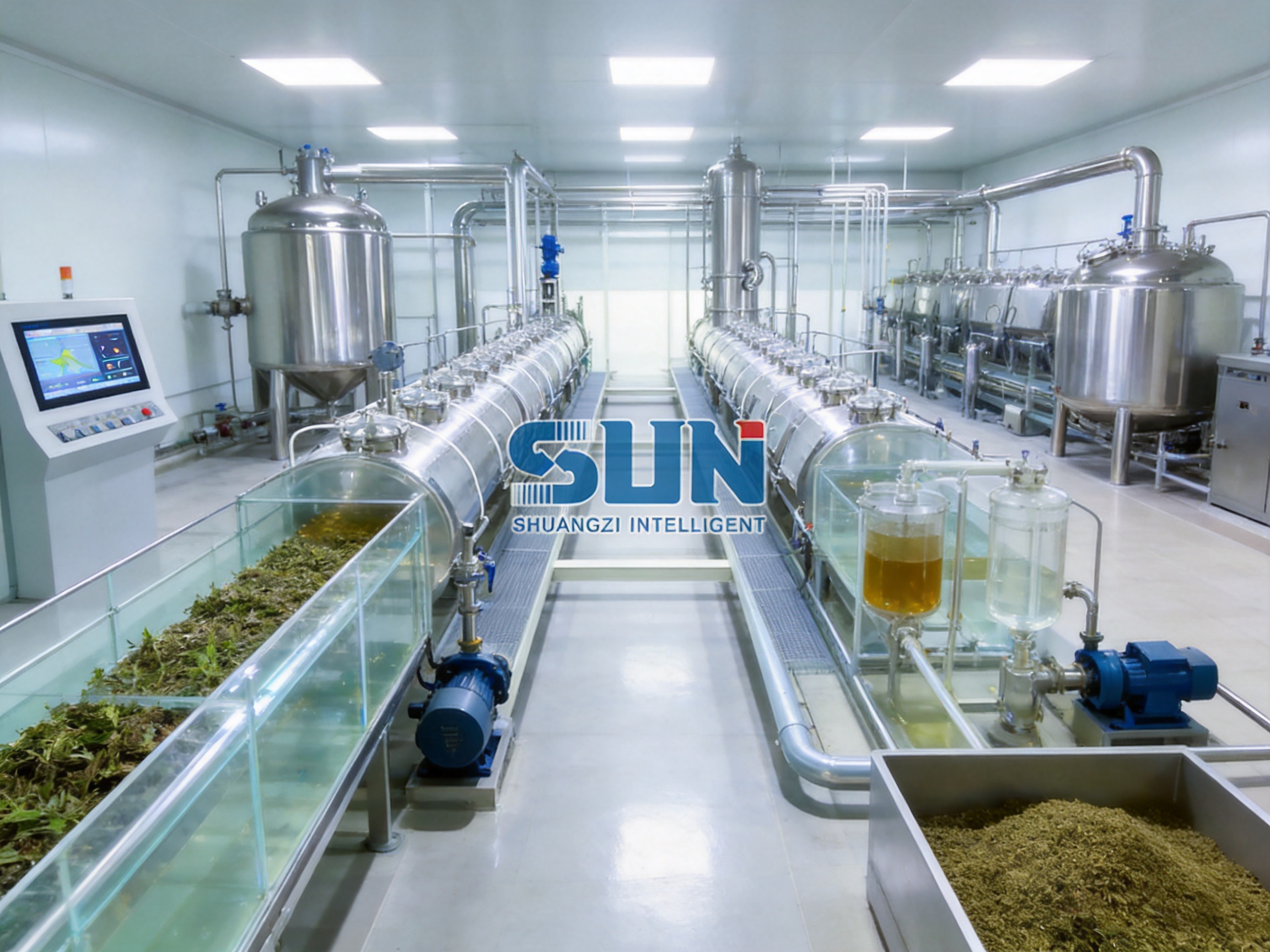
7. Automation and Process Control
Automation is a central feature of modern extraction production. A control system can coordinate pumps, valves, heating, cooling, pressure, liquid level, solvent addition, circulation, discharge, and cleaning sequences. The degree of automation may range from basic instrument control to a fully integrated supervisory system with recipe management and production data recording.
Automated temperature control helps maintain the process within the selected operating range. This is important because excessive temperature may degrade sensitive compounds, while insufficient temperature may reduce extraction efficiency or extend cycle time. Level measurement supports safe transfer and helps prevent pumps from running dry or vessels from overfilling.
Recipe-based operation can help operators manage different herbs and product specifications. Each approved recipe may include setpoints for solvent ratio, extraction temperature, extraction time, agitation, circulation, and discharge. Access controls and user permissions can be incorporated where the production environment requires them.
Data collection provides practical benefits beyond convenience. Operators and quality personnel can review batch trends, investigate deviations, compare production campaigns, and identify changes in equipment performance. Historical data may also support preventive maintenance and process improvement. Automation does not replace trained personnel, but it gives them better tools for managing a complex process.
8. Applications Across Multiple Industries
8.1 Pharmaceutical and Traditional Medicine Products
Botanical extracts are used as intermediate materials for tablets, capsules, granules, powders, oral liquids, ointments, and other dosage forms. The extraction system can be integrated with concentration, drying, blending, granulation, and packaging equipment according to the intended formulation.
For pharmaceutical applications, process control, documentation, validation strategy, cleaning, material traceability, and equipment qualification must be considered during project planning. The equipment itself should be specified according to the customer’s applicable regulatory requirements and the intended market. Process parameters should be established through development work and confirmed through appropriate testing.
8.2 Health Products and Nutritional Ingredients
Health product manufacturers often process botanical ingredients into concentrated liquids or dry powders. These products may be standardized according to marker compounds, soluble solids, color, flavor, or other quality characteristics. A flexible extraction line can support different plant sources and product formats, helping manufacturers respond to market demand.
Because health products may be sensitive to flavor, color, and oxidation, low-temperature concentration and drying can be valuable options. The final process must balance recovery, sensory properties, storage stability, and production cost.
8.3 Food and Beverage Ingredients
Plant extracts are used in beverages, tea products, functional foods, flavor systems, natural color products, and other food applications. Water extraction is common, although ethanol or hydroalcoholic processing may be used where appropriate and permitted. Food-grade design, cleanability, allergen management, and hygienic handling are important considerations.
Tea extraction is one example of a related application. Tea materials can be processed to produce liquid concentrates or powders for instant beverages and food formulations. The process may require careful temperature and residence-time management to control bitterness, color, aroma, and soluble solids.
8.4 Cosmetics
Botanical ingredients are widely used in skin-care, hair-care, cleansing, and personal-care products. Extracts may be selected for their aroma, color, antioxidant properties, soothing characteristics, or other functional attributes. The extraction line can be adapted to produce liquid or concentrated ingredients for subsequent blending into cosmetic formulations.
8.5 Veterinary Products
Plant-derived ingredients are also used in veterinary medicines, feed supplements, and animal health products. The extraction process must be designed around the required purity, dosage consistency, solvent controls, and formulation method. The ability to process multiple raw materials can be useful for manufacturers serving both human and animal health markets.
8.6 Biological Fermentation and Related Projects
Although the equipment described here is focused on plant extraction, the company also works in biological fermentation and related process equipment. This broader technical background can be useful when a project combines botanical extraction with fermentation, enzymatic treatment, separation, concentration, or drying. Integrated projects may require coordinated liquid handling, sterilization, temperature control, and automation across several process areas.
9. Turnkey Project Services
A turnkey extraction project begins with understanding the customer’s product goals. Important questions include the type and condition of the raw material, expected capacity, desired extract form, target yield, solvent selection, quality requirements, available utilities, factory building, labor model, and expansion plans. These factors influence the process flow diagram and the final equipment arrangement.
After the process requirements are defined, the engineering team can develop equipment specifications, layout drawings, utility calculations, automation concepts, and installation plans. The scope may include raw material handling, extraction, filtration, concentration, drying, solvent recovery, storage, cleaning systems, and packaging interfaces.
Manufacturing is followed by inspection, assembly, testing, delivery, installation, and commissioning. Where required, the supplier can support line debugging and operator training. Performance testing should be based on agreed raw materials and operating conditions. Clear acceptance criteria are important because extraction yield and product quality depend on both equipment performance and the characteristics of the botanical material.
Turnkey support can reduce the coordination burden for customers, especially when they have limited experience with large process installations. It can also provide a more direct path from pilot data to commercial operation. However, customers should still participate actively in process approval, quality planning, utility preparation, regulatory review, and operator qualification.
10. Utility, Safety, and Facility Considerations
An extraction facility requires more than process equipment. Steam or another heating medium, cooling water, chilled water, electricity, compressed air, vacuum, drainage, ventilation, and water treatment may be needed. The exact utilities depend on the process design and the level of automation.
Water extraction and ethanol extraction have different utility and safety profiles. Ethanol systems require particular attention to solvent storage, vapor control, ventilation, electrical equipment selection, grounding, static electricity, fire protection, and emergency procedures. These requirements should be addressed during engineering rather than after installation.
Facility layout should provide adequate space for operation, maintenance, inspection, cleaning, material movement, and future expansion. Raw materials, finished products, waste materials, and cleaning chemicals should be managed in a way that reduces cross-contamination risks. Floor drainage and surface materials should be suitable for the cleaning and sanitation procedures used at the site.
Operators should be trained in normal operation, shutdown, emergency response, solvent handling, cleaning, maintenance, and deviation reporting. Safety interlocks can support the operating system, but they should be complemented by written procedures and regular training.
11. Cleaning, Maintenance, and Long-Term Reliability
Extraction equipment operates with materials that may contain sugars, proteins, oils, pigments, resins, fibers, and other substances capable of adhering to internal surfaces. Cleaning design therefore has a direct effect on product quality and equipment availability. Vessels, pipes, pumps, filters, valves, and transfer lines should be arranged so that residues can be removed effectively.
Clean-in-place capability may be included where the process scale and hygiene requirements justify it. A typical cleaning strategy may involve pre-rinsing, alkaline or detergent washing, intermediate rinsing, acid cleaning where appropriate, final rinsing, and drying or sanitization. The actual procedure must be established according to the material and the customer’s quality system.
Preventive maintenance should cover pumps, seals, valves, instruments, heating surfaces, filters, vacuum equipment, condensers, and control components. Spare parts should be identified during project execution, and maintenance access should be considered in the layout. A well-designed system is easier to maintain when inspection points and removable components are accessible.
Reliable operation is also supported by correct commissioning. Instruments should be checked, valves should be verified, pump rotation should be confirmed, control sequences should be tested, and utilities should be balanced before production begins. Water trials and product trials can reveal issues that are not visible during dry assembly.
12. How the System Creates Competitive Value
The strongest competitive value of the multifunctional extraction system comes from the combination of process flexibility and engineering integration. Some suppliers offer individual tanks, while others focus on general stainless steel fabrication. A complete extraction project requires more: the supplier must understand how extraction interacts with filtration, concentration, drying, solvent recovery, automation, utilities, and final product requirements.
The system is also competitive because it can be scaled. The available biomass capacity range allows customers to select a configuration suited to pilot production, small commercial manufacturing, or large industrial operations. A scalable platform can support business development as the customer introduces new products or expands output.
Another advantage is the ability to combine mature equipment categories. The company’s portfolio includes extraction equipment, evaporation and concentration systems, separation and crystallization equipment, filtration equipment, containers, fermentation systems, and vacuum low-temperature drying equipment. This broad range can help create a consistent technical solution across the production line.
Manufacturing control provides an additional advantage. In-house fabrication supported by plasma welding, plasma cutting, and computer-controlled machining can improve component consistency and coordination. The company’s pilot production and research capabilities further support process development before final commercial-scale implementation.
Finally, the company’s EPC and turnkey capability can simplify project execution. Customers can work with one engineering partner for process design, equipment design, manufacture, purchasing coordination, installation, commissioning, line debugging, and system integration. This approach can reduce communication gaps and help align the equipment with the actual manufacturing objective.
13. Recommended Project Development Process
13.1 Define the Raw Material
The first step is to document the botanical raw material. Information should include species, plant part, origin, moisture, particle size, bulk density, seasonal variation, storage conditions, and known active or marker compounds. If several herbs will be processed, each should be evaluated separately.
13.2 Define the Product
The customer should identify whether the desired product is a clarified liquid, concentrated extract, dry powder, granule, or another form. Target solids content, moisture, solvent residue, color, flavor, marker compounds, microbial requirements, and packaging conditions should be established as early as possible.
13.3 Conduct Pilot Testing
Pilot testing can compare extraction solvents, temperatures, extraction stages, filtration methods, and concentration conditions. It can also reveal whether the raw material tends to foam, swell, compact, precipitate, or block filters. These observations are essential for accurate commercial design.
13.4 Develop the Process Flow
The process flow should show the movement of raw materials, solvents, extracts, spent solids, condensate, cleaning fluids, and waste streams. It should also identify sampling points and critical control points. A clear process flow helps determine the equipment list and utility requirements.
13.5 Select the Capacity
Capacity should be selected using realistic production assumptions. The evaluation should include annual demand, operating days, shifts, cleaning time, downtime, raw material availability, and the expected extract yield. Future expansion should be considered if the product has strong market potential.
13.6 Confirm the Technical Standard
The customer and supplier should agree on material grades, surface finish, welding standards, instrumentation, control functions, documentation, inspection, testing, installation, and acceptance criteria. Regulatory and site-specific requirements should be included in the technical specification.
14. Frequently Asked Questions
Q1: What materials can be processed with this extraction equipment?
The system can be used for many plant materials, including roots, stems, leaves, flowers, fruits, seeds, bark, tea materials, and other botanical feedstocks. It may also be adapted for selected animal-derived, mineral, chemical, or biological materials when the process and equipment materials are suitable. Final compatibility should be confirmed through process evaluation.
Q2: Can the equipment use both water and ethanol?
Yes. The equipment can be configured for water extraction, ethanol extraction, or hydroalcoholic processing. Ethanol projects require suitable solvent storage, recovery, ventilation, control, and safety provisions. The final configuration should be designed according to the solvent concentration and applicable safety requirements.
Q3: What is countercurrent extraction?
Countercurrent extraction is a process in which the solvent and plant material move in opposite directions. This can improve contact efficiency and solvent utilization under suitable conditions. It is particularly useful for certain materials that can move through the system consistently. Pilot testing is recommended before selecting a commercial countercurrent arrangement.
Q4: What products can be made after extraction?
The extracted liquid can be filtered and concentrated into a liquid extract, or it can be dried into a powder or granule. The final line may also support products used in tablets, oral liquids, ointments, health foods, beverages, cosmetics, veterinary products, and other formulations.
Q5: Is the equipment suitable for pharmaceutical production?
The equipment can be engineered for pharmaceutical and traditional medicine applications. However, pharmaceutical suitability depends on the complete project specification, including material selection, surface finish, hygienic design, cleaning, documentation, validation, environmental controls, and the regulatory requirements of the target market.
Q6: What capacity options are available?
The listed operational biomass capacities range from 500 kilograms per hour to 10,000 kilograms per hour. The actual capacity depends on the raw material, solvent ratio, process cycle, extraction method, and downstream equipment. A technical evaluation should be completed before the final model is selected.
Q7: Can the extraction line include concentration and drying?
Yes. The extraction system can be integrated with filtration, evaporation and concentration, solvent recovery, separation, crystallization, and vacuum low-temperature drying equipment. The integrated configuration depends on the desired final product and the properties of the extract.
Q8: Does the supplier provide installation and commissioning?
The company can provide engineering, equipment design, installation, line debugging, system integration, and turnkey project services. The exact service scope should be agreed in the project contract, including site preparation, installation responsibilities, commissioning conditions, training, and acceptance testing.
Q9: Why is pilot testing important?
Pilot testing helps confirm extraction yield, solvent selection, temperature, residence time, filtration behavior, concentration performance, and drying requirements. Natural materials can behave differently even when they belong to the same general category, so pilot results reduce uncertainty during commercial-scale design.
Q10: How should customers prepare for a quotation?
Customers should provide information about raw materials, annual capacity, hourly throughput, solvent, product form, target quality, available utilities, factory dimensions, automation expectations, and local regulations. Samples and pilot data are also useful. More complete information allows the supplier to prepare a more accurate process proposal and equipment configuration.
15. Conclusion
The Chinese Herb Extractor Multifunctional Extraction Equipment is designed for manufacturers that need a flexible and scalable platform for botanical processing. It supports water extraction, ethanol extraction, countercurrent extraction, and integration with filtration, concentration, solvent recovery, drying, and other downstream operations. Its application range extends from traditional medicine and pharmaceutical ingredients to health products, food, beverages, cosmetics, veterinary products, and related biological processing.
Its advantages over basic or single-purpose equipment include process flexibility, capacity options from 500 to 10,000 kilograms per hour, controlled operating conditions, potential for improved solvent utilization, enclosed hygienic processing, and compatibility with complete production line engineering. These benefits are reinforced by the manufacturer’s EPC and EPCM capabilities, pilot production facilities, manufacturing infrastructure, advanced welding and machining equipment, and experience in process system integration.
A successful extraction project should begin with raw material analysis and pilot testing, followed by process design, capacity calculation, equipment selection, utility planning, automation development, installation, commissioning, and performance verification. When these stages are coordinated carefully, the extraction line can provide a reliable foundation for producing consistent botanical extracts and supporting future product expansion.
References
1. General principles of plant extraction and solid-liquid mass transfer in botanical processing.
2. Standard engineering practices for pharmaceutical, food, and hygienic stainless steel process equipment.
3. Technical literature on water extraction, ethanol extraction, and hydroalcoholic extraction of botanical materials.
4. Process engineering references covering countercurrent extraction and solvent utilization.
5. Good manufacturing practice principles for herbal, pharmaceutical, food, and health product production.
6. Industrial guidance on vacuum evaporation, concentration, solvent recovery, and low-temperature drying.
7. Equipment project documentation and technical information supplied for the multifunctional Chinese herb extraction system.