
 英语
 俄语
Content
- 1 1. Understanding the Industrial Pectin Extraction Process
- 2 2. Raw Material Preparation and Feeding
- 3 3. Acid Extraction: The Core Process Stage
- 4 4. Solid-Liquid Separation and Filtration
- 5 5. Purification of Pectin Extract
- 6 6. Concentration and Thermal Management
- 7 7. Alcohol Precipitation and Solvent Management
- 8 8. Separation, Washing, and Recovery of Precipitated Pectin
- 9 9. Drying Technology for Pectin
- 10 10. Milling, Screening, Packaging, and Storage
- 11 11. Capacity Options and Production Flexibility
- 12 12. Automation and Process Control
- 13 13. Manufacturing Capabilities and Engineering Strengths
- 14 14. Advantages Compared with Less Integrated Equipment Solutions
- 15 15. Energy, Water, and Environmental Considerations
- 16 16. Installation, Commissioning, and Turnkey Project Support
- 17 17. Maintenance and Long-Term Reliability
- 18 18. Product Quality and Testing
- 19 19. Selecting the Right Pectin Production Line
- 20 20. Frequently Asked Questions
- 20.1 What raw materials can be used for pectin extraction?
- 20.2 Why is dilute acid used in the extraction process?
- 20.3 Does the line produce finished pectin powder directly?
- 20.4 What does the listed capacity mean?
- 20.5 Is alcohol precipitation safe?
- 20.6 Why is vacuum drying useful for pectin?
- 20.7 Can the production line be customized?
- 20.8 What manufacturing capabilities support the equipment quality?
- 20.9 Does the supplier provide turnkey services?
- 20.10 How should a customer begin a project?
- 21 21. Conclusion
- 22 References
- 23 Product: Pectin Extraction Production Line Equipment
Pectin is a valuable natural hydrocolloid used as a gelling, thickening, stabilizing, and texturizing ingredient in food, beverage, pharmaceutical, nutraceutical, and personal-care products. Commercial pectin is commonly recovered from citrus peels, apple pomace, and other plant materials rich in protopectin. However, producing consistent pectin on an industrial scale requires much more than a simple extraction tank. The raw material must be prepared, extracted under controlled conditions, separated from insoluble solids, purified, concentrated, precipitated, dried, milled, packaged, and stored under hygienic and controlled operating conditions.
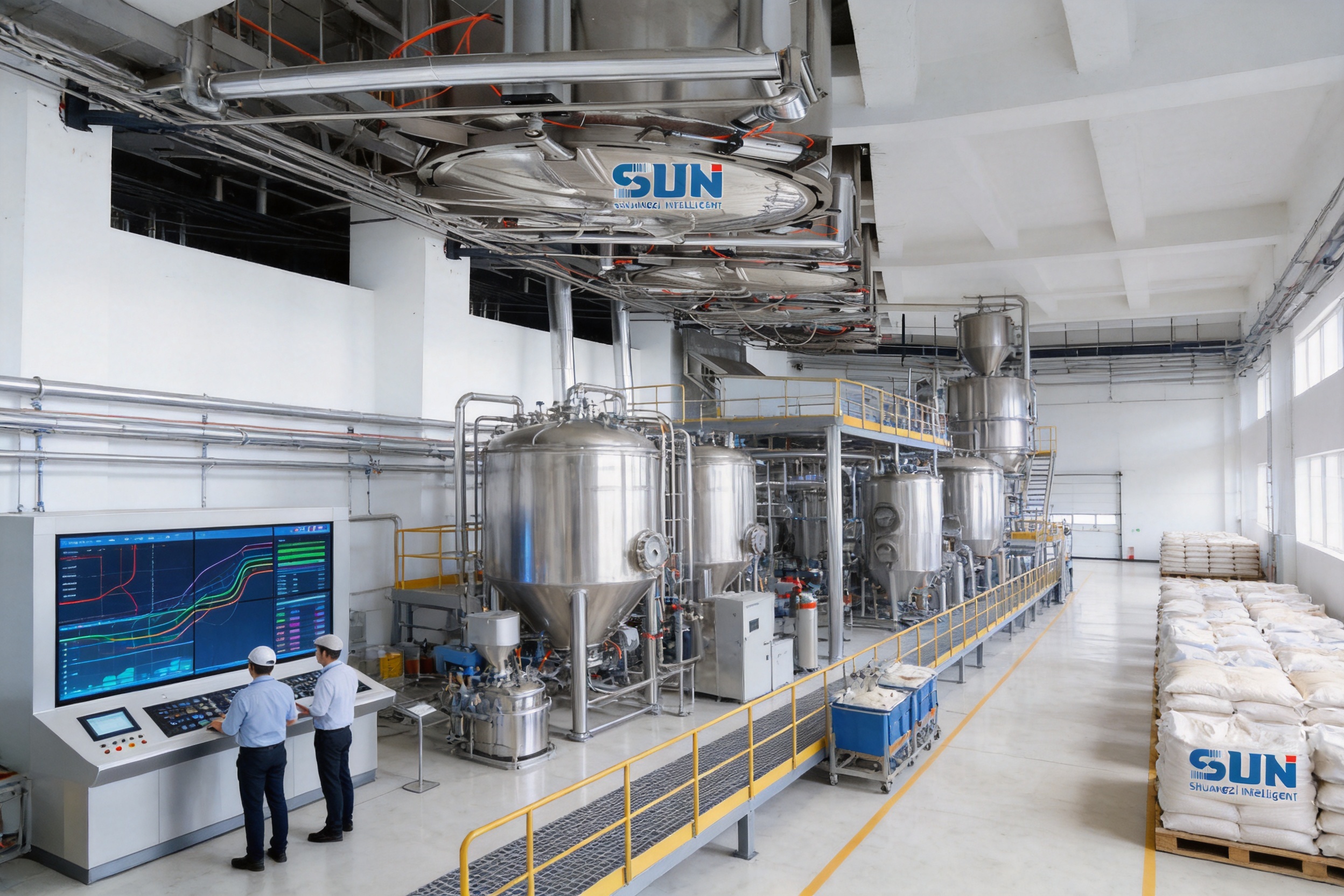
A complete pectin extraction production line integrates these operations into one coordinated system. It combines process vessels, solid-liquid separation equipment, filtration units, purification and concentration systems, drying equipment, automation, utility connections, and packaging arrangements. The objective is to obtain a stable pectin powder with reliable gel strength, controlled moisture, acceptable color, appropriate degree of esterification, and consistent microbiological quality.
Zhejiang Shuangzi Intelligent Equipment Co., Ltd. designs and manufactures process equipment and complete production lines for plant extraction, biological fermentation, pharmaceutical engineering, natural food processing, and related industries. Its pectin extraction production line is based on the traditional acid extraction method, while incorporating modern separation, concentration, drying, automation, and engineering technologies. The line can be configured for different raw materials, product specifications, production capacities, and factory conditions.
1. Understanding the Industrial Pectin Extraction Process
In plant tissues, pectin is closely associated with cellulose, hemicellulose, proteins, minerals, pigments, and other structural components. Much of the pectin exists as protopectin, an insoluble form embedded in the cell wall. The purpose of industrial extraction is to convert this relatively insoluble material into soluble pectin and transfer it into an aqueous phase.
The conventional process uses a dilute acid solution. Under controlled temperature, pH, residence time, and agitation, the acid hydrolyzes the structural bonds that hold protopectin in the plant tissue. The pectin becomes water-soluble and moves into the liquid phase. The resulting extract contains dissolved pectin together with soluble sugars, organic acids, minerals, coloring substances, and other plant-derived compounds.
Because the extract is a complex mixture, several downstream operations are required. Coarse separation removes peel fragments and fibrous solids. Fine filtration reduces suspended particles. Purification lowers the concentration of unwanted soluble substances. Evaporation or vacuum concentration increases pectin concentration. Alcohol precipitation separates pectin from the concentrated extract. The recovered pectin is then dried, pulverized, screened, tested, and packed.
In a well-designed production line, these stages are not isolated pieces of equipment. They are developed as a process system. The design must consider material balance, heat balance, flow rates, residence time, pumping characteristics, cleaning requirements, solvent recovery, corrosion resistance, product protection, and operator safety.
Typical Process Flow
The standard process flow for the pectin extraction production line is:
Raw material preparation → Acid extraction → Solid-liquid separation → Filtration → Purification → Concentration → Alcohol precipitation → Separation and washing → Drying → Milling and screening → Packaging → Finished-product storage.
The basic process description may be summarized as:
Raw material → Extraction → Separation → Filtration → Purification → Concentration → Drying → Package and enter warehouse.
Additional steps, such as alcohol recovery, washing, intermediate storage, pH adjustment, and quality inspection, can be incorporated according to the selected raw material and final product specification.
Pectin Extraction Production Line Equipment
2. Raw Material Preparation and Feeding
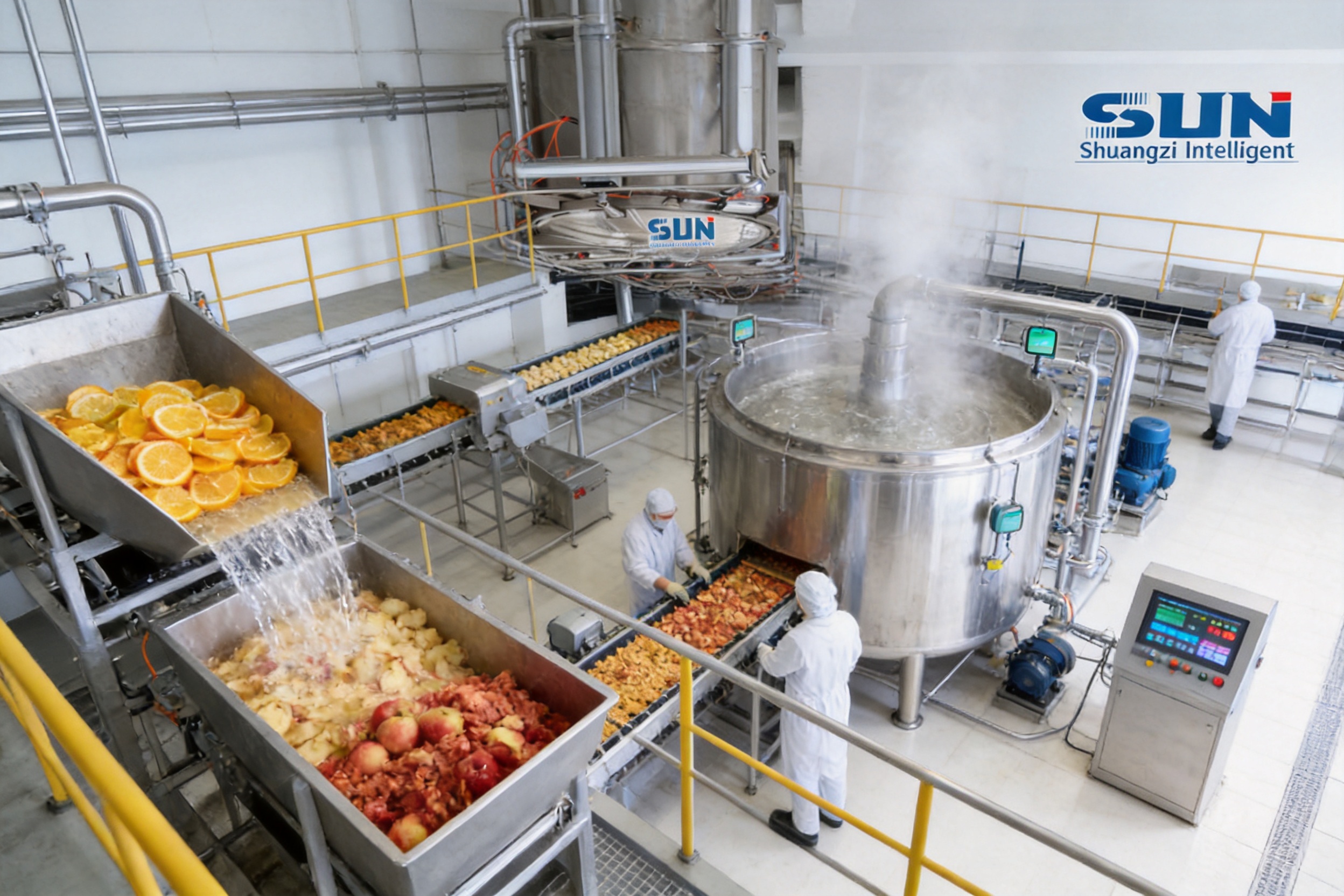
The performance of a pectin line begins with raw material quality. Citrus peel and apple pomace may vary in moisture, particle size, pectin content, acidity, color, essential oil content, and contamination level. A suitable receiving and preparation system helps stabilize these variations before extraction begins.
Raw material handling may include receiving hoppers, belt or screw conveyors, magnetic separation, washing, dewatering, cutting, crushing, and temporary storage. For wet citrus peel, washing can remove soil, foreign materials, residual pulp, and surface contaminants. For apple pomace or other fruit residues, the preparation section may require special attention to fiber content and moisture distribution.
Particle size has a direct effect on extraction efficiency. If the material is too coarse, acid and water cannot penetrate the plant structure effectively. If it is excessively fine, the extract may contain high levels of suspended solids, making filtration more difficult. The preparation system should therefore produce a reasonably uniform particle size without creating unnecessary fines.
Feeders and conveyors should be selected for the physical properties of the raw material. Sticky, wet, fibrous materials may require special screw designs, variable-speed drives, or anti-bridging devices. The receiving section should also allow operators to isolate contaminated batches and prevent cross-contamination between different raw materials.
Preparation Controls
Important preparation controls include raw material moisture, particle size, foreign-material content, feed rate, storage time, and temperature. Long storage periods may encourage microbial growth or enzymatic degradation. Where fresh or wet by-products are used, the plant layout should minimize the time between delivery and processing.
A well-designed line can be equipped with buffer hoppers and metering devices to provide a more stable feed to the extraction section. Stable feeding improves the accuracy of water addition, acid dosing, residence-time control, and downstream capacity utilization.
3. Acid Extraction: The Core Process Stage
Acid extraction is the central operation in the conventional pectin production process. Prepared plant material is mixed with water and a controlled quantity of dilute acid. Heat and agitation promote the conversion of protopectin into soluble pectin.
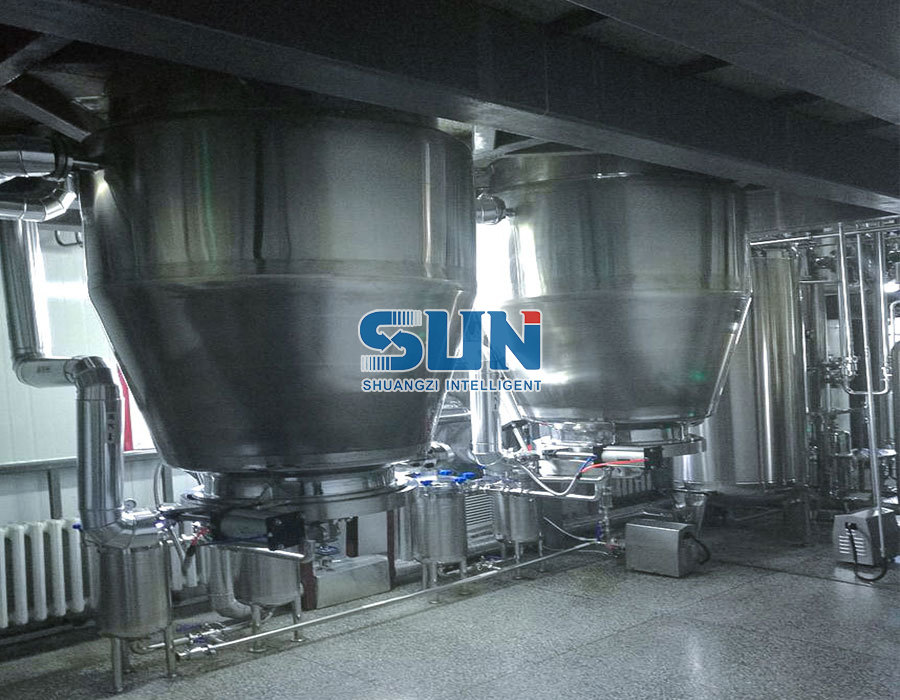
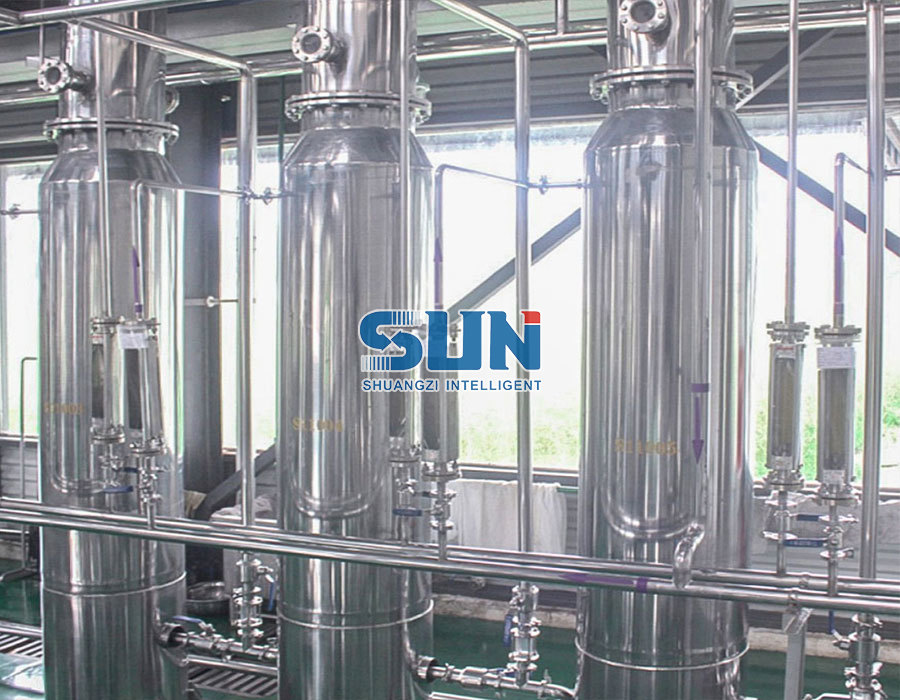
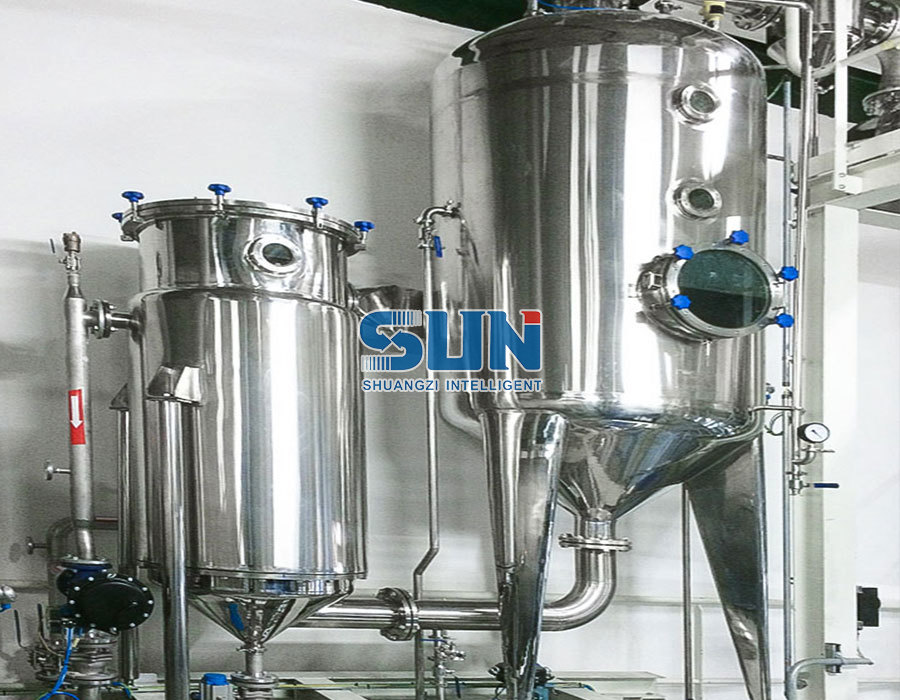
The extraction tank must provide uniform mixing and sufficient heat-transfer area. It typically includes an agitator, heating jacket or internal heat exchanger, temperature measurement, pH measurement, liquid-level monitoring, sampling ports, and a suitable discharge arrangement. The equipment may be operated in batches or connected as a continuous or semi-continuous system depending on the capacity and process objectives.
Extraction conditions depend on the raw material and desired pectin quality. Key variables include acid type, acid concentration, pH, extraction temperature, extraction time, raw-material-to-liquid ratio, agitation intensity, and solids loading. Excessive acid severity may improve the release of pectin but can also reduce molecular weight, affect gel strength, increase color formation, or cause undesirable degradation. Insufficient extraction severity may leave valuable pectin in the solid residue.
For this reason, the extraction system should be designed for accurate control rather than simply maximum temperature or acid concentration. Automated dosing and measurement help maintain repeatable operating conditions. Operators can use laboratory results and production data to optimize the recipe for each raw material.
Extraction Vessel Design
Extraction vessels are commonly manufactured from corrosion-resistant stainless steel selected for compatibility with acidic liquids, elevated temperatures, cleaning agents, and food-processing requirements. Internal surfaces should be smooth and accessible for cleaning. Welded areas require careful finishing to reduce product retention and improve sanitation.
The agitator should be matched to the viscosity, solids concentration, and vessel geometry. A low-shear design may be suitable when protecting long-chain pectin molecules is important, while a stronger mixing arrangement may be necessary for fibrous or highly concentrated feedstocks. Variable-speed control gives the operator flexibility during wetting, extraction, and discharge.
Heat-transfer performance is another critical factor. Uneven heating can create local hot spots and inconsistent extraction. Proper jacket design, circulation, insulation, and temperature control help maintain a uniform process environment. The vessel may also be fitted with a spray device or cleaning-in-place connection to support efficient cleaning between batches.
4. Solid-Liquid Separation and Filtration
After extraction, the slurry contains soluble pectin in the liquid phase and insoluble plant fibers in the solid phase. Efficient separation is essential because excessive solids carryover can overload fine filters, increase evaporation costs, darken the product, and reduce the effectiveness of purification.
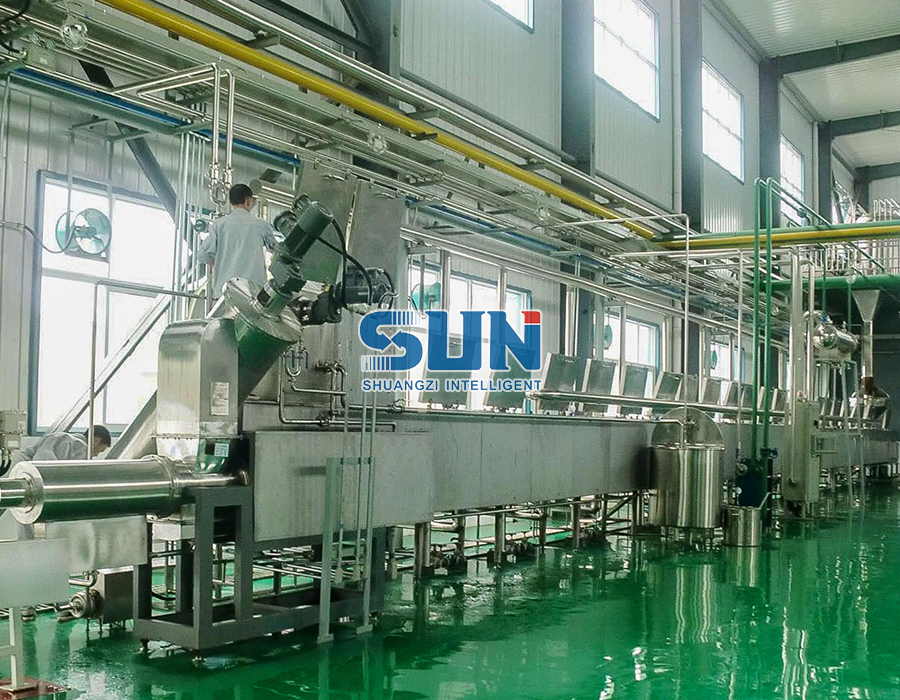
The first separation stage may use a coarse screen, rotary screen, vibrating screen, screw press, decanter, filter press, or another suitable solid-liquid separation device. Selection depends on the raw material structure, solids concentration, required throughput, and the intended use of the separated residue.
Where the raw material contains long fibers or large peel particles, a preliminary screen can protect pumps and downstream equipment. A press or decanter may then recover additional extract from the wet residue. The separated solids can potentially be directed to animal feed, fuel, composting, dietary-fiber products, or other utilization routes, subject to local regulations and quality evaluation.
Fine Filtration
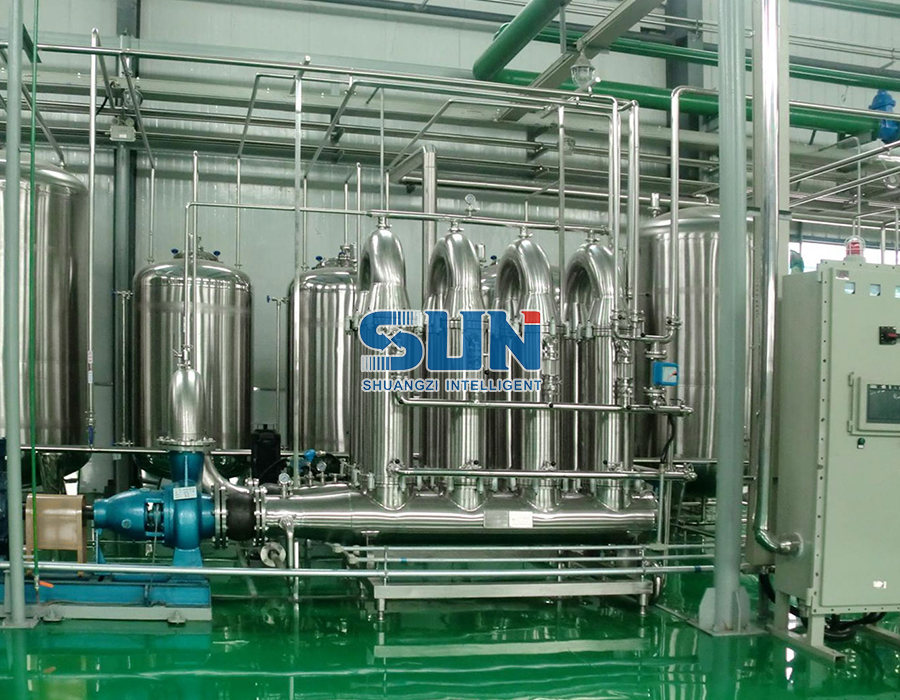
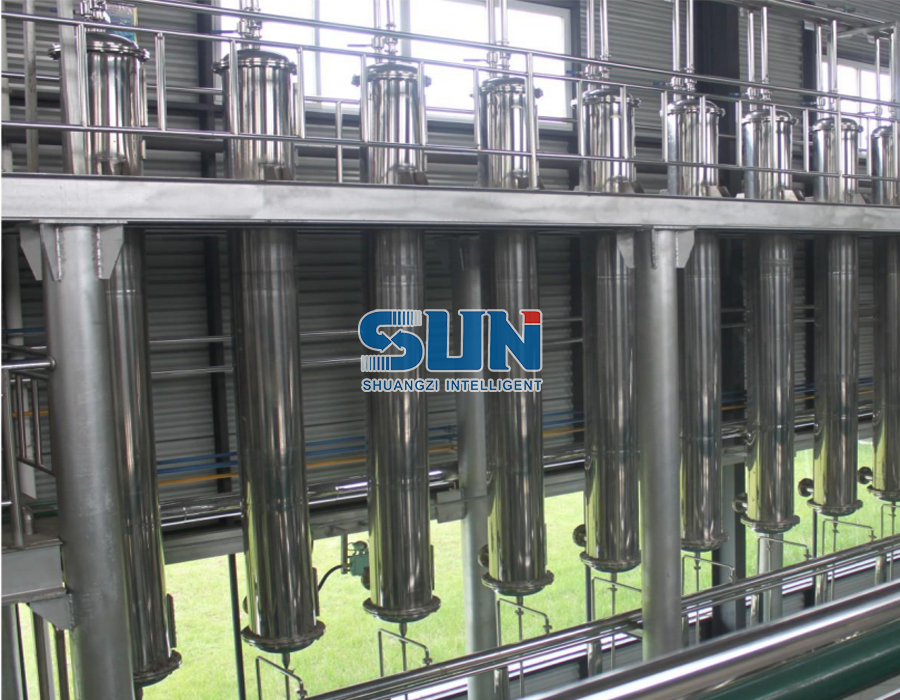
Following coarse separation, the extract usually requires finer filtration. Fine filtration reduces suspended particles, colloids, and remaining plant fragments. Depending on the process, the line may use bag filters, cartridge filters, plate-and-frame filters, candle filters, membrane systems, or other filtration technologies.
Filtration performance depends on particle loading, viscosity, temperature, filter-media selection, pressure, and cleaning procedures. A staged filtration design is often more economical than using a very fine filter as the first separation device. Coarse separation protects the finer stage and extends filter service life.
The equipment should include pressure gauges, differential-pressure monitoring, isolation valves, drain points, and safe filter replacement arrangements. For large production lines, automatic backwashing or parallel filter housings can reduce downtime. The filtration system should also be designed to minimize pectin loss in retained solids and filter residues.
5. Purification of Pectin Extract
The clarified extract may still contain sugars, soluble proteins, mineral salts, pigments, organic acids, and flavor compounds. Purification improves the appearance, functionality, and consistency of the final pectin. The required purification level depends on the source material and product application.
Purification can include dilution and washing, pH adjustment, adsorption, activated carbon treatment, clarification, membrane separation, ion exchange, or combinations of these methods. Not every product requires the same arrangement. A food-grade citrus pectin intended for a colored fruit preparation may have different appearance requirements from a pharmaceutical or nutraceutical grade.
Activated carbon treatment may help reduce color and certain organic impurities. Adsorbent treatment must be carefully controlled because excessive contact can remove useful pectin or reduce yield. Membrane processes may concentrate or fractionate dissolved components with lower thermal exposure, although membrane selection and fouling control are important.
The purification section should include properly sized holding tanks and controlled transfer equipment. Adequate residence time allows treatment chemicals or adsorbents to act uniformly. Sampling points should be positioned so that operators can evaluate clarity, color, pH, solids content, and other relevant parameters before the extract proceeds to concentration.
Food and Pharmaceutical Hygiene Considerations
For food and pharmaceutical applications, hygienic design is a major consideration. Product-contact surfaces should be made from appropriate materials and finished to reduce crevices, dead zones, and product accumulation. Drainability is important because retained liquid can support microbial growth and complicate cleaning.
Pipe routing should avoid unnecessary low points and inaccessible branches. Valves, gaskets, pumps, and instruments should be selected for the process temperature, acidity, pressure, and cleaning chemicals. The cleaning procedure should define rinsing, detergent circulation, acid or alkaline cleaning where applicable, final rinsing, and inspection.
The line can be configured to support good manufacturing practice requirements. However, the final compliance status depends on the complete facility, utilities, operating procedures, validation activities, personnel training, and local regulatory requirements.
6. Concentration and Thermal Management
Once the extract has been clarified and purified, its pectin concentration is increased before precipitation. Evaporation removes water and reduces the volume that must be handled during alcohol precipitation. Concentration also improves the efficiency of solvent use and downstream separation.
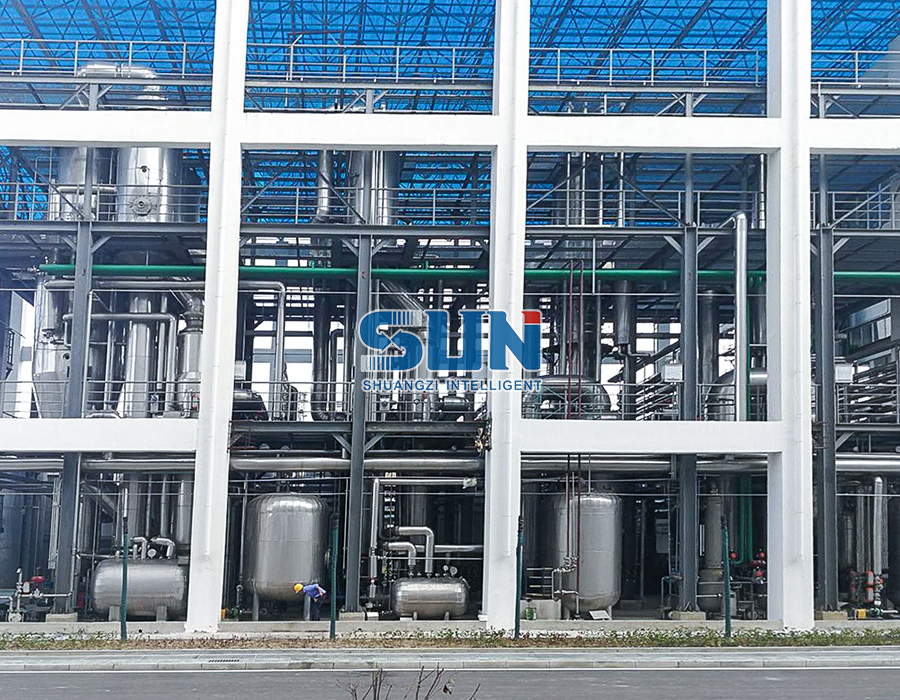
Vacuum evaporation is often advantageous because it lowers the boiling temperature. Lower-temperature operation can reduce thermal damage, limit color development, and help preserve the functional properties of pectin. A falling-film, rising-film, forced-circulation, or batch vacuum evaporator may be selected according to viscosity, solids content, throughput, and product requirements.
As the extract becomes more concentrated, viscosity may increase significantly. The evaporator must be designed to prevent excessive residence time, fouling, and pump overload. Heat-transfer surfaces should be accessible for cleaning. Vapor-liquid separation and condensate management should be incorporated into the system design.
Energy efficiency is an important advantage of a professionally integrated concentration system. Multiple-effect evaporation, thermal vapor recompression, mechanical vapor recompression, heat recovery, and condensate reuse may be considered where the plant scale and energy prices justify the investment.
Controlling Concentration
Concentration can be monitored through density, refractive index, total soluble solids, viscosity, or laboratory analysis. The appropriate endpoint depends on the precipitation recipe. Over-concentration may make pumping and mixing difficult, while under-concentration may increase alcohol consumption and reduce precipitation efficiency.
Controlled transfer from the evaporator to the precipitation section is important. Sudden temperature changes or unregulated addition of alcohol can produce uneven precipitation and inconsistent particle characteristics. A buffer tank with temperature control and agitation can help balance the two operations.
7. Alcohol Precipitation and Solvent Management
Alcohol precipitation is traditionally used to recover pectin from the concentrated aqueous extract. When a suitable alcohol is added under controlled conditions, pectin becomes less soluble and forms a precipitate. The precipitated pectin can then be separated from the alcohol-water liquid phase.
The precipitation system should provide accurate alcohol metering, controlled agitation, temperature management, adequate mixing time, and safe vapor handling. The alcohol-to-extract ratio and addition rate influence yield, particle formation, filtration behavior, and washing requirements.
Rapid or poorly controlled addition may form agglomerates that trap impurities or make separation difficult. Excessive agitation may produce very fine particles that are difficult to filter. The process should therefore be developed around the physical properties of the selected pectin and the desired final powder characteristics.
Explosion Protection and Solvent Recovery
Alcohol-containing systems require special attention to fire and explosion prevention. Equipment, instruments, motors, electrical systems, ventilation, grounding, bonding, and operating procedures must be selected according to the solvent and the applicable safety standards.
Closed transfer lines and sealed tanks help reduce vapor emissions. A solvent recovery system can condense and collect alcohol from process vapors and separated liquid streams. Recovery can reduce raw-material costs, lower emissions, and improve process sustainability. The recovery system must be designed for the alcohol composition, vapor load, operating temperature, and required purity.
Personnel should receive training in solvent handling, emergency response, ventilation checks, static-electricity control, and spill management. The final engineering design should be reviewed against local fire codes, hazardous-area requirements, environmental rules, and factory safety procedures.
8. Separation, Washing, and Recovery of Precipitated Pectin
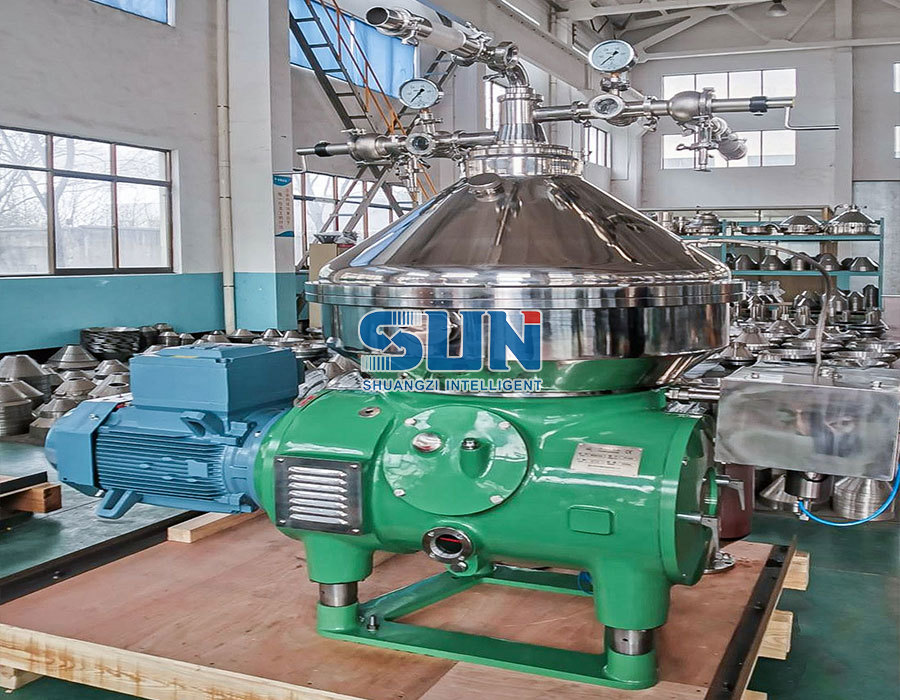
After precipitation, the pectin solid must be separated from the alcohol-water mixture. Filter presses, centrifuges, vacuum filters, or other solid-liquid separation equipment may be used. The best choice depends on particle size, throughput, solids concentration, and the required degree of washing.
Washing removes residual sugars, acids, salts, pigments, and soluble impurities. It may also lower the alcohol or water content of the wet pectin cake before drying. Washing conditions must be optimized because excessive washing can reduce yield or alter the product's functional properties.
A filter press can provide a relatively dry cake and may be suitable for batch operation. A centrifuge may offer continuous or semi-continuous operation and good separation performance. In either case, the equipment should allow controlled discharge and minimize product loss.
The separated mother liquor may contain recoverable alcohol and other soluble compounds. A properly designed collection and recovery system prevents uncontrolled discharge and improves the overall economics of the plant.
9. Drying Technology for Pectin
Drying converts wet precipitated pectin into a stable powder. The dryer must remove moisture and residual solvent without causing excessive thermal degradation, discoloration, agglomeration, or loss of functionality.
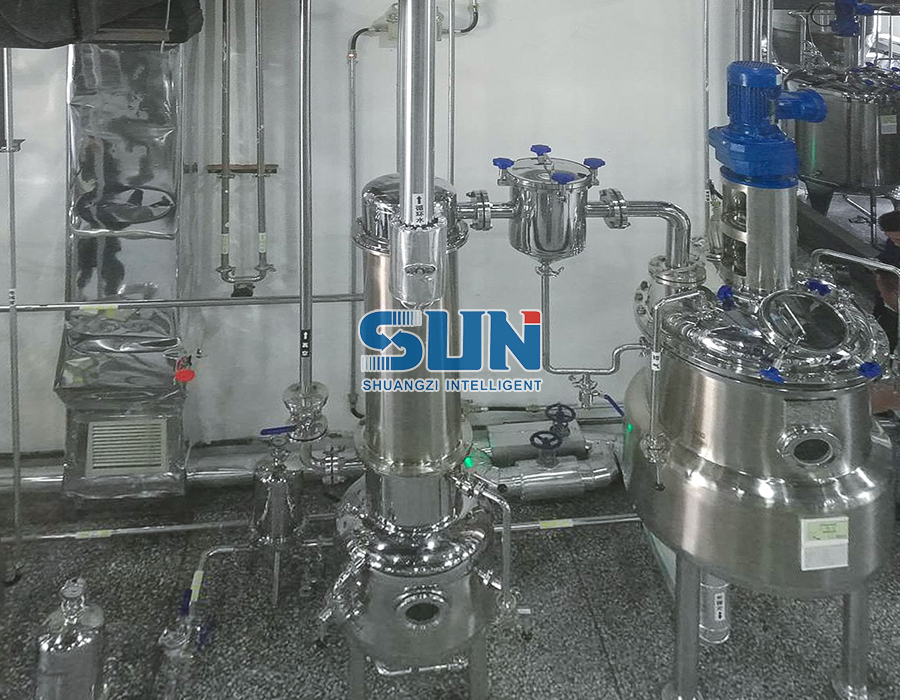
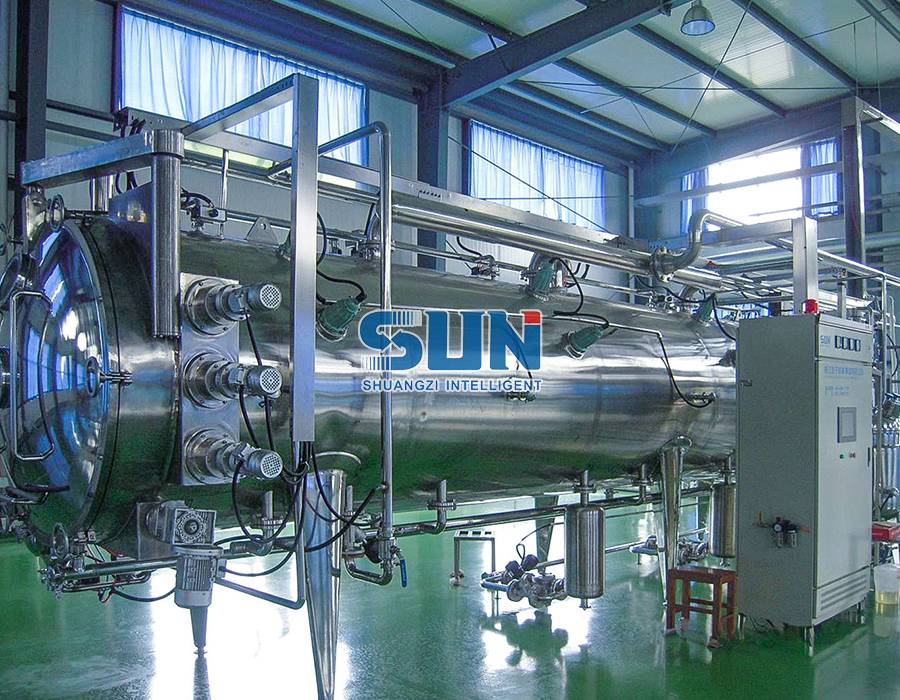
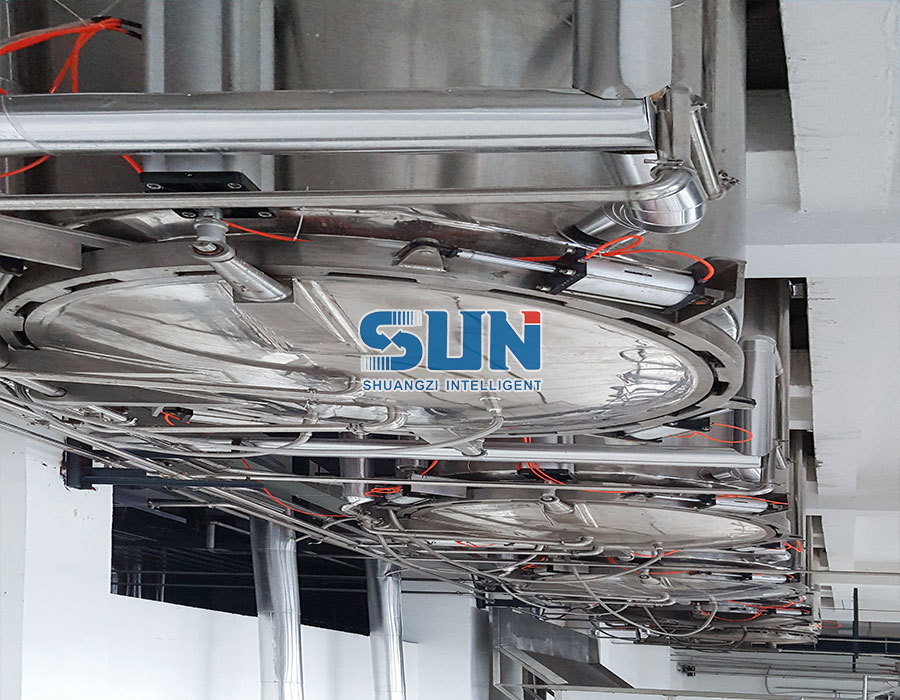
Vacuum low-temperature drying is particularly useful when the product is sensitive to heat or oxidation. By reducing pressure, moisture and volatile components can be removed at a lower temperature. This approach can help preserve color, molecular structure, and functional performance.
Other dryer options may include tray vacuum dryers, vacuum conical dryers, paddle dryers, fluidized-bed dryers, spray dryers, or combinations of technologies. The appropriate choice depends on the wet-cake structure, required capacity, solvent content, final moisture, particle-size target, and permitted thermal exposure.
A drying system for alcohol-containing pectin must include appropriate vapor condensation and solvent recovery arrangements. The dryer chamber, seals, condenser, vacuum system, and discharge equipment should be selected to prevent solvent leakage and maintain safe operating conditions.
Drying Control
Important drying variables include product temperature, chamber pressure, drying time, vacuum level, shelf or jacket temperature, vapor-condensation capacity, and endpoint moisture. Excessive drying may increase energy consumption or produce a brittle, dusty product. Insufficient drying may reduce storage stability and increase the risk of microbial growth or caking.
Online or laboratory moisture testing can be used to determine the endpoint. Water activity, residual solvent, color, bulk density, solubility, and gel strength may also be evaluated depending on the product specification.
10. Milling, Screening, Packaging, and Storage
After drying, the pectin cake may require milling to achieve a uniform powder. A suitable mill should provide the desired particle-size distribution without causing excessive heat generation. The system may include a crusher, pulverizer, grinder, sieve, magnetic separator, and dust-collection unit.
Screening removes oversized particles and supports consistent dispersion in the customer's formulation. The target particle size depends on the application. A rapidly dispersible pectin powder may require a different particle distribution from a product designed for controlled hydration.
Packaging should protect the product from moisture, oxygen, contamination, light, and mechanical damage. Common arrangements include lined bags, multi-layer paper sacks, plastic containers, or smaller retail or laboratory packages. The packaging area should be separated from raw-material handling and designed to reduce airborne contamination.
Finished containers should be labeled with product name, batch number, net weight, production date, storage conditions, and other information required by the applicable regulations. Traceability from raw material to finished package is important for quality management and customer support.
Pectin should generally be stored in a cool, dry, clean area away from strong odors, direct sunlight, chemicals, and moisture sources. Warehouse management should follow first-in, first-out or first-expired, first-out principles as appropriate to the product shelf life.
11. Capacity Options and Production Flexibility
The pectin extraction production line is available in multiple operational-capacity configurations. The listed biomass-processing options range from 500 kilograms per hour to 10,000 kilograms per hour. The actual pectin output will depend on raw-material pectin content, moisture, extraction yield, purification losses, precipitation efficiency, and final product specifications.
| Nominal Line Option | Operational Biomass Capacity | Typical Application |
|---|---|---|
| 500 | 500 kg/h | Pilot-scale commercial production or small industrial plant |
| 1000 | 1,000 kg/h | Small to medium production facility |
| 2000 | 2,000 kg/h | Medium-capacity industrial operation |
| 3000 | 3,000 kg/h | Expanded commercial production |
| 4000 | 4,000 kg/h | Large plant with multiple process sections |
| 5000 | 5,000 kg/h | High-throughput extraction facility |
| 6000 | 6,000 kg/h | Large integrated plant |
| 8000 | 8,000 kg/h | Very high-capacity industrial line |
| 10000 | 10,000 kg/h | Major commercial production complex |
These capacity options provide flexibility for different investment plans and raw-material supply conditions. A line should not be sized only according to the desired finished-product volume. The engineering team must also consider seasonal feedstock availability, operating days per year, extraction yield, water consumption, steam demand, alcohol recovery, wastewater load, storage capacity, and future expansion.
Modular design can allow the customer to expand extraction, filtration, evaporation, drying, or packaging capacity in stages. Such an approach can reduce initial capital pressure while leaving room for future market growth.
Batch, Semi-Continuous, and Continuous Operation
Batch processing provides recipe flexibility and is often suitable when raw materials vary significantly or when several pectin grades are produced in the same facility. Semi-continuous systems can improve equipment utilization while retaining some flexibility. Continuous systems may offer more stable throughput and lower labor intensity for large, standardized operations.
The appropriate operating mode depends on the customer's product range, raw-material consistency, labor structure, automation objectives, and investment budget. The equipment supplier can configure tanks, transfer systems, filtration units, evaporators, dryers, and controls to match the selected production mode.
12. Automation and Process Control
Automation improves repeatability, reduces manual dosing errors, supports production records, and allows operators to monitor critical process parameters. A pectin production line may include a central control system, programmable logic controllers, touchscreen operator interfaces, flowmeters, load cells, temperature sensors, pressure transmitters, pH meters, conductivity meters, level instruments, and motor-frequency controls.
Typical automated functions include raw-material feeding, water addition, acid dosing, heating, extraction-time control, transfer sequencing, filtration monitoring, evaporation control, alcohol dosing, solvent recovery, drying cycles, and alarm management.
Recipe management can help operators reproduce approved operating conditions. Batch records may contain raw-material identification, process times, temperatures, pH values, material quantities, filtration pressures, concentration endpoints, precipitation data, drying parameters, and packaging information.
Automation does not replace process development or operator expertise. Sensors must be calibrated, control limits must be validated, and production personnel must understand how to respond to abnormal conditions. A practical system combines automatic control with clear manual intervention procedures.
Data and Quality Traceability
Data collection supports continuous improvement. By comparing extraction yield, filtration time, evaporation load, alcohol consumption, drying time, and finished-product quality, the plant can identify opportunities for process optimization.
Quality traceability is particularly important when raw materials come from multiple suppliers or harvest periods. Linking each finished batch to its raw material, process recipe, equipment status, test results, and packaging records strengthens customer confidence and supports investigations if a deviation occurs.
13. Manufacturing Capabilities and Engineering Strengths
The quality of a complete production line depends heavily on the manufacturing capability of the equipment supplier. A supplier that understands only individual tanks may not be able to optimize the interaction between extraction, separation, concentration, drying, utilities, and automation. An integrated engineering company can address the entire process chain.
Zhejiang Shuangzi Intelligent Equipment Co., Ltd. was founded in 2007 and operates a manufacturing base with a floor area of approximately 16,706 square meters and a structure area of approximately 17,800 square meters. The company focuses on EPC and EPCM services, process technology, automation engineering design, equipment manufacture, matching procurement, installation, commissioning, and system integration.
Its product and engineering experience covers plant extraction, biological fermentation, pharmaceutical engineering, natural food processing, energy conservation, and environmental protection. This range is relevant to pectin production because the line combines hygienic food processing, acidic extraction, separation, evaporation, drying, solvent handling, automation, and environmental control.
Fabrication and Finishing
Process equipment for pectin extraction requires accurate fabrication and careful finishing. The company has introduced advanced welding and finishing equipment, including plasma argon arc welding machines, plasma cutting machines, CAM CNC machining centers, and other specialized manufacturing tools.
Plasma cutting can provide controlled cutting performance for stainless-steel components. CNC machining supports dimensional accuracy for flanges, fittings, shafts, brackets, and other parts. Plasma argon arc welding can produce clean and consistent welds when properly applied to process vessels and hygienic piping.
Weld quality and surface finishing are especially important in food, pharmaceutical, and natural-product processing. Poorly finished welds may retain product, become difficult to clean, or create corrosion risks. Controlled welding procedures, inspection, polishing, and passivation help improve equipment serviceability and hygiene.
The manufacturing process should also include dimensional inspection, pressure testing where required, surface inspection, functional checks, and documentation. The exact inspection plan is developed according to the equipment type, material, design pressure, customer specification, and applicable standards.
Research and Development Platform
The company maintains pilot production and research-and-development capabilities for processes such as vacuum low-temperature drying, plant extraction, evaporation, precipitation separation, extraction, and fermentation. A pilot platform is valuable because many natural raw materials behave differently during scale-up.
Laboratory or pilot tests can help determine the appropriate raw-material-to-liquid ratio, acid conditions, residence time, filtration method, concentration endpoint, precipitation recipe, washing sequence, and drying cycle. These results reduce the risk of selecting equipment solely from theoretical assumptions.
Pilot testing can also support customer decisions about product grades and market applications. For example, a customer may compare color, gel strength, viscosity, degree of esterification, moisture, ash, residual solvent, and microbiological results before finalizing the production design.
14. Advantages Compared with Less Integrated Equipment Solutions
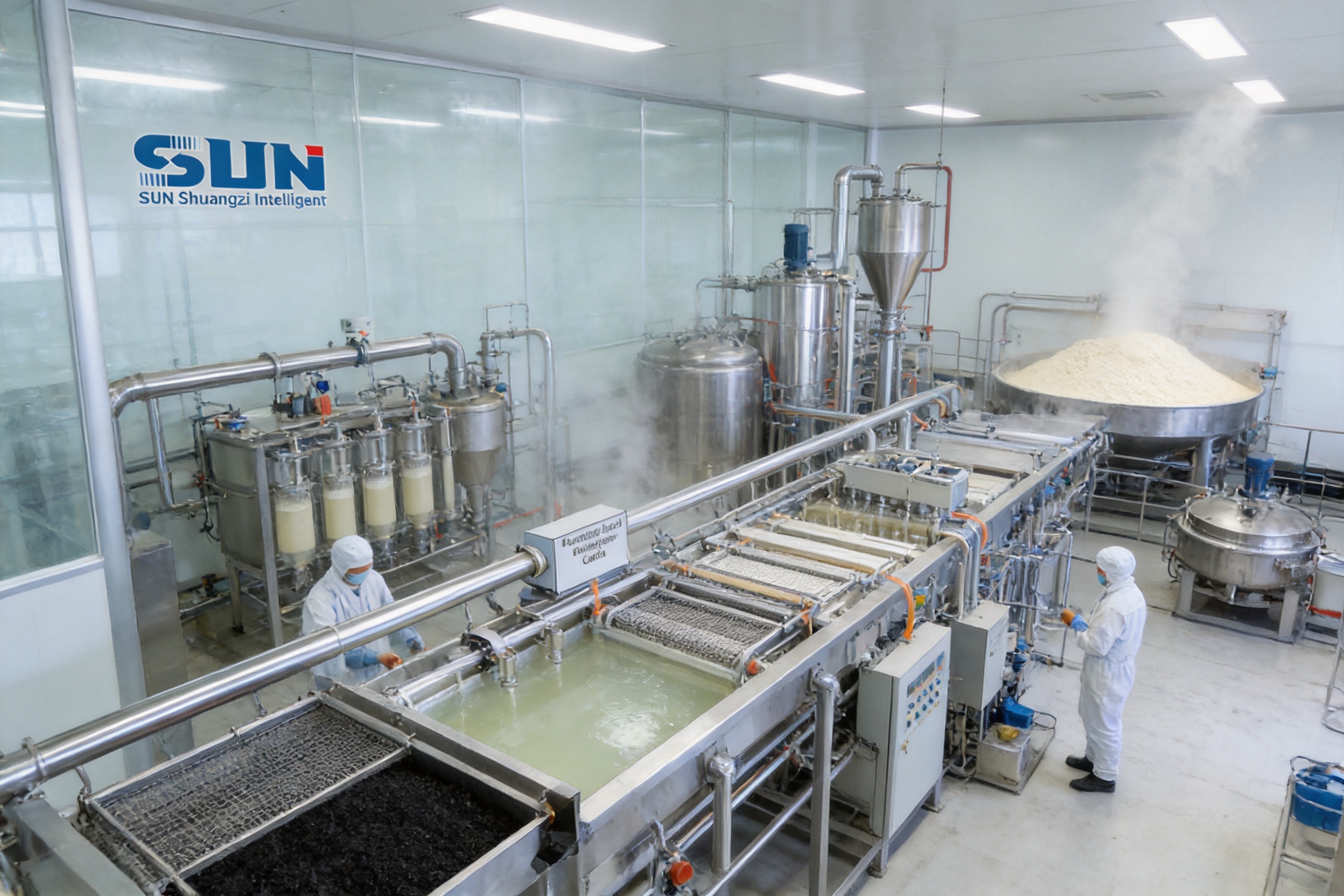
A major advantage of a complete pectin extraction production line is the coordination of all process stages. Purchasing unrelated equipment from multiple suppliers may create problems with pipe connections, control logic, material compatibility, capacity balance, installation responsibility, and after-sales support.
An integrated supplier can design the extraction vessels, filters, evaporators, dryers, pumps, tanks, conveyors, controls, and utilities as a unified system. This approach helps reduce bottlenecks and prevents one section from operating far below or above the capacity of another.
Another advantage is process-specific customization. General-purpose tanks or dryers may not provide the required residence time, mixing pattern, heat-transfer performance, corrosion resistance, or solvent-handling safety for pectin. Equipment designed around the customer's raw material and product requirements is more likely to deliver stable performance.
Vacuum low-temperature drying capability is an important differentiator when the customer needs to protect heat-sensitive pectin characteristics. Extraction, separation, evaporation, and drying experience also allows the supplier to evaluate energy use and material losses across the complete process rather than optimizing one machine in isolation.
Automation and system integration provide further advantages. A coordinated control system can manage sequence operations, alarms, recipe parameters, and production records. This can reduce operator workload and improve batch-to-batch consistency.
Engineering support is also important during installation and start-up. A turnkey supplier can assist with process design, equipment layout, utility requirements, installation, line debugging, operator training, and performance evaluation. This reduces the number of parties that the customer must coordinate during project implementation.
15. Energy, Water, and Environmental Considerations
Pectin production uses water for extraction, washing, cleaning, and sometimes raw-material preparation. It also consumes thermal energy for extraction, evaporation, and drying. A responsible design should evaluate water reuse, condensate recovery, heat recovery, solvent recovery, and wastewater treatment from the beginning of the project.
Evaporation condensate may be suitable for selected non-product-contact uses after evaluation. Heat from hot condensate or vapor can potentially preheat extraction water or cleaning solutions. Multiple-effect evaporation may reduce steam consumption compared with single-effect operation.
Solid residues can sometimes be valorized rather than discarded. Depending on composition and local regulations, residues may be used for animal feed, composting, fuel, dietary fiber, or other secondary products. Their suitability must be confirmed through safety, nutritional, and regulatory assessments.
Wastewater may contain organic matter, acid, soluble sugars, suspended solids, and residual alcohol. Treatment requirements depend on the process and local discharge standards. A production line should provide appropriate collection, segregation, neutralization, recovery, and treatment arrangements.
Alcohol vapors must be contained and recovered or treated. Ventilation should be designed to prevent hazardous vapor accumulation. Solvent storage, transfer, and recovery should be incorporated into the overall safety and environmental plan rather than treated as an afterthought.
16. Installation, Commissioning, and Turnkey Project Support
A complete pectin project includes more than equipment delivery. The factory must have a suitable layout, foundations, drainage, steam or thermal-oil supply, cooling water, compressed air, electricity, water treatment, ventilation, fire protection, wastewater handling, and finished-product storage.
During engineering design, the supplier can prepare process flow diagrams, piping and instrument diagrams, equipment lists, layout drawings, utility calculations, control descriptions, and installation requirements. These documents help the customer coordinate civil construction and factory infrastructure.
Installation should verify equipment alignment, pipe slopes, valve orientation, instrument placement, electrical connections, insulation, safety guarding, and access for operation and maintenance. Product-contact lines should be cleaned and inspected before production materials are introduced.
Commissioning normally proceeds from individual equipment testing to water trials, utility tests, control-system verification, no-load operation, and process-material trials. Operators should be trained in start-up, shutdown, cleaning, troubleshooting, sampling, safety, and emergency procedures.
Performance testing can compare actual results with agreed criteria such as biomass throughput, extraction yield, filtration capacity, concentration performance, drying time, energy consumption, solvent recovery, and final-product quality. The test protocol should define sampling methods and acceptable tolerances in advance.
17. Maintenance and Long-Term Reliability
Reliable operation depends on preventive maintenance. Extraction agitators, pumps, seals, valves, filters, evaporator heat-transfer surfaces, vacuum systems, dryers, conveyors, and packaging equipment should have defined inspection intervals.
Acidic materials can accelerate corrosion if materials, cleaning, or passivation are not properly managed. Solids can cause abrasion or blockages. Pectin deposits can form when product dries on hot surfaces or remains in dead zones. Regular flushing, cleaning, inspection, and replacement of wear parts help maintain performance.
Instrumentation requires calibration. Temperature, pH, pressure, flow, weight, level, conductivity, and moisture measurements influence process decisions. Inaccurate instruments can lead to inconsistent extraction or drying even when the mechanical equipment is functioning correctly.
A maintenance program should include critical-spare-parts planning. Recommended spares may include mechanical seals, gaskets, filter elements, pump components, instrument probes, belts, bearings, valves, and control-system components. The selection depends on the line design and the customer's maintenance capabilities.
Equipment access is an important design consideration. Platforms, stairs, lifting points, inspection ports, removable panels, and drain connections should allow safe maintenance without excessive production disruption.
18. Product Quality and Testing
The final quality of pectin is determined by both the raw material and the process. A quality-control program may evaluate appearance, color, odor, moisture, ash, pH, solubility, viscosity, gel strength, degree of esterification, methoxyl content, particle size, microbiological status, and residual solvent.
Not every customer requires the same specification. High-methoxyl pectin, low-methoxyl pectin, amidated pectin, and other functional grades may have different processing and application requirements. The production line should be configured to achieve the intended product characteristics rather than relying on a single universal recipe.
Sampling should occur at important process points, including prepared raw material, extraction liquid, clarified extract, concentrated extract, precipitated pectin, dried powder, and packaged product. Trending these results can reveal process drift before it affects a large production batch.
Quality assurance also includes cleaning verification, allergen or cross-contact control where relevant, environmental monitoring, calibration records, supplier qualification, batch documentation, and release procedures.
19. Selecting the Right Pectin Production Line
Before selecting equipment, customers should define their raw material, expected operating schedule, target products, available utilities, factory space, local regulations, labor resources, and expansion plans.
Key questions include:
What plant material will be processed, and what are its average moisture and pectin contents?
Will the raw material be fresh, frozen, dried, or stored by-products?
What biomass throughput is required per hour and per year?
What final pectin grade and quality parameters are required?
Is alcohol precipitation required, and which solvent-management regulations apply?
What steam, electricity, cooling water, compressed air, and process water are available?
How will solids, wastewater, vapors, and recovered solvent be handled?
What degree of automation and data recording is expected?
Will the customer operate one product grade or several grades?
Is a pilot test needed before final equipment selection?
Answers to these questions allow the process design to be matched to actual production conditions. A line that is too small may create bottlenecks and excessive labor costs. A line that is too large may increase capital expenditure and reduce utilization.
20. Frequently Asked Questions
What raw materials can be used for pectin extraction?
Citrus peels and apple pomace are common industrial raw materials. Other plant residues may also be suitable if they contain sufficient pectin and can be supplied consistently. A laboratory or pilot evaluation should determine extraction yield, color, impurity levels, and product functionality before a commercial line is selected.
Why is dilute acid used in the extraction process?
Dilute acid helps hydrolyze the bonds that hold protopectin within the plant cell wall. This transfers pectin into the aqueous phase. The acid concentration, temperature, and extraction time must be controlled because overly severe conditions can reduce molecular weight or damage product quality.
Does the line produce finished pectin powder directly?
The complete line can include extraction, separation, filtration, purification, concentration, precipitation, drying, milling, screening, and packaging. The exact configuration depends on the customer's raw material, product specification, and selected process route.
What does the listed capacity mean?
The listed capacity refers to operational biomass-processing capacity, with options from 500 kilograms per hour to 10,000 kilograms per hour. Finished pectin output is lower and depends on the pectin content of the raw material and the yield of each process stage.
Is alcohol precipitation safe?
Alcohol precipitation can be operated safely when the facility includes suitable ventilation, grounding, bonding, closed transfer, solvent recovery, hazardous-area controls, fire protection, and trained personnel. The final design must comply with local safety and fire regulations.
Why is vacuum drying useful for pectin?
Vacuum drying can remove moisture and volatile components at a lower temperature than many atmospheric drying methods. This may help reduce thermal damage, color development, and loss of functional properties, especially for heat-sensitive products.
Can the production line be customized?
Yes. Equipment size, extraction method, filtration stages, purification system, evaporator type, dryer type, automation level, packaging system, and utility arrangement can be adapted to the raw material and product requirements.
What manufacturing capabilities support the equipment quality?
The manufacturer has process-equipment fabrication capabilities supported by plasma argon arc welding machines, plasma cutting equipment, CAM CNC machining centers, finishing facilities, pilot production facilities, and engineering experience in extraction, evaporation, separation, fermentation, and drying systems.
Does the supplier provide turnkey services?
The company can provide process design, equipment design, manufacturing, matching procurement, installation, line debugging, system integration, and related turnkey project services. The exact scope is established during technical and commercial discussions.
How should a customer begin a project?
The customer should provide raw-material information, target capacity, desired product specification, operating schedule, available utilities, factory information, and local regulatory requirements. If the raw material is new or variable, pilot testing is recommended before final process selection.
21. Conclusion
A modern pectin extraction production line must combine effective acid extraction with reliable separation, purification, concentration, precipitation, drying, packaging, and process control. Each stage influences the final yield, cost, color, purity, functionality, and consistency of the pectin.
The equipment is most effective when designed as an integrated process rather than as a collection of unrelated machines. Hygienic construction, corrosion-resistant materials, controlled heating, efficient filtration, vacuum concentration, safe alcohol handling, low-temperature drying, automation, and solvent recovery all contribute to a stronger production system.
Zhejiang Shuangzi Intelligent Equipment Co., Ltd. brings together process engineering, equipment fabrication, pilot testing, automation, installation, and turnkey project capabilities. Its experience in plant extraction, evaporation, separation, fermentation, drying, pharmaceutical engineering, and natural food processing supports the development of customized pectin production projects.
With operational biomass-capacity options from 500 kilograms per hour to 10,000 kilograms per hour, the line can be adapted to small industrial operations, medium-scale facilities, and large commercial plants. The final design should be based on raw-material testing, product requirements, utility assessment, safety review, environmental planning, and a complete process-engineering evaluation.
When these factors are addressed together, pectin extraction becomes a controllable and scalable manufacturing operation capable of converting plant by-products into a valuable, functional, and marketable ingredient.
References
May, C. D. Industrial Pectins: Sources, Production, and Applications. Carbohydrate Polymers and Related Industrial Studies.
Voragen, A. G. J., Coenen, G. J., Verhoef, R. P., and Schols, H. A. Pectin, a Versatile Polysaccharide Present in Plant Cell Walls.
Food and Agriculture Organization. Principles of Food Processing, Hygienic Design, and By-Product Utilization.
Rao, M. A. Rheology of Fluid and Semisolid Foods: Principles and Applications.
Fellows, P. J. Food Processing Technology: Principles and Practice.
Perry, R. H. and Green, D. W. Perry’s Chemical Engineers’ Handbook.
Relevant food-processing, pressure-vessel, electrical-safety, hazardous-area, environmental, and good-manufacturing-practice standards applicable to the project location.