
 英语
英语 俄语
俄语Content
- 1 Understanding the Role of Membrane Separation in Modern Processing
- 2 Product Overview
- 3 Core Separation Principle
- 4 Major Advantages Over Conventional Separation Equipment
- 5 Comparison with Common Competing Technologies
- 6 Applications in Plant Extraction Projects
- 7 Applications in Food and Fermentation Industries
- 8 Applications in Biological and Pharmaceutical Processing
- 9 Applications in Wastewater Treatment and Environmental Protection
- 10 System Configuration and Process Flow
- 11 Manufacturing Strength Behind the Equipment
- 12 Engineering and Turnkey Project Capability
- 13 Quality-Oriented Design Considerations
- 14 Operational Benefits for Industrial Users
- 15 Why Ceramic Membrane Systems Are Well Suited for Difficult Feed Streams
- 16 Integration with Extraction, Concentration, and Drying Processes
- 17 Customization and Project Adaptability
- 18 Maintenance and Cleaning Strategy
- 19 Safety, Hygiene, and Automation
- 20 Purchasing Considerations for Users
- 21 Q&A Section
- 21.1 What is Plant Extraction Supporting Membrane Separation Equipment used for?
- 21.2 How does the equipment work?
- 21.3 Why is ceramic membrane technology advantageous?
- 21.4 Can this equipment replace traditional filtration?
- 21.5 Is the equipment suitable for heat-sensitive materials?
- 21.6 What industries can use the equipment?
- 21.7 What makes this equipment competitive?
- 21.8 Can the system be customized?
- 21.9 How is membrane fouling controlled?
- 21.10 Why is supplier engineering experience important?
- 22 Conclusion
- 23 References
- 24 Product: Plant Extraction Supporting Membrane Separation Equipment
Plant extraction, bio-fermentation, pharmaceutical synthesis, food processing, and environmental treatment all share one critical technical challenge: how to separate valuable components from complex liquid or gas streams with high efficiency, stable quality, and controllable operating cost. Plant Extraction Supporting Membrane Separation Equipment is designed to answer that challenge through selective membrane filtration, a process that uses a membrane as the separation medium and applies a driving force across both sides of the membrane to allow target components to pass while retaining unwanted particles, macromolecules, microorganisms, pigments, oils, or other impurities.
Unlike conventional separation methods that may rely heavily on heat, excessive chemical additives, repeated precipitation, or labor-intensive batch clarification, membrane separation provides a cleaner and more controllable route to purification and concentration. It is especially valuable in modern plant extraction projects, where active ingredients may be sensitive to heat, oxidation, and prolonged processing. By supporting clarification, degerming, decolorization, concentration, and recycling applications, this equipment helps manufacturers improve yield, reduce waste, protect product quality, and simplify downstream processing.
Zhejiang Shuangzi Intelligent Equipment Co., Ltd. develops and manufactures this membrane separation equipment as part of its broader process engineering and turnkey project capabilities. The company focuses on process technology, automation engineering design, equipment manufacturing, system integration, installation, and commissioning for industries such as plant extraction, biological fermentation, pharmaceutical engineering, natural food processing, energy conservation, and environmental protection. Its technical background in extraction, evaporation, concentration, fermentation, crystallization, filtration, and GMP-oriented pilot systems gives the equipment a strong practical foundation for industrial users seeking stable long-term performance.
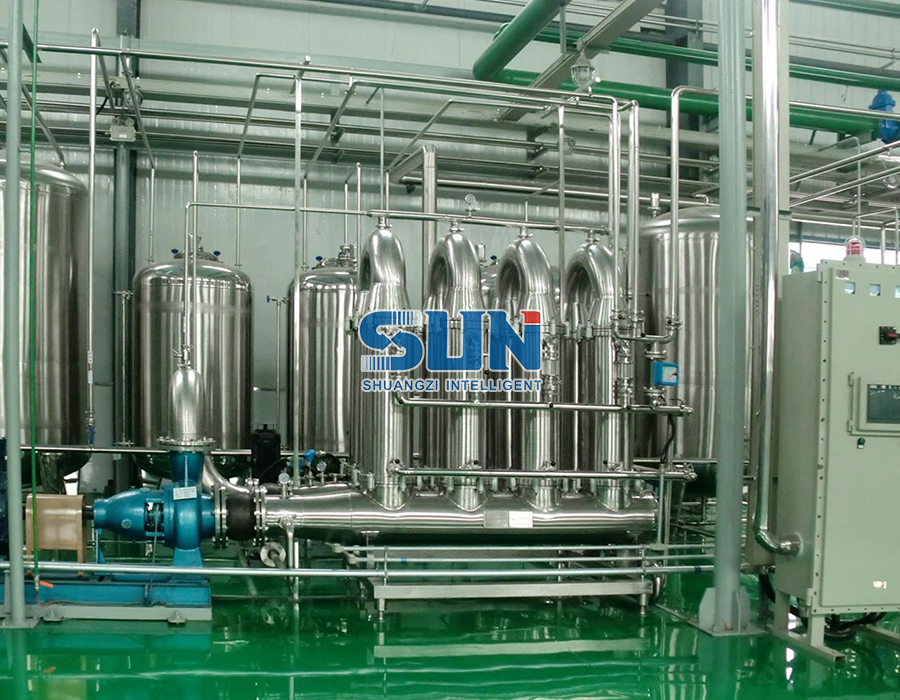
Plant Extraction Supporting Membrane Separation Equipment
Understanding the Role of Membrane Separation in Modern Processing
Membrane separation is a pressure-driven or force-driven process in which a membrane selectively permits certain components to pass while blocking others. Depending on the membrane structure, pore size, material, and operating conditions, the equipment can be configured for clarification, particle removal, sterilizing filtration, concentration, oil-water separation, pigment purification, activated carbon recovery, or macromolecule separation. This flexibility makes membrane technology one of the most important separation tools in industries that require both purity and efficiency.
In plant extraction, raw extract often contains suspended solids, colloids, proteins, polysaccharides, pigments, starches, gums, and other impurities. If these substances are not removed efficiently, they may cause instability, sedimentation, poor appearance, difficulty in evaporation, fouling in downstream equipment, or reduced active ingredient quality. Membrane separation equipment can remove many of these impurities without aggressive heating, helping protect natural compounds and reduce the load on later purification steps.
In bio-fermentation, fermentation broth is usually complex and contains cells, cell debris, proteins, metabolic products, residual media, and suspended solids. A reliable membrane separation system can clarify fermentation liquid, separate biomass, and assist in product purification. Compared with traditional centrifugation or plate-and-frame filtration, membrane equipment can offer continuous operation, compact layout, improved automation, and more precise separation performance.
In food and beverage production, membrane filtration supports mineral water clarification, soy sauce and vinegar degerming, fruit juice clarification, beverage polishing, alcohol filtration, sugar refining, and activated carbon recycling. These applications require hygienic design, stable filtrate quality, and low impact on flavor, color, aroma, and nutritional components. Membrane separation is particularly well suited for these needs because it can operate under moderate temperature and controlled pressure.
In biological and pharmaceutical industries, the technology can be used for clarification and filtration of oral liquids, purification and refining of biological products, air sterilization and dust removal, and activated carbon separation. In these sectors, equipment reliability, material quality, cleanability, and process repeatability are essential. A well-designed membrane system not only performs separation but also supports production compliance, batch consistency, and reduced contamination risk.
Product Overview
Plant Extraction Supporting Membrane Separation Equipment is a separation machine designed around membrane modules, a feeding pump, a circulating pump, a raw material or circulation tank, pipelines, valves, instruments, and a control system. The feeding pump supplies liquid to the system, while the circulating pump provides the required membrane surface velocity. High cross-flow velocity helps reduce cake layer formation and membrane fouling, allowing the system to maintain more stable flux during operation.
The described system is composed of eight unit components arranged in a combined channel configuration, and each membrane unit contains nineteen membrane tubes. This modular structure is suitable for industrial scale-up because membrane area can be increased by adding units or adjusting configuration. The system supports a process route in which liquid moves from the circulation tank to the feed pump, then through the ceramic membrane, producing filtrate while returning concentrate to the circulation loop. During cleaning, the route allows cleaning solution to circulate through the membrane system and discharge osmotic solution or concentrate as required.
Ceramic membrane technology is particularly attractive for demanding industries because ceramic membranes usually provide high mechanical strength, good chemical resistance, heat resistance, long service life, and strong cleaning tolerance. These characteristics make them suitable for complex materials, high-solid liquids, pigment-containing extracts, oily wastewater, fermentation broth, and other streams that may challenge organic membranes or traditional filter media.
The equipment can be applied to wastewater treatment, including oily wastewater and wastewater containing particles; food and fermentation processes, including mineral water clarification, soy sauce and vinegar degerming, fruit juice and beverage clarification, alcoholic liquid filtration, fermentation product purification, decolorizing activated carbon recovery, and sugar refining; biological and pharmaceutical processes, including oral liquid clarification, biological product purification, air sterilization and dust removal, and decolorizing activated carbon separation; and additional areas such as high-temperature gas dust removal, oilfield reinjection water treatment, and natural pigment production.
Core Separation Principle
The operating principle of the equipment is based on selective permeability. The membrane acts as a barrier with controlled pore structure or selective transport characteristics. When pressure or another driving force is applied, liquid components smaller than the membrane pores, or components compatible with the membrane transport mechanism, pass through as filtrate or permeate. Larger particles, microorganisms, oils, colloids, macromolecules, and suspended impurities are retained and concentrated in the circulating liquid.
Cross-flow filtration is a key feature. In dead-end filtration, feed liquid is pushed directly into the filter medium, and retained solids accumulate rapidly on the surface. This can cause quick clogging and unstable performance. In cross-flow membrane filtration, feed liquid flows tangentially across the membrane surface. The tangential velocity sweeps away retained materials, limiting the buildup of deposits and extending stable operating time. The circulating pump in this equipment provides this surface velocity, making the process more suitable for industrial continuous or semi-continuous operation.
The separation effect depends on membrane material, pore size, transmembrane pressure, temperature, feed concentration, viscosity, flow velocity, cleaning method, and process design. Zhejiang Shuangzi Intelligent Equipment Co., Ltd. combines equipment manufacturing with process engineering knowledge, allowing users to receive not only a machine but also a process solution matched to the characteristics of the material being treated. This is especially important for plant extracts and fermentation products, where different raw materials may behave very differently during filtration.
Major Advantages Over Conventional Separation Equipment
Higher Product Quality Through Gentle Processing
Many active plant ingredients, biological products, flavors, colors, aromas, and nutrients are sensitive to high temperature and harsh chemical conditions. Conventional thermal concentration, repeated precipitation, or strong chemical clarification may damage valuable components or change the sensory and functional characteristics of the product. Membrane separation can often work at moderate temperatures and avoids unnecessary phase change. This helps preserve the natural quality of extracts, foods, and fermentation products.
For plant extraction projects, gentle processing is a decisive advantage. Extracts from herbs, botanicals, spices, fruits, and natural pigments can contain delicate compounds that need careful handling. By reducing thermal stress and shortening processing routes, the membrane system supports higher-quality final products and can improve the stability of downstream evaporation, drying, crystallization, or formulation.
Improved Clarification and Purity
The equipment can remove suspended particles, colloids, microorganisms, and other impurities more consistently than many traditional filtration approaches. The membrane provides a defined separation interface, which means the filtrate quality is less dependent on manual operation or filter aid variation. This is useful when manufacturers require repeatable clarity, low turbidity, reduced microbial load, or stable downstream performance.
In food and beverage applications such as juice, alcohol, soy sauce, vinegar, and mineral water clarification, improved clarity contributes directly to product appearance and shelf stability. In biological and pharmaceutical applications, clarification can reduce contamination risks and make subsequent purification steps more efficient.
Strong Resistance to Harsh Materials
Ceramic membrane systems can withstand challenging feed streams, including materials containing particles, oils, pigments, activated carbon, fermentation residues, and natural extract impurities. Compared with some polymeric membranes, ceramic membranes generally tolerate stronger cleaning agents, wider pH ranges, and higher temperatures. This makes the equipment suitable for industrial environments where the feed composition changes frequently or where strong cleaning is required to restore membrane performance.
For users handling natural raw materials, this is especially important. Plant materials can vary by season, origin, harvest conditions, and extraction method. A robust membrane system gives producers greater flexibility and reduces the risk of frequent membrane replacement or unstable production caused by feed variability.
Reduced Chemical Consumption
Traditional clarification may require filter aids, flocculants, coagulants, or repeated chemical treatments. These additives increase operating cost and may introduce impurities that require additional removal. Membrane separation can reduce dependence on such chemicals by achieving physical separation through membrane selectivity. Although cleaning chemicals are still used periodically, the overall process may become cleaner and more environmentally friendly.
For food, pharmaceutical, and natural product manufacturers, reducing process additives is not only a cost benefit but also a quality and regulatory advantage. Cleaner processes support cleaner labels, easier validation, and lower risk of unwanted residues.
Continuous and Automated Operation
The equipment is built around pumps, membrane modules, tanks, valves, instruments, and control logic, making it suitable for automated operation. Compared with labor-intensive batch filtration methods, membrane separation can be integrated into continuous or semi-continuous processing lines. Automated pressure, flow, temperature, and cleaning control can improve consistency, reduce manual workload, and improve production safety.
Zhejiang Shuangzi Intelligent Equipment Co., Ltd. has experience in automation engineering design and equipment system integration. This allows the membrane separation equipment to be configured not as an isolated machine, but as part of a complete production line that may include extraction, concentration, precipitation, fermentation, evaporation, drying, crystallization, and packaging support systems.
Lower Downstream Load
By removing impurities early, the membrane system can reduce the burden on downstream evaporators, concentrators, dryers, chromatographic systems, crystallizers, or polishing filters. Cleaner feed means less fouling, more stable heat transfer, lower maintenance frequency, and improved final product consistency. In many processing plants, the economic value of membrane separation is not limited to the filtration step itself; it also appears in lower downtime and higher efficiency across the entire line.
Compact and Modular Structure
Membrane separation equipment usually occupies less floor area than some traditional sedimentation, clarification, or multi-stage filtration systems. The modular design described, with multiple membrane units and membrane tubes, supports capacity adjustment and process expansion. Users can start with a system suited to current production requirements and later expand or modify the configuration as demand increases.
Comparison with Common Competing Technologies
Different separation technologies have different strengths. Centrifuges are useful for high-density solid-liquid separation, plate filters are familiar and simple, filter presses can handle sludge-like materials, and thermal processes are essential for concentration. However, membrane separation offers a unique combination of selectivity, low-temperature operation, automation, and compactness. The following table summarizes key differences from the perspective of plant extraction, food, fermentation, and pharmaceutical processing.
| Technology | Main Strength | Common Limitation | Advantage of Membrane Separation Equipment |
|---|---|---|---|
| Plate-and-frame filtration | Simple structure and familiar operation | May require filter aids, frequent replacement, and manual labor | Cleaner operation, defined separation accuracy, easier automation |
| Centrifugation | Effective for density-based solid removal | Less effective for fine colloids and may consume high energy | Better fine clarification and stable filtrate quality |
| Thermal concentration | Removes water and increases solids content | May damage heat-sensitive materials and cause scaling | Can clarify and pre-concentrate under milder conditions |
| Chemical precipitation | Can remove certain impurities selectively | Additives may increase residue, cost, and downstream purification | Physical separation reduces dependence on chemical agents |
| Disposable cartridge filtration | Convenient for polishing and small batches | High consumable cost for large volumes or dirty feeds | Reusable membrane modules and clean-in-place compatibility |
Applications in Plant Extraction Projects
Plant extraction is one of the most important application fields for this equipment. Extracts from roots, leaves, fruits, flowers, seeds, bark, algae, and natural pigments often require multiple separation steps after extraction. A typical process may include extraction, coarse filtration, membrane clarification, concentration, purification, drying, and final blending. The membrane system can be positioned after extraction and rough removal of large residues to produce a clearer liquid for subsequent processing.
In botanical extraction, raw extract often contains suspended fibers, fine particles, waxes, tannins, proteins, starch, pectin, chlorophyll, and other unwanted substances. Some of these compounds reduce product stability or cause turbidity after storage. Others may interfere with concentration and drying. Membrane filtration can help remove fine impurities and improve the appearance and quality of the extract.
Natural pigment production is another suitable application. Pigments require careful handling to maintain color value, brightness, and stability. Traditional methods may involve multiple filtration and precipitation stages. Membrane separation can assist in removing insoluble impurities and recovering valuable pigment fractions while reducing unnecessary heat exposure. This supports higher-value natural color products for food, beverage, nutraceutical, cosmetic, and pharmaceutical uses.
For herbal oral liquids and Chinese patent medicine preparations, clarity and stability are critical. Membrane clarification can help remove particles and reduce microbial load while preserving active components. Because the equipment can be integrated into hygienic processing lines, it supports controlled production and consistent batch quality.
Applications in Food and Fermentation Industries
The food and fermentation industries demand equipment that can maintain hygiene, preserve flavor, reduce contamination, and operate reliably over long production cycles. The membrane separation system can be used for mineral water clarification, soy sauce purification, vinegar degerming, fruit juice filtration, beverage clarification, alcohol polishing, fermentation product separation, activated carbon recovery, and sugar refining.
For fruit juice and beverage production, visual clarity and taste stability are major quality indicators. Fine suspended particles, pectin fragments, microorganisms, and colloidal materials can cause haze, sediment, or flavor deterioration. Membrane filtration provides a physical barrier that improves clarity without excessive chemical treatment. This is advantageous for premium beverages and natural products where clean processing is valued.
Soy sauce and vinegar production involve fermentation liquids rich in flavor compounds. Degerming and clarification must be performed without stripping desirable taste and aroma. A properly selected membrane process can remove microorganisms and suspended particles while preserving key soluble flavor components. This makes the technology suitable for producers seeking both safety and sensory quality.
In fermentation product separation, membrane equipment helps separate biomass and clarify broth. This can be used before evaporation, extraction, crystallization, or other downstream purification methods. Compared with repeated centrifugation or filter aid filtration, membrane separation can reduce waste solids and improve process continuity.
Applications in Biological and Pharmaceutical Processing
Biological and pharmaceutical production requires high standards for materials, fabrication, cleaning, process control, and documentation. Membrane separation equipment is suitable for clarification and filtration of oral liquid preparations, purification and refining of biological products, activated carbon separation, air sterilization, and dust removal. These applications benefit from consistent pore-based separation and the possibility of clean-in-place operation.
Activated carbon is widely used for decolorization and impurity adsorption, but carbon particles must be separated completely after treatment. If removal is incomplete, downstream equipment may foul or final product quality may be affected. Ceramic membrane filtration can recover and separate decolorizing activated carbon more effectively than some conventional filters, especially when fine particles are present.
For biological products, clarification is often the first step in downstream processing. Removing cells and debris helps protect chromatography columns, ultrafiltration systems, and sterilizing filters. A durable membrane system can improve process economics by reducing disposable filter usage and stabilizing feed quality.
Applications in Wastewater Treatment and Environmental Protection
Industrial wastewater often contains oil, suspended solids, particles, pigments, organic matter, or process residues. The membrane separation equipment can treat oily wastewater and wastewater containing particles by physically separating oil droplets, suspended matter, and other retained materials. This can improve water quality for discharge, reuse, or further biological and chemical treatment.
In oilfield reinjection water treatment, water quality is essential to prevent formation blockage and equipment corrosion. Membrane separation can help remove fine particles and oil residues, supporting more reliable reinjection. In high-temperature gas dust removal, ceramic membrane materials may provide advantages due to thermal resistance and structural stability.
Environmental benefits are increasingly important for manufacturers. By reducing wastewater load, recovering useful materials, and lowering chemical use, membrane separation supports cleaner production. Zhejiang Shuangzi Intelligent Equipment Co., Ltd. includes energy conservation and environmental protection among its focus fields, allowing users to combine process efficiency with sustainability goals.
System Configuration and Process Flow
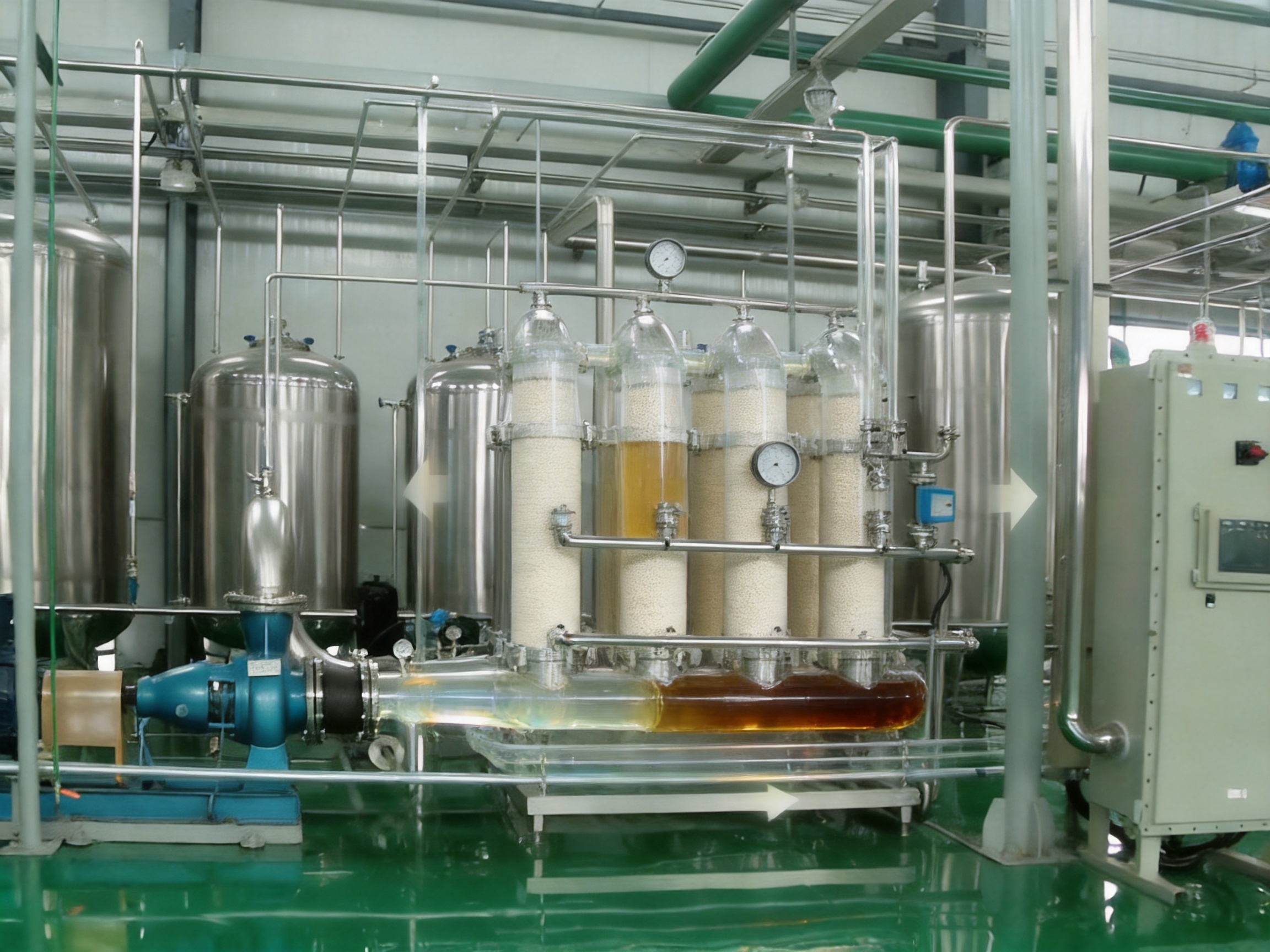
The membrane filtration system consists of core functional parts that work together to achieve controlled separation. The circulation tank stores process liquid and provides a buffer for continuous circulation. The feed pump delivers liquid into the membrane loop. The circulating pump creates high membrane surface velocity, which is essential for cross-flow filtration and fouling control. The ceramic membrane module performs the actual separation. Filtrate exits through the permeate side, while concentrate returns to the circulation tank or proceeds to the next process step depending on operation mode.
During filtration, liquid flows from the circulation tank to the feed pump and into the ceramic membrane module. Permeate passes through the membrane and is collected as filtrate. Retained components remain in the concentrate stream and are circulated back. As operation continues, the concentration of retained substances increases. The process can be controlled by pressure, flow, temperature, concentration factor, filtrate clarity, or batch time.
During cleaning, cleaning solution is circulated through the membrane system to remove deposits and restore flux. Cleaning may involve water rinsing, alkaline cleaning, acidic cleaning, oxidizing cleaning, hot water cleaning, or other procedures depending on membrane type and fouling material. Ceramic membranes are valued because they can tolerate more rigorous cleaning conditions than many organic membranes.
A practical system may include pressure gauges or transmitters, flow meters, temperature sensors, control valves, sampling points, drain points, safety devices, and an electrical control cabinet. For projects with higher automation requirements, programmable control can coordinate feeding, circulation, filtration, concentration, rinsing, cleaning, and shutdown procedures.
Manufacturing Strength Behind the Equipment
The performance of membrane separation equipment depends not only on membrane quality but also on the design and manufacturing quality of tanks, pipelines, welds, supports, valves, instruments, seals, and control systems. Zhejiang Shuangzi Intelligent Equipment Co., Ltd. has developed its capabilities around EPC and EPCM services, process engineering, equipment manufacturing, matching procurement, installation, and system integration. This broad capability is important because industrial separation equipment must work reliably within a complete process environment.
The company was founded in 2007 and operates from a production base in Hangzhou, Zhejiang Province, China. It covers a floor area of 16,706 square meters and a structure area of 17,800 square meters. This scale supports manufacturing, assembly, testing, pilot production, and engineering service activities. The company’s mature product range includes vacuum low-temperature drying equipment, complete fermentation systems, evaporation and concentration equipment, extraction equipment, separation equipment, crystallization equipment, filtration equipment, containers, and related process systems.
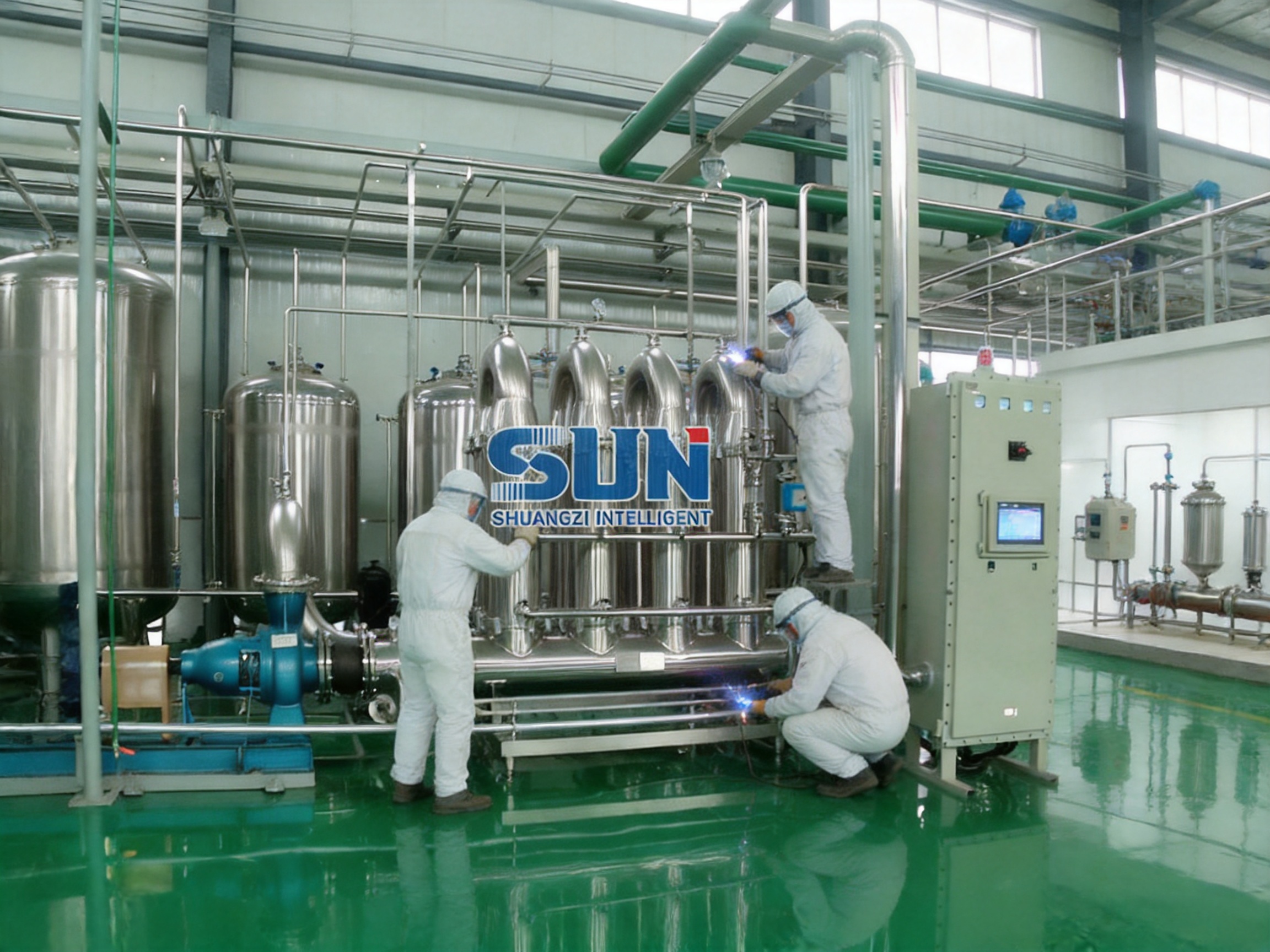
Advanced manufacturing equipment contributes to product consistency. The company has introduced plasma argon arc welding machines, plasma cutting machines, CAM CNC machining centers, and other advanced processing equipment. These resources support accurate cutting, stable welding, refined machining, and controlled fabrication. For stainless steel process equipment, weld quality and surface finish are especially important because they affect cleanability, corrosion resistance, hygienic performance, and long-term reliability.
The company also operates pilot production workshops and research and development platforms designed around automation and GMP requirements. These facilities cover processes such as vacuum low-temperature drying, plant extraction, evaporation, precipitation separation, extraction, and fermentation. Pilot testing is valuable because it allows process parameters to be verified before full-scale investment. For membrane separation, pilot trials can help determine membrane type, flux, pressure, cleaning cycle, concentration factor, and expected product quality.
Engineering and Turnkey Project Capability
Many equipment suppliers can provide a single machine, but industrial users often need a complete solution. A membrane separation system must be integrated with upstream extraction or fermentation and downstream concentration, purification, drying, storage, or filling. Piping layout, automation logic, cleaning strategy, material compatibility, production capacity, and utility requirements must be coordinated. This is where EPC and EPCM capability becomes a major advantage.
Zhejiang Shuangzi Intelligent Equipment Co., Ltd. can provide engineering, process design, equipment design, installation, line debugging, and turnkey project services. This reduces the burden on the buyer and helps avoid mismatches between separate equipment packages. For example, if a plant extraction line includes extraction tanks, coarse filtration, membrane clarification, evaporation concentration, low-temperature drying, and final powder handling, the company can design the process interface among these units to improve flow, reduce product loss, and simplify operation.
Turnkey capability also improves project schedule control. Instead of coordinating multiple unrelated suppliers, users can rely on a process-oriented equipment partner that understands the entire production route. This is particularly valuable for new factories, capacity expansions, technology upgrades, and GMP-oriented production lines.
Quality-Oriented Design Considerations
High-quality membrane separation equipment should be designed with practical industrial needs in mind. Material selection must match the chemical composition, temperature, pH, and cleaning conditions of the process liquid. Stainless steel surfaces must be smooth and cleanable. Dead corners should be minimized. Seals must resist process and cleaning media. Pumps must provide stable flow without excessive shear or energy waste. Instruments must be positioned for accurate monitoring and convenient maintenance.
The equipment should also allow safe sampling and process observation. Operators need to monitor filtrate clarity, pressure difference, flow rate, temperature, and concentration. If pressure rises abnormally or flux decreases, the system should allow timely adjustment or cleaning. Good design reduces the risk of membrane fouling, product loss, and unplanned downtime.
For pharmaceutical and food applications, clean-in-place capability is especially valuable. A well-planned cleaning process reduces manual disassembly, improves hygiene, and supports production repeatability. Ceramic membrane systems can often be cleaned effectively with appropriate chemical and thermal procedures, extending service life and reducing consumable cost.
Operational Benefits for Industrial Users
From an operator’s perspective, the equipment offers several practical benefits. First, the process is easier to standardize than manual filtration. Once the correct parameters are established, pressure, flow, temperature, and cleaning time can be controlled repeatedly. Second, the system reduces exposure to open handling, which can improve hygiene and safety. Third, the modular membrane structure simplifies capacity planning and maintenance. Fourth, high-quality clarification protects downstream equipment and reduces the frequency of cleaning in evaporators, dryers, and purification systems.
From a financial perspective, the equipment can reduce filter aid consumption, lower labor demand, decrease product loss, improve yield, and extend downstream equipment life. Although membrane systems require initial investment and proper maintenance, their long-term value is often reflected in better product quality, reduced waste, and more stable production.
From a sustainability perspective, membrane separation supports resource recovery and cleaner production. It can recover activated carbon, reduce suspended solids in wastewater, lower chemical consumption, and improve reuse potential for process water. In industries facing stricter environmental expectations, these benefits can be strategically important.
Why Ceramic Membrane Systems Are Well Suited for Difficult Feed Streams
Ceramic membranes are widely used in challenging industrial applications because they combine separation accuracy with durability. Their inorganic structure gives them strong resistance to mechanical stress and chemical cleaning. This means they can handle feed streams that contain abrasive particles, oils, pigments, microorganisms, and complex organic materials. In plant extraction and fermentation, where feed properties can be unpredictable, this robustness is a major advantage.
Ceramic membranes also support high-temperature cleaning and sterilization methods in many cases. This improves sanitation and helps restore flux after fouling. Their long service life can reduce replacement frequency and total operating cost. While ceramic membranes may have a higher initial cost than some disposable or polymeric options, their durability, cleanability, and performance stability often make them more economical for demanding production environments.
Integration with Extraction, Concentration, and Drying Processes
The true value of membrane separation becomes clearer when viewed as part of a complete processing line. In a plant extraction project, raw material may first be extracted with water, ethanol, or another solvent. After extraction, large solids are removed. The membrane separation equipment then clarifies the extract and removes fine impurities. The clarified extract can enter evaporation and concentration equipment with lower fouling risk. It may then proceed to precipitation, purification, drying, or formulation.
When membrane filtration is positioned before evaporation, it can improve heat transfer efficiency and reduce scaling. When positioned before drying, it can improve powder color, stability, and solubility. When used after activated carbon decolorization, it can remove carbon particles and produce a cleaner liquid. When used in fermentation lines, it can prepare broth for downstream refining and reduce the burden on purification equipment.
Zhejiang Shuangzi Intelligent Equipment Co., Ltd. has mature products in extraction, concentration, fermentation, drying, crystallization, separation, and filtration. This makes it possible to design membrane separation not as a standalone addition but as an optimized stage within the entire production route.
Customization and Project Adaptability
Different users require different process capacities, membrane materials, pore sizes, automation levels, and sanitary standards. A mineral water plant, a herbal extract factory, a fermentation product manufacturer, and an oilfield wastewater treatment project will not use the same configuration. The equipment can be adapted according to product characteristics, target separation accuracy, concentration factor, cleaning requirements, and plant layout.
Customization may include membrane area selection, pump capacity, tank volume, pipeline diameter, valve type, control system level, instrument configuration, skid-mounted design, explosion-proof requirements, clean-in-place design, and integration with upstream and downstream systems. For users with uncertain process parameters, pilot testing can be used to determine the most suitable solution before final manufacturing.
This adaptability is one of the strongest competitive advantages of a process engineering manufacturer. Rather than selling a fixed catalog machine, the company can provide equipment matched to real process conditions. This reduces technical risk and improves the likelihood of long-term stable operation.
Maintenance and Cleaning Strategy
Membrane fouling is a natural issue in membrane filtration, but it can be controlled through good design, proper operation, and effective cleaning. Fouling may be caused by suspended solids, proteins, oils, pigments, microorganisms, colloids, minerals, or organic deposits. Cross-flow velocity, pressure control, temperature management, pre-filtration, and regular cleaning all influence performance.
A typical cleaning strategy may include water flushing after production, alkaline cleaning for organic and protein deposits, acidic cleaning for mineral scale, oxidizing cleaning for biological fouling, and final rinsing until the system meets process requirements. The exact cleaning protocol should be selected according to the membrane material and feed composition. Ceramic membranes provide a strong advantage because they can often withstand stronger cleaning procedures, helping recover flux more effectively.
Preventive maintenance should include inspection of pumps, seals, valves, instruments, membrane module connections, pressure readings, flow stability, and filtrate quality. Operators should record performance data to identify gradual flux decline and schedule cleaning before severe fouling occurs. Good maintenance improves membrane life, product consistency, and production efficiency.
Safety, Hygiene, and Automation
Industrial separation equipment must protect operators, product quality, and process stability. Safety design may include pressure protection, secure pipe connections, controlled pump operation, reliable electrical systems, and appropriate drainage. Hygiene design may include smooth surfaces, cleanable pipelines, sanitary valves, proper venting, and minimized dead zones. Automation may include recipe control, alarm management, automatic cleaning sequences, flow and pressure monitoring, and data recording.
Automation is particularly valuable in multi-step processes. It reduces operator error, shortens training time, and supports consistent production. In GMP-oriented or high-quality food production, automation can also support traceability and process documentation. Zhejiang Shuangzi Intelligent Equipment Co., Ltd. focuses on automation engineering design and system integration, which helps the membrane separation equipment meet modern production expectations.
Purchasing Considerations for Users
When selecting membrane separation equipment, users should evaluate more than nominal capacity. Important factors include feed composition, target filtrate quality, membrane type, pore size, flux, concentration factor, cleaning method, expected operating hours, automation level, material standards, installation conditions, and after-sales support. A system that works well for clear water may not be suitable for plant extract or fermentation broth. Therefore, process matching is essential.
Users should also consider the supplier’s engineering experience. A manufacturer with knowledge of extraction, fermentation, evaporation, drying, and filtration can provide more reliable process recommendations. This reduces the chance of overdesign, underdesign, or poor integration. The availability of pilot testing and complete project support is also important for materials with uncertain behavior.
For international buyers, communication, documentation, spare parts planning, and installation support should be considered. A turnkey supplier can help simplify procurement and reduce project coordination work. The ability to manufacture equipment with advanced welding, cutting, and machining processes also supports long-term durability.
Q&A Section
What is Plant Extraction Supporting Membrane Separation Equipment used for?
It is used to separate, clarify, purify, degerm, concentrate, or recover components from complex liquid or gas streams. Typical applications include plant extract clarification, fermentation product purification, fruit juice filtration, soy sauce and vinegar degerming, biological product refining, activated carbon recovery, oily wastewater treatment, and natural pigment production.
How does the equipment work?
The system uses a membrane as a selective separation medium. Feed liquid is pumped through the membrane module, and components that can pass through the membrane become filtrate. Particles, microorganisms, oils, colloids, carbon powder, or larger components are retained in the concentrate stream. Cross-flow circulation helps reduce fouling and maintain stable operation.
Why is ceramic membrane technology advantageous?
Ceramic membranes offer high mechanical strength, chemical resistance, heat resistance, and strong cleaning tolerance. They are suitable for difficult feed streams such as plant extracts, fermentation broth, oily wastewater, pigment liquids, and activated carbon suspensions. Their durability can reduce replacement frequency and improve long-term operating stability.
Can this equipment replace traditional filtration?
In many applications, it can replace or reduce the use of plate filtration, filter aids, cartridge filters, chemical clarification, or repeated sedimentation. However, the best process depends on the material. In some production lines, membrane separation works together with coarse filtration, evaporation, drying, or polishing filtration to achieve the best result.
Is the equipment suitable for heat-sensitive materials?
Yes. Membrane separation can often operate at moderate temperatures, making it suitable for heat-sensitive plant extracts, natural pigments, flavors, biological products, and food ingredients. This helps preserve active components and sensory quality.
What industries can use the equipment?
It can be used in plant extraction, bio-fermentation, pharmaceutical processing, food and beverage production, wastewater treatment, oilfield water treatment, natural pigment manufacturing, and related separation projects.
What makes this equipment competitive?
Its competitive strengths include cross-flow ceramic membrane design, modular configuration, strong resistance to difficult materials, reduced chemical consumption, improved product quality, cleanability, automation potential, and integration with complete process lines. The manufacturer’s engineering, fabrication, pilot testing, and turnkey project capabilities further strengthen its value.
Can the system be customized?
Yes. Capacity, membrane area, pump configuration, automation level, tank volume, material grade, cleaning design, and process layout can be customized according to feed characteristics and production requirements.
How is membrane fouling controlled?
Fouling is controlled through cross-flow velocity, proper pressure selection, pre-treatment, temperature management, timely cleaning, and suitable membrane selection. Ceramic membranes can tolerate rigorous cleaning, which helps restore flux after processing difficult materials.
Why is supplier engineering experience important?
Membrane separation performance depends heavily on process conditions. A supplier experienced in extraction, fermentation, concentration, drying, and filtration can design a system that fits the entire production line, not just the filtration step. This improves stability, quality, and project success.
Conclusion
Plant Extraction Supporting Membrane Separation Equipment is a high-value separation solution for industries that require clarity, purity, efficiency, and process stability. By using selective membrane filtration and cross-flow circulation, it can remove impurities, reduce microbial load, recover useful materials, clarify difficult liquids, and protect downstream equipment. Its applications extend from plant extraction and fermentation to food, pharmaceuticals, wastewater treatment, oilfield water treatment, and natural pigment production.
Compared with conventional filtration and clarification methods, the equipment offers important advantages: gentle processing, consistent filtrate quality, lower chemical use, improved automation, compact modular structure, strong cleanability, and suitability for challenging materials. Ceramic membrane technology further strengthens the system by providing durability, heat resistance, chemical resistance, and long service life.
The manufacturing and engineering capabilities of Zhejiang Shuangzi Intelligent Equipment Co., Ltd. add another layer of value. With experience in EPC and EPCM projects, automation engineering, process design, equipment manufacturing, installation, commissioning, pilot testing, and GMP-oriented production platforms, the company can support users from process development to full production. Its advanced welding, cutting, and CNC machining resources contribute to equipment quality and reliability.
For manufacturers seeking a modern separation solution that improves product quality while reducing waste and operating complexity, this membrane separation equipment provides a practical and competitive choice. It is not merely a filtration machine; it is a process-enhancing platform that can improve the efficiency, sustainability, and quality of complete industrial production lines.
References
Baker, R. W. Membrane Technology and Applications. John Wiley and Sons.
Cheryan, M. Ultrafiltration and Microfiltration Handbook. CRC Press.
Mulder, M. Basic Principles of Membrane Technology. Kluwer Academic Publishers.
Strathmann, H. Introduction to Membrane Science and Technology. Wiley-VCH.
Cui, Z. F., and Muralidhara, H. S. Membrane Technology: A Practical Guide to Membrane Technology and Applications in Food and Bioprocessing. Butterworth-Heinemann.
Fellows, P. J. Food Processing Technology: Principles and Practice. Woodhead Publishing.
Harrison, R. G., Todd, P., Rudge, S. R., and Petrides, D. P. Bioseparations Science and Engineering. Oxford University Press.