
 英语
英语 俄语
俄语Content
- 1 What is a Stainless Steel Fermenter Biological Fermentation System?
- 2 Core Advantages of Modern Stainless Steel Fermenter Systems
- 3 Advanced Manufacturing Processes: Ensuring Excellence
- 4 Company Strengths: Delivering End-to-End Solutions
- 5 Case Study: Large-Scale Penicillin Fermentation System
- 6 Q&A Section
- 7 Product Specifications
- 8 References
Biological fermentation is a cornerstone of modern biomanufacturing, powering the production of pharmaceuticals, food products, agricultural inputs, and more. At the heart of every successful fermentation process lies a reliable bioreactor—specifically, the stainless steel fermenter biological fermentation system. These systems are not just containers; they are precision-engineered tools that control every aspect of microbial growth, from nutrient delivery to environmental conditions. In an industry where consistency, sterility, and efficiency are non-negotiable, choosing the right fermenter system can make the difference between profitable production and costly batch failures. This article explores the key features, advantages, and manufacturing excellence behind modern stainless steel fermenter systems, highlighting how they outperform traditional alternatives and meet the evolving needs of bioprocessing industries.
What is a Stainless Steel Fermenter Biological Fermentation System?
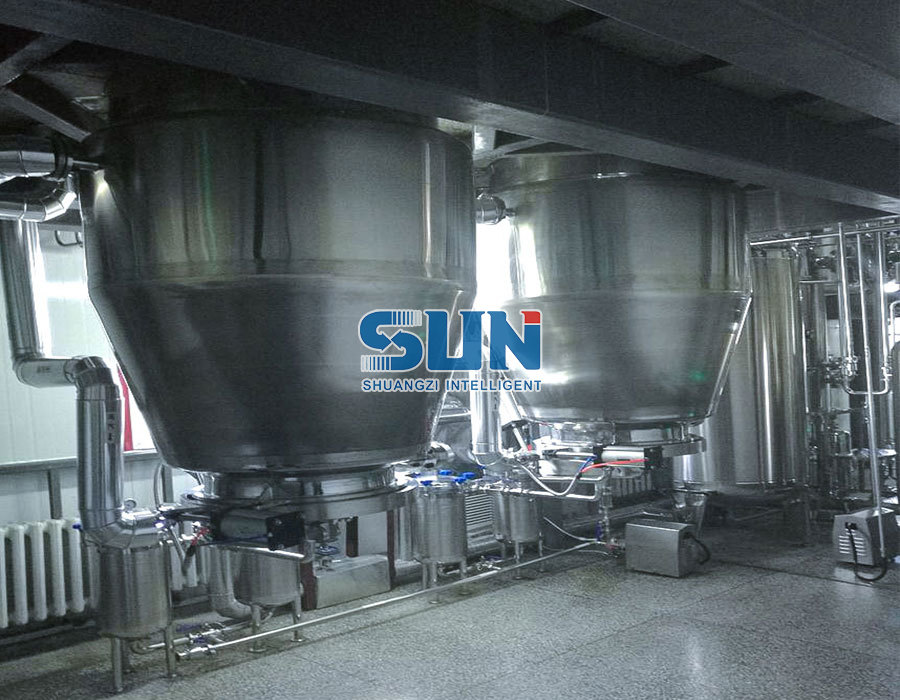
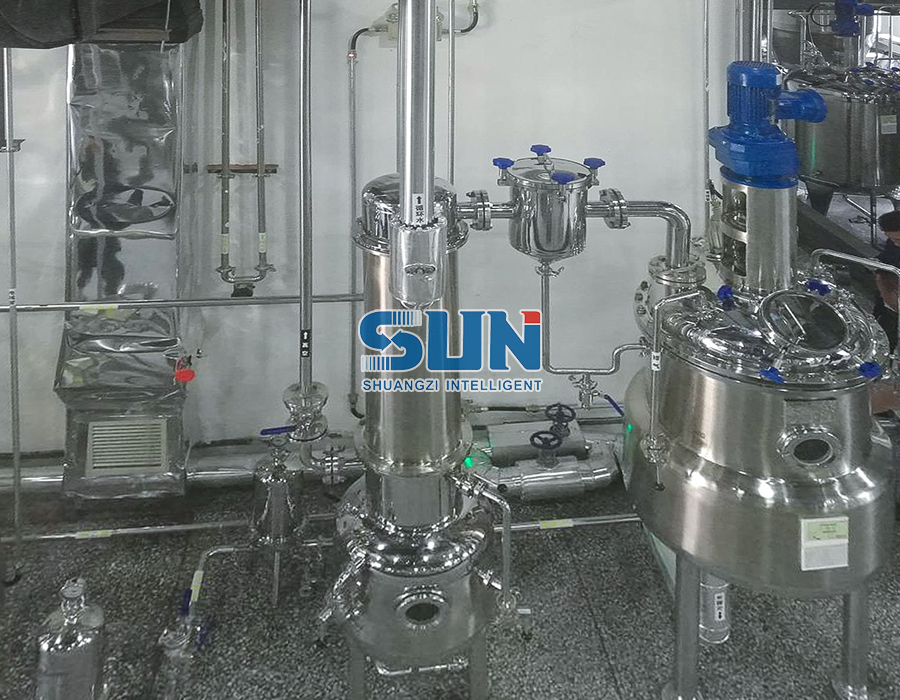
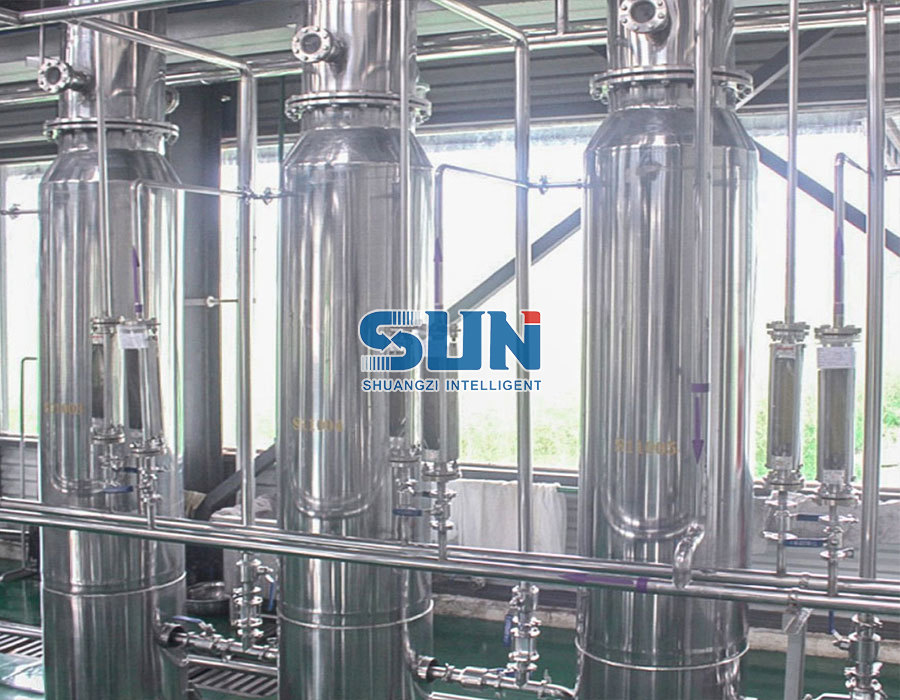
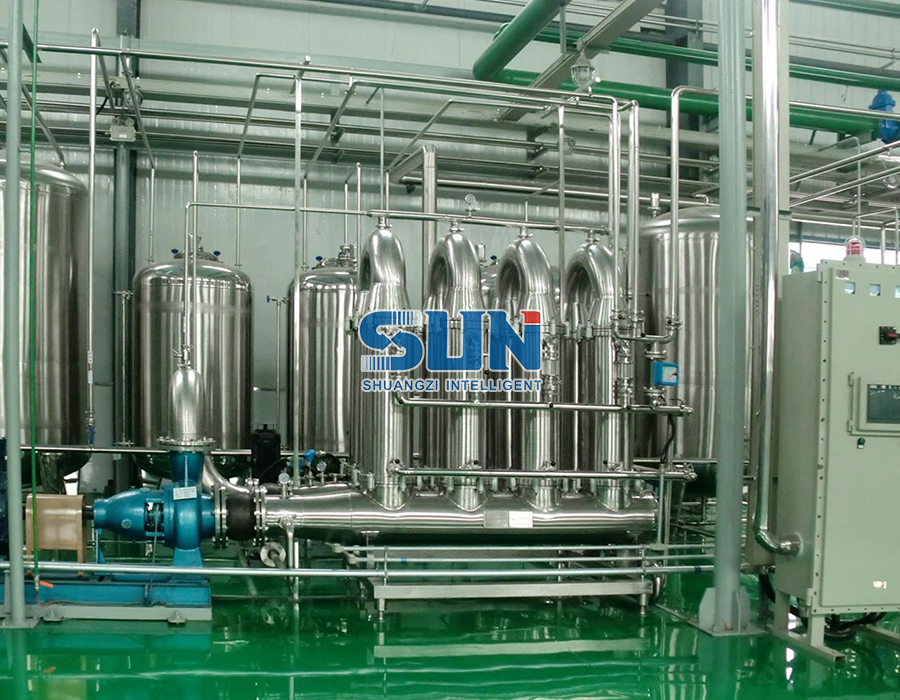
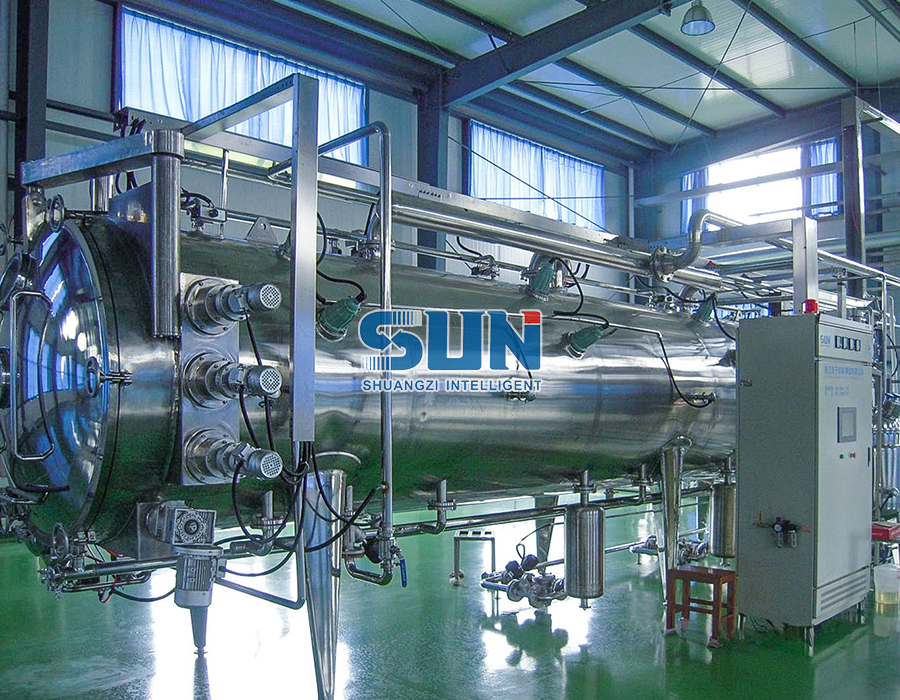
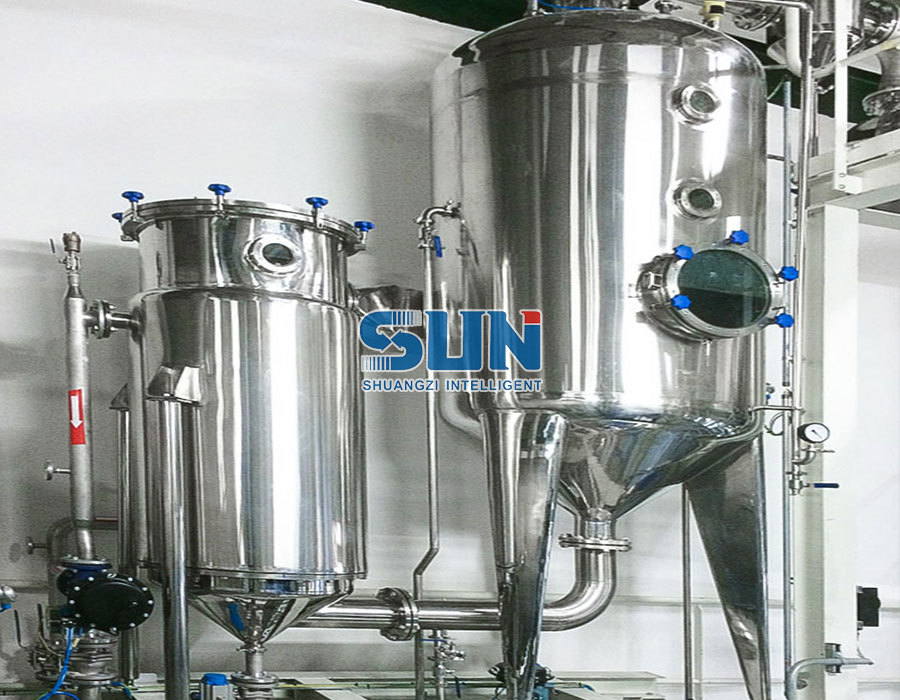
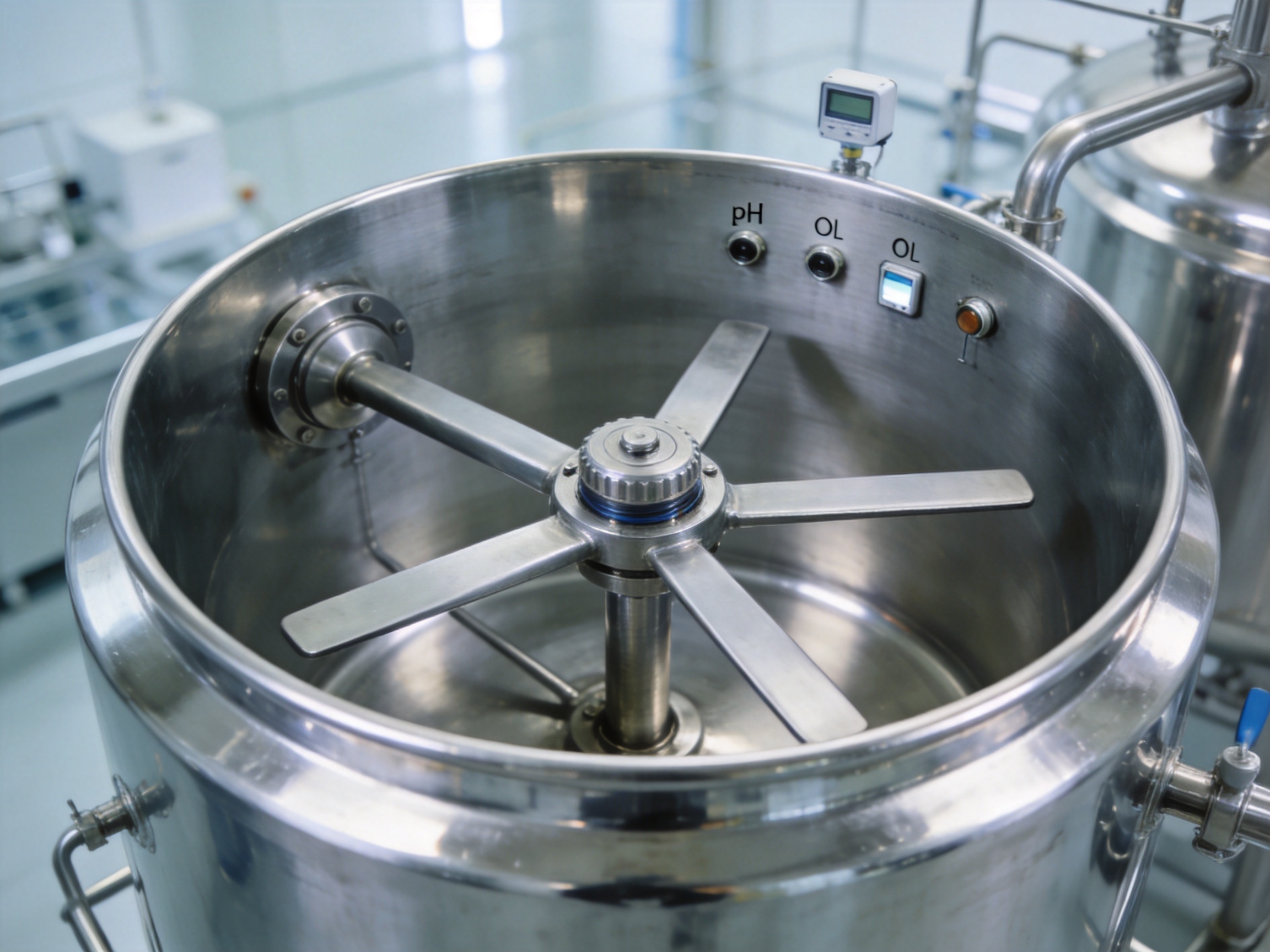
A stainless steel fermenter biological fermentation system is a closed, sterile vessel designed to cultivate microorganisms (bacteria, fungi, yeast) or cells under controlled conditions to produce desired metabolites, biomass, or products. Unlike simple containers, these systems integrate multiple components—including a tank body, stirring device, temperature control, pH monitoring, dissolved oxygen (DO) regulation, and sterilization mechanisms—to create an optimal environment for microbial growth. The use of stainless steel (specifically food-grade grades like SUS304 and SUS316L) ensures durability, corrosion resistance, and ease of cleaning—critical factors for preventing contamination and maintaining product quality.
These systems serve a diverse range of industries: in pharmaceuticals, they produce antibiotics (e.g., penicillin), vaccines, and biotherapeutics; in food and beverage, they ferment dairy products (yogurt, cheese), alcoholic beverages (wine, beer), and probiotics; in agriculture, they generate biofertilizers (e.g., Trichoderma) and biopesticides (e.g., Bacillus thuringiensis); and in biotechnology, they support research and development of new bioproducts. The versatility of these systems makes them indispensable across the biomanufacturing landscape.
Core Advantages of Modern Stainless Steel Fermenter Systems
1. Superior Material Quality: SUS304 and SUS316L Stainless Steel
One of the most critical advantages of modern stainless steel fermenter systems is their use of high-grade stainless steel—specifically SUS304 and SUS316L. These materials are chosen for their exceptional properties that align with bioprocessing requirements: corrosion resistance, non-toxicity, ease of cleaning, and durability. Let’s compare this to common alternatives used by some competitors:
Competitors often use lower-grade stainless steel (e.g., SUS201) or even carbon steel for cost-cutting. SUS201 contains less chromium and nickel than SUS304, making it more prone to corrosion—especially in acidic or alkaline fermentation environments (e.g., lactic acid fermentation for dairy products). Corrosion not only shortens the lifespan of the fermenter but also introduces metal particles into the fermentation broth, which can inhibit microbial growth or contaminate the final product. Carbon steel, while cheaper, is highly susceptible to rust and cannot be used in sterile environments, as rust particles are toxic to most microorganisms.
SUS304, on the other hand, contains 18% chromium and 8% nickel, providing excellent corrosion resistance to most organic acids and neutral solutions. For more corrosive applications (e.g., fermentation of amino acids or antibiotics), SUS316L is preferred—it adds 2-3% molybdenum, which enhances resistance to pitting and crevice corrosion. This means the fermenter can withstand harsh conditions for years without degradation, ensuring consistent product quality and reducing long-term maintenance costs. Additionally, the smooth surface finish of SUS304/SUS316L (achieved through polishing) prevents microbial adhesion, making cleaning and sterilization easier and more effective.
2. Integrated Control Systems for Precision Process Management
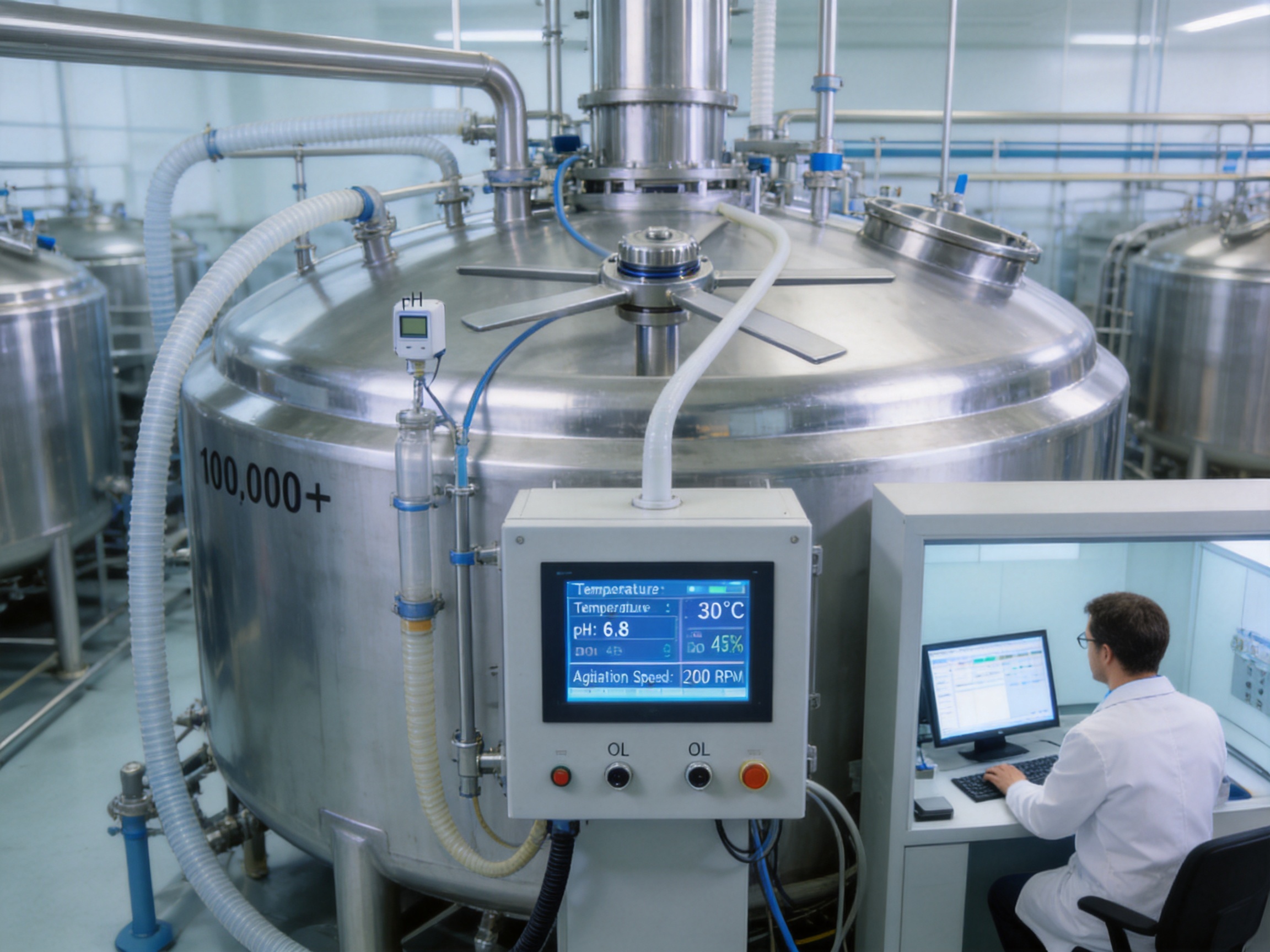
Modern stainless steel fermenter systems feature fully integrated control systems that monitor and adjust key process parameters in real time. These parameters include temperature, pH, dissolved oxygen (DO), agitation speed, aeration rate, and foam level. Unlike traditional systems that rely on manual adjustments or separate, unconnected sensors, integrated control systems offer several advantages:
First, they eliminate human error. For example, manual pH adjustment requires constant monitoring and adding acids or bases—this can lead to fluctuations that stress microorganisms and reduce product yield. Integrated systems use automated pumps to adjust pH within a narrow range (e.g., ±0.1 pH units), ensuring optimal growth conditions. Second, they improve process consistency. By maintaining precise control over all parameters, each batch produces the same quality product, which is critical for industries like pharmaceuticals where regulatory compliance is mandatory. Third, they reduce labor costs. Operators can monitor multiple fermenters from a central control room, freeing up time for other tasks.
Competitors often offer partial control systems—e.g., only temperature control or pH monitoring without automation. This leads to inconsistent batches, higher labor costs, and increased risk of batch failure. For example, a pharmaceutical company using a non-integrated system may experience a 10-15% batch failure rate due to DO fluctuations, whereas a company using an integrated system can reduce this to less than 2%.
3. In-Place Sterilization (SIP) and Cleaning (CIP) Capabilities
Sterility is non-negotiable in fermentation processes—even a single contaminant can ruin an entire batch, leading to significant financial losses. Modern stainless steel fermenter systems are equipped with in-place sterilization (SIP) and cleaning (CIP) systems, which eliminate the need to disassemble the tank for sterilization or cleaning. This is a game-changer compared to traditional batch sterilization methods:
Batch sterilization requires moving the fermenter to a separate autoclave, which is time-consuming (taking 2-3 hours per batch) and increases the risk of contamination during transport and reassembly. SIP systems, by contrast, use high-temperature steam (121°C at 1 bar pressure) to sterilize the tank interior, agitator, pipes, and sensors while the tank remains in place. The process takes 1-2 hours, and the risk of contamination is drastically reduced. CIP systems use cleaning solutions (e.g., detergents, sanitizers) to clean the tank interior without disassembly, ensuring that all surfaces are free of residual media or microbial biomass.
Competitors often lack SIP/CIP capabilities, forcing clients to use manual cleaning or batch sterilization. This not only increases the risk of contamination but also reduces production efficiency—clients can produce fewer batches per week due to the time spent on sterilization and cleaning. For example, a dairy company using a system without SIP can produce 10 batches per week, whereas a company with SIP can produce 15 batches per week, increasing revenue by 50%.
4. Customizable Capacity and Configurations for Scalability
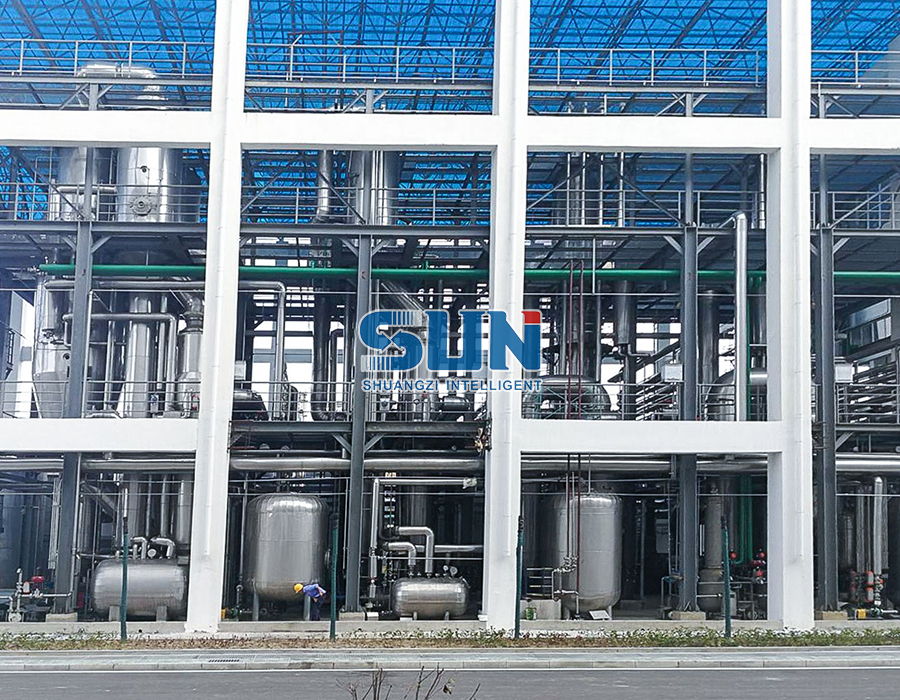
Bioprocessing projects range from lab-scale R&D to large-scale industrial production. Modern stainless steel fermenter systems are highly customizable, with capacities ranging from 50L (lab scale) to 500,000L (industrial scale). This scalability allows clients to test their processes at small scale (e.g., 50L pilot fermenter) before scaling up to 100,000L industrial fermenters—reducing the risk of costly mistakes during scale-up.
Additionally, the systems can be configured to meet specific process requirements. For example: - Bacillus thuringiensis fermentation requires high aeration rates and a specific agitator design to prevent foam buildup; - Trichoderma fermentation requires precise temperature control (25-30°C) and pH adjustment (4.5-5.5); - Penicillin fermentation requires strict sterility and DO control (30-50% saturation).
Competitors often offer limited capacity ranges (e.g., only 1000L to 10,000L) or fixed configurations, which force clients to adapt their processes to the equipment instead of the other way around. This can lead to suboptimal performance and reduced product yield.
Advanced Manufacturing Processes: Ensuring Excellence
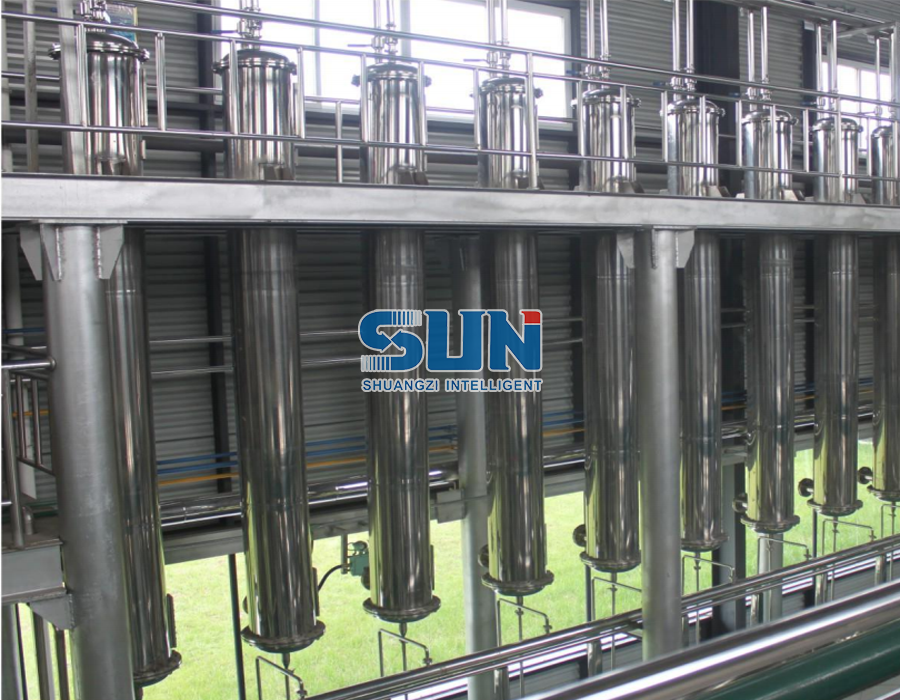
The performance of a stainless steel fermenter system depends not just on its design but also on the manufacturing processes used to build it. Modern manufacturers use state-of-the-art processes to ensure precision, durability, and sterility:
1. Precision Material Selection and Cutting
The first step in manufacturing is selecting high-quality stainless steel sheets. Manufacturers source SUS304 and SUS316L from reputable suppliers, ensuring that the material meets international standards (e.g., ASTM A240 for stainless steel plates). Each sheet is inspected for thickness uniformity, surface finish, and chemical composition to ensure it meets the required specifications.
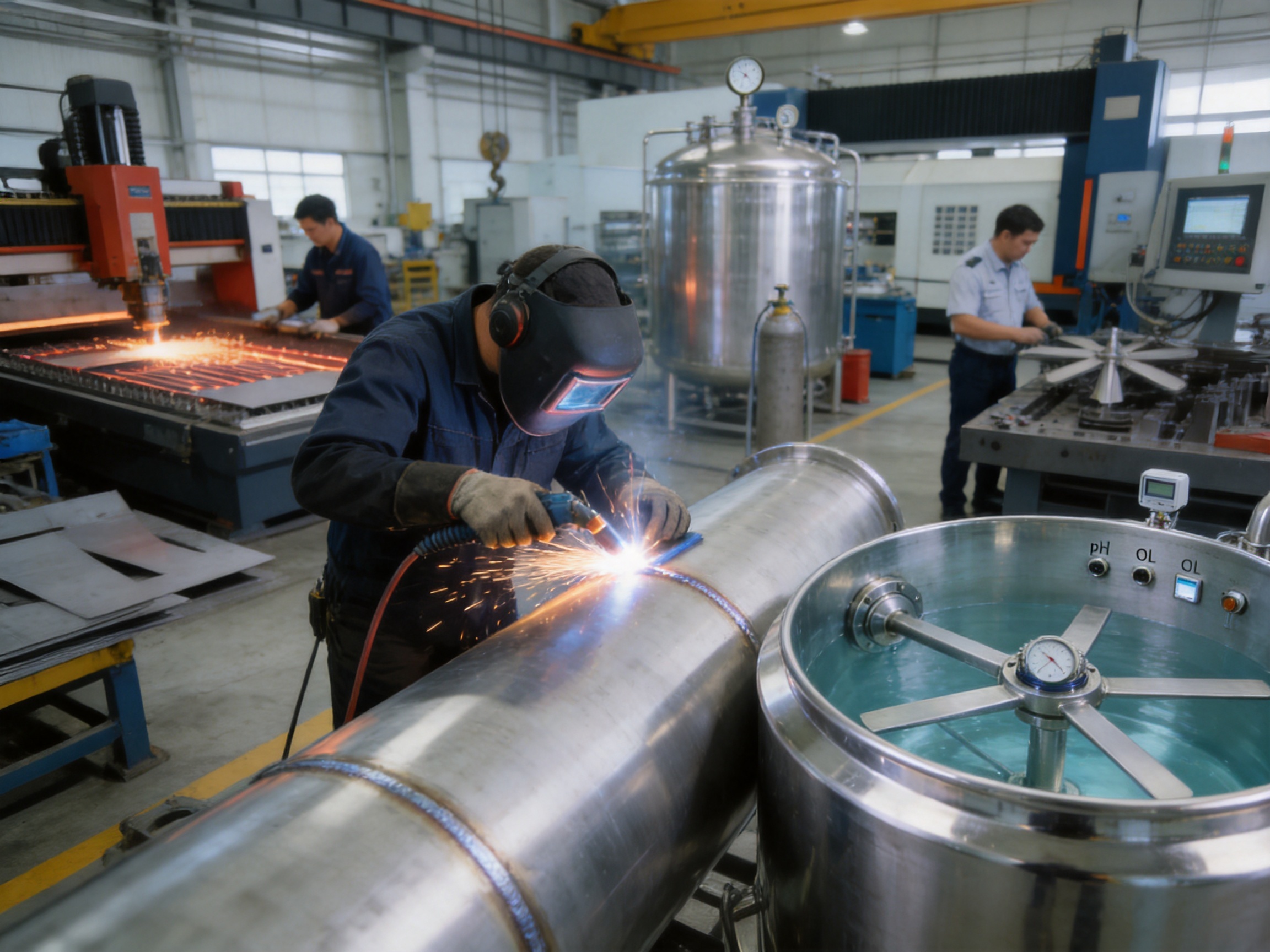
Next, the sheets are cut into the required shapes using plasma cutting machines. Plasma cutting uses a high-velocity jet of ionized gas to melt and remove metal, producing clean, precise edges with no burrs. This is critical for welding—burrs can cause weld defects, which lead to leaks or contamination. Traditional cutting methods (e.g., manual oxy-fuel cutting) produce rough edges and burrs, which require additional finishing and increase the risk of weld failure.
2. High-Precision Welding
Welding is one of the most critical steps in fermenter manufacturing—poor welds can lead to leaks, contamination, and reduced lifespan. Modern manufacturers use plasma argon arc welding (PAAW) for all critical welds. PAAW produces high-quality welds with minimal heat input, which prevents warping and ensures that the welds are smooth and free of cracks. The welds are also polished to a mirror finish, which prevents microbial adhesion and makes cleaning easier.
Competitors often use manual arc welding (MIG/MAG) for cost-cutting. Manual welding is prone to human error—welds may have porosity, cracks, or uneven surfaces, which can harbor bacteria and lead to contamination. Additionally, manual welding produces more heat, which can warp the tank body and affect its structural integrity.
3. Rigorous Quality Control and Testing
Before a fermenter system is shipped to a client, it undergoes a series of rigorous quality control tests to ensure it meets all specifications:
- Pressure Testing: The tank is filled with water or air and pressurized to 1.5 times its working pressure. This test checks for leaks and structural integrity. - Leak Detection: Helium leak detection is used to find small leaks that may not be visible to the naked eye. This is critical for ensuring sterility. - Performance Testing: The fermenter is tested with actual fermentation media to check the efficiency of the agitator, the accuracy of the sensors, and the performance of the control system. - Sterility Testing: The SIP system is tested to ensure that it can achieve a sterility assurance level (SAL) of 10^-6 (i.e., one in a million chance of a non-sterile batch). - Material Testing: Samples of the stainless steel are tested to confirm that they meet the required chemical composition and mechanical properties.
Competitors often skip some of these tests to reduce costs. For example, they may not perform helium leak detection, which can lead to small leaks that cause contamination. Or they may not test the SIP system, leading to non-sterile batches.
Company Strengths: Delivering End-to-End Solutions
To fully leverage the advantages of stainless steel fermenter systems, clients need a partner that can provide not just equipment but also end-to-end solutions. Modern manufacturers offer a range of strengths that set them apart from competitors:
1. End-to-End Engineering Solutions (EPC/EPCM)
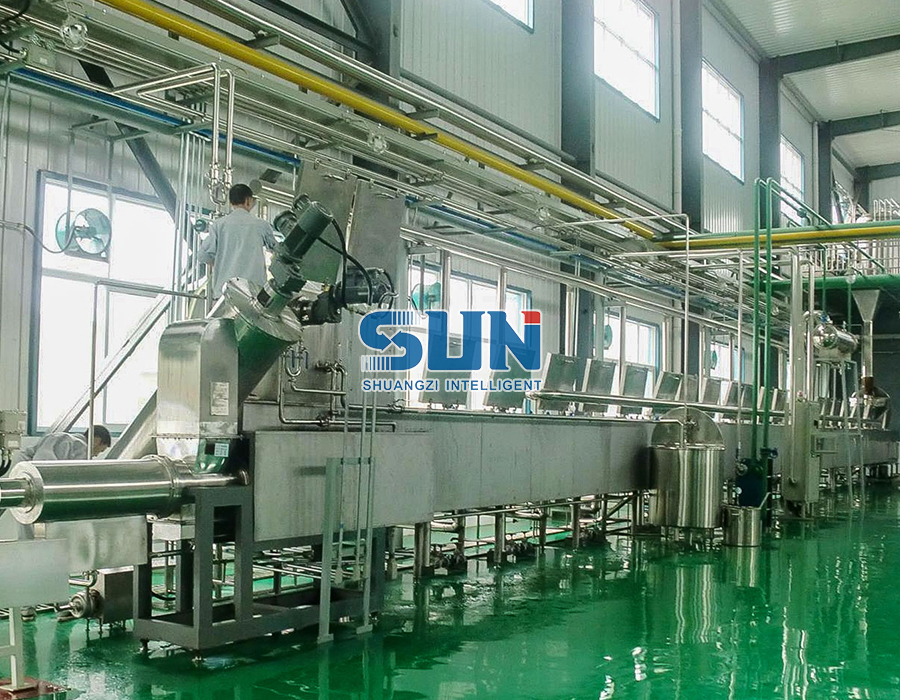
Many clients lack the in-house expertise to design and implement a fermentation system. Modern manufacturers offer Engineering, Procurement, and Construction Management (EPC/EPCM) services, which cover everything from process design to equipment installation to line debugging. This one-stop solution saves clients time and money by eliminating the need to coordinate with multiple vendors.
For example, a client looking to build a 50,000L penicillin fermentation facility can work with the manufacturer to: - Design the process flow (including fermentation, filtration, and purification); - Procure all necessary equipment (fermenters, pumps, sensors); - Install and commission the system; - Train operators on how to use the system.
Competitors often only supply equipment, forcing clients to handle design, installation, and debugging themselves. This can lead to delays, cost overruns, and suboptimal system performance.
2. Strong R&D and Pilot Capabilities
Innovation is key to staying ahead in bioprocessing. Modern manufacturers invest heavily in R&D to develop new features and improve existing systems. They also have pilot workshops with GMP-compliant automation, which allow clients to test their processes at small scale before scaling up. This reduces the risk of costly mistakes during scale-up and ensures that the industrial system performs as expected.
For example, a client developing a new probiotic strain can use the manufacturer’s pilot fermenter (50L) to optimize fermentation parameters (temperature, pH, aeration rate) before scaling up to a 10,000L industrial fermenter. This ensures that the industrial system produces the same high-quality product as the pilot system.
3. Advanced Production Equipment
Modern manufacturers use state-of-the-art production equipment to ensure precision and quality. This includes: - Plasma argon arc welding machines for high-quality welds; - Plasma cutting machines for precise material cutting; - CAM CNC machining centers for custom parts (e.g., agitator blades, sensor housings); - Pressure testing machines for leak detection; - Sterility testing equipment for SIP validation.
Competitors often use outdated equipment, which leads to lower quality and higher production costs. For example, manual welding machines produce lower-quality welds than plasma argon arc welding machines, which increases the risk of contamination and reduces the lifespan of the fermenter.
4. Mature Product Portfolio and Industry Experience
Modern manufacturers have years of experience in the bioprocessing industry and a mature product portfolio. They have supplied fermentation systems for a wide range of applications, including Bacillus thuringiensis fermentation, Trichoderma fermentation, fertilizer fermentation, penicillin fermentation, and pilot fermentation. This experience allows them to understand the specific needs of each industry and provide customized solutions that meet those needs.
For example, a client in the agricultural industry looking for a fertilizer fermentation system can benefit from the manufacturer’s experience with Trichoderma fermentation—they know the optimal parameters for Trichoderma growth and can design a system that maximizes product yield.
Case Study: Large-Scale Penicillin Fermentation System
To illustrate the benefits of modern stainless steel fermenter systems, let’s look at a case study involving a pharmaceutical company that switched from a traditional system to a modern integrated system:
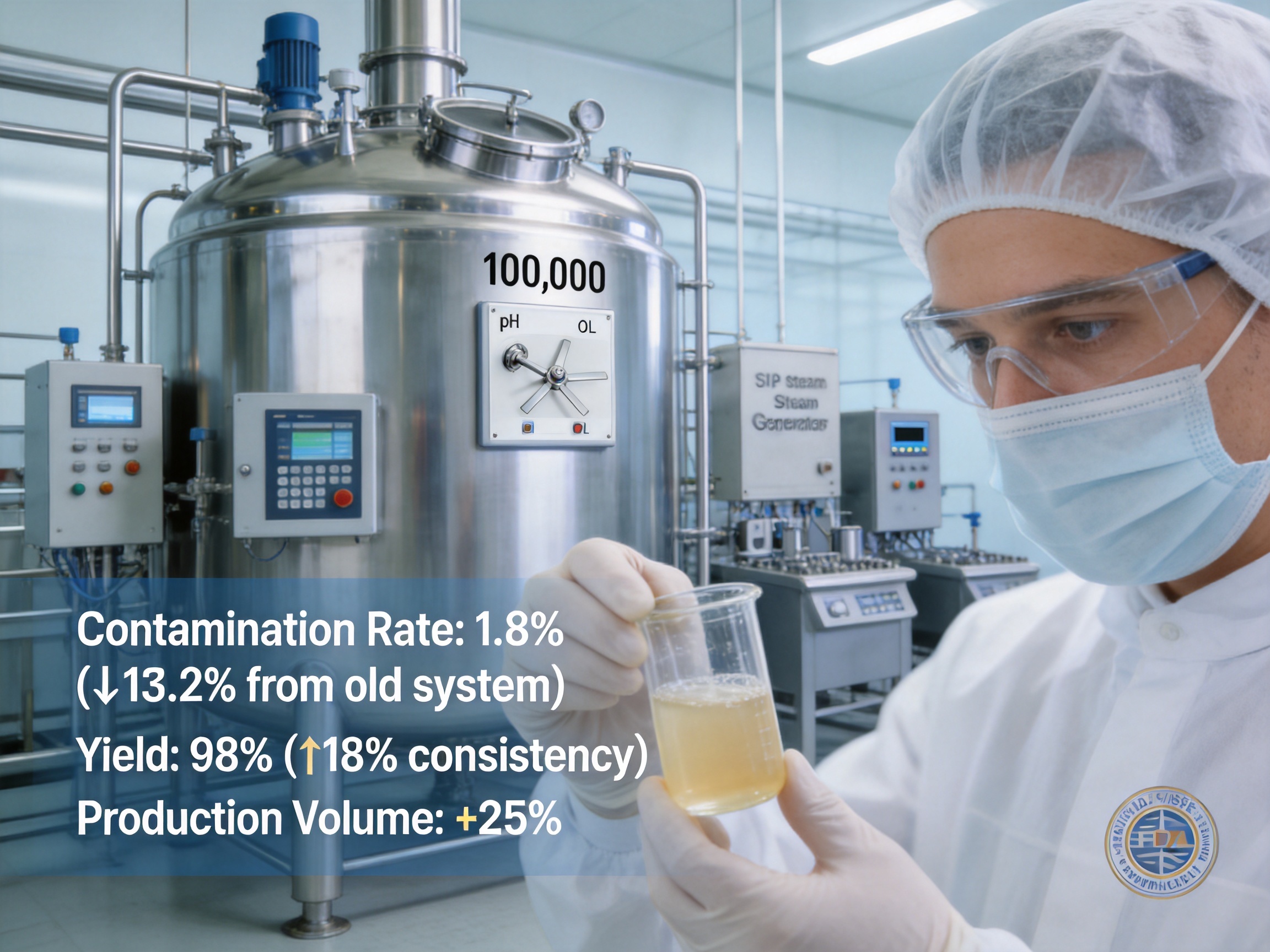
Client Background: A mid-sized pharmaceutical company in Asia was producing penicillin using a 50,000L fermenter system from a competitor. The system had several issues: - Contamination rate of 15% per batch due to poor sterility; - Inconsistent product yield (ranging from 80% to 95% of target); - High labor costs due to manual control of parameters; - Long sterilization time (3 hours per batch) leading to low production volume.
Solution: The company partnered with a modern manufacturer to replace the old system with a 100,000L stainless steel fermenter system featuring integrated control, SIP/CIP capabilities, and SUS316L material.
Results: - Contamination rate reduced to 1.8% per batch; - Product yield increased to 98% of target (consistent across all batches); - Labor costs reduced by 30% due to automated control; - Sterilization time reduced to 1.5 hours per batch, increasing production volume by 25%;
Conclusion: The switch to a modern stainless steel fermenter system resulted in significant cost savings and improved product quality, allowing the company to expand its market share and meet regulatory requirements.
Q&A Section
Q1: What is the maximum capacity of the stainless steel fermenter system?
A1: The system can be customized from 50L (lab scale) up to 500,000L (industrial scale). This scalability allows clients to test their processes at small scale before scaling up to large-scale production.
Q2: How does the in-place sterilization (SIP) system work?
A2: The SIP system uses high-temperature steam (121°C at 1 bar pressure) to sterilize the tank interior, agitator, pipes, and sensors while the tank remains in place. The process takes 1-2 hours and ensures a sterility assurance level (SAL) of 10^-6, which meets regulatory requirements for pharmaceutical and food industries.
Q3: What materials are used for the fermenter tank?
A3: The tank body and pipes are made of food-grade SUS304 or SUS316L stainless steel. SUS304 is suitable for most applications, while SUS316L is preferred for corrosive environments (e.g., fermentation of amino acids or antibiotics) due to its higher molybdenum content.
Q4: Can the system be customized for specific fermentation processes?
A4: Yes, the system is highly customizable. For example, Bacillus thuringiensis fermentation requires high aeration rates and a specific agitator design—our engineering team can adjust the system’s parameters, add specialized sensors, or modify the agitator design to meet these requirements.
Q5: What is the warranty period for the fermenter system?
A5: The standard warranty period is 12 months from the date of installation and commissioning. During this period, any defects in materials or workmanship will be repaired or replaced free of charge. Extended warranty options are also available.
Q6: Does the manufacturer offer training for operators?
A6: Yes, the manufacturer provides comprehensive training for operators, including how to use the control system, perform routine maintenance, and troubleshoot common issues. Training can be conducted on-site or at the manufacturer’s facility.
Q7: What is the lead time for a custom fermenter system?
A7: The lead time depends on the size and complexity of the system. For a standard 10,000L system, the lead time is 8-12 weeks. For custom systems (e.g., 500,000L with specialized features), the lead time is 16-20 weeks.
Product Specifications
Item |
Data |
Capacity |
50L-500000L (customizable) |
Material |
SUS304/SUS316L (food-grade stainless steel) |
Agitator Type |
Two four straight blade turbine type (customizable) |
Sealing Method |
Mechanical Sealing (leak-proof) |
Voltage |
Made to order (110V/220V/380V/415V) |
Motor Brand |
SEW (German brand, high efficiency and reliability) |
Sterilization Method |
In-place Sterilization (SIP) with high-temperature steam |
Control System |
Integrated PLC control with HMI (real-time monitoring and automation) |
References
1. Shuler, M.L., & Kargi, F. (2017). Bioprocess Engineering: Basic Concepts (3rd ed.). Prentice Hall. This textbook provides a comprehensive overview of bioreactor design and fermentation processes, including principles of mass transfer, heat transfer, and microbial kinetics.
2. Stanier, R.Y., Ingraham, J.L., Wheelis, M.L., & Painter, P.R. (2012). Fermentation Microbiology and Biotechnology (2nd ed.). CRC Press. This book explores the microbiology of fermentation processes and the design of industrial fermentation equipment.
3. Outokumpu. (2020). Stainless Steel for Food and Beverage Applications: A Technical Guide. This guide explains the properties of SUS304 and SUS316L stainless steel and their applications in food processing and biomanufacturing.
4. International Society for Pharmaceutical Engineering (ISPE). (2019). EPCM Project Management in Bioprocessing: Best Practices. This document provides guidelines for end-to-end engineering solutions in bioprocessing facilities, including risk management and regulatory compliance.
5. U.S. Food and Drug Administration (FDA). (2018). In-Place Sterilization (SIP) Guidelines for Bioreactors. This guideline outlines the regulatory requirements for SIP systems in pharmaceutical manufacturing, including validation and documentation.
6. European Federation of Biotechnology (EFB). (2021). Industrial Fermentation: Trends and Innovations. This report discusses the latest trends in industrial fermentation, including the use of integrated bioreactors and automation.