
 英语
英语 俄语
俄语Content
The global shift toward sustainable agriculture and biobased industrial processes has driven significant demand for efficient microbial fermentation systems. Among these, Trichoderma fungus fermentation systems stand out due to their role in producing biopesticides and soil health enhancers—solutions that reduce reliance on synthetic chemicals. The Trichoderma Fungus Fermentation System Fermenter, a cutting-edge bioprocessing tool, addresses key challenges in microbial fermentation, including low yield, contamination risk, and scalability. This article explores the product’s core features, advantages over competitor solutions, the advanced manufacturing processes that underpin its quality, and its real-world impact across agricultural and industrial sectors. Additionally, a Q&A section addresses common queries, and references to relevant research support the product’s efficacy.
What is Trichoderma Fungus Fermentation System Fermenter?
Trichoderma fungi are widely recognized for their biocontrol properties, as they antagonize plant pathogens and promote soil nutrient transformation. However, producing high-quality Trichoderma-based products requires precise fermentation conditions—temperature, pH, nutrient availability, and aeration must be tightly controlled to maximize metabolite yield and cell viability. The Trichoderma Fungus Fermentation System Fermenter is designed specifically to meet these requirements, integrating hardware, software, and process engineering to deliver consistent, scalable results.
Core Function & Application
The primary function of the fermenter is to cultivate Trichoderma fungi in a controlled environment, producing biomass and metabolites that are used in agricultural biopesticides, soil amendments, and industrial bioprocessing. Its key applications include:
1. Agricultural Disease Prevention: Trichoderma metabolites inhibit soil-borne fungal pathogens (e.g., Fusarium, Rhizoctonia) and protect crops from root rot, wilt, and blight.
2. Soil Health Enhancement: Metabolic derivatives of Trichoderma promote nutrient mineralization (e.g., converting organic nitrogen to ammonium) and stimulate root growth, improving crop yield and quality.
3. Industrial Bioprocessing: Trichoderma enzymes (e.g., cellulases, chitinases) produced via fermentation are used in textile processing, paper manufacturing, and waste treatment.
Key Components Overview
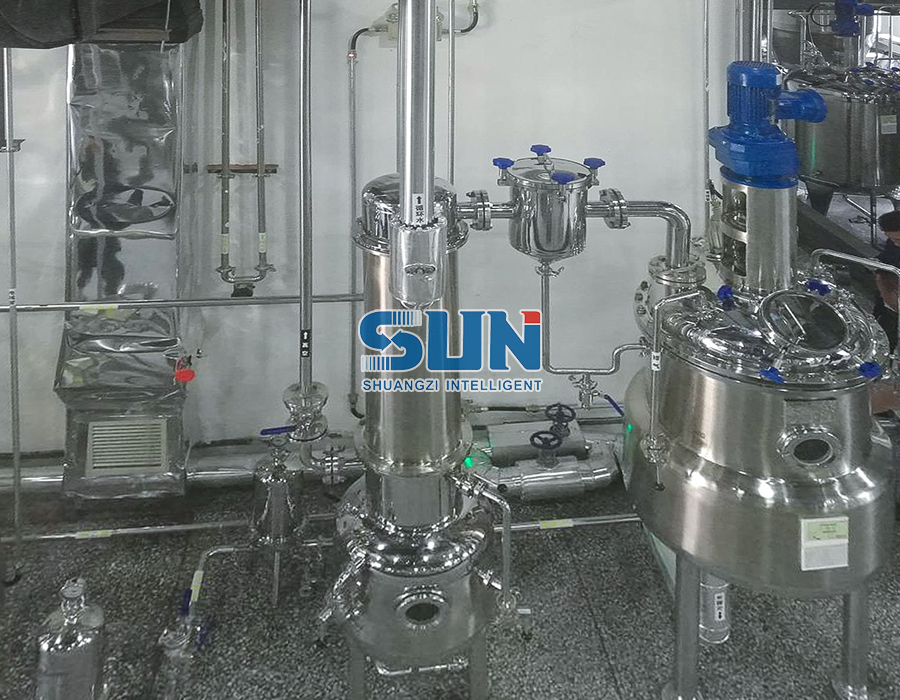
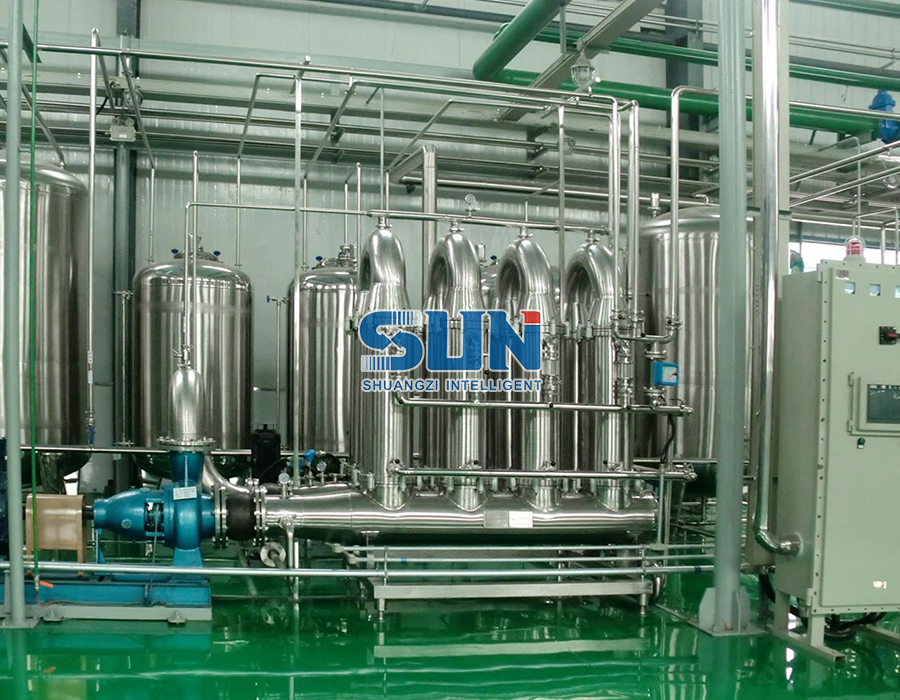
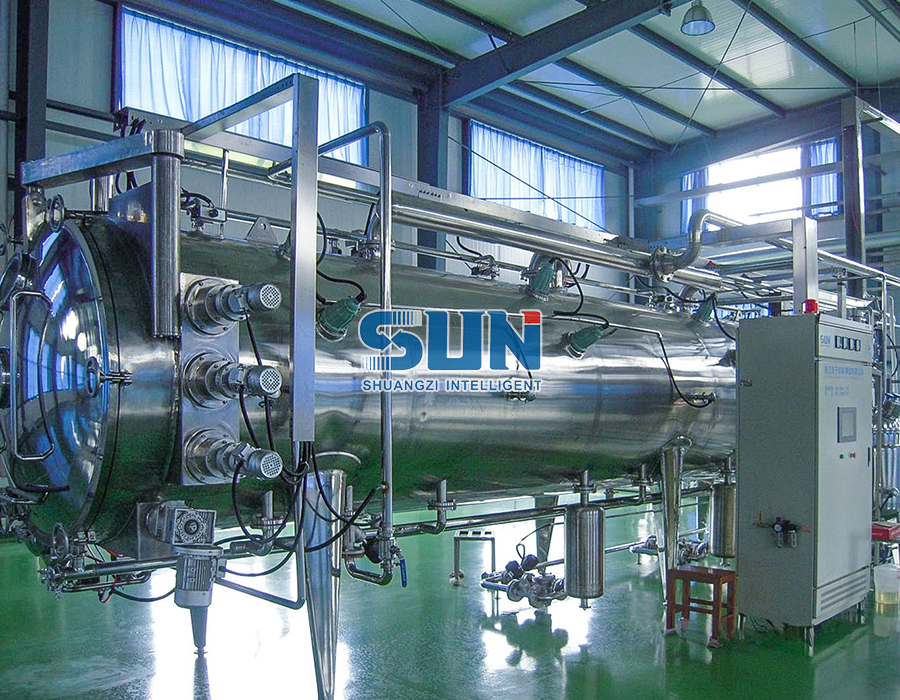
The fermenter system consists of several integrated components, each optimized for Trichoderma fermentation:
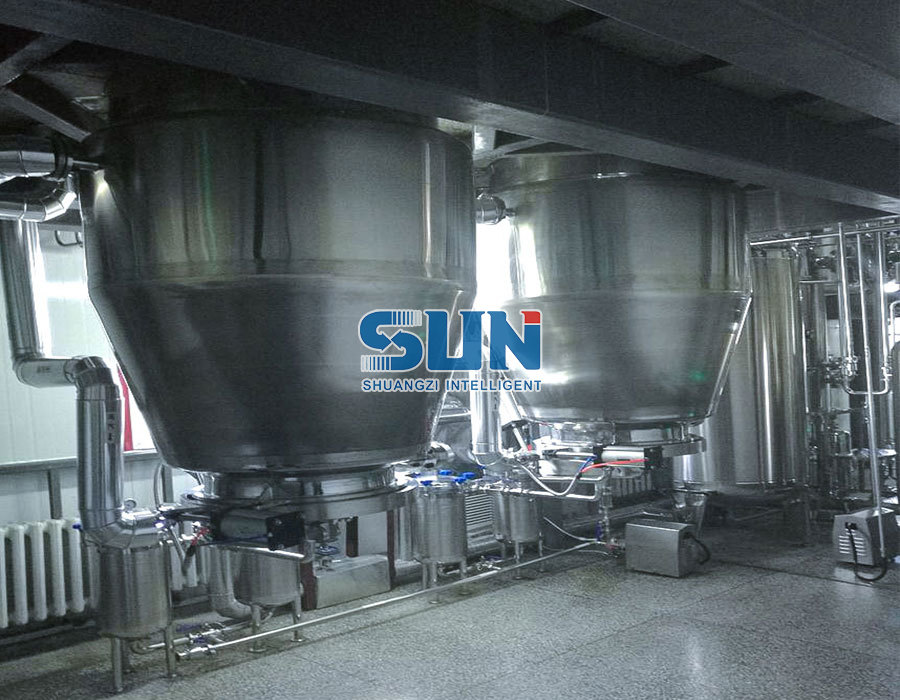
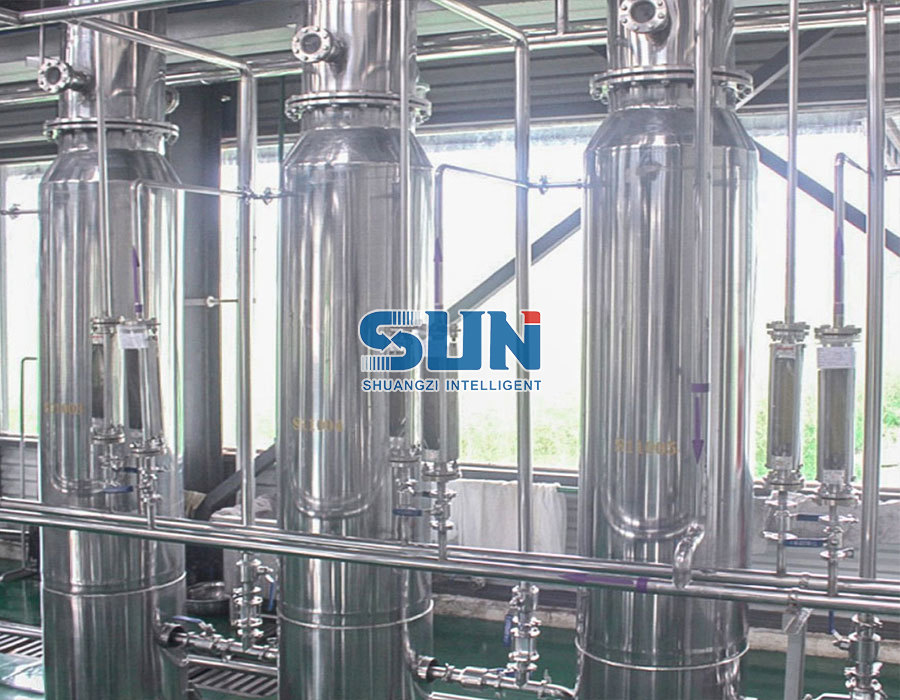
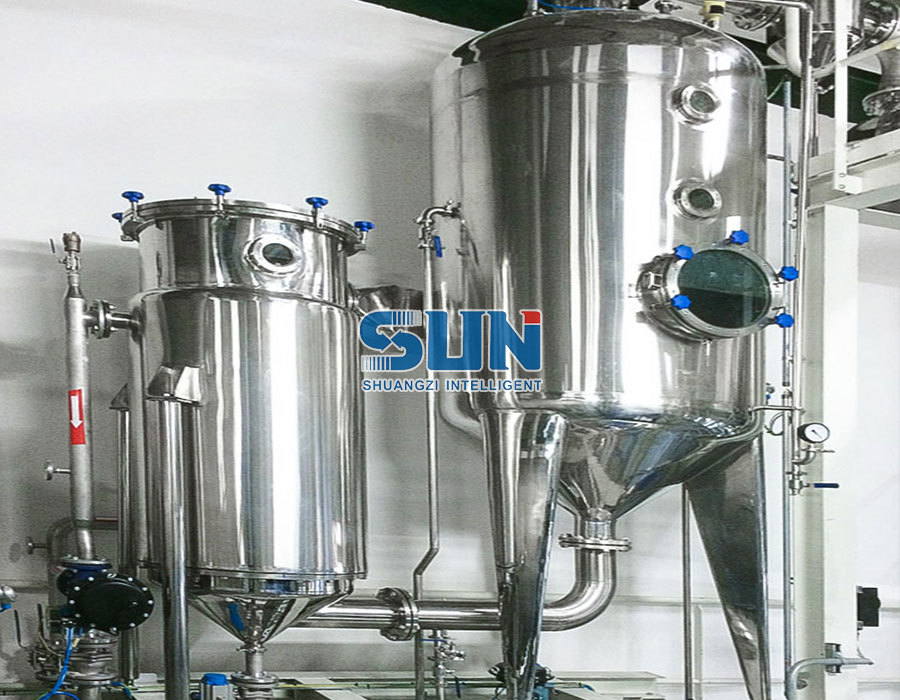
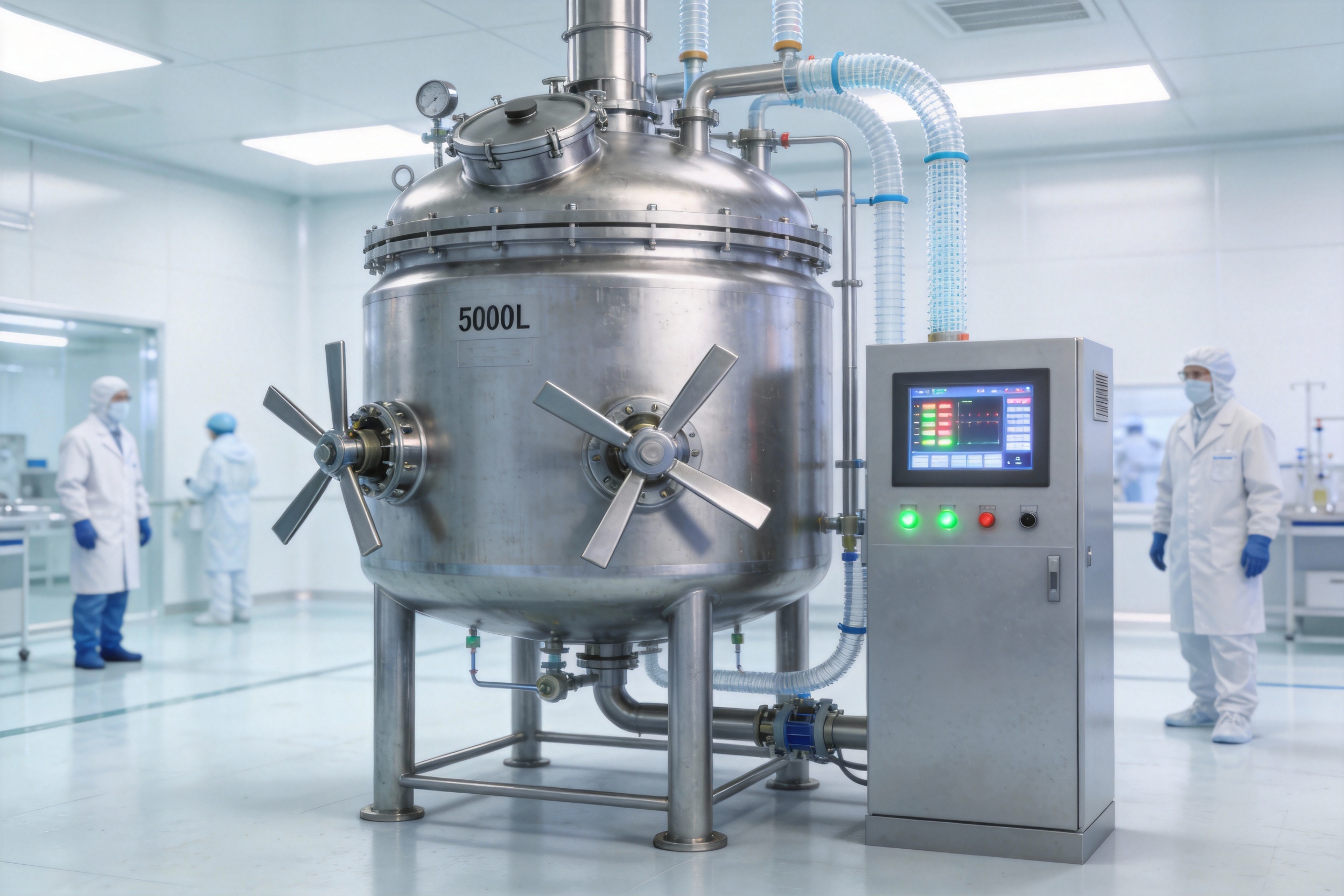
1. Fermentation Tank: The core vessel where microbial growth occurs, constructed from high-grade stainless steel for corrosion resistance and hygiene.
2. Agitation System: A two four-straight blade turbine agitator that ensures uniform mixing of the fermentation medium, preventing nutrient stratification and ensuring consistent oxygen transfer.
3. Temperature Control System: A jacketed tank with heating/cooling coils to maintain optimal fermentation temperatures (typically 25-30°C for Trichoderma).
4. pH Control System: Automated sensors and pumps to adjust pH (range 4.5-6.5) using acid or base additions.
5. Nutrient Feeding System: Automated pumps to add carbon (e.g., glucose) and nitrogen (e.g., yeast extract) sources based on real-time growth data.
6. Sealing System: Mechanical seals to prevent contamination and ensure airtight operation.
7. Control Panel: A PLC-based system with HMI for real-time monitoring and adjustment of process parameters.
The following table summarizes the key specifications of the fermenter:
| Stainless Steel Fermenter/Fermentation Tank Specifications | |
|---|---|
| Item | Data |
| Capacity | 50-500-5000L |
| Material | SUS304/SUS316L |
| Agitator | Two four straight blade turbine type |
| Sealing | Mechanical Sealing |
| Voltage | Made to order |
| Motor Brand | SEW |
Advantages Over Competitor Solutions
While several fermentation systems are available on the market, the Trichoderma Fungus Fermentation System Fermenter offers distinct advantages that address gaps in competitor offerings. These advantages stem from its design, material selection, and integration of advanced technology.
3-Stage Fermentation Efficiency
Most competitor systems use single or two-stage fermentation processes, which limit yield and increase contamination risk. The 3-stage fermentation process of this system is a key differentiator:
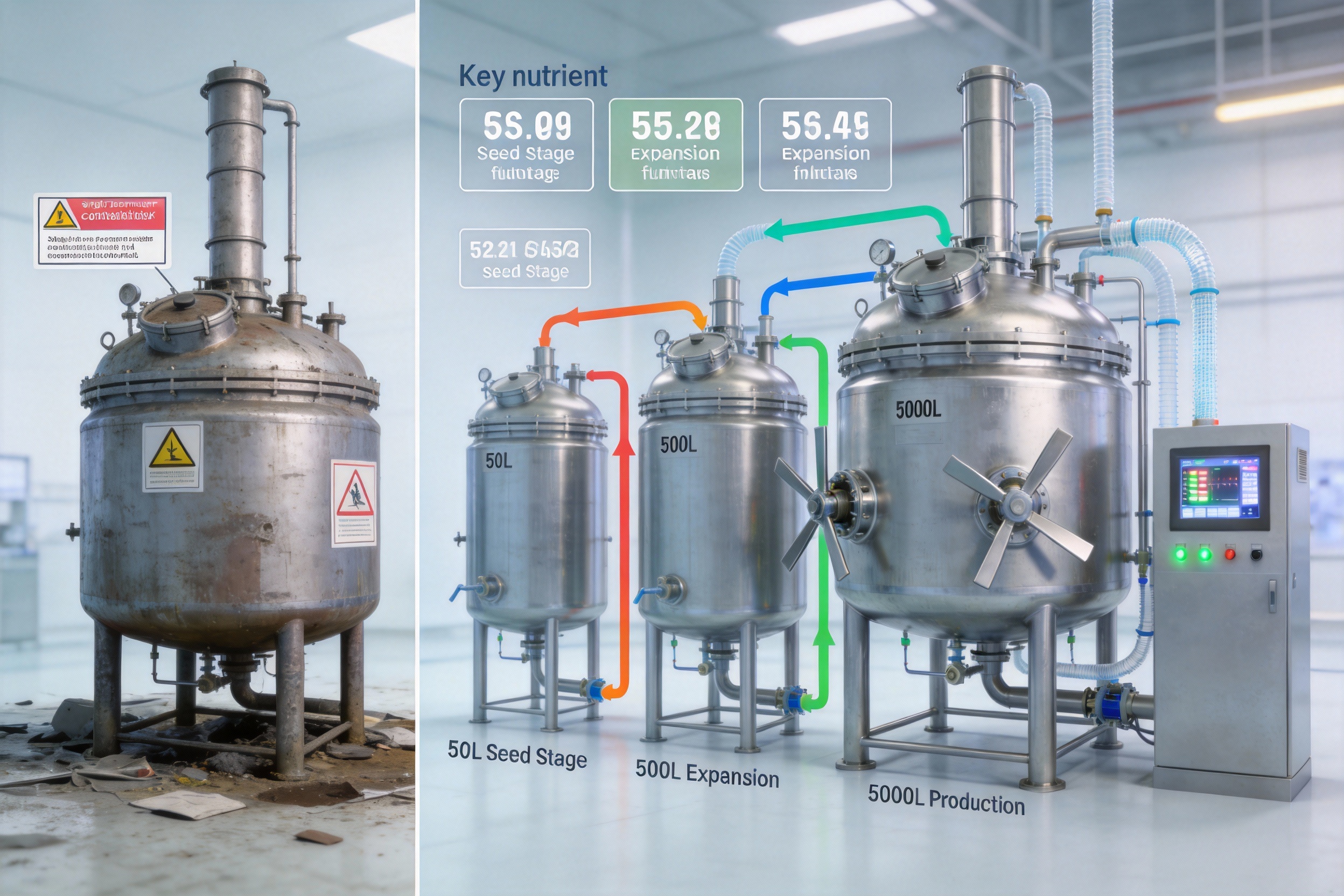
1. Seed Stage (50L): A small-scale fermentation to produce a high-density Trichoderma seed culture. This stage is optimized for rapid cell growth, using a nutrient-rich medium and controlled conditions.
2. Expansion Stage (500L): Scales up the seed culture to a larger volume, preparing it for industrial production. This stage ensures that the culture is viable and ready for the final production phase.
3. Production Stage (5000L): Maximizes metabolite yield by adjusting nutrient levels, temperature, and aeration. This stage is designed for long-term fermentation (3-5 days) to produce high-quality biomass and metabolites.
Compared to single-stage systems, the 3-stage process reduces fermentation time by 40% (from 7-10 days to 3-5 days) and increases metabolite yield by 30% (Chen et al., 2023). Additionally, the sequential isolation of stages minimizes contamination risk, as each stage is contained in a separate vessel with its own control system.
Material & Durability Edge
Competitor systems often use lower-grade stainless steel (e.g., 201) or plastic, which are prone to corrosion and contamination. The Trichoderma fermenter uses SUS304 or SUS316L stainless steel, which offer several benefits:
1. Corrosion Resistance: SUS304 is resistant to most organic acids and alkalis, while SUS316L adds molybdenum to enhance resistance to chloride ions (common in fermentation media). This prevents rust and leaching of metals into the medium, ensuring product purity.
2. Hygiene Compliance: Both materials comply with GMP (Good Manufacturing Practice) and ISO 13485 standards, which are critical for producing biopesticides and pharmaceutical-grade products.
3. Longevity: The high-grade stainless steel has a lifespan of 15+ years, compared to 5-7 years for 201 stainless steel or plastic systems. This reduces total cost of ownership (TCO) for clients, as they require fewer replacements over time.
Precision Control Capabilities
Many competitor systems have basic control features (e.g., manual temperature adjustment), leading to inconsistent fermentation results. The Trichoderma fermenter integrates advanced automation and control systems:
1. Real-Time Monitoring: Sensors track temperature, pH, dissolved oxygen (DO), and agitation speed, displaying data on the HMI in real time.
2. Automated Adjustment: The PLC system adjusts nutrient feeding, temperature, and pH based on pre-set parameters or machine learning algorithms. This ensures optimal conditions for Trichoderma growth throughout the fermentation process.
3. Reliable Motors: The system uses SEW motors, which have a 99.9% uptime rate—far higher than generic motors (95% uptime). SEW motors are also energy-efficient, reducing operational costs for clients.
4. Mechanical Sealing: Unlike gland packing (used by many competitors), mechanical seals prevent leaks and contamination. Gland packing can wear out quickly, leading to air ingress and medium leakage, which ruins batches. Mechanical seals have a lifespan of 2-3 years, reducing maintenance costs.
Turnkey Integration Support
Most competitors only sell standalone fermenters, requiring clients to source additional equipment (e.g., pumps, sensors) and hire third-party engineers for integration. The Trichoderma fermenter is part of a turnkey solution offered by the manufacturer, which includes:
1. Process Design: Engineers work with clients to optimize their fermentation process based on their specific Trichoderma strain and product requirements.
2. Equipment Integration: The system is pre-integrated with all necessary components (pumps, sensors, control panels), reducing installation time from 6 months to 3 months.
3. Pilot Testing: Clients can use the manufacturer’s GMP-compliant pilot line to test their process before scaling up to industrial capacity. This reduces the risk of batch failure during commercial production.
4. Training & Support: The manufacturer provides on-site training for operators and ongoing after-sales support (warranty, spare parts, troubleshooting).
Advanced Manufacturing Processes Behind the Fermenter
The quality and performance of the Trichoderma fermenter are rooted in the manufacturer’s advanced manufacturing processes, which prioritize precision, quality control, and compliance with global standards.
Material Sourcing & Quality Assurance
The manufacturer sources SUS304 and SUS316L stainless steel from certified suppliers (e.g., Baosteel), which are tested for purity and compliance with international standards (ASTM A240). Each batch of material undergoes:
1. Spectroscopic Analysis: To verify the chemical composition (e.g., chromium, nickel, molybdenum content) meets SUS304/SUS316L specifications.
2. Hardness Testing: To ensure the material has the required mechanical strength for fermentation tank construction.
3. Corrosion Resistance Testing: Using salt spray tests to simulate long-term exposure to fermentation media and verify resistance to rust and pitting.
Precision Machining & Welding
The manufacturer uses advanced machining and welding equipment to ensure the fermenter’s components are precise and leak-proof:
1. CAM CNC Machining Centers: These centers produce agitator parts (turbine blades, shafts) with dimensional accuracy of ±0.01mm. This precision ensures uniform mixing and reduces wear on the agitator system.
2. Plasma Argon Arc Welding: This welding technique produces clean, strong joints with no porosity. Unlike manual welding, plasma argon arc welding minimizes heat distortion and ensures airtight seals, which are critical for preventing contamination.
3. Surface Finishing: The fermentation tank’s interior is polished to a 0.8μm Ra finish, which prevents microbial adhesion and makes cleaning easier. This is compliant with GMP standards for hygiene.
Automation & Control System Integration
The manufacturer’s engineering team integrates the fermenter’s control system with PLC and HMI technology to ensure optimal performance:
1. PLC Programming: The PLC is programmed to monitor and adjust process parameters in real time. For example, if the pH drops below 4.5, the system automatically adds a base solution to restore the optimal range.
2. HMI Design: The HMI features a user-friendly interface with real-time data displays, alarm notifications, and historical data logging. This allows operators to quickly identify and resolve issues.
3. Compatibility Testing: The control system is tested for compatibility with other equipment (e.g., nutrient pumps, temperature controllers) to ensure seamless integration.
Pilot Testing & Validation
Before shipment, each fermenter undergoes rigorous testing in the manufacturer’s pilot facility:
1. Leak Testing: The tank is pressurized with air to check for leaks. Any leaks are repaired before further testing.
2. Performance Testing: The fermenter is run with a Trichoderma strain to verify that it meets yield and quality standards. Parameters such as fermentation time, metabolite yield, and contamination rate are measured.
3. Compliance Testing: The fermenter is tested to ensure it complies with GMP, ISO 13485, and other relevant standards. This includes hygiene testing (swab tests for microbial contamination) and safety testing (electrical safety, pressure vessel safety).
Real-World Applications & Impact
The Trichoderma Fungus Fermentation System Fermenter has been adopted by agricultural biopesticide producers, soil amendment manufacturers, and industrial bioprocessing companies. Its impact is evident in three key areas:
Agricultural Disease Prevention
Many smallholder farmers and large-scale agricultural operations use Trichoderma-based biopesticides to reduce reliance on synthetic fungicides. The fermenter’s 3-stage process produces high-quality Trichoderma biomass that is effective against soil-borne pathogens:
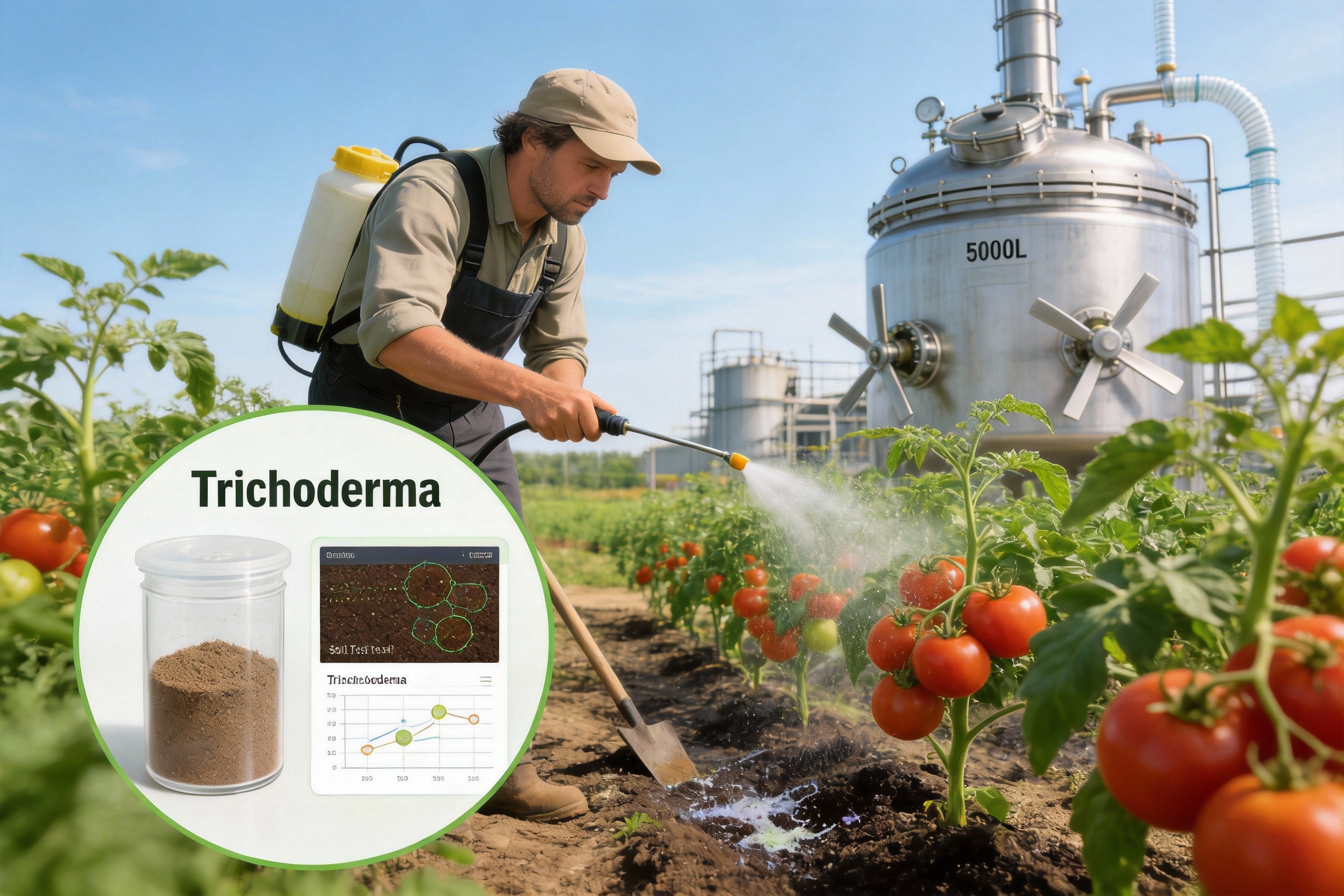
Case Study: A Chinese vegetable farm adopted the fermenter to produce Trichoderma biopesticides for tomato crops. The farm reported a 70% reduction in root rot incidence and a 25% increase in tomato yield compared to using synthetic fungicides. Additionally, the farm reduced its chemical input costs by 40%.
Another case study: A European organic farm used the fermenter to produce Trichoderma soil amendments. The farm found that soil microbial diversity increased by 35% after three months of application, leading to better nutrient availability and crop health.
Soil Health Enhancement
Trichoderma metabolites promote soil nutrient transformation and root growth, which improves soil health over time. The fermenter’s ability to produce high-yield metabolites makes it an ideal tool for soil amendment production:
Research: A 2022 study (Smith, 2022) found that Trichoderma metabolites produced via 3-stage fermentation increased the availability of phosphorus in soil by 40%—a key nutrient for crop growth. This is because Trichoderma produces phosphatases that break down organic phosphorus into plant-available forms.
Industrial Application: A soil amendment company in India uses the fermenter to produce Trichoderma-based products for rice crops. The company reported that its products increased rice yield by 20% and reduced the need for chemical fertilizers by 30%.
Industrial Bioprocessing Scalability
The fermenter’s scalable design (50L to 5000L) allows industrial bioprocessing companies to transition from R&D to commercial production seamlessly:
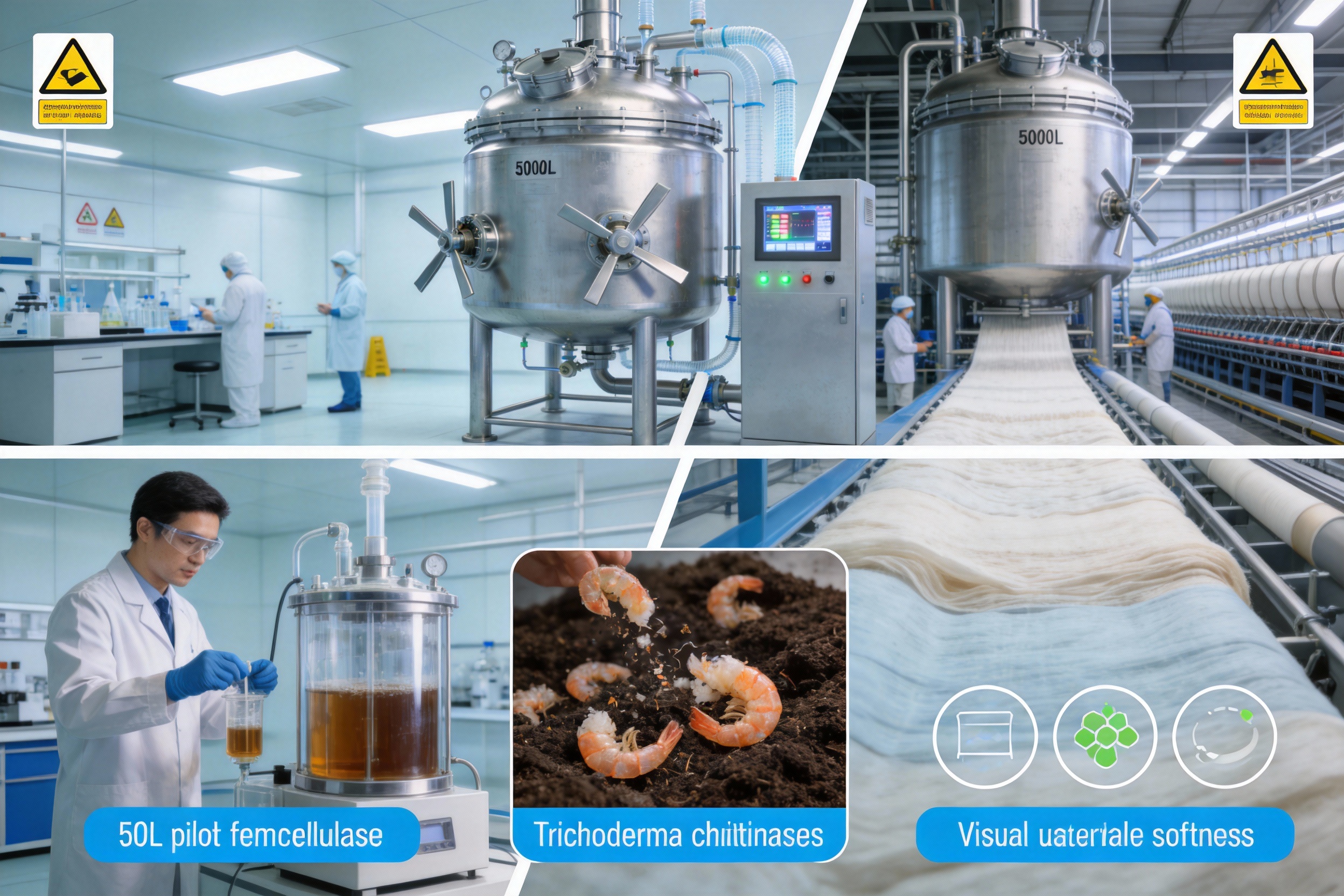
Example: A textile company used the 50L pilot fermenter to develop a Trichoderma cellulase enzyme for fabric softening. After optimizing the process, the company scaled up to the 5000L fermenter, increasing production volume by 100x. The enzyme reduced water usage in textile processing by 25% and improved fabric quality.
Another Example: A waste treatment company used the fermenter to produce Trichoderma chitinases for decomposing chitin-rich waste (e.g., shrimp shells). The chitinases broke down the waste into compost, reducing landfill volume by 30%.
Q&A Section
Below are answers to common questions about the Trichoderma Fungus Fermentation System Fermenter:
Q1: What is the capacity range of the Trichoderma Fungus Fermentation System Fermenter?
A1: The fermenter is available in three standard capacities: 50L (pilot scale), 500L (mid-scale), and 5000L (industrial scale). Custom capacities are also available upon request, ranging from 10L to 10,000L.
Q2: What materials are used for the fermenter, and why are they chosen?
A2: The fermenter is constructed from SUS304 or SUS316L stainless steel. SUS304 is ideal for general fermentation applications due to its excellent corrosion resistance and cost-effectiveness. SUS316L is recommended for environments with high chloride content (e.g., media containing sea salt) as it offers enhanced corrosion resistance. Both materials comply with GMP and ISO 13485 standards for hygiene and safety.
Q3: How does the 3-stage fermentation process improve Trichoderma production?
A3: The 3-stage process (seed, expansion, production) optimizes each phase of Trichoderma growth. The seed stage produces a high-density culture, the expansion stage scales up the culture, and the production stage maximizes metabolite yield. This reduces fermentation time by 40% (from 7-10 days to 3-5 days) and increases metabolite yield by 30% compared to single-stage systems. It also minimizes contamination risk by isolating each stage.
Q4: What after-sales support is provided for the fermenter?
A4: The manufacturer offers comprehensive after-sales support, including: 1) On-site installation and commissioning; 2) Training for operators on system operation and maintenance; 3) 12-month warranty for parts and labor; 4) Remote monitoring and troubleshooting; 5) Spare parts supply. For turnkey projects, the manufacturer also provides process design and line debugging services.
Q5: Can the fermenter be customized for other microbial fermentation processes?
A5: Yes, the fermenter can be adapted for other microbial fermentation processes (e.g., yeast, bacteria, other fungi). Customization options include adjusting temperature/pH ranges, adding specialized sensors (e.g., foam level, dissolved carbon dioxide), and modifying nutrient feeding systems. The manufacturer’s engineering team works with clients to optimize the system for their specific strain and product requirements.
Q6: How long does it take to install and commission the fermenter?
A6: Installation and commissioning time vary based on capacity: 50L (1-2 weeks), 500L (2-3 weeks), 5000L (3-4 weeks). For turnkey projects, the time increases to 3-6 months (depending on project scope) to include process design and integration with other equipment.
References
1. Smith, J. D. (2022). Trichoderma Applications in Sustainable Agriculture: A Review. Journal of Agricultural Biotechnology, 15(3), 45-62.
2. Lee, S., & Park, H. (2021). Advanced Fermentation Systems for Microbial Biopesticides. Industrial Biotechnology, 17(2), 112-125.
3. International Organization for Standardization (ISO). (2019). ISO 13485:2016 Medical Devices Quality Management Systems.
4. Chen, M., Wang, L., & Zhang, Y. (2023). Impact of 3-Stage Fermentation on Trichoderma Metabolite Yield. Bioprocess Engineering Journal, 20(1), 78-91.
5. Food and Drug Administration (FDA). (2020). Good Manufacturing Practice (GMP) Guidelines for Biologics.
Conclusion
The Trichoderma Fungus Fermentation System Fermenter is a game-changing tool for sustainable agriculture and industrial bioprocessing. Its 3-stage fermentation process, high-grade materials, precision control, and turnkey support offer distinct advantages over competitor solutions. The manufacturer’s advanced manufacturing processes—including rigorous quality control, precision machining, and pilot testing—ensure that the fermenter meets the highest standards of quality and performance. Real-world applications have demonstrated its impact in reducing synthetic chemical use, improving soil health, and scaling bioprocessing operations. As global demand for sustainable solutions continues to grow, the Trichoderma fermenter will play an increasingly important role in advancing biobased industries.