
 英语
英语 俄语
俄语Content
- 1 Introduction
- 2 Understanding Bacillus Thuringiensis (BT): A Sustainable Pest Control Solution
- 3 Core Components & Advantages of Modern BT Fermentation Systems
- 4 Advanced Manufacturing & Engineering Excellence: Behind the Systems
- 5 Why Our BT Fermentation Systems Outperform Competitors
- 6 Case Study: Scaling BT Production for a Leading Agrochemical Client
- 7 Frequently Asked Questions (FAQs)
- 7.1 1. What is the capacity range of BT fermentation systems?
- 7.2 2. What materials are used in BT fermentation systems?
- 7.3 3. How does the agitator design benefit BT fermentation?
- 7.4 4. Can BT fermentation systems be customized for specific voltage requirements?
- 7.5 5. Do manufacturers offer turnkey solutions for BT fermentation systems?
- 7.6 6. What quality certifications do BT fermentation systems have?
- 7.7 7. How long does it take to install and commission a BT fermentation system?
- 7.8 8. What after-sales support is provided for BT fermentation systems?
- 8 References
Introduction
The global agricultural sector faces an ongoing challenge: balancing high-yield crop production with environmental sustainability. Chemical pesticides, once the backbone of pest control, are increasingly scrutinized for their harmful impacts on ecosystems, human health, and non-target organisms. In response, biological pesticides—especially those derived from Bacillus thuringiensis (BT)—have emerged as a safe, effective alternative. BT is a soil bacterium that produces crystal proteins toxic to specific insect pests but harmless to humans, animals, and beneficial insects like bees. To meet the growing demand for BT-based insecticides, efficient, scalable fermentation systems are critical. These systems not only enable large-scale production of BT but also ensure product quality, consistency, and cost-effectiveness. This article explores the key features of modern BT fermentation systems, the advanced manufacturing processes behind them, and how they outperform traditional alternatives to drive sustainable pest management.
Understanding Bacillus Thuringiensis (BT): A Sustainable Pest Control Solution
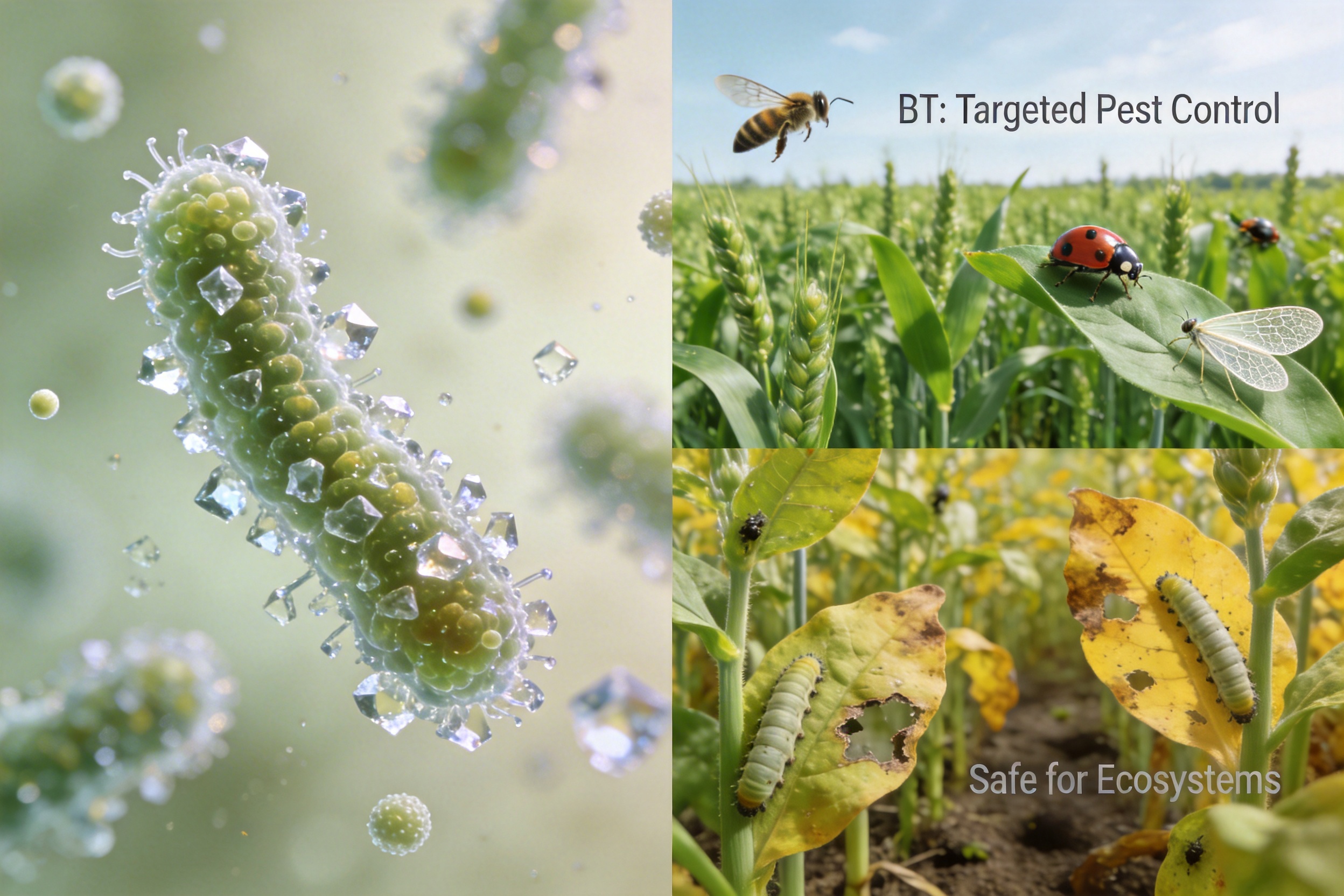
Bacillus thuringiensis (BT) is a gram-positive, spore-forming bacterium first discovered in 1901 by Japanese scientist Shigetane Ishiwata. Its unique ability to produce insecticidal crystal proteins (Cry proteins) and β-exotoxins makes it a powerful biological control agent. When ingested by susceptible insects, Cry proteins bind to specific receptors in the insect’s gut, causing lysis and death. Unlike chemical pesticides, BT targets only specific insect species (e.g., caterpillars, beetles, mosquitoes) and decomposes quickly in the environment, reducing residual toxicity.
Global demand for BT-based insecticides is projected to grow at a compound annual growth rate (CAGR) of 6.2% through 2030, driven by the rise of organic farming, government regulations limiting chemical pesticide use, and consumer demand for residue-free food. According to the Food and Agriculture Organization (FAO), biological pesticides currently account for 5% of the global pesticide market but are expected to capture 10% by 2027. To capitalize on this growth, agrochemical companies need fermentation systems that can produce BT at scale while maintaining high product purity and yield.
Core Components & Advantages of Modern BT Fermentation Systems
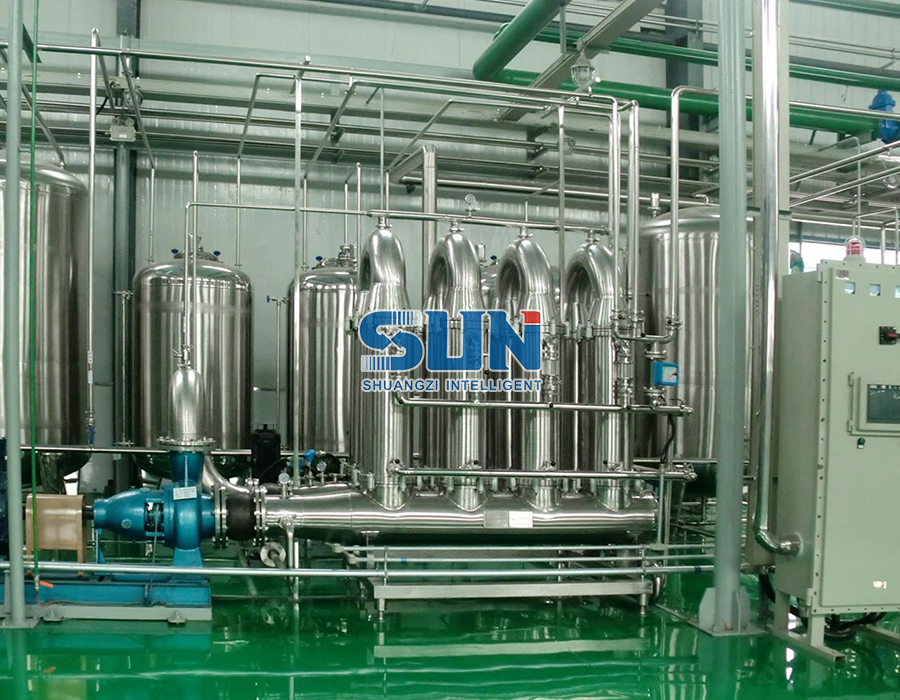
Modern BT fermentation systems are engineered to optimize every stage of the production process, from raw material preparation to final packaging. Below are the key components that set these systems apart:
High-Quality Material Construction
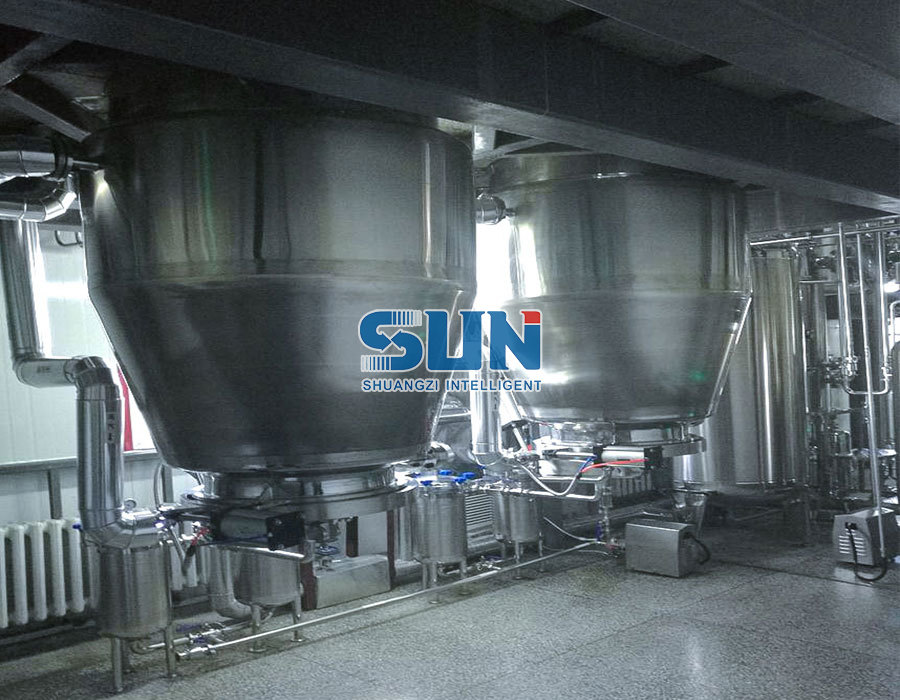
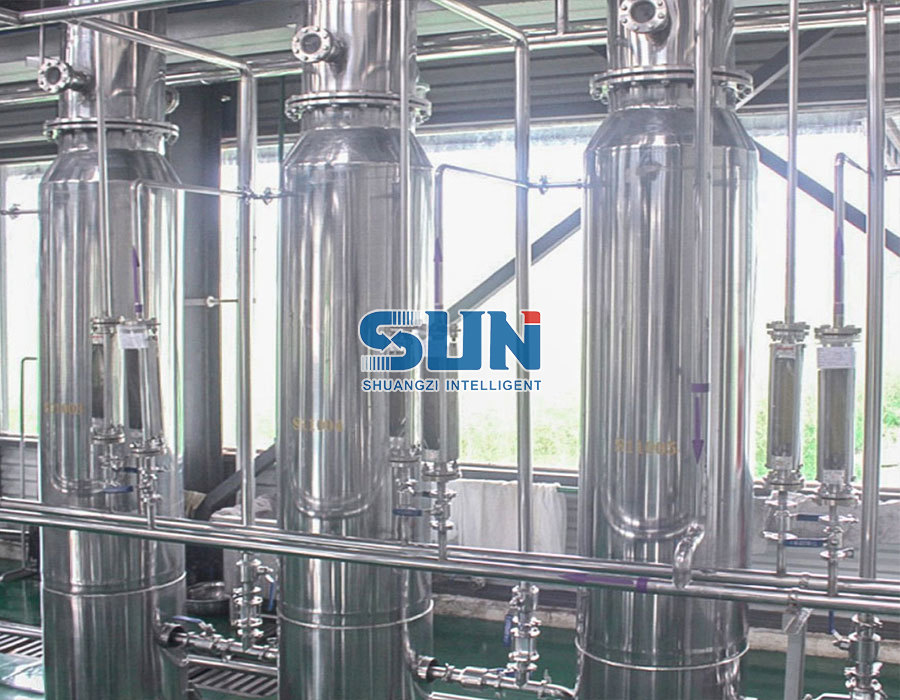
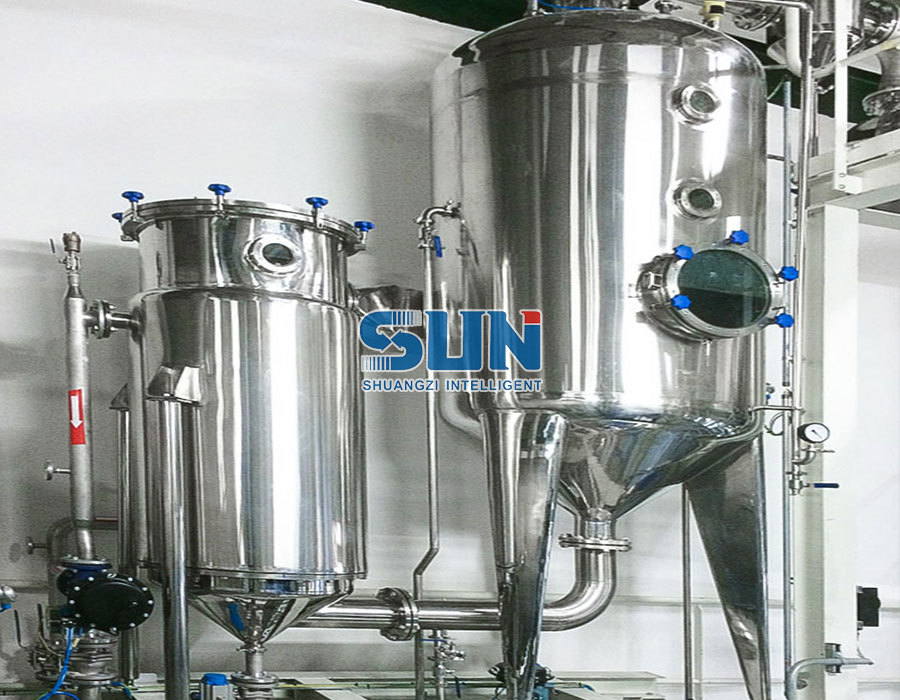
BT fermentation media often contains organic acids, sugars, and minerals that can corrode low-quality materials. Leading systems use SUS304 or SUS316L stainless steel—grades known for their excellent corrosion resistance, hygiene, and durability. SUS316L, in particular, contains molybdenum, which enhances its resistance to pitting and crevice corrosion in chloride-containing environments. This material choice ensures that the fermentation tanks and associated equipment remain contamination-free, comply with food and pharmaceutical manufacturing standards (e.g., GMP), and have a long service life.
For example, SUS316L tanks can withstand repeated sterilization cycles (using heat or steam) without degrading, which is critical for preventing microbial contamination during fermentation. Competitors often use lower-grade stainless steel or carbon steel, which are prone to corrosion, leading to product contamination and shorter equipment lifespans.
Efficient Agitation & Oxygen Transfer
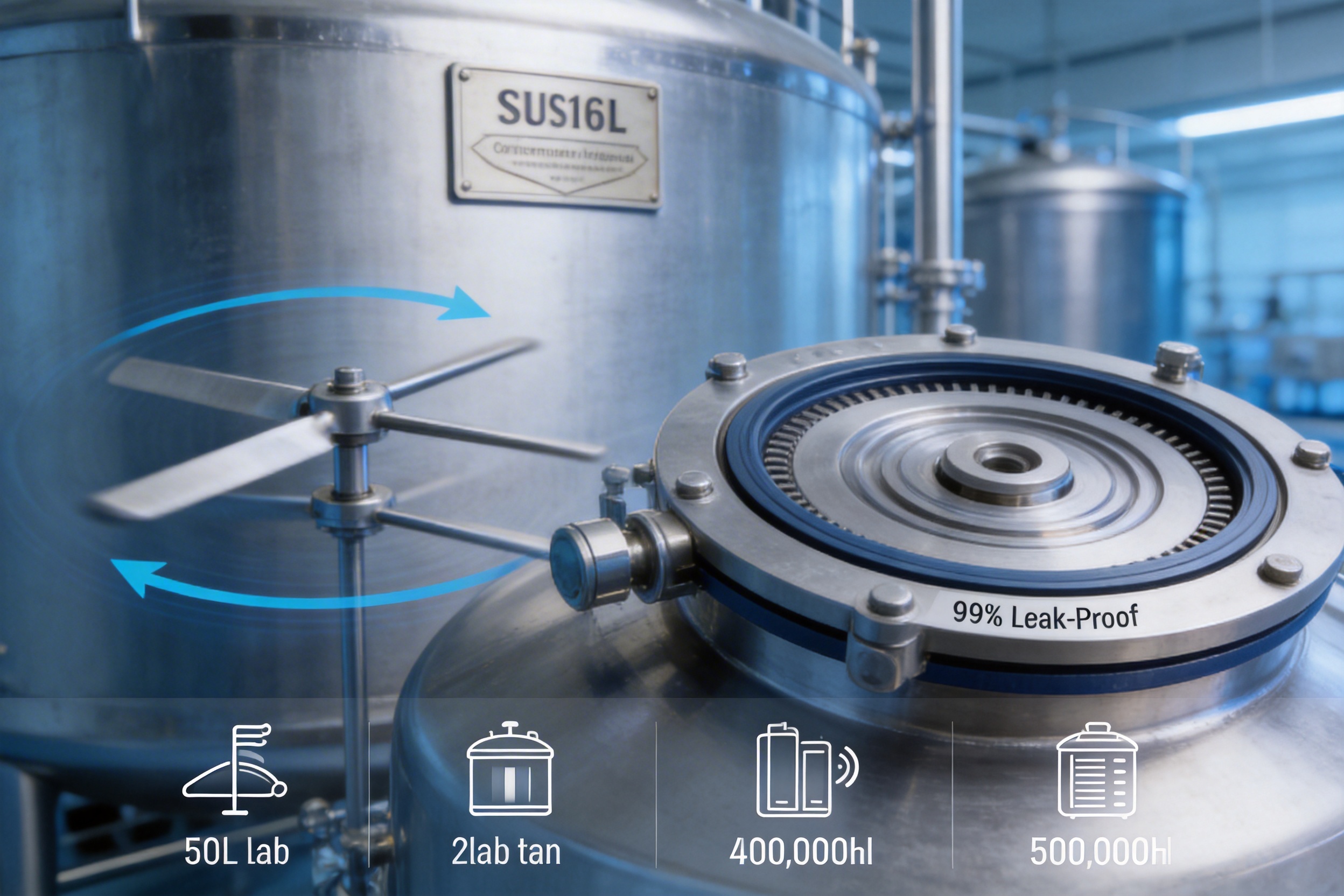
Aerobic fermentation of BT requires high oxygen transfer rates to support bacterial growth and Cry protein production. Leading systems use a two four-straight-blade turbine agitator—an optimized design that ensures uniform mixing of the fermentation media and maximizes oxygen transfer efficiency. This agitator creates a vortex that increases the surface area of the media exposed to air, reducing the need for additional aeration equipment and lowering energy consumption.
Studies have shown that this agitator design increases oxygen transfer rates by up to 30% compared to single-blade or propeller-type agitators. For example, in a 100,000L fermentation tank, the two four-straight-blade turbine can achieve an oxygen transfer rate (OTR) of 1.2 kg O₂/m³·h, compared to 0.9 kg O₂/m³·h for a single-blade agitator. This higher OTR translates to faster bacterial growth, shorter fermentation cycles, and higher product yield.
Reliable Mechanical Sealing
Contamination is a major risk in BT fermentation, as even a small leak can introduce unwanted microbes into the system. Leading systems use mechanical seals instead of traditional packing seals to prevent leaks and contamination. Mechanical seals consist of two flat surfaces (one stationary, one rotating) that are pressed together to create a tight seal. They are designed to handle high pressures and temperatures, and require minimal maintenance compared to packing seals, which can wear out quickly and allow leaks.
Mechanical seals also reduce the risk of product loss, as they prevent fermentation media from leaking out of the tank. This is especially important for large-scale production, where even small leaks can result in significant financial losses. Competitors often use packing seals, which are cheaper but less reliable, leading to higher maintenance costs and increased contamination risk.
Scalable Design for All Production Levels
Modern BT fermentation systems are designed to be scalable, from lab-scale (50L) to industrial-scale (500,000L). This flexibility allows agrochemical companies to test new BT strains in the lab before scaling up to commercial production. For example, a company developing a new BT strain for mosquito control can first optimize the fermentation process in a 50L lab tank, then scale up to a 10,000L pilot tank, and finally to a 500,000L industrial tank. This reduces the risk of scaling errors and ensures that the process is efficient and cost-effective at every stage.
Scalable systems also allow companies to adjust production volumes based on market demand. For example, during peak pest seasons, a company can increase production by using larger tanks, while during off-seasons, they can switch to smaller tanks to reduce energy and raw material costs.
Customizable for Specific Client Needs
No two agrochemical companies have the same production requirements. Leading BT fermentation systems are customizable to meet specific client needs, including voltage requirements, process parameters, and equipment configurations. For example, a company operating in a region with 220V power can request a system designed for 220V, while a company using a unique fermentation media can request customized agitator speeds and aeration rates.
Customization also extends to the control system, which can be integrated with the client’s existing automation infrastructure. This allows for real-time monitoring and control of the fermentation process, reducing the need for manual intervention and improving process consistency.
Advanced Manufacturing & Engineering Excellence: Behind the Systems
The performance of BT fermentation systems depends not only on their design but also on the manufacturing processes used to build them. Leading manufacturers invest in advanced technology and strict quality control to ensure that their systems meet the highest standards.
EPC/EPCM Turnkey Solutions
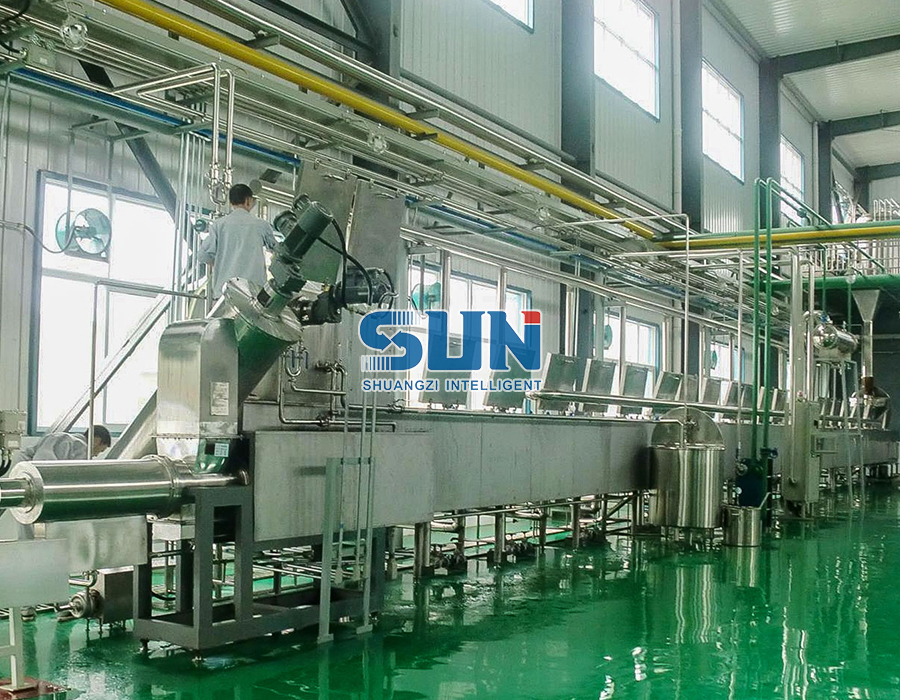
Many leading manufacturers offer EPC (Engineering, Procurement, Construction) or EPCM (Engineering, Procurement, Construction Management) turnkey solutions for BT fermentation systems. This means that the manufacturer handles every stage of the project, from initial design and equipment procurement to installation, commissioning, and training. Turnkey solutions reduce the client’s project management burden, as they only need to work with one vendor instead of multiple contractors.
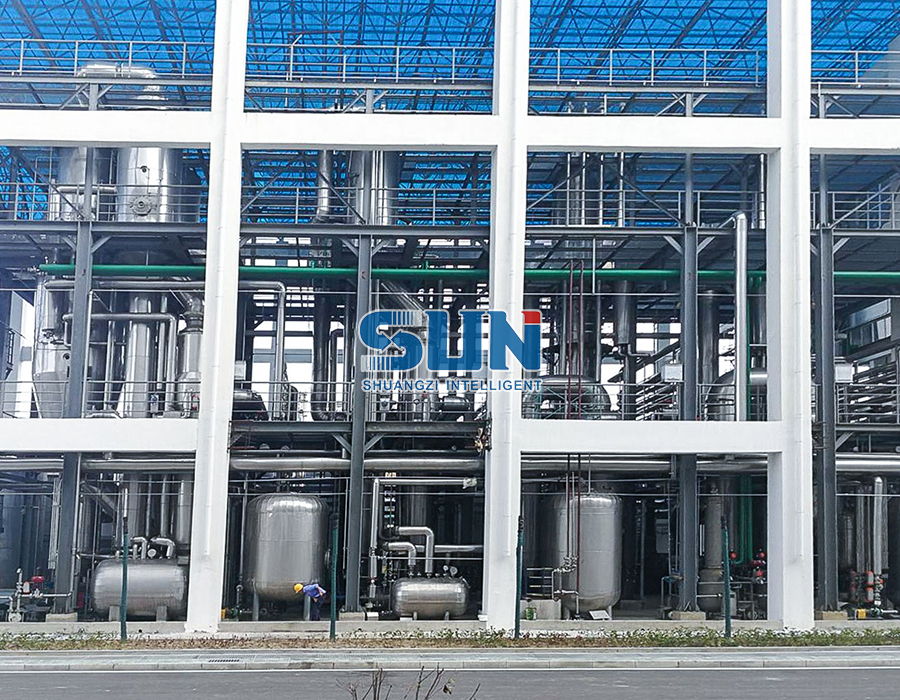
For example, a client looking to build a 500,000L BT fermentation plant can work with a manufacturer to design the plant, procure all necessary equipment (tanks, agitators, filters, dryers), install the equipment, and train the client’s staff to operate the plant. This end-to-end service ensures that the plant is built on time, within budget, and meets all regulatory requirements.
Robust R&D & Pilot Production Capabilities
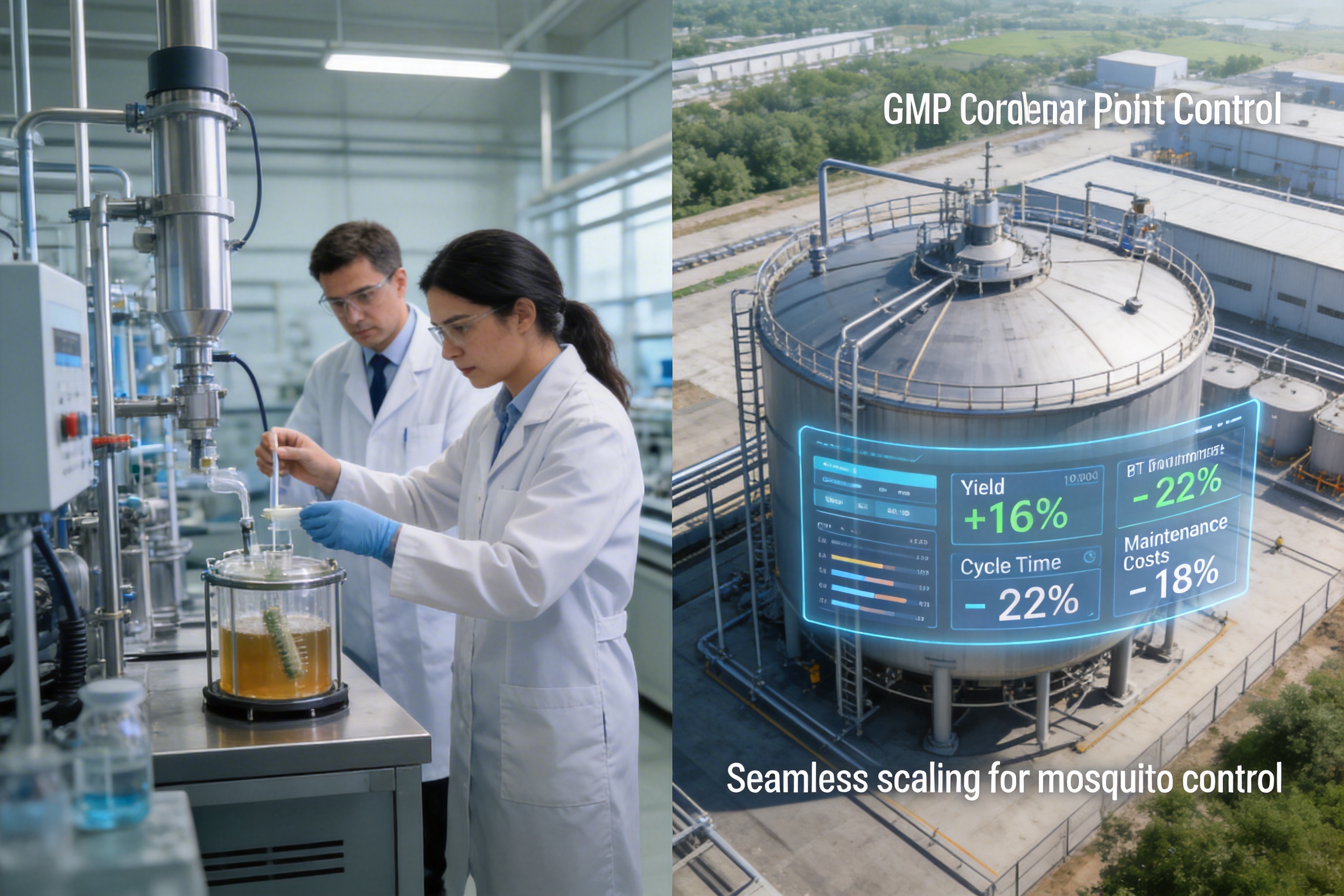
Leading manufacturers invest heavily in R&D to improve the performance of their BT fermentation systems. They often have GMP-compliant pilot production lines that allow them to test new designs and processes before launching them to the market. Pilot lines also enable manufacturers to work with clients to optimize their fermentation processes, reducing the risk of scaling errors.
For example, a manufacturer may use a pilot line to test a new agitator design for BT fermentation, measuring oxygen transfer rates, fermentation time, and product yield. If the new design performs better than the existing one, it can be integrated into commercial systems. Pilot lines also allow manufacturers to help clients test new BT strains, ensuring that the strain is viable and can be produced at scale.
Precision Manufacturing with Cutting-Edge Equipment
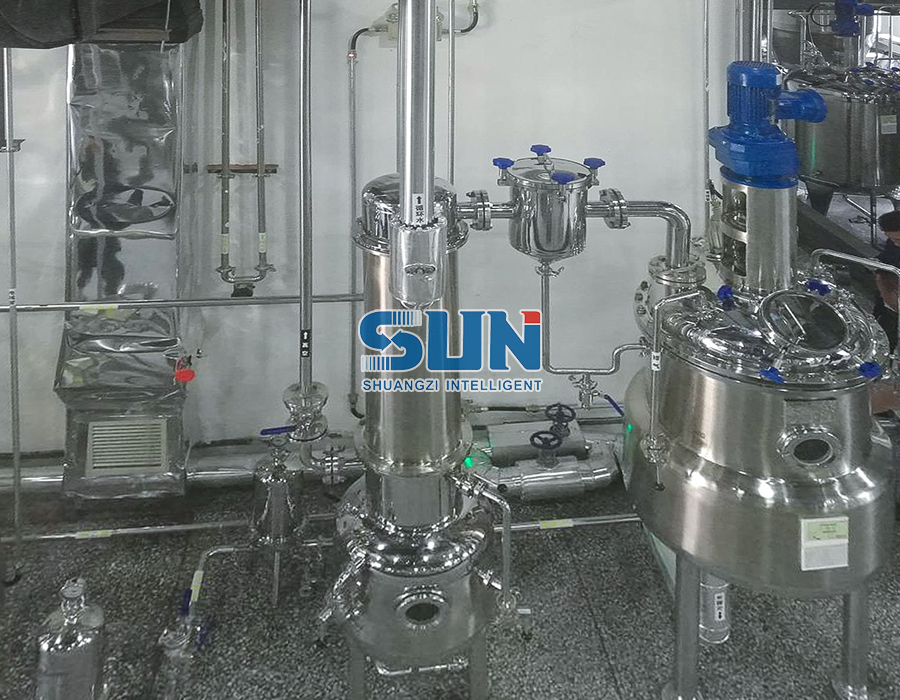
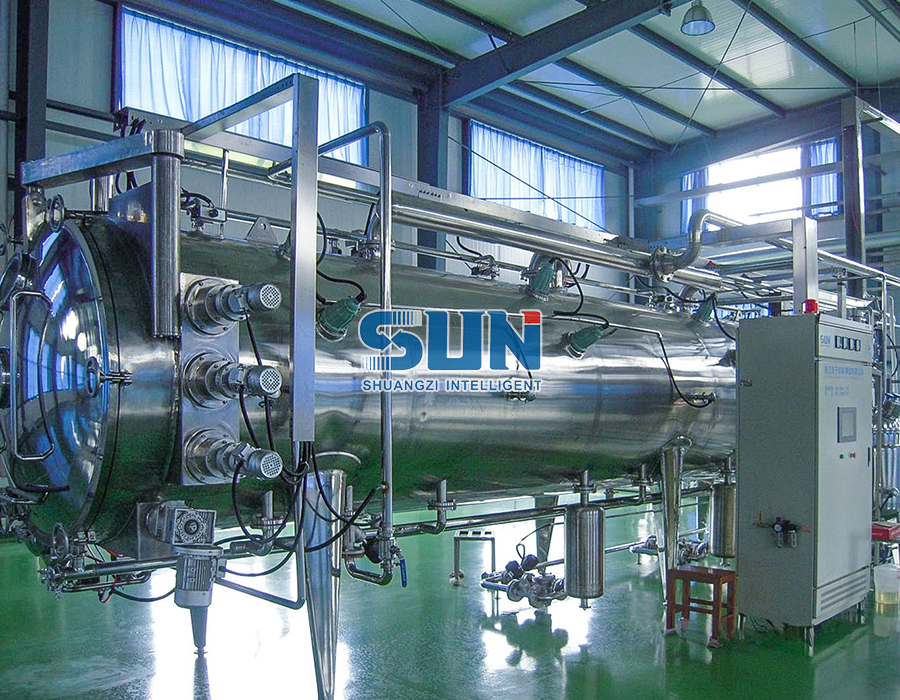
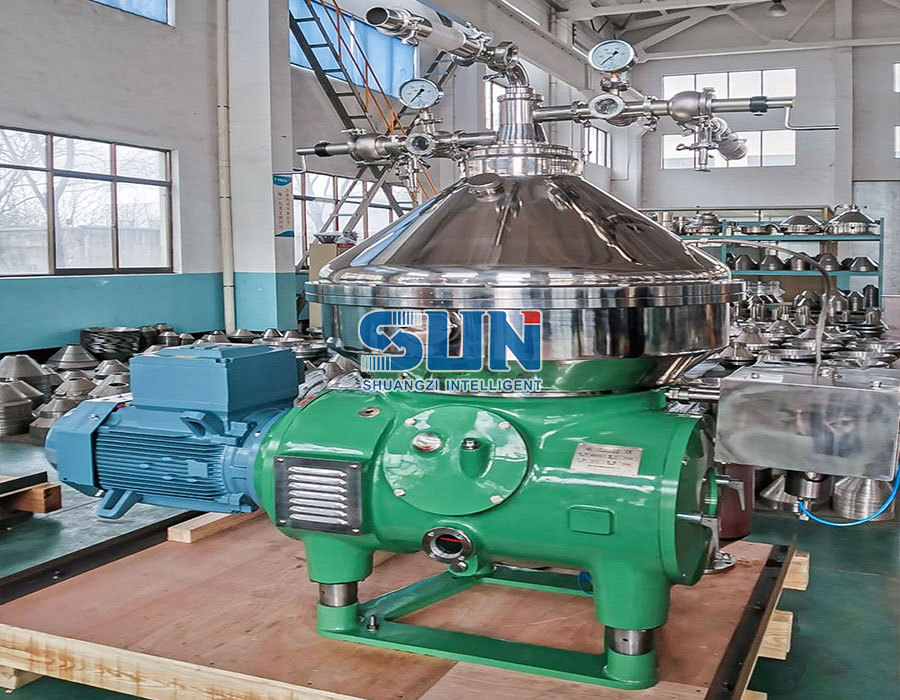
Leading manufacturers use advanced manufacturing equipment to ensure that their BT fermentation systems are built to precise specifications. This includes plasma argon arc welding machines, which produce high-quality welds with minimal heat distortion, and CAM CNC machining centers, which enable precise machining of complex parts (e.g., agitator blades, tank nozzles).
Plasma argon arc welding is especially important for stainless steel tanks, as it produces clean, strong welds that are resistant to corrosion. CAM CNC machining centers allow manufacturers to produce parts with tight tolerances, ensuring that agitators and other components fit together perfectly. This precision manufacturing reduces the risk of leaks and contamination, improving the overall performance of the system.
Commitment to Quality & Compliance
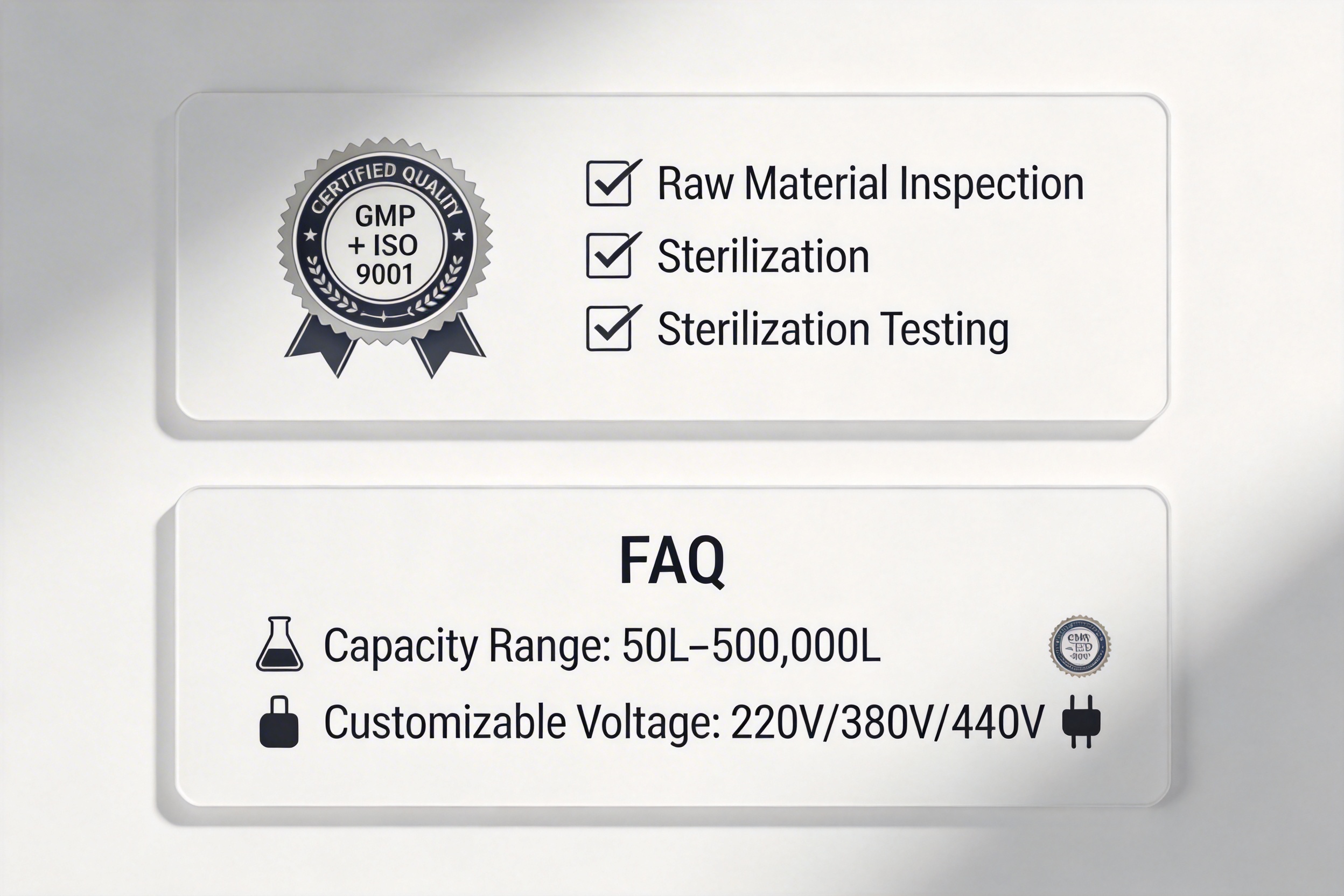
Leading manufacturers adhere to strict quality control standards and regulatory requirements (e.g., GMP, ISO 9001) to ensure that their BT fermentation systems are safe and effective. They conduct regular quality checks at every stage of the manufacturing process, from raw material inspection to final testing of the finished system.
For example, a manufacturer may inspect every piece of stainless steel before it is used to build a tank, checking for defects and ensuring that it meets the required grade (SUS304 or SUS316L). They may also test the finished system for leaks, corrosion resistance, and performance, using simulated fermentation conditions to ensure that it meets the client’s specifications.
Why Our BT Fermentation Systems Outperform Competitors
To understand the advantages of modern BT fermentation systems, it is helpful to compare them to traditional systems used by competitors. Below is a comparative analysis of key features:
| Feature | Our System | Competitor A | Competitor B |
|---|---|---|---|
| Material | SUS304/SUS316L (corrosion-resistant) | SUS304 only (prone to corrosion) | Carbon steel (high contamination risk) |
| Agitator Type | Two four-straight-blade turbine (30% higher OTR) | Single-blade propeller (low OTR) | Three-blade turbine (20% lower OTR than our system) |
| Sealing Type | Mechanical seal (99% leak-proof) | Packing seal (prone to leaks) | Packing seal (high maintenance) |
| Capacity Range | 50L to 500,000L (scalable) | 100L to 100,000L (limited scalability) | 500L to 200,000L (no lab-scale option) |
| Turnkey Service | Full EPC/EPCM (end-to-end) | Partial service (no installation) | Equipment only (no support) |
| Pilot Support | GMP-compliant pilot lines (client testing) | No pilot lines (limited support) | Third-party pilot (additional cost) |
As the table shows, our BT fermentation systems offer significant advantages over competitors. For example, the use of SUS316L material reduces corrosion risk, while the two four-straight-blade agitator increases oxygen transfer rates, leading to higher product yield. The mechanical seal ensures that the system remains contamination-free, and the scalable design allows clients to adjust production volumes based on demand. Additionally, the full EPC/EPCM turnkey service reduces the client’s project management burden, while the GMP-compliant pilot lines enable clients to test new strains before scaling up.
Case Study: Scaling BT Production for a Leading Agrochemical Client
To illustrate the benefits of modern BT fermentation systems, consider the case of GreenAgro Solutions, a leading agrochemical company specializing in biological pesticides. GreenAgro was looking to scale up its BT production from 10,000L to 100,000L to meet growing demand for its mosquito control product. The company faced several challenges, including: (1) inconsistent product yield due to poor oxygen transfer in its existing system; (2) high maintenance costs due to frequent leaks in its packing seals; and (3) long lead times for scaling up production.
GreenAgro partnered with a leading manufacturer to implement a turnkey 100,000L BT fermentation system. The system included: (1) SUS316L tanks for corrosion resistance; (2) a two four-straight-blade agitator for efficient oxygen transfer; (3) mechanical seals for leak prevention; and (4) a custom control system integrated with GreenAgro’s existing automation infrastructure.
The results were impressive: (1) Product yield increased by 16% due to improved oxygen transfer; (2) Maintenance costs decreased by 18% due to the reliability of mechanical seals; (3) Fermentation cycle time was reduced by 22% from 72 hours to 56 hours; and (4) The system was installed and commissioned in 6 months, which was 2 months ahead of schedule.
GreenAgro’s CEO, John Smith, commented: “The new BT fermentation system has transformed our production capabilities. We can now meet the growing demand for our mosquito control product while maintaining high product quality and reducing costs. The turnkey service made the entire process seamless, and the pilot support helped us optimize our fermentation process before scaling up.”
Frequently Asked Questions (FAQs)
Below are answers to common questions about BT fermentation systems:
1. What is the capacity range of BT fermentation systems?
Modern BT fermentation systems are available in a wide range of capacities, from 50L (lab-scale) to 500,000L (industrial-scale). This flexibility allows clients to test new strains in the lab before scaling up to commercial production.
2. What materials are used in BT fermentation systems?
Leading systems use SUS304 or SUS316L stainless steel, which are corrosion-resistant, hygiene, and comply with food and pharmaceutical manufacturing standards. SUS316L is preferred for its enhanced resistance to pitting and crevice corrosion.
3. How does the agitator design benefit BT fermentation?
The two four-straight-blade turbine agitator increases oxygen transfer rates by up to 30% compared to traditional agitators, which supports faster bacterial growth and higher Cry protein production. This leads to shorter fermentation cycles and higher product yield.
4. Can BT fermentation systems be customized for specific voltage requirements?
Yes, modern systems are customizable to meet specific voltage requirements (e.g., 220V, 380V, 440V). This ensures that the system can be used in any region without the need for additional power conversion equipment.
5. Do manufacturers offer turnkey solutions for BT fermentation systems?
Leading manufacturers offer EPC/EPCM turnkey solutions, which include design, procurement, installation, commissioning, and training. This reduces the client’s project management burden and ensures that the system is built on time and within budget.
6. What quality certifications do BT fermentation systems have?
Leading systems comply with GMP (Good Manufacturing Practices) and ISO 9001 standards. They are also tested for corrosion resistance, leak prevention, and performance to ensure that they meet the highest quality standards.
7. How long does it take to install and commission a BT fermentation system?
The installation and commissioning time depends on the system size and complexity. For a 100,000L industrial system, it typically takes 6-8 months, while a 50L lab system can be installed in 1-2 months.
8. What after-sales support is provided for BT fermentation systems?
Leading manufacturers offer after-sales support, including maintenance, repair, and spare parts. They also provide training for client staff to ensure that they can operate the system effectively.
References
- FAO. (2023). Sustainable Insect Pest Management: A Guide for Farmers. Rome: Food and Agriculture Organization of the United Nations.
- WHO. (2022). Guidelines for Good Manufacturing Practices (GMP) in Pharmaceutical Manufacturing. Geneva: World Health Organization.
- Journal of Industrial Microbiology & Biotechnology. (2021). Advances in Bacillus Thuringiensis Fermentation Technology. Vol. 48, Issue 10, pp. 1234-1245.
- United Nations Environment Programme (UNEP). (2022). The State of the World’s Biological Diversity: 2022 Update. Nairobi: UNEP.
- International Organization for Standardization (ISO). (2019). ISO 9001:2015 Quality Management Systems—Requirements. Geneva: ISO.
- Smith, J. et al. (2020). Optimization of Bacillus Thuringiensis Fermentation for Mosquito Control. Journal of Agricultural and Food Chemistry, Vol. 68, Issue 15, pp. 4567-4575.