
 英语
英语 俄语
俄语Content
- 1 Product Overview
- 2 Core Application in Human Milk Oligosaccharide Production
- 3 Technical Specifications
- 4 Advantages Over Conventional Fermentation Equipment
- 5 Precise Control for Microbial Performance
- 6 Aseptic Design and Contamination Prevention
- 7 Manufacturing Strength and Quality-Oriented Fabrication
- 8 Engineering, Automation, and Turnkey Project Capability
- 9 Role in Food, Health, Biochemical, Environmental, and Agricultural Applications
- 10 Scale-Up Strategy from Laboratory to Industrial Production
- 11 Why This System Is Competitive
- 12 Recommended Configuration Considerations
- 13 Operation and Maintenance Benefits
- 14 Quality, Compliance, and Industrial Reliability
- 15 Q&A Section
- 15.1 What is the main purpose of the Bio Fermentation Tank System for Human Milk Oligosaccharides?
- 15.2 What capacity ranges are available?
- 15.3 Which materials are used for the tank?
- 15.4 Why is precise dissolved oxygen control important?
- 15.5 How does the agitation system support fermentation?
- 15.6 What makes the system suitable for aseptic production?
- 15.7 Can the system be customized?
- 15.8 How does the company support turnkey projects?
- 15.9 Is this equipment only for HMO production?
- 15.10 Why is pilot-scale fermentation important before industrial production?
- 16 Conclusion
- 17 References
- 18 Product: Bio Fermentation Tank System for Human Milk Oligosaccharides
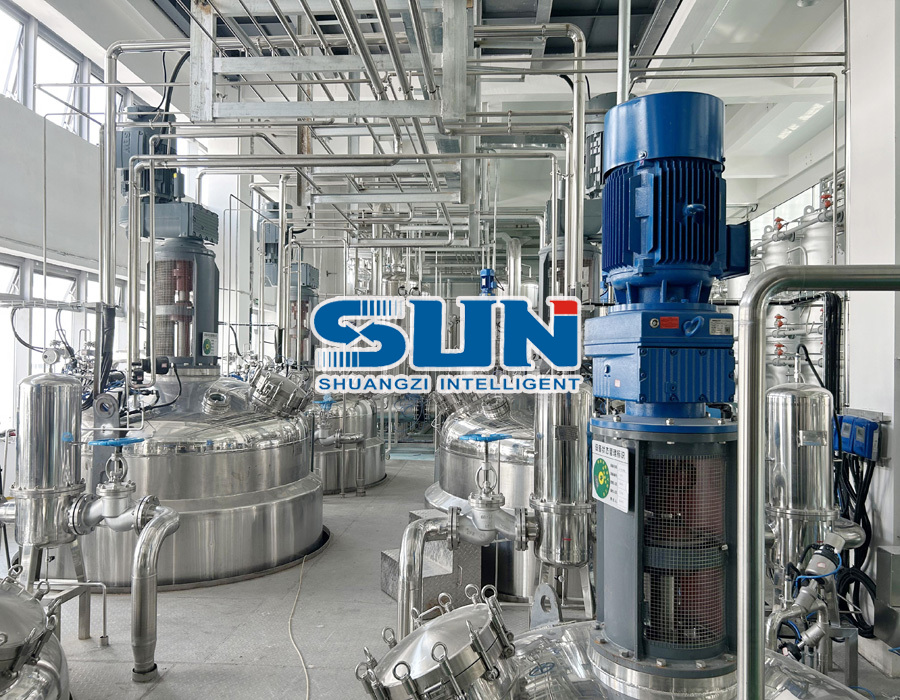
Human milk oligosaccharides, often abbreviated as HMOs, have become a high-value target in modern biotechnology because of their importance in nutrition, functional food development, and precision fermentation. Producing these complex carbohydrate ingredients at consistent quality requires a fermentation platform that can combine sterile operation, precise environmental control, stable mechanical performance, scalable engineering, and reliable automation. The Bio Fermentation Tank System for Human Milk Oligosaccharides is designed to meet these demands from laboratory research through pilot verification and industrial-scale production.
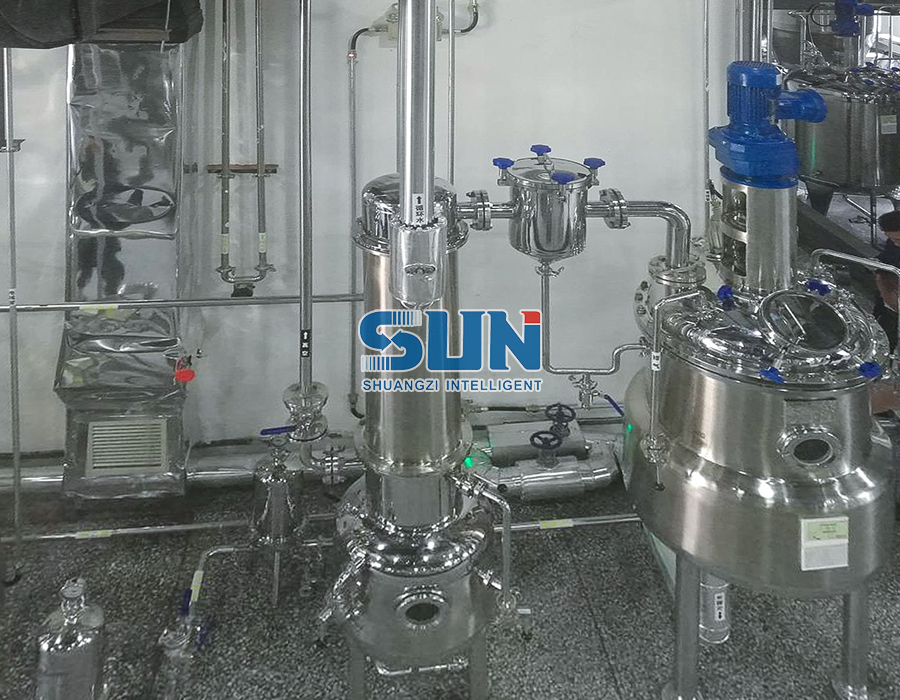
This system is positioned as a complete biological fermentation solution rather than a single vessel. It integrates a stainless-steel fermenter, agitation system, ventilation system, temperature control, pH control, dissolved oxygen control, aseptic sealing, clean-in-place and sterilize-in-place options, process piping, instrumentation, and automation logic according to the user’s process requirements. For HMO production, where microbial metabolism, substrate conversion, oxygen transfer, sterility, and batch reproducibility are critical, this integrated approach provides a strong foundation for commercial success.
Zhejiang Shuangzi Intelligent Equipment Co., Ltd. manufactures and supplies the system with an engineering-driven approach. The company focuses on process technology, automation engineering design, equipment manufacturing, matching purchase, installation, equipment system integration, and turnkey project delivery. With experience in biological fermentation, plant extraction, pharmaceutical engineering, natural food processing, energy conservation, and environmental protection, the company provides not only hardware but also complete process-oriented equipment solutions for customers who require dependable industrial implementation.
Bio Fermentation Tank System for Human Milk Oligosaccharides
Product Overview
The Bio Fermentation Tank System for Human Milk Oligosaccharides is a specialized fermentation platform used to cultivate microorganisms under controlled conditions. By simulating and maintaining the suitable environment for microbial growth and metabolism, the equipment supports efficient production of target compounds such as HMOs, enzymes, probiotic preparations, citric acid, bio-based ingredients, and pharmaceutical intermediates. Its design reflects the practical requirements of biomanufacturing: stable aseptic operation, uniform mixing, oxygen transfer, controlled heat exchange, and accurate monitoring of process variables.
In HMO fermentation, the microorganisms used in the process are highly sensitive to environmental changes. Slight fluctuations in temperature, pH, dissolved oxygen, agitation speed, feed strategy, or contamination risk can affect yield, purity, productivity, and batch consistency. Therefore, the fermentation tank system must provide repeatable process control over extended operating cycles. This system is built to help operators maintain the necessary balance between biological performance and industrial reliability.
The system is available for multiple production stages. Laboratory-scale units from 5L to 20L are suitable for process exploration, strain screening, and early parameter development. Pilot-scale systems from 30L to 400L support process verification, scale-up studies, and pre-commercial trials. Industrial-scale systems from 500L to 300t are designed for mass production and can be configured according to plant layout, process route, utilities, and automation requirements. This wide capacity range helps users transfer technology more smoothly from research to commercial manufacturing.
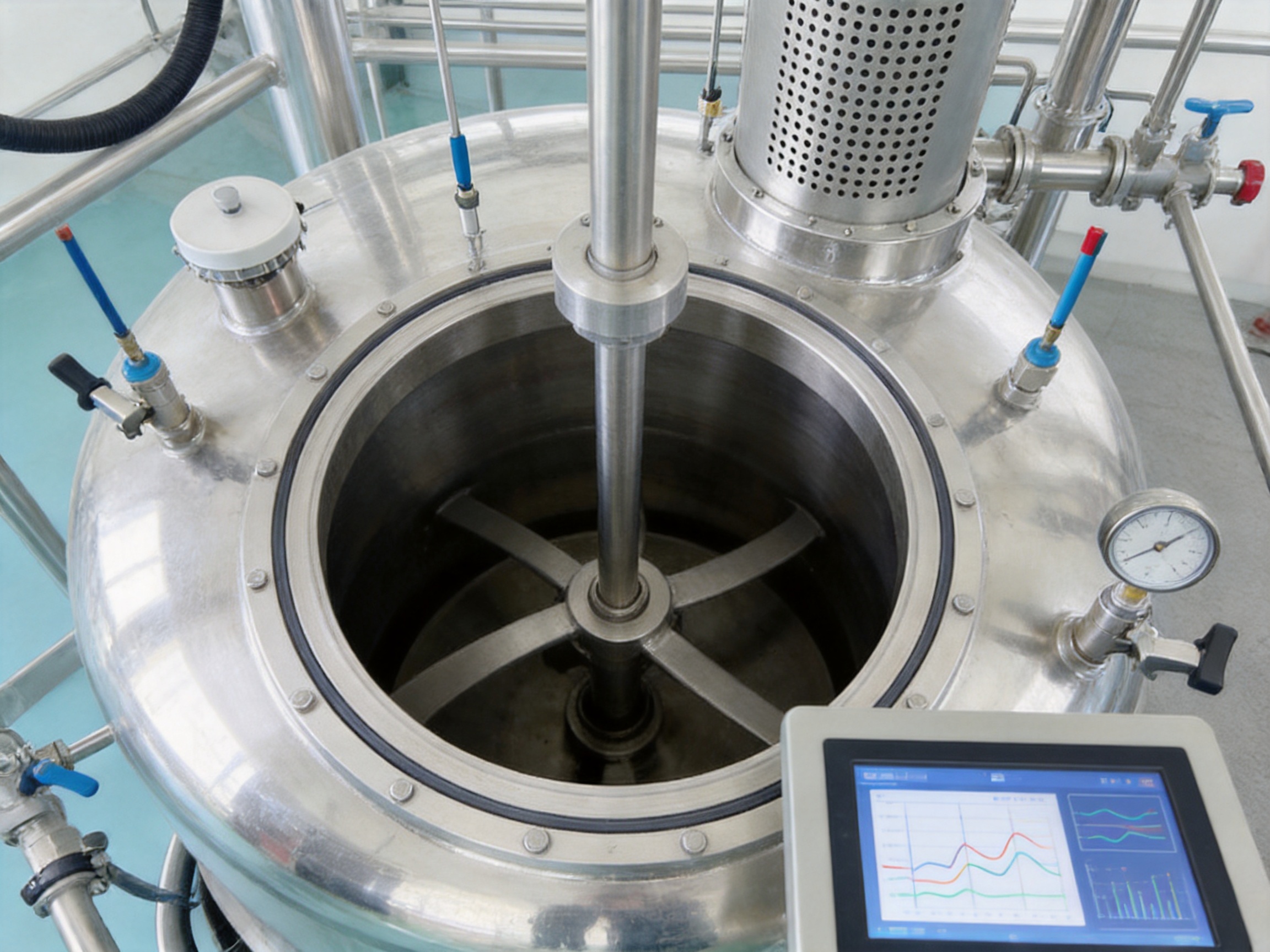
The equipment is manufactured using SUS304 or SUS316L stainless steel depending on process needs, corrosion resistance requirements, hygiene level, and regulatory expectations. For fermentation involving high-purity biological ingredients, stainless-steel quality and surface treatment are especially important because they affect cleanability, microbial control, product compatibility, and equipment service life. The system uses mechanical sealing and a robust agitation configuration to support aseptic and stable operation during long fermentation cycles.
Core Application in Human Milk Oligosaccharide Production
Human milk oligosaccharides are structurally diverse carbohydrate molecules that are naturally present in human milk. Industrial HMO production typically relies on microbial fermentation because chemical synthesis is often complex, costly, and less suitable for large-scale manufacturing. Fermentation enables microorganisms to convert carbon sources and nutrients into specific oligosaccharide products under controlled metabolic conditions. The fermentation tank is therefore the core production environment where biological transformation occurs.
For HMO processes, the tank must support the growth of engineered or selected microbial strains while maintaining product selectivity. Process developers generally need to control feeding rate, oxygen supply, temperature, pH, foam behavior, and contamination barriers. If oxygen transfer is insufficient, microbial metabolism may shift away from the desired pathway. If pH is unstable, enzyme activity and cell growth may decline. If mixing is poor, localized substrate concentration can create metabolic stress or unwanted by-products. A well-designed fermenter reduces these risks.
The Bio Fermentation Tank System uses accurate sensors, automated control modules, and efficient mechanical design to create a stable biological environment. Agitation and aeration work together to disperse oxygen, mix substrates, suspend biomass, and equalize temperature throughout the vessel. The tank’s aseptic design helps prevent contamination by miscellaneous bacteria, which is essential for maintaining product purity and batch reliability. This is particularly valuable in HMO production because contamination can lead to yield loss, purification difficulty, or complete batch failure.
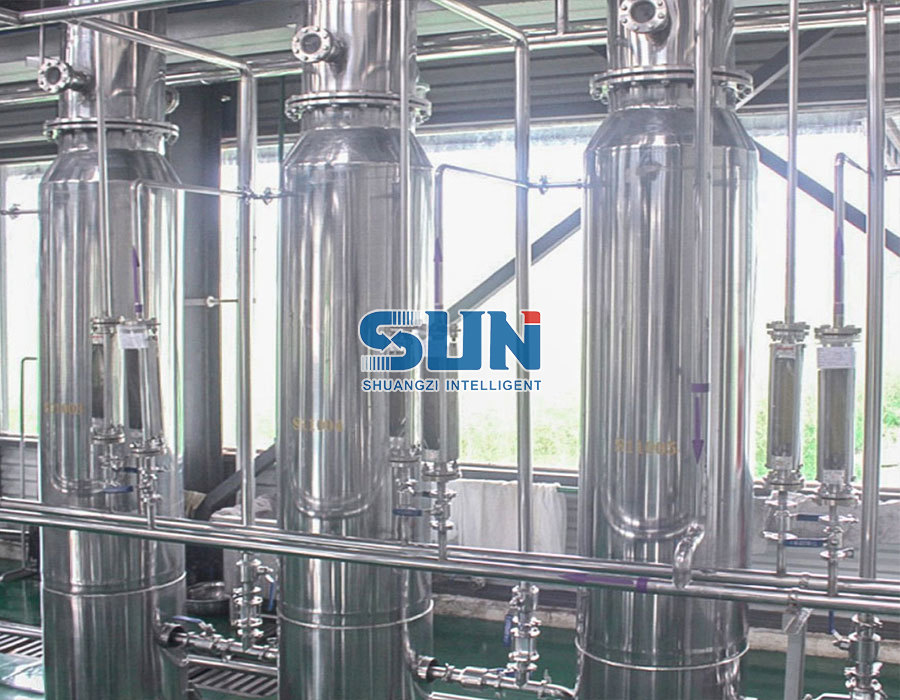
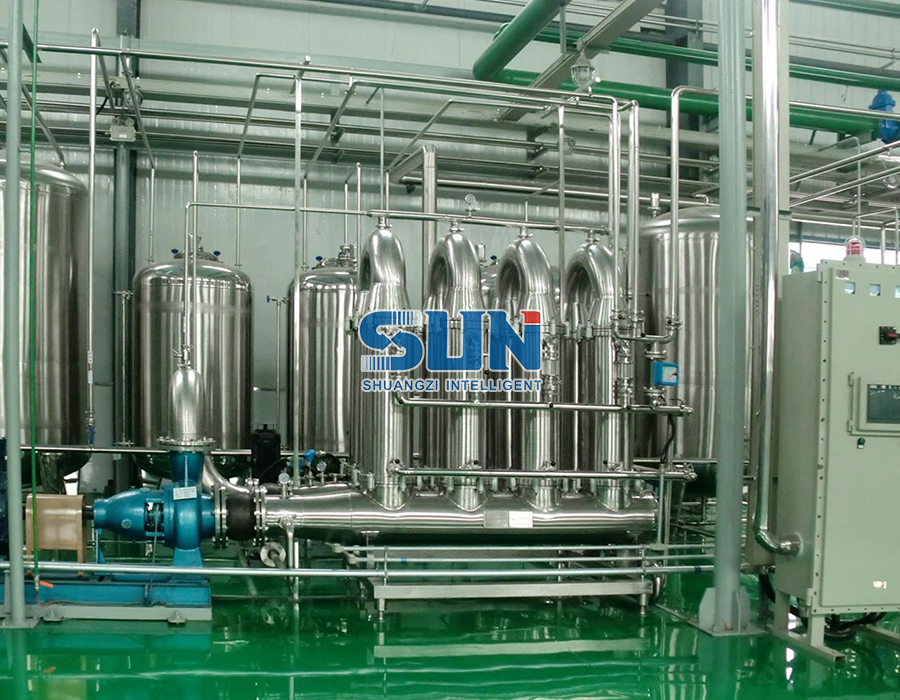
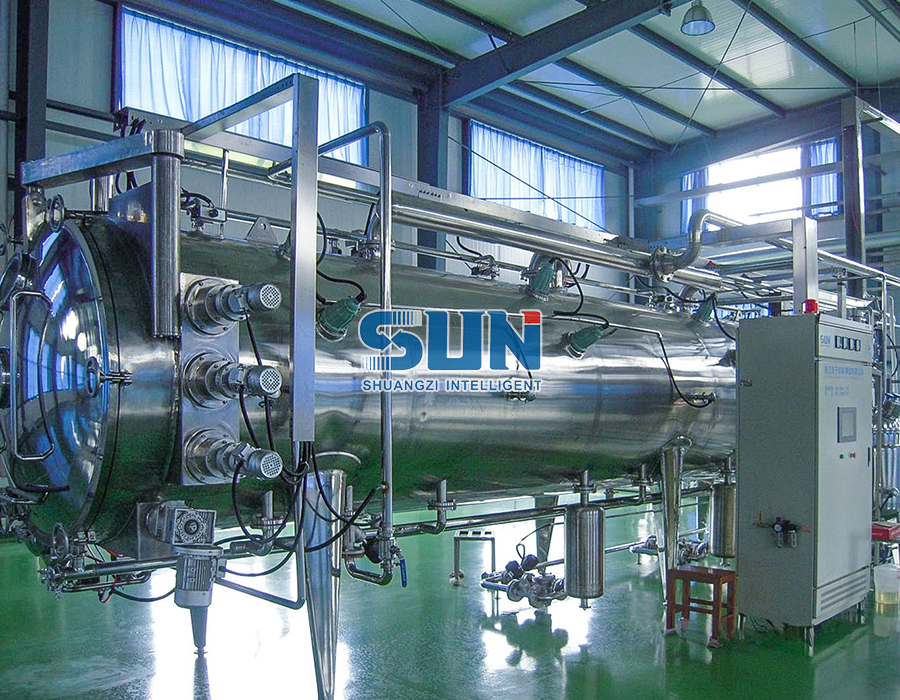
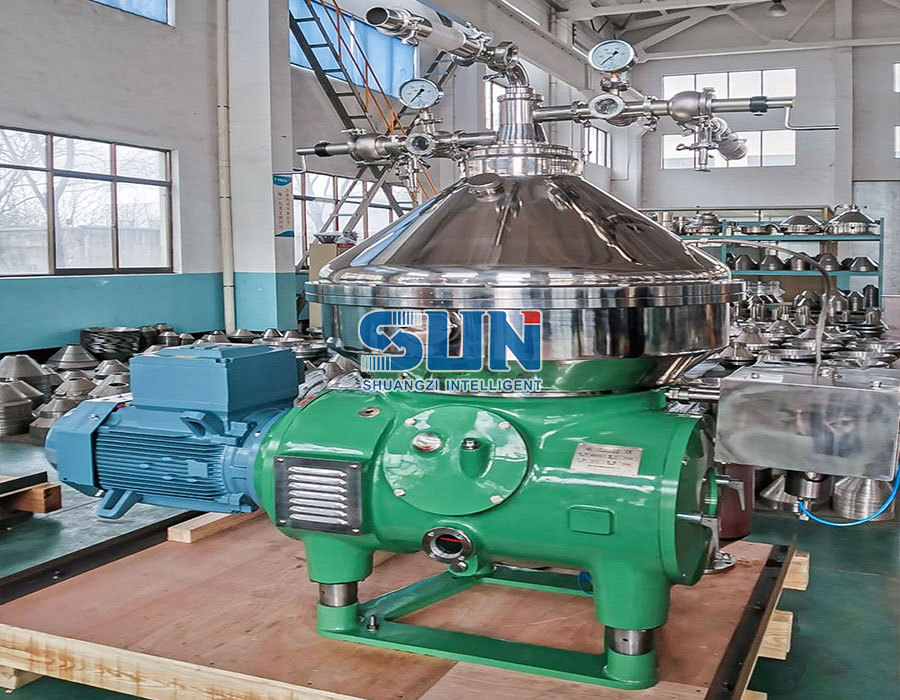
Beyond the fermentation stage, HMO projects often require downstream separation, concentration, purification, drying, and packaging. Zhejiang Shuangzi Intelligent Equipment Co., Ltd. has a broader equipment portfolio that includes evaporation and concentration equipment, separation and extraction systems, crystallization equipment, filtration equipment, containers, and vacuum low-temperature drying systems. This allows the company to support customers with process integration beyond the fermentation tank itself, helping align upstream fermentation with downstream product recovery.
Technical Specifications
The following table summarizes the key specification data available for the Bio Fermentation Tank System for Human Milk Oligosaccharides. Customized engineering can be provided according to capacity, utility conditions, process requirements, automation level, installation space, and customer standards.
Item |
Data |
Capacity |
Lab scale: 5L-20L; Pilot scale: 30L-400L; Industrial scale: 500L-300t |
Material |
SUS304 or SUS316L stainless steel |
Agitator |
Two four-straight-blade turbine type |
Sealing |
Mechanical sealing |
Voltage |
Made to order |
Motor Brand |
SEW |
The broad capacity range is one of the system’s practical advantages. Many competitors can supply either small laboratory fermenters or large production tanks, but a complete development pathway is more valuable for biotechnology customers. A user can begin with a small tank to determine strain behavior, move to pilot capacity for oxygen transfer and feeding strategy verification, and then scale to industrial volume using compatible engineering principles. This reduces the risk of scale-up failure and helps protect the customer’s investment in process development.
The use of SUS304 or SUS316L stainless steel gives customers flexibility. SUS304 is widely used in food and general biochemical processing, while SUS316L is often preferred when higher corrosion resistance, enhanced hygiene, or pharmaceutical-grade expectations are required. For HMO production, SUS316L may be selected when cleaning chemicals, media components, or regulatory requirements demand additional resistance and cleanability. The final material selection can be matched to the customer’s process, budget, and compliance goals.
The two four-straight-blade turbine agitator configuration is suitable for strong mixing and effective gas dispersion. In aerobic fermentation, oxygen transfer is often one of the limiting factors for productivity. A turbine-type agitator helps break incoming air into smaller bubbles and distribute them through the culture medium. This increases gas-liquid contact area and improves oxygen availability to microorganisms. Stable agitation also reduces concentration gradients and supports consistent fermentation performance throughout the tank volume.
Advantages Over Conventional Fermentation Equipment
The first advantage of this system is its process-focused customization. Fermentation tanks are not interchangeable commodity vessels when used for high-value biological products. Different microorganisms require different oxygen transfer capacities, shear environments, feeding strategies, antifoam management, and sterilization conditions. The system can be engineered according to specific user requirements rather than forcing a standard tank into an unsuitable process. This customized approach is especially useful for HMO producers who need to optimize yield and quality.
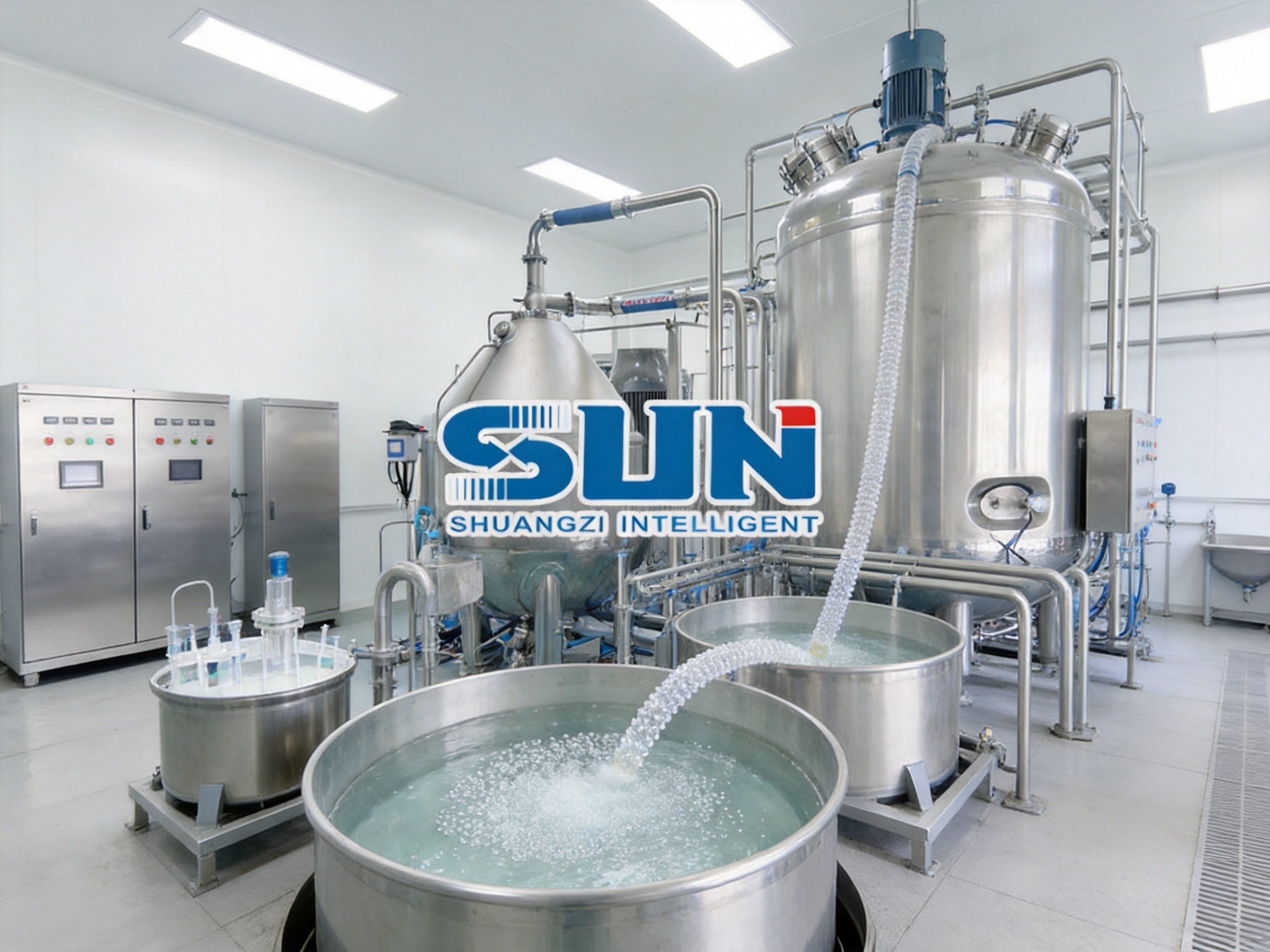
The second advantage is its strong aseptic guarantee design. Biological fermentation is vulnerable to contamination because the same nutrient-rich medium that supports the production strain can also support unwanted organisms. Once contamination occurs, the production batch may be lost, equipment may require additional cleaning, and production schedules may be interrupted. By using hygienic stainless-steel construction, mechanical sealing, sanitary piping, reliable valves, and sterilization-oriented design, the system helps maintain a controlled sterile boundary during production.
The third advantage is real-time control of key fermentation parameters. Temperature, pH value, dissolved oxygen, and stirring speed are fundamental variables in microbial cultivation. The system is designed to monitor and adjust these parameters during operation, helping maintain a suitable metabolic environment. Compared with low-cost tanks that rely heavily on manual adjustment, an automated control platform can improve repeatability, reduce operator burden, and generate process data for analysis and optimization.
The fourth advantage is scalable engineering. Scaling fermentation from a small tank to a production vessel is not simply a matter of increasing volume. Mixing time, oxygen transfer, heat removal, gas flow, pressure, foam behavior, and sterilization dynamics all change with scale. Because this product range covers laboratory, pilot, and industrial capacities, the equipment supplier can consider scale-up factors from the beginning and support users in developing a more reliable path to commercial manufacturing.
The fifth advantage is integration capability. Many fermentation projects fail not because the fermenter itself is weak, but because the surrounding system is incomplete. Utilities, steam supply, compressed air, sterile filtration, chilled water, process piping, cleaning systems, control cabinets, installation, and downstream equipment must all work together. Zhejiang Shuangzi Intelligent Equipment Co., Ltd. has experience in EPC and EPCM project execution, meaning it can provide engineering design, equipment manufacturing, matching procurement, installation, debugging, and system integration. This reduces coordination difficulty for customers.
The sixth advantage is manufacturing strength. The company has introduced advanced welding and finishing equipment, including plasma argon arc welding machines, plasma cutting machines, CAM CNC machining centers, and other advanced processing equipment. For fermentation tanks, high-quality welding, accurate fabrication, smooth internal surfaces, and precise assembly are not cosmetic details; they directly affect sterilization, cleanability, mechanical stability, and product safety. A manufacturer with strong fabrication capability can deliver more reliable tanks for demanding biological applications.
Precise Control for Microbial Performance
Microorganisms used in HMO production perform best within defined environmental ranges. Temperature affects cell growth rate, enzyme activity, membrane transport, and metabolic flux. If temperature is too low, productivity may decrease; if it is too high, cells may experience stress or protein instability. The fermentation tank’s temperature control system helps maintain stable thermal conditions by coordinating heating and cooling according to the process profile. This is especially important in large tanks because microbial metabolism generates heat that must be removed efficiently.
pH control is equally important. During fermentation, microorganisms consume nutrients and produce acids, bases, gases, and metabolites that can shift pH. Since enzymes involved in sugar nucleotide metabolism and oligosaccharide formation may be pH-sensitive, uncontrolled pH drift can reduce productivity or promote impurities. The system can be configured with pH measurement and dosing functions to add acid or alkali as needed, keeping the culture within the desired range.
Dissolved oxygen is a central variable in aerobic bioprocesses. In many microbial systems, oxygen is needed for respiration and energy generation. However, oxygen has limited solubility in aqueous media, and large-scale fermentation can become oxygen-limited if aeration and mixing are inadequate. The agitation and ventilation design of the tank supports gas dispersion and oxygen transfer, while dissolved oxygen monitoring allows the control system to respond to process demand. This helps maintain metabolic stability and supports higher productivity.
Stirring speed must be carefully selected. Too little agitation can lead to poor mixing, oxygen limitation, sedimentation, and temperature gradients. Too much agitation can increase power consumption, foam generation, and shear stress. The system’s agitation configuration is designed to provide efficient mixing while allowing the process team to adjust speed according to the microorganism, medium viscosity, tank scale, and oxygen transfer requirement. This flexibility is valuable for both process development and industrial operation.
Aseptic Design and Contamination Prevention
Aseptic design is one of the defining characteristics of a high-quality fermentation system. For HMO production, sterility is not only a production preference; it is a core requirement for consistent output and downstream efficiency. The system’s mechanical sealing helps maintain a controlled barrier at the agitator shaft, a location that is traditionally vulnerable to contamination if poorly designed. Mechanical seals support reliable long-term operation under fermentation conditions and can be integrated with sterilization strategies depending on configuration.
Material selection also contributes to aseptic assurance. Stainless steel surfaces must resist corrosion and allow complete cleaning. Rough internal surfaces, dead corners, poor welds, or unsuitable gaskets can trap residues and microorganisms, making sterilization less effective. The manufacturing process focuses on clean fabrication, accurate welding, and hygienic assembly to reduce these risks. A well-made tank is easier to clean, easier to validate, and less likely to cause recurring contamination problems.
Fermentation systems can be equipped with clean-in-place and sterilize-in-place concepts according to customer requirements. Clean-in-place allows internal surfaces and piping to be washed without disassembly, reducing labor and improving repeatability. Sterilize-in-place uses steam or other sterilization methods to prepare the vessel and connected lines before inoculation. These functions are especially helpful for industrial-scale HMO production, where manual cleaning of large equipment is inefficient and less consistent.
Compared with simple tanks or modified mixing vessels, a purpose-built fermentation system provides better contamination defense. Low-cost alternatives may appear attractive at the purchase stage, but their weaknesses often become expensive during production. A single contaminated industrial batch can cost more than the price difference between a basic vessel and a professional bioreactor system. By investing in proper aseptic design, customers can reduce operational risk and protect long-term profitability.
Manufacturing Strength and Quality-Oriented Fabrication
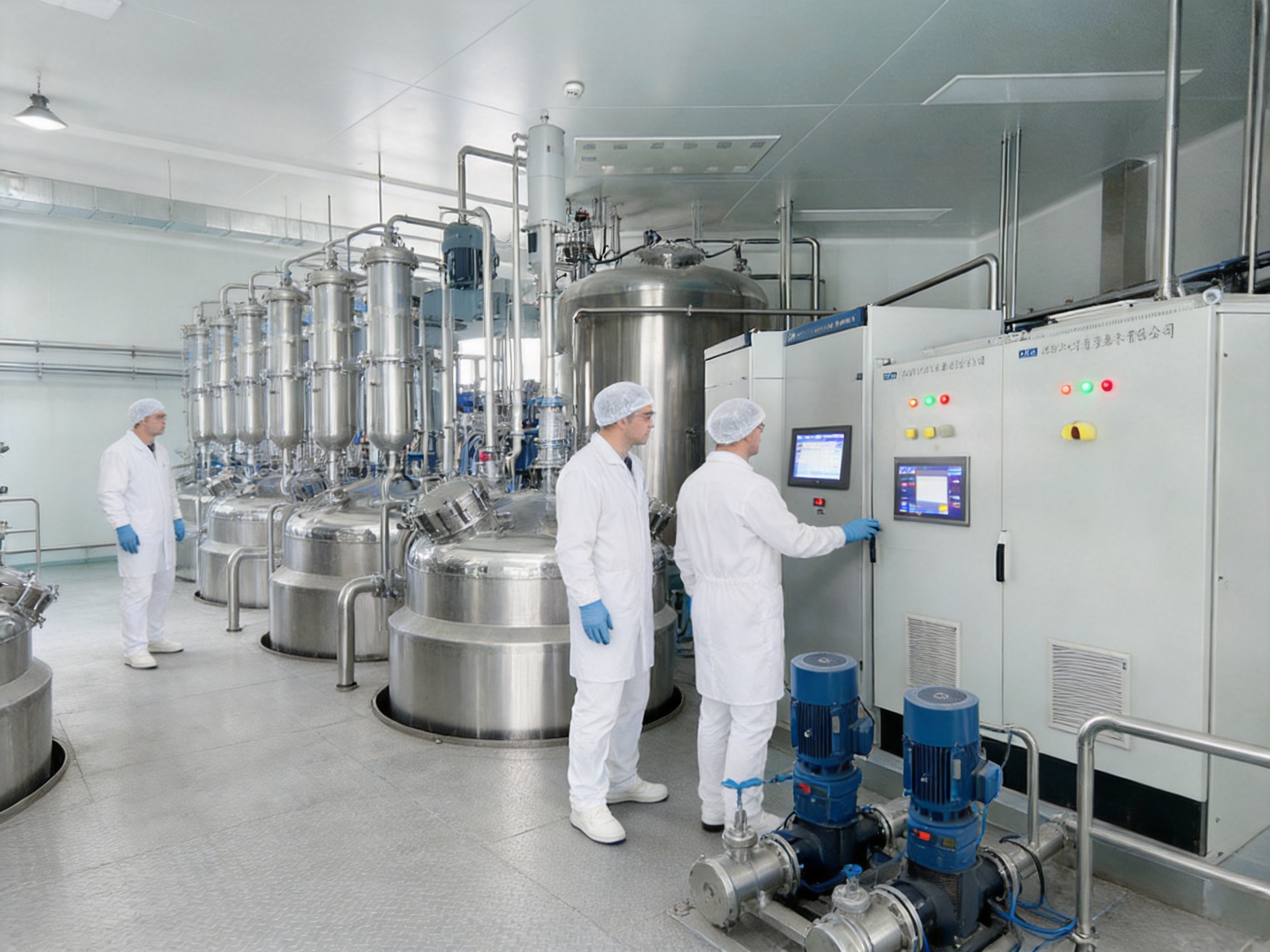
Zhejiang Shuangzi Intelligent Equipment Co., Ltd. was founded in 2007 and has developed into a professional biology and medical equipment enterprise with strong technical capability. The company covers a floor area of 16,706 square meters and a structural area of 17,800 square meters. This manufacturing base supports equipment fabrication, assembly, inspection, and project delivery for industries such as biological fermentation, plant extraction, pharmaceutical engineering, natural food production, and environmental protection.
The company’s production capacity is supported by advanced welding and finishing equipment. Plasma argon arc welding machines help create stable, clean, and precise welds that are suitable for stainless-steel process equipment. Plasma cutting machines improve cutting accuracy and edge quality before welding. CAM CNC machining centers contribute to accurate processing of components, interfaces, and mechanical parts. These manufacturing resources help ensure that fermentation tanks are not only structurally strong but also hygienic and process-compatible.
Welding quality is particularly important in fermentation equipment. Internal welds must be smooth, continuous, and free from defects that could harbor residues or microorganisms. Poor welds may cause corrosion points, cleaning challenges, or mechanical weakness. Through controlled fabrication and finishing, the company can improve the reliability and cleanability of tank interiors. This is a major advantage over suppliers that lack specialized equipment or experience in hygienic stainless-steel manufacturing.
The company also has mature product lines covering vacuum low-temperature drying, complete fermentation systems, evaporation and concentration equipment, extraction equipment, separation equipment, crystallization systems, filtration equipment, and various containers. This broad portfolio demonstrates practical experience in process industries where hygiene, heat transfer, material compatibility, and automation are essential. For customers planning HMO production, this means the fermentation system can be designed with awareness of upstream media preparation and downstream recovery needs.
Another manufacturing advantage is the company’s pilot production workshop and research and development platform designed around automation and GMP-oriented requirements. The platform includes processes such as vacuum low-temperature drying, plant extraction, evaporation, precipitation separation, extraction, and fermentation. This enables pilot research users to explore and verify process routes with equipment that reflects industrial considerations. For a developing HMO project, pilot-scale verification is a key step before large capital investment.
Engineering, Automation, and Turnkey Project Capability
A fermentation tank system becomes more valuable when supported by engineering services. Zhejiang Shuangzi Intelligent Equipment Co., Ltd. takes EPC and EPCM concepts as core service models. EPC refers to engineering, procurement, and construction, while EPCM refers to engineering, procurement, and construction management. In practical terms, this means the company can participate from early design through equipment supply, installation, line debugging, and complete system handover.
For customers entering HMO fermentation, turnkey capability can significantly reduce project complexity. A production plant requires more than a fermenter. It needs layout planning, utility coordination, sterile air systems, steam systems, cooling water, media tanks, feeding tanks, waste handling, control architecture, instrumentation, and operator access. If these elements are purchased separately without integrated design, compatibility issues may occur. A turnkey supplier can coordinate system boundaries and reduce the risk of installation delays.
Automation engineering is another strength. Modern biomanufacturing depends on data-driven control. Operators need to monitor fermentation parameters, record batch data, adjust setpoints, receive alarms, and maintain consistent operating procedures. Automation can improve repeatability and help customers build process knowledge. For HMO production, where yield and product profile may depend on timing and feeding strategy, reliable automation supports process optimization and industrial discipline.
The system can be made to order in voltage and configuration, allowing it to match customer site conditions in different countries and regions. Electrical design, motor power, control cabinet arrangement, instrumentation selection, and interface standards can be adapted. This flexibility helps international customers avoid mismatches between equipment and local utilities, reducing commissioning obstacles and long-term maintenance issues.
Role in Food, Health, Biochemical, Environmental, and Agricultural Applications
Although the product is especially suitable for HMO production, the biological fermentation tank system has broad applicability across industries. In the food and beverage industry, fermentation equipment is used to produce yogurt, beer, wine, citric acid, probiotics, and functional ingredients. Food fermentation requires consistent quality, hygienic design, and precise process control, all of which align with the system’s core features.
In health-related applications, fermentation tanks are used for antibiotics, vaccines, antibody drugs, insulin, and enzyme preparations. These fields place high demands on sterility, documentation, material quality, and process repeatability. While each application requires specific validation and regulatory planning, the engineering principles of aseptic control, stainless-steel construction, and automated monitoring remain relevant. Experience in biology and medical equipment supports the company’s ability to understand such demanding production environments.
In biochemical engineering and environmental protection, fermentation can be used to synthesize biofuels, biodegradable plastic raw materials, and other green products. It can also contribute to the treatment of organic waste and industrial wastewater. In these applications, equipment durability, mixing efficiency, and process stability are important because feed materials may vary and operating conditions can be challenging. A robust stainless-steel fermentation system provides a reliable platform for such processes.
In agriculture, fermentation tanks can support the production of biological pesticides and biological fertilizers. These products contribute to ecological agriculture by reducing reliance on certain chemical inputs and improving soil or crop management. Although agricultural fermentation may have different cost structures compared with HMO production, the same need for controlled microbial growth applies. The system’s scalable capacity range allows customers to choose equipment according to production goals.
Scale-Up Strategy from Laboratory to Industrial Production
One of the most difficult stages in HMO commercialization is scale-up. A strain that performs well in a 5L or 10L tank may behave differently in a 500L, 5,000L, or larger production vessel. The reasons include changes in oxygen transfer, mixing time, heat removal, hydrostatic pressure, shear environment, and feeding distribution. Therefore, a reliable equipment supplier must understand not only tank fabrication but also the engineering principles that influence microbial performance at different scales.
The system’s capacity range creates a structured development pathway. At laboratory scale, researchers can screen strains, test media, compare pH profiles, and evaluate feeding strategies. At pilot scale, engineers can study oxygen transfer, agitation power, process timing, foam control, sterilization behavior, and downstream compatibility. At industrial scale, the process can be implemented with equipment designed for continuous reliability, cleaning efficiency, and stable production scheduling.
A key advantage of working with a manufacturer that supplies all three stages is continuity. Design philosophy, instrumentation strategy, control logic, and process interfaces can be kept consistent where appropriate. This does not eliminate the need for scale-up studies, but it helps reduce unnecessary changes. The customer can work with one engineering partner to refine tank geometry, impeller selection, motor power, heat exchange capacity, piping arrangement, and automation requirements.
Scale-up also affects operating cost. Efficient agitation and aeration can reduce energy consumption while maintaining biological performance. Proper heat transfer design reduces utility strain. Cleanable construction reduces turnaround time between batches. Reliable automation reduces human error. These factors become increasingly important at industrial scale, where small improvements in cycle time, yield, or contamination rate can have major financial impact.
Why This System Is Competitive
The system is competitive because it combines biological process requirements with industrial manufacturing discipline. Some competitors emphasize low purchase price but provide limited customization, weaker fabrication, or insufficient system integration. Others may provide high-end laboratory fermenters but lack large-scale manufacturing experience. This Bio Fermentation Tank System is designed to bridge the gap between research and industrial production, making it suitable for customers who want a long-term production platform rather than a short-term experiment.
Another competitive factor is the company’s experience across related process technologies. HMO production does not end when fermentation is complete. The broth must be treated, separated, concentrated, purified, and possibly dried. A supplier familiar with evaporation, concentration, filtration, crystallization, and vacuum low-temperature drying can support better process continuity. This broader understanding helps avoid common problems such as mismatched flow rates, unsuitable transfer piping, inefficient cleaning design, or downstream bottlenecks.
The use of recognized mechanical components, such as SEW motors, supports reliable operation. In fermentation, agitator downtime can compromise an entire batch. A dependable motor system contributes to stable mixing and long-term equipment performance. While motor selection can be adjusted based on customer requirements, the inclusion of a reputable motor brand reflects a quality-oriented design philosophy.
The made-to-order voltage capability is also important for global projects. Industrial customers operate under different electrical standards, site constraints, and utility configurations. Equipment that can be adapted before delivery is easier to install and commission. This reduces the need for field modification and supports smoother project execution.
Finally, the company’s turnkey service model provides a practical advantage for buyers who may not have extensive internal engineering teams. Instead of coordinating multiple suppliers for tanks, piping, control systems, installation, and debugging, customers can rely on an integrated project approach. This can reduce communication cost, shorten project timelines, and improve accountability.
Recommended Configuration Considerations
When selecting a fermentation tank system for HMO production, customers should begin by defining the target capacity, microorganism type, oxygen demand, process duration, medium composition, cleaning requirements, and downstream process route. These parameters influence tank material, agitator power, aeration design, sealing strategy, heat exchange area, instrumentation selection, and automation level. A professional supplier can use this information to propose a configuration that balances performance, cost, and future expandability.
For early research, a 5L to 20L laboratory system may be sufficient for screening and metabolic evaluation. However, if the customer plans rapid commercialization, it is wise to design laboratory experiments with future scale-up in mind. For example, dissolved oxygen control strategy, pH dosing method, sampling procedures, and feeding profiles should be recorded carefully so they can guide pilot studies.
For pilot production, 30L to 400L systems are valuable because they reveal engineering effects that are not visible at small scale. Pilot tanks help determine whether oxygen transfer is adequate, whether foam becomes difficult to manage, whether heat removal is sufficient, and whether the downstream process can handle broth characteristics. The pilot stage is also useful for generating samples for customer evaluation and regulatory preparation.
For industrial production, capacity selection should consider market demand, fermentation cycle time, cleaning turnaround, downstream throughput, maintenance access, and expansion plans. A 500L unit may serve specialty production or early commercial batches, while much larger tanks can support high-volume manufacturing. The system can be customized up to 300t for industrial-scale requirements, making it suitable for both growing companies and established producers.
Operation and Maintenance Benefits
Good fermentation equipment should be designed not only for process performance but also for daily operation. Operators need clear access to controls, safe sampling points, reliable valves, readable instruments, and maintainable mechanical components. A well-integrated system reduces operating confusion and helps production teams follow standard procedures. This is particularly important for fermentation processes where timing and parameter accuracy influence results.
Maintenance planning should include mechanical seals, agitator bearings, motor performance, sensor calibration, valve inspection, gasket replacement, and cleaning system verification. The system’s industrial design supports routine maintenance and long-term service. By using appropriate materials and reliable components, the equipment can reduce unplanned downtime. For HMO production, where fermentation batches may run for extended periods, reliability is a direct contributor to production economics.
Cleaning and sterilization routines should be developed according to the customer’s medium, microorganism, product, and quality standards. The tank’s hygienic design can support efficient cleaning, but procedures must still be validated by the user. Proper cleaning helps prevent residue buildup, cross-contamination, microbial persistence, and batch-to-batch variability. The company can provide equipment design and installation support to help customers establish suitable cleaning infrastructure.
Automation also supports maintenance by allowing alarms, interlocks, and parameter records. For example, abnormal temperature trends, motor load changes, or sensor deviations can indicate potential issues before they become critical. Batch records also help process engineers investigate deviations and improve future runs. In competitive HMO production, this operational intelligence can become a meaningful advantage.
Quality, Compliance, and Industrial Reliability
Customers producing food-grade or health-related ingredients need equipment that supports quality and compliance expectations. While final compliance depends on the entire facility, process validation, quality system, and local regulations, the equipment foundation matters. Stainless-steel construction, cleanable design, reliable sterilization, accurate controls, and documentation-friendly automation all contribute to a stronger quality environment.
For HMO production, batch consistency is essential. Customers downstream in nutrition or functional ingredient markets expect predictable specifications. Inconsistent fermentation can increase purification cost, reduce yield, and create supply instability. A robust fermentation tank system improves the ability to reproduce operating conditions from batch to batch, supporting consistent product quality and predictable manufacturing output.
Industrial reliability is also connected to mechanical design. The tank must withstand operating pressure, temperature cycles, agitation loads, cleaning procedures, and repeated sterilization. Components must be selected for long service life and process compatibility. Manufacturing accuracy helps reduce vibration, leakage, and alignment problems. These factors are especially important in large tanks, where mechanical failure can be expensive and difficult to correct.
The company’s long-standing involvement in equipment manufacturing, engineering design, installation, and system integration provides a practical basis for reliable project delivery. Since its founding in 2007, it has accumulated experience across multiple process industries. This background helps customers receive solutions that reflect real production challenges rather than only theoretical equipment specifications.
Q&A Section
What is the main purpose of the Bio Fermentation Tank System for Human Milk Oligosaccharides?
The main purpose is to provide a controlled sterile environment for microorganisms to produce human milk oligosaccharides through fermentation. The system controls temperature, pH, dissolved oxygen, agitation, aeration, and aseptic conditions so that microbial metabolism can proceed efficiently and consistently.
What capacity ranges are available?
The system is available in laboratory scale from 5L to 20L, pilot scale from 30L to 400L, and industrial scale from 500L to 300t. This wide range supports process development, scale-up, and commercial production.
Which materials are used for the tank?
The tank can be manufactured from SUS304 or SUS316L stainless steel. The choice depends on process requirements, corrosion resistance needs, hygiene expectations, and customer standards.
Why is precise dissolved oxygen control important?
Dissolved oxygen affects microbial respiration, energy generation, and metabolic balance. In HMO fermentation, insufficient oxygen can reduce productivity or shift metabolism away from the desired pathway. Monitoring and controlling dissolved oxygen helps maintain stable fermentation performance.
How does the agitation system support fermentation?
The two four-straight-blade turbine agitator promotes uniform mixing and gas dispersion. It helps distribute oxygen, nutrients, cells, and heat throughout the medium, reducing concentration gradients and improving process stability.
What makes the system suitable for aseptic production?
The system uses stainless-steel hygienic construction, mechanical sealing, sanitary design principles, and sterilization-oriented engineering. These features reduce contamination risk and support cleaner, more reliable fermentation batches.
Can the system be customized?
Yes. Capacity, voltage, material selection, automation level, instrumentation, piping arrangement, utility interface, and project configuration can be made to order according to customer requirements.
How does the company support turnkey projects?
Zhejiang Shuangzi Intelligent Equipment Co., Ltd. can provide engineering design, equipment manufacturing, matching procurement, installation, line debugging, system integration, and complete project support. This helps customers reduce coordination complexity and improve project execution efficiency.
Is this equipment only for HMO production?
No. Although it is highly suitable for HMO production, the biological fermentation tank system can also be used for food and beverage fermentation, probiotics, citric acid, antibiotics, vaccines, enzyme preparations, biofuels, biodegradable materials, biological pesticides, and biological fertilizers, depending on configuration and process validation.
Why is pilot-scale fermentation important before industrial production?
Pilot-scale fermentation helps verify oxygen transfer, mixing, heat removal, feeding strategy, foam behavior, sterilization, and downstream compatibility. It reduces scale-up risk before investment in large industrial tanks.
Conclusion
The Bio Fermentation Tank System for Human Milk Oligosaccharides is a complete, scalable, and reliable solution for modern biological manufacturing. Its strengths include precise control of temperature, pH, dissolved oxygen, and agitation; strong aseptic design; efficient mixing and aeration; stainless-steel construction; customized voltage and configuration; and capacity coverage from laboratory research to industrial-scale production. These qualities make it well suited for HMO fermentation, where product quality, yield, and batch consistency depend on stable microbial performance.
Compared with conventional or low-cost fermentation vessels, this system offers stronger process adaptability, better contamination prevention, more reliable scale-up support, and deeper integration capability. For customers developing HMO projects, the ability to work with a manufacturer experienced in fermentation systems, downstream equipment, automation engineering, installation, and turnkey project delivery is a significant advantage.
Zhejiang Shuangzi Intelligent Equipment Co., Ltd. brings manufacturing strength, advanced welding and machining resources, GMP-oriented pilot capabilities, and broad process industry experience to the project. By combining equipment quality with engineering service, the company helps customers move from laboratory concept to industrial production with greater confidence. For high-value fermentation products such as human milk oligosaccharides, this integrated capability can directly support production stability, operational efficiency, and long-term competitiveness.
References
1. Stanbury, P. F., Whitaker, A., and Hall, S. J. Principles of Fermentation Technology. Butterworth-Heinemann.
2. Doran, P. M. Bioprocess Engineering Principles. Academic Press.
3. Shuler, M. L., Kargi, F., and DeLisa, M. Bioprocess Engineering: Basic Concepts. Prentice Hall.
4. Nielsen, J., Villadsen, J., and Lidén, G. Bioreaction Engineering Principles. Springer.
5. Tamime, A. Y. Fermented Milks. Wiley-Blackwell.
6. Kunz, C., Rudloff, S., Baier, W., Klein, N., and Strobel, S. Oligosaccharides in Human Milk: Structural, Functional, and Metabolic Aspects. Annual Review of Nutrition.
7. Bode, L. Human Milk Oligosaccharides: Every Baby Needs a Sugar Mama. Glycobiology.
8. Waites, M. J., Morgan, N. L., Rockey, J. S., and Higton, G. Industrial Microbiology: An Introduction. Blackwell Science.