
 英语
英语 俄语
俄语Content
- 1 Understanding the Role of Countercurrent Extraction in CBD Oil Production
- 2 Operating Principle of the Countercurrent Extraction Machine
- 3 CBD Oil Extraction Workflow
- 4 Advantages Compared with Traditional Extraction Methods
- 5 Engineering and Manufacturing Strengths
- 6 Application in Pilot Plants and Industrial Facilities
- 7 Integration with Downstream Equipment
- 8 Materials, Cleanability, and Process Hygiene
- 9 Safety and Compliance Considerations
- 10 How to Select the Appropriate Capacity
- 11 Installation, Commissioning, and Technical Support
- 12 Maintenance and Long-Term Reliability
- 13 Why an Integrated Equipment Partner Matters
- 14 Quality and Process Development Strategy
- 15 Frequently Asked Questions
- 15.1 What is a CBD Oil Countercurrent Extraction Machine?
- 15.2 How does the machine differ from a conventional batch extraction tank?
- 15.3 What capacities are available?
- 15.4 Can the equipment be used as a complete CBD production line by itself?
- 15.5 What is the purpose of countercurrent operation?
- 15.6 Can the machine be integrated with falling film evaporators?
- 15.7 Is pilot testing necessary before purchasing a production model?
- 15.8 What manufacturing capabilities support the equipment?
- 15.9 Does the supplier provide installation and commissioning?
- 15.10 What factors influence final CBD oil quality?
- 15.11 Can the equipment process different botanical materials?
- 15.12 What information should a customer provide for a quotation?
- 16 Conclusion
- 17 References
- 18 Product: CBD Oil Countercurrent Extraction Machine
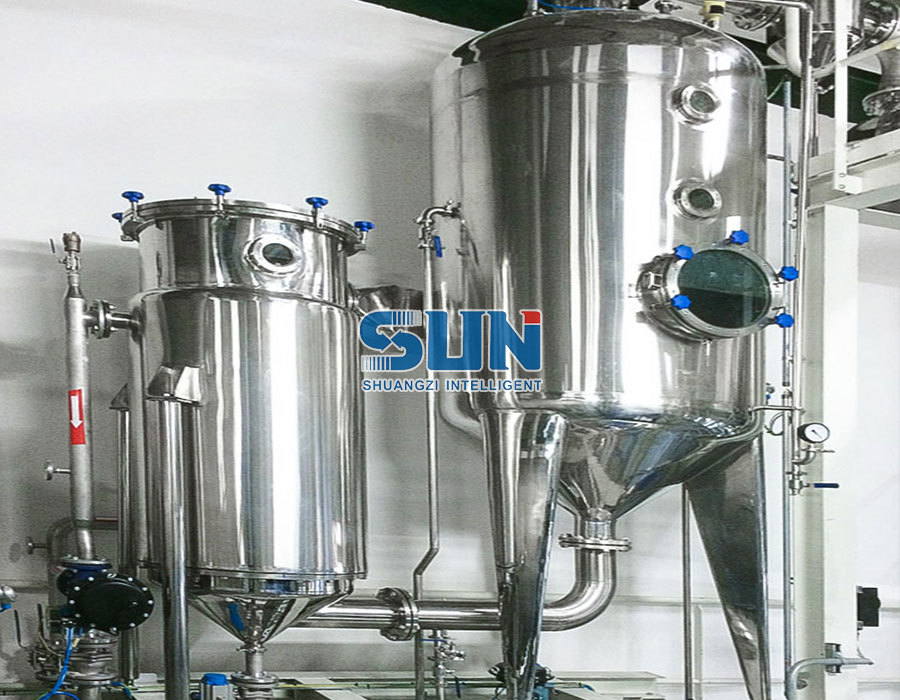
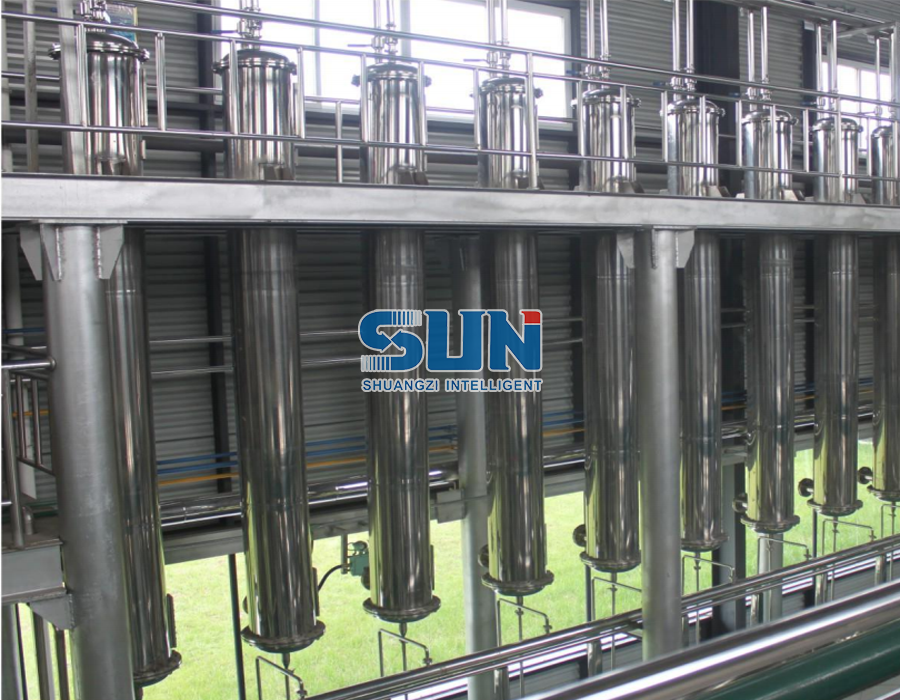
The development of plant-based oils has created a growing need for extraction and separation equipment that combines productivity, process stability, solvent recovery, product quality, and efficient operation. CBD oil production is a particularly demanding application because the process normally involves several interconnected stages, including biomass preparation, low-temperature extraction, solvent recovery, winterization, decarboxylation, short-path distillation, chromatographic purification, and final concentration. Each stage must be coordinated carefully to protect valuable compounds and to produce a consistent finished oil.
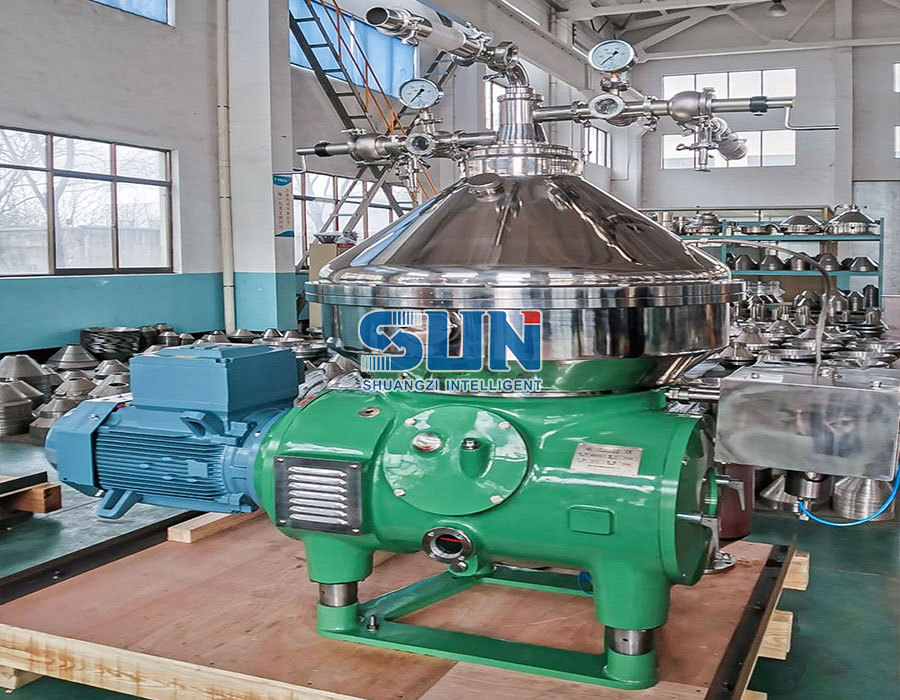
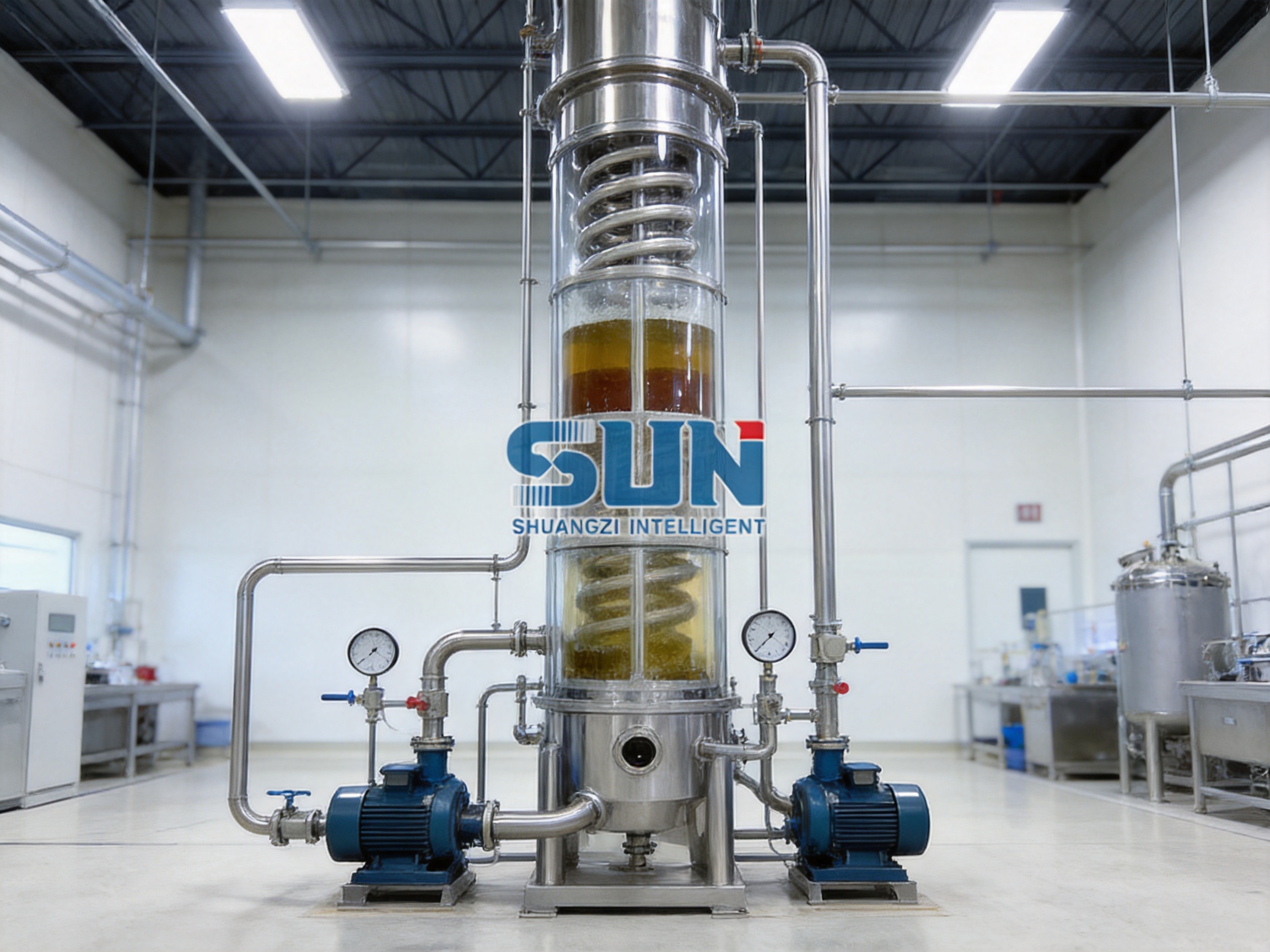
The CBD Oil Countercurrent Extraction Machine is designed for continuous liquid-liquid distribution extraction and separation. It uses a multidimensional centrifugal force field generated by a spiral column during planetary motion. This movement continuously mixes two immiscible liquid phases while retaining one phase as the fixed phase. A constant-flow pump introduces the other phase as the mobile phase, allowing the target solutes to distribute repeatedly between the two phases. Because different components have different distribution coefficients, they can be separated progressively and efficiently.
This operating principle makes the equipment suitable for industrial plant extraction and purification systems where continuous processing, high throughput, and effective phase contact are important. Available operational capacities range from 600 L/h to 2,000 L/h, allowing the equipment to support pilot-scale development, medium-sized production, and larger industrial processing lines.
Understanding the Role of Countercurrent Extraction in CBD Oil Production
CBD oil production is not a single operation. It is a complete process system in which extraction, separation, purification, concentration, and quality control must work together. The initial extraction stage transfers desired compounds from dried plant biomass into a liquid solvent. Later stages remove solvent, waxes, unwanted compounds, water, and other impurities while concentrating the desired plant constituents.
Countercurrent extraction is especially valuable when two immiscible liquid phases can be used to separate compounds according to their relative solubility. Instead of relying on a single contact between the feed and solvent, the countercurrent principle promotes repeated contact. The phases move in opposing directions, creating multiple opportunities for mass transfer. This can improve the utilization of the solvent and support more complete separation within a compact system.
The machine uses planetary motion and centrifugal force to intensify mixing and phase separation. Conventional liquid-liquid extraction equipment may require large settling tanks, extended residence times, or multiple extraction vessels. A high-speed countercurrent system can deliver effective phase contact in a more continuous and compact arrangement. This is an important advantage for producers seeking to reduce floor space, improve production continuity, and simplify the connection between process stages.
In a CBD production line, countercurrent extraction may be applied as part of a broader purification and separation strategy. The exact process configuration depends on the plant material, solvent system, target product, local regulations, desired cannabinoid profile, and required purity. The equipment can be integrated with evaporation, crystallization, filtration, chromatography, distillation, and automated process-control systems.
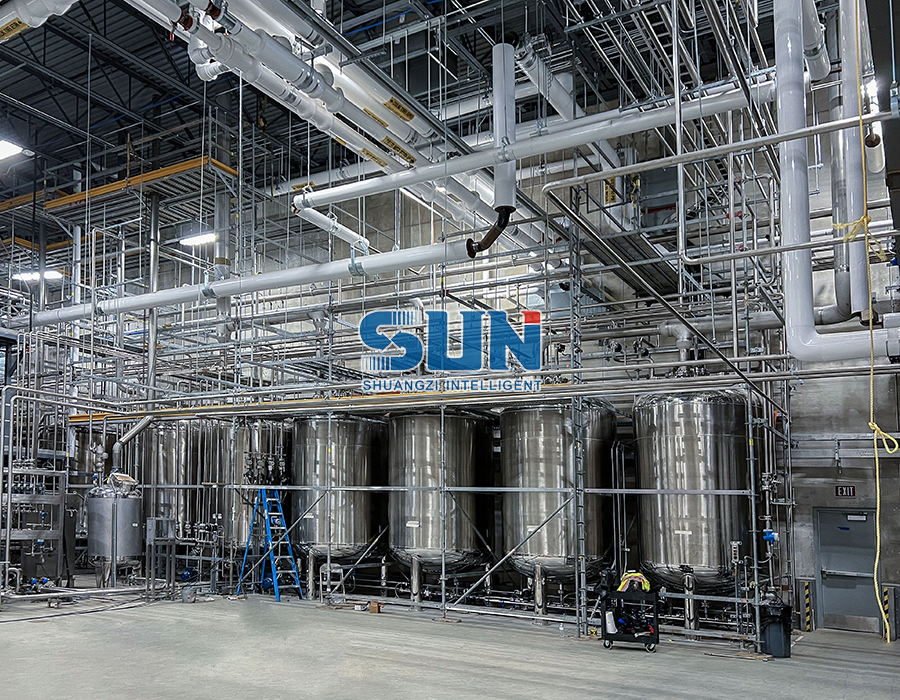
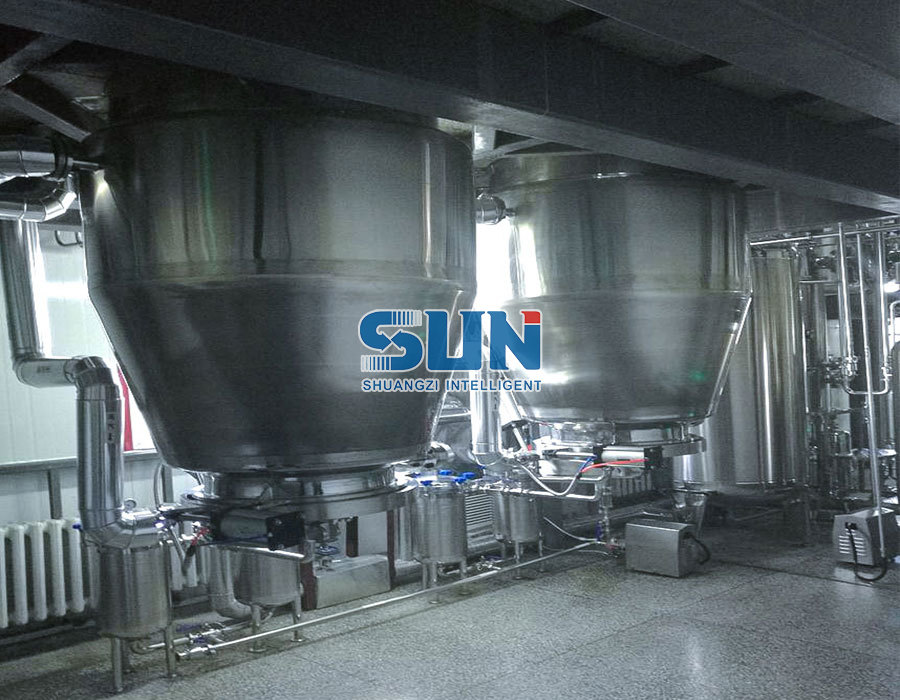
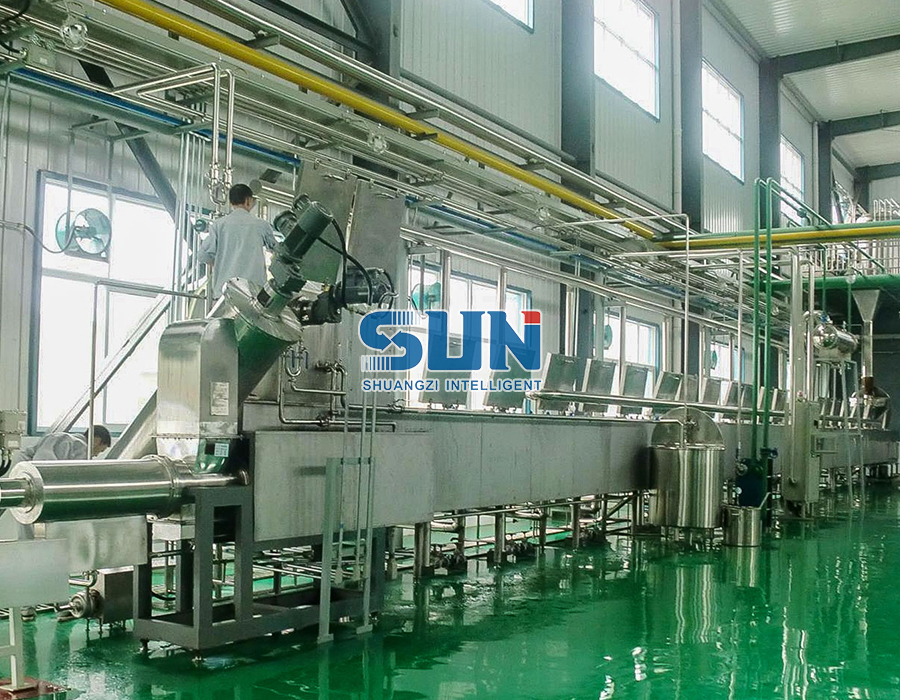
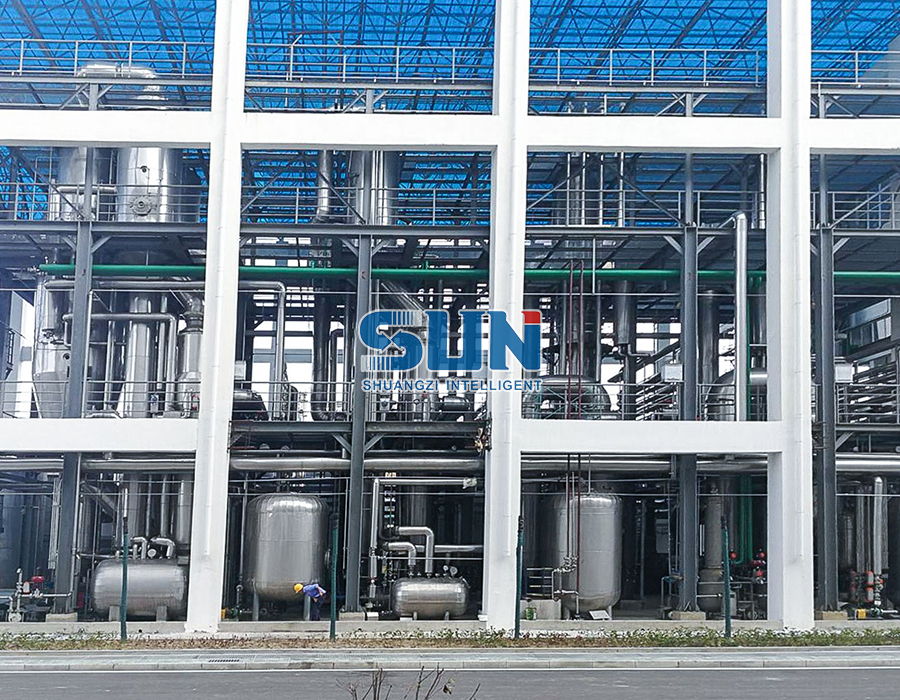
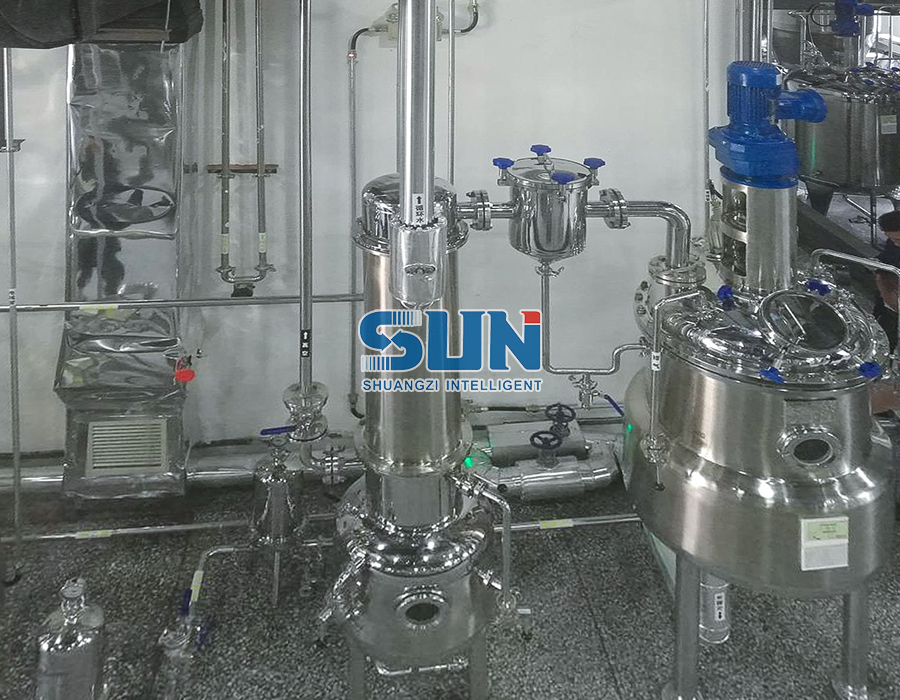
CBD Oil Countercurrent Extraction Machine
Operating Principle of the Countercurrent Extraction Machine
The equipment is based on continuous liquid-liquid distribution extraction. Two liquids that do not fully mix are introduced into the machine. One liquid is retained as the stationary or fixed phase, while the other is pumped through the system as the mobile phase. The feed compounds transfer between the two phases according to their distribution coefficients.
The spiral column moves in a planetary pattern. This motion creates a centrifugal field that produces several important effects at the same time. First, it promotes intimate contact between the two liquid phases. Second, it increases the interfacial area available for mass transfer. Third, it supports the separation of the phases after contact. The result is a continuous series of mixing and settling actions inside the equipment.
As the phases travel through the column, the solutes are repeatedly redistributed. A compound that has a greater affinity for the mobile phase will travel in one direction, while a compound that preferentially remains in the fixed phase will travel in the opposite direction. The separation is therefore based on controlled differences in solubility and distribution behavior.
This repeated distribution process is the foundation of countercurrent separation. It allows the operator to separate components progressively instead of depending on one extraction step. By adjusting flow rates, phase ratios, rotational conditions, temperature, and solvent selection, the process can be adapted to different feed materials and product specifications.
Continuous Phase Contact
Continuous phase contact is one of the most important characteristics of this equipment. In batch extraction, the operator normally charges a vessel, mixes the contents, waits for phase separation, removes one phase, and repeats the operation if additional extraction is required. This can produce interrupted production and variable results between batches.
The countercurrent machine is designed for a continuous flow arrangement. A constant-flow pump provides a stable supply of the mobile phase, while the fixed phase remains within the desired operating condition. This arrangement can help improve process consistency and reduce the labor associated with repeated batch charging and discharge.
Repeated Distribution of Solutes
Repeated distribution is beneficial when the target compounds and unwanted compounds have different distribution coefficients. Each contact between the phases creates another opportunity for separation. Over the length of the spiral column, the cumulative effect can produce a stronger separation than a single-stage liquid-liquid contact.
For CBD oil applications, this principle may be used to support the separation of selected plant-derived components. The machine does not replace every operation in a complete CBD production line. Rather, it functions as an important extraction or purification unit that can be combined with solvent recovery, winterization, distillation, chromatography, and final concentration equipment.
Controlled Phase Retention
The ability to retain one phase while continuously introducing another gives the operator flexibility. Different solvent systems and product requirements may call for different phase arrangements. The equipment can be configured according to the physical properties of the liquids, the desired direction of solute transfer, and the separation objective.
Stable phase retention is also important for process repeatability. When the phase balance is controlled correctly, the machine can maintain a consistent operating condition and provide a predictable outlet stream for downstream equipment.
CBD Oil Extraction Workflow
A complete CBD oil production system commonly begins with dried plant biomass. The biomass is prepared and introduced into a low-temperature solvent extraction stage. Low-temperature operation can help protect thermally sensitive compounds and reduce unnecessary degradation during the initial extraction process.
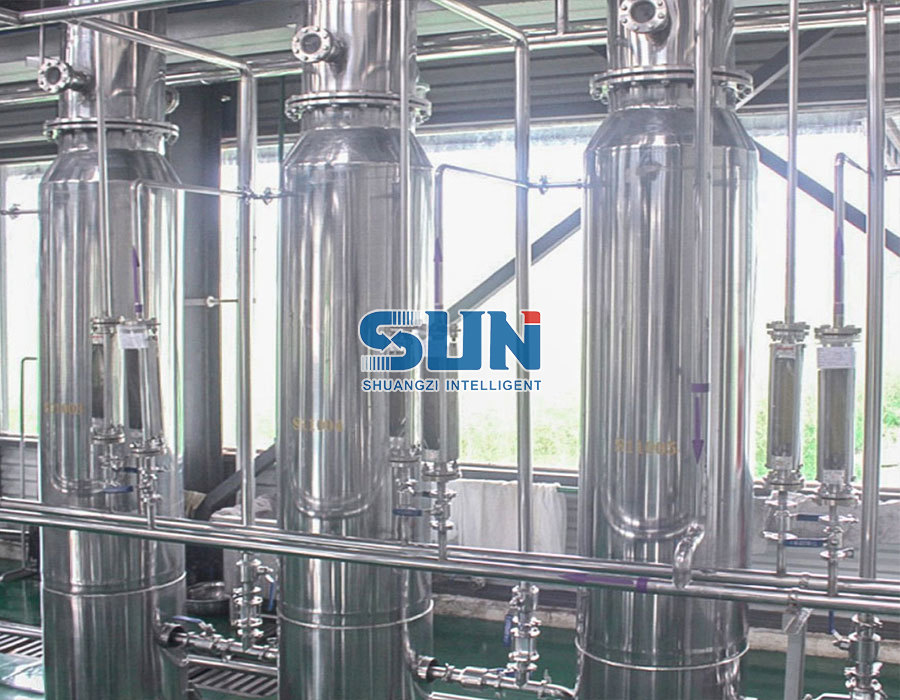
After extraction, the solvent-rich extract is sent to a falling film evaporator for solvent recovery. Falling film evaporation provides a large heat-transfer surface and can be suitable for continuous solvent removal under controlled conditions. Recovering the solvent is important for reducing operating costs, improving process safety, and supporting more sustainable production.
The concentrated extract can then undergo winterization. Winterization is used to remove waxes and other compounds that may negatively affect the appearance, stability, filtration performance, or downstream purification of the oil. The winterized material is subsequently filtered or otherwise processed according to the selected production design.
Decarboxylation follows when the process requires the conversion of acidic cannabinoid forms into their neutral forms. This stage must be controlled carefully because temperature, time, agitation, and vacuum conditions can influence the final composition. Proper process design helps reduce unwanted thermal exposure while achieving the required conversion.
Short-path distillation is then used to separate and concentrate components according to differences in volatility. Short-path equipment is often selected for high-value botanical materials because it can reduce the distance vapor must travel and may operate under vacuum and controlled temperature conditions. This helps support the recovery of valuable compounds while limiting exposure to excessive heat.
A chromatography column system may be included when additional ingredient removal or cannabinoid separation is required. Chromatography can be configured for specific purification objectives, such as reducing selected compounds or producing a more narrowly defined product profile. The precise media, solvent, and operating method depend on the desired output and regulatory requirements.
After chromatography, another falling film evaporation stage may be used to remove solvent and concentrate the purified stream. The final product may be a broad-spectrum plant oil or another defined plant-derived oil, depending on the feedstock and process design.
| Process Stage | Primary Function | Typical Equipment Role |
|---|---|---|
| Dried plant biomass | Provides the raw botanical feed | Feed preparation and controlled material handling |
| Low-temperature solvent extraction | Transfers target compounds from biomass into a liquid phase | Initial extraction unit |
| Falling film evaporation | Recovers solvent and concentrates the extract | Continuous evaporation and solvent recovery |
| Winterization | Removes waxes and selected high-melting components | Cooling, holding, and filtration system |
| Decarboxylation | Converts acidic compounds into neutral forms when required | Controlled heating and process reaction stage |
| Short-path distillation | Separates components according to volatility | Vacuum distillation and concentration |
| Chromatography column system | Removes or separates selected ingredients | Targeted purification system |
| Final falling film evaporation | Removes remaining solvent and concentrates the product | Final solvent recovery and product finishing |
The countercurrent extraction machine can be integrated into this workflow where liquid-liquid extraction or distribution-based separation is required. Integration should be based on laboratory and pilot testing, solvent compatibility, phase behavior, target compound distribution, and the specifications of the upstream and downstream equipment.
Advantages Compared with Traditional Extraction Methods
The equipment offers several advantages over conventional solvent extraction arrangements and cross-flow processing methods. These advantages relate to mixing performance, continuous operation, processing speed, preparation volume, operating cost, and environmental performance.
Improved Mixing and Mass Transfer
The planetary movement of the spiral column creates a strong centrifugal force field and promotes efficient contact between immiscible phases. Good mixing is essential because mass transfer occurs at the interface between the liquids. More effective contact can improve the transfer of selected compounds and help the equipment achieve the required separation in a smaller process volume.
Traditional extraction tanks can provide effective mixing, but their performance may depend heavily on agitator design, vessel geometry, residence time, and settling conditions. The countercurrent machine combines mixing and phase separation within a continuous mechanical system. This can make the process more compact and easier to operate in a production line.
Flexible Operation
Different plant extracts have different physical properties and separation requirements. The machine is designed to provide flexibility through control of phase flow, feed rate, operating conditions, and process configuration. This flexibility can be useful when a manufacturer processes more than one type of botanical feedstock or produces several grades of plant oil.
Operational flexibility also supports process development. A producer can begin with laboratory or pilot experiments, identify suitable solvent and phase conditions, and then select an appropriate production capacity. The available models provide a range of operational capacities for different production targets.
Fast Continuous Processing
Batch extraction may require repeated filling, mixing, settling, draining, cleaning, and refilling. These activities can reduce effective production time. A continuous countercurrent system can reduce interruptions and provide a more stable flow to downstream operations.
Faster processing does not mean that every material can be processed at the same rate. Actual throughput depends on viscosity, phase ratio, solute concentration, solvent properties, temperature, and the required degree of separation. Nevertheless, continuous equipment offers a strong foundation for higher productivity when the process has been properly developed.
Large Preparation Volume
The available equipment range includes models rated at 600 L/h, 800 L/h, 1,000 L/h, 1,200 L/h, 1,500 L/h, and 2,000 L/h. This range enables manufacturers to select a capacity that matches their production plan instead of using a single machine size for every application.
| Model | Operational Capacity | Potential Application Position |
|---|---|---|
| 600 | 600 L/h | Pilot production or smaller continuous processing line |
| 800 | 800 L/h | Expanded pilot or medium-scale production |
| 1000 | 1,000 L/h | Standard industrial processing requirement |
| 1200 | 1,200 L/h | Higher-throughput production line |
| 1500 | 1,500 L/h | Large-scale continuous processing |
| 2000 | 2,000 L/h | High-capacity industrial production |
These figures describe operational capacity and should not be interpreted as guaranteed product yield. Yield and separation quality depend on the process material and operating conditions. A technical evaluation is recommended before final equipment selection.
Potentially Lower Operating Cost
Continuous processing can reduce labor associated with batch handling. It may also improve solvent utilization by maintaining controlled phase contact and allowing the process to operate with a stable flow. Compact equipment can reduce building requirements, while integration with solvent recovery systems can lower solvent consumption.
Operating costs are influenced by many factors, including energy use, solvent type, cleaning requirements, labor, maintenance, and product specifications. The main advantage of the countercurrent design is that it provides a process platform that can be optimized for efficient use of these resources.
Environmental Considerations
Solvent recovery is a central part of responsible plant extraction. The CBD production workflow includes falling film evaporation for solvent recovery and concentration. When properly designed and operated, solvent recovery can reduce waste, lower raw material consumption, and limit emissions.
The countercurrent method may also support environmental objectives by improving separation efficiency and reducing the need for repeated extraction cycles. Environmental performance still depends on the complete system, including solvent selection, vapor management, cleaning procedures, energy integration, and waste treatment.
Engineering and Manufacturing Strengths
The equipment is supplied by Zhejiang Shuangzi Intelligent Equipment Co., Ltd., a professional biology and medical equipment enterprise established in 2007. The company focuses on EPC and EPCM services, process technology, automation engineering design, equipment manufacturing, matched equipment purchasing, installation, commissioning, and system integration.
This broad engineering capability is important for CBD oil producers because a successful project normally requires more than a single machine. The extraction unit must be compatible with evaporation, filtration, winterization, distillation, chromatography, storage, transfer, instrumentation, and cleaning systems. An integrated engineering partner can coordinate these elements and reduce the risk of incompatibility between equipment supplied by different vendors.
The company has a floor area of approximately 16,706 square meters and a structure area of approximately 17,800 square meters. Its production capabilities include equipment used in plant extraction, fermentation, evaporation and concentration, separation, crystallization, filtration, and related process applications.
Advanced Fabrication Equipment
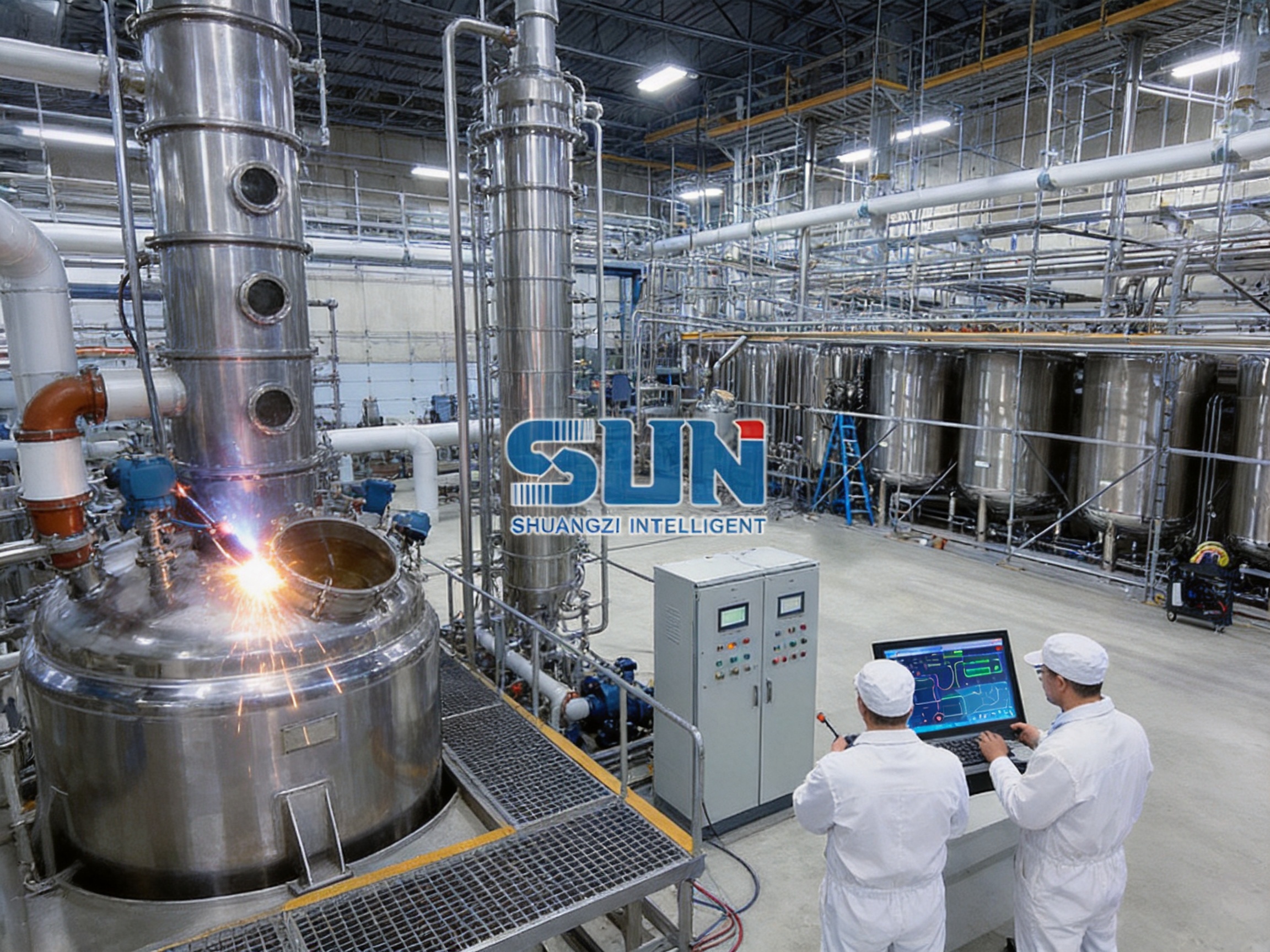
Manufacturing quality has a direct effect on equipment reliability, product cleanliness, maintenance, and process safety. The company has introduced advanced welding and finishing equipment, including plasma argon arc welding machines, plasma cutting machines, and CAM CNC machining centers.
Plasma argon arc welding can support clean, controlled welds for process equipment and sanitary piping. Consistent welding practices are especially important in applications involving solvents, botanical extracts, and high-value products. Proper surface finishing can reduce areas where material may collect and can make cleaning and inspection easier.
Plasma cutting equipment supports accurate preparation of metal components. Accurate cutting helps improve assembly quality and can reduce dimensional variation during fabrication. CAM CNC machining centers provide controlled machining for components that require repeatable dimensions and precise interfaces.
These manufacturing resources help the company manage more of the equipment production process internally. Greater control over fabrication, machining, welding, and finishing can support consistent quality and reduce dependence on disconnected external production steps.
Process and Automation Engineering
The company’s capabilities extend beyond mechanical fabrication. It also focuses on process design and automation engineering. Automation can help coordinate pumps, valves, temperature control, pressure monitoring, level control, flow measurement, and interlocking functions.
For a continuous countercurrent extraction system, stable flow is particularly important. Variations in mobile-phase flow, fixed-phase condition, or feed composition may affect separation performance. Automated monitoring can help operators identify changes quickly and maintain more consistent production conditions.
Automation also supports data recording and process traceability. Depending on the project design, data may be collected for batch identification, flow rates, temperatures, pressures, equipment status, alarms, and cleaning operations. These records can assist with process optimization, troubleshooting, maintenance planning, and quality assurance.
Turnkey Project Capability
The company can provide process design, equipment design, installation, line debugging, and turnkey project services. This is a significant advantage for customers who need a complete CBD oil production line rather than an isolated extraction machine.
A turnkey project may include process-flow planning, equipment selection, layout development, utility assessment, fabrication, control-system integration, installation, commissioning, and operator support. The scope is normally adapted to the customer’s production objectives and site conditions.
Turnkey delivery can simplify project management. Instead of coordinating multiple suppliers with different technical standards, the customer can work with one engineering organization for the principal process system. This can improve communication and help clarify responsibility during installation and commissioning.
Application in Pilot Plants and Industrial Facilities
Product development often begins at laboratory or pilot scale. At this stage, the manufacturer needs to determine solvent compatibility, phase behavior, temperature range, flow relationship, extraction efficiency, separation selectivity, and downstream concentration requirements. Pilot testing can reveal whether a selected process can be scaled successfully.
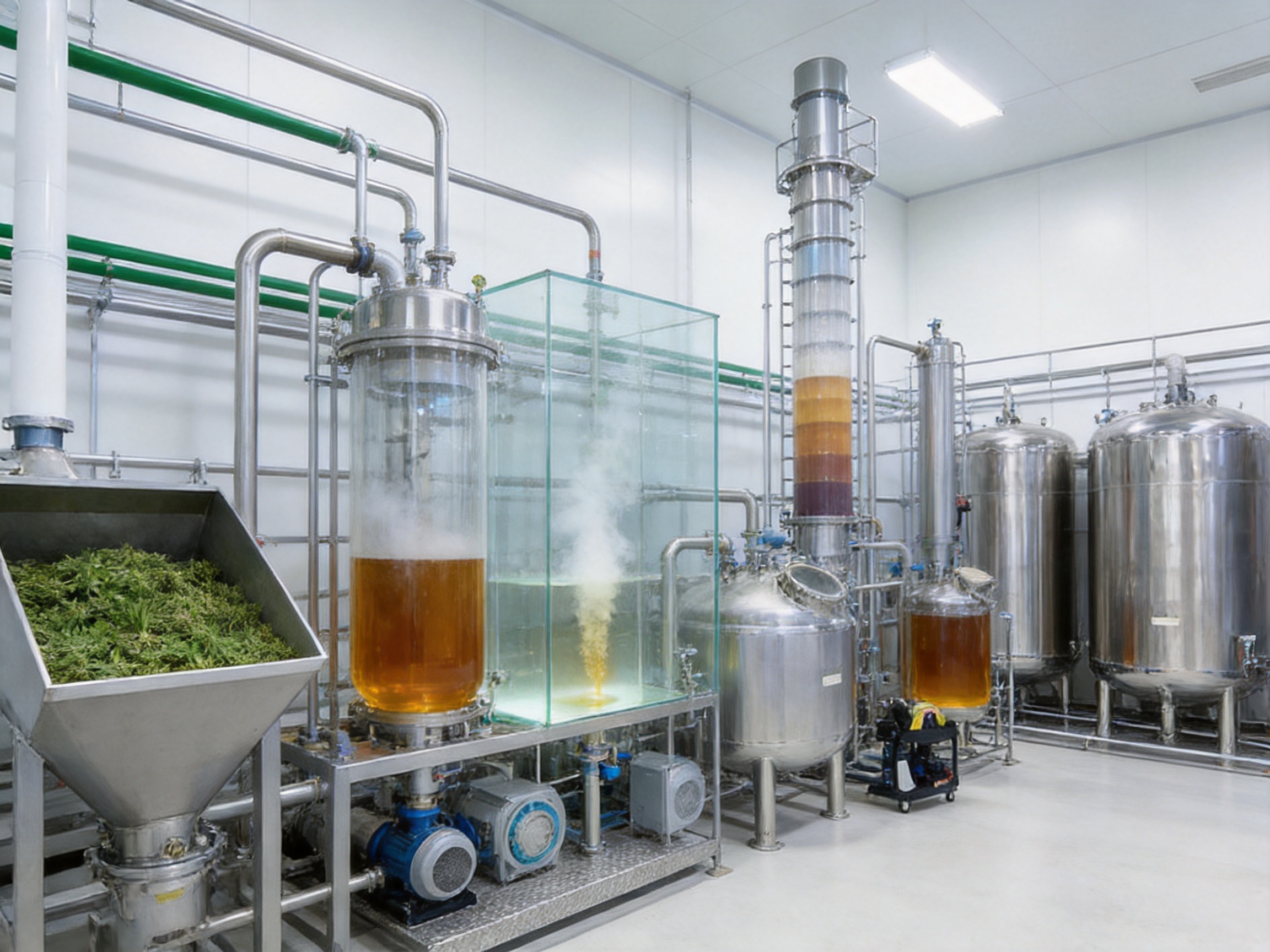
The company provides production lines and pilot production workshops with automation and GMP-oriented requirements. A pilot platform allows process engineers to evaluate the behavior of actual botanical materials before committing to a large industrial installation.
Pilot work is valuable because botanical feedstocks can vary significantly. Differences in moisture, particle size, cultivar, storage condition, cannabinoid profile, wax content, and contaminant level may affect extraction and separation. A process that performs well with one feedstock may require adjustment for another.
Once the operating window has been established, the production system can be selected from the available capacity range. The 600 L/h and 800 L/h models may be suitable for smaller production facilities or expansion projects. The 1,000 L/h, 1,200 L/h, 1,500 L/h, and 2,000 L/h models can support progressively larger continuous operations.
Scale-up should consider more than nominal flow. Engineers should evaluate residence time, phase ratio, solvent recovery capacity, storage volume, downstream throughput, utility demand, cleaning time, and product transfer. The entire production line should be balanced so that no individual stage becomes a bottleneck.
Integration with Downstream Equipment
The usefulness of a countercurrent extraction machine depends partly on how well it connects with the rest of the process. In an integrated CBD oil line, the extraction machine should be connected to pumps, tanks, filtration equipment, evaporators, distillation units, chromatography systems, product receivers, and solvent storage systems.
Connection to Falling Film Evaporation
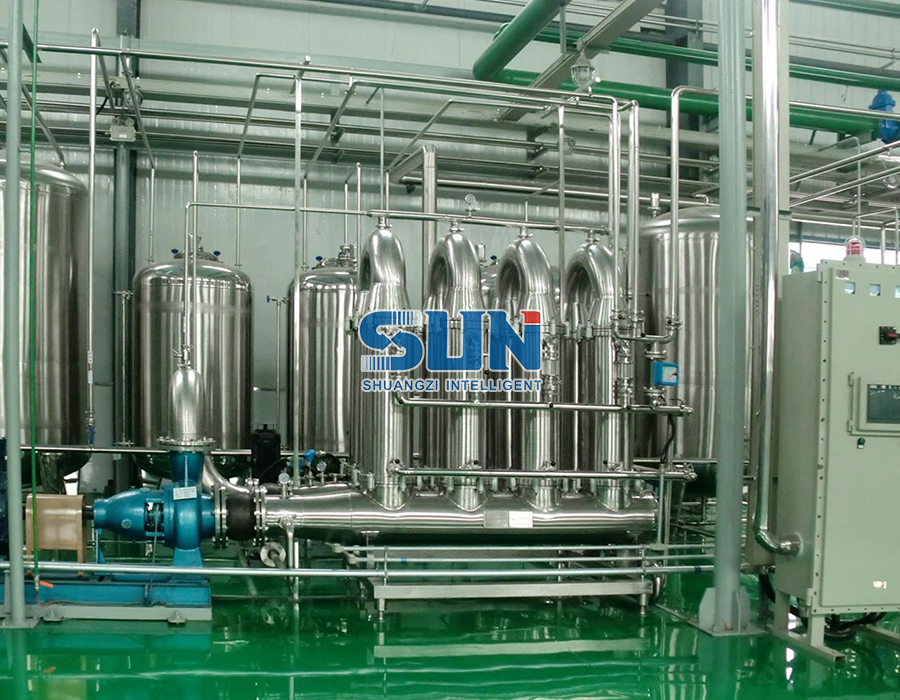
After liquid-liquid extraction, the resulting stream may require solvent removal or concentration. A falling film evaporator can process the liquid continuously and help prepare the material for subsequent purification. The evaporator should be matched to the flow rate and solvent load of the extraction machine.
Heat-sensitive botanical compounds require careful control of temperature and residence time. Vacuum operation may be used where appropriate to reduce boiling temperature. The final design should consider vapor condensation, solvent recovery, pressure control, and safe handling of flammable or volatile solvents.
Connection to Winterization
Winterization systems normally require controlled cooling, sufficient holding time, agitation or circulation, and filtration. The extraction and evaporation stages should provide an appropriate concentration and composition for effective wax removal.
Good integration can improve the consistency of the winterization feed. For example, stable flow and concentration from upstream equipment can help the operator maintain more predictable cooling and filtration conditions. Filtration capacity must also be sized for the expected wax load and production rate.
Connection to Distillation
Short-path distillation requires a feed with suitable viscosity, solvent content, and impurity profile. Excess solvent or suspended solids can interfere with vacuum stability and evaporator performance. Upstream extraction, evaporation, winterization, and filtration therefore have an important effect on distillation efficiency.
A well-designed line provides suitable buffer tanks between major stages. These tanks can absorb short-term differences in flow and allow one unit to be serviced without immediately stopping the entire system. Tank design should consider agitation, temperature control, cleaning, material compatibility, and vapor management.
Connection to Chromatography
Chromatography requires carefully controlled feed conditions. Solvent composition, concentration, viscosity, particulate content, and target compound profile can all affect column performance. The countercurrent extraction machine may be used upstream to support the removal or concentration of selected components before chromatography.
When chromatography is included, the project should define the required product specification, column loading, solvent recovery method, regeneration procedure, and waste-handling strategy. These factors influence the size and operating cost of the complete system.
Materials, Cleanability, and Process Hygiene
Plant extraction equipment must be designed with attention to product contact materials, surface condition, drainage, accessibility, and cleaning. The selected construction materials should be compatible with the process solvents, botanical oils, cleaning agents, and operating temperatures.
Cleanability is especially important when a production line handles different plant materials or product grades. Residual oils and concentrated botanical compounds can adhere to surfaces and may affect the next production campaign. Equipment design should therefore minimize dead legs, inaccessible areas, unnecessary crevices, and poorly drained sections.
Sanitary welding and suitable surface finishing can support cleaning and inspection. The appropriate cleaning method may include manual cleaning, circulation cleaning, or a combination of procedures depending on the equipment design and customer requirements. Cleaning validation and sanitation procedures should be developed by the operating organization in accordance with applicable regulations.
Process hygiene also depends on material handling. Dried biomass should be stored under appropriate conditions to limit moisture uptake, microbial growth, and degradation. Solvents should be stored and transferred using systems designed for their physical and chemical properties. Finished oil should be protected from contamination, excessive heat, oxygen, and light where necessary.
Safety and Compliance Considerations
CBD oil production may involve flammable solvents, heated surfaces, vacuum systems, pressurized equipment, moving machinery, and concentrated chemical streams. The complete plant must therefore be designed with appropriate safety measures.
Important considerations may include hazardous-area classification, electrical protection, ventilation, grounding and bonding, pressure relief, solvent vapor detection, emergency shutdown, fire protection, operator training, and safe access for maintenance. The specific requirements depend on the solvent, local regulations, facility classification, and process design.
The equipment supplier can support engineering documentation and system integration, but the customer remains responsible for ensuring that the finished installation complies with the laws and standards applicable to its location and product category. Regulatory requirements for hemp-derived or cannabinoid-containing products vary by jurisdiction and may change over time.
Quality systems should address raw-material qualification, in-process testing, solvent residue, product composition, microbial control, heavy metals, pesticides, and other relevant specifications. The production line should be designed so that samples can be collected safely and representative data can be obtained from critical process points.
How to Select the Appropriate Capacity
Capacity selection should begin with the required production volume and the characteristics of the feed. A nominal equipment capacity of 600 L/h does not automatically correspond to a specific mass of dried biomass or a fixed quantity of finished CBD oil. The actual relationship depends on solvent ratio, extract concentration, phase flow, product yield, and the number of downstream concentration steps.
Customers should prepare a process brief that includes the type and quantity of biomass, moisture content, expected extract composition, solvent system, desired product profile, operating schedule, and target annual production. The brief should also identify whether the plant will operate continuously, in campaigns, or in a hybrid batch-continuous mode.
Utility availability is another important factor. The project may require electricity, chilled water, cooling water, steam, thermal oil, compressed air, nitrogen, vacuum, drainage, and solvent storage. The selected model should be compatible with the site’s available utilities and with the capacity of the evaporators, condensers, pumps, and storage tanks.
Downstream equipment must be sized consistently. Installing a high-capacity extraction unit before a smaller evaporator or distillation system may create a production bottleneck. A balanced process line is generally more effective than selecting the largest available machine for only one stage.
Installation, Commissioning, and Technical Support
Installation quality affects long-term performance. The equipment should be positioned according to the approved layout, with adequate access for operation, inspection, cleaning, and maintenance. Piping should be routed to reduce unnecessary pressure loss and to support complete drainage where required.
Commissioning normally includes mechanical inspection, electrical checks, instrument verification, utility connection, leak testing, control-system testing, dry runs, solvent-free water trials where appropriate, and process trials with actual materials. Each stage should be documented so that the operating team understands the equipment status and acceptance criteria.
Line debugging is particularly important for an integrated plant. Pumps, valves, sensors, evaporators, column systems, storage tanks, and control logic must work together. The commissioning team should verify that the equipment responds correctly to changes in flow, level, temperature, pressure, and emergency conditions.
Operator training should cover normal operation, startup, shutdown, cleaning, alarm response, solvent handling, sampling, maintenance, and emergency procedures. Clear operating instructions can reduce the risk of incorrect settings and help maintain stable production.
Maintenance and Long-Term Reliability
Preventive maintenance should be planned from the beginning of the project. Pumps, seals, bearings, valves, instruments, filters, heating components, vacuum components, and control devices require periodic inspection or replacement. Maintenance intervals depend on operating hours, solvent characteristics, temperature, pressure, and cleaning procedures.
The rotating and planetary components of the countercurrent extraction machine should be inspected according to the manufacturer’s recommendations. Operators should monitor unusual vibration, noise, temperature rise, leakage, or changes in phase behavior. Early identification of these conditions can prevent more serious damage and unplanned downtime.
Instrumentation should be calibrated regularly. Accurate flow, temperature, pressure, and level measurements are essential for continuous extraction. If measurement accuracy declines, the machine may continue operating but produce variable separation results. Calibration records should be retained as part of the plant’s quality and maintenance documentation.
Cleaning procedures should be consistent and verified. The cleaning method must remove residual botanical oils, waxes, solvent residues, and other deposits without damaging the equipment or leaving cleaning-agent residues. A well-structured maintenance program can extend equipment life and support repeatable product quality.
Why an Integrated Equipment Partner Matters
CBD oil production involves multiple technologies that must operate as one process. A supplier with experience in extraction, evaporation, concentration, separation, filtration, crystallization, fermentation, and automation can approach the project from a system perspective.
Zhejiang Shuangzi Intelligent Equipment Co., Ltd. provides equipment and engineering services across plant extraction, biological fermentation, pharmaceutical engineering, natural food, energy conservation, and environmental protection applications. This range of experience supports cross-disciplinary project development and enables the company to apply process knowledge from related industries.
The company’s EPC and EPCM approach can help customers move from process concept to operating facility. Services may include preliminary process design, equipment selection, engineering calculations, layout planning, manufacturing, procurement coordination, installation, commissioning, and system integration.
This approach can reduce the technical gaps that sometimes occur when separate vendors supply individual machines. A complete system should have compatible connection sizes, control signals, operating ranges, materials, cleaning strategies, and utility requirements. Centralized project coordination helps address these issues earlier.
For customers planning future expansion, a modular approach may also be considered. The initial installation can be designed with space, utility, and control provisions for additional extraction capacity, evaporation capability, storage, or purification equipment. Expansion planning is often more economical when considered during the first project stage.
Quality and Process Development Strategy
A reliable CBD oil production line should be developed through a structured sequence of laboratory research, pilot testing, engineering design, equipment fabrication, commissioning, and validation. Each stage provides information that improves the next stage.
Laboratory studies can identify suitable solvents, phase ratios, temperatures, contact times, and purification conditions. Pilot trials can evaluate continuous operation and identify issues related to viscosity, emulsification, phase separation, wax formation, or solvent recovery.
Engineering design converts the experimental data into equipment sizing and control requirements. The design should include mass balances, energy balances, flow diagrams, equipment specifications, instrumentation lists, utility calculations, and cleaning procedures.
During commissioning, the process is adjusted using real feed material. This stage may reveal differences between laboratory samples and commercial biomass. The operating team can then optimize flow rates, temperature, vacuum, phase balance, and residence time to achieve the desired product quality.
Quality control should be built into the process rather than added only at the final packaging stage. Samples may be collected after extraction, solvent recovery, winterization, decarboxylation, distillation, chromatography, and final concentration. This helps identify the location and cause of any process deviation.
Frequently Asked Questions
What is a CBD Oil Countercurrent Extraction Machine?
It is a continuous liquid-liquid extraction and separation machine that uses planetary movement and centrifugal force to mix two immiscible phases, retain one phase, and continuously introduce the other phase. Solutes are repeatedly distributed between the phases according to their distribution coefficients.
How does the machine differ from a conventional batch extraction tank?
A batch tank normally performs extraction in separate charge-and-discharge cycles. The countercurrent machine is designed for continuous phase contact and separation. This can improve production continuity, reduce manual handling, and provide a more compact process arrangement.
What capacities are available?
The listed models have operational capacities of 600 L/h, 800 L/h, 1,000 L/h, 1,200 L/h, 1,500 L/h, and 2,000 L/h. The correct choice depends on the complete process design, feed properties, solvent ratio, and downstream equipment capacity.
Can the equipment be used as a complete CBD production line by itself?
No. The machine is an extraction or separation unit within a complete production system. A full CBD oil line may also require biomass preparation, low-temperature extraction, solvent recovery, winterization, decarboxylation, short-path distillation, chromatography, filtration, storage, and final concentration equipment.
What is the purpose of countercurrent operation?
Countercurrent operation creates repeated contact between two phases moving in opposing directions. This can improve mass transfer and support progressive separation based on differences in solute distribution.
Can the machine be integrated with falling film evaporators?
Yes. The CBD oil workflow provided for this equipment includes falling film evaporation for solvent recovery and concentration. The evaporator must be sized and configured according to the extraction flow, solvent properties, concentration, temperature, and vacuum requirements.
Is pilot testing necessary before purchasing a production model?
Pilot testing is strongly recommended when the feedstock, solvent system, or product specification is new. Pilot work can help determine phase behavior, flow conditions, separation performance, solvent recovery requirements, and appropriate equipment capacity.
What manufacturing capabilities support the equipment?
The manufacturer has production facilities and advanced equipment including plasma argon arc welding machines, plasma cutting machines, and CAM CNC machining centers. These resources support controlled fabrication, accurate component preparation, welding, machining, and finishing.
Does the supplier provide installation and commissioning?
The company provides engineering services that can include process design, equipment design, installation, line debugging, and turnkey project delivery. The exact scope should be defined in the project contract and technical specification.
What factors influence final CBD oil quality?
Quality is affected by raw-material condition, extraction parameters, solvent choice, phase balance, temperature, residence time, wax removal, decarboxylation, distillation, chromatography, solvent recovery, storage, and quality-control procedures. No single machine determines the entire product quality.
Can the equipment process different botanical materials?
The equipment may be adapted to different liquid-liquid extraction applications, but each material should be evaluated because viscosity, solids content, compound profile, solvent affinity, and phase behavior can vary. Process trials are recommended before changing feedstocks.
What information should a customer provide for a quotation?
Useful information includes the botanical feedstock, expected feed volume, solvent type, target product, required throughput, operating schedule, desired automation level, site utilities, available floor space, local safety requirements, and the scope of downstream equipment.
Conclusion
The CBD Oil Countercurrent Extraction Machine provides a continuous approach to liquid-liquid extraction and separation. Its planetary spiral-column movement creates a centrifugal field that supports mixing, mass transfer, repeated solute distribution, and phase separation. Compared with traditional batch or cross-flow arrangements, the technology offers strong potential advantages in continuous operation, mixing efficiency, flexibility, processing speed, preparation volume, operating cost, and solvent-management performance.
The available capacity range from 600 L/h to 2,000 L/h allows the equipment to support different production requirements. More importantly, the machine can be integrated into a complete CBD oil process that includes low-temperature solvent extraction, falling film evaporation, winterization, decarboxylation, short-path distillation, chromatography, and final concentration.
The manufacturer’s strengths extend beyond individual equipment fabrication. Its experience in process technology, automation engineering, plant extraction, evaporation, separation, filtration, crystallization, and turnkey project delivery provides a foundation for complete production-line development. Advanced welding, cutting, machining, finishing, installation, commissioning, and system-integration capabilities can help customers progress from process concept to industrial operation.
For best results, equipment selection should be based on pilot testing, mass and energy balances, solvent compatibility, capacity matching, safety evaluation, cleaning requirements, and local regulatory obligations. When these factors are addressed in an integrated design, the countercurrent extraction machine can become an important component of an efficient, scalable, and well-controlled plant oil production facility.
References
1. General principles of liquid-liquid extraction and countercurrent mass transfer.
2. Industrial process design practices for botanical extraction and solvent recovery.
3. Engineering considerations for falling film evaporation and vacuum concentration.
4. Process development principles for winterization, decarboxylation, and short-path distillation.
5. Good manufacturing and hygienic design practices for plant-derived products.
6. Industrial automation, instrumentation, and process-control principles for continuous production.
7. Safety engineering practices for facilities handling volatile and potentially flammable solvents.
8. Equipment design and scale-up considerations for liquid-liquid extraction systems.