
 英语
英语 俄语
俄语Content
- 1 Understanding Countercurrent Extraction Technology
- 2 Role in a CBD Production Line
- 3 Operational Capacity and Model Options
- 4 Core Advantages Over Traditional Extraction Methods
- 5 Engineering Design for Stable Industrial Performance
- 6 Manufacturing Strength Behind the Equipment
- 7 Why Integrated Manufacturing Matters for CBD Processors
- 8 Advanced Manufacturing Processes and Quality Control
- 9 Application Value in Broad-Spectrum Plant Oil Production
- 10 Competitor Comparison: What Makes This Solution Stronger
- 11 Process Flexibility and Customization
- 12 Energy Efficiency and Solvent Recovery Considerations
- 13 Automation and Process Control
- 14 Installation, Commissioning, and Turnkey Project Support
- 15 Maintenance and Long-Term Reliability
- 16 Safety Considerations in Plant Extraction Lines
- 17 Suitability for Multiple Industries
- 18 Economic Benefits for Industrial Producers
- 19 Customer Support and Communication
- 20 Quality-Oriented Production Philosophy
- 21 Frequently Asked Questions
- 21.1 What is the main function of the CBD Oil Countercurrent Extraction Machine?
- 21.2 How does the machine differ from traditional solvent extraction?
- 21.3 What capacities are available?
- 21.4 Can the machine be used in a complete CBD production line?
- 21.5 Why is countercurrent extraction useful for broad-spectrum plant oil?
- 21.6 Does the system help reduce operating costs?
- 21.7 What manufacturing strengths support equipment quality?
- 21.8 Can the equipment be customized?
- 21.9 Is turnkey project support available?
- 21.10 What industries can use this technology?
- 22 Conclusion
- 23 References
In modern plant extraction and natural product processing, productivity, consistency, solvent efficiency, and precise separation performance have become core requirements for industrial operators. The CBD Oil Countercurrent Extraction Machine is designed to meet these requirements through a continuous liquid-liquid distribution extraction and separation approach. It uses a multi-dimensional centrifugal force field generated by a spiral column during planetary motion, enabling two immiscible phases to mix continuously while one phase is retained as the fixed phase and the other is introduced as the mobile phase. Through repeated distribution of target solutes between the two phases, the system achieves step-by-step separation according to distribution coefficients.
This machine is not merely a single item of equipment; it is a key component within a complete CBD production line and broader plant extraction process. It supports industrial-scale applications where traditional solvent extraction, cross-flow extraction, and conventional countercurrent techniques may be limited by low mixing efficiency, long processing cycles, high solvent use, or difficult scale-up. By combining controlled flow, centrifugal separation principles, and continuous operation, the CBD Oil Countercurrent Extraction Machine provides an effective solution for manufacturers seeking higher throughput, flexible process design, and reliable separation quality.
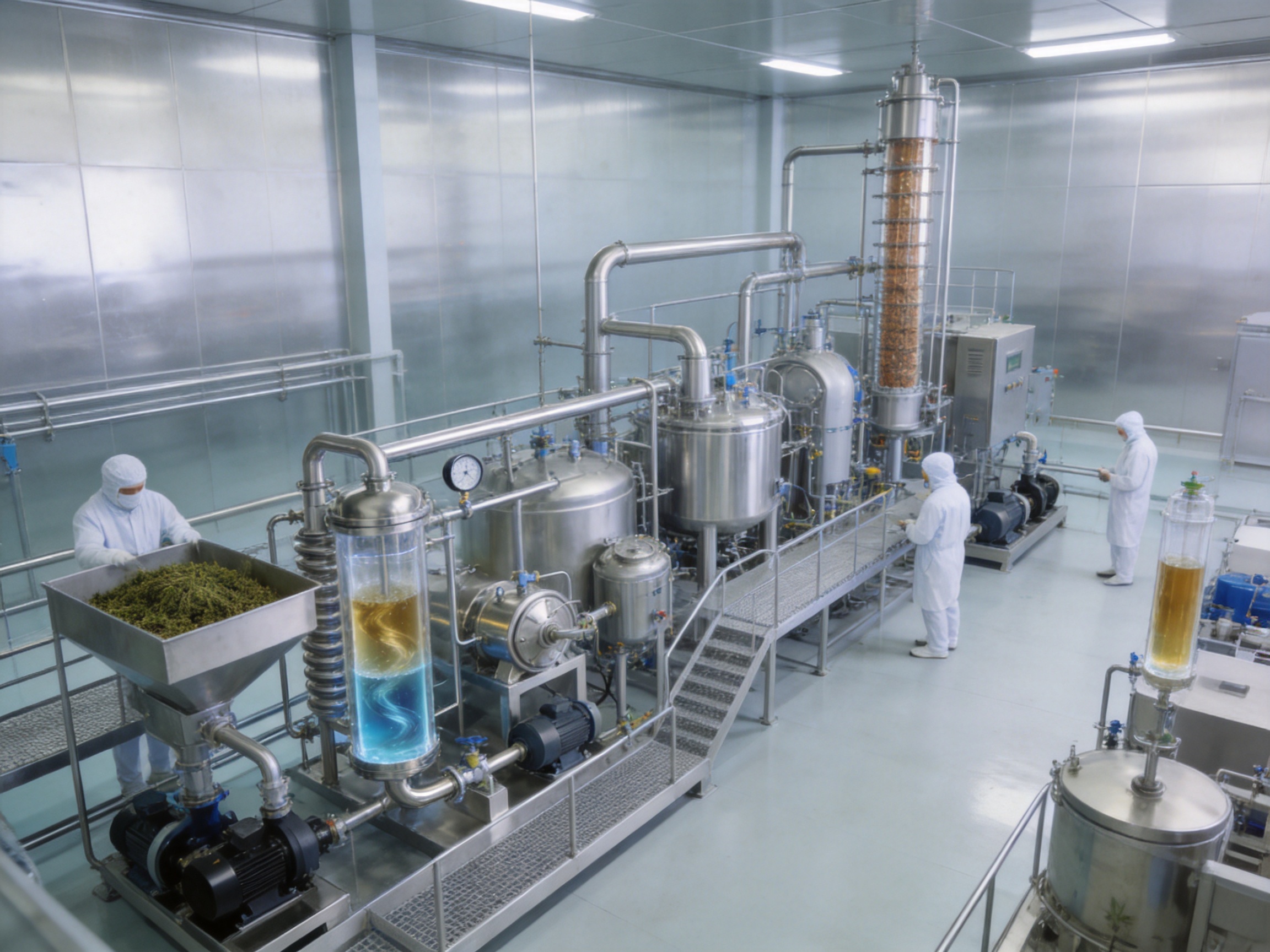
For producers of broad-spectrum plant oil, the equipment can be integrated into a complete workflow that includes dried plant biomass handling, low-temperature solvent extraction, falling film evaporation for solvent recovery, winterization for wax removal, decarboxylation, short path distillation, chromatography column systems for ingredient removal, and final evaporation. In such a production line, countercurrent extraction contributes to separation precision and process efficiency, helping manufacturers achieve stable product quality while reducing operating burden.
Zhejiang Shuangzi Intelligent Equipment Co., Ltd. supports this field with advanced engineering capability, equipment manufacturing, automation design, installation, system integration, and turnkey project services. Founded in 2007 and located in Hangzhou, Zhejiang Province, China, the company focuses on plant extraction, biological fermentation, pharmaceutical engineering, natural food, energy conservation, and environmental protection. Its manufacturing strength, mature product portfolio, and EPC/EPCM project experience provide strong support for customers requiring integrated CBD production and plant extraction solutions.
Understanding Countercurrent Extraction Technology
Countercurrent extraction is a separation method based on the distribution of target components between two immiscible liquid phases. In practical terms, one phase selectively dissolves or carries certain solutes more strongly than the other. When the two phases are repeatedly contacted and separated, the solutes migrate according to their distribution coefficients. The result is a gradual and controlled separation of components that may be difficult to isolate using simple extraction, filtration, or evaporation alone.
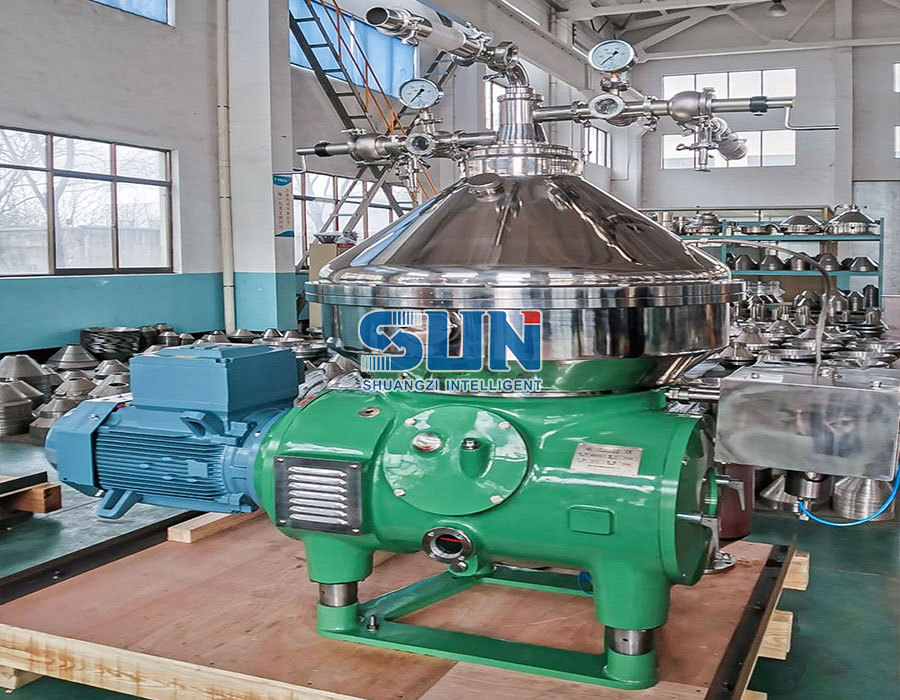
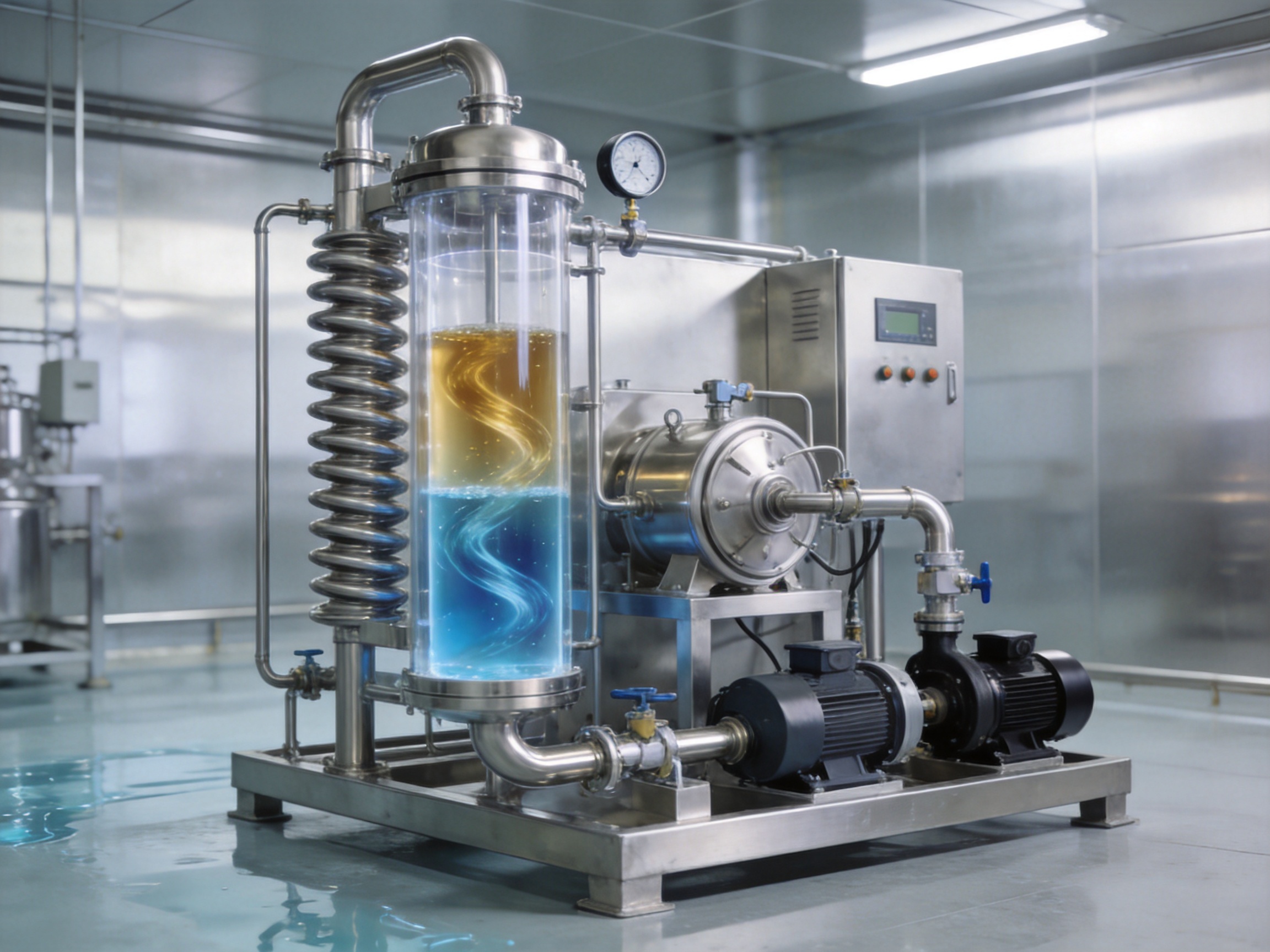
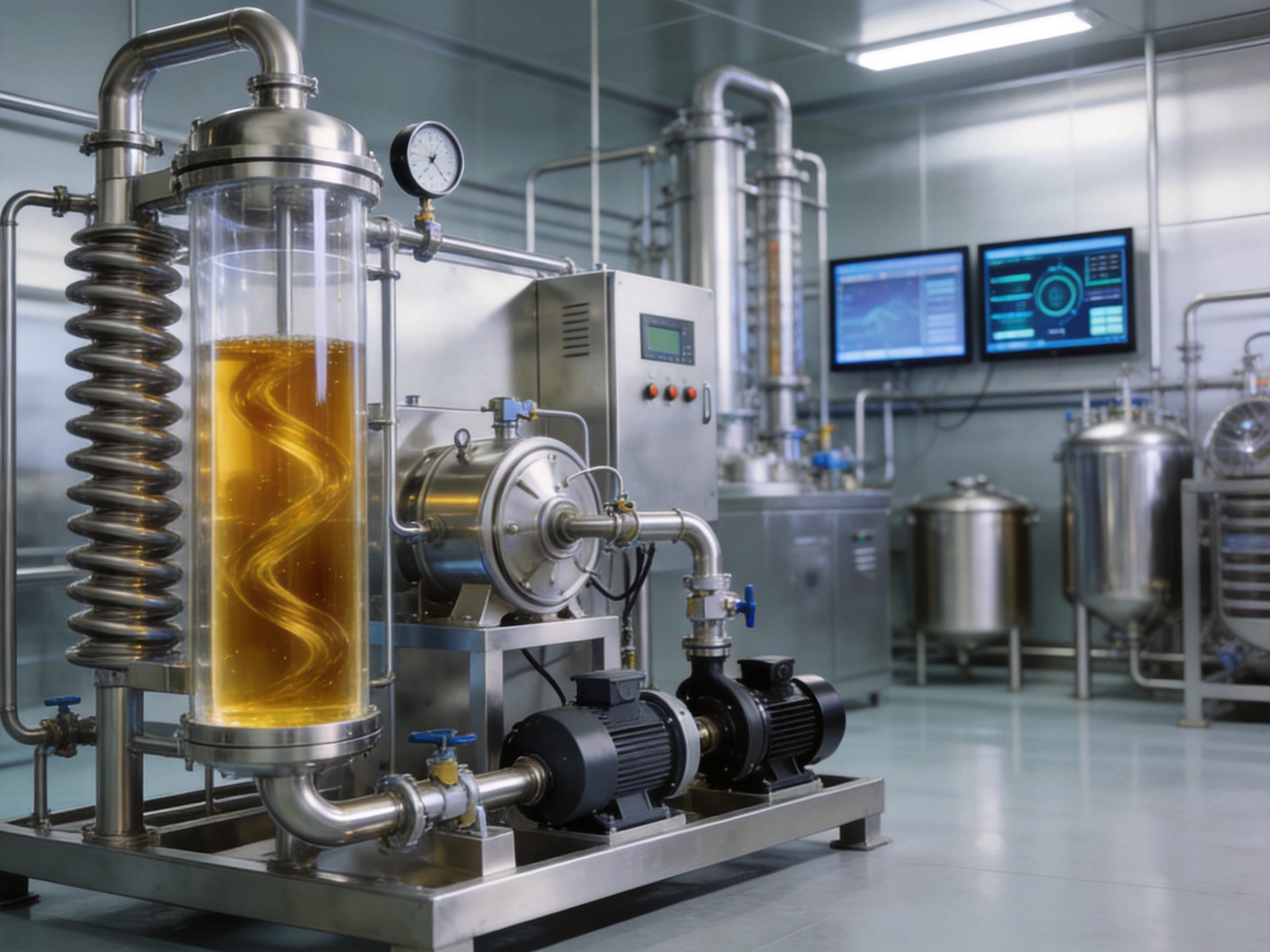
The CBD Oil Countercurrent Extraction Machine applies this principle through high-speed countercurrent extraction. During operation, the spiral column generates a multi-dimensional centrifugal force field while undergoing planetary motion. This dynamic movement allows the two liquid phases to contact each other thoroughly without requiring a traditional solid stationary phase. One phase is retained inside the column as the fixed phase, while a constant flow pump continuously introduces the mobile phase. As the mobile phase moves through the fixed phase, target compounds repeatedly transfer between phases.
This repeated distribution process provides a high number of theoretical separation stages in a compact system. Instead of relying on large extraction tanks or long settling periods, the machine uses centrifugal motion to intensify phase contact and separation. As a result, it offers good mixing performance, fast processing speed, flexible operation, and large preparation capacity. These advantages make it especially valuable for industrial plant oil processing and separation applications where both quality and productivity matter.
Compared with conventional batch solvent extraction, high-speed countercurrent extraction can reduce process complexity. Traditional batch extraction may require repeated soaking, mixing, settling, and phase separation steps. Each stage consumes time and labor, and process consistency may vary between batches. The continuous structure of a countercurrent extraction machine allows material to be processed in a more stable manner, supporting higher operational repeatability and easier process monitoring.
The technology is also valued because it avoids some limitations associated with chromatography systems that rely heavily on solid packing materials. In some separation tasks, solid stationary phases may cause irreversible adsorption, material loss, pressure drop, difficult cleaning, or high consumable costs. Countercurrent extraction instead uses liquid phases, reducing reliance on costly packing media and improving recovery of sensitive natural compounds. This characteristic is important in CBD and plant oil processing, where maintaining the value of target components is a key commercial consideration.
Role in a CBD Production Line
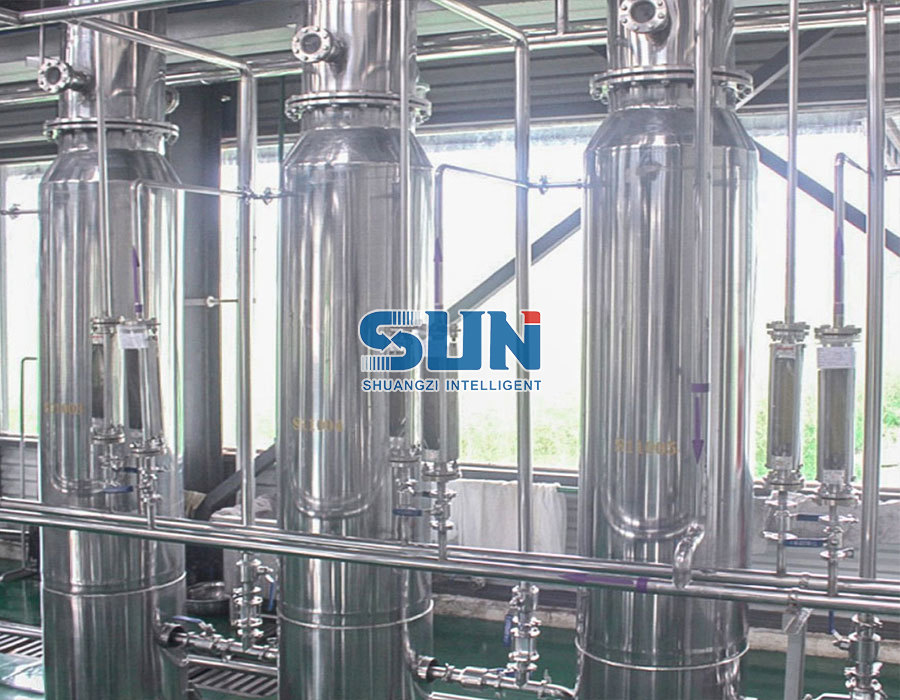
A complete CBD production line requires multiple unit operations, each with a specific purpose. The supplied process workflow begins with dried plant biomass, which enters a low-temperature solvent extractor. Low-temperature extraction helps preserve sensitive compounds and can improve selectivity by reducing the extraction of undesired components. After extraction, a falling film evaporator recovers solvent efficiently, reducing waste and supporting economical operation.
The next stage is winterization, which removes waxes and other heavy impurities that can affect downstream refinement and product clarity. Decarboxylation follows, converting certain acidic forms of cannabinoids into their neutral forms under controlled thermal conditions. Short path distillation is then used for concentration and purification, taking advantage of low-pressure conditions to separate components with different volatility characteristics. A chromatography column system may be used to remove selected ingredients and refine the product profile. A second falling film evaporation step can further remove solvent and concentrate the final broad-spectrum plant oil.
Within this workflow, the CBD Oil Countercurrent Extraction Machine supports efficient separation and distribution-based purification. It can help producers manage complex plant matrices, where different compounds may have similar physical properties but different affinities for immiscible solvent phases. By choosing suitable solvent systems and controlling phase flow, operators can use the machine to separate target fractions from unwanted fractions while maintaining continuous throughput.
The machine is particularly suitable for applications where large preparation volume is required. Laboratory-scale separation methods often fail when moved to industrial production because they are slow, expensive, or difficult to repeat. The countercurrent extraction machine addresses this challenge through models with operational capacities ranging from 600 liters per hour to 2000 liters per hour. This enables manufacturers to select equipment according to their desired production scale and expansion plan.
For CBD processors, flexibility is crucial. Product specifications may vary depending on market demands, compliance requirements, or customer preferences. Some processors may focus on broad-spectrum oils, while others may require intermediate fractions for further refinement. A continuous countercurrent extraction system provides a flexible tool within the production line, allowing process parameters to be adjusted according to the separation task. This is an important advantage over rigid or single-purpose extraction equipment.
Operational Capacity and Model Options
The CBD Oil Countercurrent Extraction Machine is available in several capacity options, allowing operators to match equipment selection with production demand. The models listed below reflect operational capacity from 600 liters per hour to 2000 liters per hour. This range supports both medium-scale production and larger industrial lines.
Item |
600 |
800 |
1000 |
1200 |
1500 |
2000 |
Operational Capacity |
600 L/h |
800 L/h |
1000 L/h |
1200 L/h |
1500 L/h |
2000 L/h |
Capacity selection should consider raw material supply, upstream extraction volume, downstream evaporation capacity, facility layout, solvent recovery capacity, and expected working hours. A line that processes large volumes of dried plant biomass will require balanced equipment sizing across every stage. If extraction capacity is high but solvent recovery capacity is insufficient, production bottlenecks may occur. Likewise, if separation equipment is undersized, downstream refinement cannot keep pace with upstream material flow.
The availability of multiple capacities helps solve this problem. A producer developing a new facility can begin with a 600 L/h or 800 L/h system and later expand to higher capacity models as market demand increases. A large industrial processor may select 1500 L/h or 2000 L/h models to support continuous production. Because the machine can be integrated into an engineered production line, it is suitable for staged expansion and customized process layouts.
Core Advantages Over Traditional Extraction Methods
The CBD Oil Countercurrent Extraction Machine offers several notable advantages over traditional solvent extraction, ordinary countercurrent extraction, and cross-flow extraction. These advantages are especially valuable in industrial production, where efficiency and consistency determine profitability.
Improved Mixing Effect
In conventional liquid-liquid extraction, phase contact quality strongly affects separation performance. Poor mixing reduces mass transfer and leaves valuable compounds in the wrong phase. Excessive mixing, however, may create emulsions that are difficult to separate. The countercurrent extraction machine uses the controlled centrifugal field generated by spiral column planetary motion to continuously mix immiscible phases. This improves contact efficiency while supporting phase retention and separation.
Better mixing means target solutes have repeated opportunities to distribute between phases. As the number of distribution events increases, separation resolution improves. For CBD and plant oil processing, where product mixtures may contain many similar compounds, enhanced mixing can make the difference between inconsistent intermediate material and stable refined product.
Continuous Operation
Batch processing often requires repeated loading, extraction, settling, draining, cleaning, and reloading. These steps take time and create idle periods. Continuous countercurrent extraction reduces downtime by allowing steady input of the mobile phase and continuous separation activity inside the machine. This supports higher productivity and more predictable scheduling.
Continuous operation also improves process control. Instead of dealing with batch-to-batch variation, operators can monitor flow rates, phase behavior, and product fractions in a more stable operating condition. This contributes to consistent output and easier quality management.
Fast Processing Speed
High-speed countercurrent extraction is faster than many conventional extraction arrangements because it intensifies mass transfer. The multi-dimensional centrifugal force field accelerates interaction between phases, while continuous pumping maintains flow. Faster processing reduces production time and improves equipment utilization. In a commercial CBD production environment, time savings can directly affect cost per liter of processed material.
Large Preparation Volume
Many separation technologies work well in laboratories but become difficult or expensive at industrial scale. The CBD Oil Countercurrent Extraction Machine is designed with large preparation volume in mind. With models up to 2000 L/h operational capacity, it can serve production lines that require high daily throughput. This makes it suitable for manufacturers aiming to move beyond pilot production into stable commercial operation.
Lower Operating Cost
Cost control is essential in CBD and plant extraction industries. Solvent, labor, energy, consumables, downtime, and product loss all affect profitability. Countercurrent extraction can reduce cost through efficient phase contact, continuous operation, reduced dependence on solid stationary media, and compatibility with solvent recovery systems such as falling film evaporators. When integrated into a full line, the machine can help improve material utilization and reduce waste.
Environmental Protection
Modern extraction facilities must pay close attention to environmental responsibility. Efficient extraction and solvent recovery reduce solvent consumption and emissions. The CBD Oil Countercurrent Extraction Machine supports environmentally conscious production by improving separation efficiency and enabling closed or controlled process designs. When combined with falling film evaporation and appropriate solvent management systems, the production line can support lower waste generation and better resource use.
Engineering Design for Stable Industrial Performance
Reliable industrial equipment must perform consistently under continuous operating conditions. The CBD Oil Countercurrent Extraction Machine is designed to provide stable operation through controlled pumping, efficient phase interaction, and strong mechanical structure. Its separation principle depends on precise interaction between the fixed phase and mobile phase, making flow stability and mechanical accuracy essential.
The constant flow pump plays a critical role by introducing the mobile phase at a controlled rate. Stable flow ensures repeatable residence time and distribution behavior. If flow fluctuates excessively, separation quality may suffer. The equipment design therefore supports steady processing and process parameter control, enabling operators to match operating conditions with product requirements.
The spiral column and planetary motion mechanism are central to the machine’s performance. Their geometry and movement generate the multi-dimensional centrifugal field that enables continuous phase mixing and fixed phase retention. High-quality manufacturing is necessary because mechanical imbalance, poor surface finishing, or inaccurate assembly can affect separation behavior, vibration, and long-term reliability. This is where advanced manufacturing capability becomes an important competitive advantage.
The equipment must also be suitable for cleaning and process hygiene. Plant extraction and pharmaceutical-related applications require equipment designs that consider cleanliness, material compatibility, and process safety. Smooth internal surfaces, high-quality welding, and thoughtful equipment layout help reduce residue buildup and support maintenance. For customers in regulated or quality-sensitive industries, these design details are not optional; they are essential.
Manufacturing Strength Behind the Equipment
Zhejiang Shuangzi Intelligent Equipment Co., Ltd. brings extensive manufacturing and engineering capability to the production of extraction and separation equipment. The company was founded in 2007 and has developed into a professional biology and medical equipment enterprise with EPC/EPCM project capability. Its business scope covers process technology, automation engineering design, equipment manufacturing, matching purchase, installation, equipment system integration, and turnkey projects.
The company operates from Tianhe Road 7th, Yuhang Economic Development Zone, Hangzhou City, Zhejiang Province, China. It covers a floor area of 16,706 square meters and a structure area of 17,800 square meters. This production base supports the manufacturing of equipment for plant extraction, biological fermentation, pharmaceutical engineering, natural food, energy conservation, and environmental protection. The scale of the facility allows the company to handle both standard equipment production and customized engineering projects.
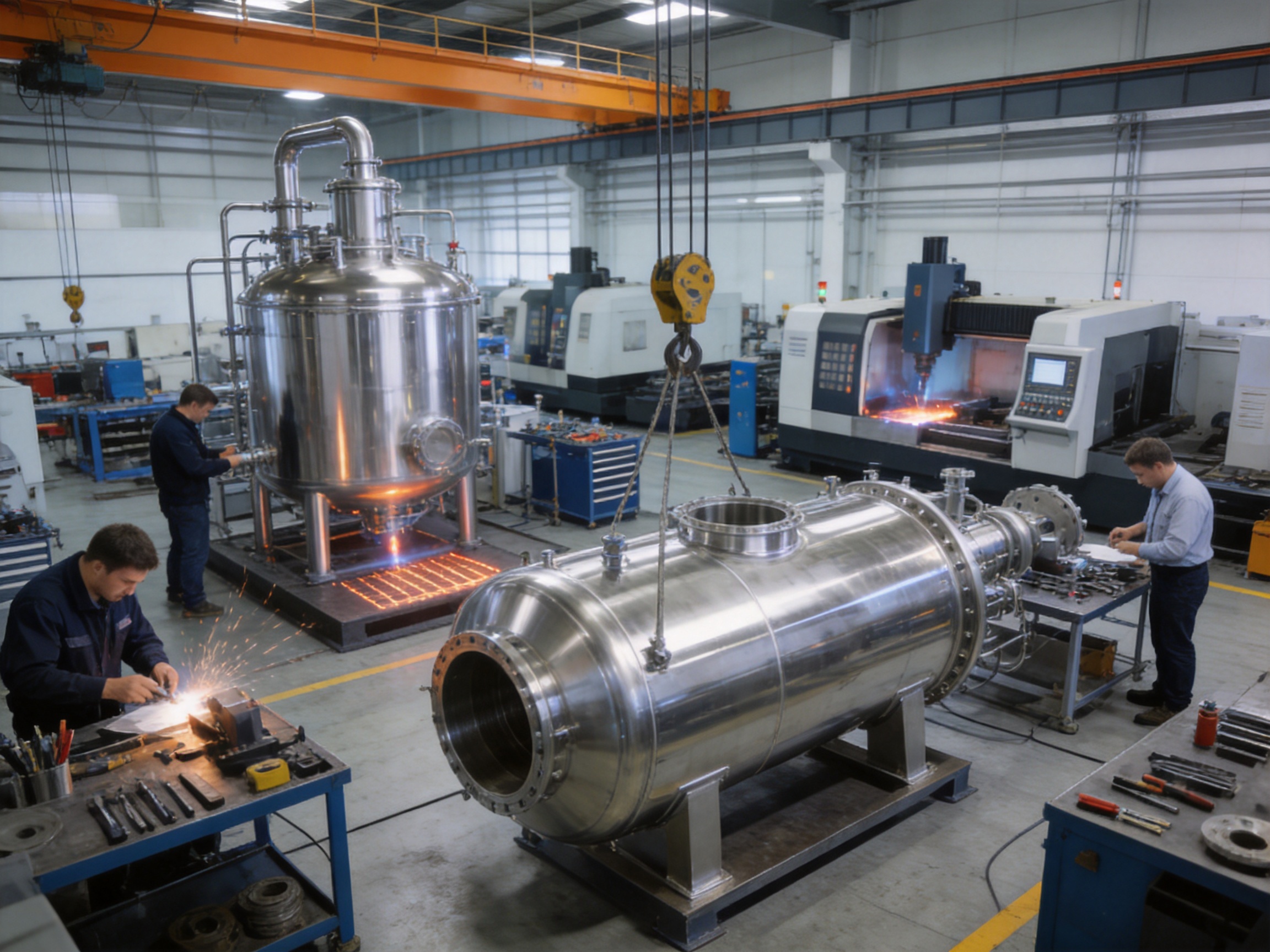
Manufacturing quality is supported by advanced equipment such as plasma argon arc welding machines, plasma cutting machines, and CAM CNC machining centers. These tools improve fabrication precision, welding quality, cutting accuracy, and component consistency. In extraction and pharmaceutical equipment, high-quality welding and machining are critical because they affect hygiene, pressure integrity, corrosion resistance, and long-term reliability.
The company’s mature product portfolio includes vacuum low-temperature drying equipment, complete fermentation system equipment, evaporation and concentration equipment, extraction equipment, separation systems, crystallization equipment, filtration equipment, containers, and related process units. This broad product range is a major advantage for CBD production line customers because it allows the company to design and supply integrated systems rather than isolated machines.
In addition, the company maintains pilot production workshop capability and an automation research and development platform that can support GMP-oriented process requirements. Processes such as vacuum low-temperature drying, plant extraction, evaporation, precipitation separation, extraction, and fermentation can be used for pilot research and process validation. This capability helps customers reduce project risk before moving into full-scale production.
Why Integrated Manufacturing Matters for CBD Processors
Purchasing a single extraction machine from one supplier and downstream equipment from multiple other suppliers may appear convenient at first, but it can create integration problems. Flow rates may not match. Control systems may be incompatible. Layout design may cause inefficient material transfer. Cleaning procedures may differ across machines. These problems can increase installation time, commissioning difficulty, and operating cost.
An integrated equipment manufacturer with process engineering capability can address these challenges at the design stage. Zhejiang Shuangzi Intelligent Equipment Co., Ltd. can provide engineering, process design, equipment design, installation, line debugging, and turnkey project services. For CBD production lines, this means the countercurrent extraction machine can be planned together with low-temperature extraction, falling film evaporation, winterization, decarboxylation, short path distillation, chromatography, and final concentration systems.
Integrated design improves line balance. For example, if the countercurrent extraction system operates at 1000 L/h, the solvent recovery system and downstream purification units should be selected to handle matching throughput. If the falling film evaporator is undersized, solvent recovery becomes a bottleneck. If the chromatography system is not properly matched, refined product output will be delayed. Integrated engineering prevents these mismatches and supports smooth production.
System integration also improves automation potential. A complete line can be designed with coordinated control logic, monitoring points, alarms, and operating sequences. This reduces manual intervention and improves consistency. For facilities aiming for high quality standards, automation can support data collection, traceability, repeatability, and safer operation.
Advanced Manufacturing Processes and Quality Control
Equipment used in plant extraction and pharmaceutical-related processes must be manufactured with careful attention to material selection, welding, surface treatment, and assembly accuracy. The CBD Oil Countercurrent Extraction Machine benefits from manufacturing methods intended to support durability, precision, and sanitary performance.
Plasma argon arc welding is valuable for producing clean, high-quality welds on stainless steel process equipment. Good welds reduce the risk of leakage, contamination, crevice formation, and structural weakness. In liquid-liquid extraction equipment, where solvents and process fluids may contact internal surfaces, weld integrity is essential. Poor welding can create dead corners where residues accumulate, making cleaning more difficult and increasing contamination risk.
Plasma cutting improves fabrication accuracy and efficiency. Accurate cutting ensures components fit properly during assembly, reducing stress, misalignment, and rework. CAM CNC machining centers further improve precision for critical components. Computer-aided machining enables consistent production of parts with defined tolerances, which is important for moving systems and assemblies that must operate smoothly during continuous production.
Surface finishing also matters. Smooth process-contact surfaces reduce residue retention and facilitate cleaning. In CBD production and natural product processing, oils, waxes, and plant extracts can be viscous and prone to deposit formation. Equipment with well-finished surfaces is easier to maintain and helps operators preserve process hygiene. This contributes to longer equipment life and more stable production.
Quality control does not end with fabrication. Industrial process equipment also requires assembly inspection, functional testing, and system commissioning. When supplied as part of a turnkey project, the machine can be tested within the broader production line to verify flow matching, control logic, and operating stability. This reduces uncertainty when customers begin commercial operation.
Application Value in Broad-Spectrum Plant Oil Production
Broad-spectrum plant oil production requires the removal of unwanted components while retaining desired natural constituents. The composition of plant extracts can be complex, containing oils, waxes, pigments, volatile compounds, cannabinoids, terpenes, and other plant-derived substances. A single separation method is rarely sufficient to achieve the desired quality. Therefore, a multi-stage process is typically needed.
The CBD Oil Countercurrent Extraction Machine supports this type of production by enabling distribution-based separation. It complements other process units rather than replacing them entirely. Low-temperature extraction obtains crude extract from biomass. Falling film evaporation recovers solvent. Winterization removes wax. Decarboxylation adjusts chemical form. Short path distillation concentrates and separates according to volatility. Chromatography removes selected ingredients. Countercurrent extraction can contribute by separating components according to liquid-liquid distribution behavior.
This multi-technology approach is one reason integrated equipment suppliers are valuable. Each step must be designed with the next step in mind. If wax removal is incomplete, downstream separation may become difficult. If solvent recovery is inefficient, operating cost increases. If distillation conditions are not aligned with product requirements, sensitive compounds may be degraded. A well-engineered line uses each unit operation where it is strongest.
In broad-spectrum plant oil production, consistency is essential. Customers expect stable appearance, purity profile, and performance. Process instability can lead to batch rejection, reprocessing, or customer complaints. Continuous countercurrent extraction helps improve consistency by providing controlled, repeatable separation under defined operating conditions. Combined with automation and integrated process design, it supports stable commercial manufacturing.
Competitor Comparison: What Makes This Solution Stronger
In a competitive equipment market, buyers often compare machines based on price alone. However, for CBD production and advanced plant extraction, true value depends on performance, integration, reliability, technical service, and long-term operating cost. The CBD Oil Countercurrent Extraction Machine stands out because it is supported by strong process engineering and manufacturing capability rather than being offered as an isolated component.
Compared with suppliers that only provide basic extraction tanks, this machine offers continuous liquid-liquid separation with improved mixing and faster processing. Basic tanks may be suitable for simple extraction, but they often require long residence times and repeated manual steps. They may also produce inconsistent results when raw material composition changes. Countercurrent extraction provides a more refined separation tool for demanding processes.
Compared with suppliers focused only on laboratory-scale instruments, this solution offers industrial operational capacities up to 2000 L/h. Laboratory machines may demonstrate separation principles, but they cannot always meet commercial production requirements. Industrial customers need equipment that can operate for long hours, integrate with pumps and evaporators, and support line-level throughput.
Compared with equipment providers lacking manufacturing depth, Zhejiang Shuangzi Intelligent Equipment Co., Ltd. has a large production base, advanced welding and machining equipment, and experience in multiple process categories. This reduces dependency on outsourced fabrication and improves control over equipment quality. It also supports customization, which is frequently necessary in CBD and plant extraction projects.
Compared with companies that supply only single machines, the ability to provide EPC/EPCM and turnkey services is a major advantage. Customers can receive process design, equipment design, installation, commissioning, and system integration support from one experienced source. This simplifies project management and reduces the risk of miscommunication between multiple vendors.
Compared with traditional solvent extraction lines that prioritize volume but not refinement, the countercurrent extraction machine provides a separation-focused approach. This is important because CBD production is not only about extracting as much material as possible; it is also about controlling composition, removing unwanted fractions, and preparing material for downstream refinement. A higher-quality separation stage can improve the efficiency of the entire line.
Process Flexibility and Customization
Different customers have different process goals. Some need high-throughput crude extraction and solvent recovery. Others need refined broad-spectrum oil production. Some may require pilot-scale validation before commercial investment. Others may already operate extraction equipment and need to upgrade separation capacity. The CBD Oil Countercurrent Extraction Machine can be integrated into different process strategies because countercurrent separation is inherently flexible.
Parameters such as phase selection, flow rate, temperature, residence time, and collection strategy can be adjusted according to the target separation. This does not mean that every process is identical; rather, it means that the equipment can support process development and optimization. With pilot workshop and R&D platform capability, the manufacturer can help customers explore suitable process arrangements before finalizing large-scale equipment.
Customization may include capacity selection, skid design, automation level, material specifications, piping layout, pump configuration, solvent recovery integration, and downstream connection. For facilities with space limitations, layout planning is especially important. For facilities pursuing high automation, instrumentation and control systems must be considered early. For customers in pharmaceutical-related applications, documentation, material traceability, and GMP-oriented design may be necessary.
The ability to customize also improves return on investment. A machine that is too small creates a production bottleneck, while a machine that is too large wastes capital and floor space. A properly selected and integrated system delivers better economic performance over time. Engineering support helps customers make decisions based on real production needs rather than generic equipment specifications.
Energy Efficiency and Solvent Recovery Considerations
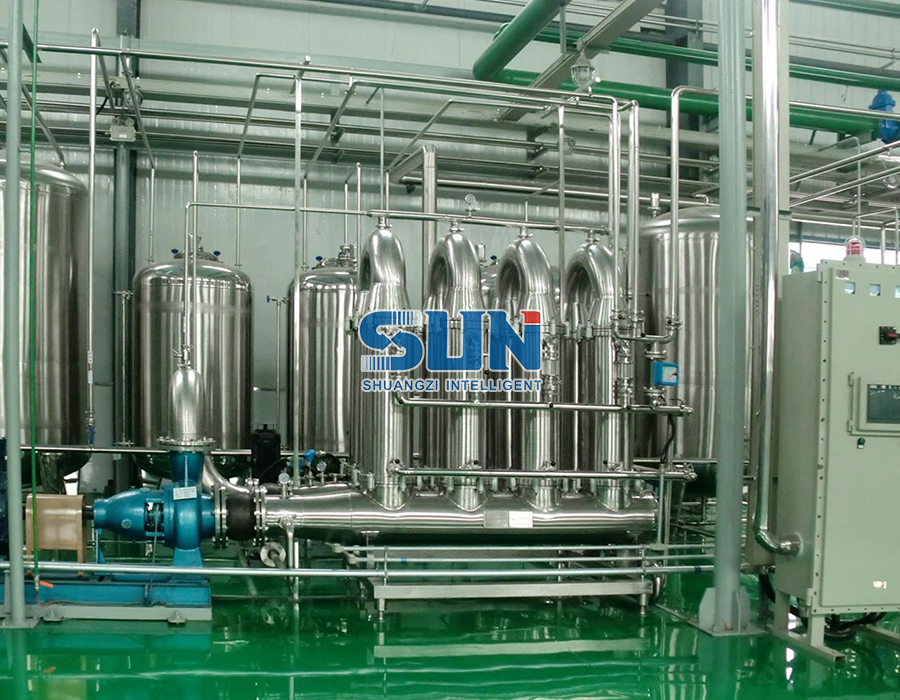
Solvent management is one of the most important economic and environmental factors in plant extraction. Solvents represent a recurring cost, and losses may create safety, environmental, and compliance concerns. The CBD production workflow includes falling film evaporators for solvent recovery, which are well suited for handling large volumes with efficient heat transfer and relatively short residence time.
When countercurrent extraction is integrated with solvent recovery, the overall process becomes more economical. Efficient separation reduces unnecessary solvent use, while evaporation systems recover solvent for reuse. This combination supports lower operating cost and more sustainable production. It also reduces the amount of waste solvent requiring treatment or disposal.
Energy efficiency depends on process design. Heat integration, vacuum operation, evaporation surface area, pump selection, and automation all influence total energy consumption. A turnkey project provider can evaluate the entire line rather than optimizing each machine in isolation. For example, recovered solvent temperature, storage requirements, and feed conditions can be considered when designing the evaporation and extraction stages.
Environmental protection is increasingly important for CBD and natural product manufacturers seeking long-term market acceptance. Customers, regulators, and business partners often prefer production systems that reduce waste and improve resource efficiency. A well-designed countercurrent extraction line supports these goals while maintaining industrial productivity.
Automation and Process Control
Automation improves extraction line performance by reducing manual variability and enabling stable operating conditions. In countercurrent extraction, flow control is especially important because separation behavior depends on phase contact and residence time. Automated pumps, sensors, and control interfaces can help maintain consistent operation.
A complete production line may include controls for feed flow, solvent flow, temperature, pressure, vacuum level, pump status, phase collection, evaporation rate, and alarm conditions. Data collection can support troubleshooting and process optimization. In quality-sensitive production, recorded process parameters may also help demonstrate batch consistency.
Zhejiang Shuangzi Intelligent Equipment Co., Ltd. focuses on automation engineering design and equipment system integration. This is valuable because automation must be designed around the actual process, not added as an afterthought. Proper control logic can coordinate extraction, evaporation, winterization, distillation, and chromatography steps. It can also improve safety by monitoring abnormal conditions and guiding shutdown procedures.
Automation does not eliminate the need for trained operators, but it supports better decision-making. Operators can focus on process supervision, quality monitoring, and maintenance rather than repetitive manual adjustments. Over time, this can reduce labor intensity and improve production reliability.
Installation, Commissioning, and Turnkey Project Support
Industrial extraction equipment must be installed correctly to achieve its intended performance. Piping slope, pump placement, valve accessibility, electrical wiring, instrumentation, solvent handling, ventilation, and maintenance space all affect operation. Installation errors can cause leakage, unstable flow, difficult cleaning, or safety problems. Therefore, professional installation and commissioning support are essential.
The company can provide users with engineering, process design, equipment design, installation, line debugging, and turnkey projects. This means customers can receive support from initial planning through production startup. For new CBD processing facilities, turnkey service reduces the burden of coordinating civil works, utilities, equipment suppliers, and commissioning teams.
Commissioning is particularly important for countercurrent extraction because the machine must be adjusted to achieve correct phase retention and separation performance. Flow rates, phase ratios, pump settings, and collection timing may need optimization. When commissioning is performed by engineers familiar with the equipment and process, startup becomes faster and more reliable.
Line debugging also identifies bottlenecks and operational issues before full commercial production begins. For example, if solvent recovery is slower than extraction, adjustments can be made. If winterization filtration requires more capacity, the process can be balanced. If automation alarms need refinement, they can be tuned during commissioning. This practical support helps customers avoid costly delays.
Maintenance and Long-Term Reliability
Long-term reliability is a major factor in equipment selection. A machine that performs well during demonstration but requires frequent shutdowns will damage production schedules and increase cost. The CBD Oil Countercurrent Extraction Machine is designed for industrial application, and its reliability is supported by precision manufacturing, quality assembly, and appropriate material selection.
Maintenance planning should include regular inspection of pumps, seals, bearings, rotating assemblies, pipelines, valves, and instrumentation. Cleaning procedures should be defined according to process materials and solvents. Because plant extracts can contain sticky oils and waxes, routine cleaning helps preserve performance and prevents buildup. Equipment with smooth surfaces and good accessibility reduces cleaning time.
Spare parts availability and technical support are also important. An experienced manufacturer with a broad equipment portfolio is better positioned to support customers throughout the equipment life cycle. When the same company understands the entire production line, troubleshooting becomes more efficient. A problem that appears to be in the extraction machine may actually originate from feed composition, solvent recovery, temperature control, or downstream blockage. Integrated technical knowledge helps identify root causes quickly.
Safety Considerations in Plant Extraction Lines
CBD and plant extraction processes may involve solvents, heated equipment, vacuum systems, rotating machinery, and pressure-containing components. Safety must be considered in equipment design, facility layout, operating procedures, and training. The countercurrent extraction machine should be integrated into a production environment with appropriate solvent handling systems, ventilation, grounding, explosion prevention measures where required, and emergency controls.
Automated monitoring can improve safety by detecting abnormal flow, pressure, temperature, or equipment status. Proper piping and valve design can reduce leakage risk. High-quality welding and pressure integrity support safer operation. Clear operating procedures help operators respond correctly to process changes.
Because safety regulations vary by location and solvent type, customers should coordinate equipment design with local standards and qualified safety professionals. A capable engineering supplier can support this process by providing equipment information, layout recommendations, and integration guidance.
Suitability for Multiple Industries
Although the product is presented in the context of CBD production, the underlying countercurrent extraction technology is useful across multiple industries. Plant extraction, natural food processing, pharmaceutical engineering, biological and medical equipment applications, and specialty separation processes can all benefit from efficient liquid-liquid distribution separation.
In plant extraction, the machine can support separation of botanical components from complex mixtures. In pharmaceutical-related processing, it can assist with purification steps where liquid-liquid partition behavior is useful. In natural food applications, it may contribute to refinement of natural extracts, flavors, pigments, or functional ingredients, depending on process requirements. In research and pilot production, it can help scale separation methods from small trials to industrial practice.
This versatility is supported by the company’s broader expertise in vacuum low-temperature drying, fermentation systems, evaporation and concentration, extraction, separation, crystallization, filtration, and containers. Customers working in one field may also require related process equipment, and an integrated supplier can provide a more complete solution.
Economic Benefits for Industrial Producers
Investment in a CBD Oil Countercurrent Extraction Machine should be evaluated not only by purchase price but by total economic contribution. The machine can improve productivity, reduce processing time, support higher recovery, lower solvent use, reduce labor intensity, and improve product consistency. These factors can significantly affect profitability over the equipment life cycle.
Higher throughput means more material can be processed per shift. Faster separation reduces bottlenecks and improves line utilization. Better recovery means less valuable material is lost in waste streams. Reduced consumables and solvent losses lower recurring expenses. Consistent product quality reduces rework and rejected batches. Together, these benefits can provide strong return on investment.
Turnkey engineering support also has economic value. Poorly integrated lines often require expensive modifications after installation. Delays in commissioning can postpone revenue. Mismatched equipment can reduce capacity for years. By working with an experienced EPC/EPCM-oriented supplier, customers can reduce these risks and build a production line designed for commercial performance from the beginning.
Customer Support and Communication
Technical communication is essential when selecting extraction equipment. Customers should discuss raw material characteristics, target product specifications, solvent systems, capacity goals, facility conditions, automation expectations, and regulatory requirements. The manufacturer can then recommend suitable equipment and process arrangements.
Zhejiang Shuangzi Intelligent Equipment Co., Ltd. can be contacted by email at alice@sunjx.com or guojibu@sunjx.com. Telephone contact is available at +86-18257152999 and +86-571-89197779. The company is located at Tianhe Road 7th, Yuhang Economic Development Zone, Hangzhou City, Zhejiang Province, China. These communication channels allow prospective customers to request technical consultation, project planning, and equipment information.
Because each production project has unique requirements, early communication helps avoid design mistakes. Customers planning a CBD production line should provide expected feed volume, working hours, desired final product type, available utilities, building layout, and any process constraints. With this information, engineers can propose a more accurate and practical solution.
Quality-Oriented Production Philosophy
The company’s development is based on research and development in vacuum low-temperature drying, fermentation, extraction, concentration, separation, and related fields. By absorbing advanced industry technology and applying careful manufacturing standards, it aims to create high-quality equipment and a recognized brand reputation. This quality-oriented philosophy is especially important in CBD and plant extraction projects, where process reliability directly affects product value.
Strong technical power supports both standard equipment manufacturing and complex customized projects. The company’s experience in biological fermentation, pharmaceutical engineering, natural food, plant extraction, and environmental protection enables it to understand the needs of diverse customers. This cross-industry knowledge can lead to better process solutions because many separation and concentration challenges share similar engineering principles.
For CBD producers, choosing an equipment partner with this background means gaining access to more than a machine. It means gaining process insight, manufacturing capability, automation knowledge, and project execution support. These elements are often the difference between a production line that works only in theory and one that performs reliably in daily operation.
Frequently Asked Questions
What is the main function of the CBD Oil Countercurrent Extraction Machine?
The main function is continuous liquid-liquid distribution extraction and separation. It allows target solutes to repeatedly distribute between two immiscible phases, enabling step-by-step separation according to distribution coefficients. This supports efficient separation in CBD and plant oil production lines.
How does the machine differ from traditional solvent extraction?
Traditional solvent extraction is often batch-based and may require repeated mixing, settling, and separation steps. The countercurrent extraction machine uses a multi-dimensional centrifugal force field and continuous mobile phase input, providing better mixing, faster processing, flexible operation, larger preparation volume, and improved industrial efficiency.
What capacities are available?
The listed operational capacities include 600 L/h, 800 L/h, 1000 L/h, 1200 L/h, 1500 L/h, and 2000 L/h. This range allows customers to choose a model based on production scale and line design.
Can the machine be used in a complete CBD production line?
Yes. It can be integrated with dried biomass handling, low-temperature solvent extraction, falling film evaporation, winterization, decarboxylation, short path distillation, chromatography, and final evaporation. Integrated design helps improve efficiency and reduce bottlenecks.
Why is countercurrent extraction useful for broad-spectrum plant oil?
Broad-spectrum plant oil contains complex mixtures of natural compounds. Countercurrent extraction separates materials based on liquid-liquid distribution behavior, helping remove unwanted fractions and support controlled product refinement.
Does the system help reduce operating costs?
Yes. It can reduce cost through continuous operation, efficient mass transfer, improved recovery, lower dependence on some consumables, and compatibility with solvent recovery systems. When integrated into a complete line, it can improve total process economics.
What manufacturing strengths support equipment quality?
The manufacturer uses advanced equipment such as plasma argon arc welding machines, plasma cutting machines, and CAM CNC machining centers. It also has a large production base, strong technical capability, pilot workshop resources, and experience in process system integration.
Can the equipment be customized?
Yes. Customization may include capacity, layout, material specifications, automation level, pump configuration, piping, and integration with upstream and downstream equipment. Process engineering support helps ensure the system matches customer requirements.
Is turnkey project support available?
Yes. The company can provide engineering, process design, equipment design, installation, line debugging, equipment system integration, and turnkey project services. This is valuable for customers building new CBD or plant extraction facilities.
What industries can use this technology?
Besides CBD production, the technology can be used in plant extraction, pharmaceutical-related processing, natural food ingredient refinement, biological and medical equipment applications, and other liquid-liquid separation processes.
Conclusion
The CBD Oil Countercurrent Extraction Machine represents a high-efficiency solution for modern plant extraction and CBD production lines. By using continuous liquid-liquid distribution extraction and a multi-dimensional centrifugal force field, it provides strong mixing, flexible operation, fast speed, large preparation volume, lower cost potential, and environmental benefits. These features make it a powerful alternative to traditional solvent extraction, cross-flow extraction, and less efficient batch separation methods.
Its capacity range from 600 L/h to 2000 L/h supports both medium and large industrial production. When integrated into a complete workflow involving low-temperature solvent extraction, falling film evaporation, winterization, decarboxylation, short path distillation, chromatography, and final concentration, it contributes to stable broad-spectrum plant oil production and improved process efficiency.
The strength of the equipment is further enhanced by the manufacturer’s advanced production capability, engineering experience, automation design, pilot workshop resources, and turnkey project services. Zhejiang Shuangzi Intelligent Equipment Co., Ltd. offers not only equipment manufacturing but also process design, installation, commissioning, and system integration. For customers seeking reliable CBD production line solutions, this combination of technology and engineering support provides a strong competitive advantage.
In an industry where quality, efficiency, compliance, and profitability must be balanced, choosing the right extraction and separation equipment is critical. The CBD Oil Countercurrent Extraction Machine is designed for producers who need more than basic extraction. It is built for continuous performance, scalable production, and integrated industrial success.
References
1. Treybal, R. E. Liquid Extraction. McGraw-Hill Book Company.
2. King, C. J. Separation Processes. Dover Publications.
3. Perry, R. H., and Green, D. W. Perry’s Chemical Engineers’ Handbook. McGraw-Hill Education.
4. Sarker, S. D., and Nahar, L. Natural Products Isolation. Humana Press.
5. Chemat, F., Vian, M. A., and Cravotto, G. Green Extraction of Natural Products: Theory and Practice. Wiley-VCH.
6. Ahuja, S. Handbook of Bioseparations. Academic Press.
7. Wankat, P. C. Separation Process Engineering. Pearson Education.