
 英语
英语 俄语
俄语Content
- 1 What Are Chemical Stainless Steel Stirred Tank Reactors?
- 2 Critical Advantages of Stainless Steel Stirred Tank Reactors
- 3 Advanced Manufacturing Processes for Reactor Excellence
- 4 Industry Applications and Use Cases
- 5 Detailed Product Specifications
- 6 Frequently Asked Questions (Q&A)
- 6.1 Q1: What materials are used in the construction of these reactors?
- 6.2 Q2: Can the reactors be customized to meet specific industry requirements?
- 6.3 Q3: How do these reactors ensure hygiene for pharmaceutical and food applications?
- 6.4 Q4: What after-sales support is available?
- 6.5 Q5: How do stainless steel reactors compare to glass-lined reactors?
- 6.6 Q6: Are the reactors suitable for high-temperature and high-pressure applications?
- 7 Conclusion
- 8 References
Chemical reactors are the backbone of modern industrial processes, enabling controlled chemical reactions across sectors from pharmaceuticals to food production. Among the various reactor types, the Chemical Stainless Steel Stirred Tank Reactor stands out as a versatile, durable, and efficient solution for a wide range of applications. This article explores the core advantages of these reactors, the advanced manufacturing processes that ensure their reliability, their diverse industry uses, and key specifications to guide selection. Additionally, a Q&A section addresses common queries, and references to industry standards provide context for their performance and compliance.
What Are Chemical Stainless Steel Stirred Tank Reactors?
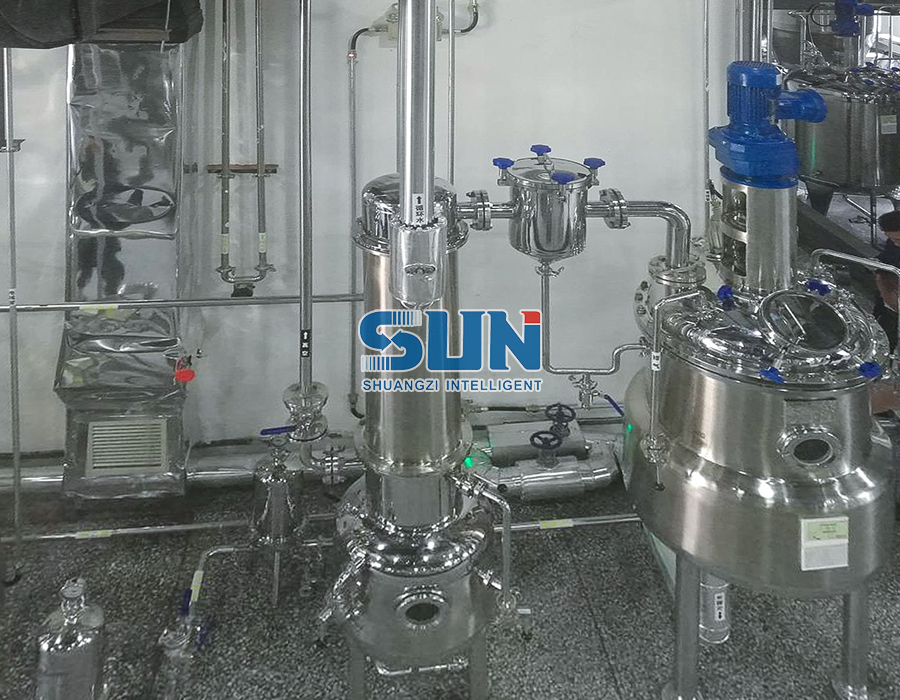
A Chemical Stainless Steel Stirred Tank Reactor is a closed vessel designed to facilitate controlled chemical reactions, mixing, heating, cooling, and other process operations. Its primary components include a cylindrical kettle body, a jacket for heat transfer, a stirring system to ensure uniform mixing of reactants, a transmission device to drive the agitator, a shaft sealing system to prevent leaks, and supports for stability. These reactors are engineered to handle a variety of reactants—from corrosive chemicals to sensitive pharmaceutical ingredients—while maintaining optimal process conditions.
Stirred tank reactors are classified based on their design, capacity, and heat transfer methods. The stainless steel construction is a critical differentiator, as it combines strength, corrosion resistance, and hygiene—qualities that make these reactors suitable for industries with strict regulatory requirements, such as pharmaceuticals and food processing.
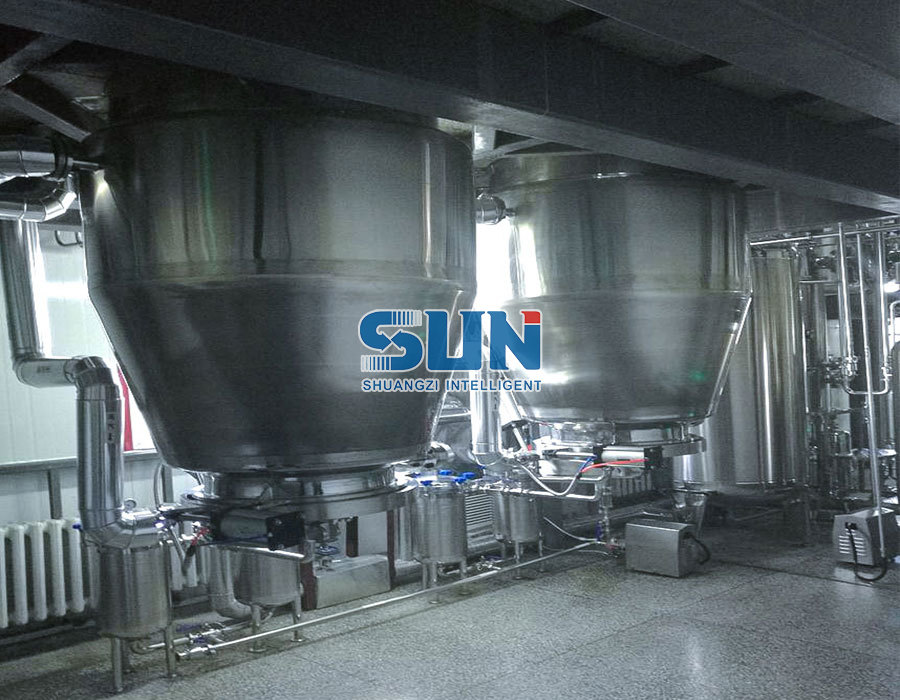
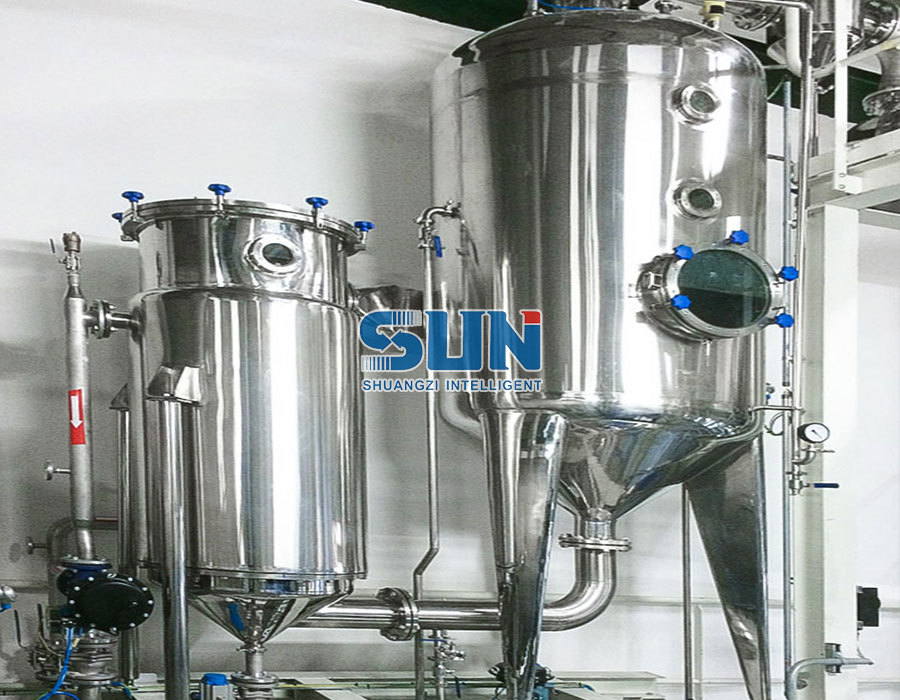
(Image 1: Schematic diagram of a Chemical Stainless Steel Stirred Tank Reactor, highlighting key components like the kettle body, jacket, agitator, and transmission system)Critical Advantages of Stainless Steel Stirred Tank Reactors
Stainless steel stirred tank reactors offer a host of advantages over alternative materials like glass-lined steel, plastic, or carbon steel. These benefits stem from the unique properties of stainless steel and the engineering precision that goes into their design.
1. Exceptional Corrosion Resistance
Stainless steel, particularly grades like 304 and 316L, contains chromium and nickel, which form a passive oxide layer on the surface. This layer prevents rusting and resists corrosion from a wide range of chemicals—including acids, alkalis, and organic solvents. For example, 316L stainless steel (containing molybdenum) is highly resistant to pitting and crevice corrosion, making it ideal for pharmaceutical synthesis and plant extraction processes where corrosive reactants are common. In contrast, glass-lined reactors are prone to cracking if subjected to thermal shock or mechanical impact, leading to leaks and contamination. Plastic reactors, while corrosion-resistant, have lower temperature and pressure limits, limiting their use in high-performance applications.
2. Hygiene and Compliance
For industries like pharmaceuticals, food, and cosmetics, hygiene is non-negotiable. Stainless steel reactors have smooth, non-porous surfaces that are easy to clean and sterilize. They do not leach chemicals into reactants, ensuring product purity. Moreover, these reactors can be designed to meet regulatory standards such as FDA’s CGMP (Current Good Manufacturing Practice) and GMP for pharmaceuticals, as well as EU food safety regulations. This compliance is critical for manufacturers seeking to market products globally.
3. Versatility in Process Operations
Stainless steel stirred tank reactors are adaptable to a wide range of process operations, including:
- Vulcanization, nitrification, hydrogenation, alkylation, polymerization, and condensation reactions (common in chemical and pharmaceutical industries)
- Heating and cooling (via jacket or internal coil systems)
- Liquid extraction and gas absorption
- Mixing of viscous or shear-sensitive materials (using custom agitator designs)
This versatility reduces the need for multiple specialized reactors, lowering capital and operational costs for manufacturers.
4. Durability and Longevity
Stainless steel is a robust material that can withstand high pressures, temperatures, and mechanical stress. Unlike glass-lined reactors, which are fragile, stainless steel reactors can handle frequent cleaning cycles, aggressive cleaning agents, and heavy-duty mixing without degradation. This durability translates to a longer service life, reducing total cost of ownership (TCO) compared to alternative materials. For example, a stainless steel reactor may last 15–20 years, whereas a glass-lined reactor may need replacement every 5–10 years due to wear and tear.
5. Efficient Heat Transfer
The jacket and internal coil systems of stainless steel reactors enable efficient heat transfer, which is critical for controlling reaction kinetics. Stainless steel’s high thermal conductivity ensures that heat is distributed evenly throughout the reactant mixture, reducing hotspots that can lead to product degradation or safety hazards. Additionally, the design of the jacket (e.g., dimpled jackets for enhanced heat transfer) further improves thermal performance, making these reactors suitable for exothermic or endothermic reactions that require precise temperature control.
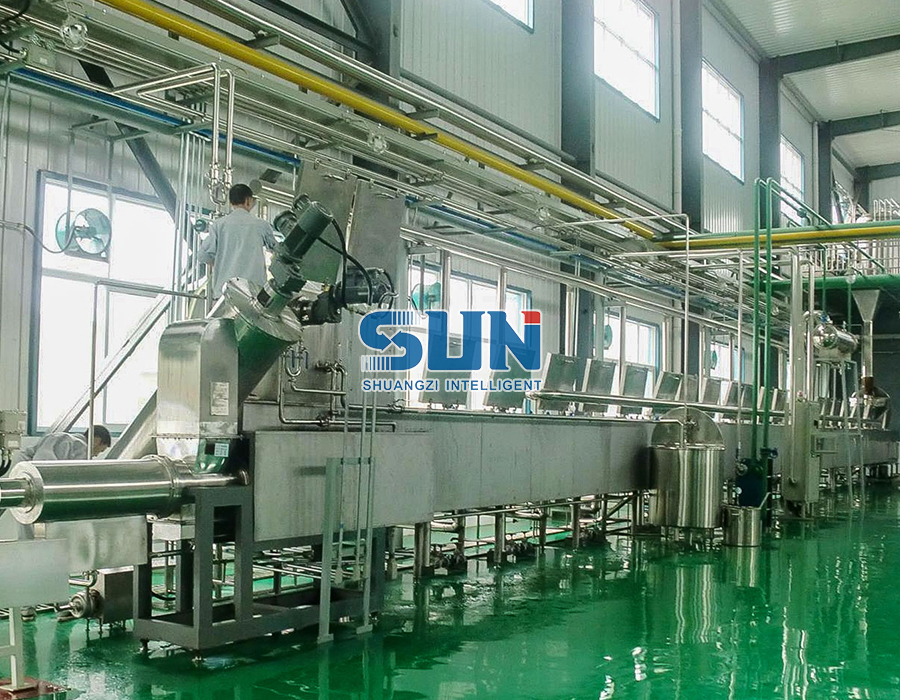
(Image 2: Comparative chart showing the advantages of stainless steel vs. glass-lined and plastic reactors across key metrics: corrosion resistance, temperature range, pressure capacity, hygiene, and longevity)Advanced Manufacturing Processes for Reactor Excellence
The performance and reliability of stainless steel stirred tank reactors depend heavily on the manufacturing processes used. A leading manufacturer in this field employs state-of-the-art techniques and strict quality control to ensure that each reactor meets or exceeds industry standards.
1. Material Selection: High-Grade Stainless Steel
The first step in manufacturing is selecting the right stainless steel grade. For pharmaceutical and food applications, 316L stainless steel is preferred due to its superior corrosion resistance and low carbon content (which prevents intergranular corrosion). For less corrosive environments, 304 stainless steel is a cost-effective option. All materials are sourced from reputable suppliers and undergo rigorous testing to verify their chemical composition and mechanical properties (e.g., tensile strength, yield strength).
2. Precision Welding: Ensuring Integrity
Welding is a critical process for reactor manufacturing, as it affects the vessel’s pressure resistance and leak-proofing. The manufacturer uses plasma argon arc welding (PAAW) for high-quality, clean welds. PAAW produces a narrow, deep weld bead with minimal heat-affected zones, reducing the risk of distortion and ensuring structural integrity. Welds are inspected using non-destructive testing (NDT) methods, including X-ray radiography and ultrasonic testing, to detect any defects (e.g., porosity, cracks) before proceeding to the next stage.
3. Machining and Finishing: Precision and Hygiene
After welding, the reactor components undergo precision machining using CAM CNC (Computer-Aided Manufacturing, Computer Numerical Control) centers. These machines ensure tight tolerances for critical parts like the agitator shaft, shaft seals, and jacket connections. Surface finishing is another key step: the inner surface of the reactor is polished to a mirror finish (Ra ≤ 0.8 μm) to prevent product buildup and facilitate easy cleaning. For pharmaceutical applications, electropolishing may be used to enhance surface smoothness and corrosion resistance.
4. Assembly and Testing: Validation of Performance
Once individual components are manufactured, they are assembled into the final reactor. The assembly process includes installing the agitator system, transmission device, shaft seal, and jacket. After assembly, the reactor undergoes a series of tests:
- Hydrostatic pressure testing: The inner and jacket layers are filled with water and pressurized to 1.5 times the maximum working pressure to check for leaks and structural integrity.
- Leak detection: Helium leak testing is performed for critical applications (e.g., pharmaceutical synthesis) to ensure zero emissions.
- Performance testing: The reactor is tested with a simulated reactant mixture to verify agitator speed, heat transfer efficiency, and mixing uniformity.
All test results are documented, and the reactor is only released for shipment if it meets all quality criteria.
5. Compliance with Regulatory Standards
The manufacturer’s facilities are designed to meet GMP and ISO 9001 standards. The pilot production workshop has a cleanroom environment for testing small-scale reactors, ensuring that new designs comply with regulatory requirements before full-scale production. This commitment to compliance gives customers confidence that the reactors will meet their industry’s strict standards.
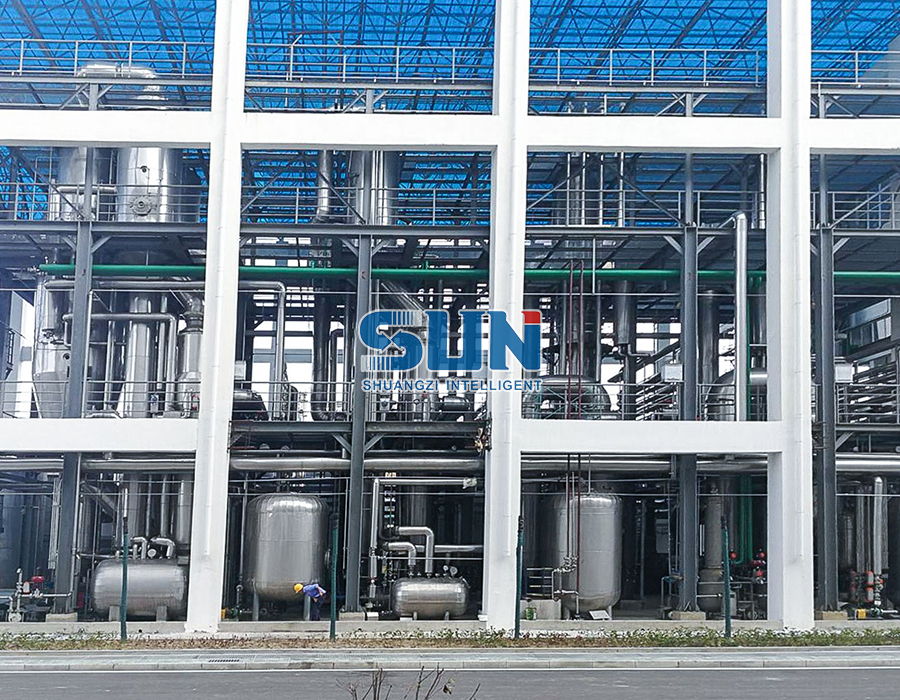
(Image3: Inside the manufacturer’s production facility, showing plasma argon arc welding of a reactor vessel and CAM CNC machining of an agitator shaft)Industry Applications and Use Cases
Stainless steel stirred tank reactors are used across a wide range of industries, each with unique process requirements. Below are some key applications:
1. Western Medicine Synthesis
In pharmaceutical manufacturing, reactors are used to synthesize active pharmaceutical ingredients (APIs) through reactions like alkylation, polymerization, and condensation. For example, a pharmaceutical company may use a 5000L stainless steel reactor to produce an antibiotic API. The reactor’s precise temperature control and corrosion resistance ensure that the reaction proceeds efficiently and the final product meets purity standards. Additionally, the smooth inner surface prevents cross-contamination between batches, which is critical for pharmaceutical production.
2. Plant Extraction
Plant extraction processes (e.g., extracting essential oils, herbal extracts) require reactors that can handle organic solvents (like ethanol or hexane) and maintain consistent temperatures. Stainless steel reactors are ideal for this application because they resist corrosion from solvents and can be equipped with cooling jackets to prevent solvent evaporation. For example, a herbal supplement manufacturer may use a 1000L reactor to extract ginseng extract, using a combination of heating and stirring to maximize yield.
3. Bio-Fermentation
Bio-fermentation processes (e.g., producing enzymes, vaccines, or bioplastics) require reactors that can maintain sterile conditions and control pH, temperature, and dissolved oxygen levels. Stainless steel reactors are designed with aseptic seals and smooth surfaces to prevent microbial contamination. The agitator system can be customized to provide gentle mixing for shear-sensitive microorganisms. For example, a biotech company may use a 2000L reactor to ferment yeast for enzyme production, using a frame-type agitator to ensure uniform mixing without damaging the yeast cells.
4. Food Processing
In the food industry, reactors are used for processes like fermentation (e.g., brewing beer, making yogurt), mixing (e.g., producing sauces or syrups), and pasteurization. Stainless steel’s hygiene and corrosion resistance make it ideal for these applications. For example, a dairy company may use a 3000L reactor to ferment milk into yogurt, using a jacketed system to cool the milk to the optimal fermentation temperature (around 43°C).
5. Chemical and Petrochemical Industries
Chemical and petrochemical companies use stainless steel reactors for processes like polymerization (e.g., producing plastics), hydrogenation (e.g., refining petroleum), and nitrification (e.g., producing fertilizers). The reactors’ ability to handle high pressures and corrosive chemicals makes them suitable for these harsh environments. For example, a petrochemical company may use a 10000L reactor to hydrogenate crude oil, reducing its sulfur content to meet environmental standards.
Detailed Product Specifications
Stainless steel stirred tank reactors are available in a range of models to suit different process requirements. Below is a table of key specifications for a series of reactors (LP300 to LP10000):
| Parameter/Model | LP300 | LP400 | LP500 | LP600 | LP1000 | LP2000 | LP3000 | LP5000 | LP10000 |
|---|---|---|---|---|---|---|---|---|---|
| Capacity (L) | 300 | 400 | 500 | 600 | 1000 | 2000 | 3000 | 5000 | 10000 |
| Work Pressure (Inner Layer) | ≦0.6Mpa | ||||||||
| Work Pressure (Jacket Layer) | ≦0.8Mpa | ||||||||
| Motor Power (kw) | 1.1 | 1.5 | 2.2 | 2.2 | 3 | 3 | 3 | 5.5 | 7.5 |
| Agitator Speed | 0-200r/min | ||||||||
| Dimension (mm) | 900*2200 | 1000*2200 | 1150*2400 | 1150*2500 | 1400*2700 | 1580*3000 | 1580*3300 | 2050*4200 | 2500*5000 |
| Heat Exchange Area (m²) | 2 | 2.4 | 2.7 | 3.1 | 4.5 | 7.5 | 7.5 | 10.4 | 20.2 |
Key notes on specifications:
- All models have a maximum inner layer pressure of 0.6Mpa and jacket layer pressure of 0.8Mpa, making them suitable for most industrial applications.
- Agitator speed is adjustable from 0 to 200r/min, allowing customization for different mixing requirements (e.g., low speed for shear-sensitive materials, high speed for viscous mixtures).
- Heat exchange area increases with capacity, ensuring efficient temperature control even for large-scale reactors.
Customization options are available for all models, including:
- Agitator types: anchor, paddle, turbine, screw belt, push, or frame type (depending on mixing needs).
- Heating methods: hot water, thermal oil circulation, or steam heating.
- Cooling methods: jacket cooling or internal coil cooling.
- Additional features: temperature sensors, pressure gauges, sampling ports, and automation systems (e.g., PLC control for precise process monitoring).
Frequently Asked Questions (Q&A)
Below are answers to common questions about stainless steel stirred tank reactors:
Q1: What materials are used in the construction of these reactors?
A: The reactors are primarily made from high-grade stainless steel, including 304 and 316L grades. 304 is suitable for general industrial applications, while 316L (containing molybdenum) is preferred for pharmaceutical, food, and corrosive chemical processes due to its superior corrosion resistance and low carbon content.
Q2: Can the reactors be customized to meet specific industry requirements?
A: Yes, full customization is available. Options include selecting the agitator type (e.g., anchor, turbine), heating/cooling methods (e.g., thermal oil, steam), adding automation systems (PLC control), and adjusting dimensions or pressure ratings to meet unique process needs. The manufacturer also provides engineering support to design reactors for specific applications (e.g., aseptic fermentation for biotech).
Q3: How do these reactors ensure hygiene for pharmaceutical and food applications?
A: The inner surface of the reactor is polished to a mirror finish (Ra ≤ 0.8 μm) to prevent product buildup and facilitate easy cleaning. For pharmaceutical applications, electropolishing may be used to enhance surface smoothness and corrosion resistance. Additionally, the reactors are designed with no dead corners (areas where product can accumulate) and use aseptic seals to prevent microbial contamination. All manufacturing processes comply with GMP and FDA standards.
Q4: What after-sales support is available?
A: The manufacturer provides comprehensive after-sales support, including installation guidance, operator training, maintenance services, and spare parts supply. For critical applications, the company offers on-site service to resolve issues quickly. Additionally, a warranty is provided for all reactors, covering defects in materials and workmanship for a specified period.
Q5: How do stainless steel reactors compare to glass-lined reactors?
A: Stainless steel reactors offer several advantages over glass-lined reactors: they are more durable (resistant to thermal shock and mechanical impact), have a wider range of compatible chemicals (no risk of glass degradation from strong alkalis), and are easier to clean (smooth stainless steel surface vs. porous glass). While glass-lined reactors may have lower initial costs, stainless steel reactors have a longer service life and lower total cost of ownership (TCO) due to reduced maintenance and replacement costs.
Q6: Are the reactors suitable for high-temperature and high-pressure applications?
A: Yes, the reactors are designed to handle temperatures up to the maximum limit of the heating/cooling medium (e.g., up to 300°C for thermal oil) and pressures up to 0.6Mpa (inner layer) and 0.8Mpa (jacket layer). For higher pressure requirements, custom designs are available upon request, with pressure ratings up to 10Mpa (depending on the application).
Conclusion
Chemical Stainless Steel Stirred Tank Reactors are a versatile and reliable solution for a wide range of industrial processes. Their unique combination of corrosion resistance, hygiene, durability, and versatility makes them ideal for industries like pharmaceuticals, food, bio-fermentation, and chemicals. Advanced manufacturing processes—including precision welding, CNC machining, and rigorous testing—ensure that these reactors meet the highest standards of quality and performance. With customizable options and comprehensive after-sales support, they provide a cost-effective solution for manufacturers seeking to optimize their process efficiency and product quality.
As industrial processes continue to evolve, stainless steel stirred tank reactors will remain a critical component of modern manufacturing, driving innovation and enabling the production of high-quality products across sectors.
References
- ASME Boiler and Pressure Vessel Code, Section VIII, Division 1: Rules for Construction of Pressure Vessels, 2023 Edition.
- U.S. Food and Drug Administration (FDA). Current Good Manufacturing Practice (CGMP) for Finished Pharmaceuticals; 21 CFR Parts 210 and 211; 2022.
- Stainless Steel Development Association (SSDA). Stainless Steel Properties for Process Equipment: A Guide for Industrial Users; 2021.
- International Society for Pharmaceutical Engineering (ISPE). Good Automated Manufacturing Practice (GAMP) Guide Version 5.0; 2019.
- Chemical Engineering Progress. Optimizing Stirred Tank Reactor Design for Industrial Applications; Volume 118, Issue 5; 2022.
- European Food Safety Authority (EFSA). Guidelines on Hygiene Requirements for Food Processing Equipment; 2020.
- American Petroleum Institute (API). Standard 598: Valves—Pressure Testing; 2021.