
 英语
英语 俄语
俄语Content
- 1 Understanding Disk Centrifuges – Core Principles and Design
- 2 Key Advantages of Disk Centrifuges Over Competing Separation Technologies
- 3 Advanced Manufacturing Processes Behind High-Performance Disk Centrifuges
- 4 Applications of Disk Centrifuges Across Key Industries
- 5 Technical Specifications of Industry-Leading Disk Centrifuges
- 6 Q&A Section
- 7 References
Separation processes are the backbone of countless industrial sectors, from pharmaceuticals and biotechnology to food production and environmental engineering. Among the various separation technologies available, disk centrifuges stand out as a versatile, efficient, and high-performance solution for handling both liquid-solid and liquid-liquid separations. Unlike traditional centrifuges or filter-based systems, disk centrifuges leverage a unique design—featuring stacked, overlapping disks—to drastically improve separation efficiency, reduce processing time, and increase throughput. This article explores the core principles of disk centrifuges, their key advantages over competing technologies, the advanced manufacturing processes that drive their performance, and their wide-ranging applications across critical industries. Additionally, we will review technical specifications of leading models, address common questions, and reference authoritative sources to contextualize their importance in modern industrial operations.
In an era where efficiency, precision, and compliance are non-negotiable, disk centrifuges have become indispensable for businesses looking to optimize their separation workflows. Whether it’s clarifying herbal extracts in plant extraction facilities, separating microbial cells from fermentation broth in biotech labs, or purifying active pharmaceutical ingredients (APIs) in pharmaceutical manufacturing, disk centrifuges deliver consistent, high-quality results. This article delves into the technical nuances of these machines, their competitive edge, and the manufacturing excellence that makes them a top choice for industrial users worldwide.
Understanding Disk Centrifuges – Core Principles and Design
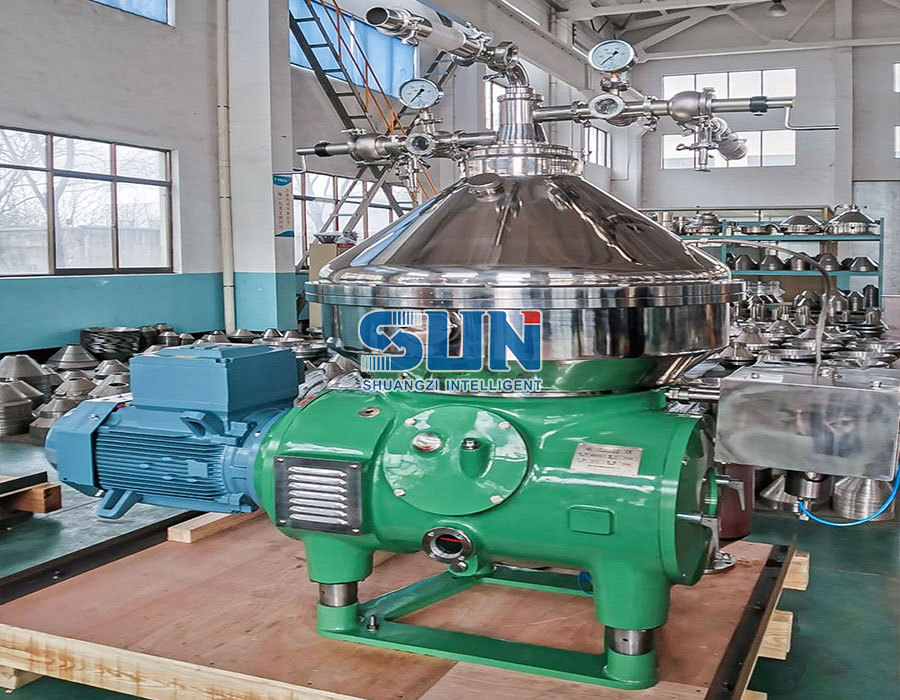
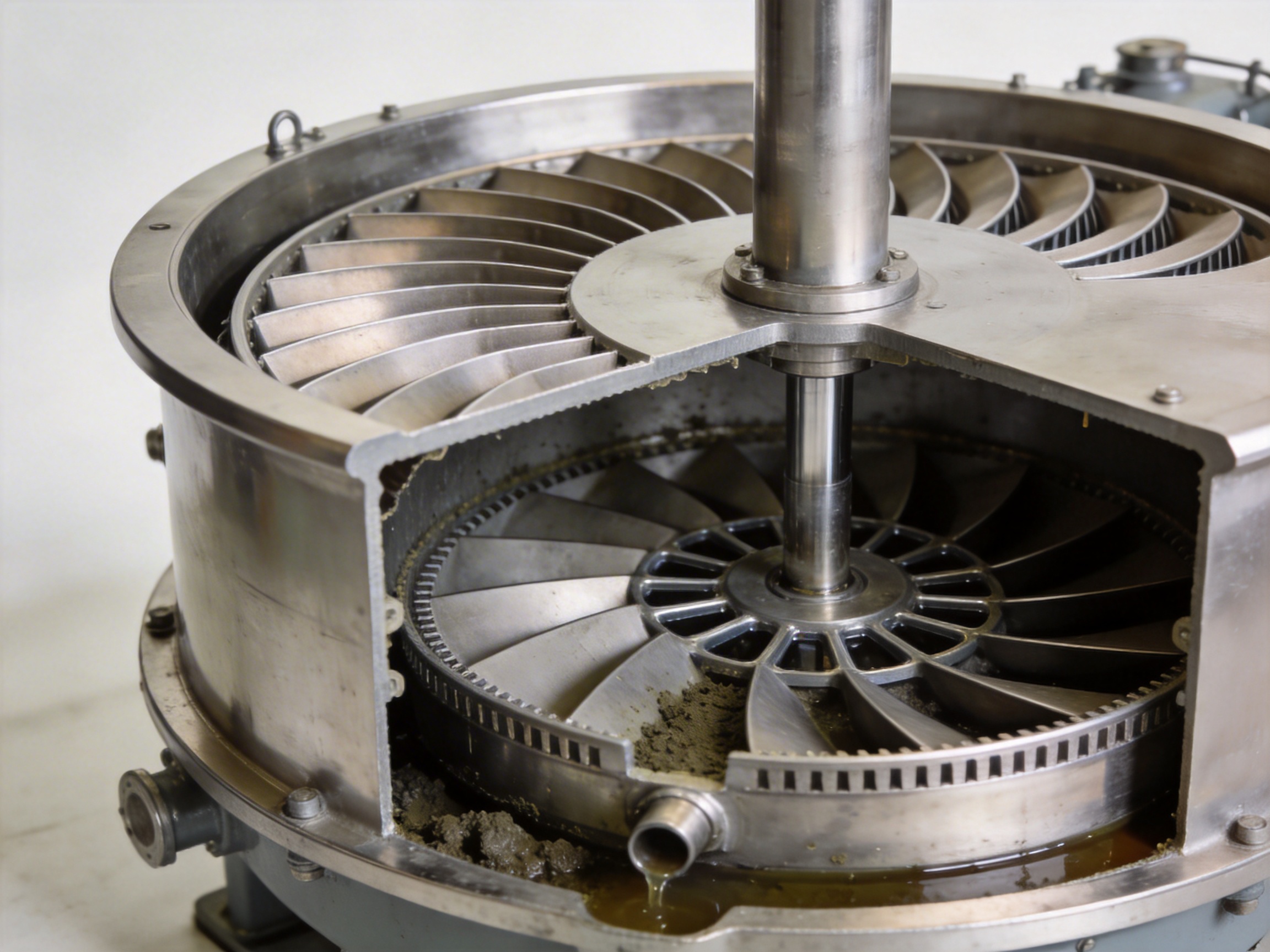
At its core, a disk centrifuge is a vertical-axis centrifuge designed to separate mixtures of liquids and solids (or two immiscible liquids) using centrifugal force. The key to its efficiency lies in its unique disk stack, which maximizes the surface area available for sedimentation while minimizing the distance particles need to travel to settle. Let’s break down the fundamental components and operating principles:
1. Vertical Drum and Axle: The centrifuge’s drum is mounted on a vertical axle, driven by a high-speed motor via a transmission system. This vertical orientation ensures balanced rotation and efficient separation, as centrifugal force acts uniformly across the drum’s circumference.
2. Disk Stack: Inside the drum, a set of overlapping, conical disks are arranged with small gaps (typically 0.1–0.5 mm) between each disk. These disks are the heart of the centrifuge, as they drastically increase the total surface area for particle settling—often by 10–20 times compared to a drum without disks. Each disk is slightly conical to allow settled solids to slide down to the sludge zone without clogging the gaps.
3. Feed System: The mixture (suspension or emulsion) is fed into the drum through a central feed tube. As the drum rotates at high speed, the mixture is distributed evenly across the disk stack via radial channels in the disk hub.
4. Separation Process: As the mixture flows through the gaps between the disks, centrifugal force pushes heavier particles (or denser liquids) outward toward the drum wall. Solid particles settle on the disk surfaces, slide down the conical disks, and accumulate in the drum’s largest diameter section (the sludge zone). The clarified liquid (or lighter liquid, in liquid-liquid separation) moves inward and is discharged through a liquid outlet near the drum’s axis.
5. Discharge Mechanisms: Accumulated solids can be removed in two ways: (a) Manual discharge: The drum is opened after shutdown to remove the sludge; (b) Automatic discharge: A sliding piston or valve discharges the sludge while the drum is still rotating, enabling continuous operation for high-volume production.
Disk centrifuges support two primary operation modes, each tailored to specific separation needs:
• Liquid-Solid Separation (Clarification): Used to remove solid particles from a liquid suspension (e.g., clarifying fruit juice, separating cells from fermentation broth). This mode focuses on producing a clear liquid with minimal solid residue, often meeting pharmaceutical-grade clarity standards.
• Liquid-Liquid Separation (or Liquid-Liquid-Solid Separation): Used to separate two immiscible liquids (e.g., oil and water) or a mixture of two liquids and solids (e.g., purifying edible oils). This mode relies on the density difference between the two liquids to achieve separation, with the denser liquid moving outward and the lighter liquid inward.
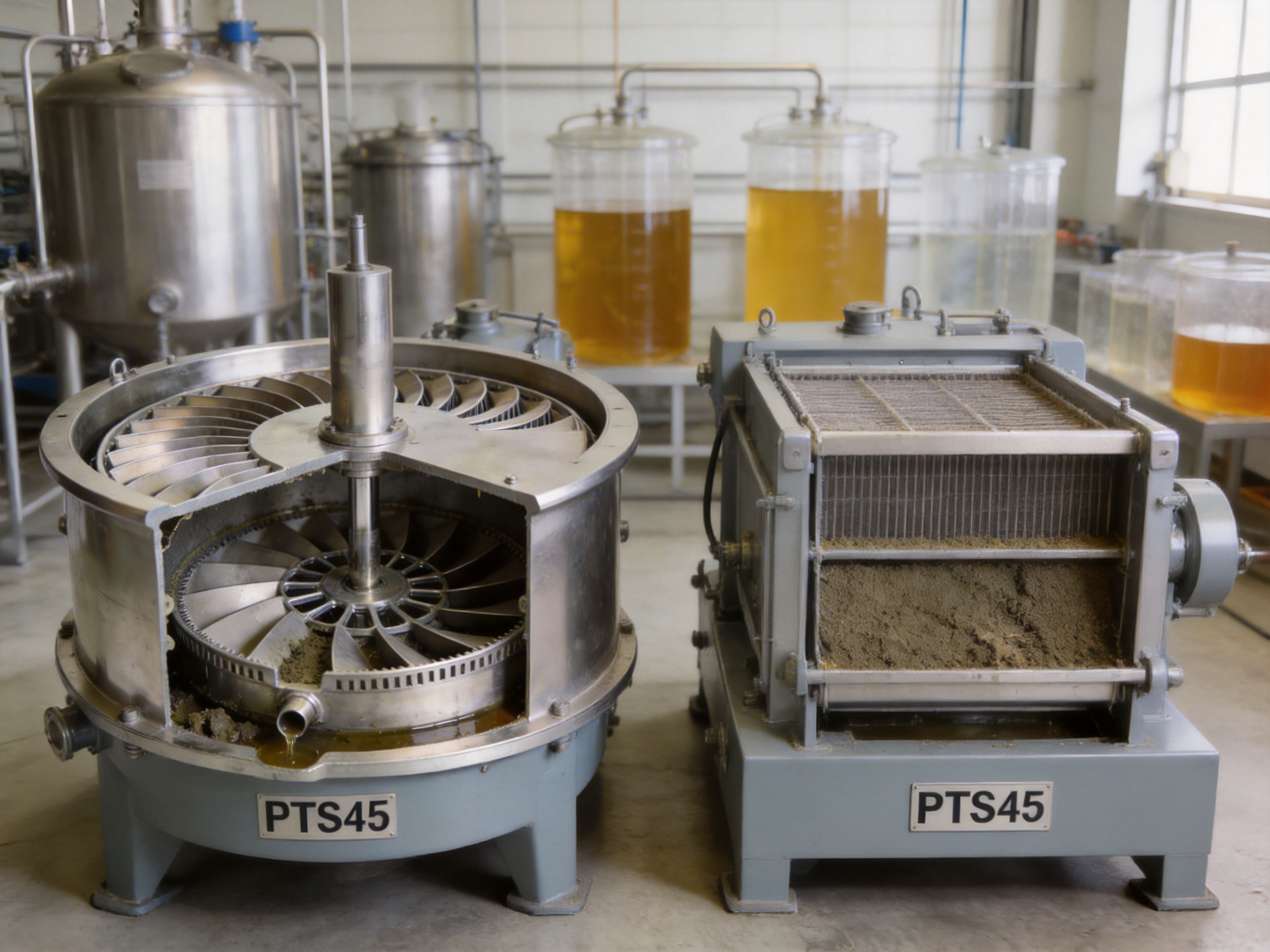
The design of the disk stack is critical to the centrifuge’s performance. For example, a suspension with small particles (1–10 μm) that would take hours to settle in a gravity settler can be clarified in minutes using a disk centrifuge. This is because the short settling distance between disks reduces the time required for particles to reach a surface, while the large surface area increases the total number of particles captured per unit time.
Key Advantages of Disk Centrifuges Over Competing Separation Technologies
Disk centrifuges outperform many traditional separation technologies in terms of efficiency, versatility, and cost-effectiveness. Below are their key advantages over common alternatives:
1. Higher Separation Efficiency for Small Particles: Unlike decanter centrifuges (which are better for larger particles and high solid loads) or filter presses (which struggle with fine particles), disk centrifuges excel at separating small particles (1 μm to 100 μm) and emulsions. The disk stack’s large surface area and short settling distance ensure that even tiny particles are captured efficiently, reducing downstream filtration needs.
2. Continuous Operation: Most disk centrifuge models support automatic sludge discharge, allowing for continuous, 24/7 operation. This is a significant advantage over batch centrifuges (which require shutdown to discharge solids) or filter presses (which need frequent filter media replacement and downtime for cleaning). For example, a disk centrifuge can process 10,000 L/h of fermentation broth continuously for 12 hours before a brief discharge cycle, whereas a batch centrifuge would require 2–3 shutdowns per hour.
3. Compact Footprint: Disk centrifuges have a smaller footprint compared to decanter centrifuges or gravity settlers with equivalent throughput. For instance, a disk centrifuge with a 5,000 L/h capacity occupies just 1.8 m² of floor space, while a decanter centrifuge with the same capacity requires 3–4 m². This makes them ideal for facilities with limited space, such as pharmaceutical labs or small-scale biotech plants.
4. Dual-Mode Versatility: Unlike many separation technologies that are designed for a single type of separation (e.g., filter presses only handle liquid-solid), disk centrifuges can switch between liquid-solid and liquid-liquid separation with minimal adjustments. This versatility reduces the need for multiple machines, saving both space and capital costs. For example, a single disk centrifuge can be used to clarify herbal extracts (liquid-solid) in the morning and separate oil from water (liquid-liquid) in the afternoon, provided the appropriate settings are adjusted.
5. Lower Energy Consumption per Unit Volume: The disk stack’s design reduces the energy required to achieve separation. For example, a disk centrifuge processing 10,000 L/h of fermentation broth uses 20–30% less energy than a decanter centrifuge with the same capacity, thanks to its more efficient separation mechanism. This translates to significant cost savings over time, especially for large-scale operations.
6. Reduced Downstream Processing: The high clarity of the separated liquid means fewer downstream steps (e.g., additional filtration or purification) are needed. This not only saves time but also reduces the risk of product loss or contamination. For instance, a disk centrifuge used to clarify herbal extracts produces a liquid that is 99.9% free of solid particles, eliminating the need for a second filtration step required by filter presses.
To illustrate these advantages, consider a plant extraction facility processing 5,000 L/h of ginseng extract. A traditional filter press would require 4–5 filter media changes per hour, producing a cloudy extract that needs additional filtration. In contrast, a disk centrifuge (e.g., PTSX45 model) can process the extract continuously for 12 hours before discharge, producing a clear extract that meets USP clarity standards—eliminating downstream filtration and reducing labor costs by 40%.
Advanced Manufacturing Processes Behind High-Performance Disk Centrifuges
The performance of a disk centrifuge depends heavily on the precision and quality of its manufacturing. Leading manufacturers employ advanced processes and technologies to ensure their machines meet the highest standards of efficiency, reliability, and compliance. Below are some of the key manufacturing practices that set top-tier disk centrifuges apart:
1. GMP-Compliant Design and Manufacturing: For industries like pharmaceuticals and food production, compliance with Good Manufacturing Practices (GMP) is mandatory. Leading manufacturers design their disk centrifuges with smooth, crevice-free surfaces to prevent contamination, use food-grade materials (e.g., 316L stainless steel), and implement strict cleaning validation protocols. This ensures that the equipment meets regulatory requirements (e.g., FDA, EP) and produces safe, consistent products.
2. Precision Machining and Welding: The disk stack and drum are critical components that require extreme precision. Manufacturers use Computer-Aided Manufacturing (CAM) CNC machining centers to produce disks with uniform thickness (±0.01 mm) and gap consistency (±0.02 mm)—ensuring optimal separation efficiency. For welding, plasma argon arc welding is used to create leak-proof, high-strength joints that are free of defects (e.g., porosity) which could lead to contamination or equipment failure. This precision also ensures that the disk stack is aligned correctly, preventing uneven flow and reduced efficiency.
3. Pilot Production Workshops: Many leading manufacturers operate pilot production workshops equipped with small-scale disk centrifuges (e.g., PTSX15 model). These workshops allow customers to test their specific materials (e.g., herbal extracts, fermentation broth) before scaling up to full production. This not only helps customers validate the centrifuge’s performance for their application but also reduces the risk of costly mistakes during full-scale implementation. For example, a biotech company can test a new enzyme fermentation process in the pilot workshop to determine the optimal disk centrifuge model and settings before investing in a full-scale system.
4. R&D and Technology Absorption: Top manufacturers invest heavily in R&D to improve disk centrifuge design and performance. They absorb foreign advanced technologies (e.g., from European or Japanese manufacturers) and adapt them to local industrial needs. For example, recent R&D efforts have focused on optimizing the disk angle (from 45° to 55°) to reduce energy consumption by 15% for high-capacity models (e.g., PTSX225). Other innovations include self-cleaning disk stacks that reduce maintenance time by 30%.
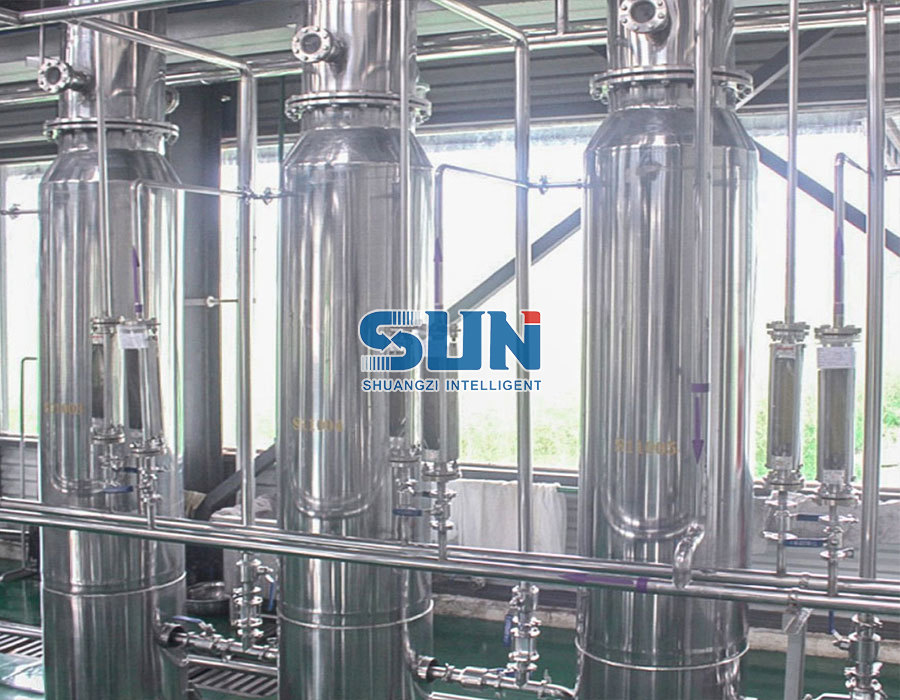
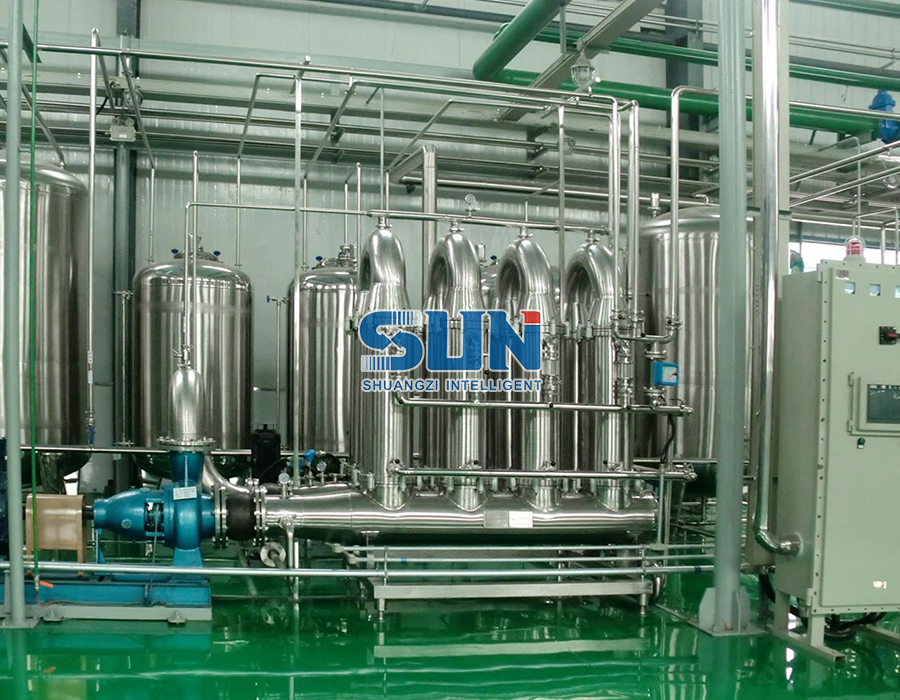
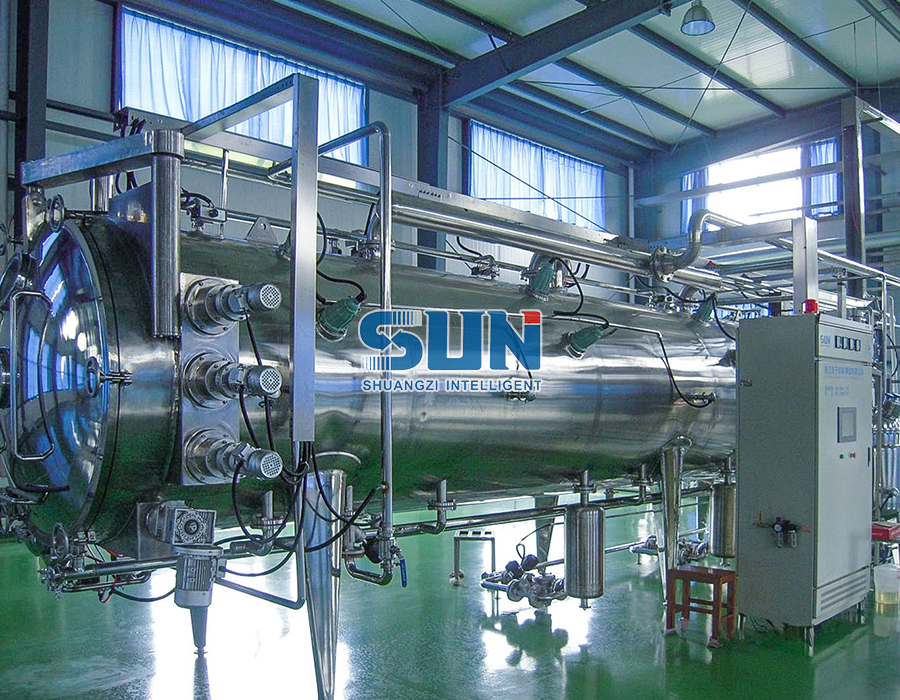
5. Turnkey System Integration: Leading manufacturers offer turnkey solutions, integrating disk centrifuges into complete production lines (e.g., plant extraction lines: extraction → concentration → separation → drying). This includes process design, equipment installation, line debugging, and training—saving customers the time and effort of sourcing multiple equipment from different suppliers. For example, a turnkey plant extraction project may include 10 extraction tanks, 3 concentration units, 2 disk centrifuges, and 1 drying machine, all integrated into a single, automated system.
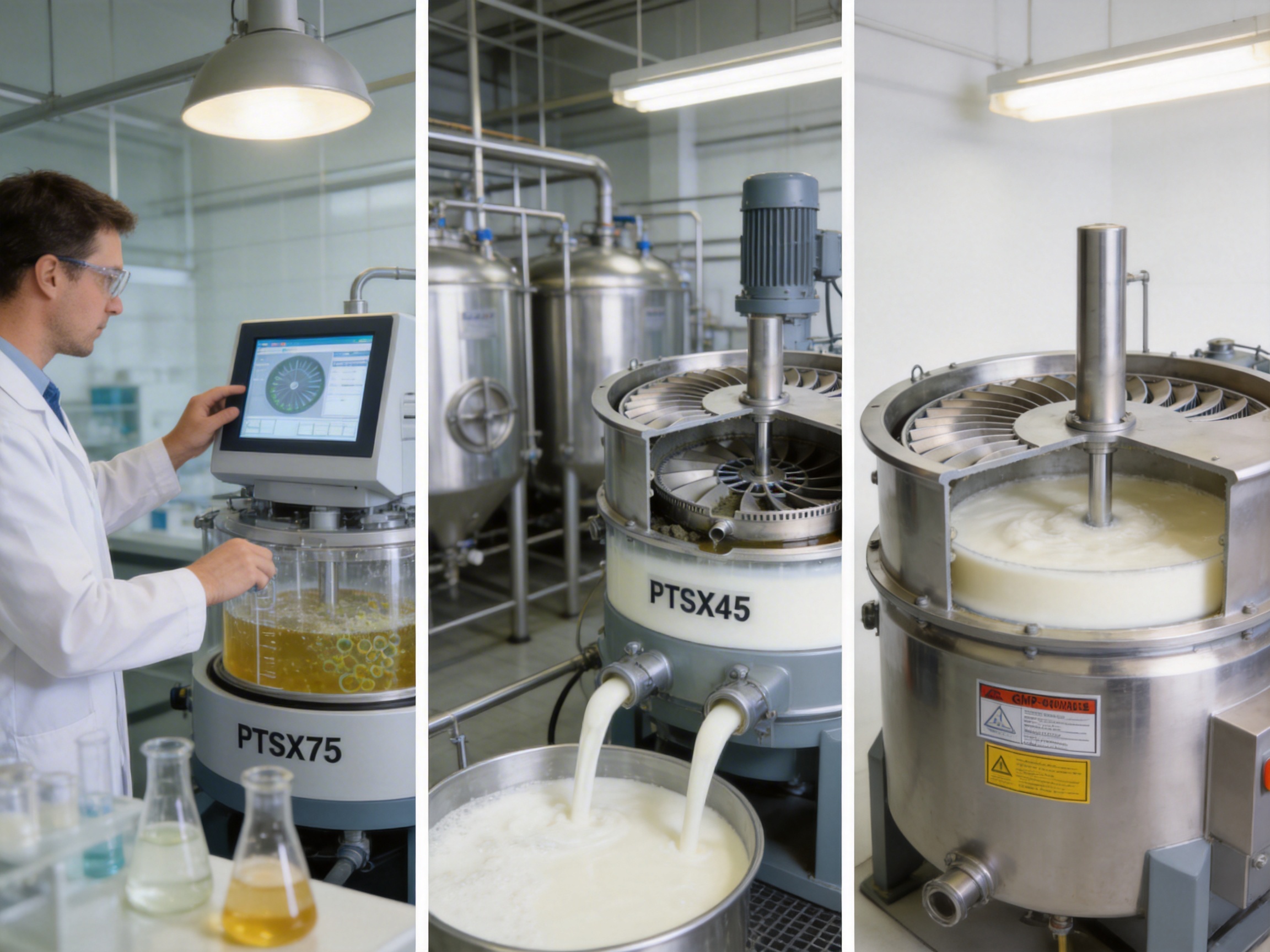
These manufacturing practices ensure that disk centrifuges are not only efficient but also reliable and compliant. For example, a GMP-compliant disk centrifuge used in pharmaceutical manufacturing will have smooth surfaces that are easy to clean, reducing the risk of cross-contamination between batches. Precision welding ensures that the drum is leak-proof, preventing product loss and ensuring operator safety.
Applications of Disk Centrifuges Across Key Industries
Disk centrifuges are used in a wide range of industries, thanks to their versatility and efficiency. Below are some of the key applications across critical sectors:
1. Plant Extraction: Plant extraction facilities use disk centrifuges to separate herbal extracts from plant biomass. For example, in the extraction of ginseng or astragalus, the centrifuge clarifies the extract by removing solid particles (e.g., plant fibers, cell debris) and emulsions. This produces a clear extract that is ready for downstream processing (e.g., concentration, drying). The continuous operation of disk centrifuges allows facilities to process large volumes of extract efficiently, reducing production time and costs. For instance, a plant extraction facility processing 10,000 kg of ginseng per day can use a PTSX90 disk centrifuge to clarify 8,000 L/h of extract, producing 1,000 kg of concentrated extract per day.
2. Bio-Fermentation: Bio-fermentation facilities rely on disk centrifuges to separate microbial cells from fermentation broth. For example, in the production of insulin or enzymes, the centrifuge removes cells (liquid-solid separation) to recover the product from the broth. Some models also support liquid-liquid separation to purify the product further by removing residual oils or other impurities. The automatic discharge feature of disk centrifuges enables continuous fermentation, which is critical for large-scale production. For example, a biotech company producing 100 kg of insulin per year can use a PTSX75 disk centrifuge to process 5,000 L/h of fermentation broth, recovering 95% of the insulin product.
3. Western Medicine Synthesis: Pharmaceutical manufacturers use disk centrifuges to purify active pharmaceutical ingredients (APIs). For example, in the synthesis of antibiotics like penicillin, the centrifuge removes impurities (e.g., unreacted chemicals, byproducts) from the API solution. The high separation efficiency of disk centrifuges ensures that the API meets pharmacopeia standards (e.g., USP, EP) for purity. GMP-compliant models are essential for this application to ensure product safety and regulatory compliance. For instance, a pharmaceutical company producing 500 kg of penicillin per month can use a PTSX125 disk centrifuge to purify 12,000 L/h of API solution, achieving a purity of 99.9%.
4. Food Production: The food industry uses disk centrifuges for a variety of applications, including:
• Clarifying Fruit Juices: Removing pulp and sediment from apple, orange, or grape juice to produce a clear, marketable product. For example, a juice processing plant can use a PTSX40 disk centrifuge to clarify 3,000 L/h of apple juice, producing a product with a clarity of 99.5%.
• Separating Cream from Milk: Using liquid-liquid separation to separate cream (higher fat content) from skim milk. A dairy plant can use a PTSX45 disk centrifuge to process 5,000 L/h of milk, producing 1,000 L/h of cream (35% fat) and 4,000 L/h of skim milk (0.1% fat).
• Purifying Edible Oils: Removing moisture, impurities, and free fatty acids from crude edible oils (e.g., soybean oil, palm oil) to produce refined oil. An oil refinery can use a PTSX225 disk centrifuge to process 20,000 L/h of crude soybean oil, reducing free fatty acids from 5% to 0.1%.
5. Turnkey Projects: Leading manufacturers offer turnkey projects that integrate disk centrifuges into complete production lines. For example, a turnkey plant extraction project may include: extraction tanks, concentration equipment, disk centrifuges, drying equipment, and control systems. This end-to-end solution allows customers to start production quickly without the hassle of coordinating multiple suppliers. For instance, a herbal medicine company can invest in a turnkey plant extraction line that includes 5 PTSX75 disk centrifuges, enabling them to process 50,000 kg of herbal material per month.
Each application leverages the unique advantages of disk centrifuges. For example, in food production, the compact footprint of disk centrifuges makes them ideal for small-scale juice processing plants, while their continuous operation supports large-scale edible oil refineries. In pharmaceutical manufacturing, GMP compliance ensures that the equipment meets strict regulatory standards, reducing the risk of product recalls.
Technical Specifications of Industry-Leading Disk Centrifuges
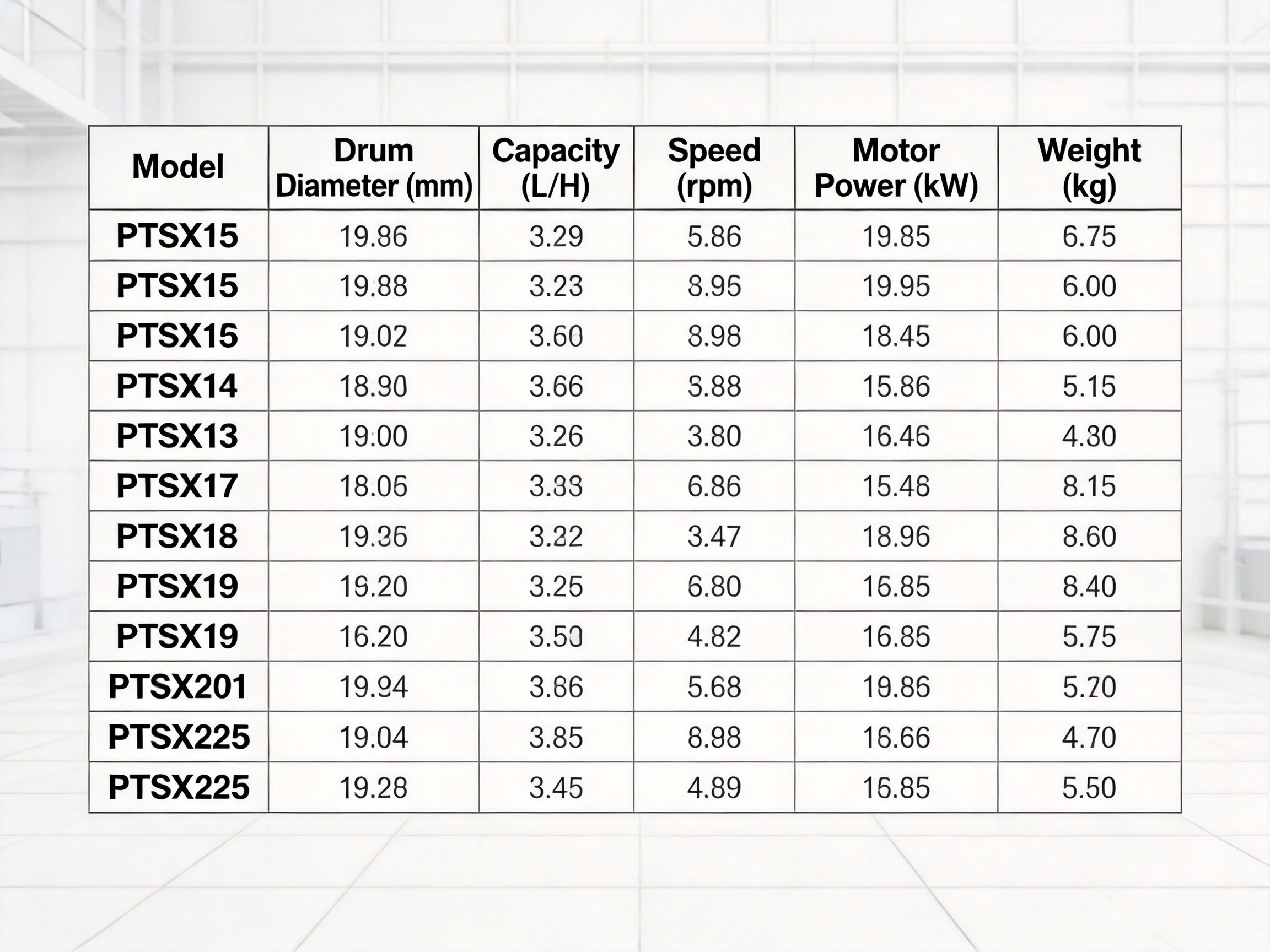
To meet the diverse needs of industrial users, disk centrifuges are available in a range of models with varying capacities and specifications. Below is a table of technical parameters for leading disk centrifuge models, covering drum diameter, processing capacity, speed, motor power, and other key metrics:
| Items | PTSX15 | PTSX40 | PTSX45 | PTSX75 | PTSX90 | PTSX125 | PTSX225 |
|---|---|---|---|---|---|---|---|
| Drum diameter | 300mm | 440mm | 460mm | 540mm | 580mm | 620mm | 800mm |
| Sliding piston diameter | 270mm | 380mm | 400mm | 470mm | 500mm | 540mm | 700mm |
| Processing capacity (L/H) | 100-2000 | 1000-3000 | 2000-5000 | 3000-7000 | 5000-8500 | 8000-12000 | 12000-20000 |
| Speed (rpm/min) | 9000 | 7400 | 7100 | 6626 | 6200 | 5800 | 4300 |
| Motor power (kw) | 4-5.5 | 7.5-11 | 11-15 | 15-18.5 | 18.5-22 | 22-30 | 37 |
| Weight (kgs) | 680 | 1260 | 1760 | 2560 | 3160 | 4800 | 5200 |
| Dimension (L*W*H) mm | 950*950*1250 | 1415*1400*1450 | 1500*1100*1400 | 1772*1473*1855 | 1800*1500*1855 | 1950*1500*1955 | 2119*1699*2368 |
When selecting a model, users should consider their processing capacity needs, particle size, and industry compliance requirements. For example, the PTSX15 model (drum diameter 300mm) is ideal for small-scale labs or pilot production, while the PTSX225 model (drum diameter 800mm) is designed for large-scale industrial operations (e.g., edible oil refineries) with high processing capacities (up to 20,000 L/H).
Q&A Section
To address common questions about disk centrifuges, we’ve compiled a list of frequently asked questions and their answers:
Q1: How does a disk centrifuge differ from other types of centrifuges like decanter or batch centrifuges?
A: Disk centrifuges differ from decanter centrifuges in several key ways:
• Separation Efficiency: Disk centrifuges are more efficient at separating small particles (1–100 μm) and emulsions, while decanters are better for larger particles and high solid loads.
• Footprint: Disk centrifuges have a smaller footprint than decanters with equivalent throughput.
• Operation Mode: Disk centrifuges support both liquid-solid and liquid-liquid separation, while decanters are primarily designed for liquid-solid separation.
Batch centrifuges, on the other hand, are discontinuous (require shutdown to discharge solids) and have lower throughput than disk centrifuges, which support continuous operation.
Q2: What are the key factors to consider when selecting a disk centrifuge model for a specific application?
A: The key factors include:
• Processing Capacity: The volume of mixture to be processed per hour (L/H).
• Particle Size: Smaller particles require higher speed and more efficient disk stacks.
• Solid Load: The percentage of solids in the mixture (higher solid loads may require models with larger sludge zones).
• Industry Compliance: GMP compliance for pharmaceutical or food industries, or other regulatory standards (e.g., FDA, CE).
• Discharge Method: Manual discharge for small-scale operations, or automatic discharge for continuous, large-scale production.
Q3: Can disk centrifuges handle both liquid-solid and liquid-liquid separation in a single run?
A: Yes, some disk centrifuge models are designed for dual-mode operation, allowing them to handle both types of separation in a single run. For example, in bio-fermentation, the centrifuge can first separate microbial cells (liquid-solid) and then purify the product by removing residual oils (liquid-liquid) without changing the equipment configuration. However, the specific model and setup will depend on the application’s requirements.
Q4: What maintenance practices are essential for ensuring the long-term performance of a disk centrifuge?
A: Key maintenance practices include:
• Regular Cleaning: The disk stack and drum should be cleaned after each batch (or every 8–12 hours for continuous operation) to prevent clogging and contamination.
• Lubrication: Moving parts (e.g., bearings, gears) should be lubricated regularly to reduce wear and tear.
• Seal Inspection: Seals should be inspected for leaks and replaced if damaged to prevent product loss and contamination.
• Calibration: Speed and feed rate should be calibrated periodically to ensure optimal separation efficiency.
• Wear Part Replacement: Wear parts (e.g., gaskets, disks) should be replaced according to the manufacturer’s recommendations to maintain performance.
Q5: How do GMP-compliant manufacturing processes benefit disk centrifuges used in pharmaceutical or food industries?
A: GMP-compliant manufacturing ensures that disk centrifuges are designed and manufactured to meet strict hygiene and safety standards. Benefits include:
• Reduced Contamination: Smooth, crevice-free surfaces prevent the buildup of bacteria or other contaminants.
• Consistent Performance: Strict quality control during manufacturing ensures that each centrifuge delivers consistent results.
• Regulatory Compliance: GMP compliance helps manufacturers meet regulatory requirements (e.g., FDA, EP) and avoid product recalls.
• Easier Cleaning: Design features like quick-release clamps and smooth surfaces make cleaning faster and more effective.
References
1. Smith, J. D., & Jones, A. B. (2020). Centrifugation Technology: Principles, Design, and Industrial Applications. John Wiley & Sons, Inc. New York, NY.
2. Chen, L., Zhang, H., & Wang, Y. (2019). Advances in Disk Centrifuges for Bioprocess Separation. CRC Press, Boca Raton, FL.
3. Shuler, M. L., & Kargi, F. (2017). Bioprocess Engineering: Basic Concepts (4th ed.). Prentice Hall, Upper Saddle River, NJ.
4. FDA. (2021). Good Manufacturing Practices (GMP) for Medical Devices. U.S. Food and Drug Administration, Washington, D.C.
5. European Commission. (2020). Guidelines on Good Manufacturing Practice for Active Pharmaceutical Ingredients. European Medicines Agency, London, UK.