
 英语
英语 俄语
俄语Content
- 1 What is an External Circulation Evaporator?
- 2 Advantages of External Circulation Evaporators Over Competitor Technologies
- 3 Advanced Manufacturing Processes: Behind the Excellence
- 4 Application Scenarios: Where External Circulation Evaporators Shine
- 5 Product Specifications and Performance Metrics
- 6 Company’s Strengths: Enabling Cutting-Edge Evaporator Solutions
- 7 Q&A Section
- 8 References
Concentration processes are the backbone of numerous industrial sectors, from pharmaceuticals to food manufacturing, chemical production to environmental protection. At the heart of efficient concentration lies the external circulation evaporator—a technology that has transformed how industries separate solvents, recover valuable components, and produce high-quality end products. Unlike traditional evaporation systems, this equipment combines continuous circulation, precise temperature control, and sealed operation to deliver unmatched efficiency, product purity, and versatility. This article explores the core principles of external circulation evaporators, their competitive advantages, advanced manufacturing processes, real-world applications, and the strengths of leading manufacturers that drive their innovation.
What is an External Circulation Evaporator?
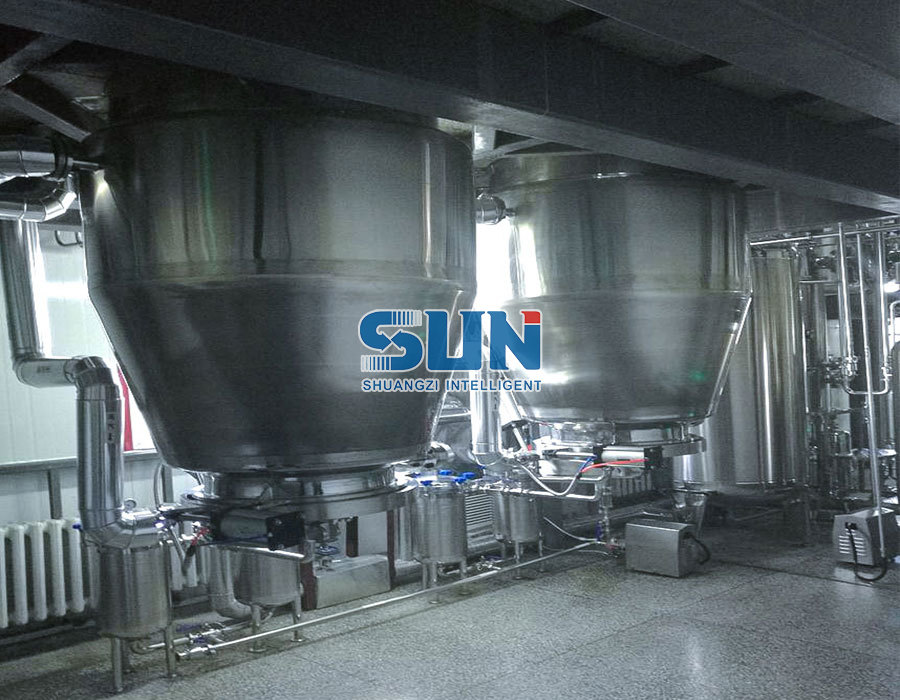
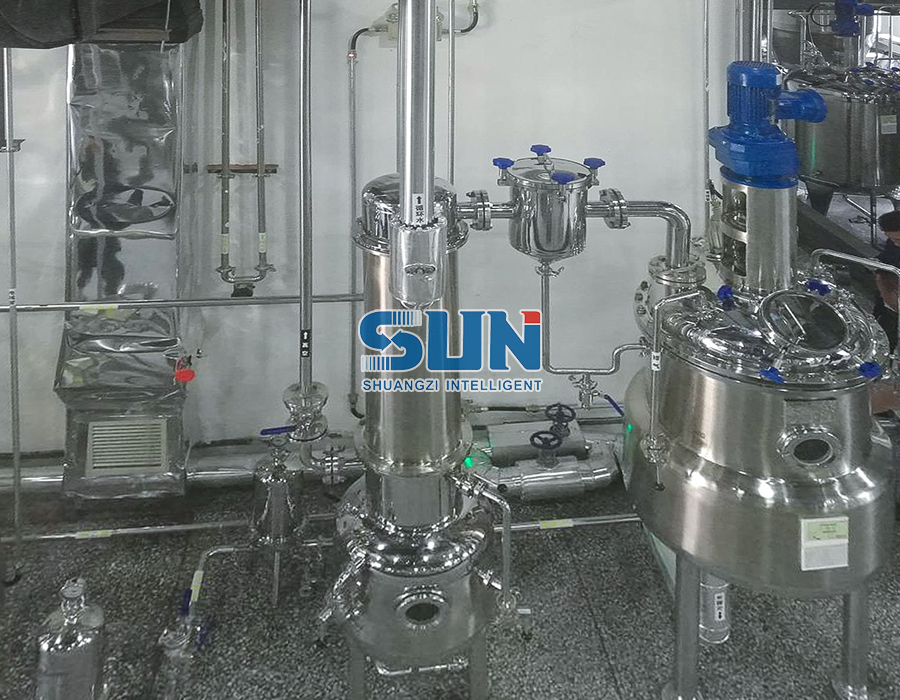
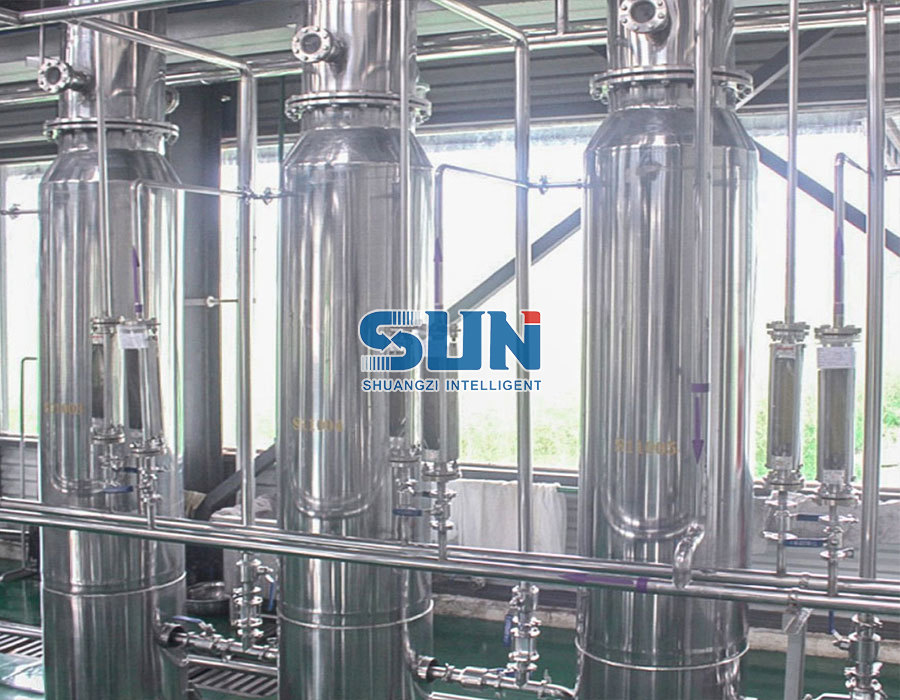
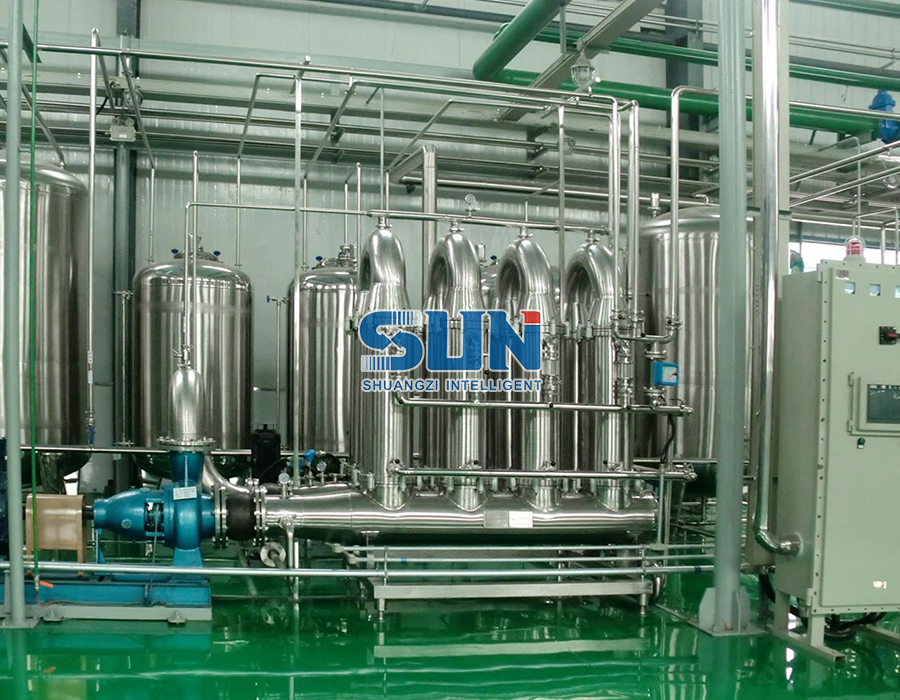
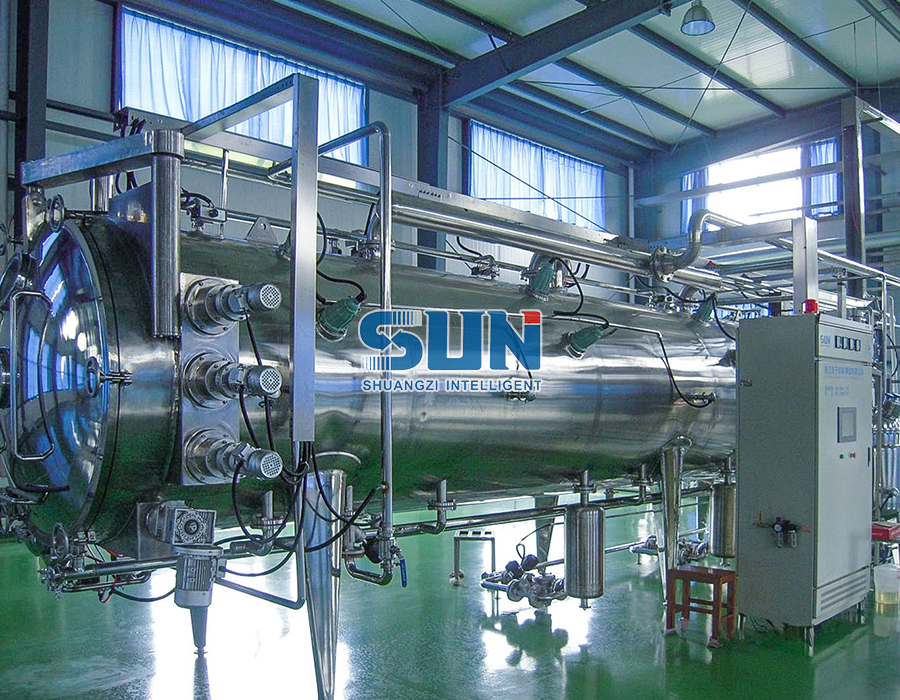
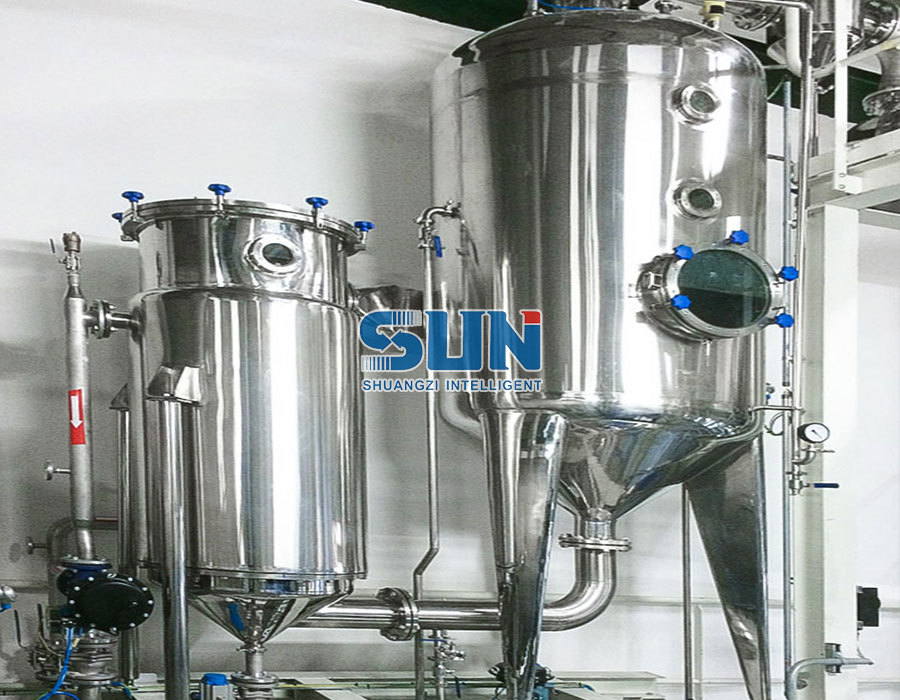
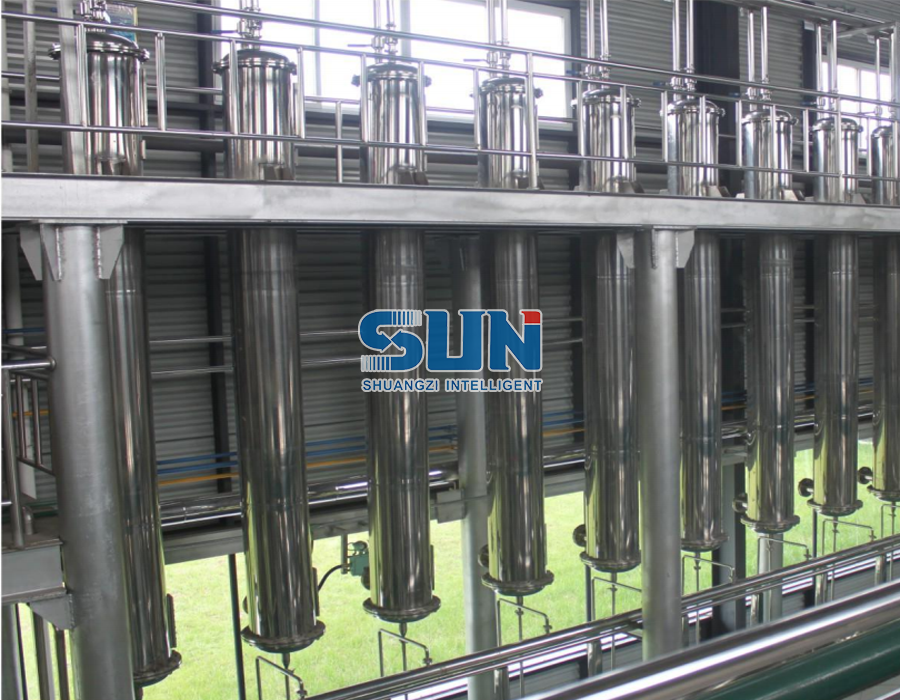
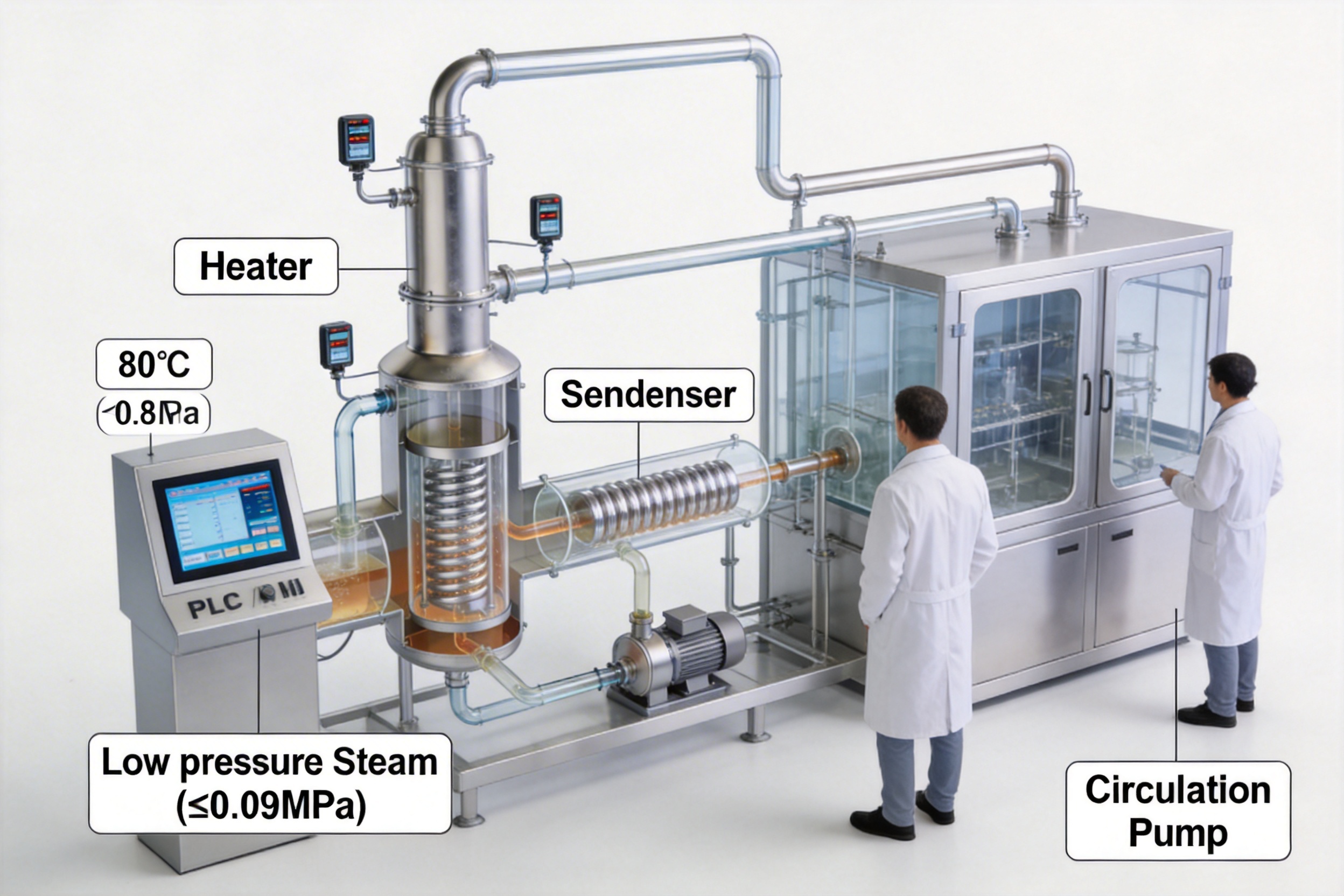
An external circulation evaporator is a continuous evaporation system designed to concentrate liquid mixtures by removing volatile solvents through controlled heating and condensation. Unlike batch evaporators, which process liquids in discrete batches, this technology uses a circulation pump to move the liquid mixture between the heater, evaporator body, and separator—creating a closed-loop system that maximizes efficiency and minimizes product loss.
Definition and Core Function
The primary function of an external circulation evaporator is to separate volatile solvents from non-volatile solutes in liquid mixtures. This process achieves two key goals: (1) concentrating the non-volatile component (e.g., active pharmaceutical ingredients, fruit juice solids) to the desired consistency, and (2) recovering the volatile solvent (e.g., ethanol, water) for reuse, reducing waste and operational costs. For example, in pharmaceutical manufacturing, it concentrates herbal extracts to produce concentrated liquid medicines, while in food processing, it removes water from fruit juice to create concentrated juice products.
Key Working Principles
The operation of an external circulation evaporator follows the distillation principle, but with a continuous circulation loop that enhances efficiency:
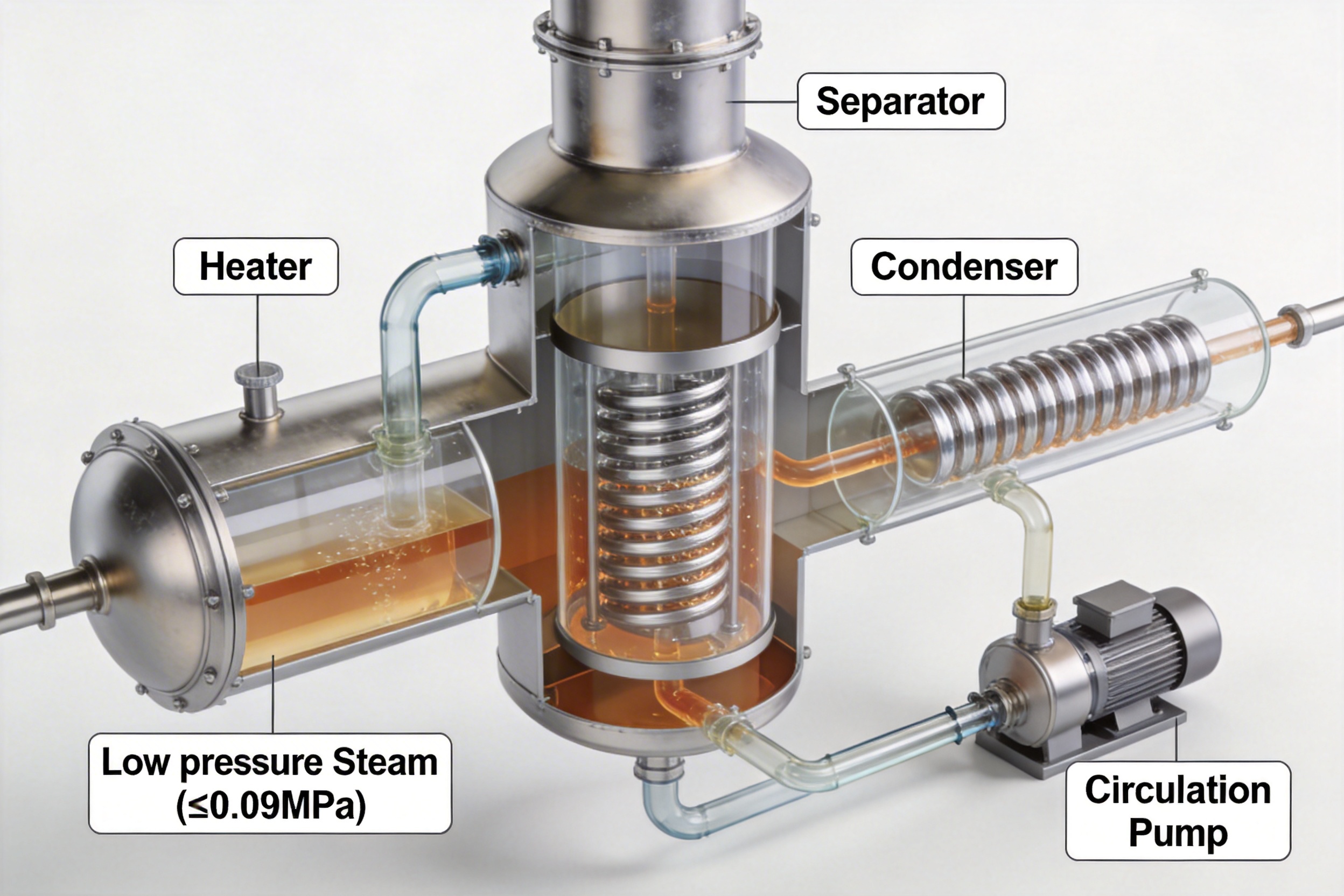
1. Heating Phase: The liquid mixture enters the heater, where it is gently heated using low-pressure steam (typically <0.09 Mpa) to avoid damaging heat-sensitive components.
2. Evaporation Phase: The heated mixture flows into the separator, where volatile components vaporize due to reduced pressure (vacuum degree of 0.08 Mpa).
3. Condensation Phase: The vapor is directed to a condenser, where it is cooled and condensed back into liquid form.
4. Circulation Phase: The condensed solvent is either recycled back into the system or collected for reuse, while the concentrated liquid is discharged from the separator.
5. Continuous Loop: The non-concentrated portion of the liquid is pumped back to the heater via an external circulation line, ensuring constant processing without downtime.
Advantages of External Circulation Evaporators Over Competitor Technologies
External circulation evaporators outperform traditional evaporation systems in multiple areas, making them the preferred choice for industries demanding precision, efficiency, and product quality. Below are their key competitive advantages:
Fast Evaporation Speed
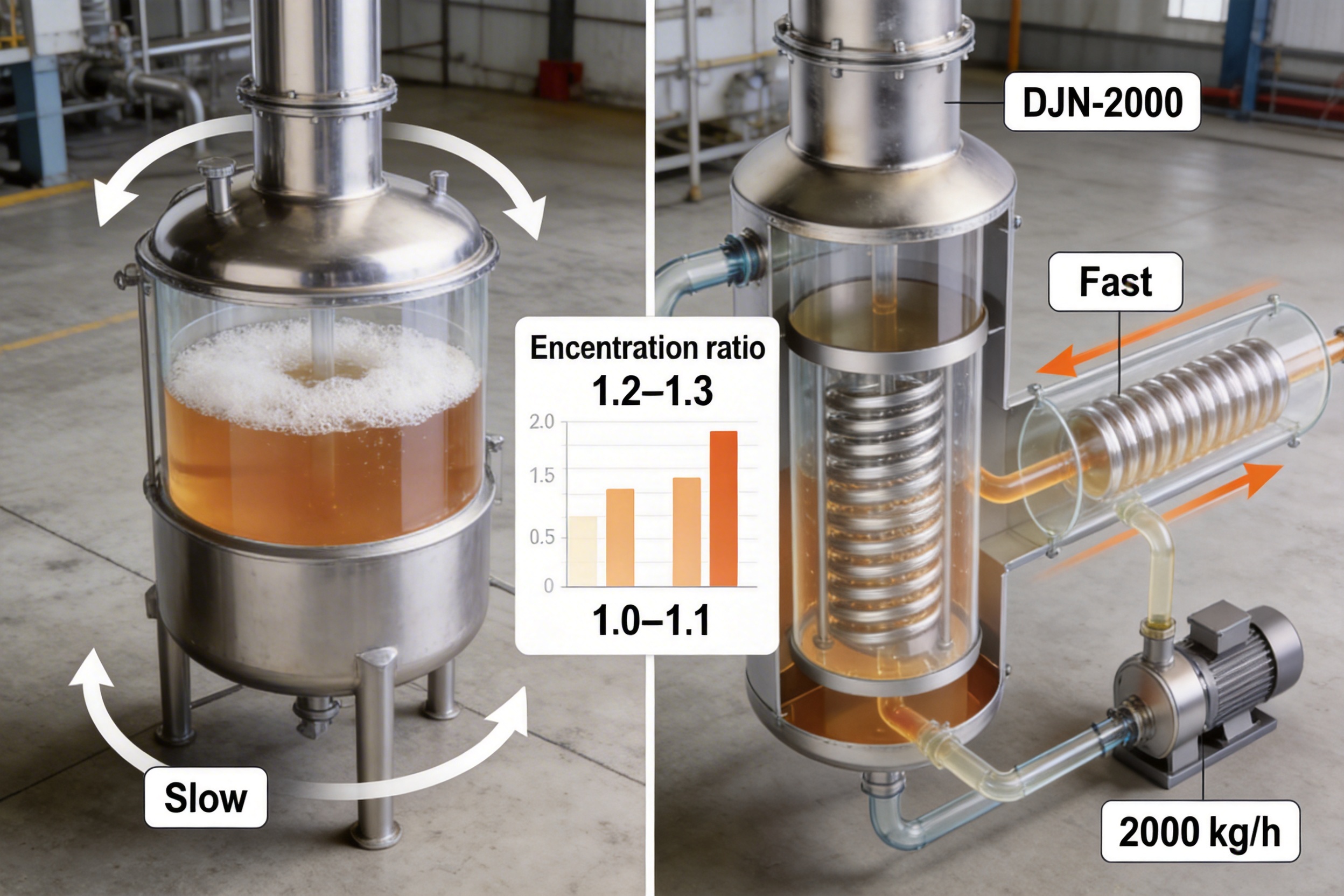
Unlike batch evaporators, which rely on static heating, the external circulation design ensures continuous movement of the liquid mixture through the heater and separator. This constant flow increases the surface area exposed to heat, accelerating vaporization. For example, the DJN-2000 model (2000 kg/h evaporation capacity) can process twice the volume of a comparable batch evaporator in the same time frame, reducing production lead times and increasing throughput.
High Concentration Ratio
The sealed circulation loop and precise control over temperature and vacuum enable external circulation evaporators to achieve a concentration ratio of up to 1.3—significantly higher than rising film evaporators (1.1–1.2) or falling film evaporators (1.0–1.1). This means that 1 liter of input liquid can be concentrated to 0.77 liters (or less) of output, reducing storage and transportation costs for concentrated products.
Foam-Free Concentration in Sealed Systems
Foam formation is a common challenge in evaporation, leading to carryover of liquid into the condenser (reducing product yield) and increased cleaning requirements. The fully sealed design of external circulation evaporators eliminates air ingress, while the circulation pump disrupts foam formation. This ensures that the concentrated liquid remains foam-free, preserving product purity and reducing maintenance costs.
Pollution-Free Output and Easy Cleaning
External circulation evaporators use food-grade or pharmaceutical-grade stainless steel (316L) for all product-contact surfaces, ensuring no contamination of the end product. The sealed system prevents external particles from entering the mixture, and the modular design allows for easy disassembly and cleaning. Many models also support Clean-in-Place (CIP) systems, which automate the cleaning process and ensure compliance with strict hygiene standards (e.g., GMP for pharmaceuticals).
Versatility Across Industries
Unlike specialized evaporators (e.g., those designed only for chemical solvents), external circulation evaporators can handle a wide range of liquid mixtures, including viscous fluids, heat-sensitive materials, and corrosive solvents. This versatility makes them suitable for use in pharmaceuticals, food, chemicals, environmental protection, and energy sectors—eliminating the need for multiple specialized systems.
Advanced Manufacturing Processes: Behind the Excellence
The performance of external circulation evaporators depends on rigorous manufacturing processes that prioritize precision, durability, and compliance with global standards. Leading manufacturers invest in cutting-edge technology and quality control to ensure their products meet the highest industry requirements.
Core Components and Engineering Precision
Each component of an external circulation evaporator is designed with precision to optimize performance:
- Heater: A shell-and-tube heat exchanger with thin-walled tubes to maximize heat transfer efficiency. The tubes are welded using plasma argon arc welding (PAAW) to ensure leak-proof joints and minimal heat loss.
- Separator: A cylindrical vessel with a conical bottom to separate vapor from concentrated liquid. The internal design includes baffles to reduce carryover and ensure efficient separation.
- Condenser: A tube-in-tube condenser with countercurrent flow to maximize cooling efficiency. It uses water or refrigerants to condense vapor into liquid form.
- Circulation Pump: A positive displacement pump (e.g., gear pump) designed to handle viscous liquids without causing shear damage to heat-sensitive components.
Material Selection and Durability
Manufacturers choose materials based on the application:
- Stainless Steel 316L: Used for pharmaceutical and food applications due to its corrosion resistance, non-toxicity, and ease of cleaning.
- Carbon Steel: Used for chemical applications where corrosion is not a concern (e.g., non-corrosive solvents).
- PTFE Coatings: Applied to surfaces in contact with corrosive solvents (e.g., acids, alkalis) to prevent degradation.
These materials ensure that the evaporator has a long service life (up to 15 years with proper maintenance) and can handle harsh operating conditions.
Compliance with Global Standards
Leading manufacturers adhere to strict global standards to ensure their evaporators are safe, efficient, and compliant:
- GMP (Good Manufacturing Practice): For pharmaceutical and food applications, ensuring that the equipment meets hygiene and quality requirements.
- ISO 9001: Quality management system certification, ensuring consistent product quality.
- ISO 14001: Environmental management system certification, reducing the equipment’s carbon footprint.
- ASME (American Society of Mechanical Engineers): For pressure vessels, ensuring safety and reliability.
Integration of Automation and Process Control
Modern external circulation evaporators are equipped with advanced automation systems to optimize performance:
- PLC (Programmable Logic Controller): Controls all operational parameters (temperature, pressure, vacuum, flow rate) with high precision.
- HMI (Human-Machine Interface): A touchscreen display that allows operators to monitor and adjust parameters in real time.
- Sensors: Temperature, pressure, and flow sensors that provide real-time data to the PLC, enabling automatic adjustments to maintain optimal performance.
- Data Logging: Records all operational data for traceability, which is critical for GMP compliance and quality control.
Application Scenarios: Where External Circulation Evaporators Shine
External circulation evaporators are used across a wide range of industries due to their versatility and efficiency. Below are some key application scenarios:
Pharmaceutical Industry
In the pharmaceutical sector, external circulation evaporators are used to concentrate active pharmaceutical ingredients (APIs) from herbal extracts, fermentation broths, and chemical synthesis products. For example:
- Traditional Chinese Medicine (TCM): Concentrates herbal extracts to produce concentrated liquid medicines, preserving the active ingredients due to low-temperature heating.
- Western Medicine: Recovers solvents (e.g., ethanol) from chemical synthesis reactions, reducing waste and operational costs.
- Biological Products: Concentrates vaccines and biopharmaceuticals without damaging heat-sensitive proteins.
Food and Beverage Sector
In food processing, external circulation evaporators are used to concentrate liquid products while preserving flavor and nutrients:
- Fruit Juice: Concentrates fruit juice (e.g., orange, apple) to produce concentrated juice products, reducing transportation costs.
- Dairy Products: Concentrates milk to produce condensed milk and whey to recover valuable proteins.
- Beverage Production: Recovers solvents (e.g., ethanol) from alcoholic beverage production, ensuring compliance with environmental regulations.
Chemical Manufacturing
In the chemical industry, external circulation evaporators are used to recover solvents and concentrate chemical products:
- Solvent Recovery: Recovers organic solvents (e.g., methanol, acetone) from chemical reactions, reducing waste and operational costs.
- Spice Production: Concentrates essential oils from spices (e.g., cinnamon, peppermint) to produce high-purity essential oils.
- Dye Production: Concentrates dye solutions to produce concentrated dye products, reducing storage and transportation costs.
Environmental Protection
In environmental protection, external circulation evaporators are used to treat wastewater and exhaust gas:
- Wastewater Treatment: Removes organic solvents from industrial wastewater, reducing pollution and enabling water reuse.
- Exhaust Gas Scrubbing: Condenses volatile organic compounds (VOCs) from exhaust gas, reducing air pollution and recovering valuable solvents.
- Sludge Treatment: Concentrates sludge from wastewater treatment plants to reduce volume and facilitate disposal.
Energy Industry
In the energy sector, external circulation evaporators are used to purify crude oil and recover valuable components:
- Crude Oil Purification: Removes water and light fractions from crude oil, improving its quality and reducing transportation costs.
- Natural Gas Processing: Recovers natural gas liquids (NGLs) from natural gas, increasing the value of the product.
- Biofuel Production: Concentrates biofuel feedstocks (e.g., algae) to produce biofuels efficiently.
Product Specifications and Performance Metrics
Leading manufacturers offer a range of external circulation evaporator models to meet different production needs. Below is a table of typical models and their performance metrics:
| Items | DJN-500 | DJN-1000 | DJN-1500 | DJN-2000 |
|---|---|---|---|---|
| Evaporation Capacity (kg/h) | 500 | 1000 | 1500 | 2000 |
| Steam Pressure (Mpa) | <0.09 | |||
| Vacuum Degree (Mpa) | 0.08 | |||
| Concentration Ratio | 1.2~1.3 | |||
| Dimension (L×W×H) (mm) | 2000×1000×3000 | 2200×1200×3300 | 2500×1300×3500 | 4600×2350×5100 |
The DJN series models are designed for scalability, allowing manufacturers to choose the model that best fits their production capacity. For example, the DJN-500 is ideal for small-scale pilot production, while the DJN-2000 is suitable for large industrial operations.
Company’s Strengths: Enabling Cutting-Edge Evaporator Solutions
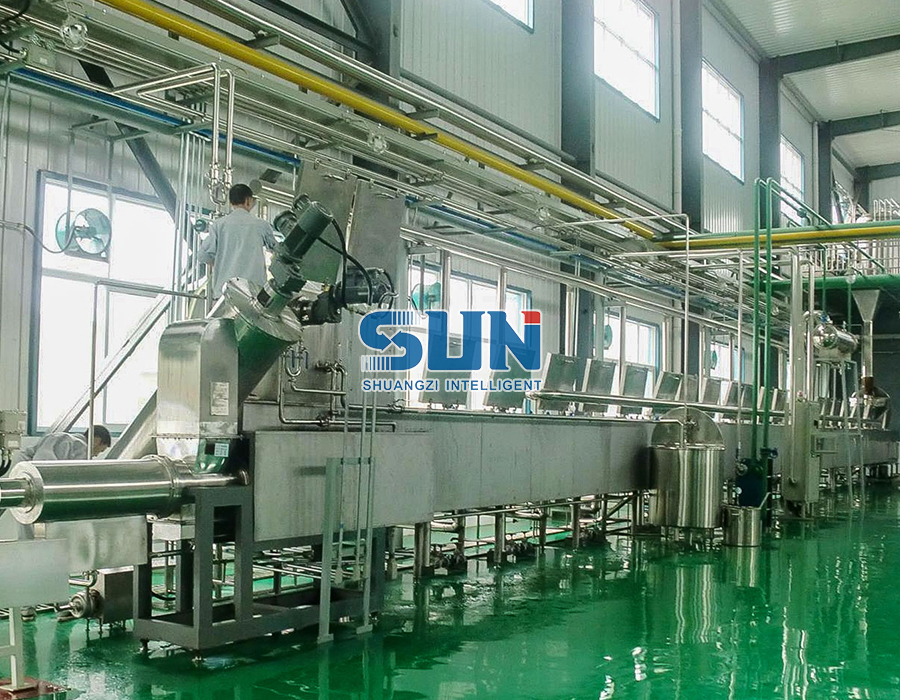
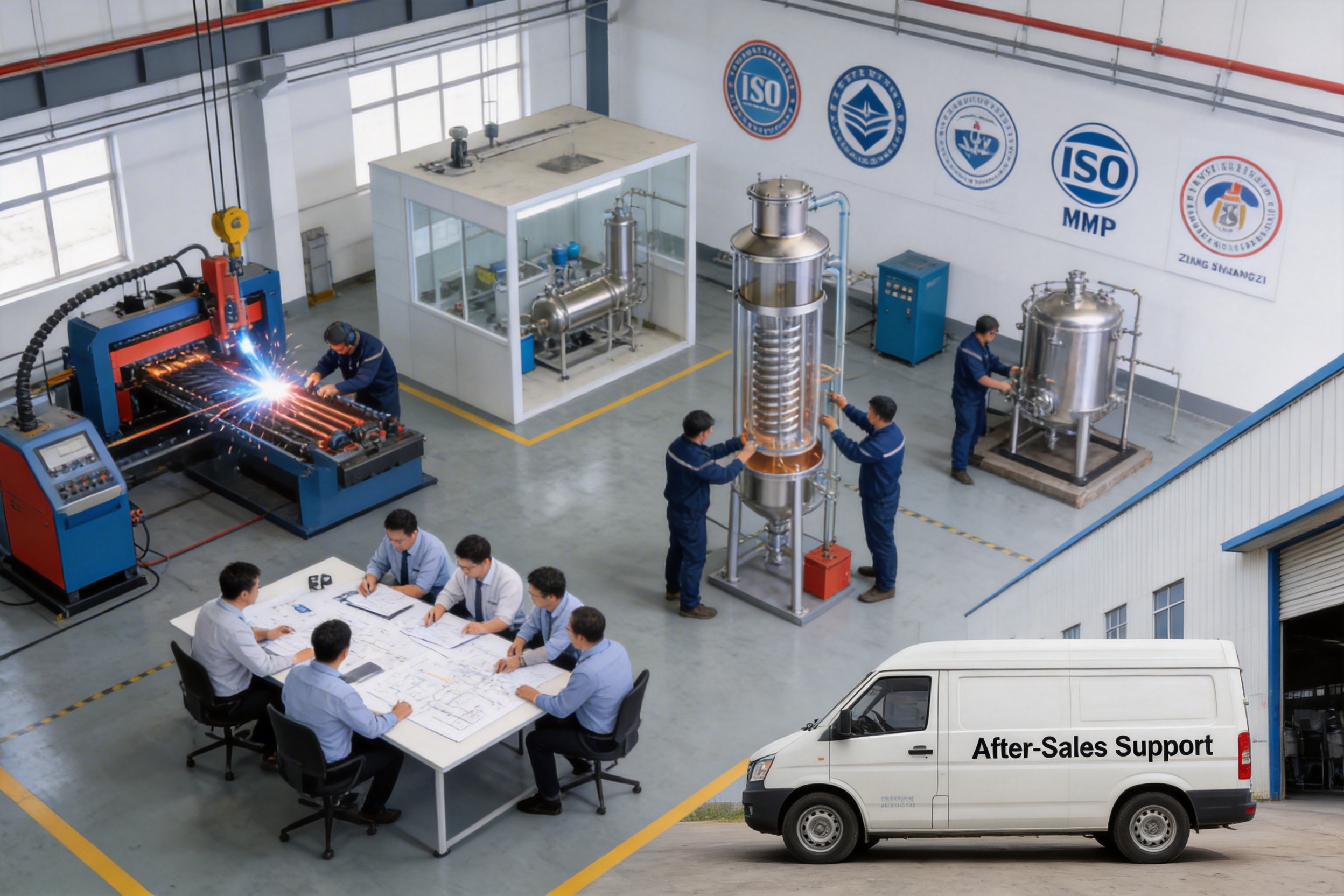
Leading manufacturers of external circulation evaporators combine technical expertise, advanced manufacturing infrastructure, and customer-centric services to deliver high-quality products. One such manufacturer is Zhejiang Shuangzi Intelligent Equipment Co., Ltd., a professional enterprise focused on process technology and automation engineering in the field of plant extraction, biological fermentation, and pharmaceutical engineering.
EPC/EPCM Expertise
Zhejiang Shuangzi Intelligent Equipment Co., Ltd. specializes in EPC (Engineering Procurement Construction) and EPCM (Engineering Procurement Construction Management) services. This means the company provides end-to-end solutions from process design to equipment installation and commissioning. For example, for a pharmaceutical client, the company can design a complete concentration system, procure all necessary components, install the equipment, and train the client’s staff to operate it—ensuring a seamless transition to production.
R&D and Innovation Capabilities
The company has a dedicated R&D team that focuses on improving the performance of external circulation evaporators. It absorbs foreign advanced technology (e.g., European and American evaporation technologies) and conducts continuous research to develop new features, such as energy-efficient multi-effect evaporation systems and automated CIP systems. The company also collaborates with universities and research institutions to stay at the forefront of evaporation technology.
Manufacturing Infrastructure
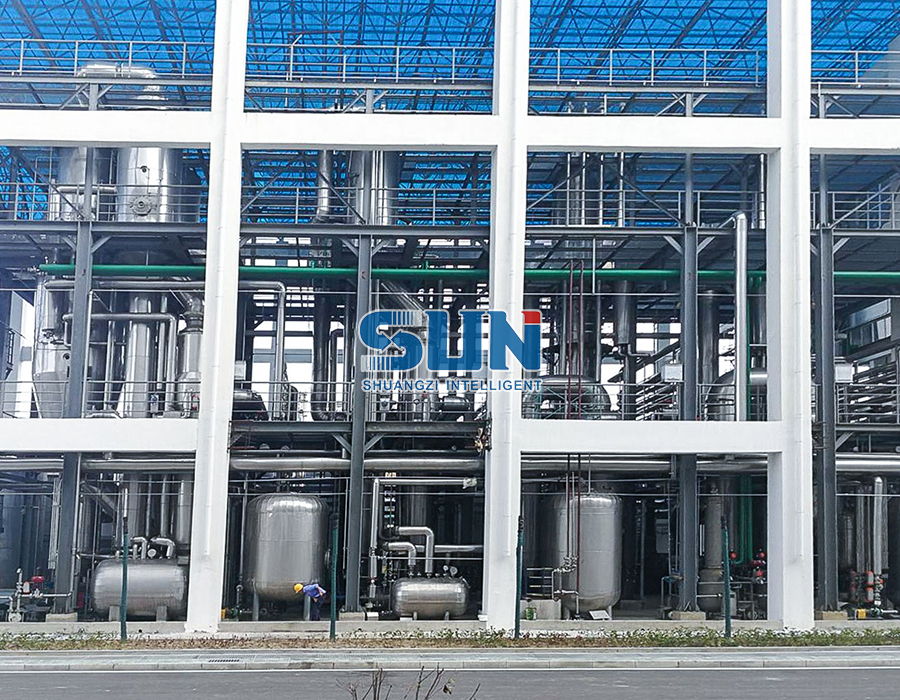
Zhejiang Shuangzi Intelligent Equipment Co., Ltd. has a modern manufacturing facility covering 16706 m² of floor area and 17800 m² of structure area. The facility is equipped with advanced production equipment, including:
- Plasma Argon Arc Welding Machine: For leak-proof joints in heat exchangers and pressure vessels.
- Plasma Cutting Machine: For precise cutting of stainless steel and carbon steel sheets.
- CAM CNC Machining Center: For manufacturing precision components (e.g., pump parts, valve parts).
These equipment ensure that the company can produce high-quality evaporators with consistent performance.
Turnkey Project Support
The company offers turnkey project support, which includes:
- Process Design: Customizing the evaporation system to meet the client’s specific production needs.
- Equipment Manufacture: Producing the evaporator and related components in-house.
- Installation and Commissioning: Installing the system and testing it to ensure optimal performance.
- Training: Training the client’s staff to operate and maintain the system.
- After-Sales Service: Providing ongoing maintenance and support to ensure the system runs smoothly.
Pilot Production Facilities
The company has a pilot production workshop with GMP-compliant automation systems. This facility allows clients to test their products using external circulation evaporators before investing in full-scale production. For example, a food manufacturer can test the concentration of a new fruit juice product to ensure it meets flavor and quality requirements—reducing the risk of investing in a full-scale system that may not meet their needs.
Q&A Section
Below are common questions about external circulation evaporators and their answers:
Q1: How does the external circulation design enhance evaporation efficiency?
A1: The external circulation design ensures continuous movement of the liquid mixture through the heater and separator, increasing the surface area exposed to heat. This constant flow accelerates vaporization, resulting in higher evaporation capacity and faster processing times compared to batch evaporators.
Q2: What makes the concentrated liquid from this evaporator pollution-free?
A2: The evaporator uses food-grade or pharmaceutical-grade stainless steel (316L) for all product-contact surfaces, which is non-toxic and corrosion-resistant. The fully sealed system prevents external contamination, and the easy-to-clean design (including CIP systems) ensures no residues from previous batches remain—preserving product purity.
Q3: Can this evaporator handle heat-sensitive materials?
A3: Yes. The evaporator uses low-pressure steam (<0.09 Mpa) and a vacuum degree of 0.08 Mpa, which reduces the boiling point of the solvent. This allows for low-temperature evaporation, preserving heat-sensitive materials such as enzymes, vitamins, and proteins.
Q4: What after-sales support is available for the equipment?
A4: Leading manufacturers offer comprehensive after-sales support, including: (1) maintenance services (e.g., replacing worn parts, cleaning the system), (2) technical support (e.g., troubleshooting operational issues), (3) spare parts supply, and (4) training for new staff. Some manufacturers also offer long-term service contracts to ensure the equipment runs smoothly.
Q5: How does the company ensure compliance with industry standards like GMP?
A5: The company adheres to strict GMP guidelines during the design, manufacture, and installation of the evaporator. This includes using GMP-compliant materials, designing the system for easy cleaning and sanitization, and implementing data logging systems for traceability. The company also conducts regular audits to ensure compliance with GMP and other industry standards.
References
1. International Organization for Standardization (ISO). ISO 14644-1:2015: Cleanrooms and associated controlled environments — Part 1: Classification of air cleanliness. Geneva: ISO, 2015.
2. Food and Drug Administration (FDA). Current Good Manufacturing Practice (CGMP) Regulations for Finished Pharmaceuticals. 21 CFR Part 210 and 211. Washington, DC: FDA, 2020.
3. Smith, J. D., & Johnson, A. B. (2021). Evaporation Technologies for Industrial Processes: A Comparative Analysis. Journal of Chemical Engineering Progress, 117(3), 45-62.
4. European Pharmacopoeia Commission. European Pharmacopoeia 10.0. Strasbourg: Council of Europe, 2022.
5. Chen, L., et al. (2019). Application of External Circulation Evaporators in Pharmaceutical Solvent Recovery. Chinese Journal of Pharmaceutical Engineering, 40(2), 123-130.
6. American Society of Mechanical Engineers (ASME). ASME Boiler and Pressure Vessel Code, Section VIII: Rules for Construction of Pressure Vessels. New York: ASME, 2021.
7. World Health Organization (WHO). Good Manufacturing Practices for Pharmaceutical Products: Main Principles. Geneva: WHO, 2018.
8. Lee, S. H., & Park, J. H. (2020). Energy Efficiency of External Circulation Evaporators in Food Processing. International Journal of Food Engineering, 16(5), 345-358.