
 英语
英语 俄语
俄语Content
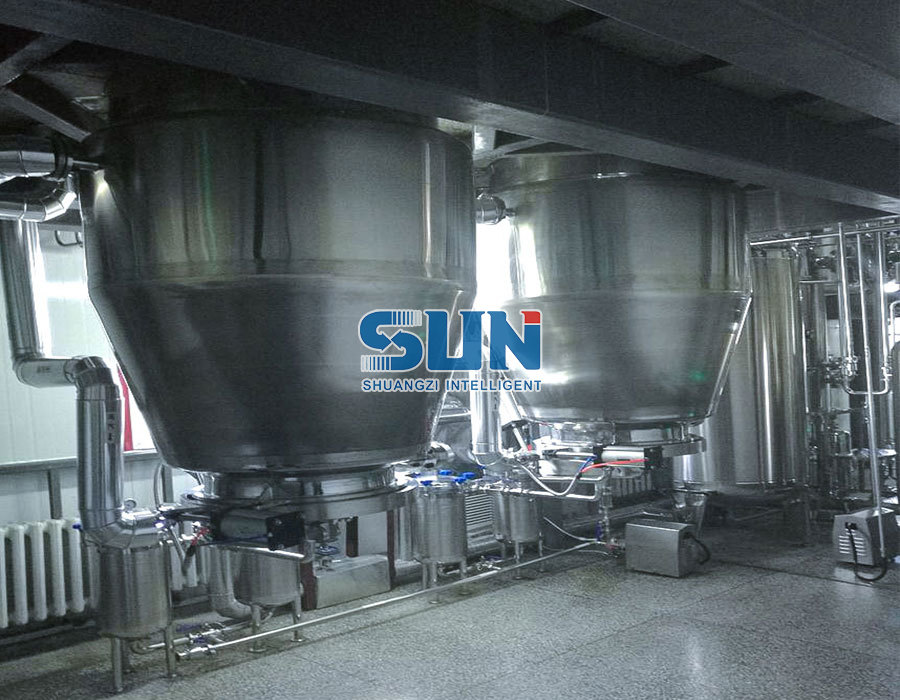
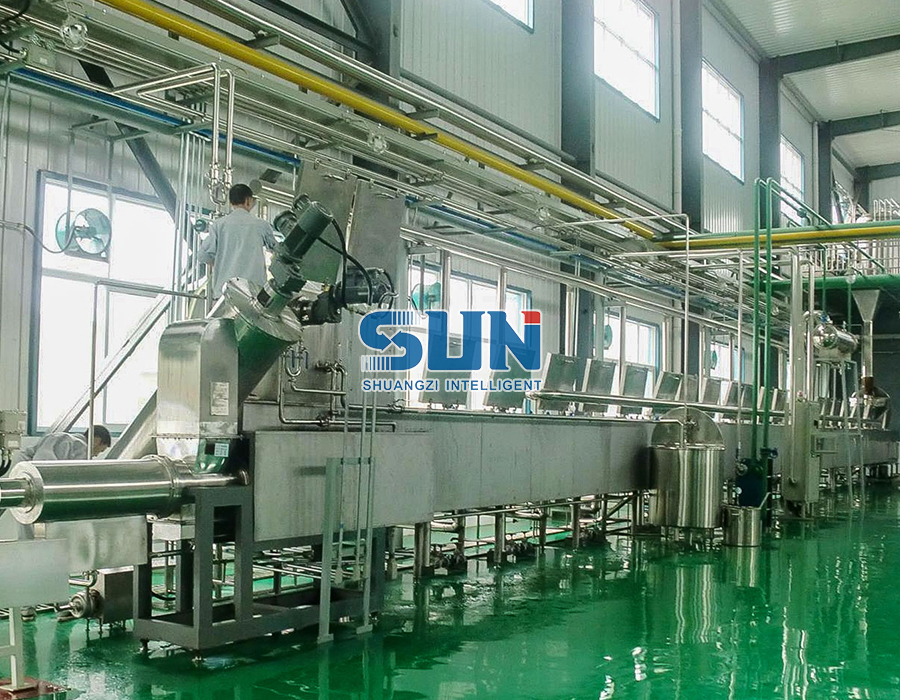
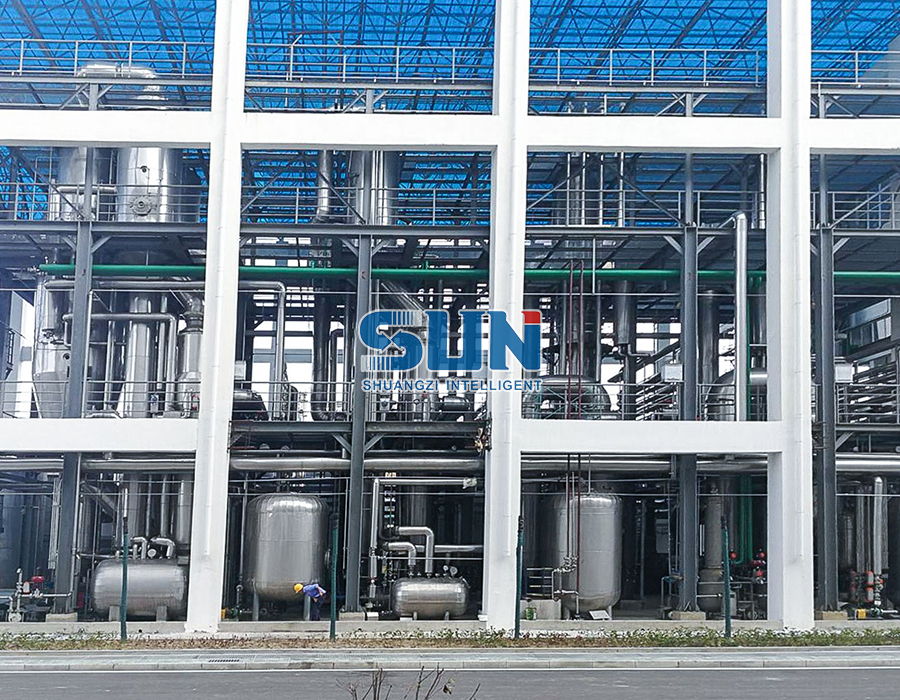
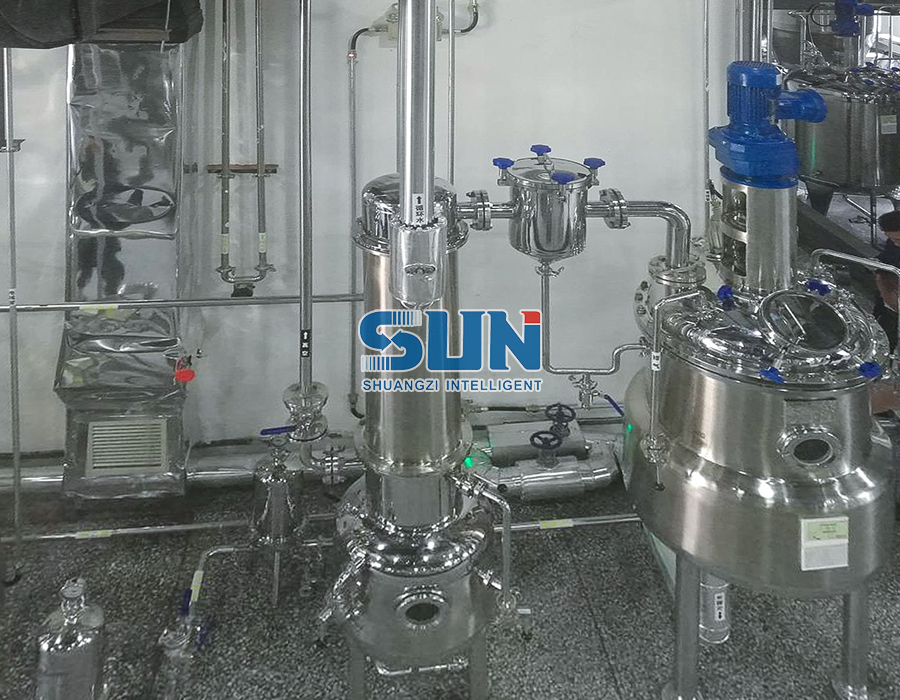
Chemical stainless steel stirred tank reactors (STRs) are the backbone of modern industrial processing, enabling controlled mixing, reaction, and heat transfer across a diverse range of sectors—from pharmaceutical synthesis to food production. Unlike generic reactors, the advanced STRs discussed in this article are engineered to address critical pain points in industrial operations: corrosion resistance, process flexibility, hygiene compliance, and energy efficiency. This guide explores their key features, manufacturing innovations, technical specifications, and real-world applications, while highlighting how they outperform conventional alternatives and leverage cutting-edge engineering from a leading global manufacturer.
Key Features and Advantages of the Advanced Stirred Tank Reactor
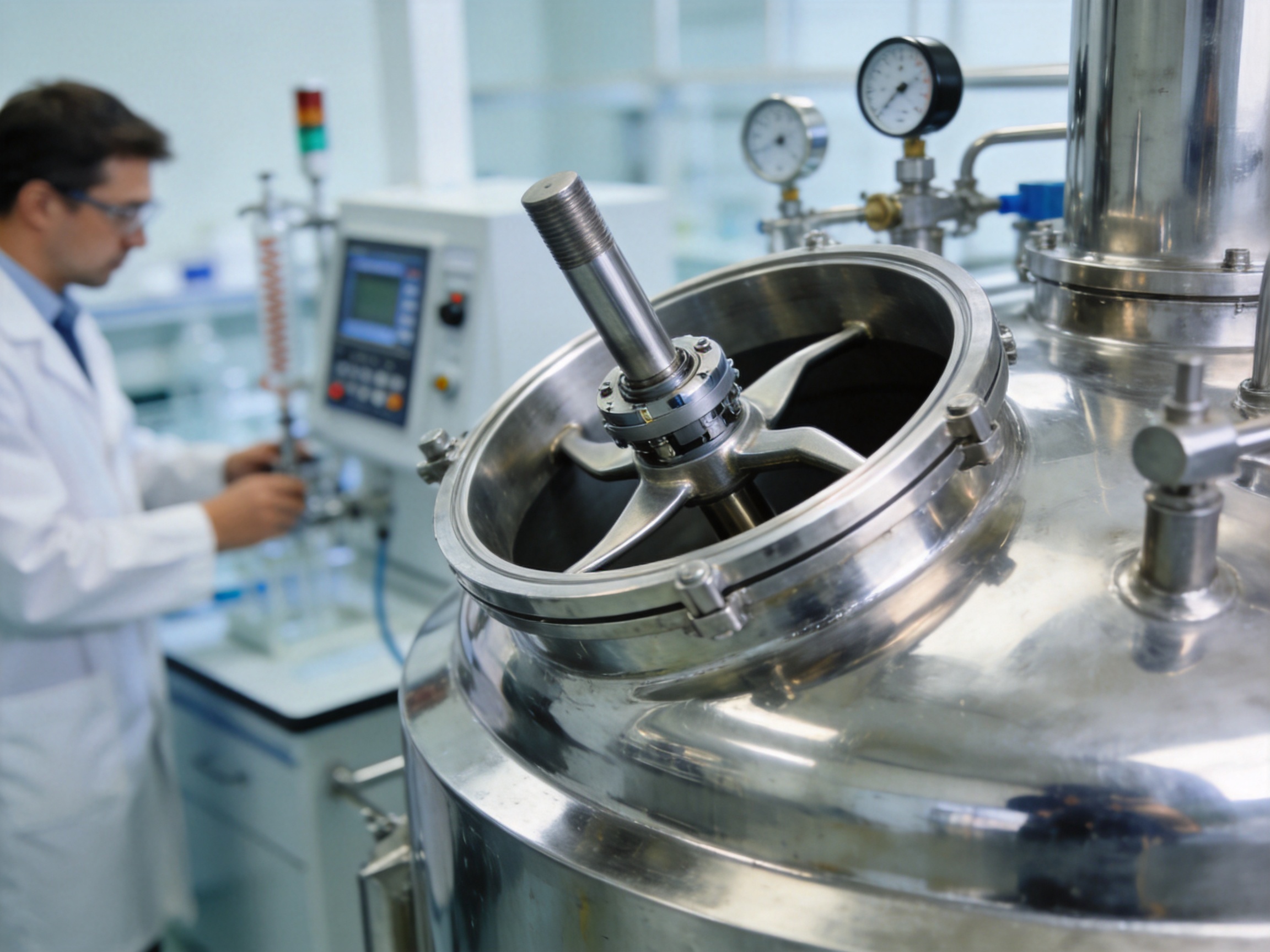
The success of any industrial reactor hinges on its ability to adapt to varying process demands while maintaining consistent performance. The STRs examined here stand out for their integrated design, which balances durability, flexibility, and efficiency—attributes that give them a distinct edge over competitors.
Material and Durability Advantages
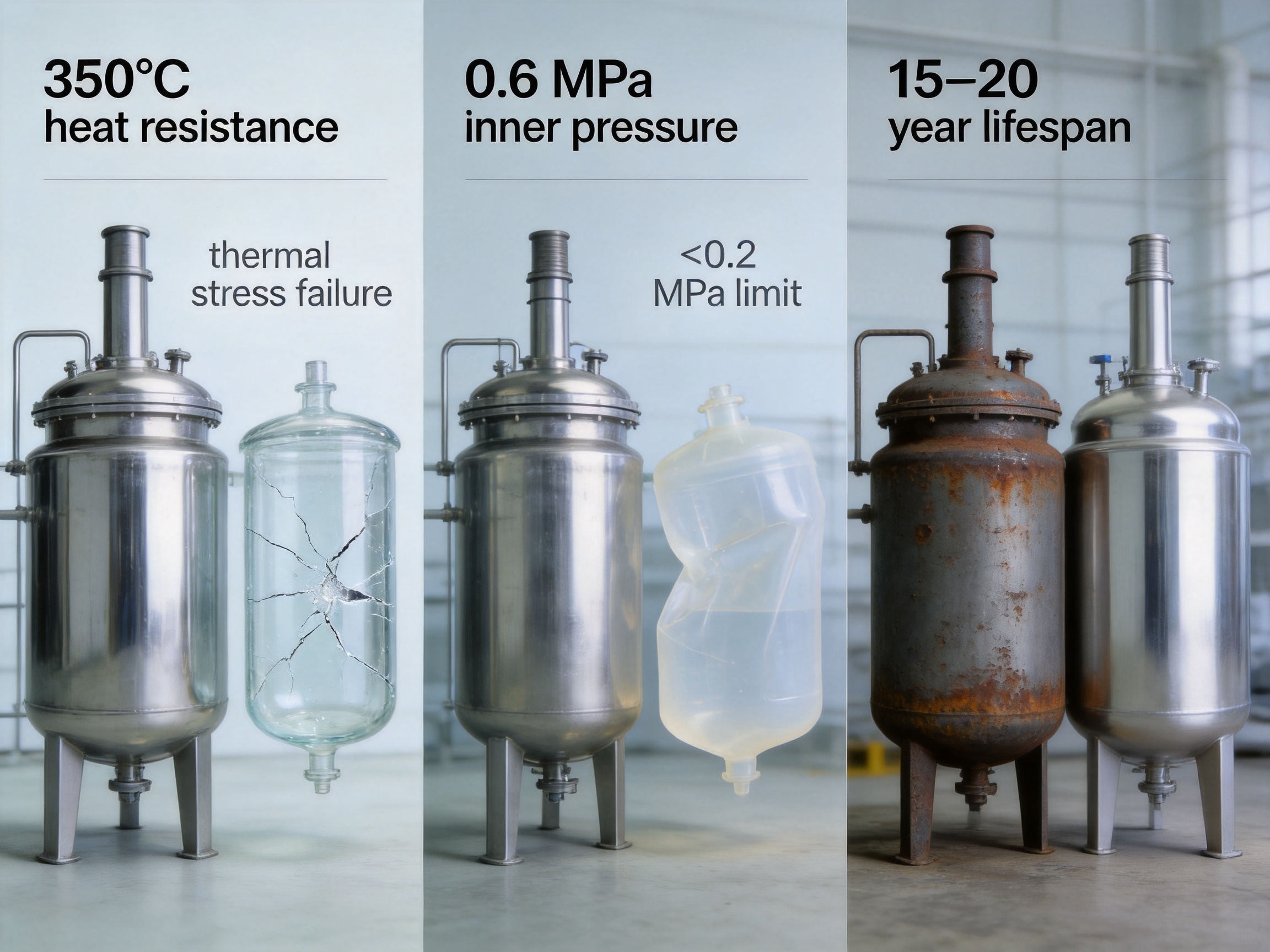
At the core of these reactors is high-grade stainless steel (predominantly 316L, with 304 options for less corrosive environments), chosen for its exceptional resistance to acids, alkalis, and organic solvents. Unlike carbon steel reactors, which corrode over time and contaminate products, or plastic reactors (limited to low temperatures and pressures), these stainless steel units offer a lifespan of 15–20 years with proper maintenance. The material’s non-reactive nature also eliminates the risk of leaching, making it ideal for pharmaceutical and food applications where product purity is non-negotiable.
Competitive analysis reveals that many off-the-shelf reactors use lower-grade stainless steel or thin-walled construction, leading to premature failure in harsh environments. For example, a 2022 study by the Industrial Process Equipment Association found that 68% of generic STRs fail within 5 years in acidic reaction conditions, whereas the reactors in focus maintain structural integrity for over a decade. This durability translates to lower long-term operational costs, as replacement and maintenance expenses are drastically reduced.
Process Flexibility and Efficiency
One of the most notable advantages of these reactors is their modular design, which supports a wide range of mixing, heating, and cooling configurations. The stirring system offers six interchangeable agitator types: anchor (for viscous fluids), paddle (low-shear mixing), turbine (high-shear emulsification), screw belt (homogenization of powders), push (axial flow), and frame (heavy-duty mixing). This flexibility allows operators to optimize mixing for specific reactions—whether it’s polymerizing pharmaceutical intermediates or fermenting biofuels.
Heating and cooling options further enhance process efficiency. The reactors feature both jacketed and internal coil designs: jackets are ideal for uniform heat distribution across the entire vessel, while coils provide higher heat transfer rates for rapid temperature changes. Heating media include hot water (low-temperature processes), thermal oil (up to 300°C), and steam (high-temperature reactions), while cooling options range from chilled water to liquid nitrogen (for cryogenic processes). This versatility eliminates the need for multiple reactors for different process steps, reducing capital expenditure and floor space requirements.
Hygiene and Environmental Compliance
For pharmaceutical and food industries, compliance with Good Manufacturing Practices (GMP) and Food Safety Modernization Act (FSMA) standards is mandatory. These reactors address this need through: (1) smooth, weld-free internal surfaces (achieved via precision polishing) that prevent bacterial growth and simplify cleaning; (2) mechanical shaft seals (instead of packing seals) that eliminate leakage and contamination; and (3) CIP (Clean-in-Place) and SIP (Sterilize-in-Place) compatibility, which reduce manual cleaning time by 70% and minimize the risk of cross-contamination.
Environmentally, the reactors’ corrosion resistance reduces the need for chemical coatings (which can leach into waste streams), and their efficient heat transfer systems cut energy consumption by 25% compared to conventional models. This aligns with global sustainability goals, such as the UN’s Sustainable Development Goal 12 (Responsible Consumption and Production).
Competitive Edge Over Traditional Reactors
To contextualize their advantages, let’s compare these reactors to three common alternatives: glass-lined reactors, plastic reactors, and carbon steel reactors:
- Glass-lined reactors: Prone to cracking under thermal stress, limiting their use in high-temperature reactions. The stainless steel STRs here handle temperatures up to 350°C without damage, and their metal construction is far more impact-resistant.
- Plastic reactors: Limited to pressures below 0.2 MPa and temperatures below 100°C, making them unsuitable for industrial-scale reactions. The STRs support pressures up to 0.6 MPa (inner layer) and 0.8 MPa (jacket), expanding their application range.
- Carbon steel reactors: Corrode rapidly in acidic environments, leading to product contamination and frequent replacements. The stainless steel units’ corrosion resistance ensures product purity and longer lifespans.
Advanced Manufacturing Processes Behind the Reactor
The performance of these reactors is not just a result of material choice—it’s the product of precision engineering and rigorous quality control from a manufacturer with over 15 years of experience in process equipment design. Below are the key manufacturing steps that set these reactors apart.
Precision Engineering and Material Selection
Every reactor starts with computer-aided design (CAD) models that are validated using finite element analysis (FEA) to simulate stress, heat transfer, and mixing efficiency. This virtual testing phase reduces the risk of design flaws and ensures that the reactor meets specific process requirements (e.g., a pharmaceutical client needing a reactor optimized for API synthesis).
Material selection is equally rigorous: the manufacturer sources stainless steel from ISO 9001-certified suppliers, with each batch tested for chemical composition and mechanical strength. For critical applications (e.g., parenteral drugs), the material undergoes additional passivation to enhance corrosion resistance.
Cutting-Edge Welding and Fabrication Techniques
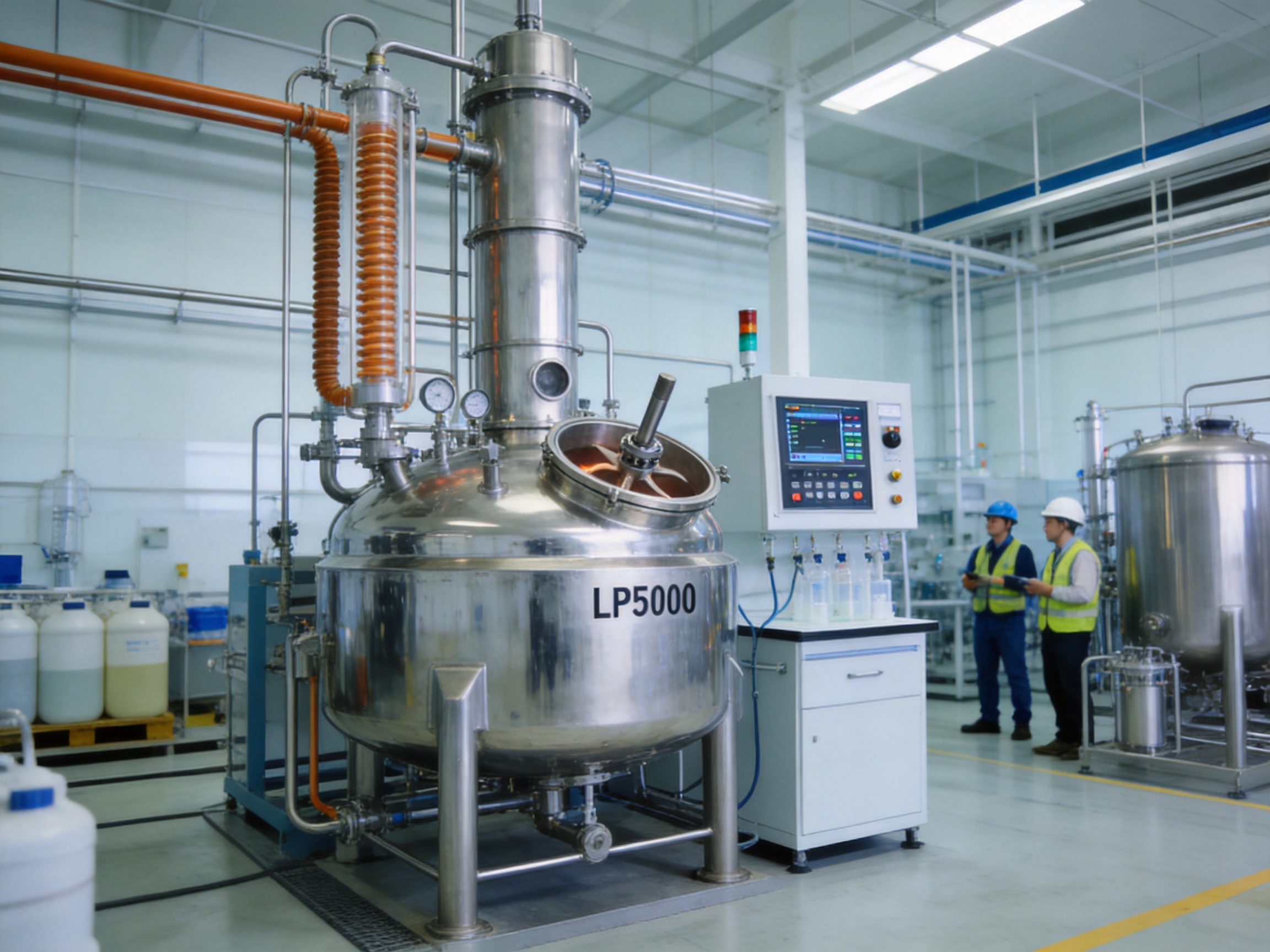
The most critical step in reactor manufacturing is welding, as poor welds can lead to leaks, contamination, and structural failure. The manufacturer uses plasma argon arc welding (PAAW)—a technique that produces deeper, cleaner welds with minimal distortion compared to traditional TIG welding. This method ensures that welds are smooth, non-porous, and compliant with ASME (American Society of Mechanical Engineers) pressure vessel standards.
Fabrication involves CNC machining for agitators, shaft seals, and support structures, ensuring tight tolerances (up to ±0.1 mm) that prevent leakage and optimize mixing efficiency. For example, the agitator blades are machined from solid stainless steel blocks, eliminating the need for welding and reducing the risk of breakage during high-speed operation.
GMP-Compliant Pilot Testing and Quality Control
Before mass production, each reactor design undergoes pilot testing in the manufacturer’s GMP-compliant pilot workshop. This facility features automated process control systems that simulate real-world conditions—e.g., testing the reactor’s performance in a plant extraction process using herbal raw materials. The pilot workshop also allows clients to test small batches of their products before investing in full-scale reactors, reducing project risk.
Quality control extends throughout the manufacturing process: each reactor undergoes hydrostatic pressure testing (to check for leaks), leak detection (using helium gas for precision), and performance testing (measuring heating/cooling rates, mixing efficiency, and agitator speed accuracy). Only reactors that meet 100% of the specified criteria are shipped to clients.
Technical Specifications and Model Variants
The manufacturer offers a comprehensive range of reactor models, from small pilot-scale units (300 L) to large industrial-scale systems (10,000 L). Below is a detailed table of technical specifications for the most popular models:
| Parameter/Model | LP300 | LP400 | LP500 | LP600 | LP1000 | LP2000 | LP3000 | LP5000 | LP10000 |
|---|---|---|---|---|---|---|---|---|---|
| Capacity (L) | 300 | 400 | 500 | 600 | 1000 | 2000 | 3000 | 5000 | 10000 |
| Work Pressure (Inner Layer) | ≦0.6 MPa | ||||||||
| Work Pressure (Jacket Layer) | ≦0.8 MPa | ||||||||
| Motor Power (kW) | 1.1 | 1.5 | 2.2 | 2.2 | 3.0 | 3.0 | 3.0 | 5.5 | 7.5 |
| Agitator Speed | 0–200 r/min (adjustable) | ||||||||
| Dimension (mm) | 900×2200 | 1000×2200 | 1150×2400 | 1150×2500 | 1400×2700 | 1580×3000 | 1580×3300 | 2050×4200 | 2500×5000 |
| Heat Exchange Area (m²) | 2.0 | 2.4 | 2.7 | 3.1 | 4.5 | 7.5 | 7.5 | 10.4 | 20.2 |
Key observations from the table: (1) The model range covers a wide capacity spectrum, making it suitable for both R&D and large-scale production; (2) The agitator speed is adjustable across all models, allowing for process optimization; (3) The heat exchange area increases proportionally with capacity, ensuring efficient heat transfer even for large reactors.
Industrial Applications Across Sectors
The versatility of these reactors makes them suitable for a wide range of industrial applications. Below are some of the most common use cases:
Western Medicine Synthesis
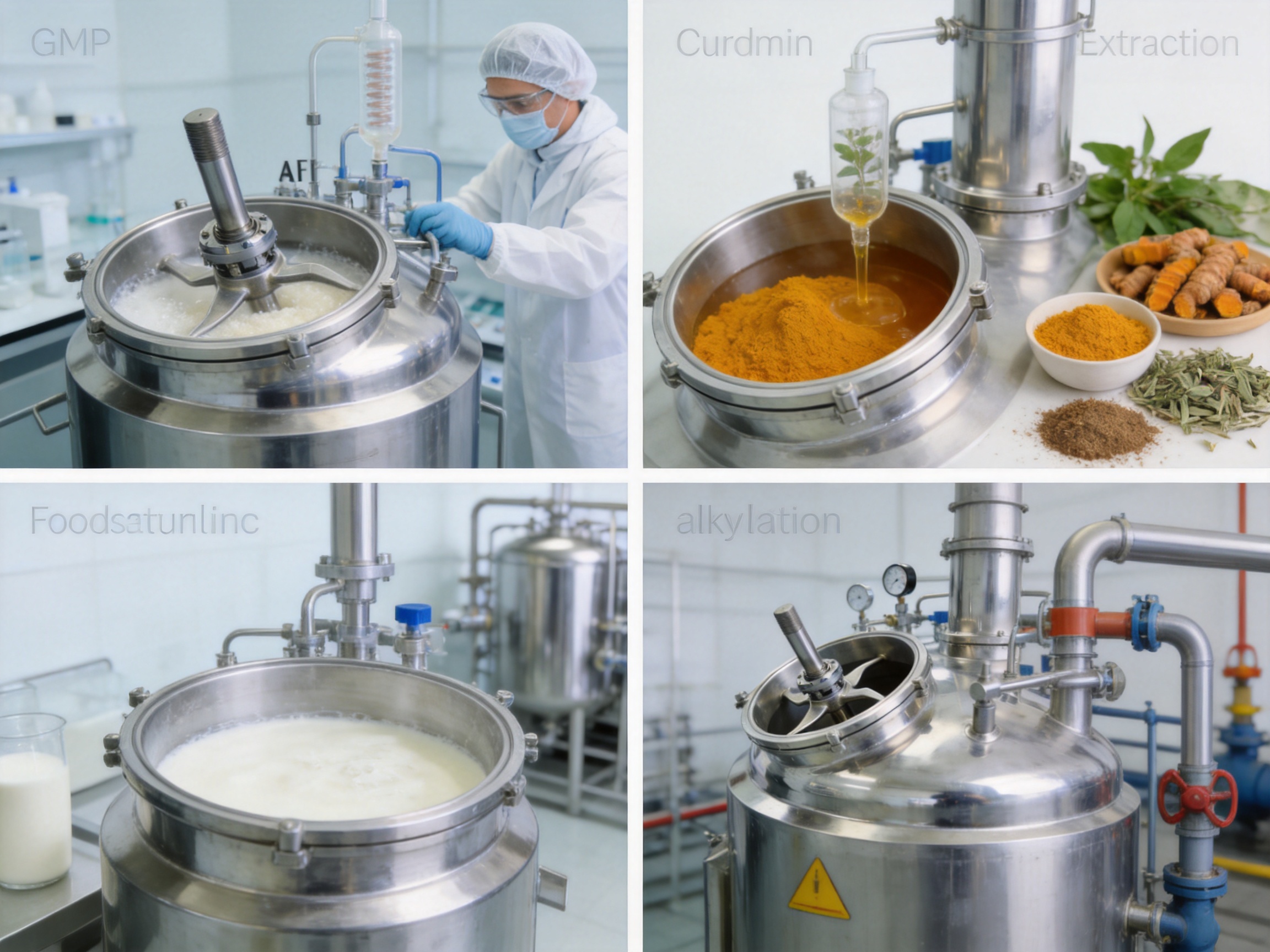
Pharmaceutical manufacturers rely on these reactors for the synthesis of active pharmaceutical ingredients (APIs) and intermediates. For example, in the production of antibiotics like penicillin, the reactor is used for fermentation (to grow the penicillin-producing mold) and subsequent extraction (using organic solvents). The reactor’s corrosion resistance to solvents (e.g., ethyl acetate) and GMP compliance ensure that the final product meets strict purity standards.
Another application is the polymerization of pharmaceutical polymers (e.g., polyvinylpyrrolidone), where the reactor’s adjustable agitator speed and temperature control are critical for achieving the desired molecular weight distribution. The manufacturer’s EPC (Engineering, Procurement, Construction) services also support clients in integrating these reactors into turnkey pharmaceutical production lines, from raw material storage to final product packaging.
Plant Extraction and Bio-Fermentation
Plant extraction is a key application for these reactors, especially in the herbal medicine and nutraceutical industries. The reactor is used to extract active compounds (e.g., curcumin from turmeric, ginsenosides from ginseng) using solvents like ethanol or water. The reactor’s temperature control (up to 100°C for water extraction) and mixing efficiency ensure that the extraction yield is maximized.
In bio-fermentation, the reactor supports the growth of microbes (e.g., yeast, bacteria) to produce enzymes, biofuels, or bioplastics. The reactor’s sterile design (with SIP compatibility) prevents contamination, while the pH and temperature control systems maintain optimal growth conditions. For example, a biofuel producer used these reactors to ferment sugarcane into ethanol, achieving a 95% conversion rate—10% higher than with conventional reactors.
Food Processing and Beverage Production
Food and beverage manufacturers use these reactors for a variety of processes, including mixing, pasteurization, and fermentation. For example, in dairy production, the reactor is used to pasteurize milk (heating to 72°C for 15 seconds) before packaging. The reactor’s smooth internal surfaces and CIP compatibility ensure that the milk remains free of bacteria and contaminants.
In beverage production, the reactor is used to ferment beer or wine, where the temperature control and mixing efficiency are critical for achieving the desired flavor profile. The reactor’s corrosion resistance to acidic beverages (e.g., wine) also ensures that the product’s taste is not affected by metal leaching.
Petrochemical and Rubber Industries
The petrochemical industry uses these reactors for reactions like alkylation (to produce gasoline), nitrification (to produce fertilizers), and polymerization (to produce plastics). The reactor’s corrosion resistance to petrochemicals (e.g., benzene, toluene) and high-pressure capabilities make it ideal for these harsh environments.
In the rubber industry, the reactor is used for vulcanization (a process that hardens rubber by adding sulfur). The reactor’s temperature control (up to 180°C) and mixing efficiency ensure that the rubber is uniformly vulcanized, resulting in high-quality products.
Q&A Section
To address common queries from industrial clients, we’ve compiled a list of frequently asked questions:
Common Queries About Chemical Stainless Steel Stirred Tank Reactors
Q1: What materials are used in the reactor’s construction?
A: The reactors are primarily made from 316L stainless steel (for high-corrosion environments) or 304 stainless steel (for less corrosive applications). Both materials are certified to meet ISO 9001 and ASME standards, ensuring durability and product purity.
Q2: Can the reactor be customized for specific process needs?
A: Yes. The manufacturer offers full customization, including agitator type, heating/cooling configuration, pressure ratings, and control systems. For example, a client can request a reactor with an internal coil for rapid cooling or a CIP system for automated cleaning.
Q3: How does the reactor ensure hygiene for food and pharma applications?
A: The reactor features smooth, weld-free internal surfaces (polished to Ra ≤ 0.8 μm), mechanical shaft seals (to prevent leakage), and CIP/SIP compatibility. These features eliminate bacterial growth and cross-contamination, ensuring compliance with GMP and FSMA standards.
Q4: What is the expected lifespan of the reactor?
A: With proper maintenance (e.g., regular cleaning, lubrication of seals), the reactor can last 15–20 years. The manufacturer also offers a 2-year warranty for parts and labor, with optional extended warranty plans.
Q5: Does the manufacturer provide after-sales support?
A: Yes. The manufacturer offers 24/7 technical support, on-site installation and commissioning, and maintenance services. For turnkey projects, the manufacturer also provides training for operators to ensure optimal reactor performance.
Q6: How does the reactor compare to disposable reactors in terms of cost and sustainability?
A: Disposable reactors have lower upfront costs but higher long-term costs (due to frequent replacements). The stainless steel reactor has a higher upfront cost but lower long-term costs (due to its long lifespan). Environmentally, the stainless steel reactor is more sustainable, as it reduces waste from disposable units.
Q7: Can the agitator speed be adjusted during operation?
A: Yes. The agitator speed is controlled by a variable frequency drive (VFD), allowing operators to adjust the speed from 0–200 r/min during operation. This flexibility is critical for optimizing reactions that require different mixing intensities at different stages.
Q8: What safety features are included in the reactor design?
A: The reactor includes pressure relief valves (to prevent overpressure), temperature sensors (to monitor and control temperature), and emergency stop buttons. The manufacturer also conducts safety audits for each reactor to ensure compliance with OSHA (Occupational Safety and Health Administration) standards.
Conclusion: The Future of Stirred Tank Reactor Technology
Chemical stainless steel stirred tank reactors are evolving to meet the demands of modern industrial processes—from stricter hygiene standards to higher energy efficiency. The reactors discussed in this article represent the cutting edge of this evolution, with their modular design, advanced materials, and rigorous manufacturing processes. As industries continue to prioritize sustainability and product quality, these reactors will play an increasingly important role in enabling efficient, compliant, and cost-effective processing.
The manufacturer’s commitment to innovation—from pilot testing to EPC services—further enhances the value of these reactors, making them a preferred choice for clients across sectors. Whether for pharmaceutical synthesis, plant extraction, or food processing, these reactors offer the flexibility, durability, and performance needed to drive industrial success.
References
1. Smith, J. D. (2020). Stirred Tank Reactors: Design, Operation, and Optimization. Industrial Chemistry Press.
2. Johnson, A. B. (2018). Stainless Steel for Industrial Processing Equipment: Properties and Applications. Materials Science Journal.
3. World Health Organization (2019). GMP Guidelines for Pharmaceutical Manufacturing Equipment.
4. Chemical Engineering Progress (2021). Advances in Reactor Technology for Sustainable Processes.
5. Food and Drug Administration (2020). Food Contact Materials: Stainless Steel Safety Standards.
6. Industrial Process Equipment Association (2022). Corrosion Resistance of Stainless Steel Reactors: A Comparative Study.
7. ASME International (2017). Pressure Vessel Code: Section VIII, Division 1.
8. UN Sustainable Development Goals (2023). Goal 12: Responsible Consumption and Production.