
 英语
 俄语
Content
- 1 Purpose of an Industrial Alcohol Recovery Tower
- 2 Integrated Process Configuration
- 3 Material Selection and Fabrication Quality
- 4 Performance Range and Model Selection
- 5 Advantages Compared with Basic Recovery Equipment
- 6 Applications in Different Industries
- 7 Energy Conservation and Environmental Benefits
- 8 Engineering and Turnkey Project Capability
- 9 Manufacturing and Quality Considerations
- 10 Installation, Operation and Maintenance
- 11 How to Evaluate a Supplier
- 12 Recommended Project Workflow
- 13 Technical Data Summary
- 14 Frequently Asked Questions
- 14.1 What type of liquid can be treated by the alcohol recovery tower?
- 14.2 What concentration of alcohol can the system recover?
- 14.3 Can the recovered ethanol be returned directly to production?
- 14.4 What is the difference between this system and a simple distillation kettle?
- 14.5 Which packing material should be selected?
- 14.6 How is the correct model selected?
- 14.7 Does the equipment require feed pretreatment?
- 14.8 Can the equipment be customized?
- 14.9 What safety measures are important?
- 14.10 Does the manufacturer provide installation support?
- 15 Conclusion
- 16 References
- 17 Product: Industrial Alcohol Recovery Tower Waste Ethanol Distillation Recycling Machine
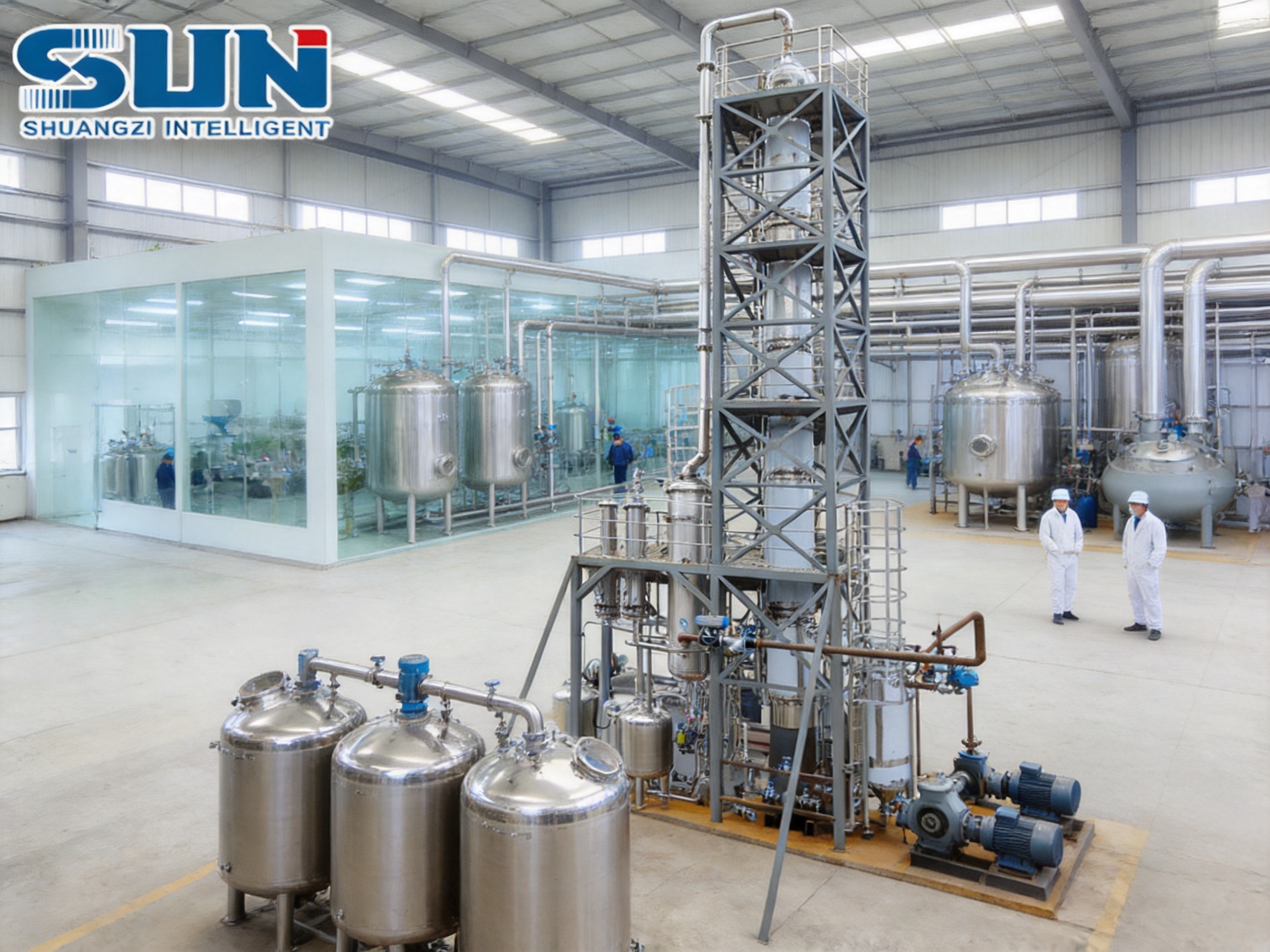
Industrial alcohol recovery is becoming an essential part of efficient pharmaceutical, food, fine chemical, flavor and fragrance production. Many manufacturing processes use ethanol as an extraction solvent, precipitation medium, cleaning agent or process carrier. After use, the resulting liquid often contains water, dissolved raw materials, pigments, suspended solids and other impurities. Without a suitable recovery system, this waste alcohol must be purchased again, stored as hazardous material or sent for external treatment. Each of these options increases operating costs and places additional pressure on environmental management.
The Industrial Alcohol Recovery Tower is designed to recover and purify ethanol from dilute or contaminated waste liquids. Through rectification, vaporization, condensation and controlled collection, the system separates reusable alcohol from water and nonvolatile substances. The recovered alcohol can then be returned to the original production process, depending on the required purity and the composition of the feed liquid. This approach reduces solvent consumption, lowers wastewater and hazardous-waste volumes, and supports more sustainable manufacturing.
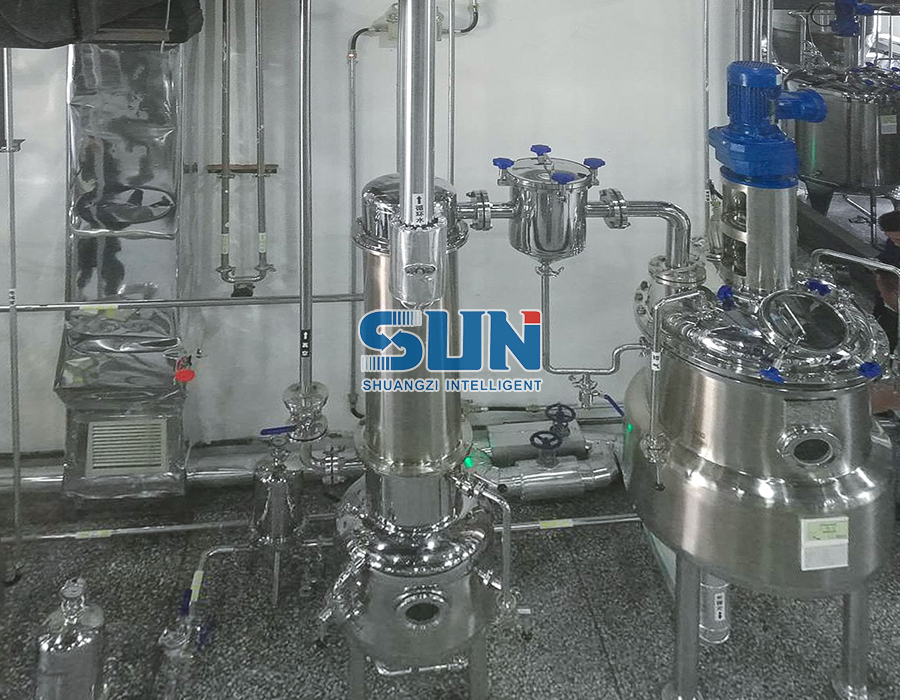
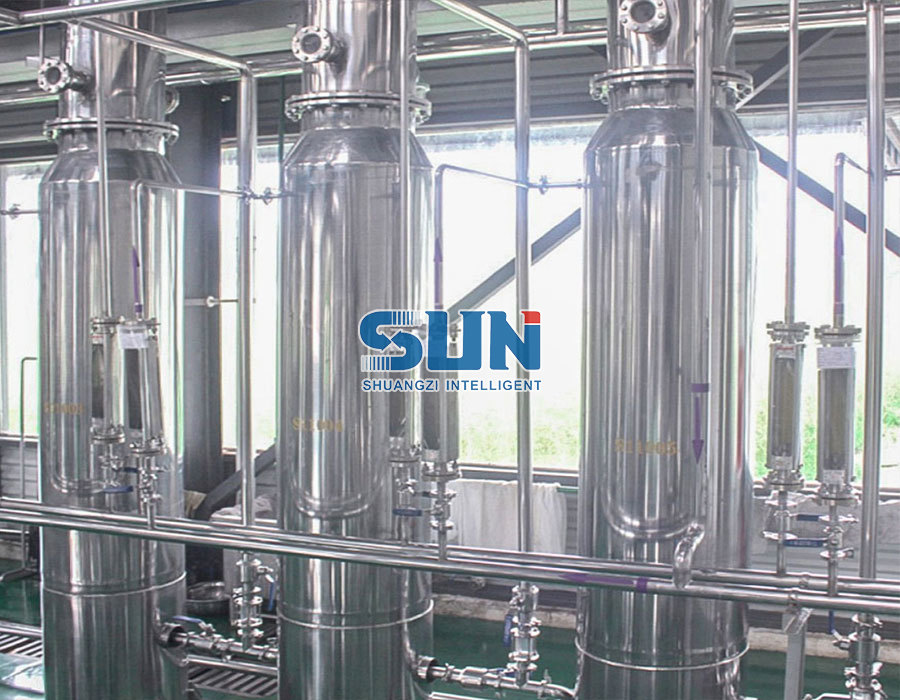
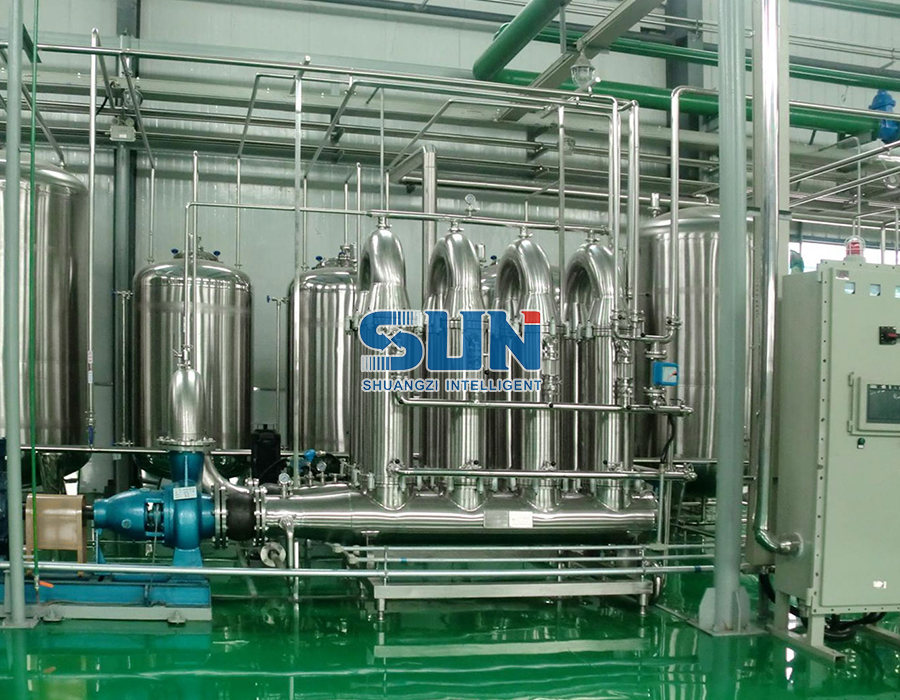
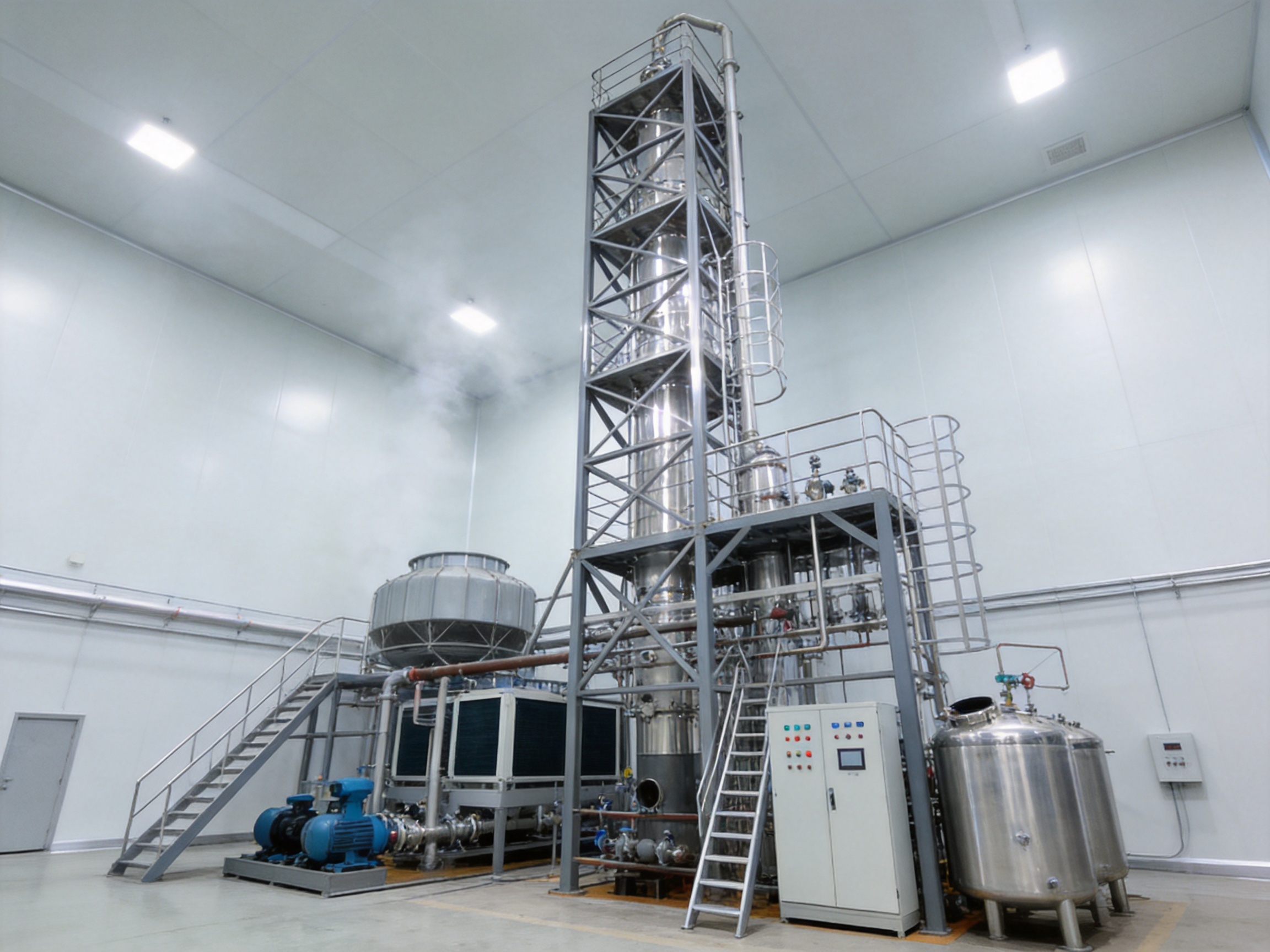
Manufactured by Zhejiang Shuangzi Intelligent Equipment Co., Ltd., the alcohol recovery tower combines a rectification column, condensers, storage tanks, heat-exchange components, pumps and variable-frequency conveying controls in an integrated equipment system. The equipment is fabricated primarily from 304 stainless steel, offering resistance to common acidic and alkaline process conditions. Its modular configuration allows the tower to be adapted to different production capacities, feed concentrations, recovery targets, plant layouts and automation requirements.
Unlike a basic still that may provide limited separation and inconsistent control, this recovery tower is engineered as a complete process unit. It provides a defined vapor-liquid separation path, controlled heating and condensation, continuous or semi-continuous conveying, and dedicated storage for recovered alcohol. These features make it suitable for industrial facilities that require repeatable operation rather than occasional laboratory-scale solvent recovery.
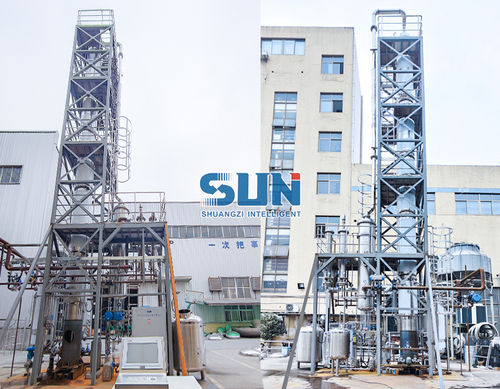
Industrial Alcohol Recovery Tower Waste Ethanol Distillation Recycling Machine
Purpose of an Industrial Alcohol Recovery Tower
An alcohol recovery tower is a separation machine used to extract ethanol from process liquids. The feed may be generated during botanical extraction, alcohol precipitation, pharmaceutical production, equipment cleaning or other operations where ethanol is mixed with water and process residues. The exact composition varies from one factory to another, so the design of the feed system, pretreatment system and internal separation components must be selected according to the material characteristics.
The core principle is based on the difference in volatility between ethanol, water and nonvolatile impurities. When the waste liquid is heated, ethanol-rich vapor is generated more readily than water-rich liquid. The vapor rises through the rectification section, where repeated contact between vapor and liquid improves separation. The ethanol-rich vapor then passes to the condensing system, where it is converted into liquid and directed to a collection or storage tank.
Nonvolatile solids, pigments, plant extracts and many dissolved residues remain in the bottom liquid. Depending on the feed composition, additional filtration, clarification, centrifugation or pretreatment may be required before distillation. Proper pretreatment protects the column from fouling and helps maintain stable heat transfer. The resulting system can recover a valuable solvent while concentrating or reducing the volume of the remaining waste stream.
The equipment is especially useful when a factory consumes significant quantities of ethanol. Even a moderate recovery rate can generate substantial savings over a full production year. The economic benefit comes from several sources: reduced purchase of fresh solvent, lower external waste-treatment charges, reduced wastewater discharge, fewer solvent-storage requirements and improved utilization of process materials.
Integrated Process Configuration
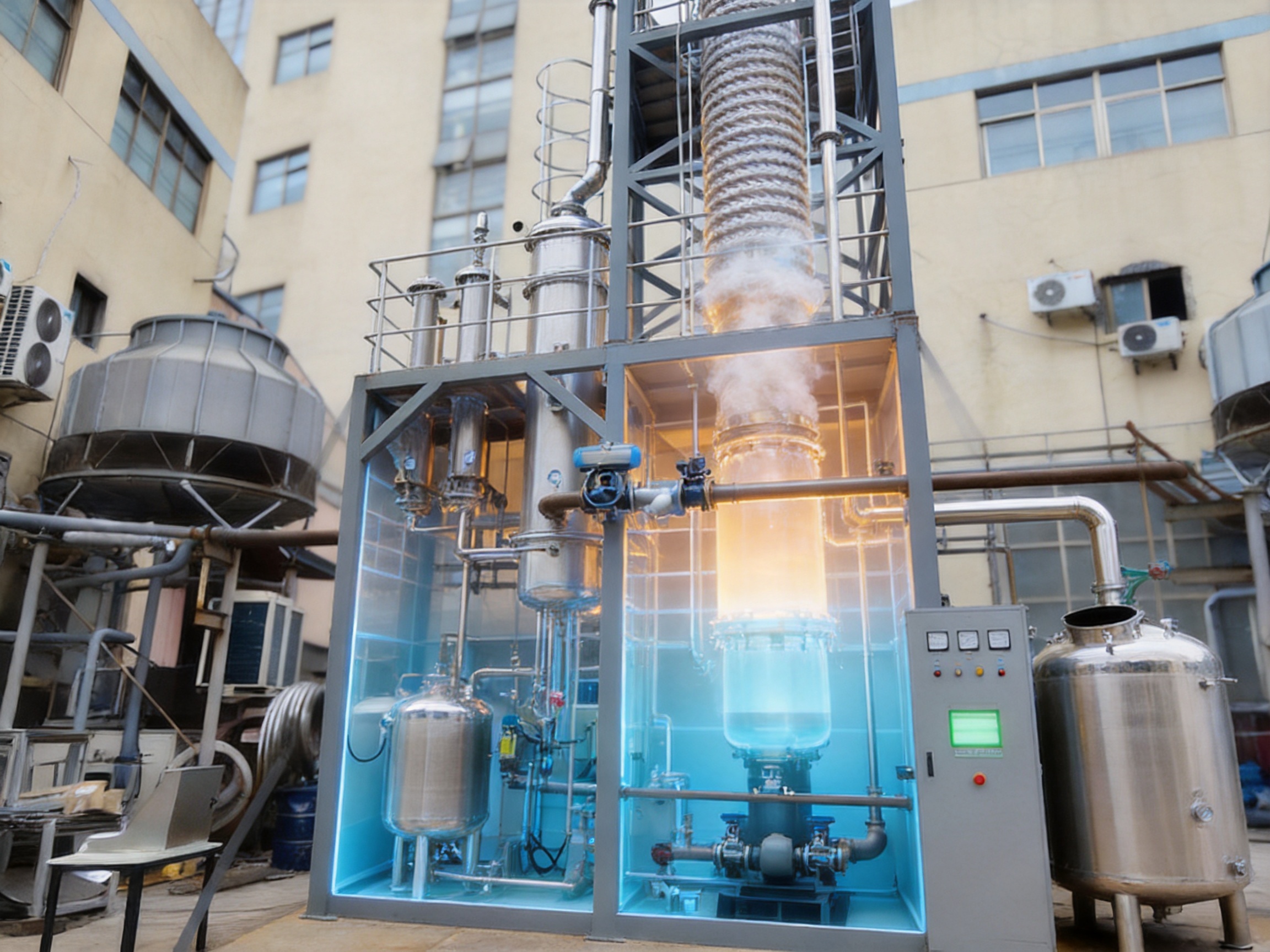
The tower is not simply a vertical vessel. It is a coordinated process system that includes several functional sections. The rectification tower provides the main separation zone. The condenser converts vapor into liquid. The cooling section removes residual heat and helps stabilize the recovered product. Storage tanks receive and hold the recovered alcohol. Heat-exchange surfaces transfer energy between process streams, while pumps and variable-frequency drives regulate material movement.
Rectification Column
The rectification column is the central component of the recovery system. It contains ceramic or stainless steel corrugated packing material, depending on the process requirement. The packing increases the contact area between rising vapor and descending liquid. This repeated contact promotes mass transfer and allows ethanol to become concentrated in the vapor phase.
Compared with an empty vessel or a simple batch kettle, a packed rectification column can provide more effective separation within a relatively compact structure. The choice between ceramic packing and stainless steel corrugated packing depends on feed composition, corrosion conditions, mechanical requirements, cleaning procedures and the desired operating life.
The column dimensions and packing arrangement are selected according to throughput and target concentration. Larger models provide increased processing capacity, greater heat-transfer area and higher recovery output. Smaller models are useful for pilot production, moderate solvent consumption or facilities with limited floor space and utility availability.
Condensing System
After rectification, ethanol-rich vapor must be condensed efficiently. The condensing system provides the surface area required for vapor-to-liquid conversion. Stable condensation is important because fluctuating temperatures can affect recovery efficiency, product concentration and operating continuity.
The listed equipment models provide condensation areas from 5 square meters to 45 square meters. This range enables the system to support different recovery capacities. A properly sized condenser also reduces vapor loss and helps prevent the discharge of ethanol vapor into the working environment. Final design should consider the feed concentration, operating pressure, cooling-medium temperature, vapor load and expected seasonal conditions.
Cooling and Heat Exchange
Cooling areas range from 1 square meter on the JH-200 model to 8 square meters on the JH-800 model. Heat-exchange areas range from 3 square meters to 26 square meters. These surfaces support thermal control throughout the recovery cycle and help improve energy utilization.
Heat exchange is particularly important in solvent recovery because heating and cooling represent a significant portion of operating costs. A well-designed system transfers heat in a controlled manner, reduces unnecessary utility consumption and helps maintain a stable temperature profile. The final energy performance depends on steam conditions, cooling-water temperature, insulation, operating schedule and feed properties.
Storage Tanks and Conveying Controls
The integrated storage arrangement provides a defined destination for recovered alcohol and other process streams. High-position tank volumes for the listed models range from 300 liters to 1,500 liters. These tanks support temporary holding, gravity-assisted transfer and controlled feeding into subsequent process steps.
Variable-frequency conveying control allows operators to adjust pump speed according to actual process demand. Compared with fixed-speed conveying, variable-frequency control can reduce hydraulic shock, support smoother feeding, lower unnecessary power consumption and make it easier to match the system to changing production conditions. It also provides greater flexibility when the feed rate or concentration changes during a production campaign.
Material Selection and Fabrication Quality
The alcohol recovery tower is precision fabricated from 304 stainless steel. This material is widely used in process equipment because it combines mechanical strength, cleanability and resistance to many common process fluids. The acid and alkali resistance of 304 stainless steel is beneficial in applications involving plant extracts, cleaning solutions and process liquids with variable pH values.
Material selection must always be verified against the actual feed composition. Strong chlorides, highly concentrated acids, elevated temperatures or specific corrosive contaminants may require a different material grade or additional protective measures. Nevertheless, for many ethanol recovery applications in pharmaceutical, food and fine chemical production, 304 stainless steel provides a practical balance between durability, hygienic maintenance and cost.
Surface finishing and welding quality directly affect equipment reliability. Internal crevices, rough welds and poorly finished connections can collect residues, increase cleaning time and create locations for corrosion or contamination. Zhejiang Shuangzi Intelligent Equipment Co., Ltd. has introduced plasma argon arc welding machines, plasma cutting equipment, CAM CNC machining centers and other advanced fabrication tools. These resources support more consistent cutting, forming, welding and finishing operations.
Plasma argon arc welding is valuable for stainless-steel process equipment because it can produce clean, controlled welds when correctly applied. Accurate welding reduces distortion and supports the dimensional stability of columns, tanks and pipe connections. CNC machining improves the repeatability of fabricated components and helps maintain accurate interfaces between vessels, heat exchangers, pumps, valves and control assemblies.
The manufacturing process begins with process analysis and equipment sizing. Engineers review the feed composition, ethanol concentration, expected throughput, recovery objective, heating method, cooling conditions and available plant utilities. The equipment configuration is then developed around the customer's process requirements rather than relying solely on a standard vessel size.
After design confirmation, materials are prepared and components are fabricated. Cutting, rolling, forming, welding, polishing and assembly are carried out according to the approved design. Tanks, columns and heat-exchange components are integrated with piping and control elements. Quality checks focus on dimensions, weld appearance, connection accuracy, surface condition and operational suitability.
Factory testing and commissioning support are important parts of a complete project. Before shipment, the supplier can review assembly conditions, control functions, pump operation, instrument interfaces and utility connections. At the customer's site, installation, line debugging and system integration can be included as part of the engineering service package.
Performance Range and Model Selection
The alcohol recovery tower is available in several model sizes. The JH-200, JH-300, JH-400, JH-500, JH-600 and JH-800 models cover a recovery capacity range of approximately 45 to 620 kilograms per hour. The actual output depends on feed concentration, operating conditions, desired recovery concentration, heat supply, cooling conditions and the properties of the impurities in the waste liquid.
| Model | Tower Volume | High Position Height | High Tank Volume | Condensation Area | Recovery Capacity |
|---|---|---|---|---|---|
| JH-200 | 640 L | 6,000 mm | 300 L | 5 m² | 45–50 kg/h |
| JH-300 | 1,220 L | 7,000 mm | 400 L | 9 m² | 90–100 kg/h |
| JH-400 | 1,450 L | 7,000 mm | 650 L | 11 m² | 150–160 kg/h |
| JH-500 | 2,300 L | 7,000 mm | 800 L | 18 m² | 280–300 kg/h |
| JH-600 | 2,500 L | 7,500 mm | 1,000 L | 25 m² | 420–440 kg/h |
| JH-800 | 3,200 L | 7,500 mm | 1,500 L | 45 m² | 600–620 kg/h |
All listed models are designed for a recovered alcohol concentration above 90 percent under specified operating conditions. This figure should be treated as a reference rather than a universal result. In practice, the final concentration depends on the ethanol-water relationship, the quantity of volatile impurities, the feed temperature, the column operating conditions and the customer's quality specification.
Model selection should begin with the amount of waste alcohol generated per hour or per batch. The customer should also evaluate the average and peak feed rates, because a system sized only for average production may become a bottleneck during seasonal or campaign-based operation. The concentration of ethanol in the feed is equally important. A dilute stream may require more heating and a longer residence time than a concentrated stream.
Plant layout must be reviewed before selecting a tower. Listed overall dimensions extend from approximately 2,300 by 700 by 9,300 millimeters for the JH-200 to approximately 4,200 by 1,800 by 18,000 millimeters for the JH-800. The height of the column, access requirements, lifting arrangements, maintenance clearance, ventilation and fire-safety zoning must all be considered during installation planning.
Advantages Compared with Basic Recovery Equipment
Higher Separation Efficiency
A basic distillation kettle can evaporate a portion of the ethanol, but it may not provide sufficient vapor-liquid contact for consistent purification. The packed rectification column offers a more effective separation route. As vapor rises and liquid descends through the packing, mass transfer occurs across a larger contact area, improving ethanol enrichment.
This design is especially useful when the feed is dilute or when the recovered alcohol must meet a defined concentration requirement. The system can be configured to support repeated separation within the tower instead of depending only on one evaporation and condensation step.
Complete Process Integration
Many low-cost recovery devices require separate condensers, collection vessels, pumps and control panels. Such arrangements can increase installation complexity and create compatibility issues between components. The integrated tower combines the primary process sections into a coordinated unit, simplifying project management and reducing the number of external interfaces.
Integration also supports more consistent operation. The column, condenser, storage tanks and conveying system are selected to work together. This makes it easier to establish operating procedures, identify process boundaries and plan maintenance activities.
Flexible Capacity Options
The six model sizes provide a broad capacity range for pilot, medium-scale and industrial applications. Customers do not need to select a single oversized system for every operation. Instead, the model can be matched to solvent consumption and planned production growth.
For facilities with multiple production lines, several recovery towers may also be considered. This approach can provide process segregation, redundancy or independent handling of different waste streams. The best arrangement depends on the compatibility of the waste liquids and the required purity of the recovered alcohol.
Reduced Solvent and Waste Costs
Recovering ethanol from waste liquid can reduce the amount of fresh alcohol purchased for extraction, precipitation or cleaning. It can also reduce the volume of liquid requiring external disposal. These savings are particularly meaningful in plants that operate continuously or consume large quantities of ethanol.
The financial result depends on the price of fresh ethanol, waste-treatment fees, utility costs, labor, maintenance and the percentage of recovered alcohol that can be reused. A site-specific economic analysis should compare the current disposal and purchasing costs with the expected recovery rate and operating expenses.
Improved Process Control
Variable-frequency conveying and integrated control functions provide greater operational flexibility than manually operated equipment. Operators can adjust the feed rate, transfer speed and collection sequence according to production requirements. Stable conveying helps maintain a more consistent material balance within the system.
Automation can also support repeatable production records. Temperature, pressure, flow, liquid level and pump status may be monitored according to the selected control configuration. More advanced automation can be connected with a plant control system when required by the customer's engineering standards.
Durable Stainless-Steel Construction
304 stainless steel provides a durable and cleanable equipment surface for many alcohol recovery applications. Compared with ordinary carbon-steel construction, stainless steel is better suited to process environments where moisture, acidic residues and cleaning agents are present. Its surface can also support more hygienic operation when properly finished and maintained.
Applications in Different Industries
Plant Extraction
Plant extraction facilities commonly use ethanol to extract active compounds, flavors, pigments, oils and other valuable components from botanical materials. After extraction, the solvent may be separated from the product or concentrated through additional processing. The remaining alcohol-water mixture can be sent to the recovery tower for purification and reuse.
Because botanical extracts may contain colorants, resins, sugars and suspended particles, feed pretreatment is often important. Filtration or settling can reduce the load of solids entering the distillation system. The recovery tower can then focus on the separation of ethanol and water while reducing the risk of packing blockage and heat-transfer fouling.
Pharmaceutical Production
Pharmaceutical processes use ethanol in extraction, crystallization, precipitation, cleaning and formulation-related operations. Solvent quality, traceability and hygienic design are important considerations in this sector. The stainless-steel construction and integrated process arrangement can support plants that need controlled solvent handling.
Recovered alcohol intended for reuse in a pharmaceutical process should be tested according to the applicable internal quality standards. Depending on the application, analysis may include ethanol concentration, water content, color, nonvolatile residue and specific impurities. The recovery system provides the separation step, while the customer remains responsible for defining release criteria and confirming suitability for reuse.
Flavor and Fragrance Manufacturing
Flavor and fragrance producers use ethanol to dissolve aromatic substances and botanical ingredients. Waste streams may contain volatile compounds, color bodies and dissolved fragrance components. A correctly designed recovery process can reclaim a substantial portion of the ethanol while allowing the remaining residues to be managed separately.
In this application, cross-contamination control is important. Different products may have distinctive aromas, so cleaning procedures, batch segregation and storage-tank management should be considered. The equipment configuration can be adapted to the production schedule and the required separation strategy.
Fine Chemical Processing
Fine chemical manufacturers frequently use ethanol as a reaction medium, washing solvent, crystallization aid or cleaning solvent. Waste liquids can vary widely in composition. Some streams may be suitable for direct distillation, while others may need filtration, neutralization or classification before entering the tower.
The recovery system can help reduce the volume of mixed solvent waste. Where different waste streams are chemically compatible, they may be combined for treatment. Where they are not compatible, separate collection and dedicated recovery campaigns may be preferable.
Deep-Processed Food Production
Food and natural-product manufacturers may use ethanol during extraction of functional ingredients, flavors or colorants. Solvent recovery helps improve raw-material utilization and can reduce the environmental burden of food-processing waste. Stainless-steel equipment is also widely preferred in food-related production because it is durable and relatively easy to clean.
Recovered ethanol used in a food process must comply with the customer's safety and quality requirements. The operating company should establish procedures for testing, storage, labeling and release before the solvent is returned to production.
Energy Conservation and Environmental Benefits
The main environmental benefit of alcohol recovery is the reduction of waste solvent. Instead of treating all used ethanol as waste, the plant can separate and reuse a portion of it. This lowers the demand for new solvent production and reduces the amount of ethanol-containing wastewater or hazardous liquid sent to treatment.
The system can also reduce wastewater discharge when the recovered alcohol is returned to the process. Less purchased solvent often means less packaging, transportation and storage activity. In addition, reducing the organic load of waste streams can make downstream wastewater treatment easier, although the remaining liquid must still be treated according to applicable regulations.
Energy performance depends on the operating design. The recovery tower uses heat to vaporize ethanol and cooling to condense the vapor. Proper insulation, heat-exchanger sizing, condensate management and operating scheduling can help reduce energy consumption. Facilities should evaluate opportunities to recover heat from hot bottoms, condensate or other process streams.
Energy-saving performance should not be assumed solely from the equipment name or model number. It should be calculated using the feed flow, ethanol concentration, operating temperature, heat source, cooling-medium conditions and production schedule. Zhejiang Shuangzi Intelligent Equipment Co., Ltd. can support process and equipment design so the recovery system is matched to the customer's actual operating conditions.
Engineering and Turnkey Project Capability
Zhejiang Shuangzi Intelligent Equipment Co., Ltd. was founded in 2007 and has developed capabilities covering process technology, automation engineering design, equipment manufacturing, matching procurement, installation and system integration. The company operates from a site with a floor area of approximately 16,706 square meters and a structure area of approximately 17,800 square meters.
The company's EPC and EPCM-oriented approach is valuable for customers who need more than an individual machine. Alcohol recovery is connected with feed collection, pretreatment, utilities, storage, ventilation, fire protection, wastewater management and production-line controls. A supplier that understands the wider process can help coordinate these interfaces during project development.
Engineering support may include process design, equipment sizing, layout planning, piping coordination, control-system integration, installation guidance, line debugging and commissioning assistance. For larger projects, the alcohol recovery tower can be incorporated into a broader solvent-recycling or environmental-improvement program.
The company also maintains pilot production and research-and-development capabilities related to vacuum low-temperature drying, fermentation, extraction, evaporation, concentration, precipitation separation, crystallization and filtration. This broad process background helps the engineering team understand the upstream and downstream operations that influence alcohol recovery.
Customers may benefit from a coordinated equipment package rather than purchasing unrelated components from several suppliers. A single project partner can reduce communication gaps, clarify responsibility for system interfaces and help establish a more consistent commissioning plan.
Manufacturing and Quality Considerations
Process equipment quality is influenced by the entire manufacturing chain, from design review to final testing. For an alcohol recovery tower, important considerations include vessel geometry, column verticality, packing support, nozzle location, heat-exchanger construction, weld quality, surface finishing and the accuracy of control connections.
Material traceability is important for customers operating in regulated or quality-sensitive industries. The equipment documentation may include material information, drawings, operating instructions, inspection records and commissioning procedures according to the project specification. The exact document package should be agreed during contract and technical clarification stages.
Welding procedures must be compatible with the selected stainless-steel material and the required service conditions. Finished internal surfaces should be free of sharp projections and excessive weld irregularities. Where cleaning-in-place or frequent manual cleaning is required, the system should be designed with appropriate drainability, access and connection arrangements.
Equipment inspection should also consider pressure and leak integrity, pump rotation, valve operation, temperature measurement, liquid-level indication and condenser performance. The inspection scope depends on whether the system operates under atmospheric, vacuum or pressurized conditions and on the applicable local requirements.
Because ethanol is flammable, plant-level safety design is essential. The installation should include suitable ventilation, electrical classification, grounding and bonding, fire protection, spill control and safe operating procedures. The recovery tower should be integrated into the customer's overall hazardous-area and process-safety assessment. Equipment selection alone cannot replace a complete site safety program.
Installation, Operation and Maintenance
Before installation, the customer should confirm the foundation, tower height, lifting route, access platforms, utility connections and drainage arrangements. The site should have adequate space for inspection and maintenance. Operators should also verify that the heating and cooling systems can deliver the required flow and temperature under normal and peak conditions.
Initial commissioning normally includes cleaning, water testing or other approved checks, instrument verification, pump testing, control-sequence confirmation and gradual introduction of the actual feed liquid. Operators should establish stable operating conditions before increasing the throughput to the design range.
Routine operation involves monitoring feed flow, liquid levels, heating conditions, column temperature profile, condenser temperature, recovered alcohol concentration and bottom-liquid characteristics. Unexpected changes may indicate packing fouling, condenser scaling, feed-composition variation, pump problems or instrument drift.
Maintenance should include inspection of pumps, seals, valves, instruments, heat-transfer surfaces, packing supports and storage tanks. Heat exchangers should be cleaned when fouling reduces thermal performance. Packing should be inspected if pressure drop increases, output declines or the recovered concentration becomes unstable.
Operators should keep production and maintenance records. Useful records include feed volume, feed concentration, recovered volume, recovered concentration, utility consumption, cleaning dates, abnormal events and replacement parts. These records help identify trends and support continuous improvement.
How to Evaluate a Supplier
A suitable supplier should be able to discuss the complete process rather than only quote a tower body. The technical review should cover feed composition, ethanol concentration, solids content, desired recovery rate, target product concentration, heating method, cooling conditions, operating schedule and the intended use of the recovered alcohol.
Manufacturing capability is another key consideration. Customers should review the supplier's experience with stainless-steel vessels, columns, heat exchangers, automation, installation and system integration. Advanced welding and machining equipment can improve consistency, but process knowledge and quality management are equally important.
Customization should be based on measurable requirements. Useful customization areas include column dimensions, packing type, tank volume, condenser area, heat-exchanger area, pump specification, control philosophy, material grade, insulation, platform arrangement and connection standards. The supplier should clearly identify which parameters are standard and which require project-specific engineering.
After-sales service also affects the long-term value of the equipment. Training, commissioning support, spare-parts availability, troubleshooting assistance and maintenance guidance can reduce downtime. A supplier with broader engineering capabilities may be better positioned to support future expansion or integration with other process systems.
Recommended Project Workflow
The first stage is a process survey. The customer provides information about the waste liquid, including its source, average flow, peak flow, ethanol concentration, temperature, suspended solids, dissolved materials and any known corrosive components. Samples may be required for laboratory analysis or pilot testing.
The second stage is process design. Engineers determine whether pretreatment is required, estimate the material balance, select the recovery model, calculate heat and cooling duties, and define the storage and transfer arrangement. The desired recovery concentration and reuse route should be established at this stage.
The third stage is technical confirmation. Equipment drawings, dimensions, materials, utility requirements, control functions, instrumentation, inspection standards and documentation are reviewed. Any special requirements for pharmaceutical, food or chemical production should be included before fabrication begins.
The fourth stage is manufacturing and inspection. Stainless-steel components are fabricated, welded, finished and assembled. The equipment is inspected against the approved design. Factory testing may be conducted according to the contract and the customer's quality plan.
The fifth stage is site installation and commissioning. The tower is positioned, connected to utilities and integrated with upstream and downstream equipment. Operators receive training on startup, normal operation, shutdown, cleaning, emergency response and routine maintenance.
The final stage is performance verification. The system is operated with representative feed material, and key data are recorded. These data may include recovery capacity, recovered concentration, energy consumption, stability, transfer performance and the quality of the remaining liquid. Adjustments can then be made to optimize operation.
Technical Data Summary
| Parameter | JH-200 | JH-300 | JH-400 | JH-500 | JH-600 | JH-800 |
|---|---|---|---|---|---|---|
| Tower volume | 640 L | 1,220 L | 1,450 L | 2,300 L | 2,500 L | 3,200 L |
| High-position height | 6,000 mm | 7,000 mm | 7,000 mm | 7,000 mm | 7,500 mm | 7,500 mm |
| High tank volume | 300 L | 400 L | 650 L | 800 L | 1,000 L | 1,500 L |
| Condensation area | 5 m² | 9 m² | 11 m² | 18 m² | 25 m² | 45 m² |
| Cooling area | 1 m² | 1.5 m² | 2.2 m² | 4 m² | 6 m² | 8 m² |
| Heat-exchange area | 3 m² | 6 m² | 6.5 m² | 10 m² | 15 m² | 26 m² |
| Recovery capacity | 45–50 kg/h | 90–100 kg/h | 150–160 kg/h | 280–300 kg/h | 420–440 kg/h | 600–620 kg/h |
| Reference recovery concentration | Above 90 percent under specified operating conditions | |||||
| Packing options | Ceramic or stainless-steel corrugated packing | |||||
The technical data provide a starting point for selection. They do not replace a process calculation based on the customer's actual waste liquid. Capacity, concentration and energy consumption should be confirmed through engineering review and, where necessary, pilot testing.
Frequently Asked Questions
What type of liquid can be treated by the alcohol recovery tower?
The tower is intended for ethanol-containing waste liquids generated by extraction, alcohol precipitation, pharmaceutical processing, flavor and fragrance production, fine chemical manufacturing, food processing and equipment cleaning. The feed should be evaluated before final design because high solids, severe corrosion, unstable emulsions or incompatible chemicals may require pretreatment or a modified configuration.
What concentration of alcohol can the system recover?
The listed reference specification indicates a recovered alcohol concentration above 90 percent under specified operating conditions. The actual result depends on feed concentration, column operation, packing, heat supply, cooling conditions and impurity characteristics. Customers should define the required concentration according to the intended reuse application.
Can the recovered ethanol be returned directly to production?
It may be suitable for reuse after quality verification. The customer should test the recovered alcohol for concentration and relevant impurities before returning it to a pharmaceutical, food, flavor, fragrance or chemical process. The acceptance criteria should be defined by the production and quality departments.
What is the difference between this system and a simple distillation kettle?
A simple kettle mainly provides evaporation and condensation. The alcohol recovery tower adds a packed rectification section, dedicated condensation and cooling areas, storage tanks and controlled conveying. This integrated arrangement generally provides more effective separation, better process continuity and greater operational control.
Which packing material should be selected?
Ceramic packing and stainless-steel corrugated packing are both available options. Selection depends on corrosion conditions, mechanical requirements, cleaning methods, process temperature, expected fouling and the desired separation performance. The supplier should recommend the packing type after reviewing the feed liquid and operating conditions.
How is the correct model selected?
Model selection is based on feed flow, ethanol concentration, operating schedule, recovery target, available utilities and plant space. The customer should provide both average and peak waste-liquid volumes. The supplier can then evaluate the required tower volume, heat-transfer area, condenser area and storage capacity.
Does the equipment require feed pretreatment?
Not every feed requires the same pretreatment. Liquids containing plant solids, precipitates, oils or heavy residues may benefit from filtration, settling or clarification before distillation. Pretreatment can reduce fouling, protect pumps and maintain stable heat transfer.
Can the equipment be customized?
Yes. Customization may include material selection, column dimensions, tank capacity, packing type, condenser area, heat-exchange area, pumps, controls, insulation, platforms and connection standards. Engineering customization should be based on a documented process requirement and site survey.
What safety measures are important?
Ethanol is flammable, so ventilation, grounding, bonding, suitable electrical equipment, leak prevention, fire protection and safe operating procedures are essential. The complete installation should be reviewed under the customer's process-safety and hazardous-area requirements.
Does the manufacturer provide installation support?
The company provides engineering services that can include process design, equipment design, installation, line debugging and system integration. The exact scope depends on the project agreement and the customer's location, site conditions and commissioning requirements.
Conclusion
The Industrial Alcohol Recovery Tower provides a practical route for recovering ethanol from waste liquids generated in plant extraction, pharmaceutical, food, flavor, fragrance and fine chemical operations. Its rectification column, packing, condenser, cooling system, heat exchangers, storage tanks and variable-frequency conveying controls work together as an integrated separation solution.
Its principal advantages over basic recovery equipment include improved vapor-liquid contact, flexible capacity selection, controlled material transfer, stainless-steel construction, reduced solvent waste and the ability to form part of a complete turnkey engineering project. The available JH-200 through JH-800 models cover reference recovery capacities from 45–50 kilograms per hour to 600–620 kilograms per hour.
Zhejiang Shuangzi Intelligent Equipment Co., Ltd. strengthens the equipment offering with process engineering, advanced stainless-steel fabrication, plasma welding, CNC machining, installation support, commissioning and system integration. Its broader experience in extraction, fermentation, evaporation, concentration, separation, crystallization, filtration and drying enables the company to evaluate alcohol recovery as part of the customer's complete production process.
For the best result, each project should begin with a detailed review of the waste liquid and the intended reuse route. With appropriate model selection, pretreatment, safety planning, automation and maintenance, the recovery tower can help manufacturers reduce raw-material costs, lower waste-treatment requirements and improve resource efficiency.
References
1. Perry, R. H., and Green, D. W. Perry’s Chemical Engineers’ Handbook. McGraw-Hill.
2. Seader, J. D., Henley, E. J., and Roper, D. K. Separation Process Principles. Wiley.
3. Geankoplis, C. J. Transport Processes and Separation Process Principles. Prentice Hall.
4. Coulson, J. M., and Richardson, J. F. Chemical Engineering: Particle Technology and Separation Processes. Butterworth-Heinemann.
5. General principles of industrial distillation, vapor-liquid equilibrium and solvent recovery engineering.
6. Product technical information for industrial alcohol recovery tower systems supplied by Zhejiang Shuangzi Intelligent Equipment Co., Ltd.
7. General stainless-steel fabrication, hygienic process-equipment design and industrial solvent-handling practices.