
 英语
 俄语
Content
- 1 1. Product Purpose and Processing Concept
- 2 2. Typical Application Range
- 3 3. Core Design Features
- 4 4. Technical Specifications
- 5 5. Advantages Compared with Conventional Drying Equipment
- 6 6. Manufacturing and Engineering Strengths
- 7 7. Operating Workflow
- 8 8. Selection Guidance for Laboratory and Pilot Users
- 9 9. Product Quality and Process Validation
- 10 10. Application Examples
- 11 11. Safety and Reliability Considerations
- 12 12. Service and Project Support
- 13 13. Frequently Asked Questions
- 13.1 What type of material is best suited to this dryer?
- 13.2 Can the dryer replace a spray dryer in every application?
- 13.3 What final moisture can be achieved?
- 13.4 What is the heating temperature range?
- 13.5 How is the product conveyed through the machine?
- 13.6 Can sticky materials be processed?
- 13.7 What utilities are required?
- 13.8 Is the machine suitable for pharmaceutical production?
- 13.9 Can the equipment be integrated into a complete production line?
- 13.10 How should a customer begin equipment selection?
- 14 14. Conclusion
- 15 References
- 16 Product: Laboratory Fully Automatic Vacuum Low-temperature Crawler Belt Dryer
Modern pharmaceutical, food, biotechnology, and fine chemical manufacturers increasingly need drying systems that can remove moisture without damaging valuable product characteristics. Many liquid and paste-like materials are difficult to process because they are heat-sensitive, highly viscous, sticky, thermoplastic, or prone to agglomeration. Conventional hot-air dryers may cause oxidation, loss of active ingredients, surface hardening, discoloration, or poor reconstitution. Spray dryers can also become unsuitable when a material does not atomize properly or when the product forms deposits inside the drying chamber.
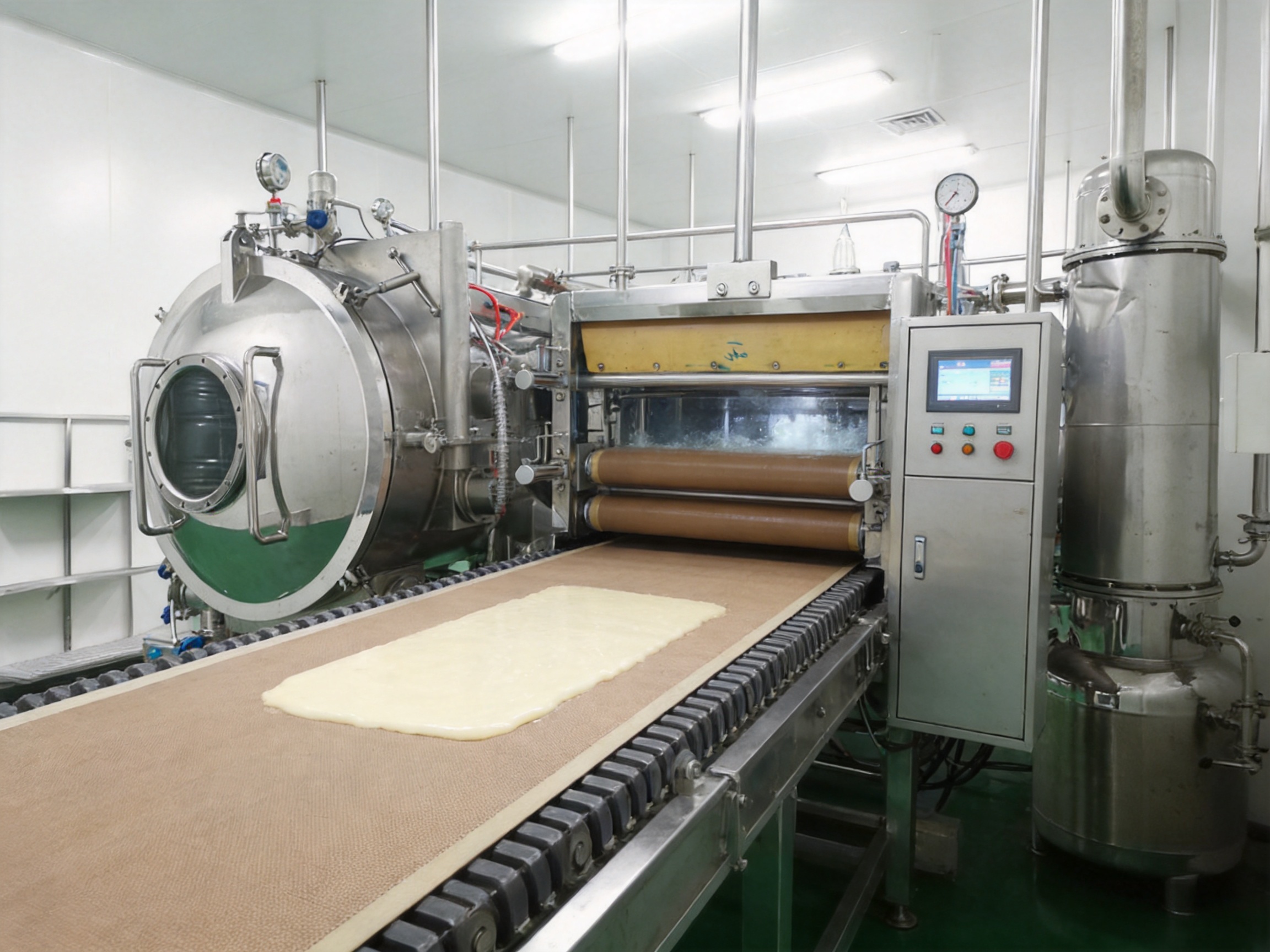
The laboratory fully automatic vacuum low-temperature crawler belt dryer is designed for precisely these demanding applications. It combines continuous belt conveying, controlled low-temperature heating, vacuum drying, vapor condensation, product cooling, and automated discharge in one integrated system. The equipment is particularly suitable for pilot-scale research, process development, formulation validation, and small-batch production involving traditional and modern pharmaceutical extracts, biological products, food ingredients, health products, and fine chemicals.
Manufactured by Zhejiang Shuangzi Intelligent Equipment Co., Ltd., the system reflects a broader engineering capability that covers process design, equipment manufacture, automation, installation, commissioning, system integration, and turnkey project delivery. Its development is supported by experience in plant extraction, biological fermentation, pharmaceutical engineering, natural food processing, energy conservation, and environmental protection.
1. Product Purpose and Processing Concept
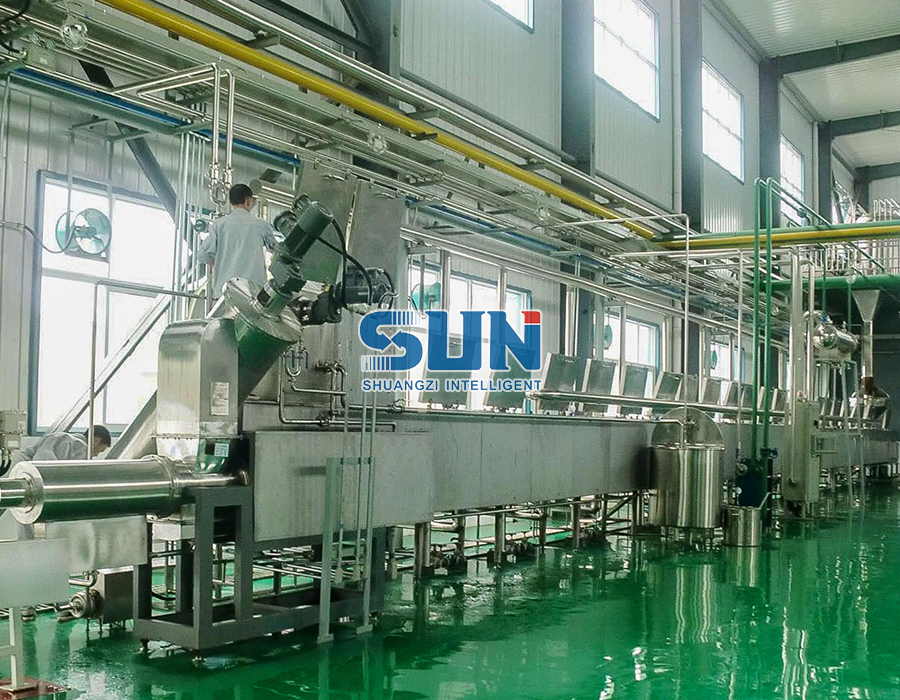
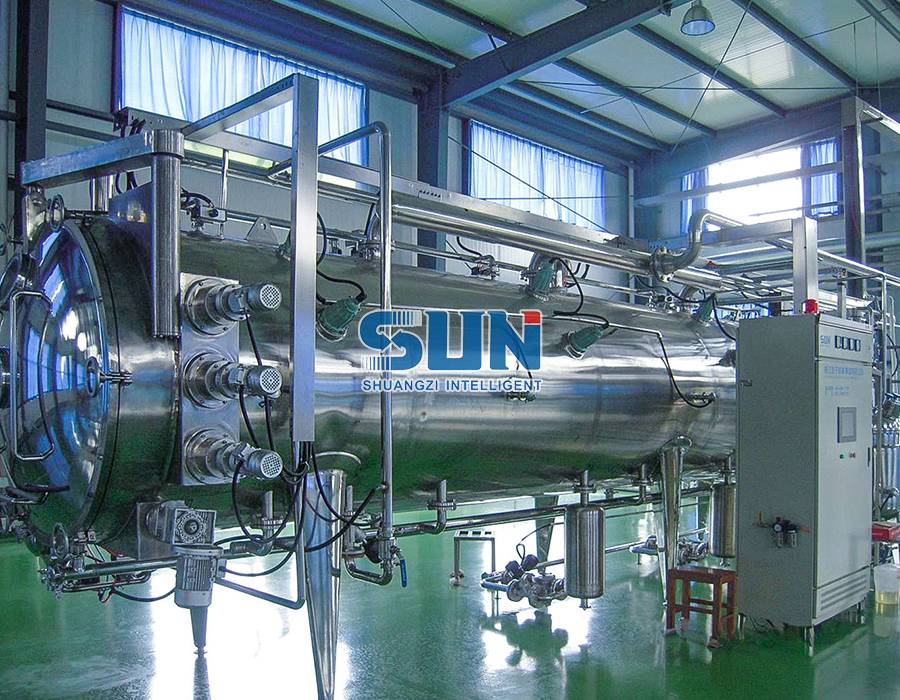
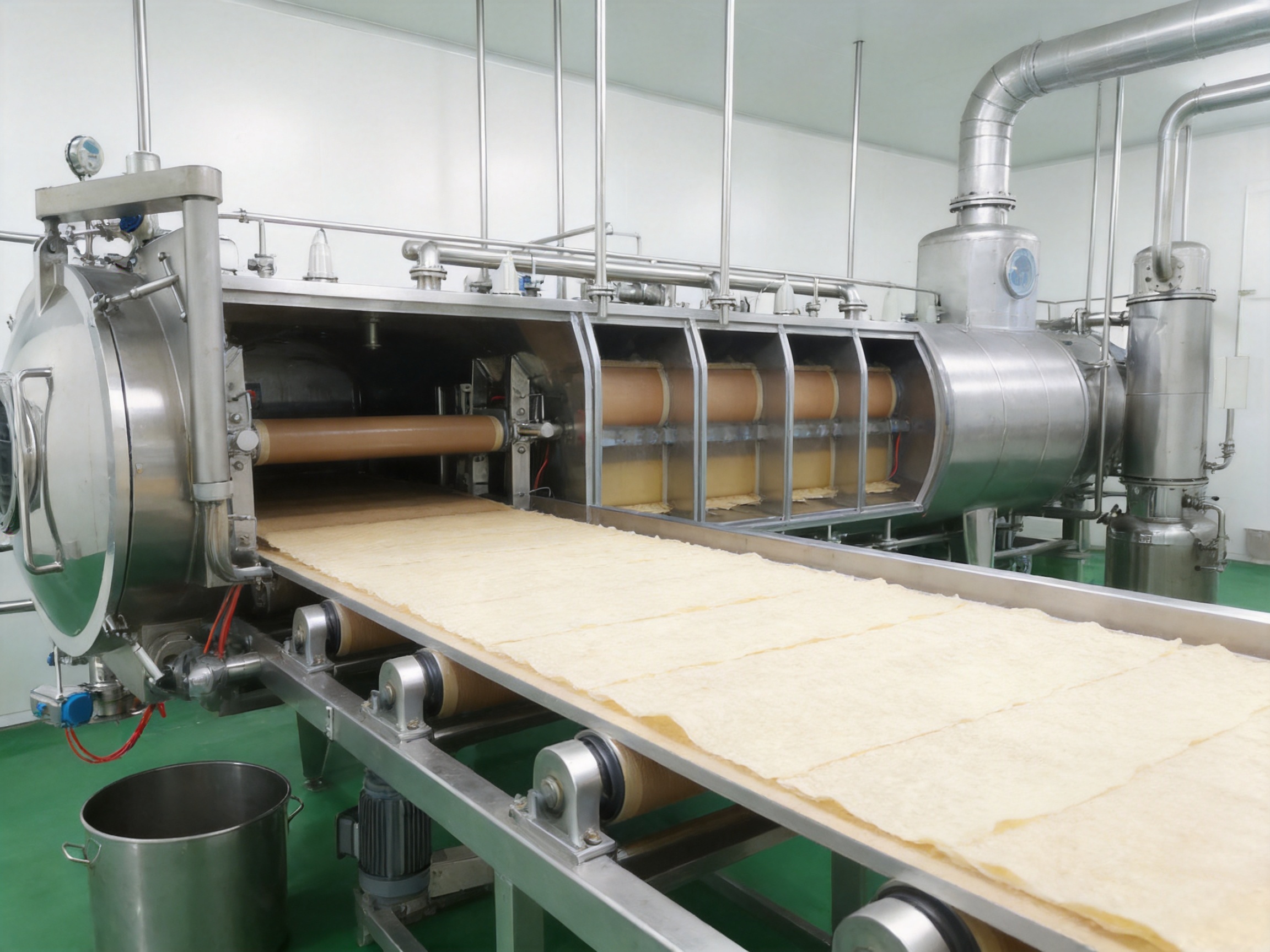
The laboratory fully automatic vacuum low-temperature crawler belt dryer is a continuous drying machine for liquid or paste materials. The feed is distributed onto a moving belt in a controlled layer. Inside the sealed drying chamber, the material passes through several heated zones under vacuum. Moisture evaporates at a lower temperature than it would under atmospheric pressure. The generated vapor is removed from the product area and condensed in a dedicated condensing section. After drying, the material can be cooled and discharged for collection, milling, packaging, or further processing.
The crawler belt structure allows the material to remain on the belt while traveling through the drying, cooling, and discharge stages. This is fundamentally different from batch vacuum ovens, in which operators must load and unload trays manually. It also differs from spray drying, in which the material must be atomized into droplets before drying. The belt process is especially helpful when the feed is too viscous for stable atomization or when the product must be dried as a continuous sheet before being broken into flakes or granules.
Low-temperature vacuum operation offers several important process benefits. Lower boiling temperatures help protect thermally sensitive substances. Reduced exposure to oxygen can help limit oxidation. Controlled heating provides a more uniform thermal environment than direct hot-air contact. A sealed system also reduces the risk of external contamination and helps contain odors, dust, and volatile components.
The equipment is intended for materials with feed moisture content below 40 percent and can achieve a stated product moisture content below 4 percent under suitable operating conditions. Actual performance depends on the material's solids content, viscosity, particle structure, initial temperature, target moisture, feeding thickness, vacuum level, heating medium, and residence time. Pilot testing is therefore an important part of selecting the correct model and establishing operating parameters.
2. Typical Application Range
The dryer is mainly intended for low-temperature drying of liquid and paste-like raw materials used in pharmaceutical, biological, food, health product, chemical, and related industries. The machine is particularly suitable for materials that are difficult to process using spray drying or conventional convection drying.
Pharmaceutical and Biological Materials
Pharmaceutical and biological applications include traditional medicine extracts, plant extracts, fermentation broths, biological concentrates, pharmaceutical excipients, and heat-sensitive active ingredients. The system can also be used for products requiring controlled drying to preserve color, solubility, potency, aroma, or other functional characteristics.
Traditional medicine extracts and plant extracts often contain sugars, proteins, polysaccharides, oils, and other compounds that make them sticky during drying. When exposed to excessive heat, these materials may darken, form hard crusts, or lose volatile components. Vacuum low-temperature drying can reduce these risks by allowing moisture removal at a gentler thermal condition.
Fermentation broth and biological concentrates may contain proteins, nutrients, cells, metabolites, or other temperature-sensitive components. The equipment enables process developers to study drying behavior and establish a repeatable route from liquid feed to stable dry product. The continuous belt format is useful when a laboratory or pilot plant needs more representative data than can be obtained from a small static oven.
Food and Health Products
Food and health-related applications include malt, oligosaccharides, instant solid beverages, tea powder, cocoa solids, corn syrup, vegetable protein, spices, food additives, and other concentrated liquids or pastes. These products may be sensitive to flavor loss, browning, oxidation, or changes in rehydration behavior.
For food ingredients, the dryer can be used to create a dry sheet or flake that is subsequently milled into powder. This approach may be useful for products that become sticky or difficult to atomize at high solids concentration. The gentle drying environment can also help preserve the sensory and functional properties of selected ingredients, subject to appropriate process validation.
Fine Chemicals and Special Materials
The system is also suitable for selected fine chemical materials, including lithium battery raw materials, carbaryl salts, and other products that require controlled moisture removal. Fine chemical products may have strict requirements for residual moisture, purity, particle characteristics, and thermal history. Vacuum drying can support these requirements by reducing the need for high-temperature gas circulation.
Phosphorus chemical products and polyester-related materials may also be considered when their rheological and thermal properties are compatible with belt feeding and vacuum drying. Because the behavior of each chemical product differs, material testing should confirm feedability, drying rate, discharge behavior, and cleaning requirements before final equipment selection.
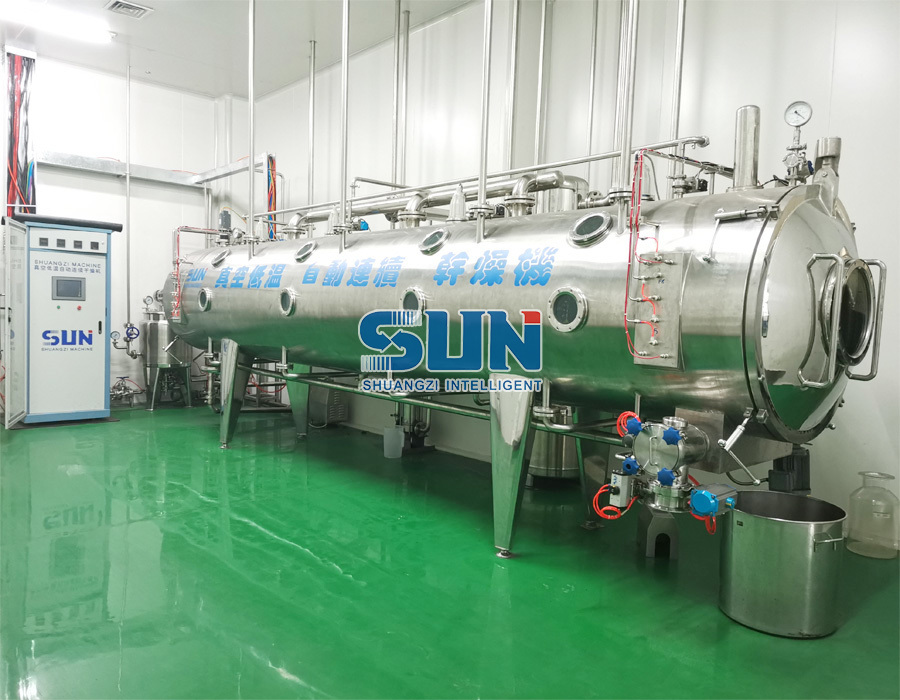
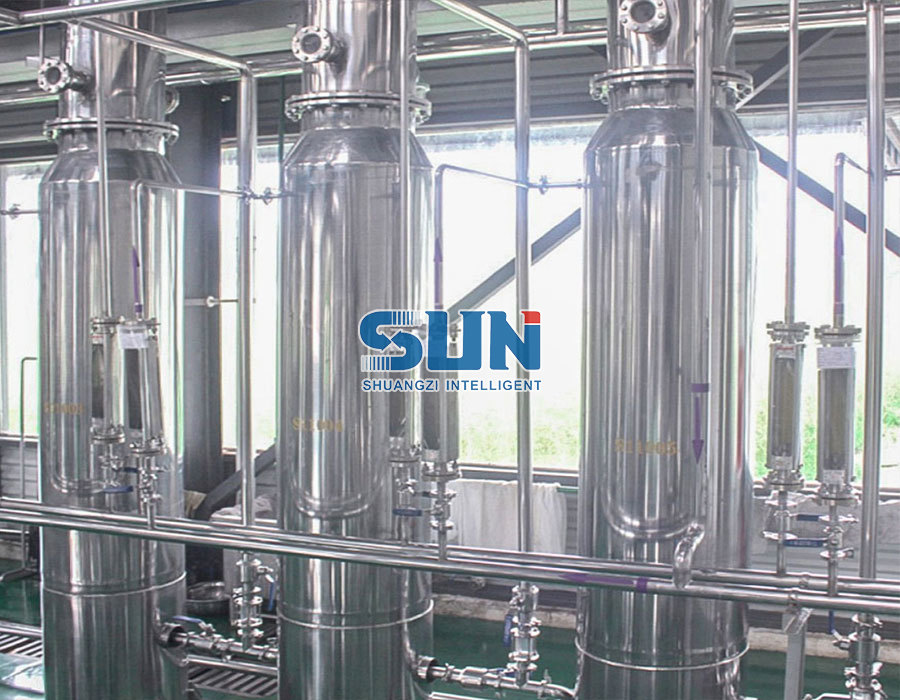
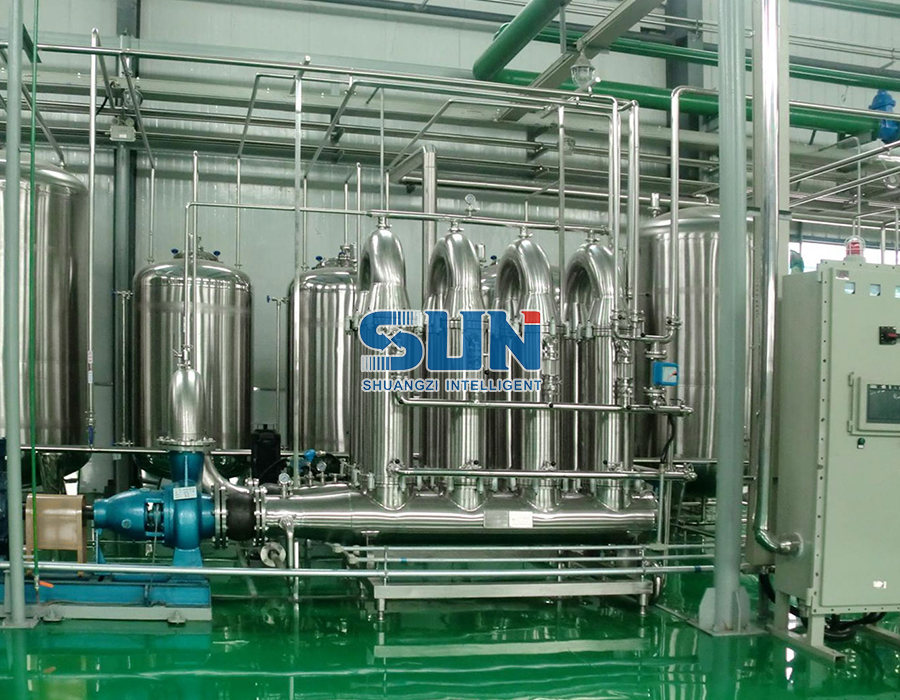
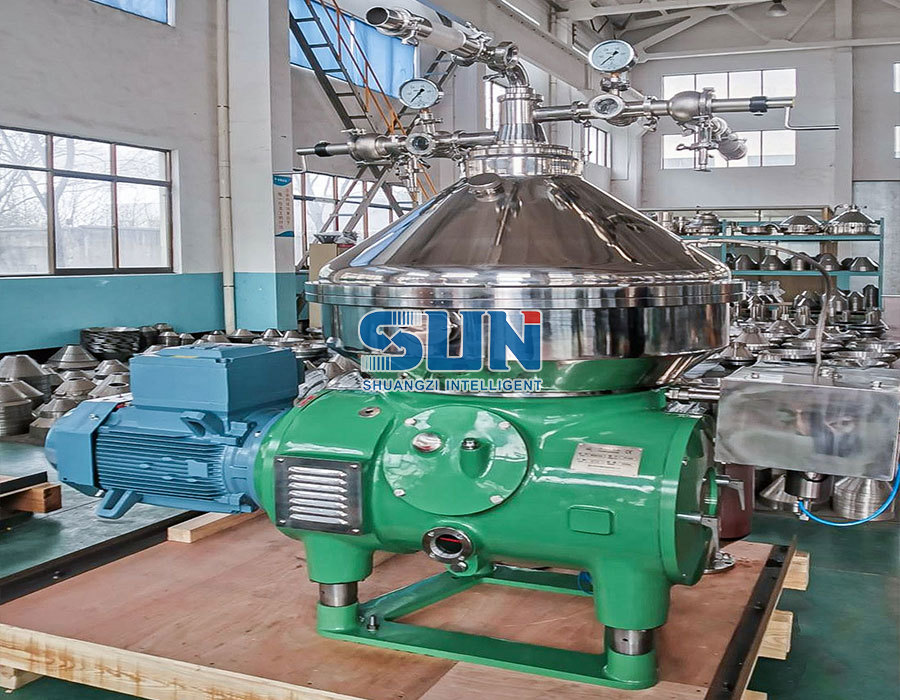
Laboratory Fully Automatic Vacuum Low-temperature Crawler Belt Dryer
3. Core Design Features
Continuous Crawler Belt Conveying
The crawler belt is the central conveying and drying surface. Liquid or paste feed is introduced onto the belt in a controlled layer, and the belt transports the material through the heating sections. Belt speed can be adjusted to regulate residence time. This provides process flexibility for materials with different drying rates and final moisture requirements.
Compared with static tray drying, continuous belt conveying can reduce manual handling and improve production consistency. It also supports better integration with automatic feeding, discharge, cleaning, monitoring, and packaging systems. The belt configuration is available in one to five layers depending on the model, allowing the equipment footprint and effective heating area to be adapted to different capacities.
Vacuum Low-Temperature Drying
Vacuum drying lowers the boiling point of water and can therefore remove moisture at a controlled temperature. The specified heating control range is 40 to 125 degrees Celsius. This range allows users to develop processes for a variety of products, from relatively stable food ingredients to more sensitive biological or pharmaceutical materials.
The actual product temperature is influenced by the heating surface, feed thickness, moisture evaporation rate, vacuum condition, belt speed, and material structure. Operators can use these variables to create a drying profile with separate heating stages. A gradual profile may be used to prevent rapid foaming, crust formation, splashing, or local overheating.
Multi-Zone Heating and Cooling
The dryer incorporates multiple heating and cooling sections. Smaller models are configured with three heating sections and one cooling section, while larger models use four heating sections and one cooling section. Independent or staged control of these zones supports a more flexible drying profile.
In the first heating zone, the objective may be to initiate moisture evaporation without causing excessive bubbling or surface sealing. The middle zones provide the main evaporation duty. The final heating zone can complete moisture removal, while the cooling zone lowers product temperature before discharge. This arrangement is valuable for materials that are soft or sticky while warm but become easier to handle after cooling.
Indirect Heating
The primary heating method for most models is superheated water. The laboratory model can also use electric heating according to the specified configuration. Indirect heating reduces direct contact between the product and the heating medium, which helps maintain product cleanliness and provides more uniform thermal control.
Superheated water heating is especially useful for products requiring a stable and moderate heat source. It can provide a smooth temperature profile and may reduce localized hot spots compared with some direct heating methods. The selected heating utility should be matched to the product, available plant services, energy strategy, and required control accuracy.
Integrated Condensation
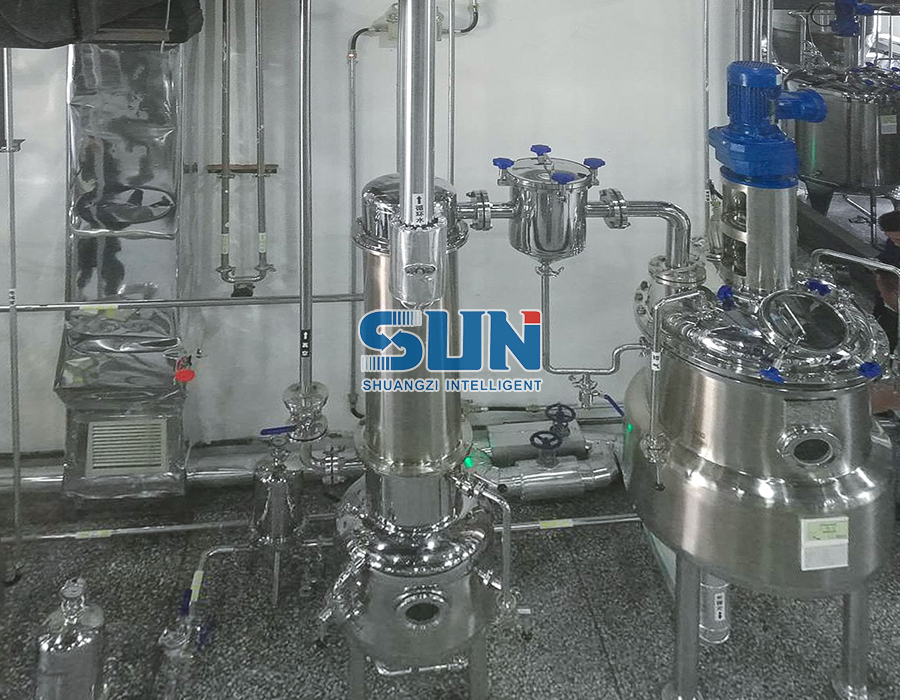
Moisture removed from the product is directed toward a dedicated condensing area. The listed condensing areas range from 2.5 square meters for the smallest model to 30 square meters for the largest listed model. Condensation helps maintain the vacuum environment and separates evaporated moisture from the product stream.
Effective vapor condensation is important for stable operation. If vapor removal is insufficient, chamber pressure may rise, evaporation may slow, and product temperature may increase. The integrated condensing design is therefore a central part of the overall drying performance rather than an accessory feature.
Automatic Cleaning and Utility Connections
The equipment specifications include a cleaning pressure of 0.6 MPa and compressed air at 0.7 MPa. These provisions support automated or semi-automated cleaning, pneumatic actuation, and related process functions. Cleaning design is particularly important in pharmaceutical, biological, food, and health product applications, where product residues may accumulate on belts, guides, seals, feed devices, and discharge components.
Cleaning procedures should be established according to the material, hygienic classification, detergent compatibility, drainage requirements, and validation strategy. The final cleaning arrangement can be adapted to the customer's process and regulatory requirements.
4. Technical Specifications
The following table summarizes the main published specifications for the liquid-drying configuration. Some source records contain typographical or formatting irregularities in model codes, units, and several auxiliary values. These details should be confirmed with the manufacturer during technical selection and contract finalization.
| Parameter | SUNZDG-01-1 | SUNZDG-02-5 | SUNZDG-02-10 | SUNZDG-03-15 | SUNZDG-04-25 | SUNZDG-M-40 | SUNZDG-05-60 |
|---|---|---|---|---|---|---|---|
| Total heat transfer area | 1.6 m² | 6.1 m² | 10.6 m² | 16.4 m² | 26.6 m² | 40.5 m² | 65 m² |
| Effective heating area | 1.2 m² | 4.8 m² | 7.6 m² | 11.8 m² | 19.8 m² | 30.4 m² | 50.7 m² |
| Effective cooling area | 0.14 m² | 0.8 m² | 1.45 m² | 2.25 m² | 3 m² | 5.6 m² | 7.2 m² |
| Condensing area | 2.5 m² | 10 m² | 14 m² | 16 m² | 18 m² | 21 m² | 30 m² |
| Water evaporation capacity | 1.0–1.7 kg/h | 4.0–7.0 kg/h | 6.0–11 kg/h | 10.0–17 kg/h | 17–27 kg/h | 25–42 kg/h | 45–65 kg/h |
| Belt width | 450 mm | 625 mm | 775 mm | 800 mm | 800 mm | 1,050 mm | 1,050 mm |
| Belt layers | 1 | 2 | 2 | 3 | 4 | 4 | 5 |
| Equipment diameter | 700 mm | 1,000 mm | 1,200 mm | 1,400 mm | 1,600 mm | 1,800 mm | 2,000 mm |
| Equipment length | 4,500 mm | 6,000 mm | 7,500 mm | 7,500 mm | 9,000 mm | 10,500 mm | 13,500 mm |
| Heating and cooling sections | 3 heating + 1 cooling | 3 heating + 1 cooling | 3 heating + 1 cooling | 3 heating + 1 cooling | 3 heating + 1 cooling | 4 heating + 1 cooling | 4 heating + 1 cooling |
| Heating method | Electric heating or superheated water | Superheated water | Superheated water | Superheated water | Superheated water | Superheated water | Superheated water |
| Heating control range | 40–125°C | 40–125°C | 40–125°C | 40–125°C | 40–125°C | 40–125°C | 40–125°C |
| Belt speed | 25–550 mm/min | 25–550 mm/min | 45–880 mm/min | 45–880 mm/min | 60–1,000 mm/min | 60–1,000 mm/min | 60–1,000 mm/min |
| Feed moisture | Below 40% | Below 40% | Below 40% | Below 40% | Below 40% | Below 40% | Below 40% |
| Product moisture | Below 4% | Below 4% | Below 4% | Below 4% | Below 4% | Below 4% | Below 4% |
| Cleaning pressure | 0.6 MPa | 0.6 MPa | 0.6 MPa | 0.6 MPa | 0.6 MPa | 0.6 MPa | 0.6 MPa |
| Compressed air | 0.7 MPa | 0.7 MPa | 0.7 MPa | 0.7 MPa | 0.7 MPa | 0.7 MPa | 0.7 MPa |
| Cooling water consumption below 25°C | 1 t/h | 2.5 t/h | 3 t/h | 5 t/h | 10 t/h | 12 t/h | 15 t/h |
| Total installed power | 46 kW, source indicates 8 kW auxiliary value | 15 kW | 20 kW | 28 kW | 36 kW | 40 kW | 55 kW |
The evaporation capacity range is one of the most important selection criteria. For example, the smallest listed unit is intended for laboratory and small pilot work, while the larger models provide substantially greater heat transfer and water removal capacity. Capacity should not be selected solely from the nominal evaporation figure. The feed may contain sugars, proteins, salts, oils, or polymers that alter viscosity and heat transfer. Product quality targets may also require a lower belt speed or reduced heating intensity.
5. Advantages Compared with Conventional Drying Equipment
Protection of Heat-Sensitive Components
The most significant advantage is the ability to dry at a controlled low temperature under vacuum. This is valuable for active pharmaceutical ingredients, biological materials, plant extracts, flavors, pigments, enzymes, and food ingredients that may deteriorate under prolonged exposure to high temperatures.
Compared with atmospheric hot-air drying, vacuum operation can reduce the thermal burden required for moisture removal. Compared with direct-contact drying, indirect heating provides better separation between the product and the utility medium. The result is a process environment that can be tuned to the stability limits of the material.
Suitability for Viscous and Sticky Products
Many concentrated liquids become too viscous to atomize reliably as their solids content increases. Sticky products may adhere to spray dryer walls, block nozzles, or produce low yields. A crawler belt dryer accepts paste-like material and transports it through the chamber without requiring fine atomization.
This makes the technology especially attractive for extracts, syrups, fermentation concentrates, sugar-containing feeds, and other materials with difficult rheology. The feed layer can be adjusted to support stable evaporation and manageable discharge.
Continuous Operation
Unlike a conventional vacuum tray dryer, the belt system supports continuous material movement. Continuous operation can improve production consistency, reduce operator intervention, and make it easier to connect upstream concentration with downstream cooling, milling, and packaging.
Continuous processing also provides a clearer relationship between belt speed, drying temperature, vacuum condition, and final moisture. Once the process has been validated, this repeatability can support improved batch-to-batch uniformity.
Reduced Product Exposure to Oxygen
The sealed vacuum chamber reduces the amount of air present around the product during drying. This can help limit oxidation and protect color, aroma, and sensitive compounds. The benefit is especially relevant to plant extracts, natural food ingredients, and biological materials, although the degree of protection depends on the vacuum level, leakage rate, feed composition, and process time.
Flexible Scale-Up
The product range includes several models with increasing belt width, belt layers, heating area, cooling area, condensing area, and evaporation capacity. This creates a logical path from laboratory research to pilot production and larger industrial systems.
A laboratory unit can be used to establish drying curves, determine the effect of feed thickness, and identify suitable temperature and belt-speed settings. Data from these trials can then inform the selection of a larger machine. Although scale-up must always account for heat transfer, vapor loading, and material behavior, a family of related designs can simplify the transition.
Integrated Engineering Rather Than a Stand-Alone Machine
A major competitive advantage is the ability to provide more than the dryer itself. The manufacturer works across process technology, automation engineering, equipment manufacturing, equipment matching, installation, commissioning, and system integration. This is important because a drying machine must operate correctly with upstream extraction, filtration, concentration, feeding, and downstream product handling systems.
For customers developing a complete production line, integrated engineering can reduce interface problems between equipment suppliers. It can also help coordinate utility design, control logic, cleaning procedures, material transfer, and production documentation.
6. Manufacturing and Engineering Strengths
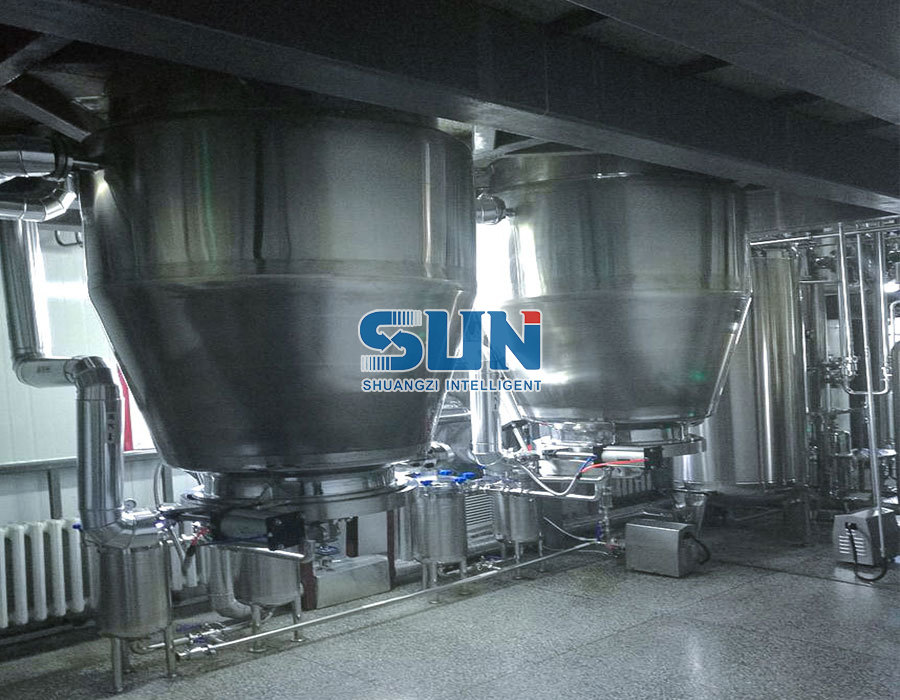
The equipment is manufactured by an enterprise specializing in biological and medical process equipment, with experience dating from its establishment in 2007. The company operates from a facility with an approximately 16,706 square meter floor area and an approximately 17,800 square meter structural area. Its manufacturing and engineering activities cover vacuum low-temperature drying, fermentation systems, evaporation and concentration, extraction, separation, crystallization, filtration, vessels, and related process equipment.
Process-Oriented Equipment Development
Drying performance depends on more than the mechanical design of a chamber. It depends on the interaction of feed properties, heat transfer, vapor removal, vacuum control, belt movement, cleaning, and discharge. A manufacturer with experience in extraction, fermentation, concentration, and separation can evaluate the dryer within the full process rather than treating it as an isolated machine.
This process-oriented approach is valuable for customers whose raw materials vary seasonally or whose products must pass through several transformation stages. It supports the development of a complete process route that may include raw material preparation, extraction, solid-liquid separation, concentration, drying, cooling, milling, and packaging.
Advanced Welding and Finishing Capability
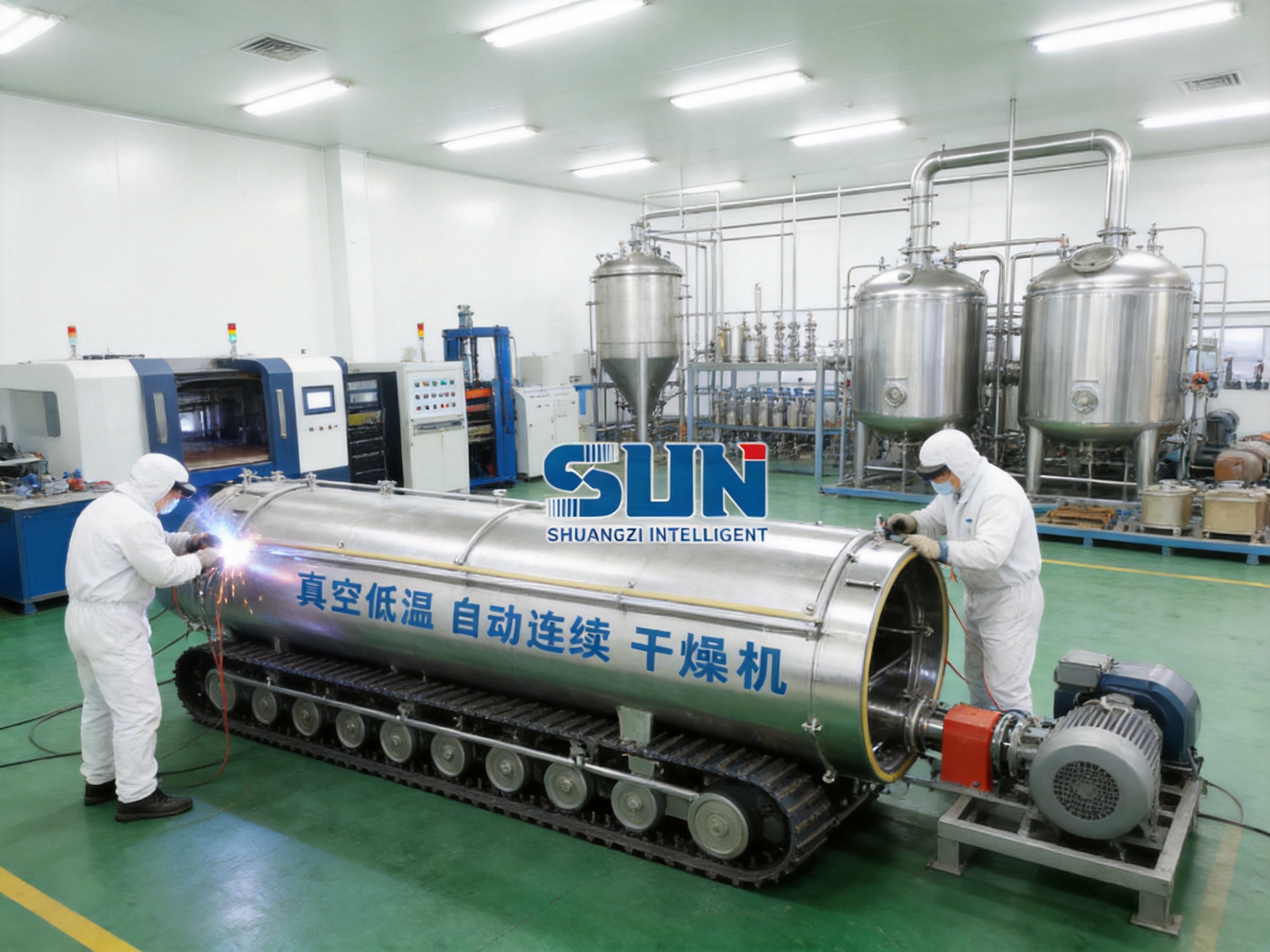
The manufacturing facility has introduced equipment such as plasma argon arc welding machines, plasma cutting machines, and computer-aided manufacturing machining centers. These technologies support accurate fabrication, consistent weld quality, controlled cutting, and improved finishing of stainless steel process equipment.
High-quality welding and finishing are particularly important for pharmaceutical, biological, and food equipment. Smooth internal surfaces are easier to clean and less likely to retain product residues. Consistent fabrication also helps protect the integrity of seals, heating surfaces, vacuum chambers, and product-contact components.
Automation and GMP-Oriented Development
The company maintains pilot production workshops and research and development platforms designed around automation and good manufacturing practice requirements. This provides an environment for testing process sequences, control strategies, cleaning procedures, and equipment configurations before a system is delivered to the customer.
Automation may include temperature monitoring, vacuum measurement, belt-speed control, heating-zone regulation, cooling-water management, feeding control, discharge coordination, alarm handling, and data recording. The final automation architecture can be configured according to the customer's validation, traceability, and production requirements.
Turnkey Project Capability
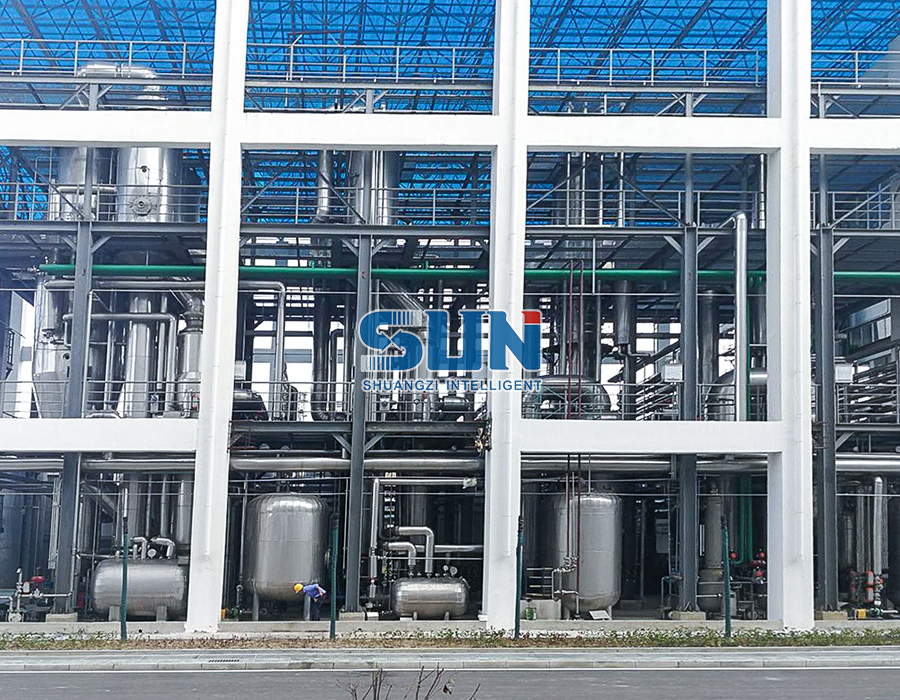
The company provides engineering services that may include process design, equipment design, installation, line debugging, system integration, and turnkey project execution. This capability is relevant to plant extraction projects, biological fermentation projects, pharmaceutical synthesis projects, natural food production, energy conservation, and environmental protection applications.
For a customer purchasing a laboratory dryer, turnkey capability means that the supplier can potentially support the next stage of development as well. A laboratory process may later require a pilot line, a production dryer, an extraction system, an evaporation unit, or a complete automated process line. Continuity of technical support can reduce the need to repeat process development with unrelated suppliers.
7. Operating Workflow
Feed Preparation
Before drying, the feed should be filtered or otherwise prepared to remove particles that could obstruct feed nozzles, pumps, valves, or belt-distribution equipment. The feed should be characterized for moisture, solids, viscosity, temperature, pH, density, and thermal sensitivity.
For highly viscous materials, controlled preheating or dilution may be considered, provided that the product is not adversely affected. The feed system should deliver a stable flow so that the belt receives a consistent layer. Uneven distribution can cause local over-drying, under-drying, or product accumulation.
Layer Formation
The thickness of the material layer has a direct effect on drying time and product structure. A thinner layer generally dries more rapidly and uniformly, while a thicker layer may increase throughput but require a longer residence time. The optimum layer depends on the feed's viscosity, solids content, foaming tendency, and desired product form.
The crawler belt design allows the material to remain supported during the entire process. As moisture decreases, the product can change from a liquid or paste into a flexible sheet, brittle layer, flake, or dry mass. The discharge arrangement should be selected according to this final texture.
Heating and Vacuum Control
The heating zones are brought to the required set points before stable feeding begins. Vacuum is established and verified, and the condenser and cooling-water systems are placed into operation. Belt speed is selected according to the expected drying curve.
Operators should monitor product temperature rather than relying only on heating-medium temperature. A high heating-surface temperature does not necessarily mean that the product is at the same temperature, especially during rapid evaporation. Control should be based on validated operating limits and product quality data.
Cooling and Discharge
After the main drying stages, the product enters the cooling section. Cooling can improve handling, reduce sticking, and protect the product from further thermal exposure. The dry material is then discharged for collection or transferred to a downstream machine.
Depending on the required final form, the product may be milled, screened, blended, compressed, granulated, or packaged. For products intended to become powders, the dryer can produce a dry sheet or flake that is subsequently reduced in size.
Cleaning and Inspection
After production, the equipment should be cleaned according to a documented procedure. The procedure may include pre-rinsing, detergent circulation or spraying, clean-water rinsing, drying, inspection, and verification. Particular attention should be given to belt surfaces, feed distributors, product-contact guides, condenser areas, seals, and discharge components.
Inspection should confirm that there is no visible residue, abnormal belt wear, damaged seal, blocked drain, or loss of vacuum integrity. Preventive maintenance should include checking drive components, bearings, sensors, valves, heating circuits, cooling-water circuits, and compressed-air connections.
8. Selection Guidance for Laboratory and Pilot Users
Model selection should begin with the material rather than the nominal machine capacity. The most useful information includes feed rate, initial moisture, target moisture, solids content, viscosity, thermal sensitivity, foaming behavior, expected production hours, desired product form, and available utilities.
For early research, the smallest model may be appropriate because it requires less material and allows rapid comparison of process conditions. A larger pilot model may be more suitable when the purpose is to simulate production residence time, evaluate continuous feeding, or generate enough product for downstream testing.
Users should also consider whether the product requires a particular contact material, hygienic finish, cleaning method, or containment arrangement. Pharmaceutical and biological products may require more extensive documentation and validation than general industrial materials. Food products may require a sanitary design, allergen-control procedure, and defined cleaning verification.
Utility planning is equally important. The dryer may require superheated water or electric heating, cooling water below 25 degrees Celsius, compressed air at approximately 0.7 MPa, cleaning water at approximately 0.6 MPa, electrical power, vacuum equipment, drainage, and suitable ventilation or vapor handling. The actual utility load should be confirmed for the selected model and process.
Building access and installation space must be reviewed because the listed equipment lengths range from approximately 4.5 meters to 13.5 meters, while equipment diameters range from approximately 0.7 meter to 2.0 meters. Additional space is required for feeding, discharge, maintenance access, control cabinets, vacuum equipment, condenser services, cleaning, and operator movement.
9. Product Quality and Process Validation
A successful drying process must achieve more than a low moisture value. Depending on the product, quality attributes may include active-component retention, color, odor, solubility, dispersibility, bulk density, particle size, microbial condition, residual solvent, oxidation state, and reconstitution performance.
Process development should therefore include a structured test plan. The first stage may evaluate feed concentration and pumpability. The second stage may compare layer thickness and belt speed. The third stage may optimize heating-zone temperatures and vacuum conditions. The final stage may confirm cooling, discharge, cleaning, and repeatability.
Sampling should be conducted at representative locations and times. Moisture testing can be combined with visual inspection, laboratory analysis, and functional testing. For pharmaceutical and biological products, the process may require installation qualification, operational qualification, performance qualification, cleaning validation, and documented change control.
Because the published specifications state a product moisture content below 4 percent, customers should treat this as a general reference rather than an unconditional guarantee for every material. Final moisture depends on the product and operating conditions. A technical agreement should define the feed properties, target capacity, acceptable moisture range, and quality criteria.
10. Application Examples
Milk Powder and Dairy-Derived Materials
Milk-based materials can be sensitive to heat and may experience changes in flavor, solubility, or protein functionality during drying. A laboratory vacuum belt dryer can be used to investigate low-temperature drying behavior and determine whether a belt-dried product meets the required reconstitution and sensory characteristics.
Food Additives
Many food additives are supplied as concentrated liquids or pastes. Their drying behavior may be influenced by sugar content, salt concentration, polymers, or hydrocolloids. A belt dryer can provide an alternative to spray drying when the material is too viscous or sticky for reliable atomization.
White Sugar and Sugar-Containing Products
Sugar-rich materials can become tacky during moisture removal and may cause deposits in conventional dryers. Controlled temperature, vacuum operation, and cooling can help manage the transition from concentrated feed to dry product. The correct feed layer and discharge strategy remain essential because sugar products can soften when exposed to heat or moisture.
Plant Extracts
Plant extracts often contain a complex mixture of active compounds, sugars, proteins, oils, and natural pigments. Their drying behavior can vary significantly from one plant source to another. The laboratory unit can support comparative studies of extraction concentration, feed conditioning, drying temperature, and final product stability.
Fermentation Broth
Fermentation broth may contain suspended solids and valuable biological compounds. Before drying, it may require filtration, concentration, or homogenization. The belt dryer can then be used to evaluate moisture removal while limiting the heat exposure of sensitive components.
11. Safety and Reliability Considerations
Vacuum drying equipment combines heat, moving belts, pressure differences, utilities, and sometimes flammable or chemically active materials. A complete risk assessment should be performed before operation. Guards, interlocks, emergency stops, pressure protection, temperature alarms, vacuum controls, and appropriate electrical protection should be provided according to the installation environment.
Operators should not open the drying chamber until the equipment has reached a safe condition and pressure has been equalized. Hot surfaces and product-contact components may remain warm after shutdown. Cleaning chemicals, compressed air, and cooling-water systems must also be managed according to documented procedures.
For pharmaceutical, biological, and fine chemical applications, the customer should evaluate containment, exhaust treatment, condensate handling, cross-contamination prevention, and waste disposal. These requirements may affect the design of the condenser, vacuum system, seals, room ventilation, and cleaning system.
12. Service and Project Support
The supplier's service scope can include preliminary process consultation, material testing, technical proposal preparation, equipment design, manufacturing, factory inspection, installation, commissioning, operator training, and after-sales support. This broad scope is particularly useful when the dryer is part of a new line rather than a replacement machine.
Engineering support may also cover upstream extraction and concentration, biological fermentation systems, filtration, separation, crystallization, storage vessels, and downstream product handling. This enables a coordinated approach to equipment capacity, control logic, utility consumption, and material transfer.
For international projects, documentation and communication should be agreed at the beginning. Important documents may include equipment drawings, process descriptions, utility lists, control narratives, operating manuals, maintenance instructions, spare-parts lists, material certificates, inspection records, and commissioning protocols.
13. Frequently Asked Questions
What type of material is best suited to this dryer?
The dryer is best suited to liquid or paste-like materials that are heat-sensitive, viscous, sticky, thermoplastic, prone to agglomeration, or unsuitable for spray drying. Typical examples include plant extracts, traditional medicine extracts, fermentation broth, food additives, syrups, proteins, spices, and selected fine chemicals.
Can the dryer replace a spray dryer in every application?
No. The two technologies have different operating principles and produce different product structures. The vacuum crawler belt dryer is advantageous when the feed is difficult to atomize or when low-temperature continuous drying is preferred. Spray drying may remain preferable when a spherical powder, high throughput, or rapid droplet drying is required.
What final moisture can be achieved?
The published specification indicates a product moisture content below 4 percent. The achievable value depends on feed composition, layer thickness, vacuum, belt speed, heating profile, and residence time. Final performance should be verified through material testing and a defined technical agreement.
What is the heating temperature range?
The stated heating control range is 40 to 125 degrees Celsius. The appropriate product temperature may be substantially lower than the heating-medium temperature because evaporation consumes heat. Process settings should be established from product stability and quality testing.
How is the product conveyed through the machine?
The product is distributed onto a crawler belt and conveyed through multiple heating sections and a cooling section. Belt speed is adjustable, allowing the operator to control residence time and drying intensity.
Can sticky materials be processed?
Yes, the equipment is specifically intended for many high-viscosity, sticky, thermoplastic, and agglomeration-prone materials. However, the feed layer, belt material, surface finish, heating profile, and discharge design must be selected according to the product's behavior.
What utilities are required?
Depending on the model and configuration, the system may require superheated water or electricity for heating, cooling water below 25 degrees Celsius, compressed air at approximately 0.7 MPa, cleaning water at approximately 0.6 MPa, electrical power, and a vacuum system. Exact utility requirements should be confirmed during engineering design.
Is the machine suitable for pharmaceutical production?
It can be suitable for pharmaceutical and biological applications when configured with appropriate product-contact materials, hygienic finishes, cleaning provisions, automation, documentation, and validation support. The final design must comply with the customer's applicable regulatory and quality requirements.
Can the equipment be integrated into a complete production line?
Yes. The supplier provides process and automation engineering, equipment manufacture, installation, commissioning, and system integration. The dryer can be considered as part of extraction, fermentation, concentration, filtration, separation, cooling, milling, and packaging systems.
How should a customer begin equipment selection?
The customer should provide feed composition, moisture content, solids content, viscosity, temperature sensitivity, expected feed rate, target product moisture, product quality requirements, available utilities, and preferred product form. Material testing is recommended before selecting the final model.
14. Conclusion
The laboratory fully automatic vacuum low-temperature crawler belt dryer is a flexible solution for drying liquid and paste materials that are difficult to process by conventional methods. Its combination of vacuum operation, controlled low-temperature heating, continuous crawler-belt conveying, multi-zone drying, integrated condensation, cooling, and automated handling provides a practical platform for laboratory research, pilot production, and process scale-up.
Its principal advantages include protection of heat-sensitive components, suitability for viscous and sticky feeds, reduced reliance on atomization, continuous operation, adjustable residence time, controlled oxygen exposure, and compatibility with integrated process lines. The range of models provides options from small laboratory capacity to substantially larger pilot and production requirements.
The equipment is supported by a manufacturer with capabilities in process technology, automation engineering, stainless steel equipment manufacturing, extraction, fermentation, concentration, separation, filtration, and turnkey project delivery. Advanced welding, cutting, machining, pilot testing, and GMP-oriented development strengthen the foundation for reliable equipment construction and customized system integration.
For best results, the dryer should be selected through a combination of material testing, process analysis, utility review, hygienic design assessment, and lifecycle planning. When these factors are addressed systematically, vacuum low-temperature crawler belt drying can provide a dependable route for transforming sensitive liquids and pastes into stable, manageable, and high-value dry products.
References
1. Zhejiang Shuangzi Intelligent Equipment Co., Ltd. Product information for laboratory fully automatic vacuum low-temperature crawler belt dryers.
2. Manufacturer-provided technical specification tables for liquid-drying crawler belt dryer models.
3. General principles of vacuum drying, indirect heat transfer, vapor condensation, and continuous belt conveying in process equipment design.
4. Good manufacturing practice principles for pharmaceutical, biological, food, and health product processing equipment.
5. Standard process-development practices for moisture removal, thermal stability evaluation, cleaning verification, and scale-up of heat-sensitive materials.
6. General engineering practices for stainless steel fabrication, sanitary equipment finishing, automation integration, utility planning, and commissioning of process systems.