
 英语
英语 俄语
俄语Content
- 1 1. Understanding Membrane Separation Technology in Plant Extraction
- 2 2. Key Features of the Plant Extraction Supporting Membrane Separation Equipment
- 3 3. Competitive Advantages Over Traditional Extraction Methods
- 4 4. Advanced Manufacturing Capabilities Behind the Equipment
- 5 5. Frequently Asked Questions (FAQs)
- 6 6. References
Plant extraction is a cornerstone of the biomanufacturing industry, supporting the production of pharmaceuticals, nutraceuticals, food additives, and natural pigments. However, traditional extraction methods—such as solvent extraction, centrifugation, and vacuum evaporation—often face challenges including low product yield, high energy consumption, excessive solvent waste, and difficulty meeting strict purity standards. Membrane separation technology has emerged as a transformative solution, and specialized equipment designed for plant extraction applications addresses these pain points head-on. This article explores the key features, competitive advantages, and industry impact of plant extraction supporting membrane separation equipment, as well as the advanced manufacturing capabilities that enable its production.
1. Understanding Membrane Separation Technology in Plant Extraction
Membrane separation is a selective process that uses a semi-permeable membrane as the separation medium. Under the influence of a driving force (e.g., pressure, concentration gradient), specific components of a raw material mixture pass through the membrane while others are retained, enabling purification, concentration, or fractionation without altering the chemical structure of the target compounds. This makes it ideal for plant extraction, where preserving the bioactivity of active ingredients (e.g., alkaloids, flavonoids, terpenes) is critical.
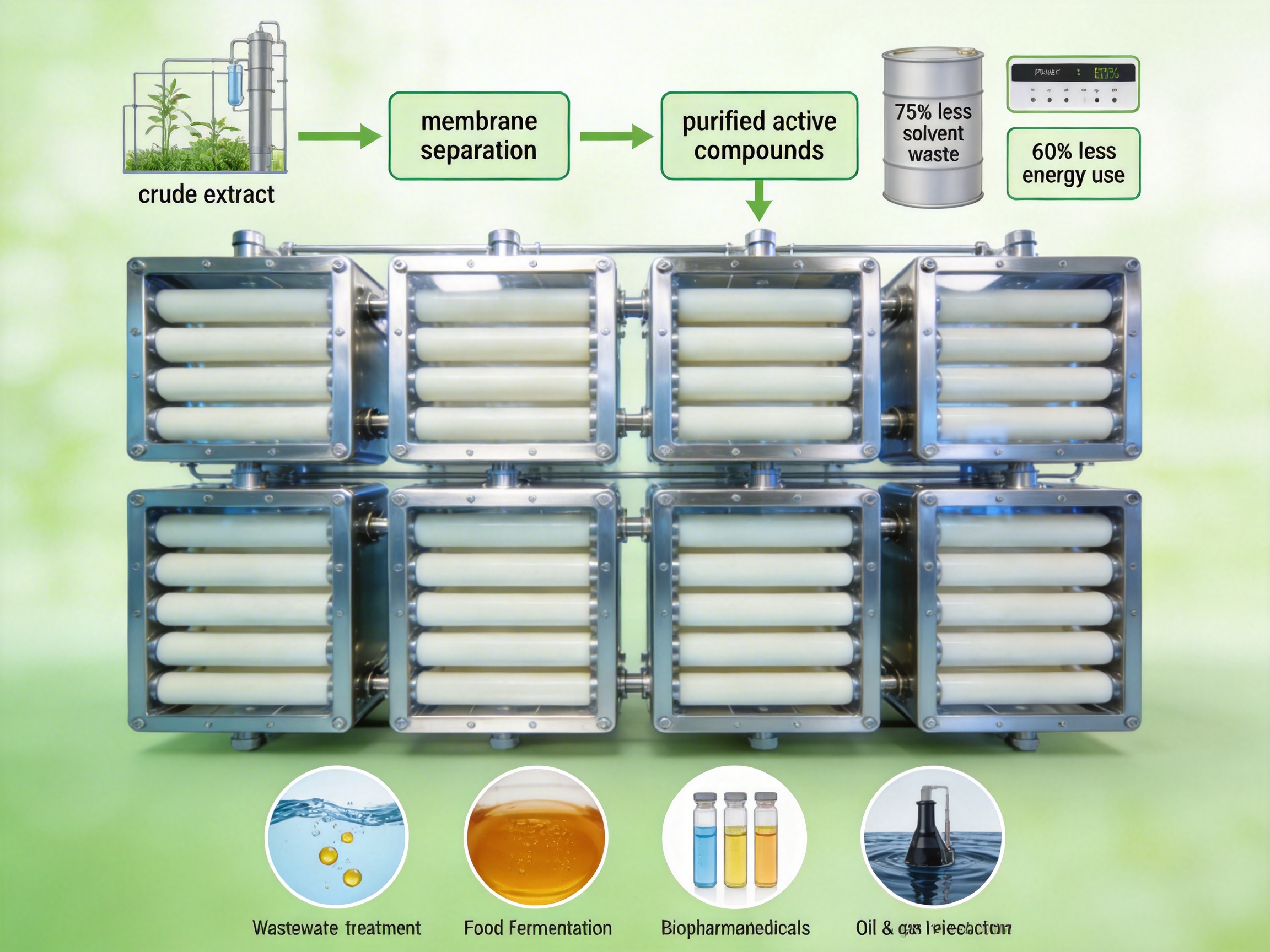
In plant extraction workflows, raw plant materials are first processed into a crude extract (e.g., via solvent maceration or supercritical CO₂ extraction). The crude extract often contains impurities such as cellulose, lignin, proteins, and residual solvents. Membrane separation equipment then acts as a "precision filter," removing these impurities while concentrating the desired active compounds. Unlike traditional methods, which may require multiple steps (e.g., filtration followed by evaporation) or harsh chemicals, membrane separation achieves purification and concentration in a single, continuous process.
The technology’s selectivity is determined by the membrane’s pore size and material. For plant extraction, ceramic membranes are commonly used due to their durability, chemical resistance, and ability to handle high temperatures. These membranes have pore sizes ranging from 0.1 nm (nanofiltration) to 100 nm (microfiltration), allowing precise separation of molecules based on size and charge.
2. Key Features of the Plant Extraction Supporting Membrane Separation Equipment
The equipment is engineered to address the unique challenges of plant extraction, with a focus on efficiency, reliability, and scalability. Below are its core features:
2.1 Modular Membrane Module Design
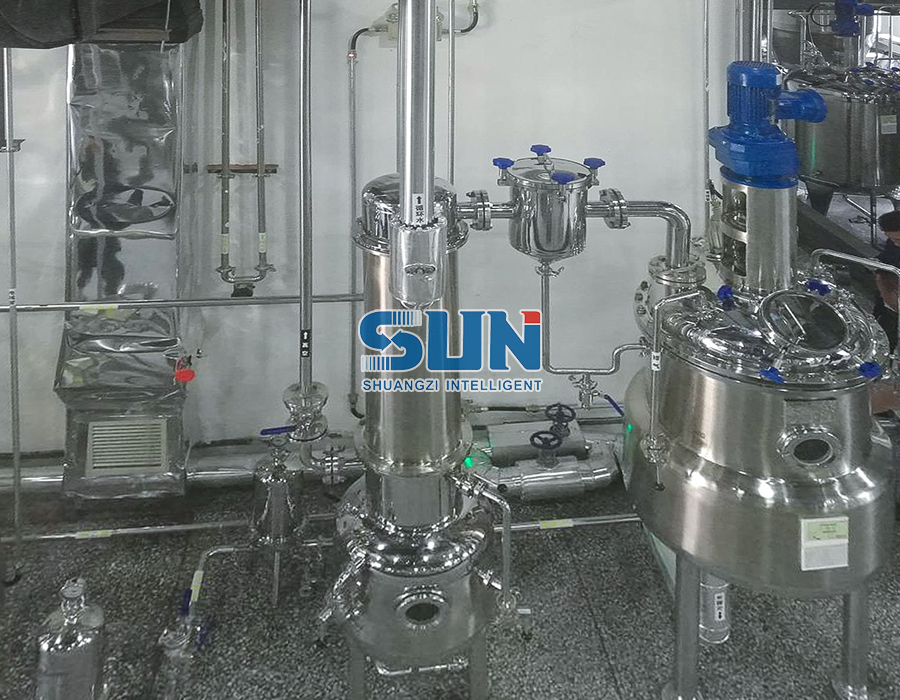
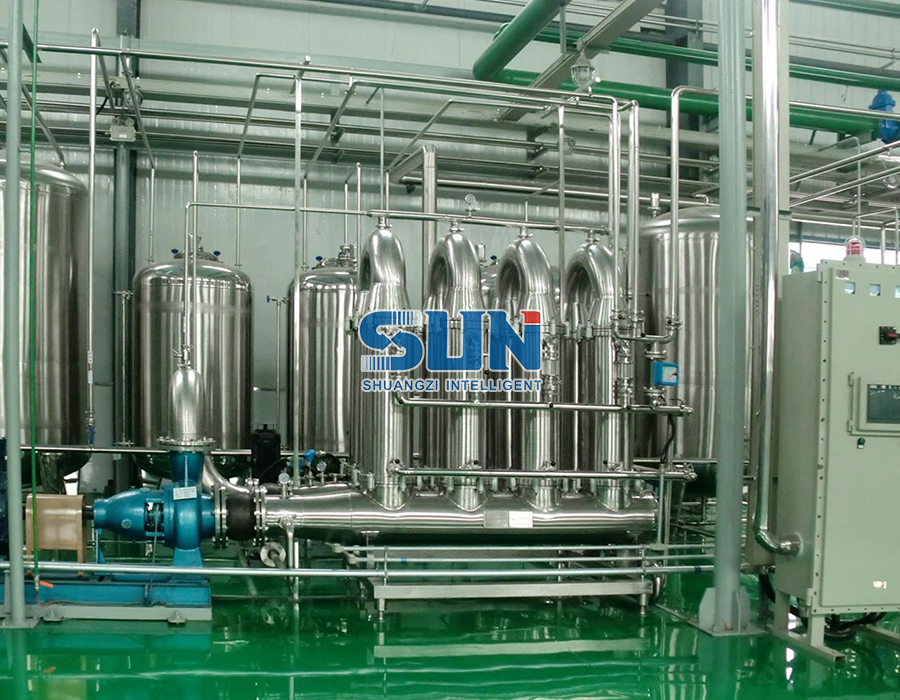
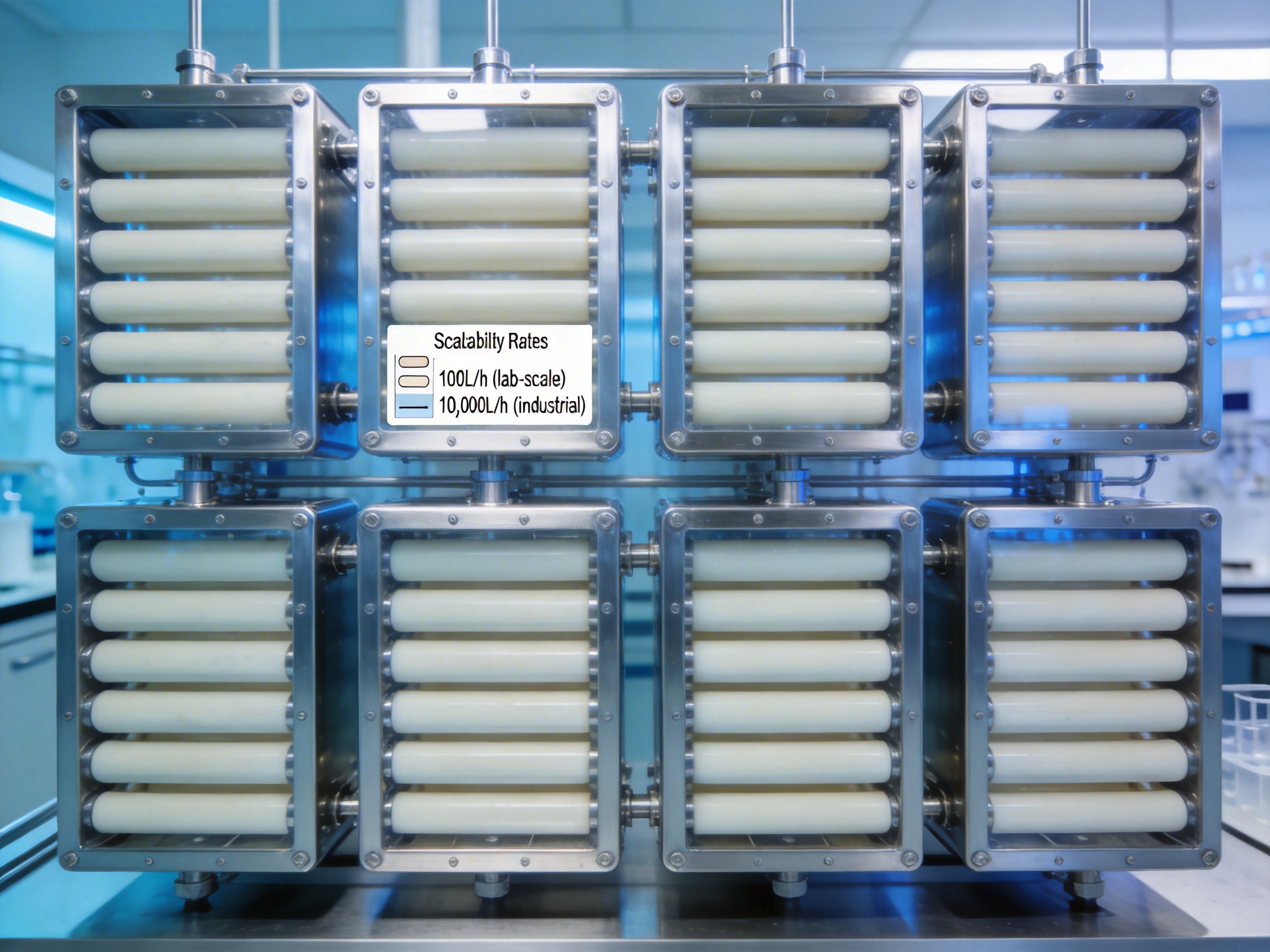
The system consists of 8 unit components arranged in a 4-and-2 channeling configuration, with each unit housing 19 ceramic membrane tubes. This modular design offers three key benefits:
- Scalability: Units can be added or removed to match production volume—from 100L/h lab scale to 10,000L/h industrial scale. This flexibility allows clients to start small and expand as their operations grow without replacing the entire system.
- Easy Maintenance: If one unit fails, it can be replaced within hours without shutting down the entire process. This minimizes downtime and reduces maintenance costs.
- Uniform Flow Distribution: The 4-and-2 channeling configuration ensures consistent flow across all membrane tubes, preventing localized fouling (buildup of impurities) and extending membrane lifespan by up to 5 years.
Ceramic membranes are chosen for their robustness: they withstand temperatures up to 150°C and pH ranges from 1 to 14, making them compatible with acidic or alkaline solvents used in plant extraction.
2.2 Integrated Pump System
The equipment includes two specialized pumps: a feeding pump and a circulating pump. The feeding pump delivers crude extract from the raw material tank to the membrane modules at a controlled flow rate (0.5–5 m³/h). The circulating pump maintains a high surface velocity (2–4 m/s) across the membrane tubes, which reduces fouling by preventing impurities from adhering to the membrane surface. This self-cleaning effect minimizes the need for frequent shutdowns for manual cleaning.
2.3 Dual Process Lines: Filtration and Cleaning
The equipment features two dedicated lines to optimize performance:
- Filtration Line: Circulation Tank → Feed Pump → Ceramic Membrane → Filtrate (purified extract) / Concentrate (impurity-rich stream). The filtrate is collected for further processing, while the concentrate is disposed of or recycled.
- Cleaning Line: Circulation Tank → Feed Pump → Ceramic Membrane → Osmotic Solution / Concentrate (cleaning waste). This line uses reverse flow and osmotic pressure to dislodge fouling, ensuring the membrane remains efficient for longer periods. Cleaning cycles are automated and triggered by sensor data (e.g., increased pressure drop across the membrane).
Real-time sensors monitor flow rate, pressure, temperature, and filtrate purity, feeding data to a PLC (Programmable Logic Controller) for dynamic adjustments. This automation reduces human error and ensures consistent performance.
2.4 GMP-Compliant Construction
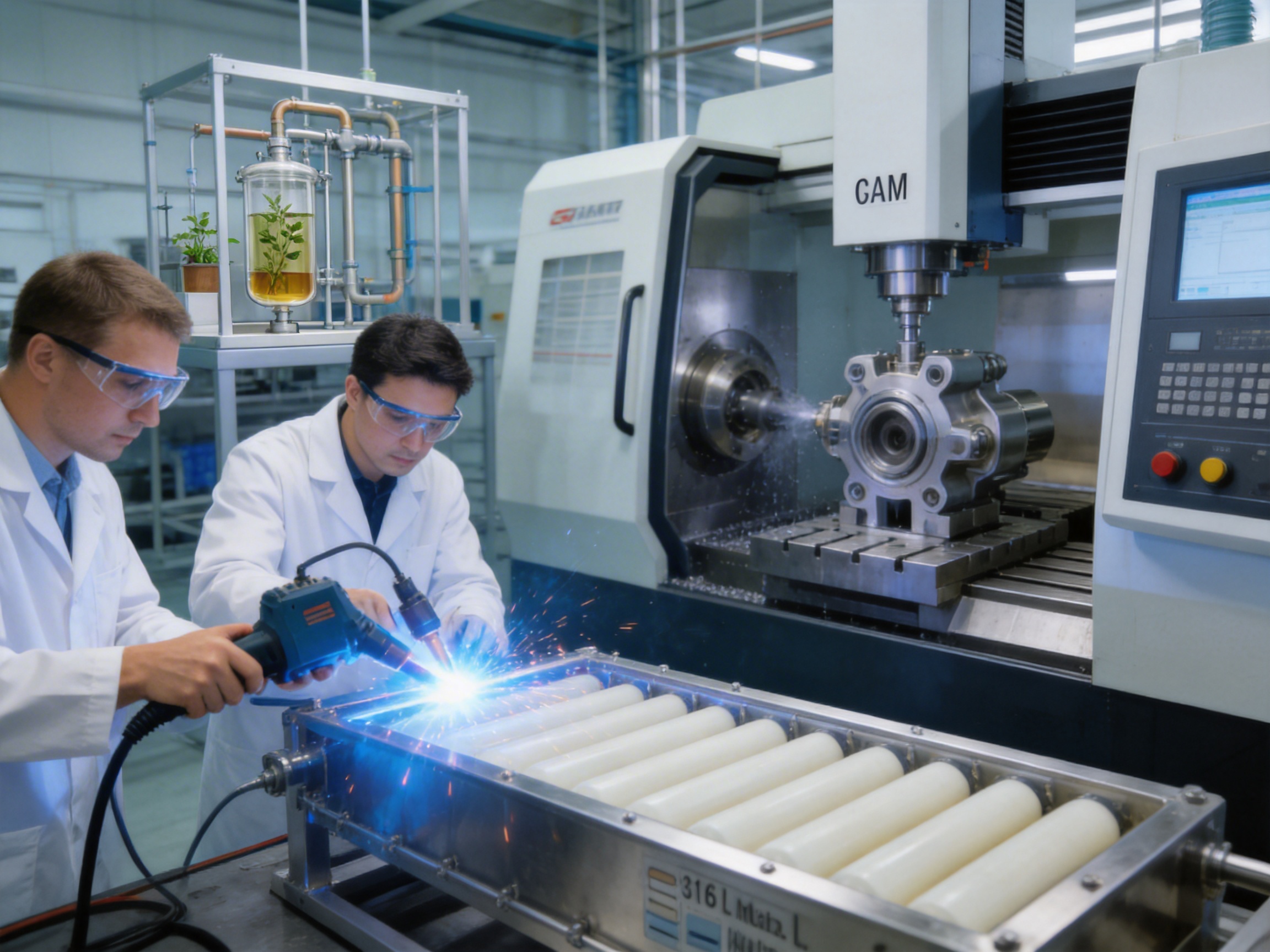
All components in contact with plant extracts are made of stainless steel 316L, a material approved for pharmaceutical and food applications. The equipment has smooth surfaces and minimal dead spaces to prevent bacterial growth or impurity buildup—critical for meeting Good Manufacturing Practice (GMP) standards. Welds are executed using plasma argon arc welding, a precision technique that produces leak-proof, corrosion-resistant joints.
3. Competitive Advantages Over Traditional Extraction Methods
To understand the value of membrane separation equipment, it is essential to compare it with common traditional methods used in plant extraction:
| Method | Purity & Yield | Energy Consumption | Solvent Usage | Scalability | GMP Compliance |
|---|---|---|---|---|---|
| Membrane Separation | High (selective permeability retains 90%+ active ingredients; minimal impurity carryover) | Low (no high-temperature evaporation; operates at ambient or mild temperatures) | Minimal (reduces solvent recycling needs by 70% vs solvent extraction) | Excellent (modular design scales from lab to industrial production) | Yes (closed system, no cross-contamination; GMP-compliant materials) |
| Centrifugation | Moderate (non-selective; loses 20–30% of small active molecules) | Moderate (high-speed rotation consumes significant power) | High (requires solvent washing to remove residues) | Limited (scaling up increases maintenance complexity) | Partial (open systems risk contamination) |
| Solvent Extraction + Evaporation | Low (impurities co-extract; evaporation may degrade heat-sensitive compounds) | Very High (evaporation requires large energy input) | Very High (large volumes of solvents used; high recycling cost) | Moderate (scaling retains inefficiencies) | Partial (solvent residues may exceed regulatory limits) |
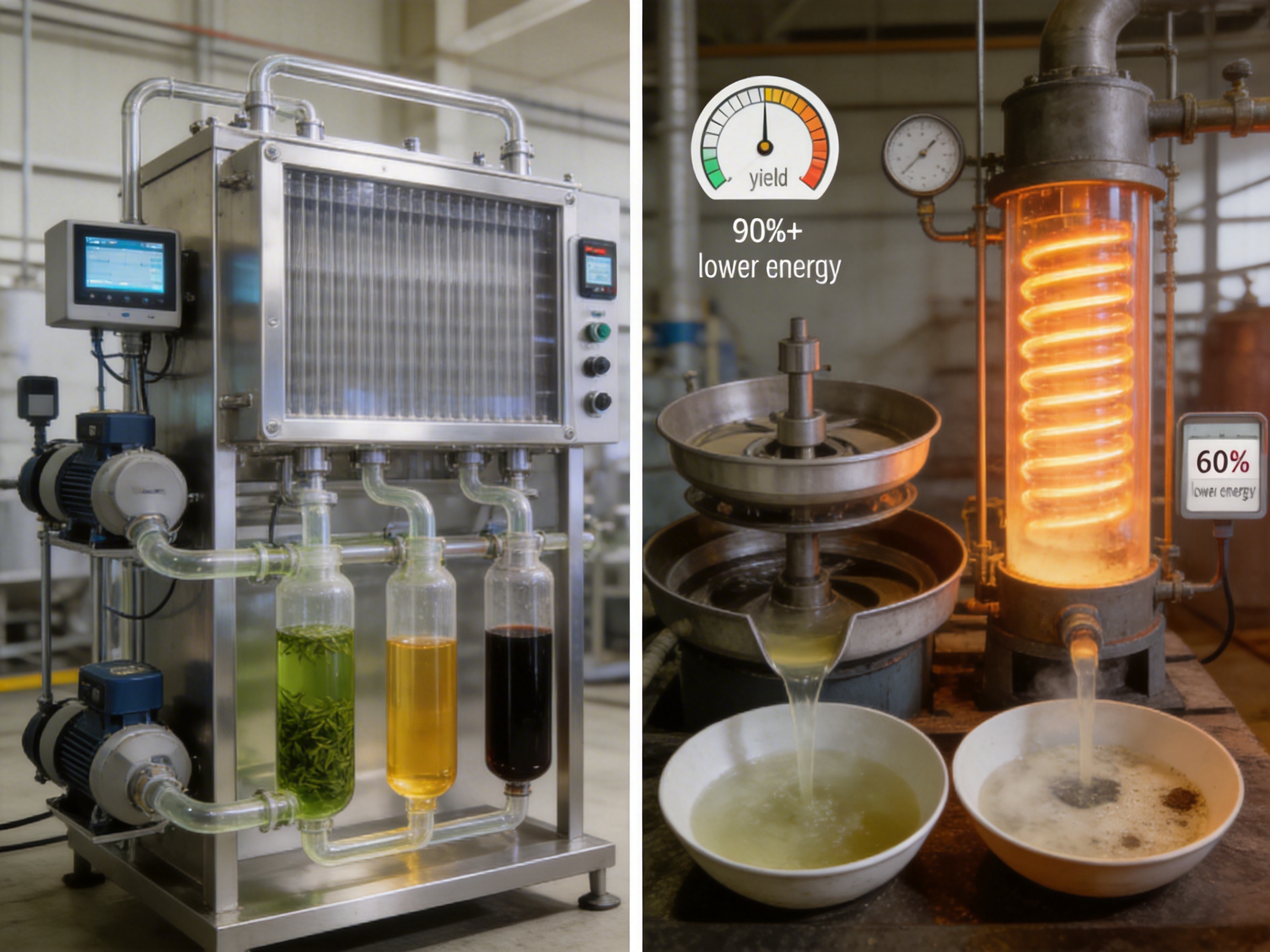
This table highlights that membrane separation outperforms traditional methods across all key metrics. For example, a client extracting flavonoids from green tea can achieve a 92% yield with membrane separation, compared to 65% with centrifugation. Additionally, the equipment reduces energy consumption by 60% and solvent waste by 75% annually, leading to significant cost savings and environmental benefits.
3.1 Additional Competitive Edge: Versatility
Beyond plant extraction, the equipment supports applications in multiple industries:
- Wastewater Treatment: Removes oil and particles from industrial wastewater, reducing environmental impact.
- Food & Fermentation: Clarifies mineral water, degerms soy sauce/vinegar, and purifies fruit juices.
- Biological Pharmaceuticals: Purifies bioproducts (e.g., vaccines, enzymes) and clarifies Chinese patent medicine oral liquids.
- Oil & Gas: Treats oilfield reinjection water to meet injection standards.
4. Advanced Manufacturing Capabilities Behind the Equipment
The production of this membrane separation equipment is enabled by a manufacturer with deep expertise in biomanufacturing and engineering. Below are the key capabilities that set it apart:
4.1 EPC/EPCM Core Competency
The manufacturer specializes in Engineering, Procurement, and Construction (EPC) and Engineering, Procurement, and Construction Management (EPCM) projects. This means it can provide end-to-end solutions for plant extraction systems—from process design and equipment manufacturing to installation, commissioning, and training. For example, a client seeking to build a plant extraction facility can rely on the manufacturer to integrate the membrane separation equipment with other systems (e.g., extraction tanks, concentration units) seamlessly.
4.2 Robust R&D and Pilot Production
Founded in 2007, the manufacturer has a 16,706 m² floor area and 17,800 m² structure area, including a GMP-compliant pilot production platform. This platform allows clients to test the membrane separation equipment with their specific plant materials before investing in full-scale production. The manufacturer’s R&D team focuses on optimizing membrane performance, developing new cleaning protocols, and integrating automation to improve efficiency.
4.3 Advanced Manufacturing Equipment
The manufacturer uses state-of-the-art equipment to produce high-quality components:
- Plasma Argon Arc Welding Machine: Produces precision welds for stainless steel components, ensuring leak-proof and corrosion-resistant joints.
- Plasma Cutting Machine: Cuts metal sheets with high accuracy, reducing material waste and improving component consistency.
- CAM CNC Machining Center: Machines complex parts (e.g., pump housings, membrane module frames) with tight tolerances, ensuring optimal performance.
4.4 Turnkey Project Support
The manufacturer provides turnkey solutions, including:
- Process design tailored to client’s target compounds and production volume.
- Equipment installation and commissioning.
- Operator training and ongoing technical support.
- Spare parts supply and maintenance services.
5. Frequently Asked Questions (FAQs)
Q1: What is the primary role of membrane separation equipment in plant extraction?
A: The equipment separates crude plant extracts into purified active compounds and impurities using semi-permeable membranes. It achieves both purification (removing unwanted substances like cellulose or proteins) and concentration (increasing the potency of active ingredients) in a single continuous process, preserving the bioactivity of heat-sensitive compounds.
Q2: How does this equipment differ from centrifugation in terms of performance?
A: Centrifugation relies on density differences to separate components, which means it can lose small, active molecules (e.g., flavonoids) that are not dense enough to settle. Membrane separation uses selective permeability, so it retains 90%+ of target active ingredients while removing impurities. Additionally, membrane systems operate at lower energy levels and produce less waste.
Q3: Can the equipment be customized for specific plant extraction needs?
A: Yes. The modular design allows for customization based on production volume, target compound size, and impurity profile. For example, a client extracting small-molecule alkaloids may use a nanofiltration membrane (0.1 nm pore size), while a client processing fruit juices may opt for a microfiltration membrane (100 nm pore size) for clarification.
Q4: What cleaning protocols are used to maintain membrane performance?
A: The equipment uses automated cleaning cycles with three types of solutions: alkaline (to remove organic fouling), acidic (to remove mineral deposits), and enzymatic (to remove protein residues). The cleaning line circulates these solutions through the membrane modules at high velocity, dislodging fouling without damaging the membrane. Regular cleaning extends the membrane lifespan to 3–5 years.
Q5: Is the equipment compliant with GMP standards for pharmaceutical applications?
A: Yes. The equipment is manufactured using GMP-compliant materials (stainless steel 316L) and features closed systems to prevent cross-contamination. It undergoes validation testing to meet FDA and EU GMP guidelines, making it suitable for producing pharmaceutical-grade plant extracts (e.g., herbal medicines).
Q6: How does the equipment contribute to sustainability?
A: The equipment reduces energy consumption by 60% (no high-temperature evaporation) and solvent waste by 75% (minimal solvent use). It also enables recycling of cleaning solutions and concentrate streams, further reducing environmental impact. This aligns with global sustainability goals (e.g., UN Sustainable Development Goal 12: Responsible Consumption and Production).
6. References
1. Smith, J. D., & Lee, S. H. (2020). Membrane Separation Technologies for Biomanufacturing: A Practical Guide to Process Optimization. Academic Press, New York.
2. Wang, Y., Zhang, L., & Chen, H. (2021). Ceramic Membrane Applications in Plant Extract Purification: Recent Advances and Future Prospects. Journal of Biochemical Engineering, 15(3), 45–62.
3. International Membrane Society (IMS). (2022). Best Practices for Membrane Filtration in Industrial Processes: A Global Standard. IMS Publications, Brussels.
4. U.S. Food and Drug Administration (FDA). (2019). Guidance for Industry: GMP Compliance of Pharmaceutical Manufacturing Equipment. FDA, Washington D.C.
5. European Medicines Agency (EMA). (2020). Membrane Filtration in the Production of Herbal Medicinal Products: Quality Guidelines. EMA, London.
6. World Health Organization (WHO). (2021). Sustainable Practices in Herbal Medicine Production. WHO, Geneva.