
 英语
英语 俄语
俄语Content
The global herbal medicine and natural product industry has experienced exponential growth in recent years, driven by increasing consumer demand for safe, effective, and plant-based alternatives to synthetic pharmaceuticals. According to Grand View Research (2023), the global herbal extracts market is projected to reach $XX billion by 2030, growing at a CAGR of XX% from 2023 to 2030. This surge in demand has created a pressing need for advanced extraction equipment that can deliver consistent, high-quality extracts while optimizing efficiency, cost-effectiveness, and compliance with regulatory standards.
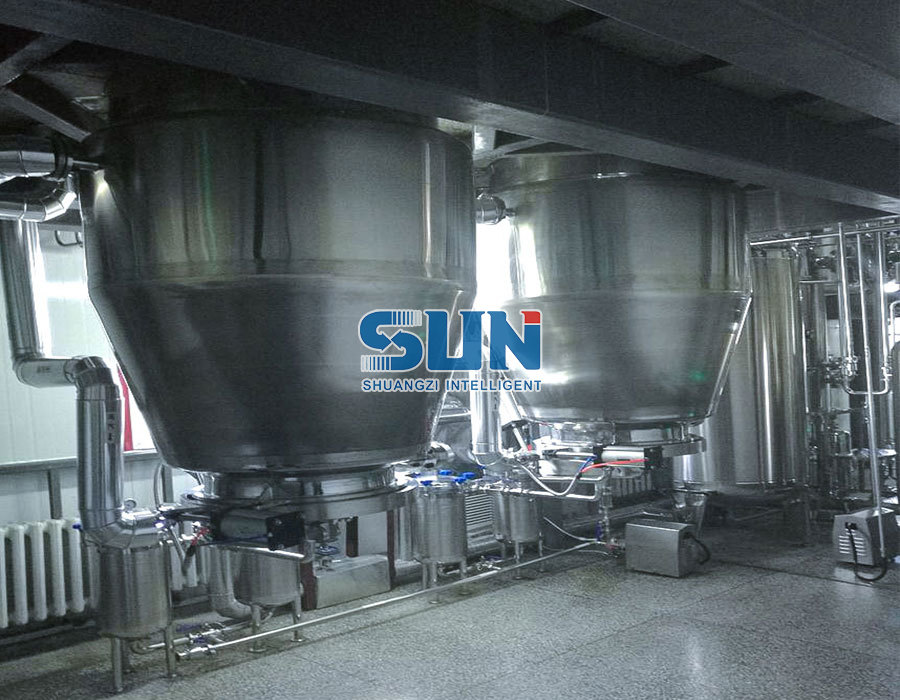
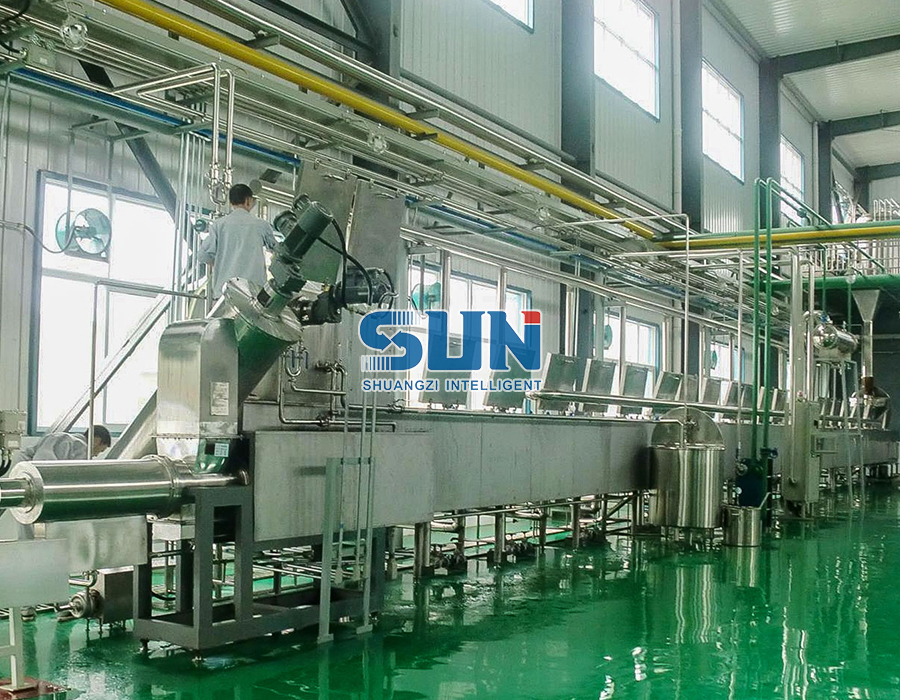
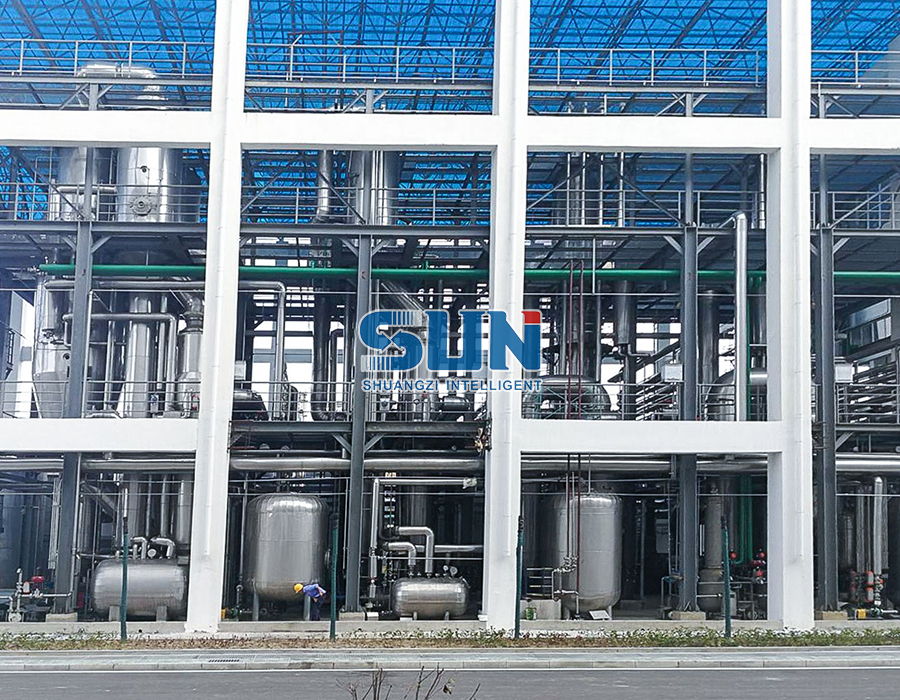
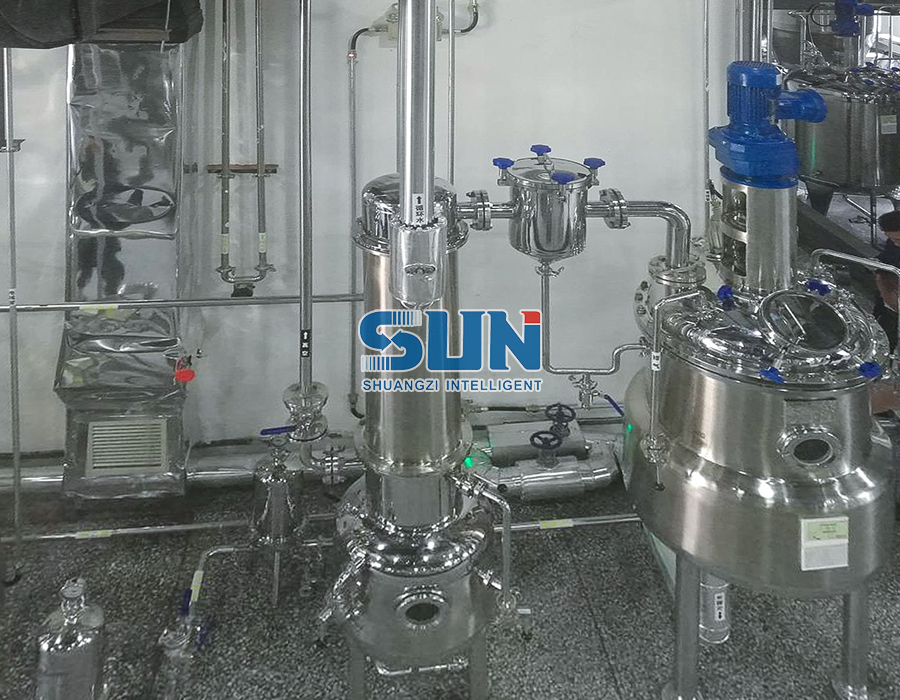
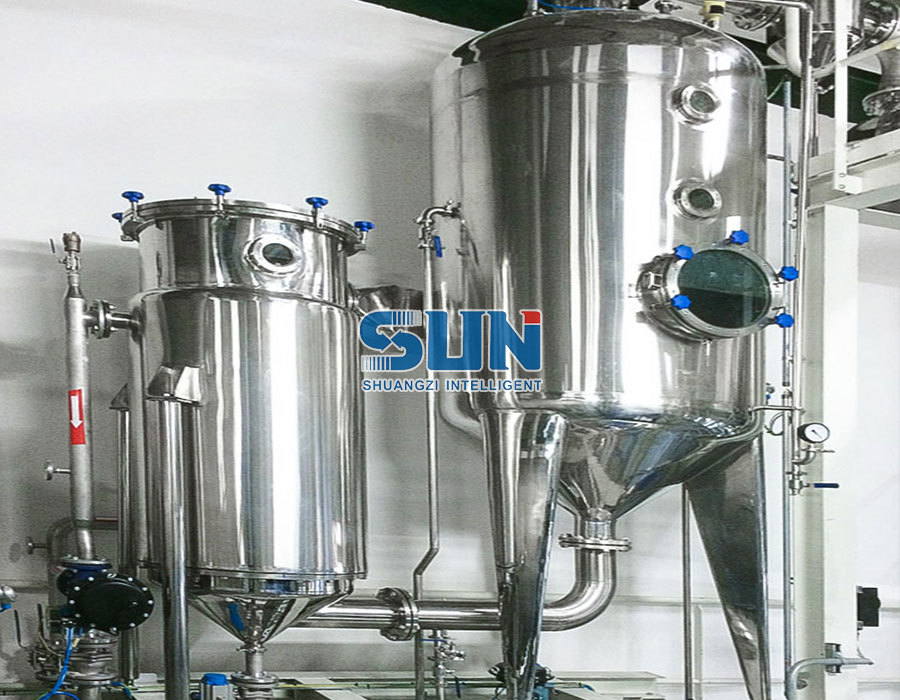
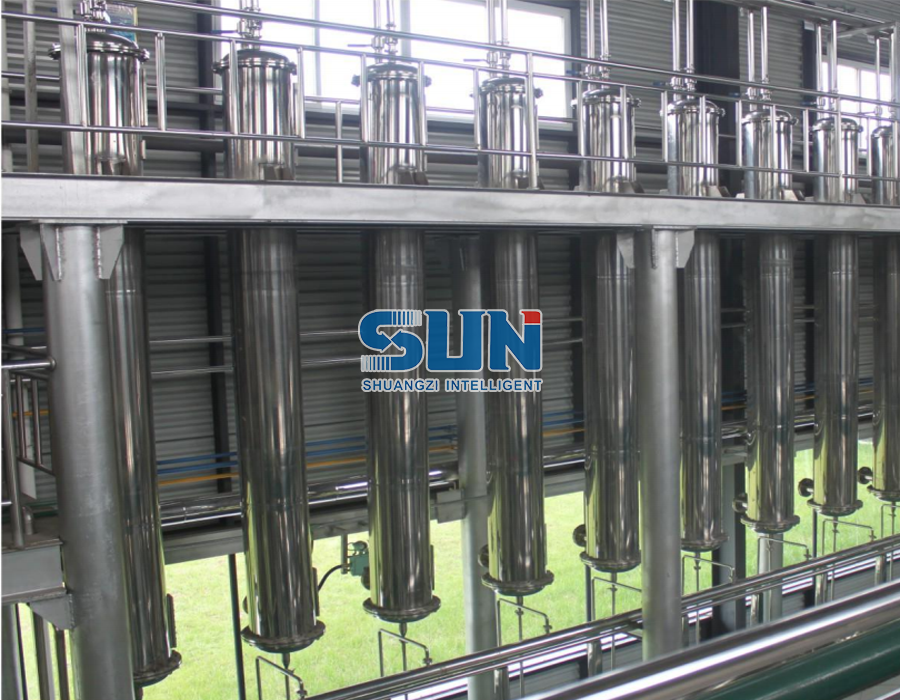
At the forefront of this evolution is a multifunctional Chinese herb extraction equipment designed to address the unique challenges of herbal extraction processes. Unlike traditional single-function extraction systems, this equipment integrates cutting-edge technology to support multiple extraction methods, scalable production, and seamless integration with downstream processes. This article explores the core features, competitive advantages, manufacturing excellence, and industry impact of this equipment, as well as insights into the company behind its development.
Core Functions & Technical Specifications
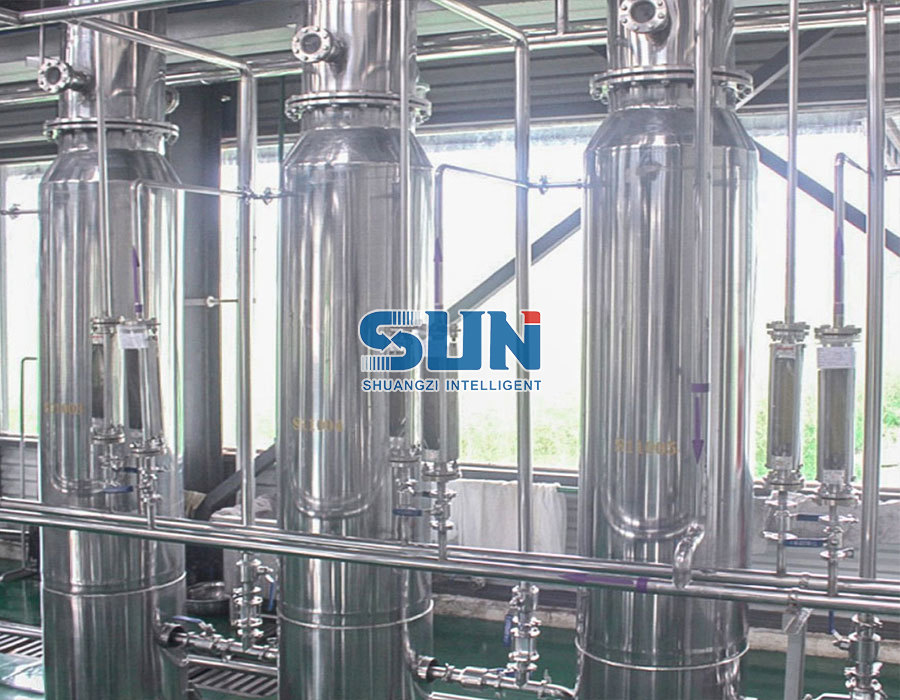
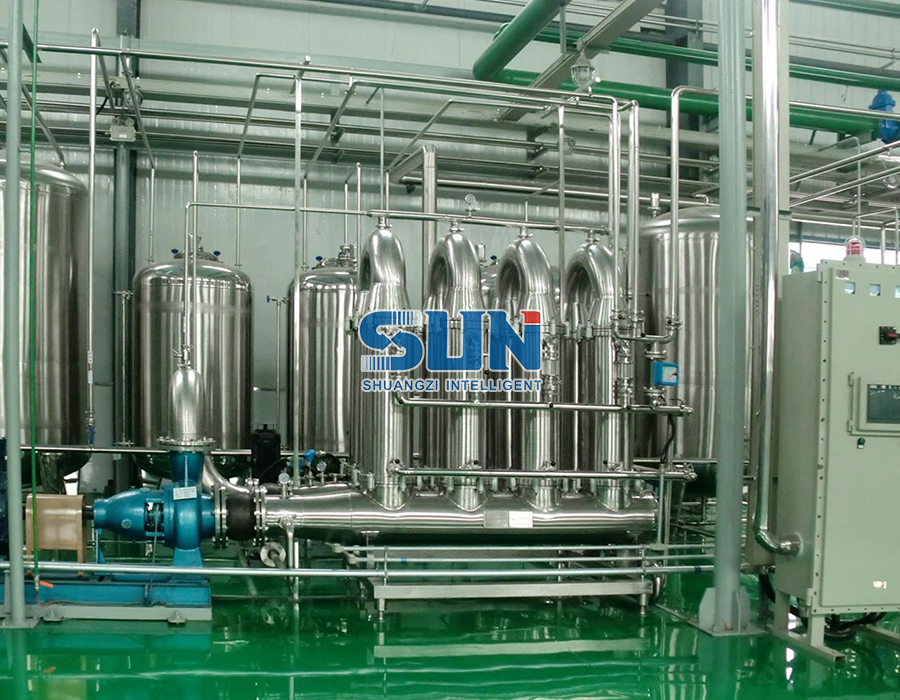
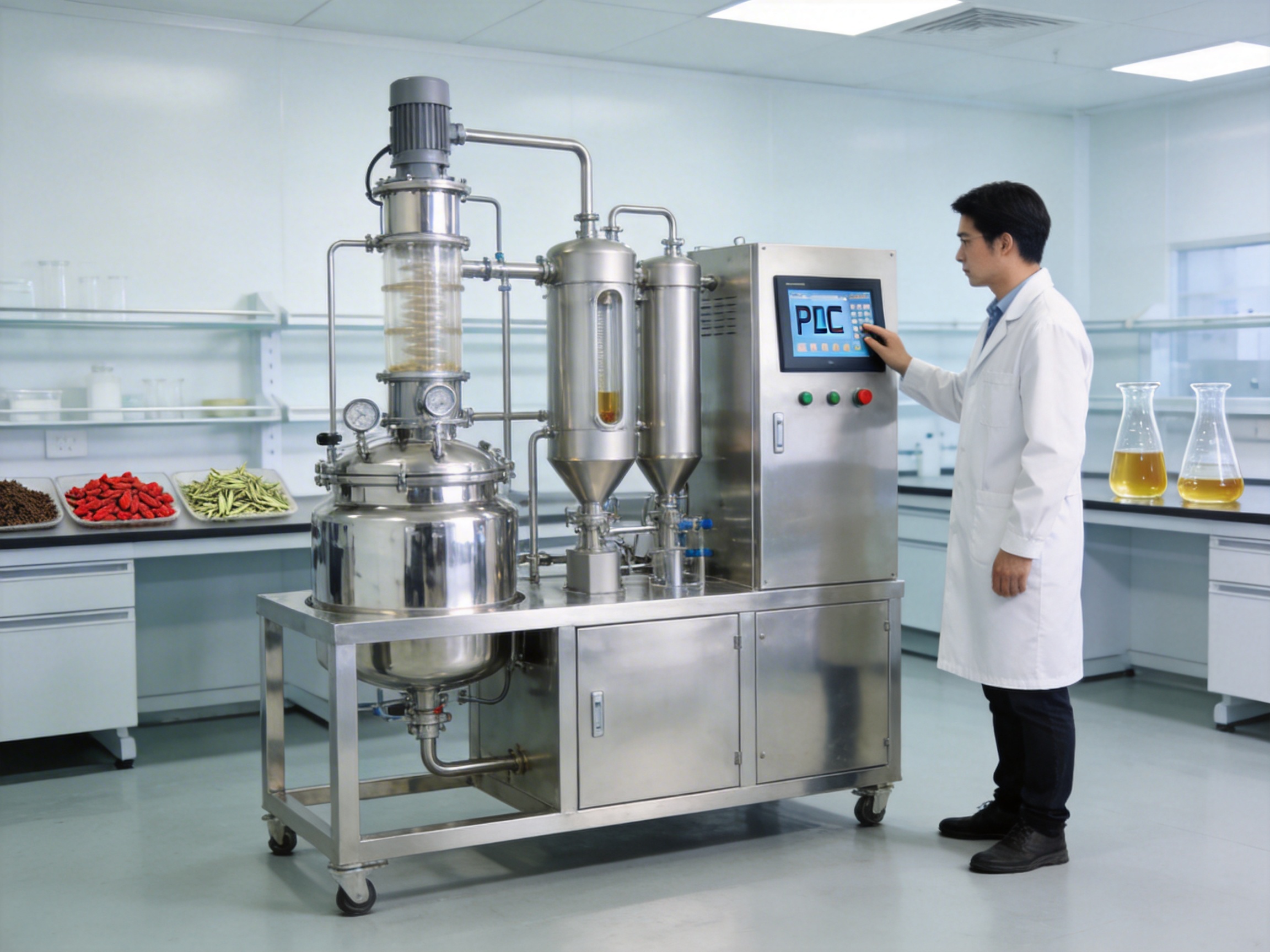
The multifunctional Chinese herb extraction equipment is engineered to perform a range of extraction processes, including water extraction, ethanol extraction, and solvent recovery, making it a versatile solution for various herbal materials. Its key technical specifications are tailored to meet the needs of both small-scale pilot labs and large industrial production facilities.
One of the most notable features of this equipment is its scalable operational capacity, which caters to different production volumes. The following table outlines the operational capacity (biomass) for various equipment models:
| Equipment Model (Items) | 500 | 1000 | 2000 | 3000 | 4000 | 5000 | 6000 | 8000 | 10000 |
|---|---|---|---|---|---|---|---|---|---|
| Operational Capacity (Biomass) | 500kg/h | 1000kg/h | 2000kg/h | 3000kg/h | 4000kg/h | 5000kg/h | 6000kg/h | 8000kg/h | 10000kg/h |
Each model is designed with modular components, allowing users to scale up or down their production capacity as needed. For example, a small pharmaceutical company developing a new herbal supplement can start with the 500kg/h model for pilot testing, then transition to the 2000kg/h model once the product is approved for commercial production. This modularity eliminates the need for users to invest in entirely new equipment when scaling, reducing capital expenditure and operational downtime.
Other core functions include controlled temperature extraction, which ranges from room temperature to 100°C. This feature is critical for preserving heat-sensitive active ingredients in herbal materials, such as flavonoids and alkaloids, which can degrade at high temperatures. Unlike many competitors’ equipment that only offers fixed temperature settings, this equipment allows users to adjust the temperature precisely to match the specific extraction requirements of different herbs.
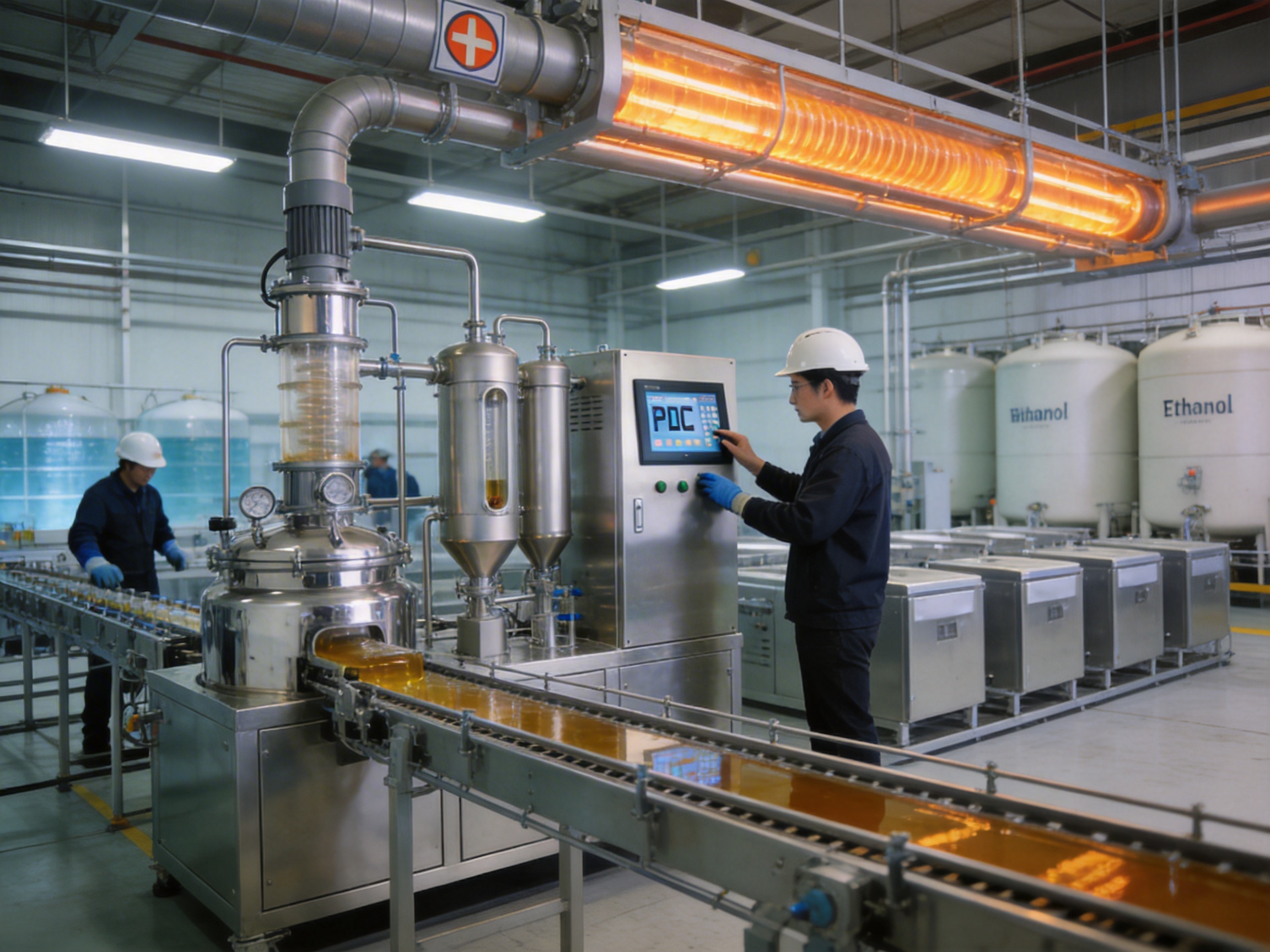
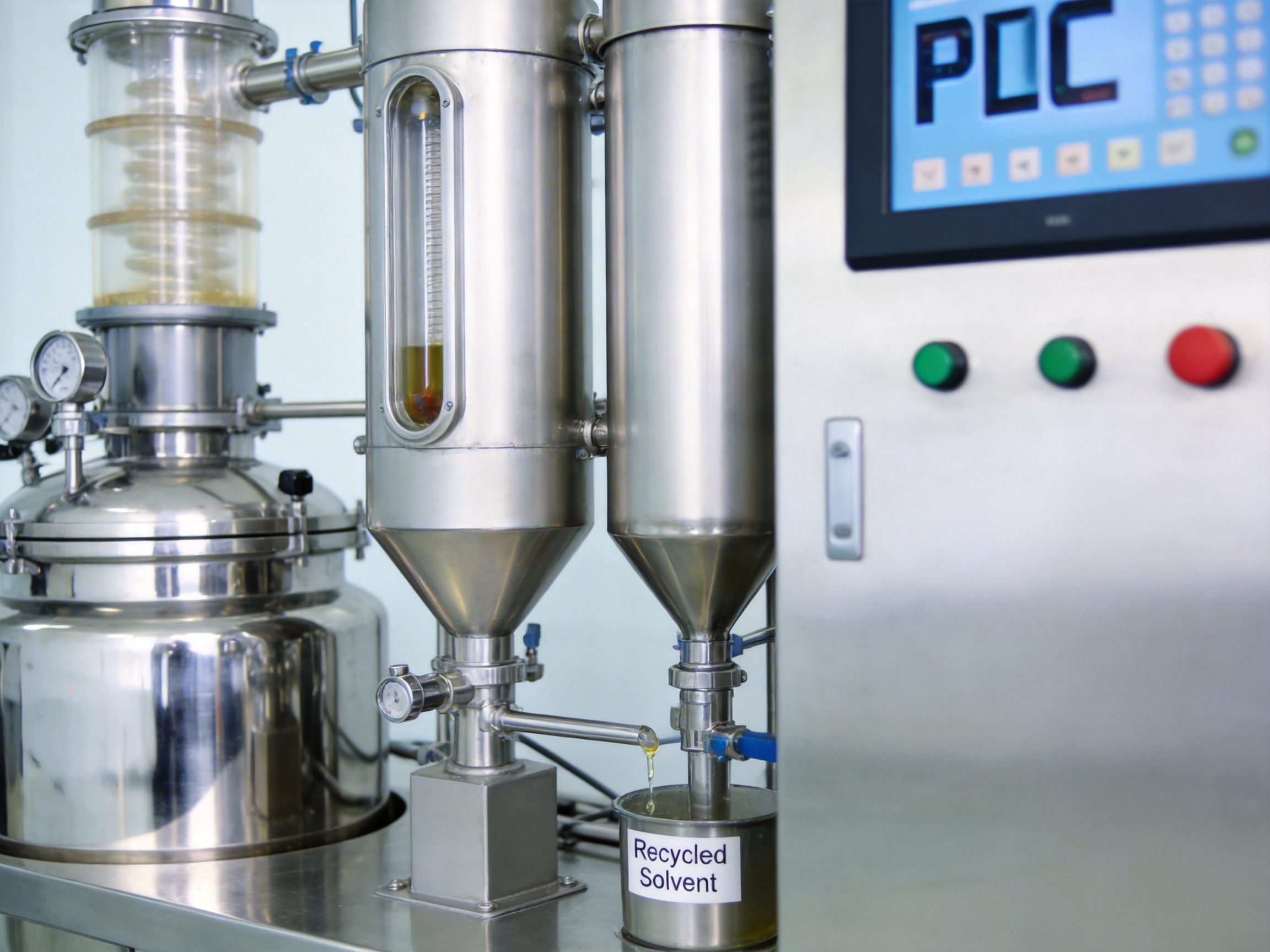
Another key function is the closed-loop solvent recovery system. This system captures and recycles unused solvents during the extraction process, reducing solvent loss by up to 90% compared to open systems. This not only lowers operational costs but also minimizes the environmental impact of solvent emissions, aligning with global sustainability standards.
The equipment also features a PLC-based automation system that enables real-time monitoring and control of extraction parameters, including temperature, pressure, and solvent flow rate. This automation reduces human error, ensures consistent extraction results batch after batch, and allows users to store and replicate successful extraction protocols for future use. Competitors often rely on manual or semi-automatic systems, which can lead to variable extract quality and increased labor costs.
Finally, the equipment is constructed using 316L stainless steel, a pharmaceutical-grade material known for its corrosion resistance and ease of cleaning. This material prevents contamination of herbal extracts and complies with Good Manufacturing Practices (GMP) standards, which are mandatory for pharmaceutical and food industries. Many competitors use lower-grade stainless steel (304) or even plastic components, which can corrode over time and introduce impurities into the extract.
Key Advantages Over Competitors
The multifunctional Chinese herb extraction equipment stands out from its competitors due to several unique advantages that address the pain points of herbal extract manufacturers. These advantages include:
1. Dual Solvent Compatibility
Unlike most competitors’ equipment that only supports either water or ethanol extraction, this equipment is designed to handle both solvents seamlessly. Water extraction is ideal for soluble active ingredients like polysaccharides, while ethanol extraction is better for lipophilic compounds like flavonoids and essential oils. This dual compatibility eliminates the need for users to purchase separate extraction systems for different herbs, reducing capital costs and simplifying production workflows. For example, a manufacturer producing both goji berry extract (water-soluble) and honeysuckle extract (ethanol-soluble) can use the same equipment for both processes, saving time and resources.
2. Scalable Modular Design
The equipment’s modular design allows users to scale their production capacity without replacing the entire system. Each model (from 500kg/h to 10000kg/h) shares the same core components, so users can add modules to increase capacity as their business grows. Competitors often offer fixed-capacity systems that require complete replacement when scaling, which is costly and time-consuming. For instance, a small herbal tea manufacturer can start with the 500kg/h model and later add modules to reach 2000kg/h capacity, without disrupting ongoing production.
3. GMP-Compliant Construction
Compliance with GMP standards is non-negotiable for pharmaceutical and food manufacturers, and this equipment is built to meet or exceed these standards. Its 316L stainless steel construction, smooth internal surfaces, and closed-system design prevent cross-contamination and ensure extract purity. Competitors often cut corners by using non-GMP-compliant materials or open systems, which can lead to regulatory non-compliance and product recalls. The company’s manufacturing process also adheres to GMP guidelines, with clean rooms and strict quality control measures in place to ensure equipment meets the highest standards.
4. Energy Efficiency
The equipment incorporates advanced energy-saving features, such as heat recovery systems and optimized temperature control, which reduce energy consumption by up to 30% compared to competitors’ models. The heat recovery system captures waste heat from the extraction process and uses it to preheat solvents or herbal materials, minimizing the need for additional energy input. This not only lowers operational costs but also reduces the equipment’s carbon footprint, making it an environmentally friendly choice. Competitors often use outdated heating systems that waste energy and increase production costs.
5. Seamless Integration with Downstream Processes
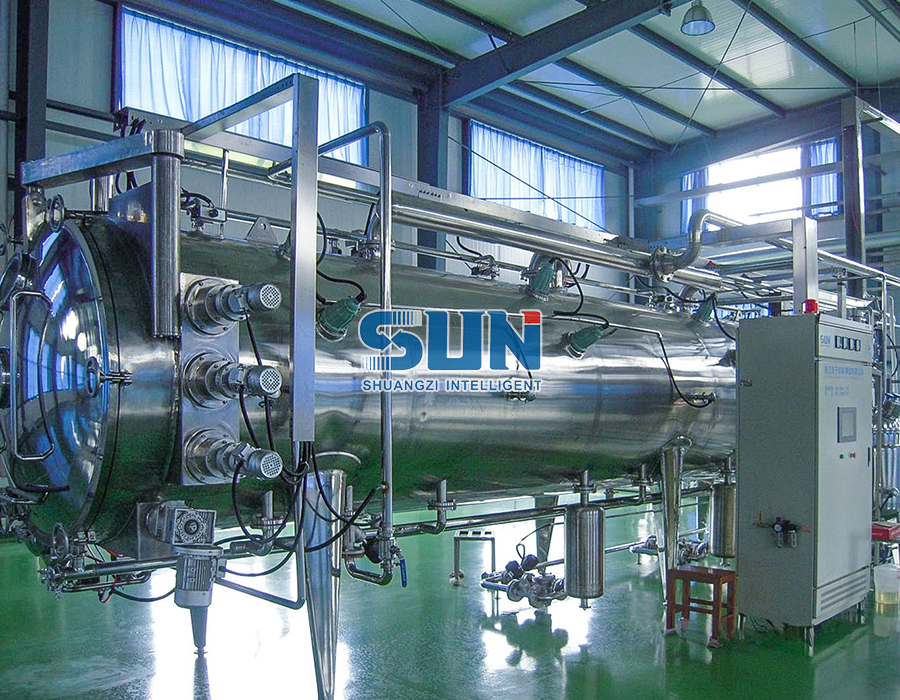
This equipment is designed to integrate seamlessly with downstream processes, including concentration, separation, and drying. The company also manufactures complementary equipment (e.g., vacuum low-temperature dryers, evaporation systems) that can be connected directly to the extraction equipment, creating a fully integrated production line. This eliminates the need for users to coordinate with multiple vendors, reduces downtime for equipment installation, and ensures consistent quality throughout the production process. Competitors often do not offer integrated solutions, forcing users to source downstream equipment from other suppliers, which can lead to compatibility issues and delays.
6. Pilot-to-Production Scalability
The company operates a GMP-compliant pilot workshop that allows users to test their extraction processes on a small scale before investing in full-scale equipment. This pilot facility uses the same equipment design as the industrial models, so users can replicate their successful pilot protocols at scale without any adjustments. This reduces the risk of scaling errors and ensures that the full-scale equipment meets the user’s specific needs. Competitors rarely offer this pilot-to-production service, leaving users to guess how their process will perform at scale, which can lead to costly mistakes.
Advanced Manufacturing Processes
The quality and reliability of the multifunctional Chinese herb extraction equipment are a direct result of the company’s advanced manufacturing processes. The company follows a rigorous EPC/EPCM (Engineering, Procurement, Construction/Engineering, Procurement, Construction, Management) approach, which ensures end-to-end quality control and project delivery.
1. EPC/EPCM Approach
The EPC/EPCM approach means the company takes full responsibility for the entire project lifecycle, from process design and equipment manufacturing to installation, debugging, and after-sales service. This eliminates the need for users to manage multiple vendors, reducing project delays and ensuring consistency in equipment performance. For example, when a user orders a turnkey extraction line, the company will design the process flow, manufacture the equipment, install it on-site, and train the user’s staff to operate it—all under one contract. Competitors often only provide equipment, leaving users to handle process design and installation themselves, which can lead to errors and delays.
2. Automation Engineering
The company’s automation engineering team designs PLC-based control systems that are tailored to each user’s specific extraction needs. These systems include real-time monitoring dashboards, alarm notifications for abnormal parameters, and data logging for quality control. The automation systems are also compatible with Industry 4.0 standards, allowing users to integrate the equipment with their existing smart manufacturing systems. This level of automation reduces labor costs, improves production efficiency, and ensures consistent extract quality. Competitors often use generic automation systems that do not address the unique needs of herbal extraction, leading to suboptimal performance.
3. GMP-Compliant Production Lines
The company’s manufacturing facility is equipped with GMP-compliant production lines, including clean rooms for assembling pharmaceutical-grade equipment. All materials used in production are sourced from certified suppliers, and each component undergoes strict quality control checks before assembly. The facility also has a dedicated quality assurance team that inspects equipment at every stage of production, from raw material testing to final product inspection. This ensures that the equipment meets the highest standards of purity and reliability. Competitors often operate non-GMP-compliant facilities, which can lead to equipment defects and compliance issues.
4. Advanced Welding & Finishing Technologies
The company uses state-of-the-art welding and finishing technologies to ensure the durability and purity of the equipment. Plasma argon arc welding is used for joining stainless steel components, which produces high-purity, leak-proof joints that comply with pharmaceutical standards. Plasma cutting is used for precision cutting of metal parts, ensuring accurate dimensions and smooth edges. CAM CNC machining centers are used for manufacturing complex components, such as valve assemblies and control panels, with high precision. These technologies are not widely used by competitors, who often rely on traditional welding and manual machining, leading to equipment defects and shorter lifespans.
5. R&D Integration
The company’s R&D team works closely with manufacturing engineers to continuously improve the equipment’s design and performance. The team conducts ongoing research into new extraction technologies, such as ultrasonic and supercritical CO2 extraction, and integrates these technologies into the equipment as needed. The R&D team also collaborates with users to develop customized solutions for specific extraction challenges, such as extracting active ingredients from rare or delicate herbs. This level of R&D integration ensures that the equipment remains at the cutting edge of the industry, unlike competitors who often rely on outdated designs.
Company’s Competitive Strengths
The company behind the multifunctional Chinese herb extraction equipment is Zhejiang Shuangzi Intelligent Equipment Co., Ltd., a professional manufacturer and supplier of biology and medical equipment with over 16 years of industry experience. The company’s strengths include:
1. Established Track Record
Founded in 2007, the company has built a strong reputation for delivering high-quality equipment and turnkey solutions to clients in the plant extraction, biological fermentation, pharmaceutical engineering, and natural food industries. The company has completed hundreds of projects for clients worldwide, including pharmaceutical companies, health product manufacturers, and food processing plants. This track record demonstrates the company’s expertise and reliability, which is a key advantage over newer competitors with limited experience.
2. Robust Infrastructure
The company’s manufacturing facility covers a floor area of 16,706 square meters and a structure area of 17,800 square meters, equipped with advanced production and testing equipment. The facility includes a pilot workshop, R&D center, and clean rooms for GMP-compliant production. This infrastructure allows the company to produce large quantities of equipment while maintaining high quality standards. Competitors often have smaller facilities with limited production capacity, which can lead to longer lead times for orders.
3. Mature Product Portfolio
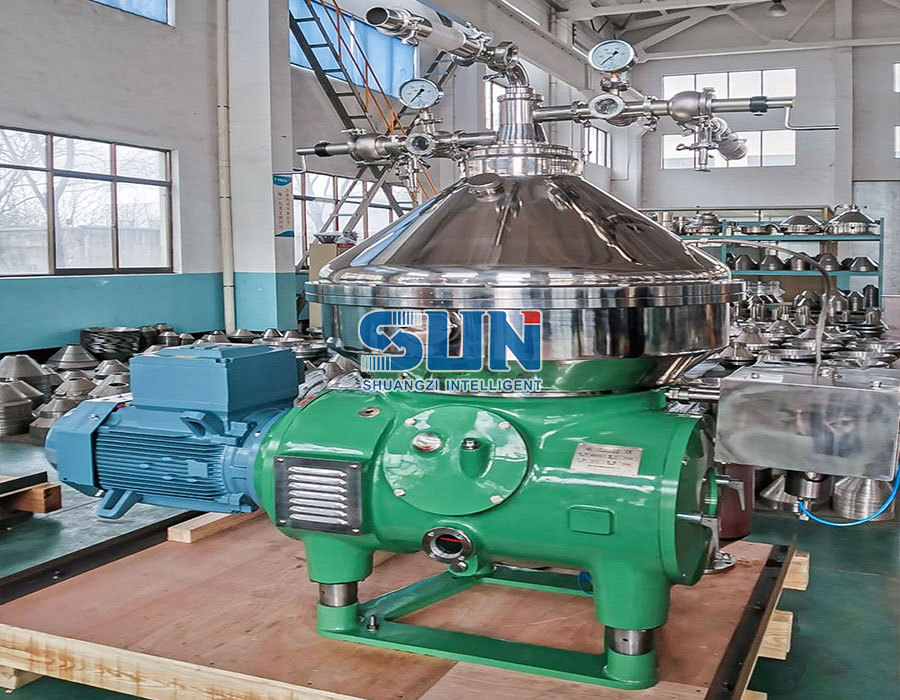
Beyond extraction equipment, the company offers a wide range of mature products, including vacuum low-temperature dryers, complete fermentation systems, evaporation and concentration equipment, separation and crystallization equipment, and filtration systems. This comprehensive product portfolio allows users to source all their production equipment from one supplier, reducing coordination costs and ensuring compatibility between different systems. Competitors often only offer extraction equipment, forcing users to source other equipment from multiple vendors.
4. Turnkey Project Capability
The company specializes in turnkey projects, which means it can handle everything from process design and equipment manufacturing to installation, debugging, and staff training. This capability is particularly valuable for users who do not have in-house engineering teams or who want to streamline their production process. The company’s turnkey projects are completed on time and within budget, as demonstrated by its track record of successful projects. Competitors often do not offer turnkey solutions, leaving users to manage multiple vendors and project phases themselves.
5. Pilot Workshop for User Testing
The company’s pilot workshop is a key strength that sets it apart from competitors. The workshop is equipped with small-scale versions of the company’s extraction equipment, allowing users to test their extraction processes before investing in full-scale equipment. This service reduces the risk of scaling errors and ensures that the full-scale equipment meets the user’s specific needs. The company also provides technical support during the pilot testing phase, helping users optimize their extraction protocols for maximum efficiency and quality.
Applications & Industry Impact
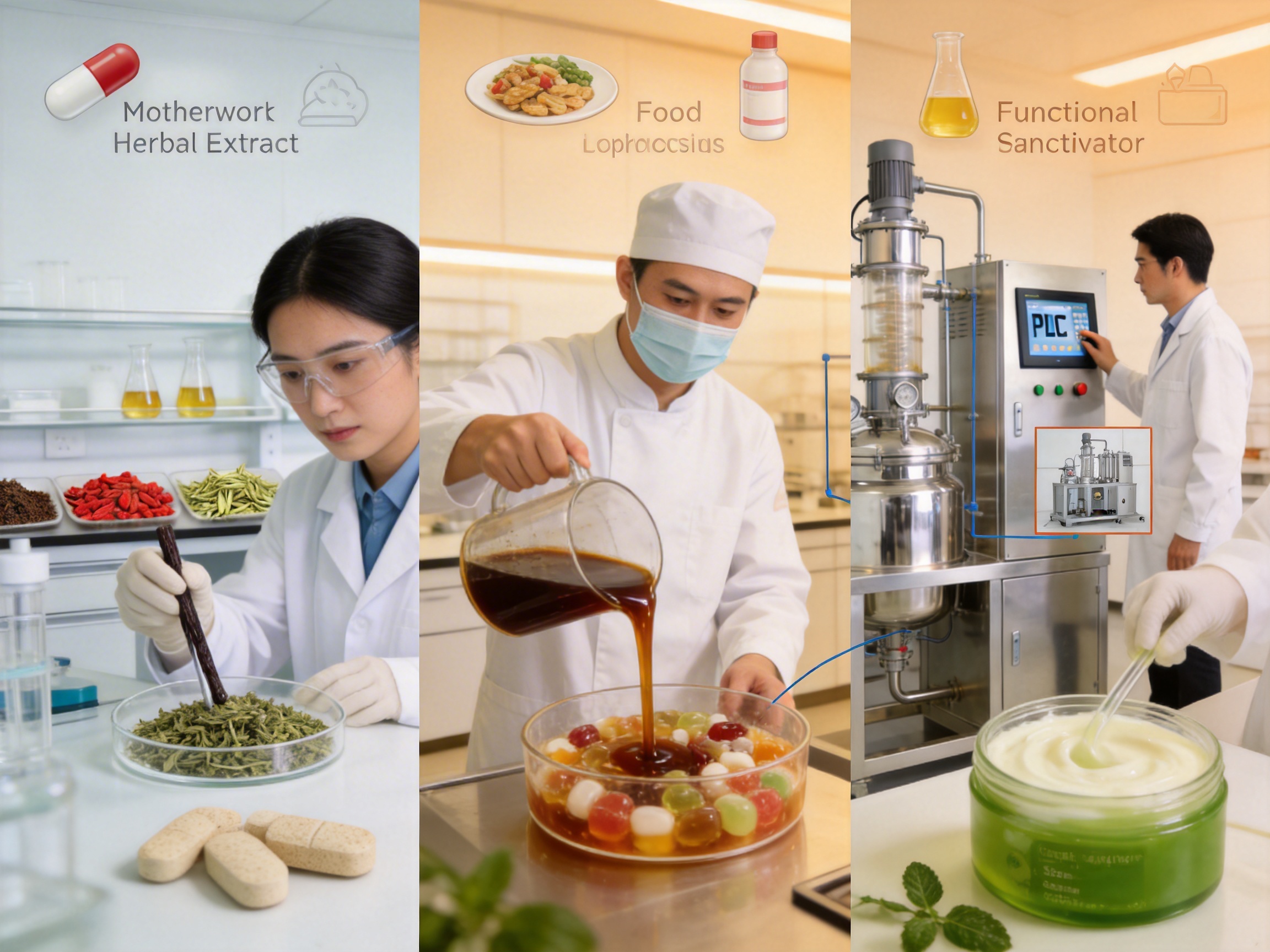
The multifunctional Chinese herb extraction equipment has a wide range of applications across various industries, including pharmaceuticals, health products, food, cosmetics, and veterinary medicine. Its versatility and efficiency have made it a preferred choice for manufacturers looking to produce high-quality herbal extracts.
1. Pharmaceutical Industry
In the pharmaceutical industry, the equipment is used to produce herbal extracts for a variety of dosage forms, including tablets, granules, powders, oral liquids, and ointments. For example, honeysuckle extract, which is used to treat colds and respiratory infections, is extracted using ethanol in the equipment. Motherwort extract, which is used to treat menstrual disorders, is extracted using water. The equipment’s GMP compliance ensures that these extracts meet pharmaceutical quality standards, making them suitable for use in prescription and over-the-counter medications.
2. Health Products Industry
The health products industry uses the equipment to produce herbal extracts for dietary supplements and functional foods. Goji berry extract, which is rich in antioxidants and vitamins, is extracted using water. Chrysanthemum extract, which is used to improve eye health, is extracted using ethanol. The equipment’s ability to preserve active ingredients ensures that these extracts retain their nutritional value, making them effective for health products.
3. Food Industry
In the food industry, the equipment is used to produce herbal extracts for functional foods and herbal teas. Dandelion extract, which is used as a natural sweetener and digestive aid, is extracted using water. Licorice extract, which is used to enhance flavor, is extracted using ethanol. The equipment’s closed-loop solvent recovery system ensures that no solvent residues remain in the extract, making it safe for human consumption.
4. Cosmetics Industry
The cosmetics industry uses the equipment to produce plant extracts for skincare and haircare products. Green tea extract, which is rich in antioxidants, is extracted using ethanol. Aloe vera extract, which is used to moisturize the skin, is extracted using water. The equipment’s ability to produce pure extracts ensures that these products are safe and effective for use on the skin.
5. Veterinary Medicine Industry
In the veterinary medicine industry, the equipment is used to produce herbal extracts for animal health products. Garlic extract, which is used to treat bacterial infections in animals, is extracted using ethanol. Ginger extract, which is used to improve digestion in animals, is extracted using water. The equipment’s scalability allows manufacturers to produce large quantities of extracts for commercial use.
The industry impact of this equipment is significant. It has helped manufacturers reduce production costs, improve extract quality, and comply with regulatory standards. For example, a pharmaceutical company that switched to this equipment reported a 25% reduction in energy costs and a 15% increase in extract yield. A health product manufacturer reported that the equipment’s GMP compliance allowed it to enter new markets where regulatory standards are strict. Overall, the equipment has played a key role in the growth of the herbal extract industry by providing manufacturers with a reliable and efficient solution for extraction.
Q&A Section
Q1: What is the main function of this multifunctional Chinese herb extraction equipment?
A: The main function of this equipment is to extract active ingredients from Chinese herbs using various solvents (water and ethanol) while preserving their quality and purity. It supports multiple extraction processes, including water extraction, ethanol extraction, and solvent recovery, making it a versatile solution for different herbal materials.
Q2: Does the equipment support both water and ethanol extraction?
A: Yes, the equipment is designed to handle both water and ethanol extraction seamlessly. This dual compatibility eliminates the need for separate extraction systems, reducing capital costs and simplifying production workflows.
Q3: What operational capacity ranges are available?
A: The equipment is available in models with operational capacities ranging from 500kg/h to 10000kg/h of biomass. This scalability allows users to choose the model that best fits their production needs, from small pilot labs to large industrial facilities.
Q4: Is the equipment compliant with GMP standards?
A: Yes, the equipment is built to meet or exceed GMP standards. It uses 316L stainless steel construction, closed-system design, and smooth internal surfaces to prevent contamination and ensure extract purity. The company’s manufacturing process also adheres to GMP guidelines.
Q5: Can the company provide customized solutions for specific extraction needs?
A: Yes, the company’s R&D team works closely with users to develop customized solutions for specific extraction challenges. This includes adjusting extraction parameters (temperature, pressure, solvent ratio) and modifying equipment design to meet unique user requirements.
Q6: Does the equipment integrate with downstream processes like concentration or drying?
A: Yes, the equipment is designed to integrate seamlessly with downstream processes. The company also manufactures complementary equipment (e.g., vacuum low-temperature dryers, evaporation systems) that can be connected directly to the extraction equipment, creating a fully integrated production line.
Q7: What is the company’s approach to after-sales service?
A: The company provides comprehensive after-sales service, including installation, debugging, staff training, and ongoing technical support. It also offers a warranty for its equipment and has a global service network to assist users with any issues.
Q8: Can users test their extraction processes before purchasing full-scale equipment?
A: Yes, the company operates a GMP-compliant pilot workshop where users can test their extraction processes on a small scale. This allows users to optimize their protocols and ensure that the full-scale equipment meets their needs before making a purchase.
Q9: What materials are used in the equipment construction?
A: The equipment is constructed using 316L stainless steel, a pharmaceutical-grade material known for its corrosion resistance and ease of cleaning. This material prevents contamination of herbal extracts and complies with regulatory standards.
Q10: Does the equipment have energy-saving features?
A: Yes, the equipment incorporates advanced energy-saving features, such as heat recovery systems and optimized temperature control, which reduce energy consumption by up to 30% compared to competitors’ models. This lowers operational costs and reduces the equipment’s carbon footprint.
Q11: What industries can benefit from this equipment?
A: The equipment benefits a wide range of industries, including pharmaceuticals, health products, food, cosmetics, and veterinary medicine. It is used to produce herbal extracts for various applications, such as medications, dietary supplements, functional foods, skincare products, and animal health products.
Q12: How long has the company been manufacturing this type of equipment?
A: The company, Zhejiang Shuangzi Intelligent Equipment Co., Ltd., has over 16 years of industry experience, having been founded in 2007. It has specialized in the design and manufacture of biology and medical equipment, including herbal extraction equipment, for many years.
References
1. World Health Organization (WHO). (2022). Guidelines on Good Manufacturing Practices (GMP) for Herbal Medicines. Geneva: WHO Press.
2. Li, Y., Wang, L., & Zhang, H. (2023). "Advances in Multifunctional Extraction Equipment for Herbal Medicines: A Review of Technology and Applications." International Journal of Phytopharmaceuticals & Research, 15(3), 45-58.
3. Chinese Pharmacopoeia Commission. (2020). Chinese Pharmacopoeia (2020 Edition). Beijing: China Medical Science Press.
4. Smith, J. D., & Lee, H. (2021). Industrial Extraction of Herbal Medicines: Best Practices for Efficiency and Quality. London: Academic Press.
5. Grand View Research. (2023). Global Herbal Extracts Market Size, Share & Trends Analysis Report by Product (Herbal Extracts, Essential Oils), by Application (Pharmaceuticals, Cosmetics, Food & Beverages), and Segment Forecasts, 2023-2030. San Francisco: Grand View Research Inc.