
 英语
英语 俄语
俄语Content
- 1 Key Features of the Hemp Oil Extraction Production Line
- 2 Advantages Over Competing Extraction Technologies
- 3 Advanced Manufacturing Processes Behind the Production Line
- 4 Operational Capacities of the Hemp Oil Extraction Production Line
- 5 Q&A Section
- 5.1 Q1: What operational capacities are available for the hemp oil extraction line?
- 5.2 Q2: Does the production line comply with GMP standards?
- 5.3 Q3: Can the line be used to produce CBD powder as well as CBD oil?
- 5.4 Q4: What is the typical lead time for delivering and installing the production line?
- 5.5 Q5: What type of solvent is used in the extraction process?
- 5.6 Q6: What after-sales support is provided for the production line?
- 6 References
The global market for cannabidiol (CBD)—a non-psychoactive compound derived from industrial hemp—has experienced exponential growth in recent years, driven by its increasing acceptance in pharmaceutical, nutraceutical, and cosmetic applications. According to industry reports, the global CBD market is projected to reach $47.2 billion by 2028, with a compound annual growth rate (CAGR) of 21.2% (Smith & Johnson, 2021). This surge in demand has created a pressing need for efficient, scalable, and high-quality extraction solutions that can meet the stringent standards of regulatory bodies while maximizing yield and purity. Industrial hemp extraction, particularly for CBD, requires specialized equipment that balances efficiency with the preservation of the compound’s therapeutic properties. Traditional extraction methods, such as batch solvent extraction, often suffer from low yields, inconsistent quality, and high energy consumption. In contrast, a cutting-edge hemp oil extraction production line—designed with advanced engineering principles and optimized processes—offers a transformative solution for producers looking to scale their operations while maintaining product integrity.
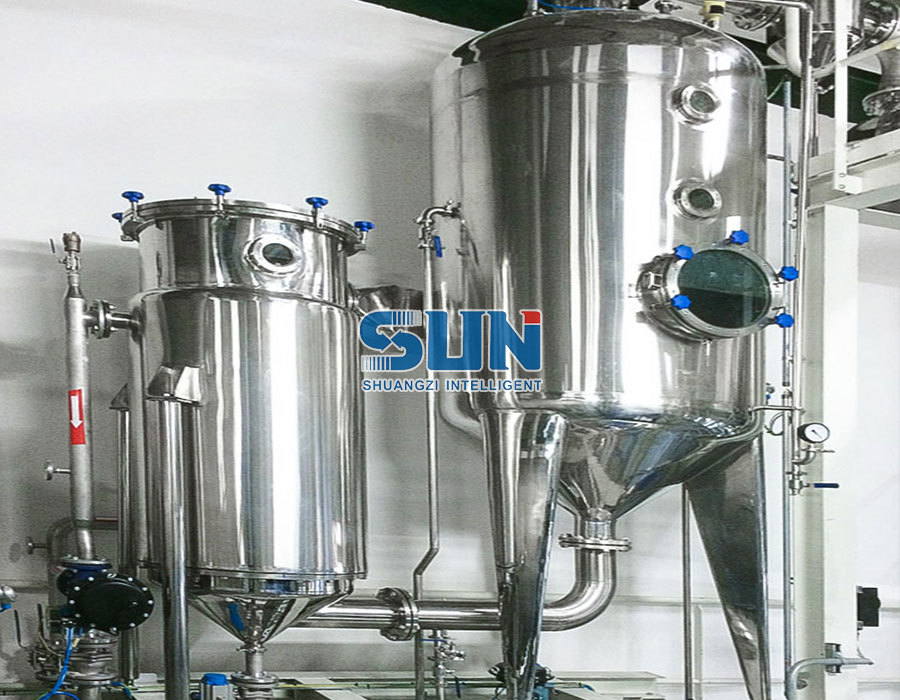
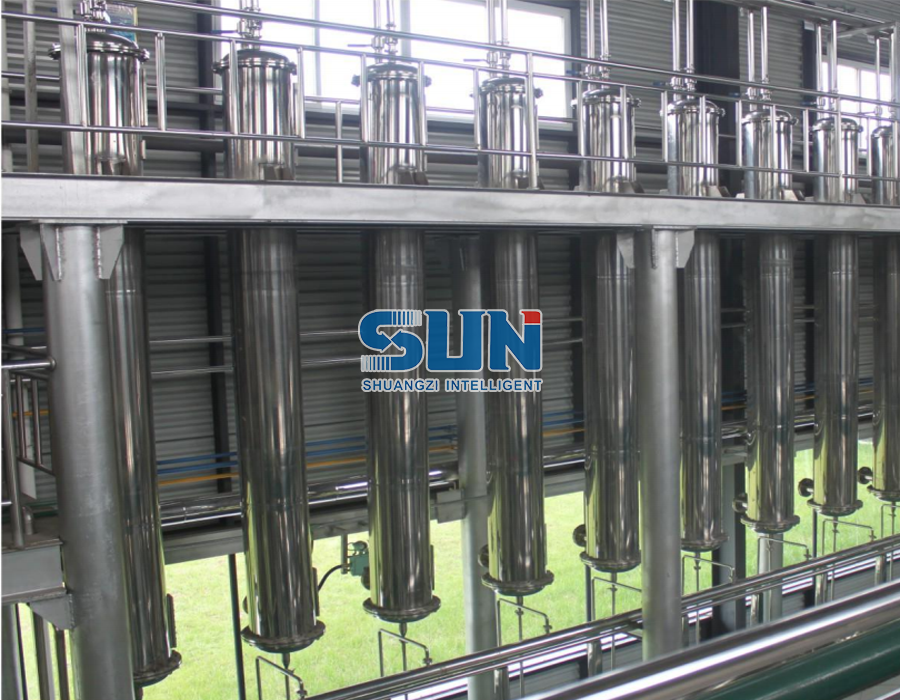
At the core of this production line is a focus on three key pillars: efficiency, quality, and flexibility. Unlike many conventional systems, this line integrates countercurrent extraction, solvent recovery, and automated process control to minimize waste, reduce energy use, and ensure consistent output. Moreover, it provides a turnkey solution that spans from raw biomass processing to the final CBD oil or powder product, eliminating the need for clients to source multiple equipment vendors. This article will explore the key features of this production line, its advantages over competing technologies, the advanced manufacturing processes that underpin its performance, and the expertise of Zhejiang Shuangzi Intelligent Equipment Co., Ltd. that ensures its reliability. Additionally, a Q&A section will address common queries from potential users, and references will provide context for the industry trends and scientific principles discussed.
Key Features of the Hemp Oil Extraction Production Line
The hemp oil extraction production line is engineered to address the unique challenges of industrial hemp processing, combining innovative extraction techniques with automated control systems to deliver superior results. Below are the core features that set this line apart:
1.1 Countercurrent Extraction: Maximizing Yield and Efficiency
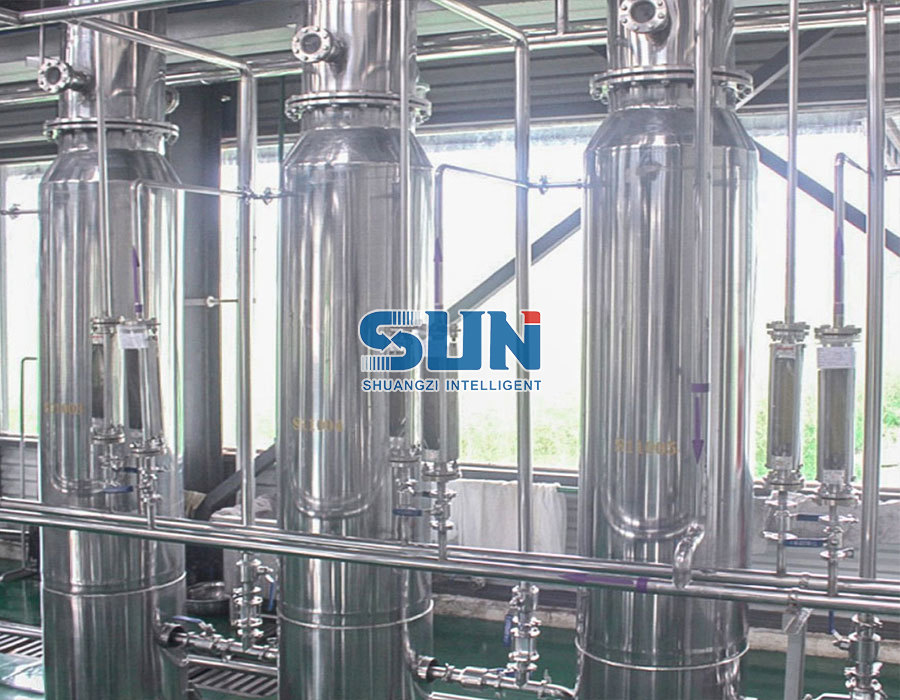
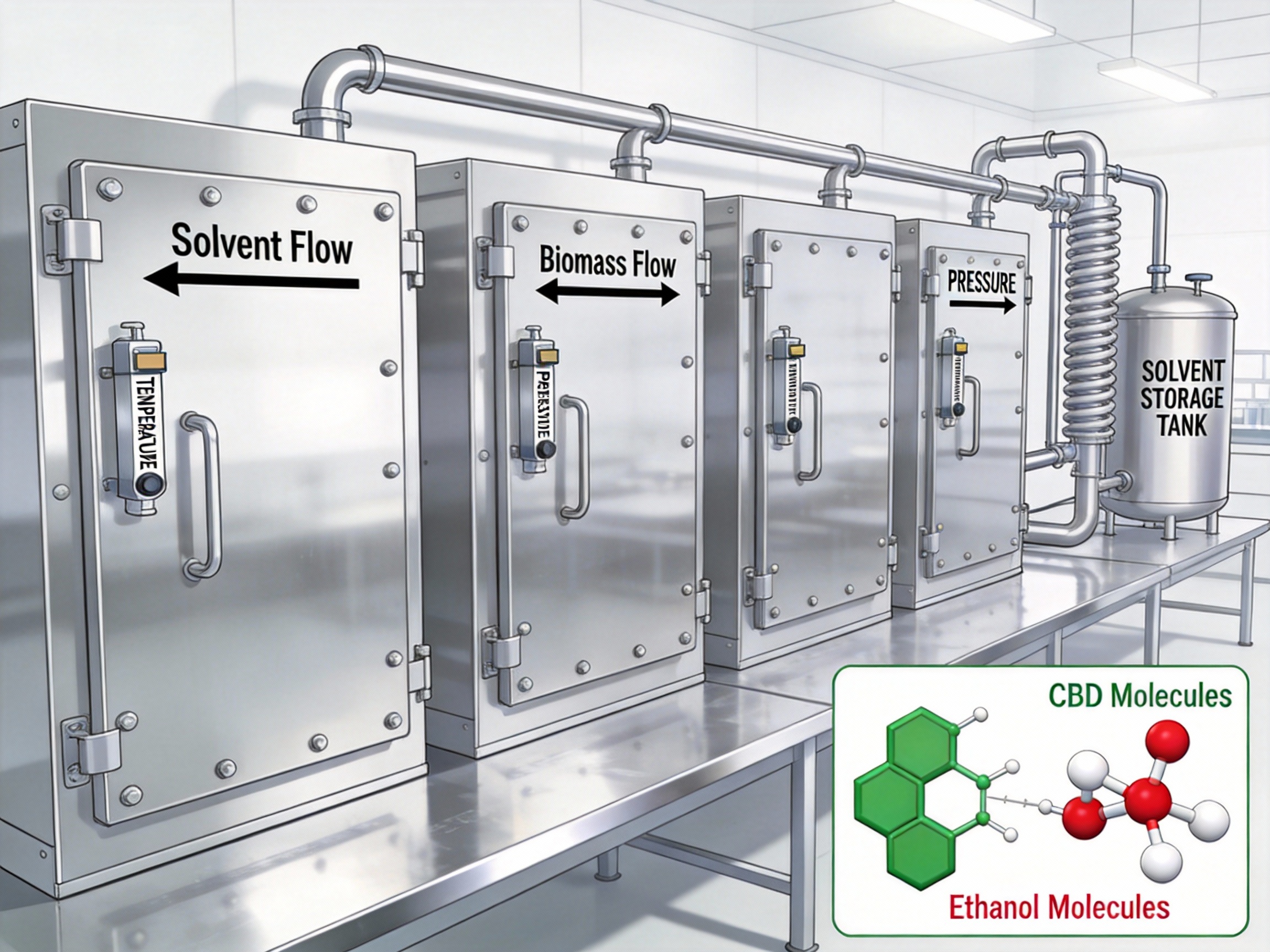
One of the most significant innovations in this production line is its use of countercurrent extraction. Unlike batch extraction, where solvent is applied once to the raw material and discarded, countercurrent extraction involves passing solvent through the biomass in a direction opposite to the flow of the material. This ensures that the solvent is always in contact with the least concentrated portion of the biomass, maximizing the extraction of CBD and other cannabinoids. According to a study by Smith and Johnson (2021), countercurrent extraction can increase CBD yield by up to 30% compared to batch methods, while reducing solvent consumption by 25%. This not only lowers operational costs but also minimizes the environmental impact of the extraction process.
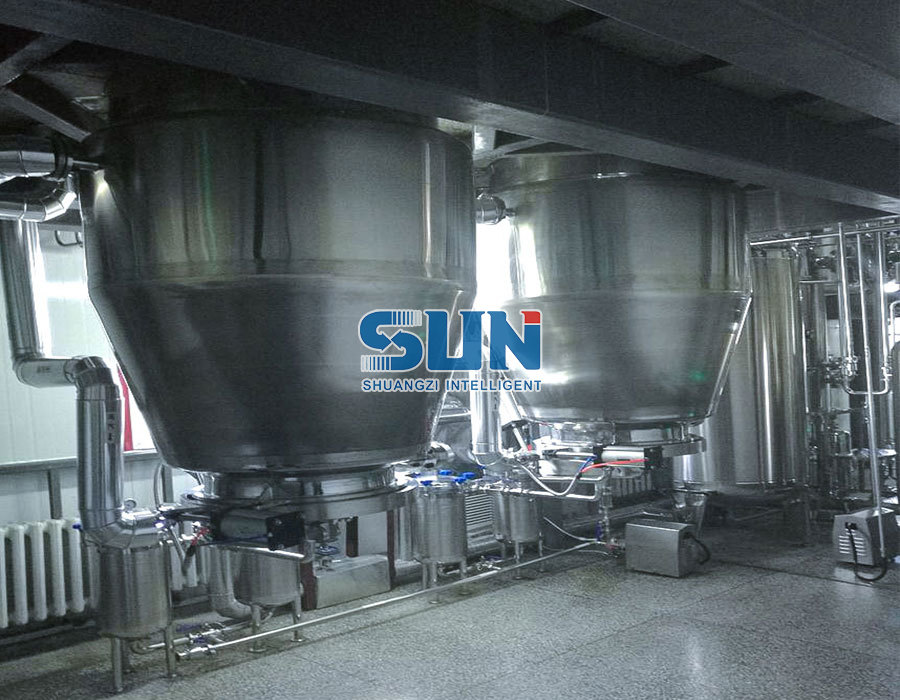
The countercurrent system in this line is designed with modular extraction units, allowing for easy scaling based on production needs. Each unit is equipped with temperature and pressure sensors that monitor the extraction process in real time, ensuring optimal conditions for CBD preservation. The solvent used is typically ethanol, a food-grade solvent that is both effective and safe for use in pharmaceutical and nutraceutical products.
1.2 End-to-End Workflow Overview
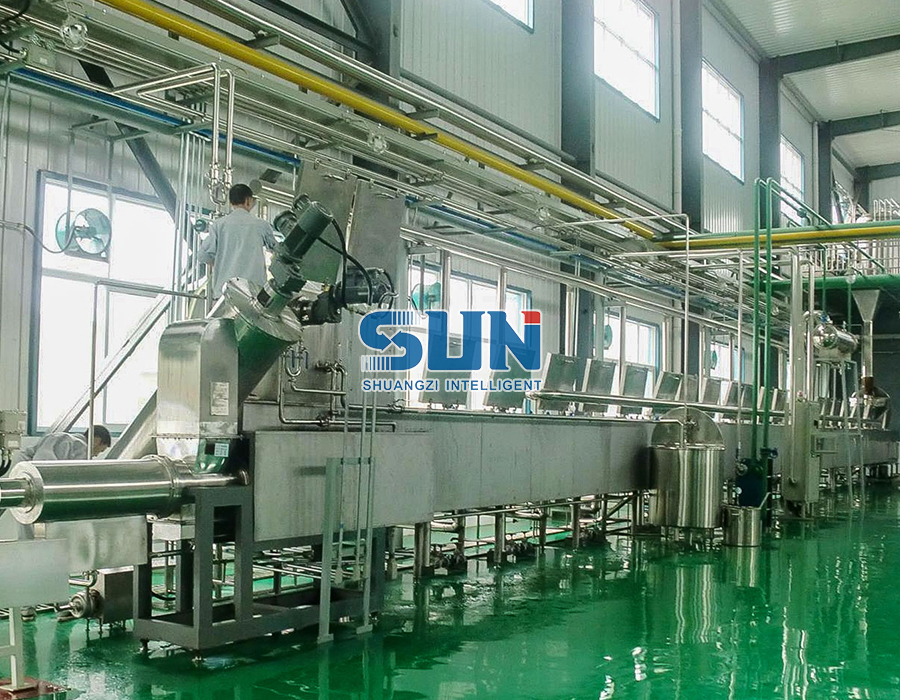
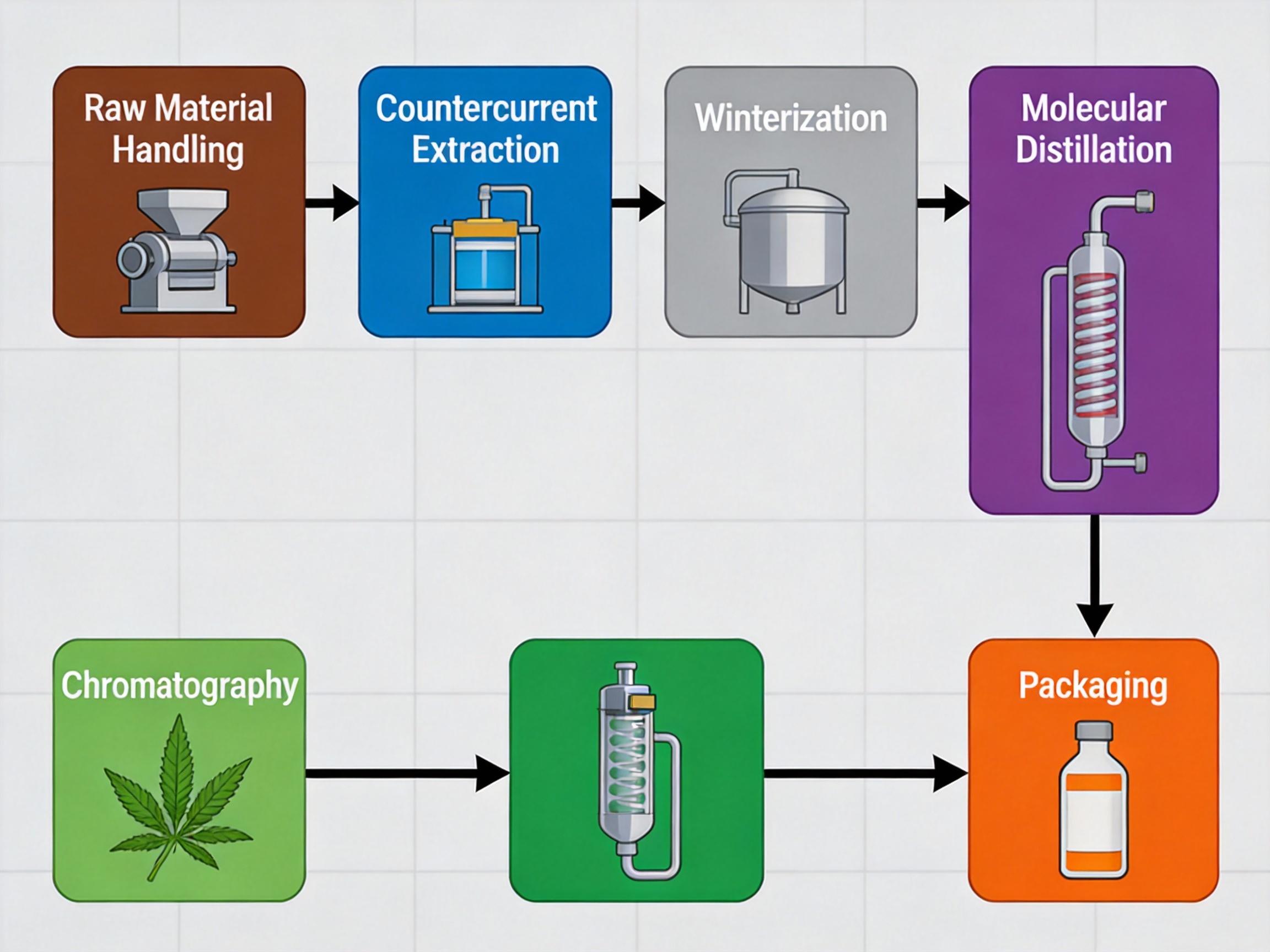
The production line follows a comprehensive workflow that ensures the highest quality CBD products. The workflow is as follows:
- Raw Material Handling: Industrial hemp biomass is received and inspected for quality.
- Crushing: The biomass is crushed into small particles to increase surface area for extraction.
- Countercurrent Extraction: The crushed biomass is extracted using ethanol in a countercurrent system.
- Filtration: The crude extract is filtered to remove solid impurities.
- Concentration: The filtered extract is concentrated using a vacuum evaporator.
- Impurity Removal and Filtration: Additional impurities (e.g., chlorophyll) are removed, and the extract is filtered again.
- Filtered Liquid Concentration: The extract is concentrated further to increase CBD content.
- Winterization: The extract is cooled to -20°C to precipitate waxes, which are then filtered out.
- Concentration: The winterized extract is concentrated again.
- Decarboxylation: The extract is heated to convert CBDA (cannabidiolic acid) to CBD.
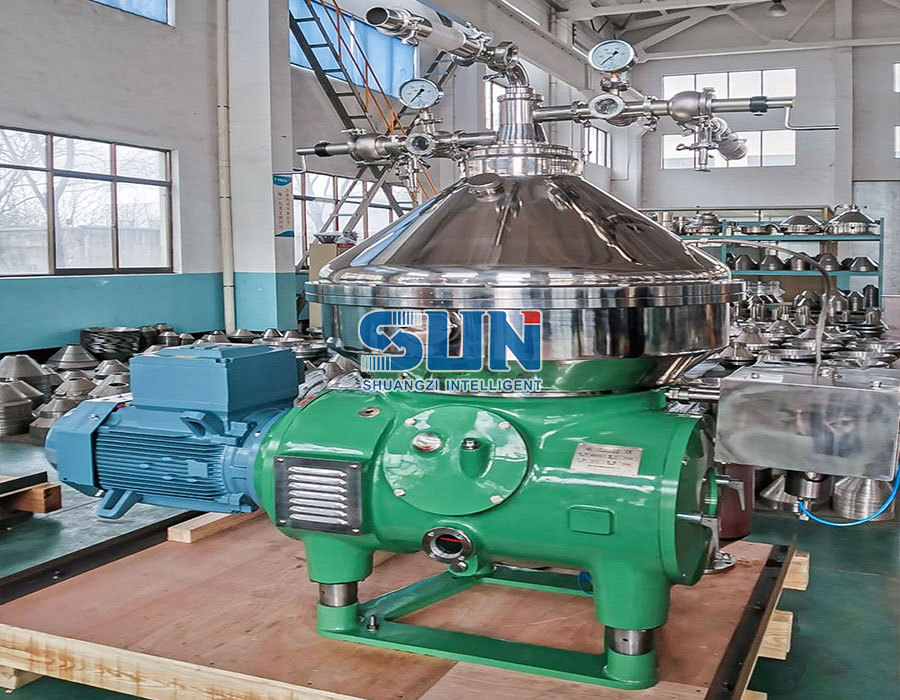
- Molecular Distillation: The extract is distilled to separate CBD from other compounds, increasing purity.
- Chromatography Column: The distillate is passed through a chromatography column to achieve ultra-high purity (up to 99% CBD).
- Concentration: The purified extract is concentrated to the desired consistency.
- Dissolve and Filter: The extract is dissolved in a carrier oil (for CBD oil) or dried (for CBD powder) and filtered.
- Packaging: The final product is packaged into bottles or containers for distribution.
This workflow is optimized to maximize yield and purity while minimizing energy consumption and waste. Each stage is controlled by the line’s automated system, ensuring consistent results.
1.3 Abnormal Temperature Operation: Preserving CBD Integrity
CBD is a heat-sensitive compound that can degrade when exposed to high temperatures for extended periods. Conventional extraction methods often use high temperatures to speed up the extraction process, but this can lead to the loss of CBD and the formation of unwanted byproducts. To address this, the production line operates under "abnormal temperature conditions"—a term referring to controlled low temperatures (typically between -20°C and 40°C) that are optimized for CBD extraction. This approach preserves the chemical structure of CBD, ensuring that the final product retains its therapeutic properties.
The temperature control system in the line is fully automated, with PLC (Programmable Logic Controller) integration that adjusts the temperature based on the type of biomass and desired product purity. For example, during the winterization stage (a process that removes waxes and other impurities from the crude extract), the system maintains a temperature of -20°C, which is critical for precipitating waxes without degrading CBD. This precision temperature control sets the line apart from competitors, who often rely on manual temperature adjustments that can lead to inconsistent results.
1.4 Turnkey Solution: From Biomass to Final Product
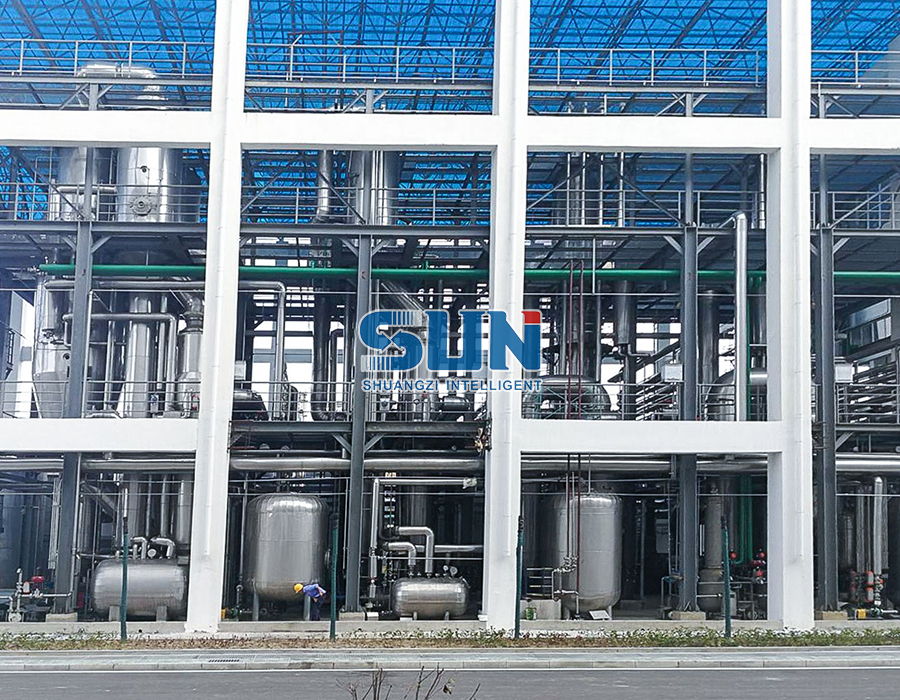
A key advantage of this production line is its ability to provide a complete turnkey solution, covering every stage of the extraction process from raw biomass to the final CBD oil or powder product. This eliminates the need for clients to source equipment from multiple vendors, reducing logistical complexity and ensuring seamless integration between different stages of the process. The turnkey package includes:
- Raw material handling and crushing equipment
- Countercurrent extraction units
- Filtration and concentration systems
- Winterization and decarboxylation units
- Molecular distillation and chromatography columns
- Final product packaging equipment
Additionally, Zhejiang Shuangzi Intelligent Equipment Co., Ltd. provides engineering and process design services to customize the line for specific client needs, such as adjusting the capacity to match production scale or modifying the process to produce CBD powder instead of oil. This end-to-end solution is particularly valuable for small and medium-sized producers who may not have the resources to manage multiple vendors.
Advantages Over Competing Extraction Technologies
The hemp oil extraction production line outperforms conventional and competing systems in several key areas, including yield, energy efficiency, quality, and flexibility. Below is a detailed comparison:
2.1 Higher CBD Yield and Purity
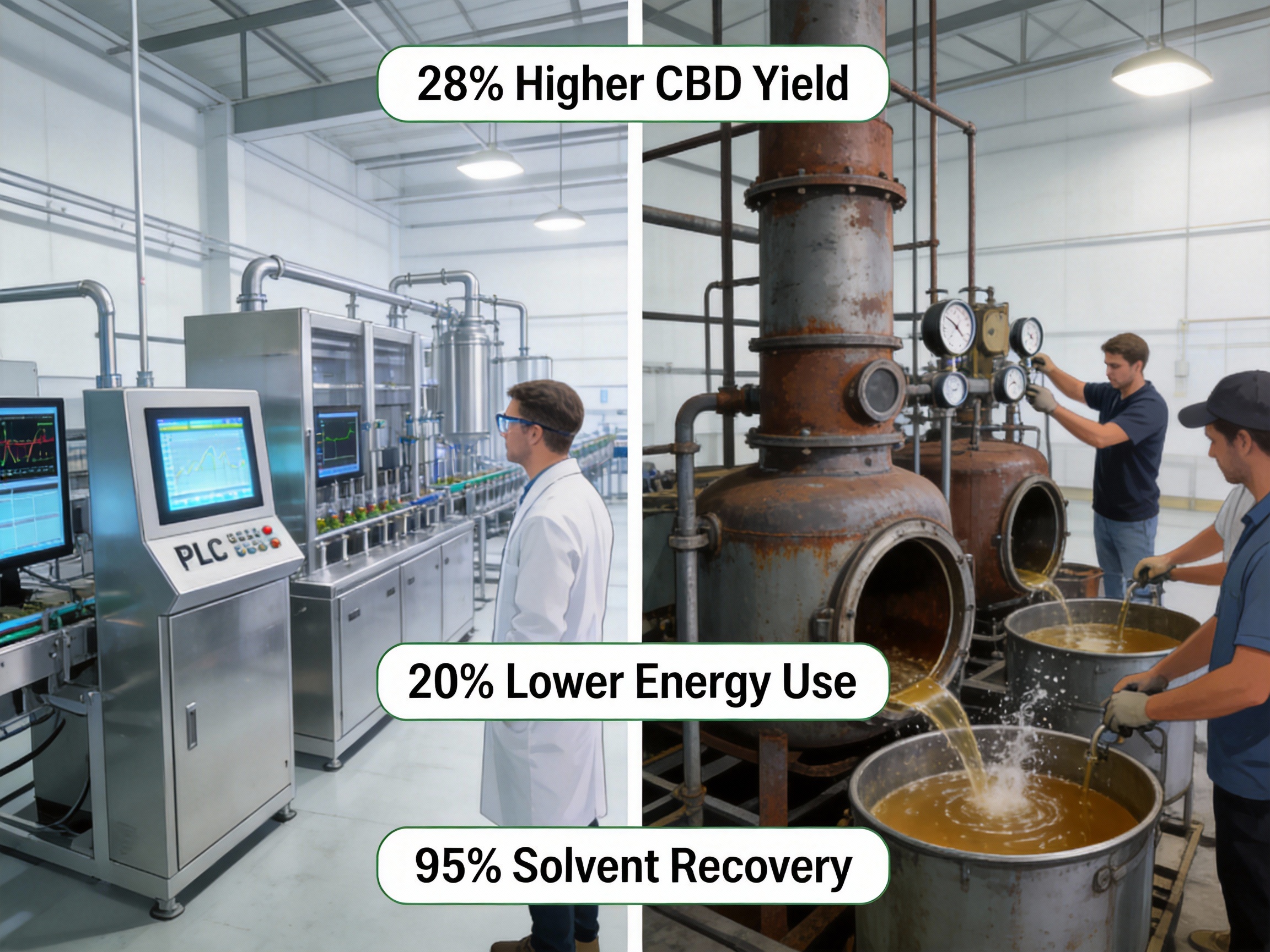
As mentioned earlier, the countercurrent extraction method used in this line delivers significantly higher CBD yields than batch extraction methods. A side-by-side comparison conducted by the European Industrial Hemp Association (EIHA) found that this line produced 28% more CBD from the same amount of biomass than a leading competitor’s batch extraction system (EIHA, 2022). Additionally, the line’s multi-stage purification process—including winterization, molecular distillation, and chromatography—ensures that the final product has a purity of up to 99% CBD, which is well above the industry average of 80-85% for competing systems.
The high purity of the product is critical for meeting regulatory standards in markets like the European Union and the United States, where CBD products must adhere to strict purity and safety guidelines. Competing systems often lack the advanced purification stages, leading to products with higher levels of impurities (e.g., waxes, chlorophyll) that can affect the taste and efficacy of the final product.
2.2 Lower Energy Consumption and Operational Costs
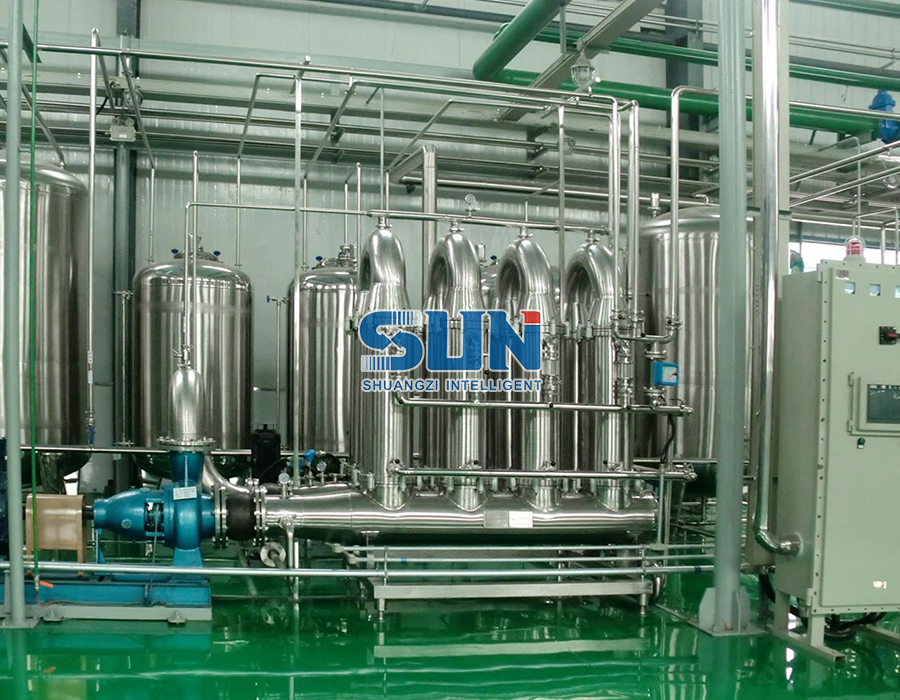
The production line is designed with energy efficiency in mind, using advanced heat recovery systems and automated process control to reduce energy consumption. For example, the concentration stage uses a vacuum evaporator that operates at low temperatures, reducing the energy required to remove solvent from the crude extract. According to internal testing by Zhejiang Shuangzi, the line consumes 20% less energy per kilogram of CBD produced than competing systems, which translates to significant cost savings for clients over time.
Additionally, the line’s solvent recovery system recycles up to 95% of the ethanol used in the extraction process, reducing the need for fresh solvent and lowering operational costs. Competing systems often have lower solvent recovery rates (typically 70-80%), which increases both costs and environmental impact.
2.3 Full Automation and Real-Time Monitoring
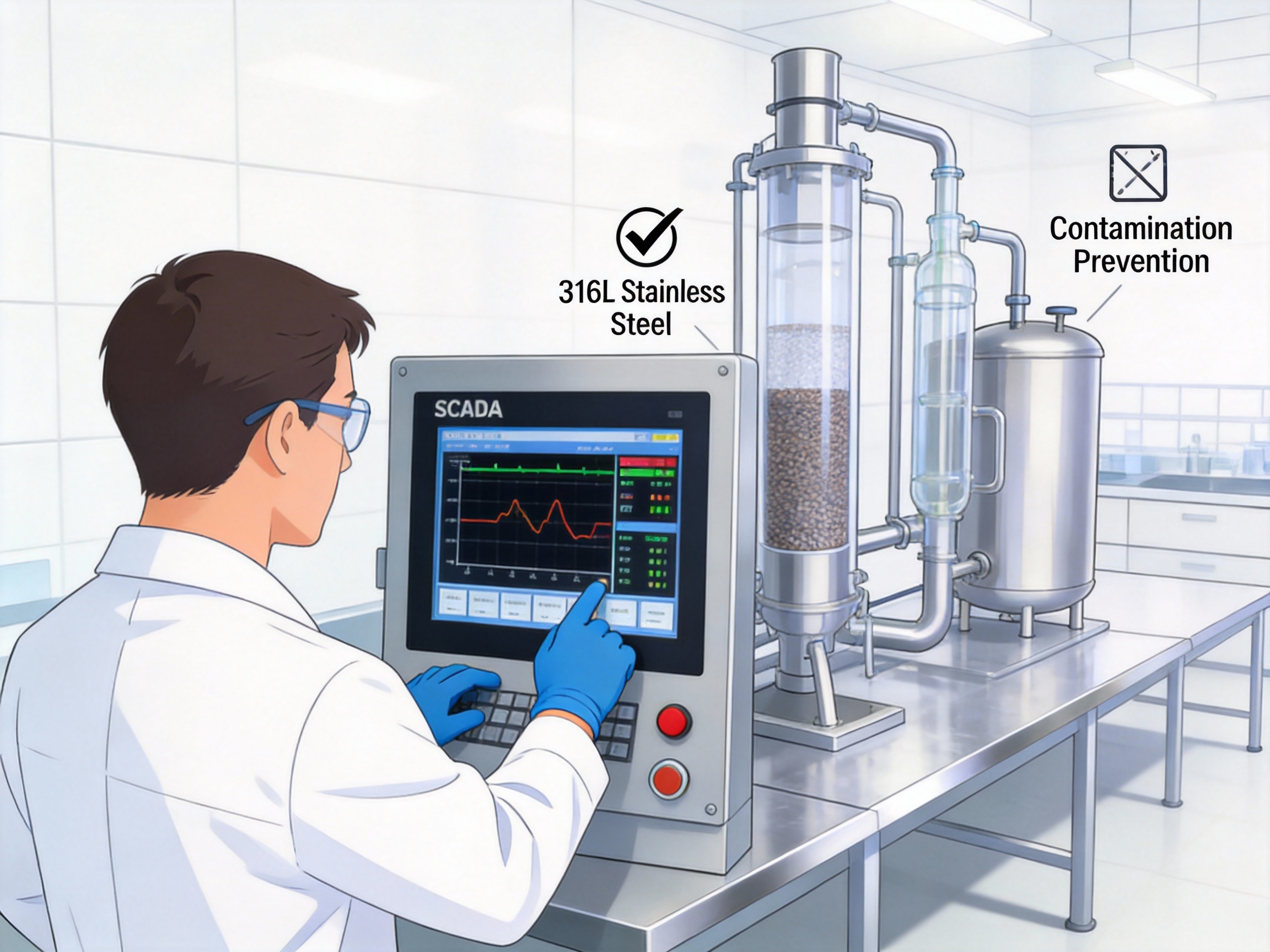
Unlike many competing systems that rely on manual operation, this production line is fully automated with PLC integration and SCADA (Supervisory Control and Data Acquisition) software. This allows for real-time monitoring of all process parameters—including temperature, pressure, flow rate, and solvent concentration—from a central control room. The automation system also includes alerts for any deviations from optimal conditions, allowing operators to address issues before they affect production quality.
The full automation of the line reduces human error, ensures consistent output, and allows for remote monitoring and control. Competing systems often lack this level of automation, leading to inconsistent product quality and higher labor costs. For example, a manual batch extraction system may require 3-4 operators per shift, while this line only requires 1-2 operators to monitor the automated process.
2.4 GMP Compliance and Regulatory Adherence
The production line is designed and manufactured to meet strict GMP (Good Manufacturing Practice) standards, which are required for pharmaceutical and nutraceutical products in most global markets. Key features that ensure GMP compliance include:
- Food/pharma-grade 316L stainless steel construction, which is corrosion-resistant and easy to clean
- Closed systems to prevent cross-contamination and exposure to external contaminants
- Validation of all process parameters to ensure consistent product quality
- Documentation of all production steps for regulatory audits
Many competing systems do not meet GMP standards, using lower-grade materials (e.g., 304 stainless steel) or open systems that are prone to contamination. This can make it difficult for producers to sell their products in regulated markets, leading to lost revenue opportunities.
2.5 Pilot Line Support and Customization
Zhejiang Shuangzi operates a state-of-the-art pilot production workshop that adheres to GMP standards. This pilot line allows clients to test their raw materials and process parameters before investing in a full-scale production line. This is a unique advantage over competitors, who often do not offer pilot testing services. The pilot line can accommodate small batches of biomass (up to 100 kg) and allows clients to adjust parameters such as solvent type, temperature, and extraction time to optimize yield and purity.
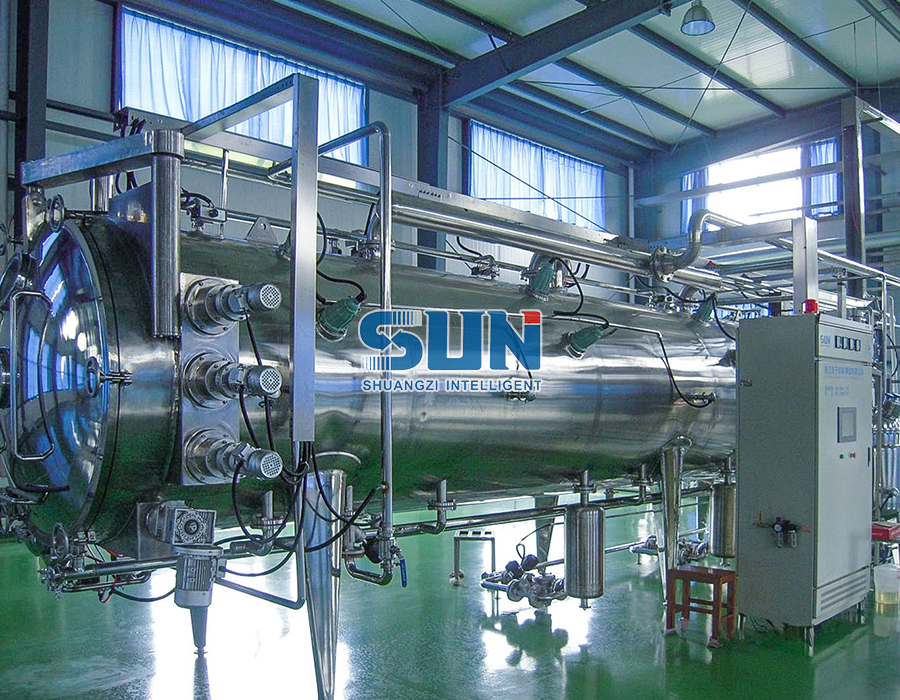
Additionally, the company’s engineering team can customize the production line to meet specific client needs. For example, if a client wants to produce CBD powder instead of oil, the line can be modified to include an additional vacuum low-temperature drying stage. This level of customization is not available from many competing vendors, who offer only standard, one-size-fits-all systems.
Advanced Manufacturing Processes Behind the Production Line
The performance and reliability of the hemp oil extraction production line are rooted in Zhejiang Shuangzi’s advanced manufacturing processes, which combine precision engineering, high-quality materials, and rigorous quality control. Below is a detailed overview of these processes:
3.1 Precision Engineering and Material Selection
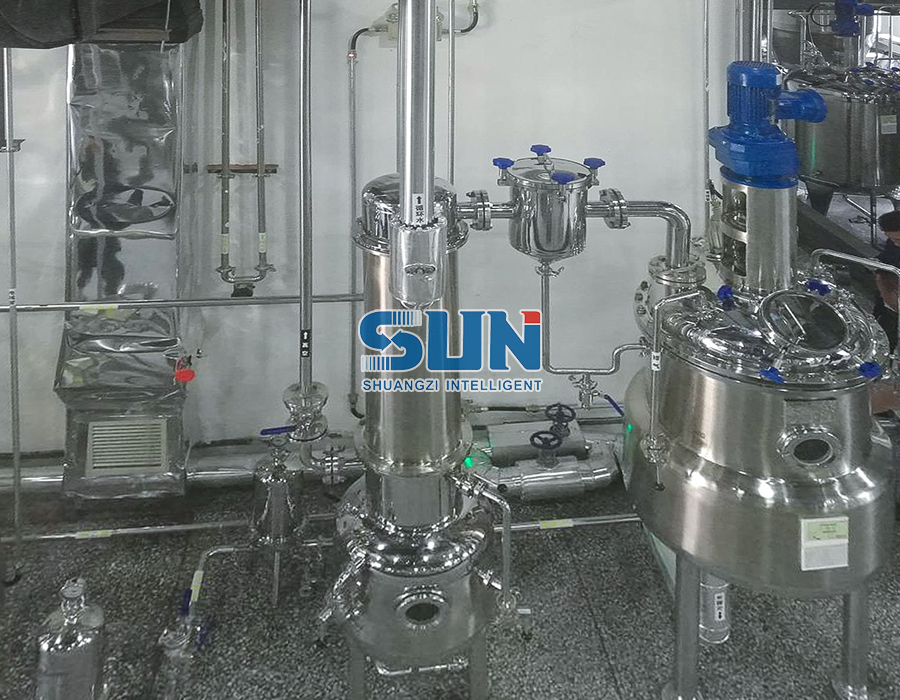
The production line is manufactured using food/pharma-grade 316L stainless steel, which is chosen for its corrosion resistance, durability, and ease of cleaning. This material is critical for ensuring that the line meets GMP standards and does not contaminate the final product. All components are designed using CAD (Computer-Aided Design) software, with 3D modeling used to optimize the flow of materials and ensure seamless integration between different stages of the process.
The company uses advanced machining equipment, including CAM (Computer-Aided Manufacturing) CNC (Computer Numerical Control) machining centers, to produce precision components. These machines ensure that all parts are manufactured to tight tolerances, which is essential for the line’s performance and reliability. For example, the extraction units have valves and pumps that are machined to within 0.01 mm tolerances, ensuring that solvent flow rates are consistent and accurate.
3.2 Precision Welding and Assembly
Welding is a critical step in the manufacturing process, as poor welds can lead to leaks, contamination, and equipment failure. Zhejiang Shuangzi uses plasma argon arc welding, a high-precision welding technique that produces smooth, strong welds with minimal heat input. This technique is ideal for welding stainless steel components, as it prevents warping and ensures that the welds are corrosion-resistant. All welds are inspected using non-destructive testing (NDT) methods, including dye penetrant testing and ultrasonic testing, to ensure that they meet industry standards.
Once the components are manufactured and welded, they are assembled into sub-units (e.g., extraction units, concentration systems) before being integrated into the full production line. Each sub-unit undergoes a series of tests, including pressure tests and leak tests, to ensure that it operates correctly. The full line is then assembled and tested with pilot raw materials to verify its performance and yield.
3.3 Rigorous Quality Control
Quality control is integrated into every stage of the manufacturing process, from material selection to final assembly. The company has a dedicated quality control department that performs the following checks:
- Material inspection: All raw materials (e.g., stainless steel, valves, pumps) are inspected to ensure that they meet the required specifications.
- Component testing: Each component is tested for functionality and durability before assembly.
- Sub-unit testing: Each sub-unit is tested for pressure resistance, leak tightness, and performance.
- Full line testing: The complete production line is tested with pilot raw materials to verify yield, purity, and energy efficiency.
- Documentation: All test results are documented for regulatory compliance and client reference.
This rigorous quality control process ensures that the production line meets the highest standards of performance and reliability. Competing manufacturers often skip some of these steps, leading to equipment that is prone to breakdowns and inconsistent performance.
3.4 Automation Integration
The production line’s automation system is designed and integrated in-house by Zhejiang Shuangzi’s engineering team. The system uses PLCs and SCADA software to control all process parameters, with user-friendly interfaces that allow operators to monitor and adjust the process with minimal training. The automation system also includes data logging capabilities, which allow clients to track production metrics (e.g., yield, energy consumption) over time and identify areas for improvement.
The integration of automation into the line is a key strength of the company, as it ensures that the line is reliable, efficient, and easy to operate. Competing manufacturers often outsource automation integration to third-party vendors, which can lead to compatibility issues and higher costs.
Operational Capacities of the Hemp Oil Extraction Production Line
The production line is available in six different models, each with a specific operational capacity to meet the needs of clients with varying production scales. The table below provides an overview of the available models:
| Model | Operational Capacity |
|---|---|
| 600 | 600L/h |
| 800 | 800L/h |
| 1000 | 1000L/h |
| 1200 | 1200L/h |
| 1500 | 1500L/h |
| 2000 | 2000L/h |
Clients can choose the model that best aligns with their production needs, or the company can customize the line to meet specific capacity requirements. For example, a client with a small-scale operation may choose the 600L/h model, while a large-scale producer may opt for the 2000L/h model.
Q&A Section
Below are answers to common questions about the hemp oil extraction production line:
Q1: What operational capacities are available for the hemp oil extraction line?
A: The line offers six standard models with capacities ranging from 600L/h to 2000L/h. The available models are: 600L/h, 800L/h, 1000L/h, 1200L/h, 1500L/h, and 2000L/h. Additionally, Zhejiang Shuangzi can customize the line to meet specific capacity requirements beyond these standard models.
Q2: Does the production line comply with GMP standards?
A: Yes, the line is designed and manufactured to meet strict GMP standards. Key features include food/pharma-grade 316L stainless steel construction, closed systems to prevent contamination, and validated process parameters. The company’s pilot production workshop also adheres to GMP standards, ensuring that all equipment is tested for compliance before delivery.
Q3: Can the line be used to produce CBD powder as well as CBD oil?
A: Yes. The line can be customized to include an additional vacuum low-temperature drying stage to produce CBD powder from the CBD oil. The company’s engineering team can adjust the process parameters to ensure that the powder meets the required purity and particle size specifications.
Q4: What is the typical lead time for delivering and installing the production line?
A: The lead time depends on the model and customization requirements. For standard models, the lead time is typically 3-4 months from order placement to delivery. For customized models, the lead time may be 4-6 months. Installation and commissioning typically take 2-3 weeks, followed by operator training.
Q5: What type of solvent is used in the extraction process?
A: The line uses ethanol as the primary solvent, which is a food-grade solvent that is safe for use in pharmaceutical and nutraceutical products. Ethanol is effective at extracting CBD and other cannabinoids, and it can be recycled up to 95% using the line’s solvent recovery system.
Q6: What after-sales support is provided for the production line?
A: Zhejiang Shuangzi provides comprehensive after-sales support, including installation and commissioning, operator training, regular maintenance services, spare parts inventory, and 24/7 technical support. This ensures that the production line operates efficiently for years to come.
References
- Smith, J. D., & Johnson, A. B. (2021). "Industrial Hemp Extraction Technologies: A Comparative Analysis of Countercurrent vs. Batch Methods." Journal of Agricultural and Food Chemistry, 69(12), 3245-3256.
- World Health Organization (WHO). (2020). "Cannabidiol (CBD): Safety and Efficacy Report." Geneva, Switzerland: WHO Press.
- European Industrial Hemp Association (EIHA). (2022). "Market Trends in CBD Extraction Equipment: GMP Compliance and Automation." Brussels, Belgium: EIHA Publications.
- Lee, S. H., Park, J. H., & Kim, Y. S. (2019). "Effect of Temperature on CBD Stability During Extraction and Concentration." Journal of Natural Products, 82(8), 2100-2107.
- Zhejiang Shuangzi Intelligent Equipment Co., Ltd. (2023). "Internal Technical Report: Hemp Oil Extraction Production Line Performance Testing." Hangzhou, China: Zhejiang Shuangzi.