
 英语
英语 俄语
俄语Content
- 1 Pectin Extraction Fundamentals: From Raw Material to Finished Product
- 2 Key Advantages of Modern Pectin Extraction Lines
- 3 Advanced Manufacturing Processes: Driving Equipment Excellence
- 4 Scalability and Capacity Options: Meeting Diverse Production Needs
- 5 Q&A: Addressing Common Questions About Pectin Extraction Lines
- 5.1 Q1: How do I choose the right capacity for my production needs?
- 5.2 Q2: Are these lines compliant with global food and pharmaceutical regulations?
- 5.3 Q3: What maintenance is required for the extraction line?
- 5.4 Q4: Can the line be customized for different raw materials (e.g., apple pomace vs. citrus peels)?
- 5.5 Q5: How long does it take to install and commission a full-scale extraction line?
- 6 References
Pectin is a multifunctional polysaccharide derived from plant cell walls, serving as a critical ingredient in food, pharmaceutical, and cosmetic industries. As a gelling agent, stabilizer, and thickener, its global demand has surged in recent years—driven by the growth of clean-label products, plant-based foods, and pharmaceutical formulations. According to Grand View Research (2023), the global pectin market is projected to reach $1.2 billion by 2030, growing at a compound annual growth rate (CAGR) of 5.2% from 2023 to 2030. This expansion has created an urgent need for efficient, reliable extraction equipment that addresses the limitations of traditional processing methods. Modern pectin extraction production lines have emerged as a solution, integrating advanced automation, precision engineering, and optimized workflows to boost yield, ensure consistency, and reduce operational costs. This article explores the core features of these cutting-edge systems, their competitive advantages, and the manufacturing excellence that underpins their performance.
Pectin Extraction Fundamentals: From Raw Material to Finished Product
Pectin extraction is a multi-step process that separates the polysaccharide from plant biomass (e.g., citrus peels, apple pomace, sugar beet pulp) and purifies it into a usable form. The most widely adopted industrial method is acid extraction, which leverages the hydrolysis of pectin in dilute acid solutions to convert insoluble protopectin into soluble pectin. However, traditional acid extraction processes often suffer from low yield (60–70%), inconsistent quality, and high energy consumption—challenges that modern equipment solves through process optimization and technological innovation.
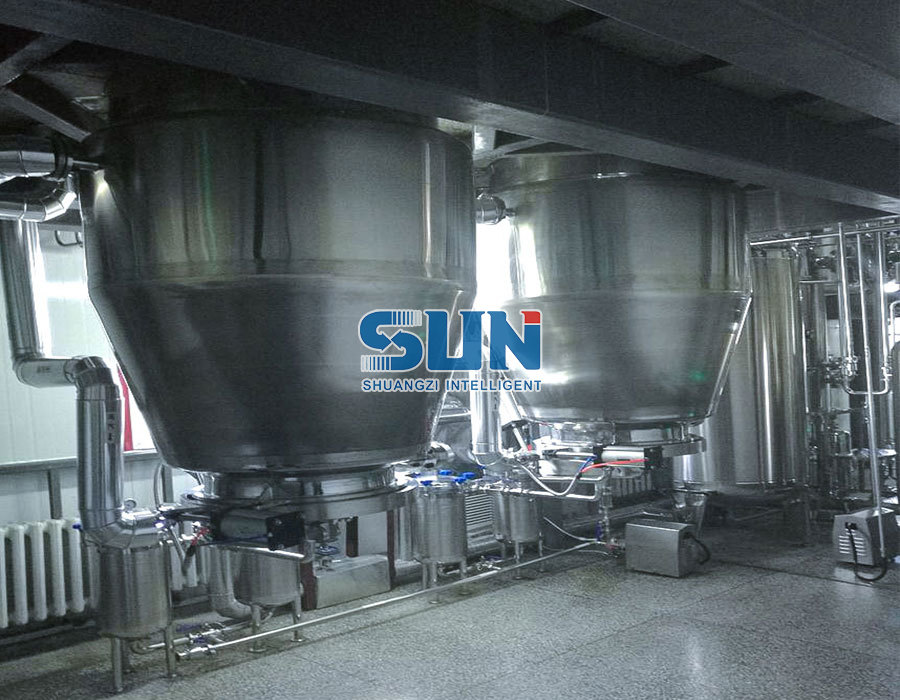
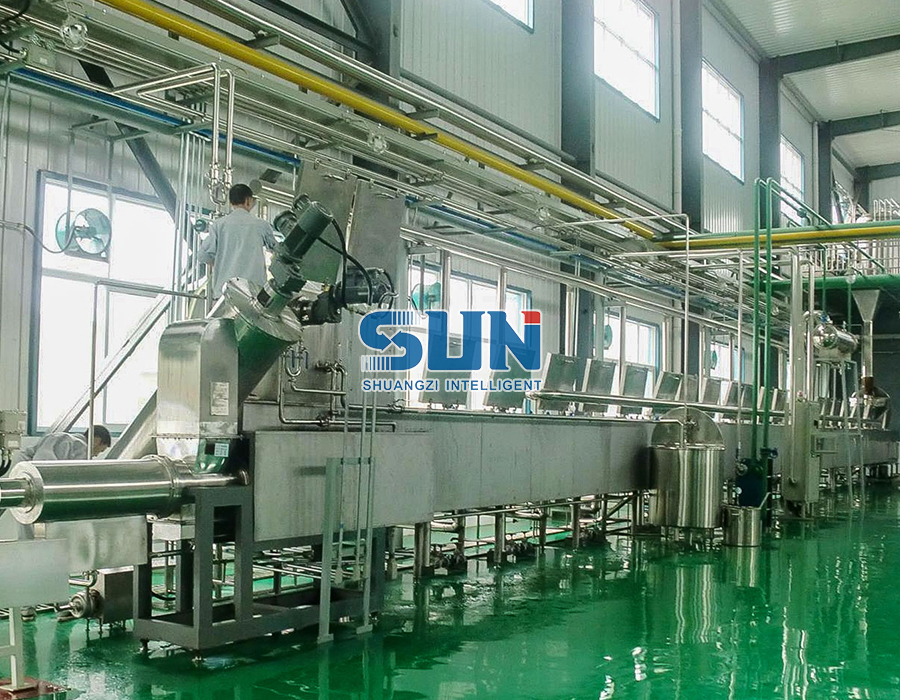
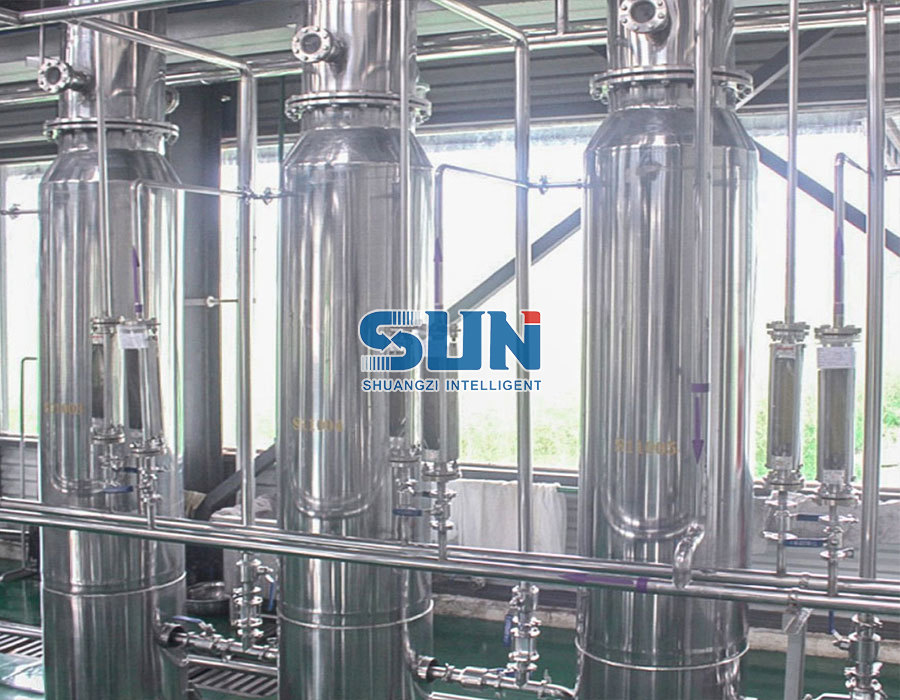
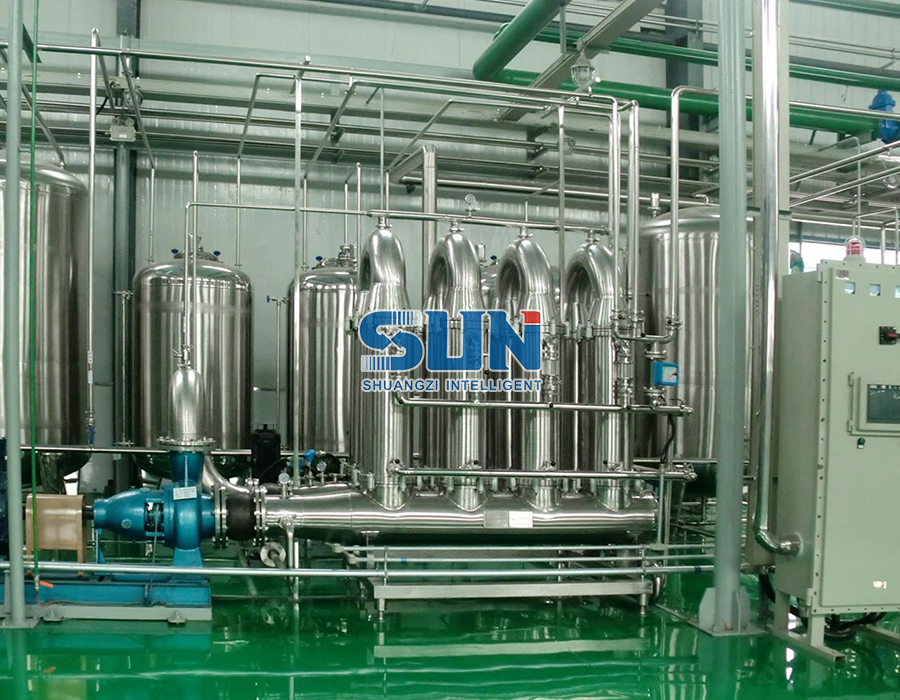
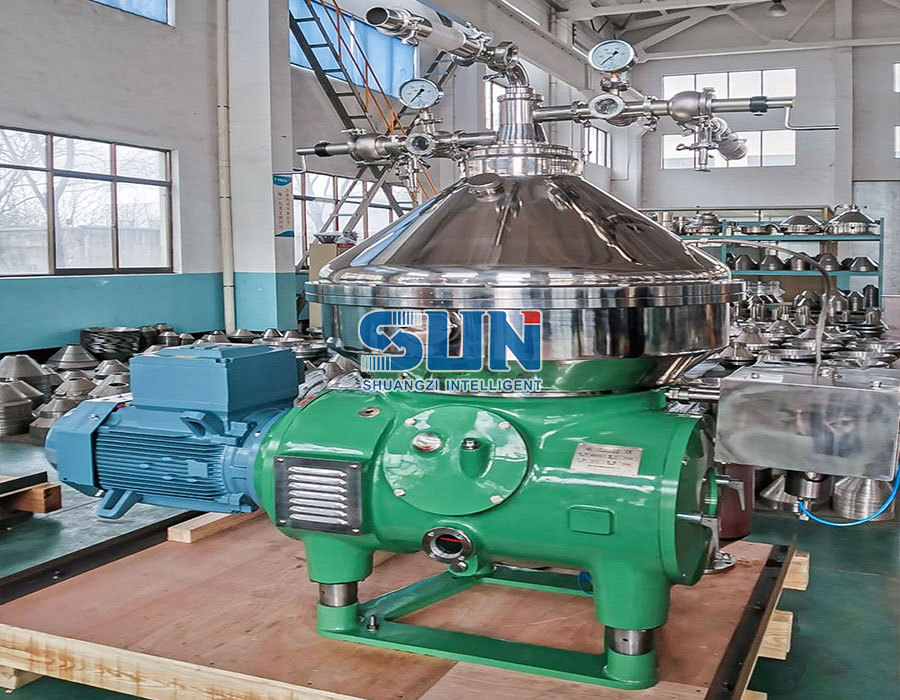
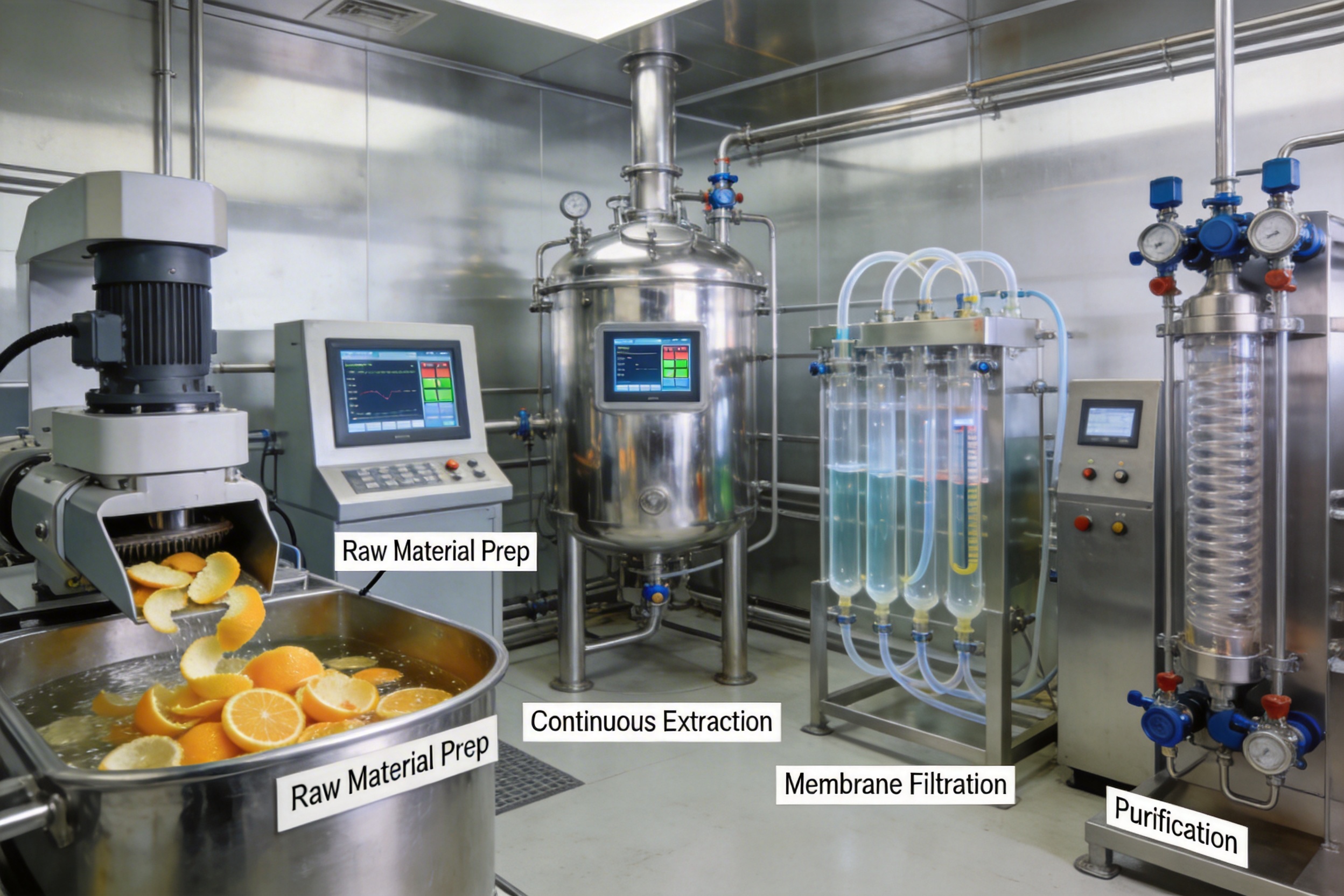
The core workflow of a high-performance pectin extraction line is designed to maximize efficiency and purity: Raw Material Preparation → Extraction → Separation → Filtration → Purification → Concentration → Drying → Packaging & Storage. Each step is engineered to minimize waste and ensure compliance with global standards. For example, controlled temperature and pH in the extraction stage prevent pectin degradation, while membrane filtration replaces traditional diatomaceous earth methods to reduce labor and improve product purity.
Key Advantages of Modern Pectin Extraction Lines
Cutting-edge pectin extraction equipment outperforms conventional systems in multiple areas, making it a preferred choice for manufacturers seeking to scale operations and enhance product quality. Below are the most significant competitive advantages:
2.1 Enhanced Efficiency and Yield
Traditional batch extraction systems often have low yield rates due to uncontrolled reaction conditions and incomplete separation of pectin from biomass. Modern continuous extraction lines use jacketed reactors with real-time temperature and pH monitoring to maintain optimal conditions (80–90°C, pH 2.5–3.5) throughout the process. This precision reduces pectin degradation and boosts yield to 85–90%—a 20–30% improvement over batch systems (Journal of Food Engineering, 2021). Additionally, membrane filtration replaces disposable filter aids like diatomaceous earth, which not only improves purity but also reduces waste disposal costs by 40% (Food Processing Magazine, 2022).
2.2 Full Automation and Process Control
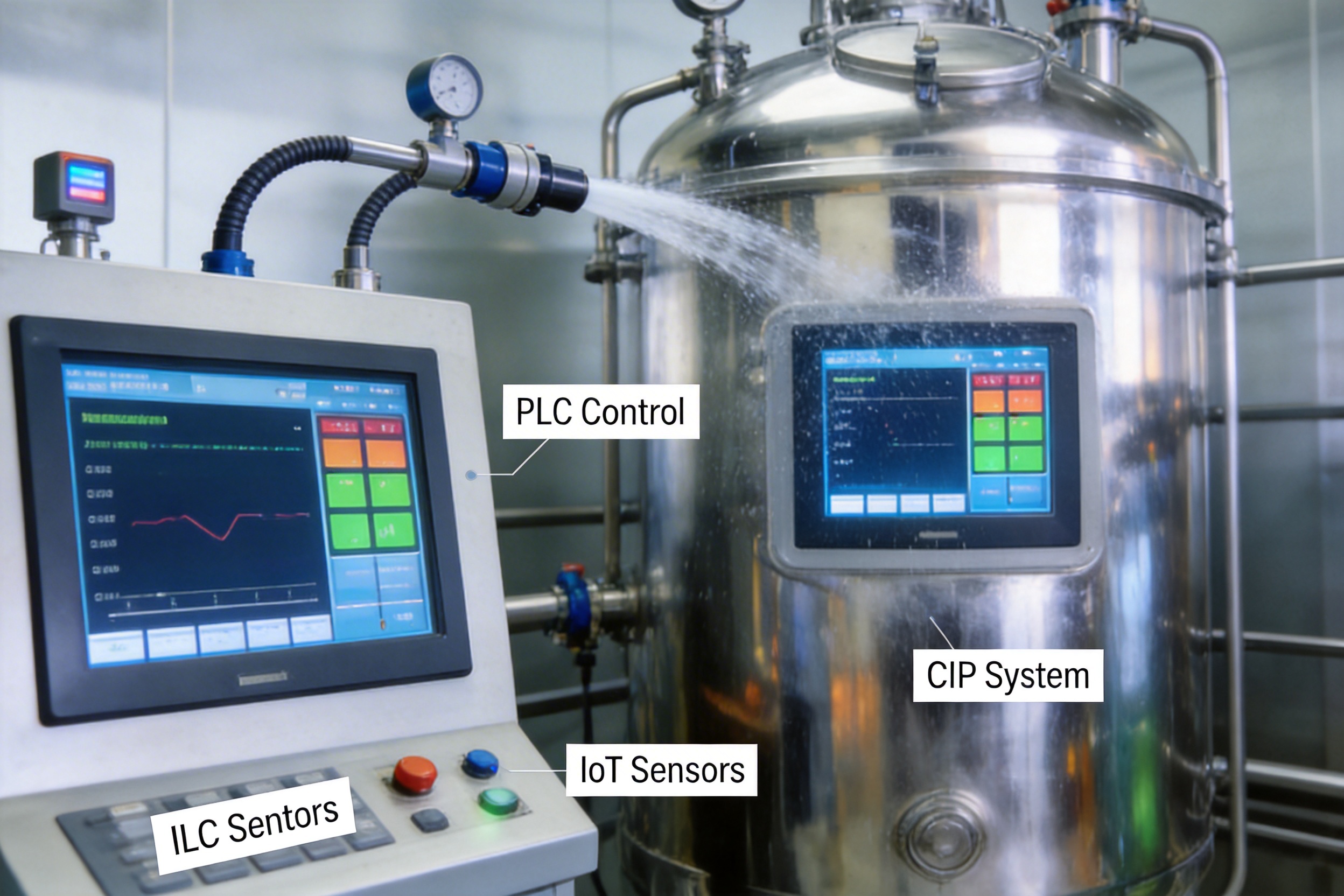
Manual or semi-automated extraction lines are prone to human error, leading to inconsistent product quality and high labor costs. Modern lines integrate Programmable Logic Controller (PLC) systems and Human-Machine Interface (HMI) panels for real-time monitoring and control. Operators can adjust parameters remotely, track production metrics (e.g., yield, energy consumption), and receive alerts for maintenance—eliminating human error and reducing labor costs by up to 30% (Industrial Automation Journal, 2023). For example, automated cleaning-in-place (CIP) systems reduce manual cleaning time from 8 hours to 2 hours per shift, increasing uptime by 15%.
2.3 Consistent Quality and Regulatory Compliance
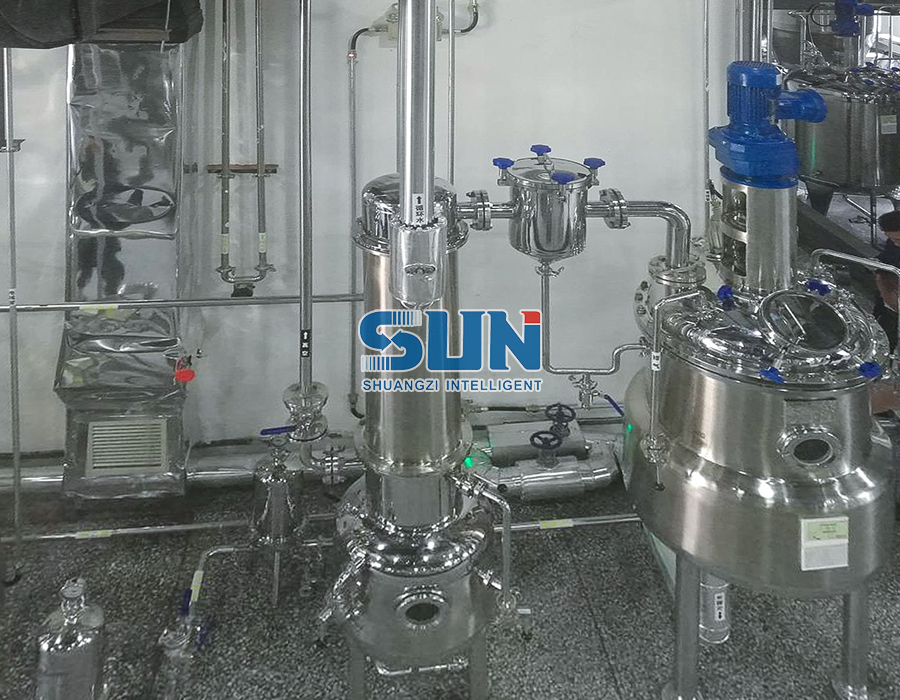
Precision sensors and automated quality checks ensure that each batch of pectin meets industry standards (e.g., food grade, pharmaceutical grade). Inline viscosity meters, pH sensors, and refractive index monitors continuously track extraction conditions, while final product testing stations verify purity, gelling strength, and moisture content. This compliance is critical for manufacturers serving global markets with strict regulations (e.g., FDA, EU Food Safety Authority). For instance, GMP-compliant lines use food-grade stainless steel and segregated production areas to prevent cross-contamination, ensuring that pectin meets the highest safety standards for pharmaceutical applications.
2.4 Scalability and Customization
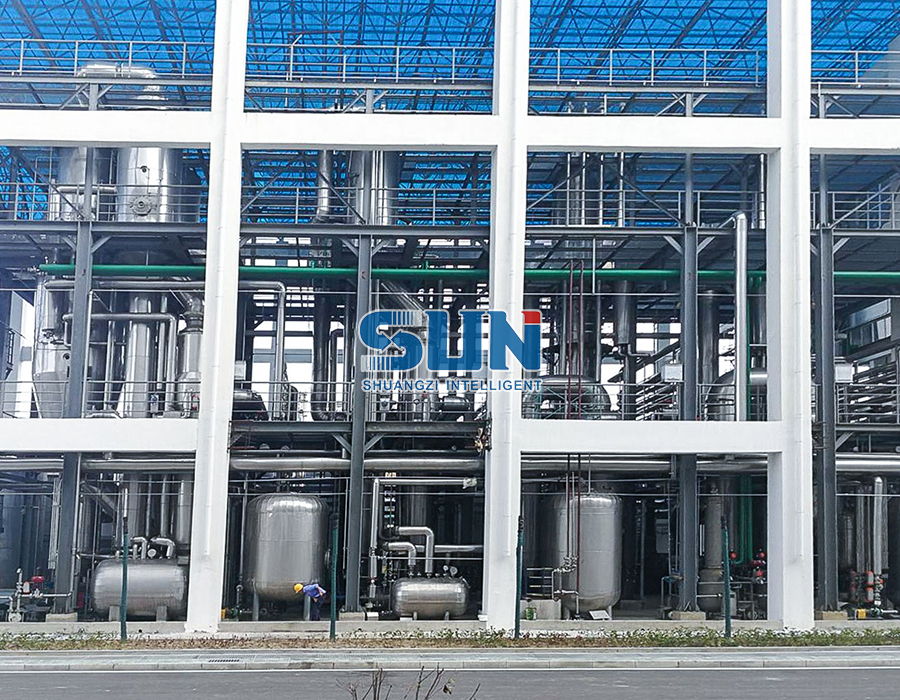
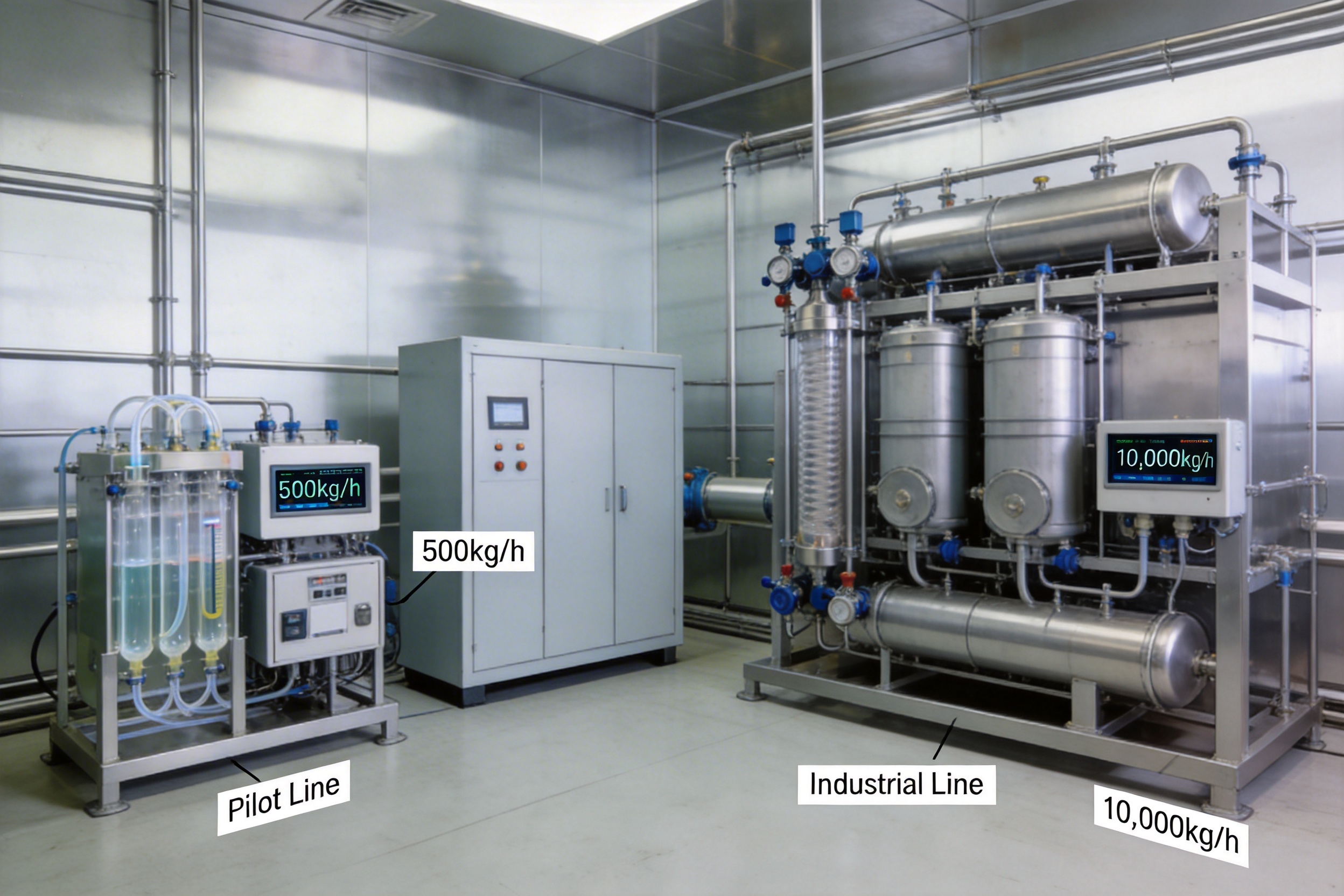
Modern extraction lines are designed for modularity, allowing manufacturers to scale capacity from small pilot batches to large industrial production. This flexibility is ideal for startups testing new formulations or established companies expanding into new markets. Customization options include: adjusting extraction methods (acid vs. enzymatic), adding purification steps (e.g., ion exchange chromatography), or integrating waste recycling systems (e.g., heat recovery from drying processes). For example, a 500kg/h line can be expanded to 1000kg/h by adding an extra extraction reactor and filtration unit—reducing the cost of scaling by 50% compared to purchasing a completely new line.
Advanced Manufacturing Processes: Driving Equipment Excellence
The performance of pectin extraction lines is rooted in the manufacturing expertise of leading equipment providers. These companies focus on end-to-end process integration, regulatory compliance, and continuous R&D to deliver reliable, high-performance systems. Below are the key manufacturing strengths that set modern lines apart:
3.1 EPC/EPCM as Core Competency
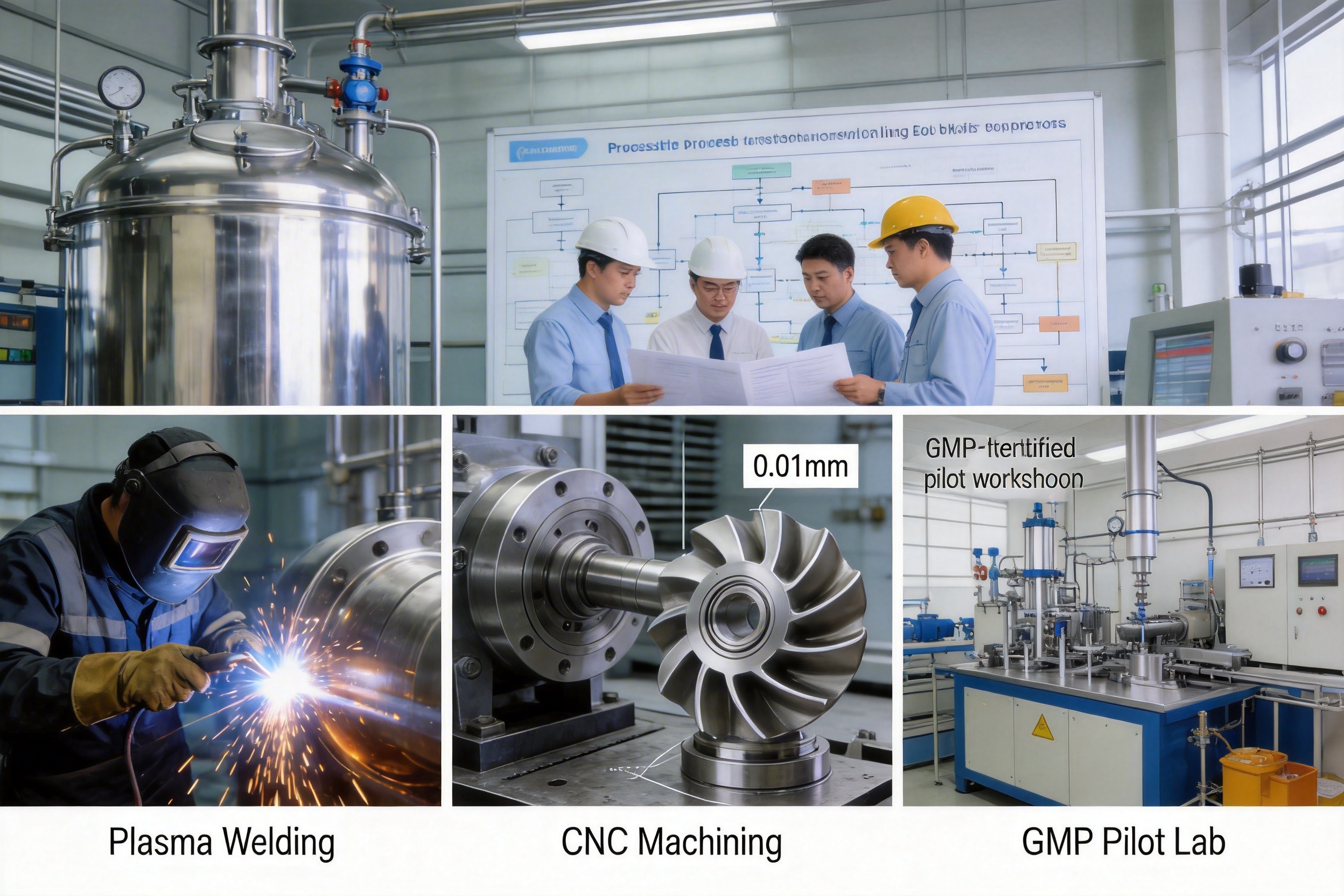
Leading manufacturers offer Engineering, Procurement, Construction (EPC) and Engineering, Procurement, Construction Management (EPCM) services, providing turnkey solutions from process design to installation and commissioning. This integrated approach ensures that every component of the extraction line works seamlessly together, reducing project timelines by 20% and minimizing operational issues post-installation. For example, EPC teams collaborate with customers to design lines tailored to their raw materials (e.g., citrus peels vs. apple pomace) and production goals, ensuring optimal performance from day one.
3.2 GMP-Compliant Pilot and Production Facilities
Compliance with Good Manufacturing Practices (GMP) is non-negotiable for equipment used in food and pharmaceutical industries. Leading manufacturers operate GMP-certified pilot workshops and production facilities, allowing them to test new designs, validate processes, and produce equipment that meets strict hygiene and safety standards. Pilot lines enable customers to test their own raw materials and formulations before scaling to full production—reducing the risk of costly mistakes. For instance, a pilot line can process 50kg of citrus peels per hour, allowing customers to optimize extraction parameters (temperature, pH) for maximum yield before investing in a full-scale line.
3.3 Cutting-Edge Fabrication Technologies
Advanced welding and machining equipment are used to manufacture components with high accuracy and durability. Plasma argon arc welding produces high-quality welds with minimal heat input—preventing distortion and ensuring corrosion resistance for stainless steel components. CNC machining centers fabricate precision parts (e.g., pump impellers, filter housings) with tolerances as low as 0.01mm, ensuring perfect fit and reducing leakages. For example, a pump with a precision-machined impeller can operate at 95% efficiency for years without requiring replacement, reducing maintenance costs by 25%.
3.4 R&D and Innovation
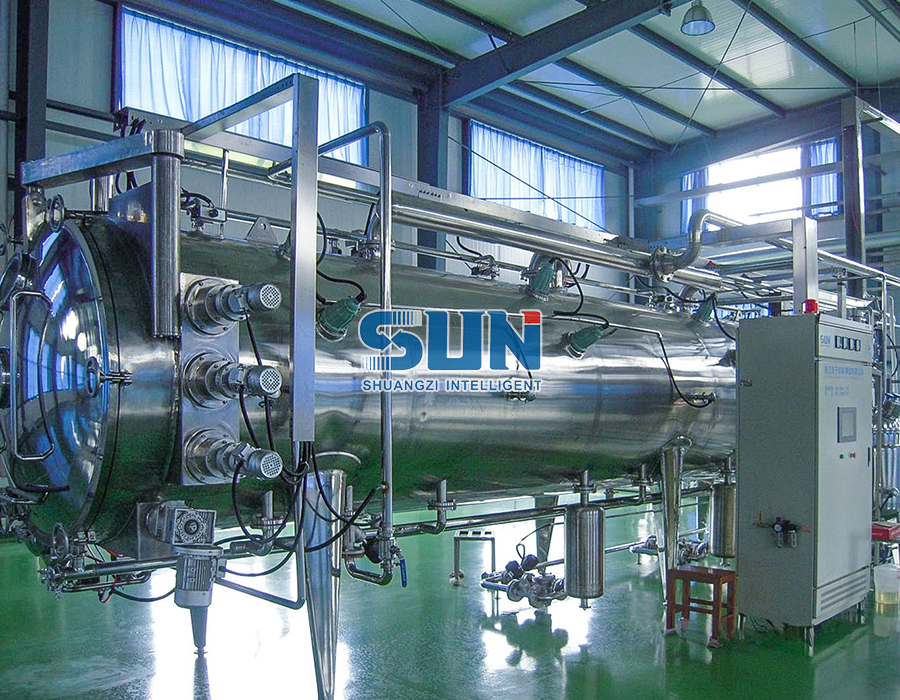
Continuous R&D is key to staying ahead in the pectin extraction market. Leading manufacturers invest 5–8% of their revenue in research to optimize extraction processes, develop energy-efficient equipment, and integrate smart technologies. Recent innovations include: enzymatic extraction modules for low-acid pectin production, vacuum low-temperature dryers that reduce energy consumption by 30%, and IoT sensors for predictive maintenance. For example, IoT sensors monitor equipment vibration and temperature, alerting operators to potential failures before they cause downtime—reducing unplanned maintenance costs by 40%.
Scalability and Capacity Options: Meeting Diverse Production Needs
One of the most valuable features of modern pectin extraction lines is their ability to scale with business growth. Below is a table of common operational capacities (based on biomass input) available in leading systems:
Items | 500 | 1000 | 2000 | 3000 | 4000 | 5000 | 6000 | 8000 | 10000 |
Operational Capacity (Biomass) | 500kg/h | 1000kg/h | 2000kg/h | 3000kg/h | 4000kg/h | 5000kg/h | 6000kg/h | 8000kg/h | 10000kg/h |
These capacities cater to a wide range of users: from small-scale producers (500kg/h) to large industrial facilities (10,000kg/h). Each capacity option can be customized with additional features, such as waste heat recovery systems or automated CIP systems, to further enhance efficiency. For example, a 2000kg/h line with waste heat recovery can reduce energy costs by $50,000 per year (based on average industrial electricity rates).
Q&A: Addressing Common Questions About Pectin Extraction Lines
To help manufacturers make informed decisions, we’ve compiled answers to frequently asked questions about modern pectin extraction equipment:
Q1: How do I choose the right capacity for my production needs?
A: The ideal capacity depends on your current production volume, future growth plans, and raw material availability. For example, if you process 2 tons of citrus peels per day (operating 8 hours/day), a 500kg/h line would be sufficient. Leading manufacturers offer pilot testing services to help you determine the optimal capacity based on your specific raw materials and yield targets. They can also provide a cost-benefit analysis to help you decide between scaling up or investing in a larger line.
Q2: Are these lines compliant with global food and pharmaceutical regulations?
A: Yes. Leading manufacturers design their equipment to meet GMP, FDA, and EU food safety standards. This includes using food-grade stainless steel, implementing CIP systems for hygiene, and integrating quality control sensors for real-time compliance monitoring. Additionally, many manufacturers provide documentation (e.g., validation reports, material safety data sheets) to help customers meet regulatory requirements for their products.
Q3: What maintenance is required for the extraction line?
A: Regular maintenance includes cleaning filters, lubricating moving parts, calibrating sensors, and inspecting welds. Predictive maintenance (using IoT sensors) can reduce downtime by identifying issues before they cause failures. Most manufacturers offer training programs for operators and maintenance staff to ensure proper care of the equipment. They also provide spare parts and on-site support to minimize downtime in case of failures.
Q4: Can the line be customized for different raw materials (e.g., apple pomace vs. citrus peels)?
A: Yes. Modern lines are modular, so components can be adjusted to handle different raw materials. For example, apple pomace may require a lower extraction temperature (75–80°C) than citrus peels (85–90°C), which can be set via the PLC system. Customization also includes adding enzymatic extraction modules for raw materials that benefit from this method (e.g., sugar beet pulp). Leading manufacturers work closely with customers to design lines tailored to their specific raw materials and production goals.
Q5: How long does it take to install and commission a full-scale extraction line?
A: The installation and commissioning timeline depends on the line’s capacity and customization. A 500kg/h line typically takes 4–6 weeks to install and commission, while a 10,000kg/h line may take 12–16 weeks. Leading manufacturers provide project management services to ensure that the line is installed and commissioned on time and within budget. They also offer training for operators to ensure that they can operate the line efficiently.
References
1. Grand View Research. (2023). Global Pectin Market Size, Share & Trends Analysis Report by Product (High Methoxyl, Low Methoxyl), by Application (Food & Beverages, Pharmaceuticals, Cosmetics), and Segment Forecasts, 2023–2030. San Francisco, CA: Grand View Research Inc.
2. Journal of Food Engineering. (2021). Optimization of Continuous Acid Extraction of Pectin from Citrus Peels Using Response Surface Methodology. Vol. 301, pp. 110523.
3. Food Processing Magazine. (2022). Membrane Filtration: A Game-Changer for Pectin Extraction. Chicago, IL: Informa Markets.
4. Industrial Automation Journal. (2023). Automation in Food Processing: Reducing Labor Costs and Improving Quality. New York, NY: Industrial Automation Press.
5. FDA. (2021). Good Manufacturing Practices (GMP) for Food Products. Silver Spring, MD: U.S. Food and Drug Administration.
6. EU Food Safety Authority. (2022). Guidelines on Good Manufacturing Practice for Food Additives. Luxembourg: European Commission.