
 英语
英语 俄语
俄语Content
- 1 Product Overview and Application Background
- 2 Core Technical Features
- 3 Advantages Over Conventional Fermentation Equipment
- 4 Step-by-Step Amplification for Reliable Glucuronolactone Production
- 5 Automation and Process Control
- 6 Sanitary Design and Material Selection
- 7 Mechanical Agitation and Mixing Performance
- 8 Heat Transfer and Automatic Temperature Stability
- 9 Manufacturing Strength and Engineering Capability
- 10 Project Integration and Turnkey Delivery
- 11 Quality, Inspection, and Final Discharge
- 12 Customization for Different Production Scales
- 13 Competitive Value for Pharmaceutical and Chemical Producers
- 14 Operational Considerations for Users
- 15 Role in a Complete Bio-Fermentation Project
- 16 Why Advanced Manufacturing Matters
- 17 Sustainability and Efficiency Considerations
- 18 Q&A Section
- 18.1 Q1: What is the main application of this fermentation tank system?
- 18.2 Q2: What tank sizes are commonly included in the system?
- 18.3 Q3: Why is step-by-step amplification important?
- 18.4 Q4: What materials are used for parts in contact with the product?
- 18.5 Q5: How does the system control temperature?
- 18.6 Q6: What type of agitator is used?
- 18.7 Q7: What sealing method is used?
- 18.8 Q8: Can the equipment be customized?
- 18.9 Q9: What advantages does the system offer over ordinary fermentation tanks?
- 18.10 Q10: What services can the manufacturer provide beyond equipment supply?
- 19 Conclusion
- 20 References
- 21 Product: Pharmaceutical and Chemical Industry Fermentation Tank for Glucuronolactone
In modern pharmaceutical and chemical manufacturing, fermentation equipment is no longer just a vessel for microbial growth. It is a controlled production platform that integrates mechanical design, sterile processing, heat transfer, automation, safety, cleanability, and process scalability. For glucuronolactone production, the quality of the fermentation tank system directly affects productivity, batch stability, energy consumption, operator workload, and the consistency of the final discharge. A well-designed fermentation system must support laboratory exploration, pilot verification, and industrial-scale production while maintaining precise control over temperature, agitation, sealing, materials, and process parameters.
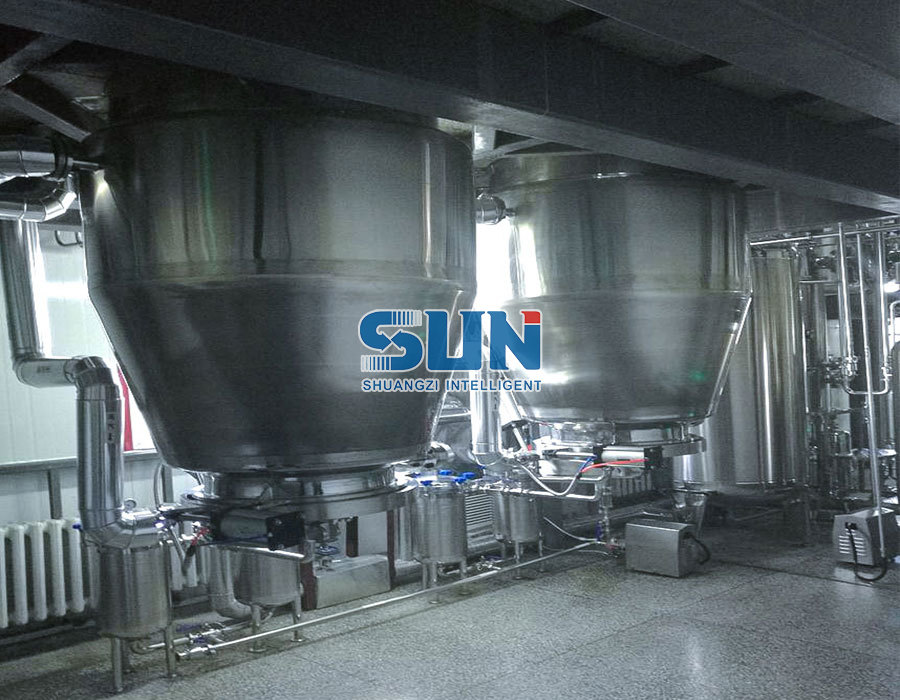
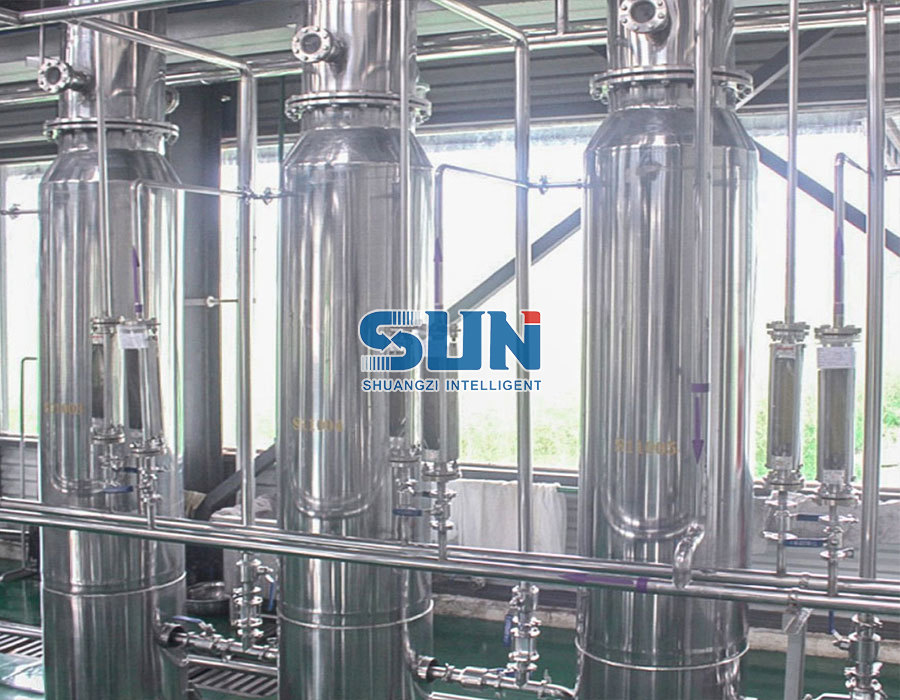
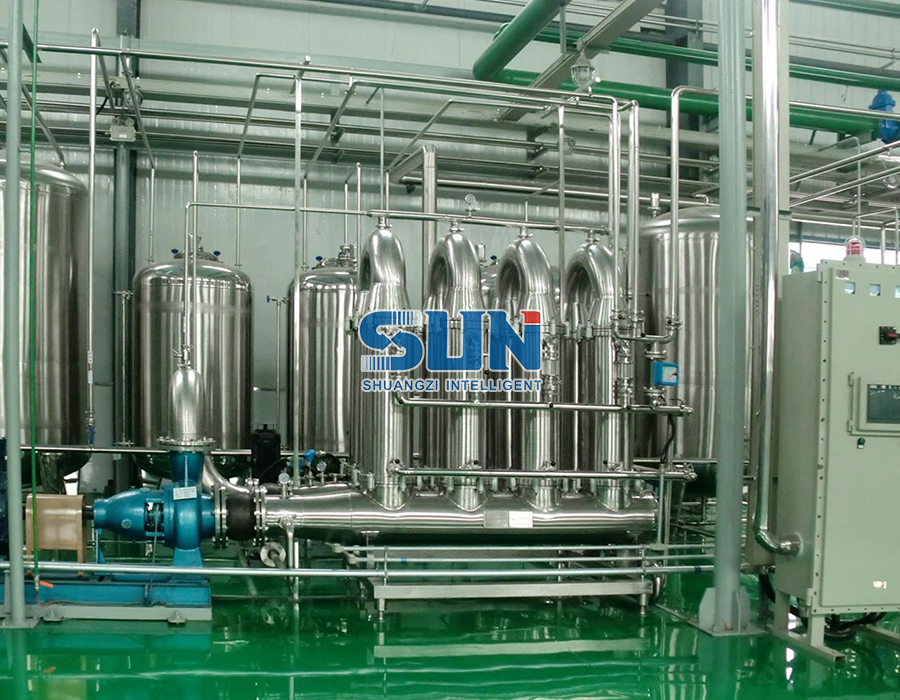
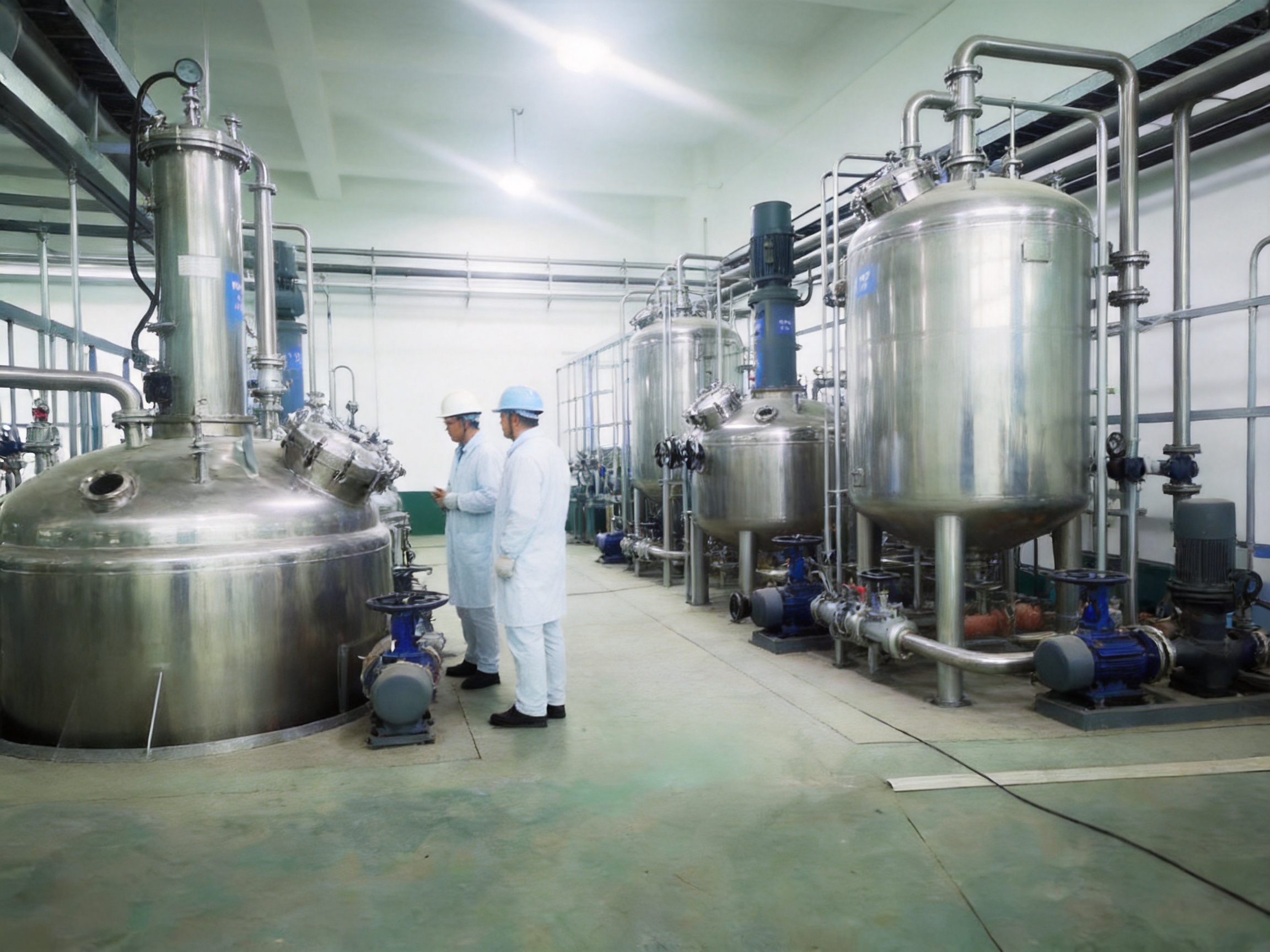
The pharmaceutical and chemical industry fermentation tank system for glucuronolactone is engineered for step-by-step amplification from seed culture to industrial fermentation. The system can include 200 L seed tanks, 2000 L seed tanks, 20 m3 fermentation tanks, and 50 m3 fermentation tanks, with available capacity ranges extending from laboratory-scale equipment to large industrial tanks. Each stage is designed to transfer biological and process conditions reliably from a smaller volume to a larger volume, helping manufacturers reduce scale-up risk and obtain consistent production results.
For pharmaceutical and biochemical producers, the equipment is especially valuable because it combines stainless steel hygienic construction, mechanical agitation, automatic temperature control, and automated process management. Parts in contact with materials can be manufactured from S30408, SUS304, or SUS316L stainless steel according to process requirements. The system is equipped with mechanical agitators and auxiliary equipment to satisfy production needs, while the internal heat exchange device supports fully automatic temperature control throughout the fermentation process. After fermentation is completed, the final product discharge can be inspected according to the required quality standard before proceeding to downstream processing.
Zhejiang Shuangzi Intelligent Equipment Co., Ltd. provides this fermentation system as part of its broader bio-fermentation project capabilities. The company focuses on process technology, automation engineering design, equipment manufacturing, matching purchase, installation, system integration, and turnkey project delivery. Its experience across plant extraction, biological fermentation, pharmaceutical engineering, natural food, energy conservation, and environmental protection enables it to design fermentation systems that are not isolated machines, but integrated process solutions.
Pharmaceutical and Chemical Industry Fermentation Tank for Glucuronolactone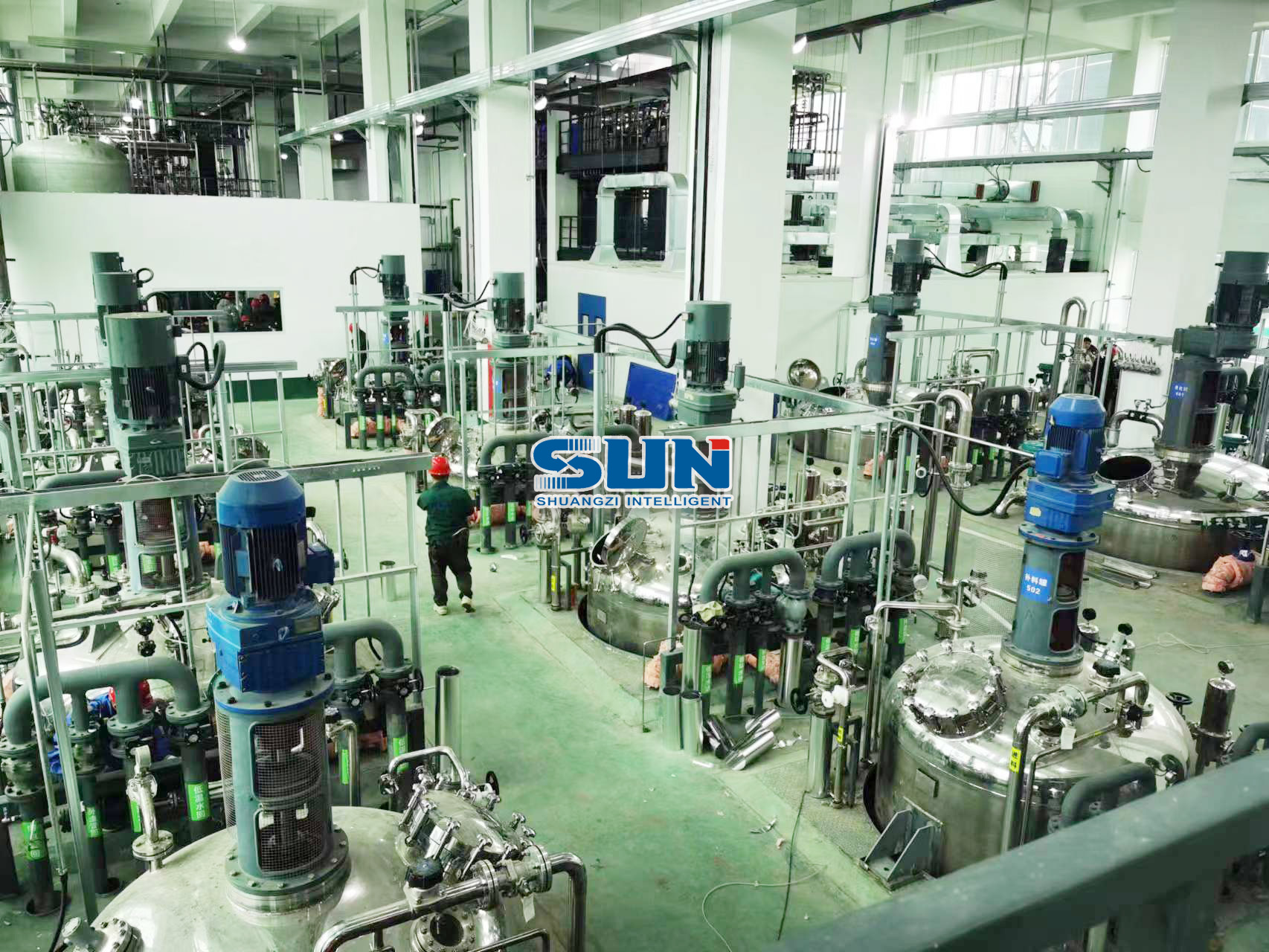
Product Overview and Application Background
Glucuronolactone is widely associated with pharmaceutical, biochemical, nutritional, and chemical applications. Its production requires stable process conditions, controlled fermentation environments, and hygienic handling. In such processes, fermentation tanks must support microbial or biochemical transformation under carefully regulated temperature, mixing, oxygen transfer, sterilization, and discharge conditions. Any variation in these conditions may affect yield, process duration, impurity profile, or batch reproducibility.
The fermentation tank system described here is developed for pharmaceutical and chemical industry use, where equipment reliability and process traceability are essential. The system mainly includes seed tanks and large fermentation tanks arranged in a progressive scale-up sequence. A typical configuration may begin with a 200 L seed tank, continue to a 2000 L seed tank, and then move into 20 m3 or 50 m3 production fermenters. This stepwise amplification method helps maintain biological activity and process continuity while minimizing the shock that may occur when cultures are transferred directly from a small volume to a very large production tank.
The equipment is suitable for users who need a complete fermentation solution rather than a single tank. In industrial production, the fermentation vessel must work together with sterilization systems, air supply, process piping, valves, control instruments, cleaning systems, discharge systems, and supporting utilities. The value of the solution lies in the coordination of these components. When tanks, agitators, heat exchange devices, seals, control systems, and auxiliary modules are designed as one project, the user obtains a more reliable and easier-to-operate production line.
The fermentation system can be customized for lab scale, pilot scale, and industrial scale requirements. Laboratory units from 5 L to 20 L are suitable for research, strain screening, and early process exploration. Pilot units from 30 L to 400 L support process verification, parameter optimization, and scale-up evaluation. Industrial fermentation systems from 500 L up to 300 tons are used for commercial production and large-scale manufacturing. This broad capacity range allows customers to develop processes gradually and maintain equipment continuity from research to industrialization.
Core Technical Features
The system is built around several core engineering features: stainless steel sanitary construction, mechanical agitation, automatic temperature control, reliable sealing, scalable tank design, process automation, and complete auxiliary integration. These features are important because fermentation processes are sensitive to environmental changes. A tank that is poorly mixed, difficult to clean, or unstable in temperature control may lead to inconsistent product quality. By contrast, a properly engineered fermentation system creates a stable production environment and supports repeatable batch performance.
The contact parts are made from stainless steel materials such as S30408, SUS304, or SUS316L depending on production needs. Stainless steel is widely used in pharmaceutical and fermentation industries because it provides corrosion resistance, mechanical strength, cleanability, and compatibility with sanitary fabrication. SUS316L may be selected for processes requiring enhanced corrosion resistance or stricter hygienic performance, while SUS304 or S30408 can meet many conventional fermentation requirements. Material selection is an important part of project engineering because different media, sterilization methods, cleaning agents, and process temperatures place different demands on the tank body and internal components.
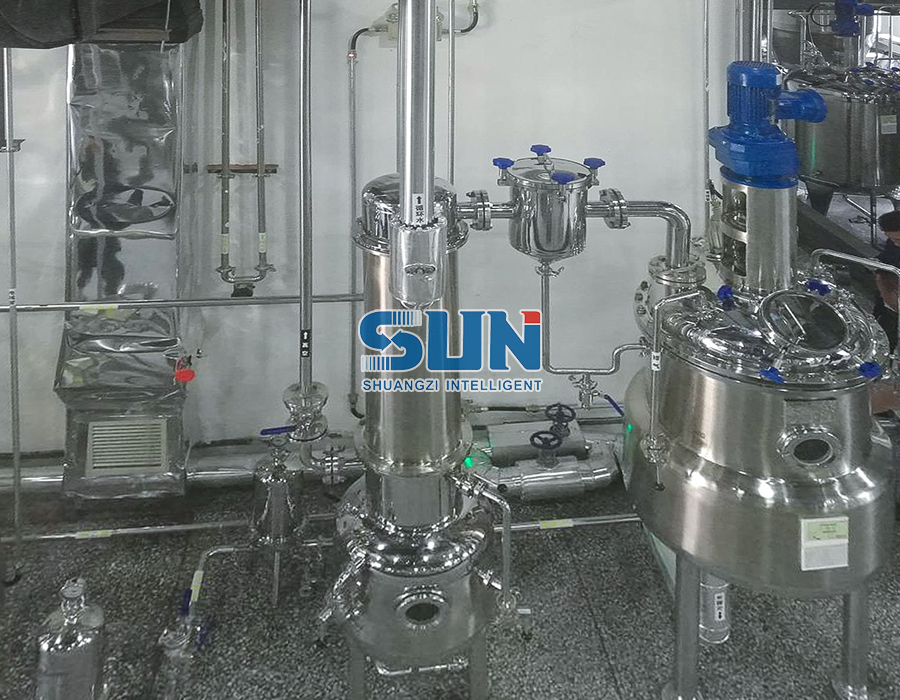
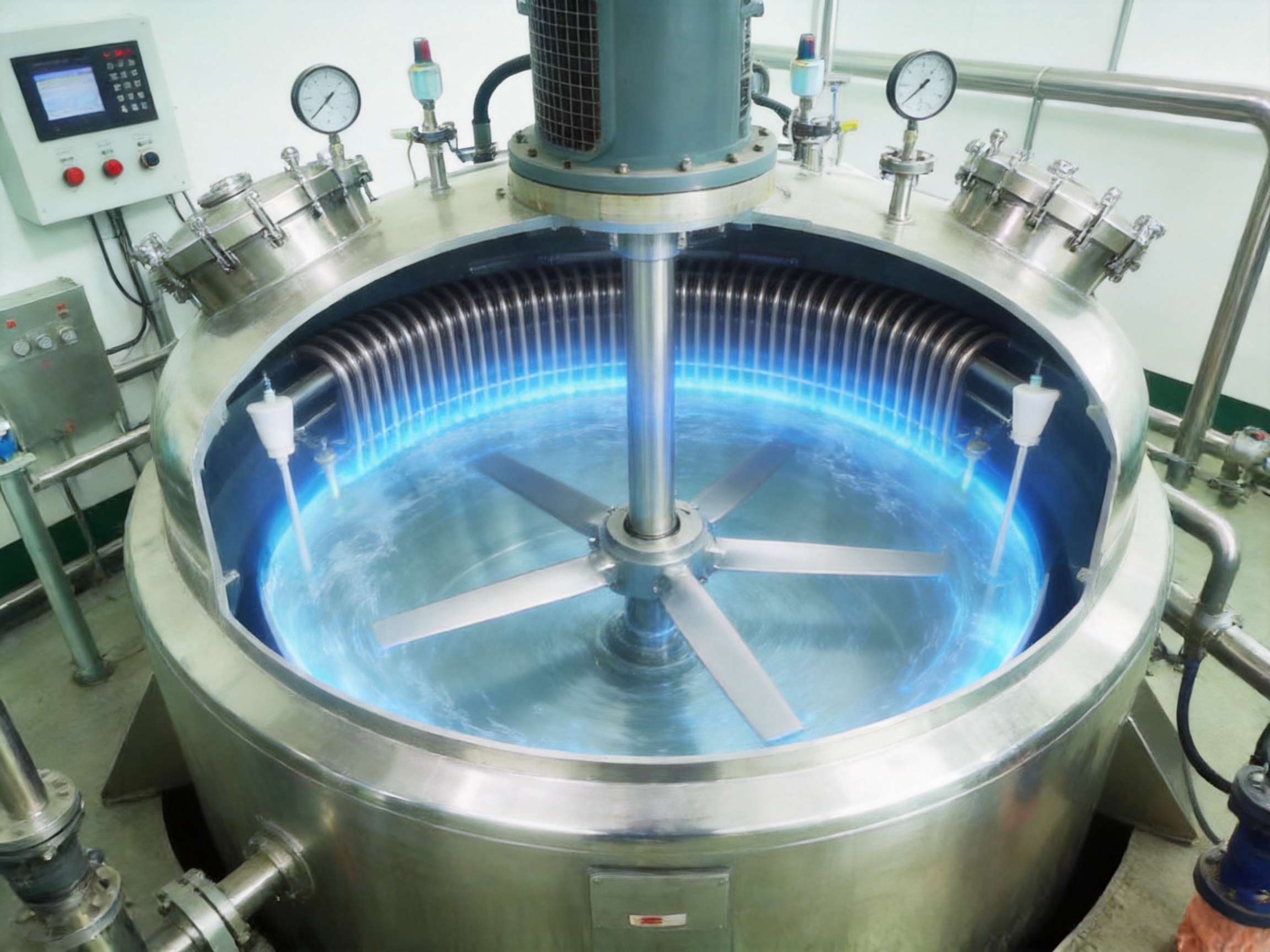
The mechanical agitator is a key part of the fermentation tank. It promotes mixing, heat distribution, mass transfer, and uniform suspension of materials. The listed agitator configuration includes a two four-straight-blade turbine type design. Turbine agitation is commonly used where strong circulation and effective dispersion are required. In fermentation, agitation must be powerful enough to maintain uniformity but also controlled enough to avoid excessive shear for sensitive biological systems. A properly selected agitator supports process stability, reduces dead zones, improves heat transfer, and contributes to consistent fermentation kinetics.
The system uses mechanical sealing to maintain a closed and controlled environment. Mechanical seals are important for preventing contamination, reducing leakage risk, and supporting sterile operation. In fermentation production, sealing reliability is closely connected to product quality and operational safety. A weak sealing structure may allow external contamination or process leakage, while an engineered seal helps preserve internal pressure, maintain cleanliness, and protect operators and the environment.
Temperature control is achieved through an internal heat exchange device. Fermentation is often accompanied by heat generation, and temperature drift can influence biological activity, reaction rate, by-product formation, and final quality. The automatic temperature control system continuously adjusts the thermal condition to maintain the required process range. Compared with manual temperature adjustment, automatic control reduces operator burden, improves response speed, and minimizes batch variation.
| Parameter | Standard Configuration or Range | Production Value |
|---|---|---|
| Capacity Range | Lab scale 5 L to 20 L; pilot scale 30 L to 400 L; industrial scale 500 L to 300 tons | Supports research, process verification, and commercial production |
| Typical System Tanks | 200 L seed tank, 2000 L seed tank, 20 m3 fermenter, 50 m3 fermenter | Enables step-by-step fermentation amplification |
| Contact Material | S30408, SUS304, or SUS316L stainless steel | Provides hygienic performance, corrosion resistance, and durability |
| Agitator | Two four-straight-blade turbine type | Improves mixing, heat transfer, and medium uniformity |
| Sealing | Mechanical sealing | Supports closed operation and contamination control |
| Temperature Control | Automatic control through internal heat exchange device | Maintains stable fermentation conditions |
| Voltage | Made to order | Adapts to different regional and plant power requirements |
| Motor Option | High-quality industrial motor configuration | Supports stable long-term operation |
Advantages Over Conventional Fermentation Equipment
Many fermentation tanks available in the market can perform basic containment and mixing, but pharmaceutical and biochemical production requires far more than basic functions. The glucuronolactone fermentation tank system offers advantages in process scalability, automation, sanitary design, manufacturing precision, project integration, and customization. These advantages help users reduce investment risk and improve long-term production efficiency.
One of the first advantages is the integrated scale-up design. Some competitors provide tanks in isolated sizes, leaving customers to solve scale-up problems on their own. This can result in process inconsistency between laboratory, pilot, seed, and production stages. The system described here is designed as a complete fermentation route, with seed tanks and production tanks arranged for gradual amplification. This helps maintain process continuity and allows engineers to define transfer timing, inoculation ratios, agitation intensity, and thermal control strategies more systematically.
A second advantage is the combination of automatic temperature control and internal heat exchange. In fermentation, thermal management is not optional. It is a critical quality factor. Systems that rely on external or insufficient thermal control may show slow response times or uneven temperature distribution. The internal heat exchange device improves temperature regulation by acting directly within the process environment. When integrated with automatic controls, it provides more stable operation and can reduce the risk of overheating, undercooling, or delayed temperature correction.
A third advantage is robust mechanical agitation. The two four-straight-blade turbine type agitator can provide strong mixing performance, supporting the distribution of nutrients, dissolved gases, heat, and cells or reaction components. Inferior agitation systems may produce dead corners, uneven concentration, or inefficient heat removal. The turbine structure helps create effective flow patterns and supports uniform fermentation conditions across larger volumes. This is particularly important when moving from 2000 L seed culture to 20 m3 or 50 m3 production tanks.
A fourth advantage is sanitary stainless steel construction. Contact materials such as S30408, SUS304, and SUS316L are suitable for hygienic industrial use. Low-quality vessels made from unsuitable materials may corrode, retain residues, or cause contamination risks. Stainless steel surfaces, when correctly fabricated and polished, improve cleanability and reduce maintenance burden. For pharmaceutical and chemical fermentation, material reliability is a long-term economic advantage because it reduces downtime, repair cost, and quality risk.
A fifth advantage is customization. The system can be made to order, including voltage adaptation and capacity selection. Different countries and factories have different electrical standards, space constraints, utility conditions, process recipes, and automation requirements. A standardized tank may not fit the customer’s actual plant. Custom engineering enables better integration with existing workshops, utilities, downstream processes, and quality systems.
Finally, the equipment is supported by the manufacturer’s engineering and manufacturing strength. Zhejiang Shuangzi Intelligent Equipment Co., Ltd. does not only fabricate vessels; it provides process design, equipment design, installation, line debugging, automation support, and turnkey service. This reduces the burden on the user, especially for customers building new fermentation production lines or upgrading existing plants.
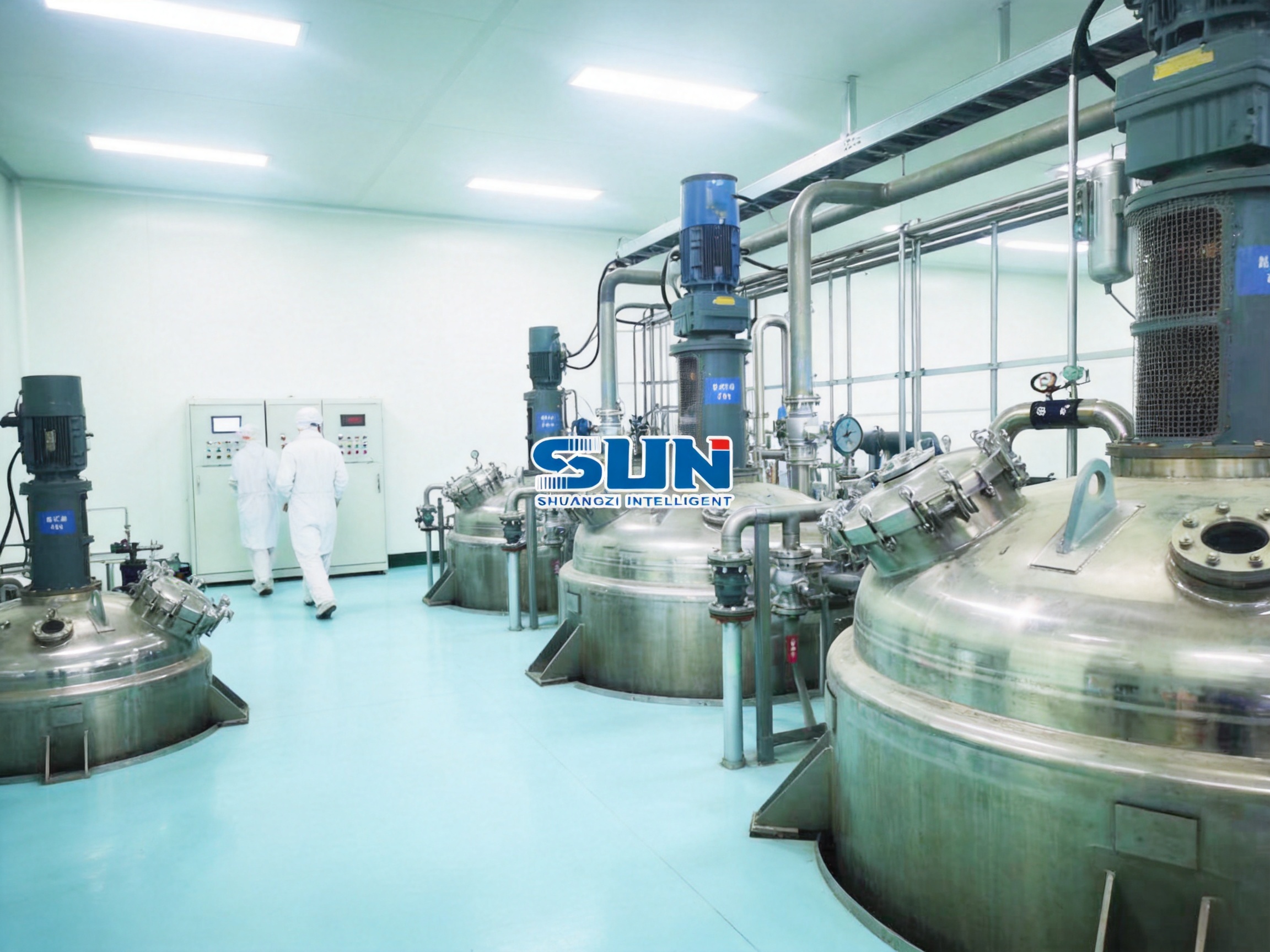
Step-by-Step Amplification for Reliable Glucuronolactone Production
Scale-up is one of the most challenging parts of fermentation engineering. Conditions that work well in a small vessel may not automatically perform well in a large tank. Mixing time, oxygen transfer, heat removal, shear stress, pressure, foam behavior, and sterilization performance all change with scale. Therefore, successful industrial production depends on a carefully designed amplification pathway.
The system’s typical progression from 200 L seed tank to 2000 L seed tank, then to 20 m3 and 50 m3 fermentation tanks, reflects a practical industrial strategy. The 200 L seed tank can cultivate an active seed culture under controlled conditions. The 2000 L seed tank then increases the biomass or active fermentation material volume while maintaining process readiness. The 20 m3 and 50 m3 fermenters complete large-scale production. This staged approach reduces biological stress and improves production reliability.
For glucuronolactone-related production, process consistency is especially important. Batch-to-batch differences may influence downstream purification, crystallization, drying, or final formulation. A stable seed amplification system helps create a strong starting point for each production batch. By controlling the seed stage, operators can improve the performance of the main fermentation tank. This is why a complete fermentation system has greater value than a single large vessel.
The amplification process is also supported by automation. Automated control can record and adjust key parameters, helping operators maintain target conditions and respond to process changes. In a large plant, manual monitoring alone is not enough. Automation improves precision, reduces human error, and supports production documentation. When process data is available, technical teams can analyze batch trends and optimize future operations.
Automation and Process Control
Automation is one of the most important features of modern fermentation equipment. In traditional systems, operators may manually adjust steam, cooling water, agitation speed, or transfer valves. This approach increases labor intensity and may lead to inconsistencies between shifts. Automated fermentation systems improve stability by allowing the process to run according to defined parameters.
The entire fermentation process can be fully automated according to production needs. Automatic temperature control is achieved through the internal heat exchange device, and auxiliary systems can be integrated for feeding, sterilization, air control, cleaning, and discharge. When automation is properly applied, it becomes a tool for quality control, safety, and productivity.
For example, during fermentation, heat generation can increase rapidly. If operators respond too slowly, the culture may move outside its ideal temperature range. An automatic control system detects temperature changes and adjusts heating or cooling accordingly. This helps protect product quality and reduces the probability of batch failure. In large-volume fermentation, this advantage becomes increasingly important because thermal inertia is high and correction may take longer.
Automation also supports repeatability. A recipe-based control system can help ensure that each batch follows the same operating logic. Agitation, temperature, holding time, transfer steps, and discharge conditions can be managed more consistently. This is valuable for pharmaceutical and chemical production, where reproducibility is directly connected to regulatory expectations and customer trust.
In addition, automation improves worker safety. Fermentation systems may involve hot surfaces, pressure, steam sterilization, rotating equipment, and chemical cleaning. Automated control reduces the need for frequent manual intervention and keeps operators away from potentially hazardous points. A well-designed human-machine interface can provide clear operating information, alarm notifications, and status monitoring.
Sanitary Design and Material Selection
The materials and surface quality of a fermentation tank determine whether the equipment can meet hygienic production requirements. Stainless steel is the preferred material for many pharmaceutical and biological fermentation systems because it is durable, cleanable, and compatible with many process media. The system can use S30408, SUS304, or SUS316L for material contact parts depending on application requirements.
SUS304 is a widely used stainless steel grade suitable for many hygienic process applications. It provides good corrosion resistance and mechanical properties. SUS316L provides improved resistance in more demanding chemical environments due to its alloy composition and low carbon characteristics. S30408 is also a common stainless steel option in pressure vessel and process equipment fabrication. Selecting the right material helps improve service life and reduce contamination risk.
Sanitary design is not limited to material grade. It also includes weld quality, surface treatment, drainage, internal geometry, sealing design, and avoidance of dead zones. Poorly designed equipment may trap residues, making cleaning difficult and increasing contamination risk. Advanced manufacturing and finishing processes are therefore crucial. The company’s introduction of advanced welding and finishing equipment, including plasma argon arc welding machines, plasma cutting machines, and CAM CNC machining centers, supports higher fabrication precision and more consistent equipment quality.
In fermentation, the internal surface must withstand repeated cleaning, sterilization, agitation, and exposure to media. Smooth surfaces are easier to clean and less likely to retain residues. Precision welding reduces crevices and irregularities. Accurate machining improves the fit of nozzles, agitator shafts, seals, and vessel components. Together, these manufacturing details contribute to equipment reliability and production hygiene.
Mechanical Agitation and Mixing Performance
Agitation is at the heart of fermentation performance. In a fermentation tank, the agitator helps distribute nutrients, equalize temperature, suspend solids or biological materials, and support mass transfer. The two four-straight-blade turbine type agitator is designed to create strong flow and mixing action, making it suitable for industrial fermentation environments where uniformity is essential.
Insufficient agitation can lead to several problems. Nutrients may not disperse evenly. Local temperature differences may occur. Cells or reaction materials may settle. Oxygen transfer may be limited in aerobic processes. By improving circulation and mixing, the agitator helps maintain a stable environment throughout the vessel. This is particularly important in large tanks because distance from the agitator to the vessel wall is greater and the risk of uneven distribution increases.
However, agitation must also be carefully selected. Excessive shear may damage sensitive biological systems, while insufficient mixing may reduce productivity. A professional engineering team evaluates tank volume, medium viscosity, process requirements, and scale-up conditions to select suitable agitation parameters. This is where project experience becomes important. A manufacturer with broad fermentation project experience can help balance mixing strength, energy consumption, and biological compatibility.
The integration of mechanical sealing with the agitator system further improves closed operation. Rotating shafts are potential contamination or leakage points if not properly sealed. Mechanical seals provide a more reliable barrier, enabling fermentation under controlled conditions. This supports both product quality and operational safety.
Heat Transfer and Automatic Temperature Stability
Temperature is one of the most critical parameters in fermentation. Biological and biochemical reactions are often temperature-sensitive. If temperature rises too high, activity may decline, unwanted by-products may increase, or the batch may fail. If temperature is too low, fermentation may slow, production time may increase, and yield may suffer. The fermentation tank system uses an internal heat exchange device to support fully automatic temperature control during the fermentation process.
Internal heat exchange improves thermal response by placing heat transfer surfaces in direct contact with the process environment. Combined with agitation, this supports more uniform temperature distribution. In large-volume vessels such as 20 m3 and 50 m3 fermentation tanks, efficient heat transfer is especially important because heat removal becomes more difficult as scale increases. The system’s design helps manage heat generated during fermentation and maintain stable process conditions.
Automatic temperature control also reduces dependence on manual operation. Operators can set target values, and the system can regulate heating or cooling based on real-time feedback. This improves consistency and allows technical personnel to focus on process analysis instead of constant manual adjustment. For production managers, stable temperature control can lead to fewer deviations, improved batch scheduling, and better resource utilization.
Compared with simpler tanks that only provide basic jackets or manual thermal adjustment, an automated internal heat exchange system provides a more advanced solution. It can be especially beneficial when the process requires tight temperature ranges or when fermentation generates substantial heat. The result is a more stable process platform for glucuronolactone production.
Manufacturing Strength and Engineering Capability
The quality of fermentation equipment depends not only on design drawings but also on manufacturing execution. Zhejiang Shuangzi Intelligent Equipment Co., Ltd. was founded in 2007 and operates with a production and engineering base in Hangzhou, Zhejiang Province, China. The company covers a floor area of 16706 square meters and a structure area of 17800 square meters, providing the physical foundation for equipment manufacturing, assembly, inspection, and project delivery.
The company’s strength lies in its combination of process technology and equipment fabrication. It focuses on EPC and EPCM services, including process design, automation engineering design, equipment manufacture, matching purchase, installation, equipment system integration, line debugging, and turnkey project services. This full-chain capability is important because fermentation projects require coordination between multiple engineering disciplines. A tank manufacturer without process understanding may deliver equipment that is difficult to integrate. A process engineering company without manufacturing strength may lack control over equipment quality. Combining both capabilities improves project success.
The company has mature product lines in vacuum low-temperature drying, complete fermentation systems, evaporation and concentration equipment, extraction equipment, separation systems, crystallization equipment, filtration equipment, containers, and other process equipment. This diversified experience is valuable for glucuronolactone projects because fermentation is usually followed by downstream operations such as separation, concentration, crystallization, drying, or filtration. A supplier familiar with these downstream processes can design fermentation discharge and integration more effectively.
The company also maintains a pilot production workshop and an automation research and development platform that can meet GMP-oriented requirements. The pilot platform includes processes such as vacuum low-temperature drying, plant extraction, evaporation, precipitation separation, extraction, and fermentation. This enables technical verification and provides support for customers moving from laboratory research to industrial production. For users developing new fermentation processes, pilot capability can reduce uncertainty and shorten industrialization time.
Advanced manufacturing equipment further strengthens product quality. Plasma argon arc welding machines support clean and reliable stainless steel welding. Plasma cutting machines improve cutting efficiency and precision. CAM CNC machining centers enhance the accuracy of parts and connections. These tools help produce vessels and components with better dimensional accuracy, stronger weld consistency, and improved surface quality. In pharmaceutical and biochemical equipment, such manufacturing precision is not merely aesthetic; it affects cleanability, sealing performance, mechanical stability, and service life.
Project Integration and Turnkey Delivery
Fermentation production is a system project. The tank itself is only one part of the complete production line. A successful project may require seed preparation, fermentation, sterilization, air supply, cooling and heating utilities, process piping, valve stations, control cabinets, cleaning systems, product discharge, and downstream integration. The ability to provide turnkey projects is therefore a major advantage.
Zhejiang Shuangzi Intelligent Equipment Co., Ltd. can provide engineering, process design, equipment design, installation, line debugging, and related services. This reduces the complexity of supplier coordination for the customer. Instead of purchasing tanks, piping, controls, and installation services separately, the customer can rely on a more integrated project delivery model. This improves communication efficiency and reduces the risk of interface errors.
Turnkey capability is especially important for overseas or large-scale users who need predictable project execution. A complete supplier can review the production objective, design a suitable process route, select equipment specifications, manufacture the tanks, integrate automation, support installation, and help debug the production line. This creates a smoother path from project planning to operational production.
For glucuronolactone fermentation, project integration also supports quality assurance. The seed tanks, production tanks, and auxiliary equipment can be designed as a coherent system. Transfer lines can be arranged to reduce contamination risk. Control logic can be unified. Utility capacity can be matched to production scale. Cleaning and sterilization strategy can be considered during the design stage rather than added later as a compromise. These factors contribute to stable operation and long-term production efficiency.
Quality, Inspection, and Final Discharge
At the completion of fermentation, the qualified final discharge of the product is inspected. This step is important because fermentation output must meet the required quality conditions before downstream processing or final handling. A reliable tank system supports this objective by maintaining stable process parameters throughout the batch and enabling controlled discharge after completion.
Quality begins long before discharge. It starts with material selection, design review, welding, fabrication, surface finishing, assembly, installation, and commissioning. Each stage affects the performance of the equipment. For example, poor welds may create cleaning difficulties. Inaccurate installation may affect agitator stability. Incorrect control configuration may cause parameter deviations. Therefore, a manufacturer with process and manufacturing capabilities can provide stronger quality assurance than a supplier focused only on low-cost fabrication.
During operation, automation helps maintain and document process parameters. Temperature control, agitation status, and other process values can be monitored according to the project configuration. Stable control contributes to consistent fermentation results. When the batch is complete, the product can be discharged for inspection and further processing. This systematic approach aligns with the requirements of pharmaceutical and chemical production, where each batch must be controlled and evaluated.
Customization for Different Production Scales
No two fermentation projects are exactly the same. Some users require laboratory research systems. Others need pilot-scale verification equipment. Large manufacturers may require industrial fermenters of 20 m3, 50 m3, or even larger capacities. The ability to customize equipment across a wide range is a significant benefit.
The available capacity range covers laboratory scale from 5 L to 20 L, pilot scale from 30 L to 400 L, and industrial scale from 500 L to 300 tons. This means the same engineering philosophy can support the full development cycle. A customer can begin with laboratory experiments, verify the process in pilot equipment, and then expand to commercial production while maintaining design consistency. This is preferable to changing equipment suppliers at each stage, which may introduce differences in vessel geometry, agitation behavior, and control strategy.
Voltage can also be made to order. This is important for international projects because electrical standards vary by country and factory. Customized voltage configuration helps ensure safer installation and easier compliance with local utility conditions. Other aspects, such as tank capacity, material grade, automation level, auxiliary equipment, and layout, can also be engineered according to project needs.
Customization should not mean uncontrolled complexity. It should be based on process requirements, production targets, available utilities, regulatory expectations, and budget. The company’s engineering team can help define a practical configuration that balances performance and investment. This consultative approach provides more value than simply selling a standard tank.
Competitive Value for Pharmaceutical and Chemical Producers
For pharmaceutical and chemical producers, equipment investment must be evaluated over the full life cycle. The lowest purchase price is not always the lowest total cost. A low-cost tank may require more maintenance, consume more energy, cause more batch deviations, or fail to integrate with the production line. The glucuronolactone fermentation tank system creates competitive value through reliability, automation, cleanability, scalability, and engineering support.
Compared with competitors that offer only single vessels, this system provides a complete fermentation production concept. Compared with manually operated systems, it provides automated process control and temperature regulation. Compared with ordinary industrial tanks, it provides sanitary stainless steel construction and fermentation-specific agitation. Compared with suppliers lacking project integration capability, the manufacturer offers EPC and EPCM-oriented services, installation support, system integration, and turnkey delivery.
This value is especially clear in large-scale production. When a 50 m3 fermentation tank is operating, a single batch may represent substantial material, labor, utility, and time investment. Batch failure is costly. Equipment downtime is costly. Difficult cleaning is costly. Poor process control is costly. Therefore, investing in a well-engineered system improves risk management and long-term economic performance.
The system’s use of reliable mechanical components, stainless steel contact materials, and automatic temperature control also helps reduce operational uncertainty. Operators can work with clearer process conditions. Engineers can optimize production based on consistent equipment behavior. Managers can schedule production with greater confidence. These benefits create measurable and practical advantages in a competitive manufacturing environment.
Operational Considerations for Users
To obtain the best performance from the fermentation tank system, users should define their process requirements clearly during the project planning stage. Key considerations include target production capacity, fermentation time, medium characteristics, sterilization method, temperature range, agitation requirements, air or gas demand, cleaning strategy, discharge method, plant layout, utility capacity, and automation expectations. The more accurate the process information, the more effectively the equipment can be designed.
Users should also consider future expansion. A production line designed only for current output may become limiting as demand grows. Because the equipment range supports lab, pilot, and industrial scale, the project can be planned with future capacity in mind. Space reservation, utility sizing, control system expandability, and downstream equipment compatibility should be evaluated early.
Maintenance planning is another important factor. Mechanical seals, agitators, motors, valves, instruments, and heat exchange components require routine inspection according to operating conditions. A high-quality system reduces maintenance burden, but proper maintenance remains essential for long service life. Operators should be trained in normal operation, cleaning procedures, alarm response, and safety practices.
Cleaning and sterilization strategy should be integrated with the production process. Fermentation equipment must be cleaned effectively between batches to prevent contamination and residue accumulation. The sanitary design and stainless steel construction of the system support cleanability, but users must also establish suitable cleaning parameters and verification methods. When equipment design and operating procedures work together, production hygiene is significantly improved.
Role in a Complete Bio-Fermentation Project
The fermentation tank for glucuronolactone is part of a broader bio-fermentation project category. In a complete biological fermentation facility, upstream and downstream processes must be connected. Upstream operations may include medium preparation, sterilization, seed cultivation, and inoculation. The core fermentation stage then produces the target material. Downstream operations may include separation, extraction, concentration, crystallization, filtration, drying, and packaging depending on the process route.
The manufacturer’s experience across multiple equipment categories is useful because it allows the fermentation tank to be designed with downstream needs in mind. For example, discharge characteristics may influence filtration efficiency. Fermentation broth temperature may affect downstream separation. Tank cleaning strategy may influence production scheduling. By considering the entire process, the engineering team can help improve the overall plant performance rather than optimizing one vessel in isolation.
The company’s mature products in evaporation and concentration, extraction, separation, crystallization, filtration, drying, and container equipment can support integrated process lines. This is valuable for customers who want one supplier to understand the full production chain. It can also simplify technical communication, shorten project coordination time, and improve system compatibility.
Why Advanced Manufacturing Matters
Fermentation equipment may appear simple from the outside, but its performance depends on many details hidden inside the design and fabrication. Tank roundness, weld integrity, surface finish, nozzle alignment, agitator balance, seal installation, heat exchange layout, and control integration all influence operation. Advanced manufacturing processes help transform design intent into reliable equipment.
Plasma argon arc welding can create high-quality stainless steel welds suitable for hygienic process equipment. Good welding reduces the risk of cracks, pores, and irregular surfaces. Plasma cutting improves the accuracy of stainless steel plate and component preparation. CNC machining improves component precision, which is especially important for rotating parts, mechanical seal assemblies, flanges, and nozzles. Together, these processes support equipment durability and sanitary performance.
Manufacturing quality also affects installation and commissioning. Precisely fabricated equipment is easier to assemble, align, and integrate. This reduces field adjustment time and helps the project move into production more smoothly. For large fermentation tanks, correcting fabrication errors on site can be difficult and expensive. Therefore, strong in-factory manufacturing capability is a major advantage.
In addition, advanced manufacturing supports customization. Custom tanks require accurate execution because each project may have unique dimensions, nozzles, supports, agitators, and control interfaces. A manufacturer with strong equipment and experienced technicians can deliver custom designs while maintaining quality consistency.
Sustainability and Efficiency Considerations
Energy conservation is increasingly important in pharmaceutical and chemical manufacturing. Fermentation systems consume energy through agitation, temperature control, sterilization, air supply, and cleaning. Efficient design can reduce operating cost and environmental impact. The internal heat exchange device, effective agitation, and automation all contribute to better resource management.
Stable temperature control avoids excessive heating or cooling. Proper mixing reduces unnecessary over-agitation while maintaining process uniformity. Automation helps prevent operator errors that may waste utilities or cause batch loss. Durable stainless steel construction extends equipment life, reducing replacement frequency and material waste. These factors support more sustainable production.
The company’s broader focus on energy conservation and environmental protection also strengthens its ability to design practical production systems. In industrial projects, sustainability is not only about individual equipment; it includes plant layout, utility balance, waste reduction, cleaning efficiency, and process optimization. A supplier with multidisciplinary experience can help users identify opportunities for improved efficiency.
Q&A Section
Q1: What is the main application of this fermentation tank system?
The system is designed for pharmaceutical and chemical industry fermentation processes, with a specific focus on glucuronolactone production. It supports seed cultivation, step-by-step amplification, industrial fermentation, automatic temperature control, and qualified final discharge inspection.
Q2: What tank sizes are commonly included in the system?
A typical configuration includes 200 L seed tanks, 2000 L seed tanks, 20 m3 fermentation tanks, and 50 m3 fermentation tanks. The broader equipment range can cover laboratory scale from 5 L to 20 L, pilot scale from 30 L to 400 L, and industrial scale from 500 L to 300 tons.
Q3: Why is step-by-step amplification important?
Step-by-step amplification reduces scale-up risk and helps maintain biological or process stability. Moving from seed tanks to larger fermenters allows the culture or fermentation material to adapt progressively, improving batch consistency and production reliability.
Q4: What materials are used for parts in contact with the product?
Material contact parts can be made from S30408, SUS304, or SUS316L stainless steel according to production requirements. These materials offer hygienic performance, corrosion resistance, mechanical strength, and long service life.
Q5: How does the system control temperature?
The system uses an internal heat exchange device combined with automatic control. This allows the equipment to maintain stable fermentation temperatures throughout the process, reducing manual intervention and improving batch consistency.
Q6: What type of agitator is used?
The listed agitator is a two four-straight-blade turbine type. This structure supports effective mixing, heat distribution, and medium uniformity, which are essential for large-scale fermentation performance.
Q7: What sealing method is used?
The system uses mechanical sealing. Mechanical seals help maintain a closed process environment, reduce leakage risk, and support contamination control during fermentation.
Q8: Can the equipment be customized?
Yes. Capacity, voltage, material grade, automation level, auxiliary equipment, and system layout can be customized according to project requirements. This makes the system suitable for different plants, countries, and production strategies.
Q9: What advantages does the system offer over ordinary fermentation tanks?
It offers integrated scale-up design, automatic temperature control, sanitary stainless steel construction, strong mechanical agitation, reliable sealing, project customization, and turnkey engineering support. These advantages improve process stability and reduce long-term production risk.
Q10: What services can the manufacturer provide beyond equipment supply?
Zhejiang Shuangzi Intelligent Equipment Co., Ltd. can provide process design, automation engineering design, equipment manufacturing, matching purchase, installation, line debugging, equipment system integration, and turnkey project delivery.
Conclusion
The pharmaceutical and chemical industry fermentation tank system for glucuronolactone is a comprehensive production solution designed for reliable scale-up, stable fermentation, hygienic operation, and industrial efficiency. With seed tanks and large fermentation vessels arranged in a practical amplification sequence, the system helps users move from controlled seed cultivation to commercial-scale production with reduced process uncertainty.
Its major technical strengths include stainless steel contact construction, mechanical agitation, mechanical sealing, internal heat exchange, automatic temperature control, and customizable capacity options. These features support consistent fermentation performance, improved cleanability, lower contamination risk, and better operating efficiency. Compared with basic or fragmented equipment solutions, this system provides a more complete and production-oriented approach.
The manufacturer’s engineering and manufacturing strengths further enhance the value of the product. With experience in EPC and EPCM services, automation engineering, equipment fabrication, installation, system integration, and turnkey projects, Zhejiang Shuangzi Intelligent Equipment Co., Ltd. can support customers throughout the project life cycle. Its advanced welding, cutting, and CNC machining capabilities contribute to high-quality stainless steel equipment, while its pilot production and research platform supports process development and industrialization.
For pharmaceutical, biochemical, and chemical producers seeking dependable glucuronolactone fermentation equipment, this system provides a strong combination of process control, manufacturing quality, customization, and integrated project support. It is not merely a fermentation tank; it is a scalable production platform designed to help customers improve batch stability, reduce risk, and build efficient modern fermentation facilities.
References
1. Stanbury, P. F., Whitaker, A., and Hall, S. J. Principles of Fermentation Technology. Butterworth-Heinemann.
2. Doran, P. M. Bioprocess Engineering Principles. Academic Press.
3. Shuler, M. L., and Kargi, F. Bioprocess Engineering: Basic Concepts. Prentice Hall.
4. McCabe, W. L., Smith, J. C., and Harriott, P. Unit Operations of Chemical Engineering. McGraw-Hill Education.
5. ASME Boiler and Pressure Vessel Code, Section VIII: Rules for Construction of Pressure Vessels.
6. International Society for Pharmaceutical Engineering. Baseline Guide: Sterile Product Manufacturing Facilities.
7. Food and Drug Administration. Guidance for Industry: Process Validation, General Principles and Practices.