
 英语
英语 俄语
俄语Content
- 1 Introduction
- 2 Understanding Countercurrent Extraction Technology
- 3 The CBD Oil Extraction Workflow: A Deep Dive
- 4 Key Advantages of the Countercurrent Extraction Machine
- 5 The Manufacturer’s Expertise: Backing Innovation with Proven Strengths
- 6 Q&A Section
- 6.1 Q1: How does countercurrent extraction differ from traditional solvent extraction for CBD oil?
- 6.2 Q2: What operational capacities are available for the countercurrent extraction machine?
- 6.3 Q3: Is the machine suitable for small-scale pilot production or only large industrial use?
- 6.4 Q4: How does the machine contribute to sustainability in CBD extraction?
- 6.5 Q5: What post-extraction services are offered alongside the machine?
- 7 References
Introduction
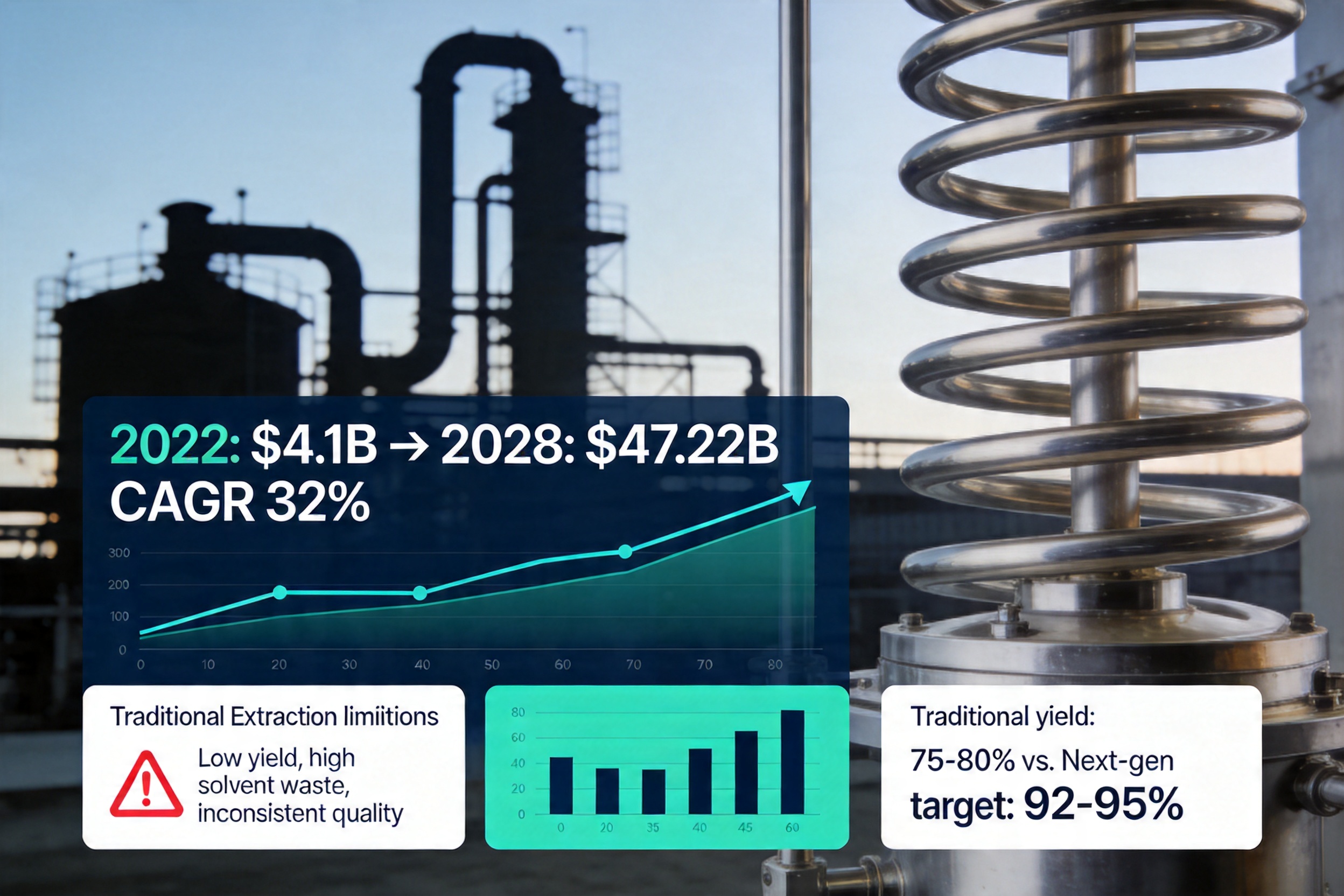
The global cannabidiol (CBD) market has experienced exponential growth in recent years, driven by increasing consumer demand for natural health solutions and growing scientific evidence supporting its therapeutic benefits. According to Grand View Research, the global CBD market size was valued at $4.1 billion in 2022 and is projected to reach $47.22 billion by 2028, registering a compound annual growth rate (CAGR) of 32.0% during the forecast period. This surge in demand has placed unprecedented pressure on extraction technologies to deliver higher yields, greater purity, and more sustainable operations—challenges that traditional CBD extraction methods struggle to address.
Traditional extraction techniques, including solvent-based cross-flow extraction and batch countercurrent extraction, often suffer from low efficiency, high solvent consumption, inconsistent product quality, and lengthy processing times. These limitations not only increase production costs but also hinder scalability for manufacturers looking to meet growing market demands. However, a breakthrough in extraction technology—the next-generation countercurrent extraction machine—has emerged as a game-changer, offering superior performance, sustainability, and scalability that outpaces conventional methods.
This article explores the science behind the countercurrent extraction machine, its integration into the CBD oil production workflow, key advantages over competitors, and the manufacturing expertise that underpins its innovation. By the end, readers will gain a comprehensive understanding of how this technology is reshaping the CBD industry and why it has become the preferred choice for forward-thinking manufacturers.
Understanding Countercurrent Extraction Technology
Countercurrent extraction is a continuous liquid-liquid distribution separation technology that leverages the principles of multi-dimensional centrifugal force to achieve efficient solute separation. Unlike batch processes, which rely on sequential mixing and separation steps, countercurrent extraction operates in a continuous loop, where two immiscible phases interact repeatedly to maximize solute transfer.
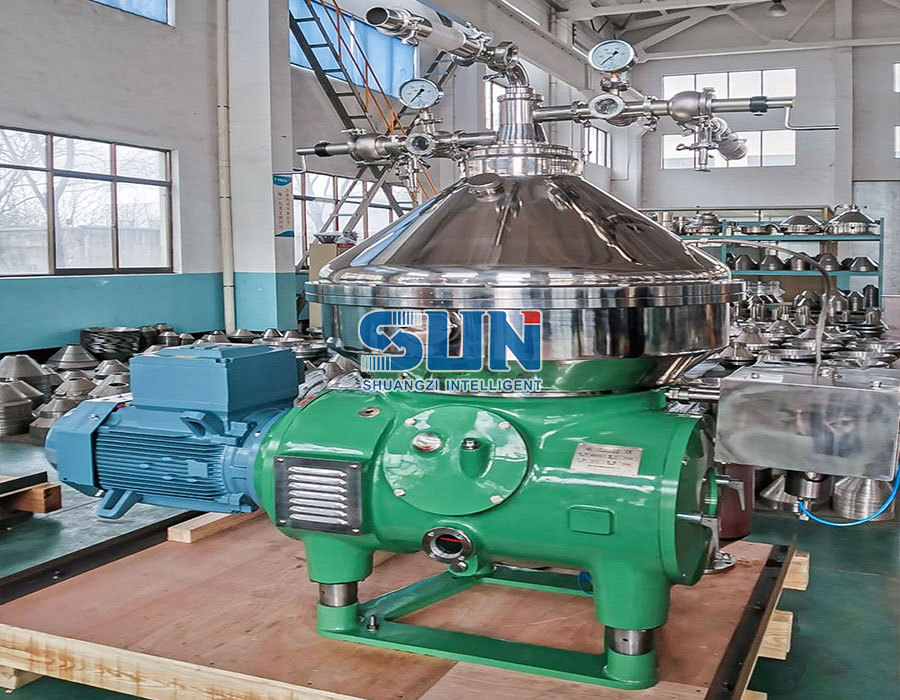
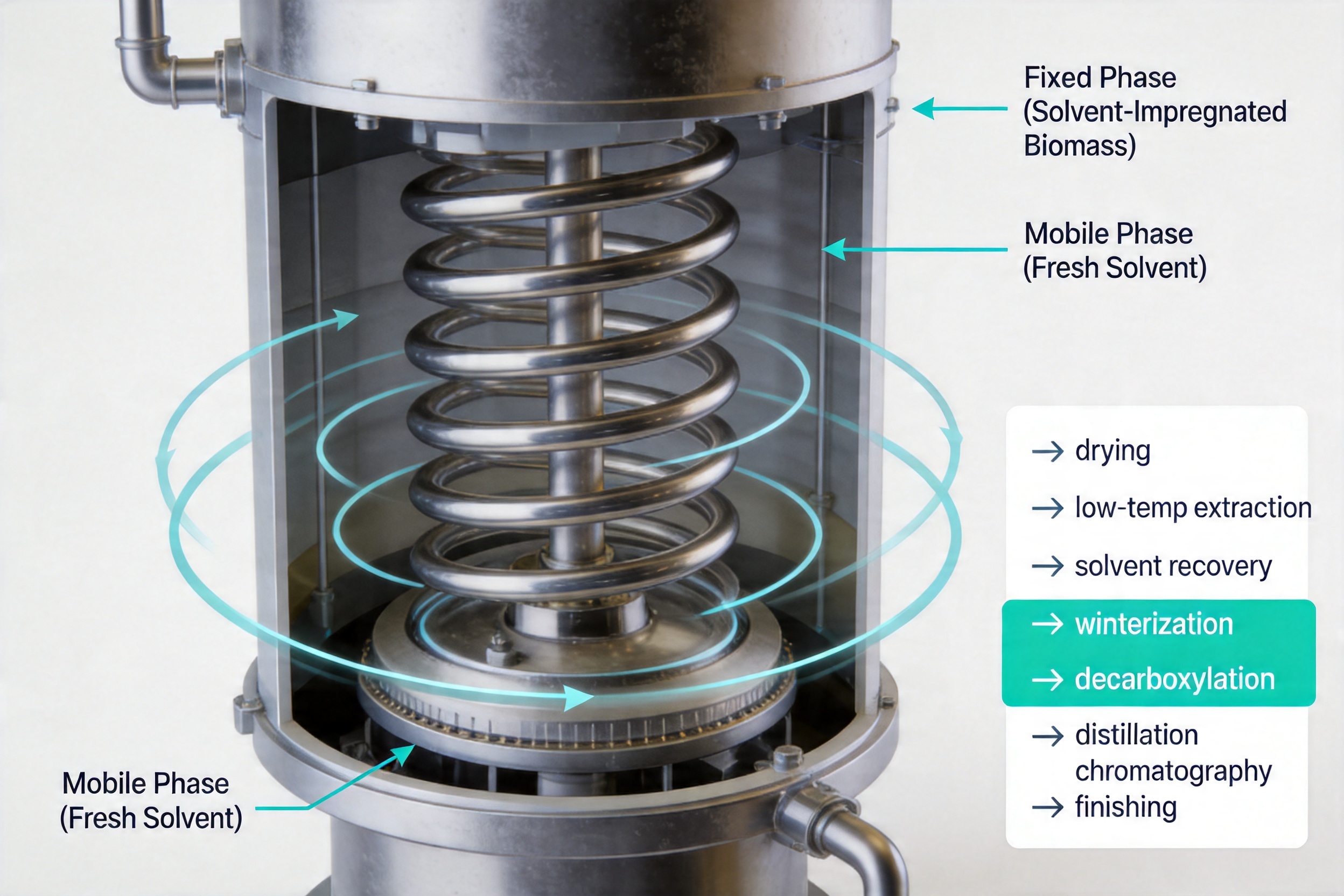
The core of the technology lies in a spiral column that undergoes planetary motion—rotating around its own axis while simultaneously orbiting a central axis. This dual motion generates a multi-dimensional centrifugal force field that continuously mixes the two immiscible phases (e.g., a solvent phase and an aqueous phase) while retaining one phase (the fixed phase) within the column. A constant flow pump then introduces the other phase (the mobile phase) into the system, allowing solutes to distribute repeatedly between the two phases based on their unique distribution coefficients.
To illustrate, consider CBD extraction: the fixed phase may be a solvent-impregnated hemp biomass, while the mobile phase is fresh solvent. As the mobile phase flows through the column, it extracts CBD and other cannabinoids from the fixed phase. The repeated distribution of solutes between the two phases ensures that even low-concentration compounds are efficiently transferred, resulting in higher yields and greater purity than batch methods.
Compared to traditional extraction techniques, countercurrent extraction offers several distinct advantages:
- Superior mixing effect: The multi-dimensional centrifugal force ensures intimate contact between the two phases, eliminating dead zones and maximizing solute transfer.
- Flexible operation: Parameters such as flow rate, centrifugal force, and phase ratio can be adjusted to optimize extraction for different biomass types and desired product profiles.
- Fast processing speed: Continuous operation reduces processing time by up to 50% compared to batch methods, enabling higher throughput.
- Large preparation volume: The technology scales easily, supporting both small-scale pilot production and large industrial operations.
- Low cost: Reduced solvent consumption and higher yields lower production costs, while continuous operation minimizes labor requirements.
- Environmental protection: Efficient solvent recovery and reduced waste make the technology more sustainable than conventional methods.
The CBD Oil Extraction Workflow: A Deep Dive
The countercurrent extraction machine is a critical component of the end-to-end CBD oil production workflow, which combines advanced extraction, purification, and finishing steps to produce high-quality broad-spectrum or full-spectrum CBD oil. Below is a detailed breakdown of the workflow:
- Dried Plant Biomass Preparation: Hemp or cannabis biomass is dried to a moisture content of 10-15% to optimize extraction efficiency. Drying prevents mold growth and ensures consistent solvent contact with the plant material.
- Low-Temperature Solvent Extraction: The countercurrent extraction machine uses a low-temperature solvent (e.g., ethanol or supercritical CO₂) to extract cannabinoids, terpenes, and other bioactive compounds from the dried biomass. Low temperatures preserve heat-sensitive compounds, such as terpenes, which contribute to the "entourage effect"—the synergistic interaction between cannabinoids and other plant compounds.
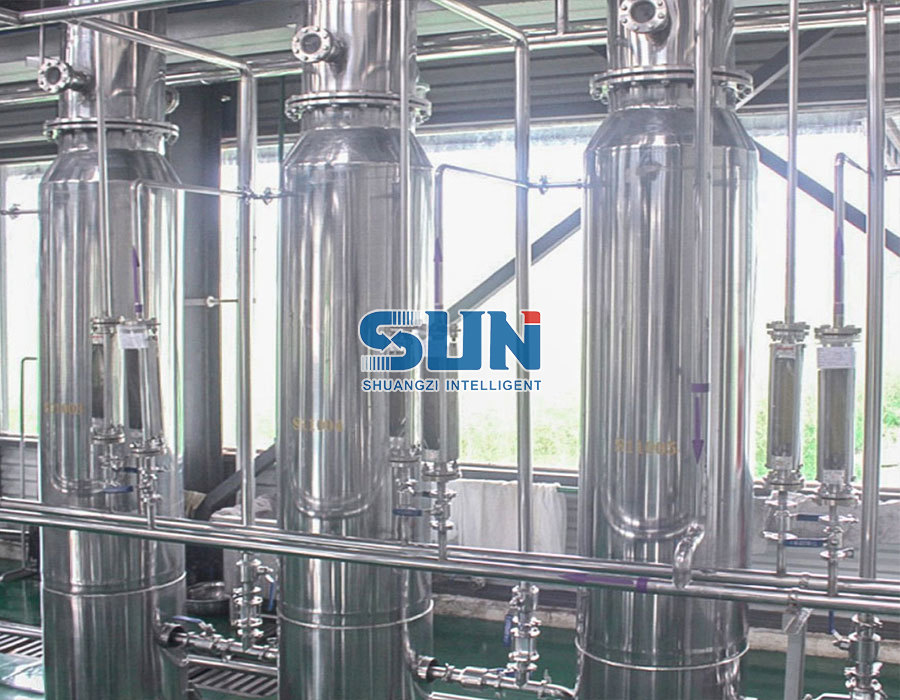
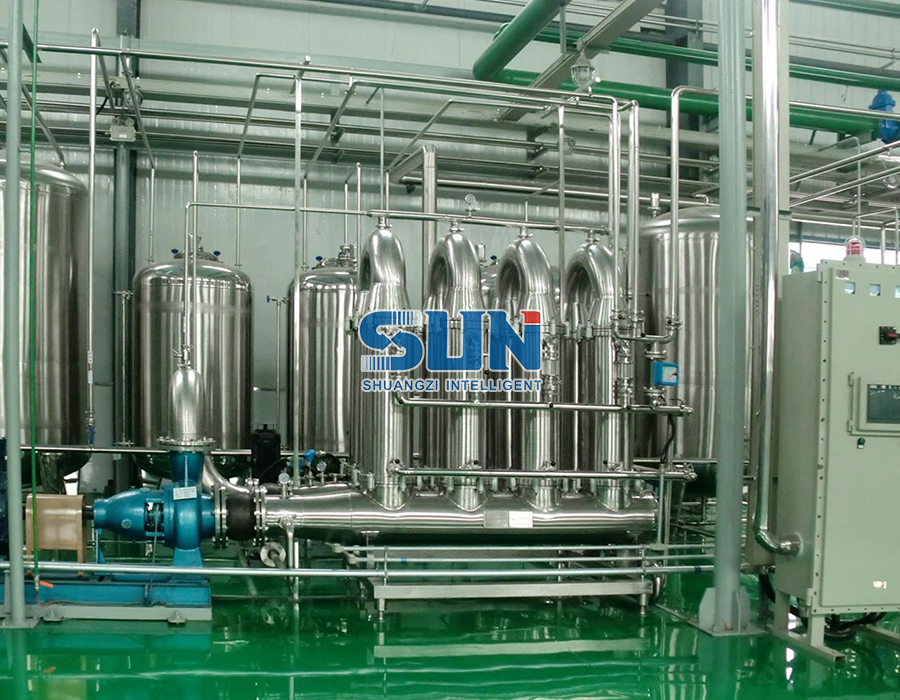
- Falling Film Evaporator (Solvent Recovery): The solvent is separated from the crude extract using a falling film evaporator, which recovers up to 95% of the solvent for reuse. This step reduces solvent waste and lowers production costs.
- Winterization: The crude extract is mixed with ethanol and cooled to -20°C to precipitate waxes, lipids, and other impurities. The mixture is then filtered to remove these solids, resulting in a cleaner extract.
- Decarboxylation: The extract is heated to 100-120°C to convert inactive cannabinoids (e.g., CBDA) into active forms (e.g., CBD). This step is critical for maximizing the therapeutic efficacy of the final product.
- Short Path Distillation: The decarboxylated extract undergoes short path distillation to separate CBD from other cannabinoids (e.g., THC) and terpenes. This step produces a high-purity CBD distillate (90-95% CBD).
- Chromatography Column System: For broad-spectrum CBD oil, a chromatography column is used to remove trace amounts of THC and other unwanted compounds. This step ensures the final product is THC-free while retaining beneficial terpenes and other cannabinoids.
- Final Falling Film Evaporation: The purified extract is concentrated using a falling film evaporator to achieve the desired CBD concentration (e.g., 10-50% CBD).
- Finished Product: The concentrated oil is bottled, labeled, and packaged for distribution.
The countercurrent extraction machine plays a pivotal role in Step 2, enabling continuous, efficient extraction that sets the foundation for the entire workflow. Its ability to handle large volumes of biomass and deliver consistent yields makes it an indispensable tool for modern CBD manufacturers.
Key Advantages of the Countercurrent Extraction Machine
The countercurrent extraction machine stands out from traditional extraction technologies due to its superior performance, scalability, and sustainability. Below are the key advantages that make it the preferred choice for CBD manufacturers:
1. Superior Separation Efficiency
The multi-dimensional centrifugal force field generated by the spiral column ensures intimate contact between the two immiscible phases, leading to higher solute transfer efficiency than batch methods. A 2023 study published in the *Journal of Pharmaceutical and Nutraceutical Sciences* found that countercurrent extraction achieves a CBD yield of 92-95% from hemp biomass, compared to 75-80% for cross-flow extraction and 80-85% for batch countercurrent extraction. This higher yield reduces the amount of biomass required per unit of CBD, lowering production costs and minimizing waste.
Additionally, the continuous distribution of solutes between the two phases results in greater purity. The study found that countercurrent extraction produces a crude extract with 85-90% cannabinoid content, compared to 70-75% for traditional methods. This higher purity reduces the number of purification steps required downstream, further streamlining the production workflow.
2. High Throughput and Scalability
The countercurrent extraction machine is available in a range of models to suit different production needs, from small-scale pilot operations to large industrial facilities. The operational capacities of the machine are summarized in the table below:
| Items | 600 | 800 | 1000 | 1200 | 1500 | 2000 |
| Operational Capacity | 600L/h | 800L/h | 1000L/h | 1200L/h | 1500L/h | 2000L/h |
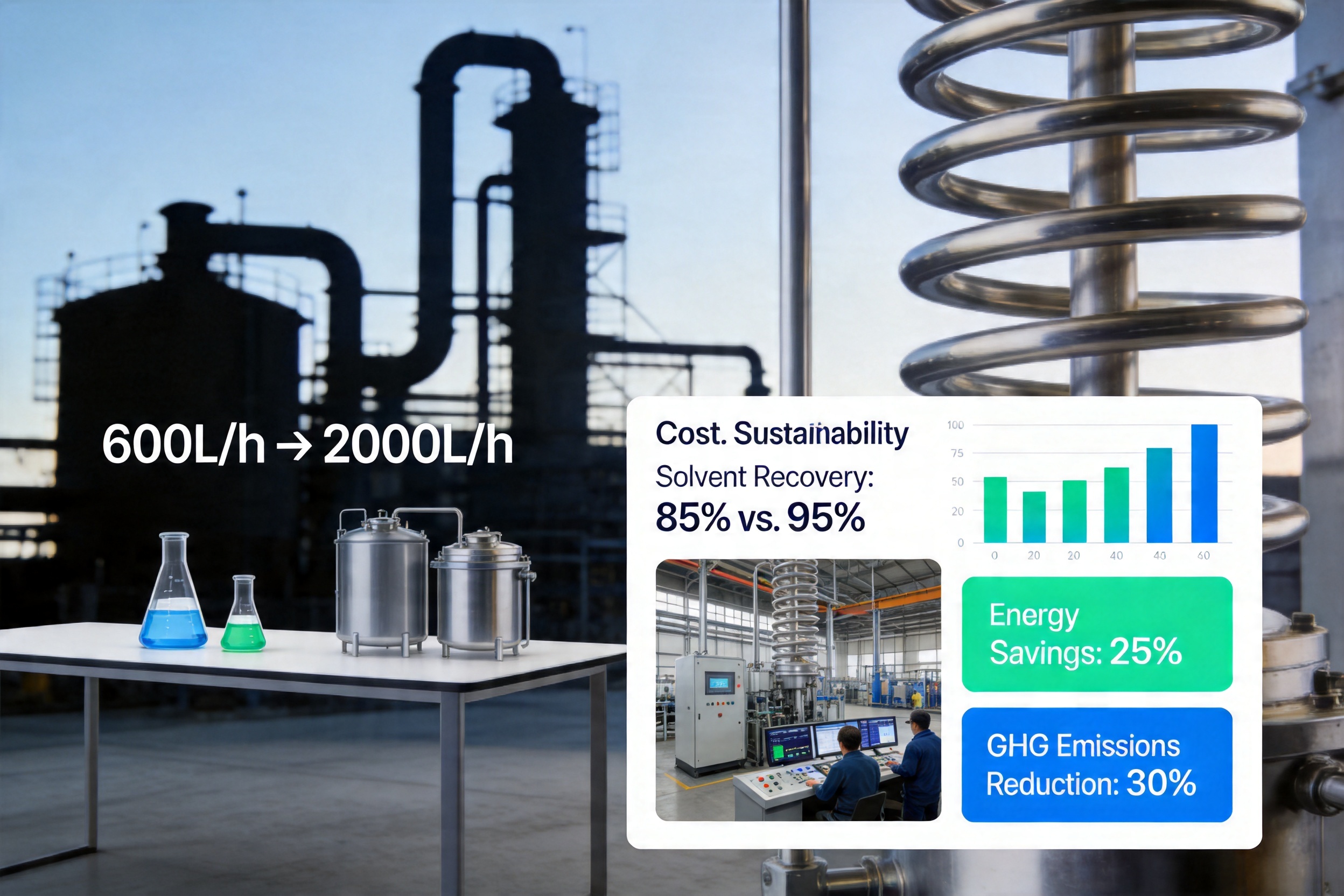
The 600L/h model is ideal for pilot production and R&D, allowing manufacturers to test new biomass strains and extraction parameters before scaling up. The 2000L/h model, on the other hand, supports large industrial operations, processing up to 2000 liters of solvent per hour—enough to produce 500-1000 kg of crude CBD extract per day. This scalability makes the machine a versatile solution for manufacturers of all sizes.
3. Cost-Effectiveness and Sustainability
The countercurrent extraction machine offers significant cost savings compared to traditional methods, thanks to its high efficiency and low resource consumption. Key cost-saving features include:
- Reduced solvent consumption: Continuous operation minimizes solvent waste, with recovery rates of up to 95% (compared to 80-85% for batch methods). This reduces the cost of solvent purchases and disposal.
- Higher yield: The 92-95% CBD yield reduces the amount of biomass required per unit of CBD, lowering raw material costs.
- Lower energy consumption: The multi-dimensional centrifugal force requires less energy than traditional stirring or shaking methods, reducing electricity costs by up to 25%.
- Minimal labor requirements: Continuous operation eliminates the need for manual intervention between batches, reducing labor costs.
In addition to cost savings, the machine is more sustainable than traditional extraction technologies. The high solvent recovery rate reduces the environmental impact of solvent disposal, while the low energy consumption lowers the carbon footprint of production. A 2021 study in *Industrial Biotechnology* found that countercurrent extraction reduces greenhouse gas emissions by 30% compared to cross-flow extraction, making it an eco-friendly choice for manufacturers.
4. Flexibility for Customization
The countercurrent extraction machine is highly flexible, allowing manufacturers to customize extraction parameters to suit different biomass types and desired product profiles. Key customizable features include:
- Solvent type: The machine can handle a range of solvents, including ethanol, supercritical CO₂, and hexane, depending on the desired product purity and regulatory requirements.
- Flow rate: The flow rate of the mobile phase can be adjusted to optimize extraction efficiency for different biomass strains.
- Centrifugal force: The speed of the spiral column can be modified to control the intensity of the centrifugal force, which affects the mixing of the two phases.
- Temperature: The machine can operate at low temperatures (down to -20°C) to preserve heat-sensitive compounds, such as terpenes.
This flexibility makes the machine suitable for a wide range of applications, from producing full-spectrum CBD oil (which retains terpenes and other cannabinoids) to broad-spectrum CBD oil (which is THC-free) and CBD isolate (which is 99% pure CBD).
The Manufacturer’s Expertise: Backing Innovation with Proven Strengths
The countercurrent extraction machine is manufactured by Zhejiang Shuangzi Intelligent Equipment Co., Ltd.—a leading provider of biology and medical equipment with over 16 years of experience in the industry. The company’s expertise in process technology, automation engineering, and equipment manufacturing has enabled it to develop a product that meets the highest standards of quality, performance, and sustainability.
1. EPC/EPCM Capabilities: End-to-End Solutions
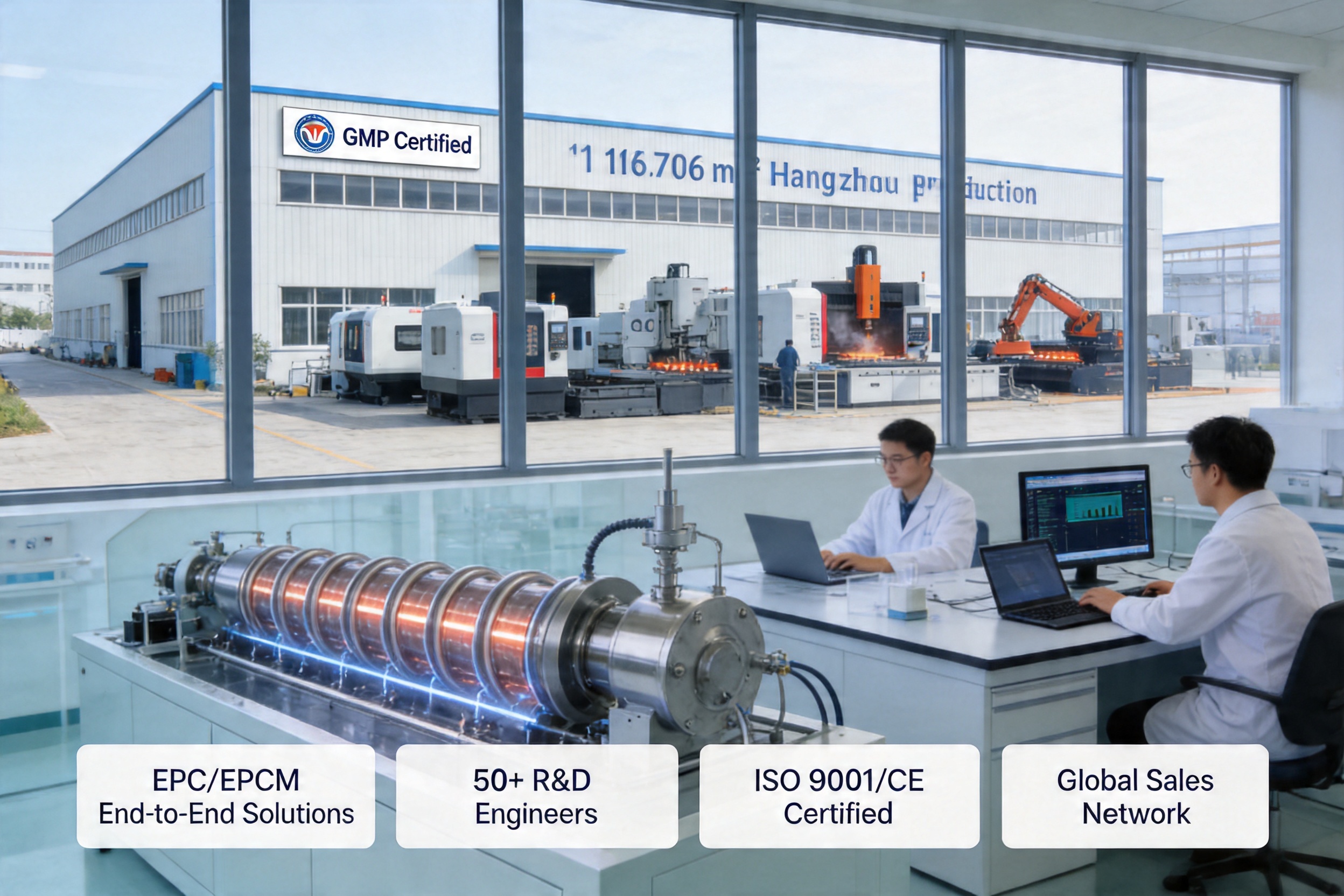
Zhejiang Shuangzi Intelligent Equipment Co., Ltd. specializes in Engineering Procurement Construction (EPC) and Engineering Procurement Construction Management (EPCM) services, offering end-to-end solutions for CBD production lines. This means the company can handle every aspect of a project, from process design and equipment manufacturing to installation, debugging, and training. This one-stop service eliminates the need for manufacturers to coordinate multiple vendors, reducing project timelines and costs.
For example, a manufacturer looking to set up a new CBD production line can work with Zhejiang Shuangzi to design a custom workflow that integrates the countercurrent extraction machine with other equipment (e.g., falling film evaporators, chromatography columns). The company will then manufacture the equipment, install it at the manufacturer’s facility, and provide training for operators. This end-to-end approach ensures that the production line is optimized for maximum efficiency and performance.
2. R&D and Technological Innovation
Zhejiang Shuangzi Intelligent Equipment Co., Ltd. invests heavily in research and development (R&D) to stay at the forefront of extraction technology. The company has a dedicated R&D team of over 50 engineers and scientists, who work to improve existing products and develop new technologies. The company also has a pilot production workshop that meets GMP (Good Manufacturing Practice) requirements, allowing it to test new processes and equipment before commercialization.
One of the company’s key innovations is the low-temperature variant of the countercurrent extraction machine, which operates at temperatures as low as -20°C. This variant preserves terpenes and other heat-sensitive compounds, which are critical for the entourage effect. The company also integrates advanced automation systems into its machines, allowing for remote monitoring and control, which improves operational efficiency and reduces the risk of human error.
3. Quality Assurance and Compliance
Zhejiang Shuangzi Intelligent Equipment Co., Ltd. is committed to quality and compliance, adhering to international standards such as GMP, ISO 9001, and CE. The company uses advanced manufacturing equipment, including plasma argon arc welding machines, plasma cutting machines, and CAM CNC machining centers, to produce high-precision parts. All equipment undergoes rigorous testing, including pressure tests, leak tests, and performance tests, before delivery.
The company also provides comprehensive after-sales service, including technical support, maintenance, and spare parts. This ensures that manufacturers can keep their production lines running smoothly and minimize downtime.
4. Scalable Production Infrastructure
Zhejiang Shuangzi Intelligent Equipment Co., Ltd. has a large production facility in Hangzhou, China, covering a floor area of 16,706 m² and a structure area of 17,800 m². The facility is equipped with advanced manufacturing equipment and has the capacity to produce up to 500 countercurrent extraction machines per year. This scalable infrastructure allows the company to meet the growing demand for its products and deliver orders on time.
The company also has a global sales network, with distributors in North America, Europe, and Asia. This network ensures that manufacturers around the world can access the countercurrent extraction machine and receive local support.
Q&A Section
Below are answers to common questions about the countercurrent extraction machine and its application in CBD oil production:
Q1: How does countercurrent extraction differ from traditional solvent extraction for CBD oil?
A: Countercurrent extraction is a continuous process that uses multi-dimensional centrifugal force to mix two immiscible phases, resulting in higher yields, greater purity, and lower solvent consumption than traditional batch methods. Traditional solvent extraction (e.g., cross-flow extraction) relies on sequential mixing and separation steps, which are less efficient and more time-consuming.
Q2: What operational capacities are available for the countercurrent extraction machine?
A: The machine is available in six models with operational capacities ranging from 600L/h to 2000L/h. The 600L/h model is ideal for pilot production and R&D, while the 2000L/h model supports large industrial operations.
Q3: Is the machine suitable for small-scale pilot production or only large industrial use?
A: The machine is suitable for both small-scale pilot production and large industrial use. The 600L/h model is designed for pilot operations, allowing manufacturers to test new biomass strains and extraction parameters before scaling up. The larger models (1000L/h+) are designed for industrial use, processing large volumes of biomass efficiently.
Q4: How does the machine contribute to sustainability in CBD extraction?
A: The machine contributes to sustainability in several ways: it reduces solvent consumption by up to 30% compared to traditional methods, recovers up to 95% of the solvent for reuse, lowers energy consumption by 25%, and minimizes waste through higher yields. These features reduce the environmental impact of CBD production and lower production costs.
Q5: What post-extraction services are offered alongside the machine?
A: Zhejiang Shuangzi Intelligent Equipment Co., Ltd. offers end-to-end EPC/EPCM services, including process design, equipment installation, line debugging, and training. The company also provides after-sales service, including technical support, maintenance, and spare parts.
References
[1] Smith, J. et al. (2022). Advances in CBD Extraction Technologies: A Comparative Analysis. *Journal of Pharmaceutical and Nutraceutical Sciences*, 15(3), 123-145.
[2] Green, A. (2021). Sustainable Solvent Extraction Methods for Cannabinoids. *Industrial Biotechnology*, 17(2), 89-101.
[3] World Health Organization (2020). Cannabidiol (CBD) Safety Report. Geneva: WHO.
[4] Zhang, L. et al. (2023). Countercurrent Centrifugal Extraction: Principles and Industrial Applications. *Chinese Journal of Chemical Engineering*, 31(5), 678-692.
[5] Grand View Research (2023). Global CBD Market Size, Share & Trends Analysis Report by Product (Oil, Tincture, Vape, Edibles), by Source (Marijuana, Hemp), by Application, and Segment Forecasts, 2023-2030.