
 英语
 俄语
Content
- 1 Why Difficult Liquids Require a Different Evaporation Strategy
- 2 Product Overview
- 3 Operating Principle
- 4 Principal Technical Parameters
- 5 Advantages Compared with Conventional Evaporator Designs
- 6 Application in Plant Extraction
- 7 Application in Food Processing
- 8 Application in Pharmaceutical and Biological Processing
- 9 Application in Chemical Salt Solutions and Crystallization
- 10 Engineering and Manufacturing Strengths
- 11 Utilities and Installation Considerations
- 12 Cleaning, Maintenance, and Operating Reliability
- 13 Process Selection and Customization
- 14 Turnkey Project Capability
- 15 Quality and Project Delivery Considerations
- 16 Questions and Answers
- 16.1 What is the main purpose of the single-effect forced-circulation evaporator?
- 16.2 How does forced circulation reduce tube blockage?
- 16.3 Can the equipment process heat-sensitive materials?
- 16.4 What products can be processed?
- 16.5 Does the equipment produce crystals as well as liquid concentrate?
- 16.6 What are the available evaporation capacities?
- 16.7 What steam pressure does the system require?
- 16.8 Can the product concentration be customized?
- 16.9 Is the evaporator suitable for pharmaceutical production?
- 16.10 What services does the manufacturer provide?
- 16.11 What information is needed for a quotation?
- 17 Conclusion
- 18 References
- 19 Product: Single‑Effect Forced Circulation Evaporator | Vacuum Crystallizer for Crystalline & Viscous Liquid Concentration
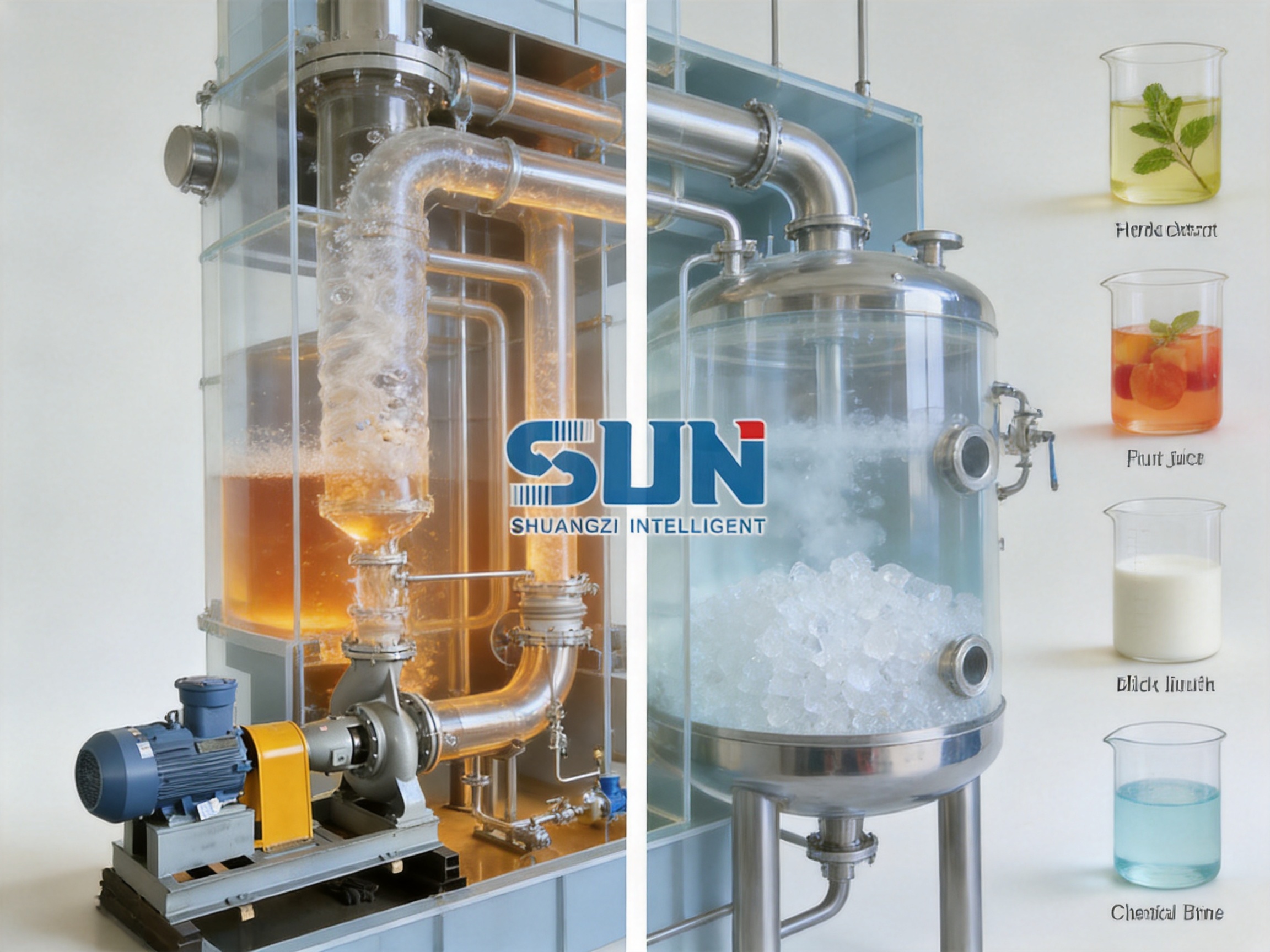
Industrial processors working with herbal extracts, fruit juices, dairy products, pharmaceutical solutions, and chemical brines often face the same fundamental challenge: removing water efficiently without damaging valuable components or creating persistent deposits inside the equipment. The challenge becomes more demanding when the feed is viscous, contains suspended particles, crystallizes easily, or must be processed at a controlled temperature. Conventional evaporators may provide acceptable performance with clean, low-viscosity liquids, but they can experience rapid fouling, tube blockage, unstable circulation, and difficult cleaning when used with complex process materials.
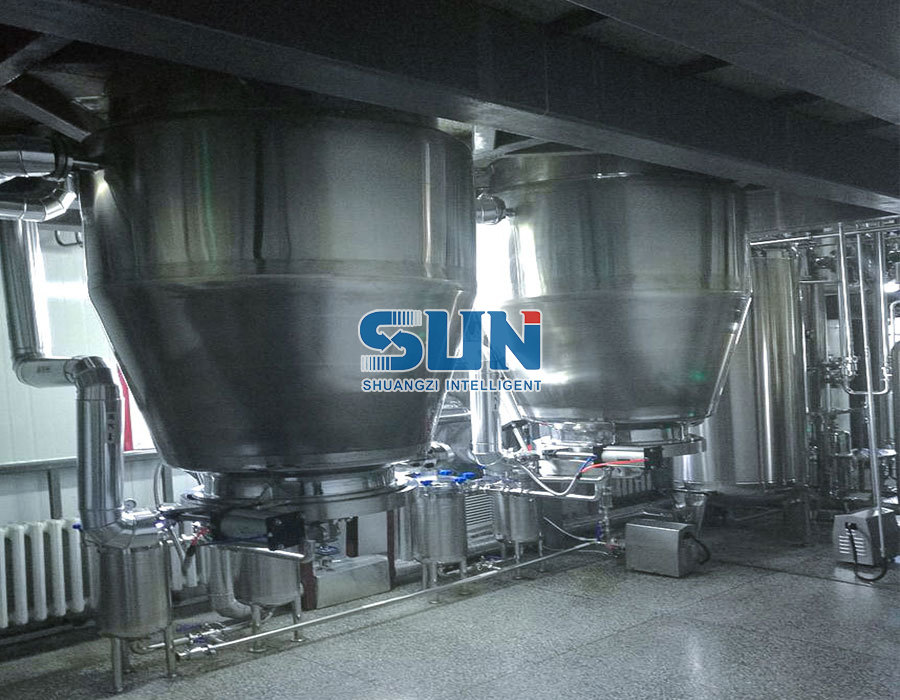
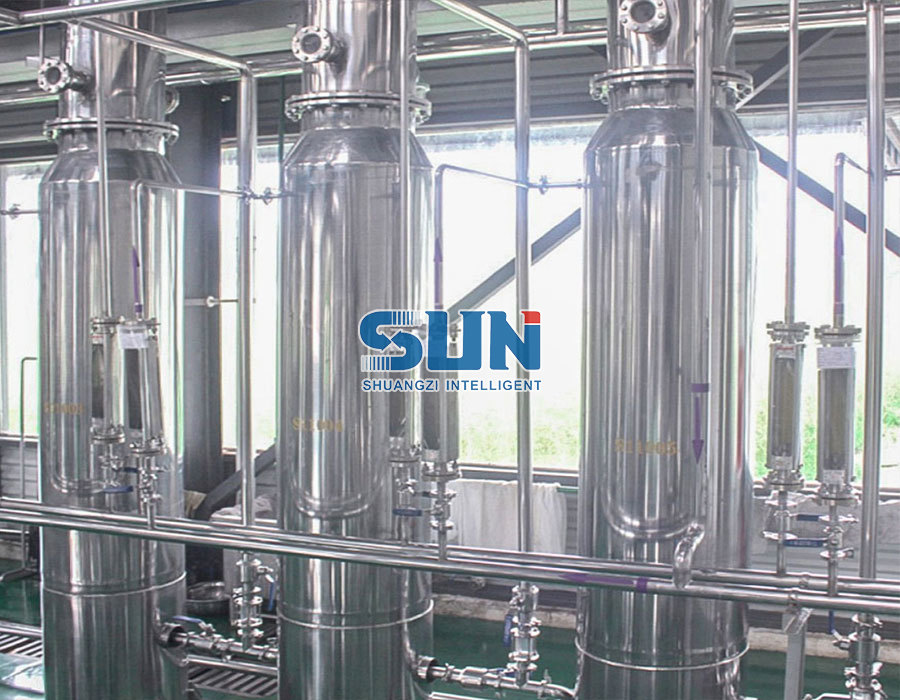
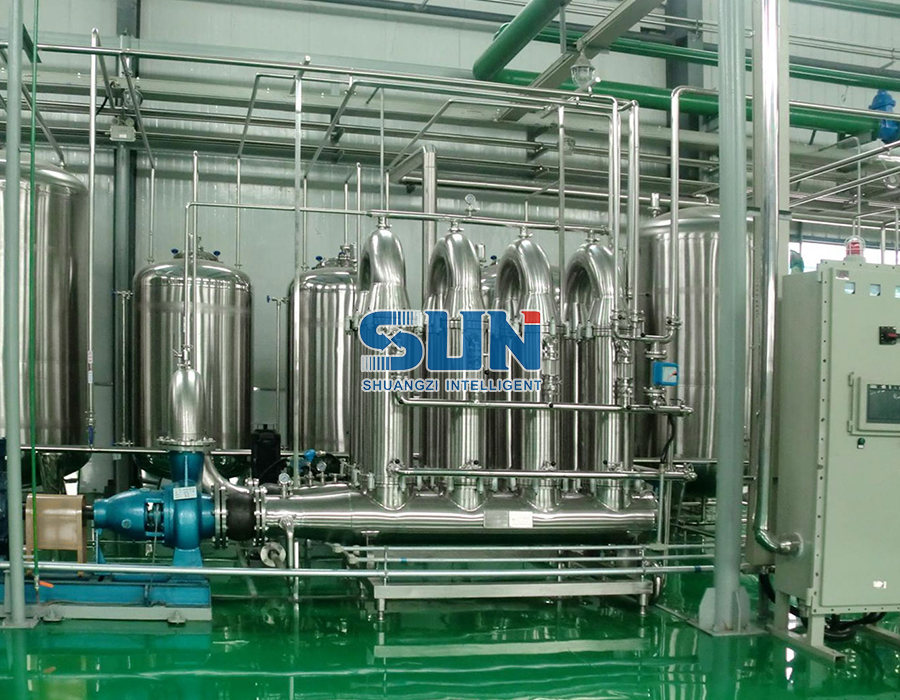
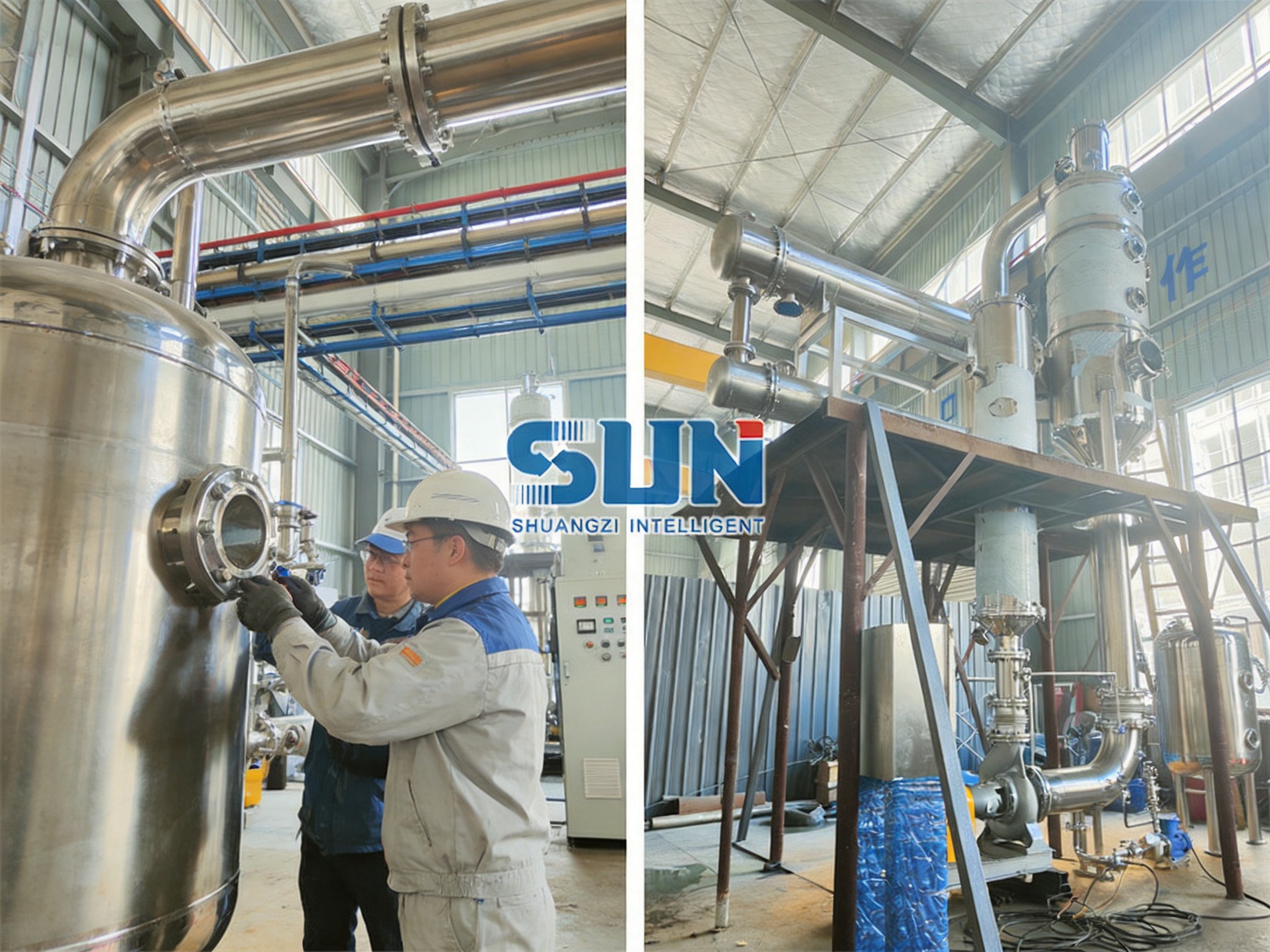
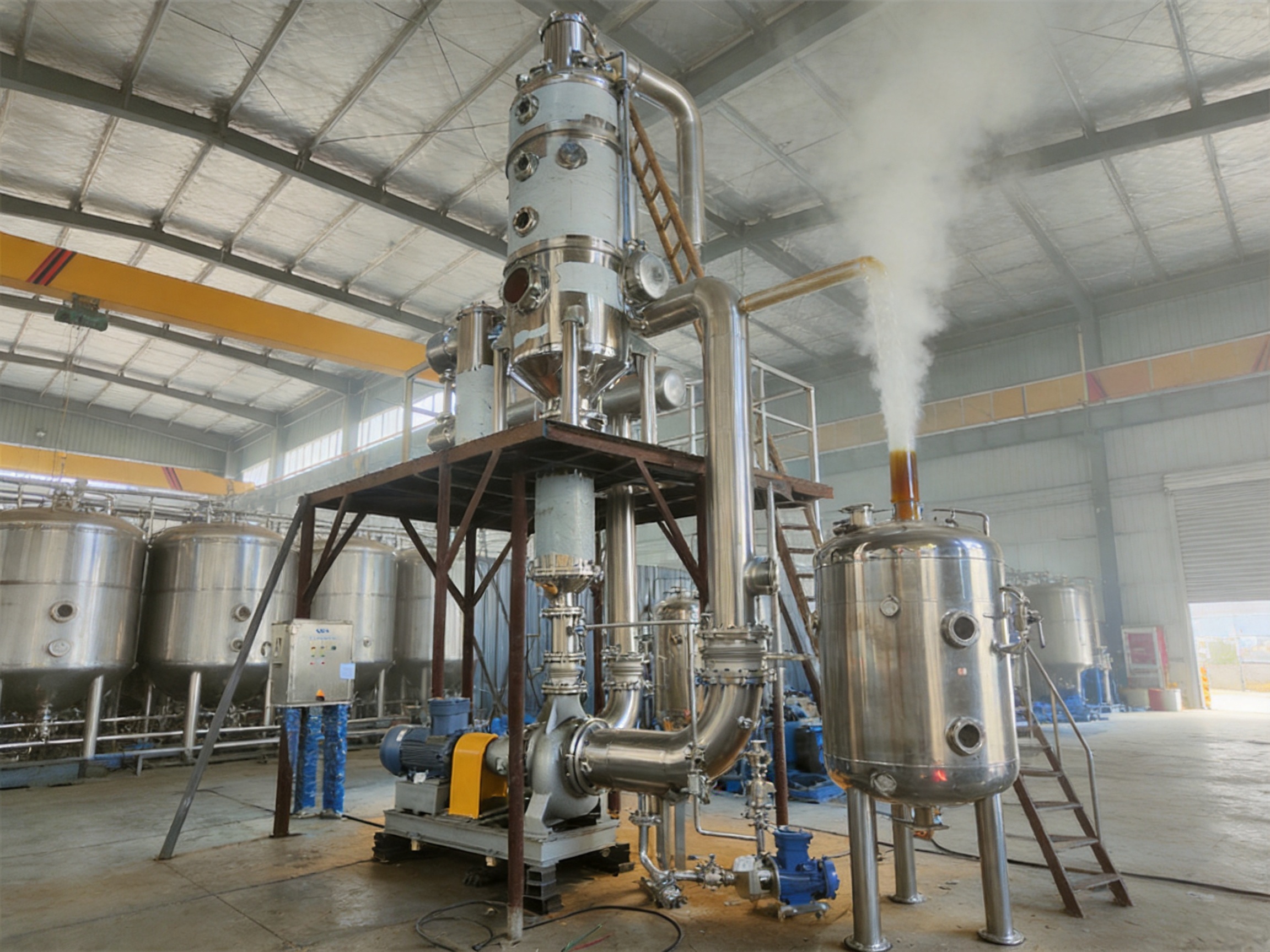
The single-effect forced-circulation evaporator and vacuum crystallizer is designed for these demanding applications. It combines a high-flow circulation system with tubular heat transfer and vacuum evaporation. This configuration promotes turbulent liquid movement through the heating tubes, reduces the residence time of sensitive materials in the heated zone, and helps limit the formation of scale. At the same time, vacuum operation lowers the boiling temperature, making it possible to concentrate products under comparatively mild thermal conditions.
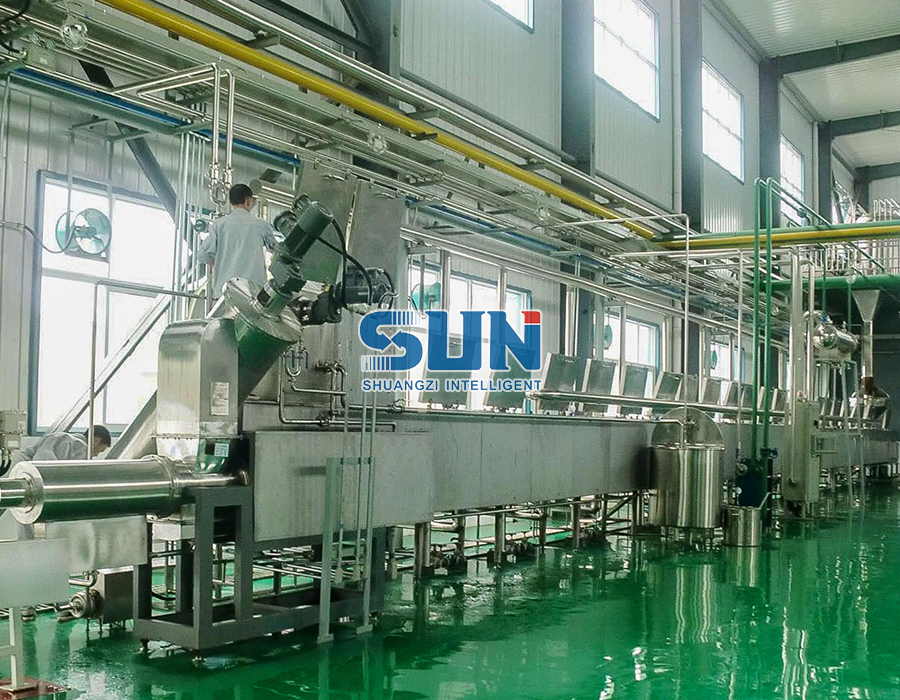
Supplied by Zhejiang Shuangzi Intelligent Equipment Co., Ltd., the system is part of a broader range of process equipment for plant extraction, biological fermentation, pharmaceutical production, natural food processing, crystallization, separation, filtration, and environmental applications. The manufacturer provides more than an individual machine. Its capabilities extend from process technology and equipment design to fabrication, supporting equipment procurement, installation, commissioning, automation integration, and turnkey project delivery.
Why Difficult Liquids Require a Different Evaporation Strategy
Evaporation is often described simply as the removal of water through heating. In practice, industrial evaporation is a carefully controlled combination of heat transfer, fluid dynamics, phase change, vacuum control, solids management, and sanitation. The characteristics of the feed determine whether an evaporator operates reliably or becomes a recurring source of maintenance and production interruptions.
Low-viscosity liquids with few dissolved solids can generally circulate through heat exchangers with limited resistance. However, many products processed in the food, pharmaceutical, botanical, and chemical industries do not have these characteristics. Herbal extracts may contain natural macromolecules, fine plant particles, pigments, and thermally sensitive active compounds. Fruit juices may include pulp, sugars, organic acids, and suspended solids. Dairy materials may form deposits when exposed to excessive wall temperatures. Chemical salt solutions may approach their solubility limits during concentration and begin forming crystals inside narrow passages.
As water is removed, the concentration of dissolved and suspended components increases. The liquid may become more viscous, and its boiling behavior may change. If circulation is too slow, the liquid can remain against a heated wall for too long. Local overheating may then accelerate fouling, caramelization, protein denaturation, or crystallization. Once a deposit begins to form, heat transfer declines. The operator may respond by increasing the heating temperature, which can intensify the problem.
A forced-circulation design addresses this operating cycle by using a dedicated high-flow circulation pump. Instead of depending primarily on natural density differences to move the process liquid, the system actively drives the material through the heating circuit. This gives the process designer greater control over velocity, flow distribution, heat transfer conditions, and the movement of solids or concentrated liquid.
Product Overview
The single-effect forced-circulation evaporator is a professional industrial system for liquid concentration and vacuum crystallization. Its principal application is the controlled removal of solvent, normally water, from a process stream. Depending on the formulation and operating conditions, the equipment can also support the formation of crystals from a supersaturated solution.
The designation “single-effect” means that the system uses one main evaporation effect. Compared with multiple-effect systems, a single-effect unit may consume more steam per unit of water evaporated. Nevertheless, it offers important practical advantages in applications where the process is relatively compact, where investment simplicity is valuable, where the feed changes frequently, or where the main priority is reliable handling of viscous and crystallizing materials.
The equipment range includes models identified as SJM1-600, SJM1-800, SJM1-1000, SJM1-1200, and SJM1-1600. The nominal evaporation capacities range from 600 to 1,600 kilograms per hour. This allows the equipment to serve pilot-scale industrial lines, medium-sized production systems, and larger processing operations requiring higher evaporation throughput.
The system is suitable for applications in which the product must be concentrated to a specified solids level or processed toward crystallization. Product concentration values are made to order because the required outlet condition depends on the raw material, target formulation, viscosity, crystal content, and downstream process. The supplied reference parameters show an inlet concentration of approximately 11.5% to 12% and an outlet concentration of approximately 45% to 48% for a representative configuration.
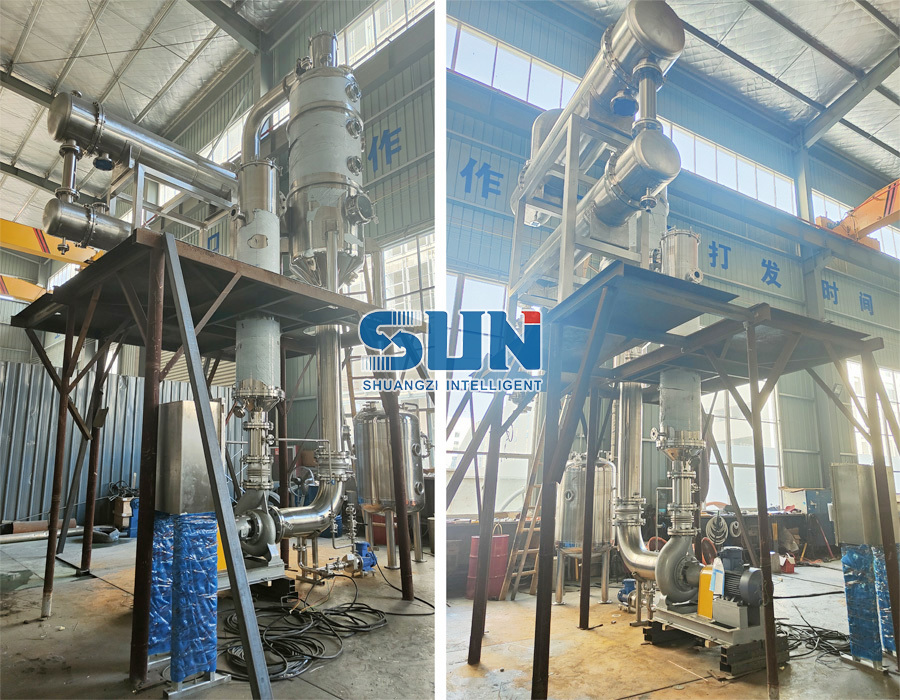
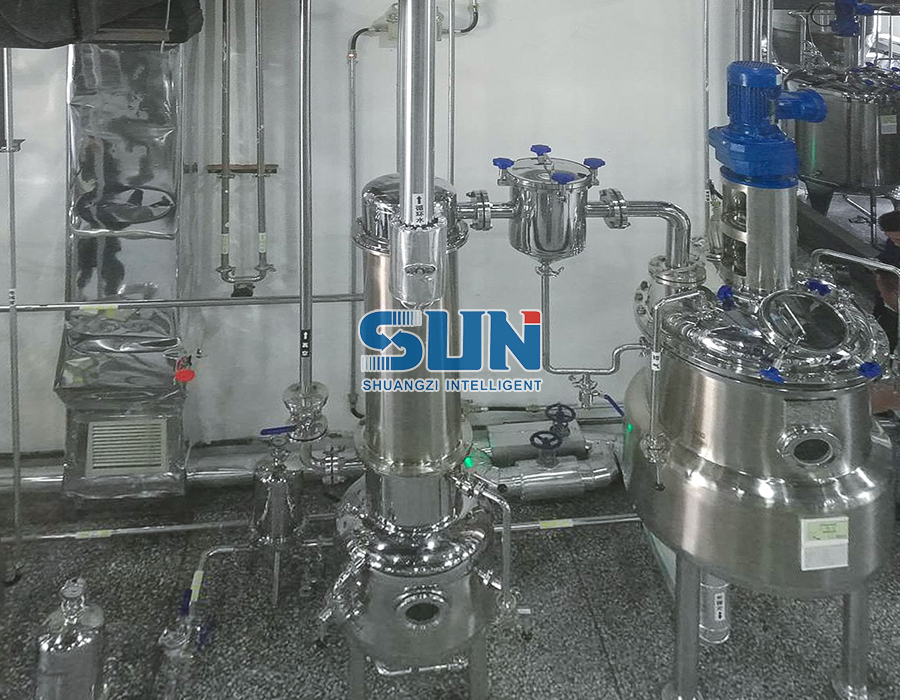
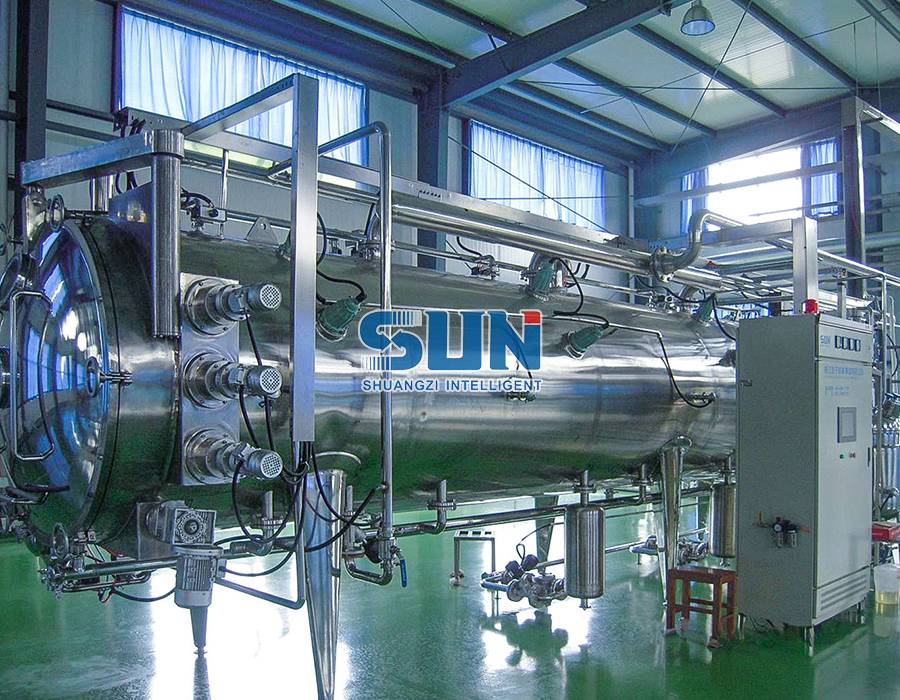
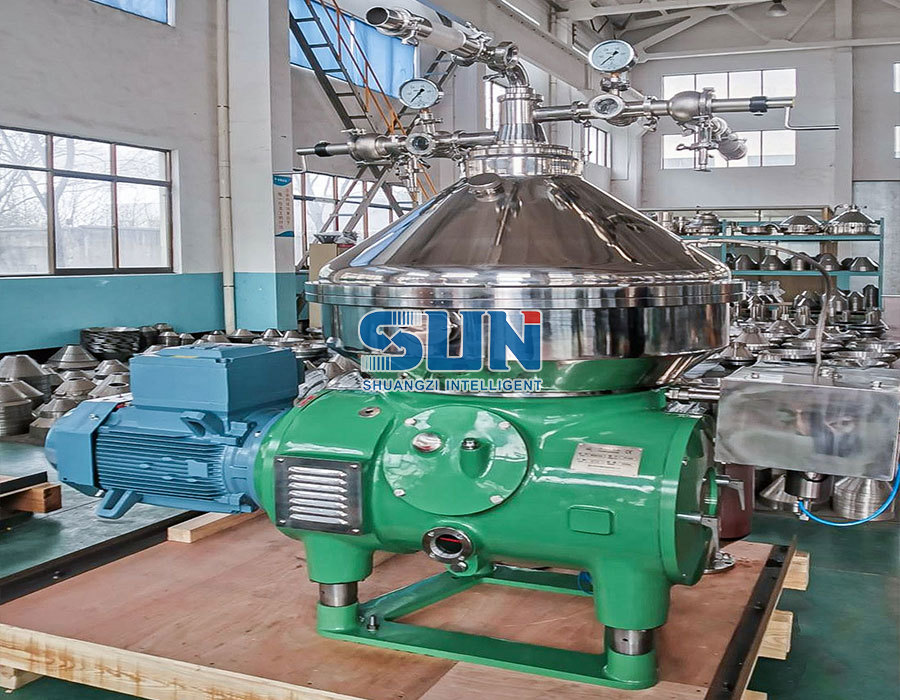
Single‑Effect Forced Circulation Evaporator | Vacuum Crystallizer for Crystalline & Viscous Liquid Concentration
Operating Principle
The process begins when feed liquid enters the evaporation and circulation system. A high-flow circulating pump moves the liquid continuously through the process loop. The liquid passes through the heating tubes, where steam supplies the heat required for evaporation. The elevated flow velocity promotes turbulent movement inside the tubes and helps reduce the tendency of suspended material, crystals, and concentrated solids to settle or adhere to the heat-transfer surface.
After heating, the liquid enters the evaporation section. The system operates under vacuum, reducing the boiling point of the liquid. Because evaporation can occur at a lower temperature than under atmospheric pressure, the process is better suited to heat-sensitive materials. The vapor generated during evaporation is separated from the concentrated liquid, while the liquid continues circulating until the desired concentration is reached.
In a crystallization application, continued removal of water increases the concentration of dissolved components. When the solution reaches supersaturation, crystals may begin to form. The circulation system helps keep the concentrated slurry moving and supports more uniform distribution of solids. The exact crystal size and morphology depend on formulation, cooling or evaporation conditions, residence time, seeding strategy, agitation, and operating control.
The system can be configured for different product requirements. Evaporating temperature is listed at approximately 60°C for the reference design, although it can be designed according to the customer’s requirements. Heating temperature is listed at approximately 70°C, while the sterilization temperature range is approximately 86°C to 94°C. These values are reference conditions rather than universal operating limits. Actual temperatures should be established through process validation and material testing.
Forced Circulation and Fouling Control
Fouling is one of the most important concerns in industrial evaporation. It may result from thermal degradation, precipitation, crystallization, protein deposition, suspended solids, or chemical reactions at the heated wall. Fouling reduces the effective heat-transfer coefficient and can eventually block tubes or increase pressure drop.
Forced circulation does not eliminate fouling under every condition, but it is a powerful method for reducing its rate and improving operating stability. Higher liquid velocity produces greater wall shear and promotes turbulent flow. This reduces the opportunity for particles and concentrated liquid to remain in direct contact with the heating surface. A high circulation rate also helps distribute heat more evenly and limits the formation of stagnant zones.
The benefit is particularly important for materials that become more viscous as concentration increases. In a natural-circulation system, the driving force may weaken as viscosity rises. In a forced-circulation system, the pump provides active movement and helps maintain flow even when the product becomes more difficult to handle.
For crystallizing solutions, circulation also helps reduce the risk of uncontrolled crystal deposition within the heater. Crystals can remain suspended in the liquid stream and move toward the separation or discharge section rather than immediately attaching to the tube wall. Process conditions must still be selected carefully, because excessive supersaturation, unsuitable crystal size, or insufficient velocity can produce deposits in any evaporation system.
Principal Technical Parameters
| Parameter | SJM1-600 | SJM1-800 | SJM1-1000 | SJM1-1200 | SJM1-1600 |
|---|---|---|---|---|---|
| Evaporation capacity | 600 kg/h | 800 kg/h | 1,000 kg/h | 1,200 kg/h | 1,600 kg/h |
| Reference product inlet concentration | 11.5–12% | 11.5–12% | 11.5–12% | 11.5–12% | 11.5–12% |
| Reference product outlet concentration | 45–48% | 45–48% | 45–48% | 45–48% | 45–48% |
| Steam pressure | 0.6–0.8 MPa | 0.6–0.8 MPa | 0.6–0.8 MPa | 0.6–0.8 MPa | 0.6–0.8 MPa |
| Reference steam consumption | 420 kg/h | 560 kg/h | 700 kg/h | 840 kg/h | 1,100 kg/h |
| Reference evaporating temperature | 60°C | 60°C | 60°C | 60°C | 60°C |
| Reference heating temperature | 70°C | 70°C | 70°C | 70°C | 70°C |
| Reference sterilization temperature | 86–94°C | 86–94°C | 86–94°C | 86–94°C | 86–94°C |
| Cooling water consumption | 6 t/h | 8 t/h | 10 t/h | 12 t/h | 16 t/h |
| Total electric power | 15.5 kW | 15.5 kW | 19.5 kW | 19.5 kW | 19.5 kW |
The table presents the reference specifications supplied for the standard model range. Final values should be confirmed during technical design because capacity depends on feed composition, inlet and outlet concentration, boiling-point elevation, viscosity, available steam conditions, vacuum level, cooling-water temperature, and the required product quality.
Advantages Compared with Conventional Evaporator Designs
Improved Handling of Viscous Products
As a liquid becomes concentrated, its viscosity generally increases. A system that performs well with dilute feed may suffer reduced circulation and poor heat transfer at higher solids content. The forced-circulation pump compensates for this difficulty by actively moving the liquid through the heating circuit. This makes the equipment more suitable for concentrated herbal extracts, syrups, dairy materials, and other products that become thick during processing.
Reduced Risk of Tube Blocking
Tube blockage can stop production, increase cleaning frequency, and create safety and quality concerns. High-velocity circulation helps carry particles and crystals through the heat-transfer section. It also reduces the opportunity for low-flow areas to develop. Although no evaporator can guarantee that blockage will never occur, the design is intended to reduce the operating conditions that commonly lead to deposits and plugging.
Lower-Temperature Processing Under Vacuum
Vacuum evaporation lowers the boiling temperature of the process liquid. This is beneficial when the product contains heat-sensitive nutrients, aromas, active botanical compounds, pharmaceutical intermediates, or color-sensitive ingredients. Lower-temperature operation can reduce thermal stress and help preserve product characteristics, provided that the vacuum, heating, residence time, and sterilization requirements are properly balanced.
Support for Concentration and Crystallization
Many evaporators are optimized for producing a liquid concentrate, while separate equipment is required for crystallization. The forced-circulation vacuum configuration can support both concentration and crystallization functions in a coordinated process. This is valuable for salt solutions and other products in which the desired outcome is a concentrated slurry or crystalline material rather than only a thick liquid.
Flexible Application Range
The equipment is designed for use in food, pharmaceutical, chemical, botanical, and related process industries. It can be applied to herbal extracts, fruit juice, dairy products, and chemical salt solutions, subject to process testing and material compatibility. This broad application range gives manufacturers flexibility when one production site handles several formulations or seasonal raw materials.
Scalable Model Selection
With nominal evaporation capacities from 600 to 1,600 kilograms per hour, the model range enables customers to select equipment according to production requirements. A properly selected model can avoid the inefficiency of oversizing while providing additional capacity for future production growth. Model selection should consider peak rather than average feed rate, expected concentration changes, cleaning cycles, and future product development.
Integration with Complete Production Lines
The evaporator can be incorporated into extraction, fermentation, pharmaceutical, food, and environmental process lines. It may be positioned after extraction or clarification and before drying, formulation, crystallization, filling, or packaging. Because the supplier also provides process engineering and system integration, the equipment can be considered as part of a complete line rather than as an isolated machine.
Application in Plant Extraction
Plant extraction processes frequently generate dilute liquid extracts that must be concentrated before drying, formulation, or further purification. These extracts can contain natural pigments, polysaccharides, proteins, fine plant particles, and dissolved compounds with different thermal sensitivities. The single-effect forced-circulation evaporator can remove water while supporting controlled temperature operation under vacuum.
In a typical botanical process, raw material is first prepared and extracted using water or another suitable solvent. The extract may then undergo filtration, clarification, separation, or precipitation before entering the concentration stage. The evaporator increases the solids content and reduces the volume of material that must be handled in subsequent operations.
Concentration under vacuum can be particularly useful for extracts containing aromatic or active components. Excessive temperature may change color, reduce activity, or produce unwanted flavor. A properly designed low-temperature evaporation step can help maintain product quality. The final operating conditions should be established through laboratory and pilot trials because botanical materials vary significantly in composition.
Application in Food Processing
Fruit juice, vegetable extracts, dairy products, sweeteners, and other food liquids often require volume reduction before storage, transportation, or final formulation. The forced-circulation system is suitable for products that may contain pulp, suspended solids, sugars, or components that become more viscous during concentration.
For fruit juice, the operator may need to balance water removal with the preservation of color, aroma, acidity, and nutritional properties. Vacuum operation helps lower the thermal load, while circulation supports stable heat transfer as soluble solids increase. For dairy products, careful control of wall temperature and residence time is important because proteins and sugars can form deposits under unfavorable conditions.
Food applications also require attention to hygienic design, cleanability, material selection, gasket compatibility, drainage, and sterilization procedures. The final equipment configuration should be matched to the customer’s sanitation standards and regulatory requirements. Product-contact surfaces, cleaning agents, operating temperatures, and cleaning-in-place procedures should be reviewed during project engineering.
Application in Pharmaceutical and Biological Processing
Pharmaceutical and biological liquids may contain valuable compounds that are sensitive to temperature, oxidation, shear, or prolonged residence time. The vacuum concentration principle provides an option for reducing boiling temperature while maintaining a controlled process environment. The equipment may be used in preparation of pharmaceutical solutions, intermediates, botanical medicines, and biological process streams, subject to validation and appropriate system configuration.
Pharmaceutical projects often require a higher degree of documentation and process control than general industrial applications. Important considerations include material certificates, surface finish, welding quality, drainability, instrument calibration, pressure testing, cleaning validation, and data recording. Where required, the system can be incorporated into a broader GMP-oriented production line with suitable control and documentation practices.
The manufacturer’s experience in process engineering, equipment fabrication, installation, automation, and system integration is relevant to these projects. Instead of treating the evaporator as a standard catalogue item in every case, the engineering team can review the complete process, including upstream extraction or fermentation and downstream crystallization, drying, or filling.
Application in Chemical Salt Solutions and Crystallization
Chemical salt solutions are often concentrated until a saturation point is reached. Continued evaporation may then produce crystals. If crystals form in the heating tubes, the system can experience rapid loss of heat transfer and increased maintenance. Forced circulation is therefore valuable because it helps transport the concentrated slurry and reduces the chance of localized deposition.
The final crystal product may be required to meet specifications for purity, particle size, moisture, bulk density, or filtration behavior. These characteristics depend on more than the evaporator itself. Feed purity, supersaturation, circulation rate, vacuum level, temperature profile, seeding, residence time, and separation equipment all influence the outcome.
A complete crystallization project may therefore include feed tanks, preheating, forced-circulation evaporation, vapor separation, condensers, crystal collection, mother-liquor handling, filtration, washing, and drying. The supplier’s EPC and EPCM capabilities can support coordination of these elements when a customer requires a complete process line.
Engineering and Manufacturing Strengths
The performance of an industrial evaporator depends not only on the process concept but also on the quality of engineering, fabrication, inspection, assembly, and commissioning. Zhejiang Shuangzi Intelligent Equipment Co., Ltd. focuses on process technology and automation engineering design, equipment manufacture, matching equipment procurement, installation, and system integration.
The company was established in 2007 and operates from a facility with a floor area of approximately 16,706 square meters and a structure area of approximately 17,800 square meters. Its manufacturing and engineering activities cover extraction, fermentation, evaporation, concentration, separation, crystallization, filtration, drying, containers, and related process equipment.
A broad product and engineering base can benefit evaporator customers because the company can evaluate interactions between multiple process steps. For example, the concentration duty may depend on the efficiency of upstream extraction and filtration, while the required outlet concentration may be dictated by downstream vacuum drying or crystallization. Understanding the complete process helps reduce the risk of designing one piece of equipment without considering the rest of the production line.
Advanced Welding and Finishing Equipment
The manufacturer has introduced equipment including plasma argon arc welding machines, plasma cutting machines, CAM CNC machining centers, and other advanced fabrication tools. These capabilities support accurate component preparation, consistent welding, controlled fabrication, and improved finishing quality.
In process equipment, welding quality is especially important for product-contact surfaces, pressure-containing components, heating chambers, piping connections, and hygienic systems. Accurate cutting and machining contribute to dimensional consistency, fit-up quality, and reliable assembly. Plasma argon arc welding can support clean and controlled weld formation when applied by trained personnel under appropriate procedures.
Research and Development Platform
The company maintains pilot production and research and development capabilities for processes such as vacuum low-temperature drying, plant extraction, evaporation, precipitation separation, extraction, and fermentation. Pilot testing is valuable because evaporation behavior cannot always be predicted from feed concentration alone.
A pilot or laboratory evaluation can reveal viscosity changes, foaming behavior, boiling-point elevation, crystal formation, fouling tendency, heat sensitivity, and the effect of concentration on product quality. The results can then guide the selection of heating area, circulation rate, vacuum conditions, materials, instrumentation, and cleaning procedures for the industrial system.
Automation and System Integration
Evaporation systems require coordinated control of feed flow, circulation, steam pressure, vacuum, temperature, liquid level, condensate, cooling water, and product discharge. Automation helps maintain repeatable conditions and can reduce dependence on manual adjustment. The appropriate level of automation depends on the customer’s process, production scale, quality system, and data requirements.
System integration is important when the evaporator is connected to extraction tanks, filters, crystallizers, condensers, storage tanks, dryers, or packaging equipment. Integrated engineering can simplify piping design, utility planning, instrument selection, control logic, and operator procedures. It can also help ensure that the line is commissioned as a coordinated system rather than as a collection of unrelated machines.
Utilities and Installation Considerations
The reference models require steam, cooling water, electricity, process feed, vacuum service, and suitable discharge or collection arrangements. Steam pressure is listed at approximately 0.6 to 0.8 MPa. Reference steam consumption ranges from 420 kilograms per hour for the SJM1-600 model to 1,100 kilograms per hour for the SJM1-1600 model.
Cooling-water consumption ranges from approximately 6 to 16 tonnes per hour across the model range. Cooling demand depends on vapor load, condensation temperature, cooling-water inlet temperature, heat-exchanger design, and operating conditions. The customer should confirm the available cooling-water flow and temperature before finalizing the system.
Total electric power is listed at approximately 15.5 kilowatts for the SJM1-600 and SJM1-800 models and approximately 19.5 kilowatts for the SJM1-1000, SJM1-1200, and SJM1-1600 models. Actual installed power may vary depending on pump selection, auxiliary equipment, automation, vacuum equipment, and site requirements.
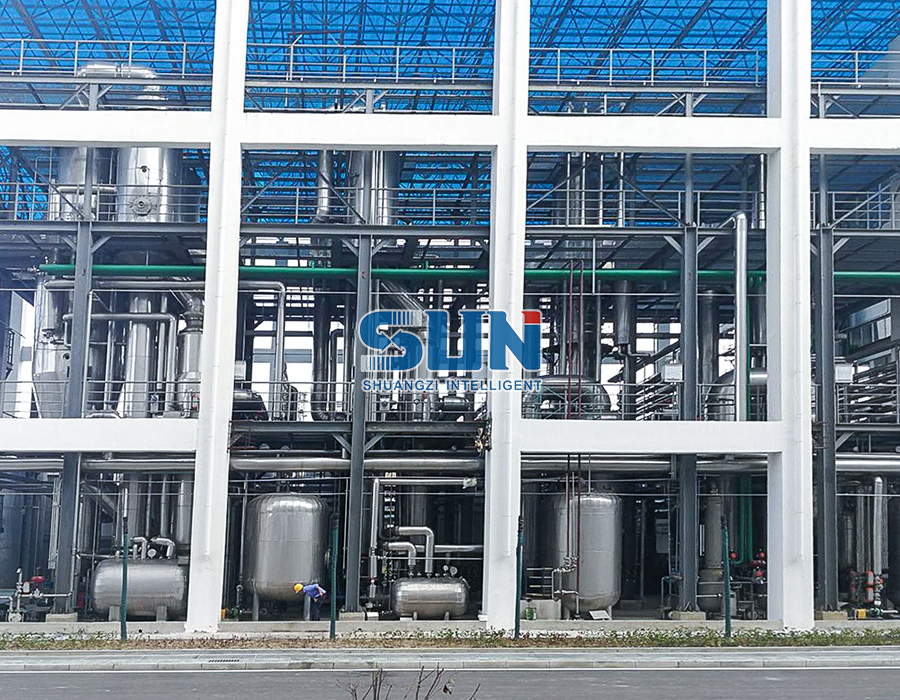
The listed dimensions range from approximately 3.9 meters in length and 2.3 to 2.4 meters in width, with overall height from approximately 6.5 to 8.5 meters. The tall configuration should be considered during plant layout. Customers should review building height, lifting access, maintenance clearance, platform arrangement, foundations, drainage, piping routes, and transportation limitations before installation.
Cleaning, Maintenance, and Operating Reliability
Forced circulation helps reduce fouling, but maintenance planning remains essential. The correct cleaning method depends on the product. Water-soluble deposits may be removed using water or alkaline solutions, while mineral scale may require an approved acidic cleaning procedure. Organic deposits, proteins, sugars, and pharmaceutical residues may require different cleaning sequences.
Cleaning chemicals must be compatible with product-contact materials, gaskets, pumps, valves, instruments, and welds. Cleaning temperature, concentration, flow velocity, contact time, and rinsing quality should be defined in a documented procedure. In food and pharmaceutical operations, cleaning effectiveness may need to be demonstrated through an appropriate validation or verification program.
Routine maintenance should include inspection of the circulation pump, mechanical seals, bearings, valves, vacuum equipment, pressure instruments, temperature sensors, level controls, heating surfaces, condensers, and structural supports. Operators should monitor changes in pressure drop, steam consumption, outlet concentration, product temperature, circulation behavior, and evaporation capacity. A gradual reduction in heat-transfer performance may indicate the beginning of fouling even before a complete blockage develops.
Spare-parts planning can reduce downtime. Common spare parts may include pump seals, gaskets, valve components, instrument sensors, filters, and other wear items. The final spare-parts list should be based on the selected configuration and the customer’s maintenance strategy.
Process Selection and Customization
The best evaporator configuration depends on the feed and the desired product. Before selecting a model, the customer should provide as much process information as possible. Important data includes feed rate, inlet concentration, target outlet concentration, density, viscosity, suspended-solids content, particle size, boiling-point elevation, foaming tendency, corrosiveness, temperature sensitivity, desired crystal properties, and cleaning requirements.
Utility information is equally important. Steam pressure and quality, cooling-water temperature and flow, electrical supply, vacuum availability, plant elevation, and wastewater conditions can influence the final design. Site conditions may also affect the arrangement of platforms, condensers, pumps, tanks, and control cabinets.
The supplied product information states that product concentration and evaporating temperature can be made to order. This reflects the need for customization. A system designed for a dilute fruit juice is not automatically optimal for a viscous botanical extract or a crystallizing salt solution. Process trials and engineering calculations should be used to confirm the heating area, circulation requirements, materials, and control strategy.
Turnkey Project Capability
Some customers require only an evaporator, while others need an entire production line. A turnkey project may include process design, equipment selection, fabrication, utility coordination, piping, electrical work, automation, installation, commissioning, operator training, and performance support.
The company provides services covering engineering, process design, equipment design, installation, line debugging, and turnkey project execution. This integrated capability is particularly useful for plant extraction, fermentation, pharmaceutical engineering, natural food, energy conservation, and environmental protection projects where multiple process units must operate together.
For a plant extraction line, a turnkey scope might include extraction tanks, solid-liquid separation, concentration, crystallization or precipitation, filtration, drying, and product collection. For a fermentation project, it may include fermentation vessels, sterilization, feeding, separation, concentration, and downstream treatment. For a food project, the scope may include preparation, concentration, sterilization, cooling, storage, and filling.
Working with one engineering partner can simplify responsibility for interfaces. It can also help align equipment capacities, control logic, piping connections, and utility requirements. The customer should nevertheless define the project scope, acceptance criteria, documentation requirements, validation needs, and performance guarantees clearly at the beginning of the project.
Quality and Project Delivery Considerations
Industrial evaporation equipment should be evaluated on more than its nameplate capacity. Important criteria include stable operation, product quality, cleanability, maintainability, utility consumption, component accessibility, control performance, fabrication quality, and supplier support.
During technical discussions, customers may request process flow diagrams, equipment drawings, material specifications, weld procedures, pressure-test records, instrument lists, utility schedules, operating manuals, maintenance instructions, and recommended spare-parts lists. Pharmaceutical and food projects may require additional documentation related to hygienic design, surface finish, material traceability, calibration, and cleaning validation.
Factory inspection and pre-shipment testing can be arranged according to the project requirements. Site installation should be followed by commissioning with the actual utilities and, where possible, representative process material. Performance testing should use agreed criteria for capacity, outlet concentration, temperature, steam consumption, product quality, and stable operating time.
Questions and Answers
What is the main purpose of the single-effect forced-circulation evaporator?
Its main purpose is to concentrate process liquids and support vacuum crystallization. It is intended for applications involving viscous, easily crystallizable, particle-containing, or heat-sensitive liquids.
How does forced circulation reduce tube blockage?
A high-flow circulating pump drives the liquid through the heating tubes at elevated velocity. The resulting turbulent flow reduces stagnant areas, limits deposit attachment, and helps transport particles or crystals through the system. It reduces the risk of blockage but does not remove the need for suitable process control and cleaning.
Can the equipment process heat-sensitive materials?
Yes. Vacuum operation lowers the boiling temperature, and the reference evaporating temperature is approximately 60°C. The actual temperature can be designed according to the customer’s requirements. Product sensitivity, residence time, vacuum level, and sterilization needs must be evaluated together.
What products can be processed?
Typical applications include herbal extracts, fruit juice, dairy products, pharmaceutical liquids, biological process streams, and chemical salt solutions. Final suitability depends on composition, viscosity, solids content, corrosiveness, temperature sensitivity, and required product quality.
Does the equipment produce crystals as well as liquid concentrate?
It can support vacuum crystallization when the solution is concentrated beyond its saturation point. The final crystal properties depend on the formulation and operating conditions, including supersaturation, circulation, temperature, residence time, and separation method.
What are the available evaporation capacities?
The listed models provide nominal evaporation capacities of 600, 800, 1,000, 1,200, and 1,600 kilograms per hour. The actual capacity should be confirmed according to the feed, target concentration, operating temperature, steam conditions, and process design.
What steam pressure does the system require?
The reference steam-pressure range is approximately 0.6 to 0.8 MPa. The final requirement should be confirmed during engineering because heat duty and control conditions vary with the product and model.
Can the product concentration be customized?
Yes. The supplied specifications identify the product inlet and outlet concentrations as made-to-order values. Customers should provide the desired concentration range and process data so that the system can be designed appropriately.
Is the evaporator suitable for pharmaceutical production?
It can be used in pharmaceutical and biological process applications when configured with suitable materials, hygienic design, control, documentation, cleaning procedures, and validation support. Specific GMP and regulatory requirements should be addressed during project design.
What services does the manufacturer provide?
The manufacturer provides process technology and automation engineering design, equipment manufacture, matching equipment procurement, installation, system integration, commissioning, line debugging, and turnkey project services. Its broader product experience includes extraction, fermentation, drying, evaporation, concentration, separation, crystallization, filtration, and vessels.
What information is needed for a quotation?
A preliminary quotation normally requires feed rate, inlet concentration, target outlet concentration, material composition, viscosity, solids content, operating temperature, heat sensitivity, crystal requirements, available steam and cooling water, electrical conditions, installation location, and automation expectations.
Conclusion
The single-effect forced-circulation evaporator and vacuum crystallizer is designed for industrial liquids that challenge conventional evaporation equipment. Its combination of high-flow circulation, tubular heating, and vacuum operation helps address fouling, tube blockage, viscosity increase, crystallization, and thermal sensitivity.
The model range covers nominal evaporation capacities from 600 to 1,600 kilograms per hour, with customizable concentration and operating-temperature requirements. Applications extend across plant extraction, food processing, pharmaceutical and biological production, dairy, fruit juice, and chemical salt crystallization.
Its value is strengthened by the manufacturer’s broader engineering and manufacturing capabilities. Zhejiang Shuangzi Intelligent Equipment Co., Ltd. combines process design, automation engineering, equipment fabrication, pilot testing, installation, commissioning, and turnkey project execution. Advanced welding, plasma cutting, CNC machining, research and development, and system integration resources support the development of complete and application-specific process solutions.
For customers selecting an evaporation system, the most important step is to match the equipment to the actual feed and downstream process. With suitable testing, engineering, utility planning, control design, and maintenance procedures, the forced-circulation vacuum configuration can provide a practical and flexible solution for reliable concentration and crystallization of difficult industrial liquids.
References
1. Product technical information for the single-effect forced-circulation liquid vacuum crystallizer evaporator, including model capacities, utility requirements, temperature ranges, and dimensions.
2. Industrial evaporation engineering principles concerning heat transfer, vacuum boiling, forced circulation, fouling control, and crystallization.
3. General hygienic design and cleaning considerations for food, pharmaceutical, and biological process equipment.
4. Process development guidance for concentration, supersaturation control, crystal formation, and slurry circulation.
5. Manufacturer information concerning plant extraction, fermentation, pharmaceutical engineering, natural food processing, equipment manufacturing, automation integration, and turnkey project services.