
 英语
英语 俄语
俄语Content
- 1 Product Overview
- 2 Core Technical Specifications
- 3 Why Stainless Steel Fermenters Matter in Biological Production
- 4 Applications Across Multiple Industries
- 5 Mechanical Stirring and Oxygen Transfer
- 6 Sealed Structure and Contamination Control
- 7 Sterilization in Place for Safer and More Efficient Operation
- 8 Advanced Process Interfaces for Control and Monitoring
- 9 Large Viewing Mirror for Real-Time Observation
- 10 Scalability from Pilot Research to Industrial Production
- 11 Competitive Advantages Over Conventional Fermentation Equipment
- 12 Manufacturing Strengths Behind the Equipment
- 13 Importance of Welding, Polishing, and Fabrication Precision
- 14 Automation and System Integration Advantages
- 15 Process Design Support for Diverse Fermentation Systems
- 16 Material Selection: SUS304 and SUS316L
- 17 Mechanical Sealing for Reliable Operation
- 18 Compact Structure and Convenient Use
- 19 Role in Turnkey Biological Production Projects
- 20 Quality, Reliability, and Long-Term Value
- 21 How the Fermenter Supports Product Quality
- 22 Suitable Users and Project Scenarios
- 23 Practical Selection Considerations
- 24 Q&A Section
- 24.1 Q1: What is the main purpose of a stainless steel biological fermenter?
- 24.2 Q2: What capacity range is available for this fermentation system?
- 24.3 Q3: What materials are used for the tank?
- 24.4 Q4: Why is mechanical stirring important?
- 24.5 Q5: What type of agitator is used?
- 24.6 Q6: How does the equipment reduce contamination risk?
- 24.7 Q7: What process parameters can be monitored or controlled?
- 24.8 Q8: Is the system suitable for biological fertilizer fermentation?
- 24.9 Q9: Can it be used in pharmaceutical fermentation?
- 24.10 Q10: What makes this system different from a normal mixing tank?
- 24.11 Q11: Why is sterilization in place important?
- 24.12 Q12: Does the manufacturer provide turnkey project support?
- 25 Conclusion
- 26 References
- 27 Product: Stainless Steel Fermenter Biological fermentation system
Modern biological fermentation requires more than a simple vessel. It requires a complete, controlled, hygienic, and scalable system capable of supporting microbial growth, cellular metabolism, product formation, sterilization, aeration, agitation, monitoring, and repeatable batch performance. The stainless steel fermenter biological fermentation system is designed for precisely this purpose. It is a closed bioreactor platform used for cultivating microorganisms or cells in controlled industrial, pilot, and research environments. It is widely applicable to dairy processing, food fermentation, beverage production, fruit wine, biotechnology, pharmaceutical engineering, biological fertilizer, microbial pesticide, enzyme production, and precision chemical industries.
The system combines a stainless steel tank body, sealed tank cover, mechanical agitation, inlet and outlet ports, exhaust structure, sterilization capability, temperature control, pH control, dissolved oxygen monitoring, defoaming interface, inoculation port, and other standard interfaces into an integrated fermentation solution. Its purpose is to create a stable internal environment where microorganisms can grow, reproduce, metabolize, and produce target materials under carefully controlled process conditions.
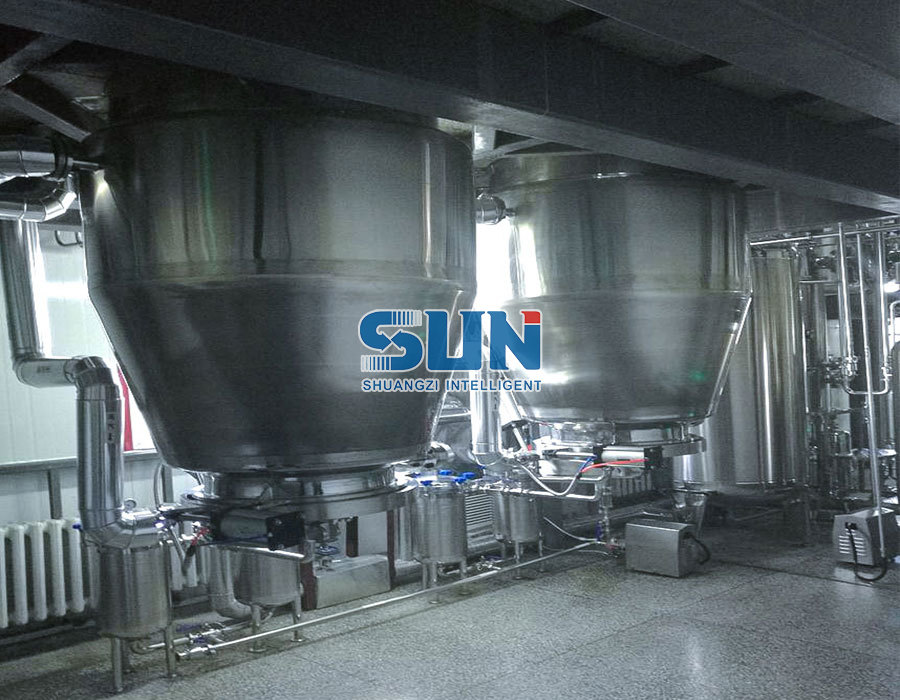
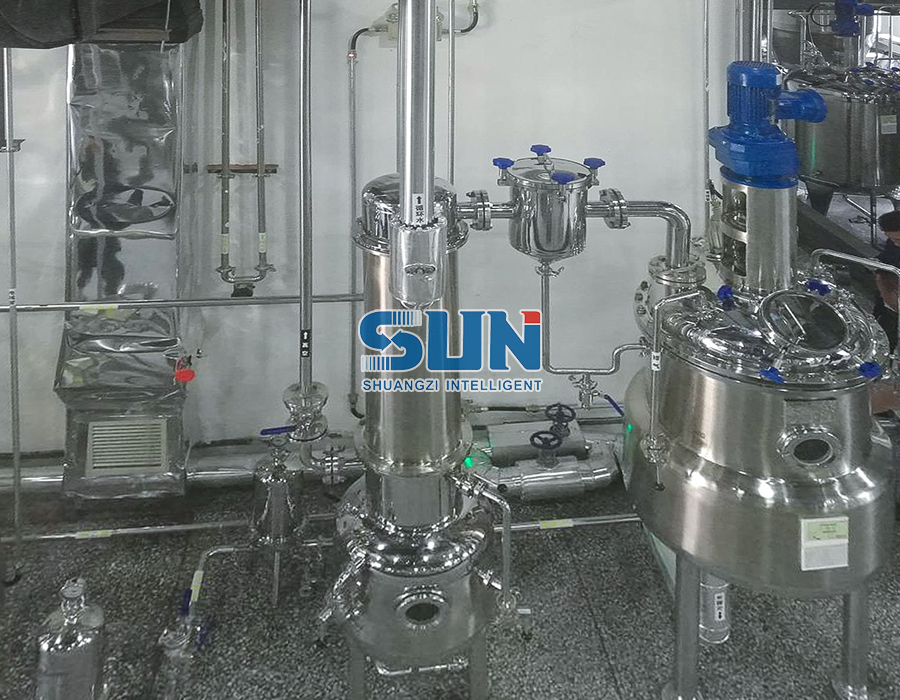
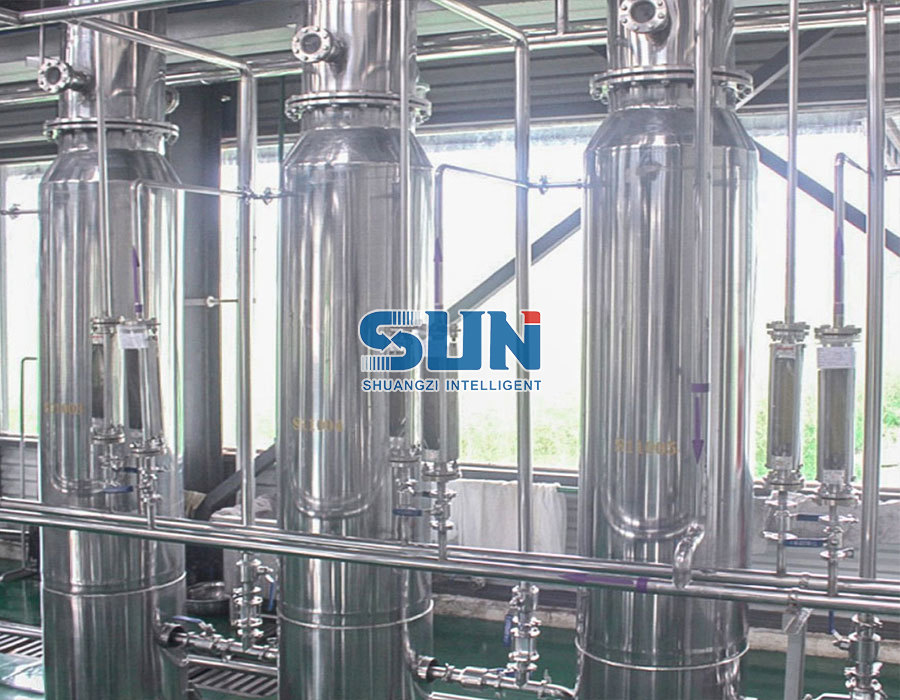
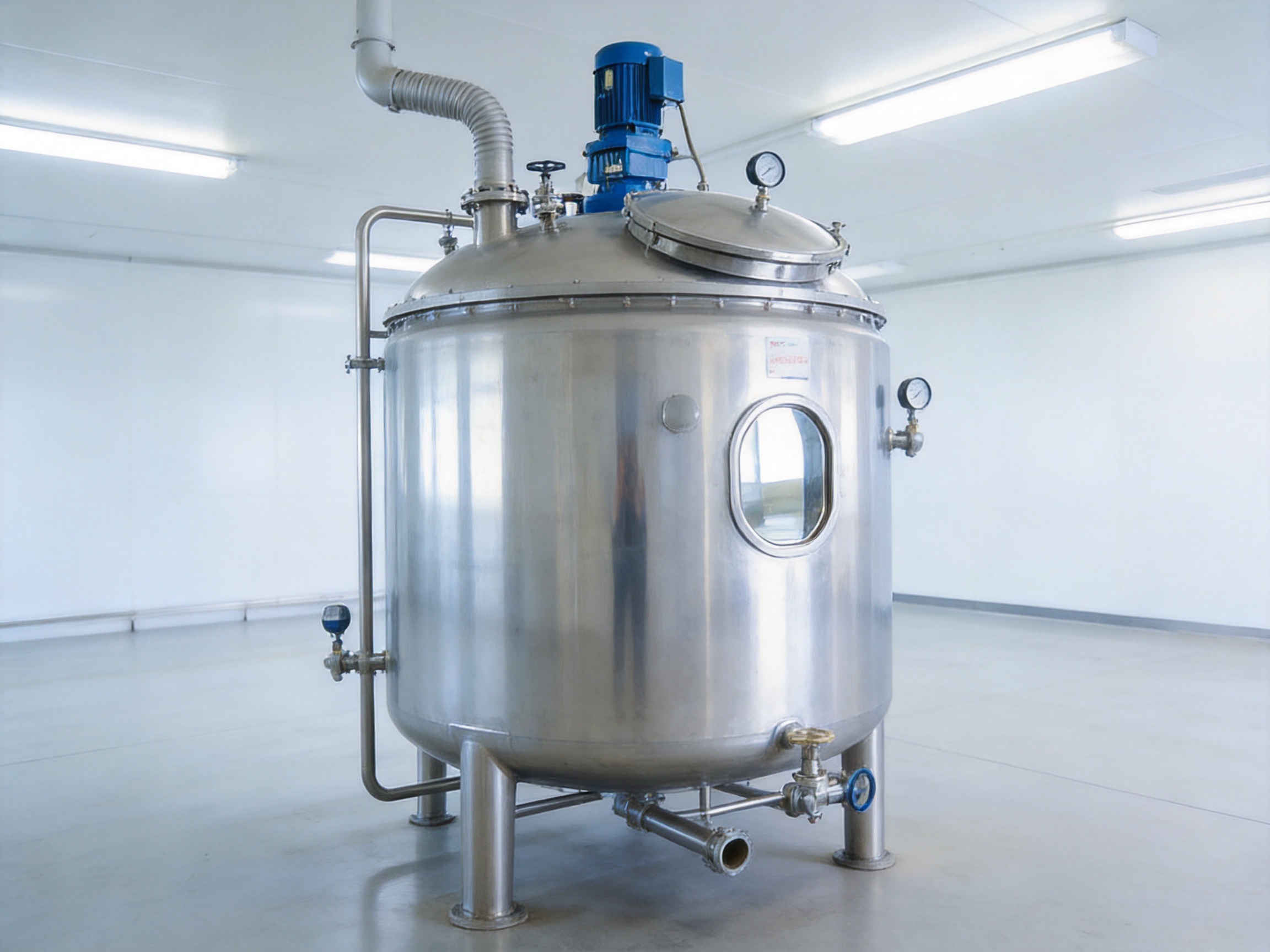
Stainless Steel Fermenter Biological fermentation system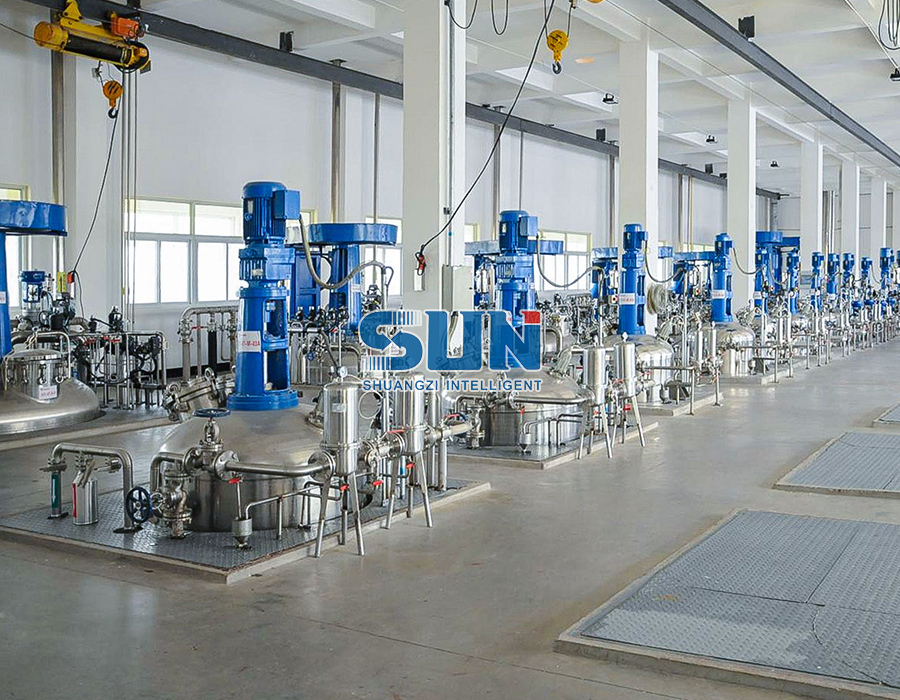
Product Overview
The stainless steel fermenter biological fermentation system is built as a closed container or bioreactor. In industrial fermentation, the closed structure is essential because it helps isolate the fermentation broth from external air pollution and unwanted microbial contamination. For many biological processes, the purity and activity of the microbial strain directly determine the quality, safety, and yield of the final product. A well-designed fermenter therefore protects the process, improves repeatability, and helps users maintain stable production quality.
Mechanical stirring is one of the most widely used and reliable configurations in fermentation engineering. In this system, a mechanical stirrer mixes air and fermentation broth effectively, promoting oxygen dissolution and ensuring that dissolved oxygen is supplied to microorganisms during growth and metabolism. Oxygen transfer is especially important in aerobic fermentation processes such as Bacillus thuringiensis fermentation, Trichoderma fermentation, biological fertilizer fermentation, and many enzyme or pharmaceutical intermediate production processes.
The equipment can be supplied in capacities from 50 L to 500,000 L, making it suitable for laboratory scale-up, pilot plant verification, medium-sized production, and large industrial fermentation lines. The main material options are SUS304 and SUS316L stainless steel, both of which are widely used in hygienic and pharmaceutical equipment. SUS304 provides excellent general corrosion resistance and mechanical strength, while SUS316L offers enhanced resistance in more demanding conditions, especially where process media may contain chloride ions or more aggressive cleaning agents.
Core Technical Specifications
Item |
Data |
Capacity |
50 L to 500,000 L |
Material |
SUS304 or SUS316L stainless steel |
Agitator |
Two four-straight-blade turbine type |
Sealing |
Mechanical sealing |
Voltage |
Made to order |
Motor Brand |
SEW |
Why Stainless Steel Fermenters Matter in Biological Production
Fermentation is a living process. Unlike conventional chemical mixing, fermentation involves active microorganisms or cells that respond to changes in oxygen, nutrients, temperature, pH, shear force, pressure, foam, and contamination risk. A fermenter must therefore perform several functions at the same time. It must provide enough mixing to keep the broth uniform, enough oxygen transfer for metabolism, enough heat exchange for temperature stability, enough sealing for sterility, and enough instrumentation for process control.
Stainless steel is the preferred material for industrial fermenters because it is strong, cleanable, durable, corrosion resistant, and compatible with hygienic manufacturing standards. Compared with plastic or glass vessels, stainless steel fermenters support higher pressure resistance, longer service life, better integration with industrial piping, easier sterilization in place, and stronger mechanical stability at large scale. Compared with ordinary carbon steel equipment, stainless steel reduces corrosion risk, prevents rust contamination, and supports food, biotechnology, and pharmaceutical production requirements.
The system described here uses an integrated design that places emphasis on full sealing, compact structure, process concentration, and convenient operation. These characteristics are especially valuable for enterprises that need reliable output across multiple fermentation batches. Whether the target product is microbial fertilizer, biological control material, dairy starter, alcoholic beverage base, fruit wine, enzyme preparation, penicillin-related fermentation, or pilot-scale biotechnology material, the fermenter provides the controlled environment needed for process success.
Applications Across Multiple Industries
Dairy and Food Fermentation
In dairy and food industries, fermentation equipment must be hygienic, easy to clean, and capable of maintaining accurate temperatures. Products such as yogurt cultures, starter cultures, fermented beverages, and functional food ingredients depend on stable microbial activity. The stainless steel fermenter can support these requirements through sealed operation, stainless steel construction, temperature monitoring, mechanical agitation, and cleanable internal surfaces.
Beverage and Fruit Wine Production
Fermentation vessels used in beverage and fruit wine processes must protect aroma, flavor, alcohol development, and microbial stability. A closed stainless steel tank helps reduce unwanted oxidation and contamination. In processes where oxygen is required at an early stage but must later be limited, the tank interfaces and control systems allow operators to manage the process more precisely than with simple open vessels.
Biotechnology and Microbial Fermentation
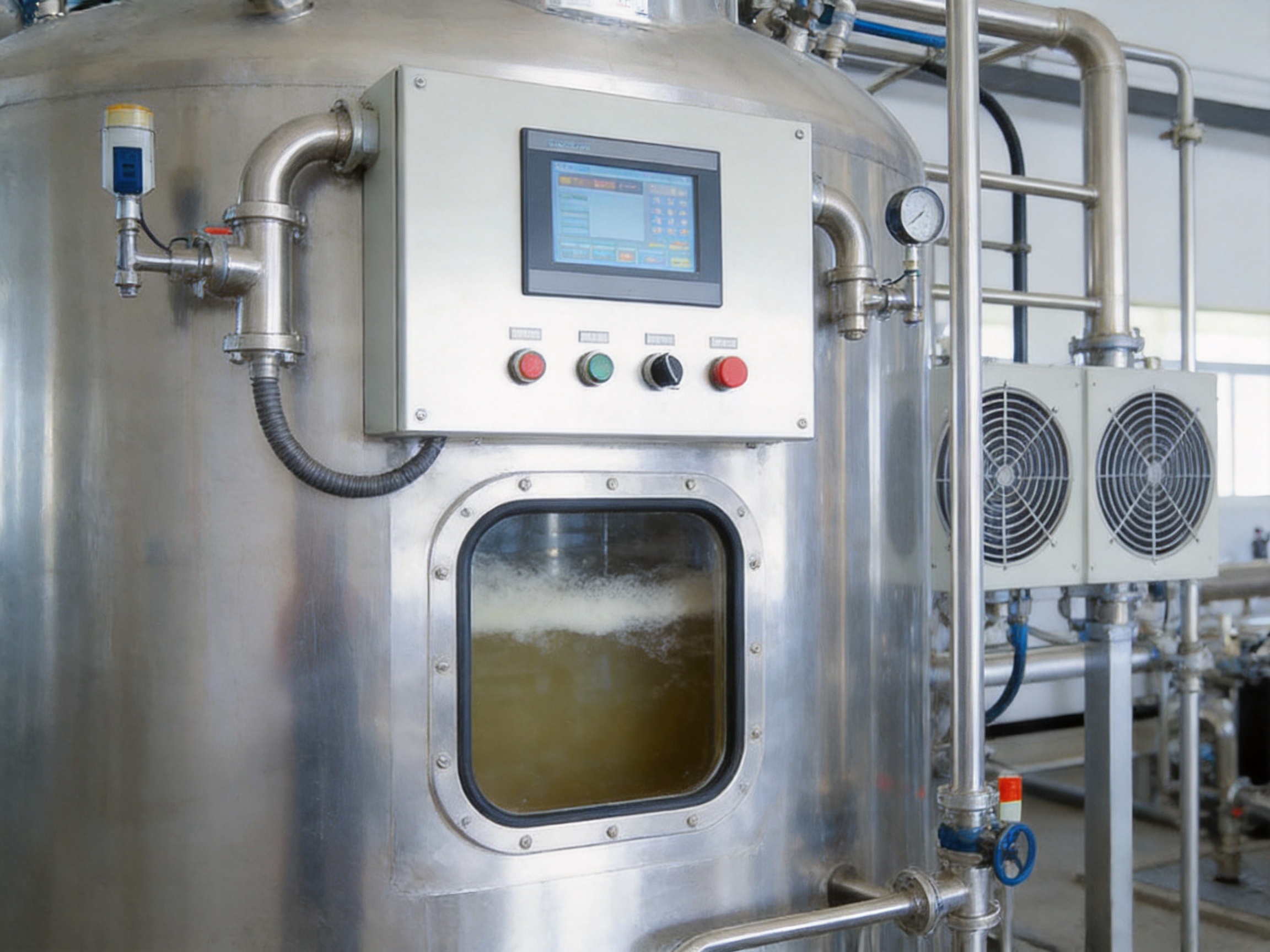
Biotechnology processes often require strict control of pH, dissolved oxygen, temperature, foam, and inoculation timing. The fermenter is equipped with standard interfaces such as pH interface, dissolved oxygen interface, temperature control interface, inoculation port, and defoaming alarm port. These interfaces allow users to detect and control key fermentation parameters, supporting both development work and industrial manufacturing.
Biological Fertilizer and Agricultural Microbial Products
Biological fertilizer fermentation may involve beneficial bacteria, fungi, or compound microbial cultures. The equipment can be used for fertilizer fermentation systems, Trichoderma fermentation systems, and Bacillus thuringiensis fermentation systems. In these applications, sufficient aeration, uniform mixing, and contamination control are critical for maintaining viable microbial populations and achieving consistent product potency.
Pharmaceutical and Precision Chemical Industries
Pharmaceutical fermentation places higher emphasis on sterility, documentation, cleanability, and process repeatability. The stainless steel fermenter supports sterilization in place for the tank body and pipelines, reducing the need for disassembly and minimizing contamination risk. The use of SUS316L can further improve compatibility with demanding pharmaceutical and precision chemical processes.
Mechanical Stirring and Oxygen Transfer
One of the most important advantages of this biological fermentation system is its mechanical stirring configuration. The agitator is designed as a two four-straight-blade turbine type. This style of agitator is well suited for creating radial flow, dispersing air, and improving gas-liquid contact. In aerobic fermentation, oxygen must transfer from air bubbles into the liquid broth before microorganisms can use it. Poor mixing can create oxygen-deficient zones, nutrient gradients, temperature differences, and inconsistent biological activity.
Mechanical agitation helps prevent these problems by distributing bubbles, nutrients, cells, and heat throughout the fermentation broth. Effective stirring also supports better suspension of microbial biomass and solid components, which can be important in fermentation systems involving spores, fungal cultures, biomass-based media, or complex nutrient formulations. While agitation must be strong enough to support mass transfer, it must also be appropriate for the biological strain. A good fermenter design balances oxygen transfer and shear sensitivity.
Compared with simple airlift vessels or low-cost mixing tanks, a mechanical stirring fermenter provides more direct control of mixing intensity. Operators can adjust agitation speed according to the stage of fermentation. During early growth, higher oxygen transfer may be needed. During later production phases, the process may require different mixing conditions. This adaptability gives mechanical stirring systems a competitive advantage in applications where fermentation dynamics change over time.
Sealed Structure and Contamination Control
Contamination control is one of the central requirements in biological fermentation. External microorganisms can compete with the production strain, consume nutrients, produce unwanted metabolites, reduce yield, change product quality, and in some cases cause complete batch failure. The biological fermentation tank therefore uses an integrated structure and fully sealed design to isolate the internal culture from air pollution and bacterial contamination.
The tank body, tank cover, inlet and outlet ports, exhaust structure, and pipe connections are designed to maintain process integrity. Mechanical sealing is used to support reliable shaft sealing at the agitation system. This is a critical area because a rotating shaft must pass through the tank boundary while still maintaining a sealed environment. Proper mechanical sealing reduces the risk of leakage and microbial ingress.
Compared with open or semi-open fermentation containers, a sealed stainless steel fermenter offers major advantages. It supports controlled aeration and exhaust management, reduces environmental exposure, allows sterilization in place, protects operators from process aerosols, and improves batch-to-batch consistency. For industrial users, these advantages translate into lower contamination losses, better product reliability, and stronger compliance with hygienic production expectations.
Sterilization in Place for Safer and More Efficient Operation
The fermenter body and pipelines can be sterilized in place. Sterilization in place, often known as SIP, allows the internal surfaces and connected piping to be sterilized without complete disassembly. This is important in fermentation because even a small residual microbial population can affect the next batch. SIP improves production efficiency by reducing downtime, lowering manual cleaning labor, and helping operators maintain a more controlled hygienic environment.
In practical production, sterilization capability is especially valuable for processes that require repeated batch operation. After one fermentation cycle ends, the equipment must be cleaned and prepared for the next cycle. A system that supports in-place sterilization can reduce preparation time and support more predictable scheduling. In pharmaceutical, biotechnology, dairy, and food operations, this contributes to quality assurance and production continuity.
The safety and reliability of sterilization also depend on manufacturing quality. Smooth welds, properly polished internal surfaces, well-designed pipe routes, and hygienic valve connections all help reduce dead zones where residues or microorganisms may remain. The manufacturer’s experience in equipment design, welding, finishing, and system integration therefore directly affects the fermenter’s cleanability and long-term reliability.
Advanced Process Interfaces for Control and Monitoring
A fermenter is only as effective as the control information available to the operator. This system includes multiple standard fermentation interfaces, including pH interface, dissolved oxygen interface, temperature control interface, inoculation port, and defoaming alarm port. These interfaces provide the foundation for process measurement and automation.
pH control is essential because microbial metabolism often produces acids or bases that shift the fermentation environment. If pH moves outside the preferred range, microbial growth and product formation can decline. A pH interface allows measurement and, when connected to a dosing system, automatic acid or alkali adjustment.
Dissolved oxygen monitoring is equally important in aerobic fermentation. Even if air is being supplied, microorganisms can consume oxygen faster than it dissolves into the broth. A dissolved oxygen interface helps operators understand whether agitation speed, aeration rate, pressure, or process formulation should be adjusted.
Temperature control affects enzyme activity, cell growth rate, metabolite production, and product stability. Fermentation can generate metabolic heat, especially at industrial scale. Without adequate temperature control, the broth may overheat and damage the culture. A temperature control interface supports monitoring and regulation throughout the process.
The inoculation port allows controlled introduction of seed culture. The defoaming alarm port helps address foam formation, which is common in aerated fermentation due to proteins, surfactants, biomass, and air flow. Foam can reduce working volume, block filters, contaminate exhaust lines, and create operational risks. Defoaming detection and response improve process stability.
Large Viewing Mirror for Real-Time Observation
The tank cylinder is equipped with a large viewing mirror, allowing operators to observe the fermentation status inside the tank. While instruments provide numerical data, visual observation remains valuable. Foam level, mixing behavior, color changes, bubble distribution, and unusual broth appearance can often be detected visually. This feature provides an additional layer of process awareness.
In pilot fermentation and process development, visual observation can be especially useful because operators may be studying a new strain or formulation. The viewing mirror helps engineers and bioprocess specialists understand how the culture behaves under different agitation, aeration, and nutrient conditions. In industrial production, it assists routine monitoring and troubleshooting.
Scalability from Pilot Research to Industrial Production
One of the major strengths of the stainless steel fermenter biological fermentation system is its broad capacity range. With available capacities from 50 L to 500,000 L, the system can support laboratory validation, pilot testing, demonstration production, and commercial manufacturing. Scalability is vital because a process developed at small scale does not automatically perform the same way at large scale. Mixing time, oxygen transfer, heat removal, pressure, foam, and feeding strategy all change as volume increases.
A manufacturer with experience in pilot fermentation systems and complete industrial fermentation systems can help users bridge this scale-up gap. Instead of treating the fermenter as an isolated vessel, the system can be engineered as part of a complete process line, including seed tanks, production tanks, media preparation, sterilization, air filtration, cleaning, cooling, control, piping, and installation. This system-level perspective is a significant advantage over suppliers that only provide standard tanks without deeper process integration.
For enterprises developing new biological products, pilot-scale equipment is particularly important. A pilot system allows the user to test process parameters before committing to large-scale production. It helps determine oxygen demand, pH strategy, antifoam requirements, sterilization conditions, inoculation ratio, and fermentation cycle time. Once validated, the process can be expanded to larger tanks with greater confidence.
Competitive Advantages Over Conventional Fermentation Equipment
Integrated Design Instead of Simple Tank Supply
Many low-cost competitors offer tanks that provide basic storage or mixing but lack full fermentation functionality. The stainless steel fermenter biological fermentation system is not merely a container. It is designed as a bioreactor with agitation, sealing, control interfaces, observation features, sterilization capability, and process adaptability. This integrated design reduces the need for users to modify equipment after purchase and helps shorten project implementation time.
Better Control of Critical Fermentation Parameters
Fermentation success depends on control. Compared with simple vessels, this system supports monitoring and adjustment of pH, dissolved oxygen, temperature, foam, inoculation, air supply, and exhaust. These features allow more precise biological process management, which is especially important in high-value fermentation where small deviations can reduce yield or quality.
Hygienic Stainless Steel Construction
The use of SUS304 or SUS316L stainless steel provides durability and hygienic performance. Competitor products made from lower-grade materials may suffer from corrosion, difficult cleaning, shorter service life, or contamination risks. A stainless steel fermenter is a long-term investment that can support repeated sterilization, cleaning, and industrial use.
Strong Mechanical Agitation Performance
The two four-straight-blade turbine agitator supports effective mixing and gas-liquid dispersion. Compared with weak mixing structures, this design helps improve oxygen transfer and broth uniformity. For aerobic microorganisms, this can directly influence growth rate, cell density, and product formation.
Flexible Customization
Voltage can be made to order, and the system can be configured across a wide capacity range. Customization is important because biological fermentation processes differ widely. A dairy fermentation process may require different features from a fungal biopesticide process or a pharmaceutical fermentation process. Flexible design allows users to obtain equipment aligned with actual production needs.
Turnkey Project Capability
The company behind this system focuses on EPC and EPCM services, process technology, automation engineering design, equipment manufacturing, matching purchase, installation, equipment system integration, line debugging, and turnkey projects. This provides an advantage over equipment-only vendors. A complete project approach helps customers reduce coordination complexity, improve layout planning, and ensure that the fermenter works properly with upstream and downstream systems.
Manufacturing Strengths Behind the Equipment
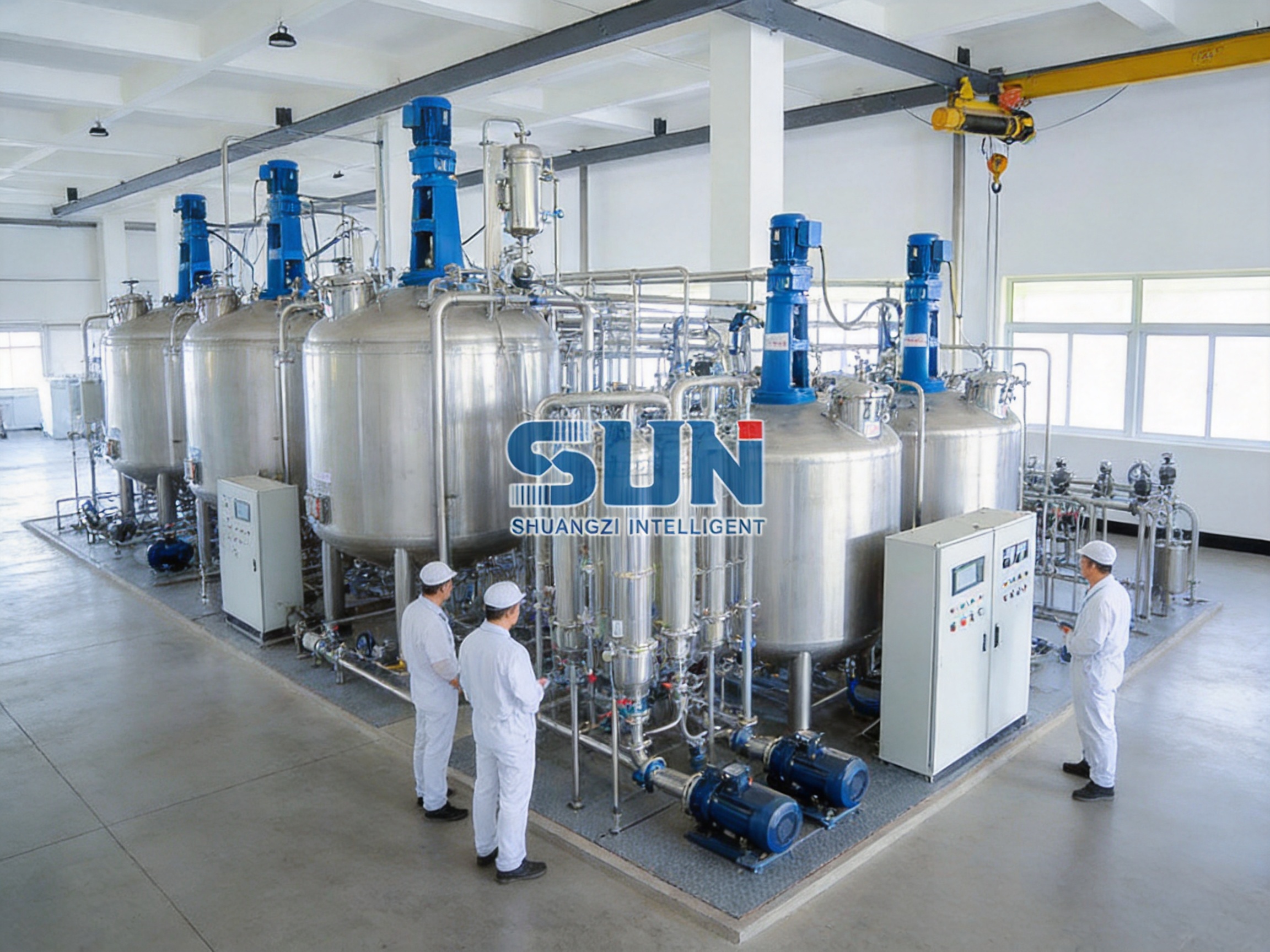
Zhejiang Shuangzi Intelligent Equipment Co., Ltd. is a professional biology and medical equipment enterprise founded in 2007. The company is located in Hangzhou, Zhejiang Province, China, and covers a floor area of 16,706 square meters with a structure area of 17,800 square meters. Its business focuses on process technology, automation engineering design, equipment manufacturing, matching purchase, installation, and system integration in fields such as plant extraction, biological fermentation, pharmaceutical engineering, natural food, energy conservation, and environmental protection.
The company has mature products in vacuum low-temperature drying, complete fermentation system equipment, evaporation and concentration equipment, extraction equipment, separation equipment, crystallization equipment, filtration equipment, and stainless steel containers. This broad product base is important because fermentation projects often require more than one piece of equipment. A biological production line may include preparation tanks, sterilization systems, fermenters, separation equipment, concentration equipment, drying equipment, and storage tanks. A manufacturer with experience across these categories can provide better process coordination.
The company also maintains pilot production workshop and research and development platform capabilities designed around automation and GMP-related requirements. Processes available for pilot research include vacuum low-temperature drying, plant extraction, evaporation, precipitation separation, extraction, and fermentation. This is highly valuable for users conducting pilot studies because they can receive equipment and process support from a supplier that understands both manufacturing and process experimentation.
Advanced welding and finishing equipment further supports product quality. The company has introduced plasma argon arc welding machines, plasma cutting machines, CAM CNC machining centers, and other advanced equipment. These tools improve fabrication precision, weld quality, component consistency, and surface finishing. In stainless steel fermentation equipment, manufacturing accuracy is not cosmetic; it affects sealing, cleanability, mechanical stability, and long-term reliability.
Importance of Welding, Polishing, and Fabrication Precision
Fermenters must be manufactured with careful attention to internal surface quality. Rough welds, gaps, scratches, or dead corners can trap residues and microorganisms. Over time, these hidden zones may compromise cleaning and sterilization. High-quality welding and polishing therefore directly support sanitary operation.
Plasma argon arc welding helps create stable, clean, and precise welds suitable for stainless steel vessels and pipelines. Plasma cutting supports accurate plate and component preparation, reducing fit-up errors. CNC machining improves consistency for flanges, ports, mechanical parts, and custom components. When these manufacturing processes are combined with experienced equipment design, the result is a fermenter that is stronger, cleaner, and more reliable.
Competitor equipment manufactured with poor welding control may show distortion, weak joints, leakage, difficult polishing, or inconsistent alignment. These problems can increase maintenance costs and reduce process confidence. By contrast, a carefully manufactured stainless steel fermenter supports stable sealing, better assembly, and smoother long-term operation.
Automation and System Integration Advantages
Biological fermentation increasingly depends on automation. Manual operation can be suitable for very small systems, but industrial production requires repeatable control. Automation can regulate temperature, pH, dissolved oxygen response, agitation speed, feeding, antifoam addition, sterilization sequences, alarms, and data recording. Even when a project begins with semi-automatic functions, the equipment should be designed so that automation can be integrated effectively.
The company’s focus on automation engineering design and equipment system integration is a major benefit. A fermenter must communicate with pumps, valves, sensors, air compressors, steam systems, cooling systems, control cabinets, and sometimes downstream separation equipment. If these elements are not integrated well, users may face unstable operation, difficult troubleshooting, or inefficient production.
System integration helps ensure that the fermentation tank, pipelines, instruments, electrical components, and control logic work together as one process unit. For turnkey projects, this reduces the burden on the customer and allows faster installation, commissioning, and line debugging. It also helps avoid mismatches between equipment supplied by different vendors.
Process Design Support for Diverse Fermentation Systems
The company has supplied many types of biological fermentation systems, including Bacillus thuringiensis fermentation systems, Trichoderma fermentation systems, fertilizer fermentation systems, penicillin fermentation systems, and pilot fermentation systems. This application range demonstrates practical experience with bacterial, fungal, agricultural, pharmaceutical, and development-scale fermentation processes.
Each fermentation type has its own requirements. Bacillus thuringiensis processes may require suitable oxygen transfer and spore formation control. Trichoderma fermentation may involve fungal morphology, viscosity changes, and aeration needs. Fertilizer fermentation may focus on viable count, robustness, and cost-effective production. Penicillin-related fermentation may require stricter process control and sterile design. Pilot fermentation requires flexibility for experimentation.
A supplier familiar with multiple fermentation types can better understand customer process goals. Instead of offering only a standard tank, it can help configure the tank volume, material, agitation, ports, control points, sterilization method, and system layout according to the real process. This reduces technical risk and improves the likelihood of successful production.
Material Selection: SUS304 and SUS316L
Material selection is a key decision in fermentation equipment. SUS304 stainless steel is widely used because it offers good corrosion resistance, strength, and cost effectiveness. It is suitable for many food, beverage, dairy, and general biological fermentation applications. SUS316L stainless steel contains molybdenum and has lower carbon content, offering improved corrosion resistance and better performance in more demanding environments.
For users handling aggressive cleaning agents, saline media, pharmaceutical intermediates, or high-purity biological products, SUS316L may be preferred. For general fermentation processes with less aggressive conditions, SUS304 may provide an efficient balance of performance and investment cost. Having both material options allows the equipment to match customer requirements rather than forcing a single standard configuration.
Compared with competitors that may offer limited material choices, flexible stainless steel selection improves suitability for different industries. It also helps customers plan equipment life cycle costs more effectively. The right material reduces corrosion risk, contamination risk, maintenance downtime, and premature replacement.
Mechanical Sealing for Reliable Operation
The fermenter uses mechanical sealing. In a mechanically stirred bioreactor, the sealing system is critical because the agitator shaft penetrates the tank. Without proper sealing, there can be leakage, contamination, pressure loss, or safety issues. Mechanical seals are widely used in industrial equipment because they can provide reliable sealing performance under rotating conditions.
For fermentation, mechanical sealing must support cleanliness and durability. It must withstand repeated operation, cleaning, sterilization, and process pressure. A well-selected seal helps maintain the sterile boundary of the fermenter and reduces maintenance interruptions. This contributes to batch reliability and long-term equipment stability.
Compact Structure and Convenient Use
The system features a compact structure and convenient operation. Compact design is valuable in modern plants where floor space is limited. A well-organized fermentation system reduces unnecessary piping length, simplifies operator access, and improves installation efficiency. Convenience is also important because fermentation involves many routine operations, including feeding, inoculation, sampling, monitoring, foam management, cleaning, and sterilization.
An equipment layout that considers operator workflow can reduce mistakes and improve safety. Interfaces should be accessible, observation points should be practical, and maintenance parts should be serviceable. These details may appear small, but they determine whether a fermenter remains efficient over years of daily operation.
Role in Turnkey Biological Production Projects
The stainless steel fermenter biological fermentation system is especially suitable for turnkey biological production projects. In a turnkey project, the customer expects a complete solution rather than separate pieces of equipment. This may include process design, engineering drawings, equipment manufacturing, auxiliary equipment procurement, installation, system integration, commissioning, and training support.
A turnkey approach is valuable because fermentation projects involve many specialized systems. Steam sterilization must match tank design. Air supply must be filtered and controlled. Cooling capacity must match fermentation heat generation. Piping must avoid contamination dead zones. Control systems must correctly interpret sensors. Downstream processing must be compatible with the fermentation broth. When one supplier coordinates these elements, project execution becomes more efficient.
The company’s EPC and EPCM-oriented capability means it can support customers from early planning to final operation. For customers entering a new fermentation business, this reduces technical uncertainty. For experienced producers expanding capacity, it helps shorten the engineering cycle and maintain consistency across production lines.
Quality, Reliability, and Long-Term Value
The value of a fermentation system should not be measured only by initial purchase price. A low-cost fermenter that causes contamination, cleaning difficulty, insufficient oxygen transfer, frequent maintenance, or poor control can become expensive over time. Industrial fermentation batches may contain valuable raw materials, labor, utilities, and production time. A failed batch can cost more than the difference between a weak vessel and a well-engineered fermenter.
This stainless steel fermenter provides long-term value through hygienic material, sealed structure, mechanical agitation, multiple process interfaces, sterilization in place, and customizable engineering. These features support higher reliability, better repeatability, and lower operational risk. For customers in food, biotechnology, pharmaceutical, and agricultural microbial production, reliability is often more important than the lowest equipment price.
Furthermore, a manufacturer with strong process knowledge can help customers avoid design mistakes that may not be obvious at the purchasing stage. For example, insufficient nozzle planning can limit future automation. Poor exhaust design can create foam or contamination problems. Inadequate agitation can reduce oxygen transfer. Weak cleaning design can increase downtime. Proper engineering reduces these hidden risks.
How the Fermenter Supports Product Quality
Product quality in fermentation depends on biological consistency. The fermenter contributes to quality by providing controlled conditions that support the desired microorganism while suppressing unwanted influences. Sealing reduces contamination. Sterilization in place prepares the tank and pipelines. Agitation distributes nutrients and oxygen. pH and dissolved oxygen interfaces support process monitoring. Temperature control prevents thermal stress. Foam detection helps maintain working volume and exhaust safety.
These functions help maintain the biological environment required for target product formation. In dairy and beverage processes, this may mean consistent taste, acidity, aroma, and microbial activity. In agricultural fermentation, it may mean viable count, spore quality, or biological efficacy. In pharmaceutical processes, it may mean purity, yield, and reproducibility. In pilot research, it may mean accurate data for scale-up decisions.
Suitable Users and Project Scenarios
This biological fermentation system is suitable for companies, research institutions, and production plants that require controlled microbial or cellular cultivation. It is appropriate for new production lines, capacity expansion, pilot research, process upgrades, and turnkey biological engineering projects. It can be used by food and beverage manufacturers, biotechnology enterprises, pharmaceutical producers, agricultural biological product manufacturers, fermentation research centers, and precision chemical companies.
For small and medium users, the 50 L to pilot-scale range can support research, validation, and limited production. For industrial enterprises, large tanks up to 500,000 L can support commercial output. For users with uncertain requirements, customized engineering helps define tank size, material, interfaces, and automation level based on process needs.
Practical Selection Considerations
When selecting a fermentation system, users should consider the biological strain, process volume, oxygen demand, broth viscosity, sterilization method, cleaning requirements, material compatibility, automation level, and future expansion plans. The choice between SUS304 and SUS316L should be based on process media, cleaning chemicals, corrosion risk, and quality requirements. Agitator configuration should be selected according to oxygen transfer and shear sensitivity. Control interfaces should match the parameters that determine process success.
Users should also consider plant utilities such as steam, compressed air, cooling water, electricity, and drainage. A fermenter cannot perform properly if supporting utilities are undersized. This is why engineering support and system integration are important. A professional supplier can help evaluate these factors during project design.
Q&A Section
Q1: What is the main purpose of a stainless steel biological fermenter?
A stainless steel biological fermenter is used to cultivate microorganisms or cells under controlled conditions. It provides a sealed, hygienic, and monitored environment for fermentation processes in food, dairy, biotechnology, beverage, pharmaceutical, agricultural, and precision chemical industries.
Q2: What capacity range is available for this fermentation system?
The system can be supplied from 50 L to 500,000 L, making it suitable for pilot research, process development, medium production, and large-scale industrial fermentation.
Q3: What materials are used for the tank?
The tank can be made from SUS304 or SUS316L stainless steel. SUS304 is suitable for many general hygienic applications, while SUS316L provides enhanced corrosion resistance for more demanding processes.
Q4: Why is mechanical stirring important?
Mechanical stirring improves mixing, oxygen dissolution, nutrient distribution, heat transfer, and broth uniformity. In aerobic fermentation, it helps ensure that microorganisms receive enough dissolved oxygen for growth and metabolism.
Q5: What type of agitator is used?
The system uses a two four-straight-blade turbine type agitator, which is suitable for gas-liquid dispersion and effective mixing in many biological fermentation processes.
Q6: How does the equipment reduce contamination risk?
The fermenter uses an integrated structure, fully sealed design, mechanical sealing, stainless steel construction, and sterilization-in-place capability. These features help isolate the culture from external contamination and support hygienic operation.
Q7: What process parameters can be monitored or controlled?
The equipment includes standard interfaces for pH, dissolved oxygen, temperature control, inoculation, and defoaming alarm. These interfaces help users monitor and control critical fermentation conditions.
Q8: Is the system suitable for biological fertilizer fermentation?
Yes. The system can be used for fertilizer fermentation and other agricultural microbial processes, including Trichoderma and Bacillus thuringiensis fermentation systems.
Q9: Can it be used in pharmaceutical fermentation?
Yes. With stainless steel construction, sealed operation, sterilization capability, and process control interfaces, the system is suitable for many pharmaceutical and biotechnology fermentation applications. Material and configuration should be selected according to specific process and quality requirements.
Q10: What makes this system different from a normal mixing tank?
A normal mixing tank may only provide basic agitation. This biological fermenter is designed as a complete bioreactor with sealing, sterilization, oxygen transfer, monitoring interfaces, inoculation access, defoaming alarm, observation, and customization options.
Q11: Why is sterilization in place important?
Sterilization in place allows the tank body and pipelines to be sterilized without full disassembly. It reduces contamination risk, saves preparation time, and supports repeated batch production.
Q12: Does the manufacturer provide turnkey project support?
Yes. Zhejiang Shuangzi Intelligent Equipment Co., Ltd. provides engineering, process design, equipment design, installation, line debugging, system integration, and turnkey project services for biological fermentation and related process industries.
Conclusion
The stainless steel fermenter biological fermentation system is a high-value solution for controlled microbial and cellular cultivation. It combines hygienic stainless steel construction, mechanical agitation, sealed design, sterilization-in-place capability, process monitoring interfaces, customizable capacity, and system integration support. These features make it suitable for dairy, food, beverage, biotechnology, pharmaceutical, biological fertilizer, fruit wine, and precision chemical industries.
Its advantages over conventional fermentation vessels are clear. It offers better contamination control, more reliable oxygen transfer, stronger process monitoring, improved cleanability, broader scalability, and greater project adaptability. For users seeking stable product quality and long-term production value, these advantages are far more important than a basic tank structure.
Behind the equipment is a manufacturer with experience in biological fermentation systems, plant extraction, pharmaceutical engineering, natural food processing, vacuum low-temperature drying, evaporation, concentration, separation, crystallization, filtration, containers, and turnkey projects. With advanced welding, plasma cutting, CNC machining, pilot research capabilities, and automation engineering strength, the company can support customers not only with equipment supply but also with complete process solutions.
For enterprises developing or expanding fermentation production, a reliable stainless steel biological fermentation system is a foundation for quality, efficiency, and scalable growth. By selecting a system designed for real bioprocess control and manufactured with professional engineering standards, users can reduce operational risk, improve batch consistency, and build a stronger platform for future biological manufacturing.
References
1. Stanbury, P. F., Whitaker, A., and Hall, S. J. Principles of Fermentation Technology. Butterworth-Heinemann.
2. Doran, P. M. Bioprocess Engineering Principles. Academic Press.
3. Shuler, M. L., and Kargi, F. Bioprocess Engineering: Basic Concepts. Prentice Hall.
4. Wang, D. I. C., Cooney, C. L., Demain, A. L., Dunnill, P., Humphrey, A. E., and Lilly, M. D. Fermentation and Enzyme Technology. Wiley.
5. Flickinger, M. C. Encyclopedia of Industrial Biotechnology: Bioprocess, Bioseparation, and Cell Technology. Wiley.
6. Bailey, J. E., and Ollis, D. F. Biochemical Engineering Fundamentals. McGraw-Hill.