
 英语
英语 俄语
俄语Content
- 1 What Is a Stainless Steel Chromatography Column? Core Function and Components
- 2 Critical Advantages Over Competitor Solutions
- 3 Advanced Manufacturing Processes Behind Excellence
- 4 Application Scenarios Across Industries
- 5 Detailed Product Specifications
- 6 Industry-Leading Expertise: Behind the Scenes
- 7 Q&A Section
- 7.1 Q1: What industries benefit most from stainless steel chromatography columns?
- 7.2 Q2: How does SUS316L stainless steel enhance the performance of chromatography columns?
- 7.3 Q3: Can stainless steel chromatography columns be customized for specific production needs?
- 7.4 Q4: What compliance standards do stainless steel chromatography columns meet?
- 7.5 Q5: How does the automated control system improve the efficiency of chromatography columns?
- 8 References
In the realm of bioprocessing and pharmaceutical manufacturing, the ability to separate and purify complex liquid mixtures with high precision is non-negotiable. Among the critical tools enabling this, stainless steel chromatography columns (also known as resin columns) stand out as workhorses, facilitating the isolation of active pharmaceutical ingredients (APIs), natural products, and high-value biocompounds. Unlike their plastic or glass counterparts, these columns offer unmatched durability, corrosion resistance, and scalability—making them indispensable for pilot-scale research and large-scale commercial production. This article explores the core functionality, competitive advantages, advanced manufacturing processes, and real-world applications of modern stainless steel chromatography columns, while also highlighting the industry-leading expertise that drives their innovation.
What Is a Stainless Steel Chromatography Column? Core Function and Components
A stainless steel chromatography column is a specialized vessel designed to separate liquid mixtures based on the differential affinity of target compounds for a solid resin matrix packed inside. Unlike batch separation methods (e.g., filtration or centrifugation), chromatography leverages continuous flow dynamics to achieve high-purity separation—even for trace compounds present in complex matrices like plant extracts or fermentation broths.
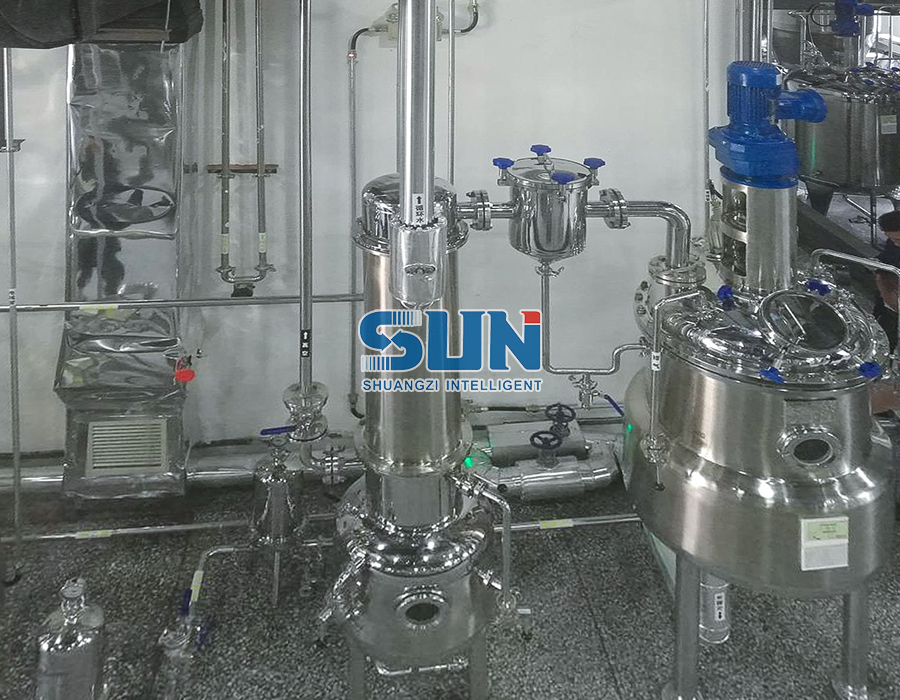
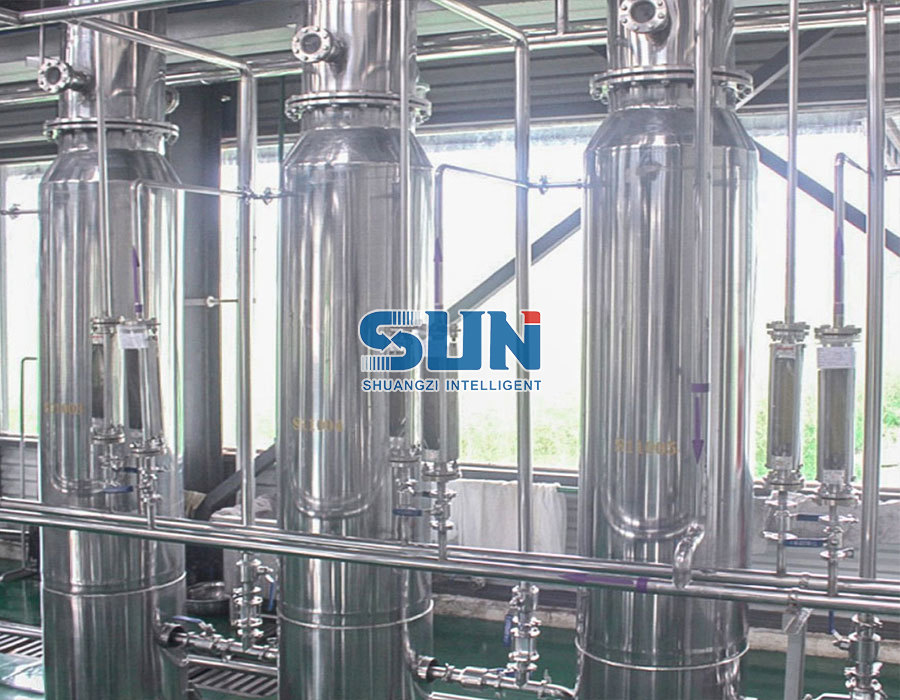
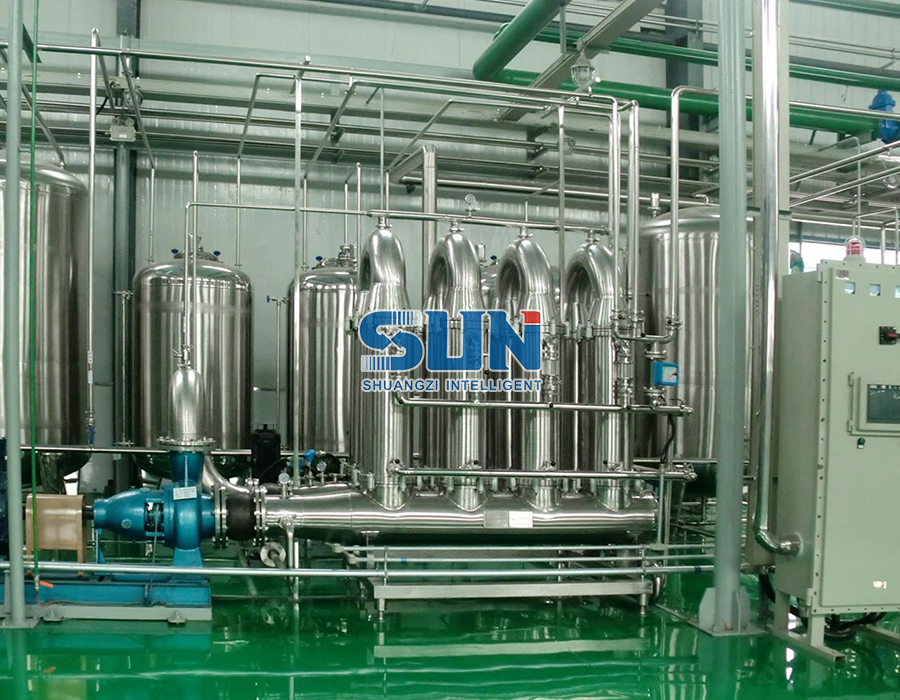
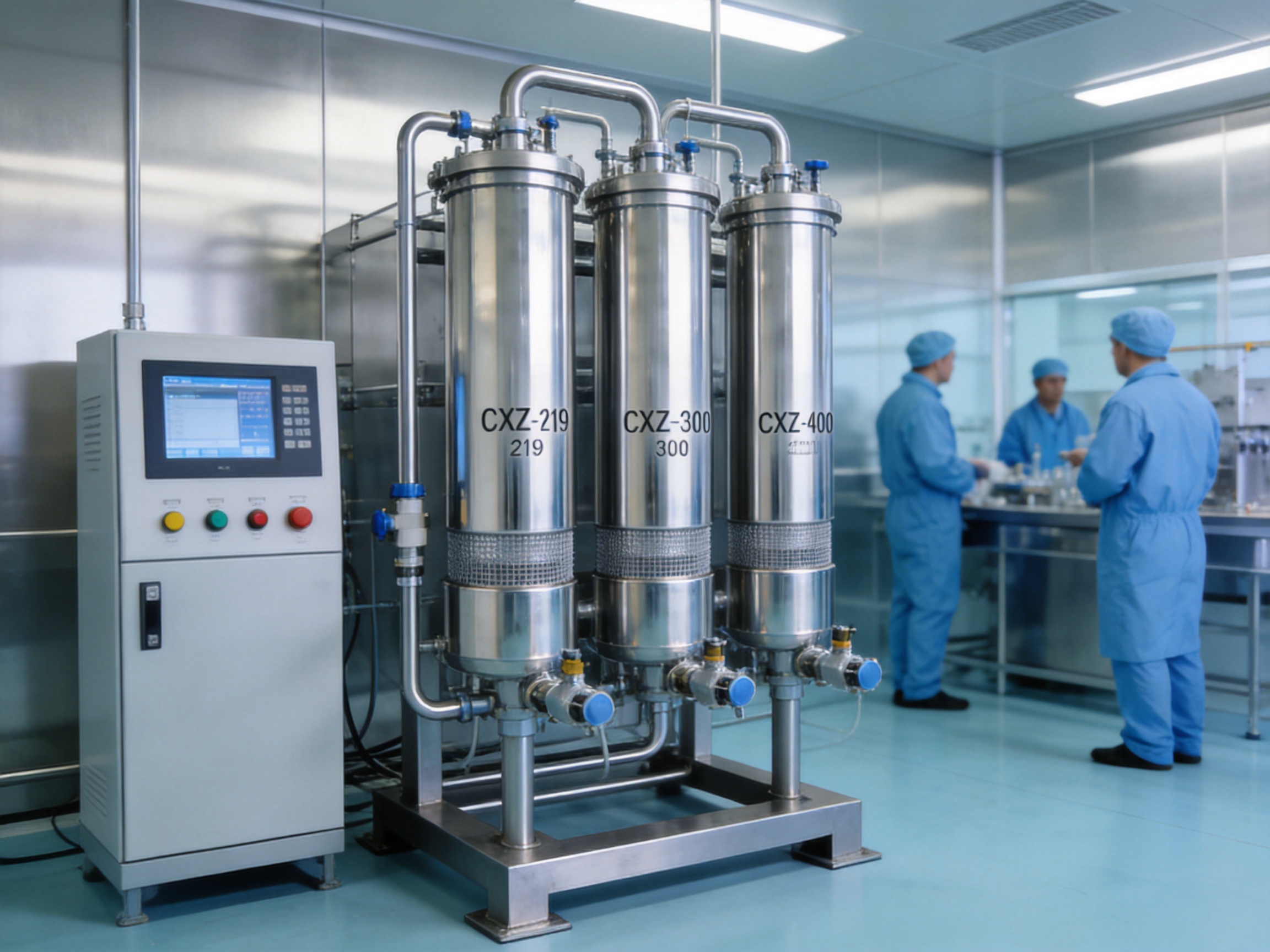
The column’s design integrates several key components to ensure efficient operation: a cylindrical stainless steel body (resistant to corrosion and organic solvents), top and bottom stainless steel mesh screens (to retain the resin while allowing liquid flow), quick-connect sanitary valves and pipelines (for easy cleaning and maintenance), and optional flow meters (to monitor and control liquid velocity). For automated systems, columns may also include pressure sensors, temperature controllers, and PLC (Programmable Logic Controller) interfaces to optimize separation parameters.
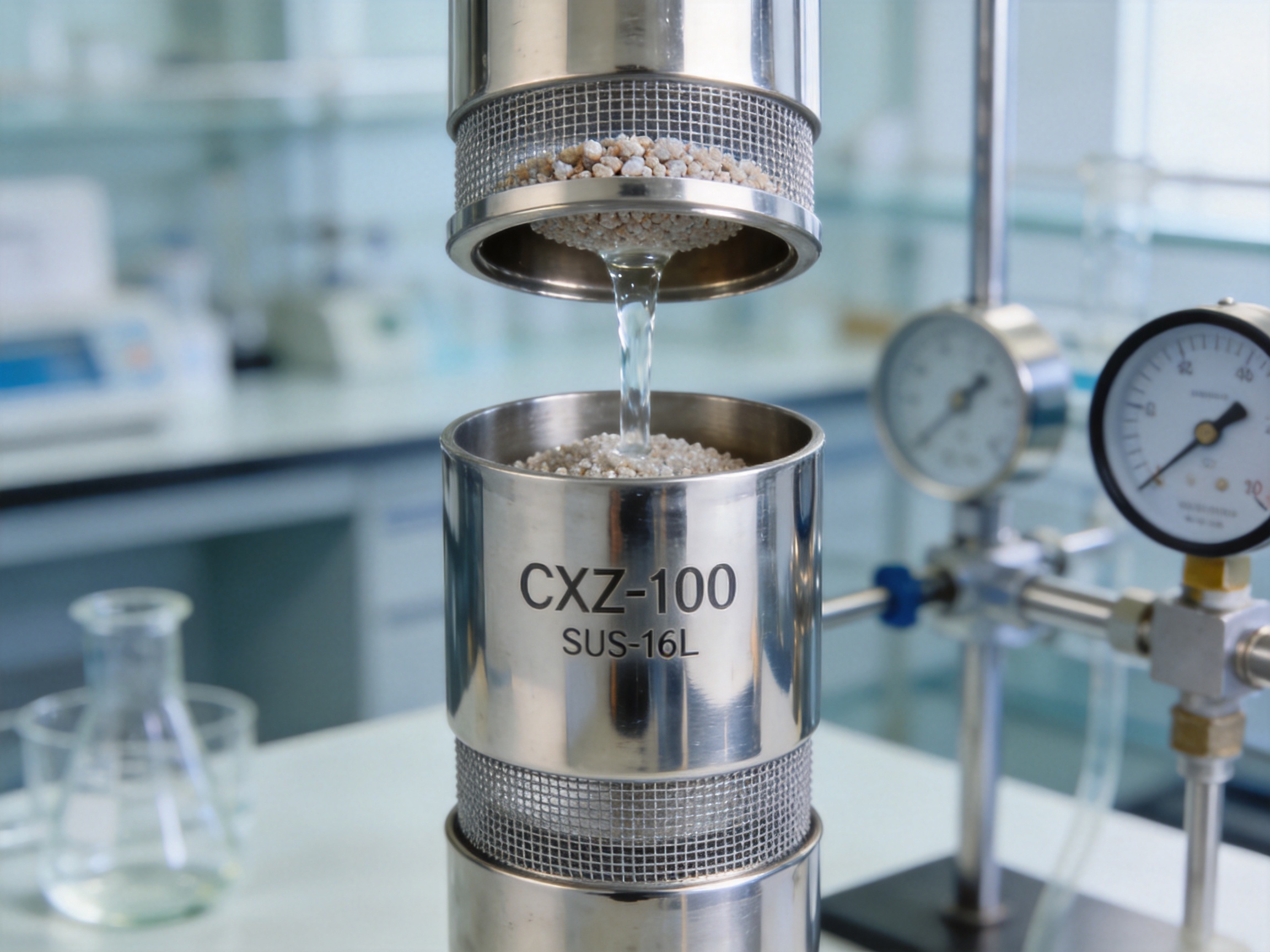
One of the defining features of modern stainless steel columns is their modularity. Multiple columns can be stacked on a square steel bracket to form a integrated system, allowing users to scale from pilot-scale (e.g., 100 mm diameter) to commercial production (e.g., 1000 mm diameter) without reconfiguring their entire workflow. This modularity not only reduces capital expenditure but also minimizes downtime during scale-up— a critical advantage for companies racing to bring new products to market.
Critical Advantages Over Competitor Solutions
While plastic and glass chromatography columns are common in laboratory settings, stainless steel columns offer distinct advantages that make them superior for industrial applications. Below are the key differentiators:
1. Unmatched Corrosion Resistance and Material Durability
Many bioprocessing fluids (e.g., plant extracts, fermentation broths, and organic solvents) are acidic or corrosive. Plastic columns (e.g., polypropylene) degrade over time when exposed to strong solvents, leading to leaching of contaminants into the product stream. Glass columns, while chemically inert, are brittle and prone to breakage—posing safety risks and production losses. In contrast, stainless steel columns (especially those made from SUS316L alloy) are engineered to withstand harsh environments.
SUS316L contains high levels of molybdenum (2-3%) and chromium (16-18%), which enhance its resistance to pitting corrosion, crevice corrosion, and general rusting. This makes it ideal for processing weak acidic fluids— a common scenario in plant extraction and pharmaceutical manufacturing. Unlike 304 stainless steel (a cheaper alternative), SUS316L does not corrode when exposed to chloride ions (present in many solvents and water sources), ensuring long-term reliability and product purity.
2. GMP-Compliant Sanitary Design
For pharmaceutical and food processing industries, compliance with Good Manufacturing Practices (GMP) is mandatory. Stainless steel columns are designed with sanitary features that align with GMP guidelines: quick-installation fasteners eliminate dead spaces (where bacteria can grow), and all wetted parts are made from food-grade materials. The use of sanitary valves and pipelines (instead of threaded connections) reduces the risk of contamination and simplifies Clean-in-Place (CIP) and Sterilize-in-Place (SIP) procedures—critical for maintaining product quality and regulatory compliance.
Competitor solutions often lack these sanitary features: plastic columns have crevices that trap residue, while glass columns require manual cleaning (increasing the risk of human error). Stainless steel columns, by contrast, can be cleaned and sterilized automatically, reducing the time and cost associated with batch changeovers.
3. Scalability and Modularity
One of the biggest challenges in bioprocessing is scaling from laboratory research to commercial production. Stainless steel columns address this challenge through modular design: pilot-scale columns (e.g., CXZ-100, 100 mm diameter) can be used to optimize separation parameters, and these parameters can then be directly applied to larger columns (e.g., CXZ-1000, 1000 mm diameter) without re-engineering. This "scale-up" capability reduces the risk of process failure and accelerates time-to-market— a key advantage over non-modular competitor solutions.
Additionally, modular columns can be reconfigured to accommodate different resin types or separation protocols. For example, a single system can be used for both ion-exchange chromatography (to purify proteins) and affinity chromatography (to isolate antibodies)—eliminating the need for multiple dedicated systems and reducing capital costs.
4. Automated Control for Consistency and Efficiency
Modern stainless steel columns are often integrated with PLC control systems, which automate key processes like flow rate adjustment, pressure monitoring, and resin regeneration. This automation eliminates human error (e.g., incorrect flow rates leading to poor separation) and ensures batch-to-batch consistency— a critical requirement for pharmaceutical products. Competitor solutions (e.g., manual glass columns) rely on human operators to adjust parameters, leading to variability in product quality and increased labor costs.
PLC integration also enables data logging and process optimization. For example, the system can track pressure changes over time to indicate when the resin needs regeneration (reducing downtime) or adjust flow rates based on real-time purity data (increasing yield). This level of control is simply not possible with manual or semi-automated competitor solutions.
Advanced Manufacturing Processes Behind Excellence
The performance of a stainless steel chromatography column depends not only on its design but also on the precision of its manufacturing. Industry-leading manufacturers use state-of-the-art processes to ensure quality, durability, and compliance with global standards. Below are the key manufacturing steps:
1. Precision Material Sourcing and Cutting
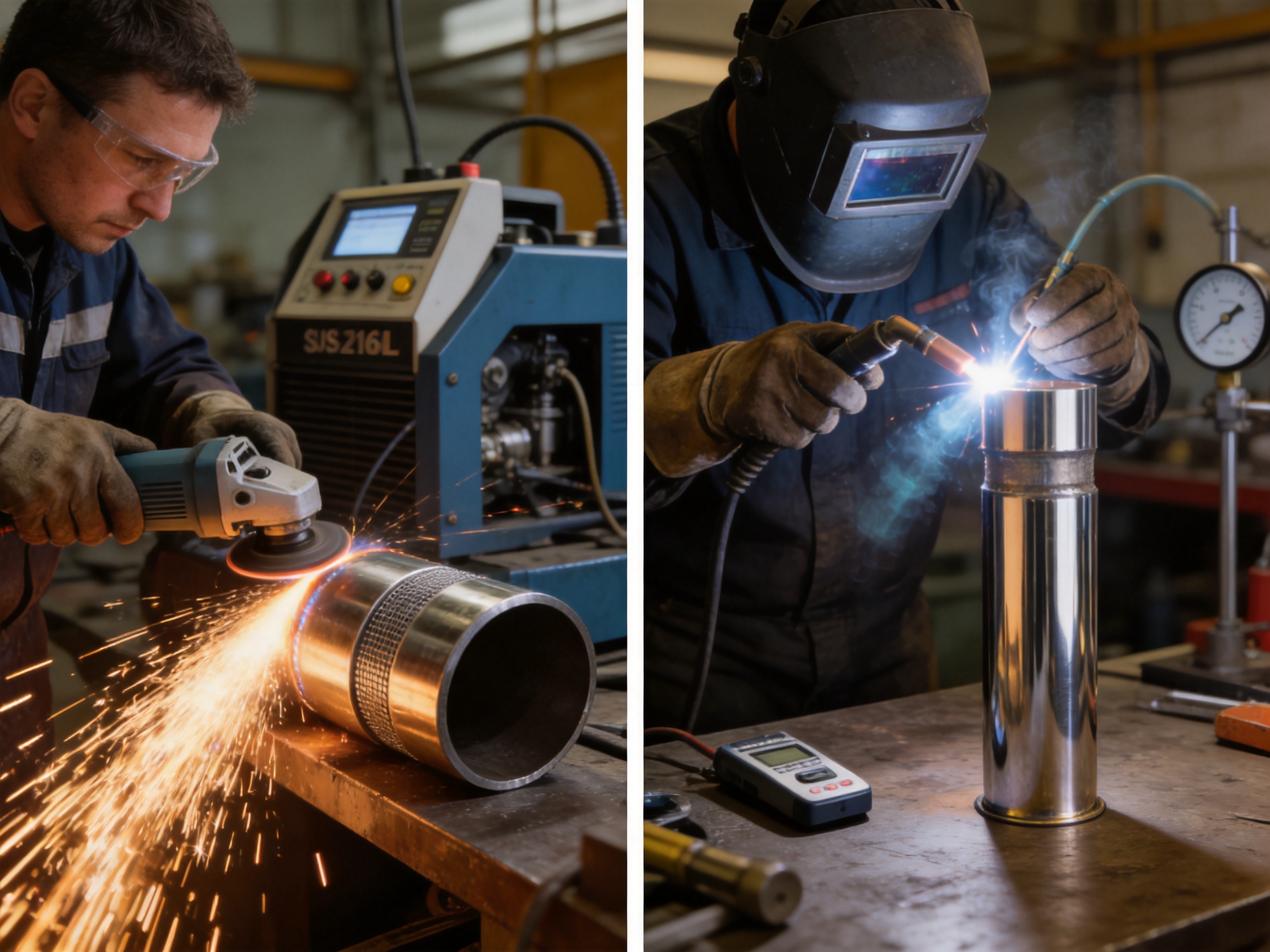
The first step in manufacturing a high-quality column is sourcing high-grade SUS316L stainless steel. Reputable manufacturers source their steel from certified suppliers that adhere to ISO 9001 standards, ensuring consistent material properties. The steel is then cut into cylindrical bodies using plasma cutting machines— a process that produces clean, precise edges without warping or distortion. This precision is critical for ensuring that the column body is perfectly cylindrical, which is essential for uniform resin packing and liquid flow.
2. Advanced Welding and Finishing
Welding is a critical step in column manufacturing, as poor welds can lead to leaks, corrosion, and contamination. Leading manufacturers use plasma argon arc welding (PAAW) to join stainless steel components. PAAW produces high-quality, porosity-free welds that are corrosion-resistant and meet GMP requirements. Unlike traditional arc welding, PAAW uses a non-consumable tungsten electrode and an inert gas (argon) to shield the weld pool— preventing oxidation and ensuring a smooth finish.
After welding, the column’s surface is finished to either a mirror or matte texture, depending on customer requirements. Mirror finishes are ideal for applications where visual inspection is needed (e.g., pharmaceutical manufacturing), while matte finishes reduce glare and are easier to clean. The finishing process involves polishing the surface to a specified roughness (Ra ≤ 0.8 μm) to eliminate crevices and ensure sanitary compliance.
3. Rigorous Quality Control and Validation
Before a column is shipped, it undergoes a series of quality control tests to ensure it meets performance standards. These tests include: pressure resistance testing (to verify that the column can withstand the specified pressure without leaking), leak testing (using helium or water), and mesh integrity testing (to ensure that the resin is retained while liquid flows freely). Additionally, the column is inspected for surface defects (e.g., scratches, dents) and compliance with GMP guidelines.
For pharmaceutical applications, the column may also undergo validation testing (e.g., CIP/SIP compatibility) to ensure that it can be cleaned and sterilized effectively. This validation is documented and provided to the customer, which is essential for regulatory compliance.
Application Scenarios Across Industries
Stainless steel chromatography columns are versatile tools that find application in a wide range of industries. Below are some of the key use cases:
1. Biotechnology and Biopharmaceuticals
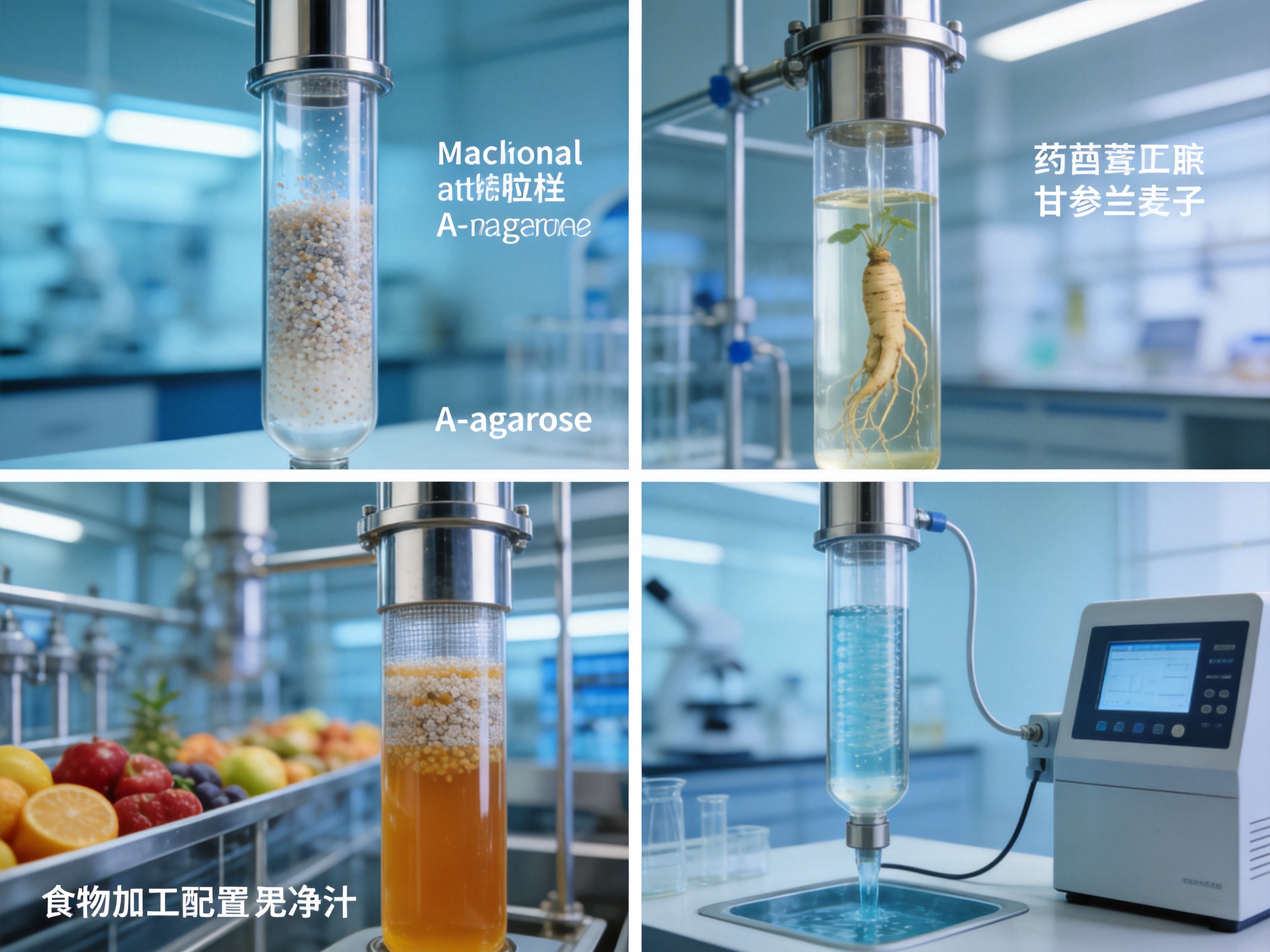
In biotechnology, columns are used to purify proteins, antibodies, and vaccines. For example, affinity chromatography columns (packed with protein A resin) are used to isolate monoclonal antibodies— a key component of many cancer treatments. The columns’ corrosion resistance and GMP compliance make them ideal for this application, as they ensure that the final product is pure and free of contaminants.
2. Pharmaceutical Manufacturing
Pharmaceutical companies use chromatography columns to purify active pharmaceutical ingredients (APIs) from plant extracts or synthetic mixtures. For example, in traditional Chinese medicine (TCM) manufacturing, columns are used to isolate active compounds (e.g., ginsenosides from ginseng) with high purity. The columns’ scalability allows companies to produce APIs in large quantities while maintaining consistency.
3. Food and Beverage Processing
In the food and beverage industry, columns are used to purify juices, wines, and other liquid products. For example, ion-exchange chromatography columns are used to remove heavy metals and impurities from fruit juices, while affinity columns are used to isolate enzymes for food processing. The columns’ sanitary design ensures that the final product is safe for consumption.
4. Petrochemicals and Environmental Protection
Petrochemical companies use chromatography columns to separate crude oil into its component parts (e.g., gasoline, diesel). Environmental protection agencies use columns to analyze water samples for contaminants (e.g., pesticides, heavy metals). The columns’ resistance to organic solvents makes them ideal for these applications.
5. Water and Beverage Production
Water treatment plants use chromatography columns to remove impurities from drinking water. For example, reverse osmosis (RO) is often combined with chromatography to remove trace contaminants (e.g., pharmaceuticals) from water. The columns’ durability and scalability make them ideal for large-scale water treatment facilities.
Detailed Product Specifications
Modern stainless steel chromatography columns are available in a range of models to suit different production needs. Below is a table of key specifications for a leading line of columns:
| Model | Dia φ (mm) | Height (mm) | Pressure Resistance (Mpa) | Padding Mesh |
|---|---|---|---|---|
| CXZ-100 | 100 | 1000 | ≤1 | 100~600 |
| CXZ-159 | 159 | 1500 | ≤1 | 100~600 |
| CXZ-219 | 219 | 1500 | ≤1 | 100~600 |
| CXZ-273 | 273 | 2000 | ≤1 | 100~600 |
| CXZ-300 | 300 | 2500 | ≤1 | 100~600 |
| CXZ-325 | 325 | 2500 | ≤0.6 | 100~600 |
| CXZ-400 | 400 | 2500 | ≤0.6 | 100~600 |
| CXZ-600 | 600 | 3000 | ≤0.6 | 100~600 |
| CXZ-800 | 800 | 4000 | ≤0.6 | 100~600 |
| CXZ-1000 | 1000 | 5000 | ≤0.6 | 100~600 |
Each model is designed to meet specific production requirements. For example, the CXZ-100 (100 mm diameter) is ideal for pilot-scale research, while the CXZ-1000 (1000 mm diameter) is designed for large-scale commercial production. The pressure resistance rating ensures that the column can handle the flow rates required for each application, while the padding mesh range (100~600) allows users to choose the optimal mesh size for their resin type.
Industry-Leading Expertise: Behind the Scenes
The development of high-quality stainless steel chromatography columns requires a combination of engineering expertise, R&D capabilities, and industry experience. Leading manufacturers like Zhejiang Shuangzi Intelligent Equipment Co., Ltd. (a professional biology and medical equipment enterprise) have built their reputation on these pillars:
1. EPC/EPCM Core Competency
Unlike many competitors that only supply equipment, Zhejiang Shuangzi offers EPC (Engineering, Procurement, Construction) and EPCM (Engineering, Procurement, Construction Management) services. This means they can handle the entire project lifecycle— from process design and equipment manufacturing to installation and commissioning. For example, a pharmaceutical company looking to build a plant extraction facility can rely on Zhejiang Shuangzi to design the chromatography system, manufacture the columns, and install the entire system— reducing the need for multiple vendors and simplifying project management.
2. Strong R&D and Pilot Capabilities
Zhejiang Shuangzi invests heavily in R&D to develop innovative chromatography solutions. The company has a pilot production workshop and R&D platform that meets GMP requirements, allowing them to test new designs and processes before scaling to commercial production. This pilot capability ensures that their columns are optimized for real-world applications and reduces the risk of process failure for customers.
3. Turnkey Project Support
The company offers turnkey project support, which includes engineering design, equipment manufacturing, installation, and line debugging. This end-to-end support ensures that customers can start production quickly and efficiently. For example, a food processing company looking to add a juice purification line can rely on Zhejiang Shuangzi to design the line, supply the chromatography columns, and install the system— with minimal downtime for the customer.
4. Advanced Manufacturing Equipment
Zhejiang Shuangzi uses advanced manufacturing equipment to produce high-quality columns. This includes plasma argon arc welding machines, plasma cutting machines, and CAM CNC machining centers— all of which are imported from leading global suppliers. These machines ensure that the columns are manufactured with precision and consistency, meeting the highest quality standards.
Q&A Section
To address common questions about stainless steel chromatography columns, we’ve compiled the following Q&A:
Q1: What industries benefit most from stainless steel chromatography columns?
A: The industries that benefit most include biotechnology, pharmaceuticals, food and beverage processing, petrochemicals, and environmental protection. These industries require high-purity separation of liquid mixtures, and stainless steel columns offer the durability, corrosion resistance, and scalability needed for these applications.
Q2: How does SUS316L stainless steel enhance the performance of chromatography columns?
A: SUS316L stainless steel contains high levels of molybdenum and chromium, which enhance its resistance to corrosion and rusting. This makes it ideal for processing acidic or corrosive fluids (e.g., plant extracts, fermentation broths) that would degrade plastic or glass columns. Additionally, SUS316L is non-toxic and meets food-grade and GMP requirements, ensuring product purity.
Q3: Can stainless steel chromatography columns be customized for specific production needs?
A: Yes, leading manufacturers offer customized columns to meet specific customer requirements. This includes custom diameters, heights, pressure resistance ratings, and mesh sizes. Additionally, columns can be integrated with PLC control systems or other automation tools to optimize performance for specific applications.
Q4: What compliance standards do stainless steel chromatography columns meet?
A: Modern stainless steel columns meet a range of compliance standards, including GMP (Good Manufacturing Practices), ISO 9001 (Quality Management System), and FDA (Food and Drug Administration) requirements. These standards ensure that the columns are safe, reliable, and suitable for use in regulated industries.
Q5: How does the automated control system improve the efficiency of chromatography columns?
A: Automated control systems (e.g., PLC) improve efficiency by eliminating human error, ensuring batch-to-batch consistency, and reducing downtime. For example, the system can adjust flow rates in real time to optimize separation, track pressure changes to indicate when resin needs regeneration, and log data for regulatory compliance. This level of automation reduces labor costs and increases product yield.
References
1. FDA. (2022). Good Manufacturing Practices (GMP) for Active Pharmaceutical Ingredients (API). U.S. Food and Drug Administration.
2. European Medicines Agency (EMA). (2021). Guidelines on Good Manufacturing Practice for Medicinal Products for Human and Veterinary Use. European Medicines Agency.
3. International Organization for Standardization (ISO). (2019). ISO 14155:2019 Clinical investigation of medical devices for human subjects. ISO Central Secretariat.
4. Smith, J. D., et al. (2023). Advances in Chromatographic Separation Technologies for Biopharmaceutical Production. Journal of Pharmaceutical Engineering, 45(3), 123-145.
5. World Health Organization (WHO). (2020). Guidelines for Good Manufacturing Practices (GMP) for Herbal Medicines. World Health Organization.