
 英语
英语 俄语
俄语Content
- 1 1. Overview of Vacuum Flash Concentration
- 2 2. Main Equipment Components
- 3 3. Working Principle in Detail
- 4 4. Key Advantages Compared with Conventional Evaporators
- 5 5. Technical Parameters and Capacity Range
- 6 6. Applications in Food Processing
- 7 7. Applications in Plant Extraction
- 8 8. Applications in Bio-Fermentation
- 9 9. Applications in Pharmaceutical Production
- 10 10. Chemical Processing and Wastewater Reduction
- 11 11. Manufacturing Strengths and Engineering Capability
- 12 12. Quality and Reliability Considerations
- 13 13. Installation and Commissioning
- 14 14. Cleaning and Maintenance
- 15 15. How to Select the Correct Model
- 16 16. Comparison with Other Concentration Technologies
- 17 17. Process Optimization Opportunities
- 18 18. Safety and Environmental Considerations
- 19 19. Project Delivery and Turnkey Support
- 20 20. Practical Benefits for Different Industries
- 21 21. Frequently Asked Questions
- 21.1 Q1: What is a stainless steel vacuum flash evaporator used for?
- 21.2 Q2: How does flash evaporation protect heat-sensitive products?
- 21.3 Q3: What is the capacity of the equipment?
- 21.4 Q4: Can the evaporator process organic solvents?
- 21.5 Q5: Is the equipment suitable for pharmaceutical production?
- 21.6 Q6: Can it be integrated with extraction or fermentation lines?
- 21.7 Q7: Does the system require a condenser?
- 21.8 Q8: What information is needed for equipment selection?
- 21.9 Q9: Can the equipment operate continuously?
- 21.10 Q10: How can fouling be controlled?
- 21.11 Q11: What manufacturing capabilities support equipment quality?
- 21.12 Q12: Does the supplier provide turnkey services?
- 22 22. Conclusion
- 23 References
- 24 Product: Stainless Steel Vacuum Flash Evaporator
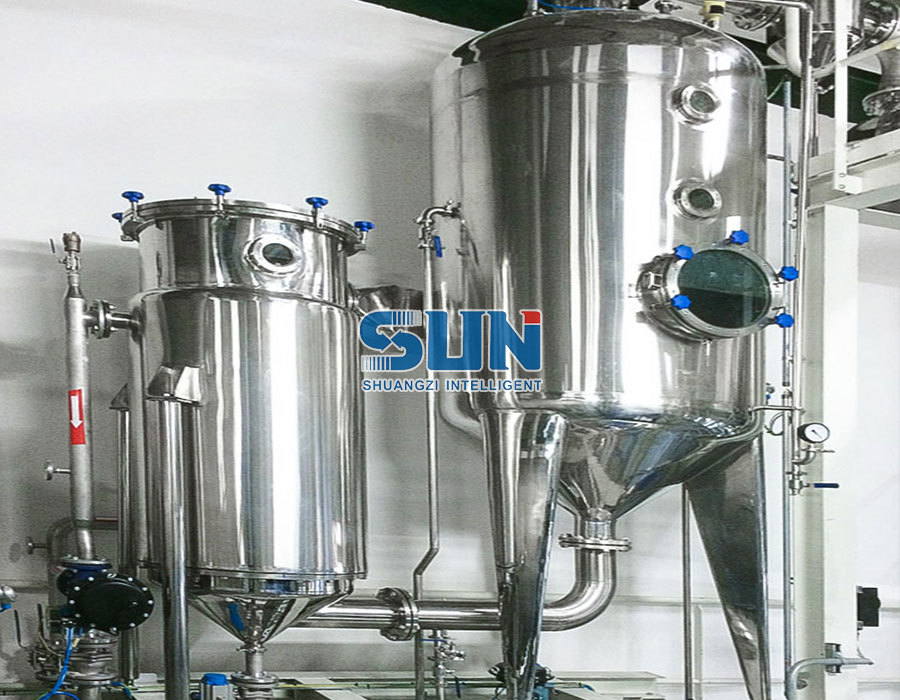
Modern food, pharmaceutical, biotechnology, plant extraction, and chemical production processes increasingly require concentration equipment that can remove solvent efficiently without damaging valuable components. Many liquid materials contain heat-sensitive nutrients, active pharmaceutical ingredients, natural flavors, proteins, enzymes, pigments, or other compounds that may degrade when exposed to prolonged heating. For these applications, a stainless steel vacuum flash evaporator provides a practical combination of rapid solvent removal, low-temperature operation, hygienic construction, and flexible process control.
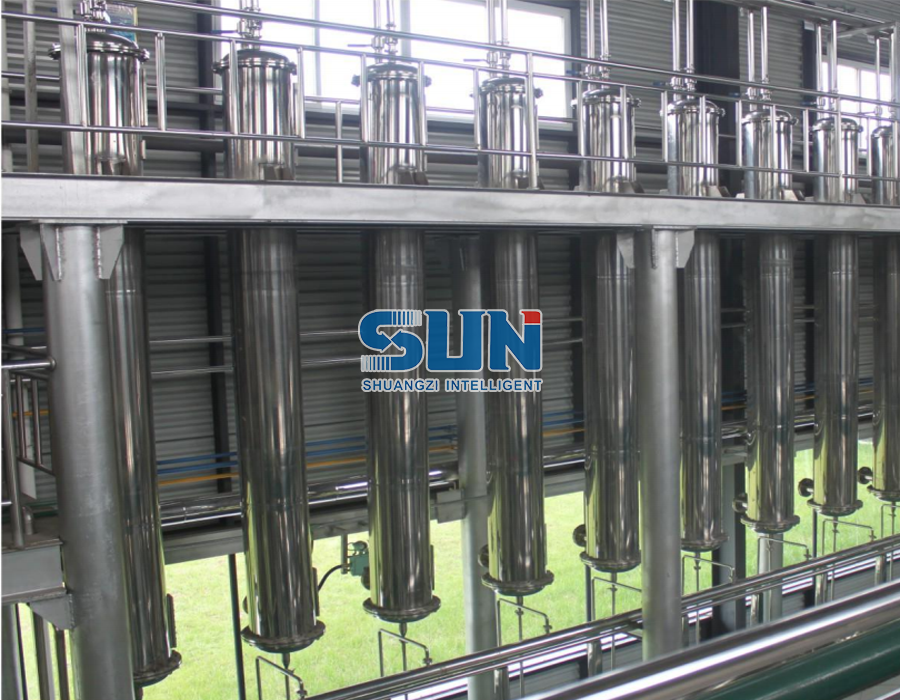
The stainless steel vacuum flash evaporator described in this article is designed for liquid concentration based on the flash evaporation principle. It can process materials at an evaporation capacity of approximately 300 to 5,000 liters per hour, depending on the selected model and operating conditions. The equipment is suitable for plant extraction projects, bio-fermentation projects, Western medicine synthesis projects, turnkey engineering projects, food processing, solvent recovery, wastewater reduction, and other industries requiring controlled evaporation.
Unlike conventional atmospheric evaporators that may expose products to high temperatures for extended periods, a vacuum flash evaporator uses preheating followed by rapid pressure reduction. The material enters a low-pressure flash chamber, where part of its solvent vaporizes immediately. This rapid evaporation removes water or another solvent while reducing the product temperature. The resulting vapor is sent to a condenser for recovery, and the concentrated liquid is collected for further processing.
This article explains the working principle, construction, process advantages, manufacturing capabilities, application scope, operating considerations, and selection criteria of the equipment. It also examines how an experienced engineering manufacturer can support process design, fabrication, automation, installation, commissioning, and turnkey project delivery.
1. Overview of Vacuum Flash Concentration
Concentration is the process of reducing the amount of solvent in a liquid while retaining the dissolved or suspended solids. In many industrial processes, water is the main solvent, but the same principle can be applied to alcohols, organic solvents, or mixed solvent systems when the equipment is properly configured.
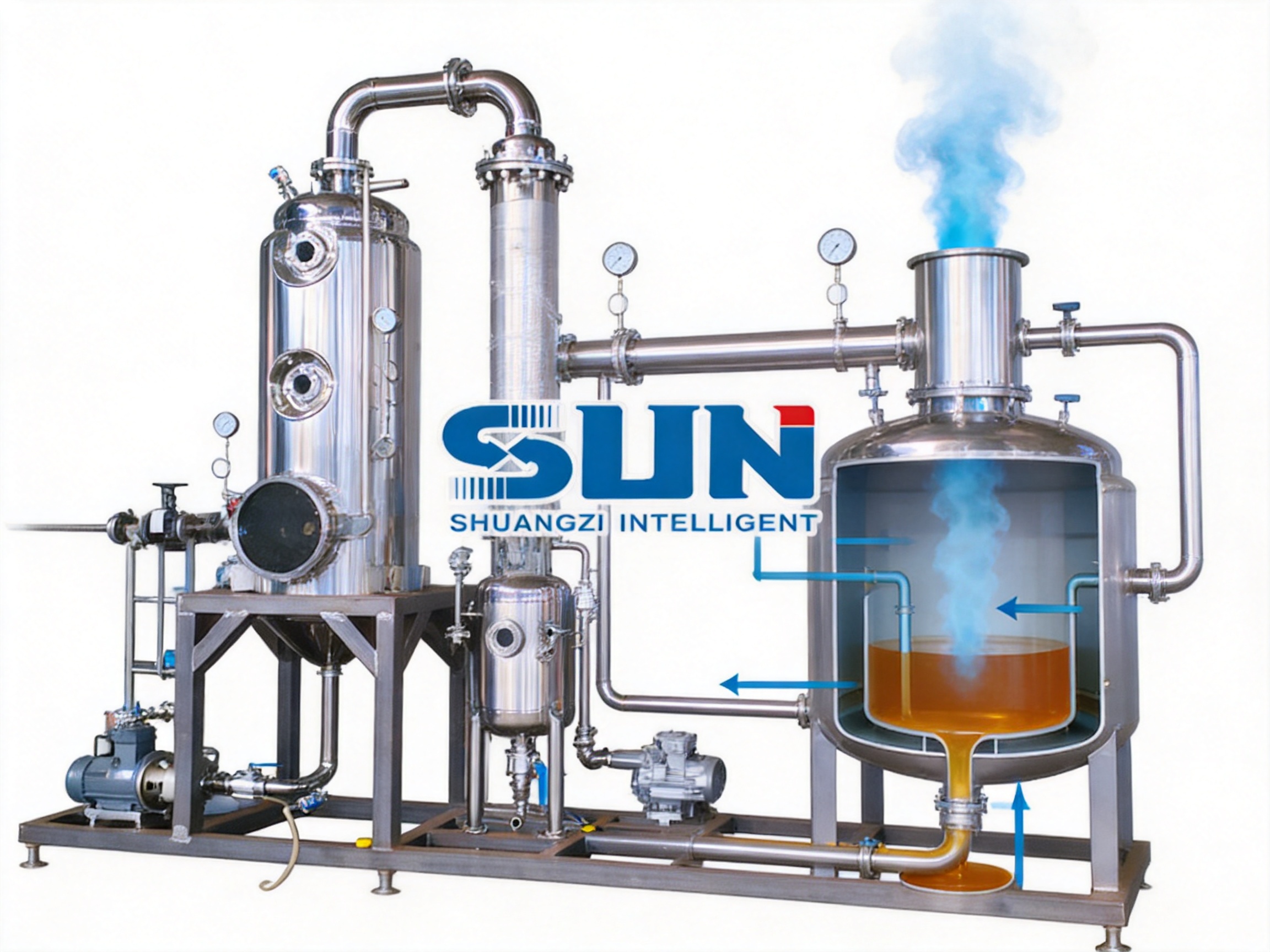
A flash evaporator performs concentration in a short, controlled sequence. First, the feed liquid is heated by a preheater to a temperature near its boiling point at the intended operating pressure. The heated liquid is then introduced into a flash chamber maintained under vacuum. Because the chamber pressure is significantly lower than the pressure corresponding to the liquid’s previous temperature, the liquid becomes temporarily superheated relative to the new pressure. A portion of the solvent vaporizes almost instantaneously.
The vaporization consumes latent heat. As a result, the remaining liquid undergoes a rapid temperature decrease. This feature is particularly valuable when processing materials that are sensitive to prolonged exposure to heat. The vapor is separated from the liquid and directed to a condenser, where it is converted back into liquid for recovery or disposal. The concentrated product leaves the flash chamber through a controlled outlet.
The concentration effect depends on several variables, including feed temperature, vacuum level, feed flow rate, initial solids content, target solids content, product viscosity, solvent properties, residence time, and the design of the vapor-liquid separation system. A properly engineered system balances these variables to achieve the desired evaporation capacity while protecting product quality.
2. Main Equipment Components
A complete stainless steel vacuum flash evaporator normally consists of several interconnected components. Each component contributes to stable operation, product protection, energy efficiency, and ease of maintenance.
2.1 Feed System
The feed system transfers the material from a storage tank or upstream process into the evaporator. Depending on material viscosity and solids content, the system may include a sanitary centrifugal pump, positive-displacement pump, screw pump, or another pump type selected for the characteristics of the product.
Stable feed delivery is important because sudden changes in flow can affect flash chamber pressure, vapor generation, separation performance, and final concentration. The feed line may include strainers, sanitary valves, flow meters, pressure gauges, sampling points, and temperature sensors. For pharmaceutical and food applications, the design should minimize dead zones and provide suitable cleaning access.
2.2 Preheater
The preheater raises the feed temperature before the liquid enters the flash chamber. Heating may be supplied by steam, hot water, thermal oil, or another suitable heating medium. The preheater can be configured as a tubular heat exchanger, plate heat exchanger, shell-and-tube exchanger, or another design selected according to product viscosity, fouling risk, hygiene requirements, and cleaning method.
The purpose of preheating is not simply to heat the product as much as possible. Excessive heating can reduce quality, cause fouling, or promote degradation. The preheater should therefore be controlled to provide the required thermal energy while avoiding unnecessary thermal exposure. Automated temperature control can regulate the heating medium and help maintain consistent feed conditions.
2.3 Flash Chamber
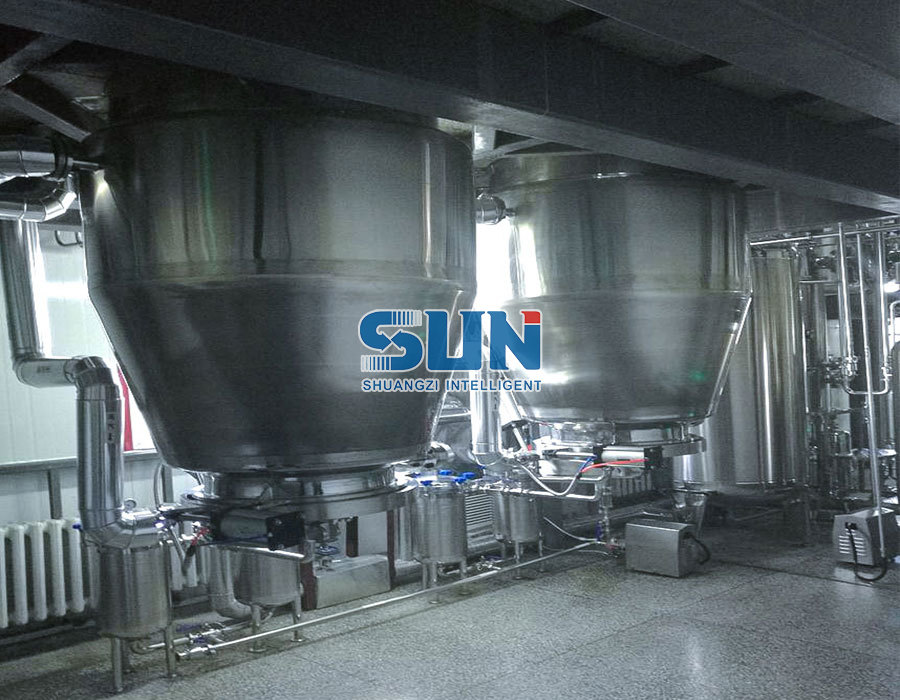
The flash chamber is the central vessel in the system. It provides a controlled low-pressure environment where a portion of the heated liquid rapidly vaporizes. The chamber is designed to support effective vapor-liquid separation and prevent excessive entrainment of product droplets into the vapor line.
Internal geometry, inlet arrangement, vapor outlet design, liquid level control, and residence volume all influence the performance of the flash chamber. A suitable design helps maintain stable operation even when the feed composition varies. The vessel may include sight glasses, spray or distribution devices, level instruments, vacuum connections, cleaning ports, sampling points, and safety fittings.
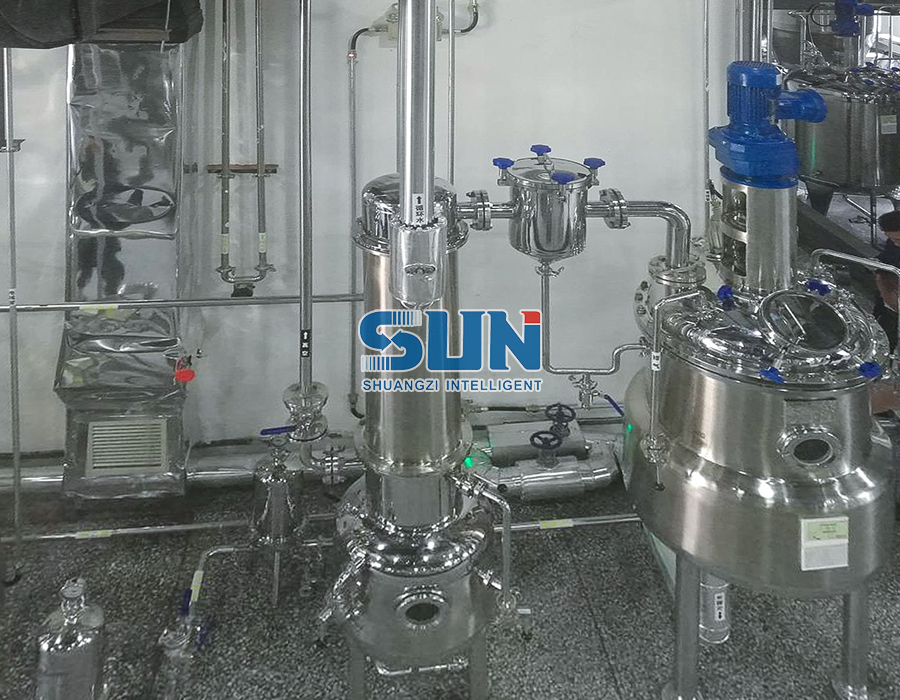
For hygienic applications, the flash chamber is commonly manufactured from stainless steel with a smooth internal surface. The specific grade can be selected based on the chemical composition of the product, cleaning agents, temperature, chloride exposure, and regulatory requirements. Where required, product-contact surfaces may be polished to an appropriate finish.
2.4 Vapor-Liquid Separation System
Efficient separation is necessary to prevent valuable product from being carried out with the vapor. The flash chamber may incorporate a disengagement space, baffle arrangement, demister, cyclone-type separator, or other separation structure. The selection depends on vapor velocity, droplet size, viscosity, foaming tendency, and the properties of the concentrated liquid.
Good vapor-liquid separation improves product recovery, protects the condenser, reduces fouling in downstream equipment, and helps maintain a clean vacuum system. In foaming applications, additional measures may be required, such as controlled feed distribution, foam detection, mechanical demisting, or process-compatible antifoam management.
2.5 Condenser
The condenser receives solvent vapor from the flash chamber and converts it into liquid. Cooling water, chilled water, air, or another cooling medium may be used depending on the solvent and process requirements. The condenser should provide sufficient heat-transfer area to handle the expected vapor load at the selected operating pressure.
In water evaporation applications, the condensate may be collected for reuse, treatment, or discharge. In solvent recovery applications, the condensate may have significant economic value. The condenser design must therefore consider vapor composition, condensation temperature, non-condensable gases, material compatibility, and recovery objectives.
2.6 Vacuum System
The vacuum system establishes and maintains the low pressure required for flash evaporation. It may include a water-ring vacuum pump, dry vacuum pump, steam ejector, condenser-assisted vacuum arrangement, or a combination of technologies.
The selection of the vacuum system depends on the required pressure range, vapor load, solvent type, condensate temperature, presence of non-condensable gases, and environmental requirements. A suitable system should provide reliable pressure control without causing excessive energy consumption or product loss.
Vacuum instruments, control valves, isolation valves, vacuum breakers, check valves, and condensate traps may be included to support safe and stable operation. The system should also be designed to avoid liquid carryover into the vacuum pump.
2.7 Concentrate Discharge System
The concentrated product is discharged from the flash chamber through a controlled outlet. Depending on viscosity and solids content, discharge may be assisted by gravity, a sanitary pump, a positive-displacement pump, or a level-controlled transfer system.
The discharge system should maintain the desired liquid level and prevent air from entering the vacuum chamber. For high-viscosity concentrates, the equipment may require larger-diameter piping, jacketed lines, special valve configurations, or heating provisions to prevent blockage.
2.8 Control and Instrumentation
Process control is essential for achieving repeatable concentration results. Typical instruments include temperature sensors, pressure transmitters, vacuum gauges, flow meters, level sensors, conductivity meters, and condensate monitoring devices.
A control system can regulate feed flow, preheater temperature, vacuum pressure, heating-medium flow, cooling-water flow, concentrate discharge, and system alarms. Depending on project requirements, the system may use a programmable logic controller, touch-screen human-machine interface, data recording, recipe management, remote monitoring, and integration with a plant-wide supervisory control system.
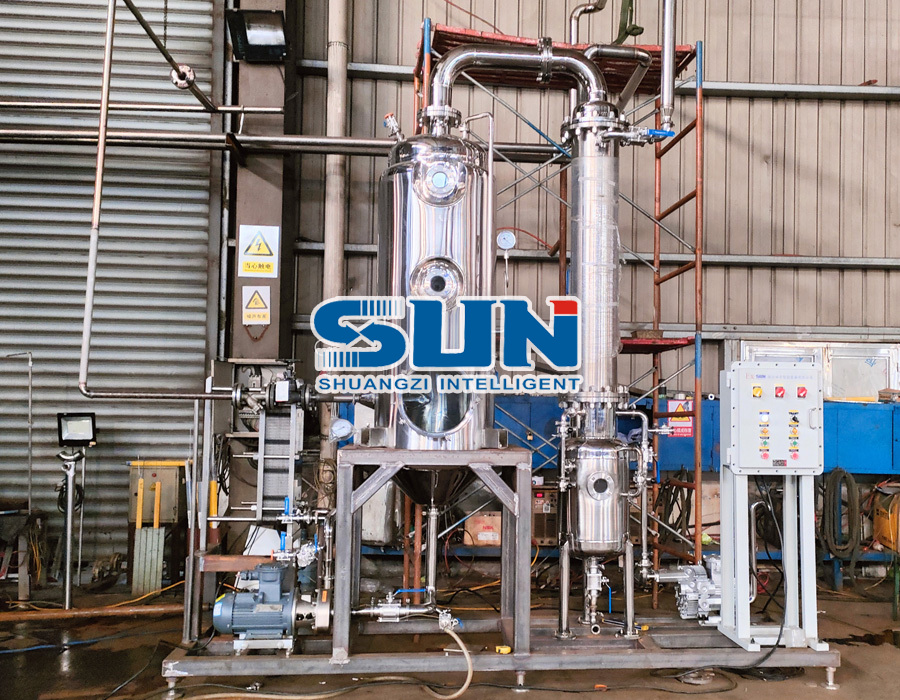
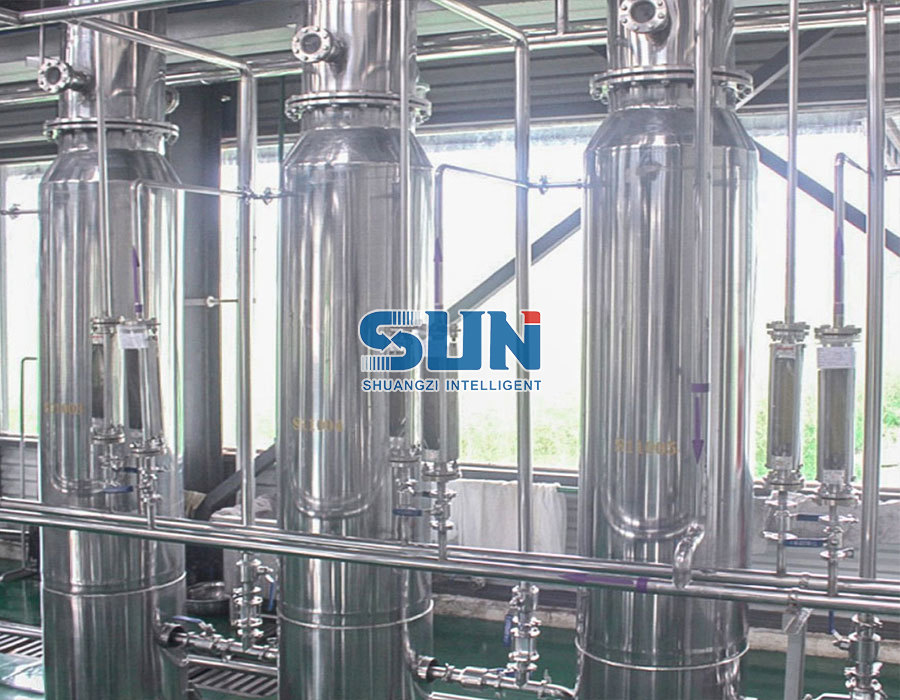
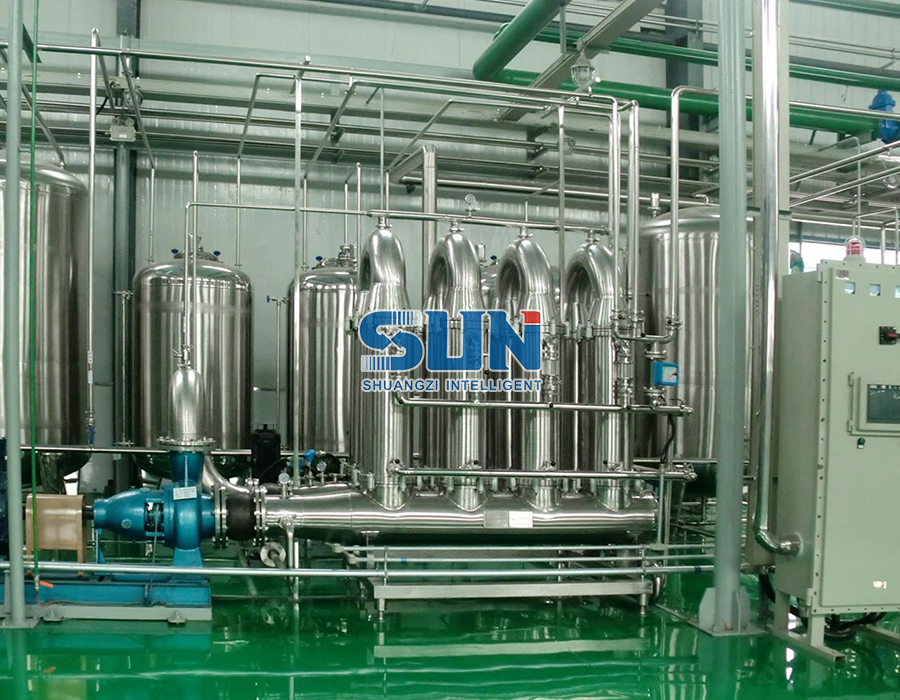
Stainless Steel Vacuum Flash Evaporator
3. Working Principle in Detail
The operating sequence begins when the feed material enters the preheating section. The heat-transfer medium supplies energy through the heat-exchanger wall, raising the liquid temperature. The feed is heated to a condition close to its boiling point under the pressure expected in the flash chamber.
The heated feed then passes through a controlled inlet into the vacuum flash chamber. The pressure in the chamber is lower than the pressure at which the feed was heated. Under this reduced pressure, the boiling point of the solvent decreases. The liquid therefore undergoes rapid self-evaporation, often called flash evaporation.
During this event, part of the solvent changes from liquid to vapor. The required latent heat is taken from the liquid itself, so the temperature of the remaining liquid falls quickly. This differs from a conventional heated evaporator, where heat may continue to be transferred to the product while evaporation occurs over a longer period.
The generated vapor rises toward the vapor outlet, while the denser concentrated liquid moves toward the lower section of the chamber. Separation structures help reduce liquid entrainment. The vapor travels to the condenser, where it releases heat to the cooling medium and becomes condensate.
The concentrated liquid is removed through the discharge line. If a higher solids concentration is required, the product may be circulated through the equipment or sent through multiple concentration stages. The correct configuration depends on the initial and final solids content, product viscosity, allowable temperature, and required production capacity.
Because pressure affects boiling temperature, vacuum control directly influences product temperature. A deeper vacuum generally permits evaporation at a lower temperature, although the practical operating range depends on the solvent, vapor load, equipment design, condenser capacity, and vacuum-pump performance.
4. Key Advantages Compared with Conventional Evaporators
4.1 Reduced Thermal Damage
The most important advantage of vacuum flash concentration is the ability to reduce the thermal burden on the product. Heat-sensitive materials may lose color, aroma, nutritional value, biological activity, or pharmaceutical potency when exposed to high temperatures for too long.
In a flash process, preheating is followed by rapid evaporation and a quick temperature drop. The product can therefore experience a shorter period of elevated temperature than in many conventional atmospheric systems. This makes the equipment especially suitable for fruit juice, dairy ingredients, botanical extracts, fermentation broths, enzymes, biological preparations, and other sensitive materials.
4.2 Rapid Evaporation
Flash evaporation occurs quickly once the feed enters the low-pressure chamber. The rapid phase change can provide high evaporation performance within a relatively compact process arrangement. This may reduce the required residence time and support continuous production.
Shorter processing time can also help reduce the opportunity for oxidation, microbial growth, color change, or unwanted chemical reactions. The actual benefit depends on the material and the complete process design, but rapid operation is a major reason why flash systems are considered for demanding products.
4.3 Lower Operating Temperature
Vacuum operation lowers the boiling point of the solvent. This creates a wider process window for materials that cannot tolerate atmospheric boiling temperatures. Lower operating temperature can protect valuable components and reduce the risk of localized overheating.
The lower temperature may also support safer handling of flammable or volatile solvents when the equipment, vacuum system, condenser, electrical components, and safety controls are correctly designed for the application.
4.4 Efficient Solvent Recovery
The condenser enables recovery of the evaporated solvent. For water-based systems, recovered condensate may be reused or sent for treatment. For alcohol or other valuable organic solvents, recovery can reduce raw-material costs and support environmental objectives.
Solvent recovery performance depends on condenser temperature, pressure, vapor composition, non-condensable gas content, and the effectiveness of the vacuum system. A complete engineering assessment is necessary when solvent recovery is a primary project objective.
4.5 Reduced Energy Consumption Potential
The equipment can offer energy advantages because flash evaporation uses the sensible heat already present in the preheated feed. In addition, heat recovery may be introduced through condensate reuse, preheating of incoming feed, vapor recompression, or integration with other plant utilities.
Energy performance is influenced by the product, target concentration, inlet temperature, vacuum level, utility conditions, heat losses, and operating schedule. The evaporator should therefore be evaluated as part of the complete process rather than as an isolated vessel.
4.6 Hygienic Stainless Steel Construction
Stainless steel construction supports corrosion resistance, cleanability, durability, and compatibility with food, pharmaceutical, and biotechnology production. Smooth product-contact surfaces reduce the possibility of material retention and simplify cleaning.
Appropriate welding, polishing, drainage, gasket selection, valve design, and piping layout are important to hygienic performance. Stainless steel alone does not guarantee sanitary operation; the complete design and manufacturing process must also address weld quality, surface finish, dead legs, drainability, and cleaning validation requirements.
4.7 Flexible Application Range
The vacuum flash evaporator can be adapted to a wide range of liquid materials. It may be used for aqueous extracts, fermentation liquids, juice, dairy solutions, pharmaceutical intermediates, process wastewater, and solvent-containing streams.
Its flexibility is increased when the manufacturer can adjust the preheater, flash chamber, condenser, vacuum system, pump selection, control logic, and material-contact specifications to suit the process. This is particularly useful for companies operating several product lines or planning future capacity expansion.
4.8 Compact and Modular Process Arrangement
A flash evaporation system can be arranged as a compact skid-mounted unit or as part of a larger processing line. Modular construction may simplify transportation, installation, utility connection, and commissioning. It can also support phased investment, pilot testing, and capacity expansion.
5. Technical Parameters and Capacity Range
The listed equipment range includes models identified from SZN-300-HSK to SZN-5000-HSK. The corresponding nominal evaporating volume is approximately 300 to 5,000 liters per hour. This range allows the equipment to serve pilot, intermediate, and industrial production requirements.
| Parameter | Available Information | Process Significance |
| Equipment type | Stainless steel vacuum flash evaporator | Rapid concentration under reduced pressure |
| Model range | SZN-300-HSK to SZN-5000-HSK | Provides several capacity levels for different production scales |
| Evaporating volume | Approximately 300–5,000 L/h | Nominal solvent-removal capacity under specified conditions |
| Core process | Preheating, vacuum flash evaporation, condensation, concentrate discharge | Supports low-temperature and continuous concentration |
| Main materials | Stainless steel product-contact construction | Supports hygiene, corrosion resistance, and cleanability |
| Typical utilities | Heating medium, cooling medium, electrical power, vacuum service | Required for thermal input, condensation, pumping, and control |
The stated evaporation capacity should not be interpreted as a universal production guarantee for every material. Actual capacity depends on feed concentration, desired final concentration, viscosity, boiling-point elevation, solvent type, temperature, vacuum pressure, fouling behavior, foaming tendency, and utility conditions.
For example, a thin aqueous juice may be processed at a different rate from a viscous botanical extract. A fermentation broth containing proteins and suspended solids may require different separation and cleaning provisions from a clarified pharmaceutical solution. Capacity selection should therefore be based on a material balance and heat balance supported by laboratory, pilot, or production data.
6. Applications in Food Processing
Food products often contain valuable components that can be damaged by excessive heat. Vacuum flash evaporation can help concentrate products while retaining desirable taste, aroma, color, and nutritional characteristics.
6.1 Juice and Fruit Concentrates
Fruit juice concentration reduces transportation and storage costs while producing a stable intermediate for beverage, ingredient, and food manufacturing applications. Vacuum operation can help reduce the boiling temperature and limit thermal exposure. The condenser may also support recovery of water and volatile fractions, depending on the process arrangement.
Juice processing requires careful control of foaming, pulp content, sugar concentration, viscosity, and fouling. The inlet distribution system, vapor separator, pump type, and cleaning procedure should be selected according to the specific fruit or vegetable product.
6.2 Dairy and Nutritional Products
Dairy liquids and nutritional formulations may contain proteins, lactose, minerals, vitamins, and flavor components. These substances can be sensitive to temperature and residence time. A vacuum flash evaporator can be considered for pre-concentration or specialized concentration steps when the process requires gentle treatment.
Hygienic design is essential. Product-contact welds, gaskets, valves, internal surfaces, and cleaning procedures should be compatible with the required sanitation program. The process engineer must also assess protein fouling and the effect of concentration on viscosity.
6.3 Plant-Based Food Ingredients
Plant-based liquids, botanical beverages, natural sweeteners, and functional food extracts may benefit from low-temperature concentration. The equipment can reduce water content while helping retain selected flavor and color characteristics.
Because plant-based materials vary significantly in fiber, protein, oil, and suspended-solid content, pretreatment such as filtration, clarification, centrifugal separation, or coarse screening may be necessary before evaporation.
7. Applications in Plant Extraction
Plant extraction projects frequently produce dilute liquid extracts containing water, ethanol, or another solvent. Concentration is often required before drying, crystallization, formulation, or further purification.
A vacuum flash evaporator can be integrated after extraction and solid-liquid separation. The extract is preheated to a controlled level, flashed under vacuum, and discharged at a higher solids concentration. This can reduce the load on a subsequent vacuum dryer, spray dryer, crystallizer, or formulation system.
Botanical extracts may contain heat-sensitive alkaloids, glycosides, flavonoids, polysaccharides, essential oils, pigments, or other active compounds. Process conditions should be established according to the stability profile of the target components. The use of reduced pressure and short evaporation time can help limit unwanted degradation, although validation is still required for each product.
When ethanol or another organic solvent is used, the system must be designed with attention to solvent compatibility, vapor recovery, electrical classification, grounding, ventilation, pressure protection, and fire safety. The equipment configuration should be reviewed by qualified process and safety personnel before operation.
8. Applications in Bio-Fermentation
Fermentation broths may require concentration before downstream separation, drying, formulation, or purification. These broths can contain cells, proteins, sugars, organic acids, enzymes, and other biological components.
The flash evaporator can be used when the target product remains stable under the selected temperature and vacuum conditions. The system may be installed after filtration, centrifugation, microfiltration, or another clarification process. If whole broth is processed, the pump, inlet, chamber, and cleaning design must account for solids and possible foaming.
Biological materials are often sensitive to shear, oxidation, temperature, and residence time. Process development should therefore examine pump shear, oxygen exposure, concentrate viscosity, and the effect of evaporation on biological activity. Automated control and rapid response can help maintain consistent operating conditions.
9. Applications in Pharmaceutical Production
Pharmaceutical manufacturing requires careful control of product quality, contamination risk, traceability, and process repeatability. Vacuum flash evaporation may be used for aqueous extracts, pharmaceutical intermediates, biological solutions, mother liquors, and other compatible liquids.
The equipment can be specified with appropriate stainless steel grades, sanitary valves, polished surfaces, instrument calibration, documentation, and cleaning provisions. Depending on the project, the design may support clean-in-place operation, steam sterilization compatibility, controlled drainage, and data recording.
Evaporation conditions should be developed using product-specific stability data. Active ingredients may respond differently to heat, vacuum, concentration, oxygen, and shear. The equipment supplier can support process design, but final operating limits should be established through qualified process development and validation procedures.
10. Chemical Processing and Wastewater Reduction
In chemical production, evaporation is often used to reduce wastewater volume, recover solvents, concentrate valuable dissolved compounds, or prepare a stream for crystallization. The vacuum flash evaporator can be configured for aqueous or compatible organic systems.
Wastewater applications may involve corrosive salts, suspended solids, scaling compounds, or variable feed composition. Material selection, pretreatment, cleanability, corrosion allowance, and vapor treatment are especially important. The condensate may require analysis before reuse or discharge.
By reducing the volume of a waste stream, concentration can lower transportation, storage, and downstream treatment requirements. It may also support resource recovery. However, the concentrated residue must be evaluated for handling, disposal, recycling, or further treatment.
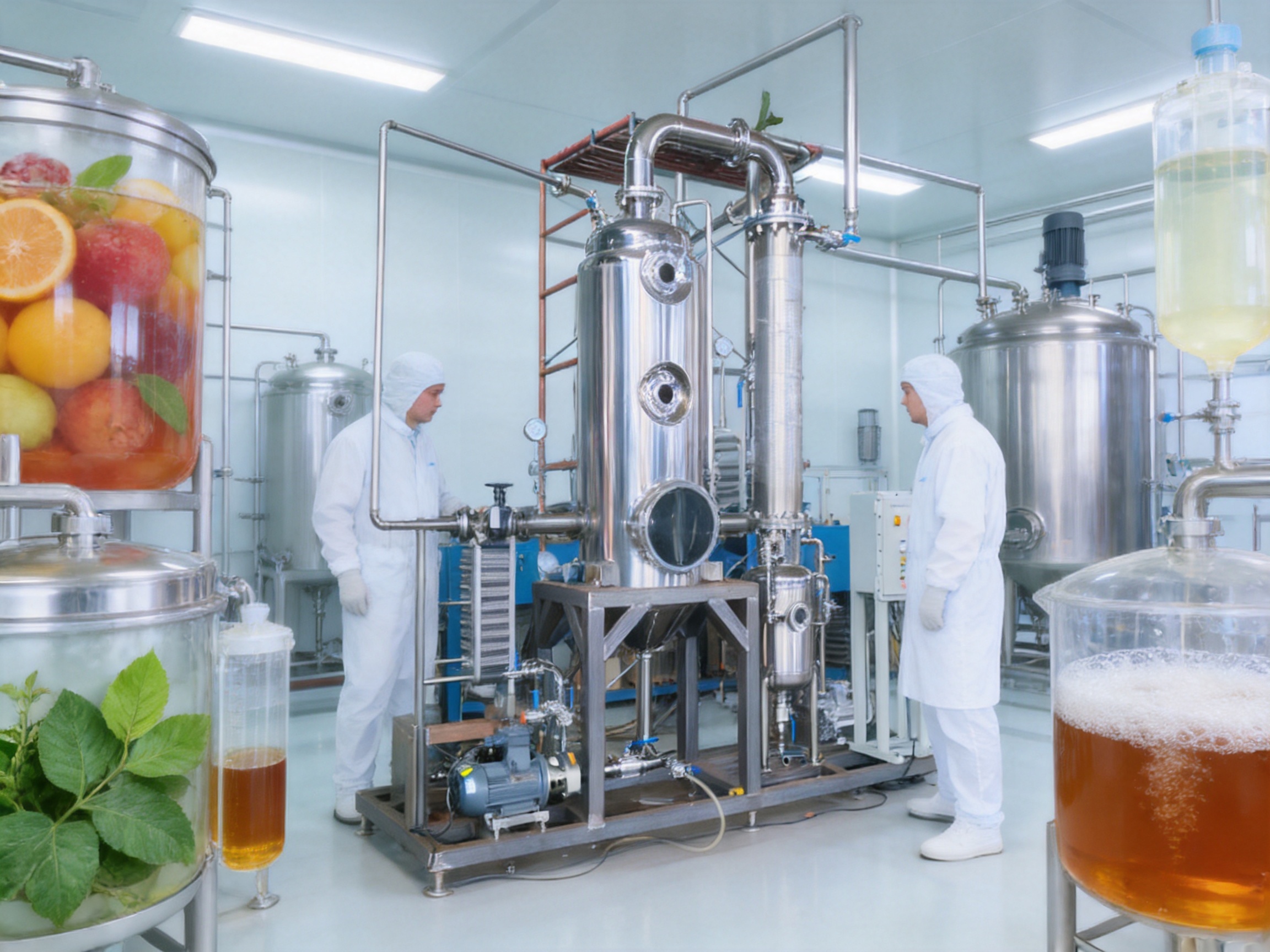
11. Manufacturing Strengths and Engineering Capability
The performance of an evaporator depends not only on its process concept but also on the quality of engineering, fabrication, inspection, assembly, and commissioning. Zhejiang Shuangzi Intelligent Equipment Co., Ltd. is presented as a professional biology and medical equipment enterprise with experience in plant extraction, biological fermentation, pharmaceutical engineering, natural food, energy conservation, and environmental protection projects.
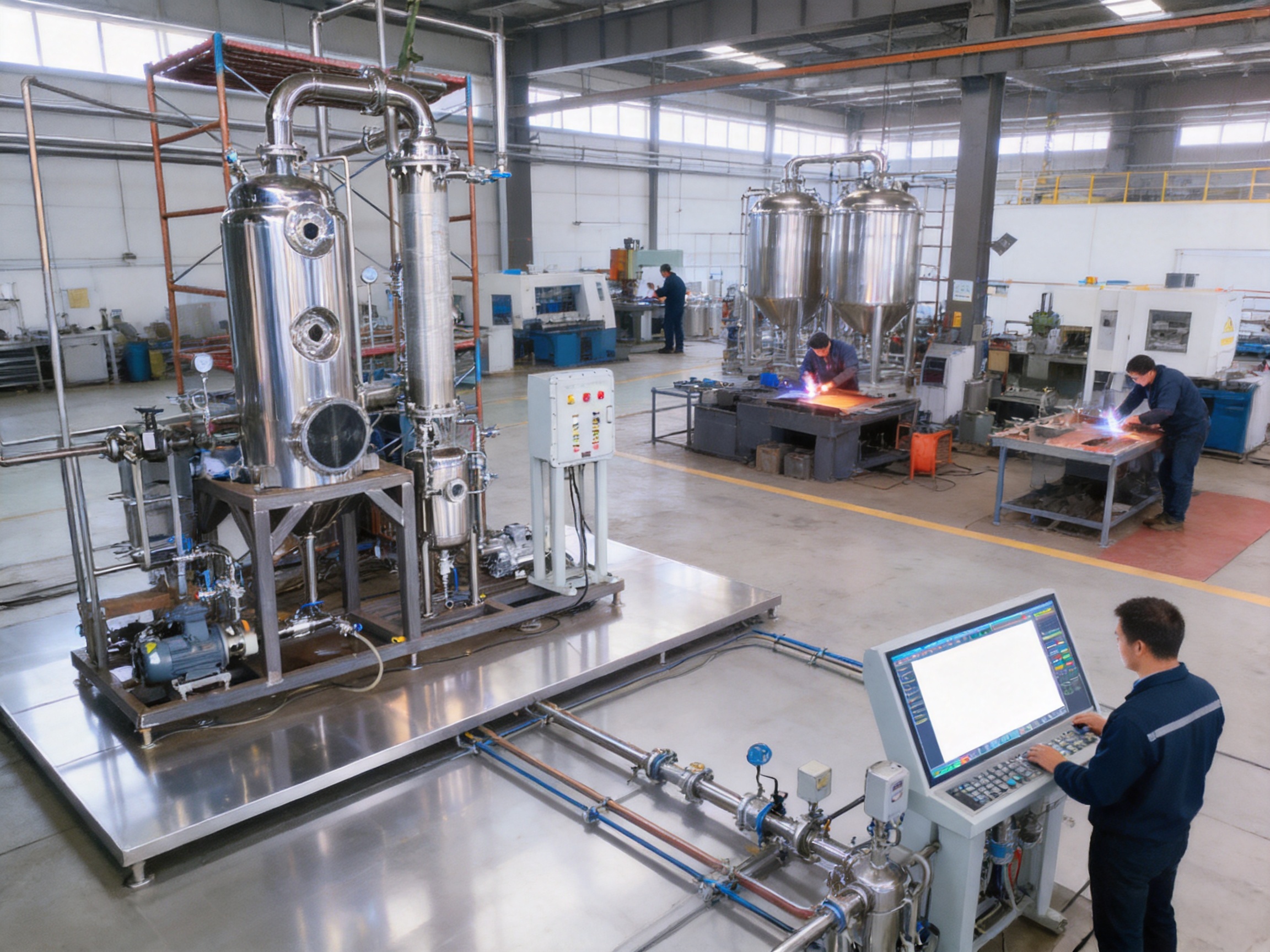
The company was founded in 2007 and operates facilities with a floor area of approximately 16,706 square meters and a structure area of approximately 17,800 square meters. These facilities provide space for equipment fabrication, assembly, testing, pilot-scale work, process development, and project coordination.
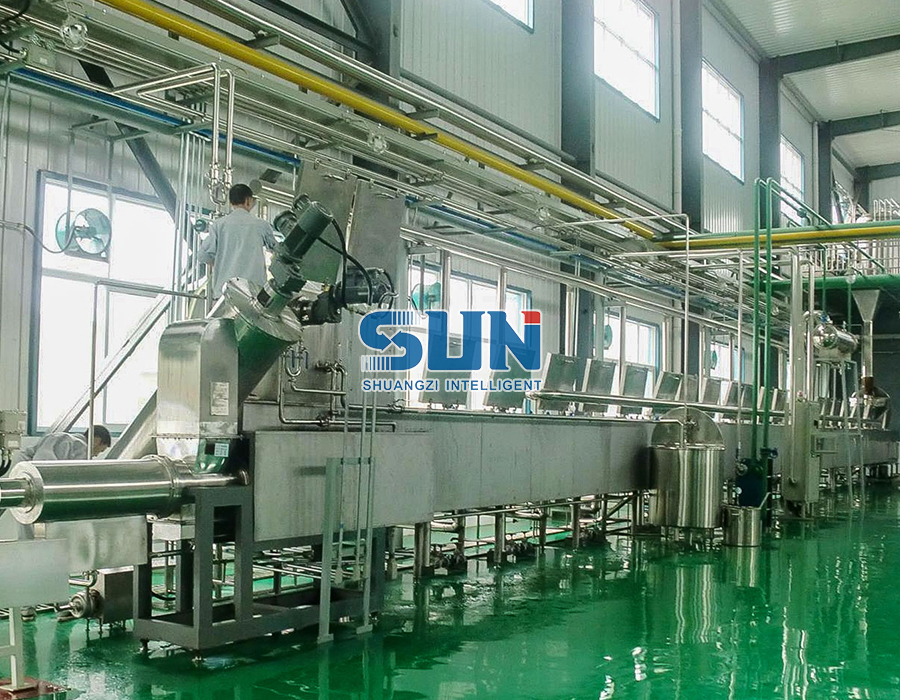
A significant strength is the company’s EPC and EPCM-oriented approach. Rather than treating the evaporator as an isolated vessel, the engineering team can address process technology, automation engineering, equipment manufacturing, auxiliary equipment procurement, installation, system integration, commissioning, and production-line support.
11.1 Process Engineering and Equipment Design
Process engineering begins with understanding the material and the required production result. Important information includes feed volume, initial solids, target solids, viscosity, solvent composition, temperature sensitivity, foaming behavior, corrosiveness, suspended solids, cleaning requirements, and available utilities.
Based on these factors, the engineering team can develop a process flow arrangement and determine the required preheater, flash chamber, condenser, vacuum system, pumps, valves, sensors, and control strategy. This approach helps reduce the risk of selecting equipment solely by nominal capacity.
11.2 Advanced Welding and Fabrication
The company has introduced advanced welding and finishing equipment, including plasma argon arc welding machines, plasma cutting machines, and CAM CNC machining centers. Such equipment can support accurate fabrication, consistent cutting, controlled welding, and improved finishing quality.
Plasma argon arc welding is particularly relevant to stainless steel process equipment. Proper control of welding parameters, shielding gas, joint preparation, heat input, and post-weld finishing can help produce smooth and reliable product-contact surfaces.
Computer-aided manufacturing and CNC machining can improve dimensional consistency for flanges, fittings, support structures, machined components, and other parts requiring accuracy. Consistent fabrication reduces assembly problems and supports better alignment between vessels, piping, pumps, valves, and instruments.
11.3 Surface Finishing and Hygienic Construction
Surface finishing is an important part of sanitary equipment manufacturing. A smooth, properly finished surface is easier to clean and less likely to retain product residues. Internal welds may require grinding, polishing, passivation, or other treatments according to the application and specification.
Hygienic construction also includes suitable vessel slopes, drainability, sanitary connections, minimized dead legs, appropriate gasket materials, and accessible cleaning points. These details are especially important in food, pharmaceutical, and biotechnology facilities.
11.4 Pilot Production Workshop and Research Platform
The company maintains a pilot production workshop and research and development platform designed to support process studies and pilot-scale work. Pilot testing can be valuable when the product is viscous, heat-sensitive, foaming, prone to scaling, or chemically complex.
Pilot work may help establish feed temperature, vacuum level, residence time, evaporation rate, concentrate behavior, condensate quality, and cleaning requirements before full-scale equipment is manufactured. This reduces uncertainty during industrial installation and can improve the reliability of scale-up decisions.
11.5 Automation and System Integration
Automation capability is important for maintaining stable flash evaporation conditions. The company’s engineering scope includes automation design and equipment system integration. A complete control package may coordinate feed flow, heating, vacuum, condensation, liquid level, discharge, alarms, and interlocks.
Integrated automation can reduce operator workload and help maintain consistent product quality. It also makes it easier to record process data for production analysis, troubleshooting, traceability, and future optimization.
11.6 Complete Project Support
In addition to manufacturing individual machines, the company can provide process design, equipment design, installation, line debugging, and turnkey project services. This can be valuable for customers that need a complete production line rather than a standalone evaporator.
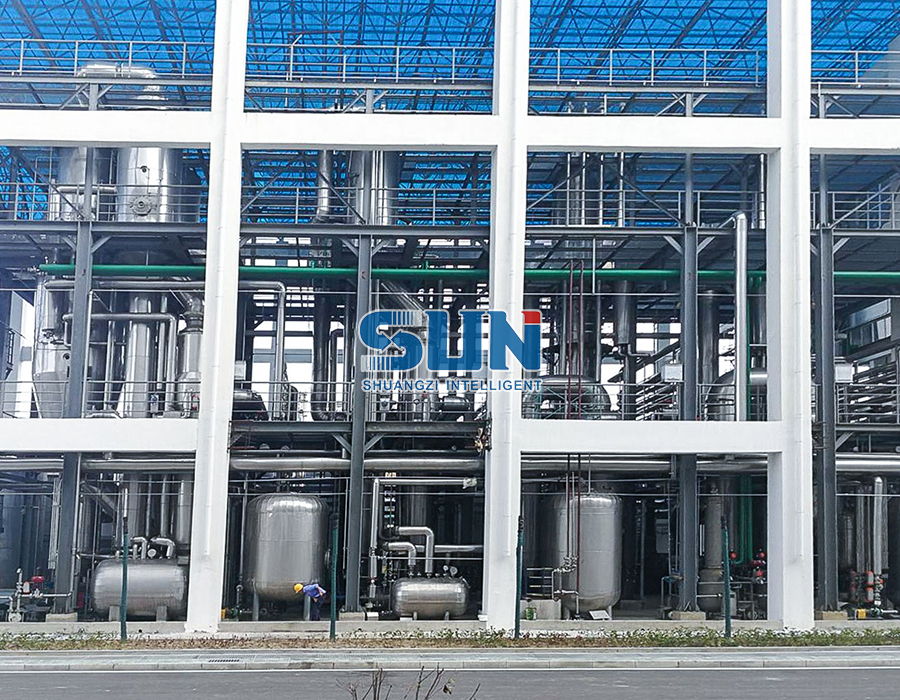
For a plant extraction line, for example, the concentration system may need to connect with extraction tanks, solid-liquid separation equipment, storage tanks, drying equipment, solvent recovery, and cleaning utilities. For a fermentation project, it may need to connect with fermenters, filtration, sterilization, storage, and downstream purification. System-level coordination helps ensure that equipment interfaces are considered from the beginning.
12. Quality and Reliability Considerations
Reliable operation depends on correct design, suitable materials, manufacturing precision, inspection, and proper commissioning. Customers evaluating a vacuum flash evaporator should request information about material certificates, weld inspection, pressure testing, surface treatment, instrument calibration, factory acceptance testing, and documentation.
For sanitary applications, the equipment specification should identify the required stainless steel grade, internal surface finish, welding standard, gasket materials, cleaning method, sterilization method, and applicable industry requirements. For chemical or solvent applications, corrosion resistance and safety design should receive priority.
Factory acceptance testing can verify important functions before shipment. Typical checks may include pump operation, valve actuation, instrument signals, vacuum performance, temperature control, level control, alarm logic, leakage inspection, and water trials. The test scope should be agreed upon before manufacturing.
13. Installation and Commissioning
Before installation, the customer should confirm the foundation, access routes, lifting capacity, utility connections, drainage, ventilation, electrical supply, and operating environment. The equipment should be positioned to allow maintenance access to pumps, valves, instruments, heat exchangers, condenser surfaces, and vacuum components.
Installation includes mechanical alignment, piping connection, electrical connection, instrument wiring, control-system configuration, utility connection, and safety verification. Piping should be arranged to minimize unnecessary pressure loss and avoid low points where liquid could accumulate in vapor or vacuum lines.
Commissioning normally begins with inspection and water testing. The system can then be tested under vacuum, followed by gradual introduction of the process material. Operating parameters should be adjusted carefully while monitoring feed temperature, chamber pressure, condensate flow, product level, and concentrate properties.
Successful commissioning should result in documented operating procedures, alarm settings, cleaning procedures, maintenance schedules, spare-parts recommendations, and operator training. These documents help the customer achieve stable production after the engineering team leaves the site.
14. Cleaning and Maintenance
Cleaning requirements vary according to the material and industry. Food, pharmaceutical, and biological applications may require frequent cleaning to prevent microbial contamination, cross-contamination, or product buildup. Chemical applications may require specialized cleaning agents to remove scale, salts, oils, or residues.
A clean-in-place system may be integrated when the process requires automated cleaning. The cleaning sequence can include pre-rinsing, alkaline washing, intermediate rinsing, acid cleaning, final rinsing, sanitization, and drainage. The exact sequence must be validated against the product and the materials of construction.
Regular maintenance should include inspection of pumps, mechanical seals, valves, gaskets, heat-transfer surfaces, vacuum equipment, condensers, instruments, and safety devices. The operator should monitor changes in vacuum stability, evaporation capacity, temperature response, condensate quality, pressure drop, and product concentration.
Fouling is one of the most common causes of declining performance. Early signs may include reduced heat transfer, increased heating demand, higher pressure drop, unstable product temperature, or lower evaporation capacity. A planned cleaning schedule can help prevent severe deposits and unplanned shutdowns.
15. How to Select the Correct Model
Model selection should begin with the required solvent-removal rate rather than only the feed-flow rate. The customer should define the amount of solvent that must be removed per hour and the desired final concentration.
| Selection Factor | Questions to Define | Effect on Equipment Design |
| Feed capacity | What is the hourly feed volume and production schedule? | Determines vessel, pump, heat-exchanger, and condenser sizing |
| Initial concentration | What is the starting solids or active-material content? | Influences heat duty and residence behavior |
| Final concentration | What solids content or solvent reduction is required? | Determines evaporation load and possible multistage needs |
| Product temperature limit | What is the maximum acceptable temperature? | Influences vacuum level and preheater operating range |
| Viscosity | How does viscosity change during concentration? | Affects pump, piping, discharge, and heat transfer |
| Foaming tendency | Does the material foam under vacuum? | Determines separator and demister requirements |
| Solvent type | Is the solvent water, ethanol, or another organic liquid? | Influences condenser, vacuum, material, and safety design |
| Cleaning method | Will the system use manual cleaning, CIP, or sterilization? | Determines hygienic layout and auxiliary equipment |
The SZN-300-HSK to SZN-5000-HSK range provides a starting point for capacity planning. Final model selection should be confirmed through a technical discussion, process calculation, and, where appropriate, pilot testing.
16. Comparison with Other Concentration Technologies
16.1 Atmospheric Evaporation
Atmospheric evaporation is simple and familiar, but it generally requires a higher boiling temperature. The product may remain hot for a longer period, increasing the risk of thermal degradation. A vacuum flash evaporator offers a lower-temperature alternative for materials where quality protection is important.
16.2 Falling-Film Evaporation
Falling-film evaporators provide excellent heat-transfer performance and are widely used for large-scale concentration. However, they may require careful control of liquid distribution, viscosity, fouling, and residence time. A flash evaporator can be attractive when rapid pressure-driven evaporation, flexible batch or continuous operation, or a simpler process arrangement is desired.
16.3 Forced-Circulation Evaporation
Forced-circulation evaporators are often used for viscous or scaling products, but they can involve significant pumping energy and longer recirculation exposure. A flash system may reduce thermal residence time, although extremely viscous or heavily scaling materials may still require specialized circulation and cleaning provisions.
16.4 Vacuum Drying
Vacuum drying removes substantially more solvent and produces a solid or semi-solid product. It is appropriate when the final product must be dried. Vacuum flash evaporation is generally used earlier in the process to produce a concentrate and reduce the load on the dryer.
16.5 Membrane Concentration
Membrane systems can concentrate certain solutions at low temperature, but their performance may be limited by suspended solids, fouling, osmotic pressure, or product viscosity. A vacuum flash evaporator can be used independently or combined with membrane systems in an integrated process.
17. Process Optimization Opportunities
Optimization begins with accurate measurement. Feed and concentrate samples should be analyzed for solids, density, viscosity, temperature, pH, solvent composition, and product quality indicators. These data allow the operator to compare actual performance with design expectations.
Heat recovery can improve efficiency. Hot condensate may be used to preheat the incoming feed, provided that contamination risks and utility requirements are addressed. Heat exchangers should be selected and arranged to achieve recovery without creating difficult cleaning conditions.
Vacuum optimization is another important area. A deeper vacuum is not always the best solution. The ideal pressure depends on product stability, condenser performance, vacuum-pump capacity, vapor load, and energy use. Stable pressure control is often more valuable than simply pursuing the lowest possible pressure.
Feed distribution should also be optimized. Uneven distribution can create local overheating, unstable flashing, entrainment, or incomplete separation. Correct nozzle, inlet, baffle, and chamber design can significantly improve performance.
Finally, the control system should be tuned to the actual process. Excessively aggressive control may cause oscillation, while slow control may allow temperature or pressure deviations. Proper instrumentation location and calibration are essential for meaningful control.
18. Safety and Environmental Considerations
Vacuum evaporation involves heat, pressure differences, rotating equipment, electrical systems, and sometimes flammable or hazardous solvents. A complete risk assessment should be carried out before installation and operation.
Pressure and vacuum vessels should be designed, fabricated, inspected, and tested according to applicable regulations and project standards. Safety valves, vacuum breakers, emergency stops, interlocks, and alarm systems should be provided as required by the process risk assessment.
When organic solvents are processed, the design should consider vapor containment, explosion prevention, grounding, bonding, ventilation, equipment classification, condensate handling, and fire protection. The vacuum pump and condenser must be compatible with the solvent and expected operating conditions.
Environmental performance can be improved by recovering condensate, reducing wastewater volume, minimizing solvent emissions, and optimizing utility consumption. The concentrated residue should be managed responsibly through reuse, recycling, further treatment, or compliant disposal.
19. Project Delivery and Turnkey Support
Many customers require more than a machine. They may need a complete line that includes raw-material handling, extraction, filtration, concentration, drying, storage, packaging, cleaning, utilities, and automation. An engineering company with EPC or EPCM capability can coordinate these elements into one project plan.
Turnkey support may include process route development, equipment selection, plant layout, utility calculation, fabrication, factory testing, shipment, installation, commissioning, operator training, and after-sales service. This integrated approach can reduce interface problems between different suppliers.
For international projects, project coordination should also address documentation, export packaging, electrical standards, language requirements, spare parts, remote support, local installation resources, and acceptance criteria. Clear communication of product data and operating objectives is essential from the beginning.
20. Practical Benefits for Different Industries
For food manufacturers, the equipment can support gentle concentration and potential preservation of sensory quality. For plant extraction companies, it can reduce solvent volume before drying or formulation. For pharmaceutical producers, it can provide controlled low-temperature processing with hygienic construction. For fermentation facilities, it can help prepare biological liquids for downstream operations. For chemical plants, it can support solvent recovery and wastewater-volume reduction.
Across these industries, the greatest benefit comes from matching the equipment design to the material. A well-designed evaporator is not defined only by its stainless steel body or nominal capacity. It is defined by how effectively it manages heat, vacuum, vapor separation, hygiene, cleaning, automation, and integration with the complete production process.
21. Frequently Asked Questions
Q1: What is a stainless steel vacuum flash evaporator used for?
It is used to concentrate liquid materials by removing water or another solvent under reduced pressure. Typical applications include juice concentration, dairy processing, plant extracts, fermentation liquids, pharmaceutical solutions, solvent recovery, and wastewater reduction.
Q2: How does flash evaporation protect heat-sensitive products?
The feed is preheated and then introduced into a chamber with much lower pressure. Part of the solvent vaporizes rapidly, consuming latent heat and causing the remaining liquid to cool quickly. This can reduce the time the product spends at an elevated temperature.
Q3: What is the capacity of the equipment?
The listed model range is SZN-300-HSK to SZN-5000-HSK, with an approximate evaporating volume of 300 to 5,000 liters per hour. Actual performance depends on feed properties, target concentration, vacuum level, temperature, and utility conditions.
Q4: Can the evaporator process organic solvents?
It may be configured for suitable organic solvents, but the design must address solvent compatibility, vapor recovery, electrical classification, grounding, ventilation, fire safety, and vacuum-system selection. A technical and safety review is required before processing any flammable solvent.
Q5: Is the equipment suitable for pharmaceutical production?
It can be suitable for compatible pharmaceutical liquids when specified with appropriate stainless steel materials, hygienic construction, surface finishing, sanitary valves, suitable instruments, cleaning provisions, and required documentation. Product-specific process validation remains necessary.
Q6: Can it be integrated with extraction or fermentation lines?
Yes. The evaporator can be designed as part of a larger plant extraction, fermentation, pharmaceutical, food, or environmental system. Integration may include feed tanks, filtration, pumps, drying equipment, condensate recovery, CIP systems, automation, and storage.
Q7: Does the system require a condenser?
Yes, a condenser is normally used to remove heat from the vapor and recover the evaporated solvent as condensate. Condenser capacity must match the expected vapor load and the properties of the solvent.
Q8: What information is needed for equipment selection?
Important information includes feed flow rate, initial and final concentration, product temperature limit, viscosity, pH, solvent type, solids content, foaming tendency, corrosiveness, cleaning method, available heating and cooling utilities, and desired automation level.
Q9: Can the equipment operate continuously?
The equipment is suitable for continuous concentration arrangements when the feed, vacuum, heating, separation, and discharge systems are correctly balanced. Batch or semi-continuous configurations may also be considered for particular products or production schedules.
Q10: How can fouling be controlled?
Fouling can be managed through suitable pretreatment, controlled temperature, correct flow velocity, appropriate heat-exchanger selection, stable operation, timely cleaning, and a cleaning procedure matched to the product. Pilot testing can help identify fouling risks before scale-up.
Q11: What manufacturing capabilities support equipment quality?
Manufacturing strengths include stainless steel fabrication, plasma argon arc welding, plasma cutting, CAM CNC machining, finishing equipment, pilot production facilities, research and development support, automation engineering, and complete equipment-system integration.
Q12: Does the supplier provide turnkey services?
The company provides engineering services that may include process design, equipment design, manufacturing, matching equipment procurement, installation, line debugging, system integration, and turnkey project support.
22. Conclusion
The stainless steel vacuum flash evaporator is a versatile concentration solution for industries that need efficient solvent removal with controlled thermal exposure. Its operating principle combines preheating, rapid flashing under vacuum, vapor-liquid separation, condensation, and controlled concentrate discharge.
With an indicated evaporation capacity range of approximately 300 to 5,000 liters per hour, the equipment can support different production scales. Its main advantages include low-temperature concentration, rapid processing, potential energy savings, solvent recovery, hygienic stainless steel construction, and suitability for heat-sensitive products.
The value of the system is strengthened when it is supplied by an engineering manufacturer capable of handling the complete project lifecycle. Process design, pilot testing, advanced stainless steel fabrication, precision machining, automation, installation, commissioning, and turnkey integration all contribute to reliable long-term performance.
Zhejiang Shuangzi Intelligent Equipment Co., Ltd. combines experience in plant extraction, bio-fermentation, pharmaceutical engineering, natural food, environmental protection, evaporation, drying, separation, filtration, crystallization, and related process systems. Its production facilities, research platform, advanced welding and machining equipment, and EPC/EPCM-oriented services provide a foundation for developing customized concentration solutions.
For each project, the most suitable evaporator should be selected through a detailed review of material properties, production capacity, target concentration, thermal sensitivity, solvent characteristics, utilities, hygiene standards, safety requirements, and future expansion plans. When these factors are properly addressed, vacuum flash evaporation can become an effective and dependable part of a modern liquid-processing line.
References
1. Perry’s Chemical Engineers’ Handbook, sections concerning evaporation, heat transfer, vapor-liquid separation, and vacuum systems.
2. McCabe, W. L., Smith, J. C., and Harriott, P. Unit Operations of Chemical Engineering, discussion of evaporation and phase-equilibrium operations.
3. Geankoplis, C. J. Transport Processes and Separation Process Principles, chapters on heat transfer, evaporation, condensation, and mass balances.
4. Fellows, P. J. Food Processing Technology, principles of thermal processing, concentration, hygienic design, and product-quality protection.
5. Aulton’s Pharmaceutics, general considerations for pharmaceutical process design, stability, contamination control, and scale-up.
6. Standard engineering practices for sanitary stainless steel equipment fabrication, welding, surface finishing, cleaning, and process validation.
7. General process design principles for solvent recovery, vacuum operation, condensate management, and industrial wastewater-volume reduction.