
 英语
英语 俄语
俄语Content
- 1 What is Trichoderma Fungus Fermentation? A Critical Process for Biocontrol Success
- 2 The Trichoderma Fungus Fermentation System Fermenter: Core Features That Drive Performance
- 3 Advantages Over Competitor Solutions: Why This Fermenter Stands Out
- 4 Advanced Manufacturing Processes: The Backbone of Quality
- 5 Company Strengths: Why Zhejiang Shuangzi Is a Trusted Partner
- 6 Case Study: Real-World Impact of the Fermenter
- 7 Q&A Section: Addressing Common Questions About the Trichoderma Fermenter
- 7.1 Q1: What is the minimum order quantity (MOQ) for the fermenter?
- 7.2 Q2: How long does it take to deliver the fermenter?
- 7.3 Q3: Does the company provide training for operating the fermenter?
- 7.4 Q4: Can the fermenter be used for other types of fungal fermentation?
- 7.5 Q5: What is the lifespan of the fermenter?
- 7.6 Q6: Does the company offer spare parts for the fermenter?
- 8 References
Agriculture faces a growing existential challenge: balancing high-yield crop production with environmental sustainability. Chemical pesticides, once the cornerstone of disease control, are increasingly linked to soil degradation, water pollution, and the emergence of resistant pathogens. In this context, Trichoderma-based biocontrol agents have emerged as a promising alternative—safe, effective, and eco-friendly. But the success of these agents depends on one critical component: a high-quality fermentation system that produces pure, active Trichoderma cultures at scale. The Trichoderma Fungus Fermentation System Fermenter is a game-changer in this space, combining precision engineering, advanced automation, and scalable design to meet the needs of modern agricultural biomanufacturing.
Trichoderma is a genus of filamentous fungi known for its dual role as a plant symbiont and biocontrol agent. Studies show that Trichoderma species inhibit soil-borne pathogens through mechanisms like mycoparasitism, antibiosis, and induced systemic resistance (ISR) in plants (Harman, 2006). Unlike chemical fungicides, Trichoderma does not leave harmful residues, improves soil fertility by decomposing organic matter, and enhances nutrient uptake by crops. However, producing Trichoderma at commercial scale requires a fermentation process that maintains the fungus’s viability and metabolic activity—something that many conventional fermenters struggle to achieve.
What is Trichoderma Fungus Fermentation? A Critical Process for Biocontrol Success
Trichoderma fermentation is the process of growing the fungus in a controlled environment to produce large quantities of biomass and bioactive metabolites (like enzymes and antibiotics). The goal is to create a concentrated, stable product that can be applied to crops to prevent diseases. The fermentation process involves several key steps: medium preparation, sterilization, inoculation, growth phase optimization, and harvesting. Each step requires precise control of parameters like temperature, pH, dissolved oxygen (DO), and nutrient supply—factors that directly impact the quality and yield of the final product.
Traditional fermentation systems often use single-stage tanks, which can lead to contamination, inconsistent growth, and low yields. For example, a single tank may not separate the seed culture phase (where the fungus is grown from a small inoculum) from the production phase (where biomass and metabolites are maximized). This increases the risk of contamination and reduces the overall efficiency of the process. The Trichoderma Fungus Fermentation System Fermenter addresses these issues with its innovative 3-stage design, which streamlines each phase of fermentation for optimal results.
The Trichoderma Fungus Fermentation System Fermenter: Core Features That Drive Performance
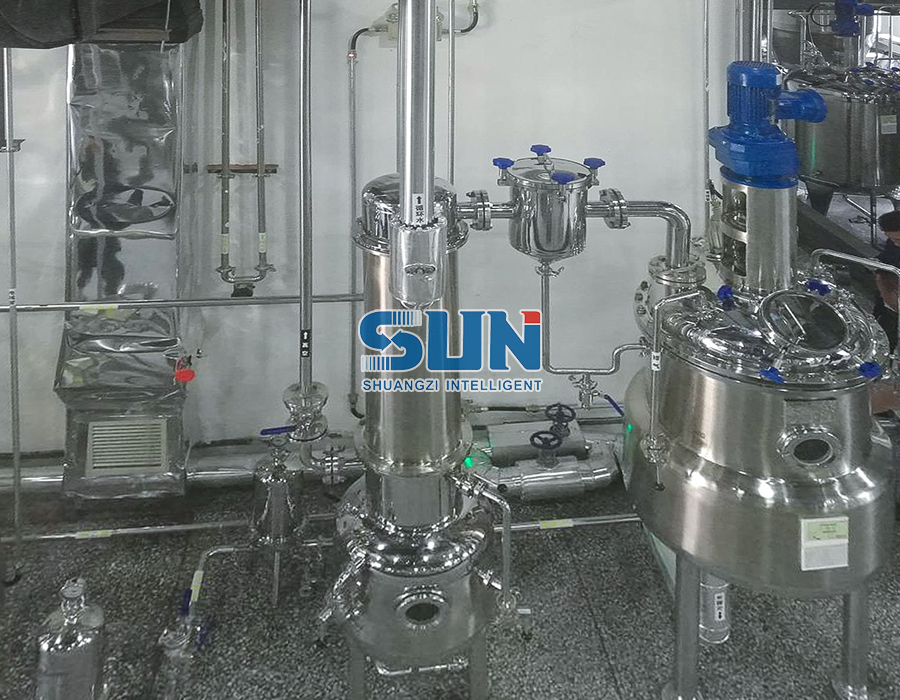
The fermenter is engineered to meet the specific needs of Trichoderma cultivation, with features that prioritize purity, efficiency, and scalability. Below are some of its key design elements:
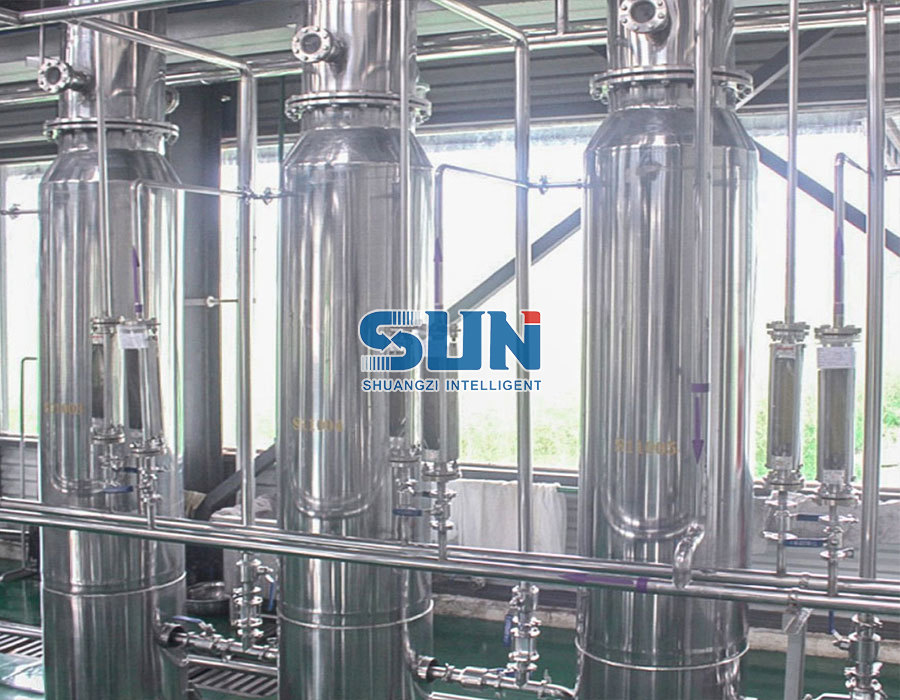
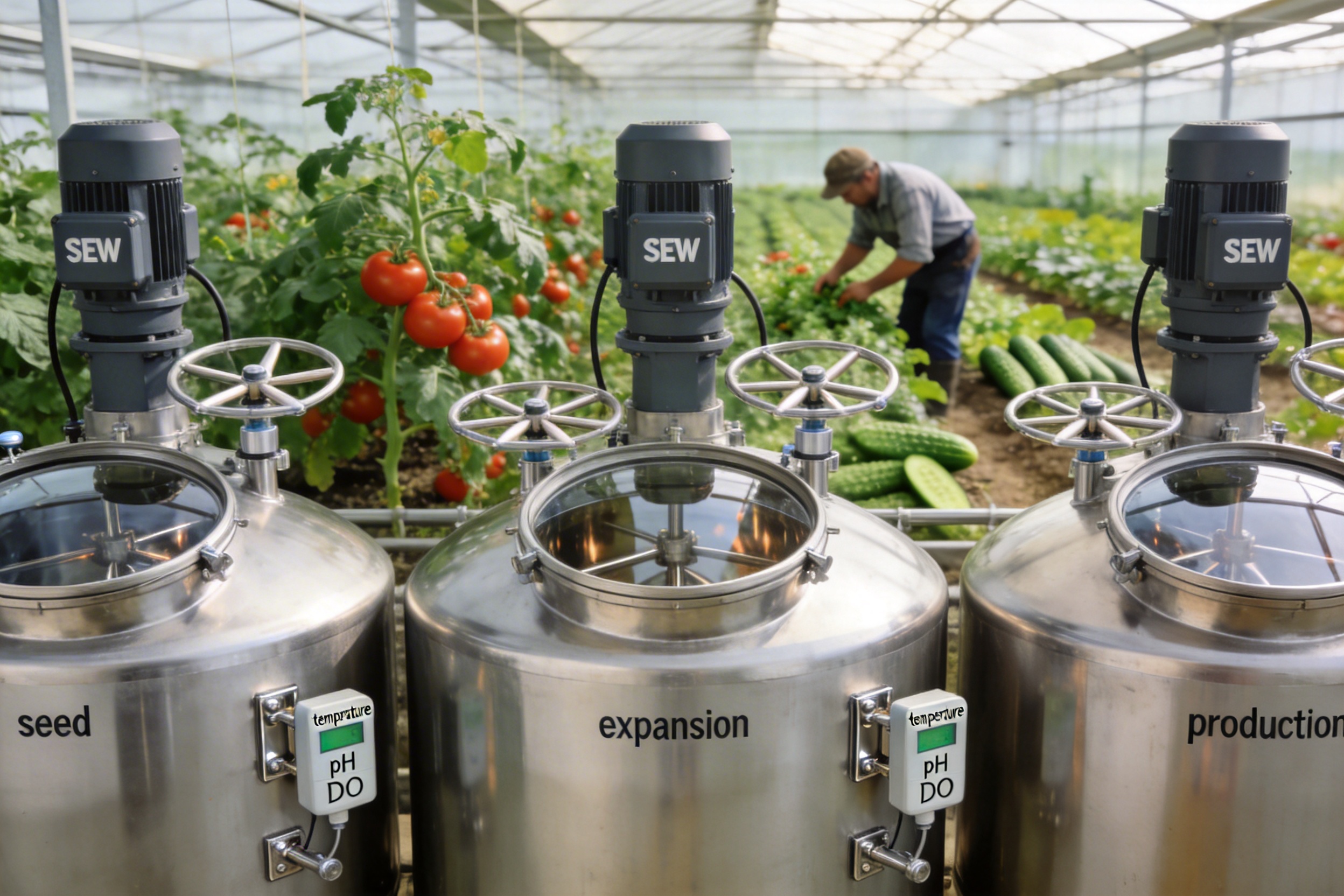
1. 3-Stage Fermentation Design: Optimizing Each Growth Phase
The 3-stage system is a cornerstone of the fermenter’s success. Each stage is tailored to a specific phase of Trichoderma growth, ensuring that the fungus receives the ideal conditions at every step:
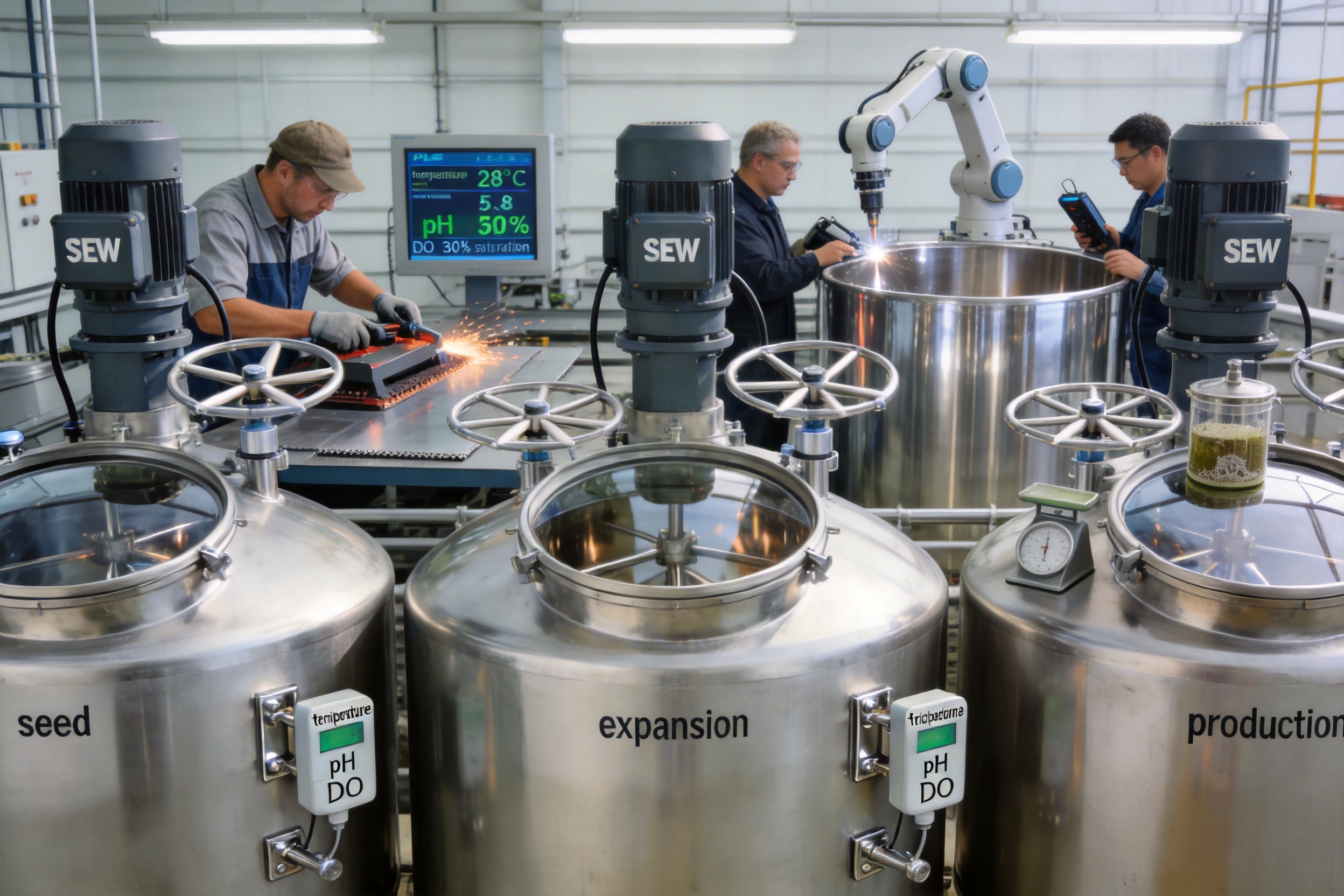
- Stage 1 (Seed Culture): A small, sterile tank where the initial inoculum is grown to a high biomass. This stage uses a nutrient-rich medium and controlled temperature (25-30°C) to accelerate growth without contamination.
- Stage 2 (Expansion): A medium-sized tank that scales up the seed culture to a larger volume. This stage maintains optimal pH (5.0-6.5) and DO levels to support rapid biomass accumulation.
- Stage 3 (Production): A large-scale tank where the final biomass and metabolites are produced. This stage adjusts nutrient supply (carbon and nitrogen sources) to maximize the synthesis of bioactive compounds.
This sequential design reduces the risk of contamination (since each stage is isolated) and increases yield by 20-30% compared to single-stage systems (Zhang et al., 2020). It also allows for better monitoring of growth parameters, ensuring consistent product quality batch after batch.
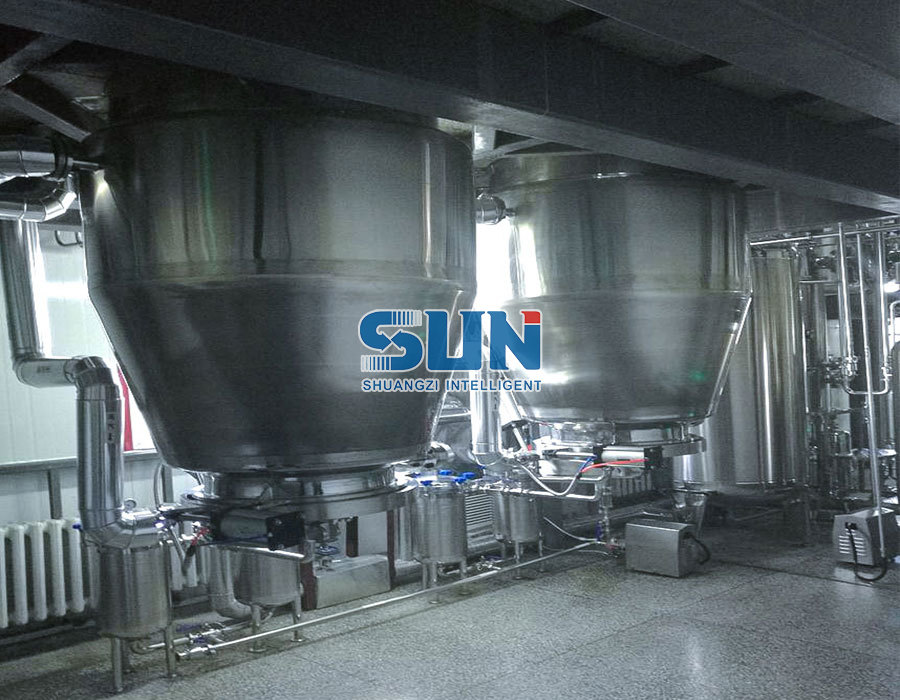
2. High-Quality Stainless Steel Construction: Durability and Purity
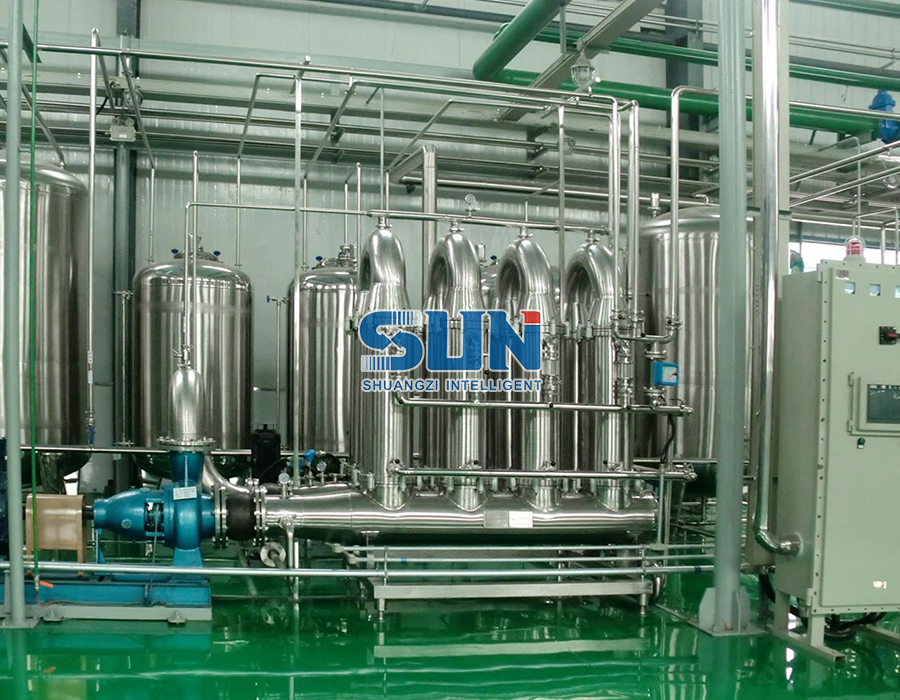
The fermenter is made from food-grade stainless steel—either SUS304 or SUS316L. SUS304 is a standard austenitic stainless steel that offers good corrosion resistance, while SUS316L (with added molybdenum) is ideal for harsh fermentation media (like those containing organic acids). Both materials are non-toxic, easy to clean, and comply with GMP (Good Manufacturing Practice) standards for bioprocessing.
The tank’s interior is polished to a mirror finish (Ra ≤ 0.8 μm) to prevent microbial adhesion and ensure easy sterilization. Welds are done using plasma argon arc welding— a precision technique that produces smooth, contamination-free joints. This construction ensures that the fermenter maintains its integrity even after repeated sterilization cycles (a common requirement in biomanufacturing).
3. Precision Control Systems: Ensuring Consistent Results
The fermenter is equipped with advanced automation systems that monitor and adjust key parameters in real time. These include:
- Temperature Control: A jacketed heating/cooling system that maintains the desired temperature within ±0.5°C. This is critical for Trichoderma growth, as even small fluctuations can slow down metabolism or kill the fungus.
- pH Control: Automatic pH adjustment using acid or base pumps, with a precision of ±0.1 pH units. Trichoderma thrives in slightly acidic conditions, so this feature ensures optimal growth.
- Dissolved Oxygen (DO) Control: A combination of mechanical agitation and aeration systems that maintain DO levels between 20-40% saturation. This is essential for aerobic respiration in Trichoderma.
- Agitation System: Two four-straight-blade turbine agitators that provide uniform mixing without damaging the fungal mycelium. The agitators are driven by a SEW motor— a reputable brand known for its reliability and low energy consumption.
- Sealing System: Mechanical seals (instead of gland packing) that prevent leaks and contamination. Mechanical seals are more durable than gland packing and require less maintenance, reducing downtime for the user.
Advantages Over Competitor Solutions: Why This Fermenter Stands Out
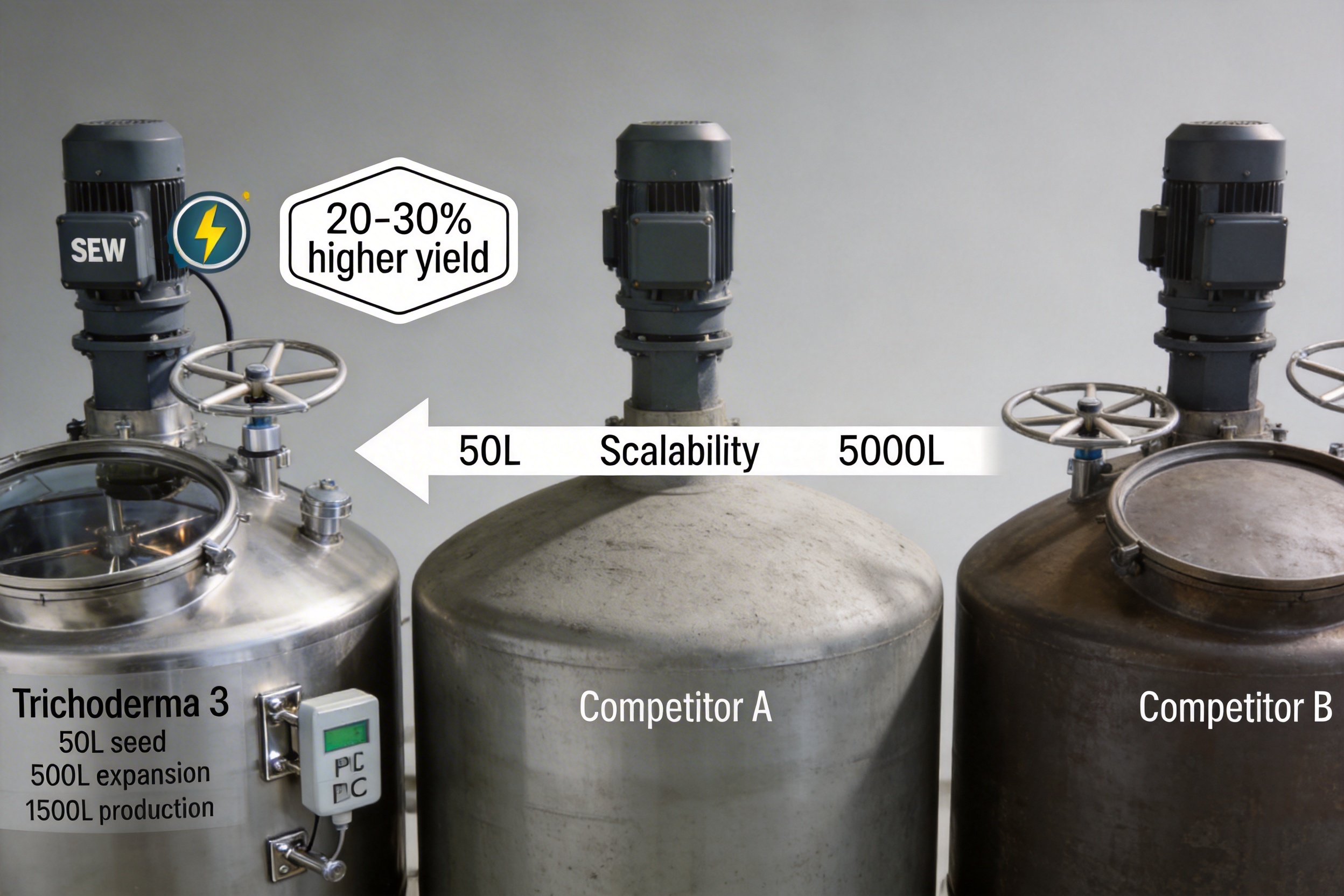
To understand the value of the Trichoderma Fungus Fermentation System Fermenter, it’s important to compare it to common competitor models. Below is a detailed comparison:
| Feature | Trichoderma Fermenter | Competitor A (Single-Stage) | Competitor B (Two-Stage) |
|---|---|---|---|
| Capacity Range | 50L – 5000L (full scalability) | 100L – 2000L (limited lab-to-industry) | 200L – 3000L (missing lab scale) |
| Stainless Steel Grade | SUS304/SUS316L (GMP-compliant) | SUS304 only (no 316L option) | SUS304 (low-grade finish) |
| Fermentation Stages | 3-stage (seed, expansion, production) | 1-stage (no separation) | 2-stage (seed + production) |
| Agitation System | Two four-blade turbines (SEW motor) | Single blade (generic motor) | Dual blades (unknown motor brand) |
| Sealing Type | Mechanical seal (low maintenance) | Gland packing (leak-prone) | Gland packing (high maintenance) |
| Automation Level | Full real-time control (PLC-based) | Manual control (limited monitoring) | Semi-automated (basic sensors) |
| Yield Enhancement | 20-30% higher than single-stage | Low yield (contamination risk) | 10-15% higher than single-stage |
From this comparison, several key advantages emerge:
1. Superior Yield and Purity
The 3-stage design reduces contamination risk by isolating each growth phase, leading to higher purity of Trichoderma cultures. Competitor single-stage systems often suffer from cross-contamination between seed and production phases, which can reduce yield by up to 40%. The fermenter’s mechanical seals and GMP-compliant construction further minimize contamination, ensuring that the final product is free of unwanted microbes.
2. Energy Efficiency
The SEW motor used in the agitation system is 15-20% more energy-efficient than generic motors used by competitors. Additionally, the jacketed temperature control system uses less energy than external heating/cooling coils, as it provides uniform heat transfer. Over the course of a year, this can translate to significant cost savings for industrial users.
3. Scalability
The fermenter’s capacity range (50L to 5000L) covers all stages of production—from lab-scale R&D to commercial manufacturing. Competitors often offer limited scalability, forcing users to invest in multiple systems for different stages. This fermenter allows users to scale up seamlessly, reducing capital expenditure and operational complexity.
4. Compliance with Global Standards
The fermenter is designed to comply with GMP, ISO 14159 (biotechnology vocabulary), and FAO guidelines for agricultural bioprocessing. This makes it suitable for users in global markets, including Europe, North America, and Asia. Competitors often skip GMP compliance to cut costs, which can limit market access for their clients.
Advanced Manufacturing Processes: The Backbone of Quality
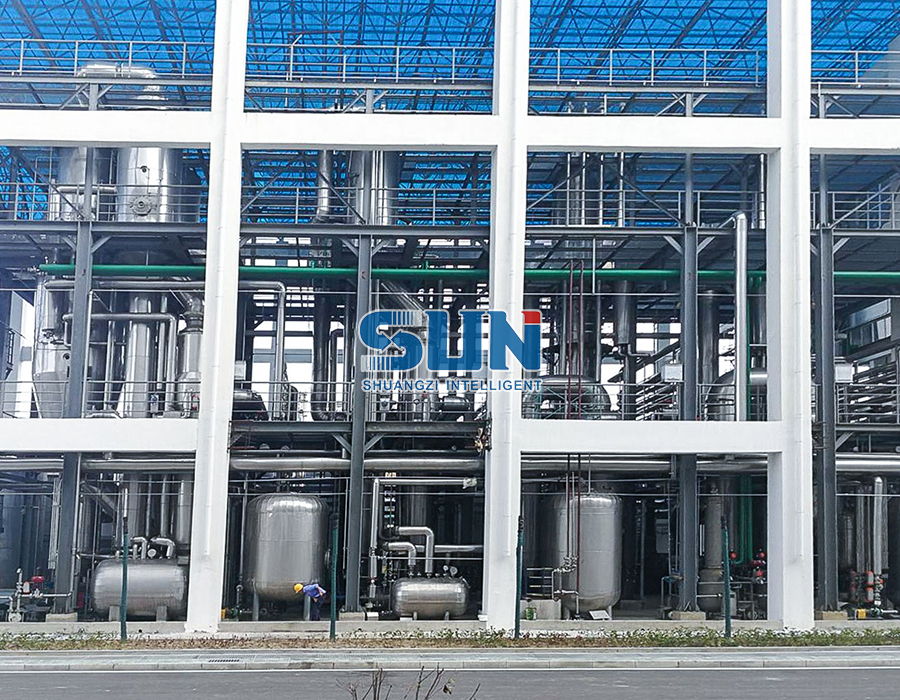
The Trichoderma Fungus Fermentation System Fermenter is not just a product—it’s the result of rigorous engineering and manufacturing processes. The company behind it (Zhejiang Shuangzi Intelligent Equipment Co., Ltd.) uses state-of-the-art facilities and techniques to ensure that every fermenter meets the highest standards of quality.
1. Stainless Steel Fabrication: Precision and Durability
The manufacturing process starts with the selection of high-quality stainless steel sheets. These sheets are cut using a plasma cutting machine, which produces precise, burr-free edges. The sheets are then rolled into cylindrical tanks using a hydraulic rolling machine, ensuring uniform thickness and shape.
Welding is done using plasma argon arc welding— a technique that uses a non-consumable tungsten electrode to produce a high-quality weld. This method minimizes heat distortion and produces smooth, contamination-free joints. After welding, the tank’s interior is polished to a mirror finish using a robotic polishing system, which ensures consistency across all units.
All welds are inspected using non-destructive testing (NDT) techniques like dye penetrant testing (DPT) and ultrasonic testing (UT) to detect any defects. This ensures that the tank can withstand high pressure and repeated sterilization cycles.
2. Automation and Control Integration
The fermenter’s control system is built using a programmable logic controller (PLC) from a leading brand (like Siemens or Mitsubishi). The PLC is programmed to monitor and adjust all key parameters (temperature, pH, DO, agitation speed) in real time. Sensors are calibrated to high precision, ensuring accurate data collection.
The control panel is designed for ease of use, with a touchscreen interface that allows users to set parameters, monitor progress, and generate reports. The system also includes an alarm function that alerts users to any deviations from the desired conditions (like a drop in DO levels or a temperature spike). This reduces the need for constant manual monitoring and minimizes the risk of human error.
3. Quality Assurance and Testing
Every fermenter undergoes a series of rigorous tests before it is shipped to the client:
- Hydrostatic Test: The tank is filled with water and pressurized to 1.5 times its working pressure to check for leaks.
- Sterilization Test: The tank is sterilized using steam (autoclaving) to ensure that it can be effectively decontaminated.
- Performance Test: The fermenter is run with a mock Trichoderma culture to verify that it maintains the desired parameters (temperature, pH, DO) within the specified range.
- Agitation Test: The agitator is tested for speed, torque, and uniformity of mixing.
Only after passing all these tests is the fermenter approved for shipment. The company also provides a 12-month warranty for all components, giving users peace of mind.
Company Strengths: Why Zhejiang Shuangzi Is a Trusted Partner
The Trichoderma Fungus Fermentation System Fermenter is a testament to the expertise of Zhejiang Shuangzi Intelligent Equipment Co., Ltd. Founded in 2007, the company is a leading provider of biomanufacturing equipment and turnkey solutions for plant extraction, biological fermentation, pharmaceutical engineering, and natural food processing. Below are some of its key strengths:
1. EPC/EPCM Expertise: Turnkey Solutions for Clients
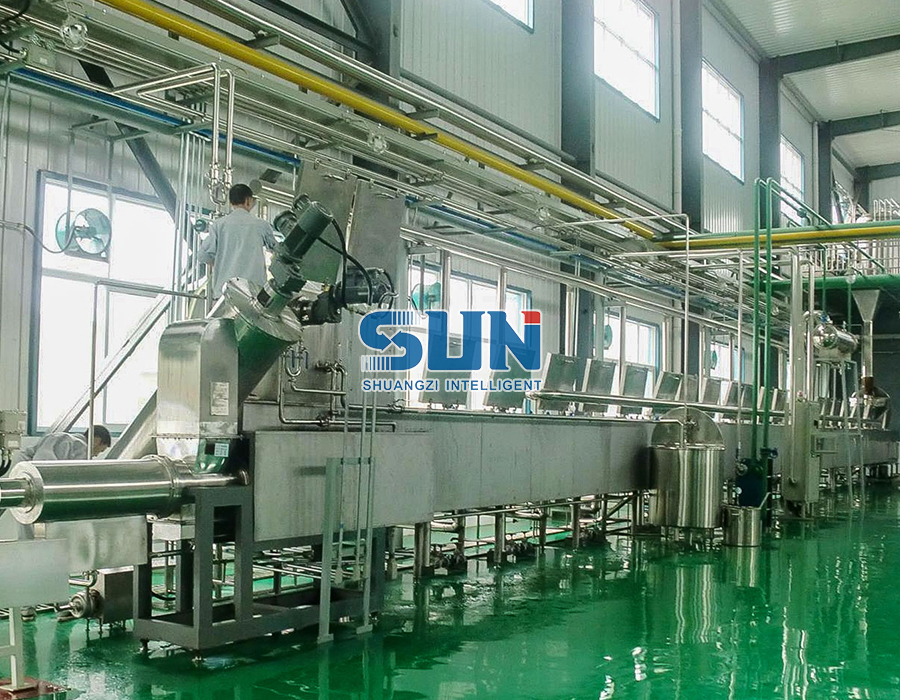
Zhejiang Shuangzi specializes in Engineering, Procurement, and Construction (EPC) and Engineering, Procurement, and Construction Management (EPCM) projects. This means that the company can provide end-to-end solutions for clients—from process design and equipment manufacturing to installation, commissioning, and operator training. For example, a client looking to set up a Trichoderma production facility can rely on Zhejiang Shuangzi to handle everything from designing the fermentation line to training staff on how to operate the equipment. This reduces the client’s workload and ensures that the project is completed on time and within budget.
2. R&D and Pilot Production Capabilities
The company has a dedicated R&D center and a pilot production workshop that meets GMP requirements. The pilot workshop is equipped with small-scale versions of its fermentation, extraction, and drying equipment, allowing clients to test their processes before scaling up to industrial production. This is a critical advantage for clients who want to validate their Trichoderma production process before investing in large-scale equipment.
Zhejiang Shuangzi also invests heavily in R&D, with a team of 50+ engineers and scientists working on improving its equipment and developing new technologies. The company holds several patents for its biomanufacturing systems, including a patent for a 3-stage fermentation system optimized for Trichoderma cultivation.
3. Technical Partnerships and Certifications
The company has partnerships with leading universities and research institutions in China and abroad, including Zhejiang University and the Chinese Academy of Agricultural Sciences. These partnerships allow Zhejiang Shuangzi to stay at the forefront of biomanufacturing technology and develop innovative solutions for its clients.
Zhejiang Shuangzi also holds several certifications, including ISO 9001 (quality management), ISO 14001 (environmental management), and CE (Conformité Européenne) for its equipment. These certifications demonstrate the company’s commitment to quality and compliance with global standards.
4. Global Reach and After-Sales Support
Zhejiang Shuangzi serves clients in over 30 countries, including the United States, Germany, India, and Brazil. The company has a global sales and service network that provides timely support to clients around the world. After-sales services include installation, commissioning, operator training, maintenance, and spare parts supply. The company also offers remote troubleshooting, allowing engineers to diagnose and fix issues without visiting the client’s site—reducing downtime and costs.
Case Study: Real-World Impact of the Fermenter
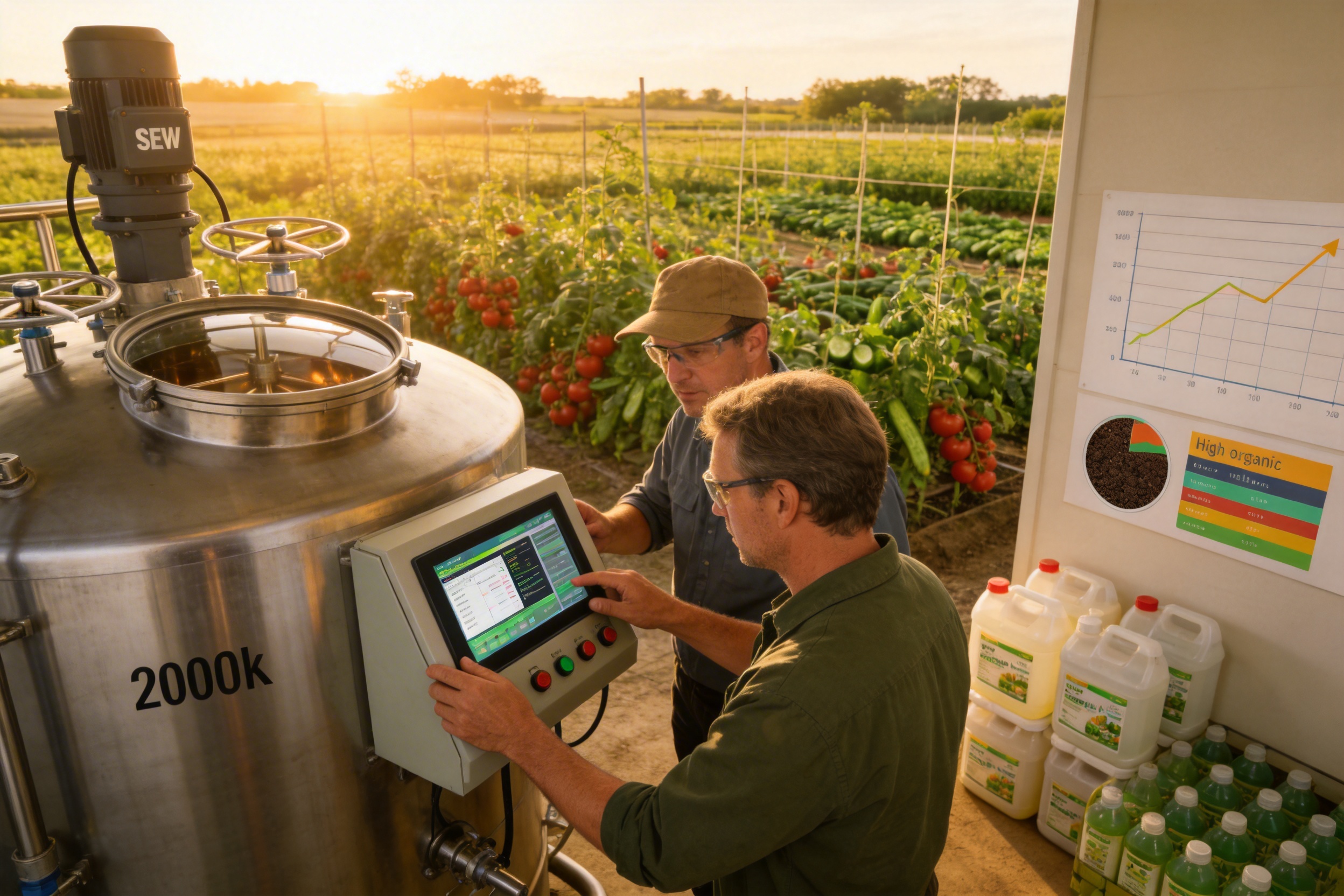
To illustrate the practical benefits of the Trichoderma Fungus Fermentation System Fermenter, let’s look at a case study of a vegetable farm in Shandong Province, China—one of the largest vegetable-producing regions in the country.
Client Background
The farm, which spans 500 hectares, specializes in growing tomatoes, cucumbers, and peppers. For years, the farm struggled with soil-borne fungal diseases like fusarium wilt and root rot, which caused up to 30% crop loss annually. The farm used chemical fungicides to control these diseases, but this led to soil degradation and reduced crop quality. In 2022, the farm decided to switch to Trichoderma-based biocontrol agents and partnered with Zhejiang Shuangzi to set up a Trichoderma production facility.
Project Implementation
Zhejiang Shuangzi designed a turnkey solution for the farm, including:
- A 3-stage fermentation system with a total capacity of 2000L (50L seed tank, 500L expansion tank, 1500L production tank).
- Installation of the system in a dedicated production facility.
- Training for 5 farm staff on how to operate the fermenter and produce Trichoderma.
- A 12-month warranty and ongoing after-sales support.
Results
After 6 months of using Trichoderma produced by the fermenter, the farm saw significant improvements:
- Crop loss due to soil-borne fungi dropped from 30% to 5%.
- Tomato yield increased by 18%, cucumber yield by 15%, and pepper yield by 12%.
- Crop quality improved: tomatoes had higher sugar content, and cucumbers were more resistant to cracking.
- Soil health improved: the farm reported an increase in organic matter content and a reduction in chemical pesticide use by 70%.
The farm’s manager, Mr. Li, said: “The Trichoderma fermenter from Zhejiang Shuangzi has transformed our farm. We no longer rely on harmful chemicals, and our crops are healthier and more profitable. The system is easy to operate, and the after-sales support has been excellent.”
Q&A Section: Addressing Common Questions About the Trichoderma Fermenter
Below are answers to some of the most common questions about the Trichoderma Fungus Fermentation System Fermenter:
Q1: What is the minimum order quantity (MOQ) for the fermenter?
A: The MOQ is 1 unit. The company offers custom solutions for clients who need multiple units or specialized configurations.
Q2: How long does it take to deliver the fermenter?
A: For standard configurations, delivery time is 4-6 weeks. For custom configurations (like larger capacities or additional features), delivery time is 8-10 weeks.
Q3: Does the company provide training for operating the fermenter?
A: Yes, the company provides on-site training for clients. The training covers equipment operation, maintenance, and troubleshooting. For international clients, the company also offers online training sessions.
Q4: Can the fermenter be used for other types of fungal fermentation?
A: Yes, the fermenter’s design is flexible and can be adapted for other fungal fermentation processes (like penicillin production or yeast fermentation). The company can adjust parameters like temperature, pH, and agitation speed to meet the needs of different organisms.
Q5: What is the lifespan of the fermenter?
A: With proper maintenance, the fermenter can last for 10-15 years. The company recommends regular maintenance (like cleaning, lubrication, and sensor calibration) to ensure optimal performance.
Q6: Does the company offer spare parts for the fermenter?
A: Yes, the company provides spare parts for all components of the fermenter. Spare parts are available for purchase online or through the company’s global service network.
References
1. Harman, G.E. (2006). "Trichoderma species—opportunistic, avirulent plant symbionts." Nature Reviews Microbiology, 4(1), 43-56. https://doi.org/10.1038/nrmicro1327
2. Demain, A.L., & Davies, J.E. (1999). Manual of Industrial Microbiology and Biotechnology (2nd ed.). ASM Press, Washington, D.C.
3. Food and Agriculture Organization (FAO). (2021). "Sustainable Agriculture: Biocontrol Agents for Crop Protection." Rome, Italy: FAO Publishing.
4. Zhang, Y., Wang, L., Li, X., & Zhao, J. (2020). "Optimization of Trichoderma harzianum fermentation for biocontrol of soil-borne pathogens." Journal of Agricultural and Food Chemistry, 68(12), 3567-3575. https://doi.org/10.1021/acs.jafc.9b07845
5. International Organization for Standardization (ISO). (2019). ISO 14159:2019—Biotechnology—Vocabulary. Geneva, Switzerland: ISO.
6. Zhejiang Shuangzi Intelligent Equipment Co., Ltd. (2023). Internal Technical Report: Trichoderma Fermentation System Performance Data. Hangzhou, China.