
 英语
英语 俄语
俄语Content
- 1 Understanding the Role of Trichoderma in Biological Agriculture
- 2 Product Overview: Three-Stage Stainless Steel Fermentation System
- 3 Main Technical Parameters
- 4 Fermentation Process and System Workflow
- 5 Advantages Over Conventional Fermentation Equipment
- 6 Advanced Manufacturing Processes and Quality-Oriented Production
- 7 Process Control, Automation, and Operational Consistency
- 8 Application Value in Bio-Fertilizer and Bio-Pesticide Production
- 9 Why Three-Stage Fermentation Matters
- 10 Hygienic Design and Contamination Risk Reduction
- 11 Energy Efficiency and Long-Term Operating Economy
- 12 Integration with Turnkey Project Capabilities
- 13 Manufacturing Strength Built on Experience and Technical Capability
- 14 Customization for Different Production Needs
- 15 Operational Best Practices for Users
- 16 Quality, Safety, and Compliance Considerations
- 17 Buyer Selection Guide
- 18 Q&A Section
- 18.1 What is the main purpose of the Trichoderma Fungus Fermentation System Fermenter?
- 18.2 Why is a three-stage fermentation system recommended?
- 18.3 What capacities are available for this fermenter system?
- 18.4 What materials are used for the fermentation tank?
- 18.5 What type of agitator is used?
- 18.6 How long does Trichoderma fermentation usually take?
- 18.7 Can the system be customized for different countries?
- 18.8 What makes this system more competitive than basic fermentation tanks?
- 18.9 Can the manufacturer provide more than just the fermenter?
- 18.10 Is the system suitable for industrial production?
- 19 Conclusion
- 20 References
- 21 Product: Trichoderma Fungus Fermentation System Fermenter
Modern agriculture is moving toward safer, more sustainable, and more efficient biological solutions, and Trichoderma-based microbial products are among the most valuable tools in this transformation. A Trichoderma fungus fermentation system fermenter is designed to cultivate beneficial Trichoderma strains under controlled conditions, supporting the production of microbial agents that can help suppress soil-borne fungal diseases, promote nutrient transformation in soil, stimulate root development, and improve crop yield and quality. For producers of bio-fertilizers, bio-pesticides, agricultural microbial inoculants, and related fermentation products, the choice of fermenter is not simply a matter of tank volume; it directly affects strain vitality, batch consistency, contamination control, energy efficiency, automation level, downstream processing, and long-term operating cost.
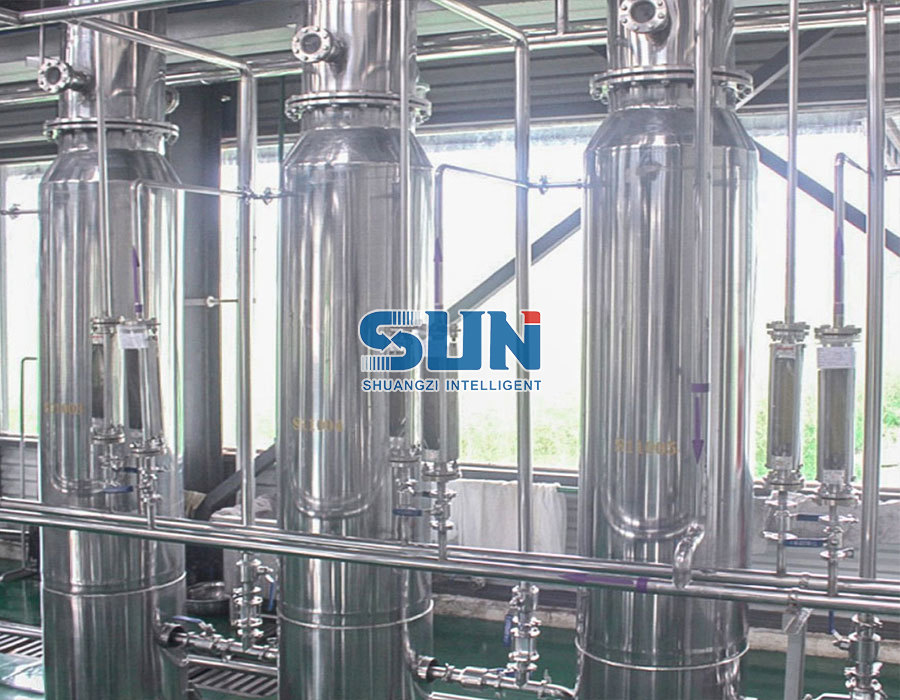
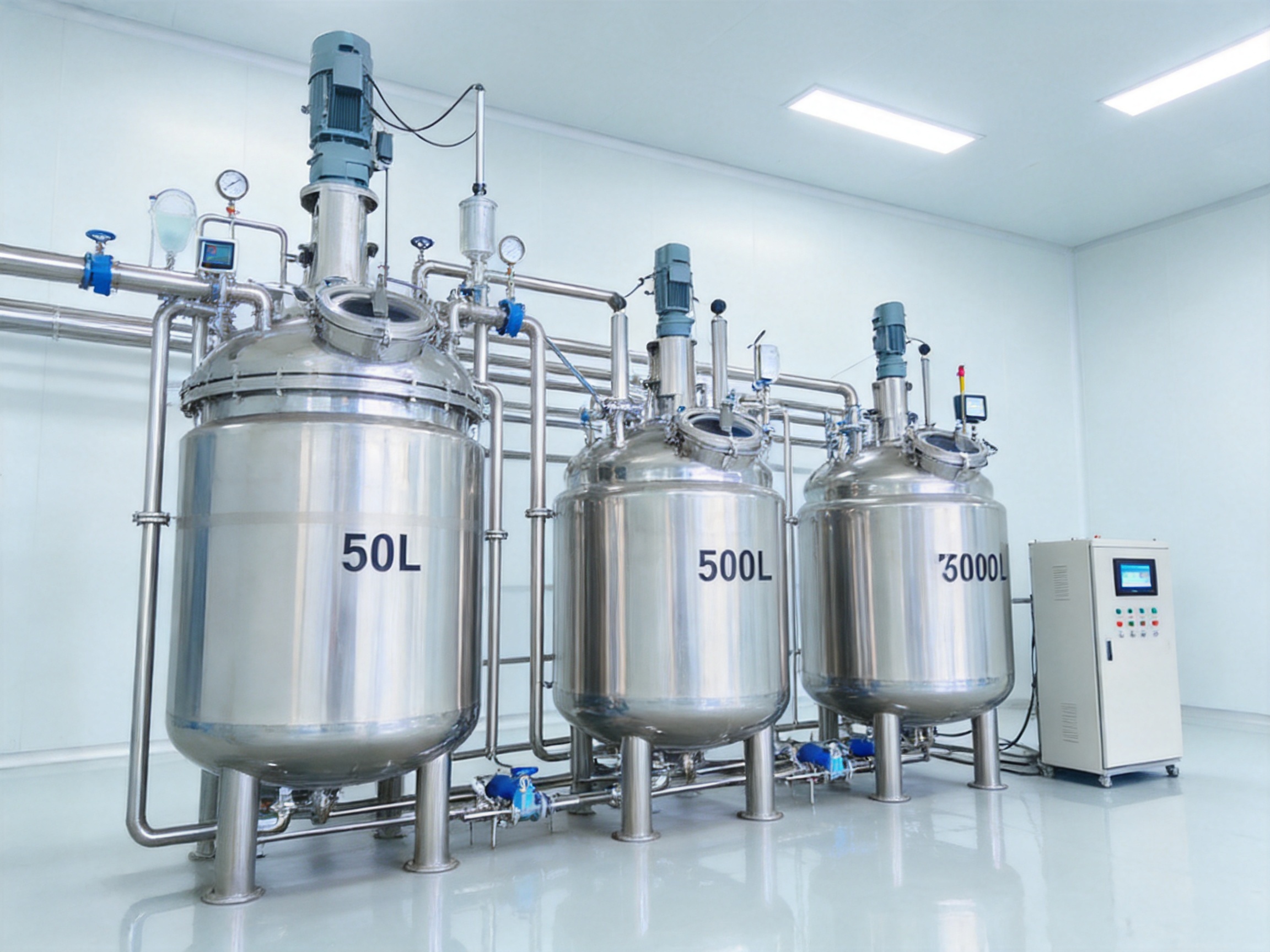
The Trichoderma Fungus Fermentation System Fermenter described here is a stainless steel fermentation system engineered for three-stage fermentation. It is suitable for production workflows that require seed cultivation, scale-up fermentation, and larger-volume production in a hygienic, controllable, and repeatable environment. With capacities configured around 50 L, 500 L, and 5000 L stages, the system can support laboratory-to-industrial scale transition, allowing users to improve process stability while reducing the technical risks commonly associated with direct scale-up.
Zhejiang Shuangzi Intelligent Equipment Co., Ltd. provides this type of bio-fermentation equipment as part of its broader engineering capability in biological fermentation, plant extraction, pharmaceutical engineering, natural food processing, energy conservation, and environmental protection. The company combines process technology, automation engineering design, equipment manufacturing, installation, equipment system integration, and turnkey project services. This integrated approach is particularly important for Trichoderma fermentation because the equipment, control system, utilities, sterilization method, aeration strategy, agitation design, and downstream handling must function as one coordinated production platform.
Unlike basic fermentation vessels that only provide a container and agitator, this system is built to serve as a complete process solution. Its stainless steel construction, mechanical sealing, turbine-type agitation, customizable voltage, and reliable motor configuration help provide the mechanical foundation for robust microbial fermentation. The system can be adapted to the user’s strain characteristics, medium formulation, process temperature, pH control range, oxygen transfer demand, cleaning expectations, and plant layout. This flexibility makes it suitable for both emerging microbial product manufacturers and established producers seeking to upgrade from manual or semi-manual fermentation to a more standardized industrial system.
Trichoderma Fungus Fermentation System Fermenter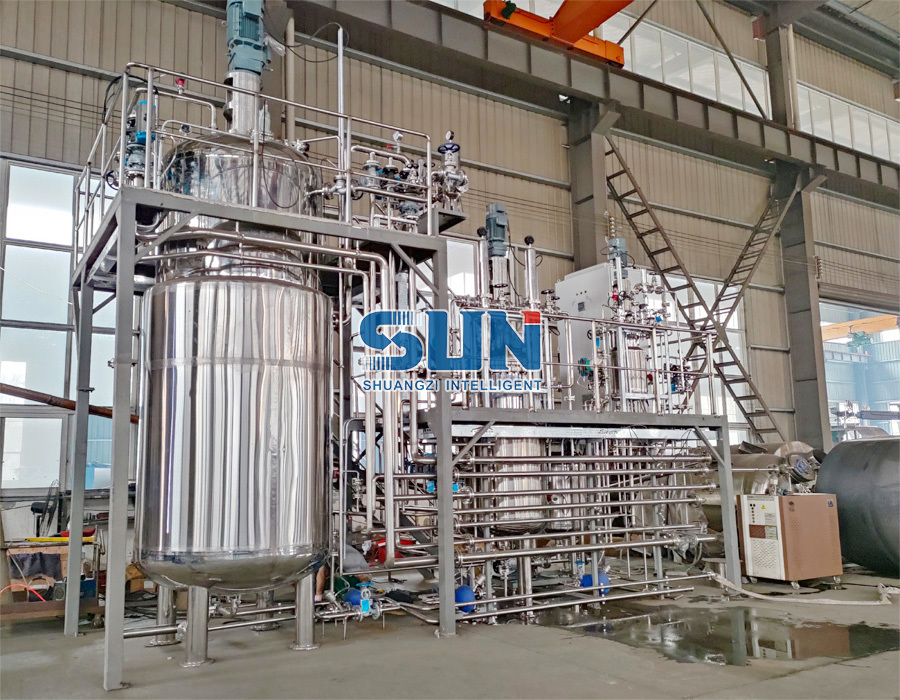
Understanding the Role of Trichoderma in Biological Agriculture
Trichoderma refers to a group of beneficial fungi widely used in agricultural biotechnology. Many Trichoderma strains can colonize plant roots, compete with harmful pathogens, produce metabolites that inhibit disease-causing fungi, and contribute to a healthier rhizosphere. In practical agricultural use, Trichoderma microbial agents may provide both protective and therapeutic effects, especially against soil-borne fungal diseases. This makes Trichoderma a valuable biological alternative or complement to conventional chemical control methods.
The effectiveness of a Trichoderma product depends heavily on the quality of fermentation. A strong strain may fail to deliver performance if cultivation conditions are poorly controlled. Temperature fluctuations, insufficient oxygen transfer, contamination, uneven nutrient distribution, excessive shear, unstable pH, or improper scaling can reduce spore count, biomass activity, metabolite concentration, and final product stability. Therefore, professional fermentation equipment is a critical part of reliable Trichoderma product manufacturing.
During fermentation, Trichoderma requires a suitable culture medium, controlled temperature, appropriate pH, adequate aeration, and sufficient carbon and nitrogen sources. The process often begins by dissolving purified Trichoderma culture medium with purified water and adding the prepared solution into the fermentation tank. Before inoculation, the water or medium in the fermentation tank may be heated to around 50 degrees Celsius as part of process preparation. After inoculating Trichoderma into the fermentation tank, operators must control temperature and pH according to the growth needs of the strain. During fermentation, additional carbon and nitrogen sources may be introduced as required. The fermentation period is generally about three to five days, depending on strain characteristics, target product form, process scale, and downstream requirements.
A three-stage fermentation system provides a structured pathway for scale-up. Instead of moving directly from a small seed culture to a large production tank, the process can progress through intermediate stages. This helps maintain microbial vitality and reduces the risk of slow growth, contamination, or inconsistent biomass development. For commercial production, this staged approach can be a decisive advantage because it improves the likelihood that every production batch begins with a healthy, active, and appropriately scaled inoculum.
Product Overview: Three-Stage Stainless Steel Fermentation System
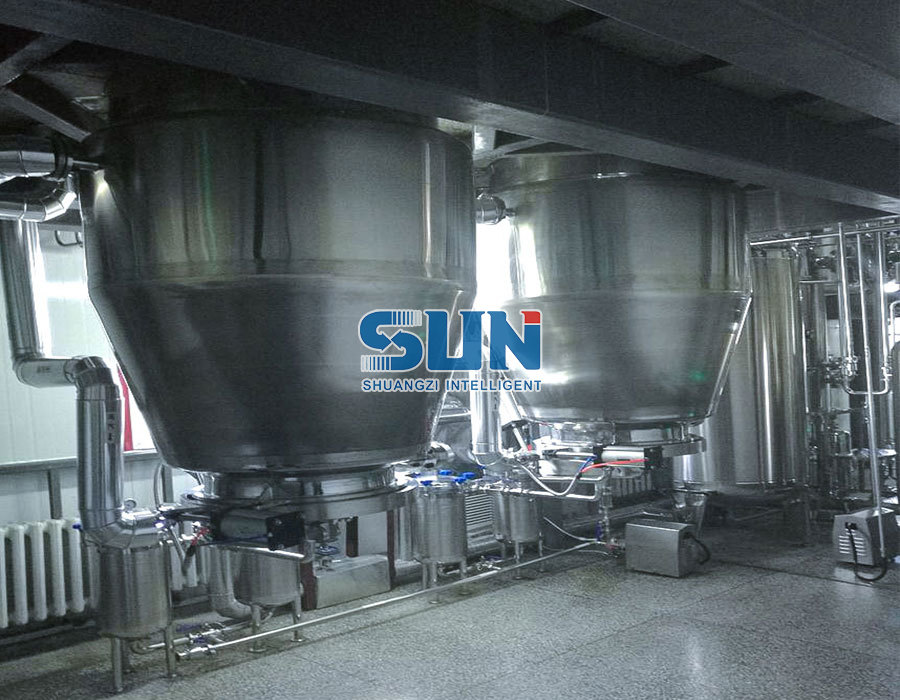
The Trichoderma Fungus Fermentation System Fermenter is designed for bio-fermentation projects requiring hygienic stainless steel construction and controlled process conditions. The system can be configured as a three-stage fermentation line, commonly represented by capacities such as 50 L, 500 L, and 5000 L. This arrangement supports seed expansion, pilot or intermediate fermentation, and final production fermentation. For users developing Trichoderma microbial agents, this multi-stage design helps bridge research, process validation, and industrial production.
The equipment is manufactured using SUS304 or SUS316L stainless steel according to project requirements. SUS304 is widely used for general hygienic processing applications, while SUS316L offers enhanced corrosion resistance for more demanding process environments. The selection can be made based on medium composition, cleaning chemicals, sterilization method, and regulatory expectations. The stainless steel structure supports durability, cleanability, and long-term service life, making the equipment more suitable for industrial biological fermentation than simple plastic or non-hygienic vessels.
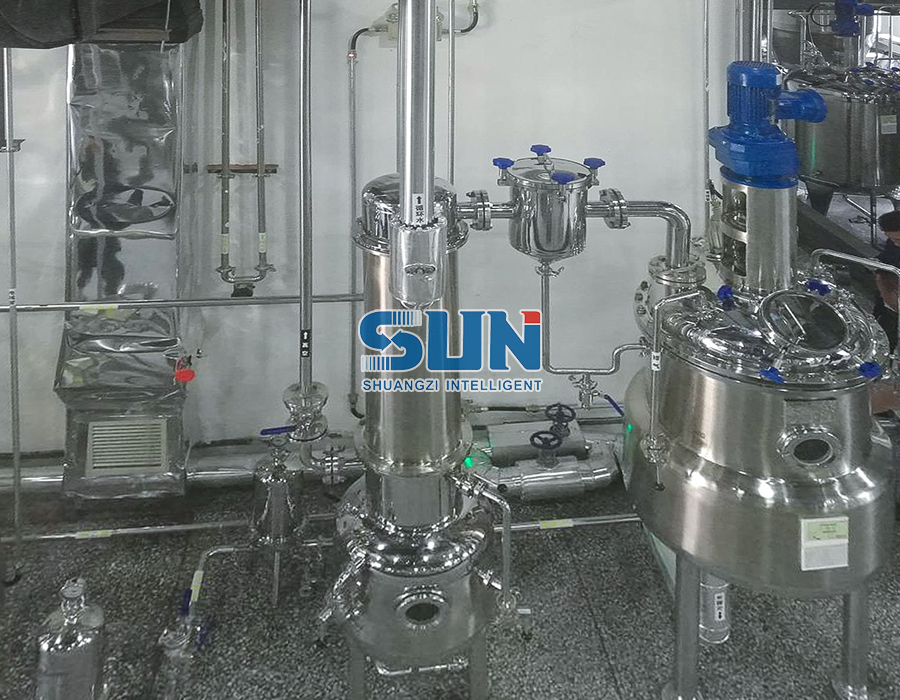
The agitator is configured as a two four-straight-blade turbine type. This design is intended to help distribute nutrients, oxygen, and heat throughout the tank. In fungal fermentation, agitation must be carefully balanced. Too little mixing can cause gradients in dissolved oxygen, pH, temperature, and nutrient concentration, while excessive shear may affect fungal morphology or product quality. A professionally designed turbine agitation system helps support mass transfer and batch uniformity while providing a mechanical basis for process optimization.
Mechanical sealing is used to improve sealing reliability during operation. In microbial fermentation, contamination prevention is essential. A weak sealing system can become a critical risk point, particularly during long fermentation cycles, sterilization, pressure changes, and continuous agitation. Mechanical sealing helps maintain the internal controlled environment, supporting sterile operation and process consistency.
The voltage can be made to order, enabling adaptation to different countries, plants, and electrical standards. This is especially important for international projects, where power supply conditions may vary significantly. A fermentation system intended for global use must be configurable not only in tank volume but also in control cabinets, motors, instrumentation, automation interfaces, and utility connections. Custom voltage capability reduces installation complexity and helps align the system with local infrastructure.
The system can be equipped with motors from recognized industrial motor suppliers, including SEW. Reliable motor performance matters because fermentation cycles often require continuous agitation for several days. Motor instability, overheating, vibration, or mechanical failure can interrupt production and compromise the entire batch. A robust motor configuration contributes to system reliability, especially in industrial operations where downtime has significant economic impact.
Main Technical Parameters
Item |
Specification |
Practical Value for Trichoderma Fermentation |
System Type |
Three-stage stainless steel fermenter system |
Supports seed expansion, intermediate cultivation, and production-scale fermentation |
Capacity |
50 L, 500 L, 5000 L configuration available |
Enables controlled scale-up and reduces direct scale-up risk |
Material |
SUS304 or SUS316L stainless steel |
Provides hygiene, corrosion resistance, durability, and cleanability |
Agitator |
Two four-straight-blade turbine type |
Improves mixing, oxygen transfer, and nutrient distribution |
Sealing |
Mechanical sealing |
Helps reduce contamination risk and supports stable operation |
Voltage |
Made to order |
Allows adaptation to regional electrical standards and project requirements |
Motor |
Industrial motor configuration such as SEW |
Supports reliable long-duration agitation during fermentation cycles |
Fermentation Process and System Workflow
A typical Trichoderma fermentation process begins with medium preparation. The purified culture medium is dissolved with purified water, creating a nutrient solution that can support Trichoderma growth. The prepared solution is then added to the fermentation tank. Proper dissolution is important because undissolved solids or uneven nutrient concentration can affect microbial growth, reduce batch uniformity, or increase cleaning difficulty after fermentation.
Before adding Trichoderma, the water or medium in the fermentation tank may be heated to around 50 degrees Celsius. This step can help prepare the medium environment, depending on process design and sterilization procedure. In an engineered fermentation line, heating should be controlled through the tank jacket, internal coil, or associated heat exchange system according to the project configuration. Accurate temperature control helps operators follow validated procedures and reduce variability between batches.
After preparation, Trichoderma is inoculated into the fermentation tank. At this stage, temperature and pH control become central process variables. Trichoderma growth and metabolite production are sensitive to environmental conditions, and even moderate deviations may influence biomass formation, spore development, enzyme activity, or antagonistic compound production. A well-designed fermenter supports monitoring and adjustment so that the fermentation environment remains within the desired operating window.
During the fermentation process, carbon and nitrogen sources can be added according to the growth needs of Trichoderma. Feeding strategy may vary based on the selected strain, target product, medium cost, oxygen demand, and downstream processing route. Some processes may emphasize rapid biomass accumulation, while others may focus on metabolite production or spore yield. An industrial fermenter should be flexible enough to support different feeding approaches while maintaining mixing and contamination control.
The fermentation time is generally three to five days. This relatively short production cycle can be advantageous for commercial manufacturers because it allows frequent batch turnover and efficient equipment utilization. However, short cycles also demand good preparation, reliable sterilization, rapid troubleshooting, and consistent process control. Any contamination or equipment delay can have a direct impact on productivity. A complete fermentation system helps reduce these risks by integrating vessel design, agitation, sealing, automation, and manufacturing precision.
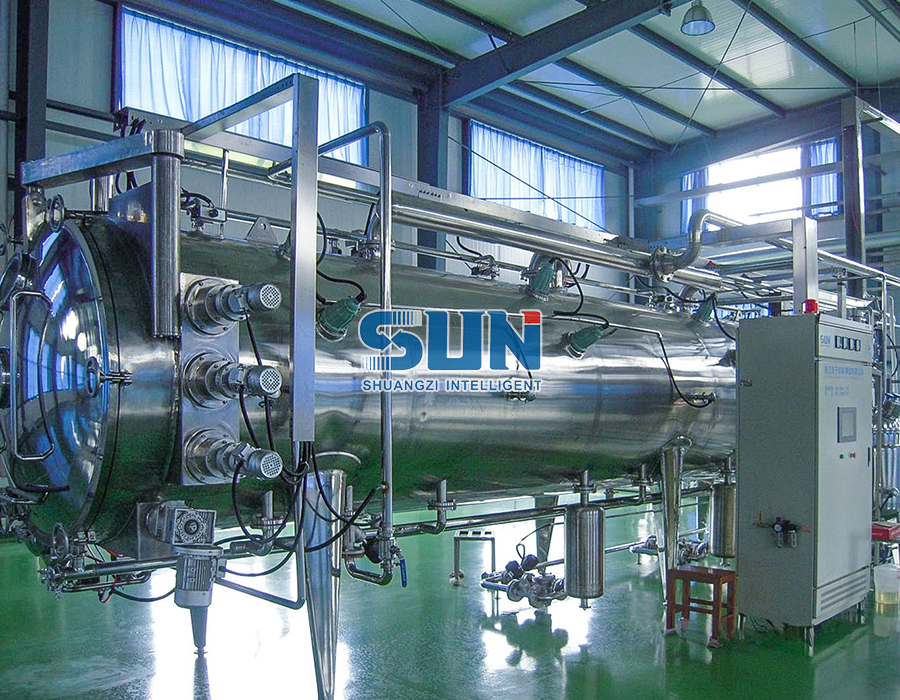
After fermentation is completed, downstream processing can be arranged according to the final product type. Depending on the production goal, organic solvents may be used to extract mycelium and metabolites, or alternative separation, concentration, drying, formulation, or packaging steps may be adopted. Because Zhejiang Shuangzi Intelligent Equipment Co., Ltd. also provides drying, evaporation, concentration, extraction, separation, crystallization, filtration, and container equipment, users can obtain more than a single fermenter; they can develop a coordinated process line from cultivation to final product handling.
Advantages Over Conventional Fermentation Equipment
One major advantage of this Trichoderma fermentation system is its emphasis on staged scale-up. Many low-cost competitors offer single tanks without considering the biological realities of microbial growth. Directly scaling from a flask or small seed vessel to a large production tank can cause delays in growth, inconsistent inoculation density, higher contamination risk, and reduced batch repeatability. A three-stage system provides a more controlled pathway, allowing the culture to adapt and expand progressively. This is especially valuable for fungal fermentation, where morphology, oxygen transfer, and nutrient availability can change significantly with scale.
Another advantage is the use of stainless steel construction. Lower-grade fermentation solutions may rely on materials that are difficult to clean, vulnerable to corrosion, or unsuitable for repeated sterilization and industrial operation. SUS304 and SUS316L stainless steel provide a more hygienic and durable foundation. For users seeking long-term production stability, stainless steel equipment can lower lifecycle cost even if the initial investment is higher than basic alternatives. Better material quality supports sanitation, product consistency, and plant credibility.
The system’s mechanical sealing also distinguishes it from simpler vessels. In bio-fermentation, sealing is not a minor component; it is a critical contamination barrier. Poor sealing can compromise sterile conditions and result in failed batches. Mechanical sealing helps protect the fermentation environment during agitation, temperature change, and pressure variation. Compared with basic packing seals or poorly designed shaft entries, a reliable mechanical seal can improve batch security and reduce maintenance-related contamination risks.
The turbine agitation design gives the system a practical advantage in mixing performance. Trichoderma fermentation can involve changes in viscosity, biomass structure, and oxygen demand during cultivation. A well-selected agitator supports liquid circulation, nutrient distribution, and gas-liquid mass transfer. Some competitor tanks may use generic agitators without considering fungal fermentation needs, resulting in dead zones, foam problems, insufficient oxygen, or uneven growth. The two four-straight-blade turbine arrangement provides a stronger basis for stable operation and process optimization.
Customization is another competitive strength. Industrial fermentation projects rarely fit a single standard design. Users may have different utility conditions, site layouts, production targets, cleaning requirements, automation preferences, and regulatory expectations. The ability to make voltage to order and adapt system specifications gives buyers more confidence during project planning. Rather than forcing the plant to conform to a fixed machine, the equipment can be engineered to match the plant’s operating environment.
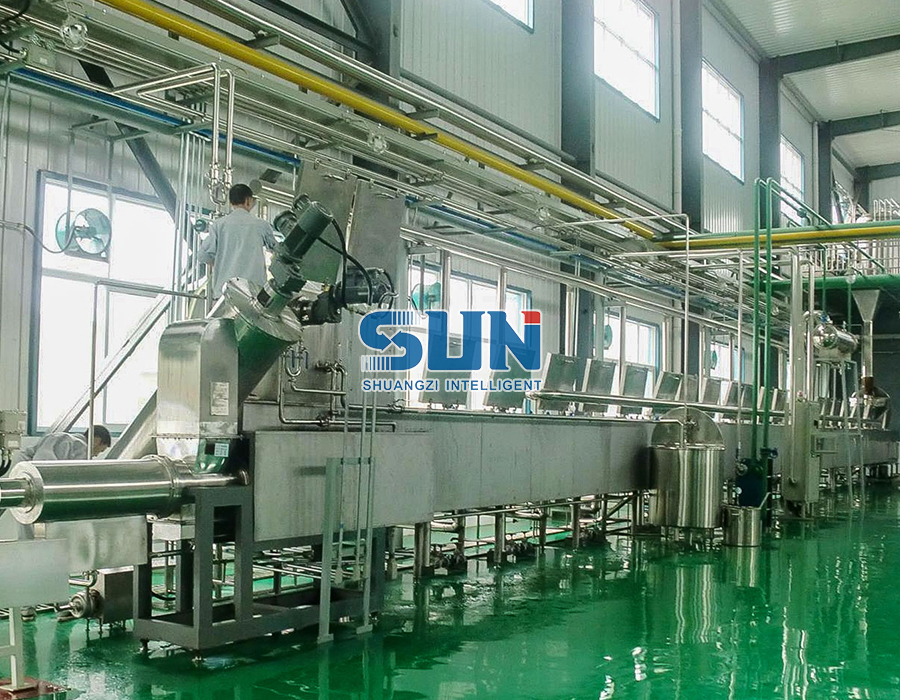
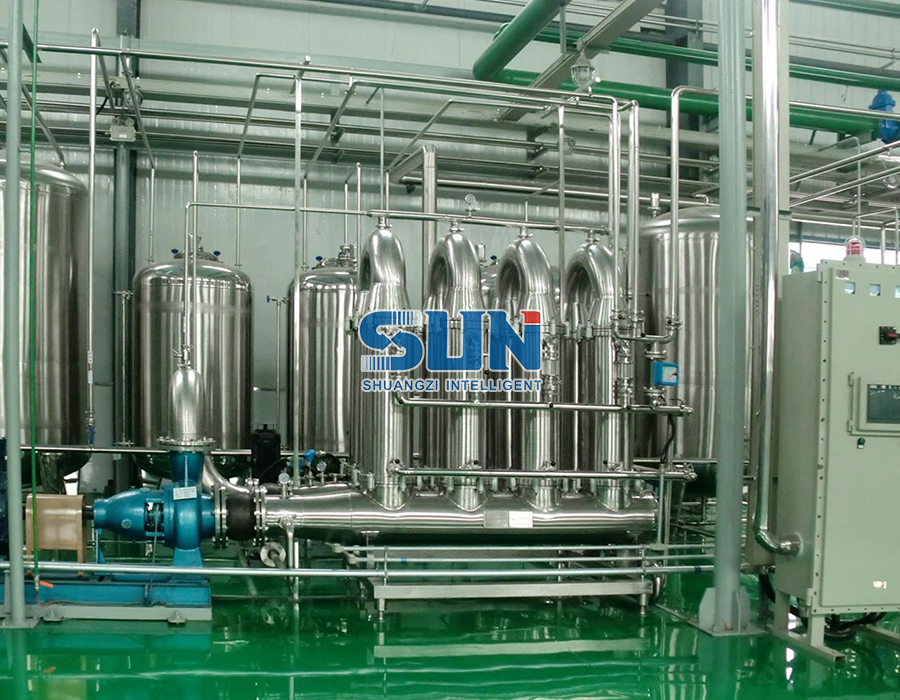
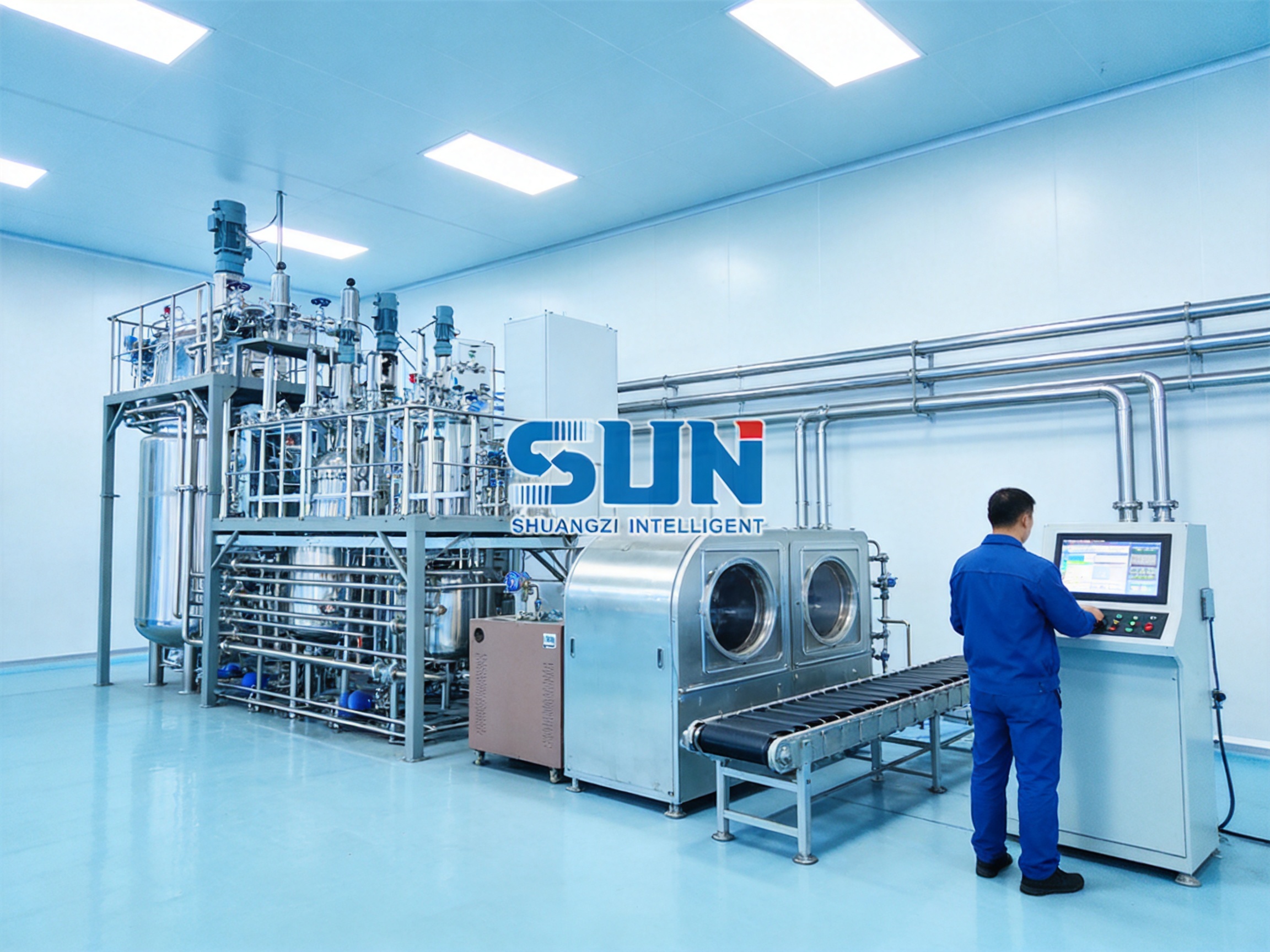
The system also benefits from the manufacturer’s broader EPC and EPCM capabilities. A fermenter does not operate in isolation. It requires water preparation, steam or heating utilities, cooling systems, compressed air, filtration, exhaust handling, control systems, cleaning systems, pipelines, valves, platforms, and downstream equipment. Some suppliers only deliver a tank, leaving the customer to solve integration problems independently. Zhejiang Shuangzi Intelligent Equipment Co., Ltd. can provide engineering, process design, equipment design, installation, line debugging, and turnkey project services, helping customers reduce coordination risk and accelerate project implementation.
Advanced Manufacturing Processes and Quality-Oriented Production
The manufacturing quality of a fermenter directly affects its operational reliability. Biological fermentation requires vessels with precise fabrication, smooth internal surfaces, reliable welds, accurate nozzles, stable agitation alignment, and dependable sealing interfaces. Zhejiang Shuangzi Intelligent Equipment Co., Ltd. has developed manufacturing capabilities supported by advanced welding and finishing equipment, including plasma argon arc welding machines, plasma cutting machines, CAM CNC machining centers, and other advanced production equipment. These resources help improve fabrication precision and repeatability.
High-quality welding is particularly important in stainless steel fermentation equipment. Poor welds can create crevices that trap residues, support microbial contamination, or become corrosion points. Professional welding and finishing help produce cleaner internal surfaces and stronger structural integrity. For fermentation tanks, weld quality affects not only appearance but also hygiene, pressure performance, cleaning effectiveness, and service life. A manufacturer with strong welding capability can better meet the requirements of biological and pharmaceutical-style processing environments.
Plasma cutting technology helps improve the accuracy of stainless steel plate preparation and component forming. Accurate cutting contributes to better fit-up, more consistent welding, and improved final vessel geometry. In a fermenter, dimensional accuracy matters because agitator alignment, sealing reliability, nozzle positioning, and jacket performance all depend on precise fabrication. Compared with rough manual cutting methods, advanced cutting equipment can reduce deformation and improve manufacturing efficiency.
CAM CNC machining centers support the production of accurate mechanical components and connection interfaces. Components such as flanges, shaft parts, seal seats, manways, and special fittings require tight tolerances to function correctly. CNC machining improves dimensional consistency and helps ensure that the assembled fermentation system operates smoothly. Better machining also reduces vibration risks, leakage risks, and maintenance difficulties.
The company’s production base includes a floor area of 16,706 square meters and a structural area of 17,800 square meters, providing a strong physical foundation for manufacturing complete equipment systems. Large production space is useful for fabricating tanks, assembling skid-mounted systems, performing inspections, and preparing integrated project deliveries. For customers purchasing a three-stage fermentation line or complete turnkey project, the manufacturer’s ability to coordinate multiple pieces of equipment in one production environment can reduce mismatched components and delivery uncertainty.
The company has also established pilot production workshop and research and development platform capabilities aligned with automation and GMP-oriented requirements. This is highly relevant for customers who want to validate fermentation processes before full-scale production. Pilot capability supports process exploration, parameter optimization, and equipment configuration decisions. In bio-fermentation, a practical R&D platform can help bridge the gap between laboratory discovery and industrial manufacturing.
Process Control, Automation, and Operational Consistency
Automation is one of the most important differences between modern fermentation systems and traditional manual equipment. Trichoderma fermentation requires repeated monitoring and adjustment of temperature, pH, agitation, aeration, feeding, foam, and timing. Manual operation can introduce variability, especially when multiple shifts are involved. A professionally engineered control system can improve repeatability and reduce dependence on operator experience alone.
Temperature control is a key function. Trichoderma growth is influenced by thermal conditions, and large tanks can develop temperature gradients if heating and cooling are not properly designed. A controlled fermenter helps maintain a stable temperature profile, reducing stress on the culture and improving batch consistency. Temperature control also supports preparation steps such as heating the medium before inoculation.
pH control is equally important because fungal growth and metabolite production can change the acidity of the medium. A suitable pH range helps maintain strain activity and supports predictable fermentation behavior. Automated pH monitoring and adjustment can reduce the risk of delayed correction, which is a common problem in manual production systems. For commercial microbial agent manufacturers, better pH control can contribute to more reliable final product performance.
Agitation control enables operators to adapt mixing intensity to the stage of fermentation. Early growth may require different conditions than later biomass development. In a three-stage system, the required agitation strategy may differ between the 50 L seed tank, the 500 L intermediate tank, and the 5000 L production tank. A flexible control approach helps users optimize oxygen transfer and shear conditions at each stage.
Aeration and oxygen transfer are vital for aerobic microbial fermentation. Trichoderma generally requires oxygen for active growth, and insufficient oxygen can reduce productivity. However, excessive aeration may increase foaming, energy consumption, or mechanical stress. A well-integrated system can be designed to balance air supply, agitation, and exhaust handling. When paired with suitable filtration and sterile air systems, aeration control also supports contamination prevention.
Feeding control allows carbon and nitrogen sources to be introduced based on growth needs. Instead of adding all nutrients at the beginning, staged feeding can improve utilization and reduce inhibitory effects in some processes. The exact feeding strategy depends on the user’s medium and strain, but the equipment should support controlled addition when required. This makes the system more versatile than simple batch-only vessels.
Automation can also improve data recording. Fermentation records are useful for troubleshooting, process optimization, quality management, and regulatory documentation. Data on temperature, pH, agitation, aeration, feeding time, and batch duration can help identify the causes of variation and support continuous improvement. This is especially important as biological agriculture companies move toward more standardized and quality-driven production.
Application Value in Bio-Fertilizer and Bio-Pesticide Production
Trichoderma microbial agents can be applied in multiple agricultural contexts. They are commonly associated with the prevention and control of soil-borne fungal diseases. By antagonizing plant pathogens, competing for space and nutrients, and producing biologically active metabolites, Trichoderma can contribute to a healthier soil microbial environment. A fermentation system that reliably produces active Trichoderma biomass or metabolites can therefore support the commercial production of biological crop protection products.
The metabolic derivatives of Trichoderma may also promote the transformation of nutrients in soil. This can improve the absorption rate of nutrients by crops and help stimulate root growth. Better root development can support stronger plant establishment, improved nutrient uptake, and improved resistance to environmental stress. For agricultural product manufacturers, these functions make Trichoderma useful not only as a disease-control organism but also as part of a broader soil health and crop enhancement strategy.
Improved crop yield and quality are major reasons why farmers and agricultural distributors are interested in Trichoderma products. However, field performance depends on product quality, viable cell or spore concentration, formulation stability, and correct application. Fermentation quality is the foundation. A well-designed fermenter helps manufacturers produce consistent raw biological material, which can then be formulated into powders, liquids, granules, seed treatments, or soil application products depending on market demand.
For bio-fertilizer producers, the system can support the cultivation stage before blending, drying, or formulation. For bio-pesticide producers, it can help produce biomass and metabolites required for disease suppression products. For research institutions or pilot production centers, the 50 L and 500 L stages can support process development and scale-up studies. For industrial manufacturers, the 5000 L production stage offers a path toward commercial output.
Because the equipment can be integrated with downstream extraction, filtration, concentration, and drying systems, it supports diverse product strategies. Some manufacturers may focus on living microbial formulations, while others may emphasize metabolites or combined biomass-metabolite products. The ability to engineer a complete line makes the equipment suitable for different business models in biological agriculture.
Why Three-Stage Fermentation Matters
Three-stage fermentation is a practical response to one of the most common problems in microbial manufacturing: scale-up instability. A microorganism that grows well in a small flask may behave differently in a large tank. Oxygen transfer, mixing time, heat removal, shear environment, and nutrient gradients all change as volume increases. Without staged adaptation, large-scale fermentation may become slow, inconsistent, or vulnerable to contamination.
In the first stage, a smaller seed fermenter such as a 50 L vessel can cultivate an active inoculum under controlled conditions. This stage helps ensure that the culture entering the next vessel is healthy and vigorous. Compared with using an uncontrolled seed culture, a dedicated seed fermenter provides better consistency and contamination protection.
In the second stage, an intermediate fermenter such as a 500 L vessel expands the culture volume while maintaining process control. This step reduces the jump between seed preparation and production fermentation. It also gives operators an opportunity to confirm growth performance before committing to the largest production vessel. If abnormalities occur, they can be detected earlier, reducing potential losses.
In the third stage, the production fermenter such as a 5000 L vessel completes the main fermentation batch. Because it receives a properly prepared inoculum from the previous stage, the production tank can begin with a stronger biological foundation. This can shorten lag time, improve batch uniformity, and support more predictable production scheduling.
For competitors offering only single-stage systems, these scale-up benefits may be missing. Operators must compensate with manual adjustments, larger inoculum uncertainty, or longer fermentation time. A three-stage system is therefore not just a larger equipment package; it is a process strategy that improves biological reliability and industrial efficiency.
Hygienic Design and Contamination Risk Reduction
Contamination is one of the most expensive risks in fermentation. A contaminated batch can waste medium, utilities, labor, production time, and downstream capacity. It can also interrupt delivery schedules and damage customer confidence. For Trichoderma production, contamination may reduce viable count, alter metabolite profiles, or create quality concerns in the final product. Therefore, contamination control must be considered from equipment design through operation.
Stainless steel construction supports cleaning and sanitation. Smooth internal surfaces, proper weld finishing, suitable drainage, and hygienic connections all contribute to residue removal. If residues remain after cleaning, they can become nutrient sources for unwanted microorganisms. High-quality manufacturing reduces the number of difficult-to-clean areas and improves the effectiveness of cleaning procedures.
Mechanical sealing helps protect the shaft entry point, which is a critical area in agitated vessels. Because the agitator shaft moves continuously, the sealing system must maintain integrity under dynamic conditions. A reliable mechanical seal can reduce the risk of airborne or external contaminants entering the tank during operation.
Sterile air supply and exhaust treatment can also be incorporated into the overall system design. Aerobic fermentation needs air, but air can carry microorganisms if not properly filtered. A professional fermentation line must consider air filtration, pipeline sterilization, pressure balance, and condensate management. These supporting systems are often overlooked in low-cost equipment packages but are essential for dependable biological production.
Cleaning, sterilization, and maintenance access are also important. Operators need safe and practical access to tank interiors, valves, filters, sensors, and seals. If equipment is difficult to clean or maintain, contamination risk increases over time. A system designed by an experienced process equipment manufacturer can better balance hygienic performance with daily usability.
Energy Efficiency and Long-Term Operating Economy
When evaluating fermentation equipment, buyers often focus on initial purchase price. However, long-term operating economy is usually more important. A cheaper tank may consume more energy, fail more often, require more manual labor, or produce inconsistent batches. The true cost of fermentation equipment includes utilities, maintenance, cleaning, downtime, batch failure risk, labor, spare parts, and product quality variation.
The use of reliable agitation components helps reduce mechanical problems during multi-day fermentation cycles. A failed agitator can ruin a batch, especially in aerobic fungal fermentation where oxygen transfer and mixing are essential. Industrial motor configuration and proper mechanical design support continuous operation and reduce downtime risk.
Efficient mixing can also improve energy use. The goal is not simply to use the largest motor or the highest speed; it is to achieve the required oxygen transfer and mixing with appropriate energy input. A suitable turbine agitator helps operators find an effective process window. Over-agitation wastes energy and may harm culture morphology, while under-agitation reduces productivity. A well-designed fermenter gives users a stronger basis for optimization.
Staged fermentation can improve production scheduling. By using seed and intermediate stages properly, the production tank can start with active inoculum and complete fermentation more predictably. More predictable batches help manufacturers plan downstream operations, packaging, labor, and delivery. This scheduling value is often underestimated but can significantly influence plant profitability.
Durable stainless steel construction contributes to long service life. A fermentation system is a capital asset, and equipment that remains stable over years of operation provides better return on investment. Corrosion resistance, cleanability, weld quality, and mechanical reliability all reduce lifecycle cost. Compared with lower-quality vessels that require frequent repair or early replacement, a well-manufactured stainless steel system provides stronger long-term value.
Integration with Turnkey Project Capabilities
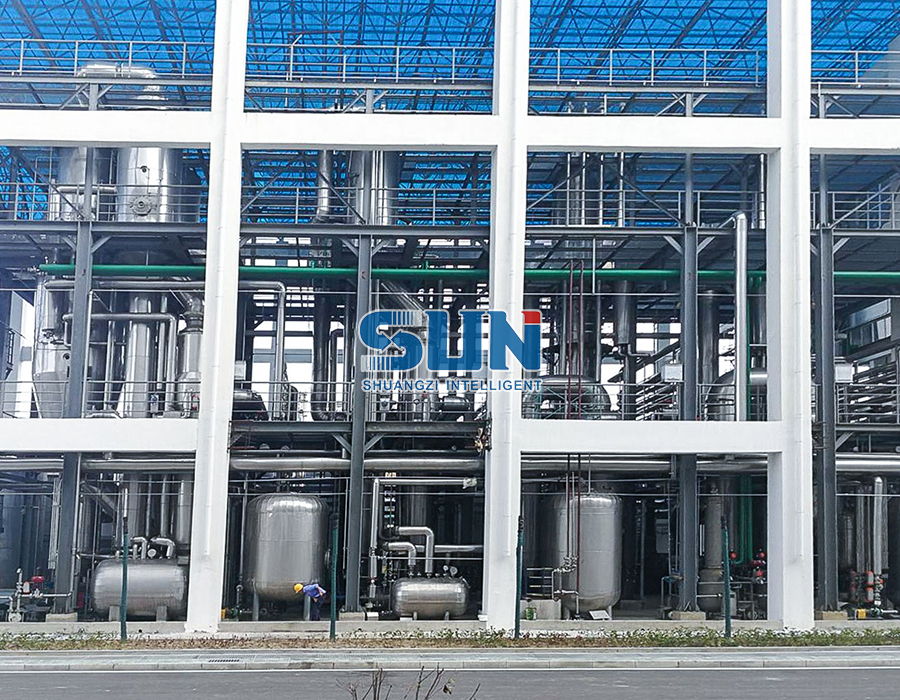
A complete Trichoderma production facility may include raw material handling, purified water preparation, medium preparation, sterilization, seed fermentation, production fermentation, air compression and filtration, cooling water or chilled water systems, steam or heating systems, pH and nutrient dosing systems, exhaust treatment, downstream separation, drying, formulation, packaging, and quality control areas. Coordinating all these elements requires engineering expertise beyond simple tank manufacturing.
Zhejiang Shuangzi Intelligent Equipment Co., Ltd. operates as a biology and medical equipment enterprise with EPC and EPCM service capability. This means the company can participate in engineering design, process design, equipment design, matching purchase, installation, system integration, line debugging, and turnkey project delivery. For customers building new facilities or expanding existing plants, this integrated support can reduce the burden of managing multiple suppliers.
Turnkey capability is particularly valuable in bio-fermentation because equipment mismatch can cause serious problems. For example, a fermenter may be properly built, but if the air filtration system is undersized, oxygen transfer and contamination control may suffer. If the cooling system is inadequate, temperature control may fail. If downstream drying equipment is not matched to fermentation output, production bottlenecks may occur. A system-level supplier can evaluate the entire process and help align equipment capacities.
The company’s experience across plant extraction, biological fermentation, pharmaceutical engineering, natural food, energy conservation, and environmental protection also provides cross-industry process knowledge. Many technologies used in one field can support another. For example, hygienic vessel manufacturing, evaporation and concentration, extraction, filtration, and drying are relevant to both pharmaceutical and agricultural biological products. This broad equipment base helps customers develop more complete and flexible production lines.
Manufacturing Strength Built on Experience and Technical Capability
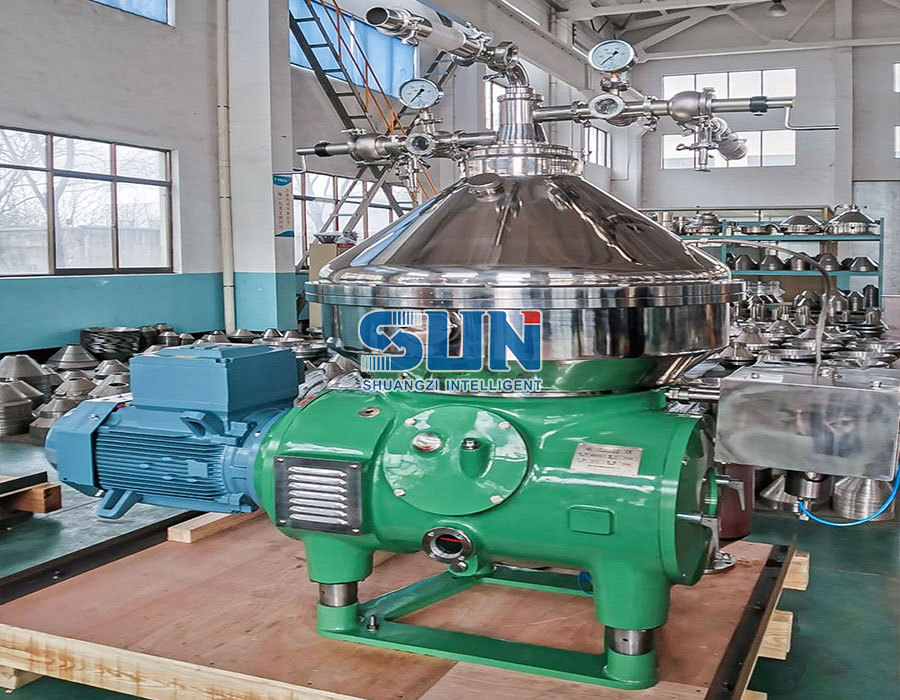
Founded in 2007, Zhejiang Shuangzi Intelligent Equipment Co., Ltd. has accumulated experience in process equipment design and manufacturing. Its mature products include vacuum low-temperature drying equipment, complete fermentation system equipment, evaporation and concentration equipment, extraction equipment, separation equipment, crystallization equipment, filtration equipment, containers, and related process systems. This product range is useful for customers who need more than a fermenter and want a coordinated processing solution.
The company emphasizes research and development in vacuum low-temperature drying, fermentation, extraction, concentration, separation, and related fields. By absorbing advanced industry technology and focusing on quality, the company aims to create high-level equipment for demanding process applications. For Trichoderma fermentation users, this means the fermenter is supported by broader technical understanding of upstream and downstream process needs.
The company’s pilot production workshop and R&D platform can be used by pilot research users working on processes such as vacuum low-temperature drying, plant extraction, evaporation, precipitation separation, extraction, and fermentation. This is meaningful for customers developing new microbial products, because pilot testing can help define medium consumption, batch time, biomass yield, downstream method, and production cost before investing in full-scale equipment.
Advanced fabrication resources, including plasma argon arc welding, plasma cutting, and CAM CNC machining, support manufacturing quality. These capabilities help ensure that equipment is not only conceptually well-designed but also physically reliable. In fermentation, the difference between ordinary equipment and high-quality equipment often appears in details: weld finish, surface treatment, shaft alignment, valve configuration, sensor installation, drainage, and maintenance access. Experienced manufacturing helps control these details.
Customization for Different Production Needs
Trichoderma fermentation processes can vary widely. Different strains may require different temperatures, pH ranges, oxygen transfer rates, foam control methods, and feeding strategies. Some producers may focus on liquid fermentation products, while others may require downstream extraction, concentration, or drying. A good fermenter system must therefore be customizable.
Capacity customization is one important area. While 50 L, 500 L, and 5000 L represent a practical three-stage configuration, other capacity combinations may be considered depending on production target and inoculation ratio. The equipment supplier can help users determine suitable stage volumes based on expected batch size, fermentation time, seed expansion requirements, and plant layout.
Material selection can also be customized. SUS304 may be suitable for many standard fermentation processes, while SUS316L may be preferred for more corrosive media or higher hygienic expectations. The correct material choice should consider not only initial cost but also cleaning chemicals, process pH, chloride exposure, sterilization frequency, and product standards.
Automation level can be adapted to project needs. Some users may need basic control of temperature, agitation, and pH. Others may require more advanced recipe management, batch recording, remote monitoring, automated feeding, foam control, sterilization sequences, and integration with plant-level control systems. The ability to match automation to the user’s operational maturity helps avoid both under-designed and over-complicated systems.
Utility integration is another customization point. Facilities differ in available steam, electricity, compressed air, cooling water, purified water, and drainage. The system can be designed around the user’s infrastructure, reducing installation difficulties and supporting smoother commissioning. Custom voltage capability is one example of this project-oriented design approach.
Downstream compatibility should also be considered from the beginning. If the final product requires extraction of mycelium and metabolites, the fermenter discharge, solvent compatibility, separation method, and safety measures must be planned. If the product is a live microbial agent, the downstream process should protect viability. Integrated engineering helps ensure that the fermentation system supports the final product goal.
Operational Best Practices for Users
To obtain the best performance from a Trichoderma fermentation system, users should begin with a well-characterized strain and a validated medium. Equipment quality is essential, but biological performance also depends on strain preservation, seed preparation, inoculation ratio, medium composition, and contamination control. A systematic process development program can help define the best operating conditions before full industrial production.
Operators should establish standard operating procedures for medium preparation, tank cleaning, sterilization, inoculation, fermentation monitoring, feeding, sampling, discharge, and post-batch cleaning. These procedures help reduce human error and make batch results more comparable. In facilities with multiple operators or shifts, written procedures are especially important.
Preventive maintenance should be performed on agitators, mechanical seals, motors, valves, sensors, filters, and control systems. A fermentation system may appear to operate normally until a small component failure causes a batch problem. Regular inspection and maintenance reduce unexpected downtime and protect product quality.
Sampling must be conducted carefully to avoid contamination. Hygienic sampling valves and proper operator training are important. Samples can be used to monitor growth, pH, contamination, biomass concentration, spore development, or metabolite formation. Good sampling practice provides valuable information without compromising the batch.
Cleaning validation or cleaning verification may be needed depending on product standards. Even in agricultural microbial production, poor cleaning can affect batch consistency. Residues from previous batches may support unwanted microorganisms or alter the next fermentation. Cleaning procedures should be matched to the medium, strain, and equipment design.
Process data should be reviewed after each batch. Temperature curves, pH trends, agitation speed, aeration rate, feeding records, foam events, and final yield can reveal patterns. Continuous improvement based on data is one of the easiest ways to increase productivity and reduce variability over time.
Quality, Safety, and Compliance Considerations
Biological fermentation equipment must support safe operation. Tanks may involve heating, cooling, pressure variation, rotating machinery, sterilization media, cleaning chemicals, and biological materials. Proper design, installation, and training help protect operators and equipment. Safety valves, pressure control, electrical protection, motor guarding, and clear operating procedures should be considered as part of the complete project.
For processes involving organic solvents in downstream extraction, additional safety measures are required. Solvent handling may involve flammability, ventilation, explosion protection, material compatibility, and environmental control. If solvent extraction is part of the final process, it should be engineered carefully and not treated as a simple add-on. The fermentation system and downstream extraction equipment should be evaluated together.
Compliance expectations depend on the product type and market. Agricultural microbial products, bio-fertilizers, bio-pesticides, and pharmaceutical-related fermentation products may face different standards. Equipment documentation, material certificates, welding records, control system documentation, and validation support may be important for some users. A professional equipment manufacturer can provide project documentation aligned with customer requirements.
GMP-oriented manufacturing awareness is useful even when the final product is not a pharmaceutical. GMP principles such as cleanliness, traceability, process control, documentation, and quality management can improve consistency in biological product manufacturing. The company’s automation GMP-related pilot platform experience can support customers who want higher production standards.
Buyer Selection Guide
When selecting a Trichoderma fermentation system, buyers should consider process suitability first. The equipment should match the biological characteristics of the strain and the production goal. Questions to evaluate include required oxygen transfer, suitable agitation type, temperature range, pH control, feeding method, foam management, sterilization method, and downstream processing needs.
Material quality should be carefully reviewed. SUS304 and SUS316L stainless steel are common options, but buyers should confirm which parts are made from which material, how internal surfaces are finished, and whether welds are properly treated. Material selection affects hygiene, corrosion resistance, and service life.
Scale-up strategy should be evaluated. A three-stage system offers significant advantages for commercial Trichoderma production. Buyers should avoid assuming that a single large tank is enough. Seed quality and scale-up consistency are critical to final productivity.
Automation capability should match the plant’s operational needs. Too little automation can create variability and labor burden. Too much unnecessary automation can increase cost and training complexity. The best solution is a practical control system designed around the user’s process and team capabilities.
Supplier engineering capability is also essential. A fermentation project may involve many utility and process interfaces. A supplier with EPC or EPCM capability can help reduce project risk by coordinating process design, equipment design, installation, integration, and commissioning. This can be more valuable than choosing a lower-cost supplier that only provides basic tanks.
After-sales support and spare parts availability should not be overlooked. Mechanical seals, sensors, valves, and control components may require maintenance or replacement. A reliable supplier should help customers plan maintenance and respond to technical questions after installation.
Q&A Section
What is the main purpose of the Trichoderma Fungus Fermentation System Fermenter?
The main purpose is to cultivate Trichoderma fungus under controlled fermentation conditions for the production of microbial agents, bio-fertilizer ingredients, bio-pesticide materials, biomass, mycelium, spores, and metabolites. The system supports stable three-stage fermentation for better scale-up and batch consistency.
Why is a three-stage fermentation system recommended?
A three-stage system helps expand the culture gradually from a smaller seed stage to an intermediate stage and then to a production stage. This reduces scale-up risk, improves inoculum vitality, shortens lag time, and supports more predictable production in large-volume fermentation.
What capacities are available for this fermenter system?
The system can be configured with capacities such as 50 L, 500 L, and 5000 L. These stages are suitable for seed cultivation, intermediate expansion, and production fermentation. Capacity can also be adapted according to project requirements.
What materials are used for the fermentation tank?
The fermentation tank can be manufactured from SUS304 or SUS316L stainless steel. These materials provide durability, cleanability, hygienic performance, and corrosion resistance suitable for biological fermentation applications.
What type of agitator is used?
The system uses a two four-straight-blade turbine-type agitator. This configuration supports mixing, nutrient distribution, heat transfer, and oxygen transfer during Trichoderma fermentation.
How long does Trichoderma fermentation usually take?
The fermentation time is generally three to five days, depending on strain characteristics, medium formulation, temperature, pH, aeration, target product, and production scale.
Can the system be customized for different countries?
Yes. The voltage can be made to order, allowing the equipment to match different regional electrical standards. Other aspects such as capacity, material, automation level, and utility connection can also be customized according to project needs.
What makes this system more competitive than basic fermentation tanks?
Its advantages include three-stage scale-up design, stainless steel hygienic construction, mechanical sealing, turbine agitation, project customization, reliable industrial motor configuration, and the manufacturer’s ability to provide process design, equipment integration, installation, debugging, and turnkey project services.
Can the manufacturer provide more than just the fermenter?
Yes. Zhejiang Shuangzi Intelligent Equipment Co., Ltd. can provide engineering, process design, equipment design, manufacturing, matching purchase, installation, system integration, line debugging, and turnkey project support. The company also manufactures related equipment for drying, evaporation, concentration, extraction, separation, crystallization, filtration, and containers.
Is the system suitable for industrial production?
Yes. With stainless steel construction, mechanical sealing, controlled agitation, customizable electrical configuration, and three-stage scale-up capability, the system is suitable for industrial Trichoderma fermentation projects as well as pilot and scale-up applications.
Conclusion
The Trichoderma Fungus Fermentation System Fermenter is a practical and advanced solution for producers seeking reliable bio-fermentation equipment for microbial agricultural products. Its three-stage configuration supports controlled scale-up from seed cultivation to production fermentation, helping reduce biological risk and improve batch consistency. With capacities such as 50 L, 500 L, and 5000 L, the system provides a strong pathway from process development to commercial manufacturing.
The use of SUS304 or SUS316L stainless steel, mechanical sealing, turbine agitation, customizable voltage, and reliable motor configuration gives the equipment a solid technical foundation. Compared with basic single-tank competitors, this system offers stronger hygienic design, better scale-up logic, more practical customization, and greater integration potential. These advantages are especially important in Trichoderma fermentation, where contamination control, oxygen transfer, pH stability, nutrient distribution, and process repeatability determine product quality.
Zhejiang Shuangzi Intelligent Equipment Co., Ltd. strengthens the value of the product through its manufacturing capability, advanced welding and machining equipment, EPC and EPCM service model, pilot production platform, R&D orientation, and experience across fermentation, extraction, concentration, drying, filtration, and turnkey process systems. For customers building or upgrading a Trichoderma production line, the company can provide not only equipment but also engineering support, installation assistance, system integration, and complete project solutions.
As demand for biological agriculture continues to grow, manufacturers need fermentation systems that can deliver stable quality, efficient operation, and long-term reliability. A professional Trichoderma fermentation system is not merely a vessel; it is the core of the production process. By combining staged fermentation, hygienic stainless steel construction, advanced manufacturing, and integrated engineering capability, this fermenter system provides a strong foundation for producing high-quality Trichoderma microbial agents for modern sustainable agriculture.
References
Benítez, T., Rincón, A. M., Limón, M. C., and Codón, A. C. Biocontrol Mechanisms of Trichoderma Strains. International Microbiology.
Harman, G. E., Howell, C. R., Viterbo, A., Chet, I., and Lorito, M. Trichoderma Species: Opportunistic, Avirulent Plant Symbionts. Nature Reviews Microbiology.
Stanbury, P. F., Whitaker, A., and Hall, S. J. Principles of Fermentation Technology. Butterworth-Heinemann.
Doran, P. M. Bioprocess Engineering Principles. Academic Press.
Shuler, M. L., and Kargi, F. Bioprocess Engineering: Basic Concepts. Prentice Hall.
McNeil, B., and Harvey, L. M. Practical Fermentation Technology. Wiley.