
 英语
 俄语
Content
- 1 Understanding Human Milk Oligosaccharide Fermentation
- 2 Core Product Design
- 3 Controlled Fermentation for HMO Production
- 4 Hygienic and Aseptic Design Features
- 5 Scale-Up from Laboratory to Industrial Production
- 6 Manufacturing Strengths and Engineering Capabilities
- 7 Advantages Compared with Basic or Non-Integrated Fermentation Equipment
- 8 Applications Beyond Human Milk Oligosaccharides
- 9 Turnkey Project Execution
- 10 Cleaning, Maintenance, and Operational Reliability
- 11 Quality and Documentation Considerations
- 12 How the System Supports Process Development
- 13 Energy and Resource Efficiency
- 14 Installation and Commissioning Support
- 15 Selection Guidance for HMO Fermentation Projects
- 16 Q&A: Bio-Fermentation Tank System for Human Milk Oligosaccharides
- 16.1 What is the primary purpose of this fermentation tank system?
- 16.2 What capacity options are available?
- 16.3 Can the system be used for products other than HMOs?
- 16.4 Which stainless-steel materials are available?
- 16.5 How does the agitator support fermentation?
- 16.6 Why is dissolved oxygen control important?
- 16.7 Does the system include automatic pH adjustment?
- 16.8 What type of sealing is used?
- 16.9 Can the tank be supplied as part of a complete production line?
- 16.10 What is the benefit of using a pilot-scale fermenter?
- 16.11 Can the electrical voltage be customized?
- 16.12 What manufacturing equipment does the company use?
- 16.13 Does the company provide installation and commissioning?
- 16.14 What information should be provided when requesting a quotation?
- 17 Recommended Project Development Sequence
- 18 Conclusion
- 19 References
- 20 Product: Bio Fermentation Tank System for Human Milk Oligosaccharides
Human milk oligosaccharides, commonly known as HMOs, are among the most valuable functional carbohydrates used in modern nutrition, biotechnology, and health-related food production. Their structural diversity, biological activity, and sensitivity to processing conditions make them technically demanding products to manufacture. A reliable fermentation platform is therefore essential for achieving stable yields, consistent product quality, hygienic production, and efficient scale-up.
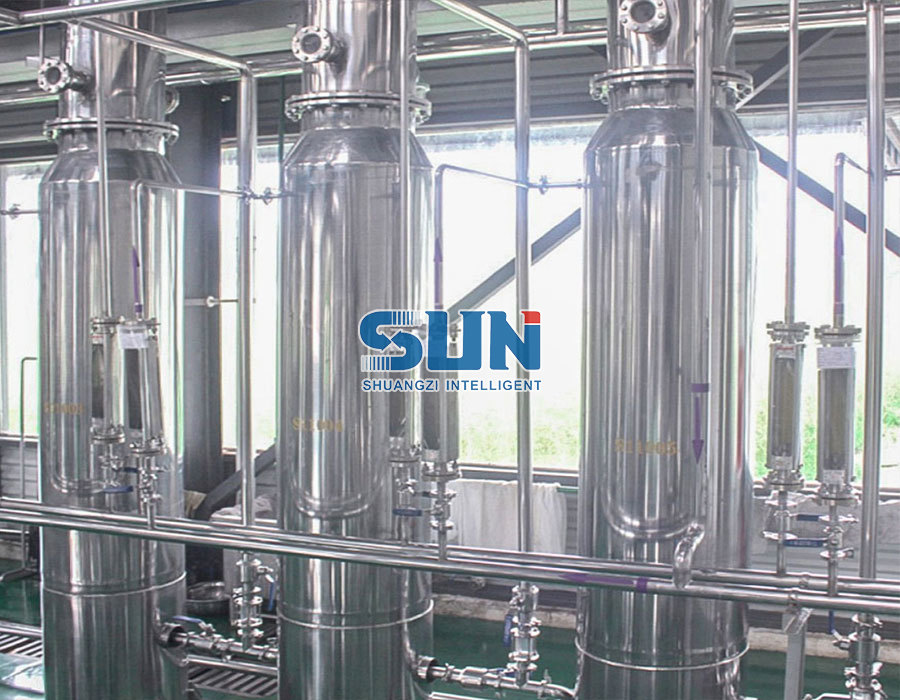
The Bio Fermentation Tank System for Human Milk Oligosaccharides is designed to provide a controlled, scalable, and hygienic environment for microbial fermentation processes. It is suitable for laboratory research, pilot production, and industrial manufacturing. The system can support the development of HMO production processes as well as other fermentation applications involving food ingredients, probiotics, enzymes, pharmaceutical intermediates, and biological products.
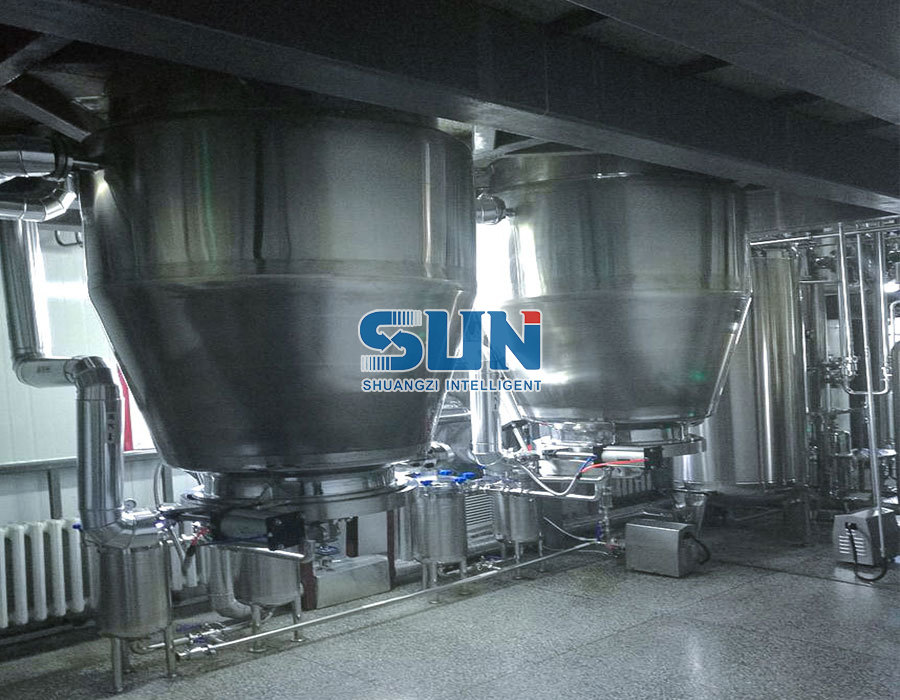
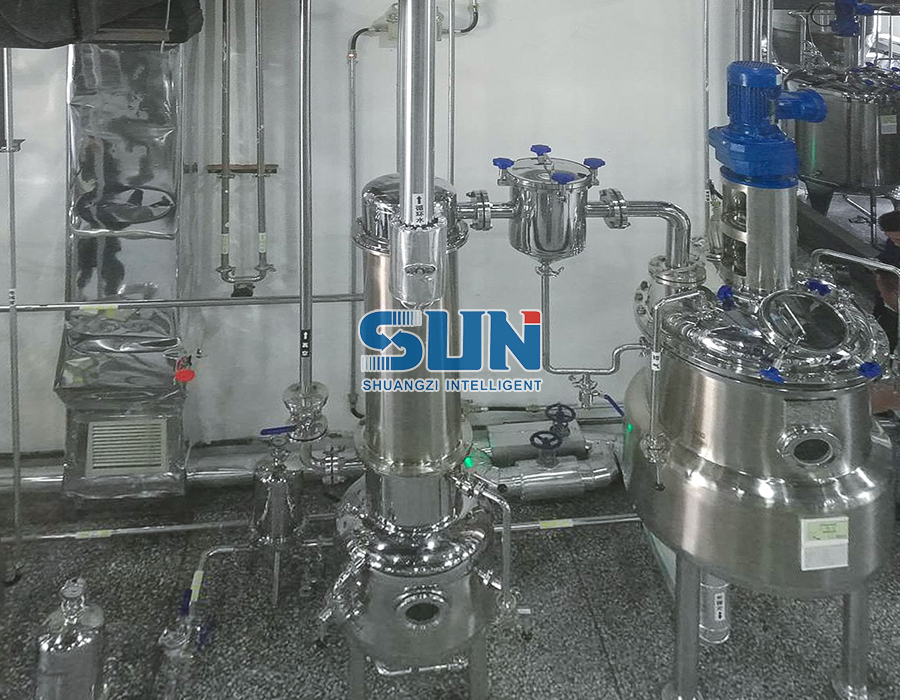
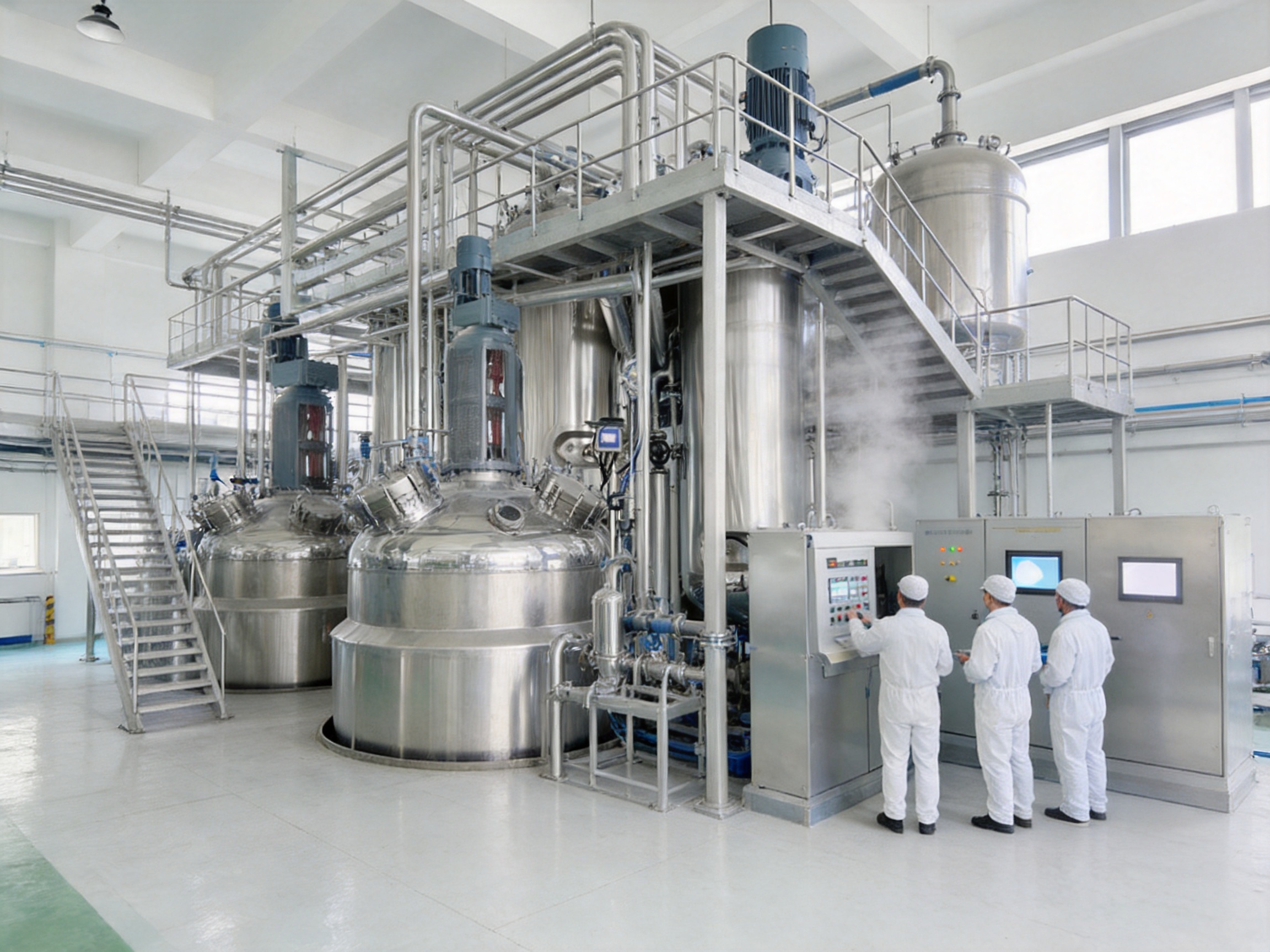
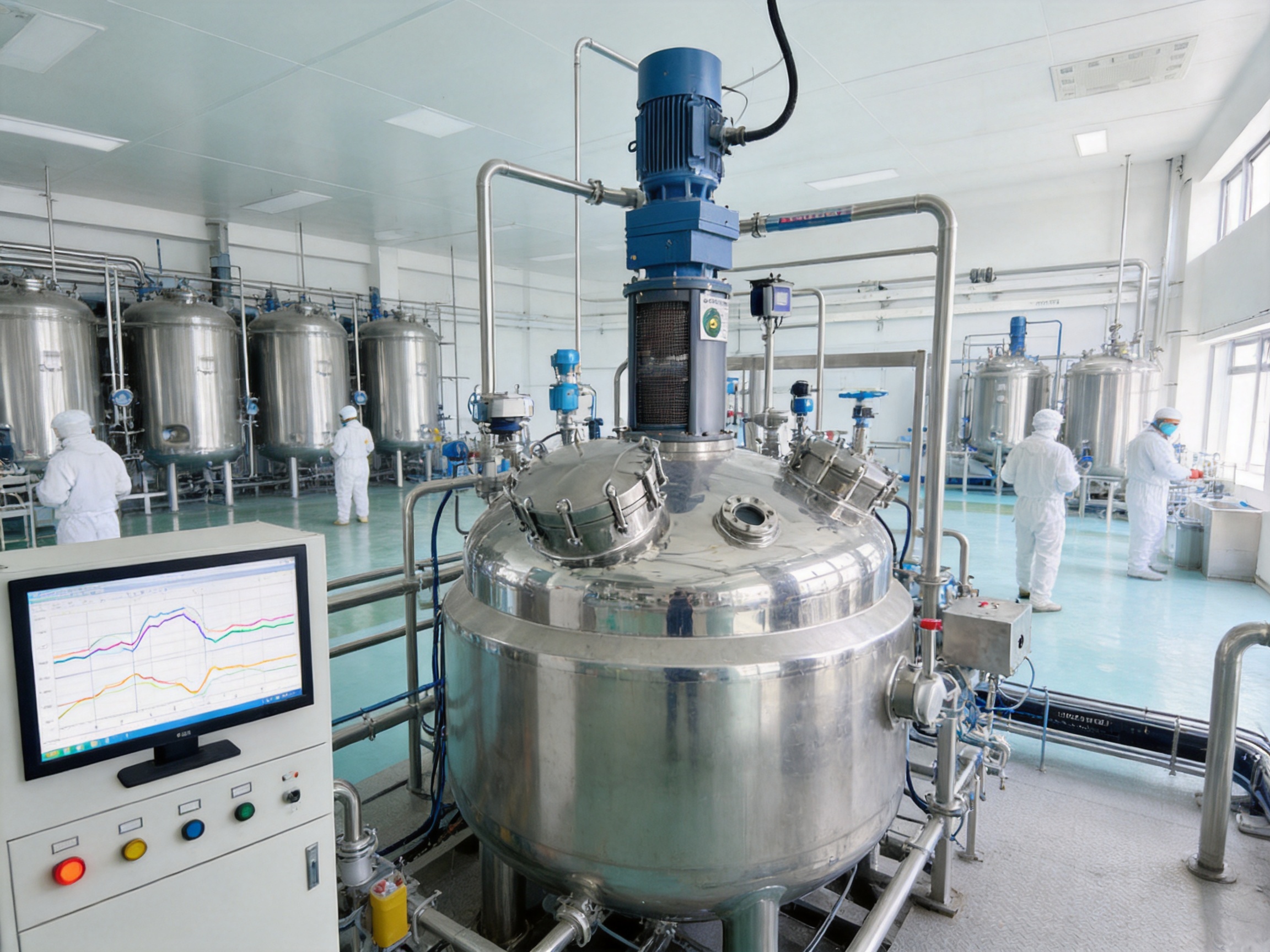
At the center of the system is a stainless-steel fermentation vessel equipped with agitation, mechanical sealing, temperature regulation, pH management, dissolved oxygen control, ventilation, and process monitoring capabilities. Its modular design allows manufacturers to adapt the system to different microorganisms, culture media, production volumes, and downstream processing requirements.
Unlike a basic storage tank or general-purpose mixing vessel, a modern biological fermentation tank must function as an integrated process platform. It must maintain suitable microbial growth conditions while minimizing contamination risk, supporting repeatable operation, and allowing a process developed at laboratory scale to be transferred to larger production volumes. These requirements are particularly important for HMO production, where microbial physiology, oxygen transfer, substrate addition, metabolic balance, and product recovery are closely related.
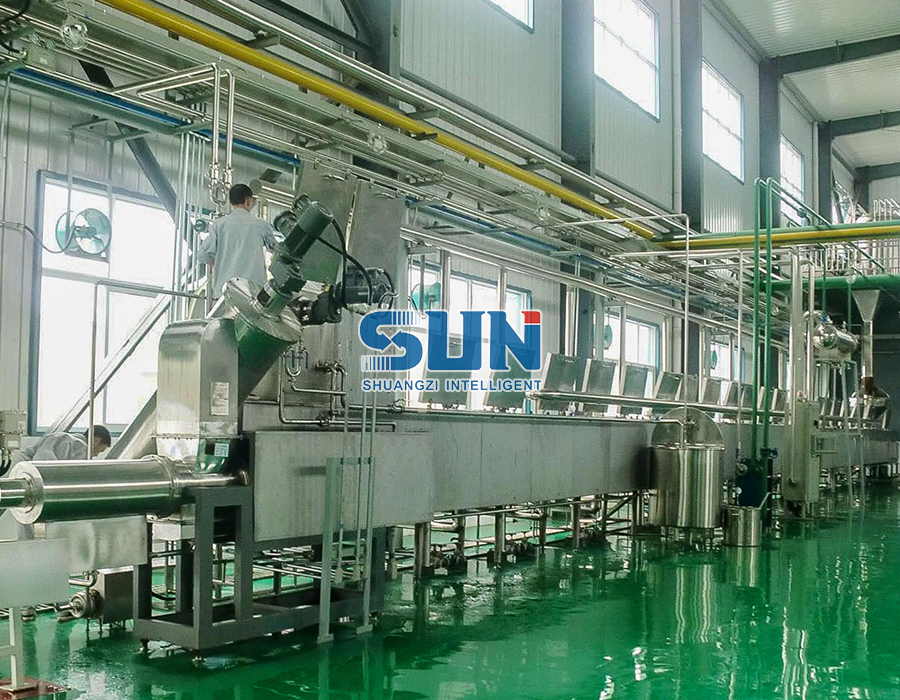
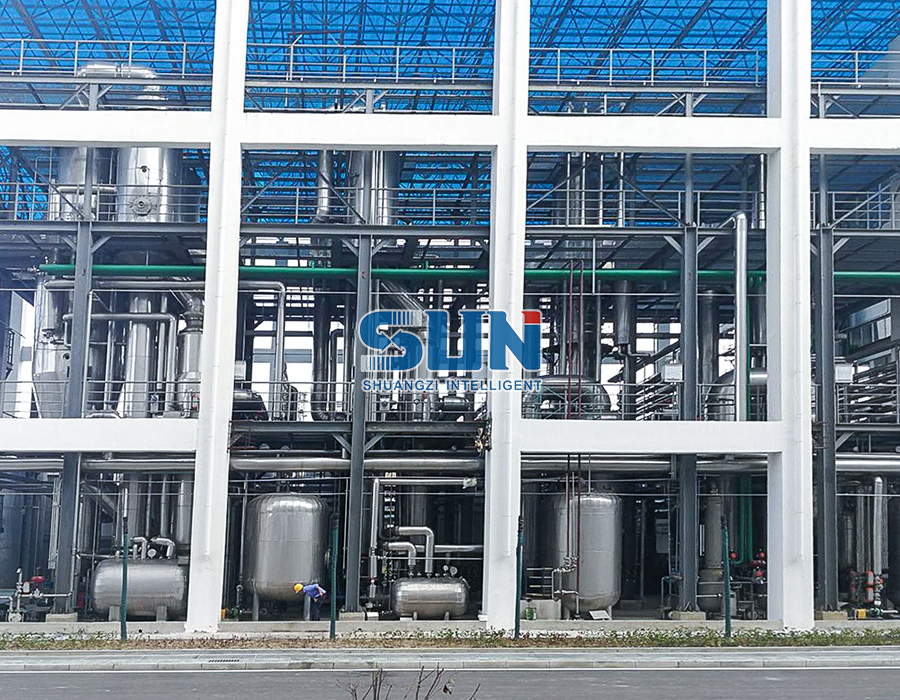
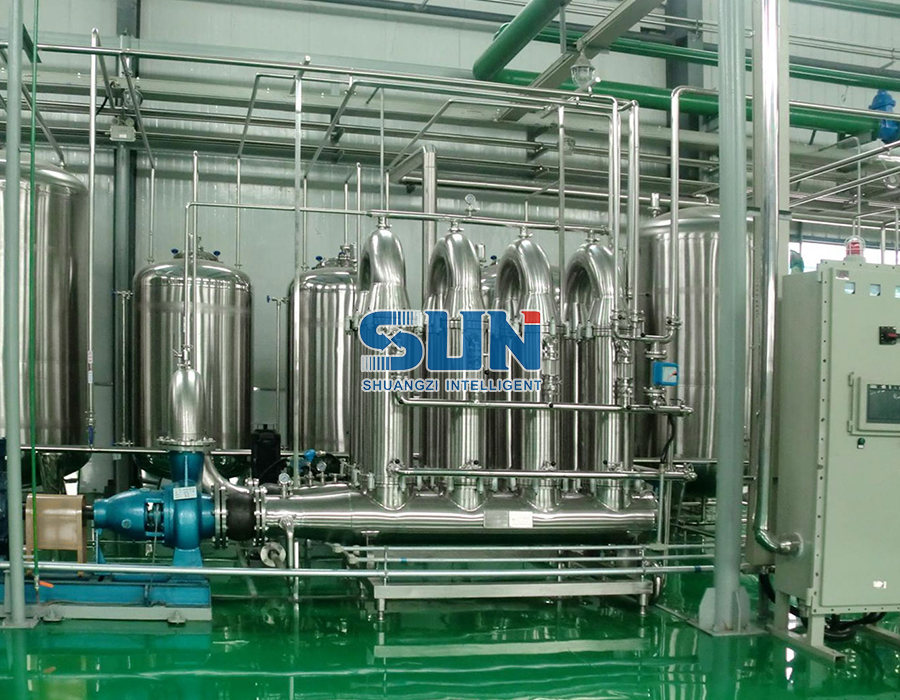
The system is manufactured and supplied by Zhejiang Shuangzi Intelligent Equipment Co., Ltd., an engineering company focused on process technology, automation engineering, equipment manufacturing, equipment integration, installation, commissioning, and turnkey project delivery. With experience in biological fermentation, plant extraction, pharmaceutical engineering, natural food processing, evaporation, concentration, separation, filtration, drying, and environmental protection systems, the company can coordinate the fermentation vessel with the broader production line rather than treating it as an isolated piece of equipment.
Understanding Human Milk Oligosaccharide Fermentation
Human milk oligosaccharides are complex carbohydrates naturally present in human milk. They are not primarily used as a source of energy by infants. Instead, they can interact with the intestinal environment, support the growth of selected beneficial microorganisms, and contribute to the development of a healthy gut microbiota. Their potential applications include infant nutrition, functional foods, nutritional supplements, and specialized health products.
Commercial HMO manufacturing generally requires advanced biotechnology because many target oligosaccharide structures are difficult to obtain in sufficient quantities through direct extraction. Fermentation-based production provides a practical route by using selected microorganisms or engineered microbial hosts to synthesize a desired oligosaccharide. Depending on the product, the manufacturing process may involve seed preparation, media sterilization, inoculation, controlled cultivation, feeding, fermentation termination, cell removal, purification, concentration, drying, and packaging.
Fermentation conditions can differ considerably between HMO products. The microorganism, carbon source, nitrogen source, precursor availability, oxygen demand, temperature, pH range, agitation strategy, and feeding profile must all be selected according to the target product and production strain. A tank system must therefore be flexible enough to accommodate different recipes and operating strategies.
For HMO production, a stable fermentation environment is particularly important. Excessive temperature variation can reduce cell activity or alter the metabolic profile. Improper pH control can affect nutrient utilization, product formation, and microbial viability. Insufficient oxygen transfer can limit growth in aerobic systems, while excessive agitation may create shear stress or increase foam formation. Poorly designed cleaning or sterilization arrangements may increase contamination risk.
The Bio Fermentation Tank System addresses these process requirements through controlled mixing, aeration, temperature management, monitoring, and hygienic construction. Its purpose is not simply to hold a culture. It is designed to support the biological, mechanical, thermal, and sanitary conditions needed for repeatable fermentation.
Core Product Design
The fermentation tank is constructed from stainless steel grades suitable for biological and food-related processing. SUS304 and SUS316L are available according to process requirements. SUS304 is widely used for many general sanitary applications, while SUS316L may be selected where increased corrosion resistance, demanding cleaning conditions, or more sensitive product-contact requirements are important.
The product-contact surfaces can be designed with attention to cleanability, drainage, weld quality, internal geometry, and compatibility with cleaning and sterilization procedures. Smooth and properly finished surfaces help reduce the possibility of material retention and simplify routine cleaning. The final configuration can be adapted to the customer's process, site conditions, utilities, production standards, and validation requirements.
The vessel is available in several capacity ranges. Laboratory systems cover approximately 5 to 20 liters, pilot systems cover approximately 30 to 400 liters, and industrial systems range from approximately 500 liters to 300 metric tons. This broad range gives users the opportunity to establish a development path from small-scale experiments to commercial production.
| Configuration Area | Available Specification | Process Significance |
|---|---|---|
| Laboratory capacity | Approximately 5–20 L | Suitable for strain evaluation, media development, parameter screening, and early process research |
| Pilot capacity | Approximately 30–400 L | Suitable for scale-up studies, process confirmation, equipment testing, and pilot production |
| Industrial capacity | Approximately 500 L–300 t | Suitable for commercial-scale fermentation and integrated production lines |
| Material options | SUS304 or SUS316L | Selected according to product characteristics, sanitation requirements, corrosion conditions, and project standards |
| Agitator | Two four-straight-blade turbine type | Supports liquid circulation, mixing uniformity, gas dispersion, and process consistency |
| Sealing arrangement | Mechanical sealing | Helps protect the vessel from leakage and supports controlled operation |
| Motor brand | SEW or an approved project-specific alternative | Provides a recognized drive solution for agitation applications |
| Voltage | Made to order | Allows adaptation to local electrical standards and plant utilities |
The listed specifications represent the standard product framework. A complete project may also include temperature-control equipment, sterile air preparation, gas flow control, pH and dissolved oxygen probes, foam detection, feeding systems, sampling assemblies, control cabinets, data recording, clean-in-place arrangements, sterilization systems, transfer pumps, and downstream process connections.
Controlled Fermentation for HMO Production
The most important advantage of a dedicated fermentation tank is the ability to control the environment in which microorganisms grow and produce the target compound. Biological production is sensitive to changes that may appear minor from a mechanical perspective but have major effects on microbial metabolism. A well-designed system makes these conditions measurable and adjustable.
Temperature Control
Temperature influences cell growth rate, enzyme activity, nutrient uptake, oxygen demand, and product formation. Different microorganisms and fermentation stages may require different temperature profiles. The tank can be integrated with a heating and cooling system so that the culture remains within a defined operating range.
Accurate thermal control also helps reduce batch-to-batch variation. During active growth, microbial metabolism may generate heat. If the heat is not removed effectively, the culture temperature can rise and affect product quality. A suitable jacket, heat-transfer circuit, temperature sensor, and control strategy help maintain the desired set point.
For HMO manufacturing, temperature control is also important during induction, feeding, production, and process termination. A flexible system can be configured to use different temperature set points at different stages when the process requires staged operation.
pH Management
Microbial cultures often produce acidic or alkaline metabolites during fermentation. Without automatic correction, the pH may move away from the optimum range, reducing growth or changing the product profile. The tank can be fitted with a pH measurement and dosing system that adds acid, alkali, or another approved adjustment solution as required.
Stable pH control improves process repeatability and protects the biological activity of the culture. It also supports consistent nutrient utilization and may assist in reducing unwanted by-products. The control system can be configured according to the process recipe, selected probes, dosing pump capacity, and required response time.
Dissolved Oxygen Regulation
Oxygen transfer is one of the central challenges in aerobic fermentation. Microorganisms consume oxygen as they grow, and the oxygen demand may increase as the culture becomes denser. If the oxygen transfer rate is insufficient, growth and product synthesis may be limited.
The tank's agitation and aeration functions work together to distribute oxygen throughout the liquid. Agitation promotes circulation and helps disperse incoming air, while the ventilation system supplies the required gas flow. Dissolved oxygen measurement can be used as a control variable, allowing the system to adjust agitation speed, aeration rate, or other process parameters.
For HMO processes, the correct oxygen strategy depends on the production organism and the stage of fermentation. Some processes may require strong oxygen transfer during biomass formation, while later stages may use different agitation or feeding conditions. A flexible design gives process engineers more opportunities to optimize the balance between productivity, energy use, foam formation, and cell stress.
Agitation and Mixing
The system uses a two four-straight-blade turbine-type agitator configuration. The agitator is intended to support uniform blending of nutrients, temperature, dissolved gases, and microbial cells. Proper mixing reduces concentration gradients and helps ensure that samples taken from the tank represent the overall culture.
Mixing also assists heat transfer and prevents localized accumulation of feed solutions. During fed-batch operation, concentrated nutrients may be introduced gradually. Without adequate mixing, a feed stream could create local regions of high substrate concentration, which may disturb cell metabolism or increase unwanted by-product formation.
Agitation speed can be adjusted according to viscosity, liquid volume, oxygen-transfer needs, foam behavior, and microorganism sensitivity. The mechanical design can be selected with consideration for power input, shear conditions, vessel geometry, working volume, and scale-up requirements.
Foam and Gas Management
Fermentation may generate foam due to proteins, carbohydrates, cell debris, gas flow, and agitation. Excessive foam can reduce effective vessel volume, block filters, contaminate exhaust lines, and interfere with sensors. A production system may therefore include foam detection, antifoam dosing, mechanical foam control, or a suitable headspace arrangement.
Gas handling is also important for maintaining aseptic conditions. Incoming air may require filtration and controlled flow, while exhaust gas may need protection against contamination and appropriate treatment. The precise configuration depends on the fermentation organism, production standard, facility classification, and local regulatory expectations.
Hygienic and Aseptic Design Features
Contamination control is a fundamental requirement in HMO fermentation. An unwanted microorganism may consume nutrients, alter the product profile, reduce yield, or make a batch unsuitable for release. For this reason, the tank system is designed around hygienic operation and can be integrated with sterilization and cleaning procedures.
The mechanical sealing arrangement helps separate the internal process environment from the external surroundings while allowing the agitator shaft to operate. Proper seal selection, installation, inspection, and maintenance are important for protecting the process and preventing leakage.
Stainless-steel construction provides a robust foundation for sanitary processing. The material is resistant to many commonly used cleaning agents and process liquids, although the exact chemical compatibility must always be confirmed for the selected formulation and operating conditions. Surface finish, weld quality, pipe routing, valve selection, dead-leg reduction, and drainage are also relevant to sanitary performance.
A complete aseptic strategy typically includes more than the vessel itself. It may include sterilizable addition ports, sanitary valves, sterile air filters, steam or hot-water sterilization, closed transfer lines, sanitary sampling valves, cleaning-in-place circuits, and validated operating procedures. These features can be specified according to the project application.
The system's hygienic advantages are especially valuable when the user intends to manufacture food ingredients, nutritional products, or pharmaceutical-related materials. A well-integrated system reduces the need for manual intervention and can make cleaning, inspection, and routine operation more consistent.
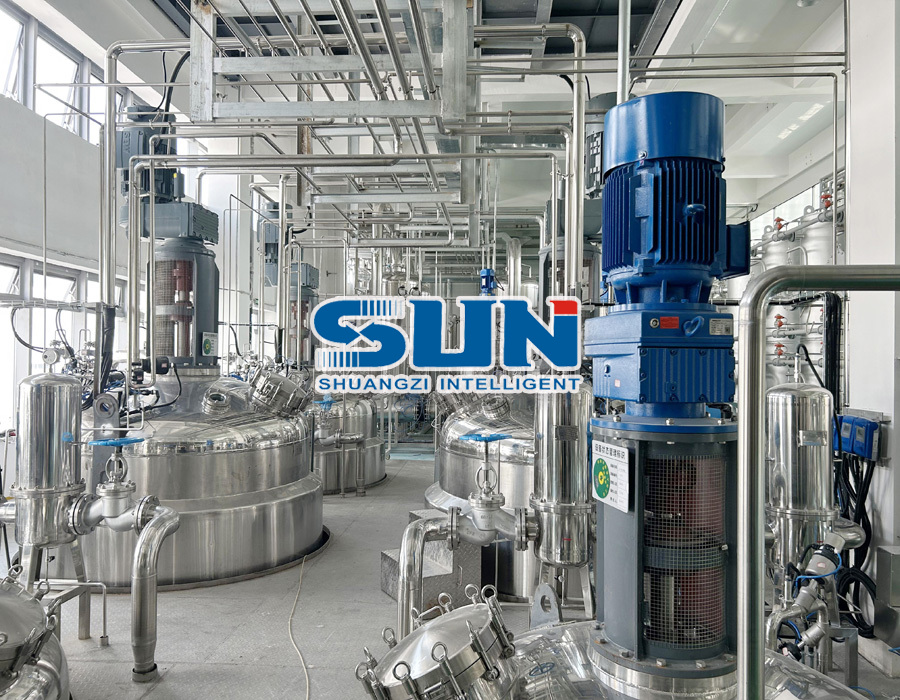
Bio Fermentation Tank System for Human Milk Oligosaccharides
Scale-Up from Laboratory to Industrial Production
One of the most significant challenges in fermentation engineering is transferring a process from a small laboratory vessel to a large industrial tank. A process that performs well at 10 liters may behave differently at 10,000 liters or more. Mixing time, oxygen transfer, heat removal, power input, gas distribution, foaming, and feeding behavior all change with scale.
The available capacity range of 5 liters to 300 metric tons supports a structured scale-up route. Researchers can begin with small vessels to screen strains, carbon sources, nitrogen sources, temperature profiles, pH ranges, and feeding strategies. Once the process has demonstrated potential, pilot-scale tanks can be used to evaluate mixing, aeration, sterilization, transfer, sampling, and control behavior under more realistic conditions.
Pilot systems are particularly valuable because they expose engineering issues before commercial installation. They can reveal whether the selected agitator provides sufficient circulation, whether the heat-transfer area is adequate, whether foam control is effective, and whether the control system responds rapidly enough to process changes. Pilot data can then guide the design of the industrial vessel.
Scale-up should not be based only on vessel volume. Engineers may consider constant power per unit volume, constant tip speed, constant oxygen-transfer performance, constant mixing time, or another criterion suitable for the microorganism and product. The correct approach depends on the biological process and the objectives of the project.
A manufacturer with experience in both equipment fabrication and process engineering can help bridge the gap between laboratory data and industrial equipment. This reduces the risk that the final tank will be treated as an oversized laboratory vessel without sufficient attention to commercial operating conditions.
Manufacturing Strengths and Engineering Capabilities
Zhejiang Shuangzi Intelligent Equipment Co., Ltd. was founded in 2007 and operates from a manufacturing base in Hangzhou, Zhejiang Province, China. The company occupies a floor area of approximately 16,706 square meters and has a structural area of approximately 17,800 square meters. Its facilities support equipment fabrication, process development, pilot operations, research, and project execution.
The company follows an EPC/EPCM-centered business model. This means that its work can extend beyond individual equipment supply to include process technology, automation engineering design, equipment manufacturing, auxiliary equipment procurement, installation, commissioning, system integration, and turnkey project services.
This integrated capability is important for fermentation projects because a tank rarely operates independently. It must connect with media preparation, sterilization, seed culture, air supply, feeding, product transfer, downstream separation, concentration, drying, cleaning, utilities, and control systems. Coordination between these areas can influence the total performance of the production line.
Process Technology and Equipment Design
The company focuses on process technology and automation engineering design for plant extraction, biological fermentation, pharmaceutical engineering, natural food production, energy conservation, and environmental protection. This cross-sector experience supports the design of systems where biological processing is combined with separation, concentration, filtration, drying, or recovery operations.
For an HMO project, the process design may include raw-material preparation, media sterilization, inoculum expansion, fermentation, cell separation, clarification, decolorization, purification, evaporation or concentration, drying, and final packing. The exact process depends on the product, microorganism, customer specification, and applicable regulatory standards.
Equipment selection can be coordinated around the complete material flow. This helps prevent mismatches between the fermenter and downstream units, such as insufficient transfer capacity, incompatible connection sizes, inadequate buffer volume, or unsuitable temperature conditions during product recovery.
Fabrication and Welding
Stainless-steel fabrication quality is essential for sanitary equipment. The company has introduced advanced welding and finishing equipment, including plasma argon arc welding machines, plasma cutting machines, and CAM CNC machining centers. These tools support accurate fabrication, controlled welding, repeatable component production, and improved surface finishing.
Plasma argon arc welding is suitable for demanding stainless-steel fabrication when controlled heat input, shielding, and weld consistency are required. Proper welding procedures can help reduce surface irregularities, oxidation, crevices, and areas that are difficult to clean. CNC machining supports dimensional accuracy for flanges, connection points, shafts, brackets, and other components.
Manufacturing quality depends not only on equipment but also on procedures, operator skill, inspection, material control, documentation, and final testing. For a fermentation system, these elements can include material certificates, weld inspections, pressure testing, leak checks, dimensional verification, surface inspection, instrument calibration, and functional testing.
Automation and Control Integration
Automation improves the ability to monitor and control the parameters that influence fermentation. A properly configured control system can display temperature, pH, dissolved oxygen, agitation speed, gas flow, tank pressure, level, feeding rate, and other variables. It can also record data for process analysis and batch documentation.
The degree of automation can be selected according to the user's needs. A research laboratory may require flexible manual adjustment and data collection, while a commercial plant may require recipe management, alarm handling, user permissions, electronic records, interlocks, and integrated production reporting.
Automation also helps reduce operator exposure to repetitive manual tasks. Automated dosing, closed transfer, controlled sterilization, and scheduled cleaning can improve consistency and reduce the possibility of human error. At the same time, control strategies should be designed so that operators can understand the process and respond appropriately to alarms or abnormal conditions.
Advantages Compared with Basic or Non-Integrated Fermentation Equipment
Many suppliers can provide a stainless-steel tank, but a fermentation project requires more than a vessel. The main advantages of this system arise from its process-oriented configuration, scalable capacity, integrated engineering support, and manufacturing experience.
Designed for Biological Process Control
A basic tank may provide mixing and temperature control but lack the instrumentation and flexibility needed for microbial cultivation. This system is designed around fermentation parameters such as pH, dissolved oxygen, temperature, agitation, aeration, and aseptic operation. The result is a more suitable platform for process development and production.
Broad Capacity Range
The 5-liter to 300-ton capacity range allows a user to work with one engineering partner across several project phases. This can simplify communication and preserve design knowledge as the process moves from laboratory research to pilot evaluation and industrial production.
Adaptable Materials and Configuration
The availability of SUS304 and SUS316L materials allows the system to be matched to the process environment. The voltage is made to order, supporting adaptation to different countries and facility standards. Agitator, sensor, valve, piping, control, and utility configurations can also be discussed during technical specification.
Integrated Manufacturing and Project Services
When a supplier provides only the tank, the customer may need to coordinate multiple contractors for controls, pumps, downstream equipment, installation, and commissioning. An EPC/EPCM-oriented supplier can take responsibility for a broader scope, helping reduce interface problems and simplifying project management.
Support for Downstream Processing
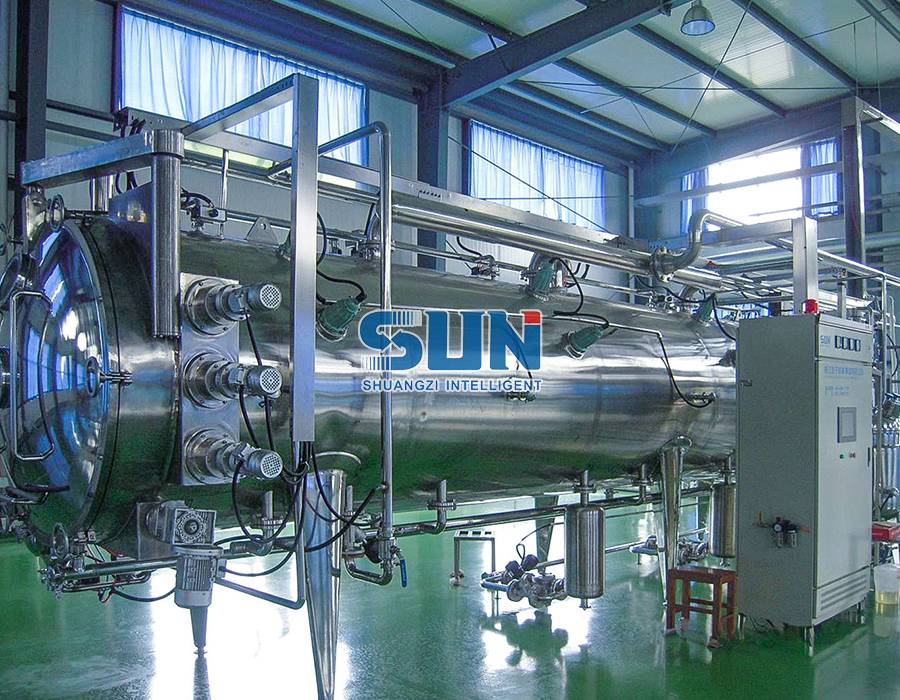
HMO production normally involves recovery and purification after fermentation. Experience with evaporation, concentration, separation, extraction, crystallization, filtration, and vacuum low-temperature drying gives the company a broader understanding of the process chain. This can be valuable when the customer wants a complete line rather than a single fermentation vessel.
Research and Pilot Facilities
The company maintains a pilot production workshop and an R&D platform designed to support automation and GMP-related requirements. Such facilities can assist with process trials, equipment verification, and scale-up investigations before the final industrial system is installed.
Applications Beyond Human Milk Oligosaccharides
Although the featured system is configured for HMO fermentation, its basic engineering platform can serve many other applications. In the food and beverage industry, biological fermentation tanks may be used for yogurt cultures, alcoholic beverages, organic acids, probiotic preparations, enzymes, and functional ingredients.
In the pharmaceutical and health-related sectors, fermentation equipment may support the production of antibiotics, vaccine components, antibody-related materials, insulin, enzymes, and other biological products. Each application requires its own process design, containment strategy, material selection, sterilization approach, and validation plan.
In biochemical engineering, fermenters can support the production of biofuels, biodegradable plastic raw materials, amino acids, organic acids, and other bio-based products. In environmental applications, biological reactors may be used for the treatment of organic waste or industrial wastewater, although the vessel design and operating conditions may differ from those used for high-purity product fermentation.
In agriculture, fermentation systems can support the manufacture of biological fertilizers, microbial inoculants, and biological pesticides. These applications may require large working volumes, cost-effective aeration, robust mixing, and efficient cleaning between batches.
The system can therefore be viewed as a flexible biological process platform. Its final configuration should always be determined by the microorganism, product, process recipe, production environment, and relevant quality requirements.
Turnkey Project Execution
A turnkey project is intended to give the customer a coordinated production solution rather than a collection of unrelated machines. For an HMO facility, a turnkey scope may include process design, equipment design, manufacturing, auxiliary equipment matching, line layout, installation, control integration, commissioning, operator training, and technical documentation.
The first stage is usually process clarification. The project team needs to understand the target product, expected annual output, batch size, fermentation mode, working volume, cycle time, microorganism, media composition, cleaning method, sterilization method, downstream process, utility availability, and applicable standards.
The next stage is equipment and process engineering. Engineers determine vessel dimensions, working-volume ratio, heat-transfer requirements, agitator characteristics, air and gas demand, sensor locations, feed ports, sampling arrangements, transfer routes, and control functions. The design should also account for maintenance access, inspection, cleaning, drainage, and future expansion.
Manufacturing follows approved drawings and technical specifications. Stainless-steel components are cut, formed, welded, machined, polished, assembled, and inspected. Instrumentation and control panels are installed according to the agreed design. Factory testing may be conducted before shipment to verify mechanical integrity and system functions.
Installation and commissioning connect the equipment to the customer's utilities and process lines. Commissioning may include water tests, circulation tests, temperature-control verification, agitator testing, sensor calibration, control-loop checks, alarm testing, cleaning trials, sterilization trials, and empty or process-representative runs.
Training is another important part of project delivery. Operators should understand start-up, inoculation, feeding, sampling, cleaning, sterilization, shutdown, emergency procedures, and routine maintenance. Clear documentation helps the operating team maintain consistent performance after handover.
Cleaning, Maintenance, and Operational Reliability
Reliable fermentation equipment must be easy to inspect, clean, maintain, and restart. Product residue, microbial cells, foam, and media components can accumulate on surfaces if the cleaning system is not properly designed. Cleaning procedures should be developed around the actual formulation and validated according to the customer's quality system.
Key maintenance areas may include the mechanical seal, agitator shaft, bearings, motor and gearbox, valves, sensors, sterile filters, dosing pumps, pressure-relief components, heating and cooling circuits, and control cabinets. Regular inspection helps identify wear before it affects production.
The mechanical seal deserves particular attention because it is exposed to movement, pressure differences, temperature changes, and cleaning conditions. Its type and auxiliary arrangement should be selected according to the operating parameters. A planned spare-parts strategy can reduce downtime if a seal, sensor, valve, or pump requires replacement.
Agitator maintenance includes checking shaft alignment, coupling condition, vibration, rotation direction, blade integrity, and gearbox performance. Excessive vibration may indicate mechanical wear, an alignment issue, an obstruction, or an operating condition outside the original design range.
Instrumentation should be calibrated at planned intervals. Temperature, pH, dissolved oxygen, pressure, level, and flow measurements directly influence process control. Calibration records and sensor replacement procedures are especially important in regulated or quality-sensitive production environments.
Operational reliability is improved when the equipment is designed with service access and clear procedures in mind. The system should allow technicians to reach inspection points, replace wear components, remove filters, verify connections, and perform sanitation tasks without unnecessary disassembly.
Quality and Documentation Considerations
HMO production may be intended for food, nutrition, research, or pharmaceutical-related applications. The documentation level should therefore reflect the intended use. Customers may request equipment drawings, process and instrument diagrams, material certificates, weld documentation, pressure-test records, surface-finish information, instrument certificates, control-system descriptions, operating manuals, and maintenance instructions.
For projects with GMP-related expectations, additional documentation and qualification activities may be required. These may include design qualification, installation qualification, operational qualification, performance qualification, risk assessment, change control, cleaning validation support, and computerized-system documentation. The exact requirements depend on the customer's quality system and regulatory strategy.
Manufacturers and users should also define responsibilities clearly. The supplier may be responsible for equipment design and factory testing, while the customer may be responsible for site utilities, building conditions, process validation, production procedures, raw-material controls, and final product release. Clear project boundaries reduce misunderstandings and support efficient execution.
Traceability is useful throughout the project. Materials, components, instruments, welds, tests, modifications, and approvals should be recorded in a controlled manner. Such information supports future maintenance, troubleshooting, audits, and equipment upgrades.
How the System Supports Process Development
Fermentation development is an iterative activity. Researchers may need to test different strains, media formulations, induction strategies, aeration rates, agitation speeds, feeding profiles, and harvest times. A rigid system can slow development, while a flexible system allows the process team to explore a wider operating space.
At laboratory scale, the system can help identify basic biological trends. Researchers can compare growth curves, substrate consumption, product concentration, by-product formation, and oxygen demand. Small vessels also allow multiple experiments to be conducted with relatively low material consumption.
At pilot scale, engineers can determine whether laboratory observations remain valid under more demanding mixing and heat-transfer conditions. They can evaluate how the culture responds to different agitation strategies, how the process handles larger feed quantities, and how the tank interacts with cleaning and sterilization equipment.
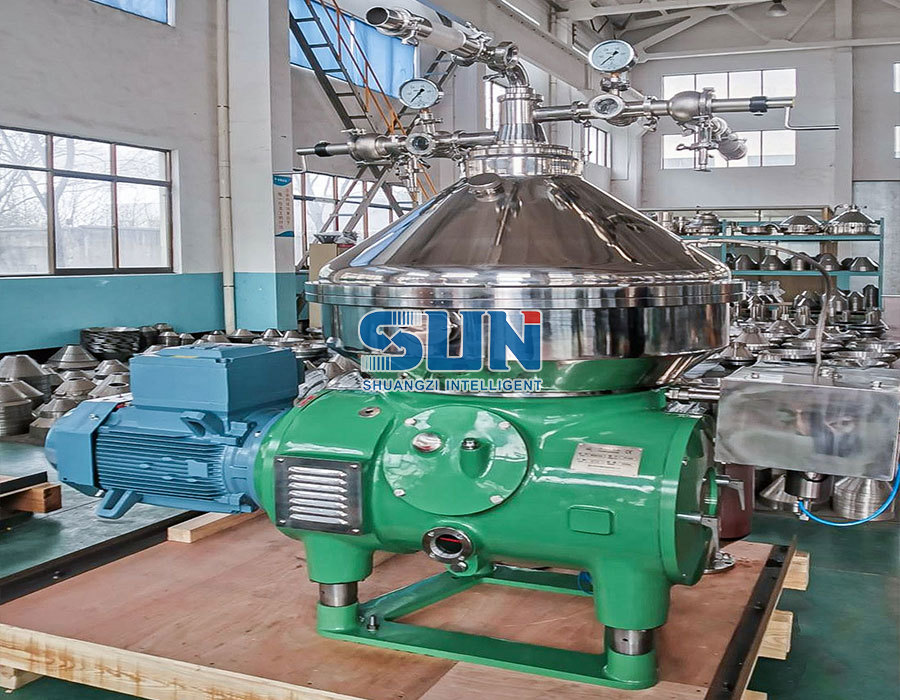
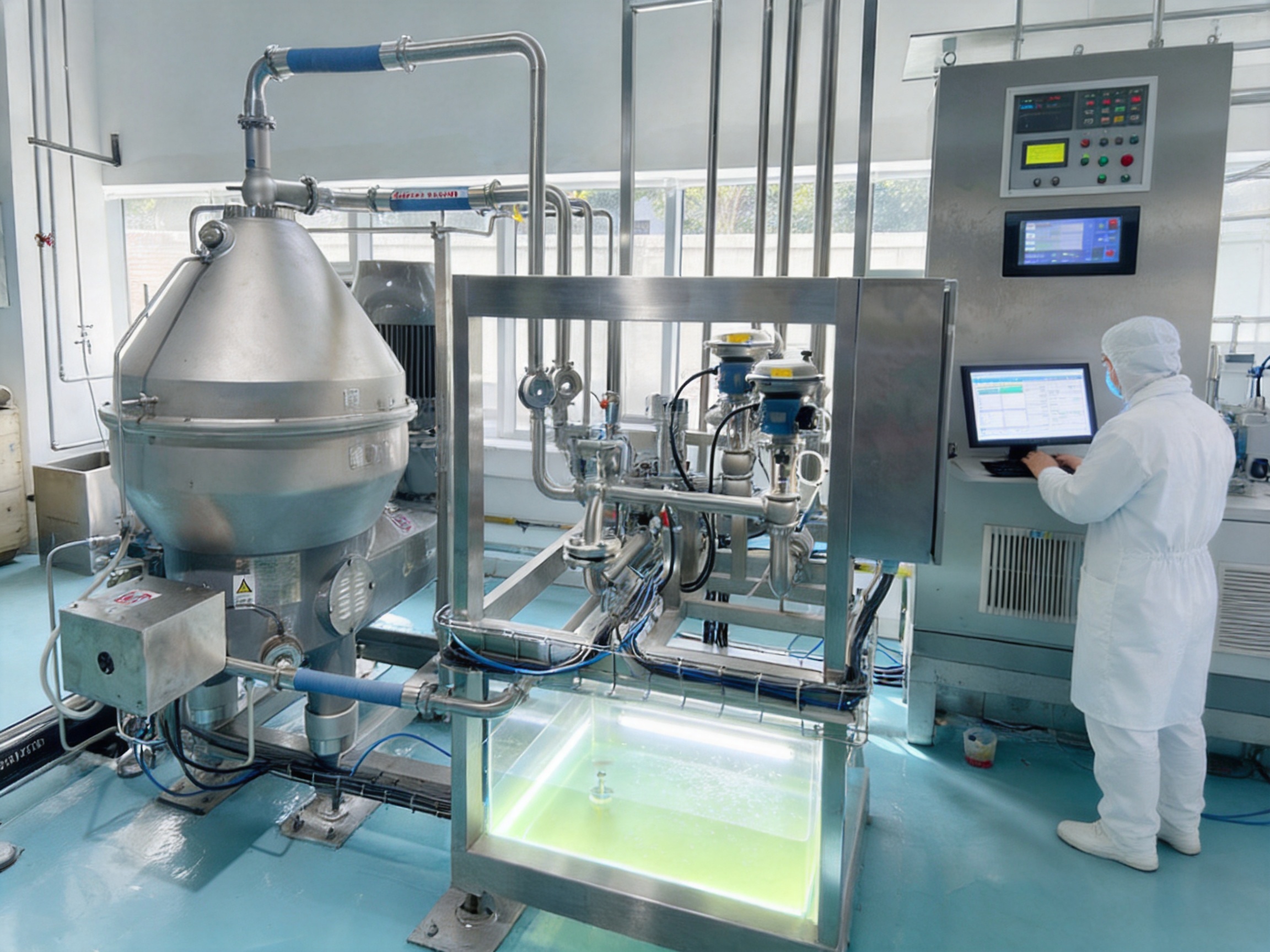
The pilot stage can also be used to test downstream transfer. Fermentation broth may need to be pumped to a centrifuge, membrane system, filtration unit, extraction system, or concentration unit. The viscosity, solids content, temperature, and foam characteristics of the broth can influence the transfer design.
Industrial production requires an additional focus on productivity, cycle time, labor efficiency, utility consumption, cleaning time, maintenance, and product consistency. A well-planned scale-up program helps identify these factors early, reducing the risk of costly modifications after plant construction.
Energy and Resource Efficiency
Fermentation systems consume energy through agitation, air compression, heating, cooling, pumping, cleaning, and sterilization. Process optimization can reduce the energy required per unit of product while maintaining the required biological conditions.
Agitation should be strong enough to provide the required mixing and oxygen transfer without unnecessary power consumption. The best operating point depends on vessel size, liquid properties, microorganism concentration, gas flow, and process objective. Variable-speed control can help adjust power input during different stages of the batch.
Heat recovery and utility integration may also improve efficiency. For example, hot water used for sterilization may be managed through a suitable utility system, while cooling demand may be reduced through optimized batch scheduling or temperature profiles. The final solution depends on the plant design and local utility conditions.
Cleaning efficiency is another resource consideration. A well-designed tank and piping system can reduce water, cleaning chemical, and labor consumption. Automated cleaning may also improve repeatability and reduce the risk of incomplete sanitation, provided that the cleaning cycle is properly developed and verified.
The company's experience in energy conservation and environmental protection projects provides a useful foundation for considering resource efficiency in larger production systems. These considerations can be incorporated during process and utility design rather than added after installation.
Installation and Commissioning Support
Even a well-manufactured tank can underperform if it is installed incorrectly. Leveling, anchoring, pipe alignment, utility connections, instrument installation, electrical wiring, and control-system configuration all influence final operation.
Installation planning should consider equipment access, lifting requirements, cleanroom or production-area restrictions, drainage, ventilation, maintenance space, and operator movement. Large industrial vessels may require special transportation and lifting arrangements, while laboratory and pilot systems may need flexible positioning.
During commissioning, the system can be tested with water or another suitable non-production medium before biological material is introduced. This allows the project team to confirm agitation, circulation, heating, cooling, air supply, pressure control, sensor response, dosing, alarms, and transfer functions.
Process commissioning may then proceed through media preparation, sterilization, inoculation, cultivation, sampling, transfer, cleaning, and repeat operation. Any deviations should be recorded and resolved before routine production begins.
Technical support during commissioning is valuable because it brings the equipment manufacturer, process engineers, automation specialists, and operators together. This team-based approach can shorten troubleshooting time and help ensure that the system is operated within its intended design range.
Selection Guidance for HMO Fermentation Projects
Customers evaluating a fermentation system should begin by defining the target product and production route. Important questions include whether the process is batch, fed-batch, continuous, or staged; whether the microorganism is aerobic or anaerobic; whether the culture is sensitive to shear; and whether the product is secreted into the broth or retained within the cells.
The required working volume should be distinguished from the total vessel volume. Fermentation tanks need headspace for foam, gas exchange, and process expansion. The correct working-volume ratio depends on the medium, agitation, aeration, and foam characteristics.
Material selection should consider cleaning chemicals, sterilization temperature, chloride exposure, product-contact requirements, and the customer's quality standards. SUS304 may be suitable for many applications, while SUS316L may be preferred for more demanding conditions.
Instrumentation requirements should be defined early. Temperature and pH are basic control variables, but dissolved oxygen, foam, pressure, level, gas flow, feed weight, exhaust analysis, and optical density may also be relevant. Sensors should be selected for the process, installed in suitable locations, and included in the calibration and maintenance plan.
Customers should also ask how the supplier will handle scale-up. A credible proposal should explain the relationship between laboratory, pilot, and industrial systems. It should identify which parameters will be kept consistent and which will require engineering adjustment.
Finally, the customer should clarify the project scope. The quotation may cover only the vessel, or it may include a complete fermentation line with utilities, controls, clean-in-place equipment, sterilization, installation, commissioning, and downstream processing. Comparing suppliers on total project capability rather than tank price alone can provide a more accurate assessment of value.
Q&A: Bio-Fermentation Tank System for Human Milk Oligosaccharides
What is the primary purpose of this fermentation tank system?
The system provides a controlled vessel for cultivating microorganisms that produce human milk oligosaccharides or other biological products. It manages important process conditions such as temperature, pH, dissolved oxygen, agitation, aeration, and hygienic operation.
What capacity options are available?
The listed capacity range includes laboratory systems of approximately 5 to 20 liters, pilot systems of approximately 30 to 400 liters, and industrial systems from approximately 500 liters to 300 metric tons. The final size should be selected according to batch volume, production target, process cycle, and available utilities.
Can the system be used for products other than HMOs?
Yes. The fermentation platform may be adapted for probiotics, enzymes, organic acids, functional food ingredients, pharmaceutical biological products, bio-based chemicals, biological fertilizers, and other microbial processes. Each application requires its own process, material, control, and sanitation review.
Which stainless-steel materials are available?
SUS304 and SUS316L are listed as material options. The appropriate grade depends on the process liquid, cleaning and sterilization conditions, corrosion exposure, product-contact requirements, and customer standards.
How does the agitator support fermentation?
The two four-straight-blade turbine-type agitator helps mix the culture, distribute nutrients, improve heat transfer, and disperse supplied air. Agitation speed can be selected or adjusted according to viscosity, oxygen demand, foam behavior, and microorganism sensitivity.
Why is dissolved oxygen control important?
Dissolved oxygen affects microbial growth and metabolism in aerobic fermentation. If oxygen transfer is inadequate, productivity may decline. The tank can combine agitation, aeration, and dissolved oxygen measurement to help maintain a suitable oxygen environment.
Does the system include automatic pH adjustment?
The fermentation system can be configured with pH measurement and dosing functions. The exact acid, alkali, pump, control logic, and integration method should be determined according to the process recipe and the customer's automation requirements.
What type of sealing is used?
The standard specification identifies mechanical sealing. The final seal design should be matched to the shaft speed, pressure, temperature, cleaning method, sterilization conditions, and process requirements.
Can the tank be supplied as part of a complete production line?
Yes. The supplier provides process technology and automation engineering design, equipment manufacturing, matching purchase, installation, commissioning, system integration, and turnkey project services. A complete line may include media preparation, seed culture, fermentation, separation, concentration, filtration, drying, and packaging-related equipment.
What is the benefit of using a pilot-scale fermenter?
A pilot tank helps confirm biological performance and engineering behavior before industrial investment. It can be used to evaluate mixing, oxygen transfer, heat removal, feeding, foam control, sterilization, cleaning, sampling, and downstream transfer at an intermediate scale.
Can the electrical voltage be customized?
Yes. The listed voltage is made to order. The electrical design should be adapted to the destination country's power supply, plant distribution system, motor requirements, control cabinet standards, and applicable safety codes.
What manufacturing equipment does the company use?
The company has introduced plasma argon arc welding machines, plasma cutting machines, CAM CNC machining centers, and other advanced welding and finishing equipment. These resources support stainless-steel fabrication, accurate machining, controlled welding, and equipment finishing.
Does the company provide installation and commissioning?
Yes. Installation, line debugging, equipment system integration, and turnkey project services are included among the company's capabilities. The exact scope should be defined in the technical and commercial proposal.
What information should be provided when requesting a quotation?
Customers should provide the target product, microorganism, fermentation mode, batch size, working volume, expected output, medium characteristics, temperature and pH range, oxygen demand, sterilization method, cleaning method, downstream process, site utilities, automation requirements, material preference, and applicable quality standards.
Recommended Project Development Sequence
A successful fermentation project generally begins with a process definition document. This document describes the biological process, production objective, operating ranges, raw materials, batch steps, sampling points, cleaning requirements, and product-transfer needs. It gives equipment engineers a clear basis for preparing a preliminary design.
The second step is laboratory evaluation. Small-scale vessels are used to screen process conditions and establish preliminary relationships between growth, substrate consumption, oxygen demand, and HMO formation. Data should be collected consistently so that it can support later scale-up.
The third step is pilot testing. The pilot system should reproduce the relevant engineering conditions as closely as practical. This may include mixing time, oxygen-transfer capability, temperature response, feeding behavior, foam management, and sterilization procedures.
The fourth step is industrial engineering. At this stage, the design team confirms vessel dimensions, utilities, equipment arrangement, piping, automation, cleaning, sterilization, building interfaces, maintenance access, and downstream integration.
The fifth step is manufacturing and factory acceptance testing. The supplier fabricates the equipment, performs inspections, assembles the system, and verifies key functions before shipment. Documentation is compiled according to the agreed project requirements.
The final steps are site installation, commissioning, operator training, process qualification, and production start-up. Continuous improvement can then be carried out using batch records, process data, maintenance information, and product-quality results.
Conclusion
The Bio Fermentation Tank System for Human Milk Oligosaccharides provides a scalable foundation for modern microbial production. Its capacity range from laboratory to industrial scale supports process development, pilot verification, and commercial manufacturing. Stainless-steel construction, mechanical sealing, turbine-type agitation, customizable voltage, and the ability to integrate temperature, pH, dissolved oxygen, aeration, feeding, cleaning, sterilization, and automation functions make it suitable for demanding biological processes.
Its strongest distinction is the combination of equipment manufacturing and complete engineering capability. Zhejiang Shuangzi Intelligent Equipment Co., Ltd. can support process technology, automation design, equipment production, auxiliary equipment matching, installation, commissioning, and turnkey project integration. Its experience in fermentation, extraction, concentration, filtration, drying, pharmaceutical engineering, natural food processing, and environmental protection allows the company to consider the full production chain.
Advanced welding and finishing equipment, including plasma argon arc welding machines, plasma cutting machines, and CAM CNC machining centers, supports the fabrication of sanitary stainless-steel equipment. The company's R&D platform and pilot workshop further support process testing and scale-up activities.
For manufacturers developing HMO products, the right fermentation system is not simply a matter of selecting a tank volume. It requires a coordinated solution that connects biological requirements with mechanical design, sanitation, automation, utilities, downstream processing, documentation, and long-term service. A properly engineered system can improve process stability, reduce contamination risk, support reproducible production, and create a practical path from research to industrial output.
References
1. Company technical specification for the Bio Fermentation Tank System for Human Milk Oligosaccharides.
2. Company information and engineering capability profile of Zhejiang Shuangzi Intelligent Equipment Co., Ltd.
3. General principles of industrial fermentation engineering, including agitation, aeration, heat transfer, pH control, and dissolved oxygen management.
4. General sanitary design principles for stainless-steel food, biotechnology, and pharmaceutical processing equipment.
5. General process-development practices for laboratory-to-pilot-to-industrial fermentation scale-up.
6. General quality and documentation practices for biological processing equipment and GMP-related production environments.