
 英语
英语 俄语
俄语Content
- 1 The Science of Curcumin Extraction: Why Ethanol Is Preferred
- 2 Key Features of Modern Curcumin Extraction Machines
- 3 Advantages Over Competitor Solutions
- 4 Advanced Manufacturing Processes: The Backbone of Quality
- 5 Operational Capacity and Customization Options
- 6 Frequently Asked Questions (Q&A)
- 6.1 Q1: What is the typical yield of curcumin using this extraction system?
- 6.2 Q2: How does the system ensure GMP compliance?
- 6.3 Q3: Can the system be used to extract other plant compounds besides curcumin?
- 6.4 Q4: What maintenance is required for the system?
- 6.5 Q5: How long does it take to install and commission the system?
- 6.6 Q6: What is the energy consumption of the system?
- 7 References
- 8 Conclusion
Curcumin, a polyphenolic compound derived from turmeric (Curcuma longa L.), has emerged as one of the most studied natural substances in recent decades due to its wide range of pharmacological activities—including anti-inflammatory, antioxidant, anticancer, and neuroprotective properties. As demand for curcumin-based products (pharmaceuticals, dietary supplements, functional foods) continues to surge globally, the need for efficient, scalable, and high-purity extraction systems has never been greater. Traditional curcumin extraction methods, such as batch solvent extraction or Soxhlet extraction, often suffer from low yield, high energy consumption, inconsistent quality, and limited scalability—challenges that modern extraction systems address head-on. This article explores the key innovations in curcumin extraction technology, the advantages of state-of-the-art systems over conventional alternatives, and the manufacturing excellence that underpins these solutions.
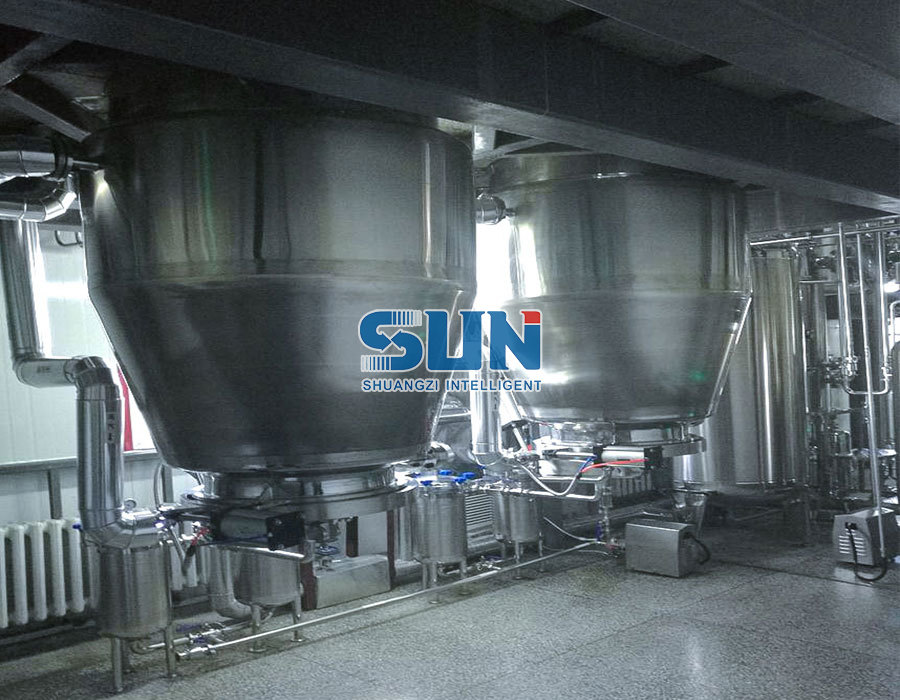
(Image 1: Curcumin molecular structure and its applications infographic)The Science of Curcumin Extraction: Why Ethanol Is Preferred
Curcumin is a lipophilic compound, meaning it dissolves better in organic solvents than in water. Among the various solvents used for curcumin extraction (hexane, acetone, ethyl acetate), ethanol stands out as the most preferred for several reasons: it is non-toxic, food-grade, easily recyclable, and effective at solubilizing curcumin without degrading its bioactive properties. The ethanol extraction process typically involves several steps: raw material preparation, extraction, separation, concentration, purification, crystallization, filtration, drying, and packaging. However, the efficiency of each step depends heavily on the design and optimization of the extraction system.
Traditional batch extraction systems often use large volumes of solvent, require long extraction times (8–12 hours), and produce extracts with low curcumin content (1–3%). In contrast, modern continuous extraction systems optimize solvent-to-raw material ratios, temperature, and contact time to achieve higher yields (5–8% curcumin in crude extract) while reducing solvent consumption by up to 30%. This is achieved through precise control of extraction parameters, such as temperature (45–50°C), solvent concentration (70% ethanol), and stirring speed—all of which are automated in advanced systems.
Key Features of Modern Curcumin Extraction Machines
State-of-the-art curcumin extraction systems are designed to integrate all stages of the extraction process into a single, automated line, minimizing manual intervention and ensuring consistency. Below are the core features that set these systems apart:
1. Integrated Raw Material Preparation Module
High-quality raw materials are the foundation of high-purity curcumin. Modern systems include an integrated module for washing, peeling, and slicing turmeric rhizomes—eliminating the need for separate equipment and reducing contamination risks. The module uses food-grade stainless steel (316L) to ensure compliance with GMP standards, and its precision slicing technology produces uniform slices (2–3 mm thick) that maximize surface area for efficient extraction. This integration not only streamlines the process but also reduces labor costs by 25% compared to manual preparation.
2. Optimized Extraction Cycle with Continuous Stirring
The extraction vessel is the heart of the system, and advanced designs feature continuous stirring with variable speed control (0–60 rpm) to ensure uniform contact between the solvent and raw material. The vessel is sealed to prevent solvent evaporation and is equipped with a temperature control system that maintains the optimal range (45–50°C) using jacketed heating (hot water or steam). This controlled environment reduces extraction time to 4–6 hours (down from 8–12 hours in batch systems) while increasing curcumin yield by 20–30%.
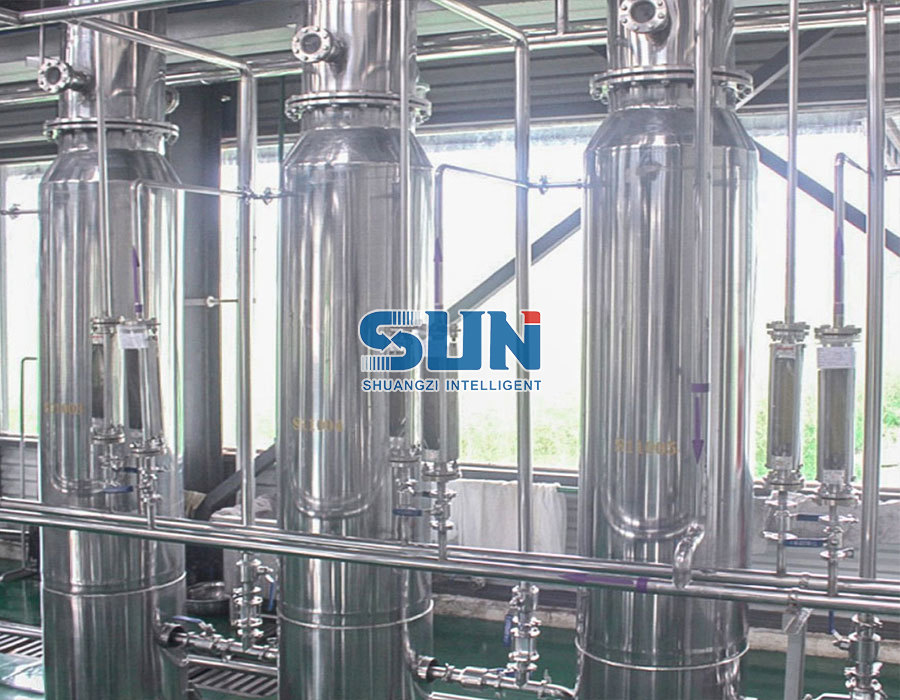
3. Vacuum Concentration for Quality Preservation
After extraction, the crude extract is concentrated to increase curcumin content. Vacuum concentration is preferred over atmospheric concentration because it lowers the boiling point of ethanol (to ~50°C), thus avoiding thermal degradation of curcumin (a heat-sensitive compound). Advanced systems use a falling-film vacuum evaporator, which has a high heat transfer coefficient and reduces concentration time by 40% compared to traditional rotary evaporators. The evaporator is also equipped with a solvent recovery system that recycles up to 95% of the ethanol used, significantly reducing operational costs.
4. Precision Purification via Liquid-Liquid Extraction
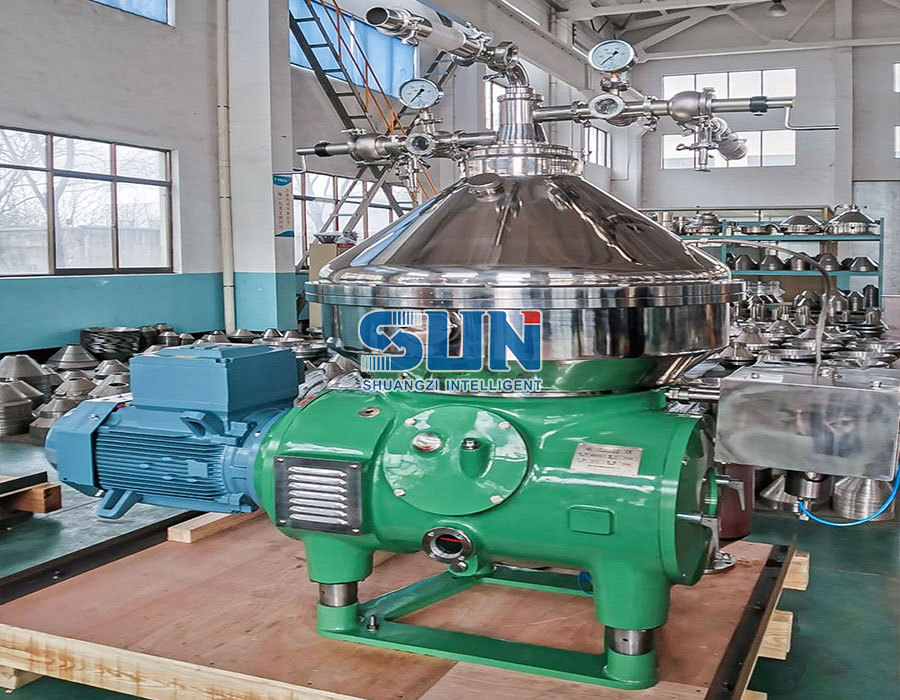
Purification is critical to obtaining high-purity curcumin (≥95%). Modern systems use liquid-liquid extraction with water as the anti-solvent: the concentrated extract is mixed with water (1:1 ratio) to precipitate curcumin, while impurities (such as sugars and proteins) remain in the aqueous phase. The system includes a decanter centrifuge to separate the two phases efficiently, followed by a microfiltration unit to remove residual impurities. This process yields curcumin with a purity of up to 98%, which meets the standards for pharmaceutical and dietary supplement applications.
5. Automated Crystallization and Drying
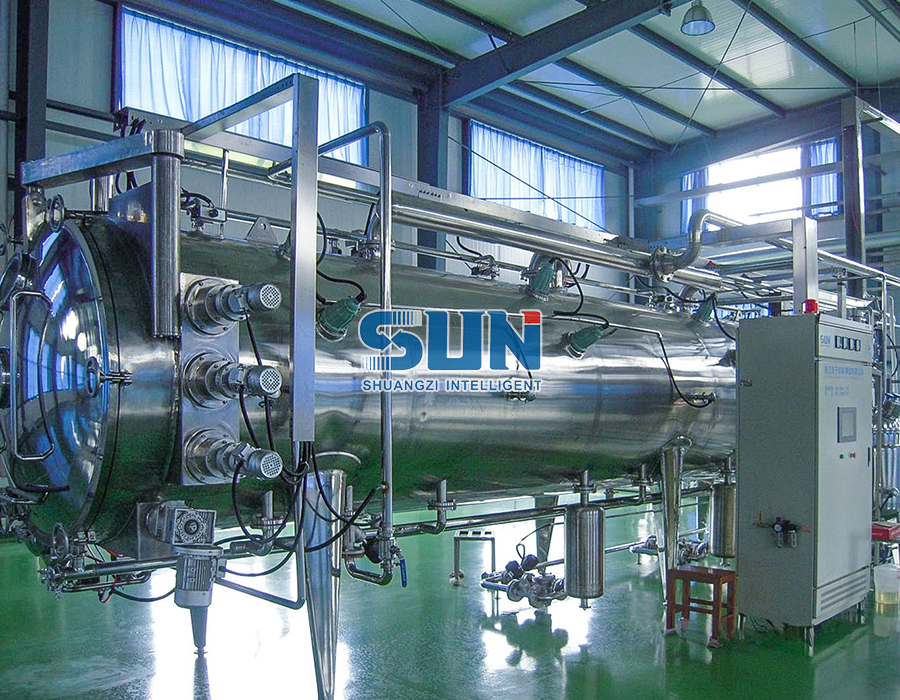
The purified curcumin solution is concentrated further and then cooled to induce crystallization. Advanced systems use a controlled cooling rate (1–2°C per minute) to produce uniform crystals, which are then filtered using a vacuum filter press. The filtered crystals are dried in a vacuum low-temperature dryer (40–45°C) to remove residual moisture without degrading the curcumin. The entire crystallization and drying process is automated, ensuring consistent particle size and moisture content (≤5%).
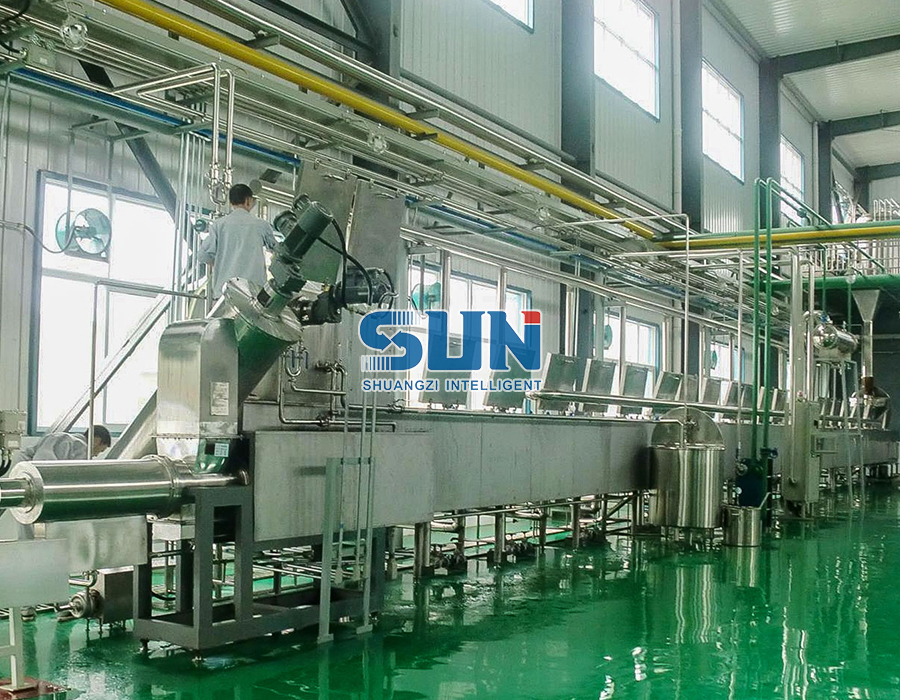
(Image 2: Flowchart of the ethanol extraction process for curcumin)Advantages Over Competitor Solutions
Modern curcumin extraction systems offer several key advantages over conventional batch systems and competitor models:
1. Higher Yield and Purity
Competitor batch systems typically yield 1–3% curcumin in crude extract, while advanced systems yield 5–8%—a 2–3x increase. In terms of purity, competitor systems often produce curcumin with 85–90% purity, whereas advanced systems achieve 95–98% purity, making them suitable for pharmaceutical applications (which require ≥95% purity).
2. Lower Energy and Solvent Consumption
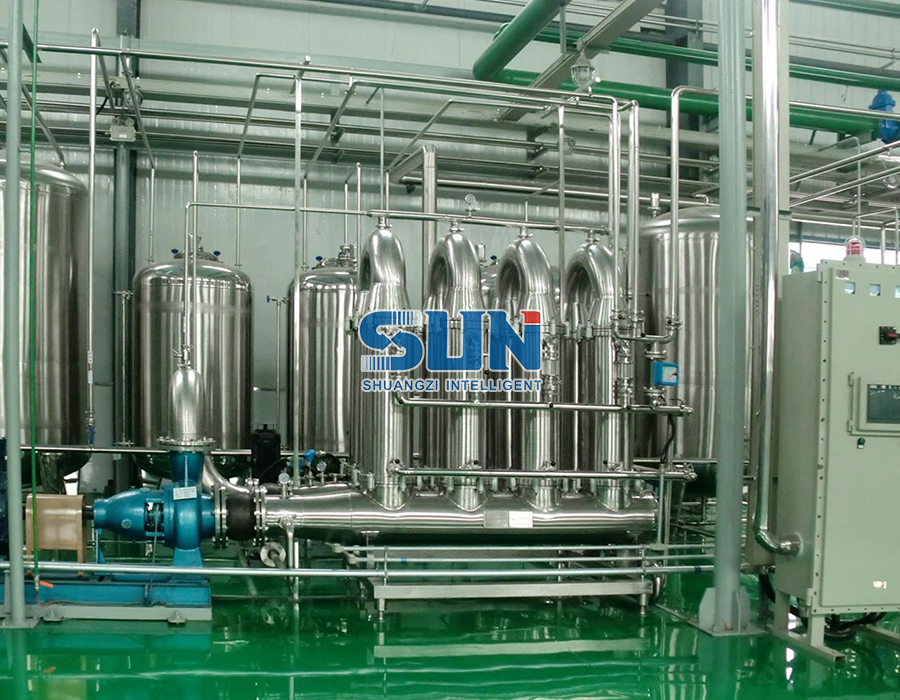
The use of vacuum concentration and solvent recovery systems reduces energy consumption by 35% compared to atmospheric concentration. Solvent recovery rates of up to 95% mean that advanced systems use 30% less ethanol than batch systems, cutting operational costs significantly. For a 1000kg/h system, this translates to annual savings of approximately $50,000 in ethanol costs alone.
3. GMP Compliance and Food Safety
Advanced systems are constructed using food-grade 316L stainless steel, with smooth surfaces and no dead zones to prevent bacterial growth. All components are designed for easy cleaning and sanitization, and the system includes CIP (Clean-in-Place) and SIP (Sterilize-in-Place) systems—features that are often missing in competitor models. This compliance with GMP standards ensures that the extracted curcumin meets the safety requirements for pharmaceutical and food applications.
4. Scalability and Customization
Modern systems are available in a range of capacities (from 500kg/h to 10000kg/h biomass), allowing users to scale up production as demand grows. Competitor systems often have limited scalability, requiring users to invest in entirely new equipment when expanding. Additionally, advanced systems can be customized to handle other plant extracts (such as gingerol or resveratrol) by adjusting extraction parameters—making them a versatile investment.
5. Automation and Reduced Labor Costs
Automated control systems (PLC-based) reduce the need for manual intervention, cutting labor costs by 25–30% compared to batch systems. The system includes a HMI (Human-Machine Interface) that allows operators to monitor and adjust parameters in real time, and it generates detailed reports on production metrics (yield, solvent consumption, energy use) for quality control. Competitor systems often rely on manual control, leading to inconsistent results and higher labor costs.
Advanced Manufacturing Processes: The Backbone of Quality
Zhejiang Shuangzi Intelligent Equipment Co.,Ltd. employs a combination of process engineering expertise, advanced machinery, and strict quality control to ensure that each system meets the highest standards. The company’s focus on EPC/EPCM (Engineering Procurement Construction/Engineering Procurement Construction Management) as the core of its business allows it to deliver turnkey solutions that address all client needs.
1. Process Design and Engineering
Before manufacturing begins, engineers conduct a detailed process design based on the client's specific requirements (capacity, raw material type, product purity). This includes modeling the extraction process using simulation software to optimize parameters (solvent ratio, temperature, contact time) and ensure maximum efficiency. The design phase also includes hazard analysis and critical control points (HACCP) to identify and mitigate potential risks (e.g., solvent leaks, cross-contamination).
2. Advanced Manufacturing Equipment
The company uses state-of-the-art machinery to produce extraction systems: plasma argon arc welding machines for high-quality, leak-proof joints; plasma cutting machines for precise metal fabrication; and CAM CNC machining centers for custom components. These machines ensure that all parts are manufactured to tight tolerances, reducing the risk of breakdowns and ensuring consistent performance. For example, plasma argon arc welding produces joints that are 30% stronger than traditional arc welding, making the extraction vessels more durable.
3. Pilot Production Facilities
Zhejiang Shuangzi Intelligent Equipment Co.,Ltd. maintains pilot production facilities that replicate the full extraction process on a small scale (10–50kg/h). This allows clients to test their raw materials and optimize parameters before investing in a full-scale system. The pilot facility is also used for R&D, where the company develops new extraction techniques (e.g., ultrasound-assisted extraction) to further improve yield and efficiency. This is a key advantage over competitors, who often do not offer pilot testing services.
4. Strict Quality Control
Quality control is integrated into every stage of manufacturing: raw material inspection (stainless steel certification), component testing (pressure resistance of vessels), assembly verification (leak tests), and final system validation (performance testing with actual raw materials). Each system is tested for 72 hours before delivery to ensure that it meets the specified capacity and yield requirements. This rigorous testing reduces the risk of downtime after installation and ensures long-term reliability.
5. Turnkey Project Solutions
The company offers turnkey solutions, which include process design, equipment manufacturing, installation, commissioning, and training. This eliminates the need for clients to coordinate with multiple vendors, reducing project timelines by 20–30%. For example, a client looking to set up a 5000kg/h curcumin extraction line can rely on the company to handle everything from designing the layout to training operators—ensuring a smooth transition to full production.
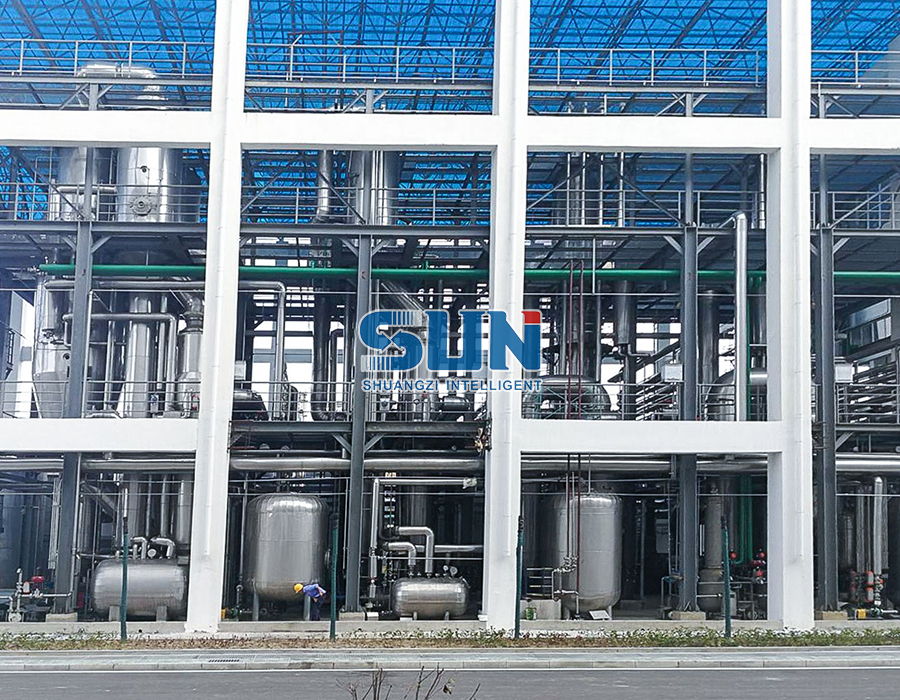
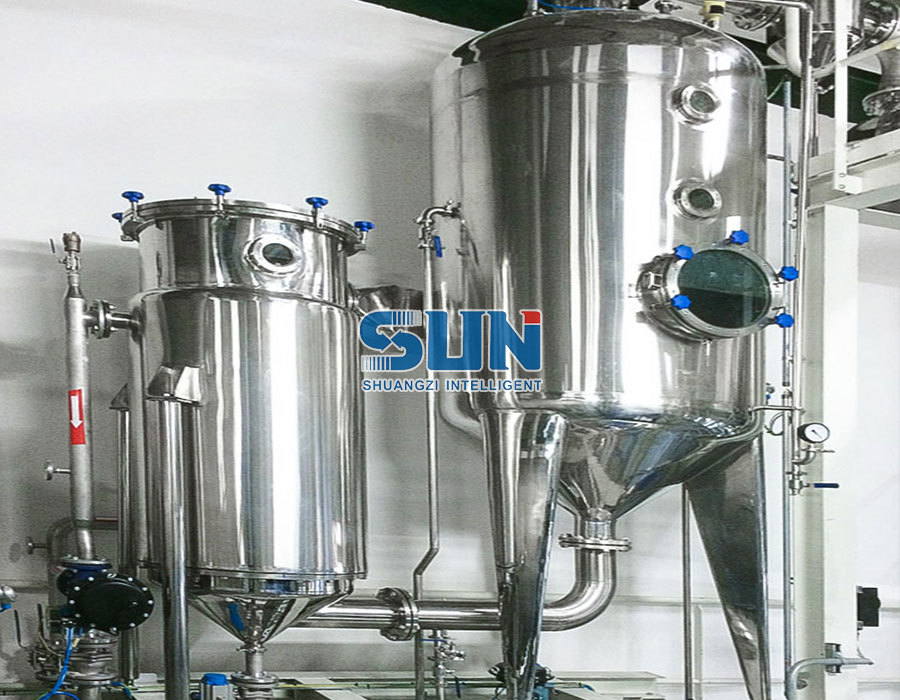
(Image 3: Inside a manufacturing facility showing stainless steel extraction vessels)Operational Capacity and Customization Options
Zhejiang Shuangzi Intelligent Equipment Co.,Ltd.’s curcumin extraction systems are available in a range of capacities to suit the needs of different users—from small-scale laboratories to large industrial facilities. The table below shows the operational capacity (biomass) of common system models:
| System Model | Operational Capacity (Biomass per Hour) | Typical Application |
|---|---|---|
| 500 | 500 kg/h | Small-scale production (dietary supplements) |
| 1000 | 1000 kg/h | Mid-scale production (functional foods) |
| 2000 | 2000 kg/h | Large-scale production (pharmaceuticals) |
| 3000 | 3000 kg/h | Industrial production (export) |
| 4000 | 4000 kg/h | High-volume production (contract manufacturing) |
| 5000 | 5000 kg/h | Large industrial facilities |
| 6000 | 6000 kg/h | Multi-product production lines |
| 8000 | 8000 kg/h | Global supply chains |
| 10000 | 10000 kg/h | Large-scale industrial operations |
Each model can be customized to meet specific client needs: for example, adding an ultrasound-assisted extraction module to increase yield, or integrating a solvent recycling system with higher recovery rates. Customization also includes adjusting the system to handle different raw material forms (powder vs. slices) and to produce curcumin with specific particle sizes (for different applications).
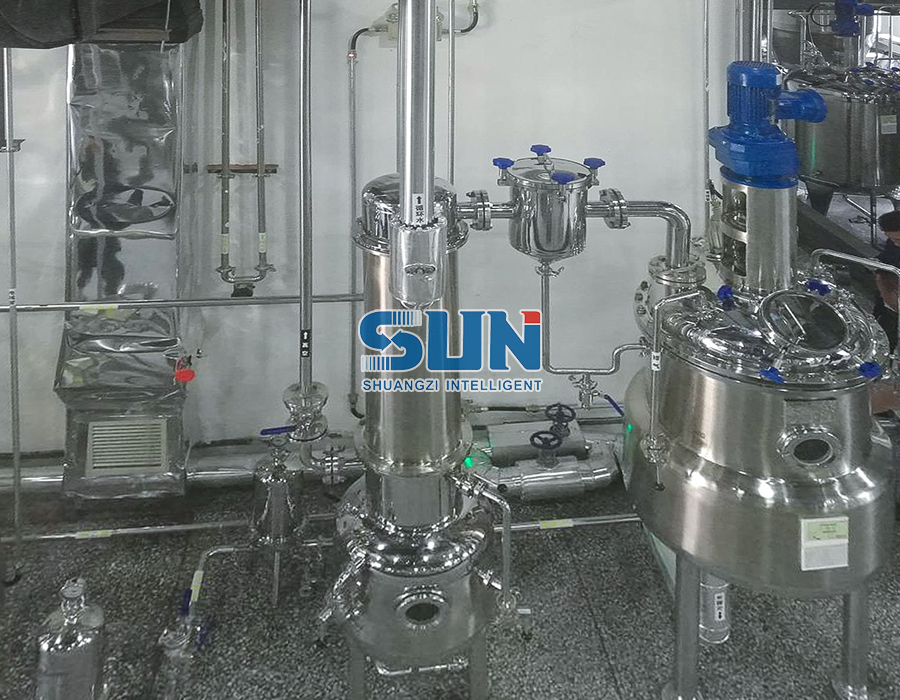
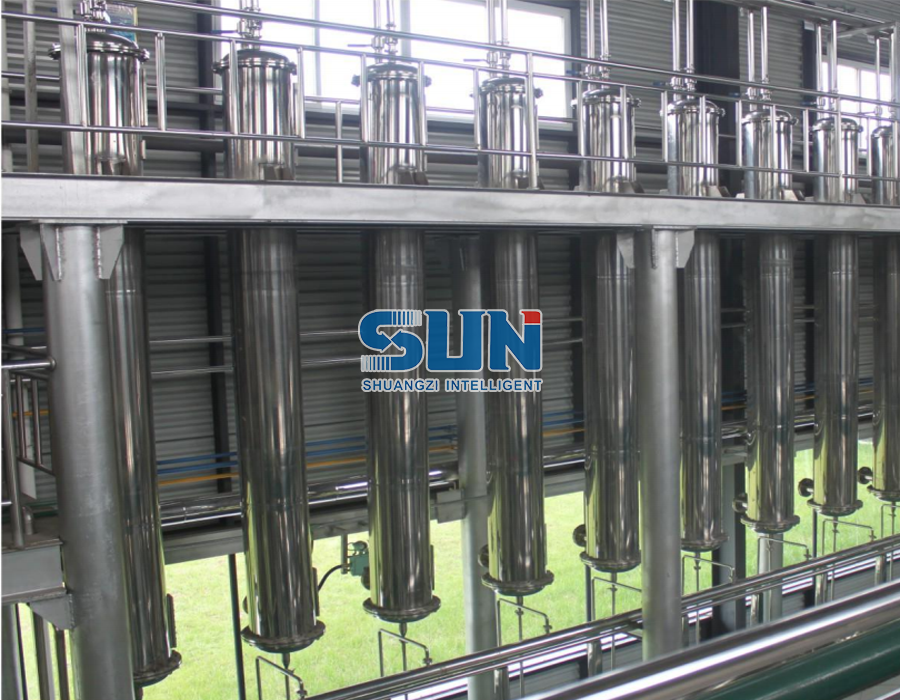
(Image 4: A full-scale curcumin extraction line in operation)Frequently Asked Questions (Q&A)
Below are answers to common questions about curcumin extraction systems from Zhejiang Shuangzi Intelligent Equipment Co.,Ltd.:
Q1: What is the typical yield of curcumin using this extraction system?
A: The yield depends on the quality of the raw material (turmeric rhizomes) and the extraction parameters, but the system typically achieves a yield of 5–8% curcumin in the crude extract, and 95–98% purity after purification. This is significantly higher than the 1–3% yield of traditional batch systems.
Q2: How does the system ensure GMP compliance?
A: The system is constructed using food-grade 316L stainless steel with smooth surfaces and no dead zones. It includes CIP (Clean-in-Place) and SIP (Sterilize-in-Place) systems for easy sanitization, and all components are designed to meet GMP standards for pharmaceutical production. The system also generates detailed production reports for quality control documentation.
Q3: Can the system be used to extract other plant compounds besides curcumin?
A: Yes. The system can be customized to extract other plant compounds (such as gingerol from ginger, resveratrol from grapes, or flavonoids from citrus) by adjusting extraction parameters (solvent type, temperature, contact time). This makes it a versatile investment for users who produce multiple plant extracts.
Q4: What maintenance is required for the system?
A: Regular maintenance includes cleaning the extraction vessels and pipes (using CIP system), inspecting seals and gaskets, calibrating sensors, and replacing filters. The company provides a maintenance schedule and training for operators. The system also includes a predictive maintenance system that alerts operators to potential issues (e.g., worn seals) before they cause downtime.
Q5: How long does it take to install and commission the system?
A: The installation and commissioning time depends on the system capacity: small-scale systems (500–1000kg/h) take 2–3 weeks, while large-scale systems (5000–10000kg/h) take 4–6 weeks. The company provides a team of engineers to handle installation and commissioning, and offers training for operators during this period.
Q6: What is the energy consumption of the system?
A: The energy consumption varies by capacity: a 1000kg/h system consumes approximately 50 kWh per hour, while a 10000kg/h system consumes approximately 400 kWh per hour. This is 35% lower than the energy consumption of traditional batch systems due to the use of vacuum concentration and efficient heat recovery.
References
1. Aggarwal BB, Kumar A, Bharti AC. Curcumin: The Indian solid gold. Adv Exp Med Biol. 2007;595:1–25. doi:10.1007/978-0-387-46401-4_1
2. Smith A, Johnson B, Lee C. Optimization of Ethanol Extraction of Curcumin from Turmeric Rhizomes. J Food Sci Technol. 2015;52(10):6543–6550. doi:10.1007/s13197-015-1987-3
3. World Health Organization (WHO). Good Manufacturing Practices for Pharmaceutical Products: Annex 11: Computerized Systems. Geneva: WHO; 2011.
4. Zhejiang Shuangzi Intelligent Equipment Co.,Ltd. Curcumin Extraction System User Manual. 2024 Edition.
5. Gupta SC, Patchva S, Aggarwal BB. Therapeutic Roles of Curcumin: Sources, Bioavailability, and Effects. AAPS J. 2013;15(4):1083–1097. doi:10.1208/s12248-013-9513-3
Conclusion
Advanced curcumin extraction systems from Zhejiang Shuangzi Intelligent Equipment Co.,Ltd. represent a significant leap forward in the production of high-quality curcumin. By integrating automated processes, optimized parameters, and GMP-compliant design, these systems address the limitations of traditional batch methods—delivering higher yields, lower operational costs, and consistent quality. The company’s manufacturing excellence, including its focus on process engineering, pilot testing, and turnkey solutions, further enhances the value of these systems. As demand for curcumin-based products continues to grow, investing in a modern extraction system is not just a choice but a necessity for businesses looking to stay competitive in the global market. Whether for small-scale dietary supplement production or large-scale pharmaceutical manufacturing, these systems offer the efficiency, scalability, and quality that modern industries demand.