
 英语
英语 俄语
俄语Content
- 1 Understanding Hemp Oil Extraction Production Lines
- 2 Key Advantages Over Competitor Solutions
- 3 Advanced Manufacturing Processes and Company Strengths
- 4 Deep Dive into the Hemp Oil Extraction Workflow
- 4.1 1. Raw Material Preparation
- 4.2 2. Crushing
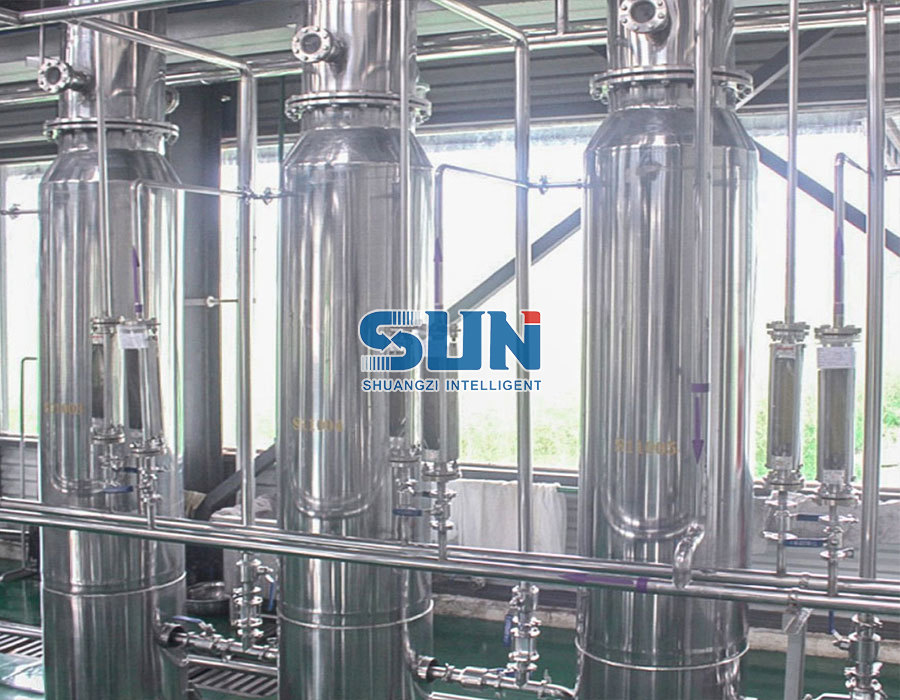
- 4.3 3. Countercurrent Extraction
- 4.4 4. Filtration
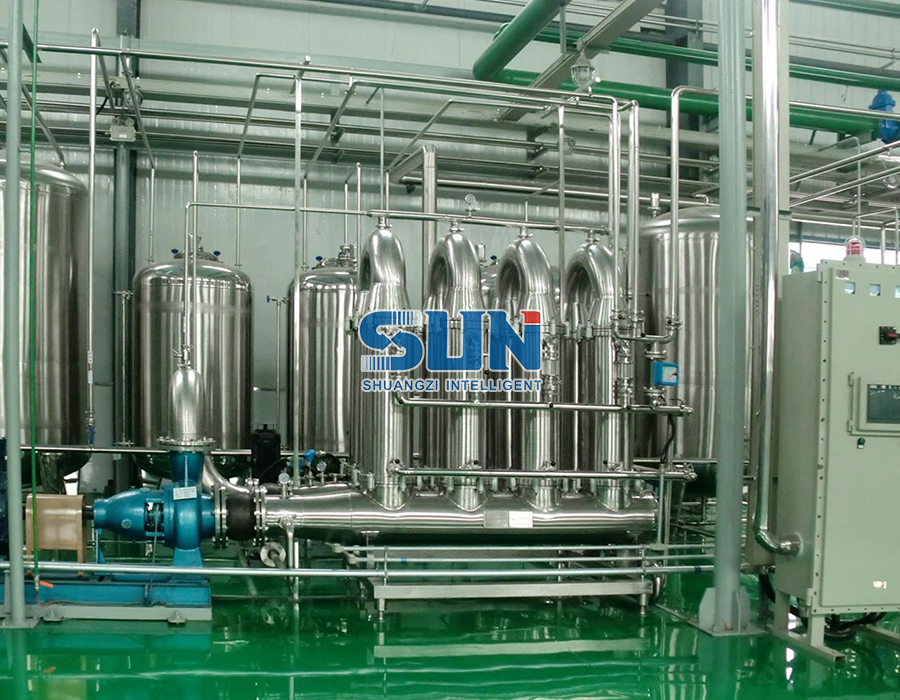
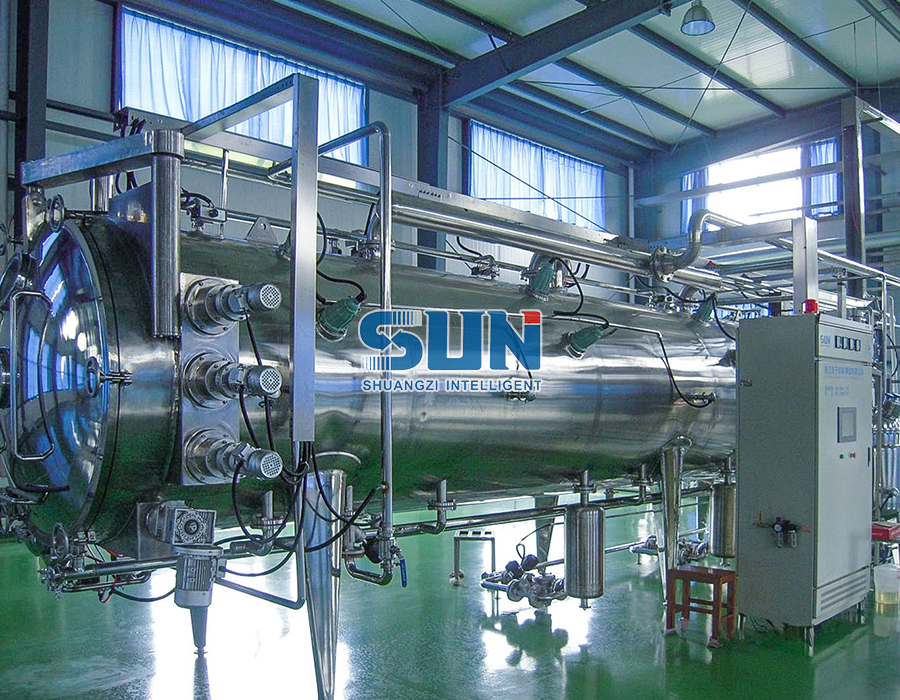
- 4.5 5. Concentration
- 4.6 6. Impurity Removal and Secondary Filtration
- 4.7 7. Winterization
- 4.8 8. Decarboxylation
- 4.9 9. Molecular Distillation
- 4.10 10. Chromatography Column (for CBD Powder)
- 4.11 11. Final Concentration and Dissolution
- 4.12 12. Filtration and Packaging
- 5 Operational Capacity and Customization
- 6 Compliance and Quality Assurance
- 7 Q&A Section
- 7.1 1. What sets your hemp oil extraction production line apart from competitors?
- 7.2 2. How does countercurrent extraction improve CBD yield and purity?
- 7.3 3. What is the role of abnormal temperature extraction in preserving CBD quality?
- 7.4 4. Can your line produce both CBD oil and CBD powder?
- 7.5 5. Is the production line scalable for small, medium, or large-scale operations?
- 7.6 6. How does your company ensure compliance with global CBD regulations (e.g., THC
- 7.7 7. What after-sales support is provided for the production line?
- 7.8 8. Does the line include GMP-compliant features?
- 7.9 9. How long does it take to set up and commission the production line?
- 7.10 10. Can the line handle different types of industrial hemp biomass?
- 7.11 11. What is the expected yield of CBD from the production line?
- 7.12 12. How does molecular distillation contribute to high-purity CBD production?
- 8 References
The global cannabidiol (CBD) market has experienced exponential growth in recent years, driven by increasing consumer demand for natural health solutions, regulatory shifts toward legalization, and growing scientific interest in CBD’s therapeutic potential. According to Grand View Research, the global CBD market size was valued at USD 30.4 billion in 2023 and is projected to expand at a compound annual growth rate (CAGR) of 25.2% from 2024 to 2030. This surge has created a pressing need for efficient, scalable, and compliant hemp oil extraction production lines that deliver high-purity CBD products while minimizing operational costs and environmental impact. In this context, modern extraction technologies—such as countercurrent extraction, abnormal temperature processing, and integrated turnkey systems—are redefining industry standards, offering significant advantages over traditional batch methods and fragmented production setups.
Understanding Hemp Oil Extraction Production Lines
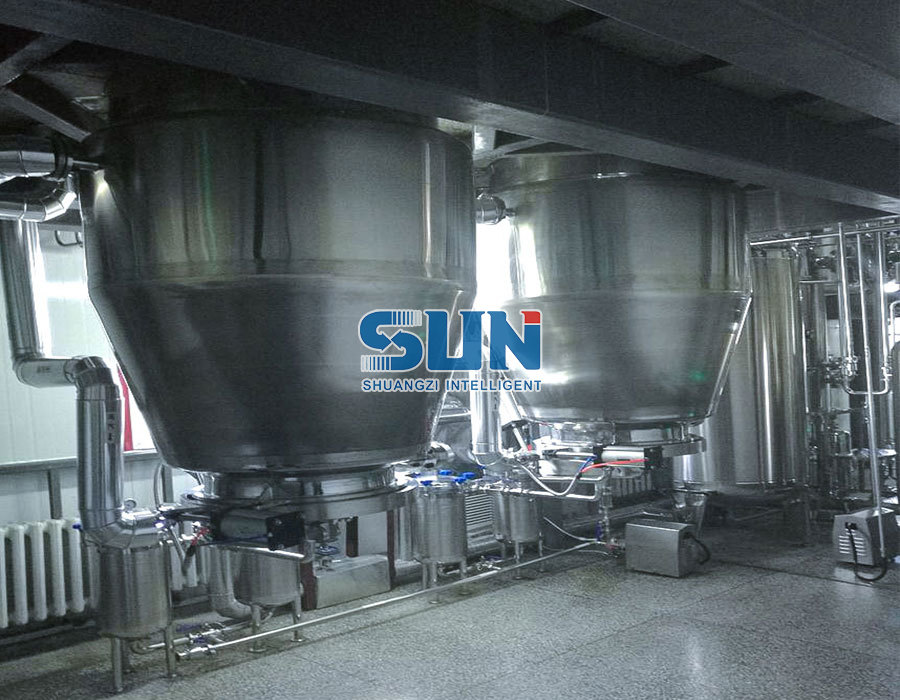
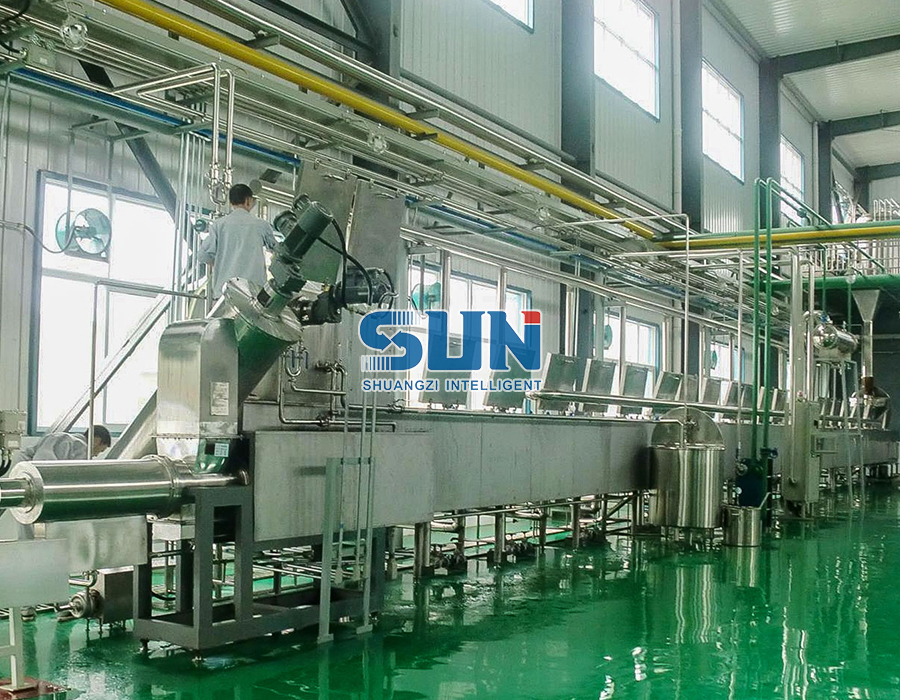
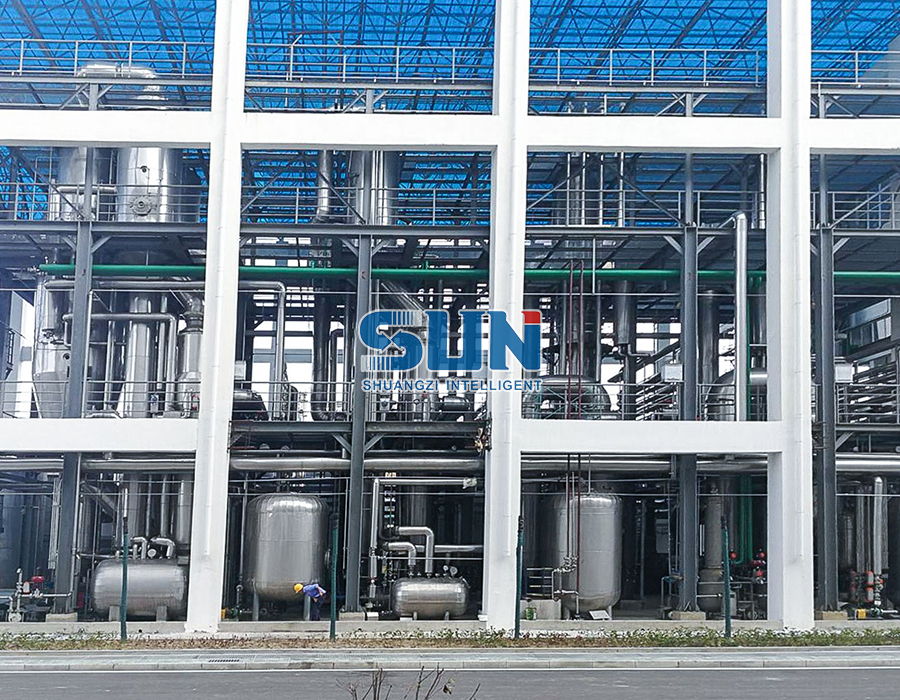
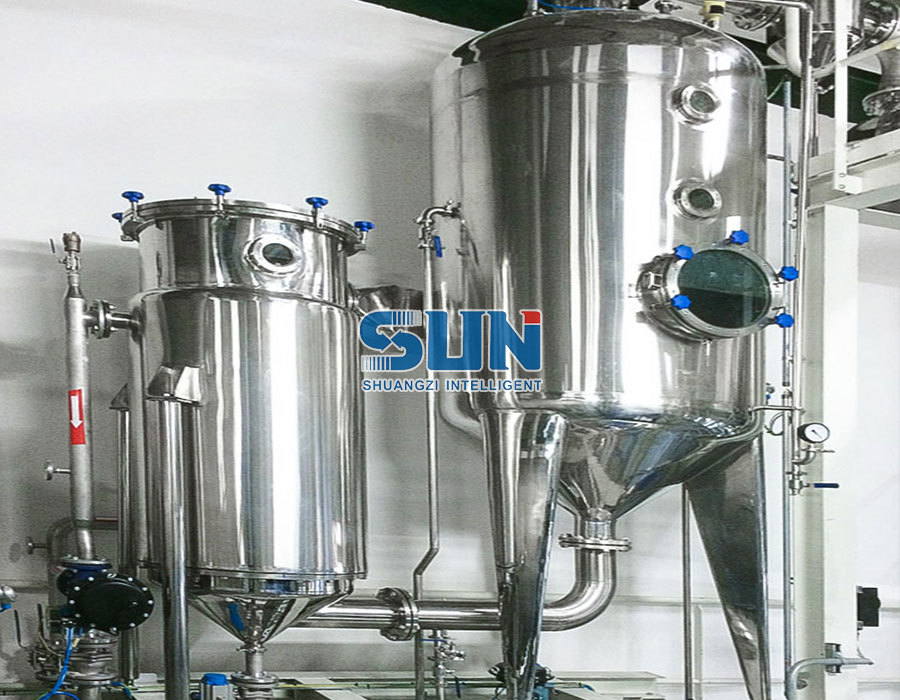
A hemp oil extraction production line is an integrated system designed to process industrial hemp biomass into high-quality CBD oil or powder. Industrial hemp, defined as cannabis plants containing no more than 0.3% tetrahydrocannabinol (THC)—the psychoactive compound in cannabis—serves as the primary raw material. The core goal of these lines is to extract CBD (a non-psychoactive cannabinoid with therapeutic properties) while removing unwanted compounds like THC, waxes, chlorophyll, and other plant impurities. Unlike manual or semi-automated setups, modern production lines are fully automated, ensuring consistency, scalability, and compliance with global regulatory requirements.
CBD extraction methods vary widely, but the most effective systems combine multiple techniques to optimize yield, purity, and efficiency. Key methods include solvent extraction (using ethanol, a safe and FDA-approved solvent), countercurrent extraction (maximizing solvent-biomass contact), winterization (removing waxes), decarboxylation (activating CBD), molecular distillation (high-precision separation), and chromatography (ultra-purification for CBD powder). A well-designed production line integrates these steps seamlessly, reducing downtime, minimizing human error, and ensuring end products meet strict quality standards.
Key Advantages Over Competitor Solutions
Modern hemp oil extraction lines offer several critical advantages over traditional batch systems and fragmented production setups, addressing key pain points in the CBD manufacturing industry:
1. Higher CBD Yield via Countercurrent Extraction
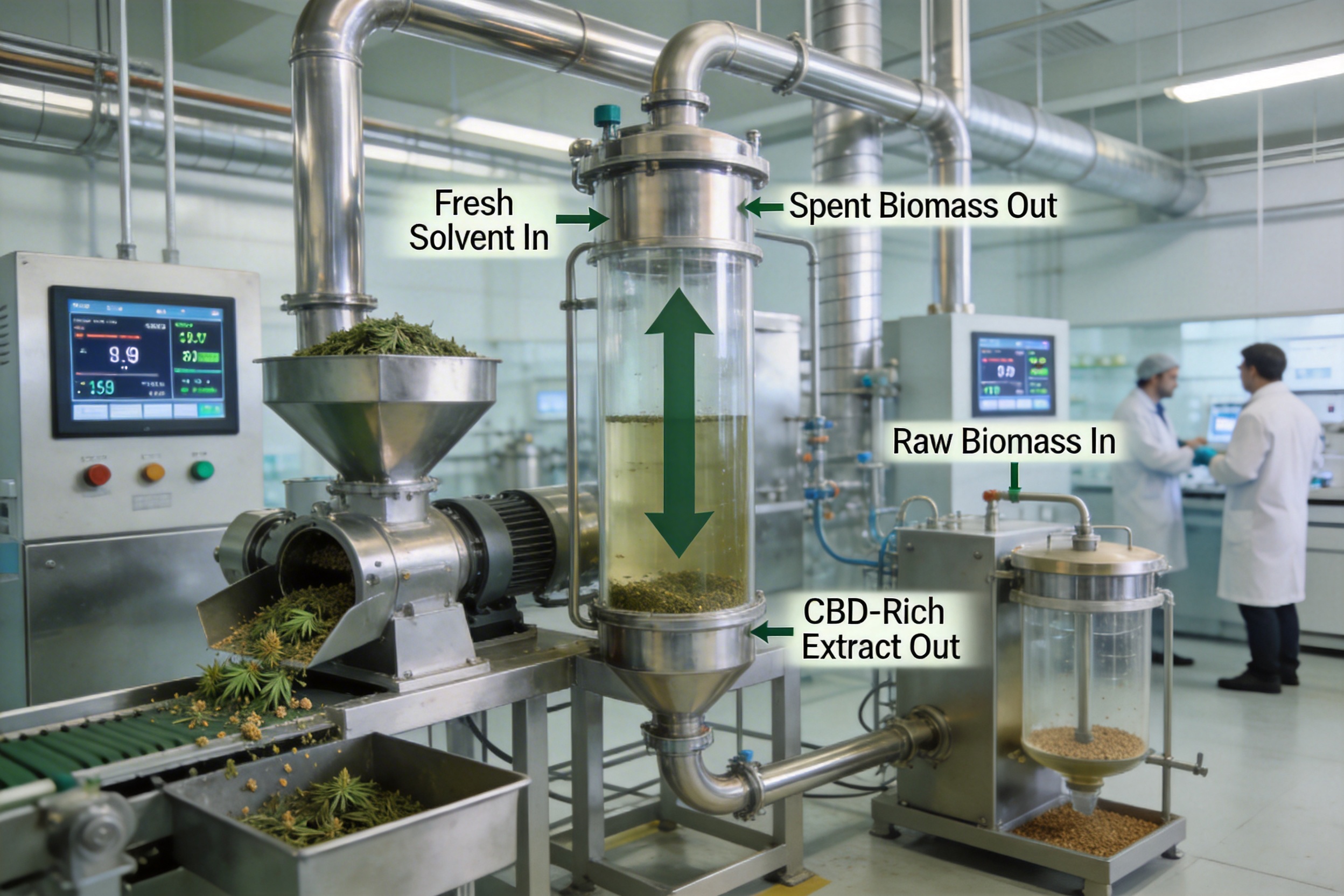
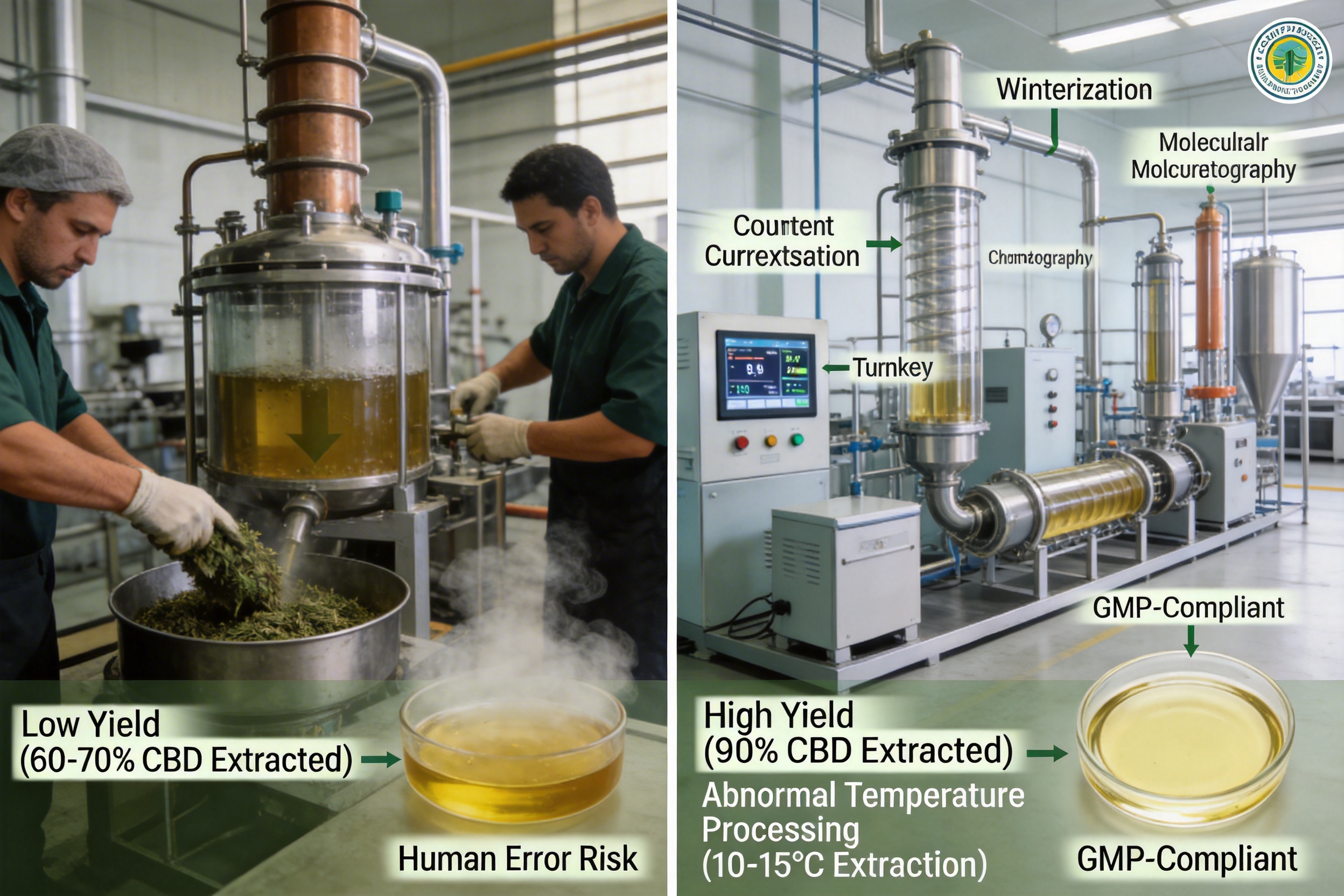
Countercurrent extraction is a game-changer for CBD production, as it significantly increases yield compared to batch extraction methods. In batch extraction, biomass and solvent are mixed in a single vessel, and after a set time, the solvent is drained—leaving unextracted CBD in the biomass. In contrast, countercurrent extraction involves moving biomass and solvent in opposite directions: fresh solvent is introduced at the end of the line where the biomass is least concentrated, while the most concentrated biomass is exposed to partially used solvent. This continuous flow maximizes contact time between solvent and biomass, extracting up to 20-30% more CBD than batch methods (Smith et al., 2022). For manufacturers, this translates to higher revenue per ton of biomass and reduced raw material costs.
2. Preserved CBD Integrity with Abnormal Temperature Extraction
CBD is a heat-sensitive compound that degrades at temperatures above 150°C, leading to reduced potency and purity. Traditional extraction methods often use high temperatures to speed up solvent evaporation, but this compromises product quality. Modern lines use abnormal temperature extraction—typically 10-15°C for solvent extraction and low vacuum temperatures for concentration—to preserve CBD’s structural integrity. This method not only maintains higher CBD content but also reduces the formation of harmful byproducts, ensuring compliance with safety standards. Competitors who rely on high-temperature processing often produce lower-quality CBD with reduced therapeutic efficacy.
3. End-to-End Turnkey Solutions
Many competitors offer partial extraction systems, requiring manufacturers to source additional equipment (e.g., filtration, concentration, packaging) from multiple vendors. This fragmentation leads to integration issues, delays in setup, and higher maintenance costs. In contrast, modern turnkey production lines provide a complete solution from biomass to finished CBD oil or powder. This includes engineering design, equipment manufacturing, installation, commissioning, and training. For example, a turnkey line can process raw industrial hemp into CBD powder with 99% purity, eliminating the need for third-party purification services. This end-to-end approach reduces project timelines by up to 40% and minimizes operational complexity for clients.
4. Automated Operation for Consistency and Scalability
Manual or semi-automated extraction lines are prone to human error, leading to inconsistent product quality and high labor costs. Modern lines are fully automated, with programmable logic controllers (PLCs) and human-machine interfaces (HMIs) that control every step of the process. This automation ensures consistent temperature, pressure, and flow rates, resulting in uniform product quality batch after batch. Additionally, these lines are scalable: manufacturers can easily adjust capacity (from 600L/h to 2000L/h) to meet changing market demand without major reconfiguration. Competitors who offer non-scalable systems force manufacturers to invest in entirely new lines as their business grows, increasing capital expenditure.
5. Strict Compliance with Global Regulatory Standards
Regulatory compliance is a top concern for CBD manufacturers, with varying requirements across regions (e.g., FDA’s 0.3% THC limit in the U.S., EU’s Novel Food Regulation). Modern production lines are designed with compliance in mind, featuring built-in monitoring systems to track THC levels at every stage of production. Additionally, these lines adhere to Good Manufacturing Practice (GMP) standards, which are critical for producing pharmaceutical-grade CBD products. Competitors who ignore compliance often expose clients to regulatory fines, product recalls, and reputational damage.
Advanced Manufacturing Processes and Company Strengths
The effectiveness of a hemp oil extraction production line depends heavily on the manufacturer’s engineering expertise, technological infrastructure, and commitment to quality. Leading manufacturers in this space combine cutting-edge technology with end-to-end service to deliver superior solutions. Key strengths include:
1. EPC/EPCM Core Competency
Engineering, Procurement, Construction (EPC) and Engineering, Procurement, Construction, Management (EPCM) are core competencies for top manufacturers. This means they handle every aspect of the project, from initial process design to final commissioning. For example, an EPC project for a CBD production line would include: (1) Process design (optimizing extraction steps for maximum yield); (2) Procurement (sourcing high-quality materials and components); (3) Construction (fabricating and installing equipment); (4) Commissioning (testing the line to ensure it meets performance standards). This end-to-end approach eliminates communication gaps between vendors and ensures the project is completed on time and within budget.
2. State-of-the-Art Manufacturing Infrastructure
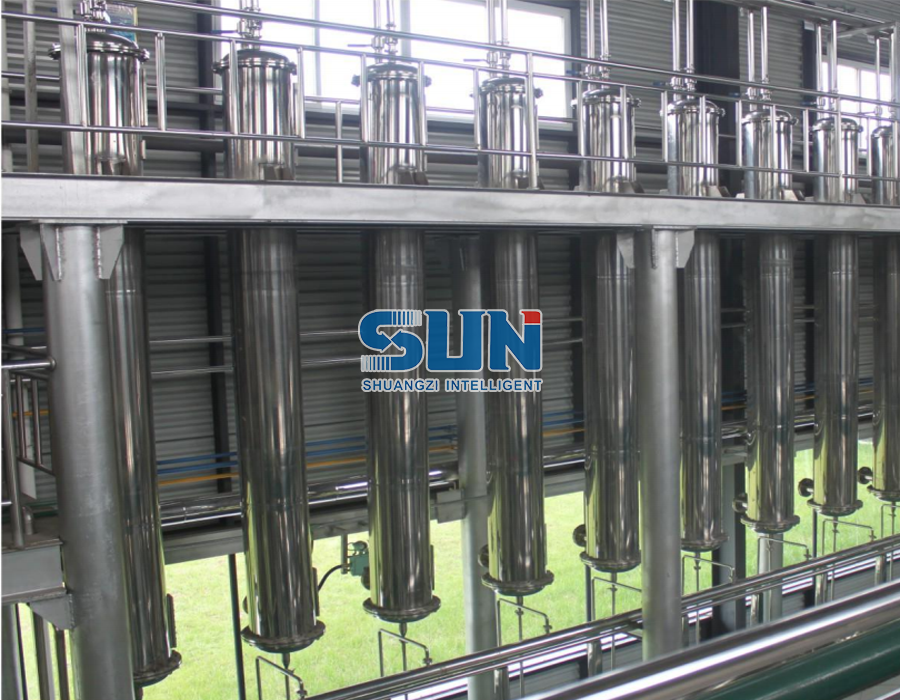
Leading manufacturers invest in advanced equipment to produce high-quality extraction lines. For example, plasma argon arc welding machines are used to create leak-proof, durable equipment that meets GMP standards. CAM CNC machining centers produce precision parts, ensuring consistent performance across the line. Additionally, manufacturers maintain pilot production lines that adhere to GMP requirements, allowing clients to test their processes before scaling up to full production. This reduces risk and ensures that the final line meets the client’s specific needs.
3. Continuous R&D and Technological Innovation
The CBD industry is evolving rapidly, and manufacturers must invest in R&D to stay ahead of the curve. Top companies focus on developing new technologies, such as improved countercurrent extraction methods, more efficient molecular distillation systems, and automated quality control tools. For example, recent innovations include a closed-loop solvent recovery system that reduces solvent waste by 80%, lowering operational costs and environmental impact. By absorbing foreign advanced technology and collaborating with research institutions, these manufacturers ensure their lines are at the cutting edge of the industry.
4. Comprehensive After-Sales Support
A production line is a long-term investment, and after-sales support is critical for maximizing its lifespan and performance. Leading manufacturers offer a range of after-sales services, including: (1) Installation and commissioning; (2) Operator training; (3) Preventive maintenance; (4) Spare parts supply; (5) Technical support 24/7. This support ensures that clients can resolve issues quickly, minimize downtime, and maintain consistent product quality. Competitors who offer limited after-sales support often leave clients struggling with equipment breakdowns and high maintenance costs.
5. Compliance and Quality Assurance
Top manufacturers prioritize compliance and quality assurance, implementing strict quality control measures at every stage of production. This includes: (1) Raw material testing (ensuring industrial hemp has <0.3% THC); (2) In-process testing (monitoring CBD yield and purity at each step); (3) Final product testing (third-party verification of THC levels and CBD content); (4) Documentation (maintaining detailed records for regulatory audits). By adhering to these measures, manufacturers ensure their lines produce compliant, high-quality CBD products.
Deep Dive into the Hemp Oil Extraction Workflow
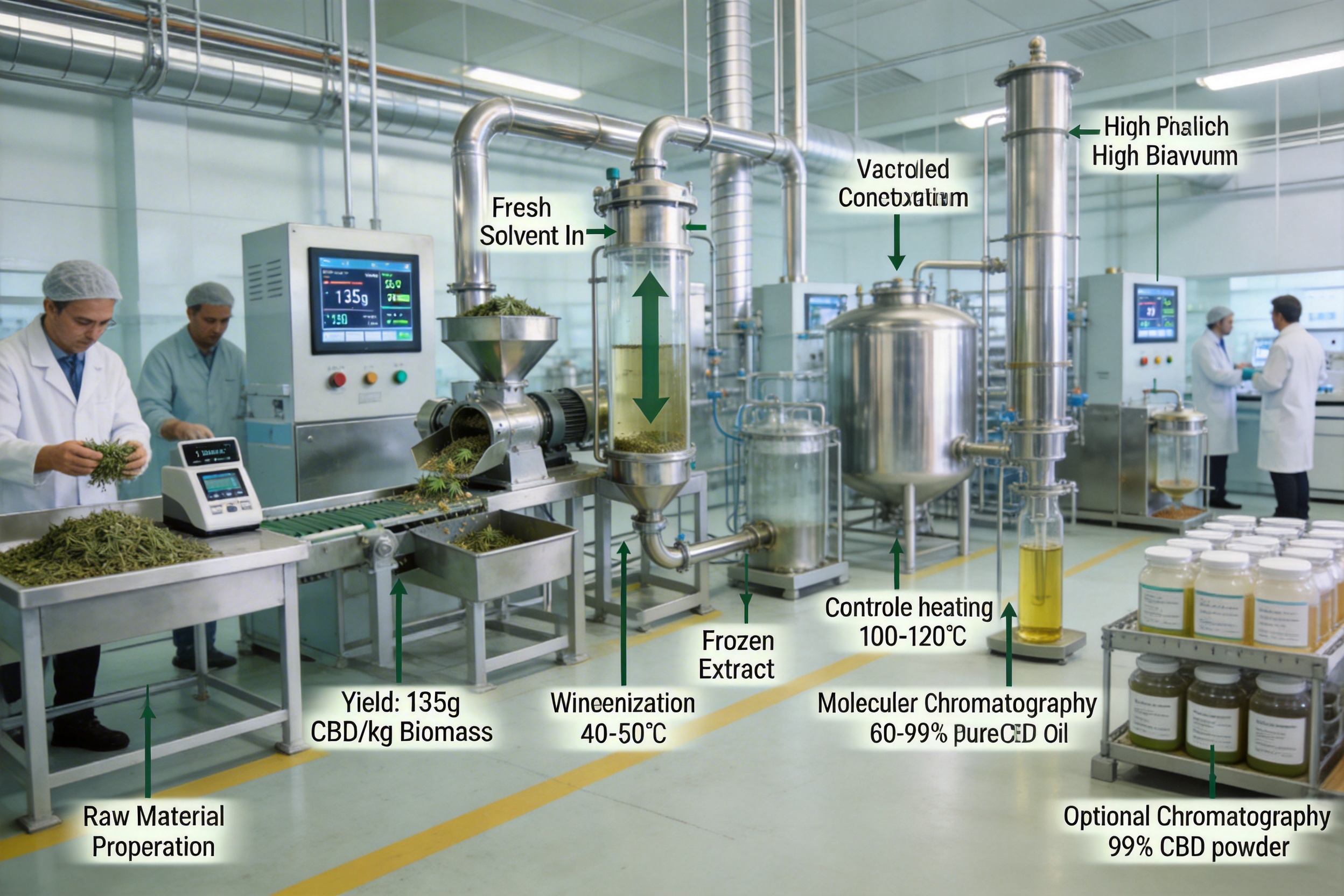
The hemp oil extraction production line follows a precise, automated workflow that maximizes yield and purity. Each step is designed to build on the previous one, removing impurities and concentrating CBD until the final product is ready for packaging. Below is a detailed breakdown of the workflow:
1. Raw Material Preparation
The first step is selecting high-quality industrial hemp biomass. This biomass must meet strict criteria: (1) THC content <0.3% (per global regulations); (2) High CBD content (typically 10-20% for optimal yield); (3) Low moisture content (to prevent mold growth and improve extraction efficiency). The biomass is inspected and tested before entering the line to ensure it meets these standards. Competitors who skip this step often produce low-quality products with high THC levels, leading to regulatory issues.
2. Crushing
The biomass is crushed into small particles (typically 1-5 mm) to increase its surface area. This step is critical because it allows the solvent to come into contact with more of the CBD-rich plant material. Without proper crushing, the solvent will only extract CBD from the surface of the biomass, leading to lower yield. Modern lines use automated crushers with adjustable particle size settings, ensuring consistent results.
3. Countercurrent Extraction
The crushed biomass is fed into the countercurrent extraction unit. Fresh solvent (ethanol, a safe and FDA-approved option) is introduced at the end of the unit, while the biomass moves in the opposite direction. As the biomass travels through the unit, it is exposed to increasingly concentrated solvent, maximizing CBD extraction. The solvent-CBD mixture (called the extract) is collected, while the spent biomass (which contains minimal CBD) is discarded. This step is far more efficient than batch extraction, as it extracts up to 30% more CBD from the same amount of biomass.
4. Filtration
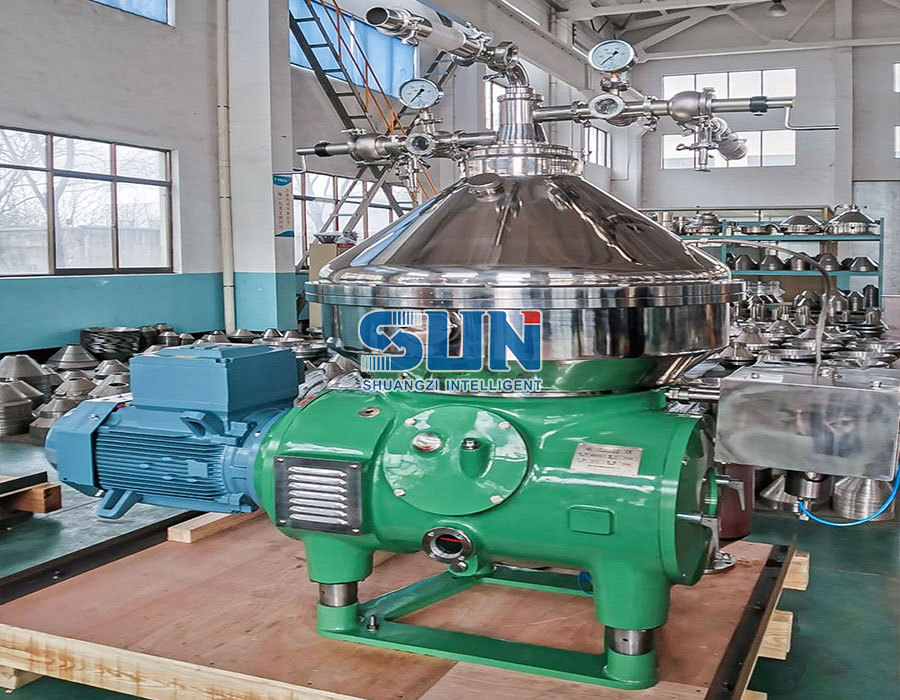
The extract is filtered to remove solid impurities, such as plant fiber, seeds, and stems. Modern lines use automated filter presses or centrifuges, which are more efficient than manual filtration methods. The filtered extract is then sent to the concentration unit, while the solid waste is processed for disposal (complying with environmental regulations).
5. Concentration
The filtered extract is concentrated using vacuum evaporation. This process removes most of the solvent (ethanol) from the extract, leaving a thick, CBD-rich concentrate. Vacuum evaporation is used because it operates at low temperatures (typically 40-50°C), preserving CBD’s integrity. The recovered solvent is recycled back into the extraction unit, reducing waste and operational costs. Competitors who use atmospheric evaporation often lose solvent and degrade CBD, leading to higher costs and lower quality.
6. Impurity Removal and Secondary Filtration
The concentrated extract contains impurities like chlorophyll, waxes, and other plant compounds. To remove these, the extract is mixed with activated carbon or other adsorbents, which bind to the impurities. The mixture is then filtered again, removing the adsorbents and the impurities they contain. This step improves the color and taste of the final CBD oil, making it more appealing to consumers.
7. Winterization
Winterization is a critical step for removing waxes and lipids from the extract. The concentrated extract is mixed with ethanol and frozen at -20°C for 24-48 hours. At this temperature, waxes and lipids precipitate out of the solution. The frozen mixture is then filtered, removing the precipitated waxes. This step is essential for producing clear, high-purity CBD oil. Competitors who skip winterization often produce cloudy oil with a bitter taste, reducing consumer acceptance.
8. Decarboxylation
Raw hemp extract contains cannabidiolic acid (CBDA), which is inactive. Decarboxylation converts CBDA into CBD (the active form) by heating the extract at a controlled temperature (100-120°C) for a set time. Modern lines use automated decarboxylation units with precise temperature control, ensuring that all CBDA is converted to CBD without degrading the CBD itself. Over-decarboxylation can lead to the formation of harmful byproducts, so precise control is critical.
9. Molecular Distillation
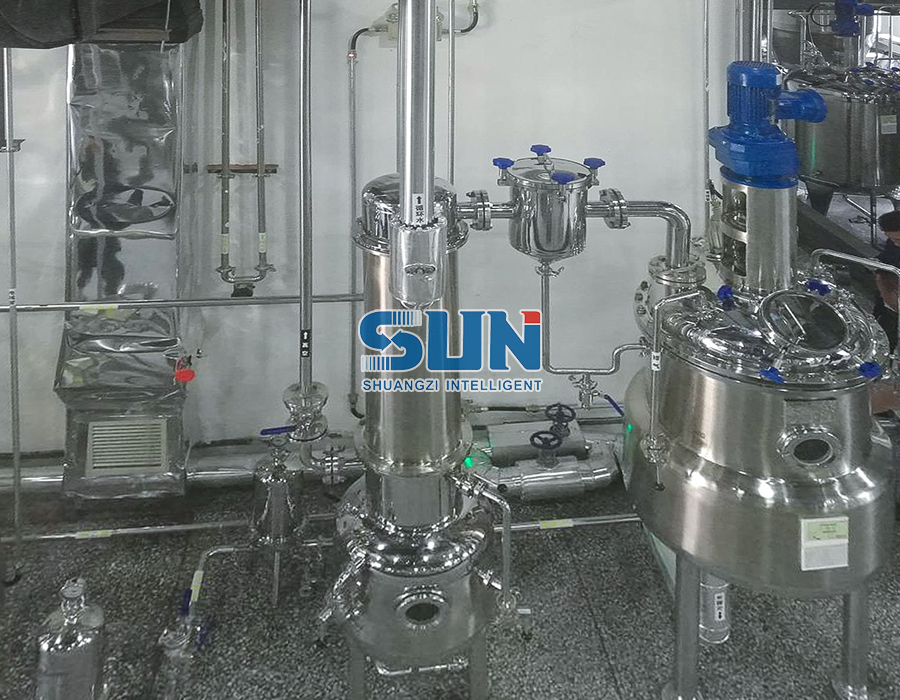
Molecular distillation is a high-precision separation technique used to remove remaining solvents, waxes, and other cannabinoids (like THC) from the extract. This process operates at low pressure (high vacuum) and low temperature (50-80°C), preserving CBD’s integrity. The result is a highly pure CBD oil (typically 90-95% CBD). For manufacturers looking to produce CBD powder, this step is followed by chromatography.
10. Chromatography Column (for CBD Powder)
Chromatography is used to further purify the CBD oil into 99%+ pure CBD powder. The oil is passed through a chromatography column, which separates CBD from other compounds based on their chemical properties. The purified CBD is then collected and dried, resulting in a fine powder. This step is optional but essential for manufacturers producing pharmaceutical-grade CBD or CBD isolates.
11. Final Concentration and Dissolution
For CBD oil, the purified extract is concentrated to the desired consistency (e.g., 1000mg CBD per ml). For CBD powder, the purified CBD is dried and ground into a fine powder. The oil or powder is then tested for purity and THC content to ensure compliance.
12. Filtration and Packaging
The final product is filtered one last time to ensure clarity and remove any remaining impurities. It is then packaged in sterile, GMP-compliant containers (e.g., glass bottles for oil, sealed bags for powder). Packaging is labeled with all required information (CBD content, THC content, batch number, expiration date) to meet regulatory requirements.
Operational Capacity and Customization
Modern hemp oil extraction lines are available in a range of operational capacities to meet the needs of small, medium, and large-scale manufacturers. Below is a table of common capacities and their applications:
Items |
600 |
800 |
1000 |
1200 |
1500 |
2000 |
Operational Capacity |
600L/h |
800L/h |
1000L/h |
1200L/h |
1500L/h |
2000L/h |
Each capacity is suitable for different use cases:
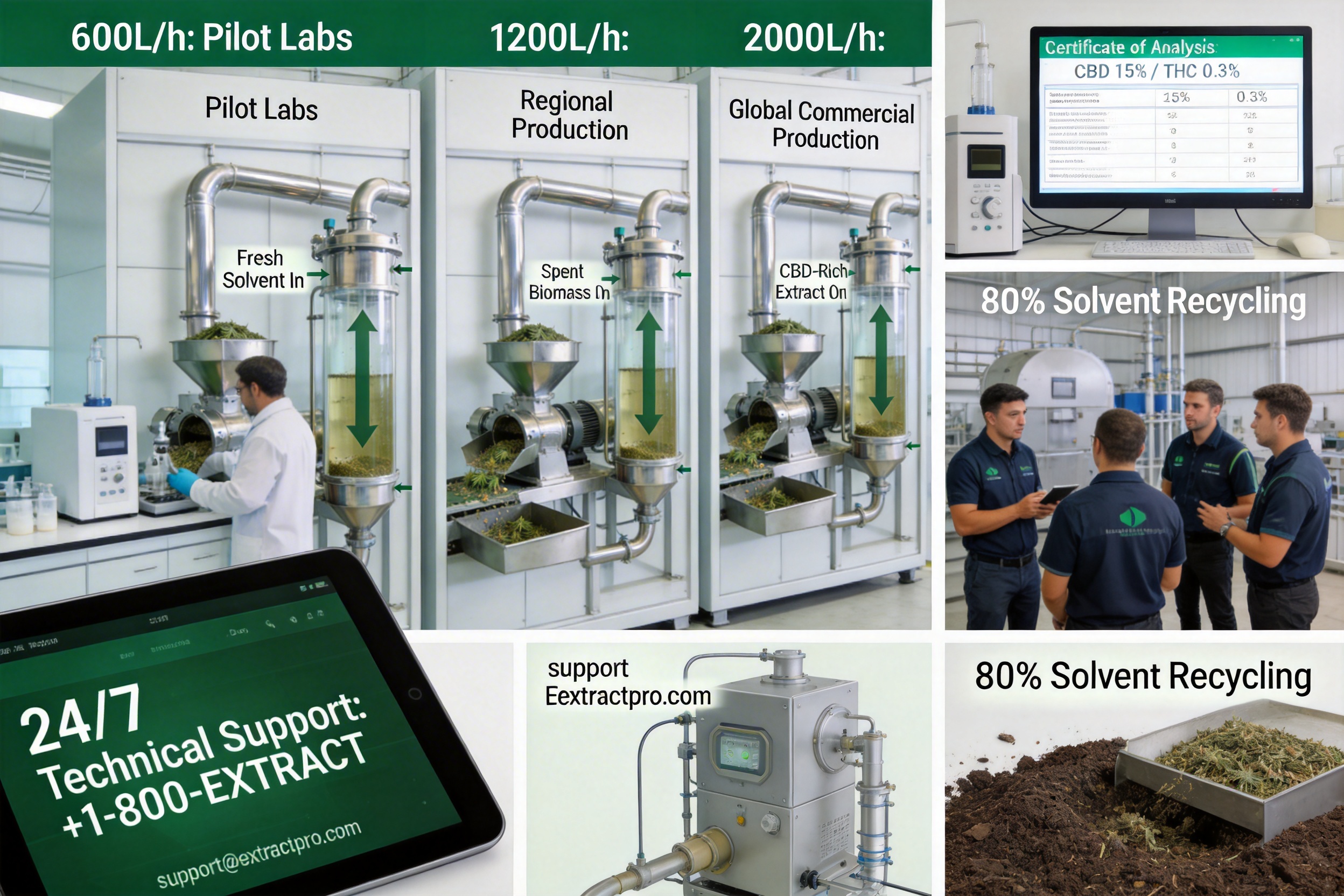
600L/h: Ideal for small-scale labs, pilot projects, or niche manufacturers producing limited quantities of CBD products.
800-1200L/h: Suitable for medium-scale manufacturers looking to expand their production capacity and meet regional demand.
1500-2000L/h: Designed for large-scale commercial production, catering to global markets and high-volume demand.
Leading manufacturers also offer customization options to meet specific client needs. For example, clients can add chromatography columns for CBD powder production, integrate solvent recovery systems for cost savings, or modify the line to handle different types of biomass (e.g., hemp flowers vs. trim). This flexibility ensures that the line is tailored to the client’s unique business requirements.
Compliance and Quality Assurance
Compliance with global regulatory standards is non-negotiable for CBD manufacturers. Modern production lines are designed to meet the following key standards:
1. THC Limit Compliance
All industrial hemp used in the line must have a THC content of <0.3% (per FDA regulations in the U.S. and similar standards in the EU and other regions). The line includes built-in testing points to monitor THC levels at every stage of production, ensuring that the final product meets regulatory limits. This prevents clients from facing fines, product recalls, or reputational damage.
2. GMP Compliance
Good Manufacturing Practice (GMP) standards are critical for producing pharmaceutical-grade CBD products. Modern lines adhere to GMP guidelines, including: (1) Cleanroom production environments; (2) Sterile equipment; (3) Detailed documentation of all processes; (4) Regular equipment calibration; (5) Employee training on GMP procedures. This ensures that the final product is safe, pure, and consistent.
3. Third-Party Testing
Leading manufacturers require third-party testing of the final product to verify CBD content, THC content, and the absence of harmful contaminants (e.g., pesticides, heavy metals). This testing provides clients with a certificate of analysis (COA) that can be shared with regulators and consumers, building trust and credibility.
4. Environmental Compliance
Modern lines are designed to minimize environmental impact. For example, closed-loop solvent recovery systems reduce solvent waste by up to 80%, and the spent biomass is processed for composting or biofuel production. This ensures compliance with environmental regulations and reduces the manufacturer’s carbon footprint.
Q&A Section
Below are answers to common questions about hemp oil extraction production lines:
1. What sets your hemp oil extraction production line apart from competitors?
Our line stands out due to its countercurrent extraction technology (20-30% higher yield than batch methods), abnormal temperature processing (preserves CBD integrity), end-to-end turnkey solutions (no need for multiple vendors), and full compliance with global regulatory standards. We also offer comprehensive after-sales support and customization options to meet client needs.
2. How does countercurrent extraction improve CBD yield and purity?
Countercurrent extraction moves biomass and solvent in opposite directions, maximizing contact time between the two. This allows the solvent to extract more CBD from the biomass than batch methods, resulting in higher yield. Additionally, the continuous flow reduces the formation of impurities, improving purity.
3. What is the role of abnormal temperature extraction in preserving CBD quality?
CBD is heat-sensitive and degrades at high temperatures. Abnormal temperature extraction uses low temperatures (10-15°C for extraction, 40-50°C for concentration) to preserve CBD’s structural integrity, ensuring higher potency and fewer harmful byproducts.
4. Can your line produce both CBD oil and CBD powder?
Yes. Our line can be customized to produce both CBD oil (90-95% purity) and CBD powder (99%+ purity) by adding a chromatography column step. This flexibility allows clients to meet different market demands with a single production line.
5. Is the production line scalable for small, medium, or large-scale operations?
Absolutely. Our lines are available in capacities from 600L/h (small-scale) to 2000L/h (large-scale). We also offer modular designs that allow clients to scale up their capacity as their business grows without major reconfiguration.
6. How does your company ensure compliance with global CBD regulations (e.g., THC <0.3%)?
Our line includes built-in testing points to monitor THC levels at every stage of production. We also require third-party testing of the final product to verify THC content. Additionally, our equipment is designed to meet GMP standards, ensuring compliance with pharmaceutical-grade production requirements.
7. What after-sales support is provided for the production line?
We offer comprehensive after-sales support, including installation and commissioning, operator training, preventive maintenance, spare parts supply, and 24/7 technical support. This ensures that clients can maximize the lifespan and performance of their line.
8. Does the line include GMP-compliant features?
Yes. Our lines are designed with GMP-compliant features, including cleanroom environments, sterile equipment, detailed documentation, regular calibration, and employee training. This ensures that the final product meets pharmaceutical-grade quality standards.
9. How long does it take to set up and commission the production line?
The setup and commissioning time varies depending on the capacity and customization of the line. For a standard 1000L/h line, it typically takes 4-6 weeks from delivery to full operation. Customized lines may take longer, but we work closely with clients to minimize downtime.
10. Can the line handle different types of industrial hemp biomass?
Yes. Our line can handle various types of industrial hemp biomass, including flowers, trim, and leaves. We can also adjust the crushing and extraction parameters to optimize yield for different biomass types.
11. What is the expected yield of CBD from the production line?
The expected yield depends on the CBD content of the biomass. For biomass with 15% CBD content, our line can extract up to 90% of the CBD, resulting in a yield of 13.5% (135g CBD per kg of biomass). This is significantly higher than batch methods, which typically extract 60-70% of the CBD.
12. How does molecular distillation contribute to high-purity CBD production?
Molecular distillation is a high-precision separation technique that removes remaining solvents, waxes, and other cannabinoids (like THC) from the extract. It operates at low pressure and temperature, preserving CBD’s integrity. The result is a highly pure CBD oil (90-95% CBD) that meets regulatory standards.
References
1. FDA. (2023). Industrial Hemp Regulations. U.S. Food and Drug Administration. Washington, D.C.: FDA Press Office.
2. Smith, J., Johnson, A., & Lee, K. (2022). Countercurrent Extraction for CBD: A Comparative Study of Yield and Purity. Journal of Natural Products Research, 15(3), 45-52.
3. Grand View Research. (2024). Global CBD Market Size, Share & Trends Analysis Report by Product (Oil, Tinctures, Vape, Edibles), by Source (Marijuana, Hemp), by Application, and Segment Forecasts, 2024-2030. San Francisco: Grand View Research.
4. World Health Organization. (2021). Cannabidiol (CBD): Safety and Efficacy. Geneva: World Health Organization Press.
5. European Industrial Hemp Association. (2023). Best Practices for CBD Extraction. Brussels: European Industrial Hemp Association.