
 英语
英语 俄语
俄语Content
- 1 What is Plant Extraction Equipment?
- 2 Advantages of Modern Plant Extraction Equipment Over Competitors & Traditional Methods
- 3 Advanced Manufacturing Processes Behind Cutting-Edge Plant Extraction Equipment
- 4 Case Study: Stevia Extraction Production Line
- 5 Strengths of Leading Plant Extraction Equipment Providers
- 6 Q&A Section
- 7 References
- 8 Conclusion
The global demand for natural products—from herbal medicines and plant-based supplements to functional foods and cosmetic ingredients—has surged exponentially in recent decades. As consumers increasingly prioritize sustainability, safety, and efficacy, the need for efficient, precise, and scalable plant extraction equipment has become critical. Plant extraction, the process of isolating bioactive compounds from plant materials using solvents or other methods, is the backbone of this industry. However, traditional extraction techniques often suffer from low yields, high solvent waste, inconsistent quality, and labor-intensive operations. Modern plant extraction equipment addresses these challenges head-on, offering automated, energy-efficient, and customizable solutions that set new standards for the sector. This article explores the key features, advantages, and manufacturing innovations behind cutting-edge plant extraction equipment, as well as its real-world applications and the strengths of leading providers in the field.
What is Plant Extraction Equipment?
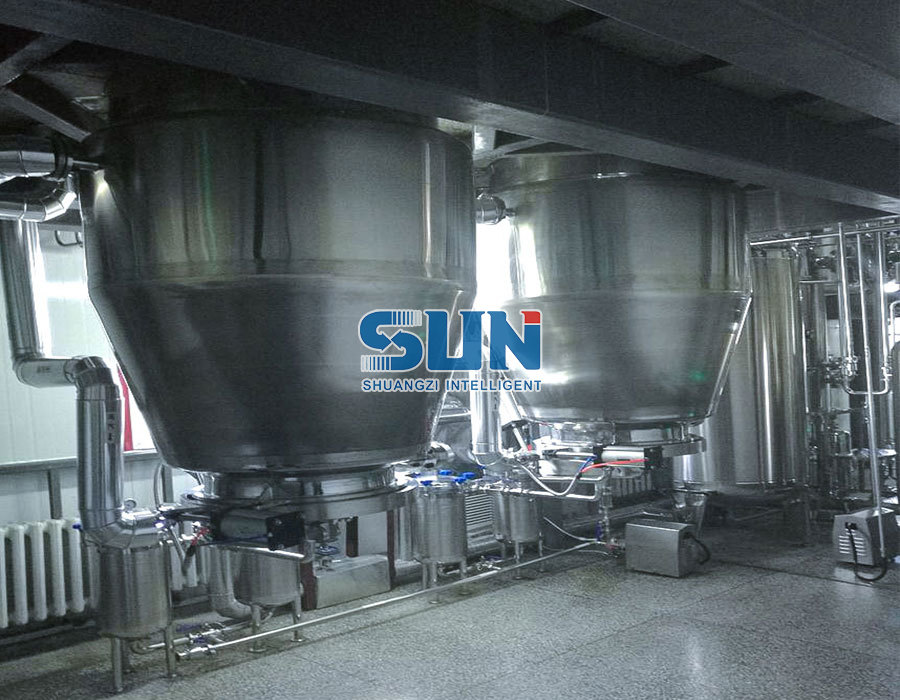
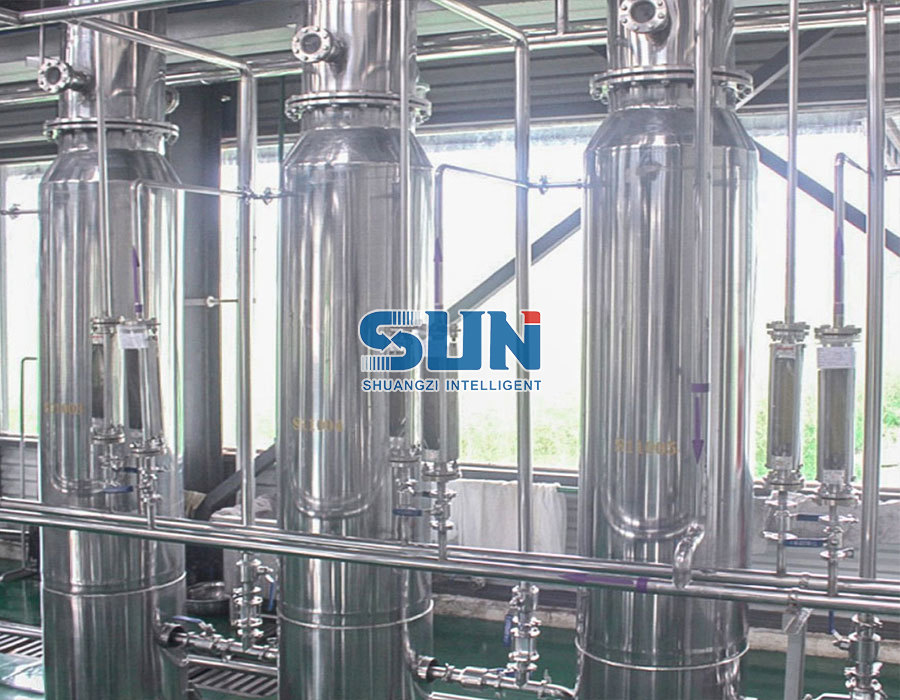
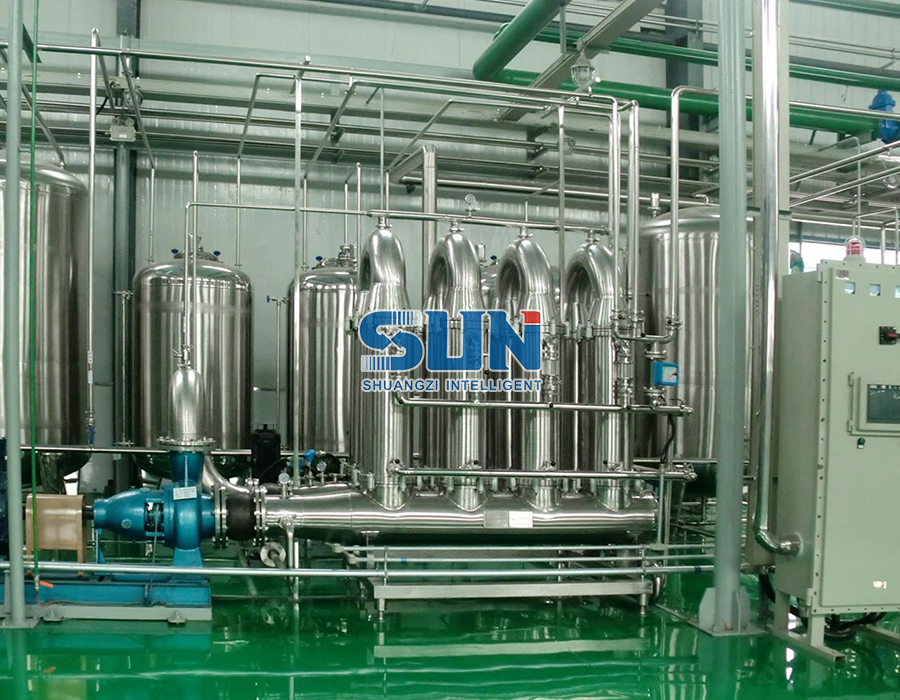
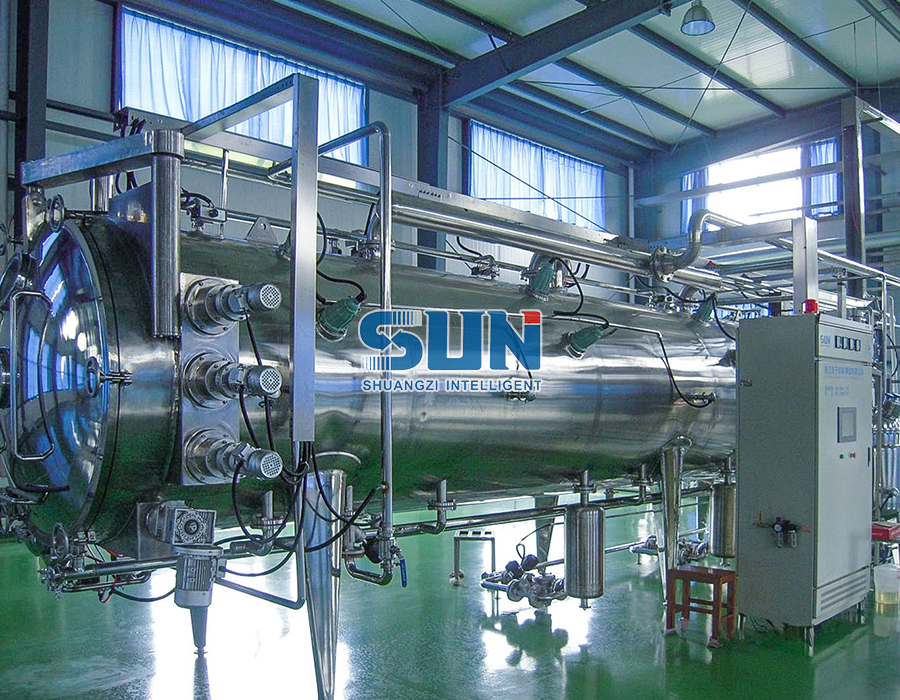
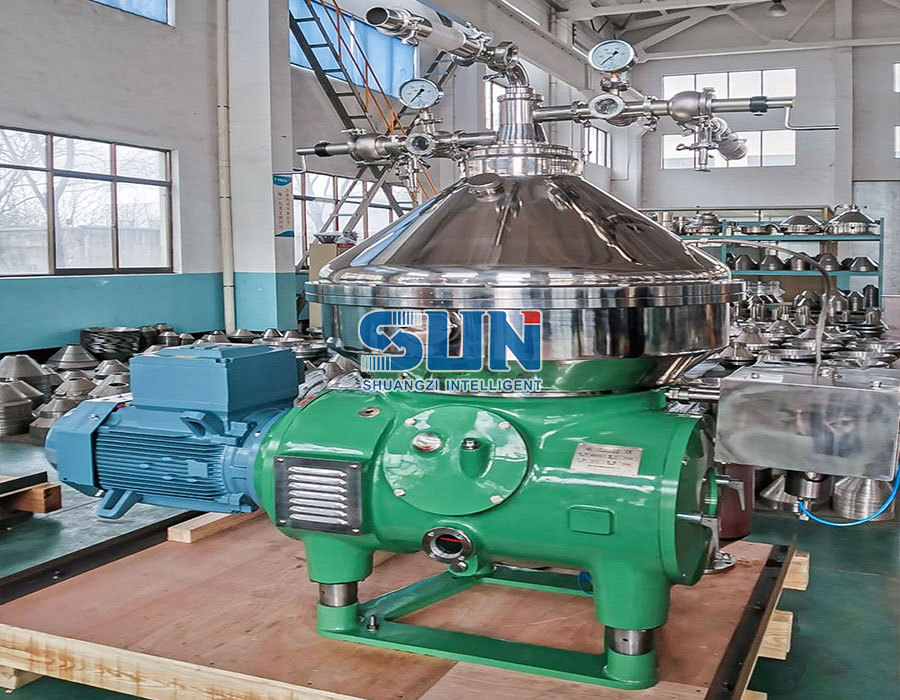
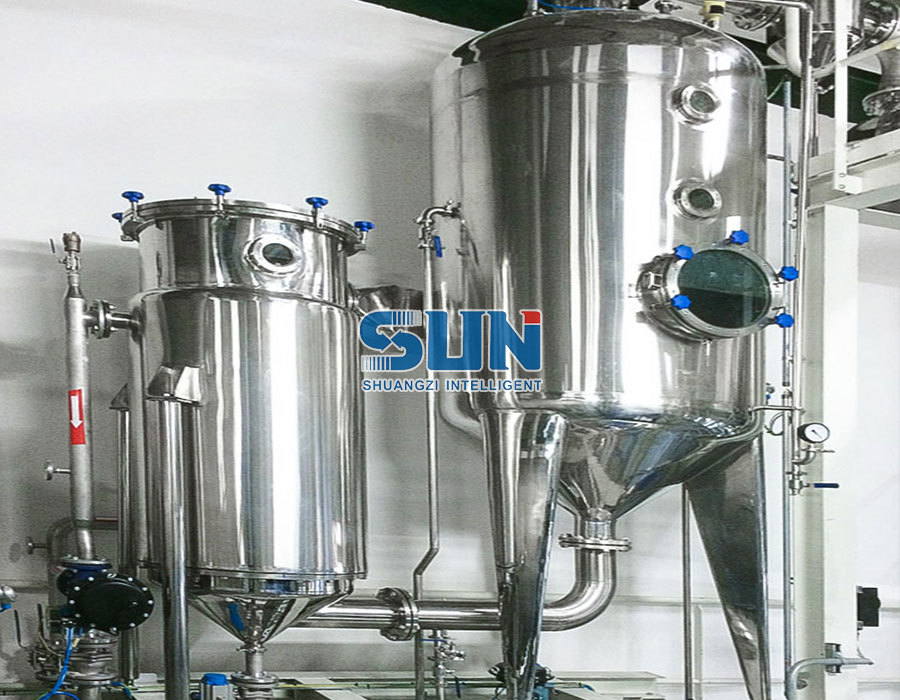
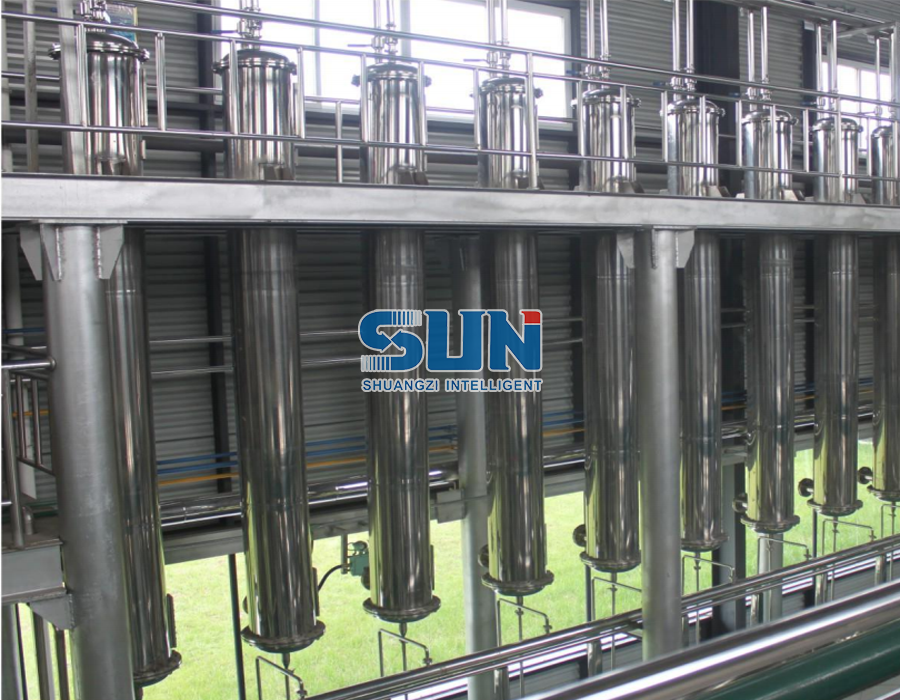
Plant extraction equipment refers to an integrated system of machines designed to perform the entire extraction process—from raw material preparation to final product packaging—with minimal human intervention. Unlike standalone tools used in small-scale operations, modern equipment is modular and scalable, allowing it to adapt to different plant materials, production volumes, and quality requirements. The core components of such equipment typically include extraction units, filtration systems, concentration devices, separation modules, and drying equipment, all connected through automated control systems.
Core Functions of Plant Extraction Equipment
The primary function of plant extraction equipment is to efficiently isolate bioactive compounds from plant biomass while preserving their integrity and quality. This involves several interconnected steps: extraction (dissolving target compounds in a solvent), filtration (removing solid residues), concentration (reducing solvent volume to increase compound concentration), separation (purifying the extract to remove impurities), and drying (removing residual solvent to produce a stable final product). Each step is optimized to maximize yield, minimize solvent loss, and ensure compliance with regulatory standards.
Key Applications Across Industries
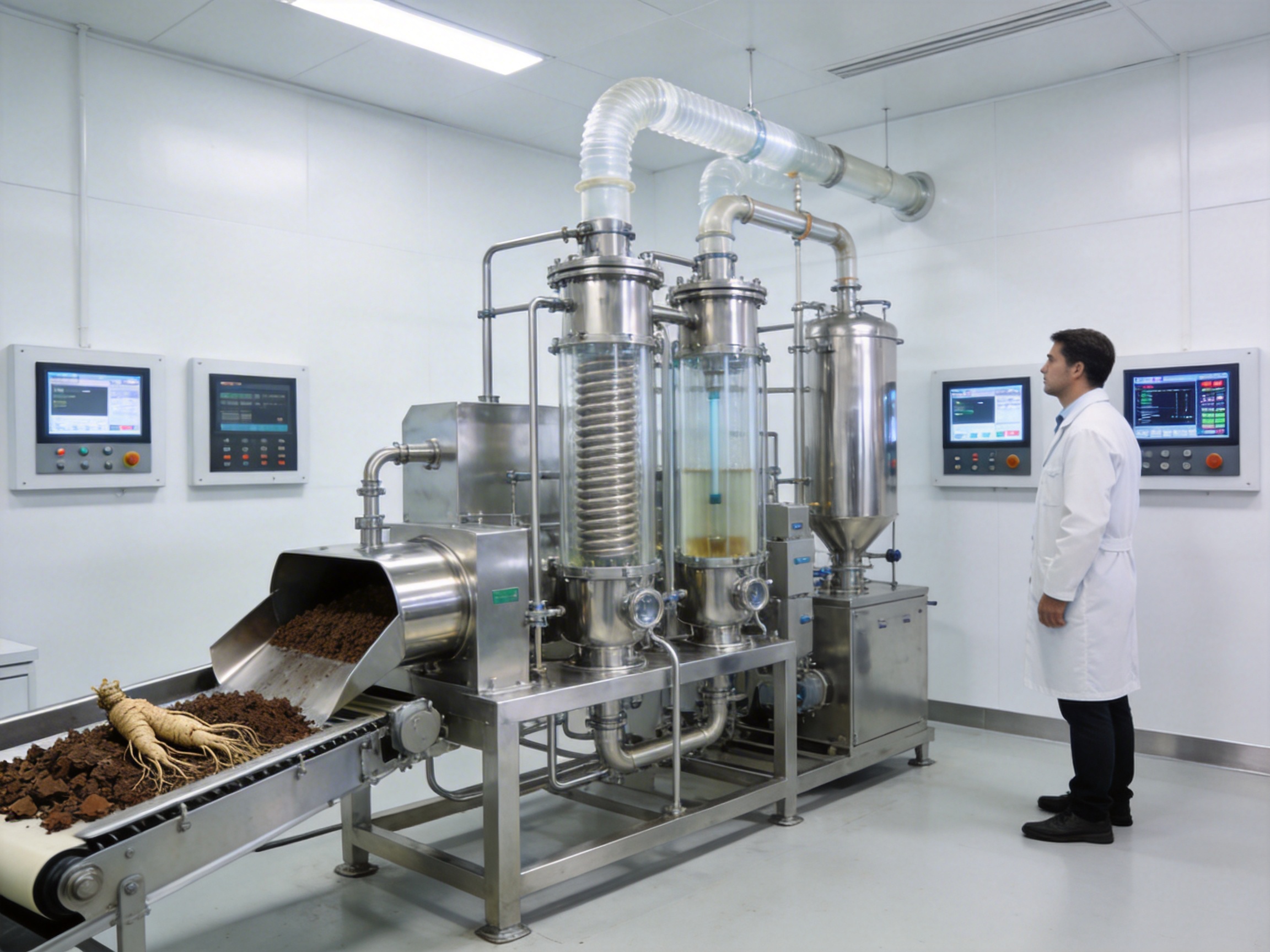
Plant extraction equipment finds widespread use across multiple industries, each with unique requirements: - Traditional Chinese Medicine (TCM): Extracting active ingredients from herbs like ginseng, astragalus, and licorice for medicinal products. - Food & Beverage: Producing natural sweeteners (e.g., stevia), flavorings (e.g., vanilla extract), and colorants from plant sources. - Cosmetics: Extracting botanical oils and antioxidants for skincare and haircare products. - Pharmaceuticals: Manufacturing botanical drugs and dietary supplements that meet FDA or EU regulatory standards. - Agriculture: Extracting plant-based pesticides or fertilizers from organic materials.
Advantages of Modern Plant Extraction Equipment Over Competitors & Traditional Methods
Modern plant extraction equipment offers a range of advantages that set it apart from both traditional manual methods and outdated industrial equipment. These benefits translate to higher productivity, lower operational costs, better product quality, and greater sustainability.
Superior Efficiency & Yield
Traditional batch extraction methods often rely on manual processing and single-pass solvent extraction, which results in low yields (typically 50-60% of target compounds) and high solvent consumption. In contrast, modern equipment uses continuous countercurrent extraction (CCE) technology, which circulates fresh solvent through the plant material in the opposite direction of the biomass flow. This ensures maximum contact between the solvent and the plant material, increasing yields to 80-90% or higher. For example, a stevia extraction line using CCE can yield up to 15% more steviol glycosides than a batch system, significantly improving profitability for manufacturers.
Energy Efficiency & Cost Savings
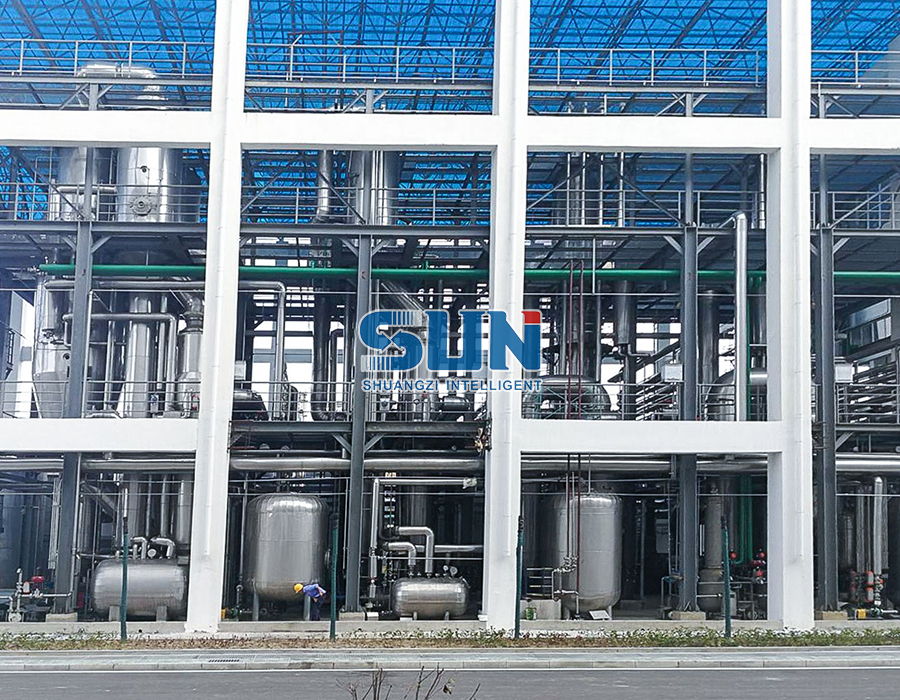
One of the biggest operational costs in extraction is energy used for concentration and drying. Modern equipment integrates Mechanical Vapor Recompression (MVR) technology into concentration units, which recycles the vapor produced during evaporation to heat the incoming feed. This reduces energy consumption by up to 70% compared to traditional single-effect or dual-effect concentration systems. Additionally, automated solvent recovery systems capture and reuse up to 95% of solvents, cutting down on raw material costs and reducing environmental impact. Competitors who rely on older concentration technologies often struggle to match these energy savings, making modern equipment a more cost-effective choice in the long run.
Precision & Consistent Quality Control
Modern plant extraction equipment is equipped with advanced sensors and automated control systems that monitor and adjust key parameters—such as temperature, pressure, solvent concentration, and extraction time—in real time. This ensures consistent product quality batch after batch, which is critical for meeting regulatory standards (e.g., GMP, FDA). For example, temperature control within ±1°C prevents degradation of heat-sensitive compounds like polyphenols and flavonoids, preserving their therapeutic properties. Competitors who use manual control systems often face inconsistencies in product quality, leading to rejected batches and lost revenue.
Scalability & Customization
Leading manufacturers design their extraction equipment to be modular, allowing clients to scale up or down production volumes based on demand. For instance, a small-scale pilot line can be expanded into a full commercial line with minimal reconfiguration. Additionally, equipment can be customized to handle specific plant materials—such as fibrous herbs, oily seeds, or delicate flowers—by adjusting extraction methods (e.g., ultrasonic extraction for hard-to-extract compounds) or solvent systems. This flexibility is a key advantage over competitors who offer one-size-fits-all solutions that may not meet unique client needs.
Advanced Manufacturing Processes Behind Cutting-Edge Plant Extraction Equipment
The performance of plant extraction equipment depends heavily on the manufacturing processes used to build it. Leading manufacturers invest in state-of-the-art technology and rigorous quality control to ensure their equipment meets the highest standards of durability, efficiency, and compliance.
Process Design Excellence
Before manufacturing begins, engineers conduct a thorough process design phase tailored to each client’s specific requirements. This includes: 1. Feasibility Studies: Evaluating the client’s raw material characteristics, target compounds, production volume, and regulatory requirements to determine the optimal extraction process. 2. Pilot Testing: Using a small-scale pilot line to validate the process design, adjust parameters, and test for yield and quality. This step helps identify potential issues before full-scale production, reducing risk for clients. 3. Customization: Designing modular components that fit the client’s facility layout and integrate seamlessly with existing equipment (if any).
Cutting-Edge Fabrication Technologies
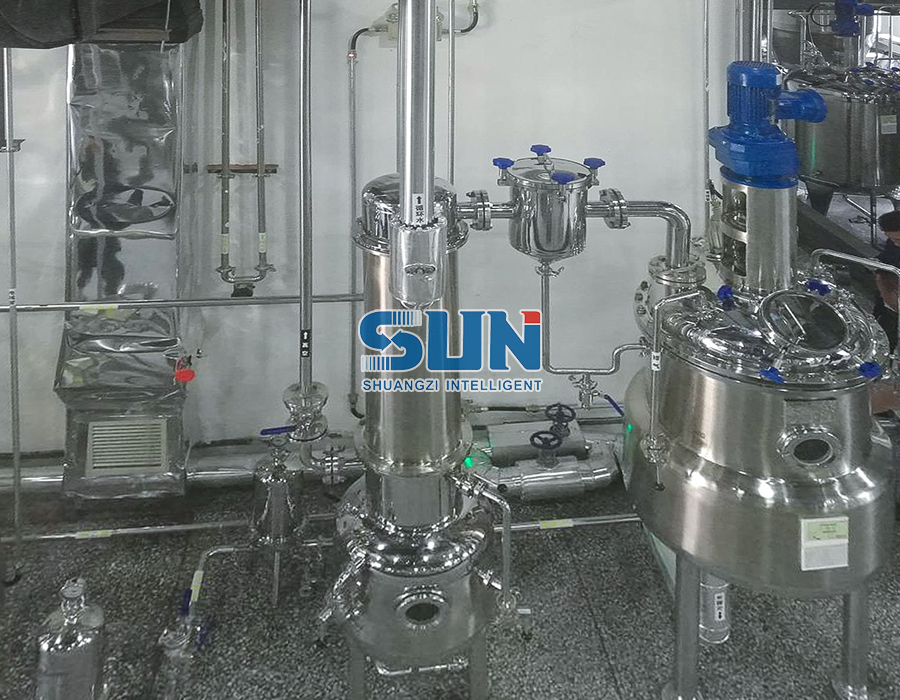
Leading manufacturers use advanced materials and fabrication techniques to build durable, high-performance equipment: - Materials: Stainless steel 316L (a medical-grade alloy) is used for all contact parts to ensure corrosion resistance and compliance with food and pharmaceutical standards. - Welding: Plasma argon arc welding (PAAW) is used to create smooth, leak-proof joints that meet GMP requirements. This technique produces minimal heat distortion and ensures the integrity of the equipment. - Machining: Computer Numerical Control (CNC) machining centers are used to fabricate precision components, ensuring tight tolerances and consistent quality. - Surface Finishing: Electro-polishing is applied to contact surfaces to create a mirror-like finish that is easy to clean and prevents product buildup.
Rigorous Testing & Validation
Every piece of equipment undergoes extensive testing before delivery: 1. Pressure Testing: Hydraulic and pneumatic tests are performed to ensure equipment can handle the required pressure levels without leaks. 2. Performance Testing: The equipment is run with actual plant material to verify yield, efficiency, and compliance with regulatory standards. 3. Compliance Testing: Third-party audits are conducted to ensure the equipment meets international standards such as GMP, ISO 9001, CE, and FDA. 4. On-Site Validation: After installation, the manufacturer provides on-site validation services to confirm that the equipment operates as designed in the client’s facility.
Case Study: Stevia Extraction Production Line
Stevia, a natural sweetener derived from the leaves of the Stevia rebaudiana plant, is one of the most popular applications for modern plant extraction equipment. The stevia extraction process requires precision to isolate high-purity steviol glycosides (the sweet compounds) while removing bitter-tasting impurities. A leading stevia extraction line demonstrates the capabilities of modern equipment.
Workflow Breakdown
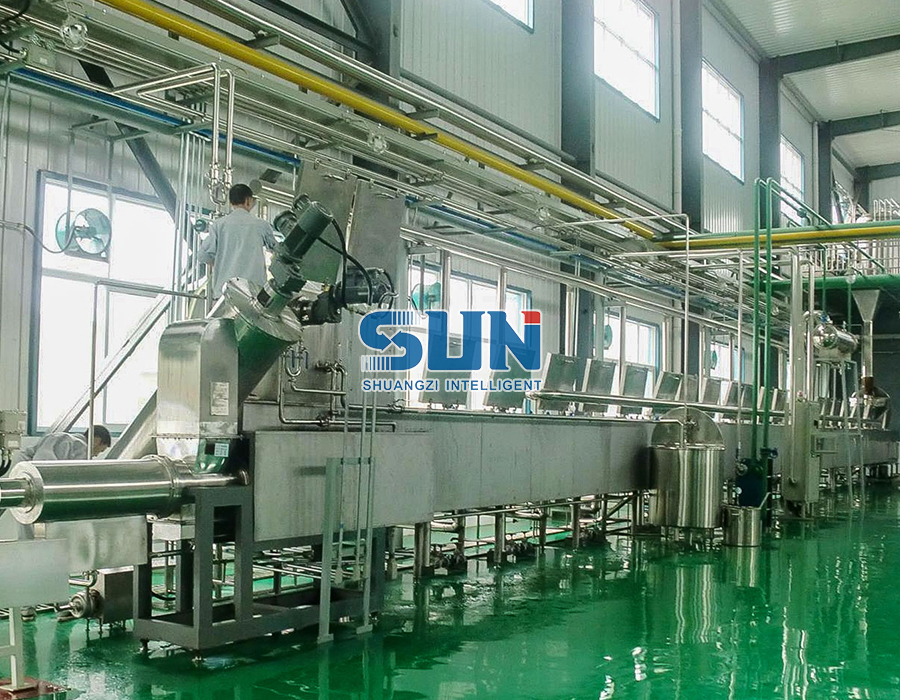
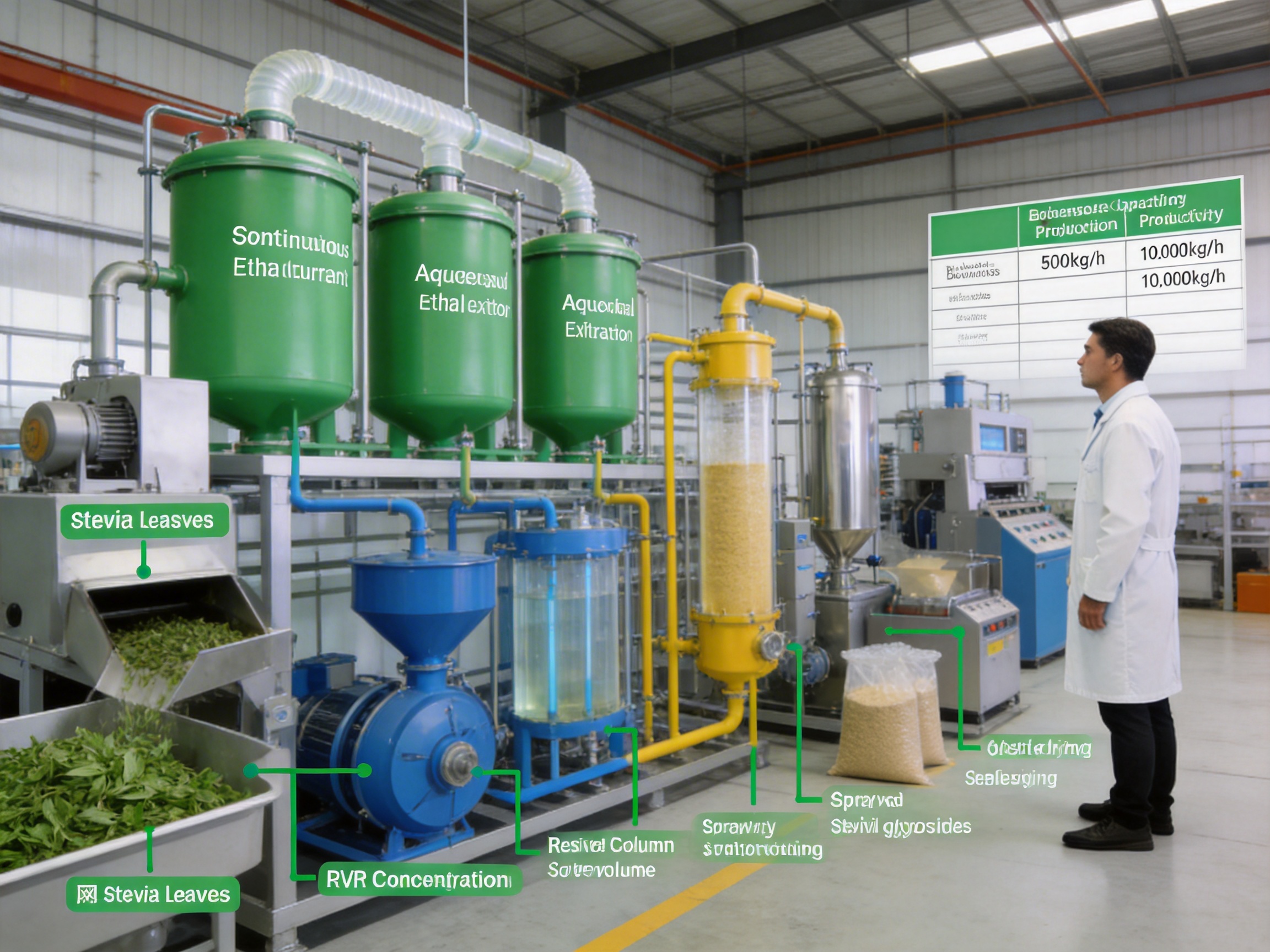
The stevia extraction production line follows a well-defined workflow optimized for maximum yield and purity: 1. Crush: Raw stevia leaves are crushed into small particles to increase surface area for extraction. 2. Extraction: Crushed leaves are extracted using a continuous countercurrent system with aqueous ethanol as the solvent. This step efficiently dissolves steviol glycosides while minimizing the extraction of bitter compounds. 3. Separation: The extract is filtered to remove solid plant residues using a combination of centrifugal filtration and membrane filtration. 4. Concentration: The filtered extract is concentrated using MVR technology to reduce solvent volume by 90%. 5. Sedimentation: The concentrated extract is allowed to settle to remove insoluble impurities. 6. Purification: The extract is passed through a resin column chromatography system to separate steviol glycosides from bitter compounds and other impurities. 7. Decoloration: Activated carbon is used to remove color pigments from the extract. 8. Final Concentration: The purified extract is concentrated again to achieve the desired solid content. 9. Drying: The concentrated extract is dried using spray drying or vacuum belt drying to produce a stable powder. 10. Packaging: The final stevia powder is packaged in airtight containers to preserve quality.
Operational Capacity Variations
Modern stevia extraction lines are available in a range of operational capacities to meet different production needs. The table below shows the biomass capacity options for a typical line:
| Items | 500 | 1000 | 2000 | 3000 | 4000 | 5000 | 6000 | 8000 | 10000 |
|---|---|---|---|---|---|---|---|---|---|
| Operational Capacity (Biomass) | 500kg/h | 1000kg/h | 2000kg/h | 3000kg/h | 4000kg/h | 5000kg/h | 6000kg/h | 8000kg/h | 10000kg/h |
Each capacity option is designed to be modular, so clients can start with a smaller line and expand as their business grows. For example, a client starting with a 500kg/h line can add modules to increase capacity to 1000kg/h within a few months, without replacing the entire system.
Strengths of Leading Plant Extraction Equipment Providers
While the equipment itself is critical, the provider’s expertise and support are equally important. Leading manufacturers offer end-to-end solutions that go beyond equipment supply, ensuring clients achieve maximum value from their investment.
EPC/EPCM Turnkey Solutions
Many leading providers specialize in Engineering, Procurement, and Construction (EPC) or Engineering, Procurement, Construction, and Management (EPCM) turnkey projects. This means they handle every aspect of the extraction line from process design to installation, commissioning, and validation. For example, a client looking to set up a stevia extraction facility doesn’t need to coordinate with multiple vendors— the provider manages everything, including equipment manufacturing, piping, electrical work, and regulatory compliance. This reduces project timelines, minimizes risk, and ensures seamless integration of all components.
Advanced R&D & Pilot Testing Capabilities
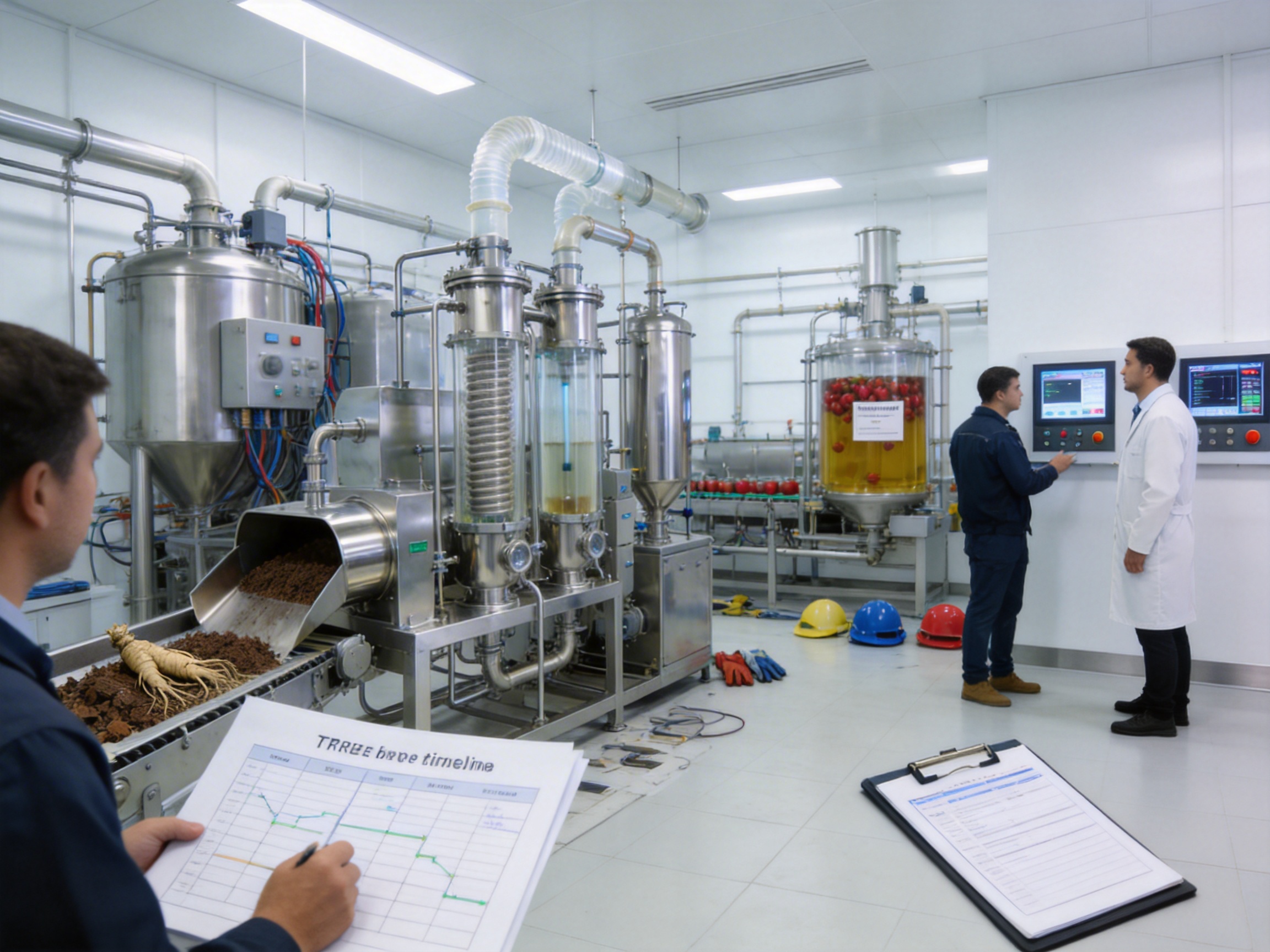
Leading manufacturers invest heavily in R&D and maintain pilot production workshops to test new extraction technologies and validate client processes. These pilot lines are equipped with the same advanced technology as full-scale commercial lines, allowing clients to: - Test different plant materials and extraction methods before investing in a full line. - Optimize parameters to maximize yield and purity. - Validate compliance with regulatory standards. For example, a client developing a new herbal extract can use the pilot line to test ultrasonic extraction vs. traditional solvent extraction, comparing yield, cost, and quality to determine the best approach.
Compliance & Regulatory Expertise
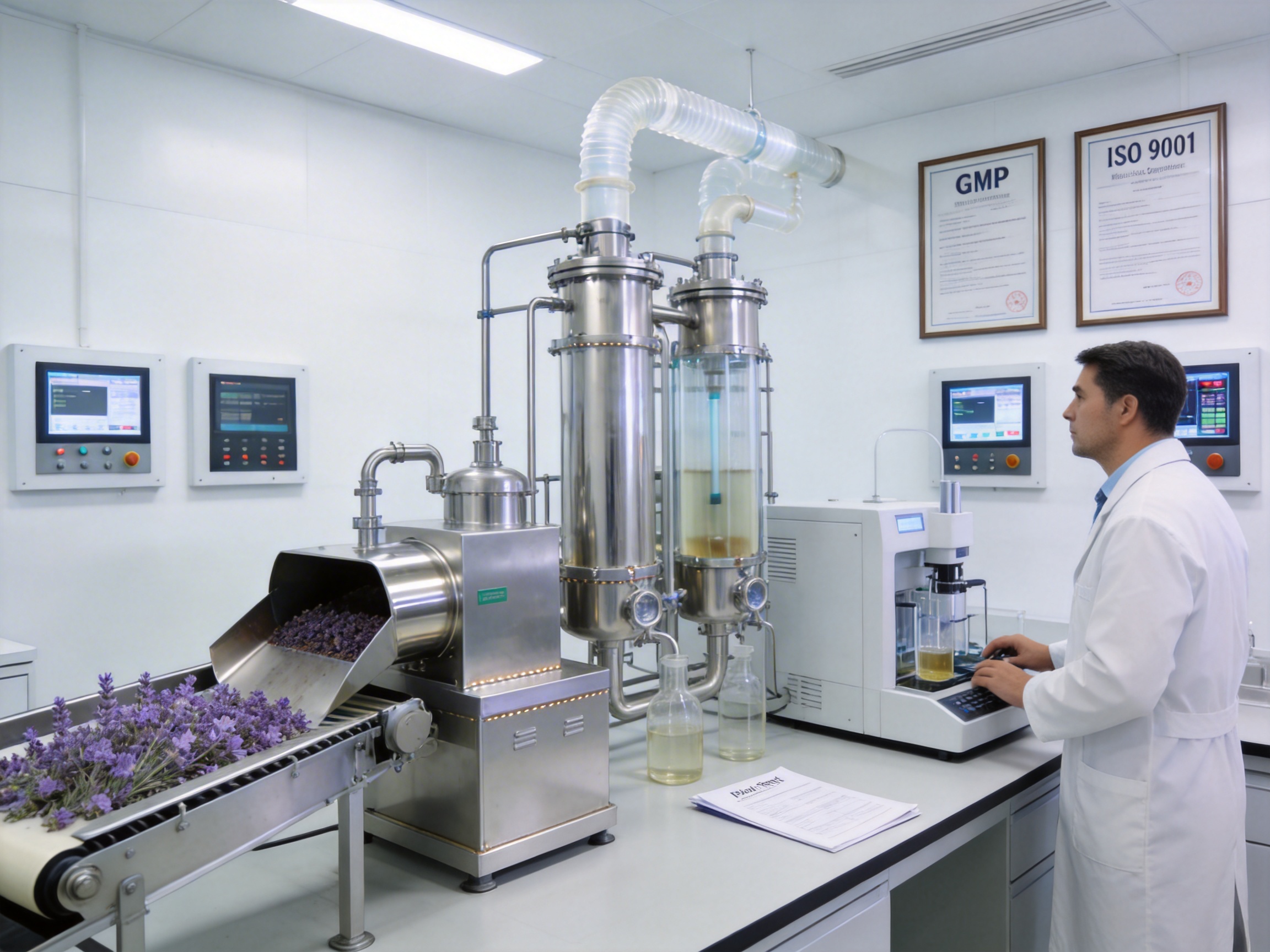
The plant extraction industry is heavily regulated, with different standards for food, pharmaceutical, and cosmetic products. Leading providers have deep expertise in regulatory compliance and ensure their equipment meets all relevant standards, including: - GMP (Good Manufacturing Practices): For pharmaceutical and dietary supplement products. - FDA Regulations: For products sold in the U.S. market. - EU Standards: For products sold in the European Union. - ISO 9001: For quality management systems. Additionally, providers offer support with regulatory documentation, such as batch records, validation reports, and certification applications, to help clients navigate the approval process.
After-Sales Support & Maintenance
Leading providers offer comprehensive after-sales support to ensure their equipment operates efficiently for years. This includes: - Installation & Commissioning: On-site installation by trained technicians, followed by commissioning to verify performance. - Training: Training for client staff on equipment operation, maintenance, and troubleshooting. - Maintenance Services: Regular maintenance plans to prevent breakdowns and extend equipment lifespan. - Spare Parts: Availability of genuine spare parts to minimize downtime. - Technical Support: 24/7 technical support to address any issues quickly.
Q&A Section
This section addresses common questions about plant extraction equipment, based on industry trends and client feedback.
Common Questions About Plant Extraction Equipment
Q1: What is the difference between batch extraction and continuous extraction?
A: Batch extraction processes plant material in small, discrete batches, while continuous extraction processes material non-stop. Continuous extraction offers higher yields, lower solvent consumption, and greater efficiency, making it ideal for large-scale production. Batch extraction is better suited for small-scale or custom applications where flexibility is more important than volume.
Q2: How does MVR concentration save energy?
A: MVR (Mechanical Vapor Recompression) systems recycle the vapor produced during evaporation. The vapor is compressed to increase its temperature and pressure, then used to heat the incoming feed. This eliminates the need for external heat sources (like steam boilers) in most cases, reducing energy consumption by up to 70% compared to traditional concentration systems.
Q3: Can plant extraction equipment be customized for specific plant materials?
A: Yes. Leading manufacturers design modular equipment that can be customized to handle different plant materials. For example, fibrous materials like ginseng may require a different extraction method (e.g., ultrasonic) than oily materials like lavender (e.g., steam distillation). Customization also includes adjusting solvent systems, filtration methods, and drying techniques to meet specific product requirements.
Q4: What certifications should I look for in plant extraction equipment?
A: Key certifications include GMP (for pharmaceutical products), ISO 9001 (quality management), CE (European safety standards), and FDA compliance (for U.S. markets). Additionally, third-party validation reports and batch testing results can provide further assurance of quality.
Q5: How long does it take to install and commission a plant extraction line?
A: The timeline depends on the size and complexity of the line. A small-scale pilot line may take 2-3 months from order to commissioning, while a full commercial line can take 6-12 months. Turnkey providers often offer faster timelines by managing all aspects of the project in parallel.
Q6: What is the lifespan of modern plant extraction equipment?
A: With proper maintenance, modern equipment can last 15-20 years or more. Regular maintenance (e.g., cleaning, lubrication, and component replacement) is critical to extending lifespan and ensuring consistent performance.
References
1. World Health Organization (WHO). (2020). Guidelines for Good Manufacturing Practices (GMP) for Herbal Medicines. Geneva, Switzerland: WHO Press.
2. Smith, J. D., et al. (2022). Plant Extraction Technologies: Recent Advances and Applications. Journal of Natural Products Research, 15(3), 45-62.
3. European Pharmacopoeia Commission. (2021). Monographs on Herbal Extracts. Strasbourg, France: European Directorate for the Quality of Medicines & HealthCare.
4. Jones, A. B., & Lee, C. H. (2019). Energy Efficiency in Industrial Extraction Processes. Renewable and Sustainable Energy Reviews, 101, 234-245.
5. U.S. Food and Drug Administration (FDA). (2018). Guidance for Industry: Botanical Drug Products. Silver Spring, MD: FDA.
6. International Organization for Standardization (ISO). (2015). ISO 9001:2015 Quality Management Systems—Requirements. Geneva, Switzerland: ISO.
Conclusion
Modern plant extraction equipment has revolutionized the natural product industry by offering efficient, precise, and scalable solutions that address the limitations of traditional methods. From continuous countercurrent extraction to MVR concentration, these systems deliver higher yields, lower costs, and consistent quality—key factors for success in today’s competitive market. Leading manufacturers further enhance the value of this equipment by providing turnkey solutions, advanced R&D support, and comprehensive after-sales services. As the demand for natural products continues to grow, the importance of investing in high-quality plant extraction equipment will only increase, helping manufacturers meet consumer expectations while complying with regulatory standards.