
 英语
 俄语
Content
- 1 Why Plant Extraction Equipment Matters
- 2 Complete Process Route for Botanical Extraction
- 3 Stevia Extraction Production Line
- 4 Drying Technology for Plant Extracts
- 5 Capacity and Project Configuration
- 6 Advantages Over Disconnected or Conventional Equipment
- 7 Manufacturing Strengths and Engineering Capabilities
- 8 Turnkey Project Delivery
- 9 Process Control and Quality Considerations
- 10 Safety and Environmental Design
- 11 Maintenance and Lifecycle Performance
- 12 Application Range Beyond Stevia
- 13 How to Select the Right Configuration
- 14 Recommended Project Development Sequence
- 15 Questions and Answers
- 15.1 What is the basic process of a plant extraction production line?
- 15.2 What solvents can be used for plant extraction?
- 15.3 What is the difference between tank extraction and counter-current extraction?
- 15.4 Can the line process materials other than stevia?
- 15.5 What capacities are available?
- 15.6 Which drying method is better for botanical extracts?
- 15.7 How can energy consumption be reduced?
- 15.8 Does the supplier provide installation and commissioning?
- 15.9 Why is pilot testing important?
- 15.10 What information is needed for a quotation and preliminary design?
- 16 Conclusion
- 17 References
- 18 Product: Plant Extraction Equipment
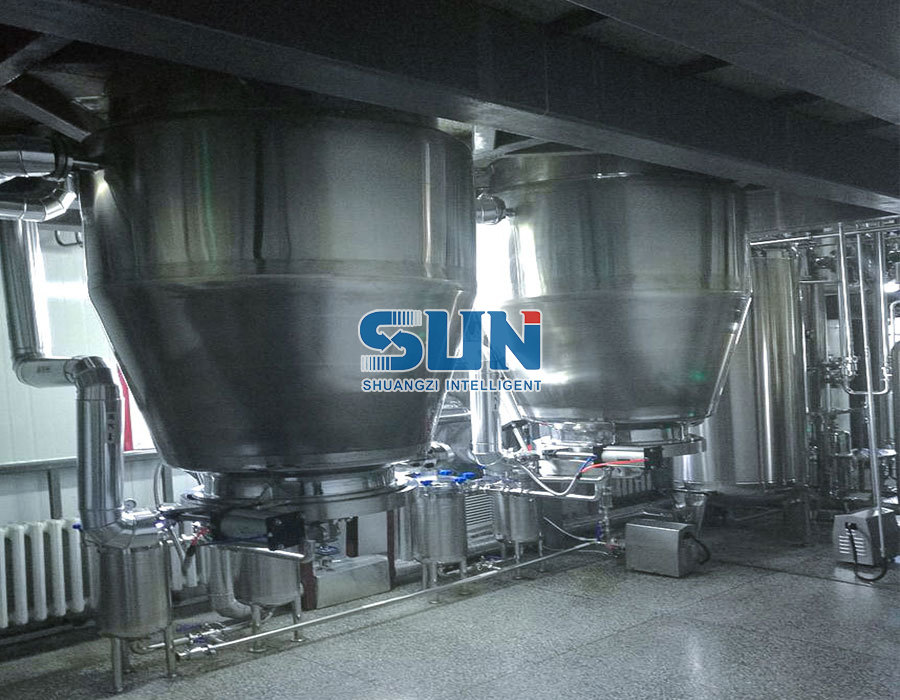
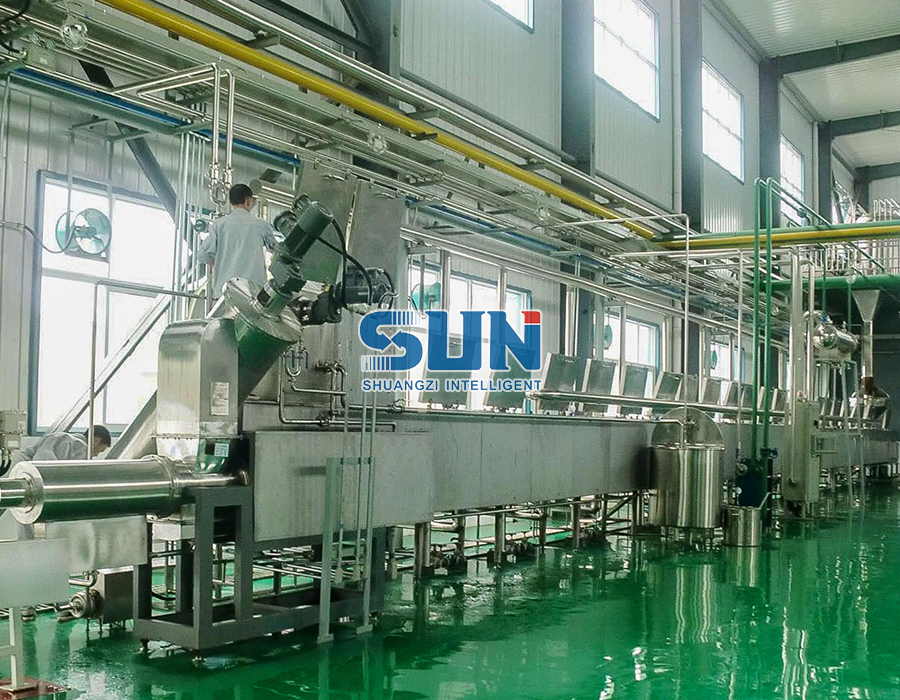
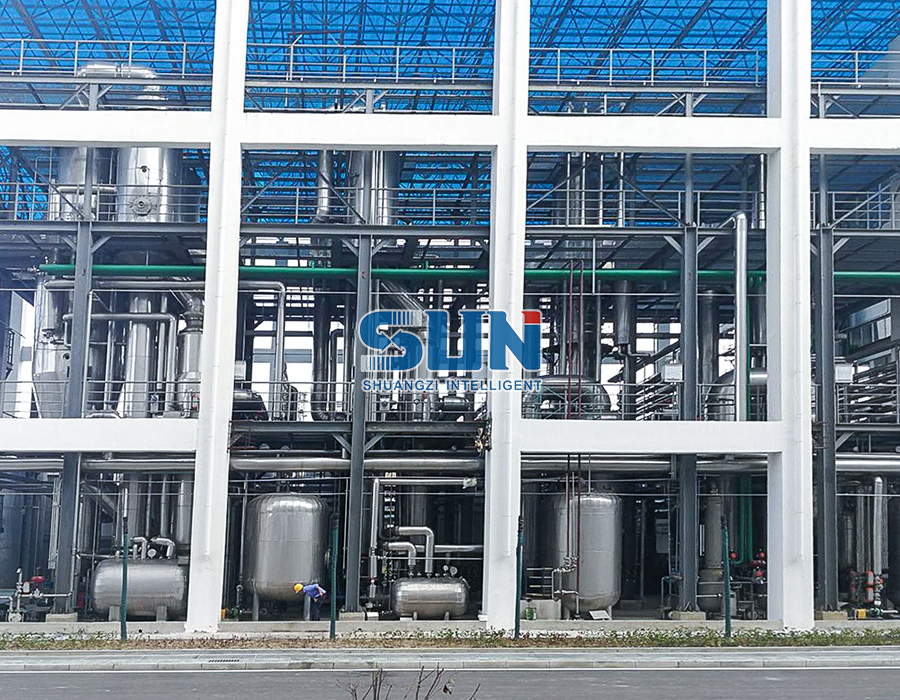
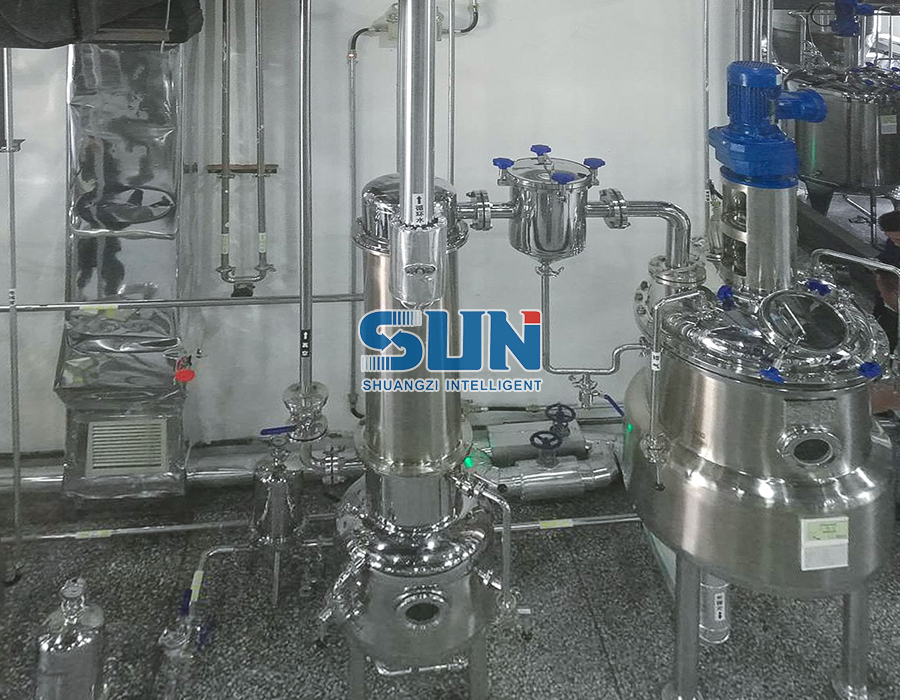
Plant extraction has become an important processing technology for the food, beverage, pharmaceutical, nutraceutical, cosmetic, and natural ingredients industries. As manufacturers seek cleaner labels, standardized botanical ingredients, and more efficient use of agricultural resources, the demand for reliable extraction equipment continues to increase. A modern plant extraction production line must do much more than transfer raw material from one vessel to another. It must control extraction conditions, protect active compounds, reduce solvent and energy consumption, support hygienic production, and provide a stable route from raw plant material to a concentrated, purified, and dried product.
The plant extraction equipment described in this article is designed for complete processing lines, including raw material preparation, solvent extraction, filtration, concentration, separation, purification, decolorization, drying, and packaging. The equipment can be configured for stevia and many other botanical materials, including traditional medicinal plants, fruits, vegetables, and natural food ingredients. Its modular design allows the process to be adapted to different raw materials, target compounds, production capacities, and final product specifications.
A complete plant extraction line can provide a significant advantage over isolated or manually connected processing equipment. When the process design, equipment manufacturing, automation, installation, commissioning, and technical support are coordinated by one engineering partner, the risk of compatibility problems is reduced. Operators can obtain a more coherent production system, while owners benefit from clearer responsibility for project delivery and process integration.
Why Plant Extraction Equipment Matters
Plant materials contain valuable compounds in complex cellular structures. These compounds may include glycosides, flavonoids, alkaloids, polysaccharides, essential components, pigments, organic acids, proteins, and other functional substances. The desired components are usually present together with insoluble fibers, waxes, proteins, pigments, minerals, and other substances that must be removed or controlled during processing.
Extraction is therefore a separation process as well as a transfer process. The equipment must help move the target compounds from the plant matrix into a suitable liquid phase while limiting degradation and unwanted co-extraction. The downstream system must then remove solids, concentrate the useful components, separate impurities, and produce a stable final material.
Solvent extraction is one of the most widely used plant extraction methods because it is comparatively simple to operate, adaptable to many materials, and suitable for both water-soluble and organic-solvent-soluble compounds. Common solvents include water, ethanol, methanol, acetone, and other process liquids selected according to the raw material, target compound, regulatory requirements, and final application.
The correct extraction result depends on several interconnected parameters. These include particle size, solvent selection, solvent concentration, solid-to-liquid ratio, extraction temperature, extraction time, agitation, pressure, the number of extraction stages, and the quality of filtration. A well-designed production line allows these conditions to be controlled and repeated rather than relying solely on operator judgment.
Complete Process Route for Botanical Extraction
The standard process route for the equipment includes extraction, filtration, concentration, separation, and drying. Depending on the raw material and product specification, additional operations may include crushing, sedimentation, resin adsorption, liquid-liquid extraction, decolorization, crystallization, sterilization, and packaging.
Raw Material Preparation
Before extraction begins, the plant material should be inspected and prepared. Preparation may include cleaning, sorting, drying, cutting, crushing, or milling. The objective is to create a consistent feed that allows the solvent to contact the useful plant tissue effectively.
Particle size is particularly important. If the material is too large, the solvent may not penetrate the plant structure efficiently, resulting in incomplete extraction. If it is ground too finely, filtration may become more difficult, and excessive fine particles may pass into the extract. The preparation system should therefore be selected according to the characteristics of the specific botanical material.
The preparation stage can also help improve production stability. Consistent feed size supports more uniform residence time, heat transfer, solvent contact, and discharge behavior. This is especially valuable when the line is expected to operate continuously or at a high daily throughput.
Extraction
The extraction stage transfers target substances from the plant material into a liquid solvent. The system may use extraction tanks or a continuous counter-current extraction arrangement. The appropriate configuration depends on the raw material, production scale, solvent requirements, and desired operating flexibility.
Tank extraction is suitable for batch or semi-batch processing. It offers flexibility when a manufacturer processes several botanical materials or changes recipes frequently. Extraction tanks can be equipped with agitation, heating, temperature measurement, liquid-level monitoring, discharge arrangements, and cleaning connections. Multiple extraction cycles can be carried out when the material requires repeated solvent contact.
Continuous counter-current extraction is designed for efficient contact between the solid feed and the solvent. In a counter-current system, the freshest solvent can contact material that has already been partially extracted, while more concentrated extract contacts fresher raw material. This arrangement may improve solvent utilization and reduce the amount of solvent required for a given extraction target.
Extraction performance can be improved through multiple extraction stages, increased solvent concentration, controlled temperature, optimized residence time, and effective mixing. However, higher temperature or stronger solvent conditions are not automatically better. Some natural compounds are heat-sensitive, oxidation-sensitive, or susceptible to hydrolysis. Process development should therefore identify a balance between extraction yield, product quality, energy consumption, and equipment capacity.
The extraction system is generally manufactured with attention to corrosion resistance, cleanability, mechanical strength, and compatibility with the selected solvent. The final material selection must be confirmed according to the process medium, temperature, pressure, cleaning method, and applicable engineering requirements.
Filtration
After extraction, the liquid contains dissolved compounds together with plant fibers, suspended particles, and fine solids. Filtration protects downstream equipment and improves the quality of the extract. It also helps reduce fouling in evaporators, membranes, separation columns, and spray dryers.
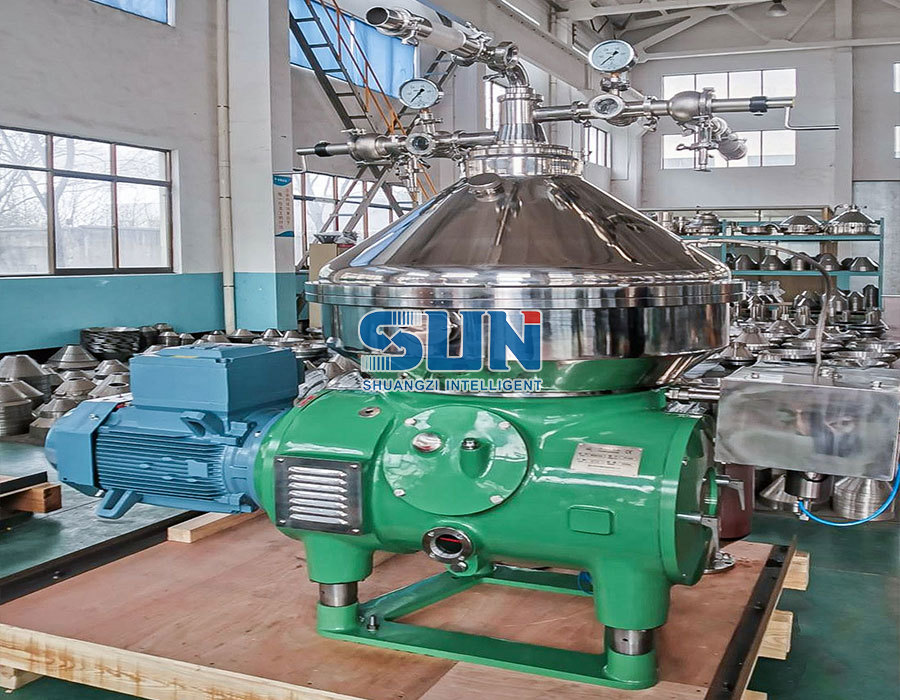
Centrifugal filtration can be used when rapid separation of suspended solids is required. It is useful for applications where the extract contains a significant quantity of fine plant particles and where continuous or high-throughput operation is desirable.
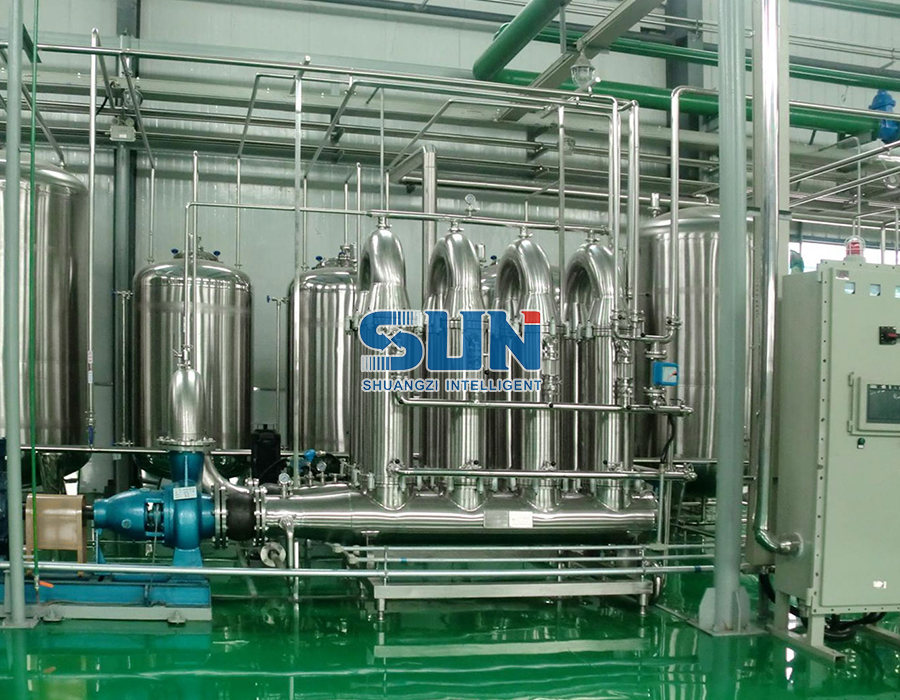
Film filtration and related membrane-based filtration methods can provide more refined separation. Depending on the membrane and process arrangement, filtration can be used for clarification, concentration, fractionation, or removal of selected high-molecular-weight substances. Membrane filtration may be integrated with conventional solid-liquid separation to improve the overall process sequence.
A properly selected filtration system reduces the load on later stages and can improve product consistency. The filtration area, pressure, flow rate, temperature, viscosity, solids loading, and cleaning method should be considered during system design.
Concentration
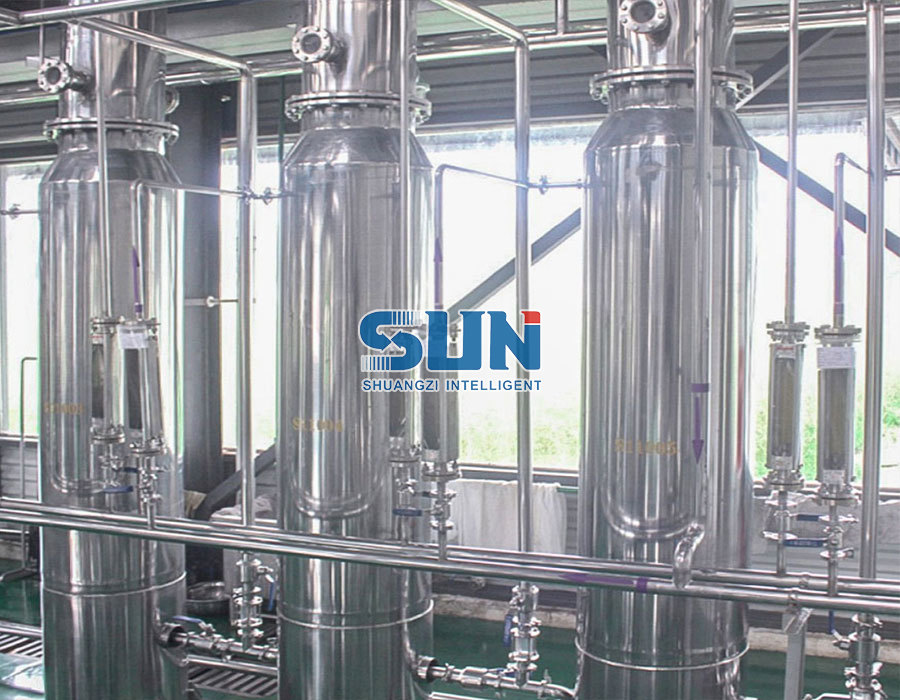
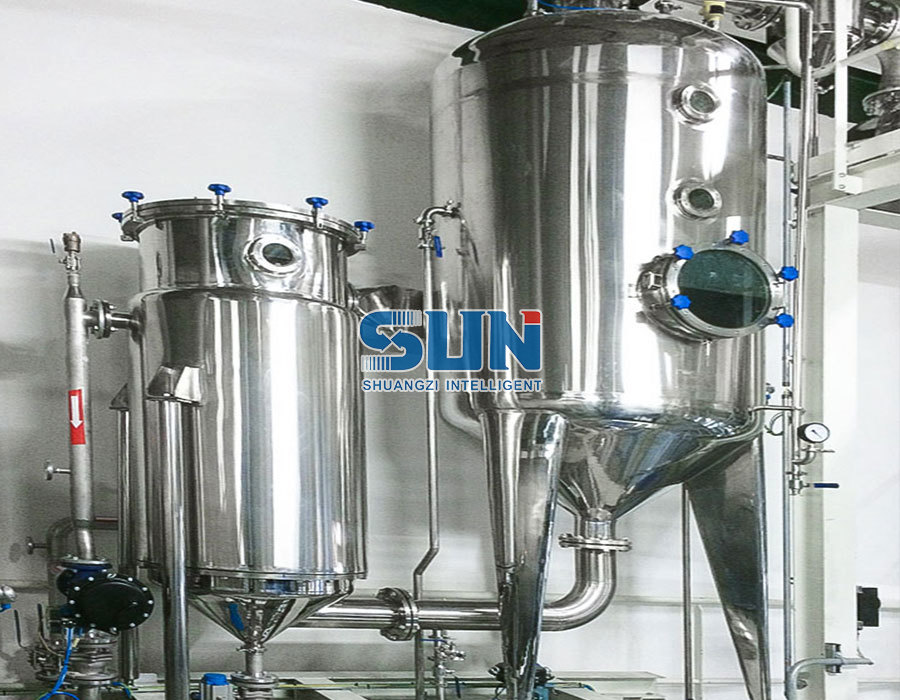
Concentration removes part of the solvent from the filtered extract and increases the concentration of the target components. The equipment can be configured for single-stage concentration, dual-stage concentration, or multi-effect arrangements. For suitable applications, mechanical vapor recompression, commonly known as MVR, can be considered to improve energy efficiency.
Vacuum concentration is often selected for botanical extracts because lowering the boiling temperature can help protect heat-sensitive components. Vacuum operation may also reduce oxidation and help maintain color, aroma, or functional activity, depending on the product chemistry.
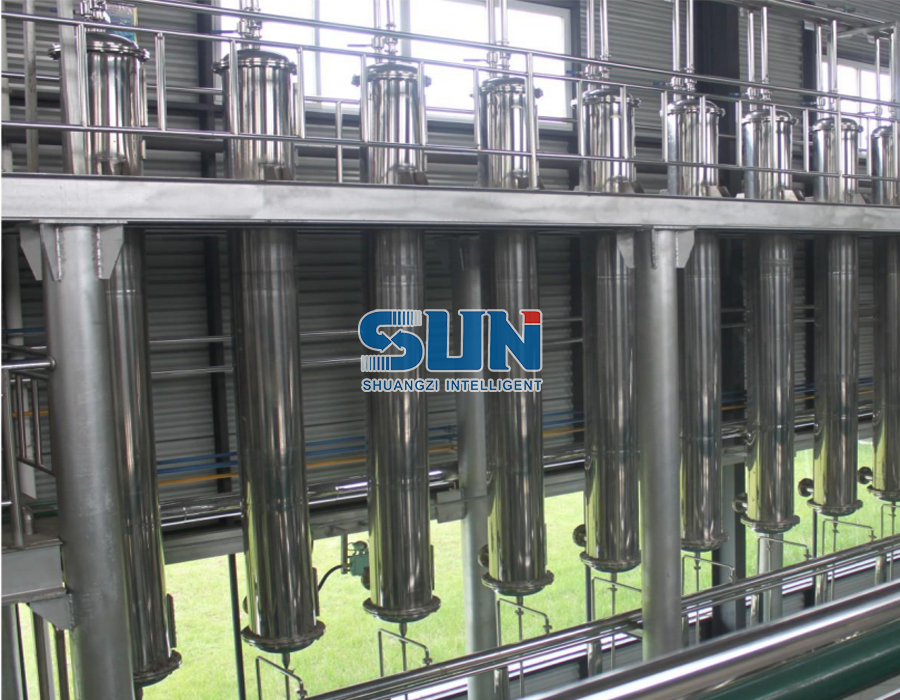
Single-stage concentration is comparatively simple and may be suitable for smaller capacities or products that are not highly sensitive to thermal exposure. Dual-stage or multi-effect concentration can improve heat utilization and reduce steam consumption by using vapor generated in one stage as a heating source for another stage.
MVR concentration uses mechanical energy to recompress vapor and reuse its heat. This can significantly reduce the requirement for external steam in appropriate operating conditions. The economic benefit depends on operating hours, evaporation load, electricity cost, steam cost, product properties, and local utility conditions.
Concentration equipment must be designed around the viscosity and foaming characteristics of the extract. As solids content increases, the liquid may become more viscous and more difficult to circulate. Foaming may also affect vacuum stability and separation performance. Correct circulation, heating-surface design, vapor-liquid separation, and control strategy are essential for stable operation.
Separation and Purification
Many botanical products require more than simple concentration. The extract may contain pigments, proteins, sugars, salts, bitter compounds, or other components that must be removed or reduced. Separation technology is selected according to the chemical and physical properties of the target product.
Resin column chromatography is a useful option for adsorption, purification, enrichment, and decolorization. Different resin types have different selectivity, surface characteristics, and regeneration requirements. A properly developed resin process can help separate the target compounds from unwanted substances while supporting a more standardized final product.
Liquid extraction may be used when the target compound has a favorable distribution between two immiscible liquid phases. The process can be configured with mixing and settling equipment or with continuous liquid-liquid extraction equipment, depending on the required capacity and separation performance.
Sedimentation may be included as a simple and effective clarification step. In a stevia process, for example, the concentrated liquid may pass through a sedimentation stage before further purification. Sedimentation can reduce the load on filtration and adsorption equipment when heavier suspended material is present.
Purification and decolorization can be arranged in several stages. A typical sequence may include initial concentration, sedimentation, purification, secondary concentration, decolorization, final concentration, and drying. The exact sequence depends on the desired purity, color, sweetness profile, moisture content, and physical form of the final product.
Stevia Extraction Production Line
Stevia is a representative application for a complete plant extraction line. Stevia leaves contain sweet diterpene glycosides that can be extracted and purified for use in food, beverages, and other products. The production line must recover the desired sweet components while reducing plant solids, pigments, undesirable taste components, and excess moisture.
The standard stevia process flow is:
Stevia leaves → Crushing → Extraction → Separation → Concentration → Sedimentation → Purification → Concentration → Decolorization → Concentration → Drying → Packaging
Crushing prepares the leaves for efficient solvent contact. The extraction stage may use water or another suitable process medium, depending on the formulation and downstream requirements. Separation removes insoluble material, while concentration increases the strength of the extract. Sedimentation and purification help improve clarity and composition. Decolorization can be used to reduce unwanted color before the final concentration and drying stages.
The final drying method depends on the physical requirements of the product. Spray drying can convert a liquid concentrate into a free-flowing powder in a short residence time. Vacuum belt drying operates under reduced pressure and can be suitable for products that require lower-temperature treatment or a porous, easily soluble structure.
Stevia processing requires close control of temperature, residence time, concentration, and purification conditions. Excessive heat may affect color or sensory quality, while insufficient separation may result in a product that does not meet the desired appearance or taste profile. A process line with integrated control and sampling points can support more reliable quality management.
Plant Extraction Equipment
Drying Technology for Plant Extracts
Drying is one of the most important stages in the production of powdered botanical extracts. The method influences moisture content, bulk density, solubility, flowability, color, thermal exposure, and storage stability.
Spray Drying
Spray drying atomizes a concentrated liquid into a stream of hot drying air. The small droplets have a large surface area, allowing moisture to evaporate rapidly. The resulting powder is separated from the exhaust air and collected for packaging or additional blending.
The main advantages of spray drying include high productivity, rapid drying, continuous operation, and the ability to produce a powder directly from a liquid feed. It can be adapted to different feed viscosities and solids concentrations by adjusting atomization, air temperature, air volume, and feed rate.
For heat-sensitive botanical products, the inlet and outlet air temperatures must be selected carefully. Although the product may experience a relatively short exposure time, thermal conditions still influence quality. The concentration of the feed, atomizer type, droplet size, and powder collection method also affect the final result.
Vacuum Belt Drying
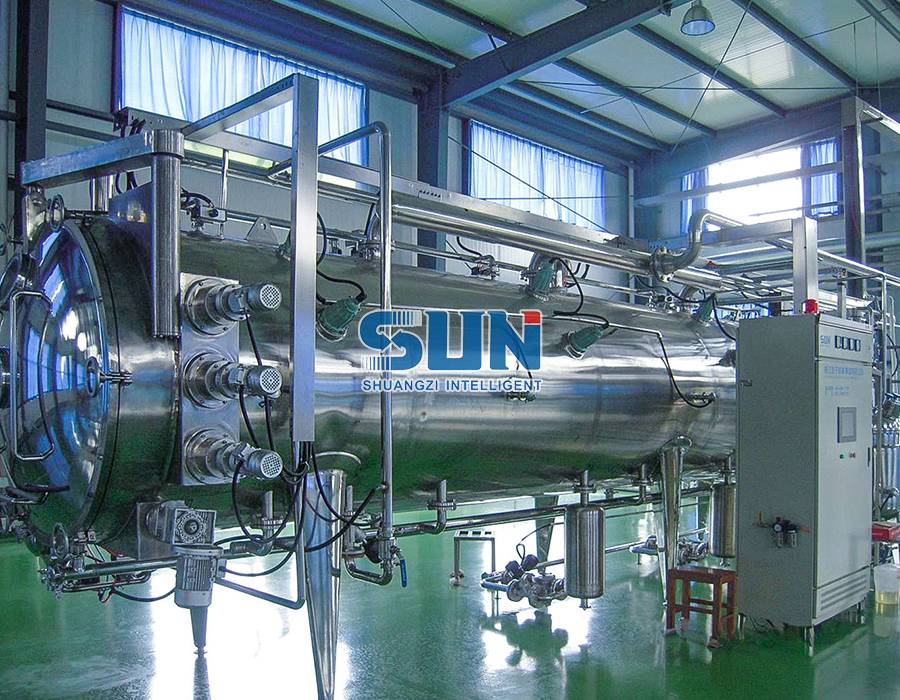
Vacuum belt drying uses reduced pressure to lower the evaporation temperature. The liquid or concentrated extract is distributed on a moving belt and dried through controlled heating under vacuum. The dried material can then be broken, granulated, or milled into a powder.
This method is often considered for products that are sensitive to higher temperatures or that require gentle drying. Vacuum belt drying can help retain certain physical and sensory properties while offering flexible control of the drying profile. It may also produce a porous structure that supports rapid rehydration.
The selection between spray drying and vacuum belt drying should be based on product characteristics, required capacity, energy availability, powder specifications, and the results of pilot testing. In some projects, both options may be evaluated before the final equipment configuration is approved.
Capacity and Project Configuration
The production line is available in a broad range of nominal biomass processing capacities. The listed operational capacities extend from 500 kilograms per hour to 10,000 kilograms per hour. This range allows the system to serve pilot-scale, medium-scale, and large industrial projects, subject to the characteristics of the raw material and the selected process route.
| Nominal Biomass Capacity | Operational Capacity | Typical Project Consideration |
|---|---|---|
| 500 | 500 kg/h | Pilot, demonstration, or small commercial processing |
| 1,000 | 1,000 kg/h | Small to medium commercial production |
| 2,000 | 2,000 kg/h | Medium-scale botanical processing |
| 3,000 | 3,000 kg/h | Expanded production and multi-shift operation |
| 4,000 | 4,000 kg/h | Industrial-scale continuous processing |
| 5,000 | 5,000 kg/h | High-throughput commercial production |
| 6,000 | 6,000 kg/h | Large-scale extraction facilities |
| 8,000 | 8,000 kg/h | Large industrial production with integrated utilities |
| 10,000 | 10,000 kg/h | Very high-capacity extraction projects |
These figures describe operational biomass capacity and should not be interpreted as final powder output. Actual product yield depends on the moisture content of the raw material, extraction efficiency, target compound concentration, losses during clarification and purification, concentration ratio, drying conditions, and product specifications.
Capacity selection should also account for seasonal raw material availability, storage conditions, operating shifts, planned maintenance, utility supply, wastewater treatment, solvent recovery, and future expansion. A line designed only for the maximum instantaneous feed rate may not be the most economical choice if the raw material supply is seasonal or variable.
For a new project, pilot testing and process calculations can help determine the appropriate equipment size. Important data include raw material composition, moisture, bulk density, particle size, solvent ratio, extraction time, extract concentration, filtration behavior, thermal sensitivity, and final powder properties.
Advantages Over Disconnected or Conventional Equipment
Integrated Engineering Responsibility
One of the principal advantages of a complete turnkey line is the integration of process engineering and equipment engineering. In a fragmented project, an extraction vessel may be purchased from one supplier, an evaporator from another, and a dryer from a third. The owner or local contractor must then resolve differences in flow rates, control signals, pipe sizes, pressure conditions, cleaning requirements, and installation responsibilities.
An integrated project approach reduces these coordination gaps. The process route can be designed as a complete system, with each stage matched to the capacity and operating requirements of the next. This makes it easier to establish a coherent layout, utility plan, automation structure, and commissioning schedule.
Flexible Process Design
Plant materials vary widely, and a line designed for one product may not perform well with another unless flexibility has been considered. The equipment can be configured for different extraction methods, filtration technologies, concentration stages, separation systems, and drying processes. This adaptability is valuable for manufacturers that expect to process several plant species or develop new botanical products in the future.
Tank extraction supports recipe changes and batch flexibility, while continuous counter-current extraction can support efficient high-volume processing. Single-stage, dual-stage, or MVR concentration can be selected according to energy and product requirements. Resin columns, liquid extraction, centrifugal filtration, membrane filtration, spray drying, and vacuum belt drying can be combined into different process configurations.
Improved Thermal Management
Many botanical compounds are sensitive to heat, oxidation, or prolonged residence time. Vacuum concentration and vacuum belt drying can reduce the temperature required for evaporation. Multi-effect evaporation and MVR can reduce energy consumption while supporting controlled processing. Shorter residence times and appropriate heat-transfer design can help protect product quality.
Thermal management is not limited to the evaporator or dryer. It also includes preheating, piping, holding vessels, transfer pumps, insulation, condensate recovery, and control logic. A complete engineering approach can identify heat integration opportunities throughout the line.
Better Solvent and Energy Utilization
Solvent use has a direct effect on operating cost, wastewater volume, recovery requirements, and environmental performance. Counter-current extraction, optimized solid-to-liquid ratios, multi-stage extraction, and solvent recovery can improve overall efficiency. The actual benefit depends on the material and process, but a well-designed system provides more opportunities for optimization than a simple single-pass arrangement.
Energy efficiency can be improved through heat recovery, multi-effect concentration, MVR, proper insulation, and appropriate drying technology. Energy-saving measures should be evaluated together with product quality and maintenance requirements. The lowest energy consumption is not always the best result if it causes fouling, poor drying, or unacceptable product variation.
Hygienic and Cleanable Construction
Plant extraction equipment may be used for food, pharmaceutical, nutraceutical, and natural health products. These applications require attention to cleanability, drainage, surface finish, dead-leg reduction, material compatibility, and access for inspection. Equipment design should reflect the intended production environment and applicable local requirements.
Cleaning procedures may involve water, detergents, hot water, steam, or other approved cleaning media. The cleaning method influences vessel geometry, spray devices, piping layout, pump selection, gasket materials, and control programming. The final hygienic design should be confirmed during project engineering according to the product and regulatory framework.
Automation and Process Repeatability
Automation helps operators control the conditions that most strongly influence extraction and product quality. These may include temperature, pressure, vacuum, flow, liquid level, feed rate, concentration, agitation, and drying parameters. Recorded process data can also support troubleshooting, batch review, production planning, and continuous improvement.
Automation does not replace process knowledge. Instead, it provides a structured way to apply the approved process consistently. A suitable control system may include automatic sequencing, alarms, interlocks, recipe management, trend displays, and operator access levels. The specific level of automation should be matched to the project budget, operating environment, and quality objectives.
Manufacturing Strengths and Engineering Capabilities
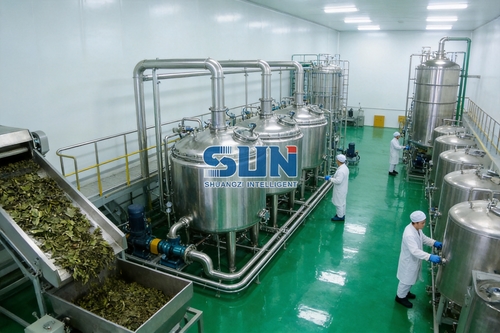
Zhejiang Shuangzi Intelligent Equipment Co., Ltd. is described as a professional biology and medical equipment enterprise with EPC and EPCM capabilities. Its work covers process technology, automation engineering design, equipment manufacture, auxiliary purchasing, installation, equipment system integration, and commissioning. These capabilities are relevant to plant extraction projects because a production line requires close coordination between mechanical equipment, process piping, controls, utilities, and production procedures.
The company was founded in 2007 and operates facilities with a floor area of approximately 16,706 square meters and a structure area of approximately 17,800 square meters. Its product portfolio includes vacuum low-temperature drying equipment, fermentation systems, evaporation and concentration equipment, extraction systems, separation and crystallization equipment, filtration equipment, and process vessels.
The company also maintains a pilot production workshop and research and development platform intended to support automation and GMP-related production requirements. A pilot and development environment is valuable because extraction behavior can vary significantly between laboratory samples and industrial quantities. Pilot work can help confirm extraction yield, filtration rate, evaporation performance, resin loading, drying behavior, and cleaning conditions before full-scale construction.
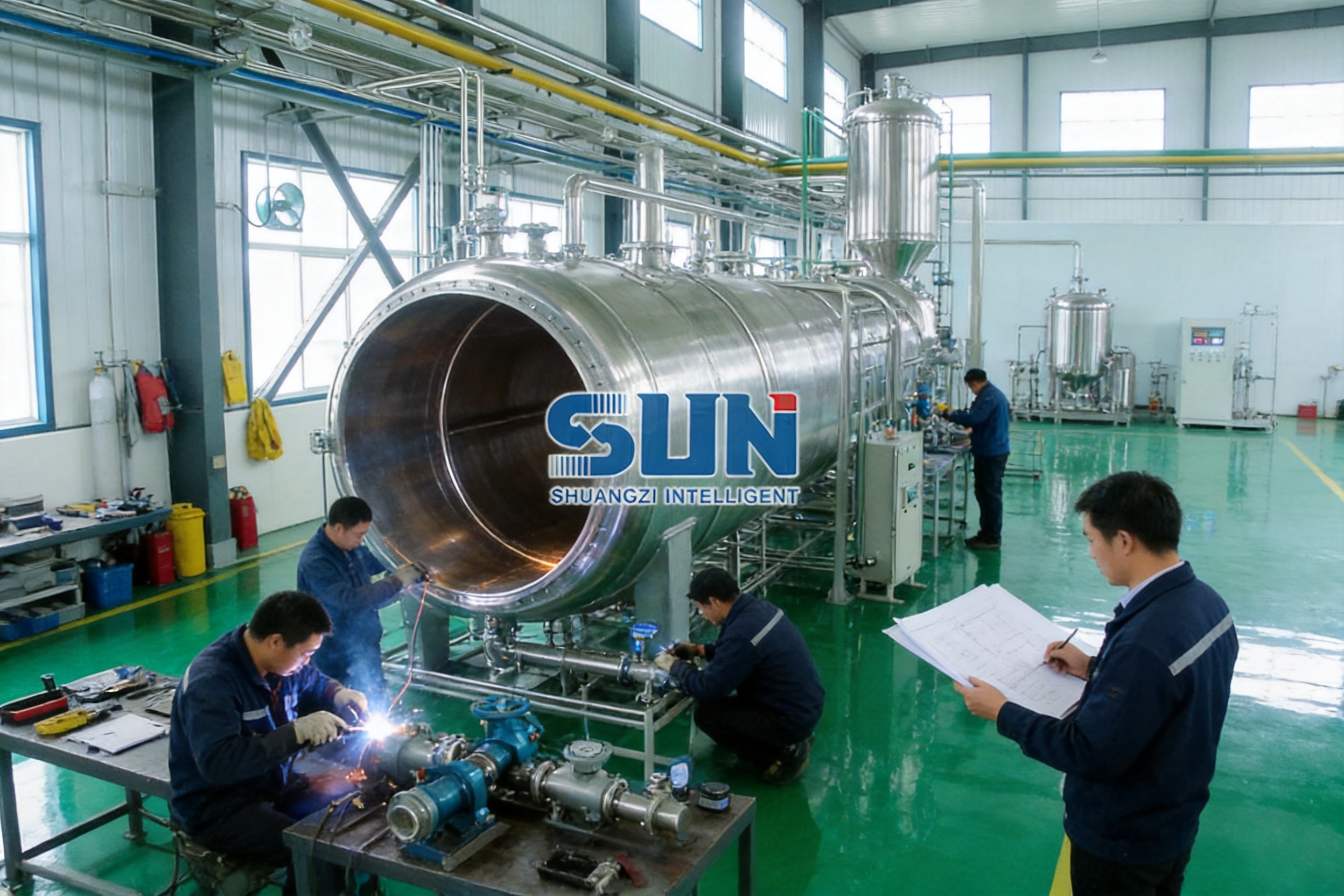
Advanced manufacturing equipment is an important part of project quality. The company has introduced equipment such as plasma argon arc welding machines, plasma cutting machines, and CAM CNC machining centers. These capabilities can support more consistent fabrication, accurate component preparation, improved welding quality, and controlled finishing of process equipment.
Manufacturing precision affects more than appearance. It can influence vessel alignment, flange fit-up, heat-transfer performance, piping installation, pump operation, cleanability, and long-term maintenance. Accurate fabrication and controlled welding practices are especially important in systems that operate under vacuum, pressure, elevated temperature, or hygienic conditions.
The ability to manufacture extraction equipment, concentration equipment, filtration systems, drying equipment, vessels, and related components within a coordinated engineering framework can provide a competitive advantage. It may reduce the number of external interfaces and allow process changes to be addressed more efficiently during design and commissioning.
Turnkey Project Delivery
A turnkey plant extraction project typically begins with process consultation and preliminary design. The engineering team reviews the raw material, target product, production capacity, solvent system, utility conditions, site limitations, and regulatory expectations. Based on this information, the process flow and equipment configuration can be developed.
The next stage may include process calculations, equipment selection, layout planning, utility estimation, control philosophy, material selection, and project budgeting. Pilot or laboratory data can be incorporated into the design where available. If reliable process data are not yet available, pilot trials may be recommended to reduce scale-up risk.
Equipment manufacturing follows the approved technical documents. This may involve vessel fabrication, internal component installation, machining, surface treatment, piping preparation, control panel integration, and inspection. The scope depends on the project contract and the level of system integration required by the customer.
Installation involves positioning equipment, connecting process piping, installing utilities, connecting electrical and instrumentation systems, and checking the overall line against engineering drawings. Proper installation is important for drainage, pump suction conditions, vacuum stability, thermal performance, and future maintenance access.
Commissioning generally includes individual equipment testing, empty-load testing, water testing, process-medium testing, control verification, safety interlock checks, and production trials. Operators should receive training in normal operation, cleaning, maintenance, emergency procedures, and basic troubleshooting.
After commissioning, the supplier can support line debugging, process adjustment, and documentation. Related authentication and qualification support may also be available according to the project requirements. The exact documentation package should be agreed before the project begins and may include drawings, equipment manuals, material records, inspection documents, operating procedures, cleaning procedures, spare-parts lists, and commissioning records.
Process Control and Quality Considerations
Plant extraction quality begins with raw material control. Botanical materials can vary by species, cultivation area, harvest time, drying method, storage condition, and moisture content. The production line cannot fully compensate for uncontrolled raw material variation, so incoming inspection and supplier management are important parts of the overall system.
During extraction, the main control points may include solvent-to-solid ratio, temperature, residence time, agitation, pressure, and the number of extraction stages. During filtration, flow rate, differential pressure, solids loading, and filtrate clarity should be observed. During concentration, vacuum level, evaporation rate, viscosity, and final solids content are important.
Purification may require monitoring of resin loading, regeneration, elution, pH, color, conductivity, or target-compound concentration. Drying may require control of feed solids, atomization or belt speed, inlet and outlet temperatures, vacuum, air volume, and final moisture. The exact test program depends on the product and customer specification.
Sampling points should be placed where they can provide useful information without compromising hygiene or safety. Representative sampling is particularly important when the line operates continuously or when the product is distributed across several vessels or storage tanks.
Process data can be used to establish operating ranges rather than relying on a single fixed set point. For example, the best extraction temperature may be a controlled range that changes according to raw material moisture or solvent concentration. A flexible control strategy can help operators respond to normal process variation while maintaining product quality.
Safety and Environmental Design
Plant extraction projects must address process safety from the early design stage. If flammable organic solvents are used, the system may require appropriate equipment classification, ventilation, grounding, explosion-protection measures, solvent vapor control, leak detection, and fire protection. The applicable requirements depend on the solvent, concentration, operating temperature, pressure, site regulations, and facility classification.
Water-based extraction also requires careful management of hot liquids, steam, vacuum, pressure, and biological materials. Tanks, pipelines, pumps, filters, and dryers should be selected and protected according to their operating conditions. Safety valves, pressure gauges, temperature alarms, emergency stops, and interlocks should be included where appropriate.
Environmental performance includes solvent recovery, wastewater treatment, solid residue management, exhaust treatment, energy use, and noise control. Plant residues may be suitable for composting, animal feed, fuel, or other uses in some cases, but this depends on the raw material and local regulations.
Concentration and drying can produce vapors, dust, or condensate streams that require suitable collection and treatment. Powder handling should address dust accumulation, operator exposure, product loss, and potential combustible-dust risks where applicable. A complete project review should consider environmental and occupational requirements rather than focusing only on production capacity.
Maintenance and Lifecycle Performance
Reliable production depends on maintenance planning as much as on initial equipment quality. Components subject to wear, fouling, corrosion, or chemical exposure should be accessible for inspection and replacement. Pumps, valves, seals, filters, heat-transfer surfaces, atomizers, vacuum components, and instrumentation require regular attention.
Fouling is a common concern in plant extraction systems because extracts may contain proteins, polysaccharides, pigments, minerals, and concentrated organic compounds. Fouling control can involve proper pretreatment, filtration, flow velocity, temperature management, cleaning cycles, and suitable equipment geometry.
Preventive maintenance schedules should include inspection of welds, gaskets, bearings, pumps, sensors, safety devices, filter elements, resin columns, drying nozzles, belts, and control cabinets. A spare-parts strategy can reduce downtime, especially for components with long procurement periods.
Lifecycle cost should be considered when comparing equipment options. A lower purchase price may not result in a lower total cost if the equipment consumes more utilities, requires frequent cleaning, has limited flexibility, or causes difficult maintenance. Conversely, an energy-saving system may require more advanced controls or specialized service. The best selection balances capital cost, operating cost, reliability, product quality, and future expansion.
Application Range Beyond Stevia
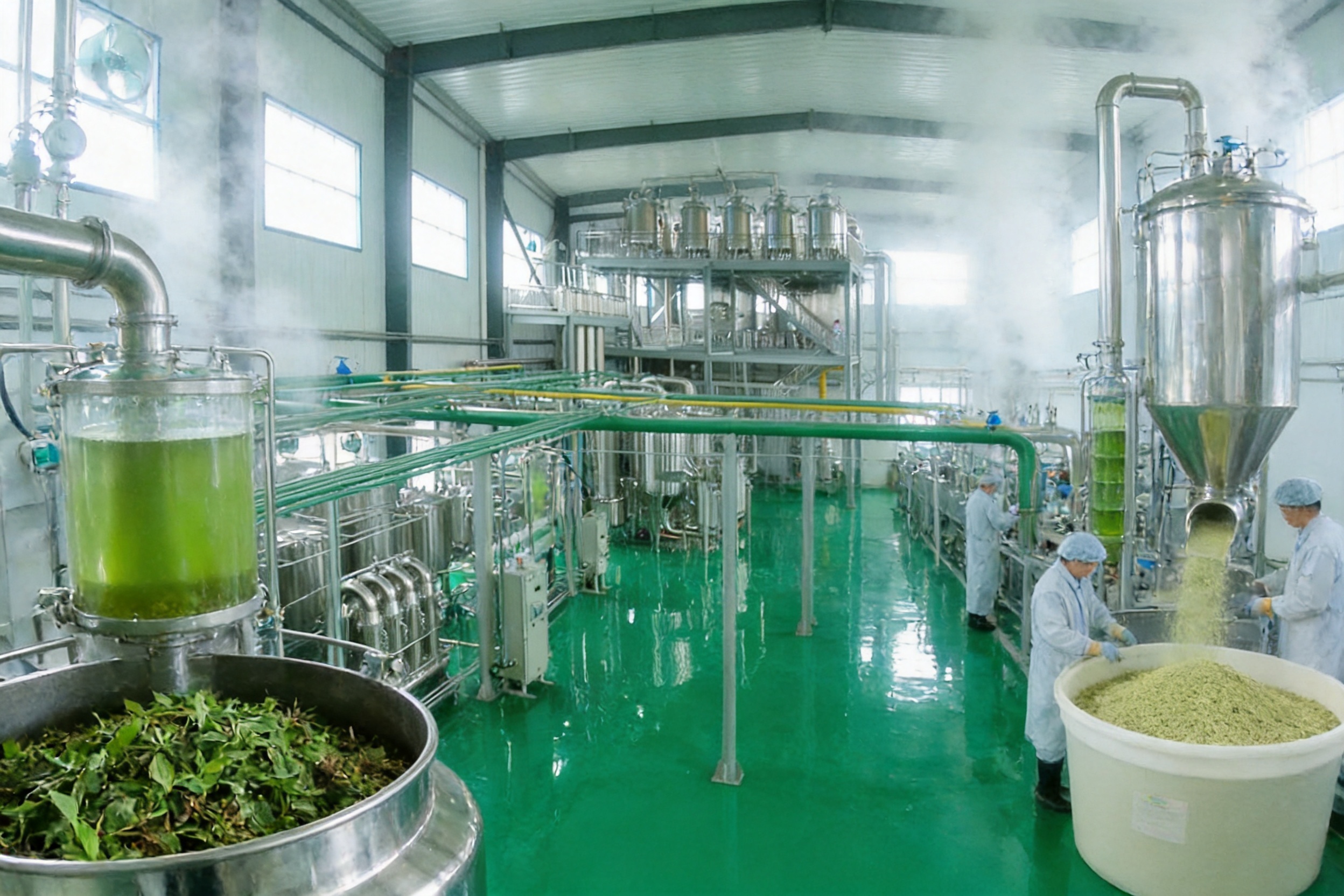
Although stevia is a major example, the equipment platform can be applied to many plant extraction projects. Traditional medicinal plants may require water extraction, ethanol extraction, staged concentration, precipitation, chromatographic purification, and drying. Fruit extracts may require clarification and gentle concentration to preserve color, flavor, and soluble solids.
Vegetable extraction can involve recovery of natural pigments, soluble nutrients, functional compounds, or flavor components. Natural food projects may use the line to produce concentrated plant ingredients, powdered extracts, or standardized components for further formulation.
The same core technologies can be adapted for different production objectives. A relatively simple system may include crushing, tank extraction, filtration, concentration, and drying. A high-purity system may add membrane filtration, resin chromatography, liquid extraction, decolorization, crystallization, and advanced automation.
Because each plant material behaves differently, process parameters should not be copied directly from one application to another. Pilot testing, laboratory analysis, and engineering calculations are recommended before finalizing a commercial design.
How to Select the Right Configuration
The first consideration is the target product. A crude botanical extract, a standardized liquid concentrate, a high-purity sweetener, and a spray-dried powder require different processing routes. The target specification should define the required purification level, color, moisture, solubility, particle size, active-compound content, and packaging form.
The second consideration is raw material capacity. The listed range from 500 kg/h to 10,000 kg/h provides multiple scale options, but the correct size depends on actual operating hours and production planning. Seasonal operations may require larger equipment for shorter campaigns, while year-round production may favor a smaller line operated continuously.
The third consideration is solvent and utility availability. Water extraction may require substantial heating and evaporation capacity. Organic solvent extraction may require recovery equipment and additional safety measures. Steam, electricity, cooling water, compressed air, vacuum, and wastewater treatment capacity should all be included in the project plan.
The fourth consideration is product sensitivity. If the product is vulnerable to heat or oxidation, vacuum concentration, low-temperature drying, shorter residence time, or inert-gas protection may be appropriate. If the product is stable and cost pressure is high, a simpler evaporation and drying configuration may be more economical.
The fifth consideration is future flexibility. A manufacturer may begin with stevia but later process other plants. In that case, it may be worthwhile to include flexible extraction tanks, adaptable filtration, spare connection points, recipe-based controls, and a dryer capable of handling different feed properties.
Recommended Project Development Sequence
A successful project can be organized into a series of defined stages. The first stage is information collection. The customer provides raw material data, product targets, capacity expectations, site information, utilities, preferred materials, and applicable standards.
The second stage is process development. The engineering team reviews the extraction route, evaluates filtration and concentration requirements, considers purification options, and selects an appropriate drying method. Pilot trials may be used to validate key assumptions.
The third stage is basic engineering. This includes the process flow diagram, mass balance, heat balance, preliminary equipment list, utility estimate, layout concept, and control philosophy.
The fourth stage is detailed engineering and manufacturing. Equipment drawings, fabrication documents, piping arrangements, instrument lists, electrical documents, and inspection plans are prepared. Manufacturing then proceeds according to the approved technical requirements.
The fifth stage is installation and commissioning. Equipment is installed, connected, tested, and operated with water or suitable process media before production trials begin. Control sequences and operating parameters are adjusted during this stage.
The sixth stage is performance verification and handover. The project team confirms the agreed operating objectives, trains operators, supplies documentation, and establishes a maintenance and spare-parts plan.
Questions and Answers
What is the basic process of a plant extraction production line?
The basic process usually includes raw material preparation, extraction, filtration, concentration, separation or purification, drying, and packaging. Depending on the product, the line may also include crushing, sedimentation, decolorization, resin chromatography, liquid extraction, crystallization, or solvent recovery.
What solvents can be used for plant extraction?
Common solvents include water, ethanol, methanol, acetone, and other process liquids. The correct solvent depends on the target compound, regulatory requirements, product application, recovery system, safety conditions, and desired extraction selectivity. Solvent selection should be confirmed through process development and applicable compliance review.
What is the difference between tank extraction and counter-current extraction?
Tank extraction generally operates in batches or semi-batches and provides flexibility for different recipes and raw materials. Continuous counter-current extraction provides ongoing contact between solids and solvent and may improve solvent utilization and throughput. The better choice depends on the raw material, production scale, process complexity, and desired operating mode.
Can the line process materials other than stevia?
Yes. The equipment can be configured for traditional medicinal plants, botanical materials, fruits, vegetables, and natural food ingredients. However, the extraction conditions, filtration system, purification steps, and drying method should be adapted to each material.
What capacities are available?
The listed operational biomass capacities range from 500 kg/h to 10,000 kg/h, including intermediate capacities of 1,000, 2,000, 3,000, 4,000, 5,000, 6,000, and 8,000 kg/h. Actual performance depends on raw material properties and the complete process design.
Which drying method is better for botanical extracts?
Spray drying is suitable for high-throughput conversion of liquid concentrates into powders and can provide continuous operation. Vacuum belt drying is useful when lower-temperature processing or a porous, easily soluble product is preferred. Pilot testing should be used to determine the best option for a specific extract.
How can energy consumption be reduced?
Potential measures include multi-effect evaporation, MVR concentration, heat recovery, proper insulation, optimized solvent ratios, efficient extraction, and selection of an appropriate dryer. Energy savings should be assessed together with fouling, maintenance, product quality, and capital cost.
Does the supplier provide installation and commissioning?
The company’s stated service scope includes process design, equipment design, equipment manufacturing, installation, line debugging, equipment operation support, system integration, and turnkey project delivery. The exact scope should be defined in the technical and commercial agreement.
Why is pilot testing important?
Pilot testing helps determine extraction yield, filtration behavior, concentration performance, purification efficiency, drying conditions, and product quality before full-scale construction. It can reduce scale-up risk and provide better data for equipment sizing and utility calculations.
What information is needed for a quotation and preliminary design?
Useful information includes raw material type, moisture content, feed capacity, target product, active-compound specification, solvent, extraction temperature, desired final form, operating hours, site location, available utilities, applicable standards, and preferred automation level. Samples and laboratory or pilot data are also valuable.
Conclusion
A modern stevia and plant extraction production line must combine extraction efficiency, hygienic design, controlled separation, energy-conscious concentration, gentle drying, and reliable automation. The process may begin with a simple solvent extraction, but the quality of the final product depends on the performance of the entire chain.
The equipment platform described here supports tank extraction, continuous counter-current extraction, centrifugal filtration, membrane or film filtration, single-stage and multi-stage concentration, MVR evaporation, resin column chromatography, liquid extraction, spray drying, and vacuum belt drying. This broad technology range allows the line to be configured for different raw materials and product specifications.
Its competitive value is strengthened by integrated process engineering, in-house equipment manufacturing capabilities, pilot and research facilities, advanced welding and machining equipment, installation support, automation integration, and turnkey project delivery. These capabilities can help reduce interface risks and create a more coordinated path from process concept to commercial production.
For customers planning a stevia, traditional medicinal plant, fruit, vegetable, or natural food extraction project, the most appropriate solution should be developed from raw material data, product objectives, capacity requirements, utilities, safety conditions, and long-term operating plans. With appropriate pilot validation and detailed engineering, a complete extraction line can provide stable production, better resource utilization, and a foundation for future botanical product development.
References
1. General principles of solvent extraction and solid-liquid separation in botanical processing.
2. Process engineering practices for evaporation, concentration, membrane filtration, and industrial drying.
3. Guidance on hygienic equipment design for food, nutraceutical, and pharmaceutical production.
4. Engineering considerations for vacuum concentration and low-temperature drying of heat-sensitive materials.
5. Industrial applications of resin adsorption and chromatographic purification for natural products.
6. General principles of process automation, batch control, equipment integration, and commissioning.
7. Technical information supplied for plant extraction, stevia extraction, biological processing, fermentation, concentration, separation, filtration, and drying equipment.