
 英语
英语 俄语
俄语Content
- 1 Understanding the Role of Fermentation in HMO Manufacturing
- 2 Product Overview
- 3 Core Technical Parameters
- 4 Why HMO Production Requires Advanced Fermentation Equipment
- 5 Advantages Over Conventional Fermentation Systems
- 6 Precision Control of Temperature, pH, Dissolved Oxygen, and Agitation
- 7 Aseptic Design and Contamination Prevention
- 8 Efficient Mixing and Gas-Liquid Transfer
- 9 Material Quality and Stainless-Steel Fabrication
- 10 Scalability from Laboratory Development to Industrial Production
- 11 Automation and Process Integration
- 12 Applications Beyond Human Milk Oligosaccharides
- 13 Advanced Manufacturing Strengths of the Supplier
- 14 Turnkey Project Capability for HMO Facilities
- 15 Lifecycle Value and Operational Reliability
- 16 Quality, Safety, and Compliance Considerations
- 17 Practical Selection Guidance for Customers
- 18 Frequently Asked Questions
- 18.1 What is the Bio Fermentation Tank System for Human Milk Oligosaccharides used for?
- 18.2 What production scales are available?
- 18.3 Why is this system suitable for HMO production?
- 18.4 Which stainless-steel materials can be selected?
- 18.5 What is the advantage of the two four-straight-blade turbine agitator?
- 18.6 How does mechanical sealing help fermentation production?
- 18.7 Can the system be customized for different countries or facilities?
- 18.8 Does the supplier provide only tanks or complete production lines?
- 18.9 What advantages does this system have over low-cost competitors?
- 18.10 Can the same fermentation system be used for other products?
- 19 Conclusion
- 20 References
- 21 Product: Bio Fermentation Tank System for Human Milk Oligosaccharides
Human milk oligosaccharides, commonly known as HMOs, are among the most valuable functional carbohydrates in modern nutrition, biotechnology, and health-related ingredient manufacturing. As demand grows for high-purity HMOs used in infant nutrition, functional foods, and advanced biological research, manufacturers require fermentation equipment that can deliver stable microbial growth, strict contamination control, precise parameter regulation, and scalable industrial output. A bio fermentation tank system designed for human milk oligosaccharides production is not simply a stainless-steel vessel; it is an integrated process platform that connects microbial strain performance, upstream cultivation, sterilization control, process automation, downstream readiness, and industrial productivity.
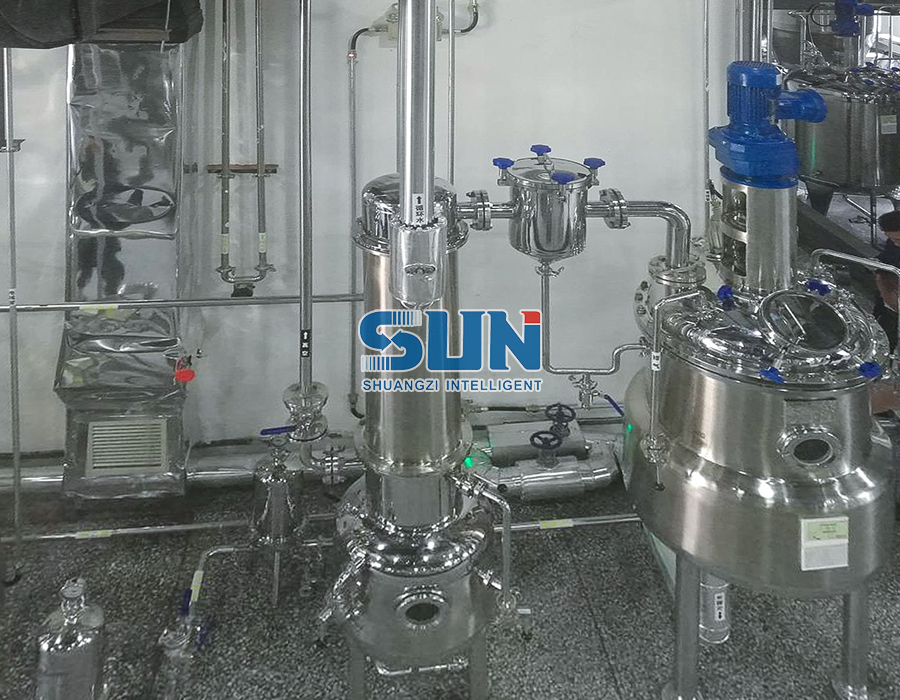
The Bio Fermentation Tank System for Human Milk Oligosaccharides is developed to meet these demanding production needs. It provides a controlled biological reaction environment in which microorganisms can efficiently metabolize substrates and produce target HMO compounds under optimized conditions. By regulating temperature, pH, dissolved oxygen, agitation speed, aeration, pressure, foam, feeding, and sterilization procedures, the system supports both research-scale development and large-scale commercial manufacturing. Its capacity range covers laboratory scale from 5 L to 20 L, pilot scale from 30 L to 400 L, and industrial scale from 500 L to 300 t, making it suitable for enterprises at different stages of process development and production expansion.
Compared with ordinary fermentation vessels, this system emphasizes aseptic reliability, process precision, material quality, mechanical stability, and engineering integration. It is suitable for manufacturers that need to move from laboratory validation to pilot optimization and then to full industrial production without losing process consistency. The equipment is manufactured using SUS304 or SUS316L stainless steel, supports mechanical sealing, adopts a two four-straight-blade turbine agitator design, and can be customized according to project voltage requirements. With carefully selected drive components, advanced welding and finishing processes, and strong EPC/EPCM project execution capabilities, the system provides a comprehensive solution for biological fermentation projects involving human milk oligosaccharides and other high-value bio-based products.
Bio Fermentation Tank System for Human Milk Oligosaccharides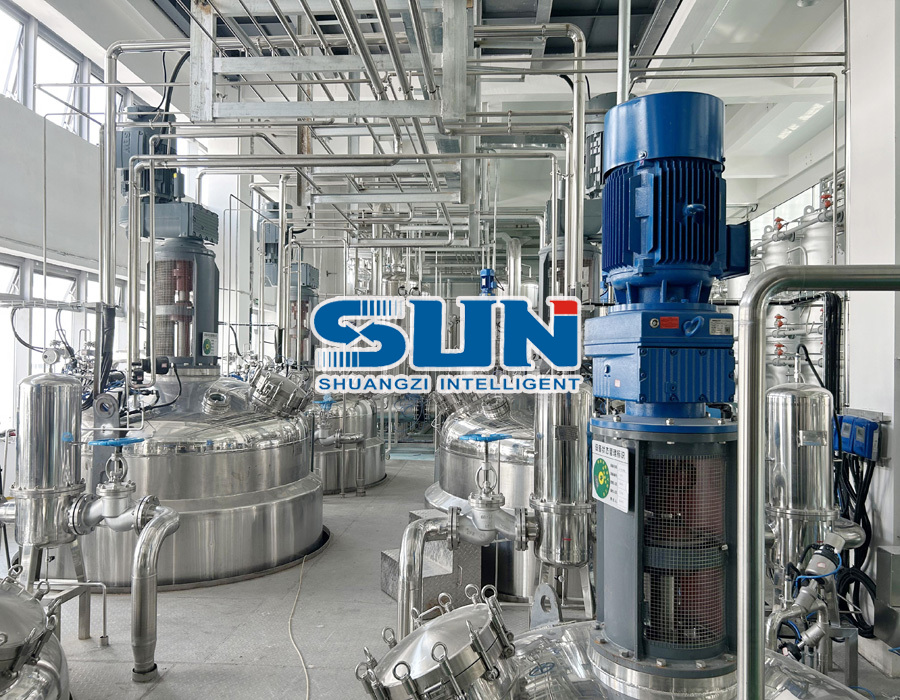
Understanding the Role of Fermentation in HMO Manufacturing
Human milk oligosaccharides are complex carbohydrates naturally present in human breast milk. They are recognized for their role in supporting gut microbiota balance, immune system development, and protective functions in early life nutrition. Because extraction from natural human milk is neither practical nor scalable, modern HMO production relies heavily on microbial fermentation and biochemical conversion. Fermentation enables engineered or selected microorganisms to synthesize specific oligosaccharide structures in controlled tanks using defined nutrients, carbon sources, and process conditions.
The fermentation tank system is therefore central to HMO production. Even if a strain has excellent genetic potential, its industrial performance depends on the quality of the cultivation environment. Microorganisms are sensitive to oxygen availability, shear stress, temperature fluctuation, pH drift, nutrient limitation, metabolic by-product accumulation, and contamination. A well-designed fermentation system helps reduce these risks by maintaining stable operating conditions throughout the batch, fed-batch, or continuous process. For HMO production, where product value is high and quality expectations are strict, the equipment must support reproducibility from one batch to the next.
In HMO fermentation, precise control is especially important because small deviations can influence cell growth, sugar metabolism, precursor utilization, and product distribution. The tank must allow sufficient mixing to prevent concentration gradients, while avoiding excessive shear that may damage cells or reduce productivity. Aeration and agitation must be coordinated to maintain dissolved oxygen levels appropriate for the selected microbial system. pH control must respond rapidly to metabolic acid or base formation. Temperature control must be uniform across the vessel volume. Every design detail contributes to yield, purity, energy consumption, and process safety.
This bio fermentation tank system addresses these requirements by combining stainless-steel vessel construction, efficient agitation, stable mechanical sealing, integrated control options, and scalable engineering design. Its purpose is not limited to holding liquid; it is designed as an active production environment in which biological reactions can be guided with accuracy and reliability. This makes it suitable for HMO production as well as other bio-fermentation applications, including probiotics, citric acid, enzymes, antibiotics, vaccines, antibody-related processes, insulin-related fermentation, bio-based chemicals, biological pesticides, biological fertilizers, and environmental biotechnology processes.
Product Overview
The Bio Fermentation Tank System for Human Milk Oligosaccharides is a complete fermentation equipment solution for biological manufacturing. It is designed for laboratory research, pilot testing, scale-up studies, and commercial industrial production. The system supports multiple production scales, allowing customers to select a configuration that matches their current process stage while maintaining a clear path toward future expansion.
At laboratory scale, the 5 L to 20 L range is suitable for strain screening, initial process development, parameter testing, and small-batch validation. Researchers can study microbial behavior under controlled conditions and identify optimal pH, temperature, agitation, aeration, and feeding strategies. At pilot scale, the 30 L to 400 L range enables process verification, scale-up modeling, productivity testing, and preparation for regulatory or commercial production planning. At industrial scale, the 500 L to 300 t range supports high-volume manufacturing of HMOs and other fermentation-derived products.
The vessel material can be SUS304 or SUS316L stainless steel. SUS304 provides strong corrosion resistance and mechanical durability for many standard fermentation applications. SUS316L offers enhanced corrosion resistance and is often preferred where higher sanitary standards, more aggressive media, or stricter product quality requirements are involved. The selection depends on process composition, cleaning strategy, production standards, and customer requirements.
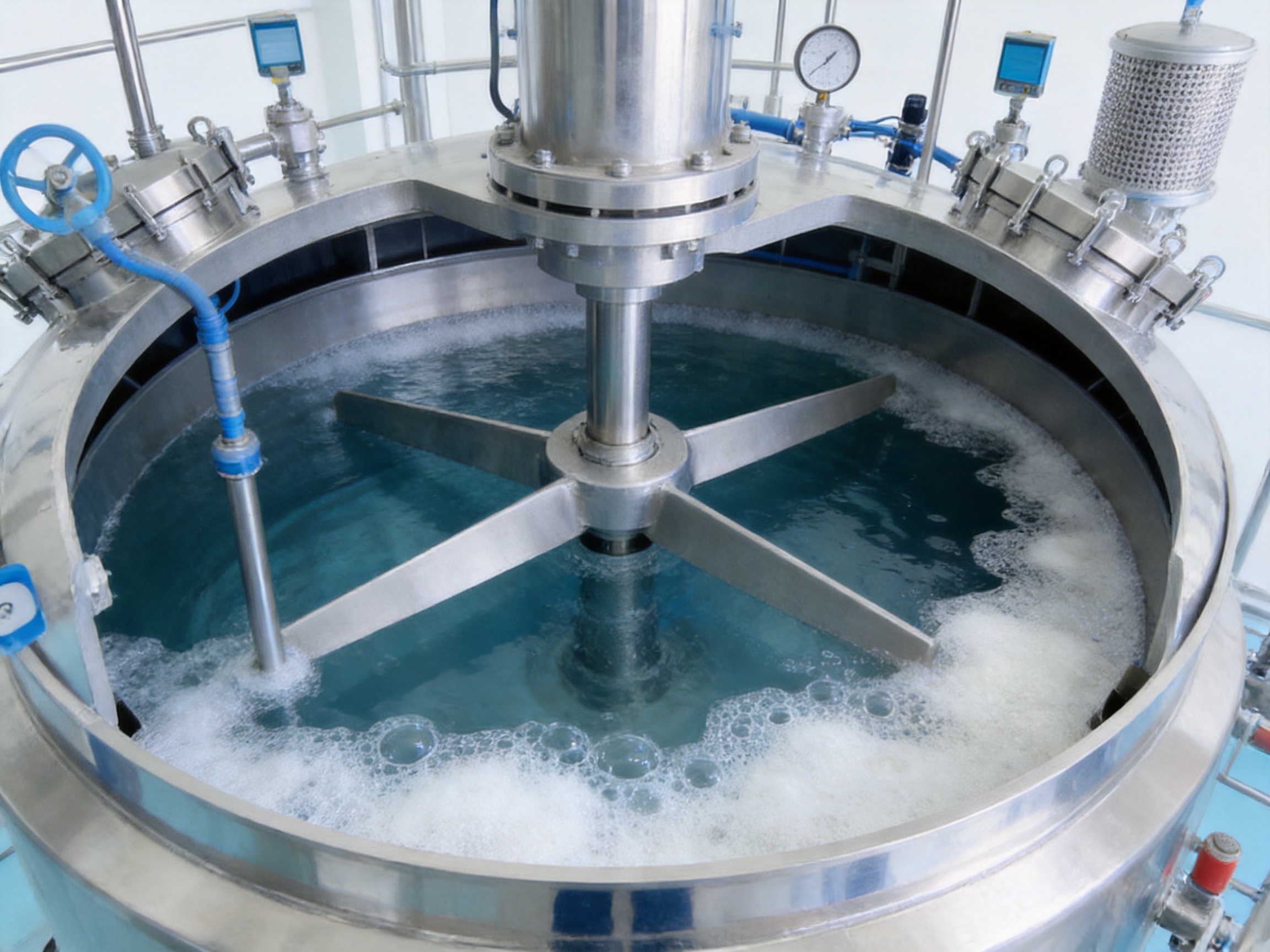
The system uses a two four-straight-blade turbine agitator type. This agitator configuration is designed to promote effective mixing, gas-liquid dispersion, and uniform distribution of nutrients, cells, dissolved oxygen, and heat. Uniform mixing is essential in HMO fermentation because uneven nutrient concentration or oxygen transfer can lead to inconsistent metabolism and lower product yield. The mechanical sealing design helps maintain aseptic integrity and reduces contamination risks during operation.
Voltage can be made to order, which is important for international projects because installation environments vary by country and region. Motor selection can use high-quality drive solutions such as SEW, supporting stable operation, torque reliability, and long-term equipment performance. For customers seeking turnkey solutions, the system can be integrated with process piping, control cabinets, sterilization systems, feeding systems, utility connections, and downstream equipment as part of a complete fermentation production line.
Core Technical Parameters
Item |
Specification |
Production Significance |
Application |
Human milk oligosaccharides and other biological fermentation products |
Supports high-value bio-based manufacturing with strict process control |
Capacity Range |
Lab scale: 5 L-20 L; pilot scale: 30 L-400 L; industrial scale: 500 L-300 t |
Enables smooth transition from R&D to industrial production |
Material |
SUS304 or SUS316L stainless steel |
Provides corrosion resistance, sanitary performance, and long service life |
Agitator |
Two four-straight-blade turbine type |
Improves mixing efficiency, gas dispersion, and process uniformity |
Sealing |
Mechanical sealing |
Helps maintain aseptic operation and reduces contamination risk |
Voltage |
Made to order |
Adapts to different project sites and international electrical standards |
Motor Brand |
SEW or project-specified configuration |
Supports stable drive performance and reliable long-term operation |
Project Mode |
Equipment supply, system integration, EPC, EPCM, and turnkey project service |
Reduces customer coordination burden and improves project delivery efficiency |
Why HMO Production Requires Advanced Fermentation Equipment
HMO production is more technically demanding than many conventional fermentation applications. Products such as organic acids or simple enzymes may tolerate wider variation in process conditions, but HMO manufacturing often requires tight control of microbial metabolic pathways. The target molecules can be structurally specific, and fermentation conditions may influence product profile, impurity formation, and downstream purification difficulty.
A basic tank may be able to support microbial growth, but it may not provide the level of precision required for reproducible HMO production. When dissolved oxygen is unstable, cells may shift metabolism and generate unwanted by-products. When pH control is delayed, enzyme activity and cell viability may be affected. When mixing is insufficient, local substrate excess can cause metabolic stress. When sterilization or sealing design is weak, contamination can compromise an entire batch. In high-value HMO production, batch failure is costly not only because of lost materials, but also because of production time, labor, utilities, quality testing, and delivery schedules.
The system therefore focuses on controlled bioprocessing. It enables real-time adjustment of key fermentation parameters and supports efficient material mixing. The aseptic design philosophy helps prevent contamination by miscellaneous bacteria or unwanted microorganisms. This is particularly important for HMO fermentation because downstream purification is already complex; preventing contamination at the source reduces the burden on later separation and quality control steps.
Another important requirement is scalability. A fermentation condition that works in a small flask or small laboratory vessel may not perform the same way in a 5,000 L or 50,000 L production tank. Mixing time, oxygen transfer, heat removal, foam behavior, and feeding dynamics all change with scale. A system supplier with experience in laboratory, pilot, and industrial fermentation can help customers design equipment that preserves critical process parameters during scale-up. The wide capacity range of this bio fermentation tank system is a key advantage for enterprises that want to develop a long-term HMO production platform.
Advantages Over Conventional Fermentation Systems
One of the main advantages of this system is its broad scalability. Many equipment suppliers specialize only in laboratory fermenters or only in large storage-type vessels. In contrast, this system can cover laboratory scale, pilot scale, and industrial scale. This matters because HMO production often begins with laboratory process development, then requires pilot confirmation before commercial investment. Using compatible design principles across all scales reduces technical discontinuity and helps customers establish a reliable scale-up path.
Another advantage is the emphasis on process control. Fermentation tanks used for high-value biological products must regulate temperature, pH, dissolved oxygen, and agitation speed with precision. Ordinary tanks may provide only basic heating and stirring, which is insufficient for sensitive microbial production. The described system is engineered around biological reaction requirements, helping users create a stable environment for growth and metabolism.
Aseptic reliability is also a competitive strength. Contamination prevention is one of the most important indicators of fermentation equipment quality. The use of mechanical sealing, stainless-steel sanitary construction, controlled interfaces, and carefully manufactured vessel surfaces helps reduce microbial contamination risk. In HMO production, contamination can result in product loss, unwanted metabolites, difficult purification, or failure to meet quality expectations. A tank that prioritizes aseptic design protects both product value and production schedule.
The material selection of SUS304 or SUS316L stainless steel provides flexibility and durability. Some competitors may use lower-grade materials, thinner construction, or poorly finished internal surfaces to reduce initial cost. Such choices may increase maintenance problems, cleaning difficulty, corrosion risk, and long-term operating expense. A robust stainless-steel fermentation vessel offers better lifecycle value, especially when used in frequent batch production.
The two four-straight-blade turbine agitator design contributes to mixing performance. In fermentation, mixing is not simply a mechanical function; it directly affects biological productivity. Poor mixing creates gradients in oxygen, nutrients, temperature, and pH. These gradients can reduce microbial efficiency and cause inconsistent product quality. The agitator design supports uniform distribution and efficient gas-liquid contact, helping the process remain stable even as viscosity, biomass concentration, and gas flow change during fermentation.
Customization is another important advantage. Voltage can be made to order, and the system can be adapted to different plant layouts, utilities, production scales, and automation requirements. HMO manufacturers often have unique process routes, strain requirements, feed strategies, and downstream integration needs. A standardized off-the-shelf vessel may not fit the real production environment. A customized tank system improves compatibility with the whole production line.
The company behind the equipment also offers more than vessel manufacturing. Zhejiang Shuangzi Intelligent Equipment Co., Ltd. provides process technology support, automation engineering design, equipment manufacturing, matching purchase, installation, equipment system integration, and turnkey project service. This integrated capability gives customers a single-source partner for complex biological fermentation projects. Compared with suppliers that only sell standalone hardware, a project-oriented manufacturer can reduce coordination difficulties, shorten implementation time, and improve overall system reliability.
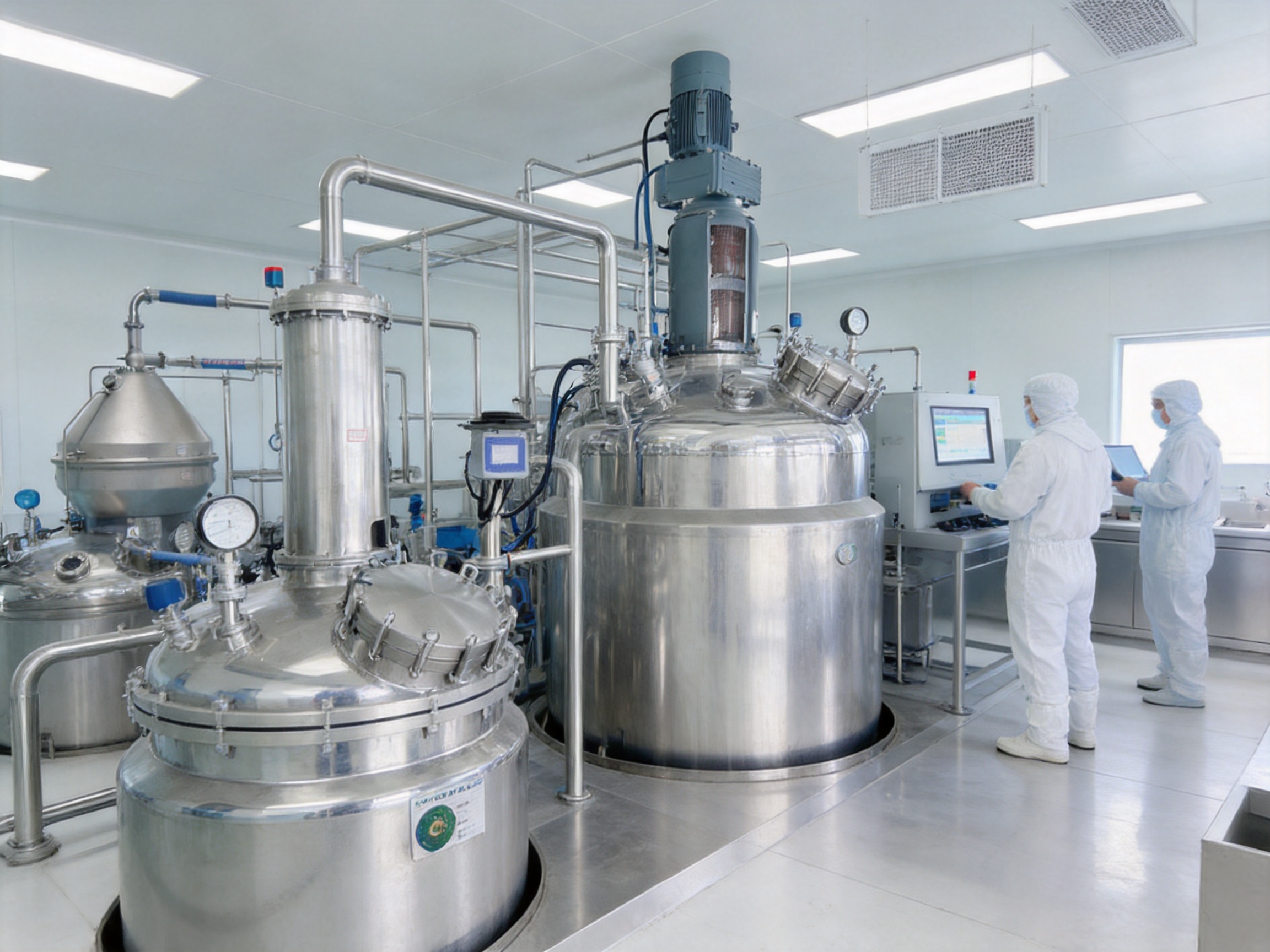
Precision Control of Temperature, pH, Dissolved Oxygen, and Agitation
Temperature control is fundamental to microbial fermentation. Every production strain has an optimal temperature range, and deviations can reduce growth rate, alter metabolism, increase impurity formation, or cause cell stress. In HMO fermentation, the temperature profile may need to be adjusted during different stages, such as seed culture, growth phase, induction phase, and production phase. A well-designed tank supports uniform heat transfer and responsive temperature management so that the entire culture volume remains within the target range.
pH control is equally critical. Microbial metabolism often produces acids or bases, and substrate feeding can also change pH. If pH drifts outside the optimal range, enzymes involved in oligosaccharide synthesis may lose activity, cell membranes may become stressed, and product yield may decline. A fermentation tank system designed for biological manufacturing includes pH monitoring and control interfaces, enabling acid or alkali addition according to process needs.
Dissolved oxygen is one of the most challenging parameters in aerobic fermentation. Microorganisms consume oxygen rapidly, and oxygen has limited solubility in aqueous media. The system must combine agitation and aeration to transfer oxygen from gas bubbles into the liquid phase. The agitator design, gas distribution, vessel geometry, and control strategy all influence oxygen transfer efficiency. For HMO-producing microorganisms, maintaining suitable dissolved oxygen can support stable metabolism and reduce unwanted by-product formation.
Agitation speed affects mixing, oxygen transfer, heat distribution, suspension of cells, and foam formation. Too little agitation causes gradients; too much agitation can generate shear stress or excessive foaming. The use of a turbine agitator helps balance mixing intensity and gas dispersion. During process development, operators can identify the best agitation profile for each production stage, then apply it consistently during scale-up.
Competitor systems that lack integrated or responsive control may require more manual intervention. Manual control increases operator workload and creates higher risk of batch variability. A fermentation tank system with proper instrumentation and automation readiness helps standardize production and improves data collection. This is especially important for manufacturers seeking quality consistency, traceability, and future compliance with food, pharmaceutical, or functional ingredient standards.
Aseptic Design and Contamination Prevention
In biological fermentation, contamination is one of the most serious production risks. A small amount of unwanted microorganism can compete for nutrients, produce undesirable metabolites, change pH, consume oxygen, or degrade the target product. For high-value HMO production, contamination can result in complete batch rejection. Therefore, the fermentation tank must be designed to support strict aseptic operation.
The mechanical sealing system helps protect the rotating agitator shaft interface, which is one of the most vulnerable points in a fermenter. Compared with simple packing seals or less robust sealing approaches, mechanical sealing offers better containment and helps maintain sterile conditions during long fermentation cycles. Reliable sealing is particularly important in industrial production, where batches may run for extended periods and equipment is exposed to repeated sterilization and cleaning cycles.
Stainless-steel construction also supports aseptic performance. Smooth internal surfaces reduce the risk of microbial retention and make cleaning more effective. SUS316L can be selected when higher corrosion resistance or sanitary requirements are needed. High-quality welding and finishing processes are essential because rough welds, dead corners, and poor polishing can become contamination sites. Advanced manufacturing capability directly affects biological safety.
The company uses advanced welding and finishing equipment, including plasma argon arc welding machines, plasma cutting machines, CAM CNC machining centers, and other modern production equipment. These manufacturing resources support accurate fabrication, consistent weld quality, controlled dimensional tolerances, and improved surface finish. In fermentation equipment, manufacturing quality is not cosmetic; it is directly linked to cleanability, sterility, pressure integrity, and service life.
Aseptic assurance also depends on system integration. Valves, ports, sampling devices, feeding lines, air filters, exhaust systems, and cleaning connections must all be designed as part of the sterile boundary. A supplier with system integration experience can help reduce weak points that might occur when separate components are purchased from multiple sources without unified engineering. This is one reason turnkey project capability is valuable for HMO fermentation facilities.
Efficient Mixing and Gas-Liquid Transfer
Efficient mixing is essential for biological productivity. In a fermentation tank, microorganisms must encounter nutrients, dissolved gases, and controlled environmental conditions in a consistent way. If substrate is added but not quickly distributed, local high concentrations may inhibit cells or cause metabolic imbalance. If oxygen is not dispersed efficiently, cells in different regions of the tank may experience different oxygen levels. If heat is not distributed evenly, temperature zones may form. The agitator and vessel design help prevent these problems.
The two four-straight-blade turbine agitator type is suitable for promoting radial flow, gas dispersion, and uniform mixing. In aerated fermentation, turbine blades can break gas into smaller bubbles and increase gas-liquid contact area. This improves oxygen transfer and helps maintain dissolved oxygen levels. The configuration can also support suspension of biomass and uniform distribution of feed solutions.
For HMO fermentation, mixing affects both cell growth and product formation. Many HMO processes involve controlled feeding of carbon sources, precursors, or nutrients. Feed concentration at the point of addition can be high, and rapid dispersion is necessary to avoid substrate inhibition or uneven metabolic response. A well-mixed vessel supports more predictable fermentation kinetics and easier process control.
Competitor products may use simple agitators that are adequate for low-demand mixing but less effective for biological processes requiring oxygen transfer. Some designs may create vortexing, dead zones, or excessive shear. By selecting an appropriate turbine agitator and matching it with vessel capacity and motor performance, this system provides a stronger foundation for reproducible fermentation.
In industrial scale tanks, mixing becomes more complex because volume increases faster than surface area, and oxygen transfer limitations become more significant. The system’s availability up to 300 t indicates engineering capability for large-scale biological production. Large fermenters require careful mechanical design, drive selection, shaft stability, support structure, and process control. This capability is a clear advantage for customers planning commercial HMO production.
Material Quality and Stainless-Steel Fabrication
The choice of material has a long-term impact on equipment performance. SUS304 and SUS316L are widely used in food, pharmaceutical, and biotechnology equipment because of their corrosion resistance, mechanical strength, and sanitary characteristics. In fermentation, the tank may contact nutrient media, salts, acids, bases, cleaning agents, sterilizing steam, and process gases. The selected stainless steel must withstand these conditions while maintaining surface integrity.
SUS304 is a practical option for many standard fermentation environments. It provides reliable corrosion resistance and is suitable for numerous food and industrial biological processes. SUS316L contains molybdenum and has lower carbon content, offering improved resistance to certain corrosive conditions and reducing risk of intergranular corrosion after welding. For HMO production involving strict quality standards or more demanding cleaning procedures, SUS316L may provide additional confidence.
Manufacturing quality is just as important as material grade. Poor welding can create cracks, pits, inclusions, or rough areas that trap residues and microorganisms. In contrast, advanced welding and finishing processes produce smoother joints and stronger structures. The company’s use of plasma argon arc welding and precision cutting supports high-quality stainless-steel fabrication. CAM CNC machining capability helps ensure component accuracy and repeatability.
Compared with low-cost competitors that may rely on basic fabrication methods, advanced manufacturing reduces the risk of leakage, deformation, cleaning difficulty, and premature corrosion. It also improves the appearance and professional standard of the equipment, which matters in facilities that must meet customer audits or quality inspections. For HMO manufacturers supplying food or health-related markets, equipment quality can influence buyer confidence and regulatory readiness.
The company’s production experience across fermentation, extraction, concentration, separation, drying, and container equipment also strengthens its manufacturing foundation. Biological fermentation systems often need to connect with downstream processes such as filtration, separation, concentration, crystallization, or drying. A manufacturer familiar with these unit operations can design equipment interfaces more intelligently and help customers plan complete production lines.
Scalability from Laboratory Development to Industrial Production
Scale-up is one of the most difficult challenges in biotechnology. A strain may perform well in a small laboratory fermenter but fail to achieve the same yield in a larger tank. The reasons include changes in oxygen transfer, mixing time, heat removal, pressure, shear, foam, and feeding distribution. Successful scale-up requires not only larger equipment but also engineering understanding of biological process behavior.
The Bio Fermentation Tank System for Human Milk Oligosaccharides offers a wide capacity range that supports stepwise development. Laboratory models from 5 L to 20 L allow researchers to explore process parameters efficiently. Pilot models from 30 L to 400 L provide a bridge between research and commercial production. Industrial models from 500 L to 300 t enable full-scale manufacturing. This structure helps customers reduce risk by validating each step before investing in larger capacity.
Using related equipment designs across different scales can improve process transfer. Operators can maintain similar control strategies, data collection methods, material compatibility, and sterilization concepts. While physical scale-up always requires adjustment, continuity in equipment philosophy reduces unnecessary changes. A supplier capable of providing multiple scales can also support customers as their business grows.
For HMO projects, this scalability is especially important because market demand can expand rapidly once product quality and cost competitiveness are proven. A company may start with pilot production for sample supply and customer validation, then need to build industrial capacity. Working with a system provider that understands both pilot and industrial requirements helps prevent redesign delays and reduces technical uncertainty.
The company’s ability to provide engineering design, equipment design, installation, line debugging, and turnkey project service further supports scale-up. Instead of purchasing isolated tanks and solving integration problems independently, customers can obtain a coordinated production system. This is a significant advantage over competitors that supply only standard catalog equipment without process engineering support.
Automation and Process Integration
Modern fermentation manufacturing increasingly depends on automation. Automated control improves batch consistency, reduces operator error, supports data recording, and enables faster response to process changes. In HMO production, automation can help manage complex feeding strategies, oxygen control, pH correction, temperature profiles, foam control, sterilization sequences, and alarm handling.
The system is suitable for integration with automation engineering design. Zhejiang Shuangzi Intelligent Equipment Co., Ltd. focuses on process technology and automation engineering, making it capable of delivering more than mechanical hardware. Automation can be adapted according to customer needs, from basic parameter monitoring to advanced control architecture for complete production lines.
Process integration may include seed tanks, main fermentation tanks, medium preparation tanks, sterilization systems, air filtration, exhaust treatment, feeding systems, clean utilities, transfer lines, downstream separation, concentration, crystallization, drying, and packaging preparation. The fermentation tank sits at the center of this network. If it is not properly integrated, bottlenecks can occur before or after fermentation. A turnkey project approach helps ensure that equipment capacities, pipe sizes, control logic, and utility requirements are balanced.
Compared with competitors that only provide the vessel, integrated engineering offers practical benefits. Customers save time in supplier coordination, reduce interface errors, and gain a more coherent production line. During installation and commissioning, a system integrator can troubleshoot issues across the whole line rather than only within one piece of equipment. This is particularly valuable for HMO facilities, where upstream and downstream operations must be carefully coordinated to protect product quality.
Automation also supports quality management. Recorded process data can help investigate deviations, compare batch performance, and optimize production over time. For food and biotechnology applications, traceability is increasingly important. A fermentation system designed with automation readiness helps customers prepare for higher standards of documentation and process control.
Applications Beyond Human Milk Oligosaccharides
Although the product is highlighted for human milk oligosaccharides, the same fermentation platform can serve many biological manufacturing fields. In food and beverage production, fermentation tanks are used for yogurt, beer, wine, citric acid, probiotic preparations, and other functional ingredients. In health-related applications, fermentation supports production of antibiotics, vaccines, antibody drugs, insulin-related products, and enzyme preparations. In biochemical engineering, fermentation can produce biofuels, biodegradable plastic raw materials, and other green chemicals.
Environmental applications are also significant. Fermentation and biological treatment systems can help process organic waste and industrial wastewater, contributing to pollution control and resource recovery. In agriculture, fermentation equipment can produce biological pesticides and biological fertilizers, supporting ecological farming and reduced chemical dependence.
This broad application range demonstrates the versatility of the tank system. For customers investing in HMO production, future product diversification may be possible using similar fermentation infrastructure with appropriate process modifications. A robust tank system therefore offers long-term strategic value. It can support not only one product but also a broader biotechnology manufacturing platform.
The company’s experience in plant extraction, biological fermentation, pharmaceutical engineering, natural food, energy conservation, and environmental protection further enhances this versatility. A manufacturer with cross-industry experience can apply proven design principles from different sectors and provide practical guidance for multi-product facilities.
Advanced Manufacturing Strengths of the Supplier
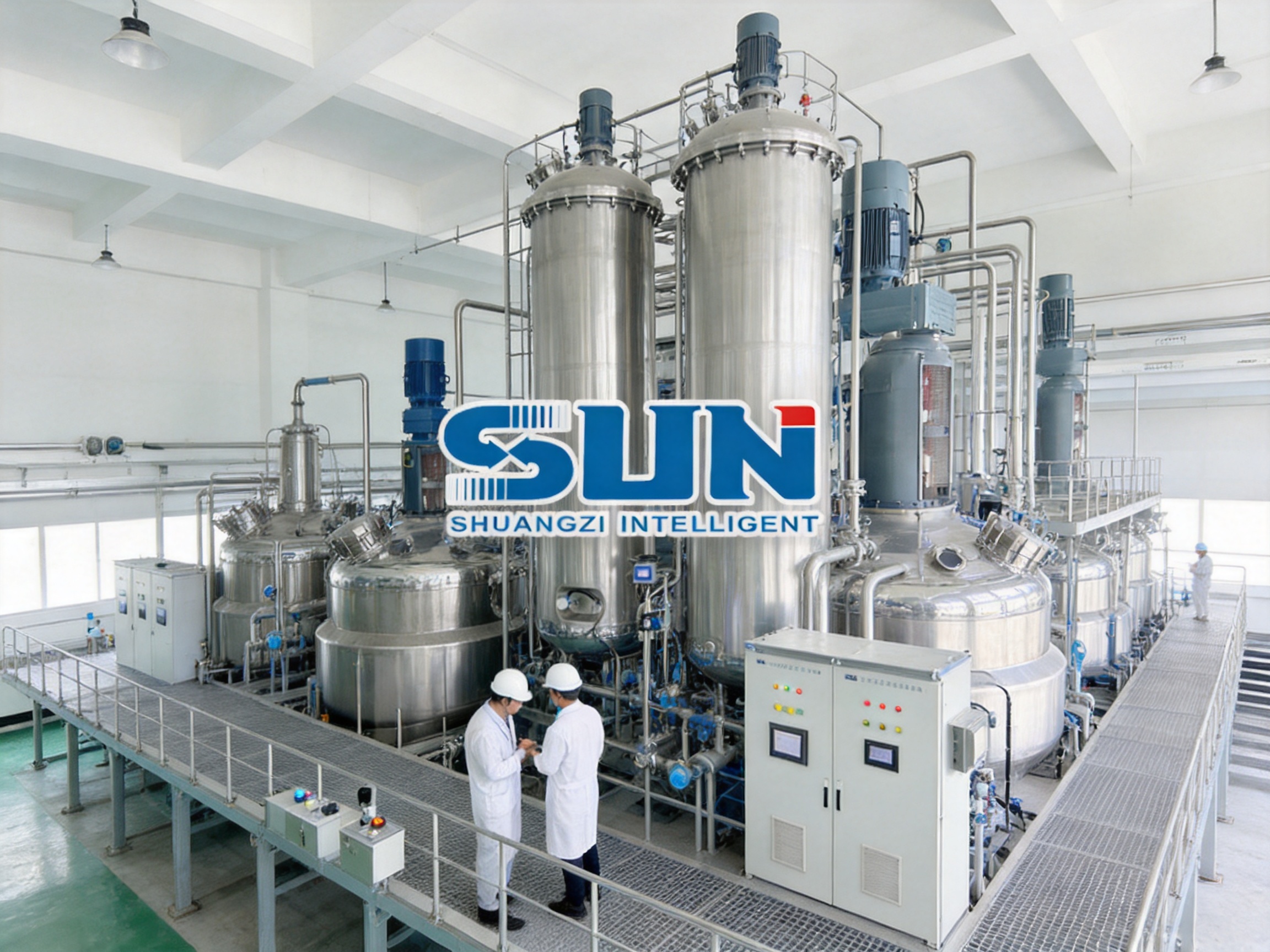
Zhejiang Shuangzi Intelligent Equipment Co., Ltd. is a professional biology and medical equipment enterprise founded in 2007. The company operates with EPC and EPCM as core project modes and focuses on process technology, automation engineering design, equipment manufacture, matching purchase, installation, equipment system integration, and turnkey project service. Its service fields include plant extraction, biological fermentation, pharmaceutical engineering, natural food, energy conservation, and environmental protection.
The company covers a floor area of 16,706 square meters and a structure area of 17,800 square meters. This physical manufacturing base supports equipment production, assembly, testing, and project execution. Strong technical capability is important for fermentation tank systems because biological production equipment requires mechanical engineering, sanitary design, automation, process understanding, and installation experience.
Mature products include vacuum low-temperature drying equipment, complete fermentation system equipment, evaporation and concentration equipment, extraction equipment, separation equipment, crystallization equipment, filtration equipment, containers, and related process systems. This product portfolio enables the company to support complete production lines rather than isolated units. For HMO production, downstream steps such as filtration, concentration, separation, and drying are often necessary after fermentation. A supplier that understands these systems can design smoother connections from fermentation to final ingredient preparation.
The company also has pilot production workshop and R&D platform capabilities aligned with automation and GMP-oriented requirements. This is valuable because many customers need pilot research before full industrialization. A supplier that understands pilot testing can help design equipment that supports experimentation, validation, and process improvement.
Advanced manufacturing equipment includes plasma argon arc welding machines, plasma cutting machines, CAM CNC machining centers, and other modern processing tools. These capabilities support precision fabrication and high-quality stainless-steel equipment. In fermentation tanks, precision directly affects cleaning, sealing, agitation stability, pressure performance, and long-term durability. The combination of engineering design and manufacturing capability gives the company an advantage over trading companies or low-technology workshops.
Turnkey Project Capability for HMO Facilities
Building an HMO fermentation facility is a complex project. It involves process design, equipment selection, building layout, utilities, automation, sterilization strategy, clean area planning, installation, commissioning, staff training, and future maintenance. A customer that purchases equipment from many unrelated suppliers may face mismatched interfaces, delayed schedules, and unclear responsibility. Turnkey capability helps solve these problems.
As an EPC/EPCM-oriented enterprise, the company can provide engineering, process design, equipment design, installation, line debugging, and related services. EPC generally refers to engineering, procurement, and construction, while EPCM refers to engineering, procurement, and construction management. These project models are suitable for customers who want a complete production system rather than individual machines.
For HMO production, turnkey delivery can include the main fermentation tanks, seed culture systems, medium preparation, sterilization, process piping, air and steam utilities, control systems, feeding systems, cleaning connections, and downstream equipment integration. The supplier can help ensure that capacities are balanced and that the process flow is practical. This reduces the risk of bottlenecks, contamination points, or inefficient plant operation.
Turnkey capability is a major competitive advantage. Some competitors may offer attractive prices for single tanks but lack the engineering depth to deliver a complete fermentation line. In high-value biotechnology projects, the lowest equipment price does not always produce the lowest total cost. Poor integration can cause expensive delays, repeated modifications, batch failures, and operational inefficiency. A system supplier with turnkey experience can improve project reliability and lifecycle value.
Lifecycle Value and Operational Reliability
When evaluating a fermentation tank system, customers should consider lifecycle value rather than only initial purchase cost. A low-cost tank may appear attractive, but if it has poor mixing, weak sealing, rough internal surfaces, unreliable motors, or limited automation, it may increase operating cost and production risk. For HMO production, batch value can be high, so reliability has direct economic importance.
This system supports lifecycle value through durable stainless-steel construction, stable mechanical sealing, efficient agitation, custom voltage adaptation, and integration capability. The use of recognized motor solutions such as SEW contributes to drive reliability. Proper agitation reduces batch variation and supports productivity. Aseptic design reduces contamination risk. Scalable equipment reduces redevelopment cost during expansion.
Maintenance is another lifecycle consideration. Well-fabricated stainless-steel tanks with quality welds and accessible components are easier to clean, inspect, and service. Mechanical sealing systems should be selected and installed to support long-term operation. A supplier with manufacturing and installation experience can provide better support during equipment commissioning and future upgrades.
Operational reliability also depends on training and process knowledge. Turnkey project suppliers can help operators understand system functions, parameter control, cleaning procedures, sterilization logic, and troubleshooting. This knowledge transfer is especially important for customers entering HMO fermentation for the first time or expanding from pilot to industrial scale.
Quality, Safety, and Compliance Considerations
HMO products are often intended for sensitive applications such as infant nutrition and functional food ingredients. As a result, production equipment must support high standards of quality and safety. While final compliance depends on the complete facility, process validation, raw materials, strain management, and quality systems, the fermentation tank is a foundational element.
Sanitary stainless-steel construction helps reduce residue accumulation and contamination risk. Accurate process control helps produce consistent batches. Automation and data recording can support traceability. Proper cleaning and sterilization design help maintain hygienic production. Reliable sealing prevents external contamination and protects the process environment.
In addition, equipment design should consider operator safety. Fermentation systems may involve pressure, steam, hot surfaces, rotating equipment, chemicals, and compressed air. Professional engineering helps ensure safe operation, appropriate instrumentation, and practical maintenance access. A supplier with engineering project experience can help address these issues during design and installation.
Compared with generic tanks, a fermentation system designed for biological production provides stronger support for quality management. This difference becomes more important as customers move toward commercial production and face audits from buyers, partners, or regulatory authorities.
Practical Selection Guidance for Customers
Customers selecting a fermentation tank system for HMO production should first define the production stage. Laboratory users may need flexible small-scale tanks for parameter development. Pilot users may need equipment that closely reflects future industrial design. Commercial manufacturers need robust large-scale systems with reliable automation, cleaning, sterilization, and utility integration.
The second consideration is material. SUS304 may be suitable for many applications, while SUS316L may be preferred for stricter sanitary requirements or more corrosive process conditions. Customers should evaluate medium composition, cleaning chemicals, sterilization method, product quality requirements, and long-term maintenance expectations.
The third consideration is mixing and oxygen transfer. HMO fermentation may require controlled aerobic conditions. The agitator type, motor capacity, gas flow, vessel geometry, and control strategy should be matched to the process. Customers should not select a tank based only on volume; biological performance depends on mass transfer and mixing efficiency.
The fourth consideration is automation. Manual systems may be acceptable for early experiments but are usually insufficient for consistent industrial HMO production. Automated control of pH, temperature, dissolved oxygen, agitation, feeding, and alarms can improve reproducibility and reduce operator burden.
The fifth consideration is supplier capability. A supplier with process design, manufacturing, installation, system integration, and turnkey service offers greater value than a supplier that only sells a vessel. For complex HMO projects, engineering support can be as important as equipment hardware.
Frequently Asked Questions
What is the Bio Fermentation Tank System for Human Milk Oligosaccharides used for?
It is used to create a controlled microbial fermentation environment for producing human milk oligosaccharides and other biological products. The system regulates key parameters such as temperature, pH, dissolved oxygen, agitation, and aeration to support stable microbial metabolism and product formation.
What production scales are available?
The system covers laboratory scale from 5 L to 20 L, pilot scale from 30 L to 400 L, and industrial scale from 500 L to 300 t. This wide range supports process research, scale-up validation, and commercial manufacturing.
Why is this system suitable for HMO production?
HMO fermentation requires strict control of microbial growth conditions, aseptic operation, efficient mixing, and reliable scale-up. This system provides stainless-steel construction, mechanical sealing, turbine agitation, customized engineering, and integration support, making it suitable for high-value oligosaccharide production.
Which stainless-steel materials can be selected?
The system can be manufactured using SUS304 or SUS316L stainless steel. SUS304 is suitable for many standard fermentation applications, while SUS316L offers enhanced corrosion resistance and is often preferred for stricter sanitary or demanding process conditions.
What is the advantage of the two four-straight-blade turbine agitator?
This agitator type improves mixing and gas dispersion. It helps distribute nutrients, cells, oxygen, and heat uniformly throughout the vessel, which supports stable microbial growth and consistent product formation.
How does mechanical sealing help fermentation production?
Mechanical sealing helps protect the rotating shaft interface and maintain aseptic conditions. It reduces contamination risk during operation, which is especially important for high-value biological products such as HMOs.
Can the system be customized for different countries or facilities?
Yes. Voltage can be made to order, and the system can be customized according to capacity, process requirements, plant layout, automation level, and utility conditions. This flexibility supports international projects and specialized production needs.
Does the supplier provide only tanks or complete production lines?
The supplier can provide individual equipment as well as system integration, process design, installation, line debugging, EPC, EPCM, and turnkey project services. This is valuable for customers building complete HMO fermentation facilities.
What advantages does this system have over low-cost competitors?
Its advantages include broader scale coverage, stronger aseptic design, higher-quality stainless-steel fabrication, efficient turbine agitation, process control capability, customization, advanced manufacturing equipment, and integrated project service. These factors can reduce batch risk and improve lifecycle value.
Can the same fermentation system be used for other products?
Yes. In addition to HMOs, the system can be applied to probiotics, citric acid, enzymes, antibiotics, vaccines, insulin-related fermentation, biofuels, biodegradable material precursors, biological pesticides, biological fertilizers, and wastewater-related biological treatment processes, depending on configuration and process design.
Conclusion
The Bio Fermentation Tank System for Human Milk Oligosaccharides is a high-value production platform for modern biological manufacturing. It supports the demanding requirements of HMO fermentation by providing precise environmental control, efficient agitation, aseptic reliability, stainless-steel durability, customizable engineering, and scale-up flexibility. From laboratory research to pilot verification and industrial production, the system helps manufacturers build a stable path toward commercial fermentation success.
Its advantages over conventional or low-cost competitors are clear. It is not merely a vessel but an integrated bioprocess system. It supports real-time control of key fermentation parameters, helps prevent contamination, improves mixing and gas-liquid transfer, and offers material options suitable for sanitary production. Its wide capacity range allows customers to develop, validate, and expand production with continuity.
The manufacturing and engineering strengths behind the product further increase its value. Zhejiang Shuangzi Intelligent Equipment Co., Ltd. brings experience in biological fermentation, pharmaceutical engineering, plant extraction, natural food, drying, concentration, separation, filtration, and turnkey project delivery. With advanced welding, cutting, machining, and automation engineering capabilities, the company can support both equipment quality and complete production line execution.
For producers of human milk oligosaccharides, choosing the right fermentation tank system is a strategic decision. The right system can improve yield stability, reduce contamination risk, simplify scale-up, support quality consistency, and lower total lifecycle cost. This bio fermentation tank system offers the technical foundation and project support needed for reliable HMO production in a competitive biotechnology market.
References
1. Stanbury, P. F., Whitaker, A., and Hall, S. J. Principles of Fermentation Technology. Butterworth-Heinemann.
2. Shuler, M. L., and Kargi, F. Bioprocess Engineering: Basic Concepts. Pearson Education.
3. Tamime, A. Y. Fermentation and Biochemical Engineering Handbook. William Andrew Publishing.
4. Kunz, C., Rudloff, S., Baier, W., Klein, N., and Strobel, S. Oligosaccharides in Human Milk: Structural, Functional, and Metabolic Aspects. Annual Review of Nutrition.
5. Bode, L. Human Milk Oligosaccharides: Every Baby Needs a Sugar Mama. Glycobiology.
6. Doran, P. M. Bioprocess Engineering Principles. Academic Press.
7. Flickinger, M. C. Encyclopedia of Industrial Biotechnology: Bioprocess, Bioseparation, and Cell Technology. Wiley.
8. McNeil, B., and Harvey, L. M. Practical Fermentation Technology. Wiley.