
 英语
 俄语
Content
- 1 What Is an MVR Evaporator?
- 2 Operating Principle of Mechanical Vapor Recompression
- 3 Major Components of an MVR Evaporator System
- 4 Energy Advantages Compared with Conventional Evaporation
- 5 Advantages over Conventional and Competing Solutions
- 6 Application Areas
- 7 Low-Temperature Evaporation and Product Protection
- 8 Engineering and Manufacturing Strengths
- 9 Turnkey Project Integration
- 10 Material Selection and Corrosion Control
- 11 Fouling, Scaling, and Crystallization Management
- 12 Operation, Maintenance, and Safety
- 13 How to Select the Correct MVR Evaporator
- 14 Expected Benefits for Industrial Users
- 15 Frequently Asked Questions
- 15.1 What does MVR stand for?
- 15.2 Does an MVR evaporator use steam?
- 15.3 Is an MVR evaporator suitable for wastewater?
- 15.4 Can an MVR system operate at low temperature?
- 15.5 What is the difference between MVR and multi-effect evaporation?
- 15.6 Can MVR evaporation recover water?
- 15.7 Can an MVR evaporator produce crystals?
- 15.8 What information is needed for a quotation?
- 15.9 How can energy savings be evaluated?
- 15.10 What industries can use this equipment?
- 15.11 How does the manufacturer support a turnkey project?
- 16 Conclusion
- 17 References
- 18 Product: MVR Evaporator
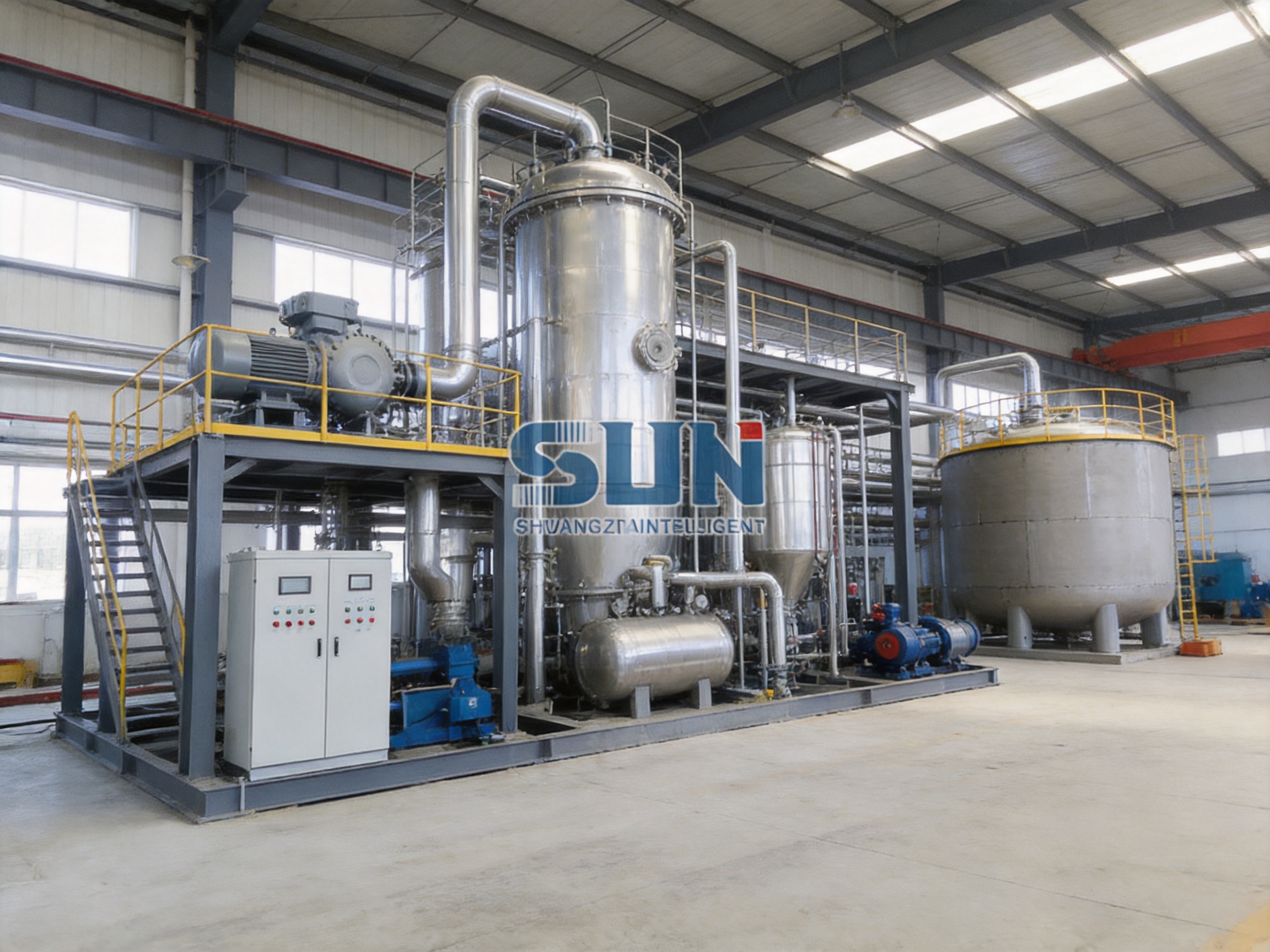
Modern industrial production increasingly depends on evaporation and concentration processes. Chemical manufacturers, pharmaceutical companies, food processors, plant extraction enterprises, wastewater treatment plants, and many other industries must remove water or other volatile components from process liquids. The challenge is to achieve the required concentration reliably while controlling steam consumption, electricity use, operating cost, floor space, product quality, and environmental impact.
The mechanical vapor recompression evaporator, commonly known as an MVR evaporator, is one of the most effective technologies for addressing these challenges. By recovering and compressing the secondary vapor produced during evaporation, the system reuses energy that would otherwise be discharged. This reduces the requirement for fresh steam and can significantly improve the thermal economy of the concentration process.
An MVR evaporator can be configured for chemical liquids, food products, pharmaceutical solutions, high-salt wastewater, electroplating wastewater, acid-pickling wastewater, sodium chloride solutions, sodium sulfate solutions, zinc chloride-containing wastewater, and many other difficult industrial streams. Its ability to operate continuously, recover vapor energy, and adapt to different process conditions makes it an important alternative to conventional single-effect and multi-effect evaporators.
This article explains the operating principle, equipment structure, energy advantages, industrial applications, manufacturing strengths, process design considerations, maintenance requirements, and selection criteria associated with MVR evaporation systems.
What Is an MVR Evaporator?
MVR means Mechanical Vapor Recompression. An MVR evaporator is a thermal separation system that uses a mechanical compressor to recompress the secondary vapor generated inside the evaporator. After compression, the vapor has a higher pressure, higher temperature, and higher enthalpy. It can then be returned to the heating chamber and used as heating steam.
In a conventional evaporator, vapor produced by boiling may be condensed and discharged or sent to another effect. In an MVR system, this vapor is not treated as waste. Instead, it is captured, compressed, and reused. The system therefore forms a closed energy-recovery loop in which the latent heat of the vapor is repeatedly utilized.
The main external energy input of an MVR system is electrical power for the compressor and auxiliary equipment. Fresh steam may be needed during startup, for process compensation, or under special operating conditions, but normal steady-state operation can require much less fresh steam than a conventional evaporator.
MVR technology is particularly attractive where steam supply is limited, where the price of steam is high, where a facility has restricted space, or where low-temperature evaporation is required. It can also be advantageous in wastewater treatment because it supports water recovery and concentration of dissolved salts or other nonvolatile components.
Operating Principle of Mechanical Vapor Recompression
Feed Preparation
The process begins when the feed liquid enters the evaporation system. Depending on the application, the feed may first pass through a strainer, preheater, pH adjustment unit, filtration stage, heat exchanger, or other pretreatment equipment. Proper feed preparation is important because suspended solids, crystals, oils, foam-forming substances, and corrosive components can influence heat-transfer performance and equipment life.
The feed is introduced into the heating or circulation section of the evaporator. A circulation pump may move the liquid through the heat-transfer surfaces at a controlled velocity. The circulation arrangement may be selected according to the viscosity, solids content, crystallization tendency, and thermal sensitivity of the material.
Evaporation in the Heating Chamber
Inside the heating chamber, heat is transferred through a heat-transfer surface to the process liquid. As the liquid reaches its boiling condition under the selected operating pressure, part of the solvent vaporizes. In many applications, the solvent is water, although other volatile components may also be involved.
The boiling point depends on the operating pressure and the composition of the liquid. Vacuum operation can reduce the boiling temperature, which is useful for heat-sensitive pharmaceutical, food, botanical, and biological materials. Lower-temperature operation can also help protect color, aroma, active ingredients, and other quality-sensitive components.
Separation of Liquid and Secondary Vapor
The vapor-liquid mixture leaving the heating section enters a vapor separator or evaporation chamber. The separator removes entrained droplets and returns separated liquid to the circulation loop or directs it toward the concentration outlet. The secondary vapor proceeds to the compressor after appropriate separation and protection stages.
Efficient vapor separation is essential. If liquid droplets enter the compressor, they may cause erosion, vibration, corrosion, or mechanical damage. A properly selected separator, demister, or droplet-removal system therefore contributes directly to equipment reliability and product recovery.
Compression and Energy Recovery
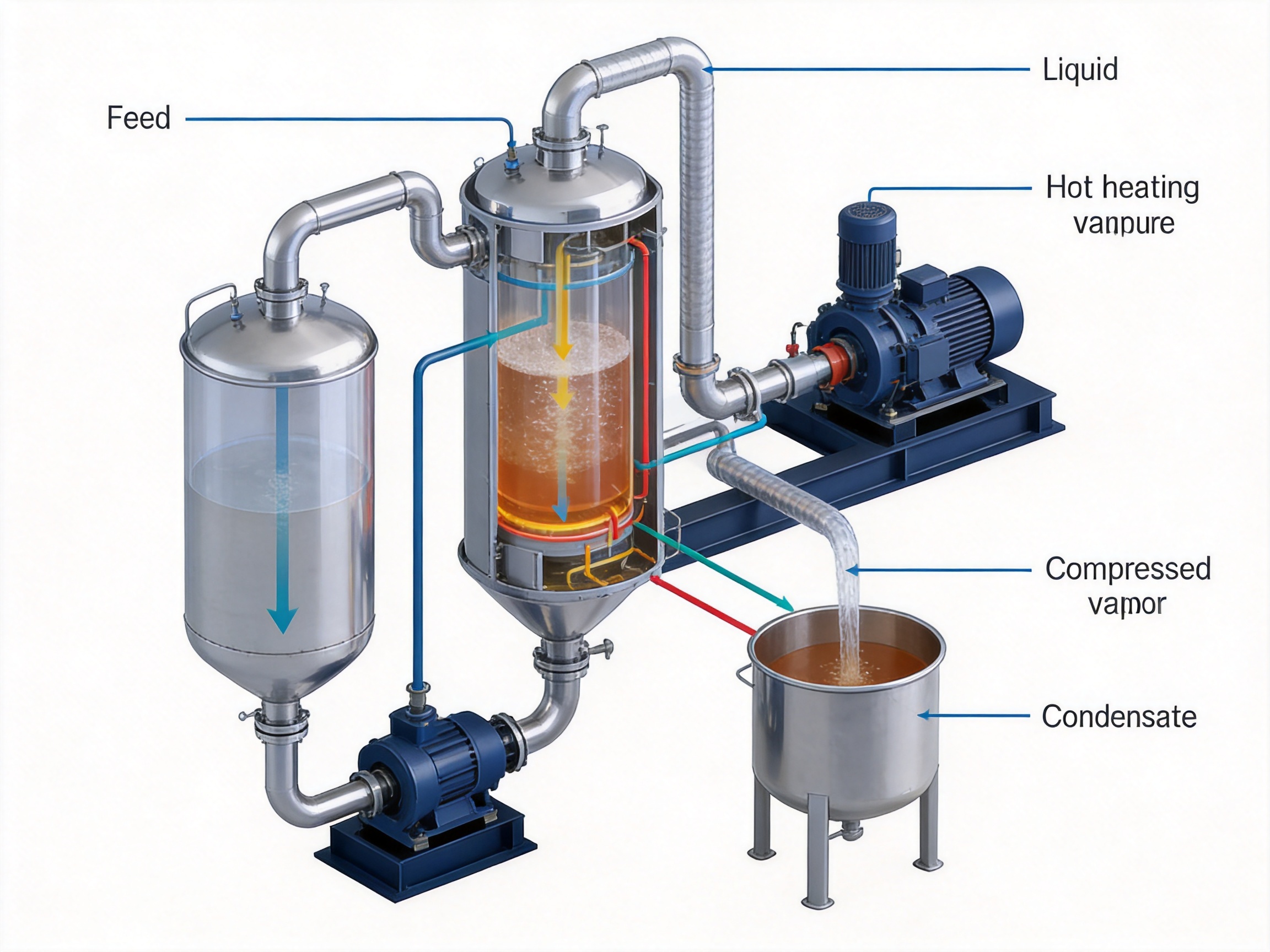
The secondary vapor is drawn into a mechanical vapor compressor. The compressor increases the vapor pressure and temperature. The compressed vapor is then sent back to the heating chamber, where it condenses on the opposite side of the heat-transfer surface and releases its latent heat to the feed liquid.
The condensate generated by the compressed heating vapor may be collected as recovered water or returned through the condensate system. Because the same vapor energy is used again, the system minimizes the need to continuously introduce new steam.
Continuous Concentration
As water or another volatile component is removed, the concentration of the liquid increases. A portion of the concentrated product is discharged continuously or intermittently, depending on the process design. The remaining liquid may continue circulating through the system until the desired concentration, density, moisture content, or crystallization condition is reached.
Instrumentation measures important variables such as temperature, pressure, vacuum level, flow rate, liquid level, conductivity, density, and compressor load. The control system uses these measurements to adjust feed flow, circulation, vapor compression, discharge, and other operating parameters.
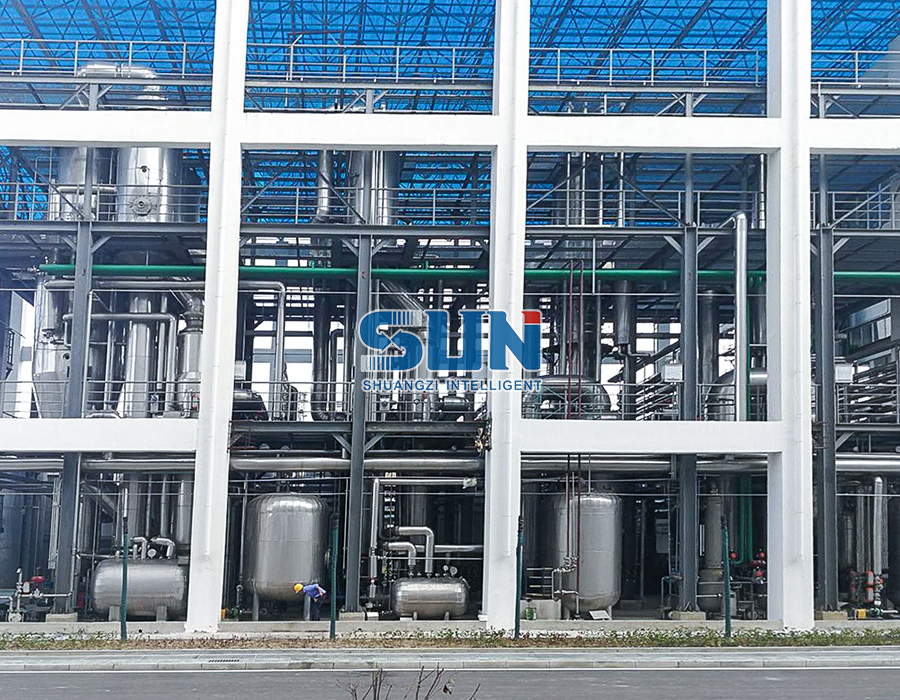
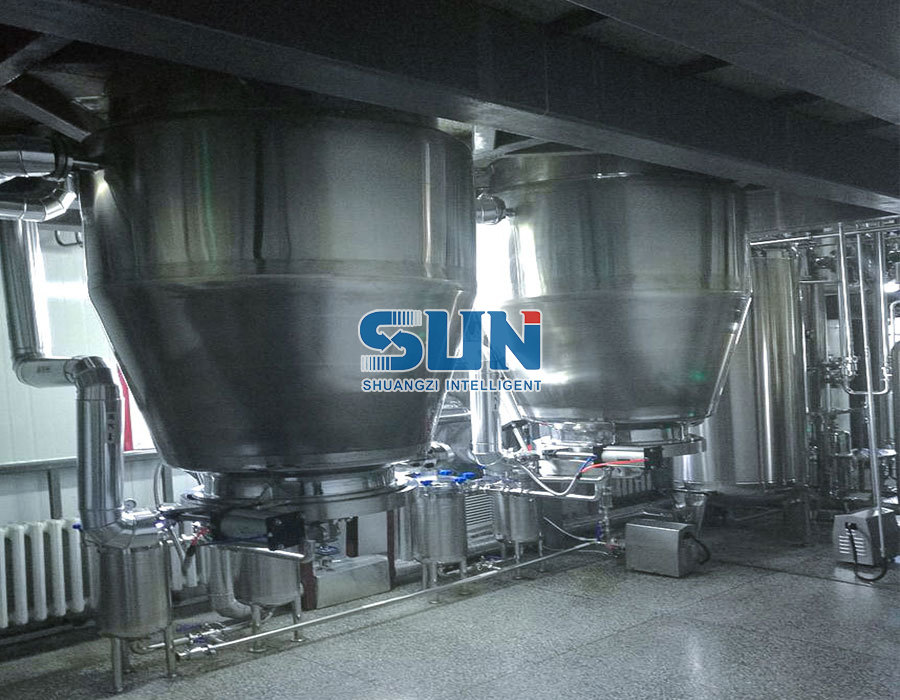
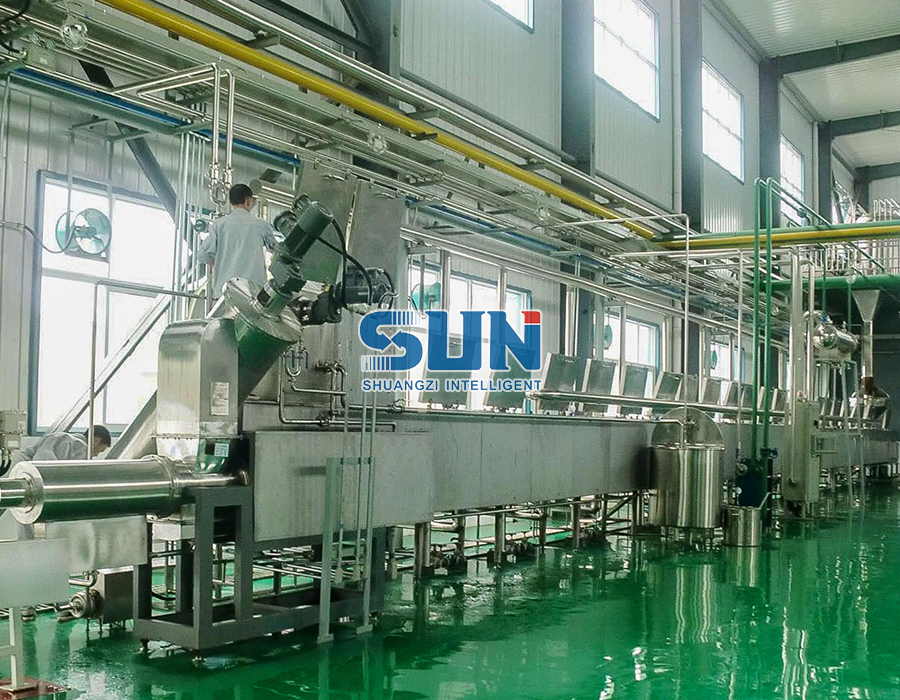
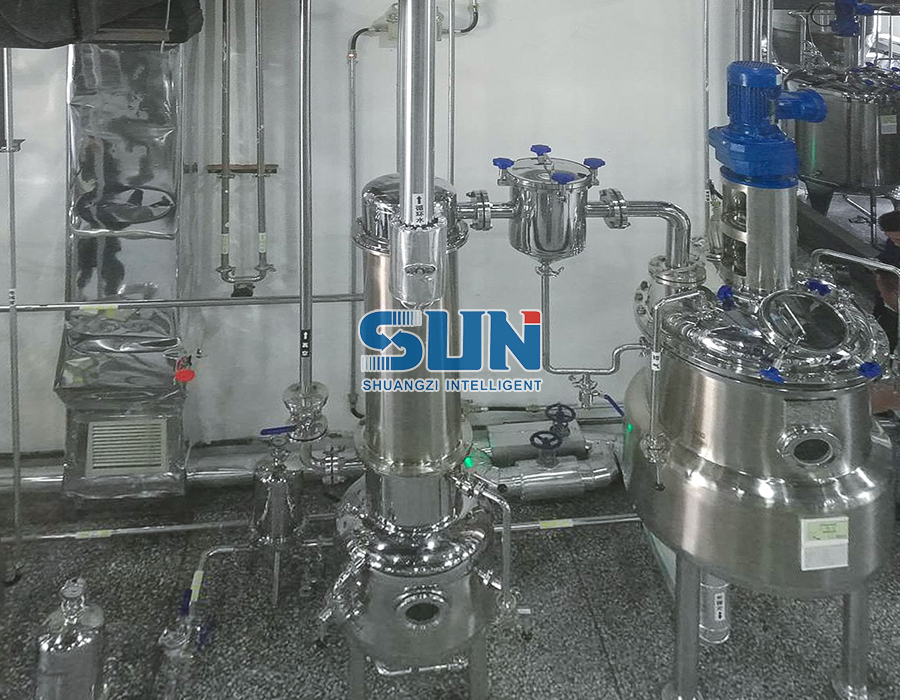
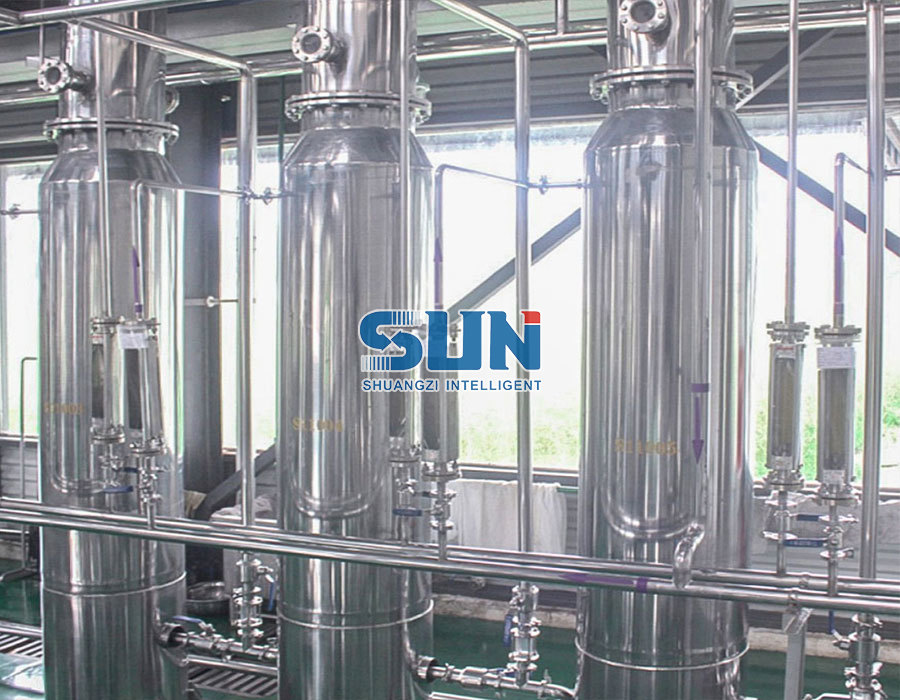
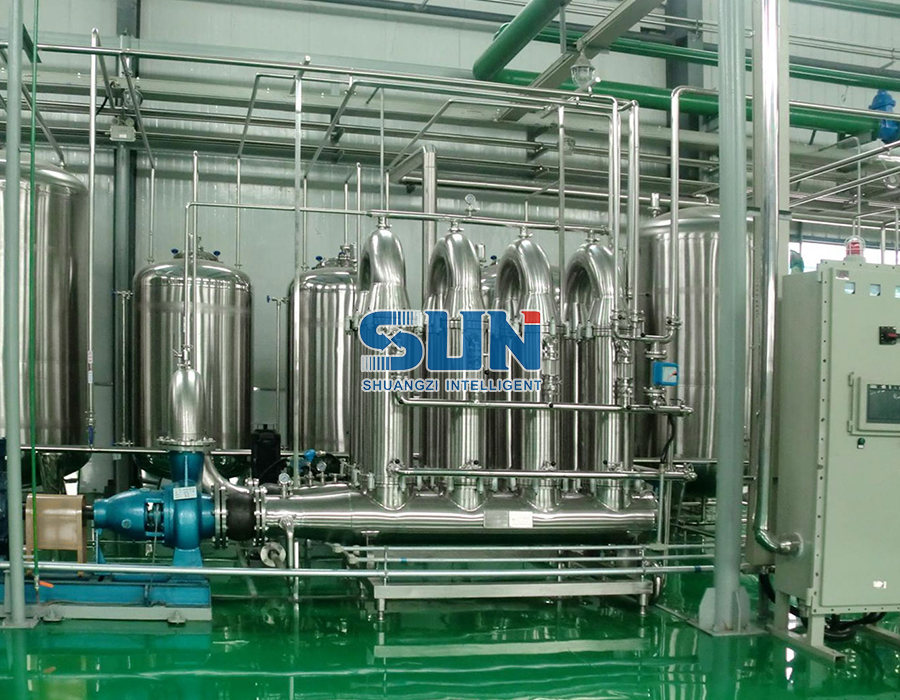
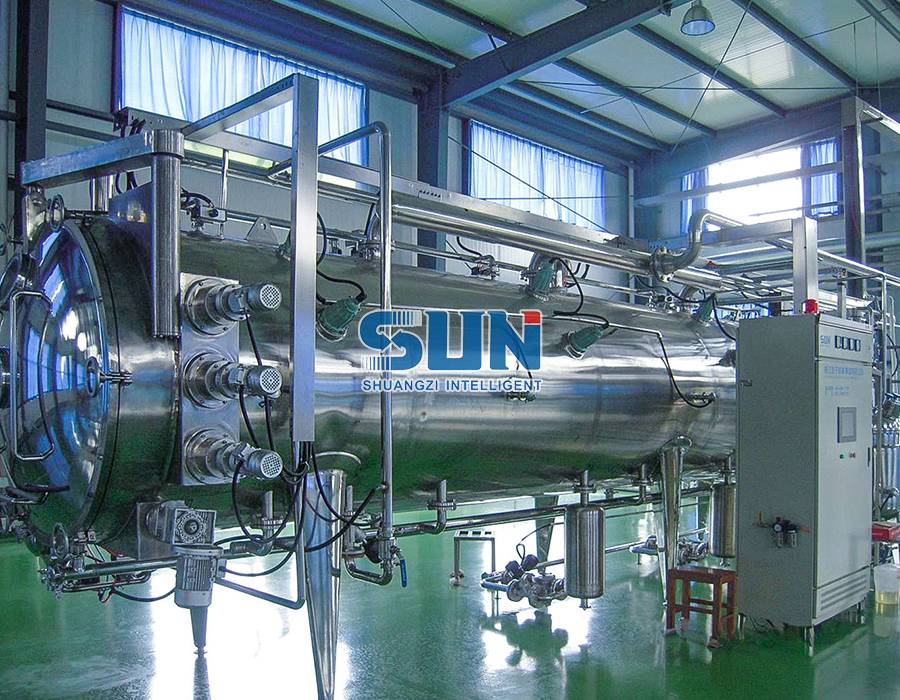
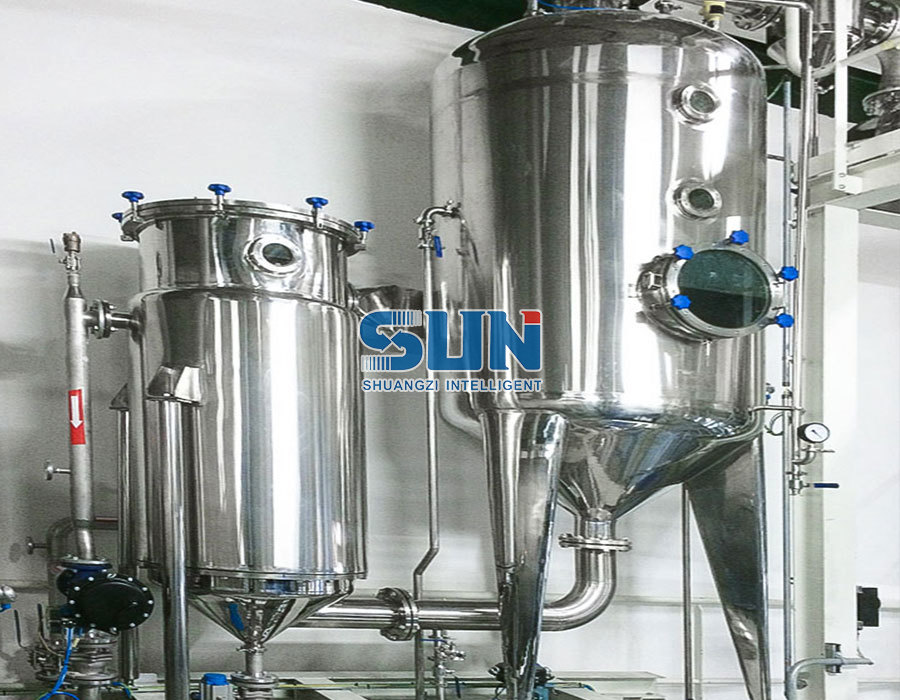
MVR Evaporator
Major Components of an MVR Evaporator System
Evaporation Heating Chamber
The heating chamber is the main area where heat is transferred to the process liquid. Its design depends on the required evaporation capacity, liquid properties, allowable temperature difference, fouling tendency, and cleaning method.
Heat-transfer surfaces may be arranged in tubular, plate, falling-film, forced-circulation, or other configurations. Each configuration has advantages for particular materials. Falling-film arrangements can be suitable for low-viscosity liquids and products requiring short residence times, while forced-circulation systems are often considered for high-viscosity, high-solids, or crystallizing liquids.
Vapor Separator
The vapor separator removes liquid droplets from the generated vapor. This protects the compressor and reduces product loss. Separator design should consider vapor velocity, foaming behavior, droplet size, operating pressure, and the chemical properties of the material.
For liquids that foam strongly, the system may require additional demisting capacity, foam sensors, antifoam dosing, reduced vapor velocity, or specialized operating control. These details are important when treating fermentation liquids, natural extracts, protein solutions, and certain wastewater streams.
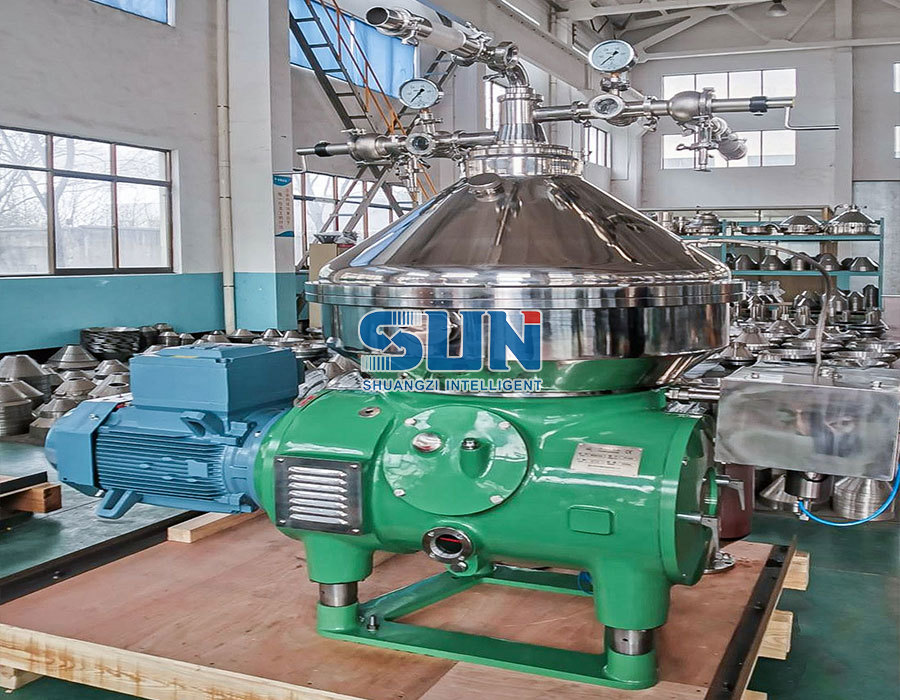
Mechanical Vapor Compressor
The compressor is the central energy-recovery component of the MVR system. It is selected according to vapor flow, pressure rise, temperature increase, operating range, material compatibility, and required control flexibility.
Compressor protection may include vibration monitoring, temperature monitoring, pressure protection, liquid carryover protection, current monitoring, and automatic shutdown logic. The compressor and its motor should be integrated with the overall process control system so that abnormal conditions can be detected before they cause damage.
Circulation Pump
The circulation pump moves the process liquid through the heating surfaces. Stable circulation helps maintain uniform heat transfer and reduces the possibility of localized overheating. Pump selection must account for viscosity, density, solids content, temperature, corrosion, and the presence of crystals.
In demanding wastewater applications, pump materials and sealing arrangements are especially important. Abrasive crystals, chloride ions, acidic components, and high temperatures can place significant stress on pumps and valves.
Condensate and Product Collection Systems
Condensate produced by the compressed vapor is collected and discharged or reused. Depending on the application, the condensate may be suitable for process water, cleaning water, cooling water, or another utility purpose after quality verification.
The concentrated product collection system may include a discharge pump, density control, crystallizer, centrifuge connection, filter, storage tank, or downstream drying equipment. An integrated design ensures that the evaporation system works effectively as part of the complete production line rather than as an isolated machine.
Instrumentation and Automation
Automation improves operating stability, repeatability, safety, and energy management. A typical control system may monitor:
Feed flow and feed temperature.
Heating chamber pressure and temperature.
Vapor separator level.
Compressor suction and discharge conditions.
Condensate temperature and flow.
Concentrated liquid density or conductivity.
Circulation pump status.
Motor current and equipment vibration.
Vacuum level and noncondensable gas conditions.
Alarms and interlocks can be configured for high temperature, high pressure, low liquid level, excessive motor current, compressor overload, insufficient circulation, or liquid carryover. Such controls reduce the risk of operating errors and help operators maintain a consistent product concentration.
Energy Advantages Compared with Conventional Evaporation
The major advantage of MVR evaporation is the reuse of secondary vapor energy. Conventional single-effect evaporation generally requires a comparatively large amount of fresh steam because the vapor generated from the feed is not fully reused. Multi-effect evaporation improves steam economy by passing vapor from one effect to another, but it usually requires several evaporation bodies, more interconnecting equipment, and a larger installation footprint.
An MVR evaporator uses mechanical compression to raise the temperature level of the vapor. This makes it possible to reuse vapor in the same evaporation system. The process therefore relies primarily on electricity for vapor compression rather than continuously consuming large amounts of fresh steam.
The supplied technical comparison shows the relative resource and cost differences for the listed evaporation systems. The figures should be understood as reference values for the stated comparison conditions, because actual consumption depends on feed composition, evaporation capacity, boiling temperature, concentration ratio, operating pressure, compressor efficiency, electricity price, and steam price.
| Evaporation System | Reference Steam Consumption | Reference Steam Cost | Reference Electric Power | Reference Electricity Cost | Reference Total Cost |
|---|---|---|---|---|---|
| Single-effect evaporator | 1.10 | 220 RMB | 3 kW | 2.1 RMB | 222.1 RMB |
| Double-effect evaporator | 0.55 | 110 RMB | 3 kW | 2.1 RMB | 112.1 RMB |
| Three-effect evaporator | 0.40 | 88 RMB | 3 kW | 2.1 RMB | 90.1 RMB |
| MVR evaporator | 0.02 | 4.4 RMB | 30 kW | 21 RMB | 25.4 RMB |
The comparison indicates the basic economic logic of MVR technology: steam consumption can be reduced substantially, while electricity consumption increases because the compressor performs the vapor recompression work. Where electricity is economically favorable compared with steam, the total operating cost can be significantly reduced.
The supplied technical description also compares the thermal economy of MVR evaporation with a high number of conventional effects. This comparison expresses the ability of vapor recompression to recover and reuse latent heat; it should not be interpreted as a literal physical arrangement containing that number of evaporation bodies.
Lower Dependence on Fresh Steam
Facilities with limited boiler capacity can benefit from reduced steam demand. This is relevant to pharmaceutical plants, food factories, extraction facilities, and wastewater treatment projects where steam availability may fluctuate or where expanding the boiler house would require major capital investment.
Reduced Cooling Requirements
Because the secondary vapor is reused as heating vapor, less vapor may need to be condensed against external cooling water. This can reduce the demand on cooling towers, chilled-water systems, and final condensers. The actual reduction depends on the process configuration and the amount of vapor that must be removed from the system as noncondensable gases or excess vapor.
Compact Installation
Compared with a large multi-effect system designed for similar energy performance, an MVR system may require fewer evaporation bodies and a smaller arrangement of connecting equipment. This can be valuable when a production facility has insufficient floor space or when the project is being installed in an existing building.
Lower Long-Term Thermal Energy Cost
When the energy price relationship is favorable, the reduction in steam consumption can offset the electrical demand of the compressor. A complete economic evaluation should include electricity, steam, cooling water, maintenance, labor, cleaning, condensate value, and equipment depreciation.
Advantages over Conventional and Competing Solutions
Compared with Single-Effect Evaporation
Single-effect evaporation has a relatively straightforward structure and may be appropriate for small capacities or occasional operation. However, it generally consumes more fresh steam per unit of evaporated water. For continuous, high-capacity, or energy-sensitive production, an MVR system can provide a more favorable operating profile.
MVR systems require a compressor and more sophisticated controls, so the initial equipment configuration may be more complex. Nevertheless, the reduced steam demand can make the life-cycle cost attractive, particularly when energy is a major component of production cost.
Compared with Multi-Effect Evaporation
Multi-effect systems reduce steam consumption by using vapor generated in one effect to heat the next effect. However, they normally require several effects, additional heat-transfer surfaces, vacuum stages, condensers, pumps, and interconnections. Their performance can also be influenced by the condition of each effect and by changes in the boiling-point elevation of the feed.
MVR technology can achieve strong energy performance with a comparatively compact process arrangement. It also allows the heat level to be adjusted through compressor operation. This can provide operating flexibility when the feed concentration, temperature, or production rate changes.
Compared with Simple Thermal Vapor Recompression
Thermal vapor recompression uses a high-pressure motive steam jet to entrain and recompress low-pressure vapor. MVR instead uses a mechanical compressor driven by an electric motor. MVR can therefore reduce motive-steam dependence and may be better suited to sites where electrical power is available but high-pressure steam is limited.
Compared with Direct Wastewater Disposal
For industrial wastewater, disposal or off-site treatment can be expensive and may expose a facility to transportation, regulatory, and environmental risks. An MVR evaporator can reduce wastewater volume, recover condensate, and concentrate dissolved salts or other nonvolatile materials for further treatment or disposal.
Evaporation is not automatically the correct solution for every wastewater stream. Pretreatment, scaling control, final concentrate handling, and condensate quality must be evaluated. However, for suitable streams, MVR can become an important part of a zero-liquid-discharge or near-zero-liquid-discharge strategy.
Application Areas
High-Salt Wastewater
High-salt wastewater may originate from chemical production, surface treatment, pharmaceutical manufacturing, food processing, and other industrial operations. MVR evaporation can remove water and increase salt concentration, allowing the concentrated stream to proceed to crystallization, solid-liquid separation, or controlled disposal.
High salt content can create scaling and corrosion risks. The design should therefore consider the solubility curves of the principal salts, the concentration at which crystallization begins, cleaning access, material selection, and the desired condition of the final concentrate.
Chemical Pharmaceutical Wastewater
Pharmaceutical wastewater can contain dissolved organic compounds, inorganic salts, residual solvents, active ingredients, and cleaning chemicals. An MVR system can be used to reduce wastewater volume or recover water after suitable pretreatment.
Pharmaceutical applications require close attention to hygienic design, material traceability, cleanability, containment, and documentation. The operating temperature should also be selected according to the stability and volatility of the substances in the feed.
Electroplating Wastewater
Electroplating wastewater may contain dissolved metal salts, acids, alkalis, and other treatment chemicals. Evaporation can concentrate the nonvolatile components while producing a separated water stream for further treatment or reuse.
Because electroplating streams can be corrosive and may contain heavy metals, the equipment design must include suitable metallurgy, corrosion-resistant components, safety measures, and a well-defined plan for handling the concentrate.
Acid-Pickling Wastewater
Acid-pickling wastewater often contains mineral acids, dissolved metals, suspended particles, and high total dissolved solids. An MVR evaporator may be used after neutralization, filtration, or other pretreatment, depending on the chemistry of the feed.
Acidic service places strong demands on weld quality, surface finish, gaskets, pumps, valves, instrumentation, and inspection. The correct material cannot be selected by temperature alone; acid concentration, chloride content, oxidizing conditions, and contaminants must also be considered.
Sodium Sulfate Wastewater
Sodium sulfate-containing wastewater can be concentrated through evaporation and may be connected to a crystallization or solid recovery process. The concentration pathway must be controlled to avoid unexpected deposition in heat-transfer channels and circulation lines.
When a salt reaches supersaturation, controlled crystallization may be desirable in a dedicated crystallizer but harmful inside a heat exchanger. Process design should distinguish between evaporation, concentration, and crystallization zones.
Sodium Chloride Wastewater
Sodium chloride solutions are common in chemical, food, pharmaceutical, and water-treatment operations. MVR evaporation can concentrate sodium chloride brine and produce recovered condensate. Chloride ions can be highly aggressive toward some metals, especially at elevated temperature, so material selection and weld inspection are particularly important.
Zinc Chloride-Containing Wastewater
Zinc chloride-containing streams can arise from metal treatment, galvanizing-related operations, and chemical processes. MVR technology can reduce the water volume of these streams and concentrate the dissolved zinc salts for downstream recovery or regulated disposal.
The feed chemistry should be tested before final design. Zinc compounds, chlorides, acids, suspended solids, and organic contaminants can all influence heat-transfer behavior and corrosion performance.
Plant Extraction and Natural Products
Plant extraction processes often produce liquid extracts that must be concentrated before drying, formulation, or packaging. These extracts may contain heat-sensitive active compounds, pigments, sugars, proteins, oils, and suspended botanical solids.
Vacuum operation and carefully controlled residence time can help reduce thermal stress. The system may be configured with pretreatment filtration, low-temperature evaporation, aroma recovery, and downstream drying. Product quality requirements should determine the temperature, vacuum level, concentration endpoint, and cleaning procedure.
Food Processing
Food applications may include concentration of fruit extracts, vegetable liquids, flavor solutions, dairy-related streams, sweeteners, and other food ingredients. The evaporator must be designed for hygienic operation and effective cleaning.
Important considerations include product residence time, fouling tendency, viscosity increase, aroma retention, microbial control, surface finish, drainability, and compatibility with clean-in-place procedures. In food service, process validation and hygienic documentation are as important as thermal capacity.
Low-Temperature Evaporation and Product Protection
Many materials cannot tolerate high temperatures for extended periods. Excessive heat may cause color changes, oxidation, degradation of active ingredients, loss of volatile aroma compounds, protein denaturation, or unwanted reactions.
Operating under vacuum lowers the boiling point of the liquid. The MVR evaporator can then recover vapor at a lower temperature and compress it to a suitable heating condition. This approach can support low-temperature concentration while maintaining efficient energy recovery.
Low-temperature operation is especially relevant to botanical extracts, pharmaceutical intermediates, biological liquids, food ingredients, and some specialty chemicals. However, lower boiling temperature does not eliminate the need for sound process control. Feed temperature, residence time, oxygen exposure, shear, foaming, and concentration-induced viscosity changes must all be considered.
For every heat-sensitive application, laboratory or pilot testing is recommended. Testing can confirm the achievable concentration, product quality, fouling behavior, vapor composition, condensate quality, and compressor operating conditions.
Engineering and Manufacturing Strengths
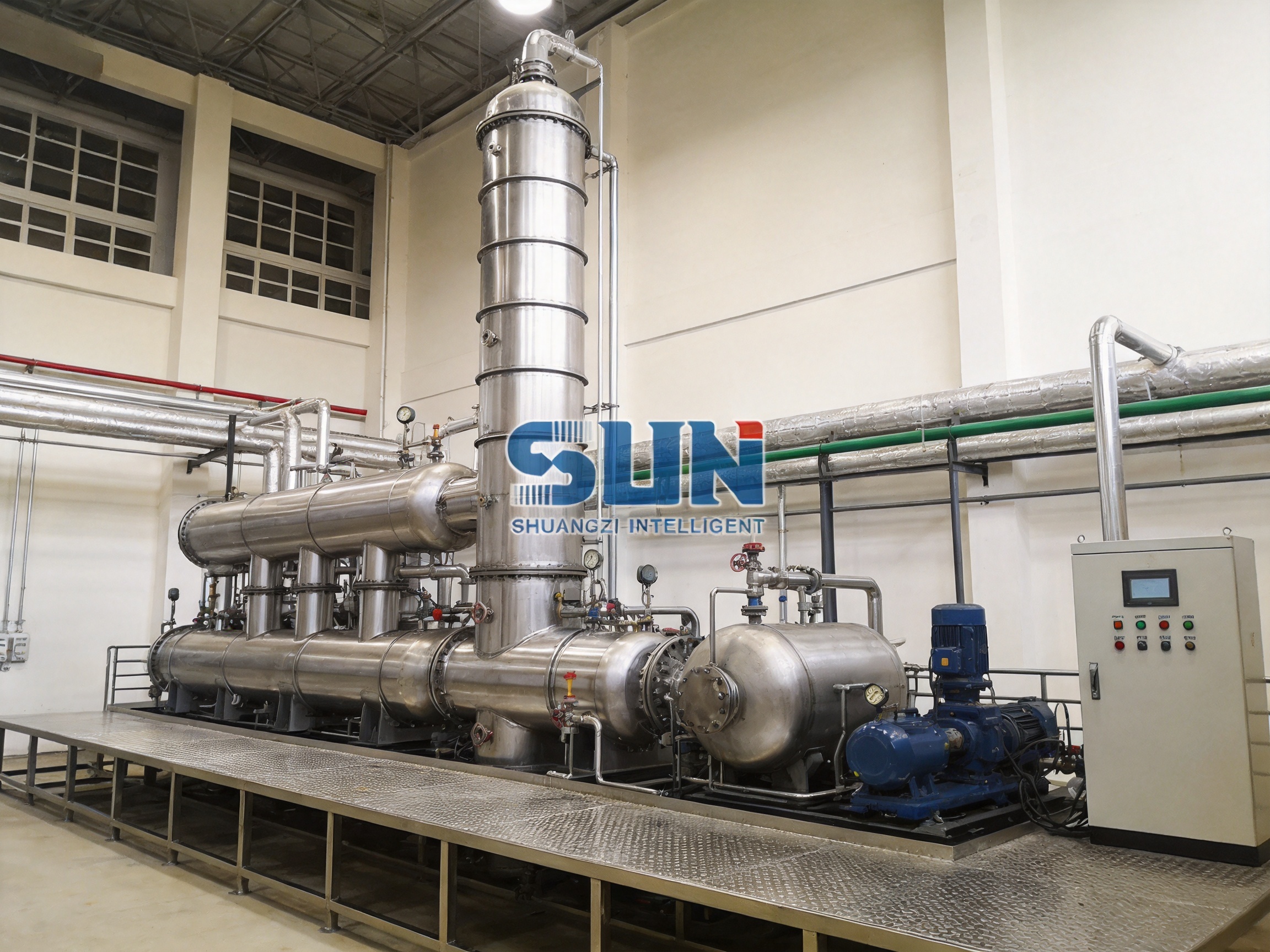
A reliable MVR evaporator is not defined only by its compressor or heat-transfer area. Its performance depends on process engineering, equipment design, fabrication quality, automation, installation, commissioning, and long-term service. An experienced engineering manufacturer can coordinate these elements as one integrated project.
Process Technology and Automation Engineering
The supplier described in the supplied materials focuses on process technology and automation engineering design, equipment manufacture, matching purchase, installation, and equipment system integration. This combination is important because evaporation performance depends on the relationship between the process, mechanical equipment, utilities, and control system.
A complete engineering approach can include feed analysis, material balance, heat balance, process flow diagrams, equipment selection, piping design, instrumentation, control logic, utility calculation, installation planning, commissioning, and operator training.
EPC and EPCM Capability
The company operates with EPC and EPCM capabilities as a core project approach. Engineering, procurement, construction, and management coordination can reduce the risk of fragmented responsibility between separate equipment suppliers and contractors.
For a turnkey project, the customer may require more than an evaporator vessel. The complete scope can include tanks, pumps, heat exchangers, compressors, condensers, filtration equipment, crystallization equipment, control cabinets, piping, platforms, insulation, electrical connections, installation, testing, and start-up support.
Integrated Manufacturing Facility
The supplied company information identifies a manufacturing and structure area of approximately 16,706 square meters and 17,800 square meters respectively, together with a pilot production workshop and research and development platform. Such facilities can support simultaneous fabrication, assembly, testing, and process development.
An integrated manufacturing base can improve coordination between design and production. It can also support trial assembly, inspection, welding, finishing, pressure testing, factory acceptance testing, and modification before shipment to the customer site.
Advanced Welding and Finishing Equipment
Stainless-steel and corrosion-resistant process equipment requires consistent welding quality and controlled surface finishing. The supplied materials identify the use of plasma argon arc welding machines, plasma cutting machines, CAM CNC machining centers, and other advanced equipment.
Plasma argon arc welding can support accurate and clean welding of suitable process components. CNC machining helps produce repeatable dimensions for flanges, supports, fittings, and precision parts. Controlled finishing is essential where hygienic surfaces, low roughness, cleanability, or corrosion resistance are required.
Manufacturing quality should also include material verification, welding procedure control, weld inspection, dimensional inspection, pressure testing, surface inspection, passivation where applicable, and documentation. The exact inspection plan should be matched to the process risk and customer specification.
Experience Across Related Equipment
The company’s mature product range includes vacuum low-temperature drying equipment, fermentation systems, evaporation and concentration equipment, extraction equipment, separation and crystallization equipment, filtration equipment, and process containers. Experience across these technologies is valuable because many customers need a connected process line rather than a single machine.
For example, an extraction project may require extraction tanks, solid-liquid separation, concentration, drying, solvent recovery, and packaging preparation. A fermentation project may require sterilization, fermentation, filtration, concentration, and drying. An MVR evaporator can be designed as one part of these broader systems.
Turnkey Project Integration
A turnkey MVR project begins with a clear understanding of the customer’s feed liquid and final objective. The required information may include feed flow rate, feed temperature, initial concentration, target concentration, density, viscosity, pH, suspended solids, salt composition, organic content, volatile compounds, foaming tendency, corrosive components, and daily operating schedule.
The engineering team can then develop a process concept and determine whether MVR evaporation should be used alone or combined with pretreatment, filtration, crystallization, drying, membrane treatment, or another unit operation.
Typical Project Stages
The first stage is technical consultation and feed characterization. Samples may be analyzed in a laboratory or evaluated in a pilot system. This stage helps identify scaling, corrosion, foaming, heat sensitivity, and final product concerns.
The second stage is process design. Engineers calculate the mass balance, heat balance, vapor load, heat-transfer area, compressor duty, circulation flow, condensate quantity, and utility demand.
The third stage is equipment and control design. This includes the evaporator body, separator, compressor, pumps, valves, instruments, piping, electrical system, control cabinet, and safety devices.
The fourth stage is manufacturing and quality inspection. Fabrication may include material cutting, forming, machining, welding, polishing, assembly, testing, and documentation.
The fifth stage is factory testing and shipment preparation. The equipment may be assembled or partially assembled before delivery. This helps identify interface problems and simplifies site installation.
The sixth stage is installation, commissioning, and operator training. The system is connected to utilities and upstream and downstream equipment, then operated under controlled conditions to confirm capacity, concentration, stability, and safety.
The final stage is performance optimization and after-sales support. Operating parameters may be adjusted based on actual feed conditions, seasonal changes, production targets, and energy prices.
Material Selection and Corrosion Control
Material selection is one of the most important aspects of MVR evaporator design. Stainless steel is widely used in many process applications, but the correct grade depends on the feed chemistry. Chlorides, acids, alkalis, dissolved metals, organic acids, high temperatures, and oxidizing agents can each affect material performance.
For aggressive wastewater, engineers may need to consider higher-alloy stainless steels, duplex materials, nickel-based alloys, lined components, special coatings, or nonmetallic parts. The material decision should be based on actual laboratory analysis and operating conditions rather than a general product category.
Welded areas require special attention because heat-affected zones can have different corrosion behavior from the parent metal. Proper welding procedures, post-weld treatment, surface cleaning, passivation, and inspection can improve service reliability.
Seals, gaskets, valve seats, pump components, and instrument diaphragms must also be compatible with the feed. A chemically resistant heat-transfer surface is not sufficient if a gasket or flexible connection fails prematurely.
Fouling, Scaling, and Crystallization Management
Fouling occurs when material deposits on heat-transfer surfaces and reduces heat-transfer efficiency. Scaling occurs when dissolved salts precipitate as the liquid becomes concentrated. Organic fouling may result from proteins, sugars, oils, pigments, or degraded product components.
Fouling control begins with process understanding. Feed filtration, pH adjustment, pretreatment, controlled concentration, sufficient circulation velocity, appropriate temperature difference, and correct residence time can all influence deposit formation.
The evaporator should include a cleaning strategy appropriate to the material. Depending on the process, cleaning may involve water rinsing, alkaline cleaning, acid cleaning, enzymatic cleaning, mechanical cleaning, or a combination of methods. The cleaning solution must be compatible with the equipment materials and the environmental management plan.
For crystallizing solutions, it is important to control where crystals form. Some systems are designed to produce crystals intentionally in a crystallizer. Others must prevent crystals from forming inside the heat-transfer tubes. The flow path, supersaturation control, discharge concentration, and solids-handling method should be designed together.
Operation, Maintenance, and Safety
Operators should follow a defined startup sequence. The system may require utility confirmation, instrument verification, pump priming, circulation establishment, gradual feed introduction, vacuum formation, compressor preparation, and controlled approach to the target operating condition.
During operation, operators should monitor temperature difference, pressure, liquid level, feed rate, concentration, compressor load, vibration, condensate quality, and unusual noise. Rapid changes may indicate fouling, liquid carryover, insufficient circulation, air leakage, sensor malfunction, or a change in feed composition.
Shutdown procedures should prevent thermal shock, uncontrolled boiling, compressor damage, and product degradation. Depending on the system, the operator may need to stop feed, continue circulation, reduce compressor load, release vacuum in a controlled manner, drain the product, and rinse the equipment.
Routine maintenance can include inspection of pumps, seals, valves, filters, demisters, compressor components, electrical connections, sensors, safety devices, and heat-transfer surfaces. Vibration and motor-current trends can provide early indications of mechanical problems.
Safety measures should address pressure, vacuum, hot surfaces, rotating equipment, electrical energy, chemicals, confined spaces, and possible exposure to vapors. The system should include appropriate relief protection, guards, emergency stops, interlocks, access platforms, insulation, signage, and operating procedures.
Maintenance intervals should be established according to operating hours, feed characteristics, manufacturer recommendations, and actual inspection results. Wastewater containing salts or corrosive substances may require more frequent inspection than a relatively clean food stream.
How to Select the Correct MVR Evaporator
Capacity is the first selection parameter, but it is not the only one. The required evaporation rate should be defined in kilograms per hour or another consistent unit, together with the operating schedule and expected variation in production load.
The feed composition is equally important. A low-viscosity, low-solids liquid may use a different circulation and heat-transfer arrangement from a high-viscosity, crystallizing wastewater. The supplier should receive representative samples and complete analytical information whenever possible.
The required final concentration should be specified by mass fraction, density, conductivity, solids content, or another measurable property. If the objective is salt recovery, the desired crystal form, purity, moisture, and particle size may also need to be defined.
Temperature sensitivity determines whether vacuum and low-temperature operation are necessary. Heat-sensitive products may require short residence time, low oxygen exposure, gentle circulation, and rapid discharge.
Energy prices and utility availability should be evaluated. An MVR system may be most attractive where steam is expensive or limited and electrical power is available at a suitable cost. A complete energy model should compare current and projected utility prices.
Site conditions also influence design. Available floor area, building height, crane capacity, water quality, cooling capacity, electrical supply, steam pressure, drainage, and access for maintenance should be confirmed before equipment fabrication.
Expected Benefits for Industrial Users
An appropriately designed MVR evaporator can provide several benefits:
Reduced consumption of fresh steam during steady-state operation.
Recovery and reuse of the latent heat contained in secondary vapor.
Lower thermal operating cost under favorable electricity-to-steam price conditions.
Reduced dependence on large boiler capacity.
Potentially lower cooling-water and chilled-water requirements.
Compact arrangement compared with some multi-effect systems.
Flexible operation for concentration, wastewater reduction, and water recovery.
Compatibility with chemical, pharmaceutical, food, extraction, and environmental applications.
Integration with filtration, crystallization, drying, fermentation, extraction, and turnkey plant systems.
Improved use of process energy and reduced discharge volume.
These benefits depend on correct process design and stable operation. The performance of an MVR system should always be verified against the actual feed and production requirements.
Frequently Asked Questions
What does MVR stand for?
MVR stands for Mechanical Vapor Recompression. It describes the process of mechanically compressing secondary vapor so that its pressure and temperature increase, allowing it to be reused as heating vapor.
Does an MVR evaporator use steam?
An MVR evaporator can use a small amount of fresh steam during startup or special operating conditions, but its normal operating principle is based mainly on electrical power for the mechanical vapor compressor. The exact steam requirement depends on the process and system configuration.
Is an MVR evaporator suitable for wastewater?
Yes. MVR evaporators are used for many wastewater streams, including high-salt, chemical, pharmaceutical, electroplating, acid-pickling, sodium sulfate, sodium chloride, and zinc chloride-containing wastewater. Feed analysis and pretreatment are necessary to control corrosion, fouling, and crystallization.
Can an MVR system operate at low temperature?
Yes. Vacuum operation can lower the boiling temperature, and the compressed vapor can provide the required heating energy at a controlled temperature level. This is useful for heat-sensitive food, pharmaceutical, biological, and plant-extract products.
What is the difference between MVR and multi-effect evaporation?
Multi-effect evaporation reuses vapor through several evaporation bodies operating at different pressures. MVR uses a mechanical compressor to raise the pressure and temperature of vapor so it can be reused in the same evaporation cycle. MVR may provide strong energy performance with a more compact arrangement, although it requires electrical power and compressor equipment.
Can MVR evaporation recover water?
Yes. The vapor generated from the feed is condensed after being used as heating vapor, producing a condensate stream. The quality and possible reuse of this condensate depend on the volatility and composition of the feed and on the design of the vapor separation system.
Can an MVR evaporator produce crystals?
An MVR evaporator can be connected to a crystallization section or designed as part of a concentration-crystallization process. However, intentional crystal production requires additional design considerations, including supersaturation control, solids circulation, crystal separation, and protection of heat-transfer surfaces.
What information is needed for a quotation?
Important information includes feed flow rate, initial concentration, target concentration, feed temperature, density, viscosity, pH, salt composition, suspended solids, organic content, foaming tendency, corrosive substances, operating schedule, available utilities, and the desired product or condensate quality.
How can energy savings be evaluated?
Energy savings should be calculated using a mass balance and heat balance based on the actual feed. The evaluation should compare steam, electricity, cooling water, maintenance, labor, cleaning, and concentrate-handling costs. Local utility prices and annual operating hours are also important.
What industries can use this equipment?
Potential users include chemical manufacturers, pharmaceutical companies, plant extraction enterprises, food processors, fermentation facilities, electroplating operations, metal-treatment plants, wastewater treatment facilities, and organizations implementing water-recovery or resource-recovery projects.
How does the manufacturer support a turnkey project?
A turnkey project may include process design, equipment design, manufacturing, procurement of matching equipment, installation, automation, commissioning, line debugging, and operator training. The actual scope should be confirmed in the technical agreement and project contract.
Conclusion
The MVR evaporator is a high-efficiency concentration machine that converts secondary vapor from a process byproduct into a reusable energy source. Through mechanical vapor compression, the system increases the pressure, temperature, and enthalpy of the vapor before returning it to the heating chamber. This approach can substantially reduce fresh-steam consumption and improve the overall economy of evaporation.
Compared with single-effect evaporation, MVR technology can reduce steam demand. Compared with multi-effect evaporation, it can offer a compact arrangement and flexible energy-recovery method. Compared with disposal-based wastewater management, it can reduce liquid volume and support water recovery or salt concentration.
The technology is applicable to high-salt wastewater, chemical and pharmaceutical wastewater, electroplating wastewater, acid-pickling wastewater, sodium sulfate and sodium chloride solutions, zinc chloride-containing wastewater, food liquids, plant extracts, and other industrial materials.
Successful application depends on more than selecting a compressor. Feed analysis, heat-transfer design, vapor separation, corrosion control, crystallization management, automation, cleaning, installation, and after-sales support all influence the final result. A manufacturer with process engineering, equipment fabrication, pilot testing, automation, and turnkey project capabilities can provide a more complete solution.
With appropriate design and operation, an MVR evaporator can help industrial users reduce energy consumption, conserve steam, recover water, lower wastewater volume, protect heat-sensitive products, and improve the economic performance of concentration processes.
References
Mechanical Vapor Recompression Principles and Industrial Evaporation Practice.
Industrial Heat Transfer and Evaporation Process Design.
Process Design Guidelines for Concentration and Crystallization Systems.
Engineering Practice for Wastewater Evaporation and Water Recovery.
Hygienic Design Principles for Food and Pharmaceutical Process Equipment.
Industrial Pump, Compressor, and Heat-Exchanger Selection Guidelines.
Technical product information supplied for MVR evaporation equipment and integrated process engineering services.