
 英语
英语 俄语
俄语Content
- 1 1. Understanding Pectin and Its Industrial Value
- 2 2. Basic Principle of Acid Extraction
- 3 3. Complete Production Flow
- 4 4. Capacity Options and Production Planning
- 5 5. Main Advantages of the Integrated Equipment Solution
- 6 6. Advanced Manufacturing and Engineering Strengths
- 7 7. Design Considerations for a Reliable Pectin Facility
- 8 8. Quality Control Across the Process
- 9 9. Installation, Commissioning, and Operator Training
- 10 10. Comparison with Less-Integrated Equipment Purchasing Approaches
- 11 11. Applications for the Finished Pectin
- 12 12. Project Development Path
- 13 13. Frequently Asked Questions
- 13.1 Q1: What raw materials can be used for pectin extraction?
- 13.2 Q2: Does the listed capacity represent finished pectin output?
- 13.3 Q3: Why is acid used in the extraction process?
- 13.4 Q4: Is alcohol precipitation included in the production route?
- 13.5 Q5: Can the line process more than one type of plant material?
- 13.6 Q6: What is the advantage of vacuum low-temperature drying?
- 13.7 Q7: Can the equipment be designed for food or pharmaceutical-related production?
- 13.8 Q8: Does the company provide installation and commissioning?
- 13.9 Q9: Is pilot testing necessary before purchasing a commercial line?
- 13.10 Q10: What information should a customer provide for a quotation?
- 14 14. Conclusion
- 15 References
- 16 Product: Pectin Extraction Production Line Equipment
Pectin is a valuable natural hydrocolloid used in food, beverage, pharmaceutical, nutraceutical, and biotechnology applications. It provides gel formation, viscosity control, stabilization, suspension, texture improvement, and water-binding performance. As consumers and manufacturers increasingly prefer plant-derived ingredients, demand for reliable pectin extraction technology continues to grow. A modern pectin extraction production line must therefore do more than separate pectin from plant material. It must protect product quality, control operating costs, support food and pharmaceutical hygiene requirements, and provide a stable path from raw material preparation to finished powder packaging.
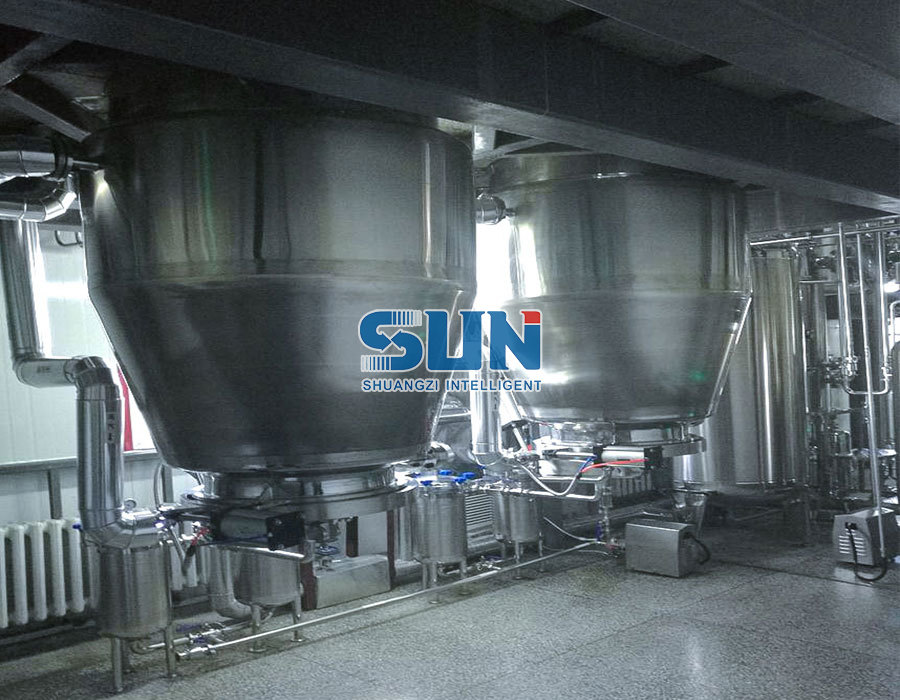
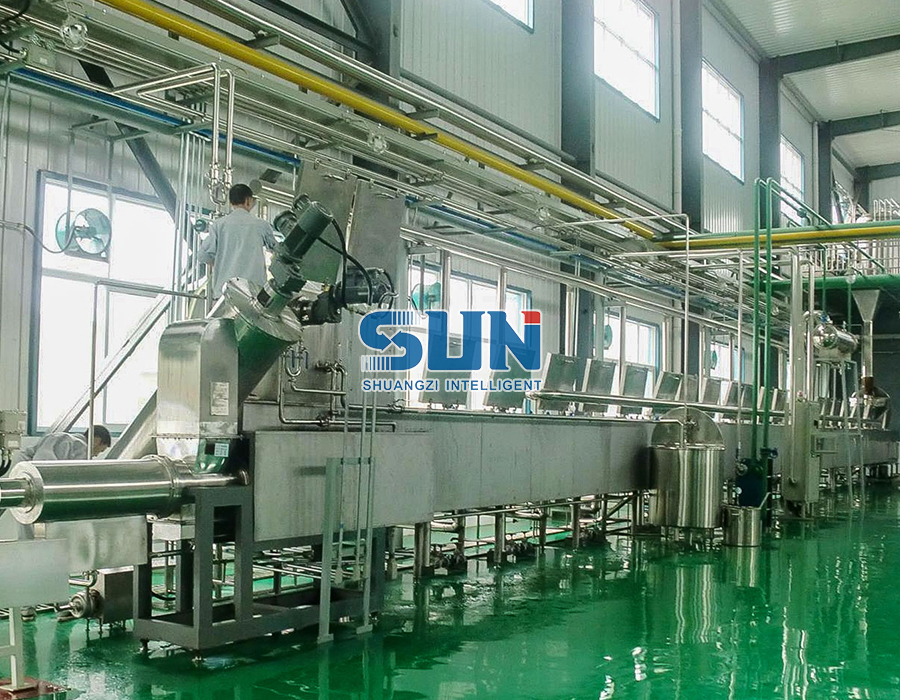
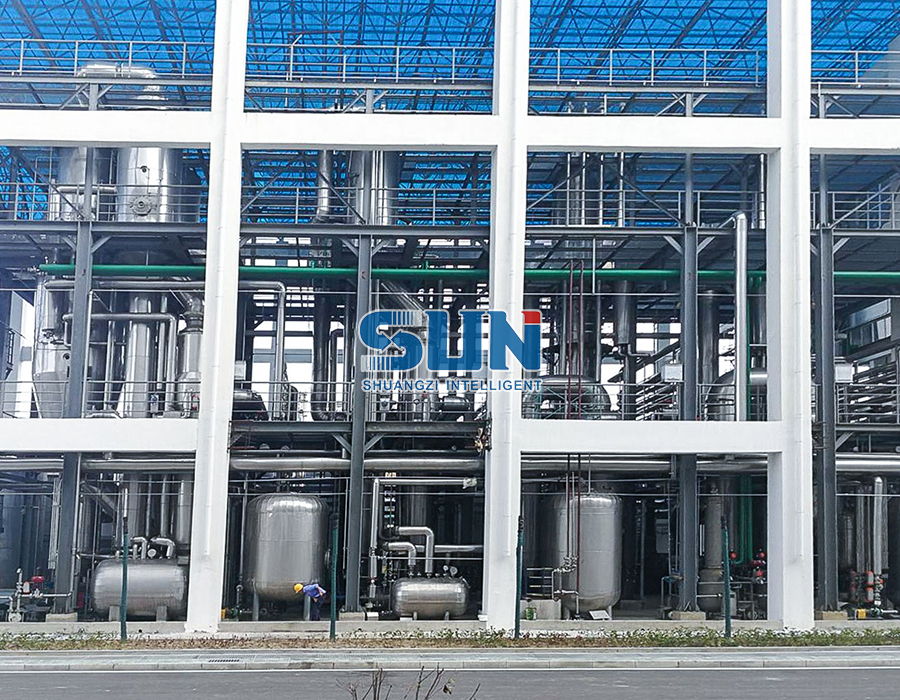
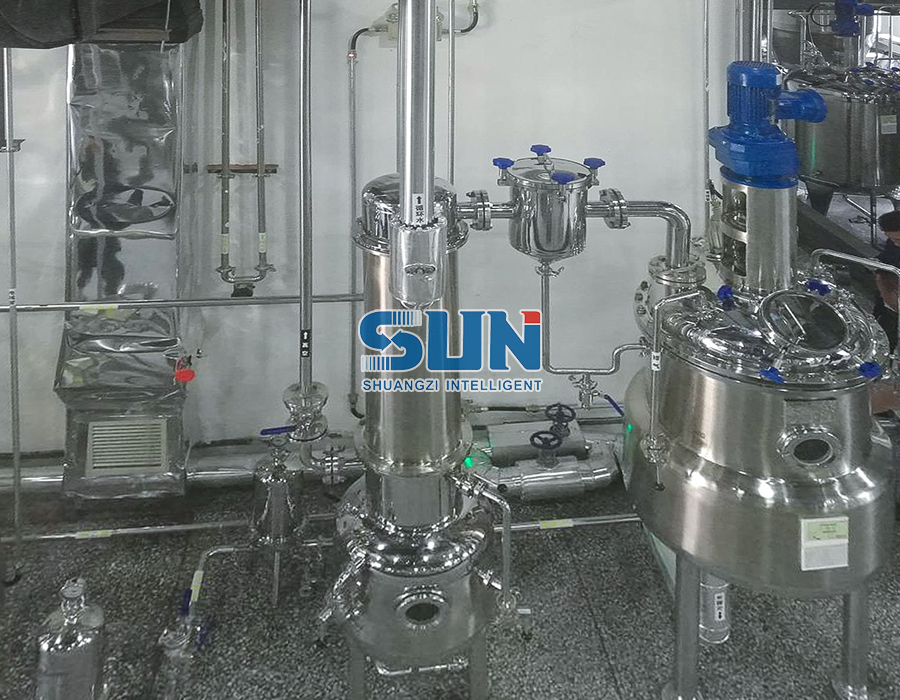
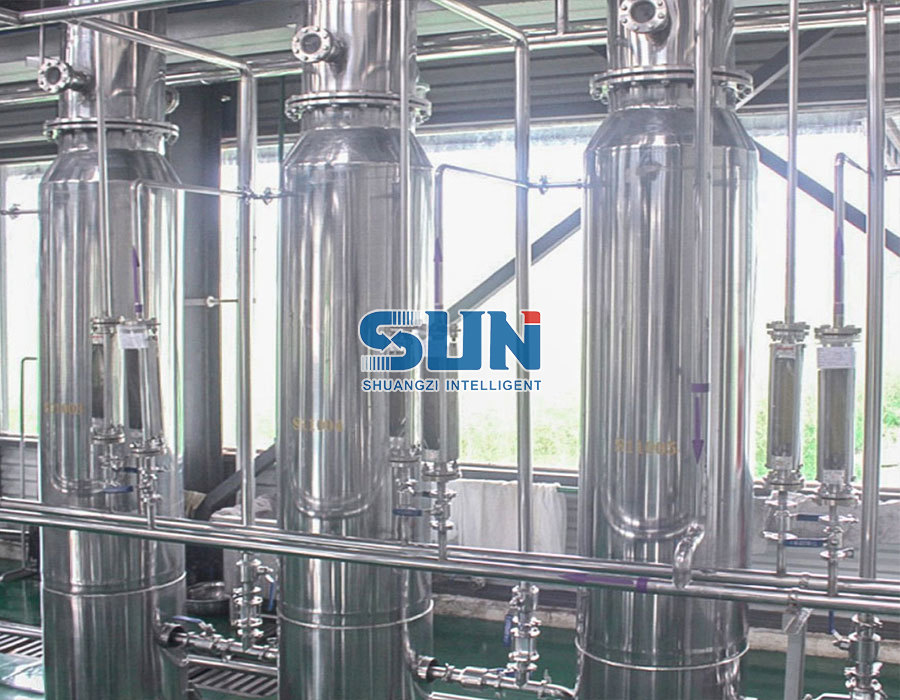
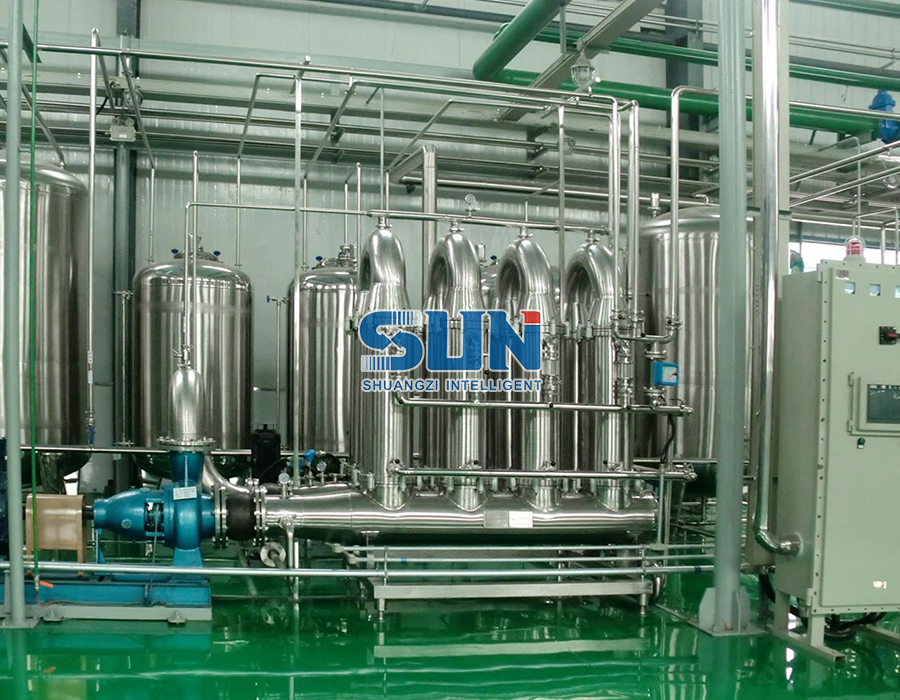
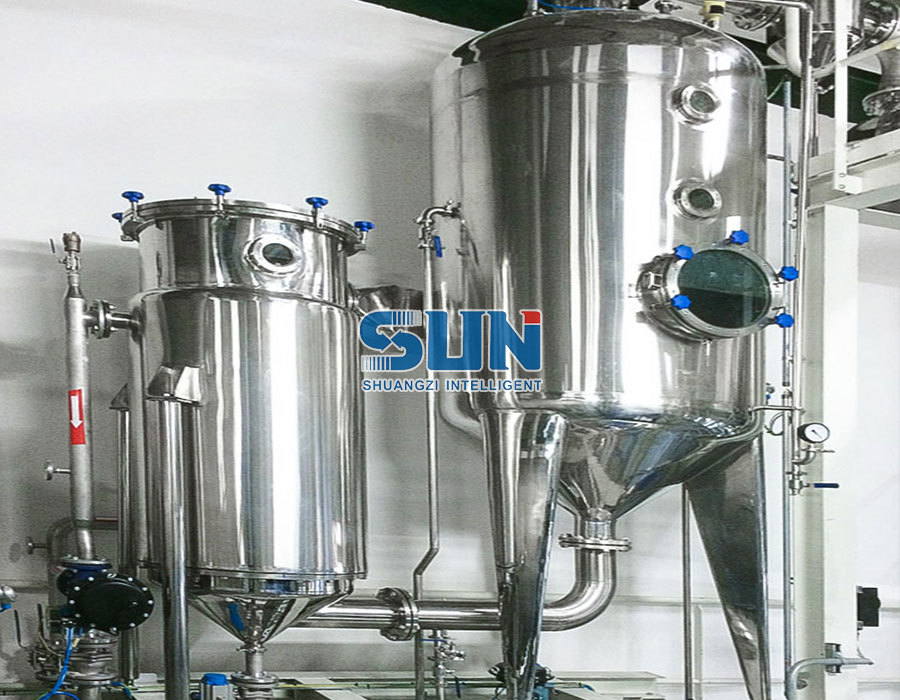
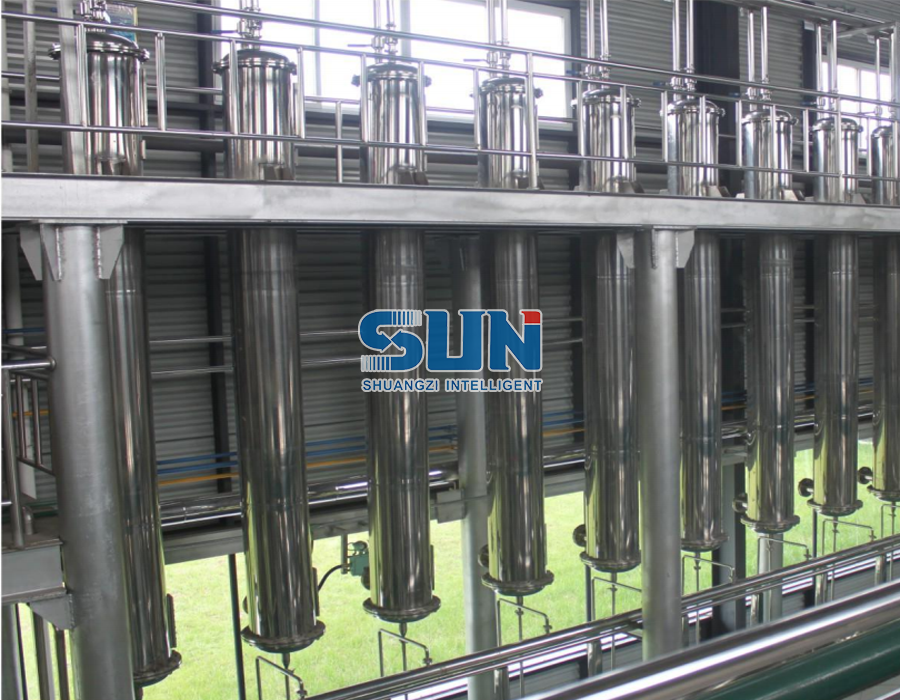
The Pectin Extraction Production Line Equipment supplied by Zhejiang Shuangzi Intelligent Equipment Co., Ltd. is designed around these requirements. The system applies the conventional acid extraction method while integrating extraction, separation, filtration, purification, concentration, drying, and packaging into a coordinated industrial process. The equipment can be engineered for different biomass capacities, from 500 kg/h to 10,000 kg/h, allowing users to select a production scale that matches raw material availability, market demand, and investment objectives.
Unlike a collection of independent machines, a complete production line is developed as a process system. Each stage is connected to the next through suitable transfer equipment, piping, valves, instrumentation, control logic, and hygienic design. This integrated approach helps reduce transfer losses, improve process consistency, simplify operation, and create a more manageable maintenance program. It also gives the project owner a single engineering partner for process design, equipment manufacture, procurement coordination, installation, commissioning, and line debugging.
The following article examines the operating principle, process flow, key equipment, engineering advantages, manufacturing capabilities, capacity options, quality considerations, and turnkey service strengths associated with this pectin extraction solution.
Pectin Extraction Production Line Equipment
1. Understanding Pectin and Its Industrial Value
Pectin is a group of complex polysaccharides naturally present in the cell walls and middle lamella of many plants. Citrus peels, apple pomace, and other fruit-processing residues are among the most important commercial raw materials. In the plant structure, pectin is closely associated with cellulose, hemicellulose, minerals, pigments, soluble sugars, proteins, and other components. The objective of industrial extraction is to release pectin from this structure, transfer it into an aqueous phase, remove unwanted substances, concentrate the extract, and recover a stable finished product.
The commercial importance of pectin comes from its functional properties. In food products, it can create gels in jams, jellies, fruit preparations, confectionery, and dessert fillings. It can stabilize acidified milk drinks, fruit beverages, and emulsified systems. It can contribute body and mouthfeel to low-sugar formulations and can help control the release or suspension of ingredients. In pharmaceutical and nutraceutical products, pectin may be used as a carrier, excipient, dietary fiber ingredient, or formulation aid, subject to the applicable product specifications and regulations.
Because the raw material is agricultural or agro-industrial biomass, its composition can vary according to plant variety, maturity, growing conditions, storage history, moisture, and pretreatment. A properly designed production line must be flexible enough to manage these variations. Equipment should support controllable temperature, residence time, liquid-to-solid ratio, pH, filtration conditions, and concentration parameters. These variables influence extraction yield, color, viscosity, degree of esterification, molecular characteristics, ash content, and final application performance.
The use of fruit-processing residues also creates an opportunity for resource recovery. Instead of treating citrus peel or apple pomace solely as waste, an extraction facility can convert part of the biomass into a higher-value ingredient. This may improve the overall economics of a fruit-processing operation while reducing the environmental burden associated with organic waste disposal. The remaining solid fraction may also be evaluated for further utilization, depending on its composition and local regulations.
2. Basic Principle of Acid Extraction
Acid extraction is a traditional and widely used industrial method for producing pectin. Its principle is based on the hydrolysis and solubilization of protopectin and related pectic substances in a dilute acid environment. During controlled heating in an acidic aqueous solution, pectin is released from the plant matrix and transferred into the liquid phase. The resulting extract contains pectin together with water, soluble sugars, organic acids, minerals, pigments, and other dissolved or suspended compounds.
The extraction conditions must be controlled carefully. Excessive acidity, high temperature, or prolonged treatment may reduce molecular size, alter functional properties, increase color formation, or damage the quality of the product. Insufficient extraction intensity, on the other hand, may result in low recovery and leave valuable pectin in the solid residue. For this reason, the production line needs suitable reactors, temperature measurement, pH monitoring, agitation, liquid circulation, and process control.
Once the pectin has been transferred into the aqueous phase, solid-liquid separation removes peel fibers and other insoluble plant materials. Subsequent filtration and purification improve the clarity and cleanliness of the extract. Concentration reduces the liquid volume and increases the pectin content before precipitation or drying. Alcohol precipitation is commonly used to separate pectin from the concentrated aqueous solution. After precipitation, the pectin is recovered, washed when required, dewatered, dried, milled, and packed.
The exact operating recipe depends on the raw material, desired pectin grade, product specifications, and local production conditions. Therefore, the equipment line should not be treated as a fixed collection of standard machines. It should be configured around a validated process route, laboratory or pilot data, expected annual production, and the quality objectives of the final product.
3. Complete Production Flow
The standard process flow for the pectin extraction production line is:
Raw material → Extraction → Separation → Filtration → Purification → Concentration → Drying → Packaging and warehouse entry.
Each stage has a specific function, but the overall result depends on how well the stages operate together. The line is designed to minimize unnecessary intermediate handling and to maintain controlled product transfer between operations.
3.1 Raw Material Preparation
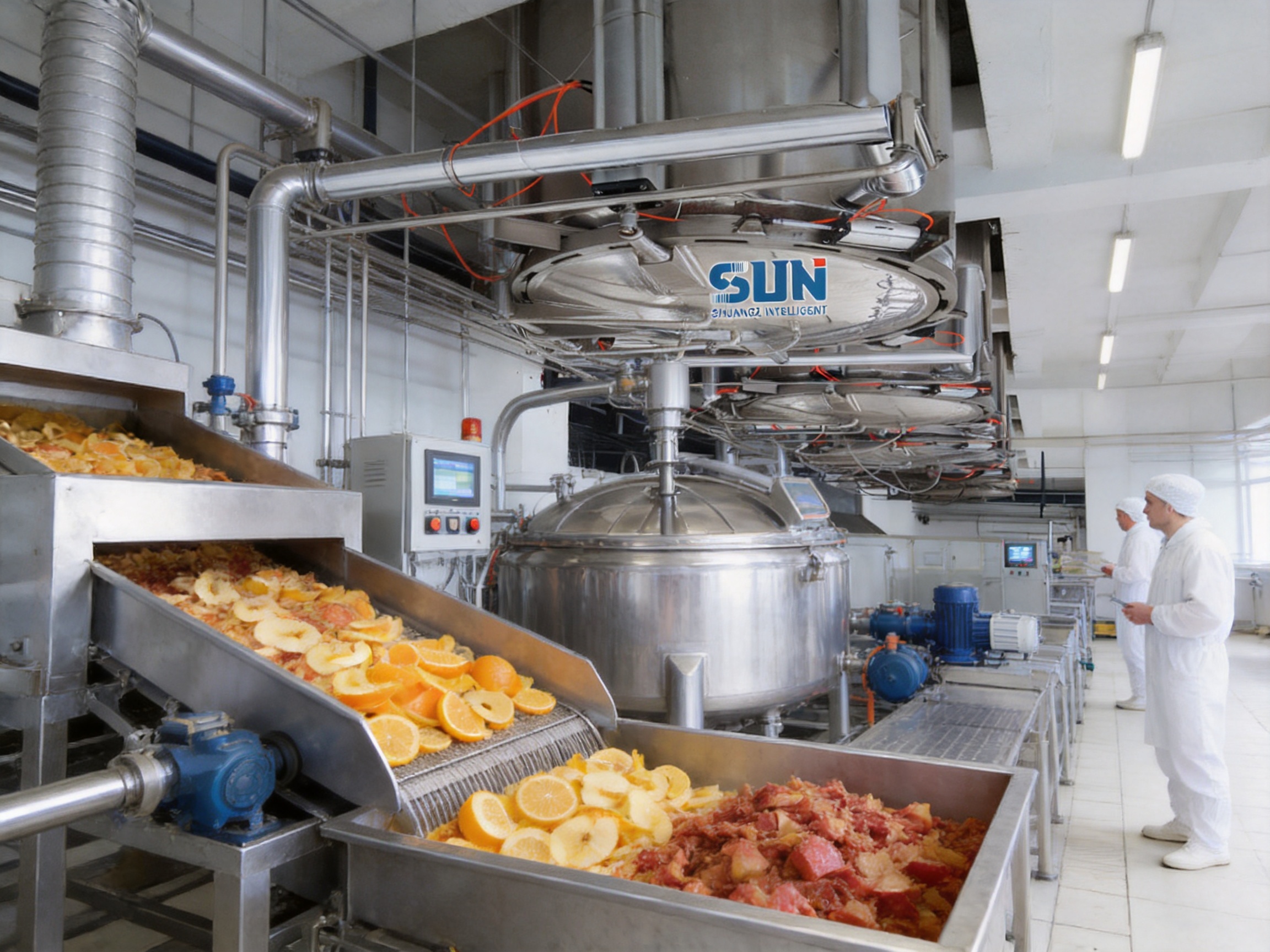
Raw material preparation is the first opportunity to improve extraction performance. Plant material may arrive as fresh peel, dried peel, pomace, or another biomass form. It may contain stones, foreign particles, excess water, residual pulp, or uneven particle sizes. Depending on the material, the preparation section may include receiving, sorting, washing, cutting, crushing, shredding, dewatering, and temporary storage.
Particle size has a direct effect on mass transfer. Smaller and more uniform particles generally provide a larger contact area between the plant matrix and the extraction liquid. However, excessive crushing can create very fine suspended solids that complicate filtration and increase the load on downstream equipment. The appropriate preparation method must therefore balance extraction efficiency with separation performance.
Washing can reduce surface dirt, soluble sugars, pesticide residues, and other contaminants, subject to the raw material specification and applicable regulations. Washing water management is also important. The system can be designed with suitable drainage, collection, and wastewater interfaces to help the facility control water consumption and environmental impact.
3.2 Acid Extraction
In the extraction section, prepared biomass is mixed with water and dilute acid under controlled conditions. The extraction vessel or reactor must provide adequate working volume, heating capability, mixing, corrosion-resistant materials, and reliable discharge. Agitation helps maintain uniform contact between solids and liquid, while temperature control supports repeatable hydrolysis and solubilization.
Industrial extraction vessels may be configured with jackets, internal coils, external circulation systems, or other heating arrangements. The correct selection depends on capacity, heat-transfer requirements, available utilities, raw material characteristics, and the desired process sequence. The system should also allow operators to sample the extraction liquor and verify pH, temperature, appearance, and other process indicators.
Process automation is especially useful at this stage. Automatic temperature control can prevent overheating, while programmable dosing can improve acid addition accuracy. Level sensors and load cells can support consistent material charging. Agitator control can be adjusted to prevent settling without unnecessarily damaging the plant particles. These features reduce the dependence on manual estimation and make it easier to reproduce a successful batch or continuous operating recipe.
3.3 Solid-Liquid Separation
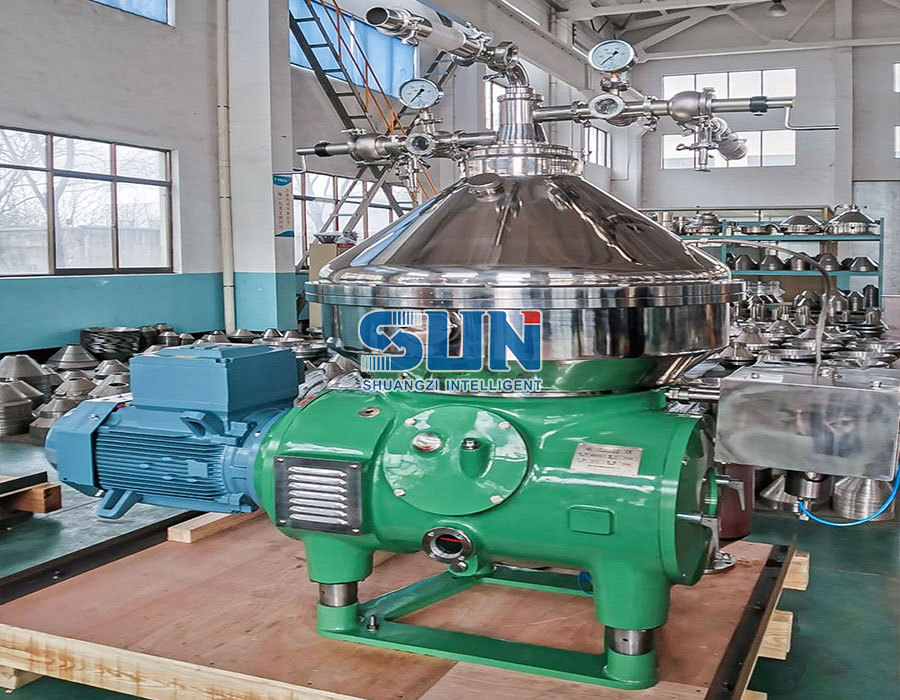
After extraction, the liquid contains solubilized pectin, while a large amount of insoluble cellulose, hemicellulose, peel fiber, and other solids remains. Separation equipment removes the coarse solid fraction from the pectin liquor. Depending on the feed properties and production scale, the line may use screens, screw presses, centrifuges, filter units, or combinations of these technologies.
Efficient separation protects downstream filters and evaporators. If coarse fibers are not removed effectively, they may cause rapid filter blockage, unstable flow, increased cleaning frequency, and reduced heat-transfer efficiency. The separation section must therefore be selected based on solids concentration, particle size distribution, viscosity, temperature, and the required clarity of the extract.
A well-designed discharge system also improves solids handling. Conveyors, screw devices, pumps, and collection vessels can be arranged to move the separated biomass to by-product storage or a further utilization process. Hygienic drainage and cleanability are important because residual plant material can ferment or degrade if it remains in warm, wet areas for extended periods.
3.4 Filtration and Clarification
Filtration further removes fine suspended particles and improves the quality of the pectin solution. Depending on the process design, filtration may include coarse filtration, fine filtration, pressure filtration, vacuum filtration, or other clarification steps. The objective is to achieve a stable and sufficiently clean liquid before purification and concentration.
Filter selection must consider pectin viscosity, solids loading, temperature, flow rate, pressure, and cleaning requirements. A filter that performs well with low-viscosity water may not be suitable for a concentrated pectin liquor. The system may therefore include staged filtration, allowing the first unit to remove larger particles and the second unit to polish the extract.
Filtration performance can be improved by maintaining suitable operating temperature and avoiding excessive concentration before the primary clarification stage. Instrumentation can monitor pressure difference across the filter, identify fouling, and provide an indication of when cleaning or filter replacement is required. This protects product quality and supports predictable production scheduling.
3.5 Purification and Alcohol Precipitation
Purification aims to reduce undesirable soluble substances and improve the functional and visual properties of the pectin. The exact purification route depends on the final product specification. It may involve dilution, pH adjustment, adsorption, washing, additional filtration, demineralization, or other process steps developed during process validation.
Alcohol precipitation is a common recovery method. When alcohol is added to the concentrated pectin solution under controlled conditions, pectin precipitates and can be separated from part of the remaining liquid-phase impurities. The precipitation conditions influence recovery, purity, texture, and filtration behavior. Alcohol concentration, mixing intensity, temperature, addition rate, residence time, and pH must be managed carefully.
Because alcohol is flammable, the precipitation and recovery area requires appropriate engineering controls. Equipment, electrical systems, ventilation, grounding, transfer pumps, storage tanks, and instrumentation should be selected in accordance with applicable safety standards and local regulations. A professional equipment supplier can help coordinate these requirements with the project owner and relevant authorities.
Alcohol recovery may be considered where the production scale and operating economics justify it. Recovery can reduce solvent consumption, lower operating costs, and reduce the volume of solvent-containing wastewater. The feasibility depends on the selected alcohol, purity requirements, energy costs, environmental rules, and the overall process configuration.
3.6 Concentration
Concentration reduces the water content of the clarified pectin liquor before precipitation or final drying. Evaporation equipment must provide sufficient heat-transfer area, stable vacuum or pressure control where applicable, and gentle treatment of the product. Vacuum concentration can lower the boiling temperature and help protect heat-sensitive product characteristics.
The concentration system may be designed as a single-effect or multiple-effect evaporator, depending on capacity, energy availability, desired energy efficiency, and the viscosity of the liquid. Falling-film, rising-film, forced-circulation, or other configurations may be considered after evaluating the process conditions. The correct choice should be based on actual feed properties rather than capacity alone.
Concentration increases viscosity, which affects pumping, heat transfer, and discharge. Equipment should therefore include suitable product pumps, large-radius piping where required, appropriate valve selection, and control logic that prevents unstable circulation. Cleaning design is also essential because pectin residues can form deposits on heat-transfer surfaces if the equipment is not operated and cleaned correctly.
3.7 Drying
After precipitation and dewatering, the recovered pectin contains residual moisture and must be dried to a stable level. Drying is one of the most important stages for final product quality. Excessive heat can affect color, viscosity, moisture content, and functional performance. Inadequate drying can reduce storage stability and encourage caking or microbial deterioration.
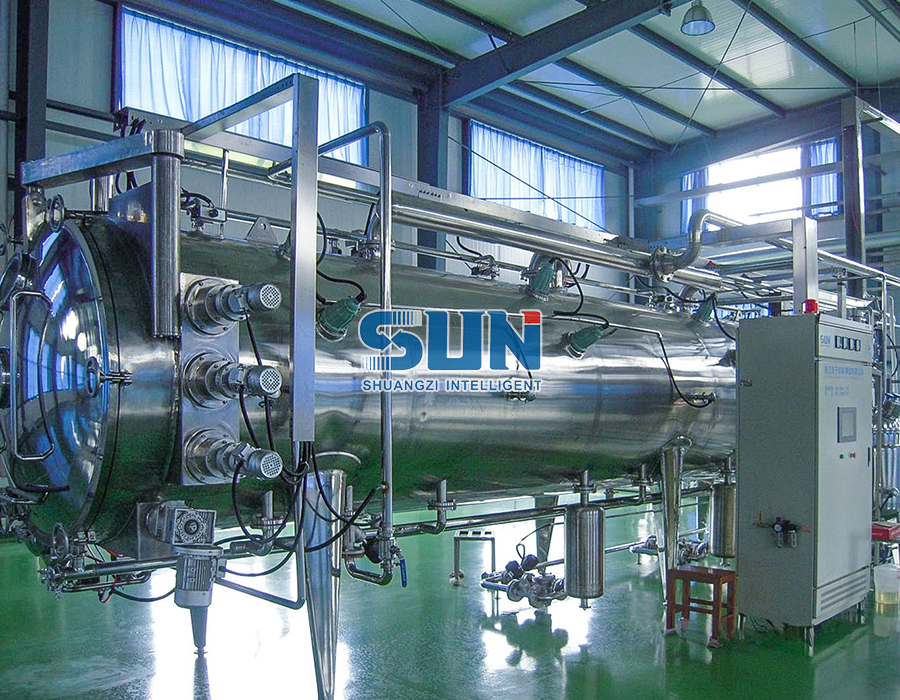
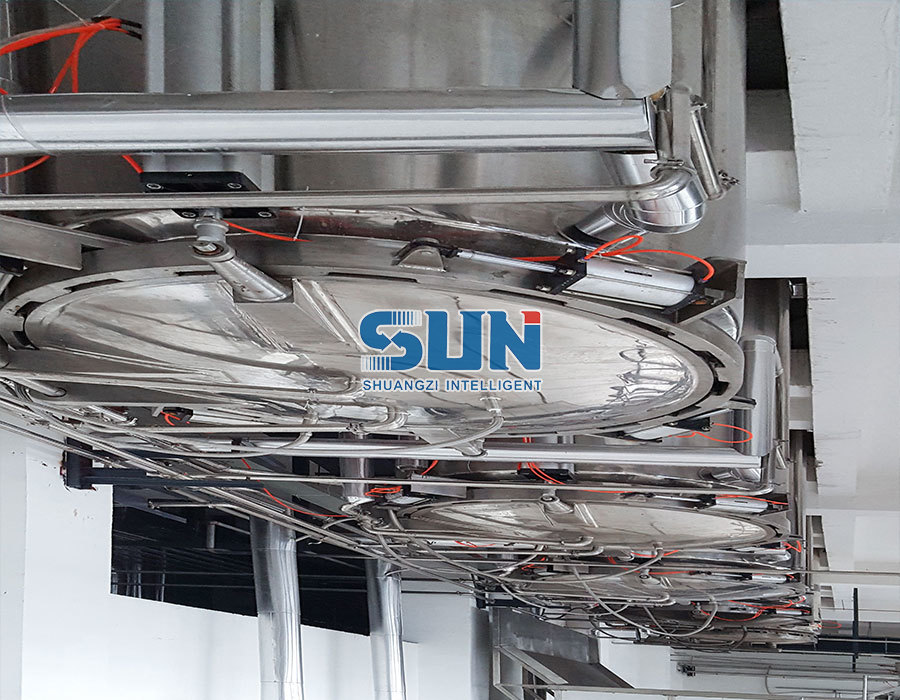
Vacuum low-temperature drying is a significant area of expertise within the company’s equipment portfolio. By lowering the pressure, water can be removed at a lower product temperature than in conventional atmospheric drying. This approach may help preserve heat-sensitive characteristics and improve control over the drying environment. The appropriate dryer type, vacuum level, heating method, residence time, and material handling arrangement must be determined according to the product and production scale.
Drying equipment can be integrated with condensers, vacuum pumps, heating systems, dust collection, moisture monitoring, and automated discharge. A controlled discharge arrangement reduces exposure to ambient humidity after drying. The dried product may then pass through milling or sieving to obtain the required particle size and flowability before packaging.
3.8 Packaging and Warehouse Entry
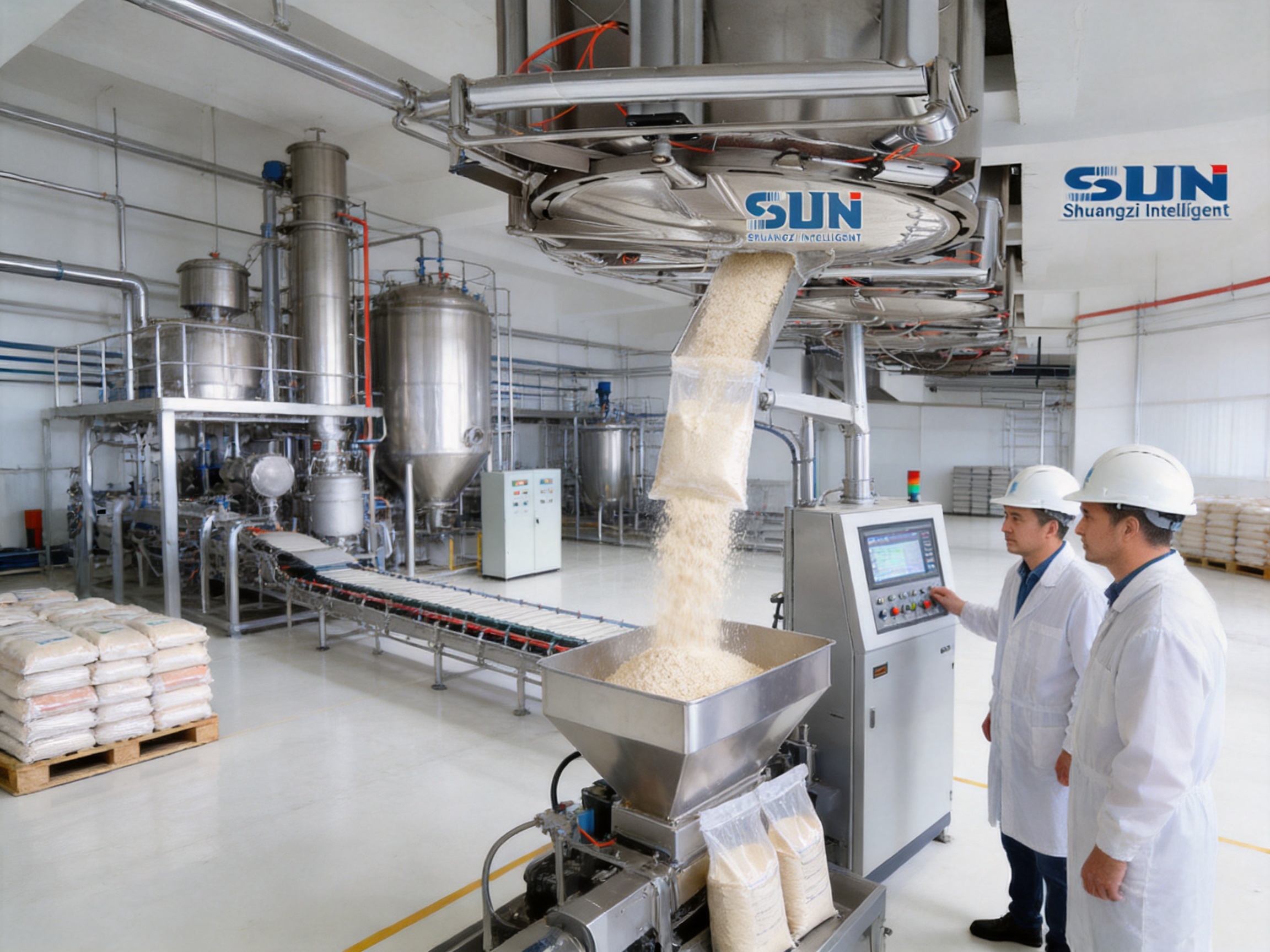
The final packaging section protects the pectin from moisture, contamination, oxygen exposure, and mechanical damage. Packaging formats may include bags, lined sacks, drums, or other containers selected according to product specifications, customer requirements, and logistics conditions. The filling system should provide accurate dosing and limit product loss.
Packaging areas should be designed for hygienic operation. Smooth, cleanable surfaces, controlled material flow, dust management, and separation between raw and finished product zones help reduce contamination risks. Product identification, batch coding, weighing records, and warehouse documentation support traceability from finished goods back to the process conditions and raw material lot.
The warehouse should provide a dry, clean, and temperature-controlled environment where necessary. Pectin is hygroscopic to some extent, so protection against humidity is particularly important. Finished containers should be stored on suitable pallets with enough clearance for inspection, cleaning, and stock rotation.
4. Capacity Options and Production Planning
The production line can be engineered for several operational biomass capacities. The available reference options include 500 kg/h, 1,000 kg/h, 2,000 kg/h, 3,000 kg/h, 4,000 kg/h, 5,000 kg/h, 6,000 kg/h, 8,000 kg/h, and 10,000 kg/h. These figures describe operational biomass handling capacity rather than guaranteed final pectin output. Actual pectin yield depends on raw material type, moisture, pectin content, extraction conditions, losses, purification efficiency, and final moisture specifications.
Reference Capacity |
Operational Biomass Capacity |
Typical Planning Consideration |
500 |
500 kg/h |
Pilot-scale, small commercial, or flexible specialty production |
1,000 |
1,000 kg/h |
Growing regional production and moderate raw material supply |
2,000 |
2,000 kg/h |
Medium-scale commercial operation |
3,000 |
3,000 kg/h |
Expanded production with increased extraction demand |
4,000 |
4,000 kg/h |
Large regional processing facility |
5,000 |
5,000 kg/h |
High-throughput commercial production |
6,000 |
6,000 kg/h |
Large-scale integrated biomass processing |
8,000 |
8,000 kg/h |
High-capacity industrial production |
10,000 |
10,000 kg/h |
Very large-scale biomass handling and continuous operation |
Capacity selection should begin with raw material availability rather than the largest possible equipment size. A plant that is oversized for its feed supply may operate below its efficient range, while a line that is too small may create bottlenecks during seasonal harvest periods. Production planning should evaluate annual biomass volume, daily operating hours, seasonal variation, storage requirements, labor availability, utility capacity, expected yield, and future expansion plans.
Modular design can help a project owner expand gradually. For example, the initial line may be selected for a moderate capacity while leaving space for additional extraction vessels, filtration area, evaporation capacity, drying capacity, or packaging equipment. This approach can reduce initial financial pressure while preserving a practical route for future growth.
5. Main Advantages of the Integrated Equipment Solution
5.1 Complete Process Integration
The most important advantage of a complete production line is the coordination of all major process stages. Raw material preparation, extraction, separation, filtration, purification, concentration, drying, and packaging are designed as parts of one system. This is more efficient than purchasing unrelated machines from multiple sources and attempting to connect them after delivery.
Integrated engineering helps maintain compatible flow rates, connection sizes, control signals, and operating sequences. It reduces the risk that one unit will become a bottleneck for another. It also simplifies troubleshooting because the supplier understands the relationship between the equipment, process parameters, and product movement.
5.2 Flexible Engineering for Different Biomass Materials
Plant-based raw materials do not behave identically. Citrus peel may differ substantially from apple pomace in moisture, fiber structure, soluble solids, color, and filtration behavior. The equipment line can be adapted through changes in preparation, extraction volume, agitation, separation method, filter area, evaporation configuration, and drying conditions.
This flexibility is a major advantage over rigid systems designed around a single feedstock. A plant owner may be able to process more than one suitable biomass source, subject to process validation. Such flexibility can improve raw material security and help maintain production when one seasonal supply becomes limited.
5.3 Improved Process Consistency
Controlled temperature, pH, residence time, liquid level, flow, and vacuum conditions support repeatable operation. Automation can reduce variation caused by manual dosing and inconsistent timing. Consistency is especially important for pectin because customers may evaluate products according to viscosity, gel strength, degree of esterification, color, moisture, ash, microbiological quality, and other parameters.
Consistent processing also helps laboratory and quality-control teams identify the reasons for variation. When process data are recorded by batch or production period, operators can compare product results with extraction temperature, acid dosage, filtration pressure, concentration level, and drying conditions.
5.4 Hygienic and Cleanable Construction
Equipment that handles food, pharmaceutical, or nutraceutical ingredients must be designed with hygiene in mind. Product-contact surfaces should be selected for corrosion resistance, cleanability, and compatibility with the process medium. Welds, corners, gaskets, valves, drains, and pipe routing should be considered during design rather than treated as afterthoughts.
The company’s manufacturing capabilities include advanced welding and finishing equipment such as plasma argon arc welding machines, plasma cutting machines, and CAM CNC machining centers. These capabilities support accurate fabrication, consistent weld preparation, smooth finishing, and improved dimensional control. Proper manufacturing execution can reduce crevices, rough areas, and alignment problems that may complicate cleaning.
5.5 Energy and Solvent Management Opportunities
Concentration and drying can represent a significant portion of a pectin plant’s energy consumption. The production line can be evaluated for vacuum operation, heat recovery, multiple-effect evaporation, insulation, condensate management, and efficient heating arrangements. These options should be selected according to the project’s utilities and economic analysis.
Where alcohol precipitation is used, solvent management is also important. Suitable storage, transfer, recovery, ventilation, and safety systems can reduce losses and improve environmental performance. A process design that considers energy and solvent consumption from the beginning is generally more cost-effective than attempting to correct inefficiencies after installation.
5.6 Reduced Interface Risk
When several suppliers provide separate equipment packages, the project owner may need to resolve disagreements about flow rates, responsibilities, controls, piping, installation, and commissioning. A turnkey supplier can reduce these interface risks by coordinating the complete line and taking responsibility for system integration.
This does not eliminate the need for project-owner participation. Raw material data, product requirements, building information, utilities, local codes, and operating plans must still be confirmed. However, a single engineering partner provides a clear channel for technical decisions and project communication.
6. Advanced Manufacturing and Engineering Strengths
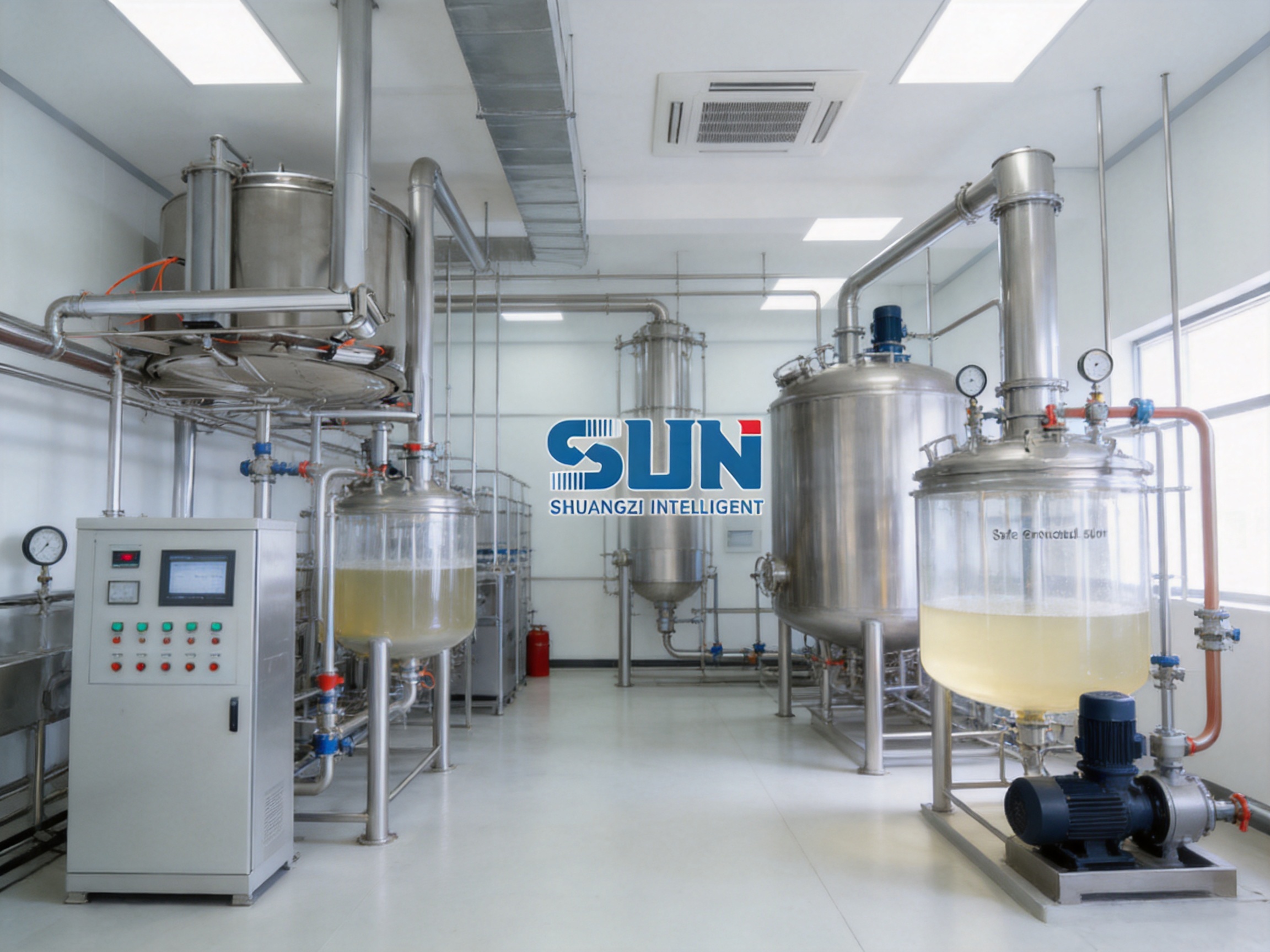
Zhejiang Shuangzi Intelligent Equipment Co., Ltd. was founded in 2007 and has developed capabilities in process technology, automation engineering design, equipment manufacture, matching procurement, installation, system integration, and commissioning. The company operates on a site with approximately 16,706 square meters of floor area and approximately 17,800 square meters of structural area. These facilities support the manufacture and integration of equipment for plant extraction, biological fermentation, pharmaceutical engineering, natural food, energy conservation, and environmental protection projects.
A strong manufacturing base is important for a process line because the quality of the final installation depends on more than the theoretical process design. Vessel geometry, material selection, weld quality, surface finishing, nozzle placement, support structures, piping tolerances, and instrument installation all influence long-term performance. Manufacturing and engineering teams must work together from the initial design through fabrication and site commissioning.
6.1 Process Technology and Automation Design
The company focuses on process technology and automation engineering design. For a pectin plant, this may include process flow development, material balance, equipment sizing, utility analysis, instrumentation, control-system architecture, equipment layout, piping design, and operating sequence development.
Automation can be configured for different levels of plant sophistication. A smaller facility may use centralized monitoring with selected automatic controls, while a larger production line may require more extensive recipe management, batch records, alarm handling, trend recording, interlocks, and data reporting. The appropriate level depends on the customer’s quality system, labor model, production volume, and regulatory environment.
6.2 Equipment Fabrication
The manufacturing process includes cutting, forming, welding, machining, surface treatment, assembly, inspection, and testing. Plasma cutting can provide accurate cutting of metal components, while plasma argon arc welding is suitable for controlled fabrication of hygienic and corrosion-resistant equipment when performed by qualified personnel. CAM CNC machining centers help achieve accurate dimensions for components requiring close tolerances.
Fabrication quality should be supported by documented material control, welding procedures, inspection records, dimensional checks, pressure tests where applicable, surface-finish verification, and final cleaning. The specific inspection plan should be agreed with the project owner according to equipment category, material, operating pressure, process medium, and applicable standards.
6.3 R&D and Pilot-Scale Support
The company maintains a pilot production workshop and R&D platform designed to support process development under automation and GMP-related requirements. Pilot-scale work can be particularly valuable for pectin because extraction performance varies with raw material and target product grade.
Pilot trials may help determine the appropriate acid concentration, extraction temperature, residence time, solid-to-liquid ratio, separation method, filter area, concentration endpoint, precipitation conditions, and drying profile. The resulting data can then guide commercial equipment sizing and reduce the risk of scaling up an unverified process.
Pilot testing is also useful when the customer intends to process a new biomass or produce a customized pectin grade. It can provide information about yield, color, viscosity, ash, filtration behavior, solvent requirement, moisture, and by-product characteristics. The pilot stage should be connected to a defined analytical plan so that technical decisions are supported by measurable results.
6.4 Turnkey and EPC/EPCM Capabilities
The company positions EPC/EPCM services at the core of its business. Depending on the project arrangement, services may include conceptual design, process design, equipment design, equipment manufacture, procurement of matching components, factory inspection, site installation, commissioning, operator training, and line debugging.
A turnkey approach is valuable for customers who want a coordinated project rather than a machine purchase. It can help align civil requirements, utilities, equipment layout, process piping, electrical systems, automation, and production validation activities. It also provides a structured route for managing project milestones, documentation, acceptance testing, and handover.
For international projects, technical communication and documentation are especially important. Equipment lists, flow diagrams, foundation drawings, utility requirements, operating manuals, spare-parts lists, control descriptions, and commissioning procedures should be prepared in a form that can be reviewed by the owner’s engineering, quality, and operations teams.
7. Design Considerations for a Reliable Pectin Facility
7.1 Raw Material Characterization
Before final equipment selection, the project team should characterize the raw material. Important information includes moisture, pectin content, fiber content, particle size, soluble solids, acidity, ash, contamination risk, seasonal variation, and storage condition. Samples from different harvest periods can provide a more realistic picture than a single laboratory sample.
Raw material characterization influences the sizing of extraction vessels, separation devices, filters, evaporators, dryers, pumps, and storage equipment. It also helps identify whether washing, dewatering, or preliminary concentration is needed before the main extraction stage.
7.2 Product Specification
The intended product grade should be defined before process design is completed. Customers may require different levels of gel strength, viscosity, esterification, methoxyl content, color, moisture, ash, particle size, microbiological quality, and heavy-metal control. The required specification affects the purification route and the intensity of process control.
Food-grade, pharmaceutical-related, and nutraceutical applications may have different documentation and validation expectations. The production line should be designed around the highest practical requirement for the intended market, while avoiding unnecessary complexity that does not create commercial value.
7.3 Utilities
A pectin extraction facility may require process water, heating steam or hot water, cooling water, compressed air, electricity, vacuum, drainage, ventilation, and cleaning utilities. Alcohol precipitation may require dedicated solvent storage and recovery infrastructure. Utility demand varies with capacity, equipment configuration, operating schedule, and energy-recovery strategy.
Utility data should be calculated during engineering rather than estimated only after equipment selection. Insufficient steam capacity can limit extraction and evaporation, while inadequate cooling capacity can affect condensation and product handling. Electrical distribution must account for motors, pumps, agitators, vacuum systems, dryers, control systems, and future expansion.
7.4 Cleaning and Maintenance
Routine cleaning is necessary to control microbial risk, prevent product cross-contamination, and maintain heat-transfer performance. The line should include suitable drainability, access points, spray devices or cleaning connections where appropriate, removable parts, and inspection openings. Cleaning methods may involve water, alkaline solutions, acidic solutions, sanitizers, or manual cleaning, depending on the equipment and product requirements.
Maintenance planning should cover seals, gaskets, pumps, filter media, agitator components, vacuum equipment, instrumentation, heating surfaces, and packaging parts. Critical spare parts should be identified before commissioning. Preventive maintenance schedules can reduce unplanned downtime and extend the useful life of the equipment.
7.5 Safety and Environmental Protection
Safety design must address hot liquids, acids, pressurized equipment, vacuum, rotating machinery, electrical systems, dust, cleaning chemicals, and flammable alcohol. Operators should have suitable personal protective equipment, access control, emergency showers where required, clear labeling, ventilation, spill containment, and documented operating procedures.
Environmental planning should include wastewater, solid residues, volatile solvent emissions, cleaning effluent, noise, and energy use. Separated plant solids may have potential value as animal-feed material, composting input, fuel-related biomass, or another by-product, but this must be confirmed through composition testing and local regulatory review. Wastewater treatment requirements depend on organic loading, acidity, suspended solids, solvent content, and discharge standards.
8. Quality Control Across the Process
Quality control should begin with raw material receiving and continue through final warehouse release. Sampling plans can be established for incoming biomass, extraction liquor, clarified extract, concentrated liquor, precipitated pectin, dried powder, and packaged product.
Typical process checks may include pH, temperature, solids content, viscosity, turbidity, color, moisture, ash, alcohol concentration, filtration pressure, and drying endpoint. Finished-product tests may include identification, gel performance, viscosity, degree of esterification, microbiological parameters, particle-size distribution, and contaminant limits, depending on the intended application and customer specification.
Automation supports quality by recording process conditions. Historical trends can show whether a batch experienced a temperature deviation, unusual filter pressure, concentration instability, or drying delay. This information helps operators investigate deviations and improve future production.
Quality documentation should include raw material records, batch or production logs, cleaning records, calibration records, maintenance reports, laboratory results, deviation reports, corrective actions, and release approvals. A traceability system links the finished product to the biomass lot and process conditions used to produce it.
9. Installation, Commissioning, and Operator Training
Successful delivery does not end when the equipment leaves the factory. Site preparation, installation, piping, electrical connection, utility connection, instrument calibration, software configuration, and commissioning must be coordinated carefully. The company can provide installation, line debugging, and related technical services as part of a project package.
Commissioning is usually completed in stages. Dry checks confirm mechanical assembly, valve direction, motor rotation, sensor installation, control signals, alarm functions, and emergency stops. Water trials verify tank levels, pump performance, flow paths, drainage, filtration, heating, cooling, and cleaning procedures. Process trials then introduce raw material and establish operating conditions for extraction, separation, concentration, precipitation, drying, and packaging.
Operator training should address normal operation, start-up, shutdown, recipe management, sampling, cleaning, troubleshooting, maintenance, safety, and emergency response. Training is most effective when it combines classroom explanation with practical operation at the installed line. Clear manuals and process diagrams help the operating team maintain consistency after the commissioning team leaves the site.
10. Comparison with Less-Integrated Equipment Purchasing Approaches
Customers evaluating pectin production equipment may consider building a line from machines supplied by several independent vendors. This approach can sometimes appear less expensive at the purchasing stage, but it may create hidden costs and technical risks. Different suppliers may use incompatible control systems, inconsistent connection standards, unsuitable flow-rate assumptions, or different interpretations of hygienic design.
A fragmented system can also make it difficult to establish responsibility when a filtration unit cannot accept the output from an extraction vessel, when an evaporator becomes overloaded, or when the dryer does not match the upstream product concentration. Each supplier may focus on its own equipment rather than the complete process.
An integrated line provides several competitive advantages:
Evaluation Area |
Integrated Production Line |
Fragmented Equipment Purchasing |
Process coordination |
Equipment is selected around a unified process flow |
Compatibility must be resolved between separate vendors |
Automation |
Centralized control logic and coordinated signals can be developed |
Multiple control platforms may require additional integration |
Commissioning |
One primary engineering partner can coordinate line debugging |
Responsibility may be divided among several suppliers |
Expansion |
Future capacity can be considered during initial engineering |
Expansion may require redesign of interfaces and utilities |
Documentation |
Process, equipment, and operating documentation can be coordinated |
Documents may use different formats and assumptions |
Technical support |
A single contact can investigate system-level problems |
Owners may need to coordinate troubleshooting between vendors |
The best equipment choice is not necessarily the system with the lowest initial quotation. A more meaningful comparison should include extraction yield, product consistency, energy demand, cleaning time, labor requirement, solvent losses, maintenance, downtime risk, installation cost, commissioning support, and long-term service capability.
11. Applications for the Finished Pectin
The finished pectin may serve different markets depending on its technical properties and regulatory status. In food applications, it can be used in fruit spreads, jellies, beverages, dairy products, confectionery, bakery fillings, sauces, and desserts. Its performance can vary according to pH, soluble-solids content, calcium availability, sugar level, temperature, and formulation composition.
Low-methoxyl and high-methoxyl pectins, for example, have different gelation mechanisms and may be selected for different formulations. This illustrates why extraction and purification conditions should be connected to the intended market. A plant that can control process parameters more precisely may be better positioned to produce several grades rather than a single undifferentiated powder.
Pectin may also be used in dietary fiber products, nutraceutical formulations, pharmaceutical excipients, encapsulation systems, and specialized biomaterial research. These applications may require additional purification, testing, and documentation. The production line can provide the equipment foundation, while product qualification must be completed according to the relevant standards and customer requirements.
12. Project Development Path
12.1 Initial Technical Consultation
The project begins with a discussion of raw material, capacity, product grade, target market, operating schedule, available utilities, site conditions, and investment objectives. Photographs and samples of the raw material can help engineers understand its physical characteristics.
12.2 Process and Feasibility Study
The engineering team evaluates the process route, material balance, equipment configuration, utility demand, expected yield, by-products, environmental requirements, and preliminary layout. Pilot testing may be recommended where raw material behavior or product specifications are uncertain.
12.3 Detailed Engineering
Detailed design includes process flow diagrams, piping and instrumentation diagrams, equipment drawings, layout plans, utility calculations, electrical requirements, control-system specifications, safety considerations, and installation interfaces. The owner should review and approve the design before fabrication begins.
12.4 Manufacturing and Factory Inspection
Equipment is fabricated using suitable materials and manufacturing procedures. Inspection may cover dimensions, welds, surface finish, pressure integrity, motor and pump specifications, instrumentation, electrical panels, and control functions. Factory acceptance tests can be arranged where appropriate.
12.5 Site Installation and Commissioning
After delivery, the equipment is installed and connected to utilities. Dry runs, water tests, control checks, cleaning trials, and process trials are performed. Operating parameters are adjusted based on actual raw material and product results.
12.6 Handover and Continued Support
Handover documentation may include manuals, drawings, equipment lists, spare-parts recommendations, calibration information, cleaning procedures, and training records. Ongoing technical support can assist with optimization, maintenance, capacity improvement, and future process development.
13. Frequently Asked Questions
Q1: What raw materials can be used for pectin extraction?
Citrus peels and apple-processing residues are common commercial sources. Other plant materials may also be evaluated if they contain sufficient pectin and can be supplied economically. The suitability of a new raw material should be confirmed through laboratory or pilot testing because moisture, fiber, color, acidity, and pectin content vary significantly.
Q2: Does the listed capacity represent finished pectin output?
No. The listed capacities represent operational biomass handling capacity, ranging from 500 kg/h to 10,000 kg/h. Finished pectin output depends on raw material composition, extraction yield, purification losses, precipitation efficiency, and final moisture content.
Q3: Why is acid used in the extraction process?
Dilute acid helps hydrolyze and solubilize pectic substances that are closely connected with cellulose, hemicellulose, and other plant components. Controlled acid extraction transfers pectin into the aqueous phase, where it can later be separated and recovered. Acid concentration, temperature, and residence time must be controlled to protect product quality.
Q4: Is alcohol precipitation included in the production route?
Alcohol precipitation is a commonly used recovery step in the described process. The equipment configuration must include suitable tanks, dosing, mixing, separation, solvent handling, ventilation, safety controls, and potentially alcohol recovery. The final design depends on the selected solvent and product specification.
Q5: Can the line process more than one type of plant material?
It may be possible, but the process must be evaluated for each material. Different biomass sources may require different preparation, extraction, filtration, concentration, and drying conditions. Flexible equipment and recipe-based automation can support multiple products, subject to validation and cleaning requirements.
Q6: What is the advantage of vacuum low-temperature drying?
Vacuum drying can remove moisture at a lower boiling temperature than atmospheric drying. This may help reduce thermal stress and protect certain product characteristics. The actual benefit depends on the product, dryer configuration, vacuum stability, heat-transfer system, and operating recipe.
The equipment can be engineered with hygienic construction, suitable materials, cleanable surfaces, controlled transfer, documentation, and automation appropriate to the intended application. The exact compliance requirements depend on the product, market, local regulations, and quality system of the customer.
Q8: Does the company provide installation and commissioning?
The company can provide engineering services that include installation, equipment system integration, line debugging, and commissioning support. The final scope should be defined in the project contract and coordinated with site access, local labor, utilities, civil works, and regulatory requirements.
Q9: Is pilot testing necessary before purchasing a commercial line?
Pilot testing is strongly recommended when the raw material is new, variable, or poorly characterized, or when the customer requires a specialized pectin grade. Pilot trials can reduce scale-up risk by providing data on yield, filtration, concentration, precipitation, drying, and product quality.
Q10: What information should a customer provide for a quotation?
Useful information includes raw material type, moisture, expected supply volume, target biomass capacity, desired pectin specification, operating hours, preferred process route, available utilities, site location, building dimensions, local standards, automation expectations, packaging format, and desired project scope. Raw material samples and laboratory analysis can improve the accuracy of the proposal.
14. Conclusion
A successful pectin manufacturing facility requires the coordinated control of raw material preparation, acid extraction, solid-liquid separation, filtration, purification, concentration, precipitation, drying, packaging, and storage. The process is technically demanding because plant materials vary and because pectin quality is influenced by many operating conditions. A complete production line provides a practical way to connect these stages into a stable, hygienic, and scalable system.
The Pectin Extraction Production Line Equipment is designed around the traditional acid extraction principle and can be configured for operational biomass capacities from 500 kg/h to 10,000 kg/h. Its main strengths include integrated process design, flexible equipment selection, automation potential, vacuum low-temperature drying capability, hygienic manufacturing, pilot and R&D support, and turnkey engineering services.
Zhejiang Shuangzi Intelligent Equipment Co., Ltd. combines process technology, equipment fabrication, matching procurement, installation, system integration, and commissioning. Its production facilities, advanced welding and machining equipment, pilot workshop, and experience across plant extraction, fermentation, pharmaceutical engineering, natural food, and environmental projects provide a strong foundation for customized pectin projects.
For investors and manufacturers, the most important step is to define the raw material, product grade, capacity, utilities, and quality objectives before final equipment selection. With appropriate pilot testing, detailed engineering, disciplined manufacturing, and professional commissioning, a pectin extraction line can transform plant-derived biomass into a valuable ingredient while supporting production consistency, resource utilization, and long-term commercial growth.
References
1. May, C. D. “Industrial Pectins: Sources, Production and Applications.” Carbohydrate Polymers.
2. Thakur, B. R., Singh, R. K., Handa, A. K., and Rao, M. A. “Chemistry and Uses of Pectin—A Review.” Critical Reviews in Food Science and Nutrition.
3. Food and Agriculture Organization of the United Nations. Technical Materials on Fruit Processing Residues and Value-Added Food Ingredients.
4. International Organization for Standardization. General Principles of Food Hygiene and Hygienic Design Considerations.
5. Perry, R. H., and Green, D. W. Perry’s Chemical Engineers’ Handbook.
6. Geankoplis, C. J. Transport Processes and Separation Process Principles.
7. General engineering practices for extraction, filtration, evaporation, vacuum drying, solvent handling, and process automation.