
 英语
英语 俄语
俄语Content
- 1 What Is a Vacuum Scraper Evaporator?
- 2 Advantages Over Conventional Evaporators
- 3 Advanced Manufacturing Processes Behind the Equipment
- 4 Industry Applications
- 5 Product Specifications and Performance Metrics
- 6 Q&A Section
- 6.1 Q1: What makes the vacuum scraper evaporator suitable for plant extract concentration?
- 6.2 Q2: How does the scraper design prevent wall sticking and coking?
- 6.3 Q3: Can this equipment handle batch or continuous production?
- 6.4 Q4: What maintenance is required for the evaporator?
- 6.5 Q5: Does the manufacturer provide customizations for specific material needs?
- 6.6 Q6: What is the expected lifespan of the evaporator?
- 7 Company's Strengths in Manufacturing and Service
- 8 References
- 9 Conclusion
In the realm of industrial processing, the challenge of concentrating high-viscosity, heat-sensitive, or easy-to-crystallize materials has long plagued manufacturers across pharmaceuticals, food, chemicals, and beyond. Conventional evaporators—such as falling film, rising film, or forced circulation units—often fall short when faced with these demanding substances, leading to issues like coking, wall sticking, uneven heat distribution, and reduced product quality. However, a specialized solution has emerged to address these pain points: the vacuum scraper evaporator. This equipment leverages a unique combination of vacuum low-temperature evaporation and scraper-forced film formation to deliver efficient, consistent, and high-quality concentration results. In this article, we explore the science behind this innovative technology, its distinct advantages over traditional systems, the advanced manufacturing processes that ensure its reliability, and its wide-ranging applications across industries.
What Is a Vacuum Scraper Evaporator?
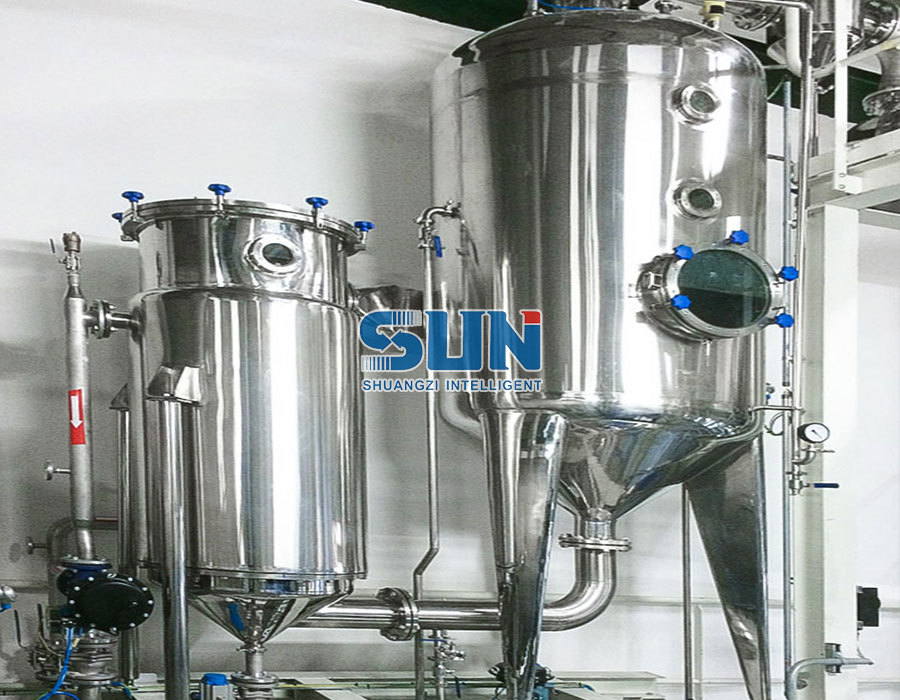
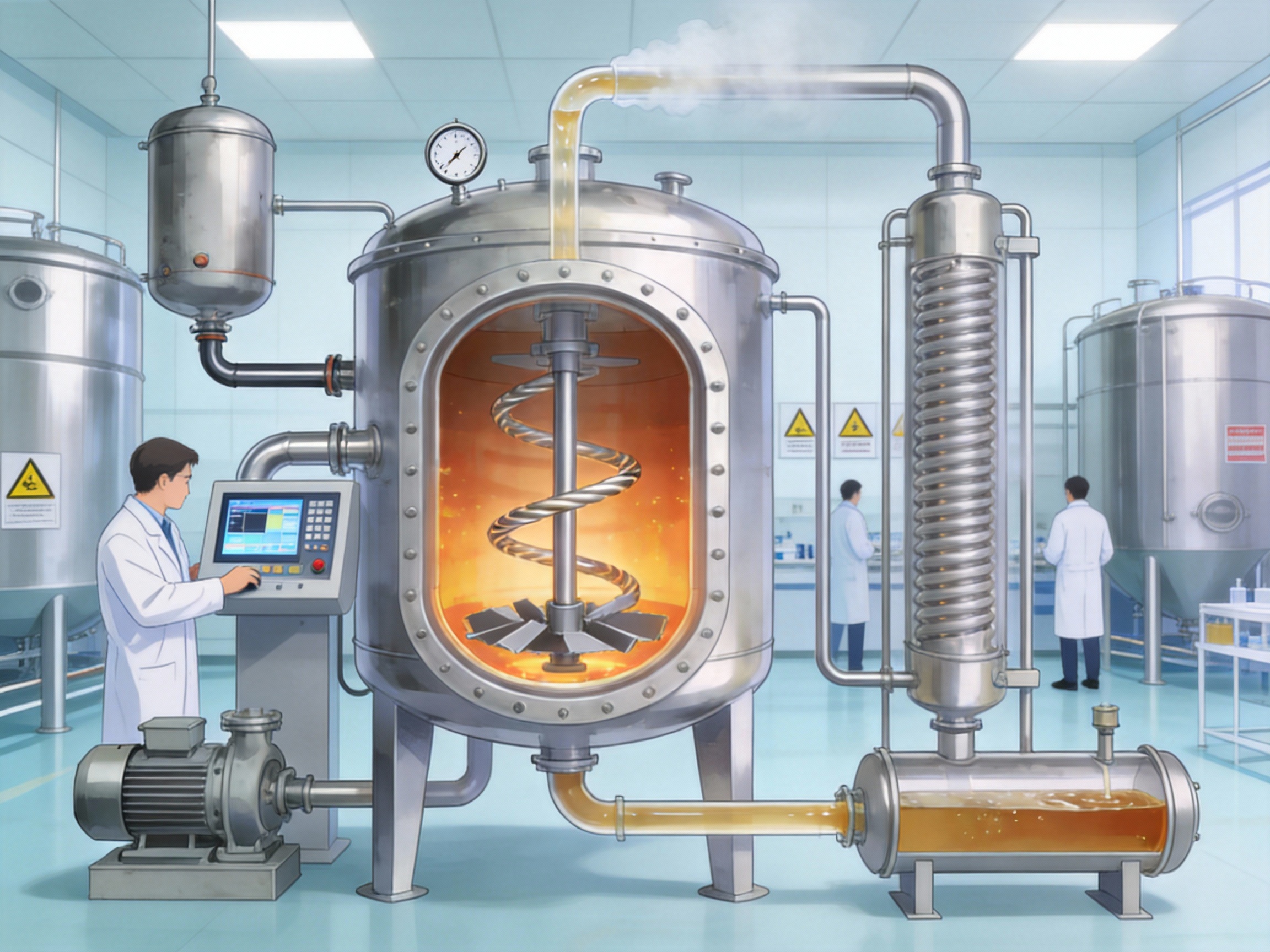
A vacuum scraper evaporator is a specialized piece of equipment designed to handle materials that are difficult to process with standard evaporation technologies. Its core function is to remove solvents from liquid mixtures while preserving the integrity of heat-sensitive components and avoiding common issues like coking or wall deposition. Unlike conventional evaporators that rely on natural film formation or circulation, this unit uses mechanical scrapers to force the feed liquid into a thin, uniform film on the inner surface of a heated cylinder. Combined with a vacuum environment that lowers the boiling point of the material, this design enables rapid, efficient solvent removal without compromising product quality.
Core Principles
The vacuum scraper evaporator operates on two key principles: vacuum low-temperature evaporation and scraper-forced film formation. Let’s break down each:
First, the vacuum environment: By reducing the atmospheric pressure inside the evaporation chamber, the boiling point of the feed liquid is significantly lowered. For example, water boils at 100°C at standard atmospheric pressure, but under a vacuum of 0.09 MPa, its boiling point drops to approximately 45°C. This low-temperature processing is critical for preserving heat-sensitive materials, such as plant extracts, vitamins, or enzymes, which would degrade at higher temperatures.
Second, scraper-forced film formation: Inside the heated cylinder, high-speed rotating scrapers (typically made of corrosion-resistant materials like stainless steel or PTFE) spread the feed liquid into a thin film (usually 0.5–2 mm thick) that flows continuously along the cylinder wall. This thin film maximizes the contact area between the liquid and the heated surface, leading to rapid vaporization of the solvent. The scrapers also prevent the liquid from stagnating, which eliminates coking and wall sticking—common problems in conventional evaporators.
The vaporized solvent (secondary steam) is then sent to a condenser, where it is cooled and condensed back into a liquid for recovery or disposal. The concentrated product is collected from the bottom of the evaporation chamber, ready for further processing or packaging.
Key Components
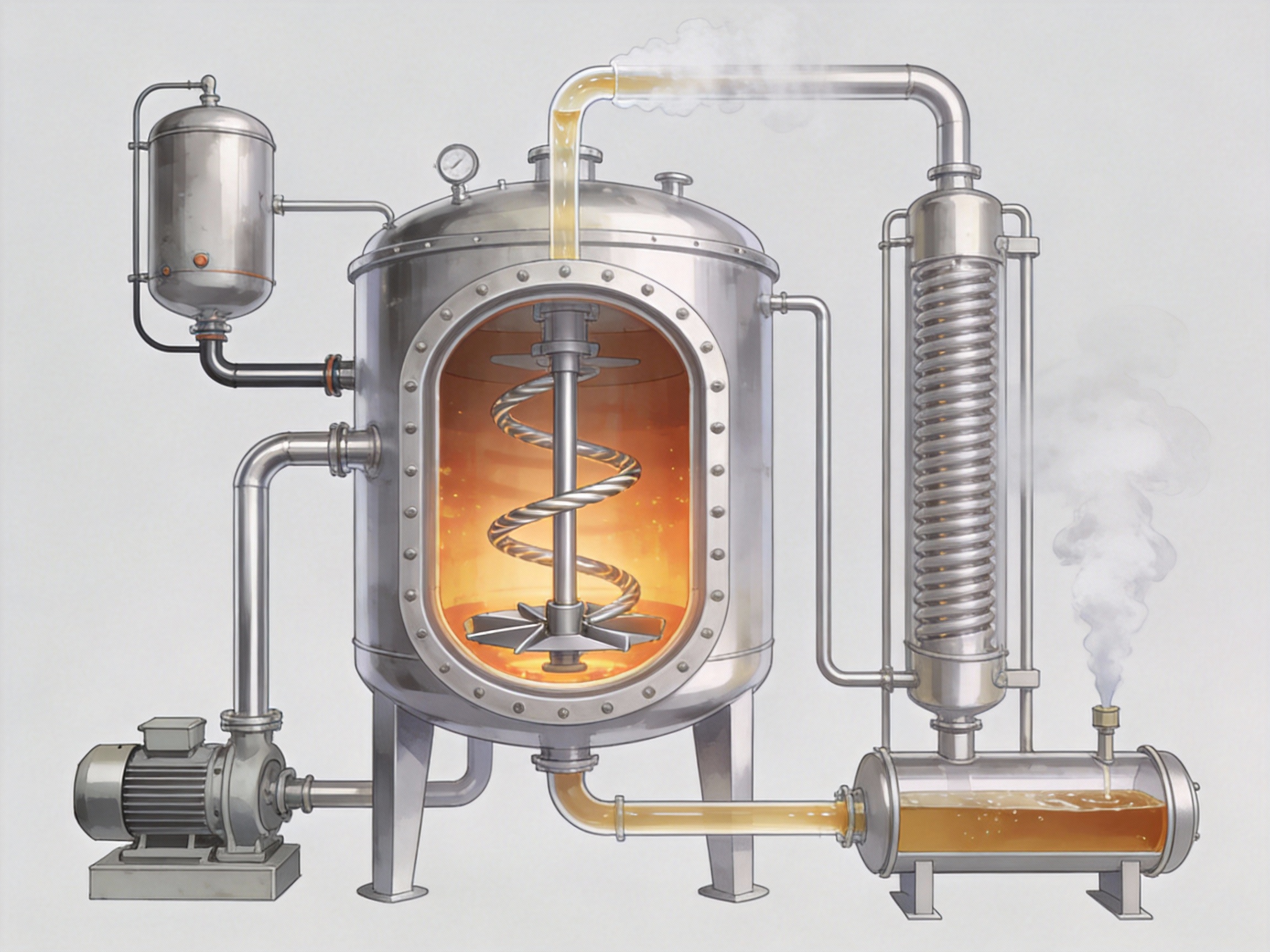
To understand the evaporator’s performance, it’s essential to know its key components and their functions:
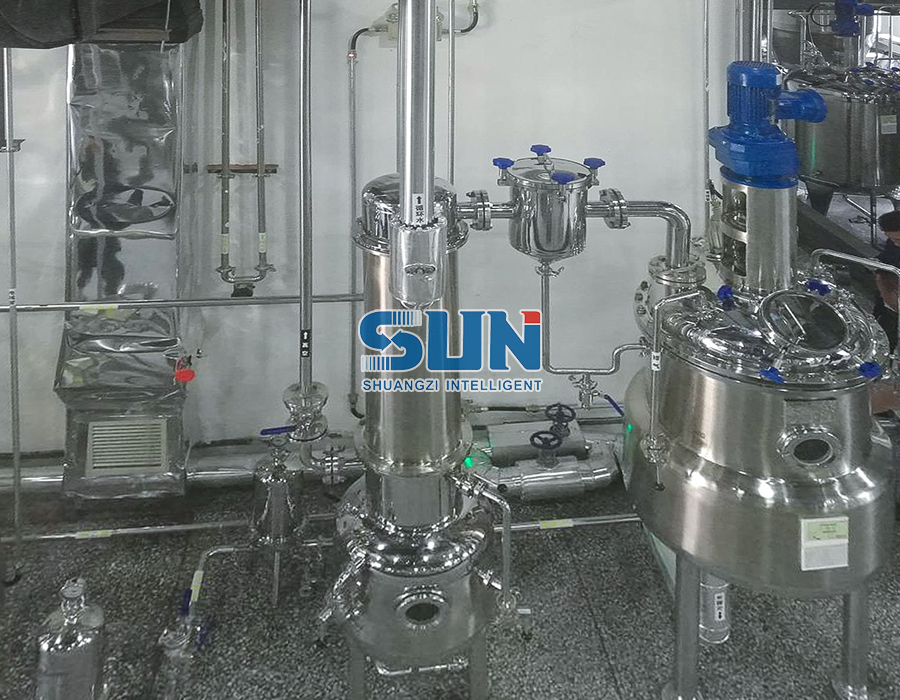
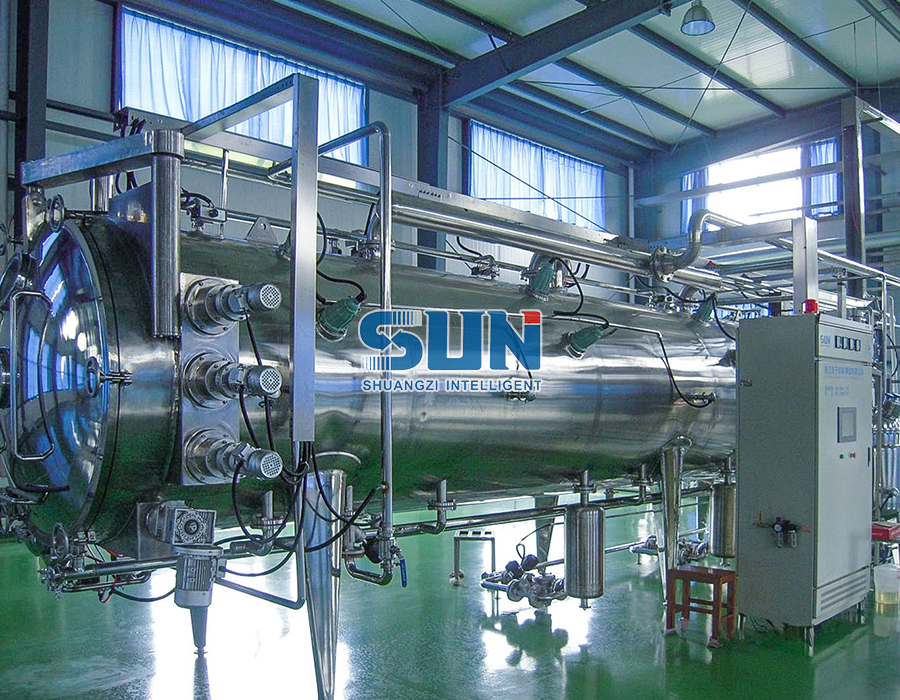
1. Evaporation Chamber: A cylindrical vessel with a heated outer jacket (for steam or hot oil heating) and an inner rotating shaft with attached scrapers. This is where the film formation and solvent evaporation occur.
2. Scraper Assembly: The rotating shaft with scrapers (often made of food-grade or pharmaceutical-grade materials) that spread the feed liquid into a thin film. The scrapers are designed to be flexible enough to conform to the cylinder wall but rigid enough to maintain film thickness.
3. Vacuum System: A combination of vacuum pumps (like water ring pumps or oil-sealed rotary vane pumps) and condensers that create and maintain the low-pressure environment inside the evaporation chamber. This system also removes non-condensable gases to optimize heat transfer.
4. Heating System: Typically a steam boiler or hot oil heater that supplies heat to the outer jacket of the evaporation chamber. The steam pressure (as specified in the product parameters) determines the heating temperature, which is adjusted based on the material’s properties.
5. Condenser: A heat exchanger that cools the secondary steam from the evaporation chamber, converting it back into a liquid. The condenser’s surface area (as per the product specs) directly impacts the efficiency of solvent recovery.
6. Feed and Discharge Systems: Pumps and valves that control the flow of feed liquid into the evaporation chamber and the discharge of concentrated product from the bottom. These systems are often automated to ensure consistent processing.
7. Control Panel: A centralized system that monitors and adjusts key parameters like vacuum level, temperature, scraper speed, and feed flow rate. Modern control panels may include PLC (Programmable Logic Controller) systems for precise automation and data logging.
Advantages Over Conventional Evaporators
Conventional evaporators have been the backbone of industrial concentration for decades, but they struggle with high-viscosity, heat-sensitive, or easy-to-crystallize materials. The vacuum scraper evaporator addresses these limitations with several distinct advantages:
1. Superior Handling of High-Viscosity Materials
Materials like plant extracts, honey, jam, or high-viscosity resins have a high resistance to flow, making them difficult to process with conventional evaporators. Falling film evaporators, for example, rely on gravity to form a film, which fails for viscous liquids as they do not spread evenly. Rising film evaporators use vapor velocity to lift the liquid, but this can lead to foaming or entrainment of product in the vapor. Forced circulation evaporators use pumps to circulate the liquid, but they require high energy input and can cause shear damage to sensitive materials.
The vacuum scraper evaporator, by contrast, uses mechanical scrapers to force even high-viscosity liquids into a thin film. This ensures that every drop of liquid is exposed to the heated surface, leading to efficient evaporation without stagnation. For example, a plant extract with a viscosity of 5000 cP (centipoise) can be processed smoothly in this evaporator, whereas a falling film unit would struggle to form a film and may cause blockages.
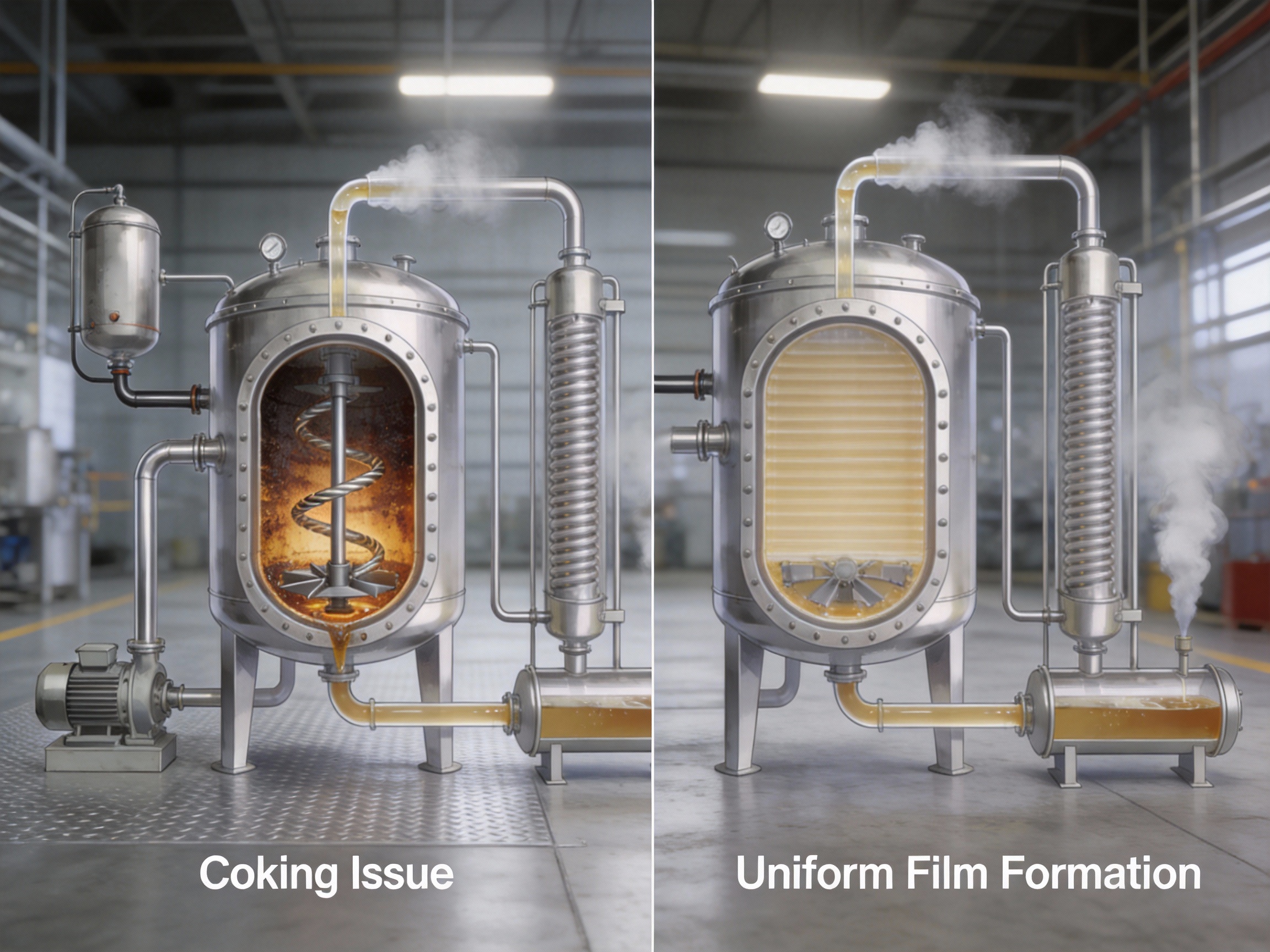
2. Elimination of Coking and Wall Sticking
Coking (the formation of burnt or degraded material on the heated surface) and wall sticking are major issues in conventional evaporators processing viscous or heat-sensitive materials. This not only reduces heat transfer efficiency but also contaminates the product and requires frequent cleaning, leading to downtime and increased maintenance costs.
The scraper assembly in the vacuum evaporator prevents this by continuously wiping the inner surface of the evaporation chamber. The thin film formed by the scrapers ensures that the liquid does not stay in contact with the heated surface long enough to coke or stick. Even for materials that are prone to crystallization (like some pharmaceutical intermediates), the scrapers break up any crystals that form, preventing them from adhering to the wall.
3. Low-Temperature Processing for Heat-Sensitive Substances
Many valuable materials—such as plant extracts, vitamins, enzymes, and probiotics—are heat-sensitive and degrade at high temperatures. Conventional evaporators often operate at temperatures above 80°C, which can destroy these components and reduce product quality. For example, a plant extract rich in antioxidants may lose up to 30% of its active compounds when processed at 90°C for 1 hour.
The vacuum scraper evaporator operates at low temperatures (typically 40–60°C) due to the vacuum environment. This preserves the active ingredients in heat-sensitive materials, ensuring that the final product retains its nutritional or therapeutic value. For plant extract manufacturers, this is a critical advantage, as it allows them to produce high-quality extracts that meet regulatory standards and consumer expectations.
4. Uniform Heat Exchange and Consistent Product Quality
Uneven heat distribution is a common problem in conventional evaporators, leading to variations in product concentration and quality. For example, in a forced circulation evaporator, some parts of the liquid may be overheated while others are underheated, resulting in inconsistent product properties.
The vacuum scraper evaporator ensures uniform heat exchange by spreading the liquid into a thin, uniform film. Every part of the film is exposed to the same heating temperature, leading to consistent evaporation rates and uniform product concentration. This is particularly important for industries like pharmaceuticals, where product consistency is regulated by agencies like the FDA (Food and Drug Administration) or EMA (European Medicines Agency).
5. Versatility Across Multiple Industries
Unlike specialized evaporators that are designed for a single industry, the vacuum scraper evaporator is versatile enough to handle materials across pharmaceuticals, food, chemicals, and daily chemicals. For example:
- In pharmaceuticals: It is used to concentrate plant extracts, viscous liquid medicines, and fermentation broths.
- In food: It processes jam, honey, cream, fruit pulp, and dairy products.
- In chemicals: It handles high-viscosity resins, adhesives, and textile auxiliaries.
- In daily chemicals: It processes high-viscosity stock solutions and paste raw materials for cosmetics and personal care products.
This versatility makes the evaporator a cost-effective solution for manufacturers that produce a range of products or operate in multiple industries.
Advanced Manufacturing Processes Behind the Equipment
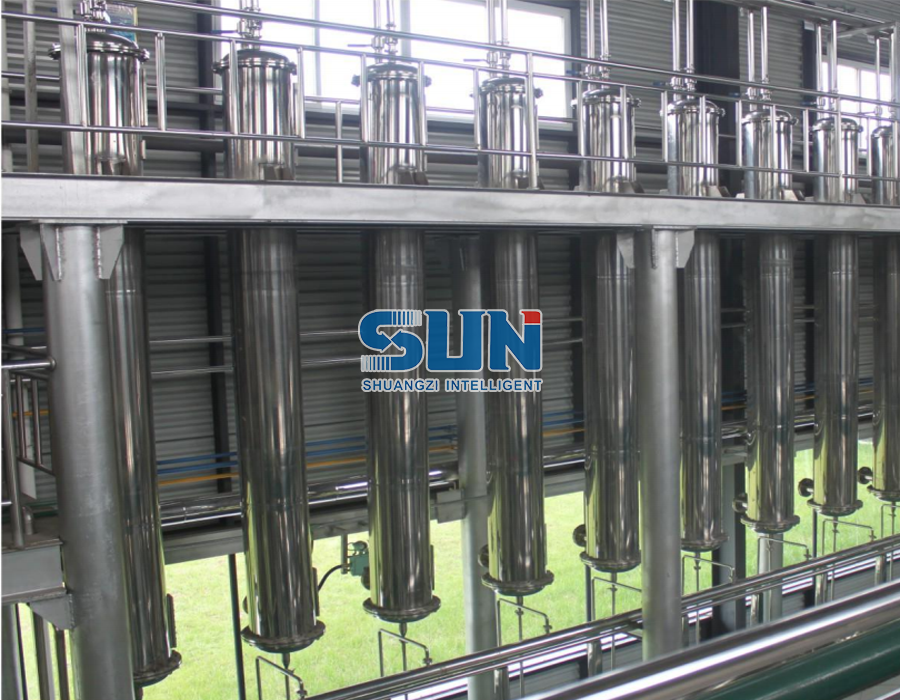
The performance and reliability of the vacuum scraper evaporator depend heavily on the manufacturing processes used to build it. Leading manufacturers invest in state-of-the-art technology and strict quality control to ensure that each unit meets the highest standards. Let’s explore the key manufacturing processes that set this equipment apart:
1. Precision Engineering and Material Selection
The first step in manufacturing the evaporator is precision engineering and material selection. The equipment is designed using CAD (Computer-Aided Design) software to ensure that every component fits perfectly and functions as intended. Material selection is critical, especially for industries like pharmaceuticals and food, where hygiene and corrosion resistance are non-negotiable.
Leading manufacturers use high-grade stainless steel (like 304 or 316L) for the evaporation chamber, scrapers, and other contact parts. 316L stainless steel is particularly preferred for its excellent corrosion resistance to acidic or alkaline materials, which are common in plant extracts and food processing. For scrapers, materials like PTFE (polytetrafluoroethylene) or food-grade rubber are used to ensure flexibility and compatibility with sensitive materials.
Additionally, the heating jacket is designed with precision to ensure uniform heat distribution. The jacket’s thickness and welds are calculated to withstand the required steam pressure (as per the product parameters) without leaking or deforming.
2. Welding and Finishing Excellence
Welding is a critical process for evaporators, as any defects can lead to leaks, contamination, or reduced performance. Leading manufacturers use advanced welding technologies like plasma argon arc welding (PAAW) to ensure high-quality, corrosion-resistant welds. PAAW produces a narrow, deep weld with minimal heat input, which reduces the risk of distortion and ensures that the welds are smooth and free of porosity.
After welding, the equipment undergoes rigorous finishing processes. The inner surface of the evaporation chamber is polished to a mirror finish (Ra ≤ 0.8 μm) to prevent material sticking and facilitate easy cleaning. This is particularly important for pharmaceutical and food applications, where hygiene is a top priority. The outer surface is also finished to a high standard to ensure durability and aesthetic appeal.
As per the user’s company info, the manufacturer uses advanced welding equipment like plasma argon arc welding machines and plasma cutting machines, which are critical for achieving these high-quality welds.
3. Automation and Quality Control
Modern manufacturing processes rely on automation to ensure consistency and reduce human error. Leading manufacturers use PLC-controlled systems to automate key steps like welding, polishing, and assembly. For example, CNC (Computer Numerical Control) machining centers are used to produce precision components like the scraper shaft and valves, ensuring that each part meets exact specifications.
Quality control is integrated into every stage of the manufacturing process. Before assembly, each component is inspected for defects using non-destructive testing (NDT) methods like ultrasonic testing or dye penetrant inspection. After assembly, the evaporator undergoes a series of performance tests, including:
- Pressure test: To check for leaks in the heating jacket and vacuum system.
- Vacuum test: To ensure that the system can maintain the required vacuum level.
- Performance test: To verify that the evaporator meets the specified evaporation capacity and product quality standards.
These tests are documented and certified to ensure compliance with industry standards like GMP (Good Manufacturing Practices) for pharmaceuticals or FDA regulations for food processing.
4. Pilot Production and R&D Validation
Before scaling up to full production, leading manufacturers conduct pilot production and R&D validation to ensure that the evaporator meets the needs of their customers. As per the user’s company info, the manufacturer has a pilot production workshop and R&D platform that meets GMP requirements. This facility allows them to test the evaporator with actual customer materials and optimize the process parameters (like vacuum level, scraper speed, and heating temperature) for maximum efficiency.
Pilot production also helps manufacturers identify potential issues before the equipment is shipped to the customer. For example, if a customer’s plant extract has a higher viscosity than expected, the manufacturer can adjust the scraper design or process parameters during the pilot phase to ensure optimal performance. This reduces the risk of downtime and ensures that the customer receives a turnkey solution that meets their specific needs.
Industry Applications
The vacuum scraper evaporator’s versatility makes it a valuable asset across multiple industries. Let’s explore its key applications in detail:
1. Pharmaceutical and Plant Extraction
The pharmaceutical industry is one of the largest users of vacuum scraper evaporators, especially for plant extraction and concentration. Plant extracts are rich in active pharmaceutical ingredients (APIs) like alkaloids, flavonoids, and saponins, which are heat-sensitive and require gentle processing.
For example, in the production of traditional Chinese medicine (TCM) extracts, the vacuum scraper evaporator is used to concentrate the crude extract (obtained from solvent extraction or maceration) into a thick paste. The low-temperature processing ensures that the active ingredients are preserved, while the scraper design prevents coking and wall sticking. This results in a high-quality extract that meets the strict regulatory standards of agencies like the FDA or EMA.
Other pharmaceutical applications include concentrating fermentation broths (for antibiotics or vaccines) and processing viscous liquid medicines (like syrups or suspensions). The evaporator’s ability to handle high-viscosity materials and maintain product consistency is critical for these applications.
2. Food and Beverage
The food and beverage industry uses vacuum scraper evaporators to process a wide range of products, including jam, honey, cream, fruit pulp, and dairy products. The low-temperature processing preserves the flavor, aroma, and nutritional value of these products, which is essential for consumer appeal.
For example, in jam production, the evaporator is used to remove excess water from the fruit pulp and sugar mixture. The scraper design prevents the mixture from sticking to the heated surface and burning, which is a common problem in conventional cookers. This results in a smooth, consistent jam with a long shelf life.
In honey processing, the evaporator is used to remove excess moisture from raw honey (which can cause fermentation). The low-temperature processing ensures that the honey’s natural enzymes and antioxidants are preserved, maintaining its nutritional value.
3. Chemical and Daily Chemicals
The chemical industry uses vacuum scraper evaporators to process high-viscosity materials like resins, adhesives, and textile auxiliaries. These materials are often heat-sensitive and prone to coking, making conventional evaporators unsuitable.
For example, in the production of epoxy resins, the evaporator is used to remove solvents from the resin mixture. The scraper design prevents the resin from sticking to the heated surface and forming gel particles, which can affect the resin’s quality. The low-temperature processing also ensures that the resin’s molecular weight distribution remains consistent.
In the daily chemical industry, the evaporator is used to process high-viscosity stock solutions for cosmetics and personal care products (like lotions, creams, and shampoos). The scraper design ensures that the ingredients are mixed evenly and the product has a smooth texture.
Product Specifications and Performance Metrics
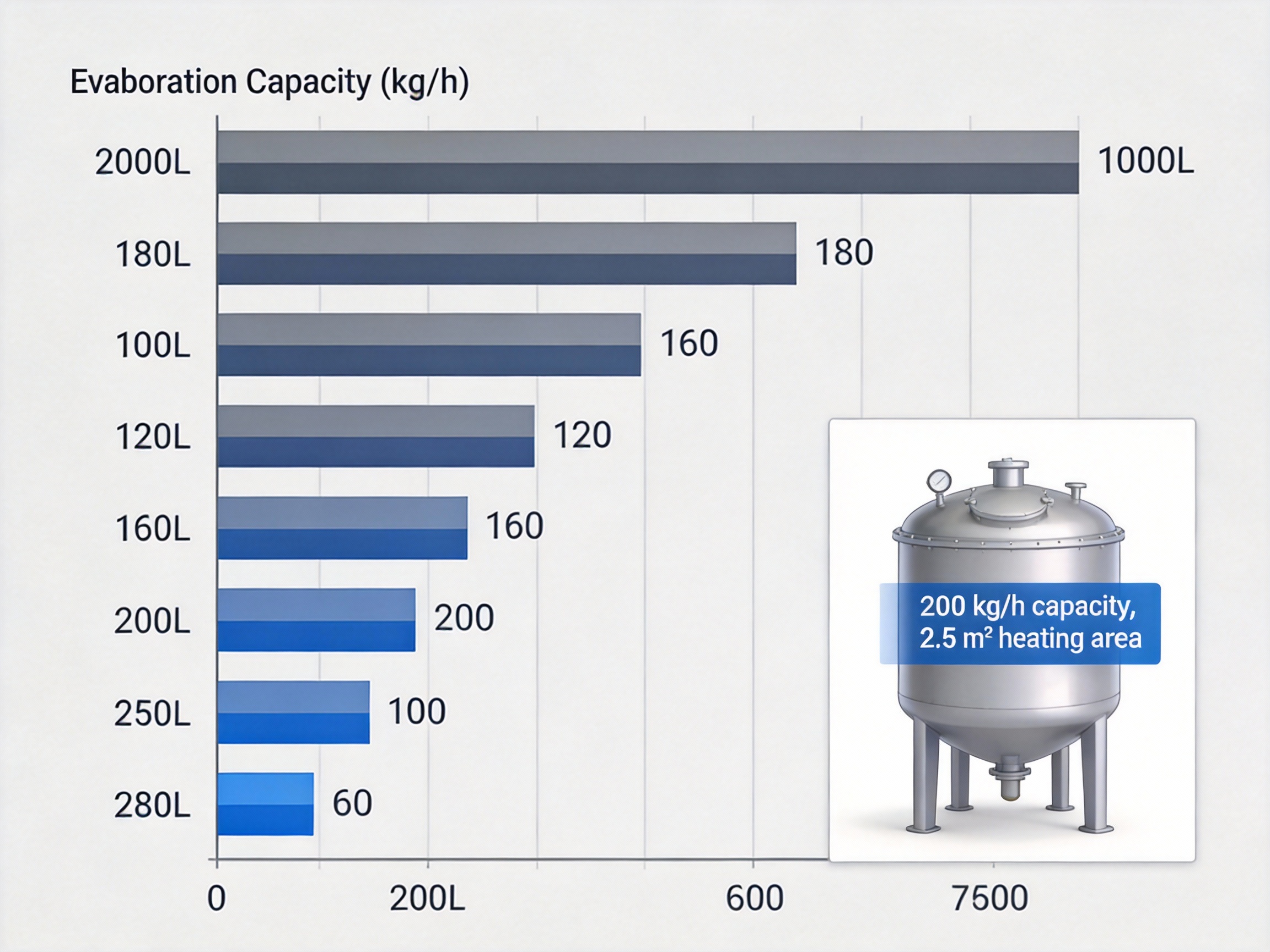
The vacuum scraper evaporator is available in a range of models to suit different production needs. Below is a table of key specifications for the equipment:
| Model | 100L | 300L | 500L | 800L | 1000L | 1500L | 2000L |
|---|---|---|---|---|---|---|---|
| Steam Pressure (MPa) | 0.25 | 0.25 | 0.25 | 0.25 | 0.25 | 0.25 | 0.25 |
| Evaporation Capacity (kg/h) | 60 | 100 | 120 | 160 | 200 | 250 | 280 |
| Heating Area (m²) | 0.7 | 1.2 | 1.5 | 2.1 | 2.5 | 3.2 | 3.5 |
| Condensation Area (m²) | 2.5 | 3.5 | 4.6 | 6.5 | 7.4 | 10 | 10.8 |
| Cooling Area (m²) | 0.3 | 0.4 | 0.48 | 0.78 | 1.2 | 1.8 | 2.2 |
| Motor Power (Kw) | 0.75 | 1.5 | 1.5 | 2.2 | 3.0 | 3.0 | 4.0 |
| Stirring Speed (RPM) | 32 | 32 | 32 | 32 | 32 | 32 | 32 |
Key observations from the table:
- Evaporation capacity increases with model size, from 60 kg/h for the 100L model to 280 kg/h for the 2000L model. This allows manufacturers to choose the model that best fits their production volume.
- Steam pressure remains constant at 0.25 MPa across all models, ensuring consistent heating performance.
- Heating area, condensation area, and cooling area increase with model size, which is necessary to handle the higher evaporation capacity of larger models.
- Motor power increases with model size to accommodate the larger scraper assembly and higher processing volume.
- Stirring speed remains constant at 32 RPM across all models, ensuring consistent film formation and heat exchange.
Q&A Section
Below are answers to common questions about the vacuum scraper evaporator:
Q1: What makes the vacuum scraper evaporator suitable for plant extract concentration?
A: Plant extracts are often heat-sensitive and high in viscosity, which makes them difficult to process with conventional evaporators. The vacuum scraper evaporator addresses these challenges by:
- Operating at low temperatures (40–60°C) due to the vacuum environment, preserving active ingredients like antioxidants and flavonoids.
- Using scraper-forced film formation to handle high-viscosity materials without coking or wall sticking.
- Ensuring uniform heat exchange, which results in consistent product concentration and quality.
Q2: How does the scraper design prevent wall sticking and coking?
A: The high-speed rotating scrapers (32 RPM) spread the feed liquid into a thin, uniform film (0.5–2 mm thick) on the inner surface of the evaporation chamber. This thin film ensures that the liquid does not stay in contact with the heated surface long enough to coke or stick. The scrapers also continuously wipe the chamber wall, breaking up any crystals or deposits that may form.
Q3: Can this equipment handle batch or continuous production?
A: The vacuum scraper evaporator is suitable for continuous production of small to medium batches. It can also be adapted for batch production by adjusting the feed and discharge rates. The automated control system allows for precise adjustment of process parameters to suit either production mode.
Q4: What maintenance is required for the evaporator?
A: Regular maintenance is essential to ensure the evaporator’s performance and longevity. Key maintenance tasks include:
- Cleaning the scraper assembly and evaporation chamber after each production run to remove any residual material.
- Checking the vacuum system for leaks and replacing worn seals or gaskets as needed.
- Calibrating the temperature and pressure sensors to ensure accurate readings.
- Lubricating the scraper shaft bearings to prevent wear and tear.
- Inspecting the condenser and cooling system for blockages or corrosion.
Q5: Does the manufacturer provide customizations for specific material needs?
A: Yes, leading manufacturers offer customizations to meet specific customer needs. This includes adjusting the scraper material (e.g., PTFE for corrosive materials), modifying the heating system (e.g., using hot oil instead of steam), or adding additional features like CIP (Clean-in-Place) systems for hygiene-critical applications. The manufacturer also conducts pilot production with customer materials to optimize the equipment’s performance.
Q6: What is the expected lifespan of the evaporator?
A: With proper maintenance, the vacuum scraper evaporator can have a lifespan of 10–15 years. The key factors that affect lifespan include the quality of materials used (e.g., 316L stainless steel vs. lower-grade materials), the frequency of maintenance, and the type of materials processed (e.g., corrosive vs. non-corrosive).
Company's Strengths in Manufacturing and Service
The success of the vacuum scraper evaporator is closely tied to the manufacturer’s expertise and capabilities. Leading manufacturers in this field offer a range of strengths that set them apart:
1. EPC/EPCM Expertise
Many leading manufacturers specialize in EPC (Engineering, Procurement, Construction) and EPCM (Engineering, Procurement, Construction Management) services. This means they can provide turnkey solutions from process design to equipment installation and commissioning. For example, if a customer needs a complete plant extract production line, the manufacturer can design the process flow, supply all necessary equipment (including the vacuum scraper evaporator), install the line, and train the customer’s staff to operate it. This turnkey approach saves the customer time and resources, as they do not need to coordinate with multiple vendors.
2. Strong R&D Capabilities
Leading manufacturers invest heavily in R&D to improve their equipment and develop new technologies. They have dedicated R&D teams that work with customers to solve specific processing challenges and optimize equipment performance. For example, the manufacturer may develop a new scraper design to handle ultra-high-viscosity materials or a new vacuum system to reduce energy consumption. As per the user’s info, the manufacturer has a pilot production workshop and R&D platform that meets GMP requirements, allowing them to test new designs and processes with actual customer materials.
3. Strict Quality Assurance
Quality is a top priority for leading manufacturers. They adhere to strict international standards like GMP, ISO 9001, and FDA regulations. Every piece of equipment undergoes rigorous testing before shipment, including pressure tests, vacuum tests, and performance tests. The manufacturer also provides a warranty for their equipment and offers after-sales service to ensure that the equipment operates smoothly for years to come.
4. Global Service Reach
Leading manufacturers have a global presence, with offices or distributors in key markets around the world. This allows them to provide prompt service and support to customers regardless of their location. For example, if a customer in Europe has a problem with their evaporator, the manufacturer can send a technician to their facility within a few days or provide remote support via the control panel’s internet connection. This global reach ensures that customers receive the help they need when they need it.
References
1. International Society for Pharmaceutical Engineering (ISPE). (2020). Good Manufacturing Practices for Pharmaceutical Equipment: A Guide to Equipment Design and Qualification. Tampa, FL: ISPE Press.
2. Food and Agriculture Organization of the United Nations (FAO). (2019). Guidelines for the Design and Operation of Food Processing Equipment. Rome, Italy: FAO.
3. Chemical Engineering Progress (CEP). (2021). Advances in Evaporation Technology for High-Viscosity and Heat-Sensitive Materials. New York, NY: American Institute of Chemical Engineers (AIChE).
4. European Federation of Chemical Engineering (EFCE). (2018). Standard Test Methods for Evaporator Performance: Determination of Evaporation Capacity and Heat Transfer Efficiency. London, UK: EFCE.
5. World Health Organization (WHO). (2017). Guidelines for the Production of Herbal Medicines. Geneva, Switzerland: WHO Press.
Conclusion
The vacuum scraper evaporator represents a significant advancement in industrial concentration technology, addressing the long-standing challenges of processing high-viscosity, heat-sensitive, and easy-to-crystallize materials. Its unique combination of vacuum low-temperature evaporation and scraper-forced film formation delivers superior performance compared to conventional evaporators, with advantages like reduced coking, preserved product quality, and uniform heat exchange.
The equipment’s versatility across pharmaceuticals, food, chemicals, and daily chemicals makes it a valuable asset for manufacturers in multiple industries. Leading manufacturers, with their advanced manufacturing processes, EPC expertise, and strong R&D capabilities, ensure that each unit meets the highest standards of quality and reliability.
As industrial processing demands continue to evolve, the vacuum scraper evaporator will remain a critical tool for manufacturers looking to produce high-quality products efficiently and sustainably. Whether it’s concentrating plant extracts for pharmaceuticals, processing jam for food, or handling resins for chemicals, this equipment offers a solution that meets the most demanding processing needs.