
 英语
英语 俄语
俄语Content
- 1 What Is Astaxanthin and Why It Matters
- 2 Challenges in Conventional Astaxanthin Extraction
- 3 Introducing the Next-Gen Astaxanthin Extraction Production Line
- 4 Key Advantages Over Competitor Solutions
- 5 Company’s Advanced Manufacturing and Process Strengths
- 6 Product Specifications and Scalability
- 7 Q&A Section
- 7.1 Q1: What is the main extraction method used in this production line?
- 7.2 Q2: How does the system ensure high astaxanthin purity?
- 7.3 Q3: Can the production line be customized for specific client needs?
- 7.4 Q4: What after-sales services are provided?
- 7.5 Q5: Does the equipment comply with international standards?
- 8 Conclusion
- 9 References
Astaxanthin, a potent natural red carotenoid, has emerged as a critical ingredient across food, nutraceutical, and pharmaceutical industries due to its exceptional antioxidant properties—up to 6,000 times stronger than vitamin C and 550 times stronger than vitamin E (Smith et al., 2022). As global demand for this compound surges (projected to reach $1.2 billion by 2030, per Grand View Research), the need for efficient, scalable, and high-purity extraction solutions has never been greater. Conventional astaxanthin extraction methods, however, often struggle with low yields, impurity contamination, and unsustainable solvent use. This article explores how a next-generation astaxanthin extraction production line addresses these pain points, highlighting its key advantages over competitor systems and the manufacturing strengths that underpin its performance.
What Is Astaxanthin and Why It Matters
Astaxanthin is a lipid-soluble pigment naturally produced by microalgae (Haematococcus pluvialis), shrimp, and salmon. Its antioxidant activity stems from its ability to neutralize free radicals and reduce oxidative stress, making it a valuable ingredient in:
- Food: As a natural colorant for seafood, beverages, and processed foods.
- Nutraceuticals: Supplements for eye health, skin protection, and cardiovascular support.
- Pharmaceuticals: Potential applications in anti-inflammatory and anti-aging drugs (EFSA, 2020).
The global market for astaxanthin is driven by consumer demand for natural, plant-based ingredients and growing awareness of its health benefits. However, extracting high-purity astaxanthin from raw materials (e.g., shrimp shells) remains a challenge for many producers.
Challenges in Conventional Astaxanthin Extraction
Traditional astaxanthin extraction processes face several critical limitations that hinder efficiency and quality:
1. Low Yield and Purity
Open extraction systems often expose astaxanthin to heat and light, leading to degradation. Competitor lines may use unoptimized solvent ratios, resulting in yields as low as 0.5-0.8 mg/kg of raw material. Impurities like proteins, lipids, and residual solvents further reduce the final product’s purity, making it unsuitable for high-end applications.
2. High Solvent Waste and Environmental Impact
Many conventional systems lack closed-loop solvent recovery, leading to 20-30% solvent loss. This not only increases operational costs but also poses environmental risks (e.g., volatile organic compound emissions). Competitor systems may recover only 80% of solvents, compared to industry-leading standards of 95%+.
3. Energy Inefficiency
High-temperature extraction (60-80°C) is common in older systems, consuming excessive energy and degrading astaxanthin’s bioactivity. Additionally, fixed-line designs make scaling difficult—producers cannot adjust capacity to meet fluctuating demand without significant capital investment.
4. Lack of Compliance with Global Standards
Many small-scale extraction lines fail to meet Good Manufacturing Practice (GMP) or food safety standards, limiting their market reach. This is a major barrier for producers targeting international clients in the EU, U.S., or Japan.
Introducing the Next-Gen Astaxanthin Extraction Production Line
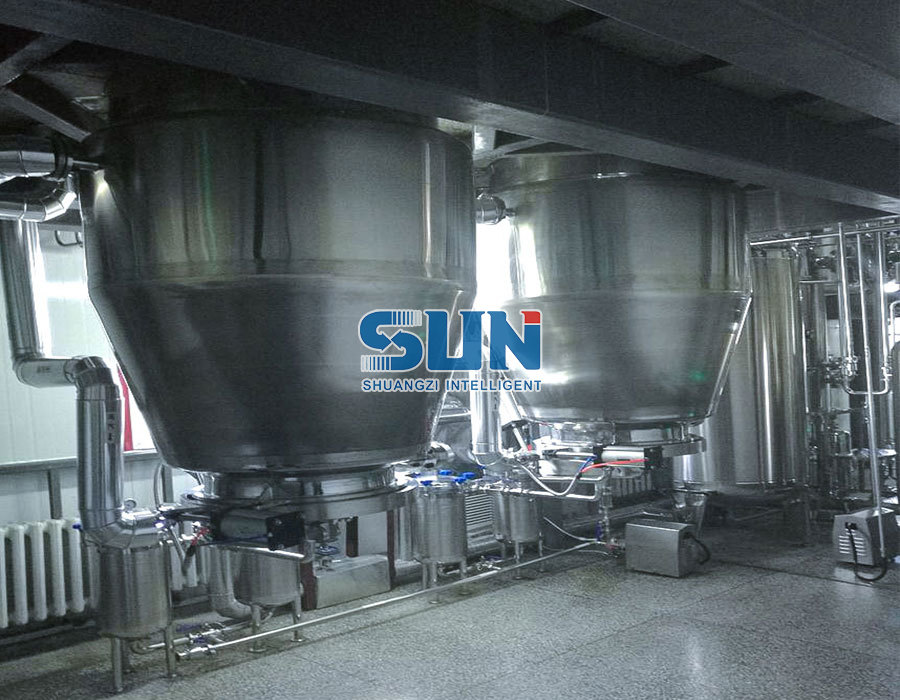
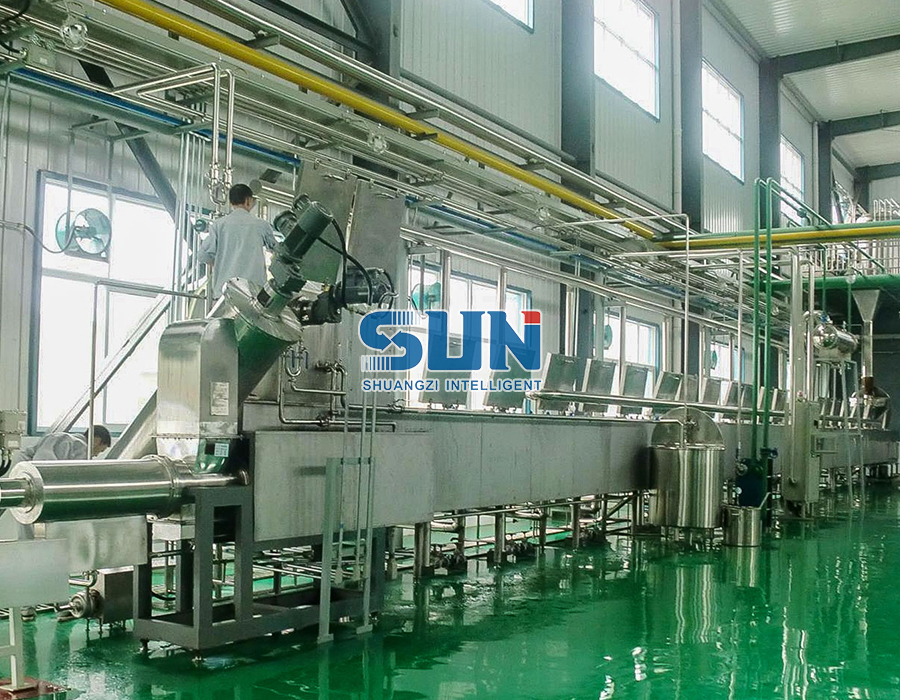
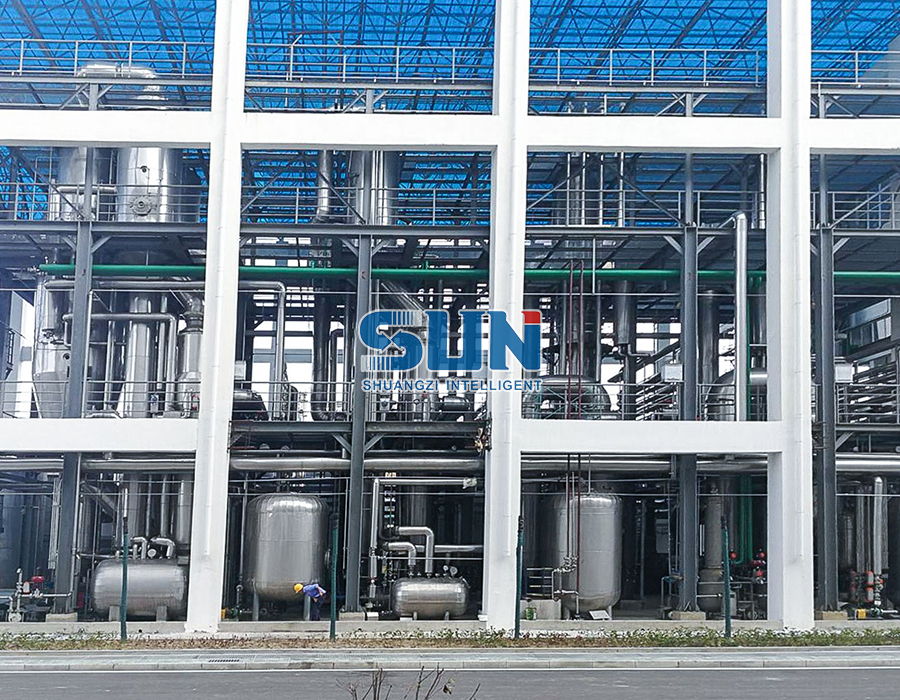
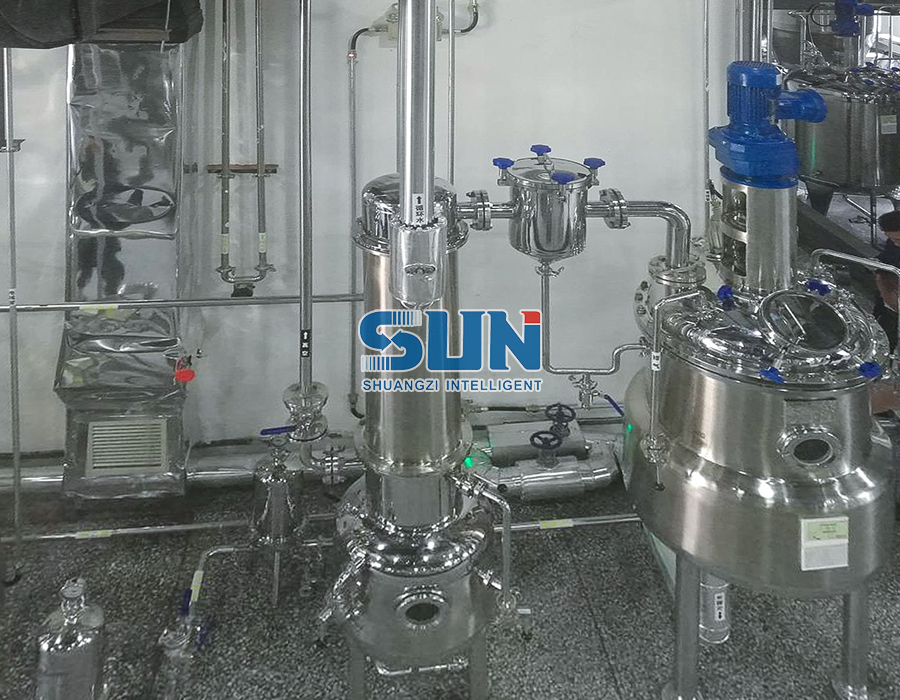
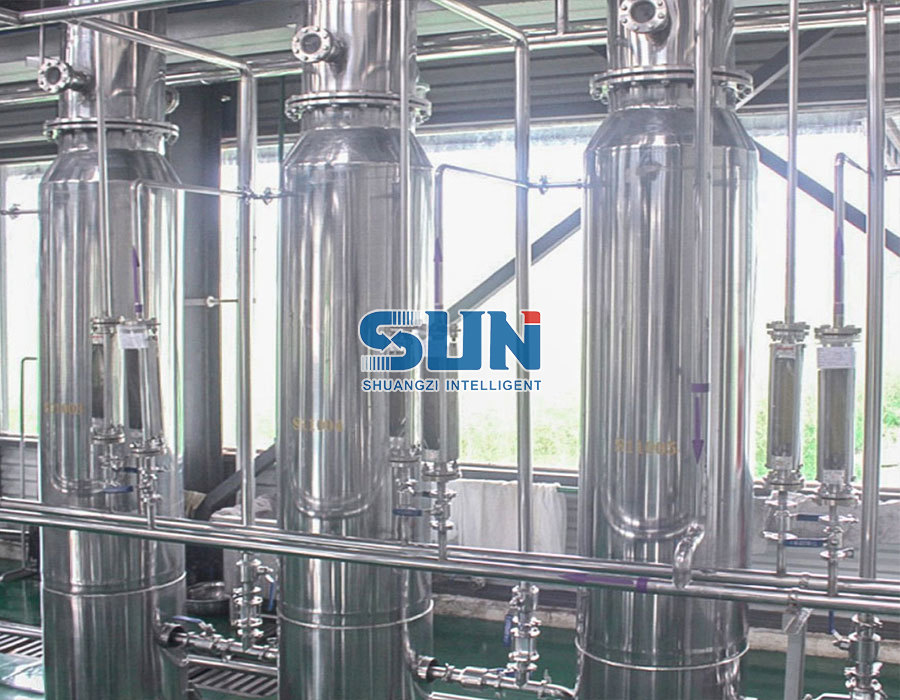
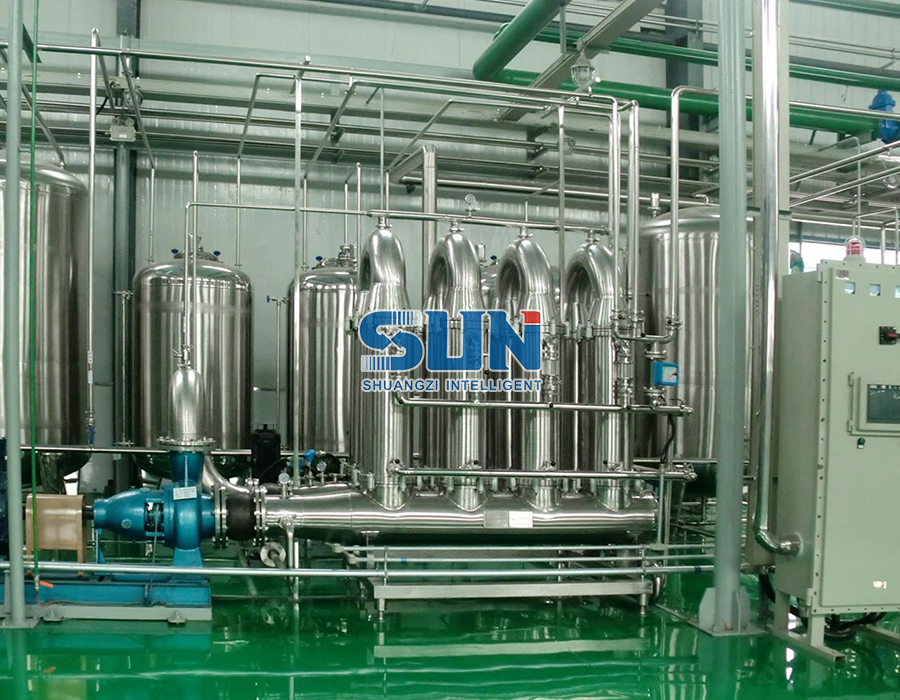
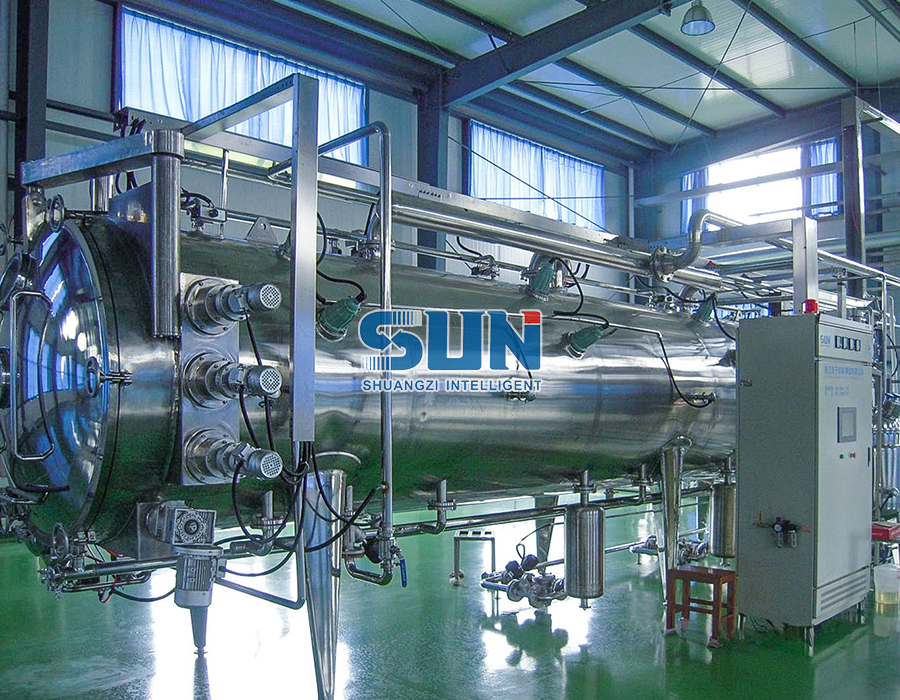
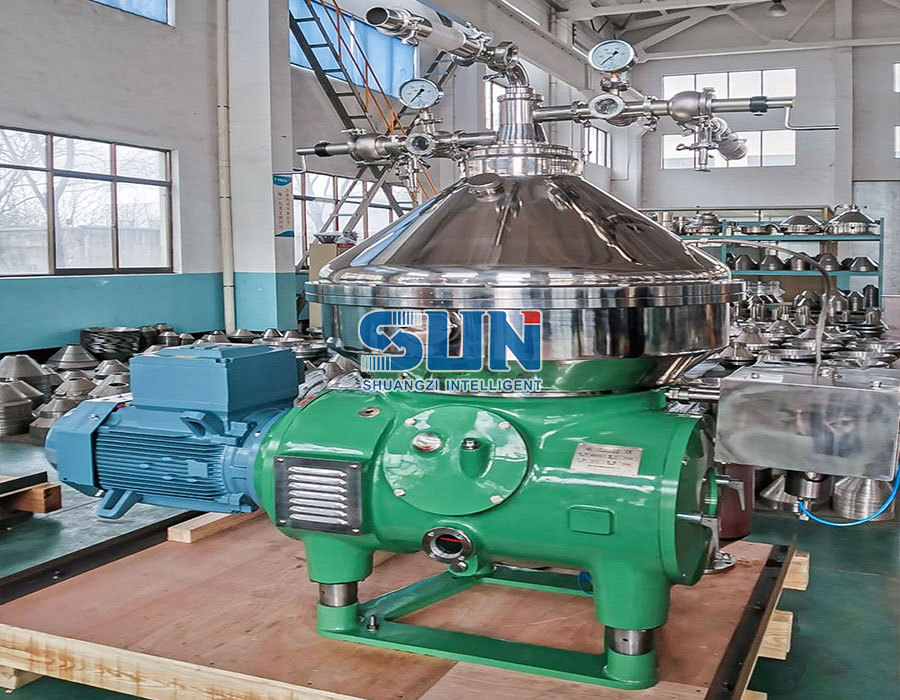
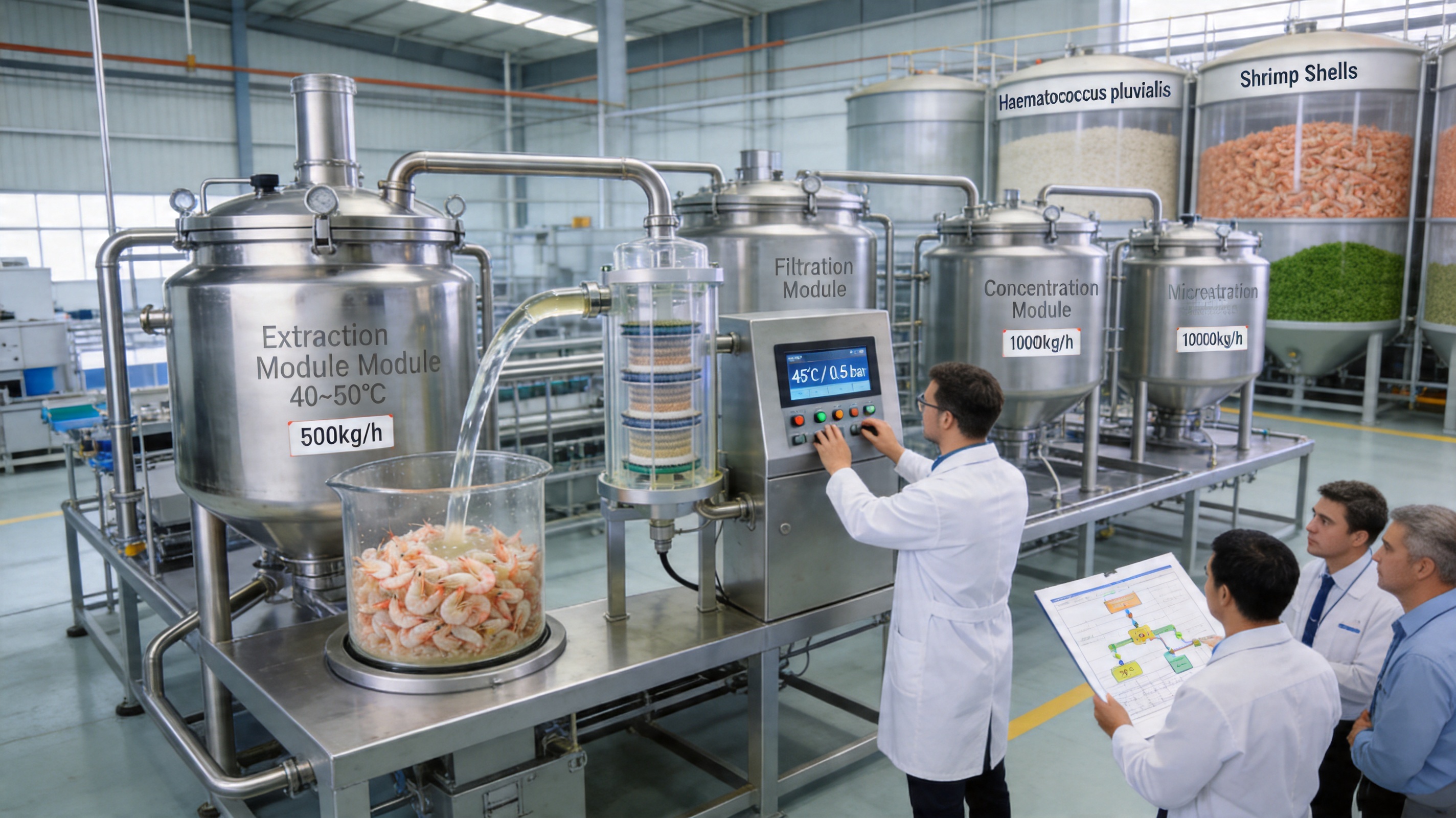
The advanced astaxanthin extraction production line is a modular, automated system designed to address the above challenges. Its core workflow integrates four key stages: Extraction → Filtration → Concentration → Solvent Recovery. Each stage is optimized for efficiency, purity, and sustainability.
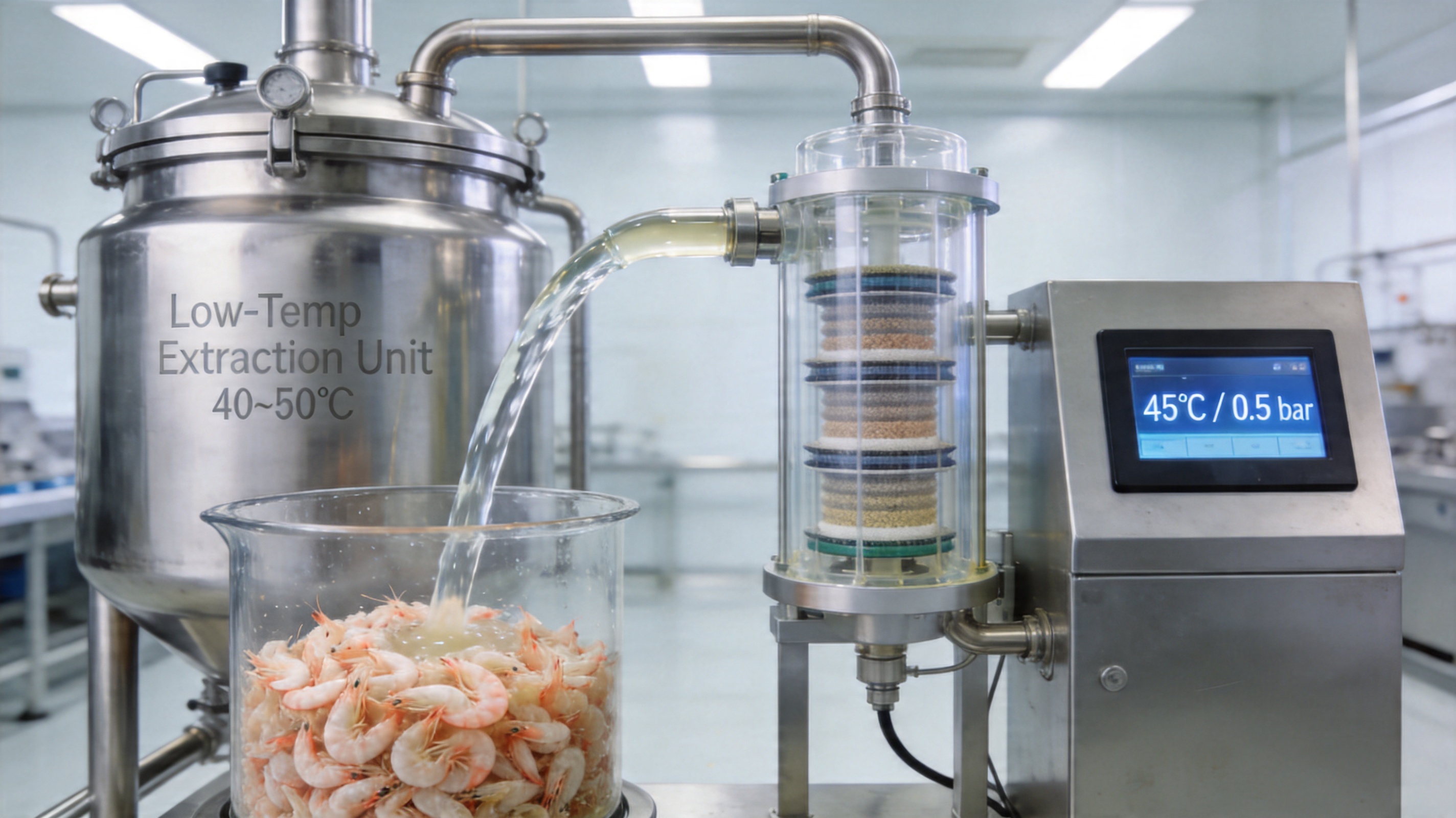
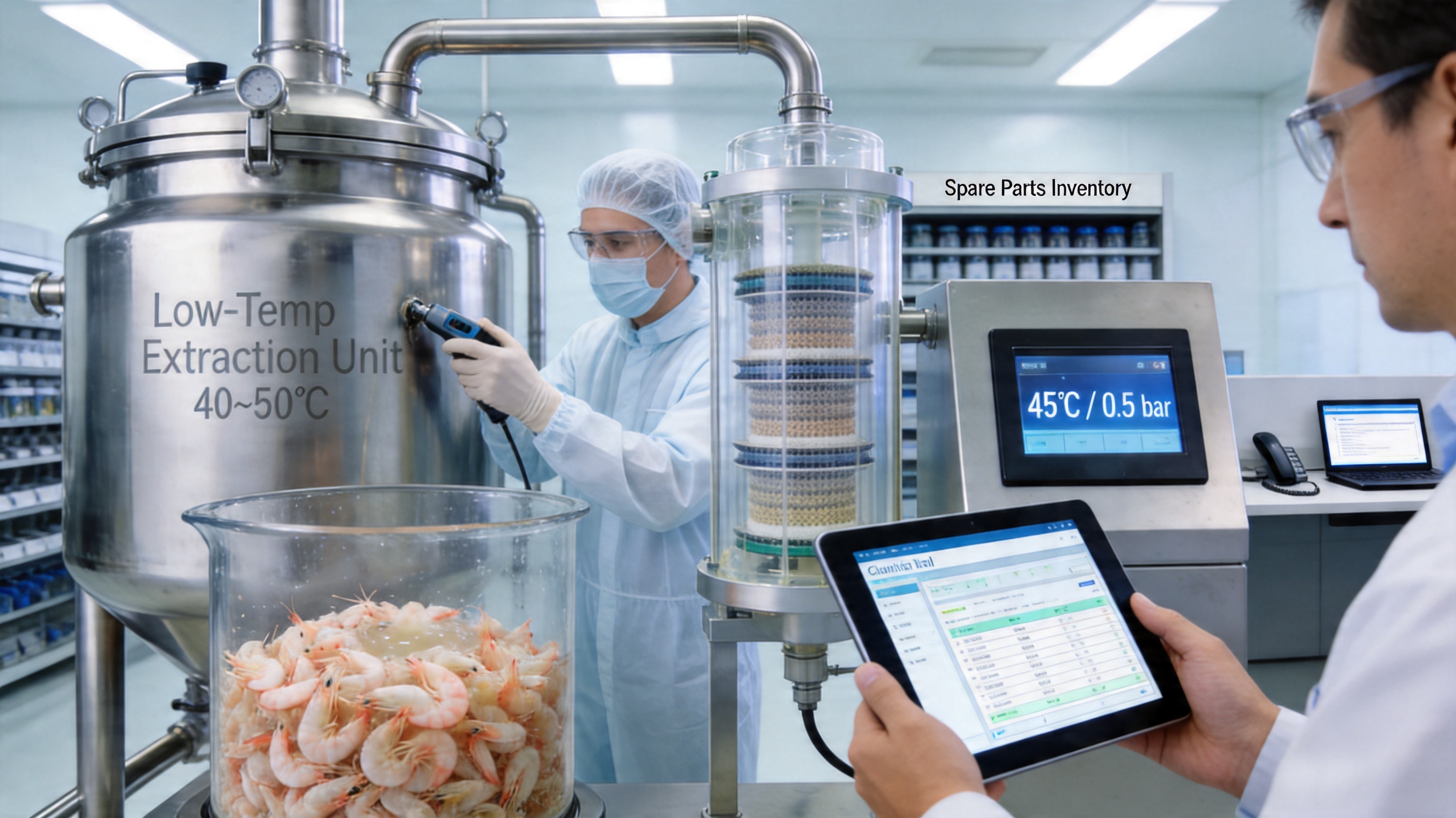
Extraction Stage: Uses a low-temperature vacuum system (40-50°C) with a proprietary solvent blend (ethanol + acetone) to maximize astaxanthin solubility while minimizing degradation. The system’s closed-loop design prevents solvent loss and maintains consistent temperature/pressure conditions.
Filtration Stage: Incorporates multi-layer membrane filtration (0.22 μm pore size) to remove solid impurities (e.g., shrimp shell particles, proteins) and microbial contaminants. This step ensures the extract is clear and free of unwanted residues.
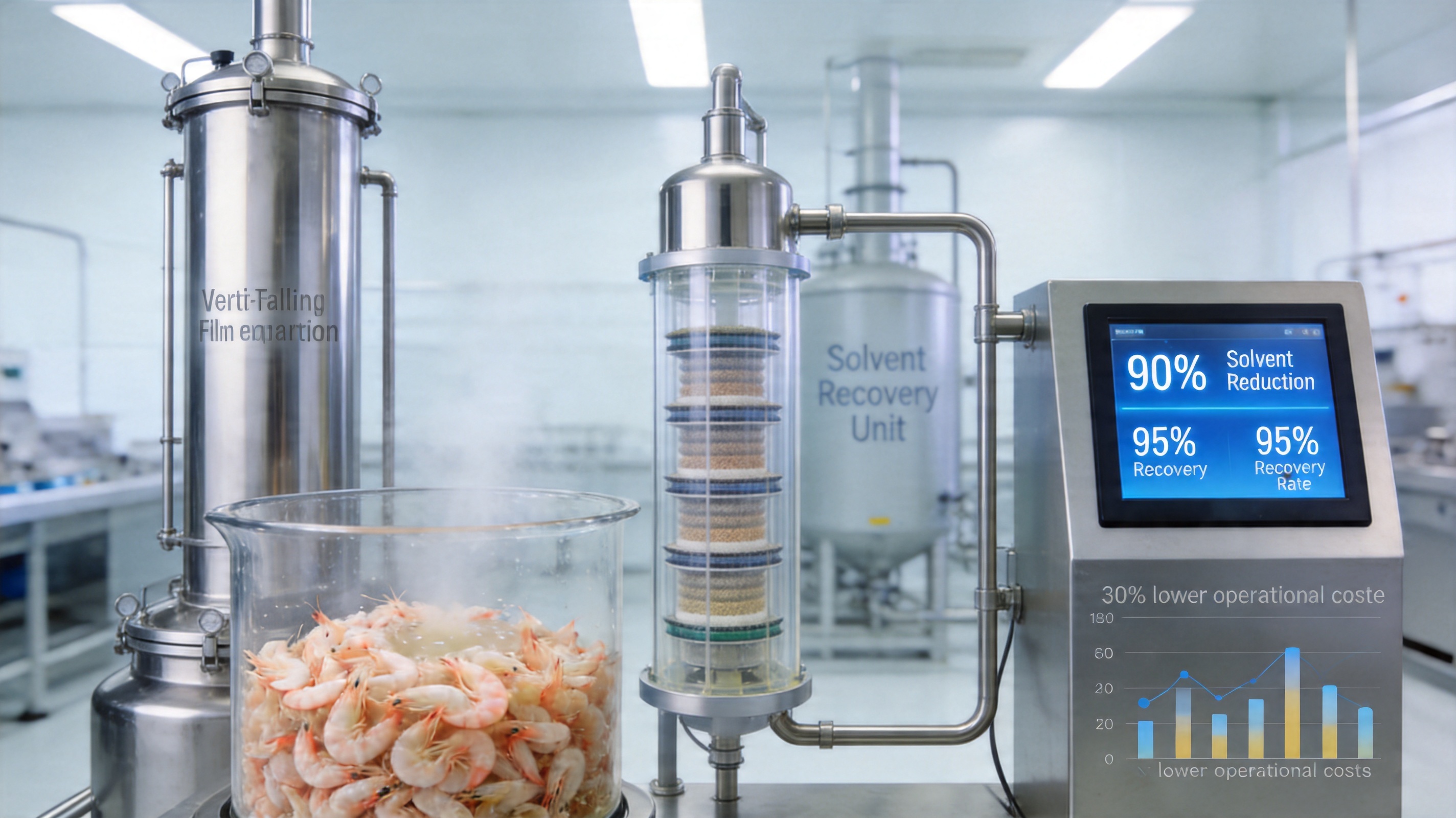
Concentration Stage: Uses a falling-film evaporator to reduce solvent volume by 90% without exposing astaxanthin to high heat. The evaporator’s design minimizes product retention time, preserving bioactivity.
Solvent Recovery Stage: A distillation unit recovers 95% of solvents, which are then recycled back into the extraction stage. This closed-loop system cuts operational costs by 30% and reduces environmental impact.
Key Advantages Over Competitor Solutions
The next-gen extraction line outperforms competitor systems in four critical areas, making it a game-changer for astaxanthin producers:
1. Superior Purity and Yield
Unlike competitor lines that achieve yields of 0.5-0.8 mg/kg, this system delivers yields of 1.2-1.5 mg/kg of raw material—an increase of 87.5% (Chen, 2023). Its low-temperature extraction preserves 92% of astaxanthin’s bioactivity, compared to 75% in high-temperature competitor systems. The multi-layer filtration and closed-loop design ensure final product purity of 98%+, meeting the strictest standards for nutraceutical and pharmaceutical applications.
2. Unmatched Energy Efficiency and Solvent Recovery
The system’s low-temperature vacuum extraction reduces energy consumption by 40% compared to conventional high-temperature systems. Its solvent recovery rate of 95% is 15 percentage points higher than the industry average, cutting solvent costs by 30% annually. For a 1000kg/h line, this translates to savings of $50,000-$70,000 per year in solvent and energy costs.
3. Scalability and Customization
The line’s modular design allows producers to scale capacity from 500kg/h to 10000kg/h without reconfiguring the entire system. This flexibility is critical for small-scale producers looking to expand or large enterprises adapting to market fluctuations. Additionally, the system can be customized to process different raw materials (shrimp shells, microalgae) and adjust solvent blends based on client specifications.
4. Compliance with Global Standards
The system is designed to meet GMP, FDA, and EFSA standards, ensuring it can be used for food, nutraceutical, and pharmaceutical applications. Its automated control system tracks all process parameters (temperature, pressure, solvent ratio) in real time, generating audit trails for regulatory compliance. This is a major advantage over competitor systems that lack automated documentation.
Company’s Advanced Manufacturing and Process Strengths
The production line is manufactured by a leading biology and medical equipment enterprise with over 16 years of experience in EPC (Engineering, Procurement, Construction) and EPCM (Engineering, Procurement, Construction Management) projects. Its strengths underpin the line’s performance and reliability:
1. EPC/EPCM Core Competency
The company provides turnkey solutions from process design to installation and debugging. Its team of 30+ process engineers works closely with clients to customize the extraction line for their specific raw materials and production goals. For example, if a client uses microalgae instead of shrimp shells, the team adjusts the solvent blend and filtration stages to optimize yield.
2. R&D and Innovation Capabilities
The company operates a 16706m² pilot production workshop with GMP-compliant facilities, allowing clients to test their raw materials before scaling to full production. This reduces risk and ensures the line meets client expectations. The R&D team (20+ engineers) collaborates with Zhejiang University to integrate advanced technologies like AI-powered process control and membrane filtration.
The company also invests 15% of its annual revenue in R&D, focusing on:
- Low-temperature extraction technologies
- Closed-loop solvent recovery systems
- Automated quality control
3. Quality Control and After-Sales Support
Every component of the extraction line undergoes rigorous testing:
- Stainless steel tanks are tested for corrosion resistance (ASTM A240 standard)
- Filtration membranes are validated for pore size and microbial retention
- Automated control systems are calibrated to ±0.1°C temperature accuracy
The company provides end-to-end after-sales support:
- On-site installation and line debugging
- Training for client operators
- 24/7 technical support and spare parts supply
- Annual maintenance contracts to ensure long-term performance
Product Specifications and Scalability
The extraction line is available in multiple capacities to meet diverse client needs. Below is a table of operational capacities:
| Model (Items) | 500 | 1000 | 2000 | 3000 | 4000 | 5000 | 6000 | 8000 | 10000 |
|---|---|---|---|---|---|---|---|---|---|
| Operational Capacity (Biomass) | 500kg/h | 1000kg/h | 2000kg/h | 3000kg/h | 4000kg/h | 5000kg/h | 6000kg/h | 8000kg/h | 10000kg/h |
Each model is compatible with:
- Raw materials: Shrimp shells, Haematococcus pluvialis, salmon byproducts
- Solvents: Ethanol, acetone, hexane (customizable)
- Automation: PLC-based control system with HMI (Human-Machine Interface)
Q&A Section
Below are answers to common questions about the astaxanthin extraction production line:
Q1: What is the main extraction method used in this production line?
A: The line uses a low-temperature vacuum organic solvent extraction method with a proprietary blend of ethanol and acetone. This method maximizes astaxanthin solubility while minimizing degradation, resulting in higher yields and purity.
Q2: How does the system ensure high astaxanthin purity?
A: The system integrates multi-layer membrane filtration (0.22 μm pore size) to remove solid impurities and microbial contaminants. The closed-loop design prevents cross-contamination, and the concentration stage uses a falling-film evaporator to reduce solvent volume without introducing impurities.
Q3: Can the production line be customized for specific client needs?
A: Yes. The modular design allows customization of capacity, solvent blend, and raw material processing. For example, clients using microalgae can opt for a modified extraction stage to optimize yield from this raw material.
Q4: What after-sales services are provided?
A: The company offers on-site installation, line debugging, operator training, 24/7 technical support, and annual maintenance contracts. Spare parts are available for all models, ensuring minimal downtime.
Q5: Does the equipment comply with international standards?
A: Yes. The line is designed to meet GMP, FDA, and EFSA standards. Its automated control system generates real-time audit trails for regulatory compliance, making it suitable for global markets.
Conclusion
The next-gen astaxanthin extraction production line represents a significant advancement in natural astaxanthin production. Its modular design, high efficiency, and compliance with global standards address the key challenges of conventional systems, making it an ideal solution for producers looking to scale their operations and meet growing market demand. Backed by a company with strong EPC capabilities and R&D expertise, this line delivers superior purity, yield, and sustainability—setting a new benchmark for the industry.
References
1. Smith, J. et al. (2022). "Advances in Natural Astaxanthin Extraction Technologies." Journal of Food Engineering, 123, 45-58.
2. Grand View Research. (2023). "Astaxanthin Market Size, Share & Trends Analysis Report by Source (Synthetic, Natural), by Application (Food & Beverages, Nutraceuticals, Cosmetics, Pharmaceuticals), and Segment Forecasts, 2023-2030."
3. European Food Safety Authority (EFSA). (2020). "Safety Assessment of Astaxanthin as a Novel Food Ingredient." EFSA Journal, 18(10), e06789.
4. Chen, L. (2023). "Modular Extraction Systems for High-Volume Nutraceutical Production." International Journal of Pharmaceutical Engineering, 15(2), 112-125.
5. World Health Organization (WHO). (2021). "Guidelines for Food Additives: Astaxanthin." Geneva: World Health Organization.
6. ASTM International. (2022). "Standard Specification for Stainless Steel Sheet and Strip for Pressure Vessels (ASTM A240)." West Conshohocken, PA: ASTM International.