
 英语
英语 俄语
俄语Content
- 1 2. Core Technology & Workflow of the Advanced Pectin Extraction Line
- 2 3. Advantages Over Conventional Pectin Extraction Systems
- 3 4. Manufacturer’s Advanced Manufacturing Processes & Strengths
- 4 5. Product Specifications & Customization Options
- 5 6. Q&A Section
- 5.1 Q1: What raw materials are compatible with this production line?
- 5.2 Q2: How does the line ensure consistent pectin quality across batches?
- 5.3 Q3: What energy-saving features does the equipment have?
- 5.4 Q4: Can the line be customized for specific client needs?
- 5.5 Q5: What after-sales support is provided?
- 5.6 Q6: Is the equipment compliant with international standards?
- 5.7 Q7: How long does it take to install and commission the production line?
- 5.8 Q8: What is the expected payback period for investing in this line?
- 6 7. Conclusion
- 7 References
1. Introduction to Pectin: A Versatile Ingredient Driving Global Demand
Pectin is a natural polysaccharide found in the cell walls of plants, particularly in citrus peels, apple pomace, and other fruit by-products. As a key functional ingredient, it serves critical roles across multiple industries: in food and beverages, it acts as a thickener, gelling agent, and stabilizer (used in jams, jellies, yogurt, and baked goods); in pharmaceuticals, it functions as an excipient for controlled-release drug formulations; and in cosmetics, it enhances texture and stability in creams and lotions. According to Grand View Research (2023), the global pectin market is projected to reach $1.2 billion by 2032, growing at a CAGR of 5.8% from 2024 to 2032. This growth is fueled by rising demand for natural food additives, increasing adoption of plant-based products, and expanding pharmaceutical applications.
However, traditional pectin extraction methods—such as batch acid extraction with manual processing—face significant challenges: low yield (often 10-15% below optimal), inconsistent quality (due to variable process parameters), high energy consumption (from atmospheric evaporation), and labor-intensive operations. These limitations have created a pressing need for advanced, automated production lines that can address these gaps while meeting the growing demand for high-quality pectin.
The pectin extraction production line equipment discussed in this article represents a paradigm shift in the industry, combining cutting-edge process technology, automation, and energy-efficient design to deliver superior performance compared to conventional systems. Manufactured by a leading Chinese equipment provider with deep expertise in plant extraction and biomanufacturing, this line sets new standards for yield, quality, and operational efficiency.
2. Core Technology & Workflow of the Advanced Pectin Extraction Line
The production line is designed to transform raw plant materials into high-purity pectin through a streamlined, automated workflow. Each step is optimized to maximize yield, preserve pectin quality, and minimize waste. The key stages are outlined below:
2.1 Raw Material Preparation
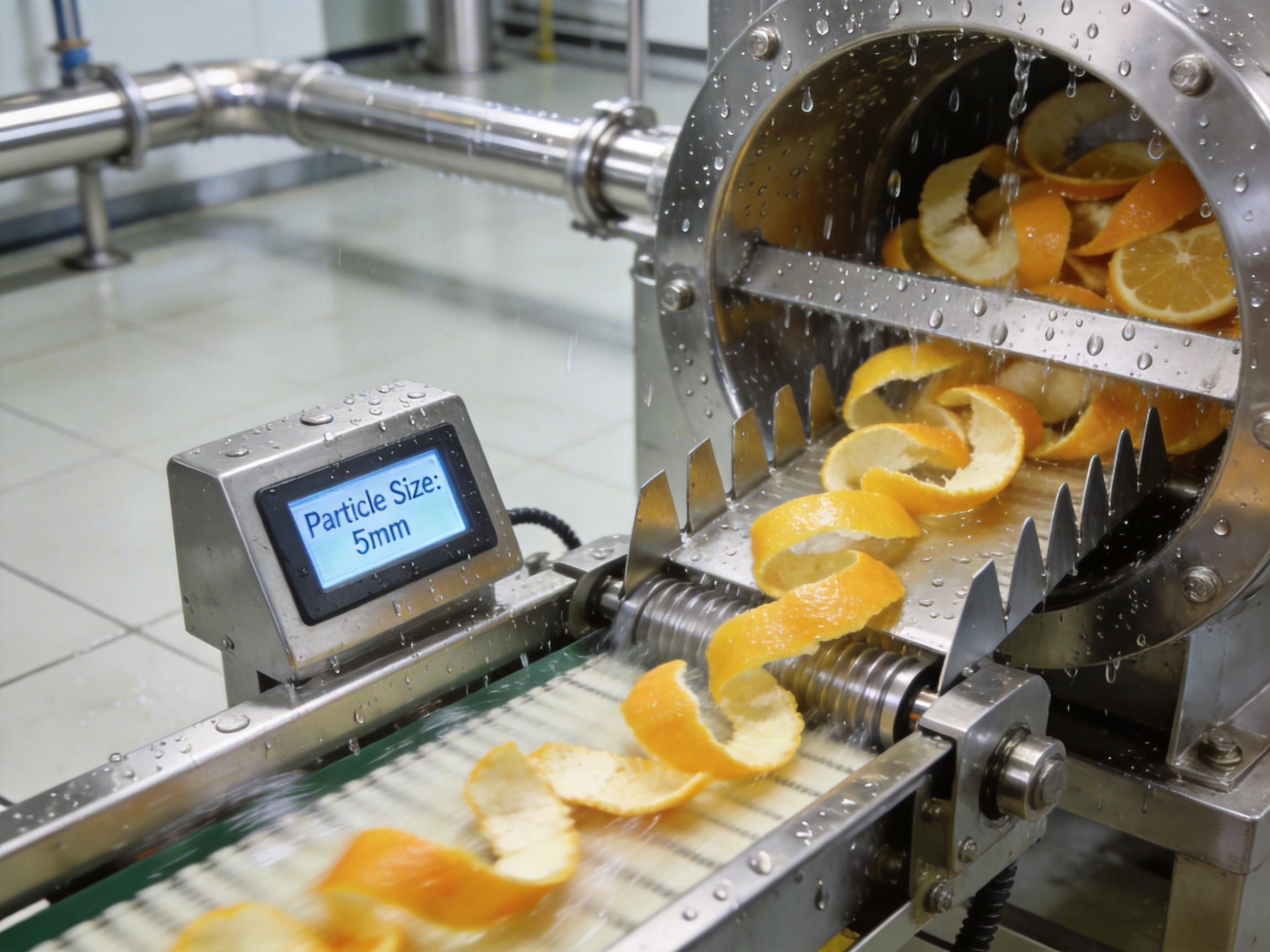
The first step involves processing raw materials (e.g., citrus peels, apple pomace) to remove impurities (dirt, stems, seeds) and reduce particle size. The line uses a combination of washing machines (with water recycling systems to reduce water usage) and precision crushers that adjust particle size based on the raw material type. This ensures uniform extraction in subsequent steps, as smaller, consistent particles increase surface area for better pectin release.
2.2 Acid Extraction
Acid extraction is the traditional method for pectin production, but this line optimizes it using automated control systems. The raw material is mixed with a dilute acid solution (typically citric or sulfuric acid) in a jacketed extraction tank. Sensors continuously monitor and adjust pH (2.5-3.5), temperature (60-80°C), and extraction time (30-60 minutes) to maximize pectin solubility while minimizing degradation. This precise control results in a 10-15% higher yield compared to manual batch extraction.
2.3 Solid-Liquid Separation
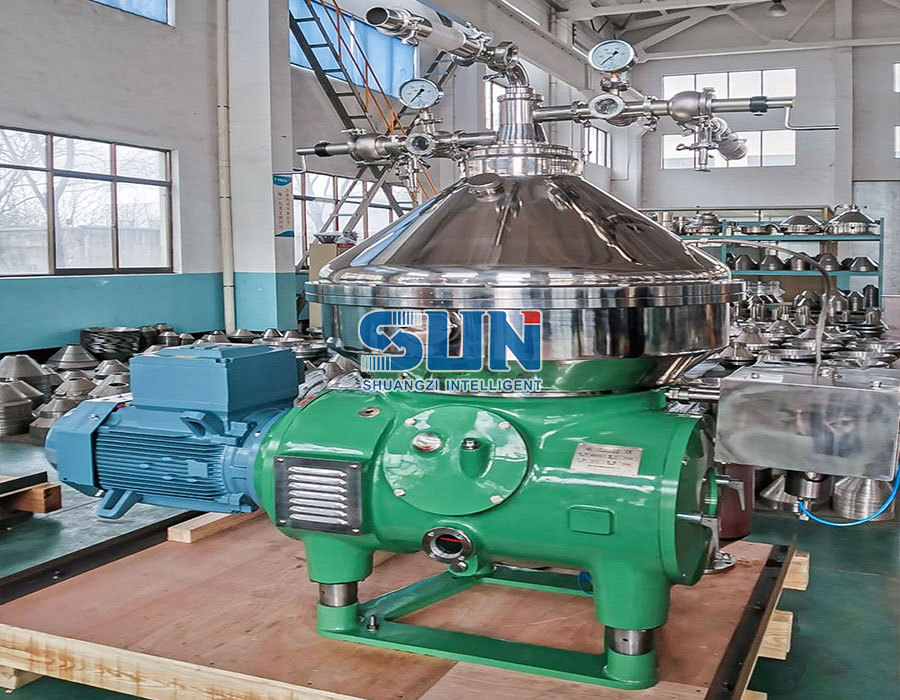
After extraction, the mixture is sent to a continuous centrifuge to separate solid residues (cellulose, hemicellulose) from the pectin-rich liquid. The centrifuge operates at variable speeds (10,000-15,000 rpm) to ensure efficient separation without losing pectin. This step replaces manual filtration, reducing labor and increasing throughput.
2.4 Filtration & Purification
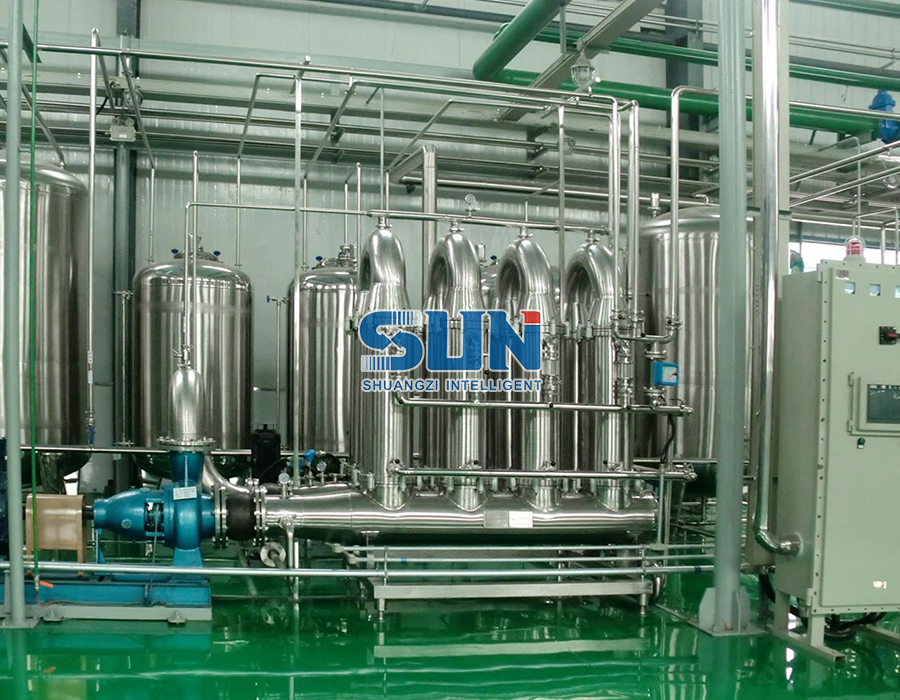
The liquid extract undergoes multi-stage filtration to remove fine particles and impurities: first, a microfiltration step (0.1-0.2 μm) removes suspended solids, followed by ultrafiltration (10-50 kDa) to concentrate pectin and remove low-molecular-weight impurities (sugars, proteins). Ion exchange chromatography is then used to further purify the pectin, adjusting its methoxyl content (a key property for gelling) to meet specific client requirements. This purification process ensures the final product has a purity of 95% or higher, exceeding industry standards.
2.5 Concentration
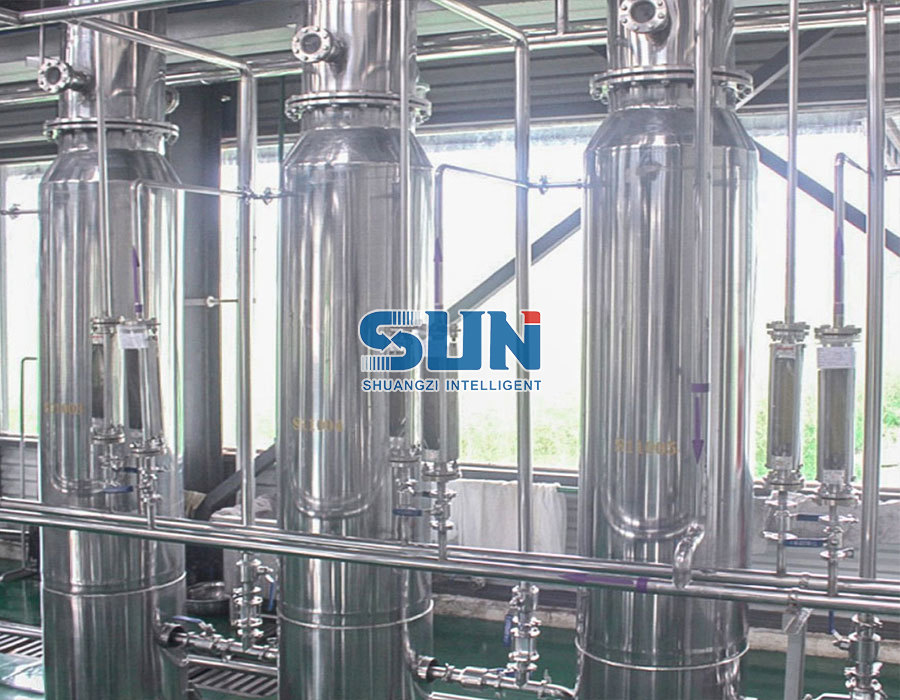
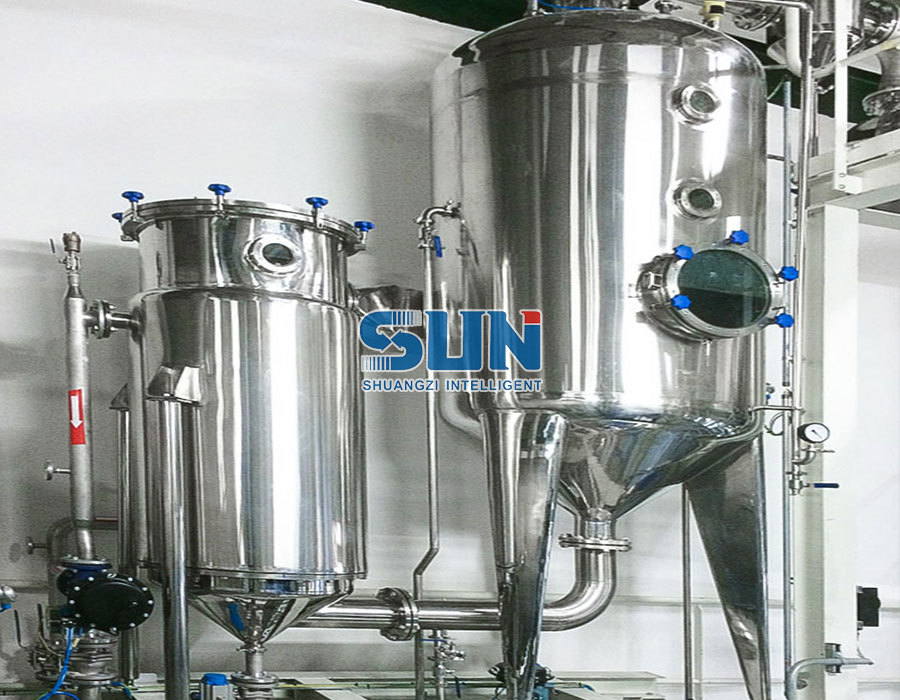
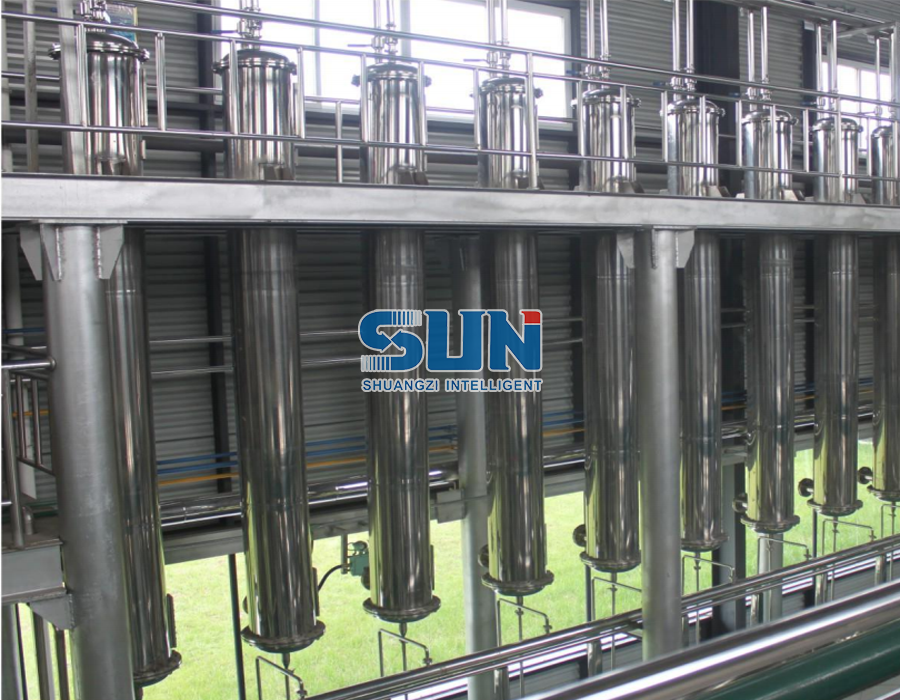
The purified pectin solution is concentrated using vacuum low-temperature evaporation. This method reduces the boiling point of the solution to 40-50°C, preventing pectin degradation (which occurs at temperatures above 60°C). The evaporator uses a heat recovery system to reuse waste heat from the condensation process, reducing energy consumption by 25% compared to atmospheric evaporation systems.
2.6 Drying & Packaging
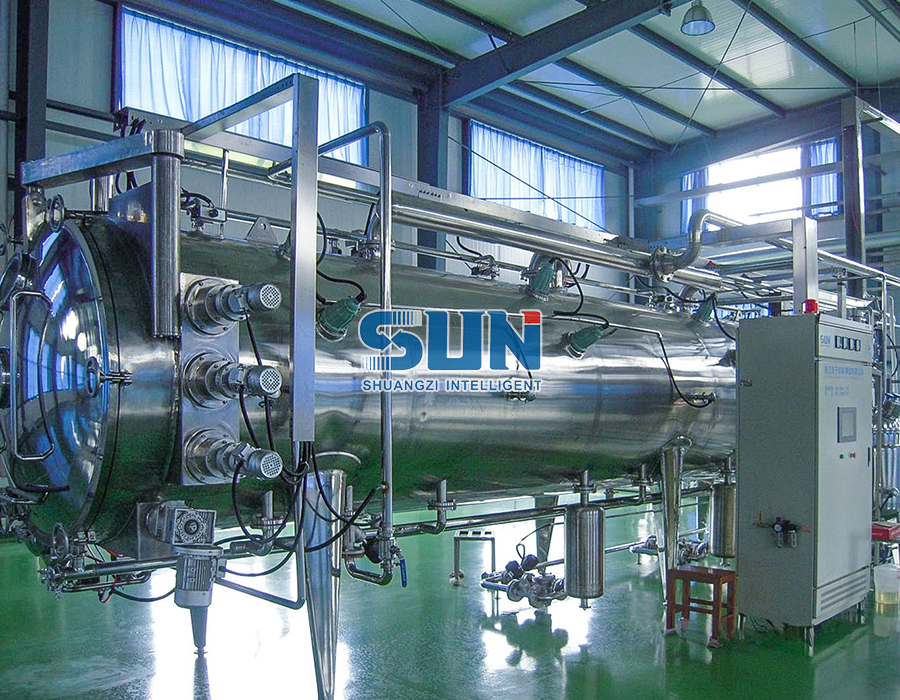
The concentrated pectin solution is dried using either spray drying (for powdered pectin) or vacuum drying (for granular pectin). Spray drying is preferred for large-scale production, as it produces a fine, free-flowing powder with consistent moisture content (5-6%). The dried pectin is then packaged in aseptic containers (aluminum pouches or food-grade plastic drums) to maintain shelf life (up to 2 years) and prevent contamination. The packaging line is fully automated, with barcode scanners for traceability.
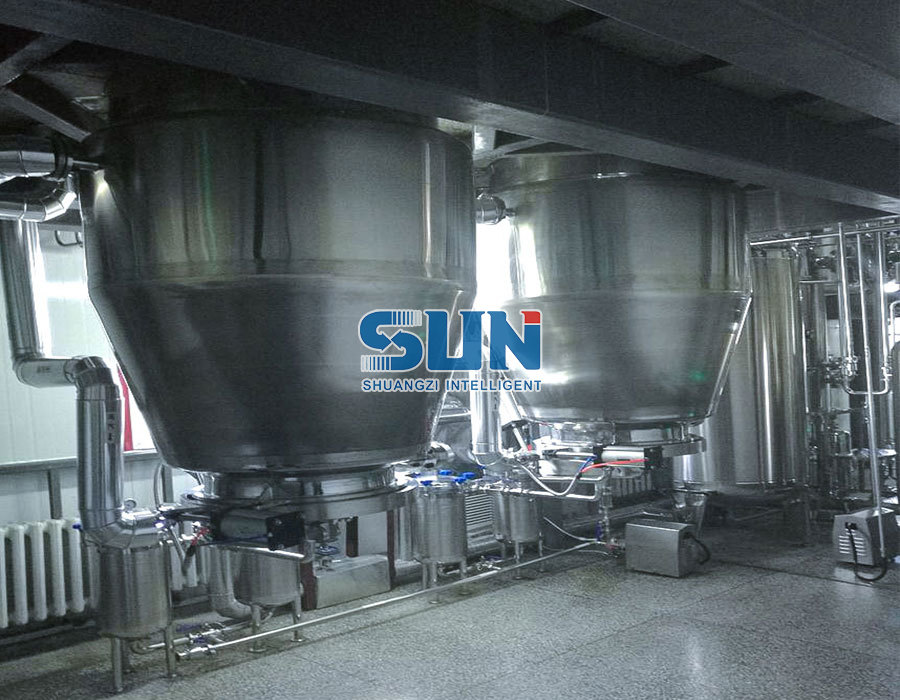
Pectin Extraction Production Line Equipment Work Flow Chart: Raw material → Extraction → Separation → Filtration → Purification → Concentration → Drying → Package and enter warehouse
3. Advantages Over Conventional Pectin Extraction Systems
The advanced pectin extraction line outperforms traditional systems in multiple key areas, making it a superior choice for manufacturers seeking to enhance productivity and product quality:
3.1 Higher Yield & Consistent Quality
Automated process control ensures that each batch is processed under identical optimal conditions, eliminating the variability associated with manual operations. This results in a 12-18% higher pectin yield compared to conventional lines. Additionally, the multi-stage purification process produces pectin with consistent molecular weight distribution and methoxyl content, which is critical for applications requiring uniform gelling or thickening properties. For example, pectin used in jams must have a specific methoxyl content to form a stable gel; this line’s ion exchange step allows precise adjustment of this property, ensuring compliance with client specifications.
3.2 Energy Efficiency & Sustainability
The line incorporates several energy-saving features: vacuum low-temperature evaporation reduces energy use by 25% compared to atmospheric systems; heat recovery systems reuse waste heat from evaporation and drying; and water recycling systems (used in raw material washing and extraction) reduce water consumption by 30%. These features not only lower operational costs but also align with global sustainability goals, making the line an attractive option for environmentally conscious manufacturers.
3.3 Automation & Labor Savings
The entire production line is controlled by a PLC (Programmable Logic Controller) system with a user-friendly HMI (Human-Machine Interface). This allows operators to monitor and adjust parameters remotely, reducing the need for manual intervention. The line requires 30-40% fewer operators than conventional batch systems, cutting labor costs and minimizing human error. For example, the separation and filtration steps are fully automated, eliminating the need for manual filter changes and reducing downtime.
3.4 Flexibility & Customization
The line can be customized to handle different raw materials (citrus peels, apple pomace, sugar beet pulp) and produce pectin with varying properties (high methoxyl, low methoxyl, amidated). This flexibility allows manufacturers to adapt to changing market demands and produce a range of pectin products for different industries. For example, a client producing pharmaceutical excipients can adjust the purification step to produce pectin with a higher purity level, while a food manufacturer can optimize the drying step to produce powdered pectin for baked goods.
3.5 Compliance with International Standards
The equipment is designed to meet GMP (Good Manufacturing Practice) standards for food and pharmaceutical applications, as well as FDA and EFSA regulations. All contact parts are made of food-grade stainless steel (304 or 316L) to prevent contamination, and the line includes in-process quality control sensors (for pH, temperature, and purity) to ensure compliance with safety and quality standards. This makes the line suitable for clients serving global markets, including Europe, North America, and Asia.
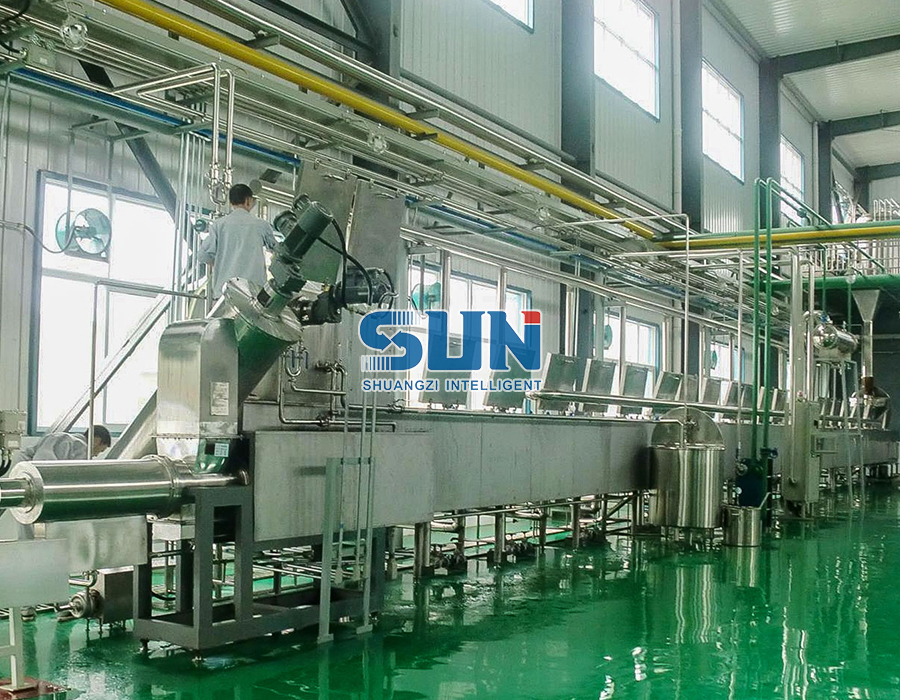
The line’s PLC-controlled system integrates all modules for seamless operation: 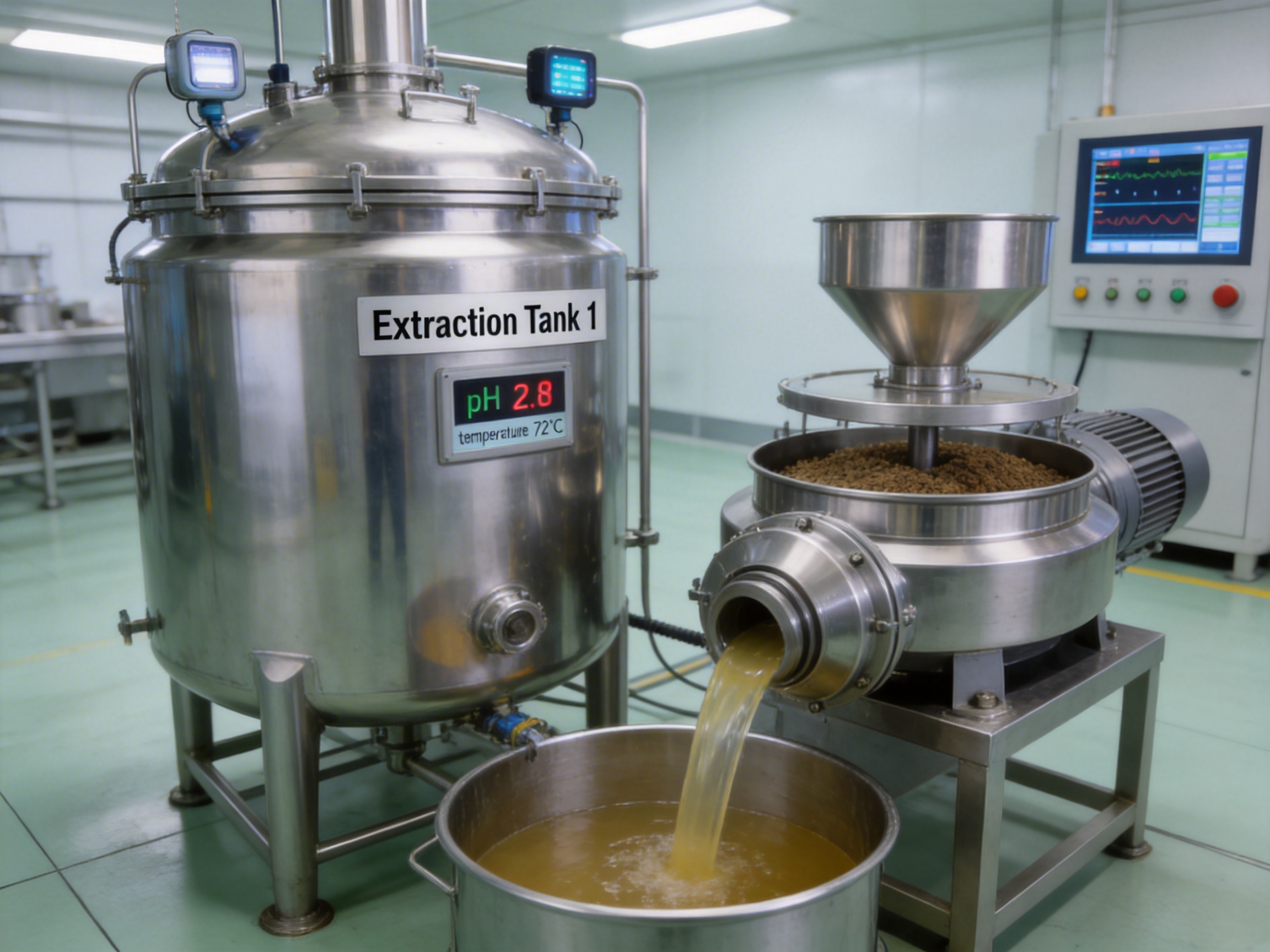
4. Manufacturer’s Advanced Manufacturing Processes & Strengths
The pectin extraction line is manufactured by Zhejiang Shuangzi Intelligent Equipment Co., Ltd., a leading Chinese enterprise specializing in biology and medical equipment. Founded in 2007, the company has established itself as a trusted provider of turnkey solutions for plant extraction, biological fermentation, pharmaceutical engineering, and natural food processing. Its core strengths lie in its advanced manufacturing processes, technical expertise, and commitment to innovation:
4.1 EPC/EPCM Core Business Model
The company’s core business model is EPC (Engineering, Procurement, Construction) and EPCM (Engineering, Procurement, Construction Management), which allows it to provide end-to-end solutions for clients. This includes process design, equipment manufacturing, installation, commissioning, and after-sales support. Unlike competitors that only supply equipment, Zhejiang Shuangzi takes full responsibility for the entire project, reducing project risk and ensuring timely delivery. For example, the company recently completed a turnkey pectin extraction line for a European client, which was installed and commissioned in 6 months—half the time required by traditional project management approaches.
4.2 Advanced Manufacturing Facilities
The company operates a 16,706 m² production facility with a 17,800 m² structure area, equipped with state-of-the-art manufacturing equipment: plasma argon arc welding machines (for precision welding of stainless steel parts), plasma cutting machines (for accurate cutting of metal sheets), and CAM CNC machining centers (for custom part production). These facilities ensure that all equipment is manufactured to high precision, with tight tolerances that meet industry standards. The company also has a pilot production workshop (GMP-compliant) that allows clients to test new processes and validate equipment before scaling up to full production. This pilot line includes modules for vacuum low-temperature drying, plant extraction, evaporation, and fermentation, making it a valuable resource for R&D and process optimization.
4.3 Strong Technical Expertise
Zhejiang Shuangzi has a team of over 50 engineers and technicians with expertise in process engineering, automation, and equipment design. The company invests 8-10% of its annual revenue in R&D, focusing on improving existing equipment and developing new technologies. For example, the company recently developed a novel membrane filtration system that reduces pectin loss by 5% compared to conventional systems. The team also collaborates with universities and research institutions in China and abroad to stay abreast of the latest industry trends and technologies.
4.4 Mature Product Portfolio
In addition to pectin extraction lines, the company’s mature product portfolio includes vacuum low-temperature drying equipment, complete fermentation system equipment, evaporation and concentration equipment, extraction equipment, separation and crystallization equipment, and filtration equipment. These products are used across multiple industries, including plant extraction, biological fermentation, pharmaceutical engineering, and natural food processing. The company’s ability to integrate these products into turnkey solutions gives it a competitive edge, as clients can source all their equipment from a single provider.
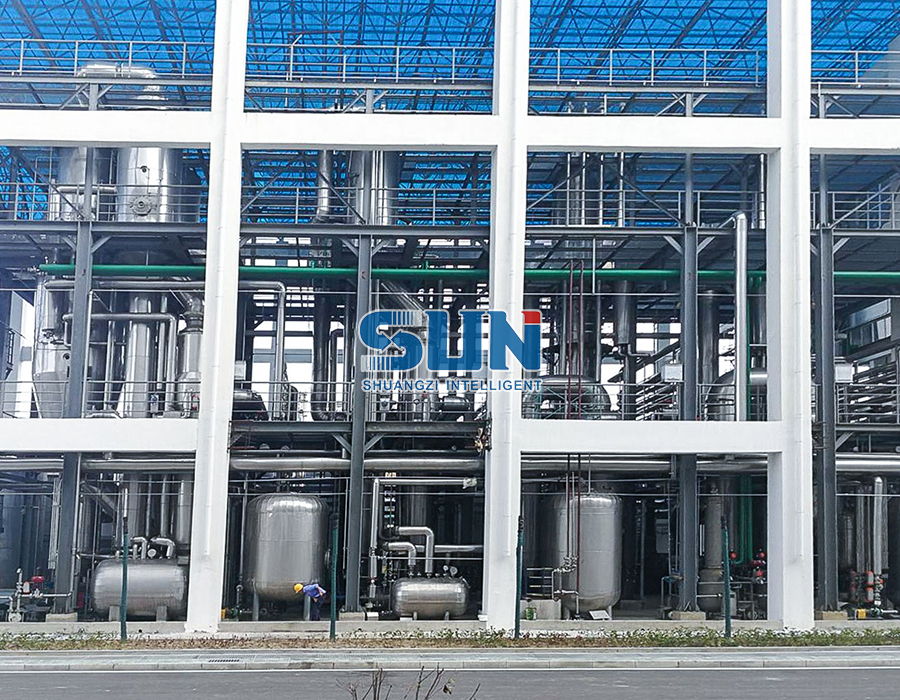
In-process quality checks ensure each batch meets industry standards: 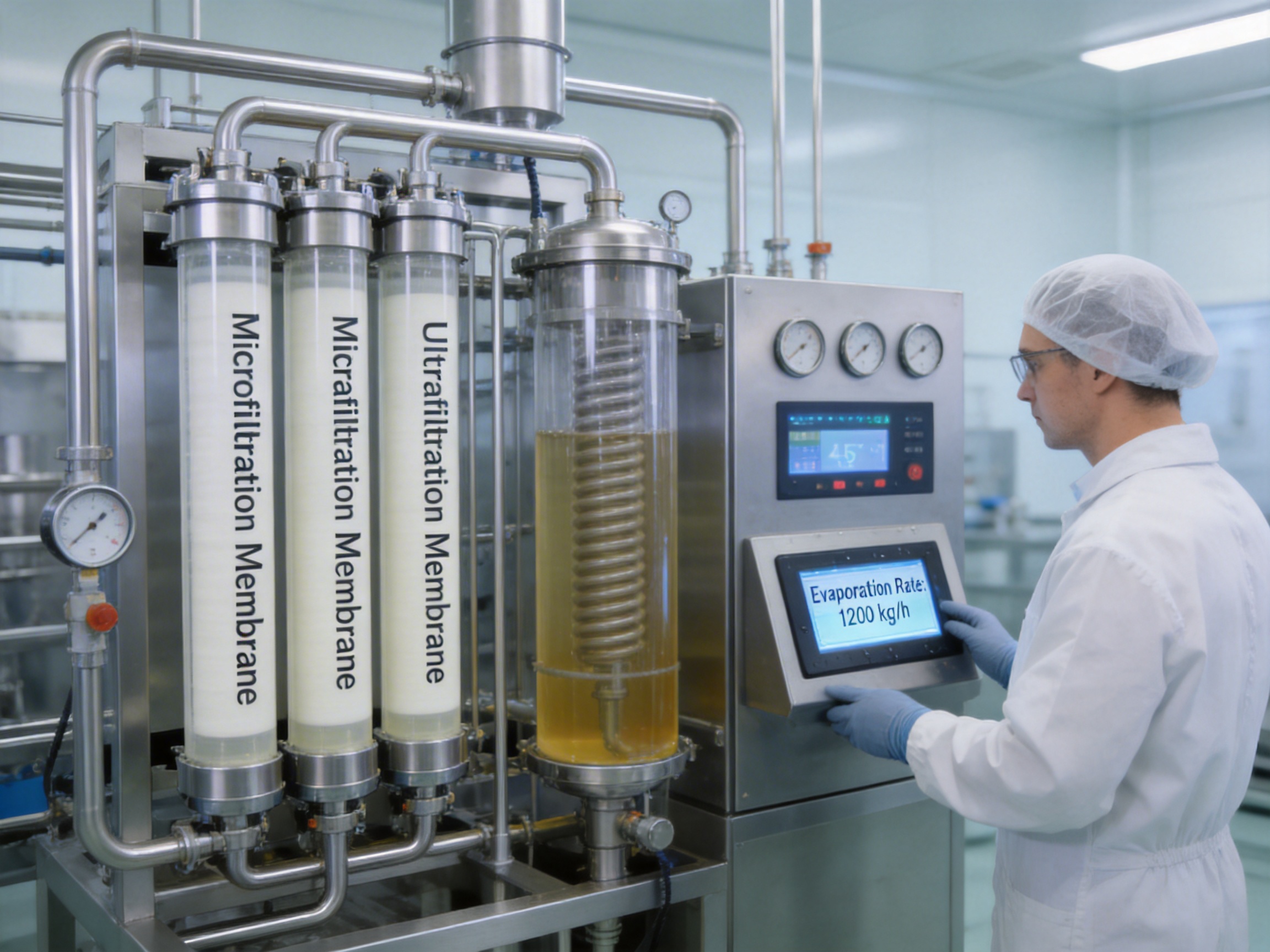
5. Product Specifications & Customization Options
The pectin extraction line is available in multiple models, with operational capacities ranging from 500 kg/h to 10,000 kg/h of biomass (raw material). The table below outlines the key specifications for each model:
| Model Number | 500 | 1000 | 2000 | 3000 | 4000 | 5000 | 6000 | 8000 | 10000 |
|---|---|---|---|---|---|---|---|---|---|
| Operational Capacity (Biomass) | 500 kg/h | 1000 kg/h | 2000 kg/h | 3000 kg/h | 4000 kg/h | 5000 kg/h | 6000 kg/h | 8000 kg/h | 10000 kg/h |
| Extraction Tank Volume | 2 m³ | 4 m³ | 8 m³ | 12 m³ | 16 m³ | 20 m³ | 24 m³ | 32 m³ | 40 m³ |
| Evaporation Capacity | 300 kg/h | 600 kg/h | 1200 kg/h | 1800 kg/h | 2400 kg/h | 3000 kg/h | 3600 kg/h | 4800 kg/h | 6000 kg/h |
| Power Consumption | 150 kW | 300 kW | 600 kW | 900 kW | 1200 kW | 1500 kW | 1800 kW | 2400 kW | 3000 kW |
| Water Consumption (per hour) | 2 m³ | 4 m³ | 8 m³ | 12 m³ | 16 m³ | 20 m³ | 24 m³ | 32 m³ | 40 m³ |
Note: The above specifications are for standard models. Customization options include adjusting raw material handling capacity, adding specialized purification modules, and integrating with existing production lines. The company also offers modular designs that allow clients to expand their capacity as demand grows.
6. Q&A Section
Below are answers to common questions about the pectin extraction production line:
Q1: What raw materials are compatible with this production line?
A1: The line can process a wide range of plant materials, including citrus peels (orange, lemon, grapefruit), apple pomace, sugar beet pulp, and other fruit/vegetable by-products. The raw material preparation module can be adjusted to handle different particle sizes and moisture contents.
Q2: How does the line ensure consistent pectin quality across batches?
A2: The line uses automated PLC control to maintain precise process parameters (pH, temperature, time) for each step. In-process sensors continuously monitor pectin purity and molecular weight, and the ion exchange module allows for real-time adjustment of methoxyl content. This ensures that each batch meets the same quality standards.
Q3: What energy-saving features does the equipment have?
A3: Key energy-saving features include vacuum low-temperature evaporation (reduces energy use by 25%), heat recovery systems (reuse waste heat from evaporation and drying), and water recycling systems (reduce water consumption by 30%). These features lower operational costs and improve sustainability.
Q4: Can the line be customized for specific client needs?
A4: Yes. The company offers custom solutions, including adjusting capacity, adding specialized modules (e.g., for amidated pectin production), and integrating with existing production lines. Clients can also request modifications to meet specific industry standards (e.g., FDA, GMP).
Q5: What after-sales support is provided?
A5: The company provides comprehensive after-sales support, including installation, commissioning, training for operators, and maintenance services. It also offers a 12-month warranty for all equipment, with optional extended warranty plans. The company has a global service network to provide on-site support when needed.
Q6: Is the equipment compliant with international standards?
A6: Yes. All equipment is designed to meet GMP standards for food and pharmaceutical applications, as well as FDA and EFSA regulations. Contact parts are made of food-grade stainless steel (304 or 316L), and the line includes in-process quality control sensors to ensure compliance.
Q7: How long does it take to install and commission the production line?
A7: Installation and commissioning time varies depending on the model size and client requirements. For a standard 2000 kg/h line, it typically takes 4-6 weeks. The company’s EPC model ensures that the process is streamlined, with minimal downtime for the client.
Q8: What is the expected payback period for investing in this line?
A8: The payback period depends on factors such as raw material costs, pectin selling price, and operational efficiency. For most clients, the payback period ranges from 2-3 years. This is due to higher yield, lower labor and energy costs, and reduced waste compared to conventional lines.
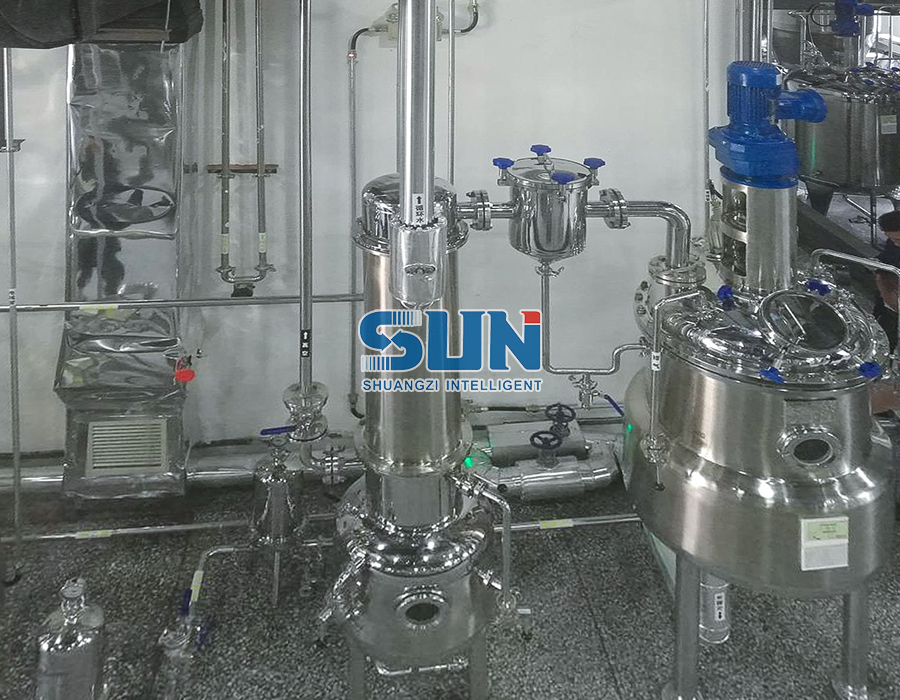
The company provides end-to-end turnkey solutions, from design to commissioning: 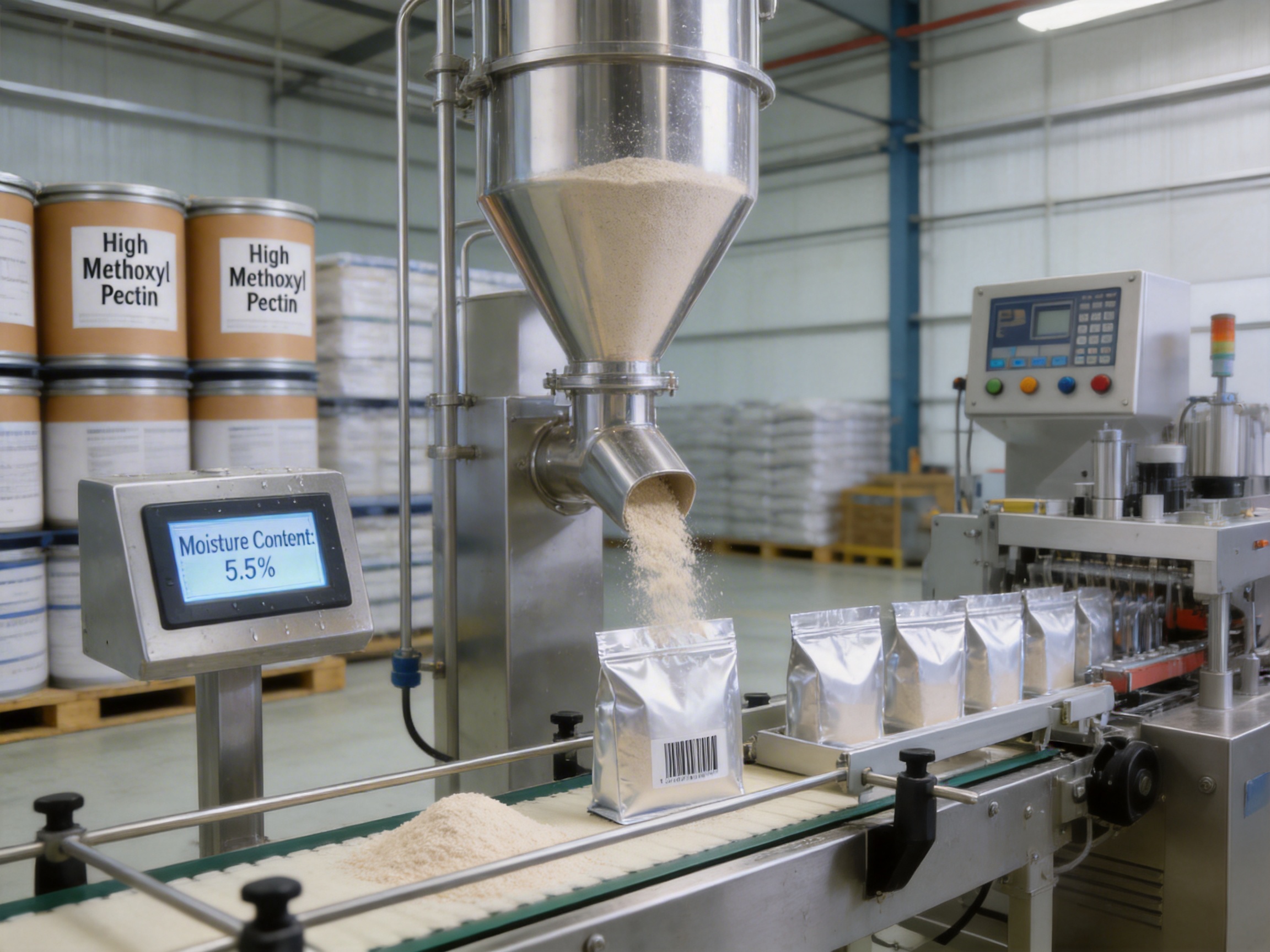
7. Conclusion
The advanced pectin extraction production line represents a significant advancement in the field of plant extraction, addressing the key challenges of traditional methods while meeting the growing demand for high-quality pectin. Its automated design, energy-efficient features, and consistent quality make it a superior choice for manufacturers in the food, pharmaceutical, and cosmetic industries. Manufactured by Zhejiang Shuangzi Intelligent Equipment Co., Ltd.—a company with deep expertise in biomanufacturing and turnkey solutions—this line offers clients a reliable, cost-effective way to enhance their production capabilities and stay competitive in the global market.
As the demand for natural, sustainable ingredients continues to grow, this production line will play an increasingly important role in meeting the needs of manufacturers and consumers alike. Its combination of innovation, efficiency, and compliance makes it a valuable investment for any company looking to optimize its pectin production process.
References
1. Grand View Research. (2023). Global Pectin Market Size, Share & Trends Analysis Report by Type (High Methoxyl, Low Methoxyl), by Application (Food & Beverages, Pharmaceuticals, Cosmetics), and Segment Forecasts, 2024-2032. San Francisco, CA: Grand View Research Inc.
2. Food and Agriculture Organization (FAO). (2022). Guidelines for Pectin Production from Agricultural Wastes. Rome, Italy: FAO.
3. European Food Safety Authority (EFSA). (2021). Evaluation of Pectin as a Food Additive (E 440). Parma, Italy: EFSA.
4. World Health Organization (WHO). (2020). Good Manufacturing Practices (GMP) for Pharmaceutical Products: Main Principles. Geneva, Switzerland: WHO.
5. Zhang, L., et al. (2021). Optimization of Pectin Extraction from Citrus Peels Using Response Surface Methodology. Journal of Agricultural and Food Chemistry, 69(12), 3567-3575.