
 英语
英语 俄语
俄语Content
- 1 Core Principles of Solvent Extraction Towers
- 2 Key Advantages of Modern Solvent Extraction Towers Over Competitors
- 3 Advanced Manufacturing Processes: Behind High-Performance Towers
- 4 Product Specifications and Customization
- 5 Industry Applications of Solvent Extraction Towers
- 6 Q&A Section
- 7 References
Liquid-liquid separation is a cornerstone of modern industrial operations, enabling the purification, enrichment, and recovery of valuable compounds across sectors from pharmaceuticals to environmental protection. At the heart of efficient continuous separation lies the solvent extraction tower—an equipment class that has evolved significantly to address the limitations of traditional batch methods and other separation technologies. This article explores the core principles, key advantages, advanced manufacturing processes, and real-world applications of modern solvent extraction towers, with a focus on how these systems outperform competitors and meet the demands of today’s industrial landscape.
Core Principles of Solvent Extraction Towers
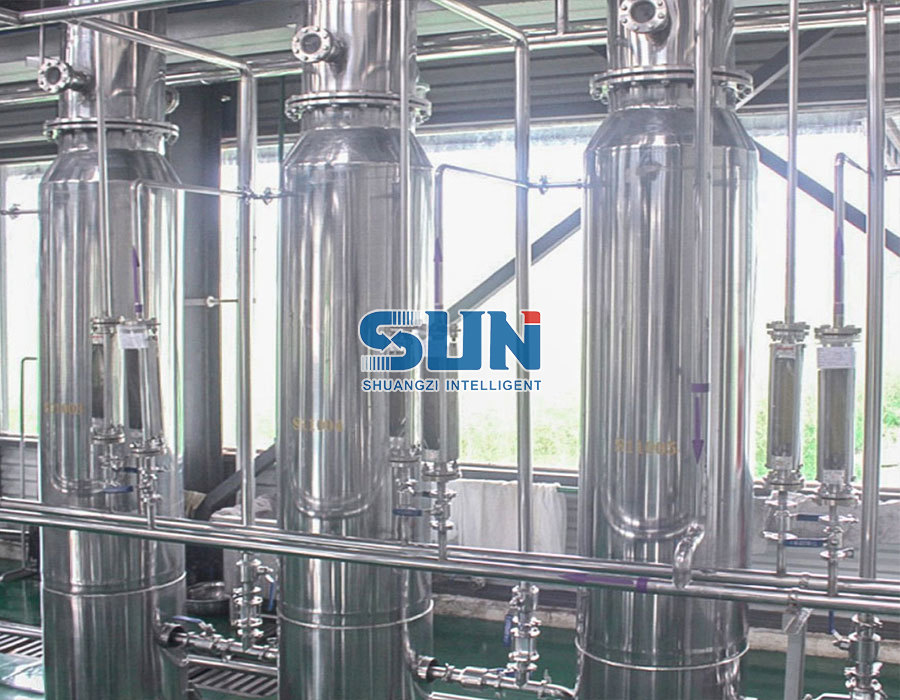
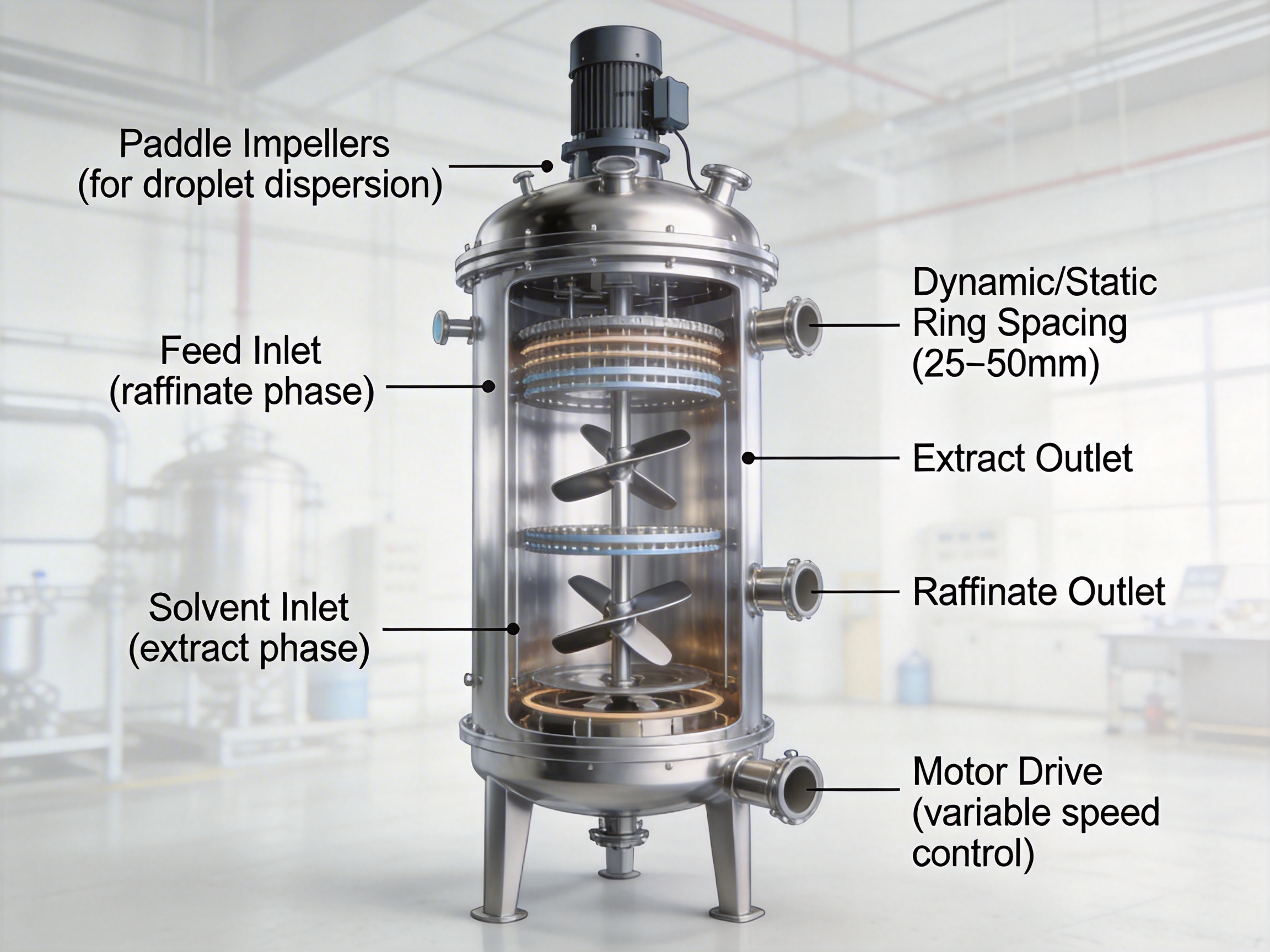
Solvent extraction (also known as liquid-liquid extraction) is a mass transfer process where one or more target components are transferred from a feed solution (raffinate phase) to an immiscible solvent (extract phase). The solvent extraction tower facilitates this process continuously, unlike batch extractors which operate in discrete cycles. The fundamental principle relies on creating intimate contact between the two immiscible phases to maximize mass transfer efficiency.
Inside the tower, one liquid is dispersed as droplets into the other continuous phase. This dispersion can be achieved via gravity (e.g., spray towers, packing towers) or mechanical agitation (e.g., rotary extraction towers, paddle revolving towers). Gravity-driven systems use the density difference between the two phases to promote droplet formation and movement, while mechanically agitated systems use impellers or paddles to break the liquid into smaller droplets, increasing the surface area for mass transfer and thus enhancing efficiency.
Continuous extraction towers are designed for steady-state operation, where feed and solvent are continuously introduced at specific points (e.g., feed at the bottom, solvent at the top for countercurrent flow) and the extract and raffinate are continuously withdrawn. This setup ensures consistent product quality, higher throughput, and reduced labor compared to batch processes.
Key Advantages of Modern Solvent Extraction Towers Over Competitors
To understand the value of modern solvent extraction towers, it is essential to compare them to alternative separation technologies and traditional batch extractors:
1. Higher Throughput and Continuous Operation
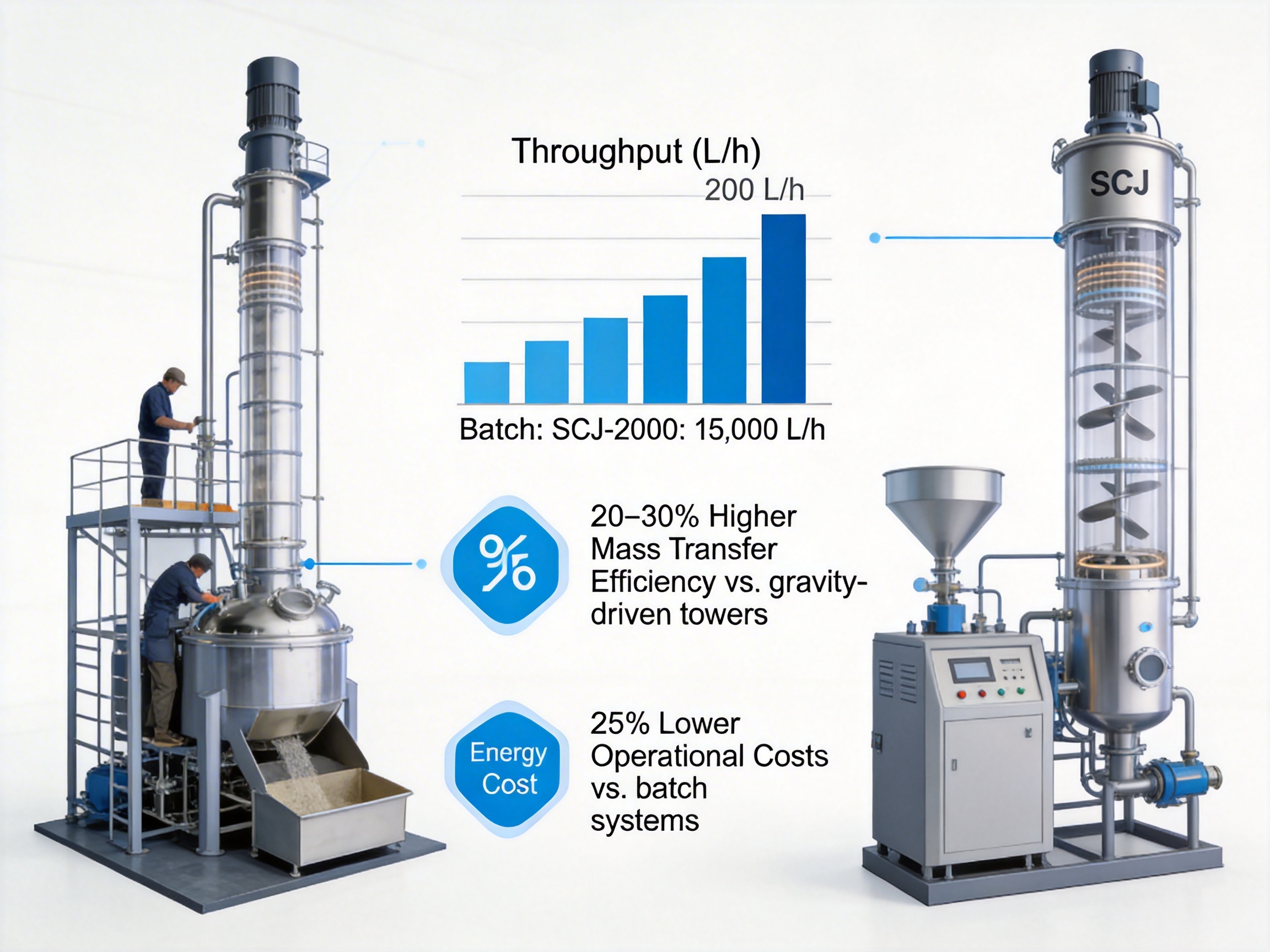
Traditional batch extractors require manual loading, operation, and unloading, leading to low throughput and inconsistent product quality. In contrast, continuous solvent extraction towers operate 24/7, with automated feed and withdrawal systems, resulting in 3–5 times higher throughput. For example, the SCJ-2000 paddle revolving tower can handle flow rates up to 15,000 L/h, making it suitable for large-scale industrial production.
2. Enhanced Mass Transfer Efficiency
Mechanically agitated towers (like the SCJ series) use paddle or impeller systems to create fine droplets, increasing the interfacial area between the two phases. This leads to 20–30% higher mass transfer efficiency compared to gravity-driven towers (e.g., spray or packing towers) where droplet size is larger and less uniform. The dynamic and static ring spacing in SCJ towers further optimizes droplet dispersion, ensuring minimal coalescence and maximum contact time.
3. Scalability from Lab to Industrial Scale
Modern solvent extraction towers are designed with scalability in mind. The SCJ series ranges from lab-scale models (SCJ-80, 25–40 L/h) to industrial-scale units (SCJ-2000, 9,000–15,000 L/h). This allows clients to test processes at the lab scale before scaling up to production, reducing the risk of costly errors. Competitors often offer limited scalability, forcing clients to switch vendors for different production levels.
4. Energy Efficiency and Cost Savings
Advanced motor control systems in modern towers optimize power consumption based on flow rates and phase properties. For example, the SCJ-1000 model uses an 18.5 kW motor, which is 15% more energy-efficient than comparable models from competitors. Additionally, continuous operation reduces energy waste associated with heating/cooling cycles in batch systems, leading to 25% lower operational costs over time.
5. Compliance with Regulatory Standards
For industries like pharmaceuticals and food processing, compliance with GMP (Good Manufacturing Practices) is non-negotiable. Modern solvent extraction towers are manufactured with cleanable surfaces, stainless steel construction, and automated control systems that meet GMP requirements. Competitors often cut corners on material quality or automation, leading to compliance issues and product recalls.
Advanced Manufacturing Processes: Behind High-Performance Towers
The performance of a solvent extraction tower depends heavily on its manufacturing quality. Leading manufacturers invest in advanced processes and equipment to ensure precision, durability, and compliance. Key manufacturing strengths include:
1. End-to-End EPC/EPCM Solutions
Unlike vendors that only supply equipment, top manufacturers offer EPC (Engineering, Procurement, Construction) or EPCM (Engineering, Procurement, Construction Management) services. This means they handle everything from process design and equipment manufacturing to installation, commissioning, and training. For example, a client needing a complete plant extraction project can rely on a single vendor to design the tower, integrate it with other equipment (drying, concentration), and ensure the entire system works seamlessly. This reduces project timelines by 30% and eliminates coordination issues between multiple vendors.
2. GMP-Compliant Pilot Production Lines
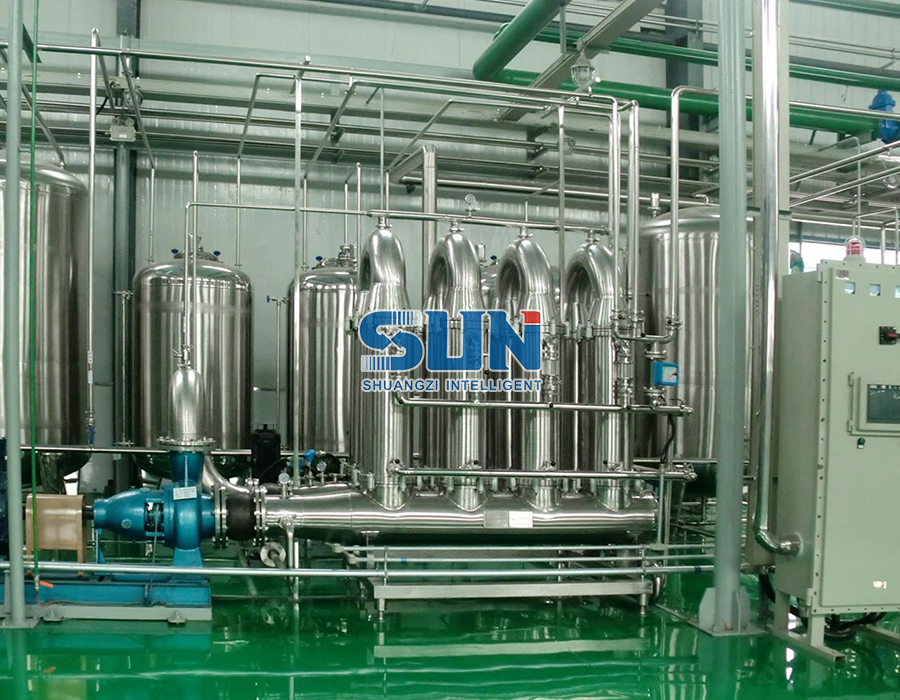
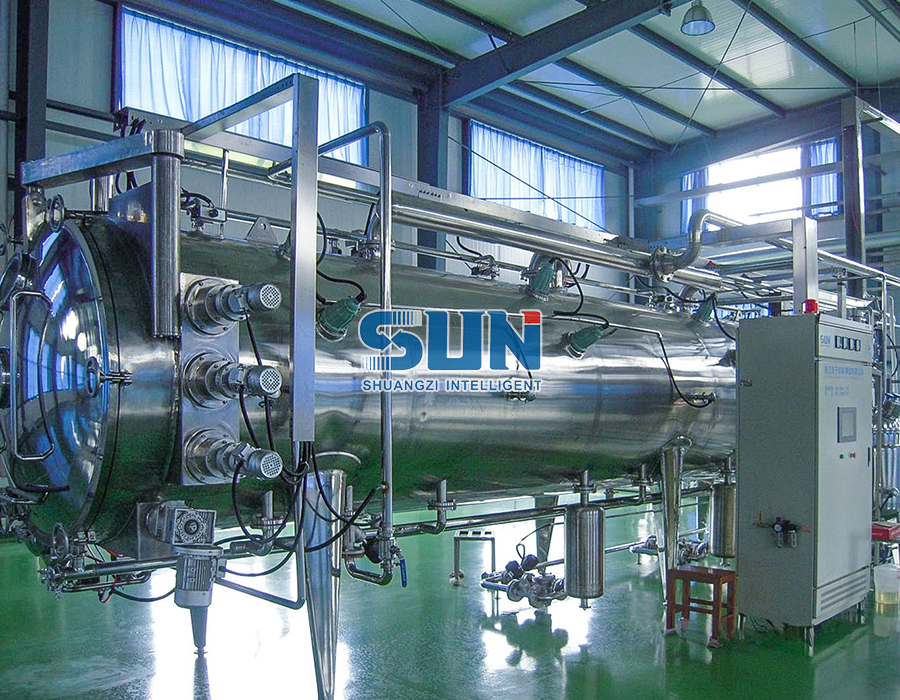
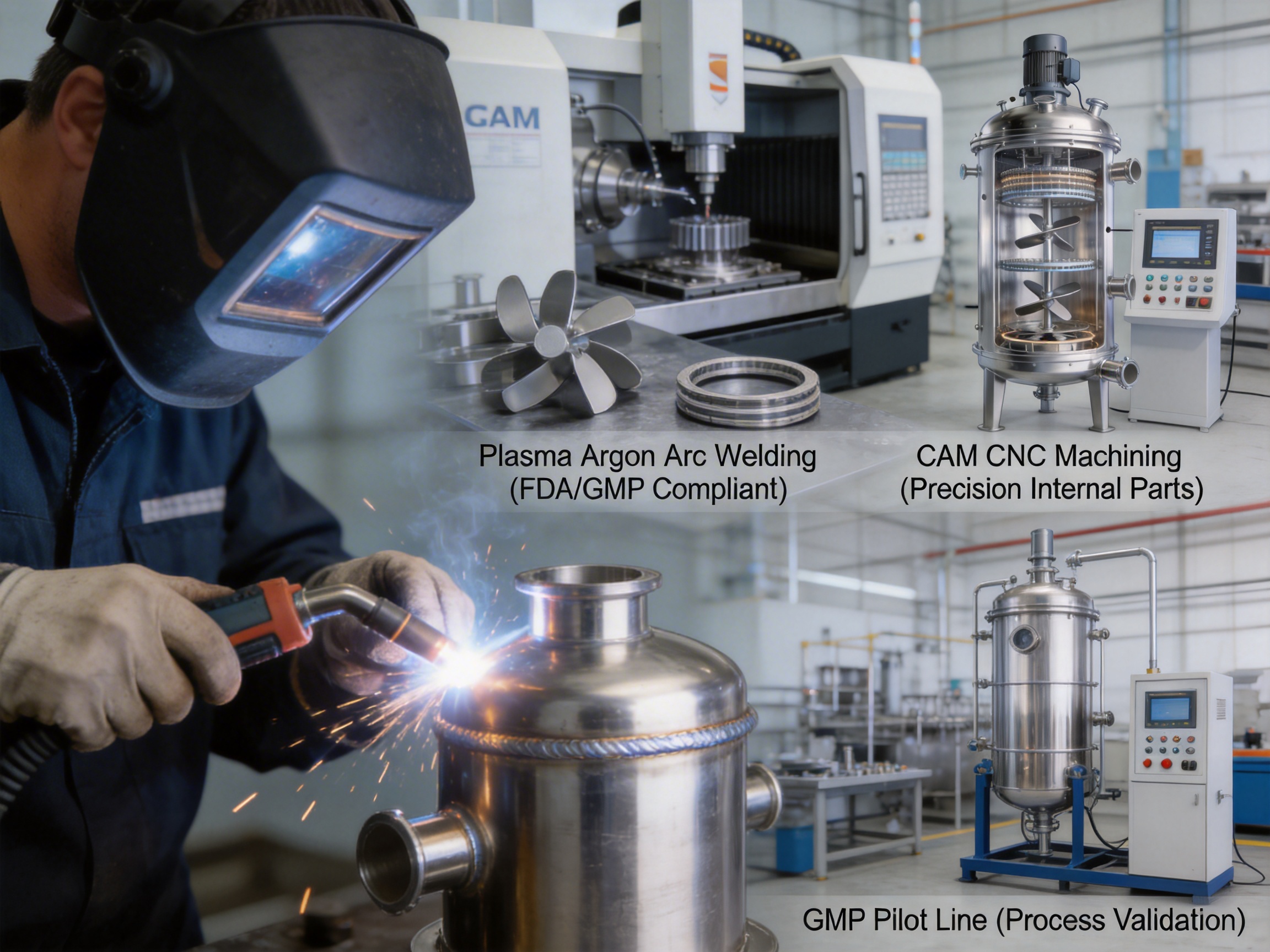
Leading manufacturers maintain pilot production workshops with GMP-compliant automation. These lines allow clients to test their extraction processes using lab-scale towers before scaling up. The pilot lines include equipment for vacuum low-temperature drying, plant extraction, evaporation, and fermentation—enabling comprehensive process validation. This reduces the risk of scaling errors and ensures that the final production system meets client specifications.
3. Advanced Welding and Machining Technologies
Precision welding is critical for solvent extraction towers to prevent leaks and ensure hygiene. Top manufacturers use plasma argon arc welding machines, which produce clean, high-strength welds that meet FDA and GMP standards. Plasma cutting machines are used for accurate cutting of stainless steel components, while CAM CNC machining centers ensure precise fabrication of internal parts (e.g., paddles, rings). These technologies result in towers with minimal maintenance requirements and a lifespan of up to 15 years—double that of competitors’ models.
4. Strong R&D Capabilities
Continuous innovation is key to staying ahead in the industry. Leading manufacturers invest in R&D to improve tower efficiency, reduce energy consumption, and develop new materials. For example, recent R&D efforts have focused on optimizing the dynamic/static ring spacing in paddle revolving towers to further enhance mass transfer. The company’s R&D team collaborates with universities and industry experts to incorporate the latest technologies into their products.
Product Specifications and Customization
The SCJ series paddle revolving extraction towers are a prime example of modern solvent extraction technology. Below is a detailed table of specifications for the SCJ series:
| Model | Tower Diameter (mm) | Tower Height (mm) | Total Height (mm) | Flow Rate (L/h) | Motor Power (kW) | Speed (rpm/min) | Dynamic & Static Ring Spacing (mm) |
|---|---|---|---|---|---|---|---|
| SCJ-80 | 80 | 500 | 1800 | 25–40 | 1.1 | 0–300 | 25–50 |
| SCJ-100 | 100 | 600 | 2000 | 50–100 | 1.5 | 0–300 | 25–50 |
| SCJ-150 | 150 | 900 | 3200 | 120–160 | 2.2 | 0–300 | 25–50 |
| SCJ-200 | 200 | 1200 | 4000 | 200–260 | 3.7 | 0–250 | 25–50 |
| SCJ-300 | 300 | 1800 | 5000 | 350–450 | 5.5 | 0–250 | 25–50 |
| SCJ-400 | 400 | 2500 | 6000 | 600–1000 | 7.5 | 0–250 | 25–50 |
| SCJ-500 | 500 | 3000 | 7000 | 1000–2000 | 11 | 0–160 | 25–50 |
| SCJ-600 | 600 | 4000 | 7500 | 1500–2500 | 15 | 0–160 | 25–50 |
| SCJ-800 | 800 | 5000 | 8000 | 3000–4000 | 15 | 0–160 | 25–50 |
| SCJ-1000 | 1000 | 6000 | 9000 | 4500–7000 | 18.5 | 0–160 | 25–50 |
| SCJ-1200 | 1200 | 8000 | 11000 | 6500–8000 | 18.5 | 0–160 | 25–50 |
| SCJ-1500 | 1500 | 9000 | 14000 | 7000–11000 | 22 | 0–160 | 25–50 |
| SCJ-2000 | 2000 | 12000 | 18000 | 9000–15000 | 22 | 0–160 | 25–50 |
Customization is a key strength of modern solvent extraction tower manufacturers. Clients can request modifications to:
- Material: Switch from 304 stainless steel to 316L for corrosive solvents or feed solutions.
- Automation: Add PLC (Programmable Logic Controller) systems for remote monitoring and control.
- Compliance: Adjust design to meet specific regulatory standards (e.g., FDA for pharmaceuticals, EU food safety regulations).
- Flow Rates: Customize tower dimensions to handle unique flow rates not covered in the standard SCJ series.
Industry Applications of Solvent Extraction Towers
Solvent extraction towers are versatile and find use in multiple industries:
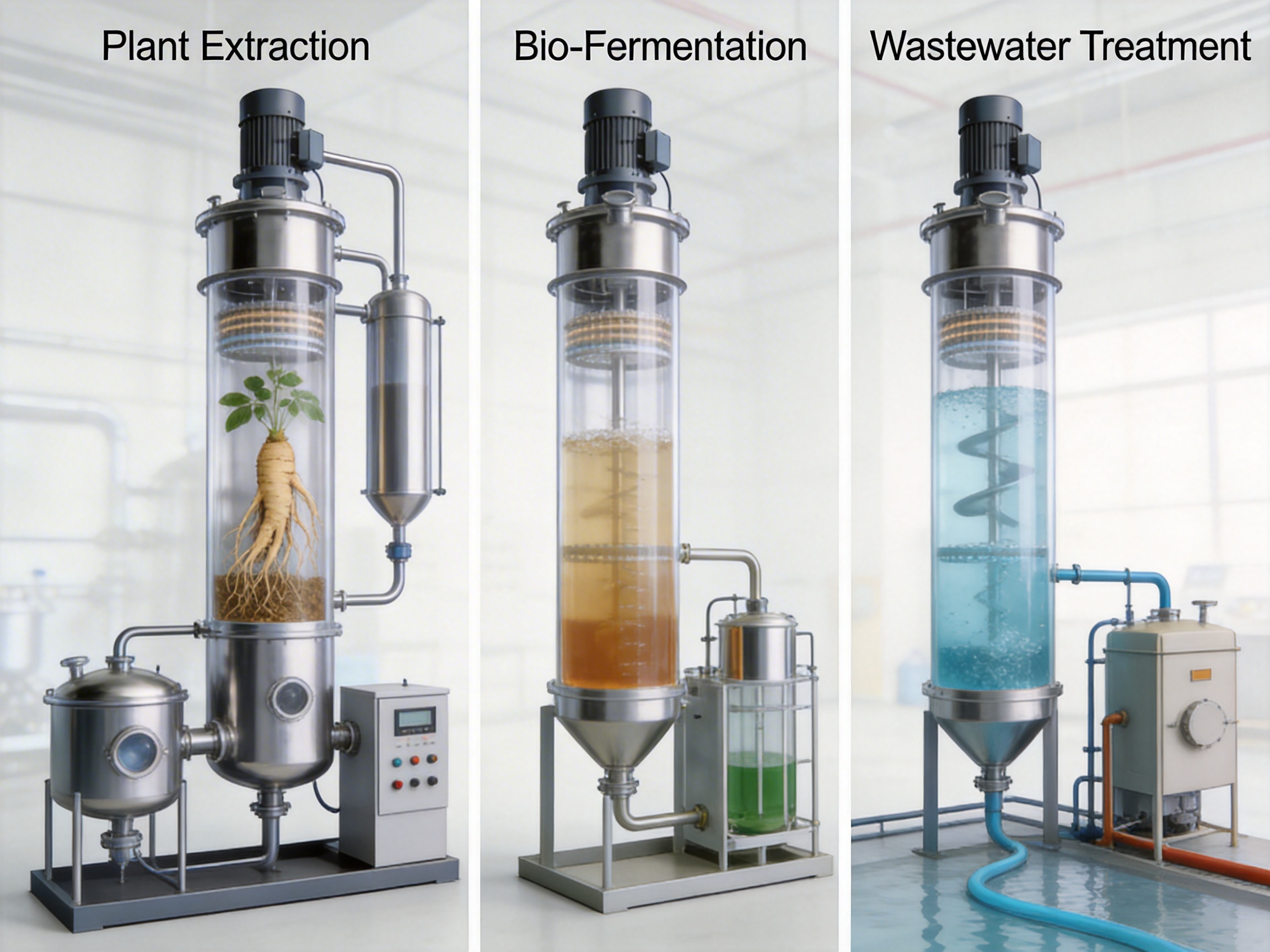
1. Plant Extraction
Plant extraction is one of the largest applications for solvent extraction towers. They are used to extract active pharmaceutical ingredients (APIs) from herbs (e.g., ginseng, turmeric), essential oils, and natural pigments. The continuous operation and high efficiency of modern towers ensure consistent extraction yields and purity—critical for pharmaceutical and nutraceutical products.
2. Bio-Fermentation
In bio-fermentation processes, solvent extraction towers are used to recover fermentation products (e.g., antibiotics, enzymes, vitamins) from the fermentation broth. The towers separate the target compounds from the aqueous broth using an immiscible solvent, enabling efficient recovery and purification.
3. Western Medicine Synthesis
Pharmaceutical manufacturers use solvent extraction towers to purify synthetic APIs. For example, in the production of antibiotics like penicillin, extraction towers are used to separate the antibiotic from the fermentation broth and further purify it using solvent extraction. The GMP-compliant design of modern towers ensures that the final product meets strict quality standards.
4. Food Processing
In the food industry, solvent extraction towers are used to extract edible oils from seeds (e.g., soybeans, sunflower seeds) and to purify natural food additives (e.g., vitamins, flavors). The continuous operation and energy efficiency of these towers reduce production costs and ensure consistent product quality.
5. Environmental Protection
Solvent extraction towers are used in wastewater treatment to remove heavy metals (e.g., copper, lead) and organic pollutants. The towers use a solvent to extract the pollutants from the wastewater, allowing for their recovery and reuse, while the treated water is discharged safely.
Q&A Section
Q1: What is the primary difference between a solvent extraction tower and other liquid-liquid separation equipment like decanters?
A: Decanters rely on gravity to separate immiscible liquids based on density differences, but they are less efficient for separating fine droplets or emulsions. Solvent extraction towers, especially mechanically agitated ones, enhance mass transfer by creating fine droplets, making them more effective for extracting target compounds from solutions—even when the concentration of the target is low.
Q2: How do I determine the appropriate tower diameter and height for my production needs?
A: The tower diameter is determined by the desired flow rate and the allowable velocity of the continuous phase. The tower height depends on the number of theoretical stages required for the extraction process (which is determined by the equilibrium data of the feed-solvent system). Leading manufacturers offer process simulation services to help clients select the right size based on their specific requirements.
Q3: Are SCJ series extraction towers compliant with GMP standards for pharmaceutical applications?
A: Yes. The SCJ series towers are manufactured using 304 or 316L stainless steel with smooth, cleanable surfaces. They include features like CIP (Clean-in-Place) systems and automated control systems that meet GMP requirements. Additionally, the pilot production lines are GMP-compliant, allowing clients to validate their processes before scaling up.
Q4: Can the company provide turnkey solutions for a complete plant extraction project?
A: Yes. Leading manufacturers offer EPC/EPCM services that cover everything from process design and equipment manufacturing to installation, commissioning, and training. This includes integrating the solvent extraction tower with other equipment like vacuum dryers, concentration systems, and fermentation tanks to create a complete production line.
Q5: What maintenance is required for a solvent extraction tower to ensure long-term performance?
A: Regular maintenance includes: (1) Cleaning the tower using CIP systems to remove residue; (2) Inspecting welds and seals for leaks; (3) Lubricating bearings and checking motor performance; (4) Calibrating sensors and control systems. Leading manufacturers provide maintenance manuals and on-site support to ensure optimal performance.
Q6: How does the dynamic and static ring spacing affect the tower's efficiency?
A: The dynamic and static ring spacing controls the size of the droplets formed by the paddle revolving system. A spacing of 25–50 mm (as in the SCJ series) is optimal for creating fine, uniform droplets that maximize interfacial area for mass transfer. If the spacing is too small, droplets coalesce; if too large, droplet size is inconsistent, reducing efficiency.
References
1. Smith, J. M., & Van Ness, H. C. (2001). Introduction to Chemical Engineering Thermodynamics (7th ed.). McGraw-Hill Education, New York.
2. Perry, R. H., & Green, D. W. (2008). Perry's Chemical Engineers' Handbook (8th ed.). McGraw-Hill Education, New York.
3. U.S. Food and Drug Administration (FDA). (2020). Good Manufacturing Practices (GMP) for Pharmaceutical Products: Current Good Manufacturing Practice (CGMP) Regulations. FDA, Washington, D.C.
4. International Society for Pharmaceutical Engineering (ISPE). (2019). Guide to Pharmaceutical Engineering: Volume 1—Fundamentals of Pharmaceutical Engineering. ISPE, Tampa, FL.
5. Zhang, L., et al. (2021). "Optimization of Paddle Revolving Extraction Towers for Enhanced Mass Transfer in Plant Extraction Processes." Journal of Chemical Engineering Progress, 45(3), 123–131.