
 英语
英语 俄语
俄语Content
- 1 1. Understanding the Biological Fermentation System
- 2 2. Main Construction and Process Components
- 3 3. Product Specifications
- 4 4. Advantages of the Stainless Steel Fermenter
- 4.1 4.1 Broad Industrial Adaptability
- 4.2 4.2 Closed and Hygienic Operation
- 4.3 4.3 Controlled Fermentation Conditions
- 4.4 4.4 Effective Mixing and Oxygen Transfer
- 4.5 4.5 Capacity from Pilot to Commercial Scale
- 4.6 4.6 Custom Electrical and Control Configuration
- 4.7 4.7 Observation and Operator Convenience
- 5 5. Comparison with Basic or Less Integrated Fermentation Equipment
- 6 6. Applications in Different Industries
- 7 7. Manufacturing and Engineering Strengths
- 8 8. Automation and Process Control
- 9 9. Installation, Commissioning, and Turnkey Support
- 10 10. Selection Considerations for Buyers
- 11 11. Operation and Maintenance Practices
- 12 12. Sustainability and Production Efficiency
- 13 13. Quality and Reliability Considerations
- 14 14. Why an Integrated Supplier Can Add Value
- 15 15. Recommended Project Development Process
- 16 16. Frequently Asked Questions
- 16.1 Q1: What is the primary purpose of this stainless steel fermenter?
- 16.2 Q2: What capacity range is available?
- 16.3 Q3: Is the equipment suitable for both pilot and commercial production?
- 16.4 Q4: Which stainless steel materials are available?
- 16.5 Q5: What type of agitator is used?
- 16.6 Q6: Why is mechanical sealing important?
- 16.7 Q7: Can the system regulate pH and dissolved oxygen?
- 16.8 Q8: Does the fermenter support sterilization in place?
- 16.9 Q9: What industries can use this system?
- 16.10 Q10: Can the electrical configuration be customized?
- 16.11 Q11: What is the benefit of the large viewing mirror?
- 16.12 Q12: Can the supplier provide a complete fermentation line?
- 16.13 Q13: Can the fermenter be connected to downstream equipment?
- 16.14 Q14: What information should a buyer provide for a quotation?
- 16.15 Q15: How can the equipment be maintained?
- 17 17. Conclusion
- 18 References
- 19 Product: Stainless Steel Fermenter Biological fermentation system
Modern fermentation industries require equipment that can provide reliable microbial or cell cultivation, accurate process control, hygienic operation, and repeatable production results. A stainless steel fermenter biological fermentation system is designed to meet these requirements by combining a sealed vessel, mechanical agitation, aeration, temperature regulation, process monitoring, sterilization capability, and adaptable connections for upstream and downstream operations.
This type of fermentation system is suitable for a wide range of applications, including dairy products, alcoholic beverages, fruit wine, biotechnology, pharmaceutical production, agricultural microorganisms, food ingredients, precision chemicals, and research or pilot-scale development. Its central purpose is to create a controlled environment in which microorganisms or cells can grow, reproduce, and carry out desired metabolic activities.
The system described in this article is manufactured and supplied by Zhejiang Shuangzi Intelligent Equipment Co., Ltd., a Chinese engineering and equipment enterprise specializing in process technology, automation engineering, equipment manufacturing, installation, and system integration. The company provides equipment and turnkey project services for plant extraction, biological fermentation, pharmaceutical engineering, natural food, environmental protection, and related industries.
Unlike a basic storage tank, a biological fermenter is a process machine. It must maintain the right relationship between agitation, oxygen transfer, temperature, pH, pressure, sterility, feeding, exhaust, and product recovery. A properly designed system therefore contributes not only to production capacity but also to product consistency, contamination control, operating efficiency, and long-term process development.
1. Understanding the Biological Fermentation System
A biological fermentation system is a closed vessel or bioreactor used to cultivate microorganisms, cells, or other biological materials under controlled conditions. Depending on the process, the vessel may support aerobic fermentation, anaerobic fermentation, cell culture, enzyme production, starter culture preparation, or the production of agricultural and pharmaceutical substances.
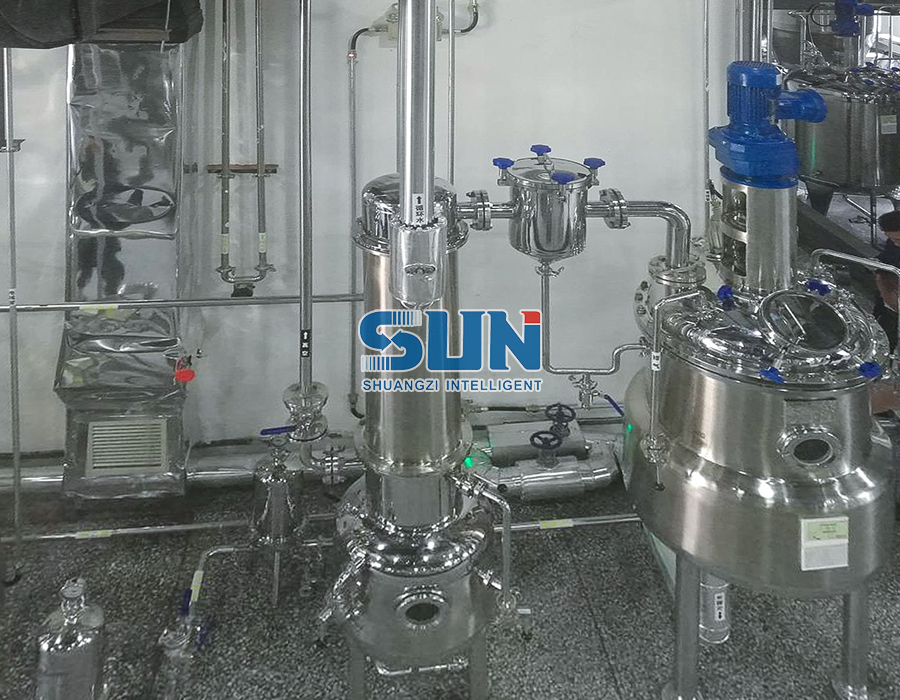
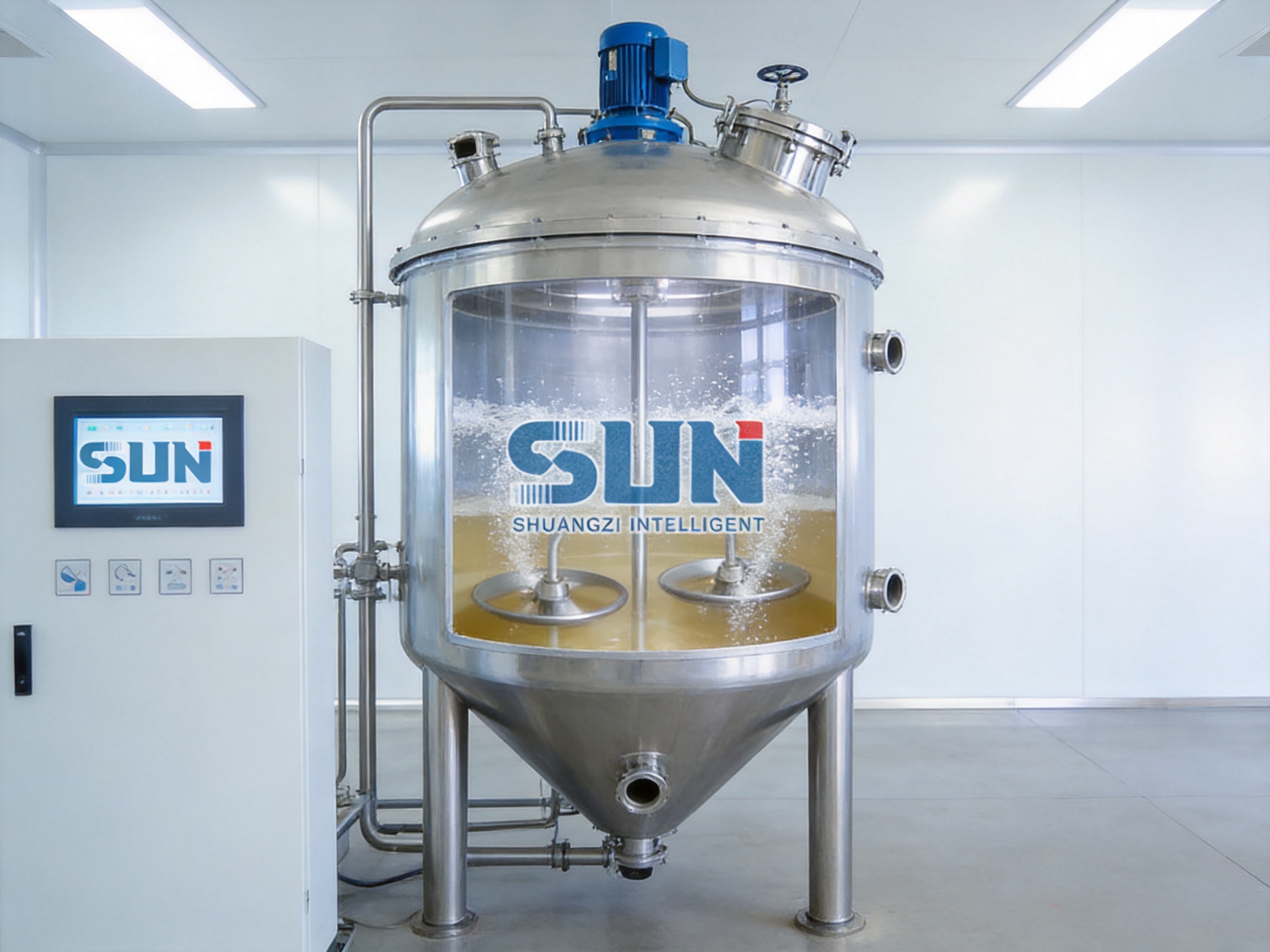
The stainless steel fermenter normally includes a cylindrical tank body, a dished or engineered top and bottom structure, a tank cover, an agitator, mechanical seals, product inlets and outlets, sterile air or gas connections, exhaust lines, temperature measurement points, pH and dissolved oxygen interfaces, sampling ports, cleaning connections, and control instruments.
Mechanical stirring is one of the most widely used methods for mixing a fermentation broth. The agitator distributes nutrients and microorganisms throughout the liquid, reduces concentration gradients, improves heat transfer, and supports the transfer of oxygen from the gas phase into the liquid. In aerobic fermentation, this oxygen transfer function is particularly important because microorganisms require dissolved oxygen for growth and metabolism.
The performance of the fermenter depends on the interaction of multiple components. A well-designed agitator cannot compensate for poor temperature control, inadequate aeration, or an improperly designed exhaust system. For this reason, biological fermentation equipment should be developed as an integrated system rather than as an isolated pressure vessel.
The system can be configured for different capacities, process requirements, materials, control levels, and production environments. The listed capacity range is from 50 liters to 500,000 liters, allowing the equipment to serve laboratory development, pilot production, commercial manufacturing, and large-scale process applications.
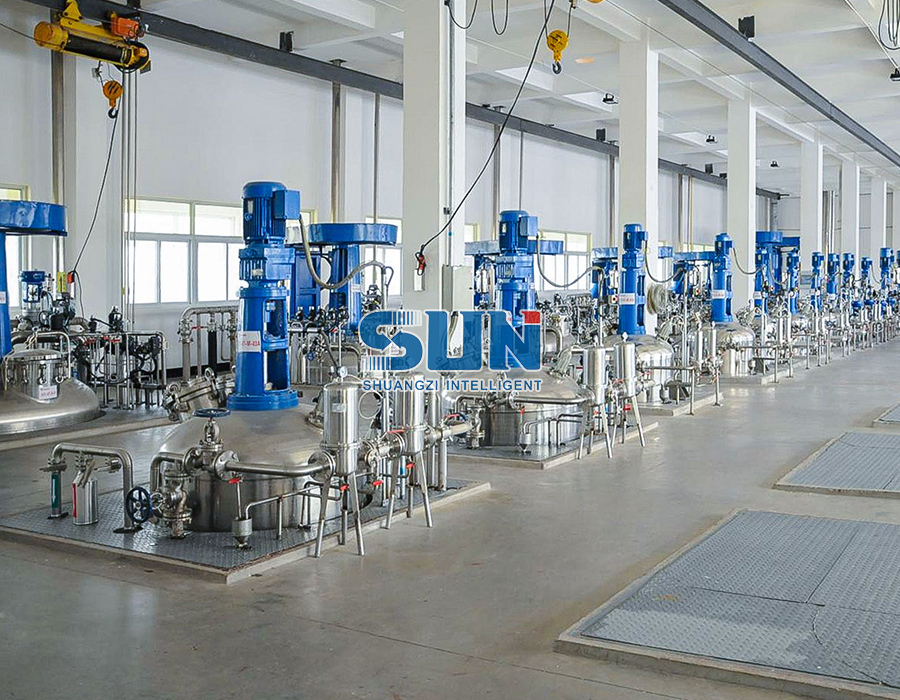
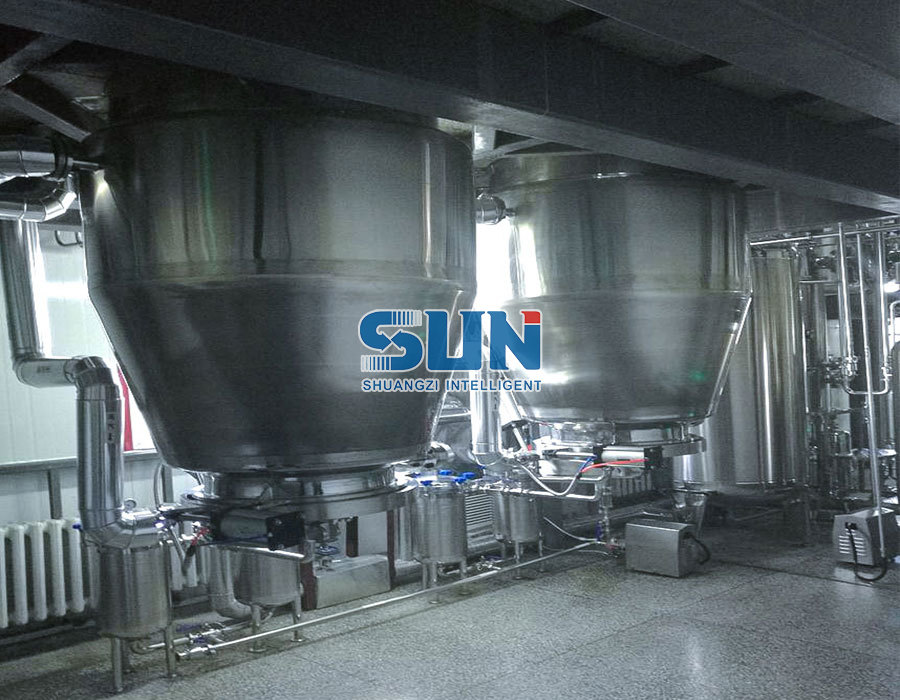
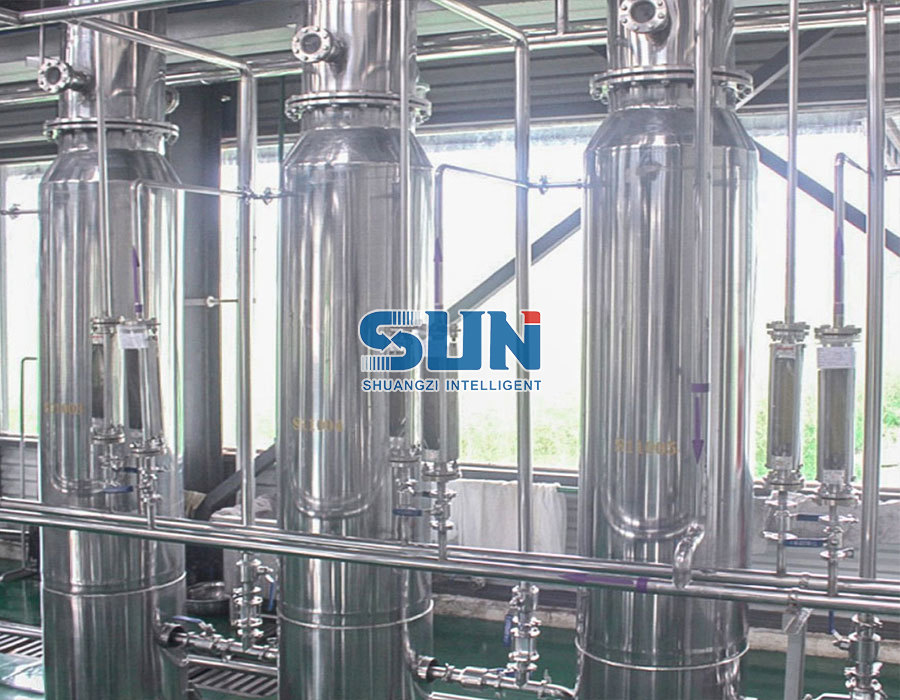
Stainless Steel Fermenter Biological fermentation system
2. Main Construction and Process Components
2.1 Stainless Steel Vessel
The tank body is manufactured from stainless steel, with SUS304 and SUS316L available according to the process and material compatibility requirements. Stainless steel provides mechanical strength, corrosion resistance, a smooth internal surface, and suitability for hygienic production environments.
SUS304 is widely used for general food, beverage, and industrial fermentation applications. SUS316L offers enhanced corrosion resistance and is often selected for pharmaceutical, biotechnology, high-purity, or chemically demanding processes. The final material selection should consider the culture medium, cleaning chemicals, sterilization temperature, chloride exposure, product acidity, and applicable hygienic standards.
The internal surfaces of a fermenter must be designed to reduce areas where residues can accumulate. Smooth welds, suitable internal geometry, sanitary fittings, and appropriate drainage are essential for cleaning and sterilization. The external surface can also be finished according to the plant environment, insulation needs, and appearance requirements.
2.2 Agitation System
The standard agitator configuration includes two four-straight-blade turbine-type impellers. This arrangement is intended to promote effective circulation and mixing within the vessel. The exact impeller position, diameter, rotational speed, and number of stages can be adjusted according to liquid viscosity, working volume, oxygen demand, foaming behavior, and microorganism sensitivity.
Agitation has several functions. It keeps cells or microorganisms suspended, distributes nutrients, supports oxygen transfer, improves heat distribution, disperses injected air, and helps prevent local differences in pH or temperature. In a fermentation process, insufficient mixing may cause nutrient depletion in one region and excessive concentration in another. It may also create local oxygen deficiency or heat accumulation.
At the same time, excessive agitation can increase power consumption, create unwanted shear, and intensify foaming. The agitator must therefore be selected according to the biological process rather than simply operated at the highest available speed. A suitable design allows the operator to balance mixing performance and energy efficiency.
2.3 Mechanical Sealing
The fermenter uses mechanical sealing to reduce leakage around the agitator shaft. This is important because the shaft passes through the vessel boundary and must rotate while the tank remains closed. The sealing arrangement helps protect the process from external contamination and prevents product leakage during operation.
Mechanical seals must be selected according to operating temperature, pressure, shaft speed, liquid properties, cleaning procedures, and sterilization requirements. Proper seal design also contributes to stable operation, reduced maintenance requirements, and improved hygiene. For demanding applications, the seal system may be integrated with a suitable barrier or flushing arrangement.
2.4 Process Interfaces
The biological fermentation tank is equipped with standard interfaces for monitoring and control. These may include pH, dissolved oxygen, temperature, inoculation, sampling, feeding, defoaming, sterile air, exhaust, pressure, and cleaning connections.
The pH interface allows the process team to monitor acidity or alkalinity and, where required, connect automatic dosing systems for acid or alkali correction. The dissolved oxygen interface provides information about oxygen availability in the broth. Temperature control points support heating and cooling regulation, while an inoculation port permits the introduction of a starter culture under controlled conditions.
A defoaming alarm port can be used to detect excessive foam or connect a defoaming system. Foam management is particularly important in aerobic fermentation because agitation, aeration, proteins, and biological substances can cause foam to rise rapidly. Uncontrolled foam may enter the exhaust system, contaminate filters, reduce working volume, or interrupt production.
2.5 Viewing System
A large viewing mirror is installed on the cylinder body to allow operators to observe the fermentation condition inside the tank. Visual observation can help identify excessive foam, abnormal liquid movement, unusual color changes, or other visible process conditions.
Although visual inspection does not replace digital instrumentation, it remains useful during commissioning, cleaning verification, maintenance, and routine production. A properly positioned viewing system can also help operators confirm the effectiveness of mixing and the approximate condition of the broth without opening the vessel.
2.6 Sterilization and Cleaning Capability
The tank body and piping are designed to support sterilization in place and hygienic operation. In-place sterilization reduces the need to disassemble the equipment between batches and helps lower the risk of contamination caused by manual handling.
Cleaning and sterilization strategies depend on the process. They may include hot water, steam, chemical cleaning solutions, or a combination of methods. The vessel, piping, valves, instruments, and seals must be considered together so that all product-contact areas can be reached by the cleaning and sterilization media.
In-place systems can improve production efficiency because they shorten changeover time and support more consistent cleaning procedures. They also help protect operators by reducing direct contact with cleaning chemicals and biological materials.
3. Product Specifications
| Item | Specification |
|---|---|
| Equipment type | Stainless steel biological fermentation system |
| Application capacity | 50 liters to 500,000 liters |
| Available materials | SUS304 or SUS316L |
| Agitator type | Two four-straight-blade turbine-type agitators |
| Shaft sealing | Mechanical sealing |
| Voltage | Made to order |
| Motor brand | SEW |
| Process interfaces | pH, dissolved oxygen, temperature, inoculation, sampling, defoaming, aeration, and exhaust interfaces according to design |
| Observation | Large viewing mirror for internal visual inspection |
| System configuration | Customized according to process, capacity, automation, and plant requirements |
The specifications provide a basic reference for the system. Final engineering parameters should be confirmed during technical communication because fermentation equipment is normally customized. Working volume, total volume, operating pressure, sterilization temperature, heat-transfer area, agitator speed, air flow, instrumentation, control logic, and pipe arrangement all influence the final design.
4. Advantages of the Stainless Steel Fermenter
4.1 Broad Industrial Adaptability
One of the most important advantages of the system is its suitability for a broad range of industries. Dairy and food manufacturers can use fermentation tanks for cultured products, functional ingredients, starter cultures, and food-grade biological processes. Beverage producers can apply the equipment to alcoholic beverages, fruit wine, and other fermented liquids.
Biotechnology companies can use the system for microorganism cultivation, enzyme production, agricultural microbial products, and process development. Pharmaceutical manufacturers may use appropriately configured equipment for fermentation-based intermediates, active biological substances, or research and production processes that require controlled cultivation.
The same basic platform can also support fertilizer fermentation systems, Bacillus thuringiensis fermentation systems, Trichoderma fermentation systems, penicillin fermentation systems, and pilot fermentation systems. The process-specific design must be verified for each application, but the modular nature of the equipment makes it possible to adapt the system to different biological production goals.
4.2 Closed and Hygienic Operation
The integrated structure and sealed design help isolate the process from external air pollution and unwanted biological contamination. This is particularly valuable when the culture is sensitive to contamination or when the final product must meet strict quality requirements.
A closed system can also reduce exposure to the surrounding plant environment. Compared with open or manually handled vessels, it provides better control over the process boundary, reduces the number of contamination opportunities, and supports more stable production conditions.
The hygienic design is strengthened by stainless steel construction, mechanical sealing, in-place cleaning capability, sterilization interfaces, sanitary process connections, and controlled sampling or inoculation arrangements. Together, these features provide a more reliable foundation for repeatable fermentation.
4.3 Controlled Fermentation Conditions
Microbial growth and cell metabolism are influenced by temperature, pH, dissolved oxygen, nutrient concentration, agitation, and foam. The fermenter includes interfaces that allow these parameters to be measured and controlled. This makes the equipment suitable for processes in which biological performance depends on maintaining a narrow operating range.
Temperature control is essential because biological reactions generate heat and because microbial activity changes with temperature. A suitable heating and cooling arrangement can help maintain the target temperature throughout the batch. The required design depends on the working volume, heat generation rate, ambient conditions, and process recipe.
pH regulation can be achieved through measurement and controlled addition of acid, alkali, or other process agents. Dissolved oxygen can be influenced by agitation, aeration, pressure, temperature, and broth properties. The fermenter’s standard interfaces provide the foundation for connecting these control systems.
4.4 Effective Mixing and Oxygen Transfer
The mechanical stirring system is designed to promote full mixing of air and fermentation broth. When sterile air enters the vessel, the agitator helps break up and distribute the gas phase through the liquid. This improves the contact area between air bubbles and broth and supports oxygen dissolution.
Oxygen transfer is often a critical limiting factor in aerobic fermentation. If dissolved oxygen falls below the required level, microorganism growth and product formation may slow or change. A properly designed agitation and aeration system helps provide the oxygen supply needed for growth, reproduction, and metabolism.
The turbine agitator arrangement also supports suspension and circulation. It can help reduce settling, improve nutrient distribution, and create a more uniform environment throughout the tank. These benefits are especially important at larger volumes, where natural circulation alone is insufficient.
4.5 Capacity from Pilot to Commercial Scale
The stated capacity range of 50 liters to 500,000 liters allows the system platform to cover several stages of process development. Small vessels can be used for laboratory or pilot investigation. Intermediate vessels can support scale-up studies and process validation. Large vessels can be integrated into commercial production lines.
A scalable platform is valuable because biological processes often require gradual development. A company may begin with a small culture volume, evaluate growth and product yield, and then transfer the process to larger vessels. Using consistent equipment principles across different scales can simplify process comparison and operator training.
Scale-up is not simply a matter of multiplying tank dimensions. Mixing time, oxygen transfer, heat removal, foam behavior, shear, and sterilization performance may change as the vessel becomes larger. The supplier’s experience in engineering design and system integration is therefore important when moving from pilot equipment to production equipment.
4.6 Custom Electrical and Control Configuration
The voltage is made to order, allowing the electrical configuration to be adapted to the customer’s plant conditions. This is useful for international projects and facilities with different power standards. The motor brand is specified as SEW, a widely recognized industrial drive and motor supplier.
Electrical customization can include motor power, variable-frequency drive, control cabinet arrangement, instrument selection, data recording, alarm management, and communication with a plant-wide control system. The appropriate level of automation depends on the product, production volume, regulatory environment, and operating philosophy.
4.7 Observation and Operator Convenience
The large viewing mirror provides a practical way to observe the vessel interior. Operators can use it during startup, fermentation, cleaning, and troubleshooting. Observation is particularly helpful when checking foam behavior, agitation movement, and general liquid condition.
The equipment is also designed with standard interfaces that simplify connection to sensors and auxiliary systems. A well-organized interface layout can reduce installation time, improve accessibility, and make future modifications easier.
5. Comparison with Basic or Less Integrated Fermentation Equipment
Basic fermentation vessels may provide only a tank, a motor, and a simple agitator. Such equipment may be adequate for low-risk applications, but it often lacks the process monitoring, sterilization, contamination control, and automation required for advanced biological production.
The stainless steel biological fermentation system offers a more complete process platform. Its closed structure, mechanical sealing, standard control interfaces, observation window, in-place sterilization capability, and customizable electrical configuration give it advantages over equipment intended only for storage or simple mixing.
Compared with open tanks, the closed fermenter provides improved protection against airborne contamination and uncontrolled environmental exposure. Compared with non-stirred vessels, the mechanical agitator offers better circulation, nutrient distribution, and oxygen transfer. Compared with manually controlled systems, the instrument interfaces support more accurate monitoring and repeatability.
Compared with equipment designed for only one product, the configurable system can be adapted for different fermentation media, microorganism types, working volumes, and process sequences. This flexibility can reduce the need for a complete equipment replacement when a manufacturer expands its product range.
Compared with fragmented equipment procurement, an integrated engineering approach can simplify project coordination. The supplier can participate in process design, equipment design, manufacturing, installation, commissioning, and system integration. This reduces the risk that individual components will be technically incompatible or poorly coordinated.
It is important to note that no fermenter is automatically superior for every process. Performance depends on correct sizing, process validation, appropriate instruments, proper installation, and suitable operation. The main advantage of an integrated stainless steel system is that it provides the engineering foundation required to address these factors systematically.
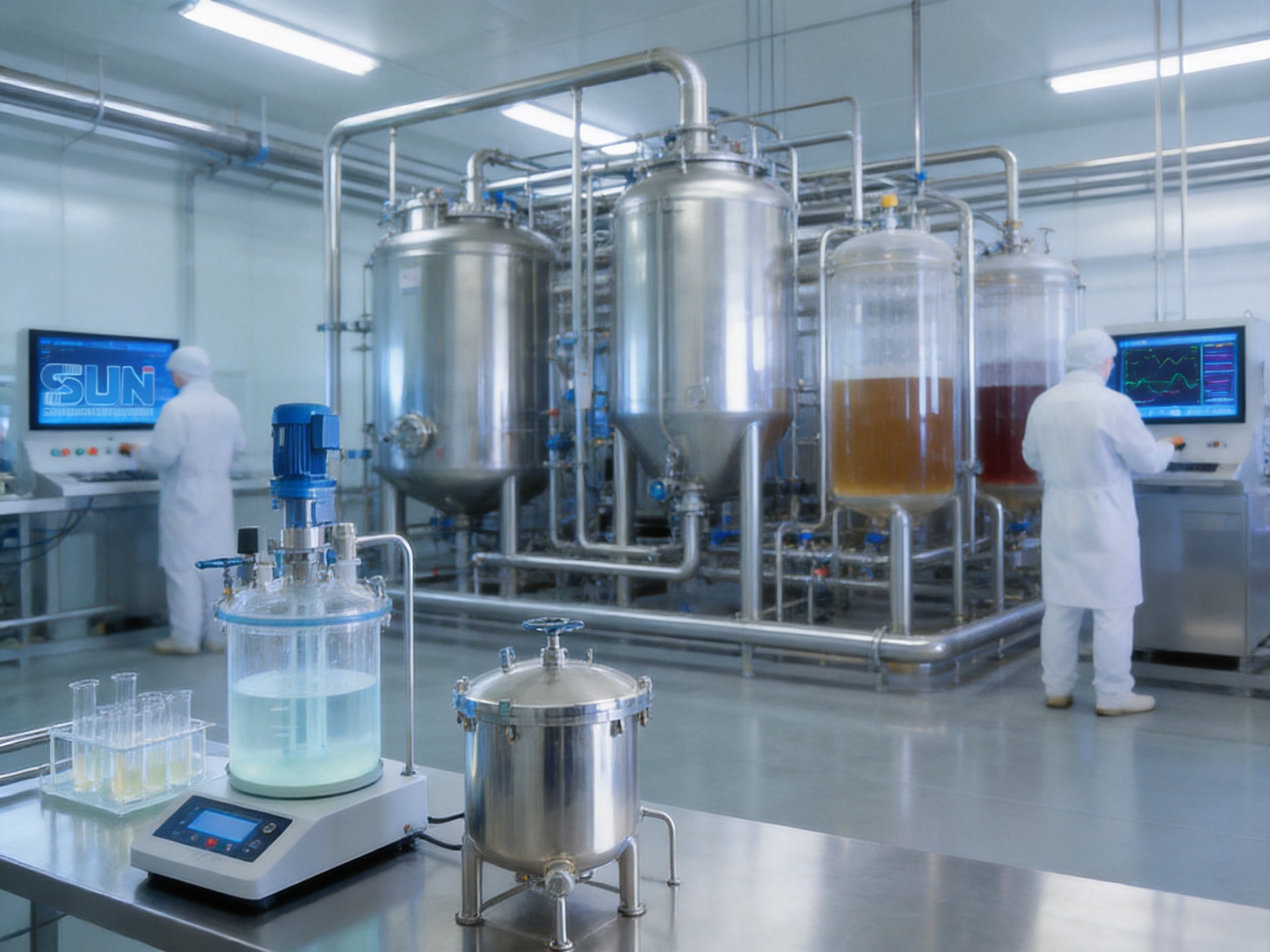
6. Applications in Different Industries
6.1 Dairy and Food Fermentation
Fermentation tanks are widely used in dairy and food production. They can support the cultivation of starter cultures, production of cultured dairy products, fermentation of food ingredients, and preparation of functional biological materials.
Food applications require careful attention to hygienic design, cleanability, temperature control, and material compatibility. Stainless steel is commonly preferred because it is durable, relatively easy to clean, and compatible with many food-processing environments.
Controlled agitation can improve uniformity in liquid food products and support the distribution of inoculated cultures. The sealed structure helps reduce contamination risk, while the viewing mirror and process instruments assist operators in monitoring the batch.
6.2 Alcoholic Beverages and Fruit Wine
Alcoholic beverage and fruit wine production depends on controlled yeast activity, temperature management, gas release, and reliable cleaning. Fermentation tanks can be configured for different beverage formulations and production scales.
The exhaust system is important because fermentation generates carbon dioxide and other gases. The tank must be designed to discharge gas safely while limiting contamination entry. Temperature control helps maintain yeast performance and can influence fermentation speed, aroma development, and final product characteristics.
For beverage applications, the internal finish, piping arrangement, cleaning method, and product transfer system should be selected to support hygienic production and minimize flavor carryover between batches.
6.3 Biotechnology
Biotechnology processes often require more detailed control of pH, dissolved oxygen, temperature, nutrient feeding, foam, and sampling. A biological fermenter with standard sensor interfaces can serve as a foundation for these requirements.
The system can be configured for bacterial, fungal, yeast, or other microorganism cultivation. Process parameters may vary substantially between organisms. For example, fungal fermentation may require special attention to viscosity, morphology, oxygen transfer, and foam, while bacterial fermentation may place greater emphasis on rapid growth and high oxygen demand.
Pilot fermentation equipment is useful for establishing process conditions before commercial scale-up. It can help determine mixing requirements, feeding strategies, aeration rates, sterilization procedures, and control parameters.
6.4 Agricultural Microbial Products
Fermentation systems can support the production of agricultural microorganisms such as Bacillus species, Trichoderma, and other biological materials used in fertilizer or crop-related applications. In these processes, the system must provide a stable environment for microbial growth and allow efficient recovery or formulation after fermentation.
Fertilizer fermentation systems may be designed for different nutrient media, microbial strains, solids concentrations, and final product specifications. The tank’s capacity, agitator, aeration system, and cleaning requirements should be selected according to the biological formulation and desired production cycle.
6.5 Pharmaceutical and Medical-Related Production
Fermentation is used in the production of various pharmaceutical and medical-related substances. The equipment used in these applications may require higher standards for materials, surface finish, documentation, process validation, instrumentation, and contamination control.
SUS316L may be selected when improved corrosion resistance and high-purity processing are required. The system can also be configured with additional sensors, automated recipes, sterile filtration, controlled feeding, and data recording according to the project specification.
Processes such as penicillin fermentation require carefully controlled biological conditions and strict contamination management. Equipment selection should always be based on the specific process, regulatory requirements, cleaning validation strategy, and product quality system.
6.6 Precision Chemical Industries
Some precision chemical processes rely on biological reactions or fermentation-derived intermediates. In these applications, the fermenter must combine biological process control with chemical compatibility and reliable temperature management.
Material selection, sealing, agitation, and cleaning procedures should be reviewed against the full range of process chemicals. The availability of customized construction and automation allows the system to be adapted to different production environments.
7. Manufacturing and Engineering Strengths
7.1 EPC and EPCM-Oriented Project Capability
Zhejiang Shuangzi Intelligent Equipment Co., Ltd. takes EPC and EPCM services as an important part of its business model. This means the company can participate in more than equipment fabrication. Its project support may include process technology, automation engineering design, equipment manufacturing, auxiliary equipment procurement, installation, commissioning, and system integration.
For customers developing a new fermentation plant, this approach can simplify communication between process engineers, equipment designers, installers, and automation specialists. A single engineering partner can help coordinate the relationship between the fermenter and supporting systems such as clean utilities, air preparation, steam, cooling water, product transfer, cleaning, sterilization, and waste treatment.
7.2 Integrated Equipment Manufacturing
The company has established manufacturing capabilities for stainless steel process equipment, vessels, extraction systems, evaporation and concentration equipment, separation systems, crystallization equipment, filtration equipment, and drying systems. This broader product range is relevant because a fermentation project rarely ends with the fermenter itself.
After fermentation, the product may require separation, filtration, concentration, drying, extraction, or crystallization. A supplier familiar with these connected processes can consider the complete production line rather than optimizing only one vessel.
7.3 Pilot Workshop and Research Platform
The company operates a pilot production workshop and research and development platform designed to support process development and automation requirements. Pilot facilities can be valuable when the customer needs to test a formulation, verify equipment parameters, or develop a scale-up strategy.
Process development work may include fermentation trials, vacuum low-temperature drying, plant extraction, evaporation, precipitation separation, extraction, and other operations. The ability to conduct pilot work helps connect laboratory research with industrial equipment design.
7.4 Advanced Welding and Finishing Equipment
Manufacturing quality is especially important for stainless steel biological equipment because weld integrity, surface condition, dimensional accuracy, and cleanliness influence long-term performance. The company has introduced equipment such as plasma argon arc welding machines, plasma cutting machines, and CAM CNC machining centers.
Plasma argon arc welding can support controlled welding of stainless steel components and help produce consistent joints when operated by qualified personnel. Plasma cutting equipment can improve the accuracy and efficiency of sheet and plate preparation. CNC machining centers can support the fabrication of precise components, flanges, fittings, and mechanical parts.
Welding and finishing processes should be supported by appropriate inspection, passivation, surface treatment, pressure testing, dimensional checks, and documentation. The exact quality-control plan should be agreed upon according to the customer’s technical requirements and applicable standards.
7.5 Experience with Complete Process Lines
Because the company supplies equipment for plant extraction, fermentation, concentration, separation, filtration, and drying, it can contribute to complete production line planning. This experience is useful for customers seeking turnkey projects rather than individual vessels.
A complete line approach can improve the coordination of material flow, control logic, utility consumption, equipment layout, operator access, cleaning routes, and product transfer. It can also help identify bottlenecks before installation begins.
7.6 Customized Engineering
Fermentation processes vary greatly in terms of culture type, medium composition, oxygen demand, viscosity, foaming tendency, temperature range, working volume, and final product requirements. Standard equipment dimensions may not be appropriate for every application.
Customized engineering allows the system to be adapted to the customer’s production capacity, voltage, plant layout, control system, material requirements, cleaning method, and installation conditions. The company can support equipment design and integration according to the process information supplied by the customer.
8. Automation and Process Control
Automation can improve fermentation repeatability by recording process data and adjusting operating parameters according to defined control strategies. The level of automation may range from local instrument monitoring to a fully integrated supervisory control system.
Temperature control can use a jacket, internal coil, external heat exchanger, or another suitable heat-transfer arrangement. The selection depends on vessel size, product properties, heat load, and available utilities. Temperature sensors provide feedback to the control system, which can regulate heating or cooling equipment.
pH control commonly involves a probe, transmitter, dosing pump, and acid or alkali storage system. The control range and dosing rate should be selected carefully to prevent rapid local changes that could harm the culture.
Dissolved oxygen control may involve coordinated adjustment of agitation speed, airflow, gas composition, pressure, or oxygen enrichment. The most suitable strategy depends on the organism and process objective. A control system should avoid excessive agitation or aeration when these conditions could increase shear or foaming.
Foam control can be based on a foam probe, alarm, automatic antifoam dosing, mechanical foam breaker, or a combination of methods. The preferred method depends on whether antifoam is acceptable in the final product and whether it may affect downstream filtration or separation.
Automation can also manage sterilization sequences, cleaning cycles, valve positions, batch recipes, alarms, interlocks, and data recording. For regulated pharmaceutical or biotechnology applications, electronic records and traceability may be important parts of the system specification.
9. Installation, Commissioning, and Turnkey Support
The successful operation of a fermentation system depends on correct installation. The vessel must be positioned on a suitable foundation, connected to utilities, aligned with transfer piping, integrated with air and exhaust systems, and connected to the control architecture.
Installation planning should consider equipment access, lifting routes, maintenance space, drainage, cleanability, operator safety, emergency access, and future expansion. Large-capacity systems may require special transportation and lifting arrangements.
Commissioning normally includes mechanical inspection, instrument verification, motor rotation checks, seal inspection, pressure or leak testing, utility testing, cleaning tests, sterilization tests, control-loop checks, and trial operation with water or another suitable test medium.
Process commissioning may then proceed through inoculation trials, fermentation parameter verification, sampling checks, foam evaluation, temperature mapping, oxygen-transfer assessment, and product recovery tests. The final sequence depends on the process and customer requirements.
Turnkey project support can include process design, equipment design, manufacturing, matching procurement, installation, line debugging, and system integration. This is useful for customers that want one coordinated project team to manage multiple technical interfaces.
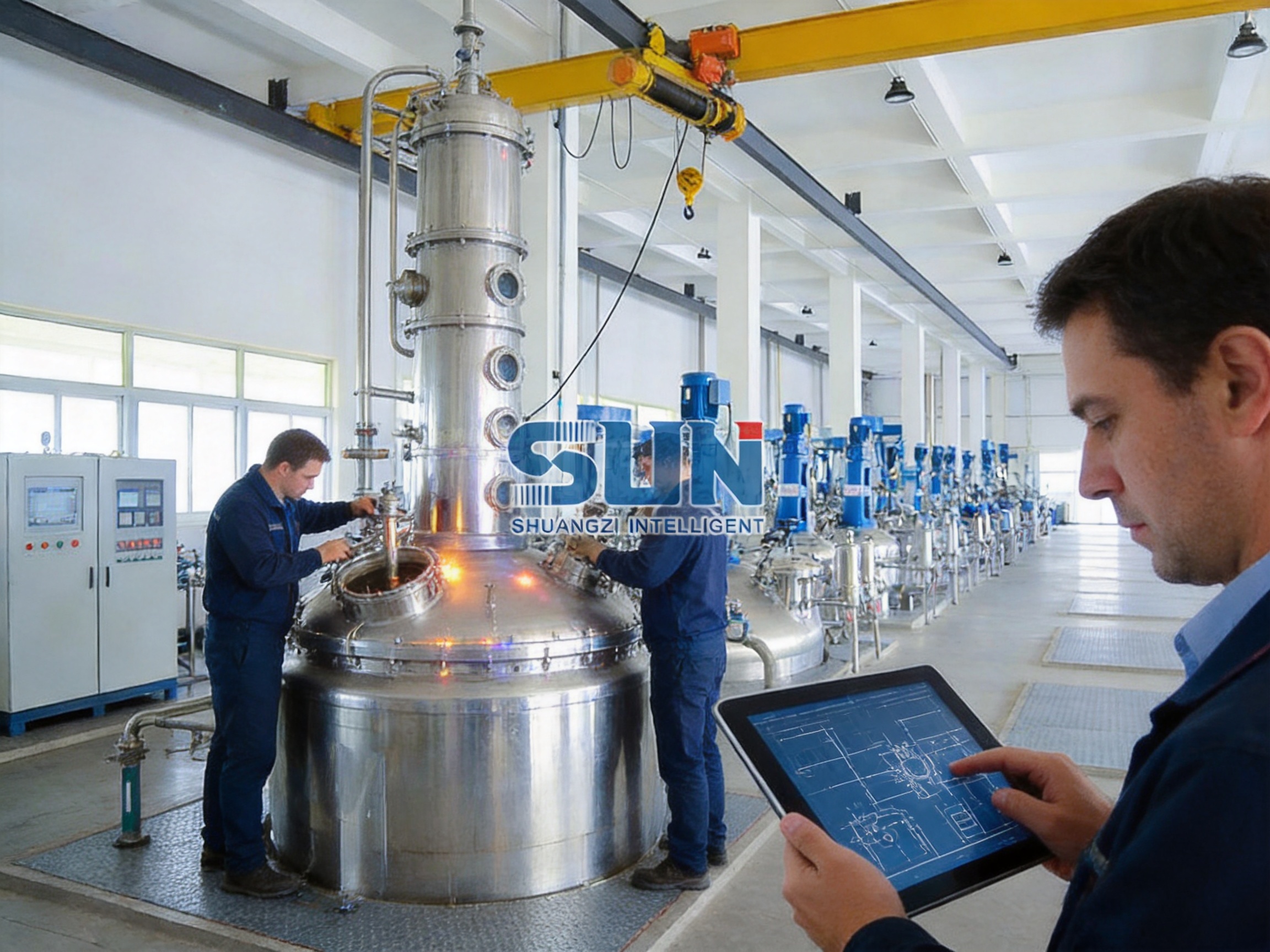
10. Selection Considerations for Buyers
Before ordering a biological fermenter, the buyer should prepare detailed process information. This should include the microorganism or cell type, culture medium, target working volume, batch time, temperature range, pH range, dissolved oxygen requirement, viscosity, foam behavior, sterilization method, cleaning chemicals, and product recovery method.
The buyer should also distinguish between total vessel volume and working volume. Adequate headspace is necessary for foam control, gas dispersion, and safe operation. Selecting a vessel solely by nominal capacity may result in insufficient usable volume or poor process performance.
Agitator selection should be based on mixing requirements, oxygen transfer, viscosity, shear sensitivity, and energy consumption. The number and arrangement of impellers may need to change as the vessel becomes taller or larger.
Material selection should reflect corrosion resistance and hygienic requirements. SUS304 may be suitable for many general applications, while SUS316L may be preferable for higher-purity or more corrosive processes. Internal surface finish and weld treatment should be specified where product quality or validation requires it.
Instrumentation should be selected according to the process risk and automation target. At minimum, many fermentation processes require temperature monitoring and control. More advanced processes may require pH, dissolved oxygen, pressure, foam, weight, airflow, exhaust composition, and feed monitoring.
Utility requirements should be reviewed before final design. These may include electrical power, steam, purified water, process water, cooling water, compressed air, sterile air, plant air, nitrogen, drainage, and exhaust treatment. Utility capacity can affect both the size and performance of the fermenter.
The customer should also define documentation requirements. These may include material certificates, welding records, pressure-test records, equipment drawings, piping diagrams, instrument lists, operating manuals, maintenance manuals, factory acceptance testing, and commissioning protocols.
11. Operation and Maintenance Practices
Operators should follow an approved standard operating procedure for every batch. The procedure should define vessel preparation, cleaning, sterilization, inoculation, feeding, sampling, fermentation control, harvesting, shutdown, and post-batch cleaning.
Before operation, the tank should be inspected for cleanliness, correct valve position, instrument readiness, seal condition, and utility availability. All required connections should be confirmed, and the exhaust route should be open and protected by the appropriate filtration or treatment equipment.
During fermentation, operators should monitor temperature, pH, dissolved oxygen, agitation, aeration, foam, pressure, and other critical parameters. Unexpected changes should be investigated rather than corrected through uncontrolled adjustments.
Mechanical maintenance should include inspection of the agitator, shaft, bearings, coupling, mechanical seal, motor, gearbox, valves, gaskets, instruments, and control cabinet. Preventive maintenance intervals should be based on operating hours, process conditions, manufacturer recommendations, and historical performance.
Mechanical seals deserve particular attention because they are moving process-boundary components. Signs of leakage, overheating, unusual noise, vibration, or contamination should be addressed promptly. Early maintenance can prevent product loss and unplanned downtime.
Cleaning and sterilization records should be maintained where quality systems require them. The effectiveness of cleaning may be verified through visual inspection, rinse testing, swab testing, conductivity, temperature recording, or other approved methods.
12. Sustainability and Production Efficiency
Efficient fermentation equipment can contribute to lower resource consumption through improved heat transfer, optimized agitation, reduced batch losses, and more consistent cleaning. Energy consumption depends on motor power, agitation speed, aeration rate, heating and cooling demand, and operating time.
Variable-speed control can help match agitation to the actual process requirement. During different fermentation stages, the required mixing intensity may change. Operating the motor at an appropriate speed can reduce unnecessary energy use while maintaining biological performance.
Accurate temperature control can also reduce utility waste. Excessive heating or cooling may increase energy consumption without improving product quality. Proper insulation and a well-designed heat-transfer system can support stable operation.
Closed processing may reduce material losses and improve workplace conditions by limiting spills, aerosols, and uncontrolled emissions. Exhaust treatment and safe gas handling remain important, especially for large-scale aerobic fermentation or processes that generate significant carbon dioxide.
Long equipment service life is another sustainability advantage. Stainless steel vessels can provide many years of operation when properly designed, cleaned, maintained, and protected from unsuitable chemicals or mechanical damage.
13. Quality and Reliability Considerations
Reliability begins with appropriate process design. The vessel must be correctly sized, the agitator must provide adequate mixing, the heat-transfer system must handle the process load, and the instruments must measure the relevant parameters accurately.
Manufacturing quality is equally important. Stainless steel fabrication requires control of material identification, cutting, forming, welding, polishing, cleaning, and inspection. The quality of internal surfaces can influence cleanability and contamination control.
Factory testing provides an opportunity to identify problems before shipment. Testing may include dimensional inspection, pressure testing, leak checks, electrical testing, motor testing, instrument calibration, control logic verification, and simulated cleaning or sterilization sequences.
On-site commissioning confirms that the equipment performs correctly after installation. Utility conditions, piping lengths, control-system connections, and plant layout can affect performance, so on-site testing is an important part of a complete project.
Reliable service also depends on access to replacement parts, technical support, operating documentation, and maintenance guidance. A supplier with experience in complete process systems can provide broader assistance when equipment is connected to extraction, concentration, filtration, drying, or packaging operations.
14. Why an Integrated Supplier Can Add Value
Purchasing a fermenter from a company that also designs process lines can provide advantages in project coordination. The customer does not need to manage every interface between a vessel supplier, automation contractor, piping contractor, and downstream equipment manufacturer separately.
An integrated supplier can evaluate how fermentation connects with inoculum preparation, media preparation, sterilization, air supply, antifoam dosing, harvesting, filtration, concentration, drying, and cleaning. This broader view can reduce mismatches in capacity, connection size, control signals, and production timing.
Zhejiang Shuangzi Intelligent Equipment Co., Ltd. has experience in equipment manufacturing and engineering services for plant extraction, biological fermentation, pharmaceutical engineering, natural food, energy conservation, and environmental protection. The company was founded in 2007 and has a production and engineering base covering approximately 16,706 square meters of floor area and approximately 17,800 square meters of structure area, according to the supplied company information.
Its mature product portfolio includes vacuum low-temperature drying systems, complete fermentation systems, evaporation and concentration equipment, extraction equipment, separation and crystallization equipment, filtration equipment, and process vessels. This range supports customers that require more than one type of process equipment.
The company’s research and development focus includes vacuum low-temperature drying, fermentation, extraction, concentration, and separation. These capabilities are relevant to customers that are developing biological products and need to connect upstream cultivation with downstream purification or formulation.
15. Recommended Project Development Process
15.1 Process Information Collection
The first step is to collect information about the product, microorganism, culture medium, production target, batch duration, process temperature, pH, oxygen demand, foam, viscosity, and downstream processing requirements.
15.2 Preliminary Equipment Selection
Based on the process information, the supplier can recommend vessel capacity, material, agitator arrangement, sealing system, heat-transfer method, instrument package, automation level, and auxiliary equipment.
15.3 Technical Review
The customer and supplier should review process flow diagrams, equipment layouts, piping and instrumentation diagrams, utility requirements, control philosophy, cleaning and sterilization procedures, and applicable quality standards.
15.4 Manufacturing and Inspection
After design approval, the equipment can be fabricated and inspected. The manufacturing stage should include quality-control records and testing appropriate to the project specification.
15.5 Installation and Commissioning
The equipment is installed, connected to utilities, integrated into the control system, and tested. Water trials or other non-production tests are normally useful before biological operation begins.
15.6 Process Validation and Optimization
The final stage involves process trials and optimization. Agitation, aeration, feeding, temperature, pH, dissolved oxygen, foam control, and harvesting conditions may require adjustment as operating data are collected.
16. Frequently Asked Questions
Q1: What is the primary purpose of this stainless steel fermenter?
The primary purpose is to cultivate microorganisms or cells under controlled conditions. The system supports mixing, aeration, temperature regulation, pH and dissolved oxygen monitoring, inoculation, sampling, exhaust, foam management, cleaning, and sterilization according to the selected configuration.
Q2: What capacity range is available?
The listed capacity range is 50 liters to 500,000 liters. The appropriate size depends on the customer’s working volume, batch quantity, headspace requirement, process time, and production plan.
Q3: Is the equipment suitable for both pilot and commercial production?
Yes. The capacity range allows the platform to serve pilot development as well as commercial manufacturing. However, scale-up should be supported by engineering analysis because mixing, oxygen transfer, heat removal, and foam behavior change with vessel size.
Q4: Which stainless steel materials are available?
SUS304 and SUS316L are listed as available materials. SUS304 is commonly used for many food and general industrial applications, while SUS316L may be selected for processes requiring higher corrosion resistance or higher-purity construction.
Q5: What type of agitator is used?
The listed configuration uses two four-straight-blade turbine-type agitators. The final impeller size, position, speed, and motor power should be confirmed according to the fermentation broth, viscosity, oxygen requirement, and process sensitivity.
Q6: Why is mechanical sealing important?
Mechanical sealing helps maintain the closed boundary around the rotating agitator shaft. It reduces leakage and helps protect the fermentation process from external contamination. Seal selection should consider temperature, pressure, shaft speed, liquid properties, cleaning, and sterilization conditions.
Q7: Can the system regulate pH and dissolved oxygen?
The tank includes standard pH and dissolved oxygen interfaces. These interfaces allow the customer to install suitable sensors and connect them to manual or automatic control systems. The exact control strategy depends on the biological process.
Q8: Does the fermenter support sterilization in place?
The tank body and piping are designed to support sterilization in place. The actual sterilization method, temperature, pressure, duration, and validation procedure should be defined according to the application and project requirements.
Q9: What industries can use this system?
Potential industries include dairy, food, beverages, fruit wine, biotechnology, pharmaceuticals, agricultural microbial products, fertilizer production, precision chemicals, and research or pilot production.
Q10: Can the electrical configuration be customized?
Yes. The listed voltage is made to order, allowing the electrical configuration to match the customer’s facility. Motor power, variable-frequency control, instruments, control cabinets, and communication functions can also be reviewed during technical design.
Q11: What is the benefit of the large viewing mirror?
The viewing mirror allows operators to observe the internal condition of the tank without opening it. It can help with visual checks of foam, liquid movement, color, and general fermentation behavior. It complements, but does not replace, process instrumentation.
Q12: Can the supplier provide a complete fermentation line?
The company provides process technology, automation engineering design, equipment manufacturing, matching procurement, installation, commissioning, and system integration. It can therefore support complete or turnkey projects in addition to individual fermentation tanks.
Q13: Can the fermenter be connected to downstream equipment?
Yes. Fermentation systems can be planned alongside filtration, separation, evaporation, concentration, extraction, crystallization, drying, and other downstream equipment. Early coordination is recommended to match transfer rates, connection sizes, control signals, and production timing.
Q14: What information should a buyer provide for a quotation?
A buyer should provide the product type, microorganism or cell type, working volume, total volume, culture medium, temperature, pH, dissolved oxygen requirement, agitation expectations, aeration rate, sterilization method, cleaning chemicals, automation level, plant voltage, and installation location.
Q15: How can the equipment be maintained?
Maintenance should include routine inspection of the agitator, motor, gearbox, mechanical seal, gaskets, valves, instruments, control cabinet, piping, and viewing components. Cleaning and sterilization records should be maintained where required, and abnormal vibration, noise, leakage, or temperature should be investigated promptly.
17. Conclusion
The stainless steel fermenter biological fermentation system is a flexible and integrated solution for controlled microbial and cell cultivation. Its stainless steel construction, sealed structure, mechanical agitation, mechanical sealing, standard process interfaces, viewing mirror, and in-place sterilization capability make it suitable for demanding applications across food, beverage, biotechnology, agricultural, pharmaceutical, and precision chemical industries.
The equipment’s capacity range from 50 liters to 500,000 liters supports process development, pilot production, and commercial manufacturing. Customized voltage, motor selection, instrumentation, automation, vessel dimensions, and auxiliary systems allow the fermenter to be adapted to different plant environments and biological processes.
Its main advantages over basic fermentation vessels are integrated process control, improved hygienic operation, better mixing and oxygen transfer, greater scalability, and compatibility with complete production lines. These advantages are strengthened when the equipment is engineered together with upstream preparation, utilities, downstream recovery, cleaning, sterilization, and automation systems.
Zhejiang Shuangzi Intelligent Equipment Co., Ltd. contributes additional value through its EPC and EPCM-oriented project capability, stainless steel equipment manufacturing, pilot production workshop, research and development platform, automation engineering, advanced welding and finishing equipment, installation services, and turnkey project support.
For customers planning a new fermentation plant or upgrading an existing production line, the most important step is to match the fermenter design with the actual biological process. Detailed process information, careful scale-up, appropriate materials, validated cleaning and sterilization methods, and coordinated automation are essential to achieving reliable production results.
References
1. Supplied product information for the stainless steel fermenter biological fermentation system, including capacity, materials, agitator, sealing, motor, interfaces, and applications.
2. Supplied company information for Zhejiang Shuangzi Intelligent Equipment Co., Ltd., including engineering services, manufacturing capabilities, research and development activities, and turnkey project support.
3. Doran, P. M. Bioprocess Engineering Principles. Academic reference on bioreactor design, mixing, oxygen transfer, heat transfer, and biological process control.
4. Stanbury, P. F., Whitaker, A., and Hall, S. J. Principles of Fermentation Technology. Academic reference on fermentation processes, microorganism cultivation, scale-up, aeration, agitation, and process operation.
5. General hygienic design principles for stainless steel food, beverage, biotechnology, and pharmaceutical process equipment.
6. General engineering practices for clean-in-place, sterilization-in-place, sanitary piping, instrumentation, process validation, and stainless steel equipment maintenance.